1. The first hour of the day is the golden hour and thus in the first hour from 5 am to 6 am applying the 20/20/20 formula can truly change your performance of the whole day.
2. It states that the first 20 minutes are for exercising, the next 20 minutes are for growing i.e. reading or listening podcast or audiobooks.
3. By performing these activities you awaken the 4 interior empires( mindset, heart set, soul set, and health set) because if you want to experience empires in your outer life you need to develop your inner ones first.
4. Waking up at 5 am can enhance peoples productivity and happiness and as a result people can achieve an epic height of success in their professional as well as personal life.
I recommend everyone reading this blog to please read this book once.
Want to trade? Stuck choosing between online and offline? You have come the right way. We are here to help you through your decision for trading online or offline. First, you should know the basics of trading. Then we will guide you through some points stating differences between online and offline trading.
Before the age of the internet, trading was carried out by stockbrokers. They dealt with the work of buying and selling equities on behalf of their clients. But the internet made this process a lot easier and faster. Today, both online and offline share trading is prevalent around the world.
To understand more clearly, let us tell you something about Forex trading.
What is Forex Trading?
Forex trading or better known as foreign exchange trading is multipurpose trading carried out around the world. It can be explained as a network of various types of buyers and sellers willing to transfer currency between each other at an agreed price.
Forex trading or any other type of trading can be carried out by individuals, organizations, companies, and central banks. They convert currency into one another and transfer the same. The amount of currency they convert daily causes price movements across many countries around the globe.
Now let’s see some differences between online and offline trading.
Differences between online and offline trading
Ease of trade
Online trading is usually done individually and the person makes all the transactions for himself without any guidance. Also, online trading can be done with any device provided by the internet. Here all you need is the internet so it is less expensive.
Whereas in offline trading all the transactions are carried out by the broker. And the individual has to approach the broker and contact him by going to his office. This also makes offline trading more expensive.
Convenience
Convenience is the most important factor to be considered when doing absolutely anything. Similarly, online or offline trading services should be selected based on the convenience of the individual.
Lack of the internet can be a problem for those who prefer online trading. But if you have a mobile and full-time internet then your best option is online trading. But for people who prefer regular guidance, should go for offline trading.
In terms of security, online trading is much more secure than offline trading as in online mode, the individual has complete control over the transactions to be made.
In offline trading, the transactions are in the hands of the broker. They carry out the transactions on behalf of the client without any knowledge.
Another advantage of online trading is that the traders can check their tax, brokerage, and other statements. But in offline trading, the broker can easily manipulate the trader.
Real-time information
While trading, the trader needs to keep track of the real-time information. So again online trading has the ball in its court. It is a huge benefit of online trading that all the real-time information is displayed on the trader’s screen. He can have access to updates on any crashes in the stock market.
Whereas in the case of offline trading, the trader can’t keep track regularly as the market keeps updating every second.
Trading fees
In online trading, the client executes the trade themselves so there is no need for middlemen. This reduces the trading fees to almost negligible in online mode.
Whereas in offline trading there is more than one person involved in the process which increases the trading fees significantly.
Guidance
Guidance is necessary during trading. So in online trading, the trader can surf the internet for various expert comments and suggestions.
Whereas in the side of offline trading, the trader has no other option but to depend on the broker’s word for everything.
Platform
It is a huge advantage of online trading that it has all the things under one umbrella. The trader can find everything on a single platform. No need to search here and there. Plus, the broker houses make sure they upload all the necessary things on their site.
Whereas in offline trading, the trader needs to do independent research about everything, before asking the broker to trade.
Quality of service
In online trading, the trader can access detailed reports of trends in the market and can have all information regarding stocks and orders.
Whereas in offline trading, the trader should trust the broker for all information.
Flexibility
With online trading, getting the order at the right time has become easier. All broker houses provide a trading platform like their website or app. There the trader can execute buying and selling of orders and make transactions.
Whereas in offline trading, the trader needs to go to the broker’s office or carry out the trade on call. This is tiresome and inconvenient to almost everyone nowadays because of the busy schedule.
Fraud
Online trading provides the trader with full control over their trades and transactions.
But in offline trading, clients have to take the broker on his word. This sometimes leads to mistakes and cases of fraud.
Now you can easily start trading without depending on anyone for information and all the necessary transactions. Clearly, online trading won the battle online Vs offline. Hope you make the right choice. Happy trading!
If you are bored from drives, lakes, beaches, resorts, mountains, deserts, valleys, trenches and even underwater sea-diving and have shit ton of money in store, this article is for you. And even you don’t have that kind of money, then hang on. Hopefully, there will be cheaper space-crafts for us as well very soon. And, you would have probably guessed by now. I am talking about this new adventure sport, recently launched in market, very very recently. Last week, Richard Benson, a British Businessman in his ship virgin galactic, made a quick visit to space and another famous businessman, Jeff Bezos is ‘all set to launch’ today. They are opening what we call space-tourism for the wealthy mass of the world.
Space-tourism, as the name itself explains, refers to humans travelling to space for
amusement
diversion
enjoyment
fun
hobby
show-off
spending money
what-ever your reason might be, thereby making space accessible to all us non-astronauts who are clearly not interested in space for any scientific purposes, thank you very much. This isn’t the first time a space tourist has visited space. In the year 2001, US millionaire Dennis Tito PAID US $ 20 Million to travel via the Russian Soyuz spacecraft thereby visiting the international space station and even ended up spending 8 days there. There were 7 more people until 2009, before the Russian company closed off this private sale of tickets. And so, now if it makes you think about this ‘amidst nowhere’ proposals or this private floating marriage or even spending your weekend up there, it might someday be your dream come true. Just hang on there for a while, or year, or a decade, maybe.
Till now, Space Adventures was the only private company sending private customers to space. Now, there are 3 more participants in this ‘Race to the Space’- all set to explore this new venturing tourism domain with its high profits and the intense thrill that comes with it- both for the tourists as well as organizers.
Richard Branson’s Virgin Galactic- Started in 2004, its a reusable space plane and can fly off into sub-orbital space. It uses VSS unity space-plane lifted using VSM Eve- a large carrier aircraft. A single ticket is estimated to be priced at between $300,000 and $400,000 and offers a 2.5 hours flight with 6 min of weightlessness. The space-ship was separated 45 minutes into the flight. It can carry 6 passengers- 2 crew-persons and 4 customers.
Jeff Bezos’s blue origin- Founded in 2000, it works towards vertical take-off into the sub-orbital space as well as vertical landing. It aims for an 11 minute flight after separation and a few minutes of weightlessness. It shows you the curvature of earth before returning. Blue origin flight can take up-to 6 passengers. Unlike other companies, Blue Origin works at providing holidays at affordable rates. So, look out for this one. it might very well plan your next holiday.
Elon Musk’s SpaceX-This company was formed in 2002. Its dragon capsule uses a reusable Falcon rocket to launch itself into space. It is capable of carrying up-to 7 people. The mission is expected to last 3-4 days.
Space tourism has a very high significance in the near future. Seeing the number of millionaires and billionaires across the world, the market is estimated to comprise nearly 2.4 million people in the near future and is a boost to the world economy. And who knows, maybe space tourism might even help us to expand life throughout the space and find us a new place to live in this infinite space. But whatever it may do in this regard, it is bound to increase our interest in space exploration and we might as well make an engineer or a scientist out of it or a wonderful sci-fi and maybe the next world-hit movie. Success of this industry will bring in investments that will lead to development of more advanced technologies in the future. And if we are unable to find somewhere to live, we might end up making one for ourselves. Who knows?
With this rosy picture, painted in our minds, we need to loo at the harms it offers to not only us but the already degraded-due-to-human-activity- “EARTH”. The soot or black carbon that is emitted by rockets gets accumulated in the stratosphere and cannot be washed away by rains and wind and hence, will stay in this region of the atmosphere for years thereby causing serious damage as well as causing elements to escape the earth’s recycling process. After a particular height when we escape the earth’s atmosphere or in the region where the atmosphere thins we are exposed to harmful radiations and solar flares. Also travelling via a space craft can affect our vision, cognition, balance and motor control. The industry has just begun. It might lack the necessary safety equipment or might avoid them in the absence of safety protocols.
The space is a dangerous area we are willing to venture. Before further developments in this field, we need to ask ourselves if space is even meant for humans? Or if we haven’t done enough damage to nature and our surroundings as it is? Is it all worth the harms it offers? Can we do without it? And if we can’t, isn’t it better to leave it to those experts who might extract a lot more than just fun out of it?
Travelling is the part of human life. Travelling give knowledge, inner peace, change of mind. India has a glorious history of past. All around India we can see the footprint of history. They are the great tourist attraction of India. Delhi & Agra is the main tourist attraction in the case of historical tourist places as there are many monuments ,construction are situated here. Let’s talk about some of them ––
1.India Gate: It is situated in Rajpath in New Delhi , the capital of India . It is the symbol of the capital of India, Delhi. The designer of India Gate was Sir Edwin Lutyens. It was constructed on 12th February on 1931.It is a 42m tall war Memorial. India Gate of constructed in the memory of the 70000 British Indian Army soldiers who sacrificed their life during the first world war and in the third Anglo Afghan war. There is a ritual that in every Republic Day Prime Minister of India will visit the gate ‘Amar Jawan Jyoti’ canopy is also the part of India Gate.
India Gate
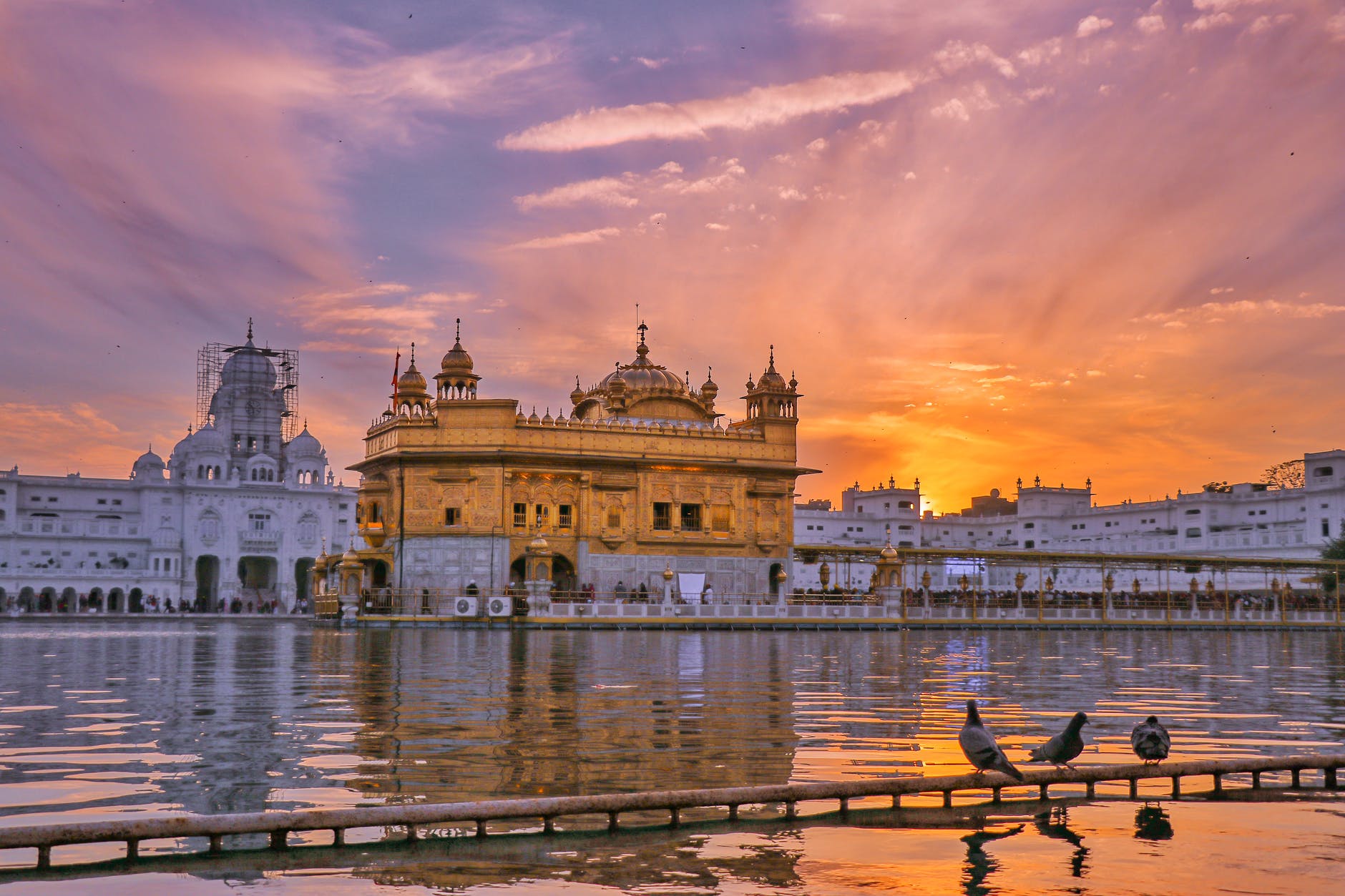
2.Golden temple: It is situated in Amritsar in Punjab. It is a pilgrimage tourist place. Its construction was completed in the year of 1604. It’s another name is Harmandir Sahib (which mean abode of God). It is very remarkable shrine with the concepts of purity, virtual reality and spirituality for not only Sikhs but also for other religions. Guru Arjan contributed a copy of Adi-Granth in 1604 in Golden temple. There is an artificial pool called Sarovar as a source of holy water. It is acknowledged as UNESCO World Heritage site.
Golden temple
3.The Lotus Temple: It is situated in New Delhi in India. It is a worship house. This construction was completed in 13th November in the year of 1986. It was made by architect Fariborz Sahba. It is a huge construction with the model of lotus flower. It was devoted to worship of Bahai Faith. Its unique structure of blooming lotus flower attract lots of visitors from all around the world.
The Lotus Temple
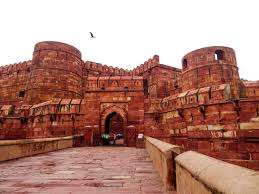
4.Agra Fort: it is situated in Agra of Uttar Pradesh. It is acknowledged as the UNESCO World Heritage site. It is also called Red Fort of Agra. The whole construction was made by red sandstone. This was constructed by Mughal emperor of India, Akbar in the year of 1565 to 1573. It was made when Akbar came Agra and made Agra the capital of his ruling region. It is also the sign of Indian rebellion in the year of 1857.
Agra Fort
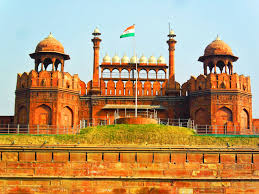
5.Red Fort: It is situated in Old Delhi in India. Its other name is Lal Qila. It is also acknowledged as UNESCO World Heritage site. It was made by Mughal emperor Shah Jahan in the year of 1573. The architect of these construction was Ustad Ahmad lahori. It was the main abode of Emperor Shah Jahan .It is significant for the shifting of the capital from Agra to Delhi. It is a ritual that in the Independence Day of India (15th August) Prime Minister will host the national flag in Red Fort.
Fashion is a worldwide phenomenon. From small kids to old people, almost everyone is familiar with the latest trends whether they like it or not. Fashion cannot be undermined especially given the sale numbers. For instance, the global apparel retail market is currently worth $1.34 trillion in retail sales per year. If footwear and jewelry are included, that value rises to around $2 trillion. These numbers may show fashion as an indispensable tool however I’d like to differ from this argument. Fashion, in reality, has put immense and unnecessary pressure on individuals. It has created such high standards of evaluation that people have forgotten the true meaning of fashion; to dress as one likes. Therefore, fashion is not really important because it puts the individual in a position where they cannot express themselves freely without wanting to keep up with others.
The first argument as to why fashion should not be considered very important is because it’s unrequired. Fashion is given too much importance in society. So much that the level of obsession regarding fashion statements has only been increasing. With the emergence of e-commerce and focused apparel branding, the ‘importance’ of fashion has been restated again and again. In 2017, a total of 60 million online transactions occurred on the fashion e-commerce sites themselves. The market for fashion from then has only grown. Buying apparel is not bad, however, the mentality of wearing one to prove yourself is wrong and people who tend to divert away from fashion trends are often targeted by fashion lovers or ridiculed for their ‘fashion sense’. People have forgotten that what defines an individual is their ideals and personality, not some high brand clothes.
Secondly, fashion does not restrict itself to clothing sense but also extends to body style. What most people neglect while talking about fashion is the requirement of it to have a particular body size and shape. The fashion trends demand you to not only wear clothes of a particular style but also for you to have a certain body size and weight. This puts immense pressure and creates self-doubt and complexity amongst people who do not possess these “standard” bodies. An example of how fashion induced ‘body-standard’ can lead to harmful situations was seen in August 2018, when a 22-year-old aspiring fashion designer committed suicide for the continuous body shaming attacks that she was bombarded with.
Thirdly, fashion can become an unhealthy addiction. This statement especially rings true for kids and teenagers where keeping up with latest trends and incorporating them in their wardrobes becomes an addiction. With every change in trend, the addicted individual is made to change their sense of style. The addiction can sometimes become so severe that individuals tend to spend a huge amount of their time just dressing up. Research has indicated that shopping addiction affects even the adults. It is estimated that 5-7% of the adult population, who stay in developed countries are addicted to shopping. The constant anxiety and social appearance that comes with this addiction can only lead to worst-case scenarios in the individual’s life. Hence, fast fashion addiction can prove lethal in daily lifestyle as everyday worries like ‘looking good’ and ‘keeping up’ can occupy a major part of the individual’s thought process.
To justify fashion as important, many arguments have been put forward by the fashion-lovers. One of the argument states that fashion is a way to ‘express your personality’. The way one dresses reveals the type of person they are and can help us judge them better. For instance, a person who is well dressed and in formal clothes is chosen for a job prospect over a person who wears joggers or simple informal clothes for the interview. This is because, formal clothes imply your seriousness towards the job as well as showcases your personality to be that of a neat and immaculate manner. But I’d like to emphasize that this argument does not stand true for every section of society. Fashion comes with money restrictions and not everyone can afford ‘branded’ or even ‘good-looking’ clothes. Nowadays if you wish to look fashionable you are required to have money in your wallet. As the trend rises the cost of fashion apparels also rise, making it impossible for poor people or middle-class people to look ‘fashionable’. Hence, limiting our perspectives to just people’s clothes is very superficial according to me.
In conclusion, fashion in its regular description is not ‘very important’. One should not be pressurized to follow a certain trend or certain clothing style in the name of fashion. Not only is it utterly wrong but also insensible. A person should dress according to their comfort and likes, not to some forced trends or fashion “standards”. After all, ‘Beauty lies in the beholder of the eyes.’
The most common and most used strategy is cell-based therapy. Humans have a complex body structures and parts, having multicellular framework making it complicated and because of this it is difficult to know functions and structural role of each and every cell of the body. The ability of the cells to differentiate into other cells types is defined as “Cell Potency”. There are some cells which lack the ability of differentiation or cell potency.
Cell therapy consists of injecting novel or healthy cells in the pathogenic or injured tissues to just start differentiating there to help the cell grow back like earlier again. Also these cells are difficult to grow in in-vitro conditions as they do not give a considerable amount of cells, also for organs (e.g. liver) with a great replication potential in-vivo, as the cells lose the usual microenvironment needed to proliferate.
Stem cells can proliferate extensively, with the capacity of self-renewing while they maintain their undifferentiated state, until they are induced to differentiate into a specific cell type. Stem cells can be obtained in several ways, most commonly three ways; they are autologous if derived from patient, allogenic f derived from a human donor and xenogeneic if derived from another animals. And here we are more focused on the third type which is the xenogeneic one as animal regeneration plays very effective role in the human regenerative therapy. As mentioned earlier also these adult stem cells are present in various parts of human body also and has a lot of role or we can say differentiation to do in various parts of our body like one the part where the population of stem is higher is bone marrow which regularly differentiates all cells and which is possible with the presence of stem cells in there.
Being pluripotent and having other advantages is great but there are some difficulties and issues also related to stem cell therapy which cannot be ignored:
CARCINOGENESIS: The stem cells can develop into treaties which give rise to carcinogens which are causative agents of cancers and tumours in the body. They are fatal to another extent.
REJECTION: They are allogeneic, but immune responses can be avoided with some new developing technologies, like therapeutic cloning and adult cell reprogramming.
Need for feeder cells for tropic support: first time feeder cells were used in mouse fibroblasts, correlated with the risk of xeno-contamination.
ETHICAL AND MORAL ISSUES: They represent a notable source of debate, as theirsource is an embryo, which development is interrupted by the aspiration.
Animal models are essential for understanding the pathogenetic mechanisms governing the onset and progression of various kidney diseases and for pre-clinically testing novel, more effective, treatments for the patients afflicted with renal impairment. Despite the presence of several non-rodent models, rats and mice remain principal and indispensable species used by investigators in the field of nephrology. Emphasis is placed on several well-established models, such as the ischemic or reperfusion acute renal failure model, remnant kidney model, and unilateral ureteral obstruction model. Undoubtedly, establishment of authentic animal models is of vital importance in delineating the mechanisms of a range of human kidney diseases and in evaluating the feasibility and efficacy of novel therapeutic interventions.
Kidney diseases are fatal and can cause death and its mortality rate is almost 6-8% annually.
Kidney tissue derived from human pluripotent stem cells was generated using organ development mechanism of xenogeneic foetuses, suggesting possibility of generating humanised kidney using animal metanephroi as a scaffold. To apply his concept to humans, the size of the generated animal needs to be increased using larger host animal. Pigs are considered the most suitable f the possible larger animals models, because of their physiological and anatomical similarities to humans. The strategy that underlies humanised kidney generation assumes the transplantation of xenogenic foetal anlagen to adult patients. For this pig metanephroi has to be studied to see the similarities with human nephron so that the differences can be identified so that when the kidney is transplanted into the person the probability of rejection of the graft is already calculated and taken care off. The use of cloned pigs would be beneficial for this type of transplantation study because metanephroi from a cloned pig foetus could be transplanted into a syngeneic adult cloned pig. Thus, engraftment and growth of the graft could be evaluated without being affected by immune rejection. Kidney regeneration using pig metanephroi as a scaffold has potential not only in human medicine but also for companion animals.
The Delhi University is well- known for its academics as well as extra- curriculum. It offers a variety of courses in its affiliated and recognised colleges. Students dream of getting admission to DU colleges. Equally are important the societies of DU as much is its academics. They upskill the students and provide a platform to grow and develop. Societies are a good way to improve yourself and prepare for the future. You can take part in any of the societies as per your (career) choice or hobby. It can be a single or multiple based on your capability to manage things but there are some procedures to be selected for a society in DU. Yes, you have to clear either interviews or auditions to be a member. Some are open societies too, i.e. anyone can enter them but you surely have to participate actively and do hard work to make them a success and make your college proud.
What do the DU societies offer to its students ?
There are a number of societies in DU which serve the needs of yourcareer along with making you enjoy the membership.
It often makes up a small family or a big group of friends where age is no bar; all three year’s students enjoy and party together besides managing the society.
It not only builds a community but also introduce you to the corporate world. You get ready for the formal world by participating in the college activities and also get a chance to launch your own ventures.
The staff is very supportive in colleges and always ready to assist the newbies. You will never feel alone or bored once you take part in a college society.
You will always feel engaged yet enjoy the moments. There won’t be much burden of work but hard work is a necessity in them.
What are the types of societies in DU ?
Social service
You will find some student-led societies that work for the welfare of the people especially who are in need. They provide them assistance either by organising food drives or book donation, etc. to help them out. It feels great to have the youth concerning for the nation and putting forward a step to improve the conditions. The students work their best under the guidance of the college staff and sets up a good example for the upcoming ones.
Career related
They help the university students get an exposure to the outside world and sharpen their skills. They provide with opportunities to learn and explore. It could be either by assigning responsibilities in the society itself or outside, i.e. through placements in the corporate world. You will learn while doing and would never regret it. Such societies/cells prepare a student for the formal world full of responsibilities and new opportunities to grow.
Hobby / Passion
It’s not necessary to always worry for future, instead you should not worry at all since it spoils the joy of the moment. Think about the present and take up a role you would enjoy forever. There are dance societies, fashion societies, creative writing societies and many more which you can choose as per your hobby or passion to pursue. Usually, their selection process is not hard to crack. You will enjoy a lot in the activities of such society if it matches your preference.
This is too less to say perhaps. The offerings and advantages can’t be listed better than the real experience a person gets. Besides societies, there are cells and units as well, which too, are student-led. The biggest opportunity and advantage is that the societies are run by the students themselves. They manage the operations their own way but in accordance with university rules. The exposure a student gets especially during college fests is hard to express in short lines. You meet the giant community of the university during fest season.
The societies surely have their own classifications and departments bearing responsibilities and hard work based on good knowledge. It seems easy but actually is difficult, to run such organisations at college level. You need to manage time for that and also grow along to keep up with others’.
“What health needs is more sunlight, more candor, and more unashamed conversation.”
– Glenn Close
Introduction
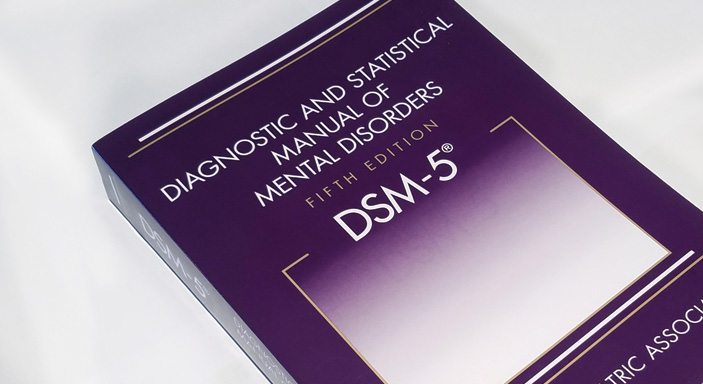
The American Psychiatric Association’s diagnostic manual, the Diagnostic and Statistical Manual of Mental Disorders (DSM-5) defines mental disorder as a syndrome characterized by a clinically significant disturbance in an individual’s cognitive, emotion regulation, or behaviour that reflects a dysfunction in the psychological, biological, or developmental process underlying mental functioning. Mental disorders are usually associated with significant distress in social, occupational, or other important activities. Psychologists focus on behaviour rather than actions. Behaviour that is considered maladaptive and causes significant personal distress and interrupts daily functioning is mostly labelled as a disorder.
What is the DSM?
The DSM is a handbook that is used by health care professionals over the world as a guide to diagnosing mental disorders. It gives a list of descriptions and symptoms related to every recognized mental disorder. The way physicians have a list of symptoms to check for physical health issues to not diagnose things differently from other physicians, the DSM plays the same role for psychologists, it helps in keeping a common diagnosis to not create chaos and confusion.
MAJOR CATEGORIES OF DISORDERS IN DSM-5:
Neurodevelopmental Disorders
These consist of disorders that are usually diagnosed in infancy, childhood, or adolescence like Intellectual Disability, this developmental disorder is originally detected before 18 years of age. This includes limitations in intellectual functioning and adaptive behaviours. This disorder was formerly known as mental retardation. The test to check intellectual ability is the IQ test, if the IQ score is under 70, it points towards intellectual limitations. Limitations in adaptive behaviour can involve a lack of efficiency at everyday things such as self-care, social interaction, and other living skills.
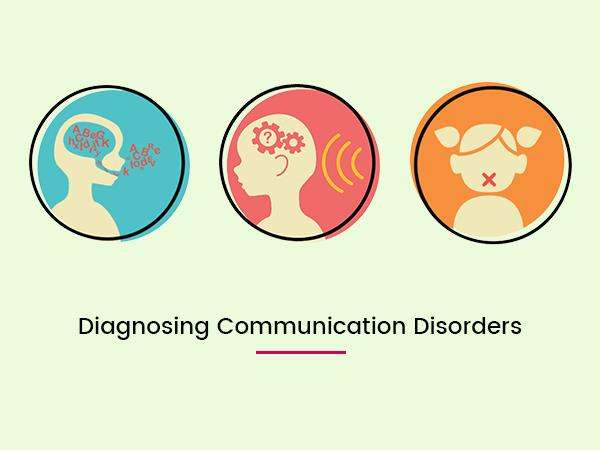
Communication Disorders are related to difficulty in the ability to use, understand, or detect language and speech. The DSM-5 further divides this disorder into four parts – language disorder, speech sound disorder, childhood-onset fluency disorder (stuttering), and social communication disorder.
Autism Spectrum Disorder includes persistent deficits in social interaction and communication. The DSM says that the symptoms for this must be noticed in the early developmental period and these symptoms should interfere in the important parts of life which include social and occupational functioning.
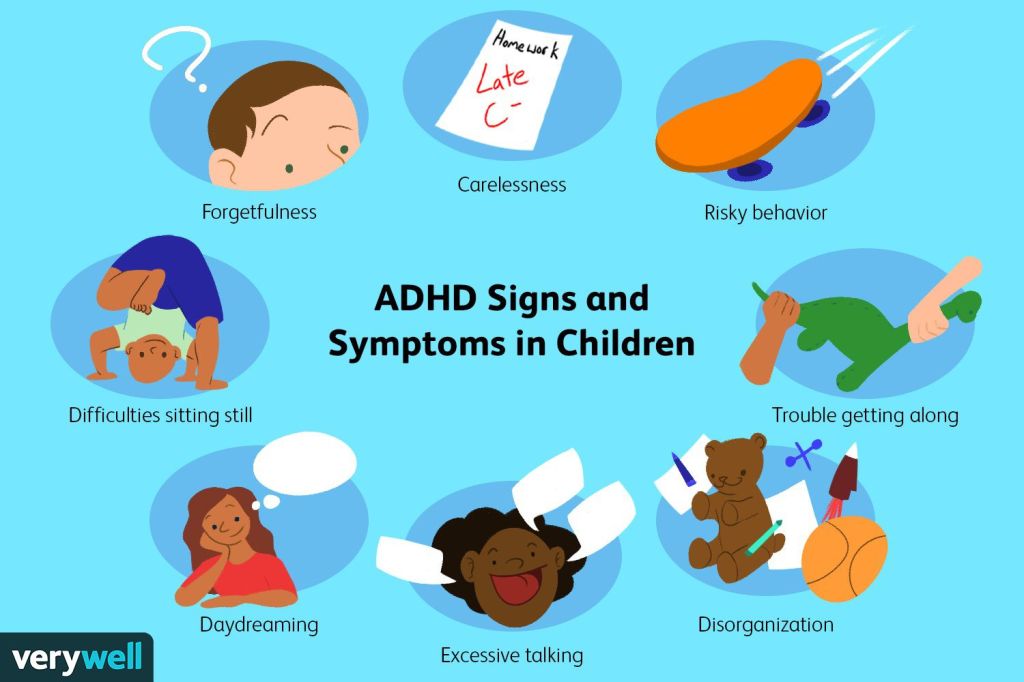
Attention-Deficit Hyperactivity Disorder (ADHD) consists of a persistent pattern of hyperactivity-impulsivity and/or inattention which interferes in the normal working during the day. This can show up at home, school, work, and social situations.
Bipolar Disorders
This disorder consists of a shift in mood from extremely elevated moods to a depressive period. The elevated moods are called mania or hypomania. Mania is the mood when there is a period of elevated, expansive, and irritable mood with increased activity and energy. This period is usually accompanied by excessive confidence. During this period, people tend to engage in activities that can have a negative long-term impact such as buying a mansion without considering the finances.
Depressive Episodes consist of feelings of depression or sad mood with a lack of interest in activities. It also includes feelings of guilt, fatigue, and irritability. People going through this period can experience difficulty in sleeping and also have suicidal thoughts.
Conclusion
It is very important to understand the depression is different from being sad and similarly being very happy is also different from mania. It should be noted that before assuming a disorder and starting medication, you should consult a psychologist and follow the treatment recommended by them. It should also be understood that if a child is showing signs of a neurodevelopmental disorder, you should take them to a doctor or a psychologist and should not brush it off and scold them for it.
Regeneration is the process of renewal, restoration and growth that, makes genomes, cells, organisms. It is basically the process in which an organism regrows its lost parts, so that original function is restored. This ability to regenerate differs in different groups. For example: lizards who lose all or part of their tails can grow new ones, Sharks continually replace lost teeth, spiders can regrow missing legs or parts of legs etc. It is one benefit or advantage for animals in which they can immediately regrow the parts of body which may be involved in locomotion, reproduction which are one of the most important processes in the life. On the other hand, Regenerative therapy or regenerative medicine can be defined as the process of replacing or regenerating human cells, tissues, or organs to restore or establish normal function. Regenerative Medicine refers to a group of biomedical approaches to clinical therapies that may involve the use of stem cells. Regenerative therapy may enable scientists to grow tissues and organs in the laboratory or in in-vitro conditions and safely implant them when the body is unable to heal itself. Also rather than a simple scar as a result of injury can regenerate, there are some human organs and tissues that can regenerate. These include liver, fingertips and endometrium. The cartilage cells divides more as we age.
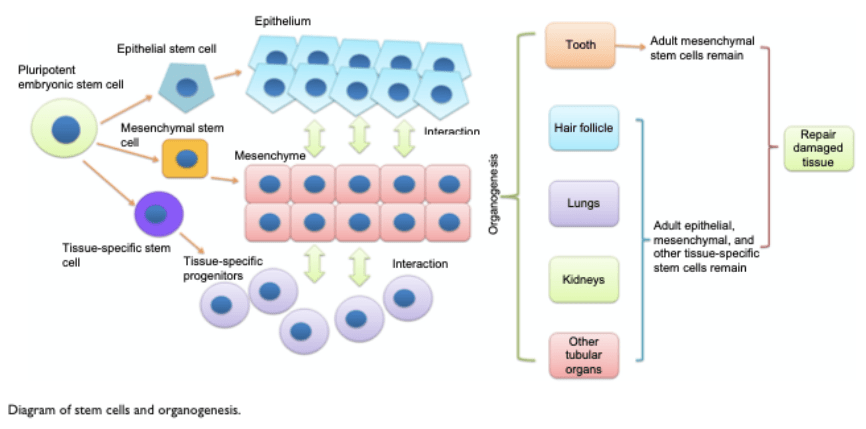
Veterinary medicine have been integral part and has been associated to the development of stem cell therapies. The large experimental animal models have always contributed large to the development of stem cell therapies and refinement of modern hematopoietic stem cell transplantation were noted nearly 5 decades ago. To restore the damaged cells, tissues, organs it is critical to understand the development mental process of specific tissues and them reproduce it. Stem cells play essential roles in organ developmental and tissue repair. Stem cells have always contributed to these experiments and are one of the most used techniques which are used in the field of developmental biology basically in regeneration of different important parts of our body like the bone regeneration or cartilage regeneration and may more. The embryonic stem cells differentiate into multipoint stem cells, including epithelial, mesenchymal, and other tissue- specific stem cells. Stem cells are actually the mesenchymal cell which are pluripotent in nature which means the cells basically are self replicating and are derived from human embryos or human fatal tissue and are known to develop tissues of the three primmer germ layers. Stem cells are present in our body in different types of tissues. A person’s body contains stem cells throughout their life and the body uses them when it needs them. Some parts of body has a regular presence and use stem cells like the bone marrow, dental pulp, adipose tissue, dermis, umbilical cord and the gut, in which the stem cells regularly divide to produce new body tissues for maintenance and repair. Developmental processes are initiated by interaction between these stem cells, resulting in the formation of highly specialised functional tissues and organs. The role of animal models or animal regeneration has a very important role to play in this human regenerative therapy. Right now also the researches on animal regeneration is carried out and works shows some human regenerative therapies can be carried out using them. Researches and advancements in this field which the stem cells and regenerative medicine continue to expand the knowledge of the basic biology and clinical applications of stem cells. Many of the pioneering developments in these fields of stem cells research have been achieved through collaborations of veterinary and human scientists. This review aims to provide an overview of the contribution of the large animal veterinary models in advancing stem cell therapies for both human and clinical veterinary patients may play in the future evolution of stem cell therapies for both human and animal patients will be explored.
Regenerative medicine implies replacement or regeneration of human cells, tissue or organs, to restore or establish normal function. Regenerative medicine or the human regenerative therapy is one of the major advancements in recent years which works on the principles of stem cell technology and tissue engineering in order to replace or regenerate human tissues and organs and restore their functions. This therapy has helped in the field as it can be used in the treatment of acute injuries, chronic diseases and congenital malfunctions. Many advances in regenerative medicine, including the basic and translational researches, have been developed and tested in experimental animals; pigs have played an important role in various aspects of this work. The value of pigs as a model species is being enhanced by the generation of specially enabling more sophisticated research to be performed and thus accelerating the clinical applications of regenerative medicine.
Ageing is defined as the gradual deterioration of functional characteristics which are necessary for survival and the whole process of aging is termed as senescence in biological sense. In recent years, the processes and mechanisms of ageing and age-related diseases have also made progress. The scientific study of old age or the process of ageing is called as the gerontology and the biological aspect of process of aging or gerontology is called Biogerontology which is defined as the subfield of gerontology concerned with the biological aging process, its evolutionary origins, and potential means to intervene in the process. It involves interdisciplinary research on biological aging’s causes, effects and mechanisms. Lifespan is the length of time for which an organism lives and Life expectancy is the average period that a person may expect to live. It is found that genetic factors play roles in determining the longevity both within and between species.
Ageing is a complex biological process with complex mechanisms characterised by functional decline of tissues and organs, deterioration of functional characteristics, reduced adaptability and resistance, all contribute to an increase in the mortality caused by multiple chronic diseases. Ageing is divided into two types namely pathological and physiological ageing.
Pathological Ageing is defined as that type of aging in which people grow old with no significant antemortem cognitive impairment, and some of them may be high functioning. Physiological Ageing can be defined as that type of aging in which organism lead to senescence or the decline in the biological functions and organism’s ability to adapt to metabolic stress. The later one is the common ageing type in the human beings and most of the animals. As the process of ageing continues the susceptibility of the body towards different diseases increases like diabetes, muscle dysfunction, skin diseases etc. Ageing related disorders are really a serious threat to human health and reduce quality of life among elderly people.
CELL TYPES INVOLVED IN AGEING
Stem Cells Stem cells are the cells which have the ability to perpetuate themselves as they are capable of continuous, repeated self-renewal divisions in order to maintain their population. A single stem cell can differentiate into or form different types of mature cell types. Stem cells are basically pluripotent cells characterized as undifferentiated and immature with the ability to self-renew. Stem cell therapy is widely used in bone regeneration, organ regeneration and especially in cardiovascular regenerative medicine. This is done by regenerating various functional stem cells, with the potential function of regenerating various tissues and organs. Changes in cell cycle and a decline in the self-renewal ability of stem cells are closely related to aging. Decline of self-renewal factors contributes to stem cell aging. Although some changes in their function are intrinsic, more external factors can lead to impairment in their function. Physiological levels of ROS (Reactive oxygen species (ROS) are essential signaling molecules in many biological processes, wherein their level is tightly regulated. Excess ROS may cause apoptosis, premature senescence or unscheduled differentiation of stem cells) could regulate the balance between self-renewal and stem cell differentiation. High ROS levels could lead to DNA damage, shortening of telomeres and onset of premature ageing markers
Vascular Smooth Muscle Cells According to the evidences it is said that senescent vascular smooth muscle cells have been observed in aging related diseases like diabetes mellitus which indicates that these cells contribute to aging. Aging results in a significant reduction of contractile vascular smooth muscle cells in focal patches along arterioles. Focal loss of contractile VSMCs occurs at a younger age due to the deficiency of senescence related protein which is called as caveolin-1. Age related contractile VSMC loss is not exacerbated by genetic depletion of insulin-like growth factor-1. The patchy loss of contractile VSMCs provides a cellular explanation for previous clinical studies showing focal micro-irregularities in retinal arteriolar responsiveness in healthy aged human subjects and is likely to contribute age-related retinal vascular complications.
Endothelial Cells Endothelial cells have important functions in paracrine and endocrine actions, such as regulating vascular tension, maintaining blood circulation and neovascularization. Endothelial cells are essential part of the heart and vasculature. Senescence is closely related to endothelial cells. ROS (Reactive Oxygen Species) and inflammation play a role in the apoptosis of endothelial cells. Autophagy and exosomes containing harbor miRNAs which play a very important role in the course of a disease and also participate in the regulation of endothelial functions. Age related diseases are related to endothelial dysfunction and impaired autophagic activity.
Sustainable agriculture simply means doing agriculture efficiently with the limited resources present without using the future generation resources.
Sustainability shows the balanced use of resources. The excess usage of the resources leads to the lack of the resources for the coming generations. So, it is important to use all the resources in the right and in the efficient way.
Sustainable agriculture in India
SUSTAINABLE AGRICULTURE IN INDIA –
Sustainable development is the management of the resources which means the development of all with the help of the resources we have and to use those in such a way that the resources used will be less but the work done will be maximum which will save the resources for future.
India ranks second worldwide in farm outputs. India is known for its efficiency in agriculture from the Indus Valley Civilization. Government of India is continuously working for the sustainable development in the agriculture as most of the people’s occupation in India is farming.
Rashtriya Krishi Vikas Yojana was launched in 2007 for the overall state agriculture development in India which aimed for the better coordination and to produce a good quantity of crops with lesser resources. Krishi megh program was also introduced after the Rashtriya Krishi Vikas Yojana its main aim was to inculcate the knowledge of doing the agriculture in an efficient way.
Inculcating education to farmers can change the production quality as well as the production quantity.
NEED FOR SUSTAINABLE DEVELOPMENT –
Sustainable or we say the correct use of the resource will not only save the excess usage of the resources but will also protect us from the ill effects of the over usage of the resources.
Let’s see how –
Water – So the excess usage of water in agriculture not only wastes the water but also highly affects the fertility of the soil. Since due to the over water in the soil the ground soil loses its grip and the fertile soil flows away with the flowing water.
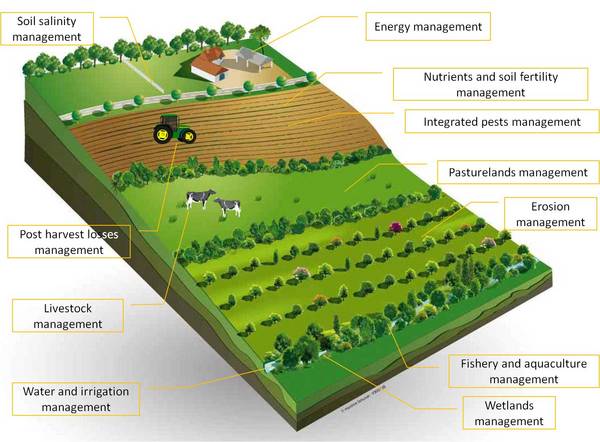
Sustainable agriculture management
Fertilizers – Fertilizers are used for the proper growth of the crops but its excess usage destroys the crops.
For all this the right education is necessary. Sustainable agriculture helps in the good production of crops.
METHODS FOR SUSTAINABLE AGRICULTURE –
Proper usage of fertilizers.
Inculcate education of new technologies to farmers by organizing webinars.
Agroforestry
Contour Ploughing These are some of the efficient methods which are used and must be used for the sustainable agriculture.
The thyroid gland is a 2 inch long, butterfly shaped organ located in the front lower part of the neck. It is responsible for the production, storage and release of two main hormones called Triiodothyronine (T3) and Thyroxine (T4).
The hypothalamus and the pituitary gland in the brain is responsible for the production of T3 and T4. The hypothalamus produces a TSH releasing hormone called thyrotropin-releasing hormone (TRH) that signals the pituitary gland to produce TSH. The release of TSH by the pituitary gland regulates the production of hormones in the thyroid gland i.e., T3 and T4.
In case of low T3 and T4 levels, the pituitary gland releases more of TSH, that stimulates the thyroid hormone to produce more of T3 and T4.
In case of high T3 and T4 levels, the pituitary gland reduces the release TSH, that makes the thyroid hormone produce less of T3 and T4.
The thyroid gland absorbs iodine from the blood and incorporate it into the thyroid hormones. These hormones are responsible for controlling the rate of metabolism in the body. The metabolic rate of the body influences the heart, muscle and digestive function, brain development and bone maintenance. The key to the thyroid hormone is the amount of iodine in our meal. The thyroid gland absorbs the iodine from the blood and incorporate it into the thyroid hormones.
In addition, there are other hormone-producing cells within the thyroid gland called C-cells. These cells produce calcitonin. Calcitonin plays a role in regulating calcium and phosphate levels in the blood, which is important for your bone health and maintenance.
In normal cases thyroid gland produces the exact number of hormones needed to keep the body’s metabolism running and in balance. However, there are several disorders. When the thyroid gland produces too much of T3 and T4, it leads to higher metabolism, excess weight loss, fast heart rate, high irritability/nervousness, muscle weakness and tremors, infrequent menstrual periods and sleep problems. This condition is caused by a hyperactive thyroid gland and hence is called hyperthyroidism. Whereas, when the thyroid gland produces lower amounts of T3 and T4, it leads to lower metabolism rate. Low metabolism leads to depression, weight gain, slower heart rate, fatigue, more frequent and stronger menstrual periods, forgetfulness, dry skin and hair, hoarse voice and intolerance to cold. This condition is caused by an under active thyroid gland and hence is called hypothyroidism.
Control of the problem. ➡Introduction to the problem: The stratospheric ozone layer protects life on Earth by absorbing ultraviolet light, which damages DNA in plants and animals (including humans) and leads to sunburns and skin cancer. Prior to 1979, scientists had not observed atmospheric ozone concentrations below 220 Dobson Units. But in the early 1980s, through a combination of ground-based and satellite measurements, scientists began to realize that Earth’s natural sunscreen was thinning dramatically over the South Pole each spring. This thinning of the ozone layer over Antarctica came to be known as the ozone hole.
This is Dobson’s unit of the first observation on September 17, 1979 and the most recent one that is on October 12, 2018. The red region is showing the size of the ozone hole. It’s clearly visible in the above data that how in the past years the size of the ozone hole on Antarctica increased. Due to this hole on the ozone layer uv rays reaches down on the region of the Antarctica which result in the melting of glacier and due to which the sea-level increases and due to the increased sea-level cyclones, flooding, storms and other natural disasters occurs which highly affects the human lives on the earth.
NOTE:– The measurements were made from 1979–2004 by NASA’s Total Ozone Mapping Spectrometer (TOMS) instruments; from 2005–2011 by the Royal Netherlands Meteorological Institute’s Ozone Monitoring Instrument (OMI) (which flies on NASA’s Aura satellite); and from 2012-2019 by the Ozone Mapping Profiler Suite (OMPS) on the NASA/NOAA Suomi NPP satellite. Red and yellow areas indicate the ozone hole.
➡Cause of the problem: The ozone hole opened the world’s eyes to the global effects of human activity on the atmosphere. Scientists found out that chlorofluorocarbons (CFCs)—long-lived chemicals that had been used in refrigerators and aerosol sprays since the 1930s—had a dark side. In the layer of the atmosphere closest to Earth (the troposphere), CFCs circulated for decades without degrading or reacting with other chemicals. When they reached the stratosphere, however, their behavior changed. In the upper stratosphere (beyond the protection of the ozone layer), ultraviolet light caused CFCs to break apart, releasing chlorine, a very reactive atom that repeatedly catalyzes ozone destruction. The global recognition of the destructive potential of CFCs led to the 1987 Montreal Protocol, a treaty phasing out the production of ozone-depleting chemicals. Scientists estimate that about 80 percent of the chlorine (and bromine, which has a similar ozone-depleting effect) in the stratosphere over Antarctica today comes from human, not natural, sources. Effect of CFCs, HCFC and VOCs on the Ozone layer
•Analysis of the problem: Serious ozone depletion has been measured every Antarctic spring since the early 80’s. This ozone depletion is considered to be a result of photo chemical reactions and cat- alytic cycles resulting from anthropogenic halogen containing gases. In addition, the formation of Polar Stratospheric Clouds (PSCs) facilitates ozone loss because reac- tive halogen species are released by heterogeneous reactions on the surface of a PSC particle. Generally, Arctic ozone depletion is less severe and shows larger variability than Antarctic loss because of the unstable and warmer condition. However, the Arctic stratosphere has been becoming colder during past decades and the Arctic ozone loss in the 2011 winter was comparable to Antarctic losses. Ozone depletion is di- rectly/indirectly linked to the climate because the absorption of UV radiation changes the temperature field. It is therefore important to quantify the loss for future climate prediction. Following picture is showing the concentration of the ozone layer by Dobson’s unit.
➡Control of the problem: Ways to prevent the depletion of ozone layer are as follows:- ● Avoid the consumption of gases dangerous to the ozone layer. ● Minimise the use of vehicles. ● Use of any other eco-friendly chemical as a substitution of CFCs in the refrigerators.
Apple has always been proud of the secure service it provides to its customers. It often pokes fun at Android, speaks at length about privacy during keynotes, and has released few features that have irritated the other Big Tech companies. However, the new Pegasus spyware disclosure has left Apple red-faced, indicating that the Cupertino-based tech company has to beef up its security. Journalists and human rights campaigners from all around the world, including India, were targeted by the malware.
The Amnesty International Security Lab discovered evidence of Pegasus infections or attempted infections in 37 of the total 67 cellphones examined. 34 of them were iPhones, with 23 displaying evidence of a successful Pegasus infection and the other 11 displaying signs of an attempted infection.
Only three of the 15 Android cellphones, on the other hand, revealed signs of a hacking effort. However, there are two things to consider before assuming that Android phones are safer than iPhones. One, Amnesty’s investigators confirmed that Pegasus evidence was located on the iPhone more than anywhere else. Android’s logs aren’t large enough to retain all of the data required for decisive findings. People have greater security expectations than the iPhone, for two reasons.
Apple has often said in previous years that the iPhone is a more secure phone than Android, and this assertion holds whether Pegasus is there or not. However, the Pegasus tale demonstrates that the iPhone is not as secure, or rather unhackable, as Apple claims. This is reflected in Amnesty International’s statement.
The issue is especially concerning because it affected even the most recent iPhone 12 devices running the most recent version of Apple’s operating system. That’s usually the best and last level of protection a smartphone maker can provide.
“Apple strongly opposes cyberattacks against journalists, human rights advocates, and anyone working to make the world a better place,” Ivan Krstic, head of Apple Security Engineering and Architecture, said in a statement to India Today Tech. Apple has led the industry in security innovation for over a decade, and as a consequence, security experts believe that the iPhone is the safest and most secure consumer mobile device available. Such attacks are very complex, cost millions of dollars to create, have a short shelf life, and are used to target specific persons. While this means they pose no harm to the vast majority of our users, we continue to work diligently to secure all of our customers, and we’re always implementing additional safeguards for their devices and data.”
How did the iPhone’s security get hacked?
Pegasus zero-click assaults were used to hack the iPhones, according to the study. It claims that thousands of iPhones have been infected, but it cannot confirm the exact number of phones that have been affected. ‘Zero-click’ assaults, as the name implies, do not involve any activity from the phone’s user, giving an already strong virus even more potential. These attacks target software that accepts data without first determining whether or not it is trustworthy.
In November 2019, Google Project Zero security researcher Ian Beer uncovered a similar vulnerability, revealing that attackers may take total control of an iPhone in the radio vicinity without requiring any user input. Apple released a software update to remedy the problem but confessed that it was powerful enough to damage the devices.
Because zero-click attacks don’t involve any user interaction, avoiding them becomes extremely tough. Even if you are aware of phishing attempts and use the best online practices, you may still be targeted by this malware.
What does Pegasus have access to?
While there is an amount of data on who was impacted and how they were affected, no investigation has been able to uncover the data that was gathered. However, the options are limitless. Pegasus may gather emails, call logs, social network posts, user passwords, contact lists, photos, videos, sound recordings, and browser history, among other things.
It also can turn on the cameras or microphones to acquire new photos and recordings. It can listen to voice mails and gather location records to figure out where a user has gone, and it can do all of this without the user accessing their phone or clicking on a strange link.


















 Eduindex
You must be logged in to post a comment.