Antikythera-The Modern Invention in the Past.

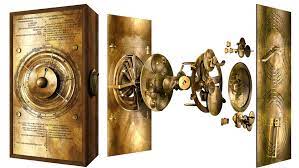
After 2,000 years under thesea, three flat, misshapen pieces of bronze at the National Archaeological Museum in Athens are all shades of green, from emerald to forest. From a distance, they look like rocks with patches of mold. Get closer, though, and the sight is stunning. Crammed inside, obscured by corrosion, are traces of technology that appear utterly modern: gears with neat triangular teeth (just like the inside of a clock) and a ring divided into degrees (like the protractor you used in school). Nothing else like this has ever been discovered from antiquity. Nothing as sophisticated, or even close, appears again for more than a thousand years.

For decades after divers retrieved these scraps from the Antikythera wreck from 1900 to 1901, scholars were unable to make sense of them. X-ray imaging in the 1970s and 1990s revealed that the device must have replicated the motions of the heavens. Holding it in your hands, you could track the paths of the Sun, Moon and planets with impressive accuracy. One investigator dubbed it “an ancient Greek computer.” But the X-ray images were difficult to interpret, so mainstream historians ignored the artifact even as it was championed by fringe writers such as Erich von Däniken, who claimed it came from an alien spaceship. It wasn’t until 2006 that the Antikythera mechanism captured broader attention. That year, Mike Edmunds of Cardiff University in Wales and his team published CT scans of the fragments, revealing more details of the inner workings, as well as hidden inscriptions—and triggering a burst of scholarly research. 

The Antikythera mechanism was similar in size to a mantel clock, and bits of wood found on the fragments suggest it was housed in a wooden case. Like a clock, the case would’ve had a large circular face with rotating hands. There was a knob or handle on the side, for winding the mechanism forward or backward. And as the knob turned, trains of interlocking gearwheels drove at least seven hands at various speeds. Instead of hours and minutes, the hands displayed celestial time: one hand for the Sun, one for the Moon and one for each of the five planets visible to the naked eye—Mercury, Venus, Mars, Jupiter and Saturn. A rotating black and silver ball showed the phase of the Moon. Inscriptions explained which stars rose and set on any particular date. There were also two dial systems on the back of the case, each with a pin that followed its own spiral groove, like the needle on a record player. One of these dials was a calendar. The other showed the timing of lunar and solar eclipses.

Experts have been working to decipher inscriptions hidden inside the mechanism, in particular to understand the mechanism’s missing pieces, some destroyed, some probably still at the bottom of the sea. Though the pointers on the front face don’t survive, Alexander Jones, a historian at the Institute for the Study of the Ancient World in New York, says an inscription reveals that they carried colored balls: fiery red for Mars, gold for the Sun. 

Also missing are the parts that drove the planetary pointers, leading to debate about exactly how they moved. Because planets orbit the Sun, when viewed from Earth they appear to wander back and forth in the sky. The Greeks explained this motion with “epicycles”: small circles superimposed on a larger orbit. According to Michael Wright, a former curator at London’s Science Museum who has studied the mechanism longer than anyone, it modeled epicycles with trains of small gears riding around larger ones. Though some experts have dismissed this as beyond the Greeks’ abilities, Jones says he will publish evidence supporting the idea later this year.

Other inscriptions hint at where the mechanism was made. Paul Iversen, a classicist at Case Western Reserve University in Cleveland, reports that the calendar includes month names used in Corinth and its colonies in northwest Greece. A dial that displayed the timing of major athletic festivals, including the Olympics, lists Naa, a festival held in northwest Greece, and Halieia, held to the south on the island of Rhodes. Perhaps the mechanism hailed from Rhodes and was being shipped north. The ancient philosopher Posidonius had a workshop in Rhodes that could have been the source; according to Cicero, Posidonius made a similar model of the heavens in the first century B.C.

The tradition of making such mechanisms could be much older. Cicero wrote of a bronze device made by Archimedes in the third century B.C. And James Evans, a historian of astronomy at the University of Puget Sound in Tacoma, Washington, thinks that the eclipse cycle represented is Babylonian in origin and begins in 205 B.C. Maybe it was Hipparchus, an astronomer in Rhodes around that time, who worked out the math behind the device. He is known for having blended the arithmetic-based predictions of Babylonians with geometric theories favored by the Greeks. 

Regardless, the Antikythera mechanism proves that the ancient Greeks used complex arrangements of precisely cut wheels to represent the latest in scientific understanding. It’s also a window into how the Greeks saw their universe. They came to believe that nature worked according to predefined rules, like a machine—an approach that forms the basis of our modern scientific views. Edmunds argues that this “mechanical philosophy” must have developed as a two-way process. The ancient mechanics who captured the cosmos in bronze weren’t just modeling astronomical theories but were also inspiring them.

FEB15_J03_Antikythera.jpg

Beauty of Kashmir!

Kashmir is located on the Jhelum River in north India. It is always cold here. It is very beautiful. It is called Paradise on Earth. Its beauty seems very captivating in every season. In summer there is greenery everywhere and in winter everything is covered with snow. The red apples hanging on the apples look very beautiful. There are many tourist places to see in Kashmir like Gulmarg, Sonmarg etc. Gulmarg is called the life of Kashmir. Sarovars like Vullar add to the beauty of Kashmir.

The people of Kashmir are called Kashmiri Pandits and they are very beautiful. They are also non-vegetarians and consume kebabs etc. After eating here, it is rotated in sweets. Saffron is cultivated here. Whoever goes to this place makes sure to buy show pieces made of walnut wood, apple, Pashmina shawl and saffron. Kashmir is a matter of great dispute between India and Pakistan. Kashmir has its own flag and it has its own constitution under Section 370 of the Constitution of India. No person outside Kashmir can buy land in Kashmir.

The poet has rightly said about Kashmir that “if there is heaven on earth, it is here, it is here”. We have been fortunate enough to spend some of our holidays in Kashmir, but this happened a few years before the disturbances started in the valley. We usually visited Kashmir during our summer holidays. We took a train to Pathankot. Steal the bus from Srinagar. The last time we were there, we went to Chandan Van. A trip in the Kashmir valley is a beautiful experience. Green plains, long There are trees, lakes, springs, snow-capped mountains. Both sides of the streets are lined with Apple and Peer Orchard.

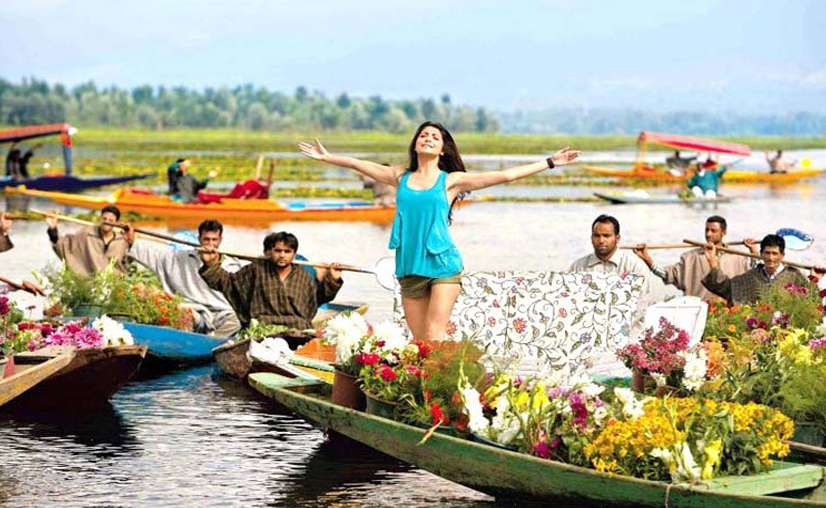
Wild strawberry grows in abundance everywhere, flowers and fragrant saffron are cultivated here. Kashmir relies on its image of being a paradise on Earth. A visit to the Shalimar and Nishat Gardens is a lake dating back to the Mughal era, when Nur Jahan’s favorite queen of Emperor Jahangir visited these gardens. There are beautiful poplar trees, flowers and fountains all over the place. Many Hindi films have been shot here. We often visited the lakes of Kashmir. Dal Lake, which is a major tourist attraction, has many home boats. Many foreigners come here and stay during their holidays. Many boats called the gazelle between these house boats and the shores of this lake. Likewise, there is the famous Wular lake, which is a large fresh water lake.

shooting of jab tak hai jaan movie, song jiya re

However, among all the lakes of Kashmir, my favorites were Evanabal and Gangarbil lakes. Mansabal Lake is situated between the mountains and the Indus River. While the Gangarbal Lake is considered the source of the Ganges. It is closed in the rocky center of Harmok, Kashmir also has many springs for their healing powers. The most famous among all is Chashma – Shahi, or Shahi Vasant. It is known for its medicinal values. There is also a sulfur lake called ‘Tatta Pani’ in Kashmir. It is believed that if all take a bath in these springs, then all types of skin diseases can be cured. Kashmir is a trekker’s paradise. There are several trails scattered all over the valley which are ideally suited for trekking. They are variously known as Gulmarg or path of flowers, Sonamarg or path of gold etc. In fact the beauty of Kashmir binds a person and does not allow him to leave the place.

reference-https://articles.pk/kashmir-land-of-heaven.html

Don’t Change Your Tool—Change Your Purpose

Imagine that life consisted of one long construction project of a house. And imagine that you were born with one tool attached to your hand. Let’s say you were born with a hammer. 

Your primary skill is to slam nails into wood. But that’s not all you can do with a hammer. According to Wikipedia, a hammer is a versatile tool: “Hammers are used for a wide range of driving, shaping, and breaking applications.”

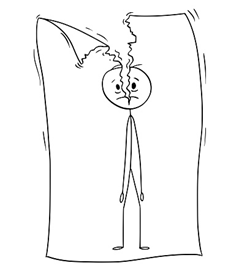
We need all those things if we’re building a house. It’s essential work. But let’s say you dislike those things. You prefer to draw like your neighbor, Jimbo, who was born with a pencil. He draws, designs, writes, and makes doodles. Since you can’t do any of that stuff with a hammer, you walk around frustrated and angry all the time.

Everybody tells you, “Look, buddy, you have this gift; use it!” And you say, “Screw that. This is a curse! I can only destroy things.” So you ignore people’s advice, and you try to draw…With a HAMMER. 

There’s Nothing Wrong With Your Tool

In life, we often look at the strengths of others and try to do what they do. We ignore our own strengths and pursue things that are not the right fit.

I firmly believe that every person is born with a key skill or gift that you can put to work in life. But the problem is that we use our tool for the wrong purpose. We try to become designers or architects with a hammer. We try to plaster a wall with a soft brush. 

Often, people say “I don’t know what my key skill is.” But the answer is always right in front of you.

Just like the example I shared at the beginning, you must stop looking at what Jimbo does, and start looking at what’s in your own hands. Look at yourself. Too often, we try to change ourselves so we can do something we “want” to do. And where do our wants come from? Not from within us. It comes from looking at others.

Look, I want to sing like the artist, The Weeknd. The guy has an amazing voice. He didn’t obtain that by training. He was born with those vocal cords. I wasn’t. So what? I’m not going to cry about it. Everyone is born with a unique strength.

Change Your Purpose

The legendary business thinker, Peter Drucker, always taught individuals and organizations to focus on their strengths. In Managing Oneself, you can learn more about that strategy. It’s a quick read that I recommend to every person who wants to improve their self-knowledge.

But one thing we need to keep in mind is that self-knowledge alone is not enough. If you understand your skills, you’re only halfway there. In the world of startups and venture capitalists, there’s a similar analogy. 

On the “This Week in Startups” podcast, I heard Jason Calacanis and his guest, Mike Jones, talk about how some founders are trying to cut a wall with a butterknife.

You’ll make some progress, but you’ll never destroy the wall. Does that mean your butter knife is bad? Of course not. You might destroy a wall with a sledgehammer, but you can’t make a peanut butter sandwich with it. 

In life, it’s all about figuring out what your tool is and where you can put it to work effectively.

A Self-Examination Exercise

But how do you figure out what your tool is? It can be frustrating going through life without having that self-knowledge. If you don’t know what your tool is, try the following exercise. Sit down with someone you’ve worked with—not your drinking buddy or book club friend. You want input from someone who has experienced your strengths and weaknesses firsthand.

Ask your friend to play a game with you. The objective is to figure out what you’re good at. 

The idea behind this game is that you can bounce ideas off each other. Your friend can serve like a sounding board—someone who gives you a view from the outside. Play the game like this:

  1. First, ask: ”What am I good at?”
  2. Then, ask: “Do I enjoy it?”

If you answer “no” on the second question, you have to restart the game. Keep going until you find something you’re good at and enjoy doing. 

You can also do this in your journal. But if you play it with someone else, you can feed off each other’s input. Sometimes we have a different idea about our own capabilities. 

It takes time, introspection, and humility to figure out what you’re good at. The humility part is often overlooked. When we have an ego, we’re not open to other people’s views. If the guy from my example listened to the people who told him to use his hammer, he could have saved himself a lot of time and frustration.

Ultimately, this is the nature of life. If we keep on looking at all the Jimbo’s in the world, we waste our time on what we don’t have. Instead, look at what you do have, and think about how you can use that in a big way.

On The Cyclical Nature Of Life

Up and down. That’s how you can describe real life in three words. But instead of accepting that life is cyclical, and that bad times are normal, we expect that we should always be on an upward cycle.

Almost everything we do involves other people. And because we’re emotional and inconsistent beings, outcomes are not consistent. Value investor and author of The Most Important Thing, Howard Marks explains this concept as follows:

“Mechanical things can go in a straight line. Time moves ahead continuously. So can a machine when it’s adequately powered. But processes in fields like history and economics involve people, and when people are involved, the results are variable and cyclical.” 

We can extend that conclusion to life in general. I can’t think of a human process that’s not cyclical. Take personal energy. It would be great if our energy would be consistently high, wouldn’t it? But most of us have days we feel great, and we have days we feel like a bag of potatoes. 

My aim with personal energy is to be as consistent as possible. I would rather be at 80% of my full energy potential every day instead of being 95% one day and 30% the next.

There is only so much within our control. And even if we work with things that are inside of our control, we still can’t control everything. Again, personal energy is a perfect example.

You can have a balanced lifestyle with enough sleep, nutritious food, and regular exercise, but still, you will have days you lack energy. Why is that? No one knows. The human body and mind are not like math. But this is something we don’t appreciate enough in life.

Measure the temperature

When Howard Marks talks about market cycles, he clearly states we can’t predict the future. Just because the market is going up for X years, it doesn’t mean that next year it will go down. You can’t extrapolate trends.

Understanding cycles will only help you to understand where you are now. When it comes to investing, Marks recommends to “figure out where we stand in terms of each cycle and what that implies for our actions.” Here’s what a market cycle looks like:

Let’s say that the market is currently in a Euphoria state. Does that mean it’s close to an Anxiety state? No one knows how long the current state will last. So we can’t make predictions. 

But we must know where we are in the first place. When we’re aware of what’s going on around us, we won’t be battered around by our surroundings. That’s one of the key strategies value investors use. And I think we can apply it to life in general. Here are a few examples:

  • Businesses—How long have you been in business? How many people in your industry are aware of your business? What’s the state of your industry? Is your product/service widely accepted? Or is it still considered as an innovation that’s not for everyone? How mature is your market? 
  • Careers—How many years of experience do you have? How big is your network? How much knowledge do you have? Is your skill still relevant in the economy? 
  • Energy—How do you feel? Do you have any big injuries? What does your lifestyle look like? Do you use drugs? Do you drink alcohol? What season is it? Do you feel tired in the winter? 

Everything is cyclical. Some businesses grow fast and bust quickly. Other businesses grow slow and never experience any exponential growth. Most jobs become irrelevant at some point. Some days, weeks, or months, you might feel weak. Or you might feel strong for years in a row and never get injured or ill. 

But nothing will remain the same forever. None of the above questions and implications means you can predict the future. If you’ve been feeling low on energy for the past four weeks, it doesn’t mean you will automatically feel better next week. It also doesn’t mean you’ll feel worse. 

Use cycles to make your decisions

Understanding where we are in a cycle helps us to make better decisions. When you’re low on energy, you want to preserve it and avoid actions that drain you. When you’re spread too thin, you want to take a step back, you don’t want to start a new project. Because what happens if you do that? You might burn out.

I’ve been using cycles to make career decisions as well. When I started my blog, I tried a lot of different things. I created different types of content, changed the design of my site, covered all kinds of topics, used different media channels, and so forth.

In the beginning of the cycle, I said yes to everything. But 4,5 years later, I’m more focused on specific actions. I say no to more things. For now, that helps me to build something very specific. Later in the cycle, that might change again. 

The main lesson I learned is that nothing in life is static. We must respect the cyclical nature of life. And when we’re aware of where we stand in the cycle, we can make better decisions. 

While there are a lot of ups and downs, understanding cycles will make you less susceptible to those changes. In fact, when you make good decisions, cycles will work in your favor. 

That’s how value investors like Warren Buffett and Howard Marks weren’t affected in the financial crisis of 2008-2009. They realized where they were in the cycle and adjusted their actions. 

If we do the same for every aspect of our lives, we can thrive when cycles go up and down.

Mr. Paper’s Advice To Writers!

“Fiction reveals truths that reality obscures.”

  • Ralph Waldo Emerson

Bonjour! Today’s article deals with Mr. Paper who wishes to address the writers! A fictional concept of Mr. Paper is covered who shares his grievances with you all!

Hello writers! I know you must have smartly deciphered till now that I am a piece of paper speaking to you. Through this article, I wish to convey my emotions. So, let me begin.

I Really Appreciate Each And Every Writer.”

I may not be able to say this to you, but yes, every writer is precious to me. The hard work and special efforts that you put in in order to make your book a success aren’t unnoticed because I am the one who actually notices! 😉

“Let Alone Writers, I Love It When Any Person Whatsoever Chooses To Scribble Almost Anything On Me.”

Yes! Anyone who writes is someone who preserves my rights 😉 When you write, you provide me my most important right which is to never be a blank sheet! Thank you for taking some efforts to inscribe something on me because that keeps me alive.

“I Hate It When Writers Waste Paper By Throwing Most Of The Half Empty Sheets In The Trash.”

Some writers tend to create their rooms a mess by writing a short paragraph which maybe later doesn’t seem appropriate to them, which makes them curl the paper into a ball and then bury it into the trash. Please stop killing us!

How I Wish Writers Would Make More Use Of Paper Than Their Laptops!”

Writers today, in this digital era, no longer make use of paper which makes me feel overwhelmingly sad because I feel ignored and left out. Please spend some time with me as well!

“Please Don’t Resort To Dog Earring When Reading Books!”

This is a gentle request to all the readers as well as writers to not practice dog earring because that stretches my body, leaving me in pain. Please use bookmarks for the same!

“Please Don’t Tear A Page Unnecessarily.”

This is my earnest request to all of the humans out there to not tear or lacerate us without any reason. By doing this, you plot our demise unintentionally which is not something you want to do, right?

“Please Don’t Curse Us When You Are Unable To Come Up With Content.”

Some writers tend to curse the page for not receiving relevant ideas. I totally understand that writing can be a stressful task at times but then blaming a blank sheet of paper isn’t fair, right? So, please don’t curse and manhandle us because we didn’t hurt you a pinch!

Lastly, I would like to wish each and every writer by giving them my best regards. We await the time when you would get a sheet out and begin engraving something on us. We may seem inanimate to you, but we aren’t. We can feel the essence of your hard work as you prepare your manuscript and try getting it published. We value and respect you! Writing is a fun task and requires some love while we (papers) love you back! So, wait no more! Publish your book and make the utmost use of us (papers).

“Happy Writing”

Thank You For Reading!

The art of cooking

A culinary art is the art of cooking. Cooking is the process of preparing food and meals that will be eaten or the food served to other people.

The word “culinary” is defined as something related to, or connected with, cooking or kitchens. People who are working in the culinary arts are known as culinarians. A person working in restaurants is commonly known as a cook. The skillfully preparation of food and meals that are as pleasing to the palate as to the eye is the responsibility of the Culinary artist. Culinary artists require a lot of knowledge about the science of food they prepare and a good understanding of how diets and nutrition affect people in the preparation of their meals. Culinary artists work in restaurants, hospitals and other institutions where kitchen conditions vary depending on the type of business.

The culinary art is comprised of many categories. Some of which are tools, methods, combination of spices and ingredients that adds flavor to the food. It normally needs the right measurements, proper selection and accurate combination of ingredients involved to reach desired result.

The diversity of the culinary arts around the world mirrors many considerations such as Economic, Aesthetic, Nutritional, Religious and Cultural.

The dawn of fire, and the culinary arts, if not always, is associated with fire. The heat generated by fire is required to change the food’s texture, flavor, nutritional contents and even its appearance. Heating is important in the culinary arts because it disinfects the food and makes it softer. The food danger zone is between 4 to 60 degrees Celsius. Within these temperatures, the bacteria found in the found or even those that were transferred to the food can grow at a very alarming rate. Under ideal conditions bacteria can double their population every twenty minutes. Although at a glance, these foods may not appear harmful, when ingested they can be. Many people have the misconception that bacteria will die when we freeze our food or refrigerate them, but this actually does not rid the food of bacteria, merely it slows down their expansion.

One of the most famous departments in the culinary arts is probably baking. Baking is the art of cooking food using an oven in culinary arts. Through applying dry heat evenly through the oven and onto the food which then cooks the food. It is used in producing pastry based desserts such as tarts, pies and cakes. The ovens dry heat causes the starch to gelatinize, and the results to the browning or charring of the outside of the food. Some uneducated in the culinary arts might think that the charred part or the brown part is not as tasty as it sounds, but this part is actually what gives taste and flavor to the baked good, partly sealing the moisture of the food. The browning apparent in the baked good is caused by the sugar caramelizing and the chemical reaction that happens between the reduction of sugar and the amino acid (Mail-lard reaction). Moisture in the baked goody, on the other hand, is not really completely kept in time as the goody is being baked it will become drier and drier.

reference-https://www.paranetinfo.com/learn-the-importance-of-cooking-food/

The Choice Factor

That brisk strut with billowing robes behind. That almost sneering smirk under his hooked nose. That voice lashes out at people in the most subtle way possible. That is Severus Tobias Snape, Potion Master at Hogwarts School of Witchcraft and Wizarding, the dour ’bat’ of the dungeons. But my hero-worship for this misunderstood man has made me reflect on one of the important lessons for life-The Choice Factor.

Although Snape’s passion for the Dark Arts and the Dark Mark on his arm, along with his air of intimidation and sharp tongue attributes to his ‘villain’ aura, the choices that he made speak differently about his true character. The choices that he made say it all. It is not so surprising how similarly Snape and Voldemort are portrayed throughout the series. Both men had strikingly similar parentage; with muggle fathers and pureblood mothers and a miserable childhood. They also shared a common passion for the Dark Arts and even went on to pursue the same goals as adults, with Snape joining Voldemort’s Death Eaters in their ironic quest to establish a pureblood society.

Snape’s core differs immensely from his exterior. Real character is ultimately determined by one’s core traits, not by surface actions or attitudes. When Snape realized that the woman he loved was in danger, his alliance shifted for good and he became a spy for the Light. This was where he strayed from the path that Voldemort had taken and he had been tentatively travelling on; He chose Love over Power, Light over Dark, and Good over Evil. He thereon became one of the most critical parts of Dumbledore’s master plan to bring down Voldemort. His love for Lily Evans enabled him to see clearly through the dangerous path he was treading on, which gave the entire anti-Voldemort movement an edge over their enemies, even at the cost of his own life.

Thus we can say that Snape’s choices throughout his life redeem his character at the end of the series. The converse can also be true, as it takes a strong character and spirit to take such important decisions in life.

Choices define who we are as a person; it shows our character to the world. To enhance the probability of making better choices and surviving bad ones, personal character and inner spirit play important roles. Essentially, there is a thin line dividing any two paths or choices in life. We need to turn the thin line into a sturdy barrier. We need our consciousness and discriminating sense create these barriers to keep us centered on making better choices. Now, no one is perfect; we all make mistakes or bad choices. But how we handle the adversity, again lies in one’s willpower and character.

Choices define who we are as a person; it shows our character to the world.

Next time when you make a choice try asking these questions to yourselves:

1. What type of person do I want to be?

2. How can I be a better person by making a particular choice?

Below is a quote from a poem that has influenced me a lot. I leave you to ponder upon its meaning, at your own choice, Of course!

“Two roads diverged in a wood and I- I took the one less travelled by, and that has made all the difference.”

The Road Not Taken By Robert Frost


YOGA AND LIFESTYLE

In a first for East India, Visva Bharati varsity commences PG diploma  course in yoga studies - Education Today News

Indeed , it is an astonishing fact that a yogic tradition , which is more than five thousand years old , has recently become a popular way of life . Presently , people consider that yoga is a significant means to achieve a healthy as well as a positive lifestyle . In fact , the power of yoga lies in its simplicity , flexibility and diversity . As a matter of fact , yoga helps in improving our flexibility , lowers our stress level and increases our confidence and finally contributes to a healthier lifestyle on the whole . There are various lifestyle diseases like obesity , diabetes , asthma , hypertension , back pain , migraine and depression which can be prevented and treated up to some extent with the help of certain yogic exercises .

Asanas As Preventive Measures

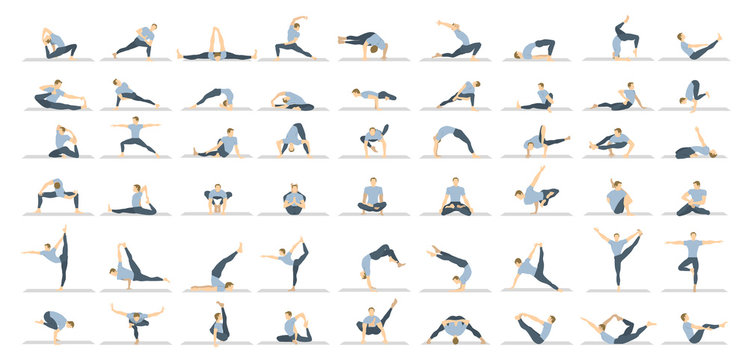
52,455 BEST Yoga Poses Male IMAGES, STOCK PHOTOS & VECTORS | Adobe Stock

According to Patanjali , asana means , “sthiram sukham aasanam “ i.e,. ” that position which is comfortable and steady ” . In Brahamanopanishad , “ To sit in a comfortable position or posture for everlasting period is called asana “. Asana is that state of body in which the body may be positioned easily . As a matter of fact , the ability to sit comfortably for an extended period of time in any position is called asana . In asanas , body is kept in various positions in such a way that the activities of organs and glands of body become more effective and eventually the health of mind and body is improved .

In fact , asana is a means through which physical and mental development is achieved . Prevention of diseases and delay in ageing are the desired effects that can be achieved through yogic exercises .

There are different types of asanas which include meditative asanas , relaxative asanas and corrective asanas . Regular practice of the above- mentioned asanas significantly affects various systems or organs of our body . Asanas can be used as preventive measures because they provide the following physiological benefits , which ultimately help us in avoiding various lifestyle diseases such as diabetes , obesity and cardiovascular diseases .

INTERNSHIPS

The internship is the main source for a college student to improve and prove his/her knowledge.

Every college student has composed placements and off compose placements.

At the time of placements in a different company, we have to submit our Resume. That resume gives our real appearance to interview. If we have done any internships and any skill development that will help for our desired company placements.

Lets more about internships

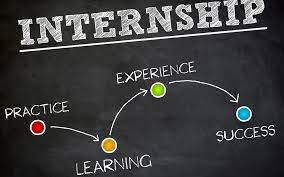
Internships is the training and real-time project to the confidence of our skills for real-world understanding

 The internship is an opportunity offered by an employer to potential employees, as an intern, to work at a firm for a fixed period of time. Interns are usually likes undergraduates or students, and most internships period last between a month and three months. … An internship can be either paid or voluntary.

Which internships we have done?

Internships are based on your desired knowledge, department and day by day improved courses

Things to consider when choosing an internship

  • Which sector are you interested? …
  • What will be your responsibilities? …
  • What will you will get ? …
  • Where you have to do? …
  • What’s the environment like is it comfortable ? …
  • Will you get the opportunity to more network? …
  • What are the skills will you learn? …
  • What are your qualifications for ?

Let specific directions for your internships

There are some websites for internships that may have offline and online internships :

  • Linkedin
  • Glassdoor
  • Google
  • Internshala
  • Internship.com
  • Internmatch.com
  • Youturn
  • Idealist
  • Global Experience
  • Coolworks

Go for these websites you will find “updated(your name) version.0”

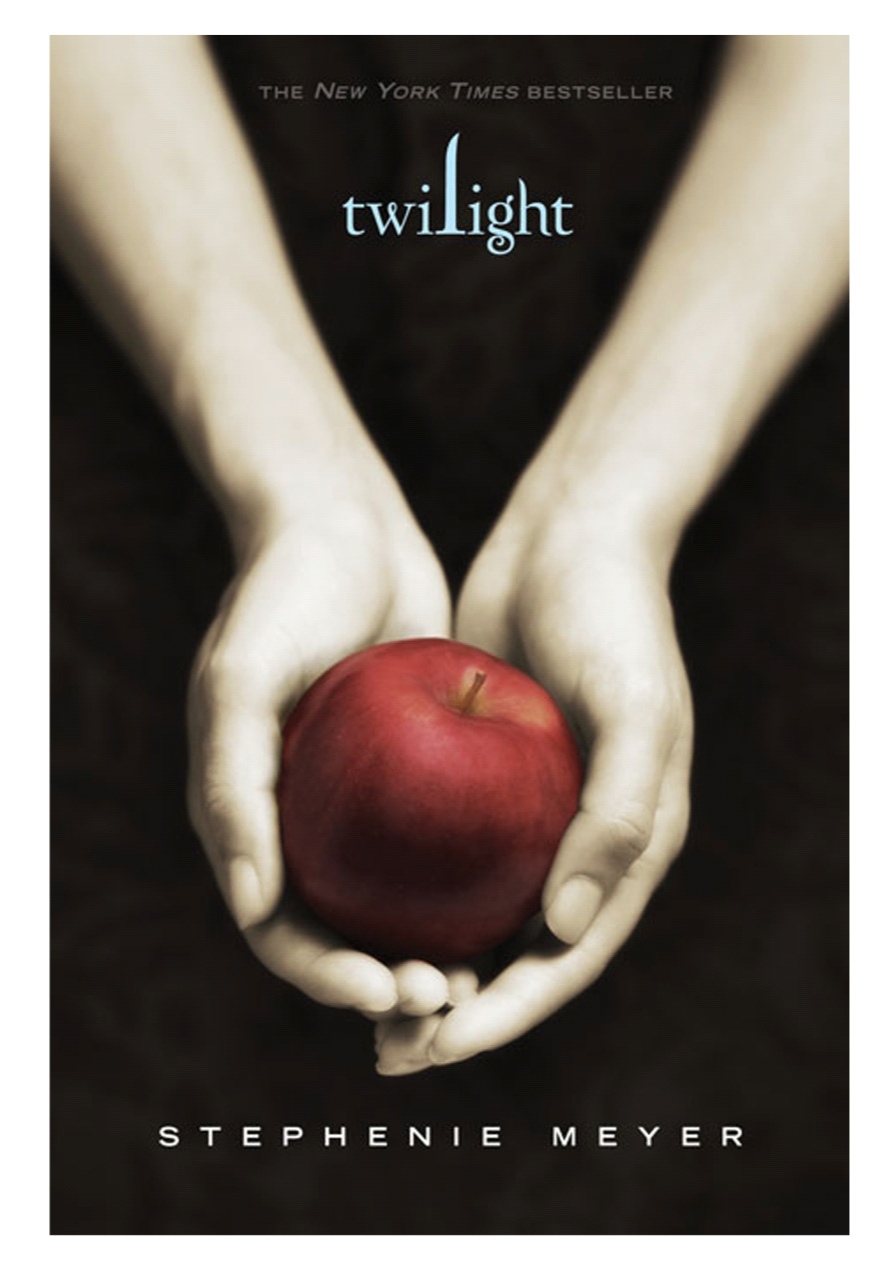
TWILIGHT


Novel by Stephenie Meyer

Twilight is the first book of a series that brought the vampire-romance genre back from the undead in 2005.

Main characters are Isabella Swan, Edward Cullen and Jacob Black.

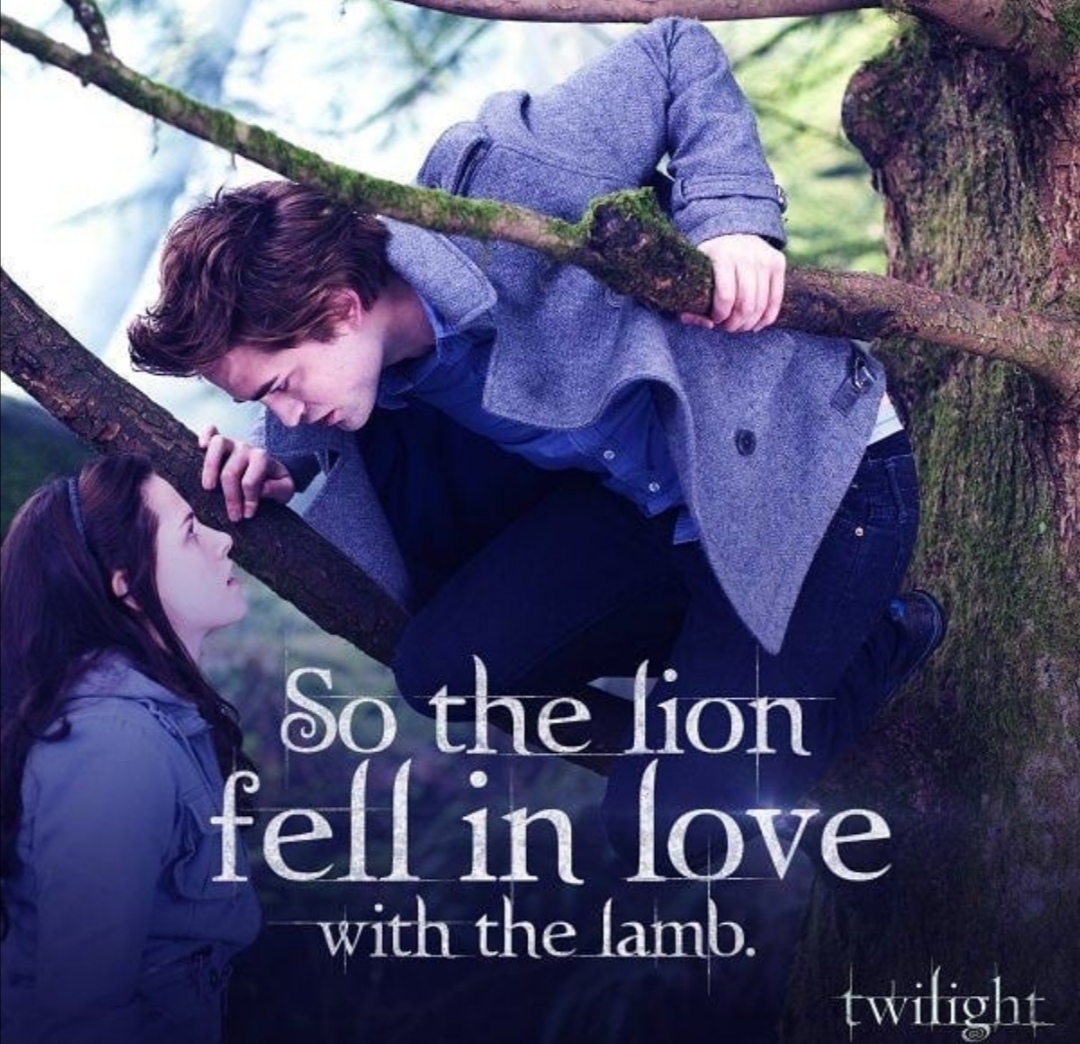
Edward is a vampire. Bella is a human. The lion shouldn’t be with the lamb, as we have famously read, but despite being a forbidden love, the relationship of Edward and Bella in Twilight illustrates that love isn’t governed by any rules. It is boundless, and cannot be restricted by what other people may think is wrong or right. Edward goes against his natural instincts to be close to Bella, and while their relationship is fraught with complications, the book goes to painstaking lengths to show that Bella’s world is changed for the better when she becomes involved with Edward. He cannot offer her a normal future or a normal relationship but he can make her happy despite the challenges that face them.

“I’ve never given much thought to how I would die. But dying in the place of someone I love seemed like a good way to go”. Bella in twilight

The novel starts with Bella who recently shifted to Forks, United States of America. She met Edward Cullen in her new high school, Forks high school. Edward, the vampire is possessive, angers easily, and stalks Bella, his human love interest. He even sneaks into her house to watch her sleep before they start dating. During a trip with her classmates, Bella encounters a family friend, Jacob Black, who informs her that the Cullens are supposedly vampires according to his tribe’s legend.

This Book is about how Bella Identify Cullens true identity… And fell for Edward. How Cullen family fought to James, vampire for saving Bella.

Bella is bitten by James but Edward sucks the venom out of her and she survives, continuing as a human

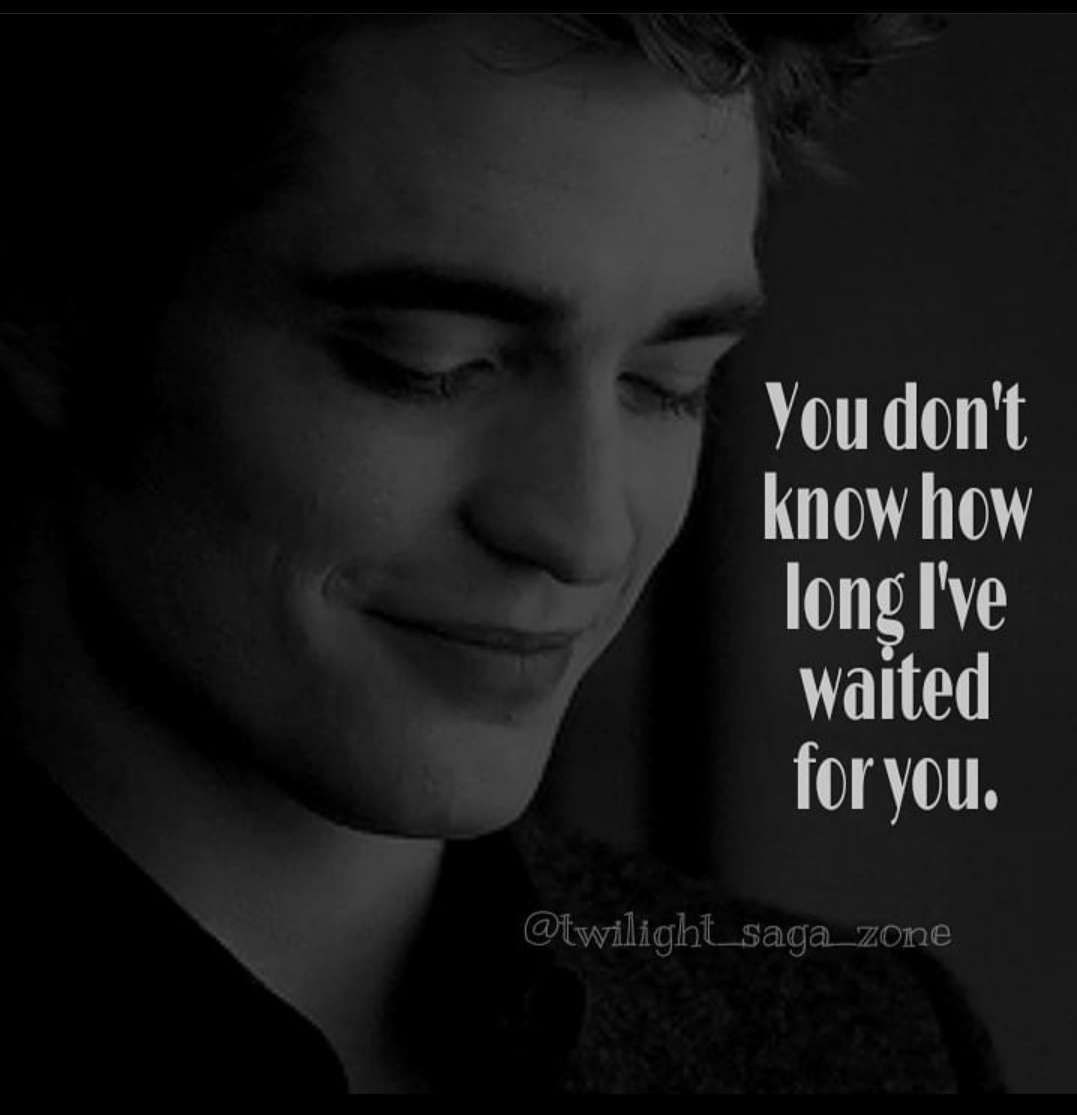
On one date Edward says to Bella, “You are my life now.”

By the end of Twilight,  Bella is bitten by James but Edward sucks the venom out of her and she survives, continuing as a human. Bella professes that she’s sick of being the weak one who always needs to be saved, and would like the relationship to be more equal, she also wants to be a Vampire but Edward still has power over her because of what he is.

And I learnt a lot from this book – As Edward teaches us to “Let the person make their own decisions.

Carlisle Cullen, Edward’s father teaches us to “Stick to your beliefs, even if the world is against them and Respect the world’s beliefs, even if you are against them. …

The Twilight Saga is a series of five vampire-themed romance fantasy films from Summit Entertainment based on the four novels published by author Stephenie Meyer. The films star Kristen Stewart, Robert Pattinson, and Taylor Lautner

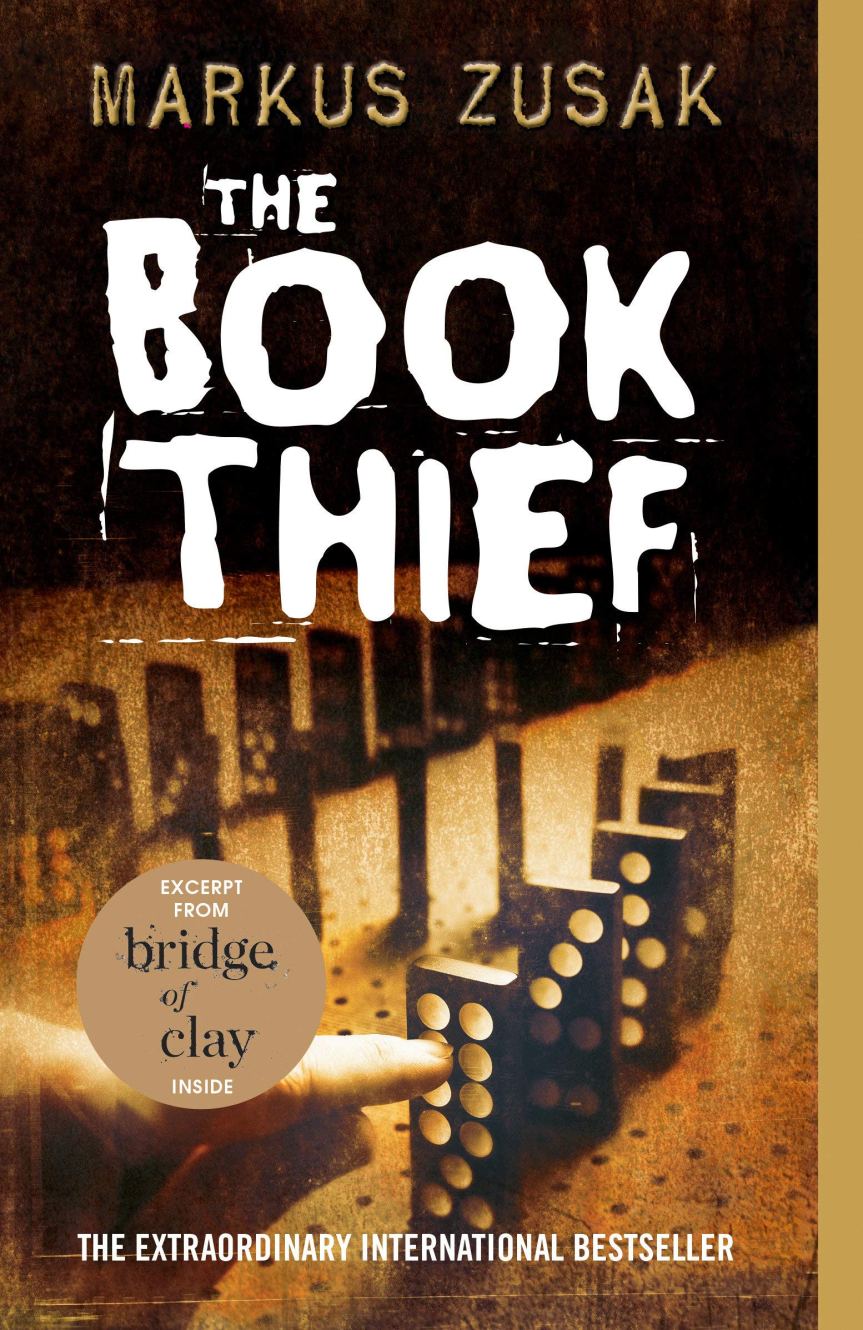
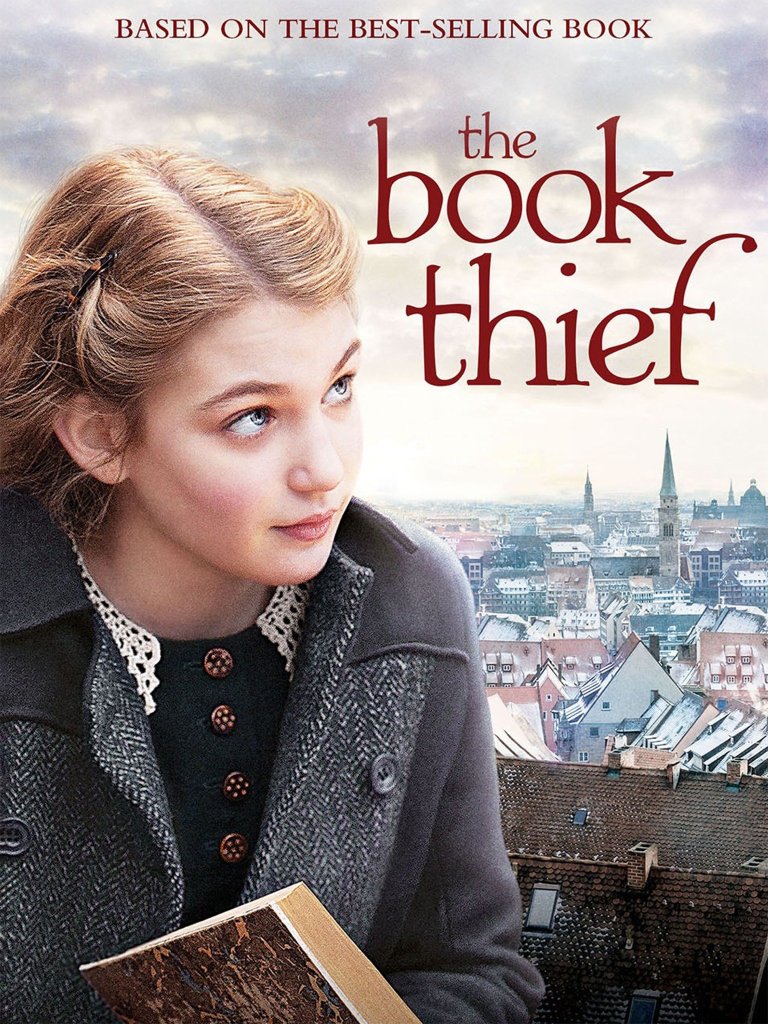
Holocaust in children’s Literature in the Novel – The Book Thief

“It was a place nobody wanted to stay and look at, but almost everyone did. Shaped like a long, broken arm, the road contained several houses with lacerated windows and bruised walls. The Star of David was painted on their doors. Those houses were almost like lepers. At the very least, they were infected sores on the injured German terrain.”
― Markus Zusak, 
The Book Thief

In reference to the novel, The Book Thief written by Markus Zusak which is a Young Adult Fiction and Historical Fiction by Genre gives us a clear image of the best classical works found in the literature. Markus has portrayed a beautiful story about a girl named Liesel Meminger, which is also the protagonist of the story. In which “Death” himself is the narrator and portrays us the beautiful relationship of a Foster Father and daughter.

Foster parenting is most fragile and negative but living in an environment where the background shows us the Nazi Germany War and the Autocratic power of Hitler and suppression of the Jews and the incidents of the holocaust, war and Violence may often haunt and be Depressing for the young Readers.

Why holocaust in children’s Literature?

Here the question raises about Markus is why he used Holocaust in children’s Literature?

The reason can be numerous, but the fine line of choosing the holocaust and Hitler was the prominent and best option because of the reason that Adolf Hitler himself targeted young minds to brainwash them by all political conspiracies against the Jewish people. This fact should be considered prominent, and the young generation of contemporary society should well know about holocaust literature.

Markus Zusak has explained the story of the book thief(Liesel Meminger) who was 10 years old girl living in Nazi Germany with her foster parents. Markus specifically took Liesel as a girl character to explain the scenario of children living in Nazi Germany.

The book Thief novel presents us the elements of contemporary issues in which a girl develops her emotional, physical, mental, cognitive skills and IQ skills with a presence of an ideal father.

Most Prominently, the novel is a complete package of love, friendship, hate, war, suppression under Hitler are the major themes found among them.

Holocaust – A deadly topic among children

Although, Holocaust is one of those terrible historical events which is still a heated topic and gives us goosebumps even to the adult readers. So the question that arises is how Markus have been able to make this as a children’s knowledge and bring the serious topic as an interesting genre among young readers . The answer is simple, as the book is enough to tell anyone why it’s been one of the classic books in the field of literature with a perfect balance of Emotional and feel-good genres.

The Book Thief –

The story is about a 10 yr. an old girl named Liesel Meminger, whose life was always a series of miserable life as she lost his brother at the beginning of the story and her own mother abandoned her and was kept under foster care.

Unlike other foster parents, rosa, her foster mother was always a rude mother who was always strict with her, but definitely her life was beautiful and contended because she had a foster father named; Hans Huberman, who always motivated her to read books and learn new vocabulary.

The whole book is set under the regime of Nazi Germany where it is all about children and their lives out there, where Liesel met many people like; Max ( A Jew, who was hidden in the attic), Rudy( His best friend), Illa ( The commander wife, who used to be good companion of Liesel in her reading time).

Liesel’s  life has always been tragic because she was always welcomed by grief, remorse and death. She lost many close people in her life due to death, and that is the reason death as a narrator quotes that: “I’ve touched Liesel many times, but her soul always lets me allow her to live more”. Liesel in the end becomes a successful writer and her journey as a writer explains to us how tragic her whole life was.

Elements of Nazi Germany-

The whole Book portray us the background of which the whole novel was based, as Jewish were beaten, the burring of books, max as a Jewish hiding in the attic, Hans going to war, Young boys enthusiastic and idolising Hitler these are elements in the book portray us the condition of Nazi Germany.

The ending of the book is bit tragic as though she becomes a famous writer , but she lossses everyone in the end of the war. Her foster parents, best friend Rudy all dies and she is left alone. The Book Thief is a perfect blend of War and fragility of a little girl who suffered so much because of a war. This also shows us how death plays a major roles in a way and is always terrible with mortal humans.

Aristotle’s view on the Tragic Hero [Part B]

Along the same lines of how a tragic hero need to be an enabler for not just a good plot but to reach for the desired set of emotions equally is 5) Hamartia a tragic hero with imperfections; the specific being his/her “tragic flaw” not the best adaptation of Hamartia, but is far more commonly used for a characteristic moral failing in an otherwise predominantly good man. The Hamartia of the hero is closely and inseparably connected with 6) “Peripety” the several of fortune from the point-of-view of the character involved and for a spectator or a reader the plot of the play as a whole is a reversal of the direction of the action. The analogy is thus that Peripety is contained in the idea of the boomerang effect of one’s own action. 7) Discovery – “A change from ignorance to knowledge.” The discovery of the truth of the matter is the costly beginning from the state of ignorance which is the very essence of “hamartia”. Hamartia, Peripety and Discovery all together in their ideal schematisation of the tragic plot.
Furthermore, tragedy, is presupposed as purging out of emotions of Pity and Fear i.e. Catharsis; exhilaration, a pleasurable sense of relief and the Tragic hero is given the title of the enabler of the purgation of these emotions. Relation of emotional catharsis which tragedy helps generate is the tragic pleasure. Therefore the continuous insistence towards Pity and Fear is because pity is generated under the pretence of a tragedy towards the character whose punishment for the audience is exceeding his crime; the punishment is more that what he deserves, and similarly Fear is when the hero; who being “not pre-eminently just and virtuous” is still better than ourselves and yet failed, then what hope do we have left?
Therefore the catharsis that Aristotle mentioned just once in Poetics is of emotions that occurs accidentally but surely in a tragedy is something he elaborates on, this accident is to be experienced to everyone in the audience or to anyone reading a work of art; no 

matter of high intellect does experience this form of proper pleasure which happens through proper tools and albeit perceived to be an “accident” is a sure shot guaranteed by the tragic hero.
Thus the tragic hero of Aristotle accounts to the whole of the Tragedy to be brought up to its potential and serve its purpose.

Aristotle’s view on the Tragic Hero [Part A]

Make sure you also read the second part of this post.

When Aristotle is talking about the tragic hero, it’s important to pan out where the tragic hero is being placed at and accordingly the significance of the ‘tragic hero’ needs to be questioned. This is furthered by the interpretation of the plot and the use of tragedy in the said plot that would give the idea of what Aristotle is describing as the tragic hero. So it’s important to understand tragedy; before anything, and so Poetics seems to be a plausible guide alongside plenty of other definitions within a dictionary which although correct; doesn’t fully help apply the idea of Aristotle. No-one in any absolute sense could define what Poetics denote as words have been genuinely lost in translation and what we could scavenge are a sense of one’s own point-of-view or interpretation to pacify their intellect; one could contest it to be inconsistent and probably is right in doing so, but the fact of the matter is the idea of lost in translation remains undeterred. 

Additionally, discussing on the characteristics of the tragic hero is an extremely elaborated idea of what Tragedy is and while, Aristotle’s Tragic Hero is someone who is primary agent in his Tragedy; which is an essential element in the notion of arousing Pity and Fear – the catharsis of Pity and Fear for Tragic Pleasure is also an important characteristic feature for the Tragic Hero. 

Humphrey house affirm seven points directed towards the dramatic character or the tragic hero 1) The tragic hero or the character in a tragedy must be Good. Tragedy is a limitation of personages better than the ordinary man. Hence goodness of character is a prerequisite for Aristotle as it is the foundation of initial sympathy in a spectator without which tragic emotions cannot be roused, that is tragic pleasure is ultimately conveyed through sympathy or Pity, a very basic of the whole tragic pleasure. All characters in a tragedy for Aristotle should be equivocally good. Although Aristotle’s good man is not good unless he is desiring specific, positive, good ends and working towards the attainment; therefore its necessary for the execution of a tragic plot that the hero has to be “not prominently virtuous or just”; adding here Immanuel Kant who talks action to be morally worthy, something that should be executed to do the right thing for the right reason and is said to hold that to do the right thing for personal reason isn’t morally right and that the motive of duty should be autonomous and not altruistic. Scholars have questioned on what does Aristotle mean by “good”, and it’s later when reading Poetics is established on the Ethical Goodness of a character. 2) Appropriateness of Character – a fitting character, the Plot should attempt to guarantee the individuality of Character in compliance to its status which is fundamental. 3) “Likeness” of Character – the literary portrait produced by the poet should be ‘like the original’, i.e. like what the personage in question is in history of legend; depriving the poet of his creative freedom and ties him to a quiet indefinable exemplar, because history and legends are largely the creation of other writers. Likeness — Aristotle differentiating Tragedy and Comedy by the consideration of type of characters shown acting in each — characters are either better or worse than ourselves, or just like ourselves: although Comedy makes its personages “worse” and Tragedy makes its personages “better than the men of the present day.” 4) Consistency – Aristotle describes a formula “consistently inconsistent” it is not concerned with momentary conflicting passions but with “the basis or foundation of a character “, — habit, bent or tendency. 

Longinus on ‘the Sublime’

In terms of its influence in modern literary criticism, aesthetics and philosophy of art, Longinus’s Theory of Sublime is a very critical piece of work. He is placed second to Aristotle’s Poetics by many scholars. Peri Hypsous is simply a rhetorical treatise offering an especially strong inclination of the awe-inspiring or high style of quality writing siding with the glories of written literature. 

The ownership of the treatise is a debate since its emergence during the Italian Renaissance with several manuscripts around until the initial publication by Italian humanist and philologist Francesco Robortello shaping the pre-existing dominant ideas in the world of literary criticism by Horace and Aristotle. The Theory of Sublimity is considered to be subjective as well as intersubjective on account of literary practice. The entirety of Longinus’s work is constructed over the notion of expressing greatness in one’s language and that being an important precursor for a writer, it also adds to what his predecessors helped shape the art of writing and diction. Longinus’s approach is characterised as distinctive and original on its precisely subjective drift: its focus on the creative and receptive facet of verbal arts, on the wit of the writer and affect on the audience is a crucial role of the text.
In western thought, the theory of Hysous is seen at length from its production contesting that the theory doubles itself as a theory of Genius. Longinus has also successfully inclined towards sublime being considered as a dual experience of simultaneously being overwhelming and elevating, dominating and exalting.
We are acquainted with the five forces of Sublimity; 1) Grandeur of thought and ability to form grand conception & 2) Powerful and inspired emotions – These are related to writers innate or natural capacity. 3) The effective use of stylistic & rhetorical figures as a means of increasing emotional impact of literature, 4) Noble diction & phrasing — the skilful use of metaphors and other figures of speech & 5) Dignified & elevated composition, most effective arrangements of words – is an artificially gained tool for achieving sublimity. The nurtured virtue in an author who must skilfully cultivate into the feeling in what he/she writes is proposed as; Sublimity as the echo of noble mind, could be a viable thought. “Sublimity is” for Longinus, “a kind of eminence or excellence of discourse. It is the source of distinction of the very greatest poets and prose writers and the means by which they have given eternal of their own fame.” It’s a discussed that the hypsous is intrinsically related to logos — translated as discourse; that the thought and diction — is inherently linked to the nobility of supreme and that a piece of art containing flashes of Sublimity — for a text need not be dripping in Sublimity but its position could be elevated with just these flashes — is universal and transhistorical.
The Sublimity of a text is acknowledged by its affect; its feeling and emotion, and so the most consequential way of defining sublimity of a text is by describing its affect on the audience.

Ideology defined by Louis Althusser

Figuring out what Ideology is, when understanding these Marxist terminology, it’s important to look at these ideas not as obsolete reality but an ever evolving pervasive concept. Karl Marx, has his own definition of Ideology as ideas and beliefs set out by the dominant class of a society for everyone to obey and thus justify the actions of the dominant class in any society. Here, Louis Althusser sets out with his own interpretation and has worked in “On The Reproduction Of Capitalism: Ideology And Ideological State Apparatuses”, that;  i) Ideology has no history, it is eternal; ii) Ideology represents the imaginary relationship of individuals to their real conditions of existence; iii) Ideology has a material (or spiritual) existence; iv) Ideology interpellates individuals as subjects. The four of these points become a pinnacle to what Althusser insists in the nature of Ideology.

These 4 parameters help us understand its nature, to what Ideology represents, for when man entered the state of nature, by subscribing to ideas and beliefs, we subscribed to this ideology, which though speaks of, no history  in itself, it’s still is an  implicit force that drives the Capitalistic existence, although  omnipresent. And leading on  to the second point, that “men represent their real conditions of existence to themselves in an imaginary form”. Who one is, is just another fragmented idea of you, which Lacan also states in the Mirror Stage and this is crucial in the understanding of this idea as well, that ideology works within multiplicity of narratives, conscious or unconscious, that shapes or has the ability to shape one’s identity. When the material existence of ideology is brought up, it is the material practices, ritual, and action that works under Ideology, unsuspecting and yet controlling one within their grasp. And lastly, Althusser believes, ideology interpellates individuals as subjects – their subjection to the category of subjects. There is no ideology except by the subject and for subjects, which by working seamlessly and weaving thoroughly over the three previous paradigms to concreticise the concept of ideology. 

One could say, Althusser’s insight about the “social unconscious” when it comes to assessing the concrete political realities and struggles, is thus become not just another crucial point to define and understand Ideology, but in itself a very significant negotiation of the concept of ideology in itself.