To gain an understanding of the usage of the word “temper” in the phrase “to lose one’s temper”, it would be useful, first, to note its appearance as a segment in the words “temperature”, “temperate”, and “temperament”.
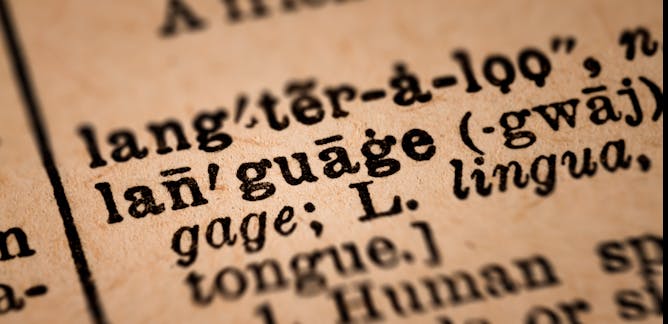
Etymology refers to the study of the origin of a word and the historical development of its meaning.
The Etymology and Science
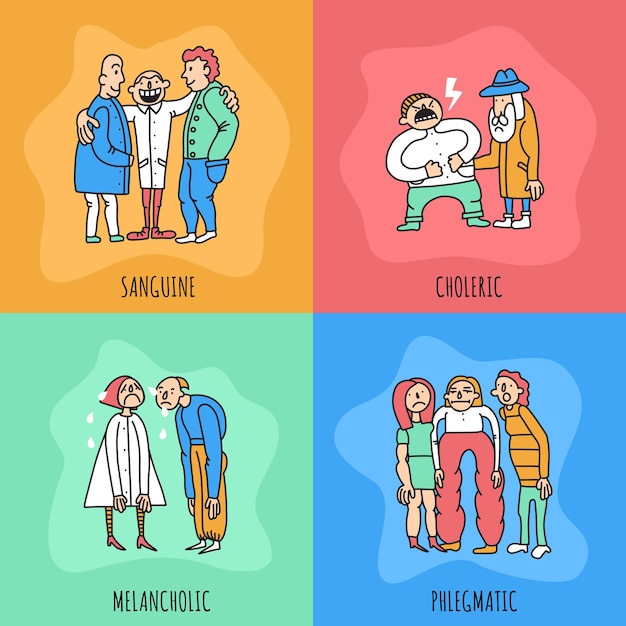
When we dig into the etymology of the word “temper”, we are led to examine its origin in the context of humoral pathology (four humors) – as developed in ancient Greece and Roman societies, who in turn borrowed from the much older Ayurveda system of “tridoshas” (vata, pitta, kapha). Aristotle focused on the four elements (air, fire, water, earth) as the building blocks of the universe (Plato developed it further). Hippocrates (who was greatly influenced by Ayurveda) developed the theory of the four humors – blood, bile, phlegm, and water. These and other thinkers believed that the four elements and the four humors determined the behavior of all created things, including the human body. Some of the noted thinkers of the time characterized all behavior into four types: melancholic, phlegmatic, choleric, and sanguine. The information about Hippocrates’ theory of four humours has been carefully studied from https://exploringyourmind.com/hippocrates-theory-four-humors/
The four behaviours of a human
Thus, the overall behavior of a human or overall disposition could be described as “temperament”. Subsequently, a 16th century Roman physician, Galen, proposed that the temperament was dependent on temperature. Therefore, he stated that all sickness was “distemperature”. Attach below is a link to help you learn more about etymology and its sublime magic!
We can now make the connection between temperate (which generally refers to mild – neither too hot nor too cold), temperature, and temperament. Seen in this light, losing one’s temper refers to losing that temperate state, and moving to distemperature (both in physical and mental sense) – and that was perhaps most outwardly manifest when someone exhibited anger.
News is information about current events. This may be provided through many different media: word of mouth, printing, postal systems, broadcasting, electronic communication, or through the testimony of observers and witnesses to events. … The genre of news as we know it today is closely associated with the newspaper.
What is current affairs
Technically Current Affairs is defined as a genre of broadcast journalism where the emphasis is on detailed analysis and discussion of news stories that have recently occurred or are ongoing at the time of broadcast.
Difference
Current affairs is a genre of broadcast journalism. This differs from regular news broadcasts that place emphasis on news reports presented for simple presentation as soon as possible, often with a minimum of analysis.
Day to Day life many things happened that information will pass to us in the form of news and current affairs
Flowers can be of various types various colours, different kinds and their uses are also different.
Flowers assure us of existence of beauty in the whole world, IF the world is a canvas they fillthis black and white world into that of colourful. So today I am going to write about the flawless nature of flowers that I am aware of.
Do you guys watch anime? .If you notice there will one common thing in all of those anime’s, yes I am talking about the sakura (cherry blossoms),I have heard that people from many different countries visit japan during spring time for flower viewing.
Have you ever heard of edible flowers, yes! not only they look beautiful but some flowers also are used in various food items that we eat, they use these flowers as a decoration on the cakes, and flowers with medicinal values are used to make tea, they give a refreshing vibe to the tea and calms the nerves.
Flowers are used to decorate as they exude the classiness and turns a plain place into a wholesome place, a place where the view turns refreshing, flowers are used in weddings, they are used for proposals, flowers are exchanged on various occasion as each and every flower has a very significant meaning.
DO you guys now that each and everyone of us has a birth flowers that is different for each and everyone based on their birth dates, month and year. so knowing which flower you represent is very exciting .
we definitely have to talk about their fragrance, the perfumes we wear also use the flowers essence, the floral perfumes are mostly liked by everyone as most of them give calming and fresh vibes, Flowers like hyacinth, freesia, lilies, roses are some of the most fragrant flowers.
Flowers can also poisonous depending on the type of environment they grow in, such as
The elegant Nerium oleander, the blossoms of which are crimson, magenta or creamy white, is one of the most toxic plants in the world. Every part of the plant, from its stem to its sap, is incredibly poisonous if ingested. Even inhaling the smoke from a burning oleander is a health threat.
livescience.com
There is a saying goes
“The more you love roses the more you must bear with thorns.”
similarly life also has its ups and downs but what you must never forget is at the end there will definitely be a beautiful destination.
Flowers are pretty at this stage only because they had to go through difficult process of budding. As they say nothing lasts forever, after sometime even these flawless flowers also will wither and fall on to the ground but a new flower will be born so endings are the new beginnings.
“So the flawless here is appreciating its nature of gracefully passing through all stages of its life .”
Welcome to the Current Affairs Section of Adda247. Get Daily & Latest Current Affairs 2021 for UPSC, IAS/PCS, Banking, IBPS, SBI, RBI, SSC, Railway, UPPSC, RPSC, BPSC, MPPSC, TNPSC, UKPSC, APPSC, MPSC, KPSC and other competitive exams.
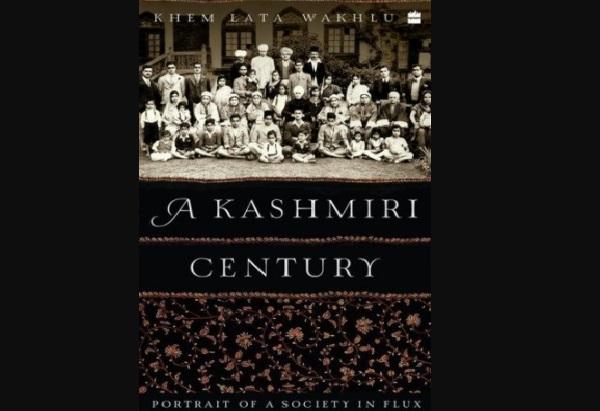
1. A Book Titled “Kashmiri Century: Portrait Of A Society In Flux” Released:-
A book titled “Kashmiri Century: Portrait of a Society in Flux” authored by Khemlata Wakhlu. She is a writer, a political leader and a social worker, who has devoted the past fifty years to using her many talents to improve a lot of the people of Jammu and Kashmir.
The essence of the book:–
A Kashmiri Century is a powerful and rare compilation of human-interest stories. Spanning a full century, it throws a compassionate light on the innocent and hard-working people who live in the beautiful valley of Kashmir.
The stories are all based on the author’s personal experiences and her intimate understanding of what it means to be a Kashmiri-speaking native. They cover the period from the late 19th century to the present day.
None of the available political treatises has ever delved deeply into the sociological and the human sides of living in the valley.
The author’s intimate insights into Kashmiri society, its evolution in an enticing, remote valley, and how her people dealt with Kashmir’s bitter and tempestuous history, are sprinkled liberally across the book.
2. Andhra Pradesh introduces SALT programme:-
Andhra Pradesh has started a Supporting Andhra’s Learning Transformation (SALT) programme to transform foundational learning in government schools for which the World Bank has approved a loan of 250 million dollars. The main objectives of the programme are strengthening foundation schools and providing training and skill development to teachers. Andhra Pradesh’s public school education system has more than 40 lakh children and nearly 2 lakh teachers.
About the programme:–
The five-year programme is result-oriented with the WB releasing funds after key goals are achieved. The government has converted all Anganwadis into pre-primary schools and attached them to the nearest schools.
The government’s document on SALT documents several challenges to improving the learning outcomes.
These include inadequate facilities in schools and a need for increased focus on foundational learning, the need for upgrading teaching skills of teachers, improving teacher-student interactions in classes, and capacity development of state-level institutions such as the Andhra Pradesh State Council of Education Research and Training (SCERT), State Institute of Education Management and Training (SIEMAT) and District Institutes of Education and Training (DIETs).
The government is also setting up new administrative structures which will monitor the working of schools, like the AP School Education Regulatory and Monitoring Commission.
Important takeaways for all competitive exams:–
Chief Minister of Andhra Pradesh: YS Jagan Mohan Reddy; Governor: Biswa Bhusan Harichandan.
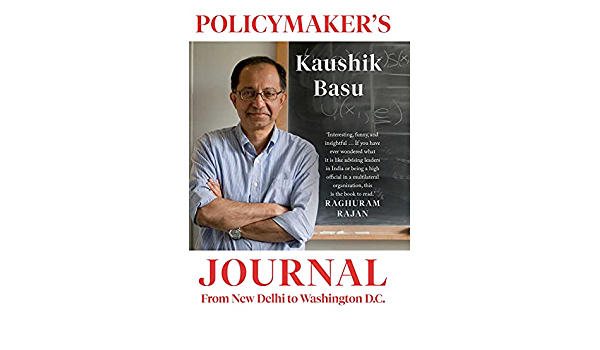
3. A book titled “Policymaker’s Journal: From New Delhi to Washington, DC” by Kaushik Basu:-
A book titled “Policymaker’s Journal: From New Delhi to Washington, DC” authored by Kaushik Basu released soon. This book charts the course of Kaushik Basu’s career over seven years, as he moved out of the cloisters of academe to the frenetic world of policymaking, first in India as Chief Economic Adviser to the Indian Government and after that as Chief Economist at the World Bank in Washington.
About Kaushik Basu:–
Kaushik Basu is an Indian economist who was the Chief Economist of the World Bank from 2012 to 2016. He is the C. Marks Professor of International Studies and Professor of Economics at Cornell University. From 2009 to 2012, during the UPA government’s second term, Basu served as the Chief Economic Adviser to the Government of India.
4.WhatsApp appoints Manesh Mahatme as Head of Payments in India:-
WhatsApp has appointed former Amazon executive Manesh Mahatme as a director to lead the growth of its payments business in India. As Director, WhatsApp Payments-India, Mahatme will focus on enhancing the payments experience for users, scaling the service and work towards contributing to the messaging app’s vision of digital and financial inclusion in India.
Important takeaways for all competitive exams:–
WhatsApp Founded: 2009;
WhatsApp CEO: Will Cathcart (Mar 2019–);
WhatsApp Headquarters: Menlo Park, California, United States;
WhatsApp Acquisition date: 19 February 2014;
WhatsApp Founders: Jan Koum, Brian Acton;
WhatsApp Parent organization: Facebook.
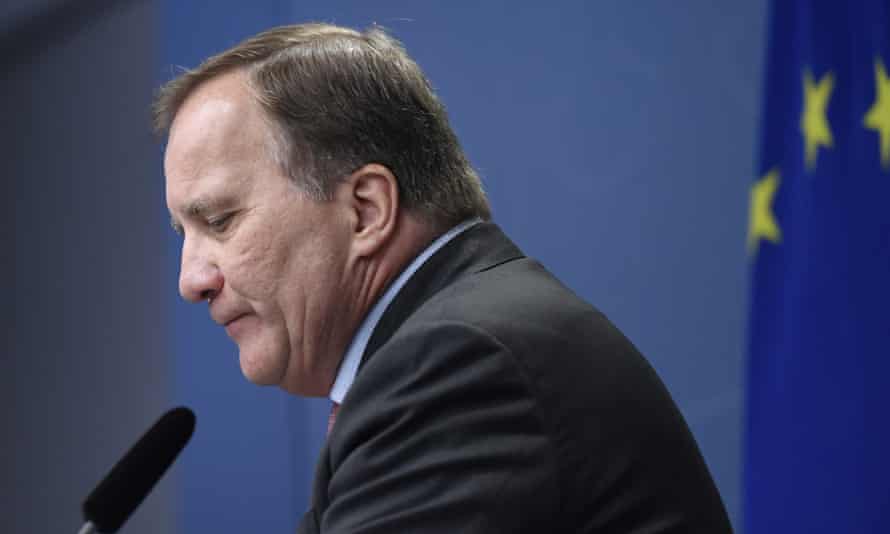
5. Swedish PM Stefan Lofven resigns following no confidence vote:-
The Prime Minister of Sweden, Stefan Lofven, has announced his resignation on June 28, 2021, after he lost a confidence vote in parliament. The 63-year-old Lofven is the first Swedish government leader to be defeated by a no-confidence vote. He was serving as the prime minister of Sweden since 2014.The confidence motion was filed by the far-right Sweden Democrats after the Left Party said it was planning such a motion itself in protest against a plan to ease rent controls.
Important takeaways for all competitive exams:–
Sweden Capital: Stockholm; Currency: Swedish krona.
6.Two more complaints, call for legal action against Twitter India:-
Twitter India’s troubles continued on Tuesday after at least two more complaints being filed against the microblogging platform, and a political leader calling for legal action.
Twitter India Country Head Manish Maheshwari and news partnerships head Amrita Tripathi had been booked under Section 505 (2) of the Indian Penal Code and Section 74 of Information Technology (Amendment) Act 2008 for showing a wrong map of India on its website, on the complaint of a Bajrang Dal leader in Bulandshahr, Uttar Pradesh.
The issue revolves around a controversial map of India on the career section of Twitter, and showed Jammu and Kashmir and Ladakh as a separate country. This led to angry reactions on Twitter, and the microblogging platform removed the map on Monday night.
Later in the day, on Tuesday, Madhya Pradesh Home Minister Narottam Mishra said that he had asked the Director General of Police (DGP) to investigate the same issue and take legal action against Twitter for “distorting” India’s map.
In a separate case, the Delhi Police registered an FIR against Twitter, based on a complaint filed by the National Commission for Protection of Child Rights (NCPCR). The complaint alleges that Cchild pornographic videos and links were available on Twitter.
News reports said the Deputy Commissioner of Police, Cyber Cell had been summoned Tuesday by the NCPCR for not taking action against Twitter despite repeated letters.
“Twitter has a zero tolerance policy for child sexual exploitation (CSE) and we have a proactive approach to combating sexual exploitation of minors on our service. We have been at the forefront of responding to the evolving challenge of preventing the exploitation of children on the Internet and will continue to aggressively fight online child sexual abuse, as well as invest in the technology and tools that are essential to stay ahead of this issue. We will continue to invest in proactive detection and removal of content that violates the Twitter Rules and work with law enforcement and NGO partners in India to tackle the issue,” said a spokesperson at the microblogging platform.
According to Twitter, it uses PhotoDNA technology, its own proprietary tools, and other systems to detect behavioral signals and remove media. In many cases, it lets Twitter remove new accounts linked to this type of content before they have even sent their first tweet.
Twitter considers anyone under the age of 18 as a minor, and all viewing, sharing, or linking to child sexual exploitation (CSE) material, regardless of the intent, contributes to the re-victimization of the depicted children and is prohibited on our service, it says.
This includes media, text, illustrations, or computer-generated images. This also applies to content that may further contribute to the victimization of children through the promotion or glorification of child sexual exploitation, according to the social media platform.
Maheshwari has also been named in another FIR filed by UP Police in Ghaziabad. The Karnataka HC had on Thursday granted him interim relief in a case relating to an assault video that had gone viral on the microblogging platform. The HC had also directed that no coercive action be taken against him till Tuesday.
Karnataka HC said Tuesday it will hear the criminal case against Maheshwari on July 5.
The case relates to an ongoing complaint related to tweets on the assault of an elderly Muslim man in Ghaziabad.
Twitter on June 21 restricted tweets showing the video and images from it.
The government has been at loggerheads with Twitter ever since January, when the microblogging platform refused to take down some content related to the farmers’ protests in India, saying it goes against their company policies.
This further intensified after India enacted new rules for social media intermediaries. The government has said Twitter has not complied with the requirements, and may have lost its safe harbour protection under the IT Act.
7. Facebook, Google to soon publish reports as required by new IT Rules:-
Technology giants Facebook and Google will soon publish reports, as mandated by the new Information Technology Rules, providing information about the actions they took on user complaints in India.
While Facebook said on Tuesday it will publish an interim report on July 2 as mandated by the IT rules, Google will publish its transparency report as required under the new IT Rules in India.
“In accordance with the IT Rules, we’ll publish an interim report for the period May 15-June 15 on July 2. This report will contain details of the content that we have removed proactively using our automated tools. The final report will be published on July 15 containing details of user complaints received and action taken. The report on July 15 will also contain data related to WhatsApp, which is currently being validated,” said a Facebook spokesperson.
Twitter did not immediately respond to a request for comment.
The IT Rules, notified on February 25, ask significant social media intermediaries, or those with over 5 million users, to “publish periodic compliance report every month mentioning the details of complaints received and action taken thereon, and the number of specific communication links or parts of information that the intermediary has removed or disabled access to in pursuance of any proactive monitoring conducted by using automated tools or any other relevant information as may be specified”.
This was among the key issues that industry wanted clarity on in the new Rules. Many intermediaries were unclear about the format of these reports. A government official told Business Standard earlier that the compliance reports should have bare minimum details, on what type of content was removed or what other action was taken.
While most SSMIs publish annual or bi-annual transparency reports and would most likely publish compliance reports in a similar pattern, there was little clarity on whether those would be compliant with the new Rules.
Another issue that SSMIs are awaiting clarity on is that of the quantum of time required before which a user needs to be informed about their content being taken down. The kind of content on which intermediaries are required to do so includes content of pornographic nature, paedophilic, infringes trademarks and so on.
The government, it is understood, will bring out a standard operating procedure on the new IT Rules in consultation with industry and stakeholders, addressing some of the concerns that have been raised by them.
In addition, the Ministry of Electronics and Information Technology will be soon releasing a set of “frequently asked questions” to simplify the requirements in the Rules, on similar lines as done by the Ministry of Information and Broadcasting a few days ago.
While the Rules apply to all social media companies, the largest ones among these are Facebook, Google, WhatsApp, Twitter and the like.
According to data provided by the government, India has 530 million WhatsApp users, 410 million Facebook users, 210 million people on Instagram, and 17.5 million accounts on Twitter.
8. Top headlines: India approves Moderna vaccine; Sebi announces reforms:-
India approves Moderna’s vaccine for emergency use; Cipla to import jab:
Drug major Cipla has been approved by India’s drug regulator to import Moderna’s coronavirus vaccine for restricted emergency use in the country, the government said on Tuesday. Moderna is said to have applied for the emergency use approval in India following the US agreement to donate doses to India via Covax. Cipla on behalf of the US pharma giant has requested for import and marketing authorisation of these jabs.
Sebi overhauls norms for appointment, removal of independent directors:
The Securities and Exchange Board of India (Sebi) on Tuesday overhauled norms pertaining for appointment, removal and remuneration of independent directors (ID) in order to reduce the sway of promoters on them. The regulator also reduced the minimum application amount for REITs and InvITs to Rs 10,000-15,000, from Rs 55,000 at present, aligning them with equity IPOs.
Monetise reserves or get set for auction: Dharmendra Pradhan to ONGC, OIL:
Taking into account the acreage Oil and Natural Gas Corporation (ONGC) and Oil India Ltd (OIL) hold amid the country’s dependency on imports for oil, Petroleum Minister Dharmendra Pradhan today said that the reserves held need to be monetised else the government would take it away for auctioning.
Bharti to invest Rs 3,700 crore in OneWeb; become largest shareholder:
Bharti will invest an additional USD 500 million (over Rs 3,700 crore) into OneWeb, to become the largest shareholder in the satellite communications company that billionaire Sunil Mittal-run Bharti Group along with the UK government had rescued from bankruptcy last year.
SBI to levy charges for cash withdrawal beyond four free transactions a month:
The country’s largest lender SBI will levy charges for cash withdrawal beyond four free transactions in a month from customers holding the basic savings bank deposit (BSBD) accounts. These customers will also be levied charges for cheque book beyond 10 leaves in a year.
9. Covid-19: Over 11,000 ‘super-spreaders’ vaccinated in Ahmedabad:
More than 11,000 people categorised as ‘super-spreaders’ have been vaccinated against COVID-19 in Gujarat’s Ahmedabad city so far in a special drive started recently for their inoculation, local civic body said on Tuesday.
‘Super-spreaders’ are those who transmit an infectious disease to a large number of other people due to the nature of their job.
The Ahmedabad Municipal Corporation (AMC) recently started a special vaccination drive for ‘super-spreaders’, like vegetable vendors, grocers, petrol pump staff, barbers, courier and food delivery agents.
A total of 11,013 such people have been inoculated so far as part of the drive, the civic body said in a release.
A centre has been set up in each of the city’s seven civic zones to facilitate the vaccination of ‘super-spreaders’ so that they pose little danger of the spread of the disease to other people, the AMC said.
“To make the vaccination campaign more effective, it was decided to inoculate super-spreaders by running a special drive so that their chances of getting infected from COVID-19 are reduced, since they come in contact with many people due to the nature of their job,” it said.
On Monday, a total of 923 such people were vaccinated, including 582 in the age group of 18 to 44 years, and 341 in the 45 years and above category, he said.
Of late, Ahmedabad has seen a sharp drop in the number of coronavirus cases reported daily.
As per the AMC’s COVID-19 bulletin issued on Monday, there were 830 active COVID-19 cases in the city.
Ahmedabad has so far reported a total 2,30,660 coronavirus cases and 3,310 deaths due to the infection. Besides, 2,26,520 people have recovered from the disease, the bulletin said.
10. Monetise reserves or get set for auction: Oil minister Pradhan to ONGC, OIL:-
Taking into account the acreage Oil and Natural Gas Corporation (ONGC) and Oil India Ltd (OIL) hold amid the country’s dependency on imports for oil, Petroleum Minister Dharmendra Pradhan today said that the reserves held need to be monetised else the government would take it away for auctioning.
Speaking at BNEF Summit today, Pradhan said that the two state-owned firms cannot indefinitely sit on resources when the nation is a net importer of oil and gas.
“We have asked them to do two things – do it yourself, (produce oil and gas) through some joint venture (with domain experts and foreign companies) (and) through a new business model. But the government cannot permit you to hold resources for an indefinite time,” he said.
Despite India bidding out acreages to private and other companies since the 1990s, ONGC) and OIL hold a “sizeable number of acreage for years,” he said.
ONGC and OIL, which discovered and brought to production all of India’s eight sedimentary basins, produce about three-fourths of the nation’s oil and gas.
Pradhan said India needs energy for its ambitious economic growth agenda. “We want to reduce import dependency. We want to monetise our own resources.”
The two state-owned companies, especially ONGC, have faced criticism ranging from not being able to quickly bring discoveries to production to lower recovery.
“We have given policy guidance to our state-owned oil companies – either you do on your own through new partners and new economic model, (else) the government will after a particular period intervene and use its authority to bid out the resources,” he said.
The government has already taken away dozens of small and marginal discoveries from the two firms and auctioned them in what is known as Discovered Small Field (DSF) rounds.
DSF offers pricing and marketing freedom to operators, something which ONGC and OIL do not have currently, constraining their efforts to monetise smaller discoveries.
Pradhan indicated the government would not hesitate to take away larger idle discoveries and auction them to private and foreign players.
Earlier this month, the minister had stated that the Directorate General of Hydrocarbons (DGH), the oil ministry’s technical arm, had the “full mandate” to identify unmonetised major fields that could be offered for bidding.
“Resources don’t belong to a company. They belong to the nation and the government. They cannot lie with a company indefinitely. If somebody cannot monetise them, we will have to bring a new regime,” he had said.
The statement comes weeks after his ministry told ONGC to sell a stake in producing oil fields such as Ratna R-Series in western offshore to private firms and get foreign partners in KG basin gas fields.
In October 2017, the DGH had identified 15 producing fields with a collective reserve of 791.2 million tonne of crude oil and 333.46 billion cubic meters of gas, for handing over to private firms in the hope that they would improve upon the baseline estimate and its extraction.
A year later, as many as 149 small and marginal fields of ONGC were identified for private and foreign companies on the grounds that the state-owned firm should focus only on bid ones.
ONGC produced 20.2 million tonne of crude oil in the fiscal year ending March 31 (2020-21), down from 20.6 million tonne in the previous year and 21.1 million tonne in 2018-19. It produced 21.87 billion cubic meters of gas in 2020-21, down from 23.74 bcm in the previous year and 24.67 bcm in 2018-19.
“In is the supreme art of the teacher to awaken joy in creative expression and knowledge”.
Albert Einstein
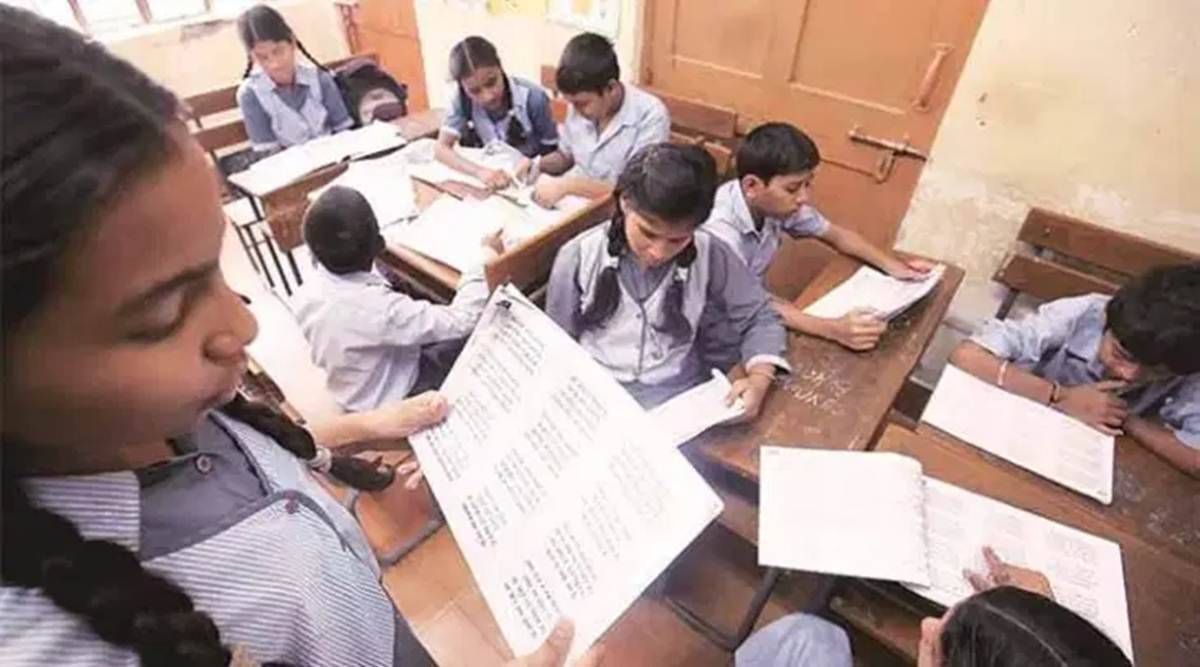
A Meerut-based English teacher had experience. “At least twice I was abused by parents who were angry at my incessant calling. I have been asked to call up 30 ‘defaulters’ every day. Fees collection is school management’s duty, not that of teachers, but everyone is afraid to say no since there is insecurity about jobs due to the pandemic”, she said.
In this outbreak of coronavirus, everyone’s life has been shaken. School, Student and Teacher have been affected very badly.
Teaching has taken to the online platform and the difficulty faced by teachers is ignored by everyone.
We have to through the light on these unresolved issues.
Some of the Complications faced by teachers :-
They were not given any specific training for online classes.
They were not given a proper set for WiFi even they are bearing the cost of internet by themselves.
Many of them do not have touch screen phones.
In many remote areas, the problem of the network is constant.
They, face bullying and misbehaviour from students.
They were forced to do the thing which they don’t want to do to save their only source of income and employment security in the pandemic.
They were not paid on time or even a full salary, although private schools and coalleges are getting full payment from students.
College from Delhi University reported abusive and misbehaviour from students from zoom call.
Links have been shared with other student teachers.
A teacher from Utter Pradesh reported that class 9 students had been showing his private part to her.
It’s sad to see senior teachers struggling to get video or audio on for class and then the whole class disrespect them.
Some students find it amusing t9 tease teachers or see them struggling. Every teacher gives their 100% to teach us . They have been facing pressure from both the ends institute and students.
In this pandemic everyone going through hard time and it’s high time to support each other .
We are taught about the basic traffic signs since childhood, but are you confident that you know all of them right.
THE HOW AND HISTORY
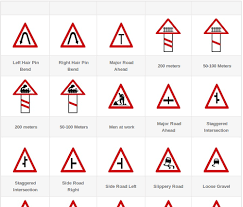
Traffic signs or road signs are signs erected at the side of or above the roads to give instructions or provide information to road users. They are very important as they are a major source of help to avoid accidents. There are many traffic signs or road signs that we are unaware of and if we happen to see them on road we are hung in confusion. The earliest signs were simple wooden or stone milestones. Later, signs with directional arms were introduced. Later all countries adopted pictorial signs to make people understand better.
THE NEED OF TRAFFIC SIGNS
There are a couple reasons why we need to follow and know traffic signs. Some of the points are listed below,
Ensures smooth traffic as it informs the driver about the correct lanes to drive in
Knowing traffic rules in India reduces the number of accidents by ensuring discipline of the roads
Provide instructions and information on the road condition ahead
All information about important curves and junctions, the presence of school and hospitals and speed limits is provided
The traffic rules and signs inform the driver about entry and exit points and about parking areas
Provides drivers to follow the traffic rules in India and about potential dangers on the road
SOME IMPORTANT TYPES OF SIGNS
Mandatory Traffic Signs
Mandatory traffic signs are made to ensure the traffic moves freely. With the knowledge of these signs, the drivers come to know about the prohibitions and the rules and regulations which they need to keep in mind while driving on the road. Some of the mandatory traffic signs are “Stop”, “No Entry”, “One Way”, “Right Turn Prohibited”, “Speed Limit” etc.
Cautionary Traffic Signs
These are the road signs which are made to inform the driver about the potential dangers and the hazards on the road. This ensures the driver is more careful. Some of the examples of these signs are, “Pedestrian Crossing”, “Narrow road ahead”, “Hair Pin Bend”, “Round About” etc.
Informatory Signs
These are the traffic signs with their meanings which inform the driver about distance, directions, alternative routes, destinations and important places like hospitals, schools etc. These signs not only help us to locate places but also reminds us to be careful of the crowd that might be present at the location.
QUIZ YOURSELF
Check out how many traffic signs are you really aware of!
Don’t forget to check out the signs you are unaware of. Educate others on basic signs.
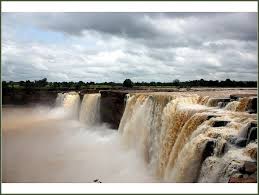
Situated at the foot of Indian state Chhattisgarh, Bastar is a tribal district. Nature has clearly lent Bastar it’s generous hands. There are nearly 5 to 6 waterfalls around the place, two of which are very near to Jagdalpur city (headquarter of Bastar district). Chitrakote Water fall is known by the name “Niagra Falls of India” because of it’s width. It is the widest fall in India, reaching a width of nearly 300 metres (980 ft) during the monsoon season. (Fun Fact: Chitrakote Fall has a Horse shoe shape and Chhattisgarh itself is in Seahorse shape!)
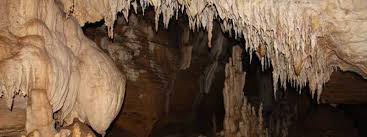
Formation of Stalectites and Stalagmites in Kutomsar Cave
The caves are much to be talked about. Kotumsarcave is a major attraction for people interested in ecotourism. It is a limestone cave formed on the Kanger limestone belt, situated near the bank of the River Kanger, a tributary of the Kolab River. Apart from this, there was a new species of Blind fish found inside the cave. there are yet another caves which are yet to be explored. Dandak Cave, for example is not open to public but forest officials. This clearly shows how people are concerned about not interfering with nature’s business.
Talking of Boda (scientific name: Astraeus hygrometricus), it is a species of fungus which lives solely in a symbiotic relationship with the decayed Sal tree leaves and earth. Yes, Sal trees are the whole soul guardians to these spherical angels! During monsoon, when the leaves from Sal trees fall on ground, the exclusive juices from the trees help in development of these fungi. These little ball-like organisms are packed with carbohydrate and lots and lots of nutrition.
BAZAARS OF BODA IN BASTAR
You may shriek with amazement when I mention Boda’s price. These fungi remain in markets for about 2 months only and cost an arm and leg. During the first quarter of this time period, the price hikes up to Rupees 2000 per kilogram and more! Well this is no surprise for inhabitants rather it seems strange if the inflation does not occur. Obviously, the rarity and exertion which takes to search and pick the fungi out of ground make the price reasonable. And taste is definitely out of question. The outer layer is juicy and chewy while the inside part is as soft as butter.
The initial batches of Boda have darker outer cover; known as “Jaat Boda” while with the progress in time the outer layer becomes lighter and white; they are called “Laakdi Boda”. People mostly prefer Jaat Bodas because the are comparitively softer than their variation, Laakdi Boda. However the latter ones are no less good.
These fungi do not cease their limit here. They are also of vital importance in Medicinal field. Facial creams are made out of them for medicinal purposes.
But do NOT forget that all good things come at a price. Before you decide on enjoying these fungi as exotic food, you must brace yourselves for the cleaning process, for these underground beings are no joke to clean. They have a strong affinity for earth.
The two main lessons we learn are (a) the exclusive food of Bastar teaches us to PRESERVE TREES, therefore nature. For, how else is the world going to benefit from the treasury of mother nature? (b) Try your best to visit Bastar around early June to enjoy nature’s bounty at its fullest; with overflowing waterfalls, Boda, mangoes and much more!
Data processing has undergone evolutionary changes in the past 30 years. Processing with a database management system offers a number of advantages. Presents the basics of today′s dynamic database management systems. Reviews the relevant professional magazines and concludes that systems now are more user‐friendly. A collection of interrelated data together with a set of programs to access the data, also called database system, or simply database. The primary goal of such a system is to provide an environment that is both convenient and efficient to use in retrieving and storing information. A database management system (DBMS) is designed to manage a large body of information. Data management involves both defining structures for storing information and providing mechanisms for manipulating the information. In addition, the database system must provide for the safety of the stored information, despite system crashes or attempts at unauthorized access. If data are to be shared among several users, the system must avoid possible anomalous results due to multiple users concurrently accessing the same data. Examples of the use of database systems include airline reservation systems, company payroll and employee information systems, banking systems, credit card processing systems, and sales and order tracking systems.
A major purpose of a database system is to provide users with an abstract view of the data. That is, the system hides certain details of how the data are stored and maintained. Thereby, data can be stored in complex data structures that permit efficient retrieval, yet users see a simplified and easy-to-use view of the data. The lowest level of abstraction, the physical level, describes how the data are actually stored and details the data structures. The next-higher level of abstraction, the logical level, describes what data are stored, and what relationships exist among those data. The highest level of abstraction, the view level, describes parts of the database that are relevant to each user; application programs used to access a database form part of the view level. The overall structure of the database is called the database schema. The schema specifies data, data relationships, data semantics, and consistency constraints on the data. Underlying the structure of a database is the logical data model: a collection of conceptual tools for describing the schema. The entity-relationship data model is based on a collection of basic objects, called entities, and of relationships among these objects. An entity is a “thing” or “object” in the real world that is distinguishable from other objects. For example, each person is an entity, and bank accounts can be considered entities. Entities are described in a database by a set of attributes. For example, the attributes account-number and balance describe one particular account in a bank. A relationship is an association among several entities. For example, a depositor relationship associates a customer with each of her accounts. The set of all entities of the same type and the set of all relationships of the same type are termed an entity set and a relationship set, respectively .
The information in a database is stored on a nonvolatile medium that can accommodate large amounts of data; the most commonly used such media are magnetic disks. Magnetic disks can store significantly larger amounts of data than main memory, at much lower costs per unit of data. To improve reliability in mission-critical systems, disks can be organized into structures generically called redundant arrays of independent disks (RAID). In a RAID system, data are organized with some amount of redundancy (such as replication) across several disks. Even if one of the disks in the RAID system were to be damaged and lose data, the lost data can be reconstructed from the other disks in the RAID system. Data manipulation is the retrieval, insertion, deletion, and modification of information stored in the database. A data-manipulation language enables users to access or manipulate data as organized by the appropriate data model. There are basically two types of data-manipulation languages: Procedural data-manipulation languages require a user to specify what data are needed and how to get those data; nonprocedural data-manipulation languages require a user to specify what data are needed without specifying how to get those data. A query is a statement requesting the retrieval of information. The portion of a data-manipulation language that involves information retrieval is called a query language. Although technically incorrect, it is common practice to use the terms query language and data-manipulation language synonymously. Database languages support both data-definition and data-manipulation functions. Although many database languages have been proposed and implemented, SQL has become a standard language supported by most relational database systems. Databases based on the object-oriented model also support declarative query languages that are similar to SQL. SQL provides a complete data-definition language, including the ability to create relations with specified attribute types, and the ability to define integrity constraints on the data. Data Security: The DBMS can prevent unauthorized users from viewing or updating the database. Using passwords, users are allowed access to the entire database or a subset of it known as a “subschema.” For example, in an employee database, some users may be able to view salaries while others may view only work history and medical data. See database security. Data Integrity: The DBMS can ensure that no more than one user can update the same record at the same time. It can keep duplicate records out of the database; for example, no two customers with the same customer number can be entered. Intelligent Databases: All DBMSs provide some data validation; for example, they can reject invalid dates or alphabetic data entered into money fields. But most validation is left up to the application programs. Intelligent databases provide more validation; for example, table lookups can reject bad spelling or coding of items. Common algorithms can also be used such as one that computes sales tax for an order based on zip code. When validation is left up to each application program, one program could allow an item to be entered while another program rejects it. Data integrity is better served when data validation is done in only one place. Mainframe DBMSs were the first to become intelligent, and all the others followed suit.
According to Albert Einstein’s general theory of relativity, gravity is no longer a force that acts on massive bodies, as viewed by Isaac Newton’s universal gravitation. Instead, general relativity links gravity to the geometry of spacetime itself, and particularly to its curvature.
In classical physics, time proceeds constantly and independently for all objects. In relativity, spacetime is a four-dimensional continuum combining the familiar three dimensions of space with the dimension of time.
To account for gravity in relativity, the structure of this four-dimensional spacetime must be extended beyond the rules of classical geometry, where parallel lines never meet and the sum of a triangle’s angles is 180°. In general relativity, spacetime is not ‘flat’ but is curved by the presence of massive bodies.
This artistic representation visualises spacetime as a simplified, two-dimensional surface, which is being distorted by the presence of three massive bodies, represented as coloured spheres. The distortion caused by each sphere is proportional to its mass.
The curvature of spacetime influences the motion of massive bodies within it; in turn, as massive bodies move in spacetime, the curvature changes and the geometry of spacetime is in constant evolution. Gravity then provides a description of the dynamic interaction between matter and spacetime.
Periyar E.V.Ramasamy(1879-1973)was the founder of the self-respect movement.He was the son of a wealthy businessman in Erode,venkatappa and chinna Thayammal.Though possesing little formal education ,he engaged in critical discussions with scholars ,who used to be patronised by his devout father.As a young man,he once ran away from home and spent many months in varanasi and other religious centers.The firsthand experience of orthodox Hindu religion led to his disillusionment with religion.On his return ,he took care of his family business for some years.His selfless public service and forthrightness made him a popular personality.He held different official positions of Erode that included the chairmanship of Municipal council(1918-1919).
In the context of the rise of the non-Brahmin Justice party after 1917,the Congress inducted non-Brahmin leaders such as Periyar and P.varadarajulu,at the initiative of C.Rajaji.Periyar resigned all the government positions to support the Non-cooperation Movement (1920-1922).He gave up his profitable business and became an active member of the Congress.He promoted khadi and sold it on the streets of Tamilnadu.He cut down 500 coconut trees in his farm to support the campaign for prohibition.He held the positions of secretary and president of the Tamilnadu congress committe.
As president of the Tamilnadu congress committe,Periyar proposed a resolution regarding the rights of “untouchables”to temple entry.In the name of “caste dharma”the “lower caste”people were denied access to the temples and the streets surrounding the temple .In vaikom(a town in the then princely state of Travancore and in present day Kerala),people protested against this practice.In the initial stages George Joseph of Madurai played big role.After the local leaders were arrested Periyar led the movement and was imprisoned.people hailed him as vaikom virar(Hero of vaikom).In the meaning,he was disturbed by the caste-based discrimination in the dining hall at the Cheranmadevi gurukulam (school),which was run by V.V.Subramaniam (a congress leader)with the financial support of the Tamilnadu congress committee.periyar was disappointed when, despite his objections and protests against this discrimination,the Congress continued to support the iniquitous practice in the gurukalam.
Periyar was keen on the introduction of reservation in representative bodies such as the legislative council for non-Brahmins .He wanted to pass the resolution in the annual conference of the Tamilnadu congress committee in 1925 at its Kanchipuram session but in vain.The congress’s inability in addressing these concerns made him quit the Congress in 1925.Following his disillusionment,Periyar started the self-respect movement in 1925.
Periyar understood the relevance of mass communication in spreading rationalist thought.He started a number of newspapers and journals such as kudi Arasu (Democracy)(1925),Revolt(1928)Puratchi(Revolution)(1933),Resolt(1928),Puratchi (Revolution)(1933),paguththarivu(Rationalism)(1934),and viduthalai (Liberation) (1935).kudi Arasu was the official newspaper of the self-respect Movement.It brought out the multiple voices and ideas of Non-Brahmins ,women and religious minorities.usually,Periyar wrote a columns under the pseudonym of chitraputtiran.
Over the years ,Periyar visited many countries and interacted with intellectuals all over.He visited Singapore and Malaya (1929-1930,1954),Egypt,U.S.S.R.(modern Russia),Greece ,Turkey ,Germany, England,spain, France and Portugal(1931-32),and Burma (1954 to attend the 2500th birth Anniversary of the Buddha).His experience of traveling in the Soviet union and Europe carried Periyar towards socialist ideals.Periyar had a close relationship with singaravelar who is considered the first communist of South India and a pioneer of Buddhism.In 1936,Periyar got Dr.B.R.Ambedkar’s Annihilation of caste translated into Tamil immediately after it was written.He also supported Ambedkar’s demand for separate electorates for scheduled castes.
In 1937,in opposition to the Rajaji’s government’s move to introduce compulsory Hindi in schools ,he launced a popular movement to oppose it.The anti-Hindi agitation (1937-39)had a big impact on Tamilnadu’s politics.periyar was imprisoned for his role in the movement.when he was still in jail,Periyar was elected the president of the justice party.Thereafter the justice party merged with the self-respect movement.It was rechristened as Dravidar Kazhagam (DK)in 1944.
Periyar E.V.Ramasamy
Rajaji,the chief Minister of Madras state (1952-54),introduced a vocational education programme that encouraged impacting school children with training in tune with their fathers occupation.Periyar criticised it as kula kalvi Thittam (caste-based education scheme)and opposed it tooth and nail.His campaigns against it led to the resignation of Rajaji.K.Kamaraj became chief Minister of the Madras state.periyar died at the age of ninety four.His mortal remains were buried at Periyar Thidal,Madras.
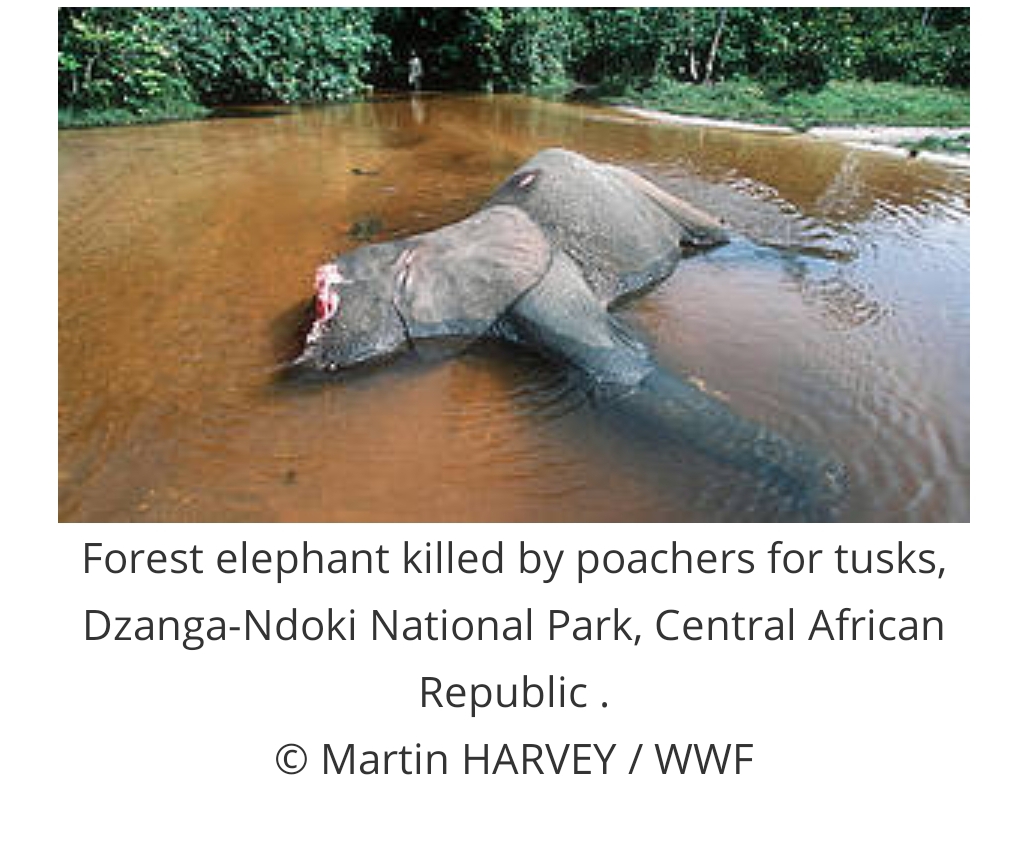
It is distressing to see the plight of the tusk-bearing animals these days. Numerous news headlines are daily highlighting the illegal smuggling of ivory. The extortionate value and demand of the ivories are not only in India, but also in the international markets. Wild animals are mercilessly being poached on a massive scale, possessing a major existential threat to wildlife. But do we really care or do enough to stop this inhumane and selfish act?
Let us first understand the connotation of the word ‘poaching’.
Poaching, in simple words, is the illicit act of killing, shooting, hunting or capturing of animals. The aim of this illegal act is mainly for the purpose of trade of animal products like skin, teeth, horn, bone, etc. Poaching plays a decisive role in being a contributor to biodiversity loss. Due to this felonious act, the number of extinctions has increased dramatically over the past decades. It is necessary to understand that poaching is not only about the uncontrolled killing of protected animals or endangered animals but any unlawful killing of animals.
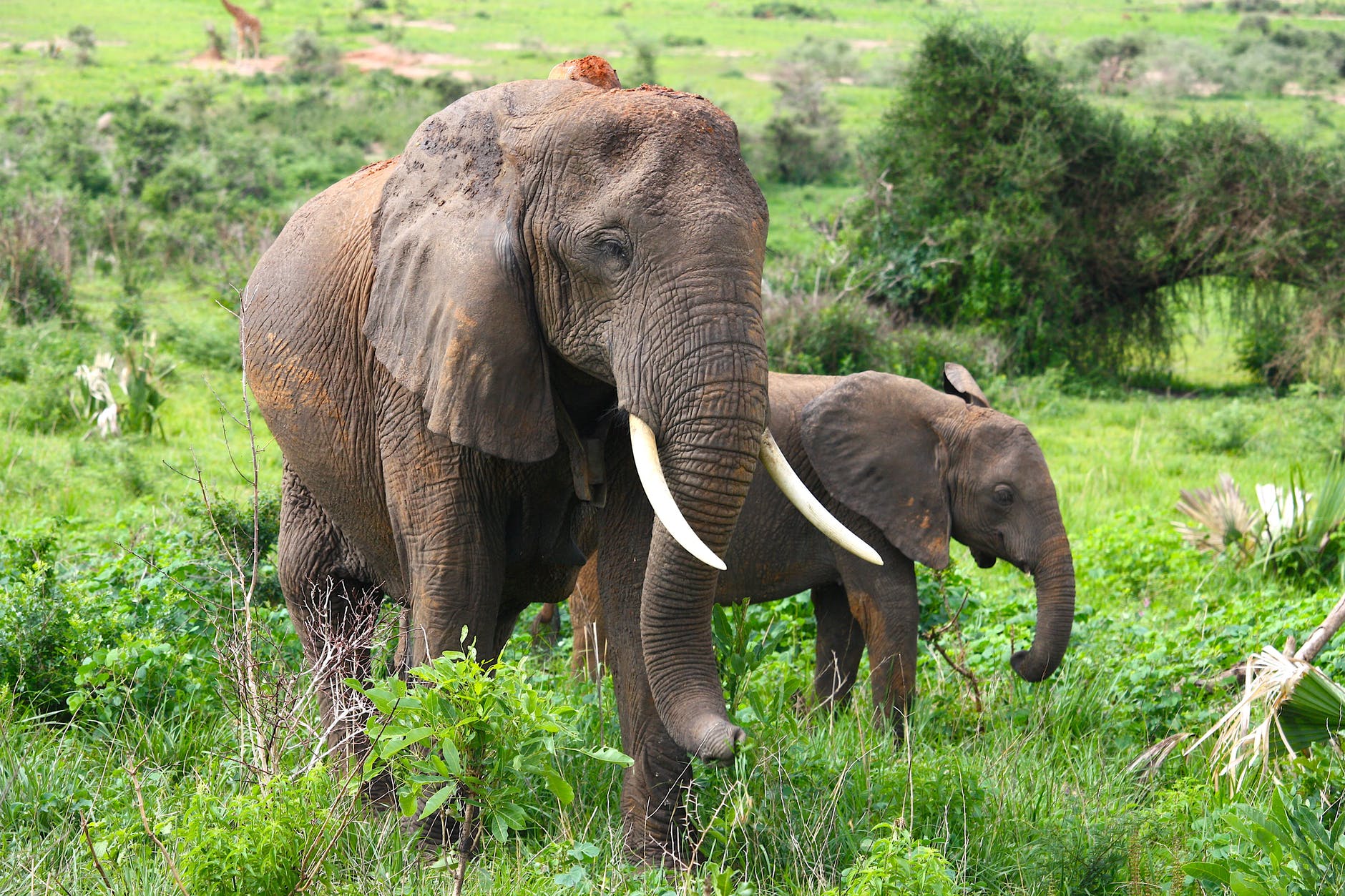
Smuggling of elephant tusks
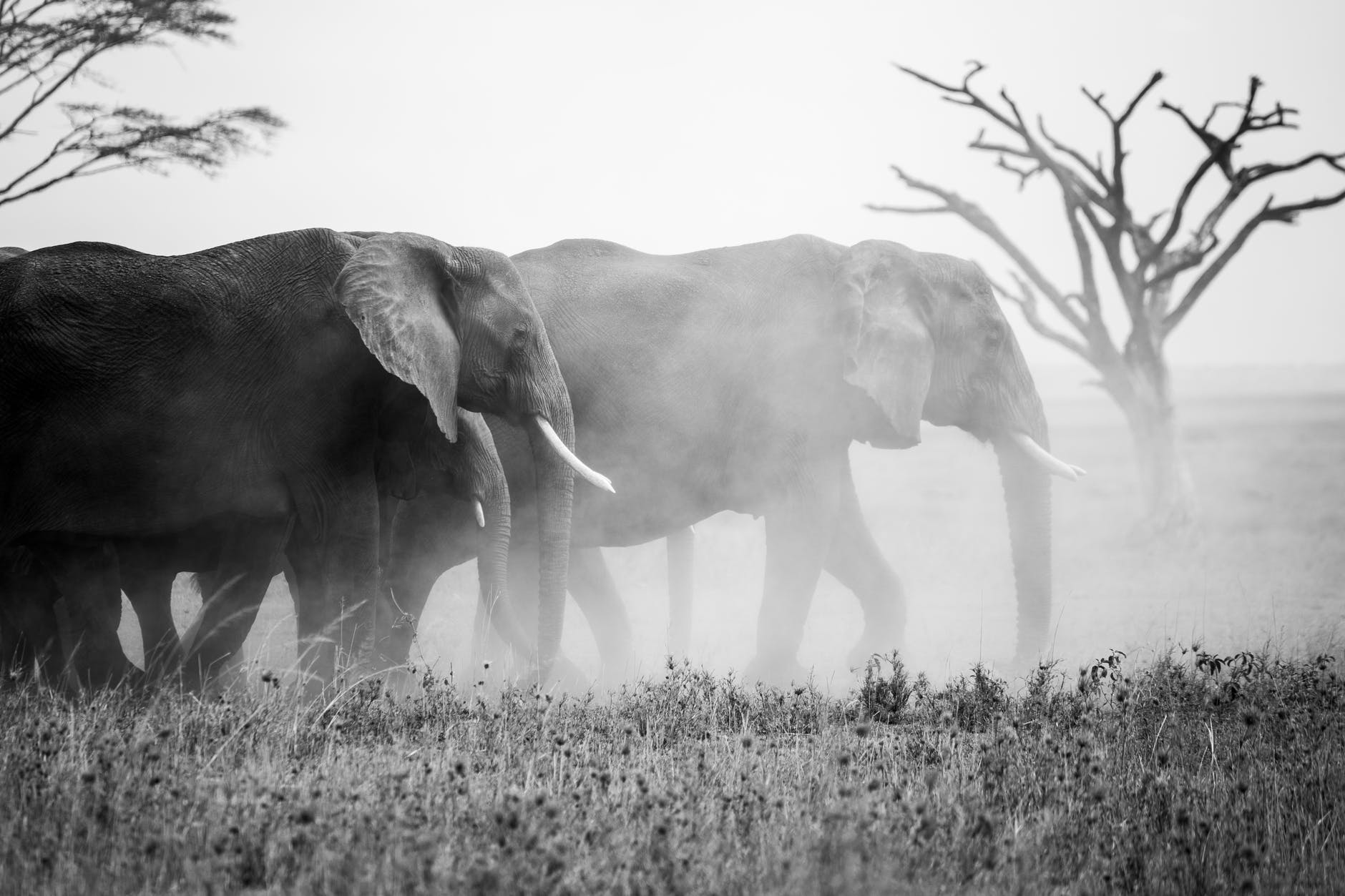
In India, poaching of elephants is very common and a major challenge to be combated. Ivory trade is in high demand mostly in the Asian countries. About 20,000 elephants are mercilessly killed every single year for their tusks. These ivory tusks are then smuggled in the international markets to eventually end up as ivory trinkets.
Ivory trade has been in practise for millennia. In the 14th century BCE, the exportation of ivory and slaves from Africa and Asia were done extensively. The freshly captured slaves along with the tusks were sold. The ivory was then used to make ornaments and aesthetically pleasing commodities.
On July 6, 2016, a complete ban on commercial trade in African elephant ivory went into effect in the United States. The African elephant population has decreased dramatically. Near about 350,000 elephants are left in Africa, as per 2019 data. It is quite shocking to know that 10,000 to 20,000 elephants are slain every year. Elephant numbers have dropped by 62% over the last decade, and if not brought under control, then they’ll be extinct by the end of the next decade.
Major countries where these tusks are sold
China is the biggest consumer market for ivory products. However, a ban was enforced on ivory trade by China in the year 2017. But it is evident that ivory is in high demand in many countries. Illegal selling of ivory is still rampant. In the year 2011, a whopping amount of 100kg of ivory was seized by Tanzanian officials. That same year several countries including Tanzania and Kenya seized a total of 17 ivory shipments weighing 800 kg.
According to surveys and in-depth interviews the demand for ivory is known to be concentrated in: China, Thailand, Vietnam, the Philippines, and the United States.
Last year, about 8.8 tonnes of ivory items were seized in Singapore.
The adverse effects of tusk-removal on the elephants
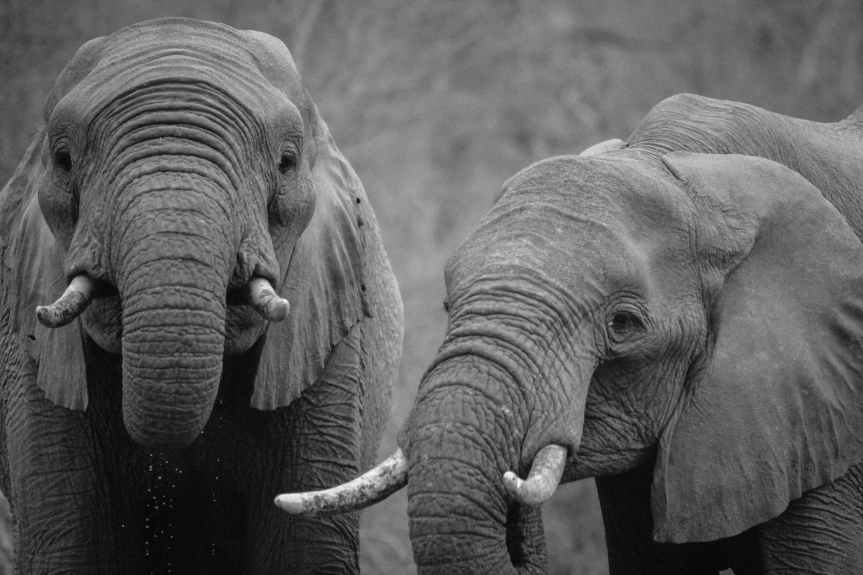
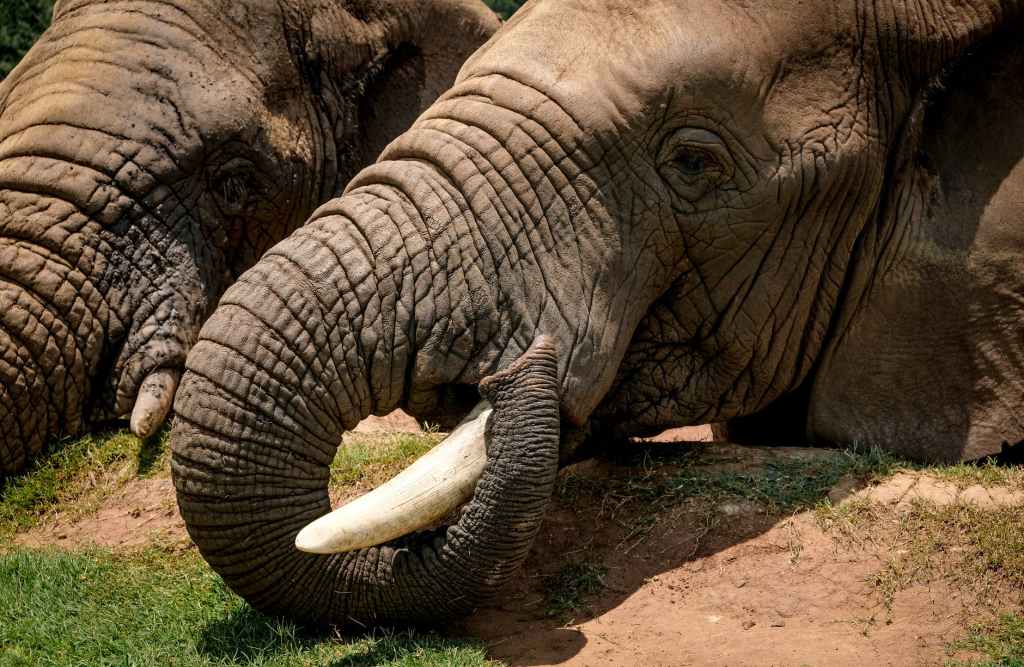
I am sure that we have all seen the majestic elephants flaunting big, off-white tusks on either side of their trunks. These tusks are both beautiful on the elephant and of utmost importance in the species’ survival.
Many poachers claim that there are no after effects of tusk-removal. Either the elephants are killed or sedated before removing their beautiful tusks.
An elephant’s tusk is deeply embedded in its skull. When the tusks are removed, there is a big hole left afterwards. The hole is big enough to stick your arm into it. If the tusks are removed at the point where it protrudes from the head, the nerve is exposed. Either way, now the wound is open and vulnerable to all sorts of infection. So, even though the elephant remains alive it is still at risk. Now, suppose there is an ivory poacher. Any poacher will want as much ivory as he can acquire with as little risk as possible. If he opts for the removal of the tusk completely, he/she will have to completely sedate or kill the elephant, because of little time and the fear of getting caught.
The answer is a ‘Big No’. Ivory has been valuable since ancient times in art and manufacturing a range of items and artefacts. Though elephant ivory is the most important source, ivory of walruses, mammoth, killer whale, sperm whale, hippopotamus, narwhal and warthog are used as well.
The international and national trade of ivory of threatened species such as African and Asian elephants is illegal.
Are you worried about your fluctuating level of blood sugar? For a diabetic patient, it is the blood sugar levels which reveal whether they have either high amounts of blood sugar (hyperglycemia) or low blood sugar levels (hypoglycemia).
Lets see how you can gain control over your sugar levels and stay healthy even with a diabetic condition.
Be regular with your medication
Medication is important for having a good diabetic control. Missing medication can increase your risk of suffering from several diabetes-related health complications.
Eat right and exercise regularly
Eating meals and snacks at consistent times help keep your blood glucose levels within target range. Getting regular physical exercise is equally important to maintain normal blood sugar levels. But check your blood sugar levels before and after exercise and avoid exercising if your blood sugar levels are too high or too low.
Check your blood sugar levels regularly
Regular blood sugar monitoring is the most important thing you can do to manage type 1 or type 2 diabetes. You’ll be able to see what makes your numbers go up or down, such as eating different foods, taking your medicine, or being physically active. Most people with diabetes need to check their blood sugar (glucose) levels regularly.
Shed those extra pounds
Obesity is one of the most crucial mitigating factors of diabetes. Obesity also causes your cholesterol levels to skyrocket, increasing the chances of heart disease.
Control your cholesterol levels
Diabetes often increases LDL “bad” cholesterol levels in a person’s body while lowering HDL “good” cholesterol levels. Controlling cholesterol levels plays a crucial role in reducing a person’s risk of heart disease.
Data science is an interdisciplinary field that uses scientific methods, processes, algorithms and systems to extract knowledge and insights from structured and unstructured data,and apply knowledge and actionable insights from data across a broad range of application domains. Data science is said to data processing , machine learning and large data.
Data science may be a “concept to unify statistics, data analysis, informatics, and their related methods” so as to “understand and analyze actual phenomena” with data.[3] It uses techniques and theories drawn from many fields within the context of mathematics, statistics, computing , informatics , and domain knowledge. However, data science is different from computing and knowledge science. Turing Award winner Jim Gray imagined data science as a “fourth paradigm” of science (empirical, theoretical, computational, and now data-driven) and asserted that “everything about science is changing due to the impact of data technology” and therefore the data deluge
There are a spread of various technologies and techniques that are used for data science which depend upon the appliance . More recently, full-featured, end-to-end platforms are developed and heavily used for data science and machine learning
Data Analyst Data analysts bridge the gap between data scientists and business analysts. they’re given the questions that require answering from a corporation then organize and analyze data to seek out results that align with high-level business strategy. Data analysts are liable for translating technical analysis to qualitative action items and effectively communicating their findings to diverse stakeholders.
Skills needed: Programming skills (SAS, R, Python), statistical and mathematical skills, data wrangling, data visualization
Data Engineer Data engineers manage exponential amounts of rapidly changing data. They specialise in the event , deployment, management, and optimization of knowledge pipelines and infrastructure to rework and transfer data to data scientists for querying.
This popular medicinal plant Neem, is famous for its healing properties. Neem, also known as Indian Lilac is commonly known for its antiseptic, anti inflammatory and antioxidant properties. It contains great sources of fatty acids, minerals and vitamins that has some medicinal properties that could be beneficial for you in many ways.
Either you have skin problems, hair problems or any other, Neem is here for the rescue. Let’s take a glance at the great benefits of this evergreen herb that could provide you many benefits.
Benefits of neem for skin:
1.Soothes irritated skin
Neem has antibacterial and anti-inflammatory properties that may pacify irritated skin. With the advantage of getting a cooling effect on the skin, neem is beneficial for treating skin sensitivity. Additionally, neem features a soothing effect on dehydrated or dry skin.
2. Fight signs of ageing
Neem leaves are stuffed with antioxidants, moisturizing triglycerides and vitamin E, which makes it an ideal anti-ageing treatment. They lower wrinkles, fines lines and dark spots and make your skin look firm and toned.
3. Treats acne
The antibacterial properties of neem fight acne-causing bacteria, which helps in the treatment and prevention of acne. Also, it’s extremely useful in controlling oil production in the skin.
4. Tackles blackheads and whiteheads
Neem on your face is helpful to say goodbye to whiteheads and blackheads when used regularly. It pulls back large pores and works as an exfoliating agent to pull out impurities and tighten pores.
Benefits of neem for hair:
1. Relieves itchy scalp
Neem has antifungal properties that may help within the treatment of dandruff. The effective use of neem to your hair can relieve the itchiness, inflammation, and irritation associated with dandruff.
2. Intensify hair growth
The regenerative properties of neem help in reducing hair fall. Gently, massaging your scalp with neem oil can increase the blood circulation in the scalp and help in enhancing the speed of hair growth.
3. Avert premature greying of hair
Neem is rich in antioxidants that curb the action of free radicals that cause premature greying of hair. Regular usage of neem powder or neem oil for the same is also useful.
4. Conditions under nourished hair
Neem contains a significant ingredient called fatty acid which help the scalp to nourish thereby keeping the hair smooth.
So, to get those clear skin goals or to get those luscious hair locks, Neem is all you need.
John Milton’s Satan, by common consent is one of the greatest artistic creation in any language. He is the most heroic and magnificent character ever portrayed. There has been a great controversy on the ambiguity of his character, yet it is an absolute truth that his character engages the reader’s attention and excites his admiration also. He is the main character of Milton’s epic. From the beginning of the epic poetry till the very end Satan’s character degenerates. This degeneration gives real epic quality to Paradise Lost and also to Satan himself.
Satan’s speeches reveal pure Miltonic lyricism. his opening speech to Beelzebub is a magnificent set piece. it reveals the character of Satan-a defiant rebel and a great leader. He encourages and sympathizes with bold words and sentiments. Satan first takes pity on the change in his friend. then he refers to their friendship of the hazardous enterprise in heaven and their present misery. He is ashamed to admit the might of God but, he will not allow it to change his mind. He has nothing but contempt for God who insulted his merits. It is a sense of injured merit that makes him rage war against the tyrant of heaven. As for the battle, it has been an equal match and the issue uncertain. It is not their want for acknowledgement of their merit but God’s new secret weapon that made God victorious in the war. There is an irony through Satan’s speech which continually reduces his stature even when apparently it seems to be building it up. Satan’s historical ‘high disdain’ and ‘sense of injured merit’ have overtones of the hedicrous. It seems weak and childish.
A single victory does not permanently ensure God’s victory. For the present, they may have lost the battle, but that does not mean they have lost everything, ” What though field be lost? … And what is the else not to be overcome”. He, who failed to conquer these things cannot be called to be a victor at all. Defeat is complete only when the spirit and the will too are subjugated. The bow down before God is worse than defeat. So, he is determined to rage eternal war by force or guile.
Satan’s question “What though the field be lost?” is an exposure of himself and his inability to act in any other way other than what he enumerates. Though the speech is one of high rhetorics there is barrenness no suggestion no action at all except to brood on revenge and hate. Revenge will be eternally “studied” and have sustained yet it is so grandly expressed that we are thrilled by the implied suggestion to wage ceaseless battle against hopeless odds, this appears as admirable.





























You must be logged in to post a comment.