ARTIFICIAL INTELLIGENCE:

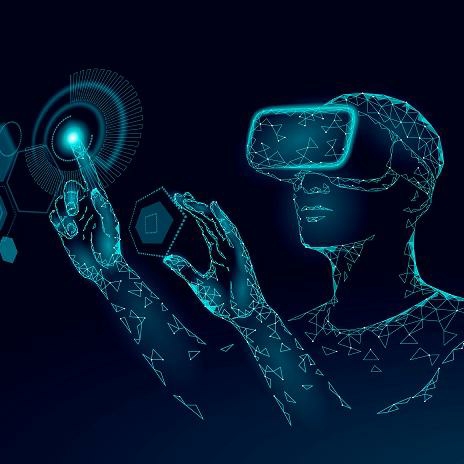
Artificial Intelligence refers to the intelligence of machines. This is in contrast to the natural intelligence of humans and animals. With Artificial Intelligence, machines perform functions such as learning, planning, reasoning and problem-solving. Most noteworthy, Artificial Intelligence is the simulation of human intelligence by machines. It is probably the fastest-growing development in the World of technology and innovation. Furthermore, many experts believe AI could solve major challenges and crisis situations.
Types of Artificial Intelligence:

First of all, the categorization of Artificial Intelligence is into four types. Arend Hintze came up with this categorization. The categories are as follows:

Type 1: Reactive machines – These machines can react to situations. A famous example can be Deep Blue, the IBM chess program. Most noteworthy, the chess program won against Garry Kasparov, the popular chess legend. Furthermore, such machines lack memory. These machines certainly cannot use past experiences to inform future ones. It analyses all possible alternatives and chooses the best one.

Type 2: Limited memory – These AI systems are capable of using past experiences to inform future ones. A good example can be self-driving cars. Such cars have decision making systems. The car makes actions like changing lanes. Most noteworthy, these actions come from observations. There is no permanent storage of these observations.

Type 3: Theory of mind – This refers to understand others. Above all, this means to understand that others have their beliefs, intentions, desires, and opinions. However, this type of AI does not exist yet.

Type 4: Self-awareness – This is the highest and most sophisticated level of Artificial Intelligence. Such systems have a sense of self. Furthermore, they have awareness, consciousness, and emotions. Obviously, such type of technology does not yet exist. This technology would certainly be a revolution.

Applications of Artificial Intelligence:

First of all, AI has significant use in healthcare. Companies are trying to develop technologies for quick diagnosis. Artificial Intelligence would efficiently operate on patients without human supervision. Such technological surgeries are already taking place. Another excellent healthcare technology is IBM Watson.Artificial Intelligence in business would significantly save time and effort. There is an application of robotic automation to human business tasks. Furthermore, Machine learning algorithms help in better serving customers. Chatbots provide immediate response and service to customers.

AI can certainly make education more efficient. AI technology can discover the needs of students. Then it can adapt according to their needs. AI tutors provide study help to students. Also, AI can automate grading which results in saving a lot of time.AI can greatly increase the rate of work in manufacturing. Manufacture of a huge number of products can take place with AI. Furthermore, the entire production process can take place without human intervention. Hence, a lot of time and effort is saved.Artificial Intelligence has applications in various other fields.

These fields can be military, law, video games, government, finance, automotive, audit, art, etc. Hence, it’s clear that AI has a massive amount of different applications.To sum it up, Artificial Intelligence looks all set to be the future of the World. Experts believe AI would certainly become a part and parcel of human life soon. AI would completely change the way we view our World. With Artificial Intelligence, the future seems intriguing and exciting.

Media, Disability & COVID-19

According to United Nations, about 1 billion people all over the world come under the category of “disabled” and that is 15% of the global population. Now, the question is, shall we as a society neglect 15% people in the world just because they happen to be in minority?

Media being one of the crucial facets of society has a major role to play when it comes to disseminating information and making people aware about significant and ignored issues. Now, let us go through what media has done to represent people with disabilities and their issue since the beginning of the pandemic.

1) Disability and Broadcast Media


A Look: Public Broadcasters of various countries

In 2020, the World Federation of the Deaf noted that 80 governments in the world have been providing sign language interpretations while Covid-19 press briefings.

For example, in order to curb Covid-19 pandemic, South Korean government aimed to strengthen the ways disabled people could be informed during the pandemic and other related disasters. The country’s public broadcaster KBS during the pandemic announced that it would work to expand the reach of information in its disaster countries. During the pandemic, the public radio in the country had continued to provide programmes dedicated to disabled community with daily news and health updates and general life advice.

When it comes to India’s public television broadcaster Doordarshan and public radio-All India Radio, very minimal representation of disabled community took place during the pandemic. Even though the objective of the these broadcasters is social welfare, disabled community was one of the most ignored ones as “no special programmes” were held for this community, nor was their issue highlighted specifically anywhere. News Bulletins with sign language were held for the disabled community though. More has to be done to ensure social inclusion of all communities including the disabled ones.

Private Broadcasters: nothing matters, but profits!

Media all over the world, including the Indian ones either portray disabled people as “nothing” or “everything” and both of them are dangerous. In 2019, Ministry of Information and Broadcasting in India directed the private channels to include special schemes for disabled community. Although some channels have started news bulletins for disable people but there was almost equal to zero representation of the disabled community during the pandemic.

There should be open space for the disabled community such as they should be invited for panel discussions and debates relating to different happenings in the world from politics to entertainment and like.

Digital Media: A hope in every way!

This is probably the best when it comes to serving and representing the disabled community during the pandemic. Digital and online media were the perfect mediums through which disabled people got proper spaces to talk about the issues they were facing during the pandemic.

One of the online apps called “News Hook” became increasingly popular among the disabled audience which used sign language specifically for the audience with hearing impairment. It covered headlines relating to technology, politics, entertainment, business and sports during the pandemic. It should also be noted that 65% of the staff here were from the disabled community.

Moreover, web portals of Indian Newspapers like The Indian Express and The Business Standards and many more gave enough of space to the disabled people so that they can talk freely about the issues they faced during the lockdowns.

The same above mentioned media channels also used platforms like YouTube to sensitise the audiences regarding the hindrances faced by the disabled community. Some reporters and even famous YouTube personalities covered the terrible times disabled people in India went through during the pandemic.

It should also be noted that online media was comfortable for disabled people as well as the medium is now more easily accessible with good quality content and also because of its low price rates.

Media, especially the mainstream media should be more responsible and sensitive in dealing with issues relating to the disabled community. More representation about the disabled community should take place in the mainstream media. Disabled people “aren’t incapable” and therefore they should be given proper employment in the media. They should be engaged and involved in live discussions and debates. Together, as society which includes the media we should create an environment which is inclusive, anti- discriminatory and diverse.

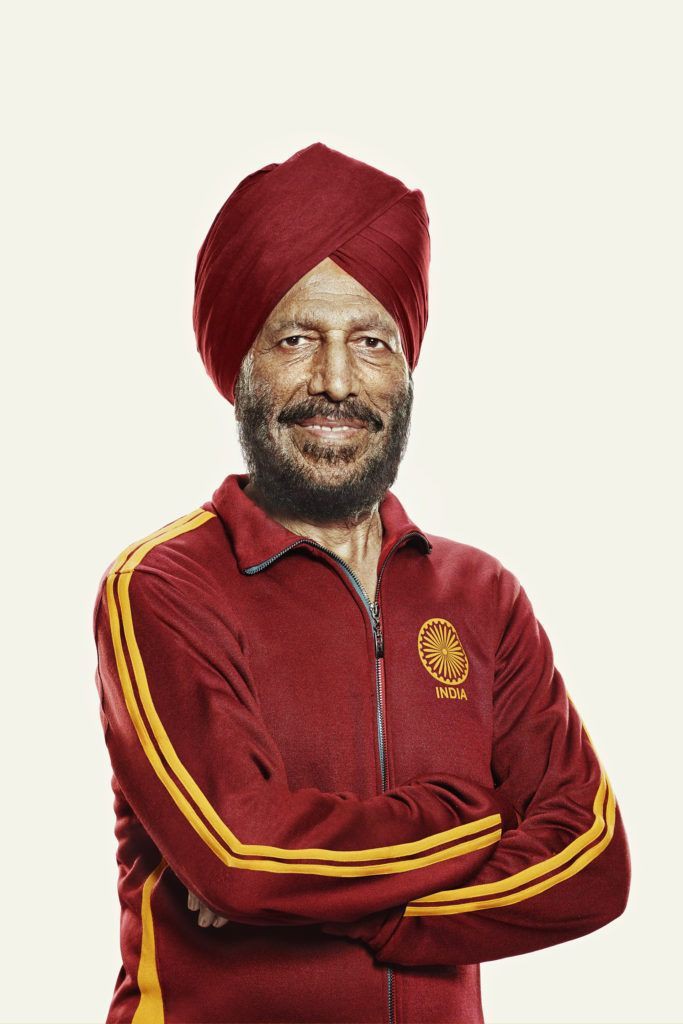
The Flying Sikh : The journey of MILKHA SINGH

I was moved to tears by the thought that from being nobody the night before, I had become somebody.

– Milkha Singh

The beginning

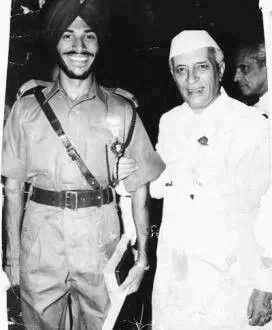
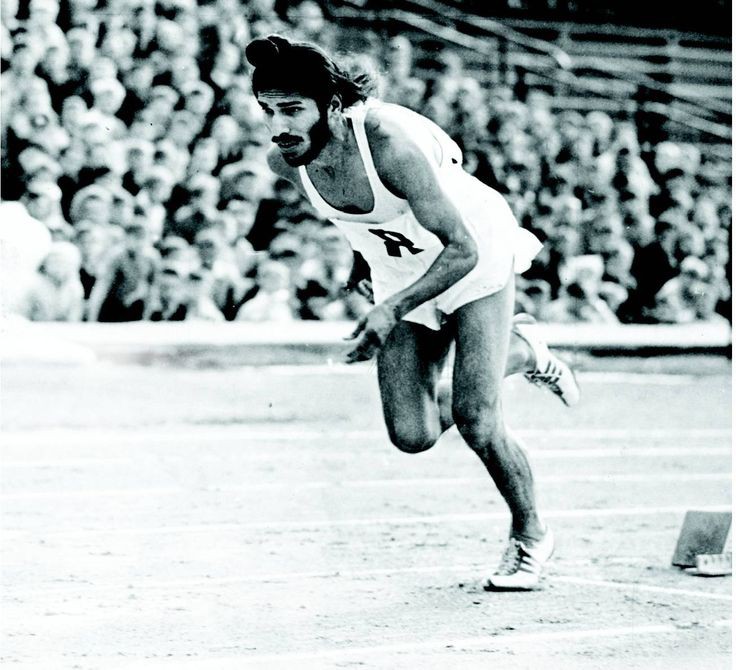
He was an athlete , an army officer and a proud citizen . He won for his motherland and inspired many . Yes , he was an inspiration and served for his nation .

He was born in November 20,1929 in Govindpura , Punjab ( present – Punjab , Pakistan ) . He was one of his 15 siblings from whom 8 died during the partition . In early age , he moved to Delhi , India in 1947 .

He wasn’t interested in army or becoming one but wanted to prove himself and others that he can be the one . It was his forth attempt when he gained access and introduced to the athletic later .

He once said that “I came from a remote village, I didn’t know what running was, or the Olympics”. And that’s where he started his journey as an athlete .

Medal awards and Popularity

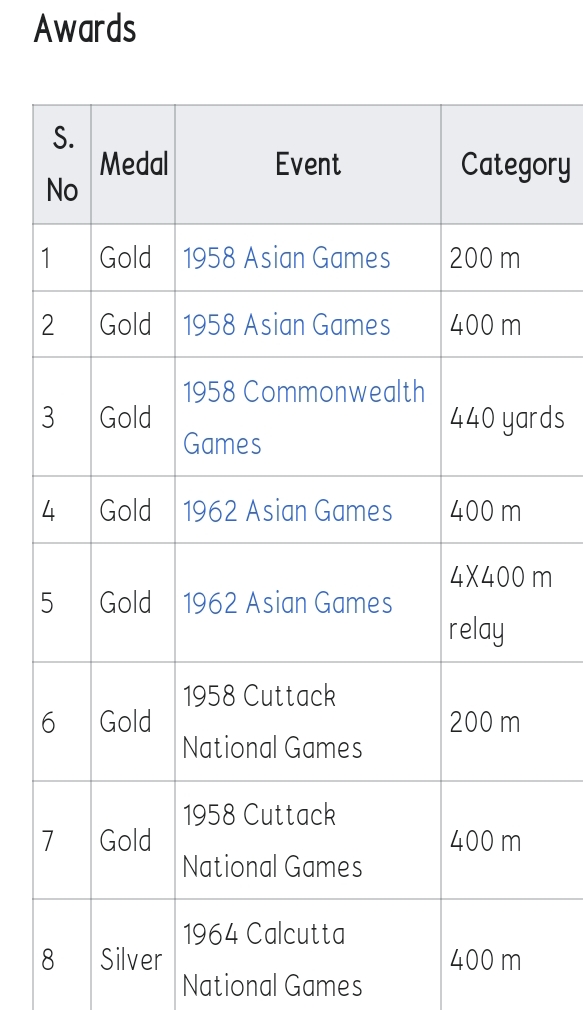
With many Olympic , National and International awards . Rather than his award Milkha Singh was quite popular in media . His powerful aura worked from sports men to the Ministry .

Later in his life he married Nirmal saini , a former captain of Indian women volleyball team and had three daughters and a son .

He became Director of sports in Punjab Ministry of Education and was awarded with Padmashri in 1959. He also turned down Arjuna award in 2001 by saying that it was to be awarded to younger atheletes rather than him.

An inspiration

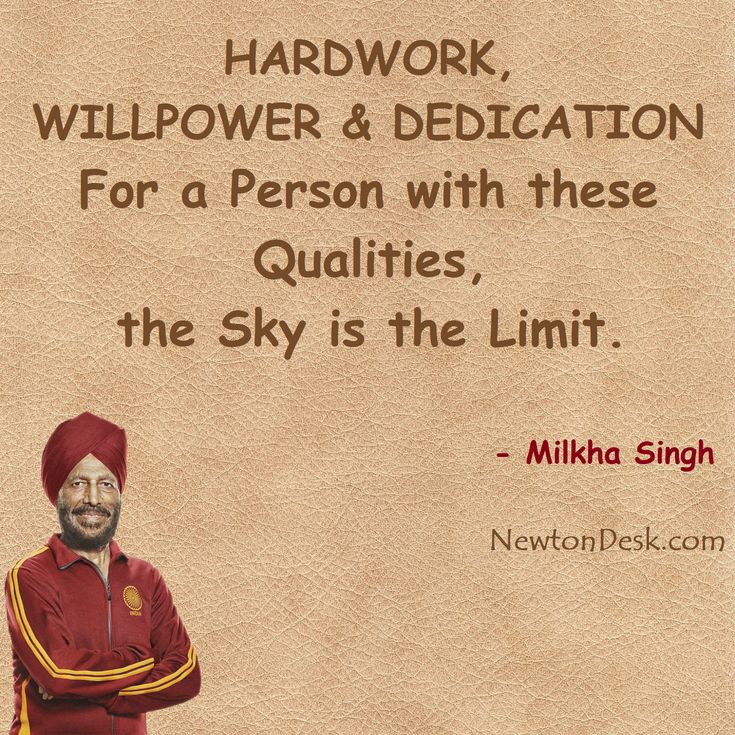
As an athlete , he inspired young aspirants who want to become from Nothing to Something . He shared his ideas that before his first game he was just a runner but after he earn first postion he became Something from Nothing .

” I was moved to tears by the thought that from being nobody the night before, I had become somebody. “

-Milkha singh

He also co- wrote his biography with his daughter “THE RACE OF MY LIFE ” in 2013 . Which inspired “Bhaag Milkha Bhaag ” an autobiography film in 2013 . A trust had been founded for the poor and needy sports people in 2013 due to the recognition of film .

A day of loss

On June 18th ,2021 , we lost one of the legendary Indian icon , an ace of athlete due to the post covid – complication . “We are deeply indebted to the doctors at PGI for their valiant efforts and the love and prayers we received from across the world and from yourselves,” – statment given by his family .

PM Narendra Modi pay a tribute to MILKHA SINGH in his monthly radio program ‘Maan ki baat’ . He urged India to cheer and motivate for forthcoming Tokyo Olympics .

He said “When talking about the Olympics, how can we not remember Milkha Singh Ji. When he get hospitalized, I got a chance to speak to him, I had requested him to motivate the athletes going for Tokyo Olympics”

We lost one gem of our India but we didn’t lost his contribution to his motherland . He has given a lot and it’s our time to remember what gave to us .

Link:

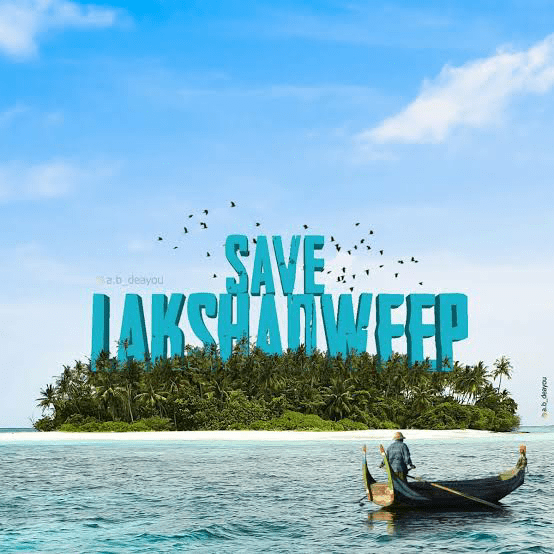
Capitalism Over Purity In Lakshadweep

Lakshadweep is the smallest UT in India, most popularly known for its sandy white beaches with crystal blue waters and secluded lagoons.

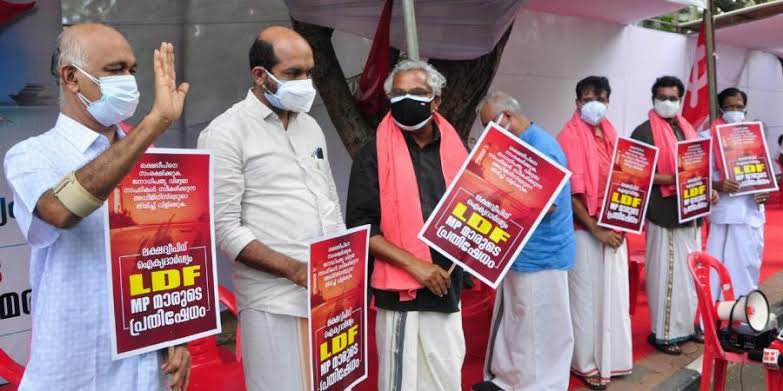
But Lakshadweep is now in the news for all the wrong reasons. The accountability of such disturbance and row in Lakshwadeep can be credited to the fascist and corrupted minds of politicians. 

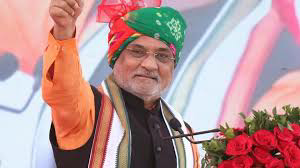
It has a population of around 60,000 people with 90% of Muslims and consists of somewhat 30 small islands. Once a peaceful area is now facing disruption because of the capitalistic, islamophobic and exploitative mentality of politicians. Praful Khoda Patel, a political leader of BJP presents the ideological projects as an idea for development. But these actions by him will only fill the pockets of capitalists on the mainland and will hurt the islanders.

Unlike Delhi and Puducherry, this union territory has no legislative assembly nor a Chief Minister. The President of India appoints an administrator to govern the whole territory.

Until 2020 this responsibility was given to bureaucrats, they were either IAS or IPS officers. In December 2020 misfortune happened, a greedy politician got the responsibility of the administration there. His ignorance and eagerness for materialism disrupted the lives of islanders.

Praful Khoda Patel | Mastermind for Lakshwadeep Row

The man who created a storm in India’s island of peace.

Before digging deep into the main cause, let’s have a brief history of our antagonist Praful Khoda Patel.

In 2014, when the reign of Narender Modi began, Praful Khoda Patel was allocated the administration of Daman And Diu. There also before him the bureaucrats were selected as the administrator for the governance.  In 2019, the administration of Dadar and Nagar Haveli was also allocated to him.

There were several instances in his tenure, where the houses on the seafront land were demolished in the name of progression. This step led to protests by the dwellers of the union territory. To harass and detain the protestors, section 144 was imposed several times.  

In February 2021  Mohan Delkar, a tribal rights activist and seven-time MP of Dadra and Nagar committed suicide. In his 15-page long suicide note, he mentioned Praful Khoda Patel. Patel allegedly harassed Mohan Delkar for 25 crore rupees. Patel threatened him that if he fails to do so, he’ll be falsely accused under the “prevention of anti-social activities” act. 

What is Happening in Lakshwadeep Right Now?

Since December 2, 2020, when the administrator took charge of the Union Territory, Patel has issued a series of orders, which haven’t sat too well with the island dwellers.

1. Spike in Covid cases: From Zero to 7000+

In 2020 Lakshadweep was one of the few areas in India, which was unscathed from the grasp of the coronavirus. As in Lakshwadeep, there were strict and mandatory quarantine rules for travelers.

But in 2021, more than 7,000 cases have been reported there. Citizens of Lakshadweep alleged that the spike was due to a change introduced in the covid management protocol by a new administrator Praful K Patel. The change was that anyone could enter within 48 hours of getting a negative RT-PCR test.

Thus, this proved that such ignorant politicians can work as a catalyst in making the Covid related situation worse. Just like political leaders who organized rallies all over the country and gave permission for ‘Kumbh Mela’ to take place, here also the leader is running from accountability.

Patel claimed that such a surge in cases is ‘natural’ as in Kerela to which Lakshadweep has strong links also witnessed the increase in cases. But that is evidently baseless, as he was the one who changed the earlier protocols.

2. Goonda Act- Equivalent to UAPA and TADA

Past events prove that a state always tries to introduce immoral acts to forcefully silent the masses when the rise of questioning the authorities occurs.  

Patel’s administration has proposed to enact the ‘Goonda Act’ (prevention of anti-social activities bill) which allows a person to be detained without public disclosure for up to a year.

This island already witnesses a very low crime rate. A question that comes up is- What is the need for such an ‘act’ to be implemented?

Just like UAPA, TADA, and Prohibition of Unlawful Religious Conversion Ordinance (Love jihad) this unnecessary implementation of the act could be interpreted as a means for misuse to disrupt the uprising of resistance against the bigotry.

3. Prioritising Alcohol Over Beef

A proposal to ban beef while removing the alcohol sale led to outrage on the island, which has a Muslim-dominated population. This particular step is being used to trigger and hurt the sentiments of the population there. The administration also invited criticism for stopping non-vegetarian food in school midday meals. 

4. Disruption in the name of Development?

The ‘Development’ agenda was one of the most controversial changes that were proposed.

It is a law that gives sweeping powers to the administration to take over private property for developmental activities. Critics said that this might leave people at risk of eviction and relocation and that unchecked construction could threaten the ecological balance of the islands. Patel argues that these laws were necessary to bring in development and to create a smart city in the atolls.

But, is there truly a need for resources to be used for a smart city, when people of an already beautiful island are fine with what they have?

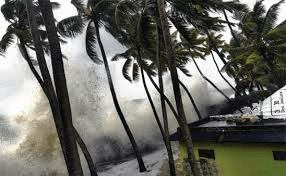
Prioritizing development over the sanctity of the ecosystem is one of the causes of spoiling the harmony in the world. While the world battles climate change and the rising sea levels, this step might just contradict the effort being made by hurting the ecological balance of the islands.

Victims of The Lakshadweep Row

During the row in Lakshadweep, we witnessed how an entry of a single person disturbed, disrupted, and even ended the lives of the people on the island.

In a place where the existence of COVID was negligible, the cases have risen to 7,000 and resulted in 22 deaths.

The work of politicians is to govern and maintain harmony in the system. But when the introduction of such acts and bills makes the people of the state insecure about their existence, then it might not be a step worth taking.

Medical negligence during Covid-19

Law on Medical Negligence in India: How and when to file a case | Medical  Negligence Law Guide

NEGLIGENCE DURING THE COVID-19 PHASE

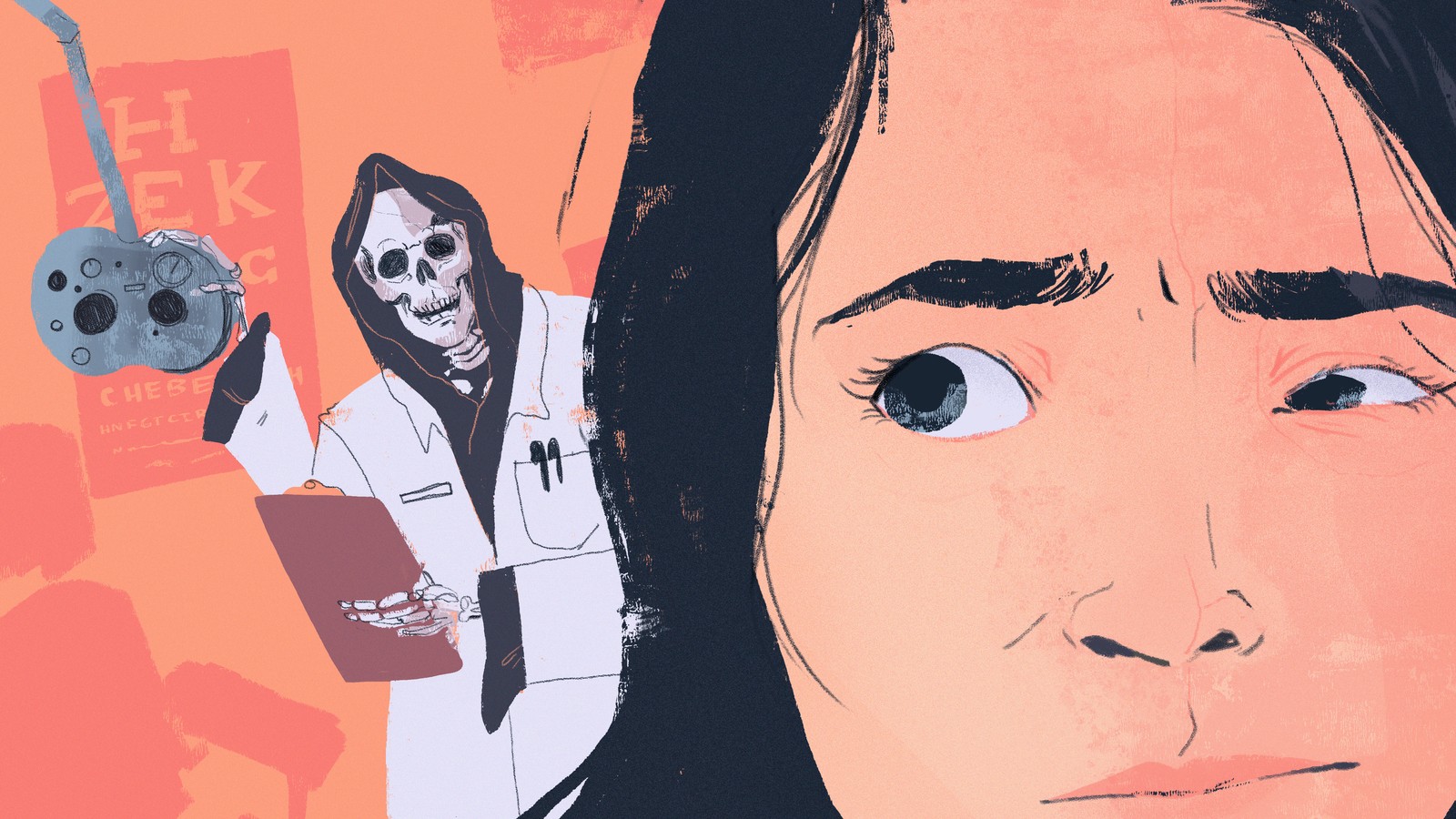
With the COVID 19 pandemic surrounding the globe and in excess of 2 million active instances of the same, the caring administrations by the medical experts is the main redeeming quality going with the careful steps that are the duty of the considerable number of citizens. Be that as it may, the security of the residents is being taken consideration by the clinical organization yet what it involves for the clinical clique who is over and over being blamed for negligence in discharge of average duty. On one hand the medical practitioners are being hailed as ‘Corona warriors’ but on the other hand, with the increase in cases wouldn’t there be a increase in negligence?

India had only 111 Covid-19 testing   centers to deal with a population of 1.35 billion people. This accounts to the medical negligence of the practitioners along with the hospital administrations especially at a time when every state is trying to reduce the number of cases. The number of beds available in the hospitals is comparatively less and as a result the citizens are dependent on understaffed and under-funded state run health facilities for COVID 19 diagnosis and treatment. This is a serious issue as people do not believe on the state authorities. A lady who was quarantined after her Spain visit states that there is a lack of basic amenities in the hospitals. People fear to come forward as they doubt the skills of the administration to treat their disease. Global health experts claimed that India does not have enough infrastructure and other facilities to face the pandemic. The claim nearly became evident with the increasing number of cases in India. Not only hospital authorities but the government has been lacking service, testing is another major concern. India has performed a little over 100,000 tests — a rate of nearly 47 tests per million people compared with 4,572 tests per million in the U.S., 2,753 tests per million in the U.K, and 8,800 per million in South Korea[1]. At present, India is not adequately testing to identify new cases, which might be hiding the true number of cases. An incident of severe medical negligence was noted when the Patna All India Institute of Medical Sciences (AIIMS-P) handed over the body of a COVID-19 positive patient to his family members.

In the midst of the vulnerability made by the COVID-19 pandemic, the judiciary remains the sole symbol of would like to review the worries of residents oppressed by the absence of satisfactory medical framework and the rising occasions of clinical negligence. There is trust that vital estimates will be taken by the Supreme Court, to safeguard the confidence and any expectation of the individuals.

VIEWS

Medical Negligence is, by and by, a hard issue to set up. On the off chance that negligence cases result from the current emergency, they will be tried comparable to target norms of care. The courts will think about the real factors and conditions of the case, including that the medicinal services staff were acting in an emergency. Considering past cases and the law’s methodology, the significance of clinical rules, conventions, staff preparing, ability appraisal, and enlistment expect a fundamental centrality, and all means should be completely reported. Documentation of steps taken in every one of these issues will demonstrate pivotal in safeguarding any cases brought. In any case, the COVID 19 is a phenomenal occasion and the relevance of the above laws in such conditions of most extreme criticality and affectability stays to be questionable. After the lockdown ends it would be unmistakable component of the lawful framework to observe such case emerging out of clinical carelessness in taking care of crown positive patients.

It isn’t expressed that specialists (doctors) are careless or reckless, however while carrying out a duty which requires a great deal of knowledge and care, regularly numerous experts fail to perform their duty towards the patient. Medication which is perhaps the noblest profession requires setting a domain which can profit the victims of different diseases. Numerous specialists even the expert in some cases dismisses little things to be dealt with while practicing which may bring about harms to the patients that could have been maintained with a permanent disability from that time or even the demise of the patients.

This type of negligence makes patients more prone to harm than to heal. And to avoid these sorts of accidents, prevention and careful behavior of doctors is important. The most prevalent way of doing this is relevant laws and statutes to ensure a patients well being. In a case where a US-based doctor who was Indian from origin lost his 29-year-old wife who was a child psychologist during their visit to India fifteen years ago. The Supreme Court asked the Kolkata-based hospital and three doctors to pay over Rs 11.41 crore[2]. “A bench of justices C K Prasad and V Gopala Gowda arrived at a figure of Rs 6.08 crore as compensation after considering aspects such as loss of consortium, pain and suffering and the cost of litigation.”

Another such case was noted where the Apex Court awarded a compensation of 1.8 crores to a women who had lost her eyes in 1996.[3] Cases like this are evidence of the medical malpractice in India. The government requires making strict rules to prevent the same, so that the justice prevails. People of India should be provided with adequate medical facilities, hygiene and sanitation. Laws should be strict for not only medicine but for all such professions to maintain a certain standard of care and prevent breach of duty.


[1] https://www.bbc.com/news/world-asia-india-51922204

[2] THE OUTLOOK

[3] Krishna Iyer v. State of Tamilnadu and Others, 2015 STPL(Web) 1239 SC

Bulletins

Bulletins are the news that are published everyday. The bulletins are a synonym for the news. So this article is going to give a huge information about the news world.

The news is what is new. A news is what everyone want to know about. As per John Bogart( city editor,New York)

“When a dog bites a man that is not news but when a man bites a dog it is news”.

The news is the unusual events or happenings. Former managing director of New York Times says “you can find out today that will be not known”. Joseph publishers New York world original distincts among romantic, thrilling, unique, curiosi, humorous or apt to talked about.

Elements of news

  • New fresh and updated
  • Unpublished
  • Unusual
  • Interesting
  • Informative

Ingredients of news

Ingredients of news means news worthiness. The things that makes a news worthy are:

  • Timeliness
  • Proximity
  • Prominence
  • Conflict
  • Sports and weather
  • Human interest
  • Government policies and interest
  • Follow up

Values of news

  • Accuracy
  • Balance(not biased)
  • Clarity(clear cut presentation)
  • Brevity(presented in simple language with proper fact and figure and exact words used)
  • Impact (present in such an attractive way that readers take interest)

Sources of news

  • News agencies (international, national, local)
  • Reporters( channels, newspapers, radio stations)
  • Internet(social media)
  • Television, Radio( electronic media)
  • Important places – assemblies, parliament, courts, railway stations, bus stops, police stations, airports, schools, colleges, universities, companies, corporate offices, industries etc.

How are the news processed

  • Gathering of the news by different news sources
  • News selection
  • Editing

Different types of news

  • Literary news : The news which is full of imagination, consists of elaborate explanation which is not so important though. Language is given much importance.
  • Journalistic news : The news which has no imagination and the content is only the gist of the incident. Language is not given much importance.
  • Hard news : The news which is published as soon as the incident takes place as the news get stated faster.
  • Soft news : The news which do not lose its importance with time.

Now let us take a look on some famous quotes on news

“It’s amazing that the amount of news that happens in the world every day always just exactly fits the newspaper”. – Jerry Seinfeld

“Fake news is cheap to produce. Genuine journalism is expensive.” – Toomas Hendrik Ilves

“The media transforms the great silence of things into its opposite. Formerly constituting a secret, the real now talks constantly. News reports, information, statistics, and surveys are everywhere.” – Michael de Chateau

Keywords used in the world of news

  • Deadline : After 12am, no news will be published in the newspaper and this is called deadline.
  • Dateline : The place and date should be written at the beginning of the news and this is called dateline.
  • Credit line : A line of copy acknowledging the source or origin of a news dispatch, published article or other work.
  • By line : The line following the heading in a news item that gives the name of the writer of the article.

https://www.brainyquote.com/topics/news-quotes

https://news.google.com/foryou?hl=en-IN&gl=IN&ceid=IN:en

Education Policy from 1968-2020

OVERWIEW
It has been a major step for our education sector. The policy that we were following before was the National Policy on Education (NPE) formulated by the Government of India to promote and regulate education in India. The policy covered elementary education to higher education in both rural and urban India. The first NPE was promulgated by the Government of India by Prime Minister Indira Gandhi in 1968, the second by Prime Minister Rajiv Gandhi in 1986, and the third by Prime Minister Narendra Modi in 2020.
THE EDUCATION POLICIES
In 1968
The government of Prime Minister Indira Gandhi announced the first National Policy on Education in 1968, which called for a “radical restructuring” and proposed equal educational opportunities in order to achieve national integration and greater cultural and economic development. The policy called for fulfilling compulsory education for all children up to the age of 14, as stipulated by the Constitution of India and specialized training and qualification of teachers. The policy called for a focus on the learning of regional languages, outlining the “three-language formula” to be implemented in secondary education – the instruction of the English language, the official language of the state where the school was based, and Hindi. Language education was seen as essential to reduce the gulf between the intelligentsia and the masses. Although the decision to adopt Hindi as the national language had proven controversial, the policy called for the use and learning of Hindi to be encouraged uniformly to promote a common language for all Indians. The policy also encouraged the teaching of the ancient Sanskrit language, which was considered an essential part of India’s culture and heritage. The NPE of 1968 called for education spending to increase to six percent of the national income.
In 1986
The government led by Rajiv Gandhi introduced a new National Policy on Education. The main points of this policy was that, it was called for “special emphasis on the removal of disparities and to equalize educational opportunity,” especially for Indian women, Scheduled Tribes (ST) and the Scheduled Caste (SC) communities; to achieve such social integration, the policy called for expanding scholarships, adult education, recruiting more teachers from the SCs, incentives for poor families to send their children to school regularly, the development of new institutions, and providing housing and services. The NPE called for a “child-centred approach” in primary education and launched “Operation Blackboard” to improve primary schools nationwide; the policy expanded the open university system with the Indira Gandhi National Open University, which had been created in 1985; the policy also called for the creation of the “rural university” model, based on the philosophy of Mahatma Gandhi, to promote economic and social development at the grassroots level in rural India; 1986-education policy expected to spend 6% of GDP on education.
2020
In 2019, the Ministry of Human Resource Development released a Draft New Education Policy 2019, which was followed by a number of public consultations. The Draft NEP discusses reducing curriculum content to enhance essential learning, critical thinking and more holistic experiential, discussion-based and analysis-based learning. It also talks about a revision of the curriculum and pedagogical structure from a 10+2 system to a 5+3+3+4 system design in an effort to optimize learning for students based on the cognitive development of children.
On 29 July 2020, the cabinet approved a new National Education Policy with an aim to introduce several changes to the existing Indian education system.
RECENT EDUCATION POLICY 2020 BRIEF
Another major step taken in the History of India becoming a global superpower was awaited with the change in the Education Policy. In 2019, Modi Government released a draft which stated about changing the Education Policy. It was approved by the Union Cabinet at a meeting presided by Prime Minister Narendra Modi on Wednesday, 29th July 2020. The new education system aims at bringing in transformation reforms in the education system of schools and higher education. Replacing the 34-year old education system is another major move in the direction of strengthening India as a global power. The new NEP also includes the renaming of the HRD Ministry back to the Education Ministry. Promoting the spirit of “Ek Bharat Shreshtha Bharat”, Prime Minister Narendra Modi tweeted, “Aspects such as widening the availability of scholarships, strengthening infrastructure for Open and Distance Learning, Online Education, and increasing the usage of technology have received great attention in the NEP. These are vital reforms for the education sector.”
Key Points-
~All higher education institutes excluding the medical and law colleges will be governed by a single regulator.
~MPhil courses will now be terminated.
~Board exams will now be more application and knowledge-based.
~Both the public and private higher education institutes will be governed under the same norms.
~To promote and give more emphasis on the regional language/mother-tongue, instruction medium up to class 5 will be in local/home languages.
~All entrance exams for higher education institutes and universities will be held commonly.
~School curriculum to focus more on core concepts.
~Vocational education will also be imparted from 6th grade onwards.
10+2 study cultures discontinue and new structure of 5+3+3+4 will be followed, subjecting to the respective age group of 3-8, 8-11, 11-14, and 14-18 years.
These were all the changes in detail that were proposed and introduced in the New Education Policy 2020.

India And Superstitions.

Superstition, a belief or practice typically resulting from ignorance, a misunderstanding from Science or causality, a belief in fate or magic, perceived supernatural influence, or fear of that which is unknown.

Superstitions allow people to explain events that otherwise seem random and to feel they have a measure of control over outcomes that would otherwise seem out of their hands.

Approximately 70% of people in India believe in superstitions and force others too to believe in them.

Some common superstitions believed in India and their scientific reasons…..

Avoid standing under Peepal tree at night.

Peepal tree is defamed as it is said that if one will stand or go near the Peepal tree at night then that person will be possessed by an evil spirit.

Scientific reason – In the morning when photosynthesis happens, trees and other plants absorb carbon dioxide, change it into energy and give out oxygen in the air that we breathe. But at night, plants exhale carbon dioxide while there is a lack of sunlight.

Why should we not sleep under a peepal tree at night?

Lemon and Green chilies.

Shop keepers, businessmen, people at home usually hang lemon and green chilies so as to avoid bad luck and evil spirits.

The logic here is that since goddess of misfortune ( who can bring bad luck to the shop owners or business), likes pungent, sour and hot things, individuals hang lemon and green chilies so that the goddess eats her favorite food and goes back from their fully satisfied.

What is the significance in India of hanging lemon and chili tied to a  thread outside of one's house? - Quora

Not to sleep facing the North side.

It is said if one sleeps facing the North side then he/ she would die.

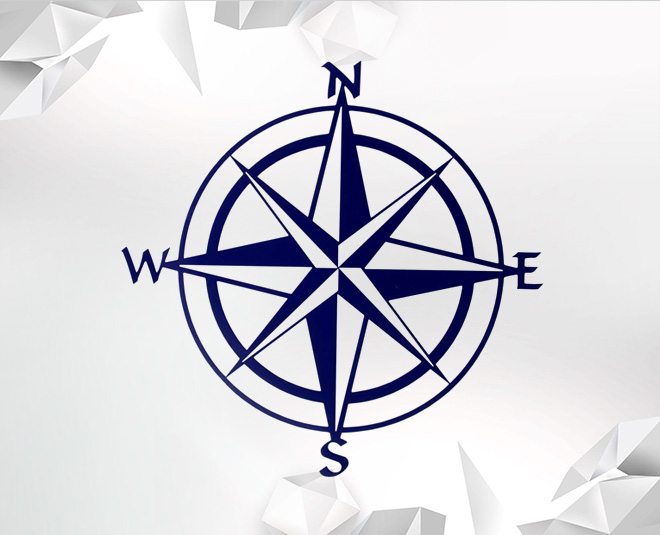
Scientific reason – It’s about the relation between Earth’s magnetic field and the human body’s field. They made this rule of sleeping with our heads in the South direction to avoid harmful effects related to blood pressure and other diseases that asymmetry with the Earth’s magnetic field would create.

north sleep facing

Broken mirrors.

People of ancient Rome spread the rumors that breaking mirrors will give you 7 years if bad luck.

Scientific reason – The logic behind the number 7 is that as per Roman beliefs, it takes 7 years for a life to renew itself.

Broken Mirror Superstition - How to Avoid 7 Years of Bad Luck!

Twitching eyes.

It is believed if your left eye blinks then you are going to hear a bad news. If your right eye jumps, you will see someone you haven’t seen in a long time. If your left eye jumps then your loved one/ friend is doing something behind your back. If your left eye jumps, then your loved one/ friend is in trouble.

Scientific reason – The logical reason behind it is that twitching is caused due to alcohol, stress, allergies, strain or dry eyes.

What Does It Mean if My Eye Won't Stop Twitching? - The Atlantic

Adding one rupee to a gift sum.

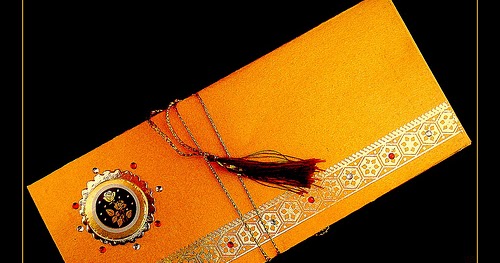
Whenever we hand over a sum of money to anyone as a gift we often out in a coin of Rs. 1 to it and the wedding ‘lifafah’ always has a coin stuck to it.

Scientific reason – The main reason to add extra coin is to make the entire sum an odd number which becomes indivisible, and therefore it is good for the person or the newly married couple. If the number is even by that logic, then the sum will end in a zero which means ‘the end’.

DharamVigyaan: Why we add 1Rs to a gift sum?

Swallow Tulsi leaves, never chew.

There is one popular belief that Tulsi is Goddess Lakshmi’s Avtar and hence one should not chew the leaves, not show disrespect.

Scientific reason – Although a Tulsi leaf is healthy, it also contains a little amount of Arsenic. So to save your teeth from turning yellow, and saving the enamel from degrading, you do not chew but swallow.

Eating Tulsi leaves can have these 5 side effects! | The Times of India

Why are cashews so expensive?

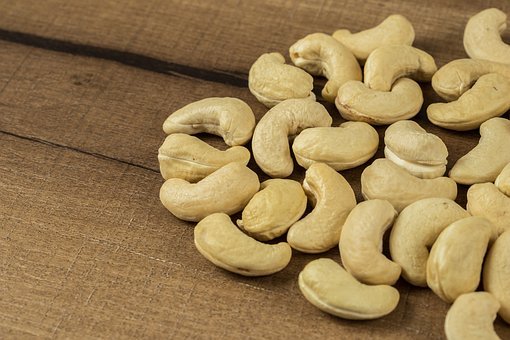
Cashews are delicious. When we’re in the mood for a nutty snack, cashews are hard to resist. The only problem is, they can really hurt your wallet over time, especially when compared with other nuts.Cashews are not a cheap indulgence.  No wonder gorging on roasted, salted or plain cashews is pure bliss, but what makes this rich, crunchy, silky nut so expensive?

The reason behind the expensive cashew nuts is their growing climates. Cashew can only be harvested in tropical climates such as India, Vietnam, Brazil, and some African countries. It grows in a single nut attached to the bottom of a fruit called cashew apple which takes two to three months to develop.

Cashews are in high demand and supply is limited. That is the primary reason for their high price.

The seed is removed from the apple. The cashew seeds have to be steamed and then dried for 24 hours to make it easier to remove the outer shell. Cashew seeds are cracked individually by hand. Cashews need proper processing in order to make them edible, but most of the extraction and processing is done manually, which makes this task tough!

The cashews have a toxic substance under the shell similar to poison ivy, therefore workers oil their hands to protect them. The shell’s oils cause damage to the skin of the workers responsible for processing the seeds. Roasting the cashew nuts to destroy the toxins is dangerous as well, as the toxins are released into the air. After the toxins are removed, the cashews must be graded and sorted. The entire process is labor-intensive as well as hazardous, which helps explain part of why cashews are so expensive. Cashews are then dried to reduce the moisture content making it easier for peeling. Lastly the kernel is carefully peeled one by one to reveal the final product!

I was amazed at the long labour intensive techniques involved in bringing cashew nuts to our table.  This made me realise the reason behind the high price tag of the cashew nuts I love.

THE BEAUTY OF MOVIE POSTERS

When I was in primary school, I would always look outside my school bus through the window to look up at the billboards that had the movie posters. And I was so captivated by it that I started to read and study different kinds of posters.

Movie posters is something that most of us don’t pay much attention to, but it is far more important than just a piece of design or art. Movie posters fall somewhere between the realm of design and art. To make the poster feel cinematic, it requires a certain kind of aesthetic, sensibility and should also share a glimpse of the story. A movie poster can work wonders for the film, it can make it or break it. That’s why there are multiple poster designing agencies that only work in making the poster for the film.

In Hollywood, there are awards for remarkable poster art. The bar for posters is much lower in our country (mainly Bollywood). Before the trailer or the teaser of the film, the first thing that the audience sees is the poster. Without a poster, we are solely relying on words which can get dull very quickly.

As people who are not into filmmaking, we do not break down these posters and find the true meaning, so I will be breaking down 3 movie posters and show how I analyse a poster and discover the beauty that it holds.

Poster #1 : PSYCHO (1960) By Alfred Hitchcock

Psycho is a 1960 psychological thriller-horror movie directed by Alfred Hitchcock. The poster was designed by legendary graphic designer, & academy award winning film maker Saul bass. The poster contains 3 major things- the lead character of the movie, the title and the names of the cast, director, producer etc. the colours that are mainly used here are yellow, blue, red, white and black.

In the poster, the girl is looking away from the man in the back on the left side of the poster. She is also in her undergarments which indicates that she’s either a model or she is a victim to an assault. The picture of this character and the title are both in yellow, which indicates that there might be a connection between the two. The two men in red are smaller compared to the women in yellow, which indicates that their role is smaller compared to that of the woman’s. The fact that they are in red might symbolise that one could either be the love interest or a murderer. It also highlights the genre of the movie- which is thriller- horror. The colour black in the background sets the mysterious tone of the film.

So, what message does this poster send? The artist is trying to send the genre across to the viewers as the message. The genre is psychological thriller-horror. (Although it would have been easier had there been a weapon to give more clarity to the viewers)

Poster #2: JAWS (1975) by Steven Spielberg

Jaws is a 1975 horror-adventure film whose poster was designed by Roger Kastel.  This is a well know and an iconic film. It is still well known throughout the different age generations.

When we first look at the poster two things capture our attention. The first thing is the title “jaws” which is written in red bold letters. The red colour could be seen as representing blood and violence which is a hint to the films content. This allows the audience to know what they are getting into and what they can expect out of this film. The second thing that captures our attention is the shark attack and the victim who is unaware of her fate. The teeth of the shark are also visible which suggests that what was about to happen to the woman. The colour of the shark and the colour of the water are pretty similar, which tells us that the shark is camouflaged in water and also gives the element of surprise which makes it eviller. All these elements make the audience want to buy a ticket to the film and find out what happens next. 

Poster #3: LITTLE MISS SUNSHINE (2006) by Valerie Faris & Jonathan Dayton

Little Miss Sunshine is a comedy-drama film and its poster was designed by BLT Communications.

The first few things that we notice about this poster is the bright yellow colour, the Volkswagen van, and the characters running towards it. The image used on the poster is a still from the film. The yellow van signifies freedom and the word Volkswagen means ‘people’s car’ in German. These vans are notorious for breaking down and the films has used this to comic effect in their poster portraying a family running to keep up with a vehicle which has trouble breaking. The image of the car denotes travel which also has connotations of adventure and freedom, all key themes in the film. The image gives a clear visual representation of the plot and reflects the light-hearted tone of the film. The colour yellow ties in with the name of the film. This poster gives a clear visual representation of the story, cast, crew and genre. Together the image, colours and tag-lines create a representation of the film’s genre. From the poster, it is clear that audiences can expect a comedy, adventure drama.

Hence, posters are more important than you think. The saying “a picture is worth 1000 words” is true. One picture can tell a story in more detail than 1000 words ever could.

Natural calamities in india

Natural Calamities are events that take place due to either natural activity or human-made activity. It leaves long-lasting effects on human lives and properties. It is increasing day by day all over the world. It is because of the misuse of environmental resources by humans. India suffers due to its vulnerable geographical location. Despite knowing it, the country still doesn’t have a proper disaster management unit.

There are different kinds of Natural Disasters in India that happen frequently and leave painful effects on the Indians’ Iives.

 Earthquake is one of the frequently occurring natural disasters in India. It happens because of high internal pressure between huge rocks within the Earth’s crust. It causes them to break apart. It shakes the land. If the intensity is high, houses, apartments, etc. collapse or get damaged. India faces mild earthquakes frequently. However, the country has faced multiple severe earthquakes as well.

Drought is another major natural calamity that is caused by the absence of rain. There are three types of droughts – meteorology, hydrology, and agriculture-related. More than 10% area in India is prone to drought. The north-western part of India is particularly prone to dryness.

Cyclones occur in India mainly because of the Bay of Bengal and the Arabian Sea. Some states like West Bengal, Orissa, Tamil Nadu, Maharashtra, Gujarat, etc. are prone to it. Every year, India faces five to six cyclones. It happens because of the variation of temperature and pressure in oceans.

Wildfire or forest fire is also frequent in India as India has dry and warm forests prone to it. It is dangerous for wild animals, nearby local people, and the environment as well.

Apart from these, other natural calamities occur in India like floods, landslides, avalanches, etc.

Several human activities are aiding natural disasters. Growing population and consumerist tendencies are the main factors behind it. With the increasing population, the demand and use of natural resources are increasing. As a result, unwanted environmental change is occurring. Water scarcity, global warming, climate change are some effects of it. Apart from these, the neverending desire and want of humans is crucial for natural disasters. Water is going down the average level. Industrial solvents are polluting the rivers and the sea. Dirty, unclean gases from industries and vehicles are polluting the air. Many men made creations are destroying wildlife. Furthermore, excessive cutting of trees has contributed to global warming we are facing now. The more people will exploit nature; the more natural calamities will occur.

Solution

There are various ways in which the effect of natural calamities can be minimized. The government should have a secure financial backup for managing disasters. It is because floods destroy properties and effects human lives. Money is an essential thing for recovery. There should be a proper disaster management unit in every state that all well connected to every corner of the state. Here, strong leadership is of utmost importance. The government should invest more in researches on natural disasters. Suggestions from other countries should be taken. People should be thoroughly aware of any upcoming natural disasters so that they can take proper precautions. The government should focus on new inventions that help control natural disasters. Above all, we should leave our consumerist nature and start believing in sustainability. We should stop doing things that are not friendly to our environments. If these things can be maintained appropriately, not only India but any part of the world can efficiently handle the outcomes of a natural disaster.

WOMEN EMPOWERMENT

Women’s empowerment equips and allows women to make life determining decisions through the different problems in soceity. they may have the oppurtunity to redefine gender roles or other such roles, which in turn may allow them more freedom to pursue desired goals. women empowerment has become a significant topic of discussion in development and economics. economic empowerment allows women to control and benefit from resources, assets, and income. it also aids the ability to manage risk and improve womens’s well being. it can result in approaches to support trivialized genders in a particular political or social content. while often interchangeably used, the more comprehensive concept of gender empowerment concerns people of any gender, stressing the distintion between biological and gender as a role. women empowerment helps in boosting the status of women through literacy, education, training, and awarness creation. furthermore, women’s empowerment refers to womens ability to make strategic life choices which had been previously denied them. it refers to increasing and improving the social, economic, political and legal strength of the women, to ensure equal right to women. women empowerment helps women to control and benefit from resources, assets, income and their own time, as well as the ability to manage risk and improve their economic status and wellbeing. many of the barriers to women empowerment and equity lie ingrained in cultural norms. many women feel these pressures while others have become accustomed to being treated inferior to men.

Book Reviews

The Books are of  knowledge oceans, from every book we learn some thing new and to improve our knowledge and build our personality

BOOK Defination  

we all know that a lot of English words come from ancient Latin – that’s because the Romans occupied England for almost five hundred years from 54BC to 410 AD. … The word book comes from Old English “boc” which in its turn comes from a Germanic root “*bok-“, which means “beech” – as in the beech tree

Types of Book Reviews

Endorsements: Hand-picking Relevant Reviewers Before Your Book is Published. …

Trade Reviews: Publishing Professionals May Advocate Your Book To The Industry. …

Reader Reviews: Individuals Recommending Your Book To Each Other. …

Editorial Reviews: Third Parties Publishing Reviews About Your Book.

Why write book reviews

Book reviews give books greater visibility and a greater chance of getting found by more readers. On some websites, books that have more book reviews are more likely to be shown to prospective readers and buyers as compared to books with few or no book reviews.

How to write a book review

  • Start with a couple of sentences describing what the book is about. …
  • Discuss what you particularly liked about the book. …
  • Mention anything you disliked about the book. …
  • Round up your review. …
  • You can give the book a rating, for example a mark out of five or ten, if you like!

In this days most of people like to read blogs because they have simple and clear to understand content

Some of people read books by help of Book review, its give simple summary to understand that book

MUSIC

So firstly let us know why the music is very important in humanlife? once let us question ourselves why music is very important. it is very important in human life because it relaxes peoples mindsets. this music is also know as universal language of humanity. it has the power to bring positivity and entertainment in the lives of people. everyone loves music because it holds the power to transform the mood and bring a sense of relief in their daily life. we can get all answers to our unsolved questions through music. music can make a person until the end of their lives. it never leaves the person along during their difficult times in life. it plays an important role in the world as it helps us in easily expressing ourselves. it has different impacts on the daily lives of the people. there are different emotions attached to every kind of music as we can easily relate music with power to bring people together in different ways on several occasions. it can also be termed as a good source of communication. in our daily life there are certain feelings which we fail to express but through music all the missing words find its way and we can easily communicate our message to the people. we find the words to express either by writting songs or just listening to it. music can also be described as a theraphy for many people because it has the power to heal the problems of many people. there are many children with a learning disability who have responded to the music set pieces. music is a part of meditation in many workshops to make people positive and to make them aware of their emotions. music has an impact on everyones life in different ways in different phase of life. music can transform the emotions and feelings of the people within no time. it can lessen the stress, pain, struggle, distraction, and bring positivity and calmness in our daily life. music holds the power to bring people together in different ways. music can make us expressive and help us in understanding our feelings and emotions in a better manner. making art is an basic human function. for whatever reason we feel the need to leave a mark on the world. we have a burning desire to create, whether its a folk songs, rock art, or movies. having a carrer in music can be frustating and at times a discouraging affair. its easy to feel discouraged about it. truth is music is incredibly important to people. its important that people hear music, see music, learn music, play music, create music and teach music. making music is inherently worthwhile.

Kolkata: A city of arts, culture and cuisine

Kolkata, still commonly referred to as Calcutta, is the capital of India’s eastern state of West Bengal. It’s now known for its gentle pace of life, but back in the 18th century, the city was British India’s most important trading post and the showpiece of colonial power.

In addition to its history, the gateway to eastern India is famous for its food. Bengali cuisine has evolved over time, but Kolkata still remains an ideal place to experience the cuisine characterized in part by mustard oil and fish.

There are many very good restaurants in the city, but if you want home cooked Bengali food, then that’s possible, too. Iti Misra is one of a number of home chefs that host lunches for visitors to the city: Cooking from her kitchen, Iti dishes out authentic Bengali cuisine and gives her guests a glimpse into local life.

Home to prominent intellectuals, Kolkata is regarded as an artistic and cultural capital of India. In northern Kolkata, the oldest part of the city, you’ll find the stately mansions of famous Kolkatans such as Nobel Prize-winning poet Rabindranath Tagore.

That area of the city is also home to the busy Kumartuli clay making quarter. There, potters mold lifelike religious idols for the city’s many festivals.

Running from north to south right through the city is Hooghly River. At roughly 160 miles long, it provides the city with a supply of water and serves as a major transport system for both people and cargo. It was through the river that the East India company sailed into the region and established its trade settlement.

The waterway also provides the perfect place to experience a Kolkatan sunset. You can hire a boat to take you out on the water where you can see the iconic Howrah Bridge and the newer Vidyasagar Bridge.

For the Bengali high society, evenings in Kolkata can be spent at one of the many old colonial private members clubs such as The Saturday Club, which was founded in 1875.

Reminders of Kolkata’s colonial past can be found on every corner, but it’s the combinations of that history and modern advances that make this friendly metropolis a unique Indian experience.