Vaccine Development against COVID-19

A novel coronavirus (CoV) named ‘2019 novel coronavirus ’by the World Health Organization (WHO) is responsible of this outbreak of pneumonia that began at the mid of November 2019 near in Wuhan City, Hubei Province, China. The SARS-CoV-2 is a pathogenic virus. Coronaviruses are enveloped viruses with a large, single-stranded, positive-sense RNA genome, which are about 120 nanometers in diameter. They are vulnerable to mutation and recombination and are therefore highly diverse. There are about 40 different varieties which they mainly infect human and non-human mammals and birds. They reside in bats and wild birds, and will spread to other animals and hence to humans. The virus that causes COVID-19 is assumed to possess originated in bats then spread to snakes and pangolins and hence to humans, perhaps by contamination of meat from wild animals, as sold in China’s meat markets.
The corona-like appearance of coronaviruses is due to the presence of spike glycoproteins, or peplomers, which are necessary for the viruses to enter host cells. The spike has two subunits, one subunit is S1 which binds to a receptor on the surface of the host cell and the opposite subunit which is S2 fuses with the cell wall. The cell wall receptor for both SARS-CoV-1 and SARS-CoV-2 could even be a sort of angiotensin converting enzyme, ACE-2, different from the enzyme that’s inhibited by conventional ACE-1 inhibitors, like enalapril and ramipril.
Viral RNA can be detected by polymerase chain reaction which is sometimes referred to as RT-PCR or real time PCR. In this test, the virus’s single-stranded RNA is converted to its complementary DNA by reverse transcriptase; specific regions of the DNA are marked by primers, are then amplified. This is done by synthesizing new DNA strands from deoxy-nucleoside triphosphates using DNA polymerase.

COVID-19 DRUG DEVELOPMENT

COVID19 drug development is basically a research process to develop preventative therapeutic prescription drugs which may lower the severity of coronavirus disease 2019 (COVID19). Internationally, by November 2020, several hundred drug companies, biotechnology firms, university research groups, and health organizations are trying to develop over 500 potential therapies for COVID19 disease in various stages of preclinical or clinical research.
The World Health Organization (WHO), European Medicines Agency (EMA), US Food and Drug Administration (FDA), and therefore, the Chinese government and drug manufacturers were coordinating with academic and industry researchers to hurry development of vaccines, antiviral drugs, and post-infection therapies.
Drug development may be a multistep process, typically requiring five years to assure safety and assurance of the new compound. Several national regulatory agencies, like the EMA and the FDA, have approved procedures to expedite clinical testing. Chloroquine is an anti-malarial medication that is also used against some auto-immune diseases. Hydroxy-chloroquine is more commonly available than chloroquine in the United States. Although several countries initially used chloroquine or hydroxy-chloroquine for treatment of people hospitalised with COVID19, the drug has not been formally approved through clinical trials.

VACCINE DEVELOPMENT

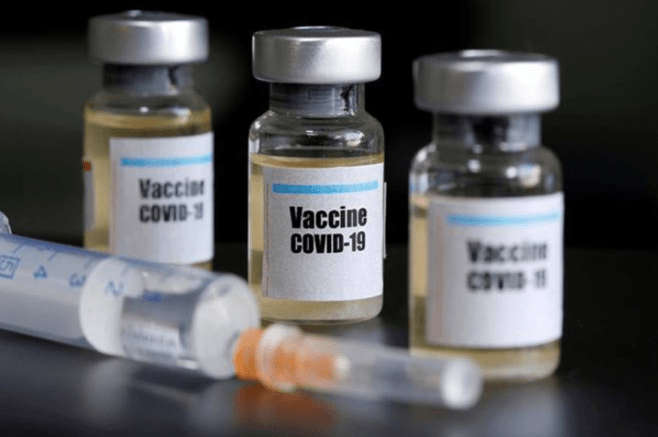
A vaccine for a communicable and pathogenous disease which has never before been produced in several years, and also no vaccine exists for preventing a coronavirus infection in humans. After the coronavirus was detected, the genetic sequence of COVID‐19 was published on 11 January 2020, triggering an urgent international response towards organize for an epidemic and hasten development of a preventive vaccine.

In February 2020, the World Health Organization (WHO) said it didn’t expect a vaccine against severe acute respiratory syndrome coronavirus or the SARS-CoV-2 which is the causative virus, to become available in 18 months.
Their development had previously been considered as low priority because the coronaviruses that were circulating in humans caused relatively mild disease. Most coronaviruses encode only one large surface protein, the spike protein, which is responsible for receptor binding and membrane fusion. In the case of SARS-CoV-2 (and SARS-CoV), the spike protein binds to angiotensin- converting enzyme 2 (ACE2) on host cells and is then endocytosed. This step is followed by fusion of viral and endosomal membranes and release of the viral genome into the cytoplasm. Antibodies that bind to the spike protein, especially to its receptor-binding domain (RBD), prevent its attachment to the host cell and neutralize the virus. On the basis of this knowledge, and information gained from preclinical studies with SARS-CoV and MERS-CoV, the spike protein was identified as an antigenic target for the development of a vaccine against SARS-CoV-2 at a very early stage. It has been demonstrated that the spike protein is a strong target of CD4+ T cells, whereas fewer CD8+ T cells are induced by natural infection with SARS-CoV-2 in general. It is important to note that natural infection induces both mucosal intramuscularly or intradermally induce mainly IgG, and no secretory IgA. It is therefore possible that most vaccines currently in development induce disease-preventing or disease-attenuating immunity, but not necessarily sterilizing immunity.

This pandemic which is due the coronavirus requires a rapid and fast action in the field of vaccines and biology and in a short amount of time as the original vaccine making process for any disease requires at least 15 years for the whole procedure and testing trials antibody responses (secretory immunoglobulin A (IgA)) and systemic antibody responses (IgG). The upper respiratory tract is thought to be mainly protected by secretory IgA, whereas the lower respiratory tract is thought to be mainly protected by IgG. Vaccines that are administered and therefore, is a very tedious and lengthy process and work. As this disease requires a very fast process so the first clinical trial of a vaccine candidate for SARS-CoV-2 began in March 2020. Trials were designed in such a manner that clinical phases are overlapping and trial starts are staggered, with initial phase I/II trials followed by rapid progression to phase III trials after interim analysis of the phase I/II data. Currently, several manufacturers have already started the commercial production of vaccines at risk without any results from phase III trials. Although the licensure pathways are not yet completely clear, it is possible that reviews could be expedited and that vaccines could even be approved through an emergency use authorization. The FDA has released a guidance document for the development and licensure of SARS-CoV-2 vaccines, which as well as providing additional details states that an efficacy of at least 50% will be required. It is very important to point out that moving forward at financial risk is the main factor that has enabled the accelerated development of SARS-CoV-2 vaccine candidates, and no corners have been or should be cut in terms of safety evaluation.


Bioavailability of Nutrients

As with protein, the contents of other nutrients in foods determined by chemical or physical analysis may be quite misleading in terms of the nutrient status of a food. Apart from amount, what is important is whether the nutrient is in a form that can be utilized in metabolism; that is, whether the nutrient is bioavailable. For example, adding small iron pellets to cereals would increase their iron content, but the iron would not be very available to people eating the cereal and, therefore, be of little value.

Many factors influence a nutrient’s bioavailability, including the food’s digestibility and the nutrient’s absorbability from the intestinal tract, which are affected by nutrient binding to indigestible constituents and nutrient-nutrient interactions in food raw materials. Processing and cooking procedures also can influence nutrient bioavailability. Apart from the food itself, different animal species exhibit variations in bioavailability of specific nutrients from a particular food. The age, sex, physiological health, consumption of drugs, general nutritional status, combinations of foods eaten together, and other factors all influence the ability of an individual to make use of a particular nutrient.

Bioavailability of carbohydrates, proteins, fats, vitamins, and minerals may be in- creased or decreased since all nutrients are reactive and generally present in varying amounts in food systems. There are many examples of how food composition, processing, and storage affect nutrient bioavailability. One example is the essential mineral iron. Under practical conditions its bioavailability from foods may be only 1-10% of its total level determined by chemical analysis. The recommended dietary allowances for nutrients in the United States and other countries attempt to take bioavailability into account. However, the many factors influencing nutrient bioavailability and the difficulties inherent in meaningful evaluation procedures leave much research in this area still to be done.

Balanced Diet and Nutrients

A balanced diet is a diet that contains differing kinds of foods in certain quantities and proportions so that the requirement for calories, proteins, minerals, vitamins and alternative nutrients is adequate and a small provision is reserved for additional nutrients to endure the short length of leanness. In addition, a balanced diet ought to offer bioactive phyto-chemicals like dietary fibre, antioxidants and nutraceuticals that have positive health advantages.

A balanced diet should offer around 60-70% of total calories from carbohydrates, 10-12% from proteins and 20-25% of total calories from fat.

A balanced diet will not be the same for everyone. We’re all different and often, individuals will require different amounts and types of nutrients. What you need will depend on age, gender, lifestyle, health and the rate at which your body works. Eating a balanced diet is key in maintaining good health and keeping your body in optimum condition. A balanced diet doesn’t cut out food groups; it consists of a wide variety of foods to support your body and keep you energised, motivated and healthy. Most nutritionists recommend a diet that is balanced for anyone to remain fit and healthy. The exact meaning of a balanced diet, however, is not very clear in everybody’s mind. A balanced diet is not like a crash diet as it allows you to eat everything that an average adult should, but in optimum proportions. Moreover, to maintain a proper balance, you cannot indulge in only one type of food. This would result in you missing out on essential nutrition that comes from comprehensive meals. A ‘balanced diet’ is complete only when you have a variety of food from all food groups contributing to your nutrition intake.

Good nutritional habits and a balanced diet aren’t developed in one day, nor are they destroyed in one unbalanced meal. Healthful eating means a lifestyle of making choices and decisions, planning, and knowing how to make quick and wise choices when you haven’t planned. What you learn about eating in these first years on your own will help establish good dietary patterns for the rest of your life. Making the break from home cooking and becoming responsible for choosing the foods you eat is part of the challenge of becoming a mature and an independent adult. It is a challenge that should not be taken lightly. The nutritional habits you develop now will be difficult to change in the coming years when your body stops growing and your lifestyle may become more sedentary. Learning to make sensible choices from a confusing array of options is not easy, but the rewards are great. Eating nutritious and healthful food while maintaining your proper body weight will contribute to a better performance in the classroom, in the gym, and on the dance floor. You will feel and look your best. In contrast, a poor diet can lead to insidious health problems that can interfere with success in academic and social performance and may eventually mean confronting a serious long-term illness, such as heart disease or diabetes. Knowing how much and what to eat is important knowledge.

Ageing and Age-related Diseases

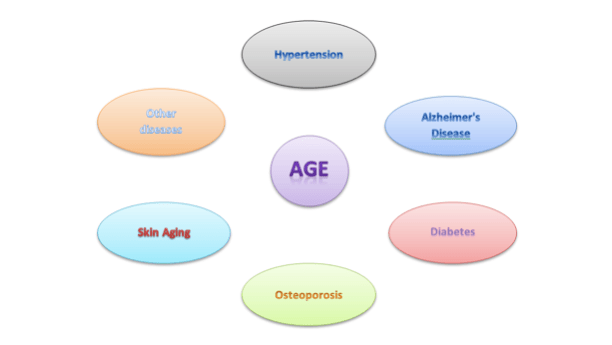
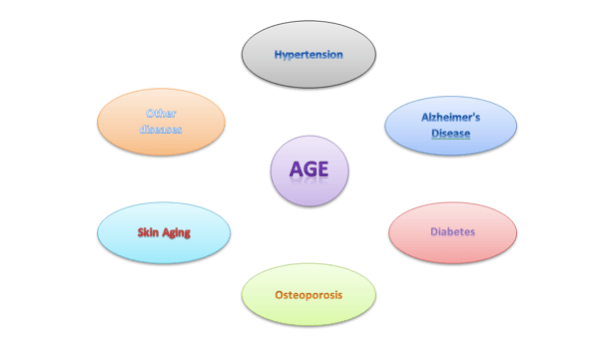
Age-related diseases are the leading cause of death worldwide, and they are also the leading source of concern for people concerned with global healthcare spending, both now and in the future. The CNS, vascular structures, joints, bones, the renal system, and other systems and tissues will be the focus of the special issue on age-related disease. The disorders must all be age-related, and the papers must seek to explain how the ageing process contributes to the pathology. Innovative articles that suggest basic interventions in the ageing process with either therapeutic potential or clinical trial results will be given high priority. Prospective publications may alternatively or in addition, address broader geriatric concerns, such as symptomatic care, diagnostic procedures, and funding for age-related disease treatment on a local, national, or global basis. Relevant dementias (such as Alzheimer’s, Parkinson’s, FTD, etc.), cardiovascular diseases (such as myocardial infarction, coronary artery disease, aneurysm, stroke, peripheral vascular disease, congestive heart failure, etc.), osteoarthritis, osteoporosis, renal failure, skin ageing, immunosenescence, or other age-related diseases may be among the specific age-related diseases.

Diabetes Mellitus

Diabetes involves the dysfunction of pancreatic ß-cells which leads to the development of diabetes. Aging of β cells in islets is mainly manifested as a decrease in the number of ß-cells and reduction in their secretion capacity. The mechanisms between islet cell failure in diabetes and aging are complex. The main interventions for diabetes include diet control, exercise, weight loss, and combination of hypoglycemic drugs.

Skin Ageing

Skin ageing is the overall part of the aging of the body and basically effects the appearance and makes body functioning difficult. This can lead to various diseases like anxiety, depression and self- abasement. Treatment for skin ageing mainly includes oral antioxidant drugs, topical anti-aging agents, and photoelectric and acoustic physical technology.

Alzheimer’s Disease

It is a neurodegenerative disease that occurs in old age and pre old age. It is basically brain aging. This disease involves nerve cell injury or apoptosis of brain nerve cells. Currently, drugs used in the clinical treatment of Alzheimer’s Disease are mainly noncompetitive N-methyl-D-aspartic acid receptor antagonists (such as memantine) and cholinesterase inhibitors (such as donepezil and galantamine).

The process of aging is universal but not uniform. Aging and age-related diseases pose a serious threat to human health and reduce the quality of life of elderly people. Awareness of age-related physiological changes, such as reduced acuity of vision and hearing, slow reaction time, and impaired balance, will prepare patients and caregivers to manage risks, make informed decisions, and perhaps prevent falls and medication adverse effects. The molecular basis of aging has various mechanisms and cells and different systems involved in it, which contribute to the process of aging and show the life span of a person and how healthy his life can be according to his inner systems. Stem cells have their own role to play and have a very important part in every single mechanism of aging. Basically, aging is a process which will happen no matter what the circumstances are and defines the life span of a person.

Cell based Therapy in Human Regenerative Therapy

CELL BASED THERAPY AND XENOGENEIC ACELLULAR NERVE MATRICES

Adipose cell transplantation is an option for reconstructing peripheral nerves. The cells may be administered systematically via intravenous, sub-cuticular or intramuscular routes as used for traditional drug therapy. When adipose derived stem cells (ADSC) have been introduced intravenously, they spread throughout the body and locate to damage tissue. In the context of traumatic brain injury, these cells spread via the reticuloendothelial system directly into the diseased brain tissue. The observed benefits of human ADSC injection were largely dependent on the recipient rat’s age. In the older rats, fewer cells transited though the spleen. This subsequently led to differences in cell distribution within injured parts of the rat’s brains. In other studies when ADSCs were administered via the intravenous route they were also shown to improve neuropathic pin in rats which had the ill effects of chronic pain stimulated.

CURRENT THERAPIES AND FUTURE DIRECTIONS

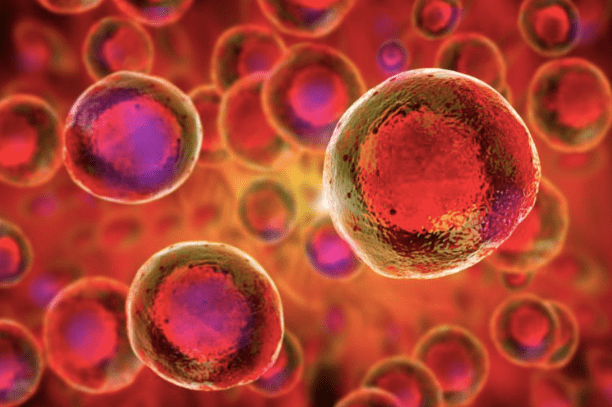
Organ and tissue loss through disease and injury motivate the development of therapies that can regenerate tissues and decrease reliance on transplantations. Regenerative medicine, an interdisciplinary field that applies engineering and life science principles to promote regeneration, can potentially restore diseased and injured tissues and whole organs. Since the inception of the field several decades ago, a number of regenerative medicine therapies, including those designed for wound healing and orthopedic applications, have received Food and Drug Administration (FDA) approval and are now commercially available. These therapies and other regenerative medicine approaches currently being studied in preclinical and clinical settings will be covered in this review. Regenerative medicine has the potential to heal or replace tissues and organs damaged by age, disease, or trauma, as well as to normalise congenital defects. Promising preclinical and clinical data to date support the possibility for treating both chronic diseases and acute insults, and for regenerative medicine to abet maladies occurring across a wide array of organ systems and contexts, including dermal wounds, cardiovascular diseases and traumas, treatments for certain types of cancer, and more. The current therapy of transplantation of intact organs and tissues to treat organ and tissue failures and loss suffers from limited donor supply and often severe immune complications, but these obstacles may potentially be bypassed through the use of regenerative medicine strategies.

Regenerative Medicine opened new avenues for curing patients with difficult to treat diseases and physically impaired tissues. Despite many successes, regenerative medicine is still unfamiliar to many scientists and clinicians. This poses a great limit, as tissue engineering and regenerative medicine could overcome the unsolvable problems of the current medical treatments. The creation and use of cloned pigs have made a significant contribution to various fields in basic and applied research for regenerative medicine such as for treatment for intractable diseases, stem cell therapy and organ or tissue transplantation. It is important to verify the findings obtained from the in vitro studies in a complex system of individual animals. The role of research that uses cloned pigs as a platform isn terms of producing findings truly useful for clinical application. The crucial point of this revolution is transforming the current numerous scientific discoveries into novel and viable therapies from bench and bedside. The unique benefits of animal modelling techniques will continue to be used in the future to promote experimental endeavours in this field of study.

LIE DETECTOR:

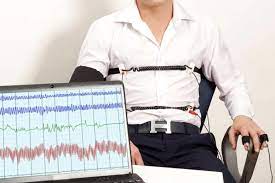
Lie detection is an assessment of a verbal statement with the goal to reveal a possible intentional deceit. Lie detector also known as polygraph, is a device that measures and records several physiological indicators such as blood pressure, pulse, respiration, and skin conductivity while a person is asked and answers a series of questions. Rate and depth of respiration is measured by pneumograph wrapped around a subject’s chest. Skin conductivity is assessed through electrodes attached to a subject’s fingertips. Blood pressure cuff is used to measure cardiovascular activity.

There are several questioning techniques in polygraph. The most widely used test is Control Question Test (CQT) which compares responses to “relevant” questions with those of “control” questions. The alternate test that’s been used is Guilty Knowledge Test (GKT) which has multiple-choice test with items concerning knowledge that only a guilty subject could have.

ACCURACY:

The American Polygraph Association which has set a standard for polygraph, says that they are highly accurate and have an accuracy rate of 90 percent when done properly. However, critics say that polygraph are correct only 70 percent of the time. It is difficult to analyze how well lie detectors work. But National Academy of Sciences found that “polygraphs work at rates well above chance, though far below perfection”. “Almost a century of research in scientific psychology and physiology provides little basis for the expectation that a polygraph test could have extremely high accuracy”, they added.

APPLICATIONS:

Psychologists and other scientists agree that there is little basis for the validity of polygraph tests and hence use them. Though the court have rejected polygraph evidence several times because of their unreliability but it is still used in non-judicial settings. Lie detectors are also used by

  • Criminal investigations,
  • Intelligence services,
  • Security agencies,
  • The Military,
  • Federal agencies and also by
  • Probation officers.

FACTS:

  • Converus claims that Eye Detect is “the most accurate lie detector available,” boasting 86 percent accuracy.
  • You can find lie detector software online.
  • The first polygraph was created in 1921.
  • You can fail a lie detector test if you are nervous.
  •  A lie detector typical cost  between $200 and $2,000.

Although the idea of a lie detector may be comforting, the most practical advice is to remain skeptical about any conclusion wrung from a polygraph.

GENDER EQUALITY

Gender equality: what is it and why do we need it?

We need gender equality urgently. Find out what gender equality means and why it’s important.

Gender equality is when people of all genders have equal rights, responsibilities and opportunities. Everyone is affected by gender inequality – women, men, trans and gender diverse people, children and families. It impacts people of all ages and backgrounds.

We need gender equality urgently. Gender equality prevents violence against women and girls. It’s essential for economic prosperity. Societies that value women and men as equal are safer and healthier. Gender equality is a human right. Everyone benefits from gender equality.  Gender equality is a fundamental human right. Yet despite progress, women and girls around the world do not fully experience equal rights and their potential as economic, social and sustainable development change-agents remains untapped.

Gender equality is a fundamental human right. Yet despite progress, women and girls around the world do not fully experience equal rights and their potential as economic, social and sustainable development change-agents remains untapped. Empowering women and girls helps expand economic growth, promote social development and establish more stable and just societies. Women’s economic empowerment benefits both women and children. It is pivotal to the health and social development of families, communities and nations. Further, the UN’s Sustainable Development Goals (SDGs) underscore women’s empowerment as an important development objective, in and of itself, and highlight the relevance of gender equality to addressing a wide range of global challenges.

A growing number of business leaders recognize the importance of women as leaders, consumers, entrepreneurs, workers and caretakers. They are adapting their policies, programme and initiatives to create environments where women and girls thrive

WOMEN EMPOWERMENT

Women Empowerment is made up of two words women and empowerment. Empowerment means to give power or authority to someone. So, Women Empowerment means power in the hands of women. It signifies that women should be given equal opportunity in every field, irrespective of any discrimination. Our society comprises men and women. In earlier times, men were considered to be the leading members of a family. They were responsible for earning the livelihood and were the decision takers of the family. On the other hand, women were responsible for doing household work and upbringing of the children. So, the roles were mainly based on gender. There was no involvement of women in decision making. If we assess our entire sector, then research says that women’s issues are either focused on her reproductive role and her body or on her economic role as a worker. But none of them is focused on empowering the women.Women can be empowered in various ways. It can be done through government schemes as well as on an individual basis. At the individual level, we should start respecting women and start giving them opportunities equal to men. We should promote and encourage them to take up jobs, higher education, business activities, etc. The Government has come up with various schemes such as Beti Bachao Beti Padhao Yojana, Mahila-E-Haat, Mahila Shakti Kendra, Working Women Hostel, Sukanya Samriddhi Yojana, etc. to empower women. Apart from these schemes, we as individuals can also empower women by abolishing social evils like the dowry system, child marriage. These small steps will change the situation of women in society and make them feel empowered.

Women can be empowered in various ways. It can be done through government schemes as well as on an individual basis. At the individual level, we should start respecting women and start giving them opportunities equal to men. We should promote and encourage them to take up jobs, higher education, business activities, etc. The Government has come up with various schemes such as Beti Bachao Beti Padhao Yojana, Mahila-E-Haat, Mahila Shakti Kendra, Working Women Hostel, Sukanya Samriddhi Yojana, etc. to empower women. Apart from these schemes, we as individuals can also empower women by abolishing social evils like the dowry system, child marriage. These small steps will change the situation of women in society and make them feel empowered.

EACH TIME A WOMEN STAND UP FOR HERSELF, SHE IS STANDING FOR HERSELF.

Positive Psychology

Positive psychology is one of the newest branches of psychology to emerge. This particular area of psychology focuses on how to help human beings prosper and lead healthy, happy lives. While many other branches of psychology tend to focus on dysfunction and abnormal behaviour, positive psychology is centered on helping people become happier. Positive psychology is designed to “complement and extend the problem-focused psychology that has been dominant for decades,” explained the late Christopher Peterson, author of “A Primer in Positive Psychology” and professor at the University of Michigan, in a 2008 article published in Psychology Today. “Positive psychology is…a call for psychological science and practice to be as concerned with strength as with weakness; as interested in building the best things in life as in repairing the worst; and as concerned with making the lives of normal people fulfilling as with healing pathology,” Peterson wrote.

According to leading authorities in the field, Martin Seligman and Mihaly Csikszentmihalyi, positive psychology will help achieve “scientific understanding and effective interventions to build thriving in individuals, families, and communities.” In order to understand the field of positive psychology, it is essential to start by learning more about its major theories, applications, and history.

History of Positive Psychology

“Before World War II, psychology had three distinct missions: curing mental illness, making the lives of all people more productive and fulfilling, and identifying and nurturing high talent,” wrote Seligman and Mihaly Csikszenmihalyi in 2000. Shortly after WWII, the primary focus of psychology shifted to the first priority: treating abnormal behavior and mental illness. In the 1950s, humanist thinkers like Carl Rogers, Erich Formm and Abraham Maslow helped renew interest in the other two areas by developing theories that focused on happiness and the positive aspects of human nature.

General interest in positive psychology has grown tremendously since the concept was introduced. Today, more and more people are searching for information on how they can become more fulfilled and achieve their full potential.

Uses

Positive psychology can have a range of real-world applications in areas including eduction, therapy, self-help, stress management, and workplace issues. Some of the major topics of interest in positive psychology include: Character strengths and virtues, Flow, Gratifications, Gratitude, Happiness, Pleasure, Helplessness, Hope, Mindfulness, Optimism, Positive thinking, Resilience .

Impact of Positive Psychology

Some of the major findings of positive psychology include: Money doesn’t necessarily buy well-being, but spending money on other people can make individuals happier, People are generally happy, Some of the best ways to combat disappointments and setbacks include strong social relationships and character strengths, While happiness is influenced by genetics, people can learn to be happier by developing optimism, gratitude, and altruism, Work can be important to well-being, especially when people are able to engage in work that is purposeful and meaningful.

Potential Pitfalls

Positive psychology is often confused with positive thinking, and misconstrued as self-help tactics rather than research-backed theories. Positive thinking is a way of thinking ourselves into better behavior and greater resilience, rather than behaving our way into a different frame of mind. Positive psychology, on the other hand, is the scientific study of what makes people thrive. It focuses on behaviors that can lead to a more optimized frame of mind as well as on thought patterns that lead to more functional behaviors.

Welcome to your Space Opera

“May the force be with you”. This statement alone is enough to tell you how popular and impactful space operas are. Whether it’s Star Trek or Star Wars ( yes they’re both different) or Battlestar Galactica franchise and Robert A. Heinlein’s 1959 novel Starship Troopers, sci fi has always fascinated people.

Space operas, considered as sub genre of science fiction emphasizes fictional space warfare driven by technology and science fictional devices.

Art of Ayan - Grand Space Opera: Light Age - Keyframe Design

What’s even more fascinating , is that these fictional tales are no longer just part of the books or movies but have started to interlink with the present and probably the future.

 Ronald Reagan proposed the a plan of strategic defense initiative – a system of lasers and missiles and the critics and newspapers named it as Stars Wars.  This gained further resonance when Reagan described the Soviet Union as an “evil empire”.

Star trek , was etched with liberal themes that were dominating American society in the 1960’s  like racism, the nuclear arms race, the struggle between democracy and totalitarianism -all part of Star Trek.

This all mirrored the post Second world war scenario in the world.

.Kingpins , in these sci fi , in quest of more power, battle for higher political ground , which is a reflection of the current conflicts in the world.

Handmaid’s Tale, by Margaret Atwood, is set in a dystopian future, wherein women are forced to live as concubine under a fundamentalist and theocratic dictatorship. Wherein the women , are not even called out by their own names, but are named after their ” masters”. Women being forced to be subservient to men …Sounds familiar right ? This book is not exactly a space opera, but for sure classifies as sci fi and a thriller with jarring similarities to the past, present and a possible future.

Whether it’s shows like Black Mirror, West World, or movies like The Walking Dead, World War Z- they all hold testament to the horrifying yet reality we all are living in.

Increasing  political distress in the world, racial stratification and on top of that the armed powerful countries; this sounds like a plot of a space opera , sadly , we are all living it today .Launch of Space force by the Donald Trump; China and Russia also preparing to enter the competition; Business moguls having the access to space , this all is the beginning of something, – maybe of a new space opera- but this time it’s for real.

Software Verification Methods

Software Verification : Verification is the process of manually examining / reviewing a document. The document may be SRS, SDD, the program itself or any document prepared during any phase of software development.

The objective of any verification method is to review the documents with the purpose of finding faults. Many methods are commonly used in practice like peer reviews, walkthroughs, inspections, etc. Verification helps in prevention of potential faults, which may lead to failure of software. Verification and validation activities may be performed after the implementation phase. However, only verification is possible in the phases prior to implementation like the
requirement phase, the design phase and even most of the implementation phase.

1) Peer Reviews

Any type of testing (verification or validation), even adhoc and undisciplined, is better than no testing if it is carried out by person(s) other than the developers / writers of the document with the purpose of finding faults. We give the document(s) / program(s) to someone else and ask to review the document(s) / program(s). We expect views about
the quality of the document(s) and also expect to find faults. This type of informal activity may give very good results without spending any significant resources.

Many studies have shown the importance of peer review due to its efficiency and significance. Our thrust should be to find faults in the document(s) / program(s) and not in the persons who have developed them. The activities involved may be SRS document verification, SDD verification and program verification. The reviewer may prepare a report
of observations and findings or may inform verbally during discussions.

2) Walkthroughs

Walkthroughs are more formal and systematic than peer reviews. In a walkthrough, the author of the document presents the document to a small group of two to seven persons. Participants are not expected to prepare anything. Only the presenter, who is the author, prepares for the meeting. The document(s) is / are distributed to all participants. During the meeting, the author introduces the material in order to make them familiar with it. All
participants may write their observations on any display mechanism like boards, sheets, projection systems, etc. so that every one may see and give views. After the review, the author writes a report about findings and any faults pointed out in the meeting.

The disadvantages of this system are the non-preparation of participants and incompleteness of the document(s) presented by the author(s). The author may hide some critical areas and unnecessarily emphasize on some specific areas of his / her interest. Walkthroughs may help us to find potential faults and may also be used for sharing the documents with others.

3) Inspection

Many names are used for this verification method like formal reviews, technical reviews, inspections, formal technical reviews, etc. This is the most structured and most formal type of verification method and is commonly known as inspections. The presenter is not the author but some other person who prepares and understands the document being
presented. This forces that person to learn and review that document prior to the meeting. The document(s) is / are distributed to all participants in advance in order to give them sufficient time for preparation.

Important points are displayed by some display mechanism so that everyone can see them. The moderator, preferably a senior person, conducts such meetings and respects everyone’s views. The idea is not to criticize anyone but to understand their views in order to improve the quality of the document being presented. Sometimes a checklist is also
used to review the document. After the meeting, a report is prepared by the moderator and circulated to all participants. They may give their views again, if any, or discuss with the moderator. A final report is prepared after incorporating necessary suggestions by the moderator. Inspections are very effective to find potential faults and problems in the document like SRS, SDD, source code, etc.

Artificial Intelligence

Artificial intelligence (AI) refers to the simulation of human intelligence in machines that are programmed to think like humans and mimic their actions. The term may also be applied to any machine that exhibits traits associated with a human mind such as learning and problem-solving.

Artificial intelligence (AI) is intelligence demonstrated by machines, as opposed to the natural intelligence displayed by humans or animals. Leading AI textbooks define the field as the study of “intelligent agents”: any system that perceives its environment and takes actions that maximize its chance of achieving its goals. Some popular accounts use the term “artificial intelligence” to describe machines that mimic “cognitive” functions that humans associate with the human mind, such as “learning” and “problem solving”.

AI applications include advanced web search engines, recommendation systems (used by YouTube, Amazon and Netflix), understanding human speech (such as Siri or Alexa), self-driving cars (e.g. Tesla), and competing at the highest level in strategic game systems (such as chess and Go), As machines become increasingly capable, tasks considered to require “intelligence” are often removed from the definition of AI, a phenomenon known as the AI effect. For instance, optical character recognition is frequently excluded from things considered to be AI, having become a routine technology.

Artificial intelligence was founded as an academic discipline in 1956, and in the years since has experienced several waves of optimism, followed by disappointment and the loss of funding (known as an “AI winter”), followed by new approaches, success and renewed funding. AI research has tried and discarded many different approaches during its lifetime, including simulating the brain, modeling human problem solving, formal logic, large databases of knowledge and imitating animal behavior. In the first decades of the 21st century, highly mathematical statistical machine learning has dominated the field, and this technique has proved highly successful, helping to solve many challenging problems throughout industry and academia.

The various sub-fields of AI research are centered around particular goals and the use of particular tools. The traditional goals of AI research include reasoning, knowledge representation, planning, learning, natural language processing, perception and the ability to move and manipulate objects. General intelligence (the ability to solve an arbitrary problem) is among the field’s long-term goals. To solve these problems, AI researchers use versions of search and mathematical optimization, formal logic, artificial neural networks, and methods based on statistics, probability and economics. AI also draws upon computer science, psychology, linguistics, philosophy, and many other fields.

The field was founded on the assumption that human intelligence “can be so precisely described that a machine can be made to simulate it”. This raises philosophical arguments about the mind and the ethics of creating artificial beings endowed with human-like intelligence. These issues have been explored by myth, fiction and philosophy since antiquity. Some people also consider AI to be a danger to humanity if it progresses unabated. Others believe that AI, unlike previous technological revolutions, will create a risk of mass unemployment.

Artificial Intelligence Characteristics

  • Deep Learning. Deep learning is a machine learning technique that teaches computers to do what comes naturally to humans, to learn by example.
  • Facial Recognition
  • Automate Simple and Repetitive Tasks
  • Data Ingestion
  • Chatbots
  • Quantum Computing
  • Cloud Computing

Following are some sectors which have the application of Artificial Intelligence:

  • AI in Astronomy. Artificial Intelligence can be very useful to solve complex universe problems
  • AI in Healthcare
  • AI in Gaming
  • AI in Finance
  • AI in Data Security
  • AI in Social Media
  • AI in Travel & Transport
  • AI in Automotive Industry

Pride, prejudice and arrogance.


Augustine, it is “the love of one’s own excellence.”

Pride:

Pride is a double edged sword.

Pride is usually considered in 2 ways
1) The feeling of satisfaction that comes from one’s own achievement or those affiliated to us.
2) Having a high opinion of oneself which sometimes expresses itself in the form of arrogance or excessive belief over one’s abilities.

The opposite of pride is humility

Prejudice:


It is described as a stereotyped attitude towards a particular social group.
There are many types of prejudices. There’s ageism, sexism, racism, those from different religions and ethnic groups, people who are overweight or underweight,  people with sexual orientations and the list is endless.
It varies according to environment who are more likely to become a target. -Prejudice does not need a base or proof. It is mostly based on an individual’s delusional theory regarded someone/something because of something they went through.

-Scientific postulates need proof, trial, and error, and goes through thorough objective examination to form a theory.
It is deduced from natural occurrences to aid the growth of every being on Earth.

-Thus there is a clear boundary between prejudice and science.
Thinking that a human born into an ethnicity they had no control over, is preposterous cannot be ever justified.
Well, I mean have thought over this.
You treat them like a monster, take away the room for growth, or won’t let them have an understanding of the world, force upon them their ancestors or someone’s act, treat their every mistake or an act of love as sin.
You are letting them realize that no matter what they do, they will always be regarded as criminals. In order to live a normal life, in order to escape from Hell on Earth, they will have no option but to take actions that align with their prejudices to have a chance at life.
Aren’t you giving birth to the one you are so wary about? How will assuming negative about someone you haven’t met going to remove the things you want?


It is humane to worry about wolves in sheep’s clothing, it is natural to protect someone you love. But hatred and pride blind not only you but also others from peace, from a true safe environment.
   The mutual understanding that prejudice exists but at the same time, trying to resolve those by complete honesty and understanding will protect you from external influences ( yes, I mean someone who wants conflicts to exist between the groups), and will give the groups a chance to make way for growth despite the differences.
It is very easy for me to say and I realize how idealistic or dreamy it seems, but without interaction between conflicting groups, without a wish to make things better for innocent ones around you, the casualties, hatred, and stereotypes are bound to grow and create wars. 

When prejudice causes a group to be treated differently than others in situations that call for equal treatment, it is called discrimination.

Arrogance:


It can simply be defined as aggressive evolution of pride, and manifested in form of extreme expression emotionally (within one’s mind or vocally).  To exaggerate one’s own worth or importance often in a pompous manner.

  • Doesn’t believe they can mistakes or faults.
  • Tries to put blame on others.
  • Creates a fearful environment.
  • Always wants to be right.

We will talk about the thin line between pride and arrogance soon in following articles. 🙂

Present Conditions: Bio-medical Waste Disposal

Biomedical waste poses various health and environmental hazards. Hence, it should be handled with the utmost care and disposed-off safely. Several lacunas exist within the management of biomedical waste in India, and the pandemic posed by the corona virus has made it even tougher. The sudden outbreak of the corona virus led to an exponential rise in the quantity of biomedical waste. Furthermore, the poor infrastructure and lack of human resources have aggravated this example. To combat this serious problem in a timely manner, the government has formulated various standard operating procedures and has amended the existing rules and guidelines. Corona viruses have caused large-scale pandemics, namely, severe acute respiratory syndrome coronavirus-1 (SARS-Cov-1) and the Middle East respiratory syndrome (MERS). A new outbreak in this family was added in November-December of 2019 as the novel corona virus disease 2019 (COVID-19) caused by a large group of highly diverse, enveloped, positive sense, and single-stranded RNA viruses, namely, SARS-CoV-2. Mass sampling with rapid tests, isolation of suspects/patients, use of personal protective measures, social distancing, and life-supporting treatments are known countermeasures to prevent fighting this fatal pandemic. Personal protective equipment (PPE), surgical (and protective) face masks, aprons/gowns, and nitrile gloves are essentially used to protect individuals from exposure to pathogens and contaminants. Traditionally, these protective measures have been predominantly used against pathogens in hospitals. However, COVID-19 has necessitated their usage in domestic isolation and individual protection, leading to a rapid accumulation of potentially infectious waste streams. The entire world is, therefore, facing an unprecedented challenge to fighting COVID-19 together with the myriad COVID-waste.

The composition of waste is greatly influenced by disposable plastic-based personal protective equipment (PPE) and single-use plastics by online shopping for most basic necessities. The use of PPEs and single-use plastics during the pandemic not only increased the quantity of medical waste but also altered the average density of the medical waste. Waste generation amid COVID-19, especially discarded PPEs and single-use plastics, has been an environmental and public health crisis around the world, particularly in countries with developing economies and those in transition. Safe solid waste management is already a matter of major concern in these countries where safe and sustainable practice is scarce and healthcare waste has not been adequately regulated. India is generating tonnes of hospital waste in just a few months, in which Maharastra is the highest contributor because it has the highest number of COVID-19 cases and hence the waste produced.
The bio waste is just dumped in the open at the airports. Perfect norms are not followed. This is leading to a serious increase in COVID-19 cases in India. The used PPE kits are dumped properly by following the norms or the rules and regulations given by the government, hence the increased cases of infection and deaths. These should be dumped after destroying them so that they can not be reused, which can also lead to the transmission of the infection. After that, these things should be perfectly dumped so that no further transmission can occur.

Generally, discarded healthcare waste and other forms of clinical waste are disposed of in a sanitary landfill or incinerated in the form of waste for energy recovery. However, in many developing countries, healthcare waste along with municipal solid waste is dumped in the open or in poorly managed landfills where the movements of waste pickers and livestock such as dogs, goats, and cows are often noticed. A few countries also apply advanced technology to treat their medical waste by steam sterilizing (autoclaving) or chemically disinfecting, but they are exceptional.
We should make some changes in medical waste disposal technology, as in the case of COVID-19. It is important to come up with something new. We normally use decentralization to centralization, from irregular to regular management, and from mostly incineration to non-incineration disposal technologies such as autoclave steam, dry heat, chemical disinfection, or microwave.
The treatment facilities for medical waste should be more automated and based on technology, with a minimum of workers involved. The goals of making automatic processes and the use of minimum workers for infectious waste are what we can do so that there are fewer risks and chances of transmission. Larger capacities of mobile facilities should be maintained, particularly during the pandemic, which may be vital for developing countries where medical waste disposal facilities are limited. The mobile facilities aren’t only convenient for emergency situations, but can also be used as a strategic backup capacity for a state in the future.

Management of Biomedical Waste Disposal

According to the latest guidelines for segregation and management of biomedical waste and its disposal is through colour coding:

  • Yellow Bag: it consists of the hospital wastes like the used dressings, bandages and cotton swabs with body fluids and blood, blood bags, human anatomical waste or the category 1 waste, body parts or organs.
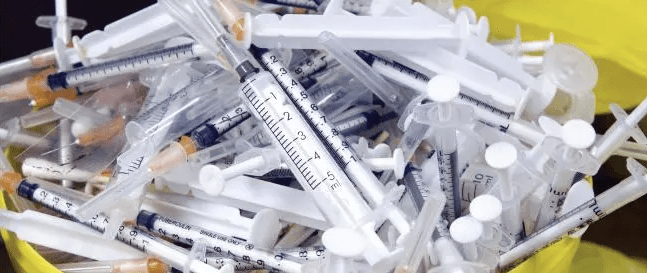
  • Red Bag: it costs of all category 4 wastes which the sharp things used like needles, syringes, also consists of used or soiled gloves, IV tubes and these are later incinerated.
  • Cardboard box with blue marking: This consists of ampules, glass vials and other glass ware are discarded in cardboard boxes.
  • White puncture proof container: These are consisting of needles, sharps, blades and these are disposed in white translucent puncture proof container.
  • Black Bags: These are to be used for non-bio-medical waste. In a hospital setup, this includes stationary, vegetable and fruit peels, leftovers, packaging including that from medicines, disposable caps, disposable masks, disposable shoe-covers, disposable tea cups, cartons, sweeping dust, kitchen waste etc.
COLOUR CODINGTYPE OF CONTAINERWASTE CATEGORY
YellowPlastic bagCategory 1, 2, 3, 6
RedDisinfected container/ Plastic bagCategory 3, 6, 7
Blue/White translucentPlastic bag/ Puncture proof bagCategory 4, 7
BlackPlastic bagCategory 5, 9, 10 (only solid)