UNPRECEDENTED TIMES REQUIRE UNPRECEDENTED MEASURES

“Vulnerability is not a weakness, it is our greatest measure of courage.”
What role does this impactful quote by Brene Brown play in our life? Arduous times have a tendency to shake the psychological well-being of any mortal. Sometimes, during unprecedented times, we are forced to take steps that were never dreamt of, by us.
Since the Big Bang, mankind’s path to advancement has been full of thorns. The Spanish Flu, the 1931 China floods, the 9/11 attacks, and numerous life-threatening scenarios were faced by us.
But if during those times, we hadn’t taken the necessary steps and shown impeccable courage, we wouldn’t have had the opportunity to write essays like this. We have to deal with emergency situations or when besieged by sorrows and life-threatening situations, we feel pressed to come out of our comfort zone of normalcy.

The most considerate example in front of us is the current pandemic that has befallen the planet-“The COVID-19 Pandemic”. This worldwide disaster crippled the economy of most of the countries, disavowed more than half of the businesses and industries, and forced millions to migrate.
Then the question that comes into our mind is-“How to avert this biological calamity?”And the first answer that we take into account is “Unprecedented measures”. We needed to do something that might not have happened in decades before. We were forced to go into a worldwide lock-down. People couldn’t step out of their houses and were forced to confine themselves within four walls. Collaborations were arrow-struck, the aviation sector was totally destroyed, and worse was the case of unemployment.
This was not the time to be insensitive or remain aloof. We had to support our families as their pillars, and console the infected.
There were various steps taken up by the governments, to control the situation. A few major ones include business shutdowns, work-from-home situations, and an obligation towards the country by wearing N-95 masks.
These times required us to keep ourselves immaculate and avoid as much contact with others as possible.
Even though hardships come and go in everyone’s lives, when we introspect, we find that the courage to overcome the difficulty is on the other bank of the river. The bridge that we need to cross, is that of self-confidence.
One of the main reasons people fail to scrutinize a burdensome task is an apathy. A lack of interest tends the bearer to give up easily. Thus being ebullient is very important to take unprecedented measures during unprecedented times.
The Indian directorate introduced a number of schemes for containing the economic fallout. An economic relief package of ₹20 lakh crore was announced by the Prime Minister in support of the financial victims of the pandemic. Numerous farmers and unemployed were funded by the government. Under the Pradhan Mantri Yojna, a sum of ₹12,000 crores was donated by PM Narendra Modi, to the farmers. Under the Ujjwal scheme, the government decided to provide free LPG refills to around 8.3 crore poor women. Close to 6 crore farmers were benefitted during the lockdown, because of the ingenious steps taken up.
There were countless such initiatives taken up in our country and the world. But the significance of these is often missed by us. The spontaneous reaction to the spread of the virus is often missed by us. The virtual operating system of the countries is often missed by us.
Many would still condemn the lock-down, rebuke the improvised and extrapolated agencies and organizations of the world, because they are unaware of the fact that even soothsayers cannot tell if a pandemic would fall upon the planet within a few days.
Difficulties and struggles do not knock on your door. They don’t even wait for you to be ready to tackle them. But if the wit of a person or country is strong, none can stop them from becoming the “difficulty for the difficulty”.
If we scrutinize a catastrophe and its victims closely, we find that the optimistic have a better chance of reverting back to normalcy, than the pessimistic. This also proves, that the degree of impact of our reaction towards a crisis, “is directly proportional” to our attitude. Giving up is too easy, winning may also be too easy, but the most difficult part is standing up, after falling down. The most important part is about how we perceive the situation in front of us.
What most individuals fail to acknowledge, is that preparing for an unprecedented time in advance is not possible, because of the word ”unprecedented”. Sometimes we have to go with our gut or rely on involuntary actions.
Looking back, we realize that even history provides a lot of classic ethics about times when people were given a chance to show their heroism.
Japan suffered two atomic bomb attacks in 1945, and it was predicted that it would take a few hundred years for the country to come back to its normal state. But as we see now, it is the world’s second-largest developed economy. How could that be possible? It was the civilians in Japan who fought vigorously against all anomalies to make their country one of the finest technologies in the world.
Recent events like the “Black Lives Matter” movement highlight the need for these unexpected times and measures. When George Floyd was cumbered to death by a policeman, thousands took to the streets and protested for the lives of the black community. Was this ever expected to happen? NO, but it still resulted in all 4 officers (who were responsible) being taken into custody. Thus, the reaction of a unified mass can change a lot of things.
Accomplished pilots gain their reputation from storms and tempests. Our valor often increases in proportion to the hindrances imposed upon it. Nobody learns to drive without knocking off a few trash cans or ace an examination without making mistakes.
Thus-
“A winner is never actually the person who wins, but it’s the loser because he knows the true meaning of winning.”

Mimi of Bollywood: Priyanka Chopra

An Indian actress, model, film producer, and singer the winner of the Miss World 2000 pageant Priyanka Chopra is one of India’s highest-paid and most popular entertainers. She has received numerous awards including two National Film Awards and five Filmfare awards. In 2016 the Government of India honored her with the Padma Shri and in the next two years, Forbes listed her among the world’s 100 most powerful women.

Priyanka Chopra was born on 18th July 1982 in Bihar 2018 in Jamshedpur of Bihar to Ashok and Madhu Chopra. At age of 13, Priyanka moved to United steps to study living with her aunt. While in Massachusetts, she participated in several theatre productions and studied Western classical music and choral singing. After 3 years she returned to India finishing the senior year of her High school education in Bareilly.

Her mother entered her in the Femina Miss India contest of 2000; she finished the second-place contestant of Femina Miss India was given the title Miss India world and sent to the Miss World competition. Priyanka next won the Miss World pageant where she was crowned Miss World 2000 and Miss World continental queen of beauty Asia and ocean at the Millennium Dome in London.

Priyanka’s main vocal influence was her father who helped to develop her interest in singing. After winning Miss India and Miss World, Priyanka was cast as the female lead in Humraaz which was released in 2002. Priyanka set up the production company Purple Pebble Pictures with an aim to produce small-budget films and promote new talent in the Indian Film industry.

Priyanka has worked with UNICEF since 2006, recording public service announcements and participating in media panel discussions promoting children’s rights. To promote organ donation, she pledged to donate her own organs after death and was the keynote speaker at the University of Pittsburgh medical center, Bollywood-themed 20th anniversary celebration of its liver transplant program in 2012.

Indian Prime Minister Narendra Modi selected Priyanka as one of the nine nominees called “Navratna” in 2014 for swachh Bharat Abhiyan. In late April 2021, due to the covid-19 pandemic in India, Priyanka along with her husband Nick opened a fundraiser along with NGO Give India to get donations for oxygen supply, covid-19 care centers, testing, and vaccination efforts.

1st December 2018 Priyanka get married to American singer and actor Nick Jonas and she legally changed her full name to Priyanka Chopra Jonas.

Organic Farming in India: The Future of Sustainable Agriculture

Organic Farming Produce

Introduction

The term ‘organic’ was first coined by Northbourne, in 1940, in his book entitled ‘Look to the Land’. In recent years, organic farming as a cultivation process is gaining increasing popularity . Organically grown foods have become one of the best choices for both consumers and farmers. Organically grown foods are part of go green lifestyle.

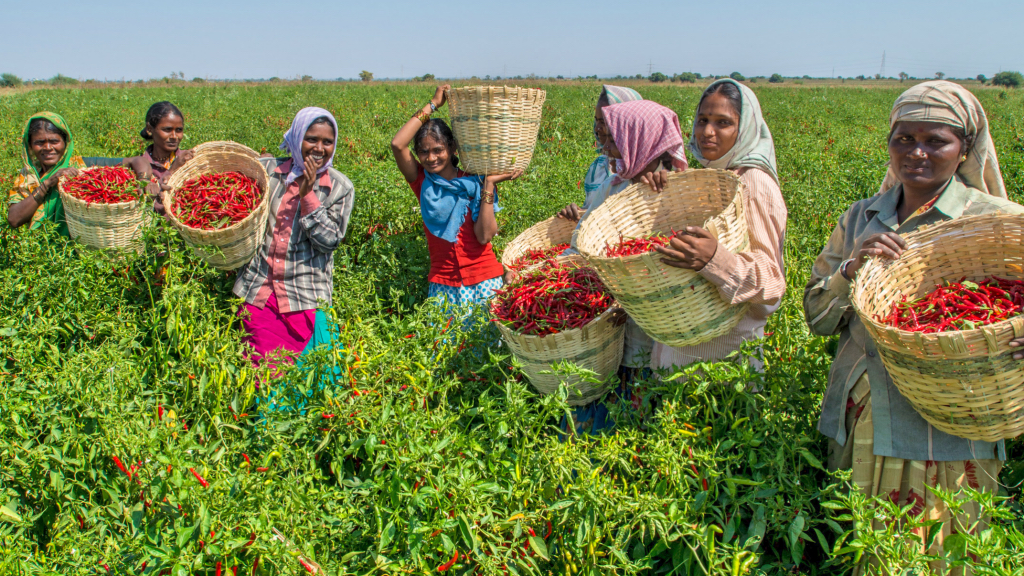
Farmers showing their Organic Harvest

Why Being Preferred These Days: The Importance of Organic Farming

Food quality and safety are two vital factors that have attained constant attention in common people. Growing environmental awareness and several food hazards (e.g. dioxins, bovine spongiform encephalopathy, and bacterial contamination) have substantially decreased the consumer’s trust towards food quality in the last decades. Intensive conventional farming can add contamination to the food chain. For these reasons, consumers are quested for safer and better foods that are produced through more ecologically and authentically by local systems. Organically grown food and food products are believed to meet these demands.

Organic Farming Processes

Organic Farming Process

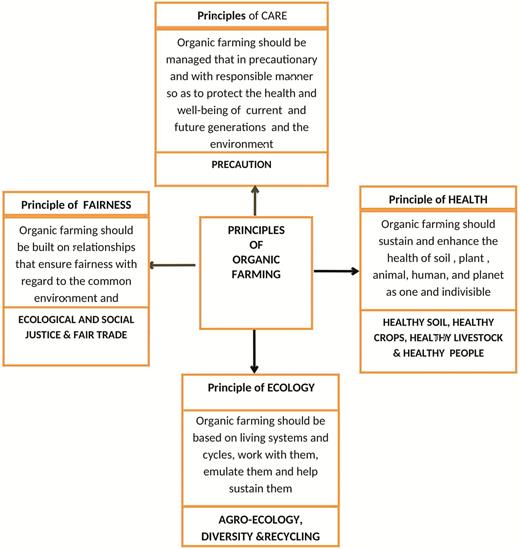
Organic farming and food processing practices are wide-ranging and necessitate the development of socially, ecologically, and economically sustainable food production system. The International Federation of Organic Agriculture Movements (IFOAM) has suggested the basic four principles of organic farming, i.e. the principle of health, ecology, fairness, and care . The main principles and practices of organic food production are to inspire and enhance biological cycles in the farming system, keep and enhance deep-rooted soil fertility, reduce all types of pollution, evade the application of pesticides and synthetic fertilizers, conserve genetic diversity in food, consider the vast socio-ecological impact of food production, and produce high-quality food in sufficient quantity.

Principles of Organic Farming  

According to the National Organic Programme implemented by USDA Organic Food Production Act (OFPA, 1990), agriculture needs specific prerequisites for both crop cultivation and animal husbandry. To be acceptable as organic, crops should be cultivated in lands without any synthetic pesticides, chemical fertilizers, and herbicides for 3 years before harvesting with enough buffer zone to lower contamination from the adjacent farms. Genetically engineered products, sewage sludge, and ionizing radiation are strictly prohibited. Fertility and nutrient content of soil are managed primarily by farming practices, with crop rotation, and using cover crops that are boosted with animal and plant waste manures. Pests, diseases, and weeds are mainly controlled with the adaptation of physical and biological control systems without using herbicides and synthetic pesticides. Organic livestock should be reared devoid of scheduled application of growth hormones or antibiotics and they should be provided with enough access to the outdoor. Preventive health practices such as routine vaccination, vitamins and minerals supplementation are also needed.

Principles of Organic Farming

Types of Organic Farming

Organic Farming are of two types. Here are the two types of Organic Farming being performed in India.

(a) Pure Organic Farming – pure organic farming, there is avoiding every unnatural chemical. In the process of pure farming, fertilizer and pesticides obtain from natural sources. It is called a pure form of organic farming. Pure organic farming is the best for high productivity. 

(b) Integrated Organic Farming – Integrated organic farming consists of integrated nutrients management and integrated pest management.

Organic Farming in India

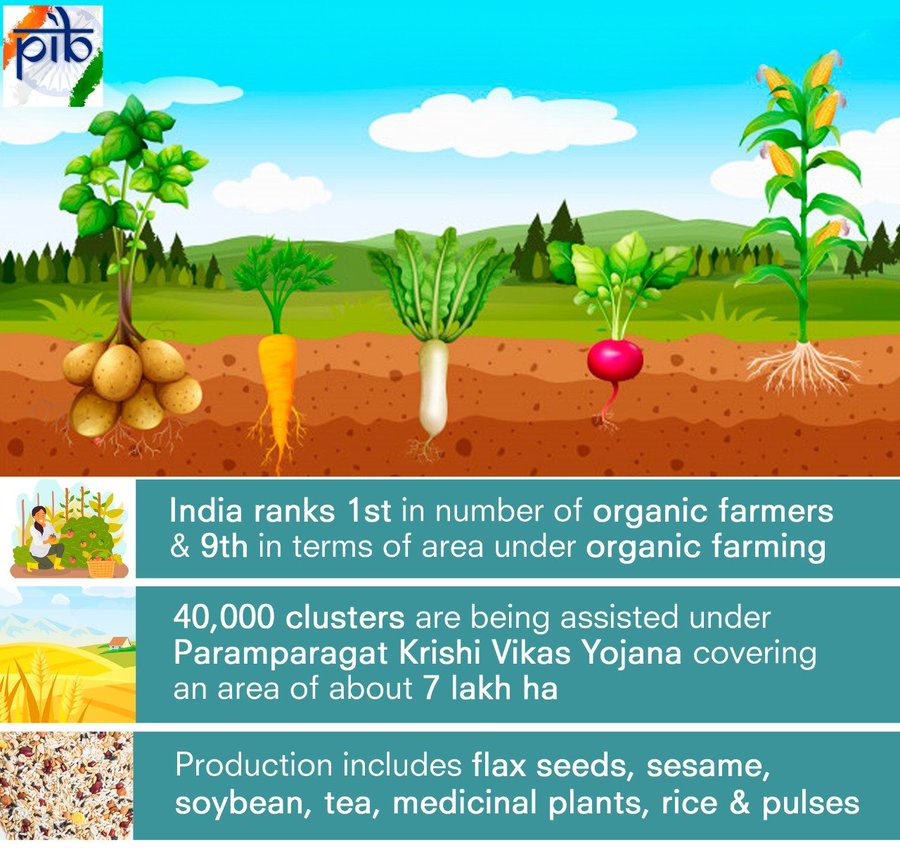
Organic farming is in a nascent stage in India. About 2.78 million hectare of farmland was under organic cultivation as of March 2020, according to the Union Ministry of Agriculture and Farmers’ Welfare. This is two per cent of the 140.1 million net sown area in the country. A few states have taken the lead in improving organic farming coverage, as a major part of this area is concentrated only in a handful of states. Madhya Pradesh tops the list with 0.76 million of area under organic cultivation — that is over 27 per cent of India’s total organic cultivation area. The top three states — Madhya Pradesh, Rajasthan and Maharashtra — account for about half the area under organic cultivation. The top 10 states account for about 80 per cent of the total area under organic cultivation. Sikkim is the only Indian state to have become fully organic so far. Even though India has very small organic area under cultivation, in terms of number of organic farmers it is being ranked first. India has over 1.9 million farmers as of March 2020, which is 1.3 per cent of 146 million agricultural landholders.

Advantages and Disadvantages of Organic Farming

Advantages of Organic Farming

Organic farming in India is very economical, it uses no expensive fertilizers, pesticides, HYV seeds for the plantation of crops. It has no expenses. 

With the use of cheaper and local inputs, a farmer can earn a good return on investment. This is one of the most important benefits of organic farming in India. 

There is a huge demand for organic products in India and worldwide and can earn more income through export.

Organic products are more nutritional, tasty, and good for health to chemical and fertilizer utilized products. 

Organic farming in India is very environment friendly, it does not use fertilizers and chemicals. 

Disadvantages of Organic Farming

Organic farming in India has fewer choices, and off-season crops are limited.

Organic agricultural products are low in the early years. Farmers find it difficult to accommodate mass production.

The main disadvantage of organic farming is the lack of marketing of the products and Inadequate infrastructure.

Organic Farming in India

Future of Organic Farming in India

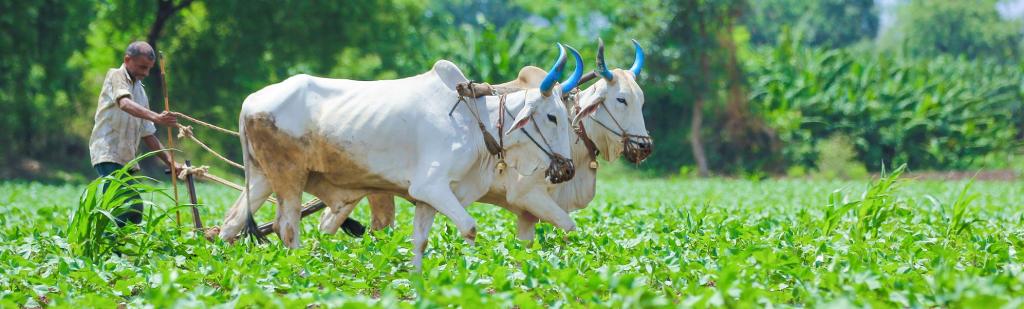
India is an agriculture-based country with 67% of its population and 55% of manpower depending on farming and related activities. Agriculture fulfils the basic needs of India’s fastest-growing population accounted for 30% of total income. Organic farming has been found to be an indigenous practice of India that practised in countless rural and farming communities over the millennium. The arrival of modern techniques and increased burden of population led to a propensity towards conventional farming that involves the use of synthetic fertilizer, chemical pesticides, application of genetic modification techniques, etc.

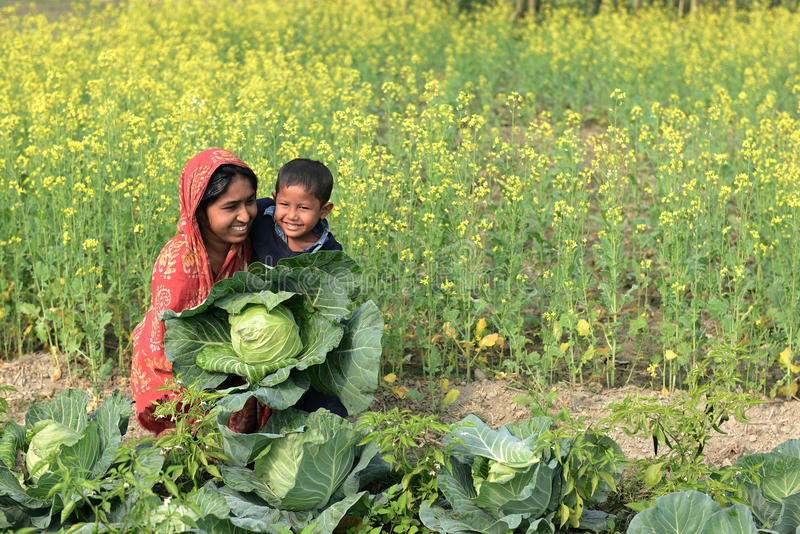
Organic Farming leads to Sustainability and Holistic Growth

Even in developing countries like India, the demand for organically grown produce is more as people are more aware now about the safety and quality of food, and the organic process has a massive influence on soil health, which devoid of chemical pesticides. Organic cultivation has an immense prospect of income generation too. The soil in India is bestowed with various types of naturally available organic nutrient resources that aid in organic farming.

As per data collected from Government of India

Conclusion

India is a country with a concrete traditional farming system, ingenious farmers, extensive drylands, and nominal use of chemical fertilizers and pesticides. Moreover, adequate rainfall in north-east hilly regions of the country where few negligible chemicals are employed for a long period of time, come to fruition as naturally organic lands. Organic farming yields more nutritious and safe food. The popularity of organic food is growing dramatically as consumer seeks the organic foods that are thought to be healthier and safer. Thus, organic food perhaps ensures food safety from farm to plate. The organic farming process is more eco-friendly than conventional farming. Organic farming keeps soil healthy and maintains environment integrity thereby, promoting the health of consumers. Moreover, the organic produce market is now the fastest growing market all over the world including India. Organic agriculture promotes the health of consumers of a nation, the ecological health of a nation, and the economic growth of a nation by income generation holistically. India, at present, is the world’s largest organic producers and with this vision, we can conclude that encouraging organic farming in India can build a nutritionally, ecologically, and economically healthy nation in near future.

Maha Shivratri and the Legacy of Ahilyabai Holkar

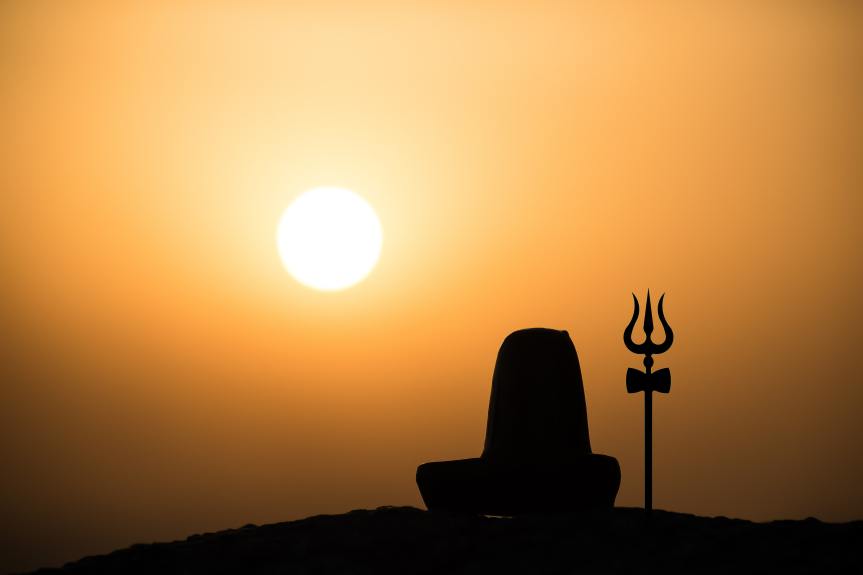
Hindus all around the world observe the night of Maha Shivratri today on the 1st of March 2022. Maha Shivratri (“The Great Night of Shiva”) is celebrated every year on Chaturdashi Tithi during Krishna Paksha in the month of Magha according to the South Indian calendar, or on 13/14 night of Krishna Paksha in Phalguna of the North Indian Hindu calendar. It is said to be the day Lord Shiva performs his heavenly dance (“Tandav“) of creation, preservation, and destruction. According to other legends, it is also the night Lord Shiva married Mata Parvati. So it is considered to be the night of union of Shiva and Shakti – the embodiment of love, power, and oneness. Devotees worship and pray to Lord Shiva, perform all-day fasting, and maintain an all-night vigil on this day. Some visit Shiva temples or go on pilgrimage to Jyotirlingams, the holiest of Shiva temples.

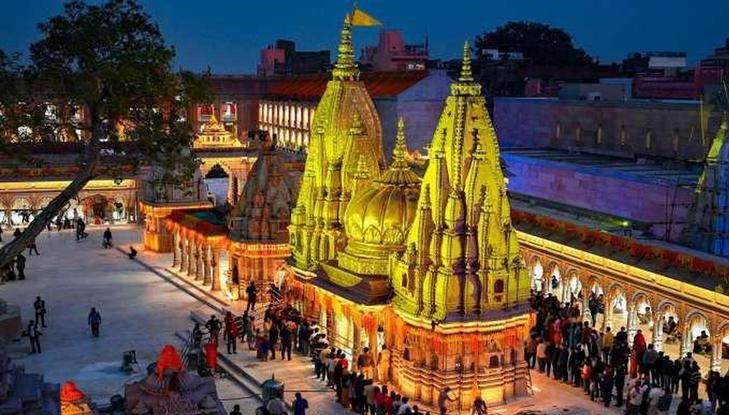
The Kashi Vishwanath temple in Varanasi, Uttar Pradesh is one of the sites of the 12 Jyotirlingams across India. This holy temple is one of the most important places of worship in the Hindu religion, with Vishveshvara or Vishvanath, the Jyotirlinga of Shiva residing inside the temple. The history of this sacred place of worship, however, is one of a cycle of destruction and plunder and re-construction. The original temple was destructed at the hands of Qutb al-Din Aibak in 1194 CE, re-constructed in 1230, and then again destroyed by the Mughal Emperor Aurangzeb in 1669 CE, building the Gyanvapi mosque in its place. It was a great and virtuous queen by the name of Ahilyabai Holkar who re-built the present-day Kashi Vishwanath temple beside the mosque. The story of this little-known noble queen is truly magnificent.

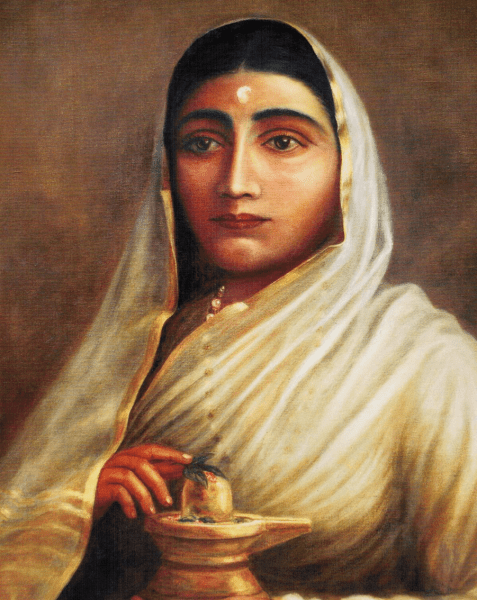
Ahilyabai was born on 31 May 1725 to Mankoji Rao Shinde, the Patil or Chief of Chondi village, Ahmednagar in present-day Maharashtra. Ahilyabai was not born into royal lineage but was married to Khanderao Holkar, after the Lord of the Malwa territory, Malhar Rao Holkar, became impressed by the young girl’s reverence and strong character. She became a widow at 29 when her husband died in the battle of Kumbher in 1754. It was her father-in-law, Malhar Rao Holkar, who prevented Ahilyabai from committing Sati after her husband’s death. Tragedy struck Ahilyabai again when her father-in-law, who was her greatest pillar of support passed away in 1766. This led to Ahilyabai’s only son Male Rao Holkar ascending the throne under her regency. He also died a few months later in 1767 which resulted in Ahilyabai becoming the ruler of Indore on 11 December 1767, despite some objections from the kingdom. She proved all those who opposed her wrong when she protected her kingdom from invaders who wanted to plunder Malwa, barely a year into her rule. She was a learned politician, cautioning the Maratha Peshawa against the British in a letter in 1772, comparing the British embrace to a bear-hug.

Maharani Ahilyabai Holkar Source: thebetterindia.com

During her 30-year rule, she transformed Indore from a tiny village to a prosperous city. She constructed numerous forts and roads in Malwa, sponsored festivals, and donated to many Hindu temples. She built dozens of temples, ghats, wells, tanks, and rest-houses stretching from the Himalayas in the north to the pilgrimage centers in the south. It was in 1780 that Ahilyabai re-constructed the present-day Kashi Vishwanath Temple adjacent to the mosque. The noble queen also beautified various holy sites including Gaya, Somnath, Ayodhya, Mathura, Haridwar, Kanchi, Avanti, Dwarka, Badrinarayan, Rameshwar, and Jaganathpuri as recorded by the Bharatiya Sanskritikosh.

Maheshwar, her capital was a center of literary, artistic, musical, and industrial achievement. She established a textile industry in the city and gained supporters like the Marathi poet Moropant, Shahir Anantaphandi, and Sanskrit scholar, Khushali Ram. Historians write of her kind rule, encouraging all within her realm and her kingdom to do their best.

She was 70 when she died in 1795 and was succeeded by her commander-in-chief and nephew, Tukoji Rao Holkar. As a tribute to her, Indore international airport has been named Devi Ahilyabai Holkar Airport. Similarly, Indore university has been renamed Devi Ahilya Vishwavidyalaya. A commemorative stamp was also issued in her honor in 1996. On 13 December 2021, India’s Prime Minister Narendra Modi inaugurated the Kashi Vishwanath Corridor Project in Varanasi, restoring an array of temples to their past glory. On this day, let us remember the great queen of Malwa and her invaluable contribution to our nation. The legacy of the great queen of Malwa lives on.

Putin Lays Out Terms As Russia Shells Ukraine City

Ukraine War: European Union members have announced new sanctions and assured Ukraine of more military support in the coming days.

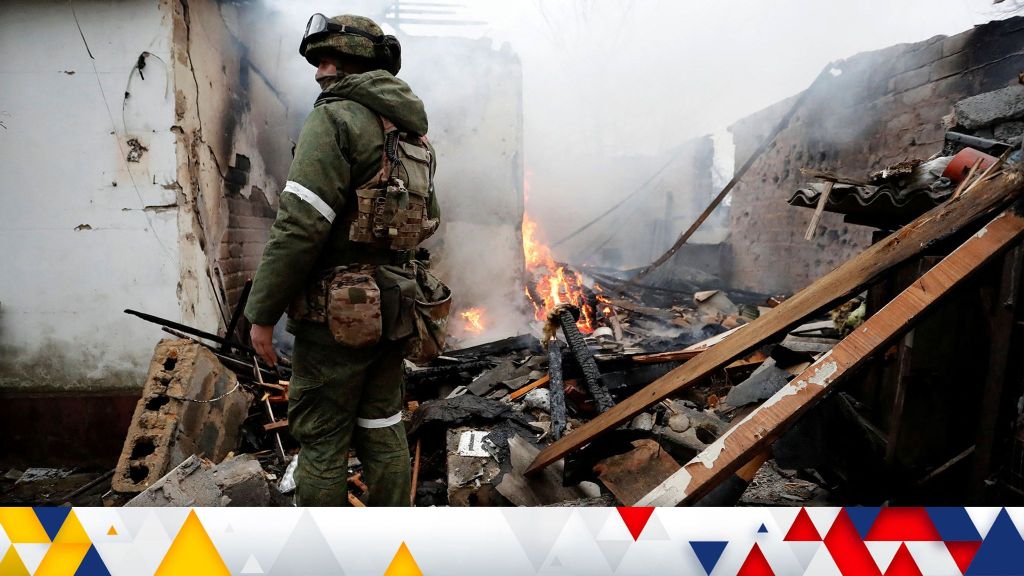
Kyiv: Vladimir Putin has put out conditions on ending Russia’s offensive as his forces shelled Ukraine’s Kharkiv, killing at least 11. Ukraine, meanwhile, has demanded retreat of all Russian forces during talks between Kyiv and Moscow at Belarus border.

FIFA Suspends Russia

World soccer’s global governing body suspended Russia and its teams from all competitions on Monday, ejecting the country from qualifying for the 2022 World Cup only weeks before it was to play for one of Europe’s final places in this year’s tournament in Qatar.

The suspension, which was announced Monday evening in coordination with European soccer’s governing body, also barred Russian club teams from international competitions. The decision came a day after FIFA was heavily criticized for not going far enough in punishing Russia for its invasion of Ukraine, and amid mounting demands from national federations for stronger action.

The initial pressure for an outright ban of Russia came from soccer officials in Poland, Sweden and the Czech Republic, whose national team faced the prospect of games against Russia in a World Cup playoff in March. Other countries and officials, including the federations representing France, England and the United States, quickly said they would not play Russia under any circumstances.

PM talks to Romanian, Slovak counterparts, thanks them for evacuation aid

Prime Minister Narendra Modi particularly thanked Romania for permitting Indians to enter its territory without visas.

Prime Minister Narendra Modi thanked Romania PM Nicolae-Ionel Ciucă, and Slovak PM Eduard Heger for permitting evacuation flights to land in their countries to bring back stranded Indians from war-hit Ukraine. (PTI)

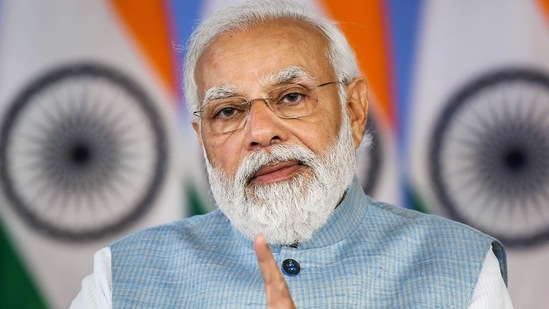
Prime Minister Narendra Modi on Monday spoke to his Romanian and Slovak counterparts Nicolae-Ionel Ciucă and Eduard Heger, respectively, as India continued to use the two nations as land routes to bring back its stranded nationals from war-hit Ukraine.null

Modi thanked both Ciuca and Heger for their assistance in the repatriation process since Russia’s invasion of the east European country. According to a statement, he particularly thanked the Romanian PM for allowing Indians to enter the country’s territory without visas.

He thanked them for allowing special evacuation flights in their countries, which are being used to bring home stranded Indian citizens from Ukraine.

Further, Modi apprised Ciuca and Heger of the deployment of aviation minister Jyotiraditya Scindia and Union law minister Kiren Rijiju in Romania and Slovakia, respectively, as special envoys to oversee the evacuation process over the next few days.

During his calls with the two leaders, Modi also expressed his anguish at the ongoing violence and humanitarian crisis in Ukraine, and reiterated the need for a return to dialogue. “He also stressed upon the importance of respecting sovereignty and territorial integrity of nations,” a PMO statement said.

Written by Sharangee Dutta | Edited by Sohini Goswami, New Delhi

Life of Hostel students

There are two kinds of students attending school or a college, they are either hostellers or day scholars. Day scholar students would have been wondering what would hostel life be like? There are a few things we all would have heard from hostellers. Nowadays both of the parents are working, so they prefer to join their children in a hostel rather than picking them up or arranging them a transport and worrying whether the child has reached safely or not, Also students from long distance obviously need hostel for them to stay.

Hostel life

There are certain things we are curious about hostellers. We often ask hostellers whether they miss their family and their previous environment. Of course hostellers miss their family and their home when they are new to hostel life. It’s very natural for a person to feel uncomfortable in a new place with new people surrounded by them. We often come across the word home sick, which is nothing but a distress caused by being away from home. Students miss their home, their family, they want to go back but all these sickness is temporary, once they find new friends and start feeling easy about hostel, it would be the best period of their lives. Hostel life is real fun, imagine staying with your friends all day long, chatting, watching shows and having your own little snacks party and saying creepy stories and enjoying the frightened face of your friends, isn’t it funny? Hostel is not only meant for enjoying but also it’s a great advantage to discuss and learn new things among friends. Each one of the students must be good at something, so it will be easier to learn a lot of new things within themselves.

Leaving Hostel

Staying all those years in hostel, it becomes like another home for them, leaving all those crazy memories and friends hurts them a lot, it’s the same feeling when they left their home for the first time or we can even relate it with our graduation day ,the farewell day , the day after which we won’t be able to experience what we experienced till now. But at last everyone came to the hostel with a purpose, once the purpose is filled we are supposed to leave the zone.

Secularism

Introduction

A country is divided not based on its geographical features, but its unique citizens. Even though the underlying principle of India’s success is “Unity in Diversity”, often these differences do not play well with ethnic communities. The intrusion of religion in politics can only yield unwelcoming outcomes. This is where secularism comes in, an ideology that clearly states” Civic affairs should not have any basis in religion”. In 1851, the British writer George Holyoake coined this term, in a quest to replace the aggravating word ‘Atheism’. The main objective of this ideology is to make appropriate decisions without harming the integrity of any religion. In lamen language, he did not want secularism to be misunderstood with discrimination. Not involving certain topics in a decision-making conference does not necessarily mean we deliberately excluded them or seek to prejudice them.

Types of secularism

Based on the intensity of secularism, it can be divided into two types-hard and soft. Hard secularism is a radical option, which aims to completely disavow any stance the topic takes in political decorum. It renders any form of religious knowledge illegitimate. On the other hand, soft secularism finds its roots in neutrality, tolerance, and liberalism. It argues that attaining the “absolute truth” is not possible without proper deliberation and tolerance of religious issues in civic issues.
Secularism is also divided into three different types based on its application. These are political secularism, philosophical secularism, and socio-cultural secularism. All three overlap and are related to each other, yet they exhibit divergent traits and embody discrete meanings.

Secularism in India

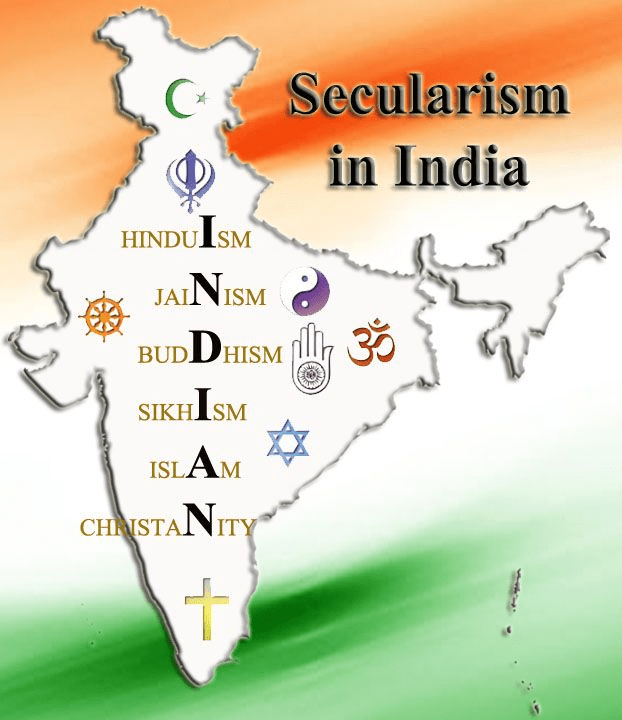
India is a multi-cultural and multi-ethnic society. From harboring Muslims, Christians, and Hindus to being the home of more than a hundred languages, our diversity is one that is marveled all over the world. Keeping in mind the conflicts of interest that might arrive with this heterogeneity, our leaders came up with an effective solution to keep the integrity of politics of this country intact. With the 42nd Amendment of the Constitution enacted in 1976, we declared ourselves a secular nation.
Secularism has always been an inspiration for modern India. We identify as a just nation that gives equal rights and opportunities to all its citizens despite their race, caste, or creed. But, the controversy surrounding Indian secularism has also had its share of attention. With many critics claiming that Indian secularism is “defrauded”, a good look at the positive changes bought about by this ideology might change the way they think about our nation.

One of the best examples of the success of the secularism amendment in India is Muslim Madrassas ( religious education schools) getting government funds. Or the fact that one of our own presidents, Dr. APJ Abdul Kalam, was a Muslim. Prime Minister Manmohan Singh was a Sikh, whilst the party leader Sonia Gandhi was a Christian(Born in Italy). Time after time we have witnessed different communities get their fair share of opportunities, and produce fruitful outcomes, all because Indian secularism was, has, and will always be a success.

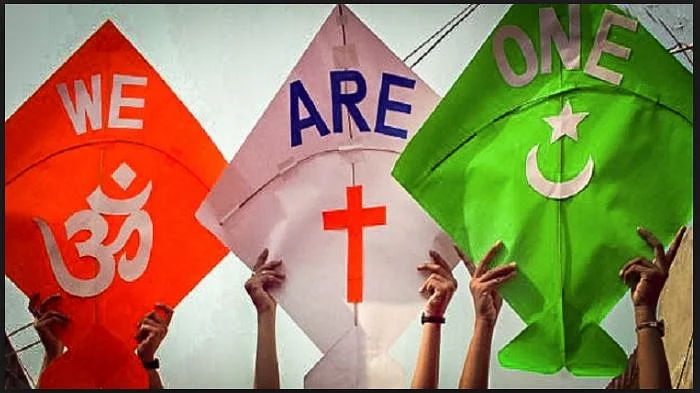
The term “secular” means being “separate” from religion or having no religious basis. Religion is open to one and all and is given as a personal choice to an individual without any different treatment to the latter.This is the ideology that has done wonders for the world.

India’s Leading Business Women: NAMITA THAPAR

Namita Thapar is the Executive director of Emcure Pharmaceuticals. Emcure pharmaceutical is a multinational company in Pune, Maharashtra. The company produce tablet, capsule, and various parental pharmaceutical product. The company also is to promotes youth entrepreneurship by teaching entrepreneurial skills to children in age 11-18 years.


The Namita Thapar born in 21 march 1977. she is from Gujarathi Family. She has done her schooling in Pune. After that, she achieve Charted Accountant degree from ICAI. She completed her MBA from Fuqua School of Business at Duke University. She likes to spend time reading and traveling. She is also a public speaker conducting public speaking at various platforms such as Harvard business school, IIM-Ahmedabad, etc.


Namita Thapar has come into the eye as an investor in shark tank India. The Judges are called Sharks who listen to various business ideas and invest in them. It is the platform for youth to become successful entrepreneurs. In 2020 Thapar started a Youtube channel named Unconditional yourself with Namita Thapar. In this talk, she uploaded videos about Women’s health with various doctors, patients, and healthcare experts.


Namita Thapar got the economic times ahead list 2017 Award, India’s hottest young business leader by The economic times in 2017. she always focuses on women’s empowerment. During her interview she shared three M’s for a happy and healthy life she said, “I relax in three ways- Massage, Movies, and Meditation. I ensure I schedule time for this on a routine basis so I can’t reach that breaking point”

REGULATION OF APP-BASED TAXI SERVICE PROVIDERS

 In pursuance of provisions under Section 36 of the Motor Vehicles (Amendment) Act, 2019 and section 93 of Motor Vehicles Act, 1988, Ministry of Road Transport & Highways has issued the Motor Vehicle Aggregator Guidelines, 2020 on 27th November, 2020 and amendments therein on 8th December,2020. The Guidelines are available on the website of the Ministry of Road Transport & Highways (www.morth.nic.in ). It has been shared with States to take appropriate action for regulating taxi aggregators.

Perfume: The Story of A Murderer Book Review

Cover of Perfume: The Story of A Murderer (1985)

Introduction

 Perfume: The Story of a Murderer (German: Das Parfum: Die Geschichte eines Mörders ) is a 1985 literary historical  fantasy novel by German writer Patrick Süskind. The novel explores the sense of smell and its relationship with the emotional meanings that scents may have. An acclaimed bestseller and international sensation, Patrick Suskind‘s classic novel provokes a terrifying examination of what happens when one man’s indulgence in his greatest passion – his sense of smell – leads to murder. This novel was later adapted into a famous movie in 2006 with the same name, starring Ben Whishaw, Alan Rickman, Karolina Herfurth and others.

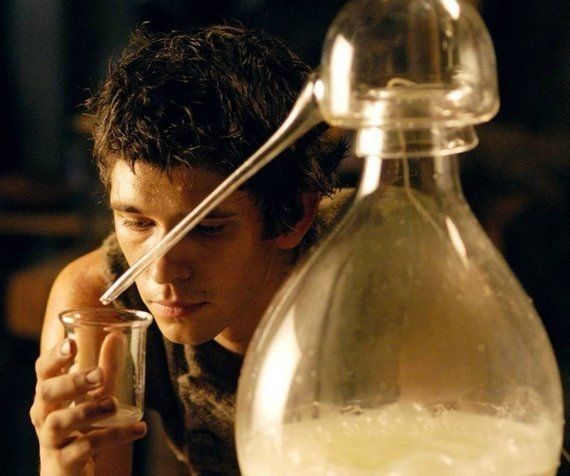
Ben Whishaw as Grenouille in Perfume: The Story of A Murderer (2006)

About The Author

Patrick Süskind ( born 26 March 1949) is a German writer and screenwriter, known best for his novel Perfume: The Story of a Murderer, first published in 1985. Süskind lives as a recluse in Munich, in Seeheim , and in France at Montolieu. After spending the 1970s writing what he has characterized as “short unpublished prose pieces and longer un-produced screenplays”, Patrick Süskind was catapulted to fame in the 1980s by the monodrama Der Kontrabass [The Double Bass, 1981:], which became an instant success and a favourite of the German stage. In 1985 his status as literary wunderkind was confirmed with the publication of the novel Das Parfüm. Die Geschichte eines Mörders [Perfume. The Story of a Murderer], which quickly topped the European best-seller list and eventually sold millions of copies worldwide.The public knows little about him; he has withdrawn from literary society and does not grant interviews or allow himself to be photographed.

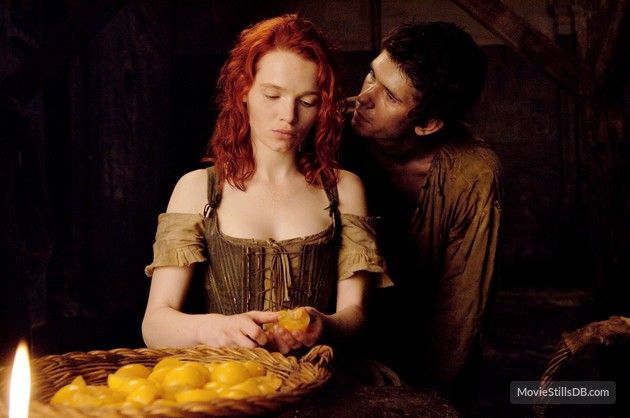
Ben Whishaw as Grenouille and Karolina Herfurth as Girl with Plums in Perfume: The Story of A Murderer (2006)

Storyline of The Novel

The novel is set in Paris in the 1700’s and follows the life of a man named Jean-Baptiste Grenouille who is born with an incredibly strong sense of smell. His nose is so keen that he is able to smell people coming, can locate lost items simply by their scent, and can catalogue smells in his mind. Whilst his sense of smell may be keen, his heart is empty and he seems to be completely unrestrained by everyday emotions. As a young lad, Grenouille encounters the irresistible smell of a young girl entering puberty. He promptly murders her and sniffs every inch of her body to catalogue the unique scent. Believing it is his destiny to bottle such a scent, Grenouille decides to pursue a career as a master perfumer, he works as an apprentice where his unique skills quickly make him the best perfumers in France. The story then follows Grenouille as he becomes a famed perfumer and experiments in scents that allow him to either go unnoticed or incite various emotions among those who smell it. His obsession with scents goes on to reaches a head with extreme consequences for all.

Ben Whishaw as Grenouille in Perfume: The Story of A Murderer (2006)

Analysis of The Storyline

A book about the sense of smell could have been a dull affair, were it not for the excellent way it is written by Suskind. His use of language is beautiful and his descriptions make even some with a dull nose like mine feel like they can smell the essences on the page. It’s not hard to see why this book has become such a modern classic given how excellent Suskind’s prose is. I challenge anyone not to read this and not then start using their nose a little more.

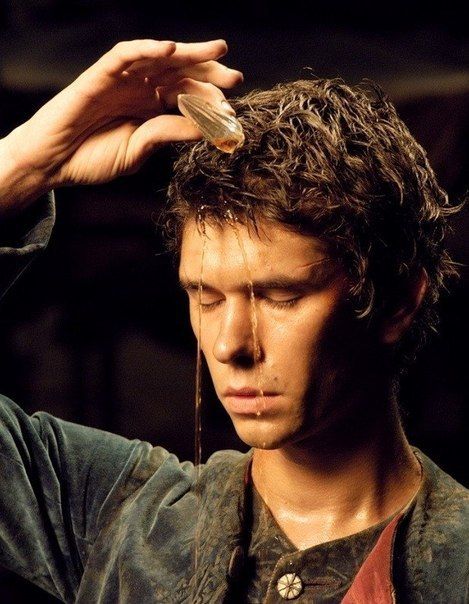
Scene from Perfume:The Story of A Murderer (2006)

The character of Grenouille is both fascinating, sympathetic, and yet also repulsive. In early life he is beat down at every corner and one can’t help but root for the character as he tries to rise above his terrible beginnings. As he becomes more in control of his life, Grenouille quickly becomes insidious and deceptive and there’s something very creepy in the way he is described as living like a tick. Grenouille does indeed live like a parasite, taking whatever he needs from people. As he becomes more unstable, eventually resorting to killing a young virgin, Grenouille turns into a monster, but a compelling one nonetheless. Like Humbert Humbert from Lolita, he’s a character you feel bad for sympathising with, though Grenouille may be a little more redeemable.

Scene from Perfume: The Story of A Murderer (2006)

Criticism of The Storyline

this is in every sense an olfactory novel gives a striking sensory immediacy to the fiction itself. ”Perfume” is a historical novel but one in which the sheer physicality of its theme lends it an honorary present tense. And if Grenouille is the hero of the novel, his obsessions are also its informing presence. Just as he has difficulty with words ”designating non-smelling objects, with abstract ideas and the like,” so the novel itself creates an elemental world in which such abstract matters are only of token significance. The nose is defined here by a priest as ”the primitive organ of smell, the basest of the senses,” with its powers springing from ”the darkest days of paganism”; but it flourishes in Grenouille, even in an age of ”enlightenment,” and the unspoken message of ”Perfume” is that it flourishes still. The point about genuine historical fiction is that it is primarily concerned with the contemporary world. This is not a historical romance, full of ”Prithees!” and strange objects known as poniards, but a meditation on the nature of death, desire and decay.

Scene from Perfume: The Story of A Murderer (2006)

Conclusion

The story of perfume made us really re-evaluate the importance of scents and how certain smells can influence us on a subconscious level. It makes one wonder how much of our everyday lives are dictated by scents without us even realising it. Throughout the book, you get the feeling pressure is mounting and it ends in a finale that sees an orgy of scents come together in one hell of an ending that isn’t likely to leave you any time soon.

Indian Classical Dance: Kathakali

Kathakali is one of the eight major classical dance forms as recognised by the Sangeet Natak Academy. Other dance forms that Sangeet Natak Academy recognises are, Kathak, Manipuri, Sattriya, Odissi, Kuchipudi, Bharatanatyam and Mohiniattam

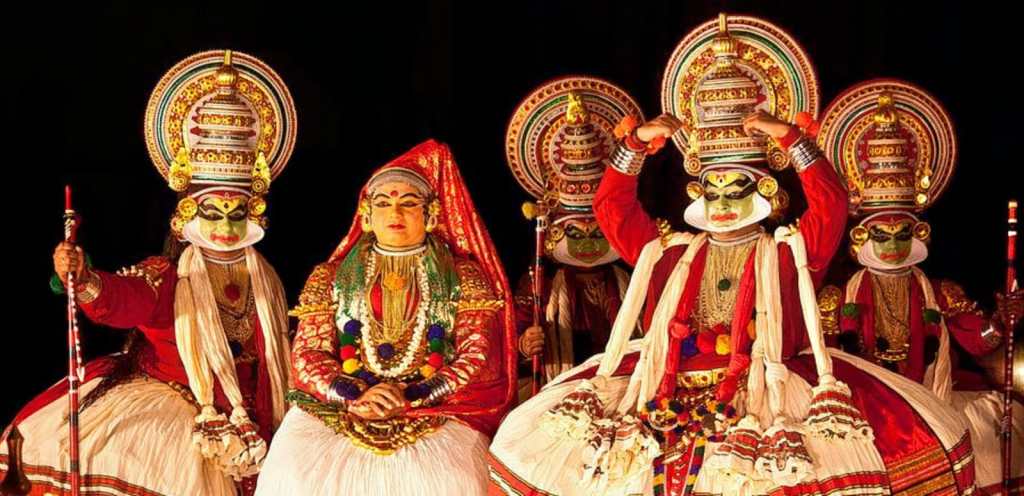
Kathakali is a narrative dance form, from the state of Kerela. Kathakali is the amalgamation of two words, ‘Katha’ which means story, and ‘kali’ means a dance or a performance, in Malayalam. The dance form is based on the stories from Ramyana, Mahabharata and stories from Shaiva literature. Although not clearly traceable, it be believed that this classical dance from originated in the late 16th and early 17th century India.

Distinct features

The art form developed in courts and theatres of Kerala’s dynasties, that is, it was an outcome of a long line of theatrical practices, contrary to other Indian classical dances which predominantly developed in Hindu Temples and monastic schools. Another distinct features was, unlike other classical dance forms, Kathakali is traditionally performed by only male performers, who play the role of both males and females.

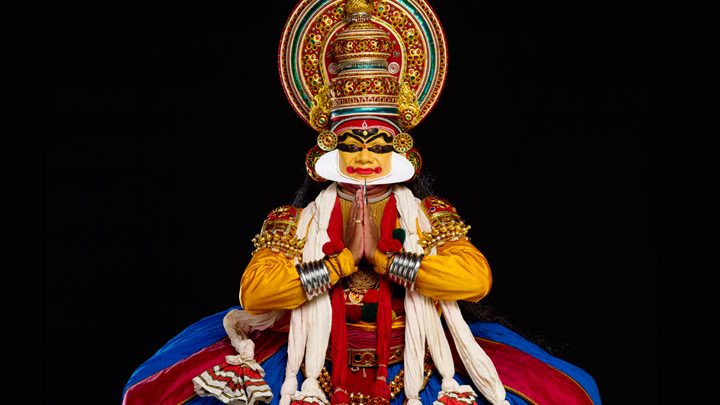
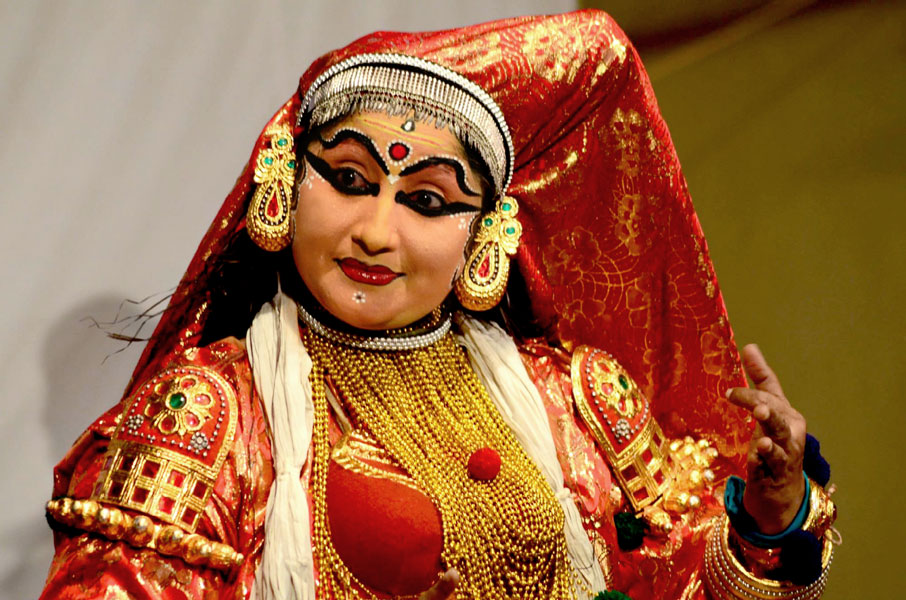
Kathakali involves the use of intricate make-up code, costume, face masks, head dresses and brightly painted faces. The colourful make-up of Kathakali performers is quite complicated and unique among all the other classical dance forms. The intricate make-up is called vesham, which is based on the psychology of colour. The costumes consists of full skirts, a heavy jacket, numerous garland and necklaces, and headgears.

Five main roles

Kathakali is a highly expressive dance form and requires vigorous trainings to be able to deliver such precision and mastery. In order to deliver such performances, make-up plays an important role in classifying the character in Kathakali. Thus, there are five important character veshams (make-up) in Kathakali, they are;

  • Pacha vesham– It is a green coloured make up on the face that is used to portray noble male characters like kings and divine beings.
  • Kathi– It denotes arrogant and evil character. The make is basically green showcasing that they are high born, but a red mark like an upturned moustached or knife (Kathi) is painted on the cheeks to show they are evil.
  • Kari vesham– This is the colour black,  and it is used for demonic characters, playing the most heinous figures on the stage.
  • Minukku vesham– It symbolizes gentleness and high spiritual qualities, denoted by using radiant lighter colours.
  • Thadi vesham– This refers to the beard, it can vary in length and colours, depending on the gravity of the character.

Apart from these five character veshams, there are eighteen other special characters that cannot be fitted into any particular category.

Kathakali in the present times

Traditionally Kathakali dances revolved around themes from religious sagas, legends, mythologies, folklores and spiritual tales, derived from the ‘Puranas’ and the Hindu epics. However, apart from such traditional themes, the modern day Kathakali troupes have also incorporated themes based on legends from Christianity and also adapted themes based on stories of renowned western authors such as William Shakespeare and more.

Another development that can be seen in present day Kathakali is the inclusion of women in the troupes. Traditionally Kathakali was performed by an all-men troupe who played the parts of both men and women. But now, this seems to be changing, as there has been a growing number of women participating in performing the dance form. This new changes have been welcoming, and viewers are accepting and appreciating these changes to an extent.

                    However, certain things remain the same such as beginning the performance by lighting a lamp and playing orchestra music, and the voiceover continues to be in Sanskritised Malayalam. Kathakali as a dance form not only entertains us but also provides a window to have a glimpse into the past and an opportunity to comprehend the ancient heritage that has been preserved for centuries through Kathakali performances.  

Time Travel

We are always curious about time travel which is hard to believe but some people say it is possible to time travel with advanced technology while others say it’s a myth. First of all what is time travel? It is a concept of movement between certain points in time. We always come across cartoons or movies where people go back and forth in time using a hypothetical device known as time machine.

When it all started ?

You may be wondering when did all these talks started. The first time this concept was mentioned was in a novel named “The Time Machine”, written by H.G Wells and published by Heinemann in 1895. We would have also come across ancient myths where some characters had the power to skip forward in time. There is also a Hindu mythology where the king “Raivata Kakudmi”, travels to heaven in order to meet the creator Brahma. There are a lot of cartoons which uses the concept of time travel to entertain the kids.

Science and time travel

What does science mention about time travel? In our physics book we all would have learnt about special and general relativity and also types of motion in space. Theoretically speaking, time travel is possible. According to general relativity, time travel is possible by moving faster than the speed of light , which includes cosmic strings, warm holes and Alcubierre drives. Some of us would have seen the movie interstellar in which the main character travels to the future using black hole concept and meets his daughter who had become way too older than him. Stephen Hawking suggests that the fundamental laws of nature prevent time travel. Still physicist cannot come to a conclusion on time travel but we all find it as an interesting topic to talk about.

Time Machine

Most of us are curious on how does a time machine would look like if it really existed. No one knows How a time machine looks, because real time machine doesn’t exist till date, but from seeing in science fictions and cartoons, we can say that it looks like vintage cars without a roof with some clocks installed in it. whatever maybe a time machine, if it existed won’t we all be standing in line to travel in it?

MGNREGA-The most important scheme of our government?

Inrtoduction

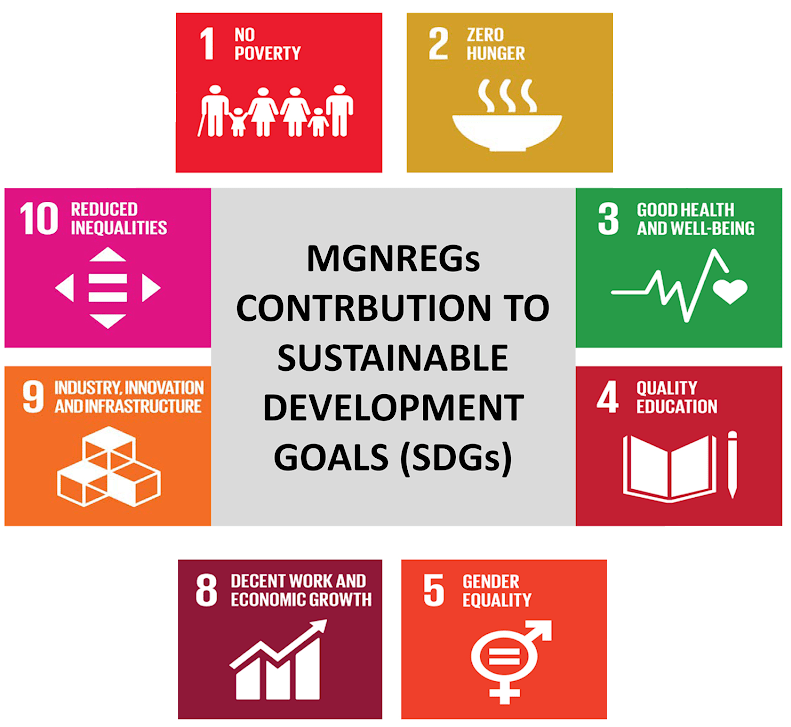
On 23rd August 2005, the Government of India launched a scheme that would prove to be one of the most sophisticated moves the then leadership would make. The National Rural Employment Guarantee Act 2005 (later renamed as the Mahatma Gandhi National Rural Employee Guarantee Act) was passed to guarantee the citizens their “Right to Work”.What would later prove to be a major success in the field of rural employment, the bill was one a lot of people were apprehensive of. India is a country where even the smartest of engineers are unemployed, and the conditions in rural areas are worse. This is a direct consequence of poor job security, availability, and restrictive labor laws. But the MGNREGA aims to eradicate this lineage of poverty.

Why MGNREGA?

The act was first proposed in 1991 by our then Prime Minister P.V. Narasimha Rao. After thorough scrutiny of the program, it was finally launched in 2005, covering 625 districts of India. The statute was praised as”the largest and most ambitious social security and public works program in the world”.In its World Development Report of 2014, the World Bank applauded it as a “stellar example of rural development”.But why was this scheme needed? According to tons of surveys and reports by the various governments of India, between 1980 and 2005, the number of unemployed persons in India steadily increased from around 7.8 million in 1983 to 12.3 million in 2004–5. Not only this, but several media organizations claim that “there is unanimity amongst scholars that the organized manufacturing sector [in India] registered “jobless growth” during 1980-81 to 1990-91”. Such deplorable conditions of our workers were sought to be amended by this act.

Objectives of the program

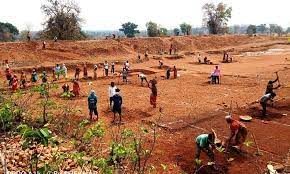
The key objective of the program is increasing the working days of a daily-wage worker to at least 100 per year, to one or more members of a family, willing to do unskilled work. In its early years, NREGA was claimed to be “making a difference to the lives of the rural poor, slowly but surely.”
Improving the negotiating power of labor who were incessantly exploited was one of the major objectives of the program. The key benefit of the scheme hangs on the reduction of wage volatility.
Another important aim of the program is parity between men and women working similar jobs. This highlights the importance of women’s empowerment through paid jobs and entitled compensations.
Another problem faced is that of water shortage in rural India. With water bodies shrinking, the sources of irrigation for farmers seem to be depleting. In a report covering the timeline of the last decade, it was found that almost half of the funds were directed towards solving this critical problem. Our country relies on agriculture for a large part of its economy, and any hindrance to its fruitful growth could simply not be tolerated.

Achievements of the program so far

Some of the many achievements of MGNREGA include providing a standard livelihood to the women of India, employing the people critically affected by Demonetization and GST, and benefitting the agricultural sector immensely.According to the National Council of Applied Economic Research (NCAER), this scheme has played a vital role in reducing poverty among the poor as well as the socially weaker sections (Dalits, tribals, and marginal farmers).

This program has indeed proved to be a boon for the Indian youth and is the epitome of the fine implementation ability of our democracy.