National Handloom Day

 7th August is celebrated as the National Handloom Day to mark the significance of the Handlooms in Indian history. This day, in 1905, the Swadeshi movement was launched. The foreign clothes were discarded as a mark of protest against the colonial rule and revival of Swadeshi goods, especially the Indian textiles were promoted. 

History of Indian Handloom

The origin of Indian Handloom can be traced back to ancient times. One of the earliest hand woven fabrics had a design of a swan (hansa). Some finely woven clothes were also found in Mohenjodaro which was from the era of Indus Valley civilization. The beautiful Indian Floral prints date back to the 18th century. 

Many renowned personalities such as Bernier, Voltaire, and Daniel Defoe had expressed their love for the fine beauty of Indian Handlooms. The colonial era played a major role in the decline of Indian handloom industry. The machine made British clothes were promoted and Indian textiles were suppressed using heavy duty tax levied on it. This period saw a boom in the machine made clothes which were made available at a very affordable price. 

The Indian Handloom has played a significant role in our fight for independence. Mahatma Gandhi reintroduced Khadi and popularized hand spinning and weaving. The spinning wheel, famously known as the “Charkha” became a symbol of self-reliance(Swadeshi) and boycott of British goods. 

Because of the tough competition with the British clothes, many artisans in India lost their livelihood. Several families of weavers struggled to revive their livelihood in the post-independence period. A number of institutions were established to promote the handlooms. The All India Handloom Board was established in 1945. To popularize the Handloom industry, the All India Handloom Fabrics Marketing Co-operative Society was formed in 1953. Later, in 1982, two institutions were merged to form the All India Handlooms and Handicrafts Board. 

There are different types of textiles made in different parts of India. Some popular works include, Chanderi work from Madhya Pradesh, Muga silk from Assam, Kanjeevaram silk from Tamil Nadu, Pashmina from Kashmir, Phulkari from Punjab, Daccai from West Bengal, Brocades from Banaras, Tie and Dye print from Gujarat and Rajasthan and many more.

The tourism sector has helped in increasing the foreign demand of Indian Handloom. Today, with the growth of international clothing brands, the Indian Handloom industry faces a tough competition. A large number of artisans from the rural and semi-urban areas are involved in the Handloom industry. It is a source of livelihood for many women in the rural areas. 

 These beautiful textiles are made manually, using skilled and detailed work by the artisans. Indian Handloom should be encouraged because it is an integral part of our history and the pride of our culture.


Domestic Violence

Domestic violence is defined as violence and abuse that occurs in a domestic environment, such as cohabitation or marriage. Domestic violence is defined as any type of behaviour that attempts to acquire authority and control over the victim, not simply physical abuse. It may afflict people from many areas of life and is usually directed at a partner, spouse, or close family member. We will discuss the causes and repercussions of domestic violence in an essay.

Causes of Domestic Violence

Domestic violence frequently targets women and children. Domestic abuse is a heinous crime that kills many people. Illiteracy and economic reliance on males are two of the most prevalent causes of domestic violence. This dilemma is exacerbated by a male-dominated culture. Furthermore, dowry is one of the major causes of violence against newlywed wives. Physically abusing women and making obscene statements is widespread in many areas of the world.

Furthermore, children are frequently victims of this cruel behaviour. It is critical to identify society’s double standards and hypocrisy. Frequently, the abuser is either insane or in need of psychiatric counselling. Domestic violence, on the other hand, is the result of a series of reckless behaviours displayed by a segment of society. It is also crucial to highlight that the abuser is not the only one who is accountable; those who allow this to happen and behave as quiet bystanders are equally to blame.

Types of Domestic Violence

Domestic abuse has a variety of negative consequences that vary depending on the type of domestic violence that occurs. It might be physical, emotional, sexual, or pecuniary in nature. A physical abuser employs physical force that injures or endangers the victim’s life. Hitting, punching, choking, slapping, and other forms of violence are included. Furthermore, the abuser refuses the victim medical attention. There is also emotional abuse, in which the perpetrator threatens and intimidates the victim. It also entails damaging their self-esteem.

It involves threatening someone with danger or disgrace in public. Emotional abuse can also include continuous name-calling and criticism. Then there’s sexual abuse, in which the perpetrator uses force to get undesired sexual intercourse. If your spouse does not consent, it is considered sexual abuse since it is coerced. Finally, there is economic abuse, in which the abuser has power over the victim’s money and economic resources.

They use this to impose control over them and make them completely reliant on them. Economic abuse occurs when your partner needs to beg you for money. The victim’s self-esteem suffers as a result.

Why is domestic violence an issue?

Domestic violence has a significant influence on people’s overall health and well-being. It is due to the fact that it causes bodily harm, anxiety, and despair. Furthermore, it affects social skills and increases the probability that they may engage in health-harming behaviours such as self-harm or drug addiction.

How does domestic violence affect a woman?

Domestic abuse has a negative impact on women’s health. It has severe ramifications for their mental and physical health, including reproductive and sexual health. It also covers injuries, gynaecological issues, despair, suicide, and other issues.

Conclusion

To summarise, domestic violence can take various forms, including physical aggressiveness such as kicking and biting, as well as sexual or emotional abuse. It is critical to recognise the indicators of domestic violence and report the abuser if it occurs around or to you.

THREE USEFUL HACKS FOR INCREASING YOUR CONCENTRATION

Give whatever you are doing & whomever you are with the gift of your attention – JIM ROHN .

Rightly said by him as with concentration you can achieve anything & everything . Concentration means focused attention, and it has many uses and benefits. It assists in studying, enables faster comprehension, improves the memory, helps in focusing on a task, job or goal, and enables you to ignore meaningless and irrelevant thoughts. When this ability is strong, the mind obeys you more readily and does not engage in meaningless thoughts. This ability plays an important role in meditation, gaining mental mastery, and attaining peace of mind. Without it, the mind just jumps restlessly from one thought to another, not allowing you to meditate properly. everybody wants to increase their concentration power , but this power needs some hacks to grow , so let me share few facts with which you can grow you concentration .

  1. GET SOME ‘GREEN TIME’ !

Each one of us knows that when we are surrounded with green , we feel refreshed & energetic . A dose of nature can work like a doctor for increasing concentration . suggests that exposure to natural surroundings, including green spaces, may prove beneficial for children’s brain development. In a study, children aged 4–5 to 7 years of age with more green space around their homes scored better in attention tests. These results underline the importance of expanding green areas in cities to support children’s health and brain development. exposure to greenery & increasing in concentration won’t stop at childhood , research has shown that colleges & institutes which are surrounded with greenery supports better mental health of children .

You may not have the luxury of a rooftop garden or an office laden with plants, but spending time outside someplace green, or eating your lunch in the park each day, could make a significant difference to your concentration.

2. TAKE a KITKAT BREAK !

People forget to take breaks , & this is what makes them stressful . A study found that people who read emails throughout the day switched screen twice as often and were in an ongoing state of high alert with a constant heart rate. When email was removed from these people for 5 days, their heart rate returned to a natural, variable one. The authors concluded that taking an email vacation significantly decreases stress and improves concentration and focus.

Few examples of break are here :

  1. Take a notification break : Everyone have observed that when ever you get notification from your phone you pic it up & check that notification . This is a thing which breaks your concentration . The team explained that task performance takes a hit because humans have a limited capacity for attention that needs to be split between tasks. The researchers also emphasized that just being aware of a missed text or call can have the same effect. If you need to stay on track and focused, it might be worth either turning off your cell phone, setting it to silent, or putting it away somewhere that you cannot see it.
  2. Social Media break : One should take social media break , because every time one wants to check their account , which break you concentration & make you walk on a less focused path .
  3. Work break : Excess work gives you tension , which lets you less concentration & more confusion .

Researchers recommend taking:

  • a mid-morning break to replenish concentration
  • better breaks by doing something you enjoy, which should make your break more restful, provide better recovery, and help you to come back to worked focused
  • frequent short breaks to facilitate recovery

Taking breaks earlier in the day and doing preferred activities lead to better health, job satisfaction, and revival of energy, motivation, and concentration.

3 . IMPROVE YOU WELL BEING : You know what , you food , sleep habits , working habits tells how concentrative you are . your habits of living you life decides you concentration level . Let me give you some tips to improve your concentration :

Walnuts may improve performance on tests for cognitive function, including those assessing information processing speed, memory, and concentration.

Avocados. Consuming one avocado every day may help improve cognitive function due to an upsurge in lutein levels in the eye and brain. Researchers uncovered that eating an avocado daily enhanced measures of cognitive skills, including processing speed, memory, and attention.

Chocolate — or specifically the cocoa bean — is rich in flavanols, which are compounds that have neuroprotective effects. Cocoa flavanols may help to improve cognitive processing speed, working memory, and attention when ingested for between 5 days and 3 months.

Sanitizer and why it kills.

Ever wondered why 70% alcohol is used in sanitizer and not 99% alcohol. It seems better to use pure alcohol than 70% diluted, well if you too think so then you are wrong.Suppose we pour pure alcohol over a single celled organism the alcohol will enter the Cell Wall and coagulate the protein just inside the cell wall very quickly creating a coagulated ring between the cell wall and other parts of the cell. Thus this already coagulated protein prevents further penetration of alcohol in the cell and the cell enters a dormant state.Whereas 70% diluted alcohol coagulates proteins but at slower rate, so slow that it reaches all the way through cell before it could be blocked. Thus the entire cell is coagulated and the organism dies

Cruelty of science

Use of human in experiments

In science experiments the use of humans are also included. Many experiments are directly performed on humans without thinking about the results.

 In January 1944, a 17-year-old Navy seaman named Nathan Schnurman volunteered to test protective clothing for the Navy. Following orders, he donned a gas mask and special clothes and was escorted into a 10-foot by 10-foot chamber, which was then locked from the outside. Sulfur mustard and Lewisite, poisonous gasses used in chemical weapons, were released into the chamber and, for one hour each day for five days, the seaman sat in this noxious vapor. On the final day, he became nauseous, his eyes and throat began to burn, and he asked twice to leave the chamber. Both times he was told he needed to remain until the experiment was complete. Ultimately Schnurman collapsed into unconsciousness and went into cardiac arrest. When he awoke, he had painful blisters on most of his body. He was not given any medical treatment and was ordered to never speak about what he experienced under the threat of being tried for treason. For 49 years these experiments were unknown to the public.

This is one of the examples which show how an experiment ruined a young life.While he was feeling sick still the scientist asked him to stay unless the experiment completed. The poisonous gas made him die slowly for five consecutive days. And when he got blisters on his body, they didn’t provide him medical facility. This show how the some scientist only think about their benefits. Not all the experiment are beneficial for society they perform that experiment to earn money and power. The science should works on ethnics and morals not for power and wealth. 

A widespread ethical problem, although one that has not yet received much attention, is raised by the development of new pharmaceuticals. All new drugs are tested on human volunteers. There is, of course, no way subjects can be fully apprised of the risks in advance, as that is what the tests purport to determine. This situation is generally considered acceptable, provided volunteers give “informed” consent. Many of the drugs under development today, however, offer little clinical benefit beyond those available from existing treatments. Many are developed simply to create a patentable variation on an existing drug. It is easy to justify asking informed, consenting individuals to risk limited harm in order to develop new drug therapies for a condition from which they are suffering or for which existing treatments are inadequate. The same may not apply when the drug being tested offers no new benefits to the subjects because they are healthy volunteers, or when the drug offers no significant benefits to anyone because it is essentially a copy of an existing drugs.

Necessity is the mother of invention but sometimes some practical company works unnecessary over the drugs for increasing their demands and profit in market. Sometimes the drugs work with animals but not fitted for humans… but the scientist doesn’t care about the person they want their result. Beyond this there are many other examples of using humans as the subject in experiments. During COVID 19, many countries used their vaccines directly on humans which caused the death of them. Science should work according to the needs of society, not for power and wealth.

Unnecessary and questionable human experimentation is not limited to pharmaceutical development. In experiments at the National Institutes of Health (NIH), a genetically engineered human growth hormone (hGH) is injected into healthy short children. Consent is obtained from parents and affirmed by the children themselves. The children receive 156 injections each year in the hope of becoming taller.

Growth hormone is clearly indicated for hormone-deficient children who would otherwise remain extremely short. This experiment also brings a bad impact on children Physical as well psychological condition.

This experiment is also the reason for human trafficking and other crimes against the human.

But we need to protect the people to use as the subject in the scientific experiments against theirs wills or if they participated in such kind of experiment there should be some rule or law must followed by the scientist or that company who performed that test on human.

 To protect people participating in medical research, the  government decades ago put in place strict rules on the conduct of human experiments.

Now the Department of Health and Human Services is proposing a major revision of these regulations, known collectively as the Common Rule. It’s the first change proposed in nearly a quarter-century.

In India, the drug controller general  of India regulated the human as the subject of an experiment. If any department finds the need to perform any experiment over then they need to take permission from the department.  If the department found flaws in the experiment only then they provide their approval.

References

  • Frank C. Conahan of the National Security and International Affairs Division of the General Accounting Office, reporting to the Subcommittee of the House Committee on Government Operations.
  • Flieger K. Testing drugs in people. U.S. Food and Drug Administration. September 10, 1997.
  • U.S. General Accounting Office. FDA Drug Review: Postapproval Risks 1976-85. U.S. General Accounting Office, Washington, D.C., 1990.
  • MedWatch, U.S. Food and Drug Administration. Labeling changes related to drug safety. U.S. Food and Drug Administration Home Page; http://www.fda.gov/medwatch/safety.htm. September 10, 1997.

India and her Handlooms

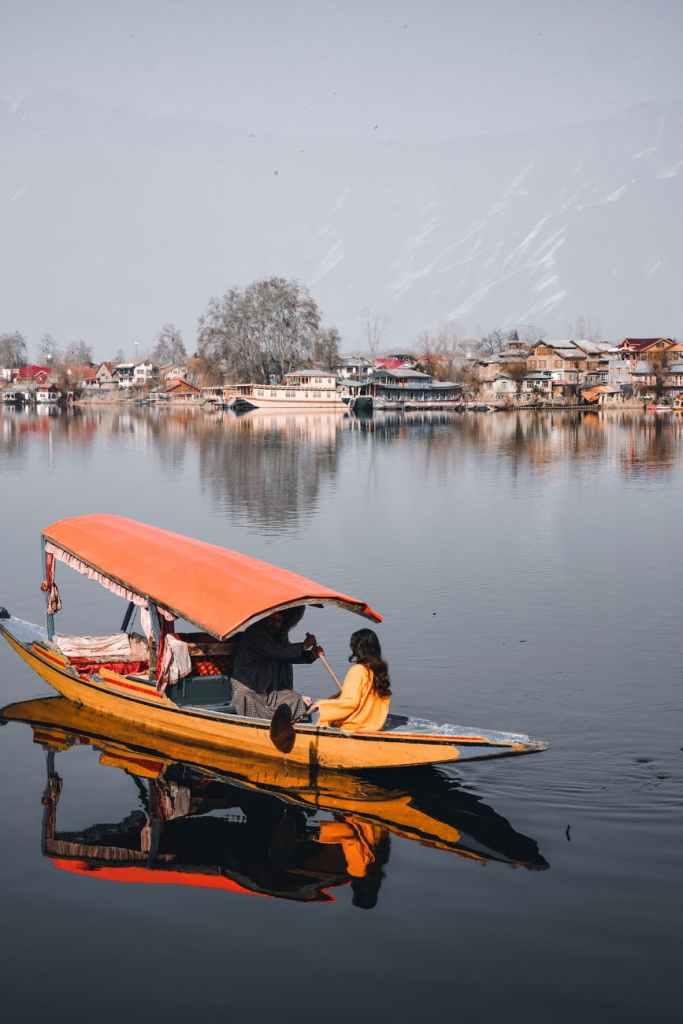
Indian handloom industry saw a reduction in 30% of its trade in the year 2020. This means that the already struggling industry will see further cut in costs. There is an urgent need to innovate new ways to market the goods it produces. The modern state of India still has one of the largest employed workforce in the textile sector, and a large part of it is the handloom industry – which is mostly worked in by the artisans who are either poor or are working hard to preserve their traditional way of manufacturing clothes and designs. For India presents a rainbow in manufacturing methods – right from the famous Benarasi Saree to the now almost extinct methods of making silk and woolen garments in the remote hills of Ladakh and Kashmir.

Cotton has been cultivated in the Indian subcontinent for over 3000 years. And that is probably also the age of a rich tradition of fabric making. With the advent of the bronze age through the influx of Greco-Roman, Mongol, Iranian, Vedic and Afghan cultures into the modern age of Mughals, Marathas, British and later the republic of India and her neighbours – the Indian textile industry has seen a plethora of changes and demand.

Shah Jahan Biography - Childhood, Life Achievements & Timeline
Queen of royal India - SSK Art Gallery - Paintings & Prints, Ethnic,  Cultural, & Tribal, Asian & Indian, Indian - ArtPal
From dhotis and sarees to kurtas and Salwars – India has seen a plethora of changes in its clothing culture.
India's handloom export declined by 30% within a year: Text Min statistics
Social enterprises looking at innovative ways to revive handloom sector  post-lockdown - The Economic Times

Handloom has a great symbolic importance to India. For it was the first Industry that stood as a symbol of self-reliance during the British Raj resistance period, a rhetoric the current Indian Prime Minister used in his Atmanirbhar Bharat campaign. After all, if it were not for Indian fabric – the famed Muslins and Pashminas and Indian spices – the British would have had to search for other reasons to come and settle in a land so very far away from their motherland.

Cherishing the charkha | Indian Link
Gandhi used handloom as a symbol of self reliance

7th August marks the National Handloom day – a day dedicated to an industry that is rapidly finding itself in a stage where only the ones who are super-nationalist and the rich opting for it. Handloom products are often costly than the cheap produce of the machines that invaded the textile industry 200 years ago, effectively ushering in the Industrial Revolution in the 17th century England.

Back to India, here is a list of some famous Indian handloom industries and the cities in which they are concentrated.

  1. Varanasi – The famed Banaras Silk sari is the prized possession of many north Indian women as that is the standard sari of the bride in marriages in households that can afford them. And yet, the Benarasi artists are increasingly been replaced by machines that are producing cheaper saris though with reduced finesse. To add to it is the Zamdani works on cotton fabric, quite endemic to the city.
  2. Jaipur – Jaipur and its handloom industry have the royal family of Jaipur as its patrons. There are establishments and shops that were opened by the last Rajmata of the city, Gayatri Deviji to promote local industries. To add to that is the already existing tradition of Bandhni, Zari and Patti works.
  3. Surat – One of the oldest textile industries that were spotted and used by the local rulers and the British alike. The silk industry in Surat is one of the largest of its kind in the country.
  4. Kota – The tuition capital of the country is also home to the Kota Doria, Gotta Patti and the Kota weave artisans.
  5. Lucknow – The city has an industry that keeps alive the times when nawabs ruled over the city of Lucknow, the then capital of the Awadh state. Most famous of its local weaves is the Chikankari work.
  6. Bhadohi – The small town is only 40km from Varanasi and has been the centre of Indo-Persian carpet work since the era of the Mughal Emperor Akbar and has the largest carpet making industry in the country.

Well, there are many more of such cities and villages when one researches about them. Many of the ingenious art forms that are involved in making clothes are dying with less than 50 families left that carry forward the tradition. The sad part – machines cannot replicate that finesse. Such is the case of the wool and silk industry in the Gharwal and Kashmir valleys.

After the pandemic or even during it, let us and our government support this remnant of our history, our art, our tradition and a symbol of first instance of our modern industrial self reliance.

10 REASONS WHY YOU SHOULD TRAVEL TO THE MOUNTAINS

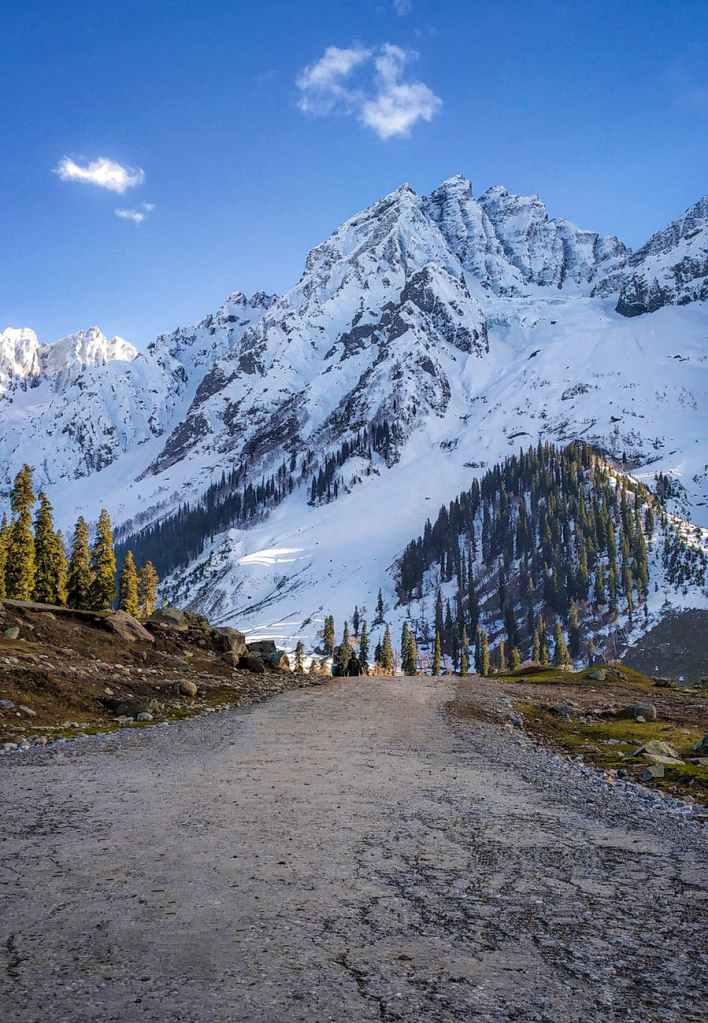
The mountains show the raw beauty of nature, extreme calmness and offer so much more than you can imagine. Feel the sun on your face and back and enjoy the cast number of activities provided by the mountains…. It can be canoeing or hiking or climbing or fishing etc. which will never make you regret your decision to travel the mountains. Go and Retreat on your next vacation.

REASONS TO TRAVEL MOUNTAINS :

  1. Health Benefits: Travel to mountains can be very therapeutic with the miles stretching greenery and beautiful sounds of birds.
  2. Finding Peace: Mountains help you find your inner peace in life and give the opportunity to discover and explore the beauty of nature.
  3. Mesmerizing Beauty: The terrain is rough and reaching some places can be tough but you will get to feel that because you will be mesmerized with the beauty of the mountains. This beauty helps in healing, giving peace and a whole pure feeling.
  4. Tranquility and Peace: People head to mountains when they need some peace and space. The mountains take you to a uncomplicated lifestyle. 10 minutes of meditation can heal your soul and give the peace that you want.
  5. Pure Air: One of the best things about mountains is the pure air which you won’t find anywhere else. Take a deep breathe and feel it immediately. You will get to know and feel the difference. You will surely miss this fresh air once you return to the city life.
  6. Adventures: Mountains offer a range of adventures which will add better experiences to your trip. And hiking is one of the best and most amazing adventures to do in mountains.
  7. Welcoming Nature of the People: The people of the mountains welcome you with a warm smile and everyone you meet in the mountains will be very polite and helpful. You will not feel like a stranger there.
  8. Disconnect: Mountains give you the perfect chance to escape from the chaotic lifestyle and everyday rush. It is important for everyone to take a break and enjoy their life with a free time.
  9. Build Relationships: Travelling to mountains give a great time to spend with your family and friends. Mountains offer many activities and adventures which can be done in groups and here you can do them with your family and friends and even other travelers which gives you an opportunity to build relationships.
  10. Not a Sight but an Experience: The best thing about the mountains is the experience that you will get and not just the scenes. You will understand and explore nature; come across different people and welcoming locals; adventures and events; fresh air and purity and peace. You will be disconnected from the entire chaos and hectic lifestyle and will get a perfect vacation filled with purity, tranquility and adventures.

The adrenaline rush from the peaks, the serene tranquility and the heights of mountains will fill your heart with happiness and joy. Mountains really bring out the best from you, set your soul free and happy. The tall peaks, the misty environment, the warm locals- a retreat to the mountains brings you back to the city with a clearer mind and a happier heart.

TOP 5 MAHARASTRIAN FOOD YOU MUST TRY

You haven’t tried any Maharashtrian dish till now? Ohh you must! What are you waiting for, here are some Maharashtrian foods for you, try these absolutely delicious Maharashtrian dishes and experience the cuisine in all its glory!

What comes in your mind when you think about Maharashtrian food, Mumbai’s famous Vadapao, Misal Pav from Pune, Kolhapur’s Tambda Rassa and many more. From Misal pav to Aamti to Bhelpuri, each one of them is a gem. So here are some famous and extremely tasty Maharashtrian foods for you.

1. Zunka Bhakar

Zunka Bhakar is a traditional meal of Maharashtrian people. It’s a meal of poor, who can’t afford any food, Zunka Bhakar is like a blessing for them. Every Maharashtrian loves Zunka Bhakar. Zunka is made with besan paste and served with bajra or jwari roti which is called as Bhakar.

2. Puran Poli

Puran Poli is like festival food for all Maharashtrian out there, its specifically made during all festivals like Diwali, Gudi Padwa even on birthdays Maharashtrians made Puran Poli. Made with gram flour and stuffed with sweet mixture of dal, this Maharashtrian bread is a sweet delight for your taste buds.

If you love sweets you should definitely try Puran Poli!

3. Misal Pav

Misal Pav is basically for breakfast but, you can had it anytime it’s a meal that can be had at any time of the day. If you are living in a Pune and you still haven’t tried Misal Pav then, what are you waiting for, you must try this out today!!

Misal Pav is made with potatoes, hot masalas and team up with bread to create a perfect, Maharashtrian meal.

4. Kandepohe

A famous Maharashtrian breakfast. For Maharashtrians Kandepohe with Chaha (tea) is like heaven. If we have any guests or any marriage proposal meeting exists, we Maharashtrians first made kandepohe, it’s like compulsory.

5. Modak

Modak, the favourite meal of Ganeshji, it’s specially made on Ganesh Chaturthi, Modaks are now made in many parts of the country as well. Sweet flour dumplings stuffed with coconut, jaggery, nutmeg and saffron.

CHHICHHORE

THE MOVIE WITH BEST MESSAGE : NEVER QUIT

Chhichhore, the movie which taught us that, suicide is not right option, movies which taught us “ NEVER GIVE UP”, we just have to keep going, doing our best just keep going and enjoy your life cause these moments are never gonna come back.

In life things we love the most always disappears quickly and its life.

The film tells the story of Aniruddha “Anni” Pathak, a middle-aged divorcee whose son Raghav tries to commit suicide but survives, though he is in a critical condition for his unwillingness to live out of fear he would be called a “loser”. Desperate, he goes against the wishes of his former girlfriend turned ex-wife Maya’s wishes to recount his own journey in 1992 as a “loser” in a gang of six; as he continues along to convince Raghav, the other five receive news of the tragedy and decide to join their friend in his pain to complete a story they never fail to cherish as a lesson in their life.

Since childhood we are listening this, from our parents, family members and relatives, if you win this competition, I’ll buy you your fav dress or I’ll buy you motorcycle, if you get first rank in your school or college test, I’ll buy you smartphone, if you got selected or if you pass the test I’ll give you this or that or whatever you want I’ll give you, blab blah. But no one told us that if you didn’t won or if you got second rank or if you failed the test, it’s okay, it’s completely okay, atleast you have tried and worked very hard for this. What’s big deal if you didn’t got selected, the most important thing is, you tried and didn’t give up easily. Life is all about second change for them who don’t give up easily and try until they give their best. Let’s say that, it wasn’t your best and promise yourself that you will try very hard to give your best and trust yourself, if you think you can do it then you definitely can and one day you will definitely became successful and will achieve your dream.

Its human nature that we got disappointed very soon, we think like we did so much hard work for this and after all this what we got is failure.

Its life and in life things always don’t go as we planned, just trust yourself and try harder, you may struggle but it won’t matter anymore. If you feel like quitting, think about the reason why you started.

NEVER QUIT. NEVER GIVE UP. FLY IT TO THE END.

Here are some memorable dialogues from Chhichore we will always remember

1. “Tumhara result decide nahi karta hai ki tum loser ho ki nahi… Tumhari koshish decide karti hai!”

2. “Success ke baad ka plan sabke paas hai… lekin agar, galti se fail ho gaye… toh failure se kaise deal karna hai… Koi baat hi nahi karna chahta.”

3. “Hum haar jeet, success failure mein itna ulajh gaye hai… ki, zindagi jeena bhool gaye hai… Zindagi mein agar kuch sabse zyada important hai… toh woh hai khud ZINDAGI.”

4. “Doosron se haarke loser kehlane se kahin zyada bura hai…khud se haarke loser kehlana.”

5. “I am a failure, mera kuchh nhi ho sakta… But we forgot success doesn’t come at once.”

6. “Dost jinke sath hum haste hai, rote hai Par zindagi jeena sikhte hai.”

TOOLS TO HELP ENHANCE YOUR RESUME

1. KICKRESUME

Kickresume is a resume builder tool that lets you choose from pre- designed resume and cover letter templates. Kickresume is by far the most easy to use and effective resume website which will help to make your resume look more elegant, well designed and impressive. Kickresume gives you amillion design combinations to improve your resume. Whether you are nurse or an engineer it doesn’t matter with kickresume your resume will always stand out.

“Being a college student who is transitioning to the work life, I consider Kickresume the most helpful tool available. It is very user-friendly with a variety of designs tailored to your personal preferences and profession. It doesn’t get any better than this!!!“

It offers templates for various professional arenas. Simply choose your profession and further customize it according to your needs!

2. READABLE

While creating your resume it is extremely necessary to view it from an employer’s perspective. Is the format clear? Does it hold attention? Is it easy to read and understand? Readable can help. The tools scores your content based on various aspect such as sentence construction, structure and more!

Readability is about making content clear and easy to understand for the largest audience possible. Focusing on readability increases the chance that your target audience will actually read and interact with the content you publish. For this reason, readability should be a natural part of your content management.

3. CANVA

Of course, you’ve heard of Canva choose from a plethora of templates to add that touch of finesse to your own resume. Customize your resume by changing elements, colour, and style. While it can be a lot of fun customizing your resume remember to it professional, sleek, and clean.

4. GRAMMERLY

Yes, this tool is nothing short of a lifesaver when it comes to assignments. But guess what? You can also use Grammarly to create grammatically flawless application and resumes. it will make sure that everything you type is effective and mistake-free, it will help you write mistake-free in not only resume but also in Gmail, Facebook, Twitter, LinkedIn and many other app you use. Even the text messages also!

It also check the tone of your application, making it suitable for professional and formal use . No silly spelling errors anymore, yay!

Grammarly isn’t just a safety net. You’ll get detailed explanations for all your mistakes to help you avoid making them again in the future.

HOCKEY

Hockey is a sport in which two teams play against each other by trying to manoeuvre a ball or a puck into the opponent’s goal using a hockey stick. There are many types of hockey such as bandy, field hockey, ice hockey and rink hockey.

In most of the world, the term hockey by itself refers to field hockey, while in Canada, the United States, Russia and most of Eastern and Northern Europe, the term usually refers to ice hockey.

Games played with curved sticks and a ball can be found in the histories of many cultures. In Egypt, 4000-year-old carvings feature teams with sticks and a projectile, hurling dates to before 1272 BC in Ireland, and there is a depiction from approximately 600 BC in Ancient Greece, where the game may have been called kerētízein or because it was played with a horn or horn-like stick .[10] In Inner Mongolia, the Daur people have been playing , a game similar to modern field hockey, for about 1,000 years.

Most evidence of hockey-like games during the Middle Ages is found in legislation concerning sports and games. The Galway Statute enacted in Ireland in 1527 banned certain types of ball games, including games using “hooked” (written “hockie”, similar to “hooky”) sticks

By the 19th century, the various forms and divisions of historic games began to differentiate and coalesce into the individual sports defined today. Organizations dedicated to the codification of rules and regulations began to form, and national and international bodies sprang up to manage domestic and international competition.

Utilising the potential of the youth of the country

In India over 62% of the population is aged between 15 and 59 years, and the median age of the population is less than 30 years. This means India is going through the stage of ‘demographic dividend’ representing the potential for economic growth based on the age structure of the population.

However, transforming this potential into reality requires adolescents and the youth to be healthy and well-educated.

A study on demographic dividend in India by United Nations Population Fund (UNFPA) said the window of demographic dividend opportunity in India is available for five decades from 2005-06 to 2055-56.

Therefore, more than the fears of a ‘population explosion’, it is critical that India focus attention on safeguarding young people’s well-being because India’s welfare hinges on them.

With so much potential we can march ahead in the path of success! Then what’s stopping us?

What are the Challenges In Realising Youth Potential

  • Lack of Education and Skill: India’s underfunded education system is inadequately equipped to provide the skills young people need to take advantage of emerging employment opportunities.
    • According to the World Bank, public expenditure on education constituted only 3.4% of GDP in 2020.
    • Another report revealed that India stands 62nd in terms of public expenditure per student, and fares badly in quality of education measures such as student-teacher ratios.
  • Impact of the Pandemic: Various studies show that school closures have a serious impact on the learning, lives and mental well-being of children. A survey by the International Labour Organization (ILO) reveals that 65% of adolescents worldwide reported having learnt less during the pandemic.
  • Issues of Young Women: Child marriage, gender-based violence, their vulnerability to abuse and trafficking, especially if primary caregivers fall ill or die. All these issues restrict young women to achieve their full potential.
  • Jobless Growth: The main contributor in India’s GDP is the service sector which is not labour intensive and thus adds to jobless growth. Further about 50% of India’s population is still dependent on agriculture which is notorious for underemployment and disguised unemployment.
  • Low Social Capital: Further high levels of hunger, malnutrition, stunting among children, high levels of anaemia among adolescent girls, poor sanitation etc., have reduced the productivity of India’s youth in realising their potential.

What is the way forward?

  • Inter-sectoral Collaboration: It is imperative to have in place mechanisms for better inter-sectoral collaboration to safeguard the futures of the young generation. Coordination across departments can enable better solutions and greater efficiencies in tackling any crisis.
    • Eg.: Mid-day meals scheme not only provides an incentive for parents to send their children to school but also provides the calorie intake required to stay alert in the classroom.
  • Skill Development to increase employability of the young population. India’s labour force needs to be empowered with the right skills for the modern economy.
    • Government has established the National Skill Development Corporation (NSDC) with the overall target of skilling/up-skilling 500 million people in India by 2022.
  • Improving Social Infrastructure: If India wants to leverage the economic potential of its youth bulge, then it must invest in improving social infrastructure viz. good health, quality education, and endeavour to provide decent employment to their entire population.
  • Maintaining Basic Hygiene: As school closures have impacted access to schemes such as the delivery of menstrual hygiene products to adolescents, teachers can work as volunteers for collaborating with frontline health workers to distribute sanitary napkins to girls.
  • Helpline For Youth: To address the mental health of adolescents, the Health and Education Ministries should strengthen outreach via existing helplines and by enabling conversations on critical issues regarding their reproductive and sexual health.
  • Immediate Steps After Pandemic: It is important for policymakers to balance the risks of transmission through children with the harm of prolonged school closures.
    • By prioritising the vaccination of teachers and school support staff and also allowing a decentralised approach where district-level officials may reopen schools based on local Covid-19 transmission rates, schools could be opened in a safe and phased manner.

Conclusion

Improving the lives of youth in mission mode would lift their lives, generate a virtuous cycle with healthier and educated young adults contributing substantially to securing India’s future.

The policies for empowerment of youth and their effective implementation will ensure that demographic dividend, which is a time-limited opportunity, becomes a boon for India.

Food

Life cannot exist without energy. Energy is inevitable for the day – to- day life activities. This energy is derived from food. Food is defined as a composite mixture of various substances which sustain life activities. Foodstuff is defined as anything which can be used as food. The foodstuff of animals is composed of the following six components:

Carbohydrates, Proteins, Lipids, Vitamins, Minerals and water

Role of Food

Food has four important functions in the life of animals. They are as follows:

It supplies energy which maintains the day-to-day life activities. Food is essential for the growth and repair of body and its parts. It gives temperature for the body. Certain type of food materials like vitamins regulate the activities of animals.

Carbohydrates

Carbohydrates are the cheapest sources of energy in the animal food. Carbohydrates are hydrates of carbon with an empirical formula Cn(H_2O). Hydrogen and oxygen are combined in the same ratio as in water (H_2O). Hence they were named as carbohydrates. But a number of carbohydrates, discovered later, do not have H and O in the above proportion; again some carbohydrates contain N_2 and S. Still the unsuitable name, carbohydrates, is retained. Carbohydrate is defined as an organic compound that contains carbonyl group, namely aldehyde or ketone in addition to two or more alcohol groups or that yields such compounds on hydrolysis. Eg. Glucose, Fructose, Sucrose, Lactose, Cellulose, Starch, Glycogen, etc.

Physiological Role of Carbohydrates

Carbohydrate has the following functions:

It is the main source of energy. Energy is essential for day- to-day activities. It plays main role in metabolism.

Proteins

The term ‘protein’ is derived from a Greek word ‘protes’ meaning ‘prime’ or ‘first importance’. Proteins are complex organic nitrogenous compounds. They contain C, H_2,O_2,N_2 and S. Some proteins also contain P and Fe. Proteins are defined as high molecular weight polymers in which the building blocks are the aminoacids. Amino acids are the basic units of proteins. Each protein is formed of several amino acids. Eg. Albumin, Globulin, Haemoglobin, etc.

Physiological Role of proteins

In the animal world, protein has the following functions:

Most of the enzymes are protein in nature. The enzymes function as biocatalysts. The hormones secreted by endocrine glands are protein in nature. Haemoglobin transports gases. Immunoglobulin of blood plasma acts as antibodies. Proteins are essential for the growth and repair of animals. They supply energy and heat

How to be a good person?

Being good person means more than just doing things for others. You have to accept your true self and have to discover what does goodness means to you. You have to be honest from your heart. Everyone have their own unique talents. Focus on sharing goodness that lies within you.

Be a good person for your own sake. Don’t try to become good just to impress others. Your dedication to a particular creed, ideology or set of guidelines doesn’t make you better than anyone else. Do what you believe makes you a good person on your own terms. Be a good listener this will help you to be a good speaker. Forgive people for their mistake this will helps you to let go of negativity and encourages you to move on. Most important be honest with yourself and to others. Being honest doesn’t mean being rude or cruel. Respect everyone, be fair to all and be kind.

BADMINTON

Badminton is a racquet sport played using racquets to hit a shuttlecock across a net. Although it may be played with larger teams, the most common forms of the game are “singles” (with one player per side) and “doubles” (with two players per side). Badminton is often played as a casual outdoor activity in a yard or on a beach; formal games are played on a rectangular indoor court. Points are scored by striking the shuttlecock with the racquet and landing it within the opposing side’s half of the court.

Each side may only strike the shuttlecock once before it passes over the net. Play ends once the shuttlecock has struck the floor or if a fault has been called by the umpire, service judge, or (in their absence) the opposing side.

The shuttlecock is a feathered or  plastic projectile which flies differently from the balls used in many other sports. In particular, the feathers create much higher drag, causing the shuttlecock to decelerate more rapidly. Shuttlecocks also have a high top speed compared to the balls in other racquet sports. The flight of the shuttlecock gives the sport its distinctive nature.

The game may have originally developed among expatriate officers in British India, where it was very popular by the 1870s. Ball badminton, a form of the game played with a wool ball instead of a shuttlecock, was being played in Thanjavur as early as the 1850s and was at first played interchangeably with badminton by the British, the woollen ball being preferred in windy or wet weather.

Early on, the game was also known as Poona or Poonah after the garrison town of Poona, where it was particularly popular and where the first rules for the game were drawn up in 1873.By 1875, officers returning home had started a badminton club in Folkestone. Initially, the sport was played with sides ranging from 1 to 4 players, but it was quickly established that games between two or four competitors worked the best. The shuttlecocks were coated with India rubber and, in outdoor play, sometimes weighted with lead. Although the depth of the net was of no consequence, it was preferred that it should reach the ground.