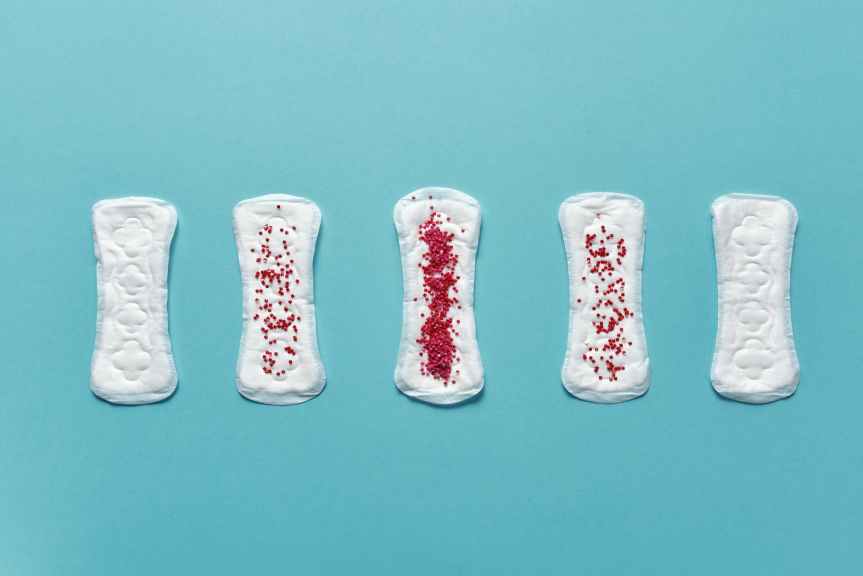
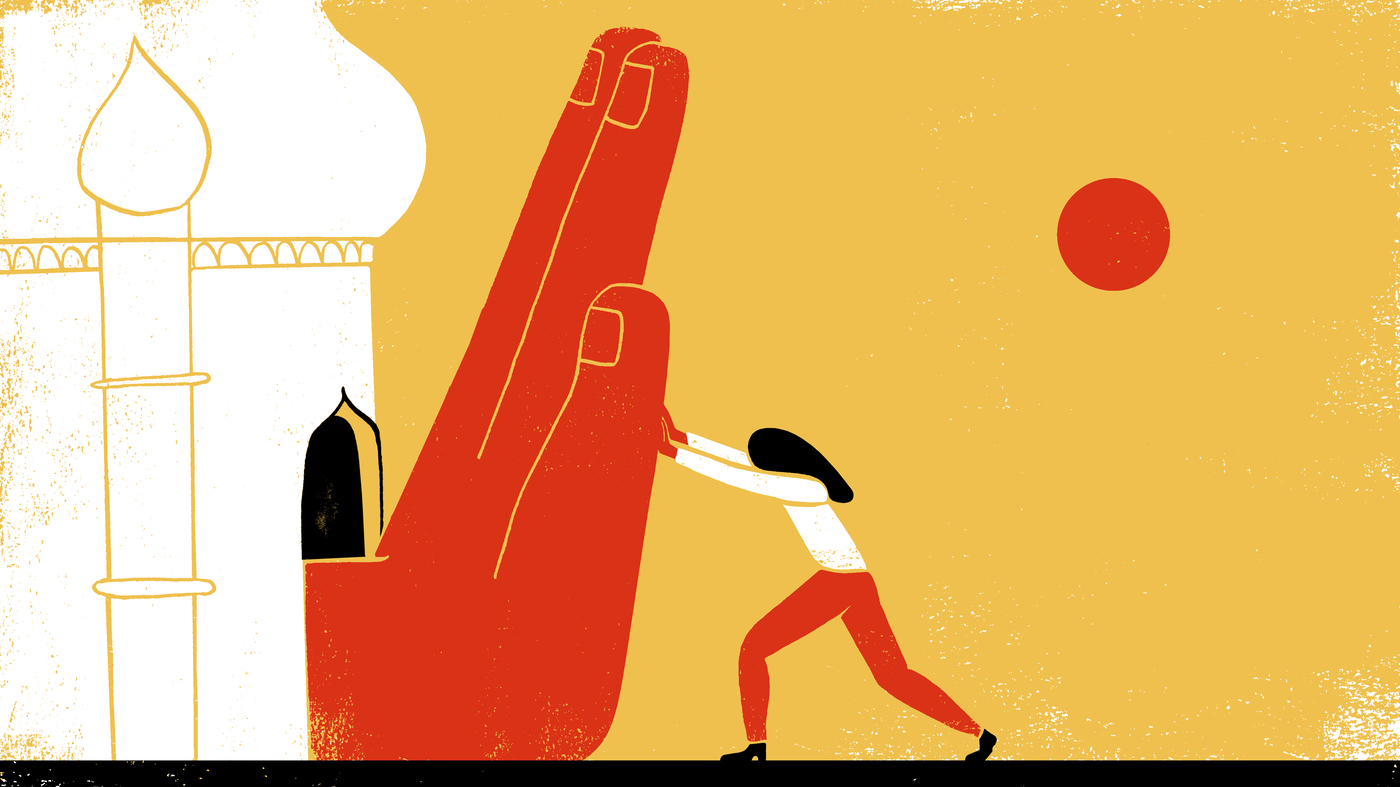
Menstruation has always been surrounded by taboos and myths that exclude women from many aspects of socio-cultural life. Not entering the temples and kitchens during menstruation is a major restriction for rural girls and women from orthodox families. They are believed to be unhygienic, inpure and unclean and hence their touch is considered to be contaminating.
“A menstruating woman is impure, she cannot enter holy places”
“Don’t enter the kitchen, don’t cook or touch the food, it will go sour”
Such taboos about menstruation present in many societies impact on girls’ and women’s emotional state, mentality and lifestyle and most importantly, health. About 23% of girls in India, mostly from less economically developed areas drop out of school when they begin menstruating. The monthly menstruation period also creates obstacles for female laborers. The gender – unfriendly work environment, infrastructure and the lack of adequate menstrual protection alternatives and clean, safe and private sanitation facilities for female workers undermine the right of privacy. Over 77% of menstruating girls and women in India use old cloth, which is often reused. This increases susceptibility to infection, putting them at the risk of being stigmatized.
The first and foremost strategy in this regard is raising the awareness among the adolescent girls related to menstrual health and hygiene. The need of the hour is to disseminate the same knowledge and normalize this concept among the male community, since most women shy away from discussing about it due to lack of support from their male partners and other family members. Provision of sanitary napkins and adequate facilities for sanitation and washing should be made available with the gender perspective.
We need to rise above all odds and link physical infrastructure and sanitation projects to health education and reproductive health programs and address the issue in more holistic ways because
Menstruation is a very normal biological phenomenon, and society should understand that women have the power of procreation just because of this virtue. TALK ABOUT IT!
It has been two hours that I have been sitting in a coffee shop thinking for a plot for my dream story and drinking cups of coffee. But the idea is simply not coming . It is tough to be an writer .
Since I have decided to be an writer and make fame and money it is a compulsory thing to be creative. Finding a plot is a big task. I have been trying to find a plot for my debut movie but in spite of 3 months of breaking my mind, I am yet to make up an original plot.
Suddenly my mobile rings, the caller is my wife.
“Where are you?’’ she asks.
“I am just relaxing out at a coffee zone in ECR. I’ll be here for some time.”
“Don’t take much time. Please be in time for lunch at 1 p.m.” she abruptly ends the call.
I work as a bank agent in SBI. Since the thought of becoming an writer has entered my head I have been looking to find the perfect plot. The coffee shop is half empty. It is 11 a.m. on a Sunday morning . I glance around at the people while having my coffee. A young couple is sitting in a corner table. An old man in his sixties is reading a newspaper alone in a table. A family of three is sitting in a centre table. The child is crying. His mother is trying to stop the boy crying.
Half an hour passes. The cafe is almost full now. Suddenly a young woman enters the cafe. She is wearing grey trousers and black top with a blue scarf wrapped around her head. She looks around for any empty table. There is none. She looks at my table. The opposite chair in my table is empty. She comes straight towards my table.
“May I join you?’’ she asks.
I am amazed, I realize that this is the only table that is half vacant. I just allowed her.
I notice she had a black bag hanging on her shoulders. She keeps the bag away from her.
She looks at me and says “Thanks for the seat. I hope I am not disturbing you.”
“No it is okay. I am sitting alone; it is nice to have a company.” I reply.
She orders for a apple shake . Then she gets busy looking at her messages in her mobile.
I am thinking of starting a conversation with the lady.
“This place is good. I often visit this cafe.” I start to talk with her.
She does not reply.
“I am an bank agent”. I wanted to continue the conversation.
“What about you?” I continue.
“My name is Priyanka “.I organize events. “she replies. She looks disturbed.
“You look troubled,is everything okay?” I asked. ” Just flush out your thoughts”, I continued.
“She remains quite for a minute then she answers ” Yes I am a bit disturbed. But I do not want to trouble you. You are a stranger.”
“You can believe me” I try to be charming. She had a immediate reply ” How do I”. “The reason is that coz I have heard Beleiver a lot of times.
She laughs at me as if I had cracked a joke. I was serious about it. I never spoke of it as she started a conversation. “Well I have a friend who wants to kill her husband. She wants me to be a part of her plan.” She replies.
” Want to crack a joke.” I reply.
“It is not a joke. “ She replies.
I may get some interesting plot for my story from this situation I think. I want to know her story.
“You can share with me if you want.”
“My friend that I mentioned is my best friend, we studied in the same school in Kolkata. Her husband is rude, she wants to get rid of him and has plans to kill him. I have tried to stop her but she is not willing to listen.”
“Why cannot your friend leave her husband and run away. “ I asked.
“She has tried a few times but he chases her and finds her always and brings her home. This time she wants to get rid of him fully so that he cannot find her again.”
How can I help her in this situation? But a plot for my story is coming to my mind. So I am interested to know what happens after? How does her friend attempt to kill her husband? Does she kill?
I want to hear the full story. My phone is ringing again. My wife called. I will have to leave now as it is getting late.
“I am guilty that I cannot help you in this matter. But please let me know what happens next if ever we meet again.” I get up from the table.
“Oh I forgot to ask you your name.” she asks. I do not know why I shared my thoughts with you.”
I should not say my original name to her, I think, I do not want to get into any trouble “Well my name is…forget it,that does not matters a lot. I will have to leave. Bye”
I ask for the bill and pay and get into my car. Driving home to Palavakkam from Adayar. I am thinking what if the lady is speaking the truth. What happens next? Anyway it is too late now. I will have to reach home now. I have promised to take my wife out for dinner tonight. It has been a long time that we had gone out together.
But anyways I have got the plot of my story, I think. My story will say of how a woman kills her husband. The suspense and the drama will make it a huge success, I think.
I reach home within half an hour. I drive my car in the parking lot of my area. Reaching my house I rang the calling bell. My wife opens the door.
“You are late.” She complains. “I have cooked your favourite dish for lunch today.”
It is fried rice and chicken gravy for lunch. That is my favourite dish and my wife cooks them really well.
“Thanks, I will be ready.” I said.
After freshening I came to the dining table.
“So have you got your plot?” she asks.
“Well, I have got an idea, it will be a thriller. I will let you know once I finish it.” I am scared from sharing the conversation with the lady in the coffee shop.
After half an hour I am sitting on the dining table. She brings the chicken and fried rice to the table. There is only one plate for me. Normally my wife has lunch with me.
“Where is your plate?” I asked.
“First taste some chicken and fried rice to check whether the salt is adequate and let me know how it is. Then I will join you”. She replies.
I take some fried rice and 2 pieces of chicken legs and tastes them. “Awesome.” I reply.
After two huge spoons of fried rice I continue my lunch.
“Today after you finish your lunch, I will start my lunch. “ My wife says.
I continue my lunch. I am thinking whether it is any fasting today. No, then why she is not having her lunch with me, I try to think.
When I have almost finished my lunch suddenly I start feeling dizziness in my head. My head is spinning as if I had came out of a coaster, I had to vomit, as if something is stuck in my throat. I drink a glass of water, but I start feeling more dizzy.
“I am not feeling okay, my head is rotating. I think may be I had a heart attack.
“Please call the doctor”
My wife is standing still without any movements. Suddenly a smile comes on her face. I try to reach for my mobile but cannot find it.
“ Call a doctor pls. where is my mobile?” I ask.
“Is the lunch tasty? Have you enjoyed your lunch“ She asks still smiling.
What was in lunch today I try to think. Did the lunch have something to do with my sudden condition?
“ What was about the lunch today? Why have you hidden my mobile?” I asked her again.
“Because my dear you had poison in your lunch today in your chicken gravy. That is the only way to get rid of you”. She replies.
My wife has poisoned me. Suddenly I remember the lady in the cafe. The friend she was referring is my wife. She is also from Kolkata. It is my wife who wants to kill me. I wish that I should have heard details from her. May be I could have got some clues.
The whole story comes in front of my eyes. That my had shared her thoughts with her best friend. Her friend had accidentally met me in the coffee shop. I had got a chance to get to know the plan. But I did not hear. My eyes begin to close; it is getting very difficult for me to keep my eyes open. I collapse and faint while my wife keeps looking. Slowly my breathing is stopping and I am getting unconscious. I realize I am dying.
While passing out flashbacks comes to my mind. I was looking for a plot, a perfect plot, a master piece that would make me a author. I got the plot but I did not realize that the dying character of my story will be myself, that I will live the life of the character of my story.
TVF (The viral fever) is an Indian over-the-top streaming service and YouTube channel. It is seen as the pioneer of web content in India. Their earlier shows like Permanent Roommates and Pitchers introduced the idea of serialised storytelling on YouTube to an average Indian consumer. The idea at TVF has always been to come up with original content that strikes a chord with the Indian audience. Whether it’s family, relationships or the difficulties of college life, the shows and videos have always been refreshing and yet relatable. When people hear the word TVF, they imagine the best storytellers in the country irrespective of the platform. There has to be something different about our shows.The Viral Fever was one of the early arrivals on the Indian digital entertainment segment with videos covering a range of topics on Indian politics, movies, lifestyle, and emerging social concepts.
The Viral Fever has etched its name in our hearts with some of the most relatable and quirky web series on the internet. Their relatable and rather hatke content has time and again won our hearts. Whether it’s something in drama or maybe a comedy, they have set the bar pretty high. Today, we’re here with a list of 5 tvf webseries that you must watch.
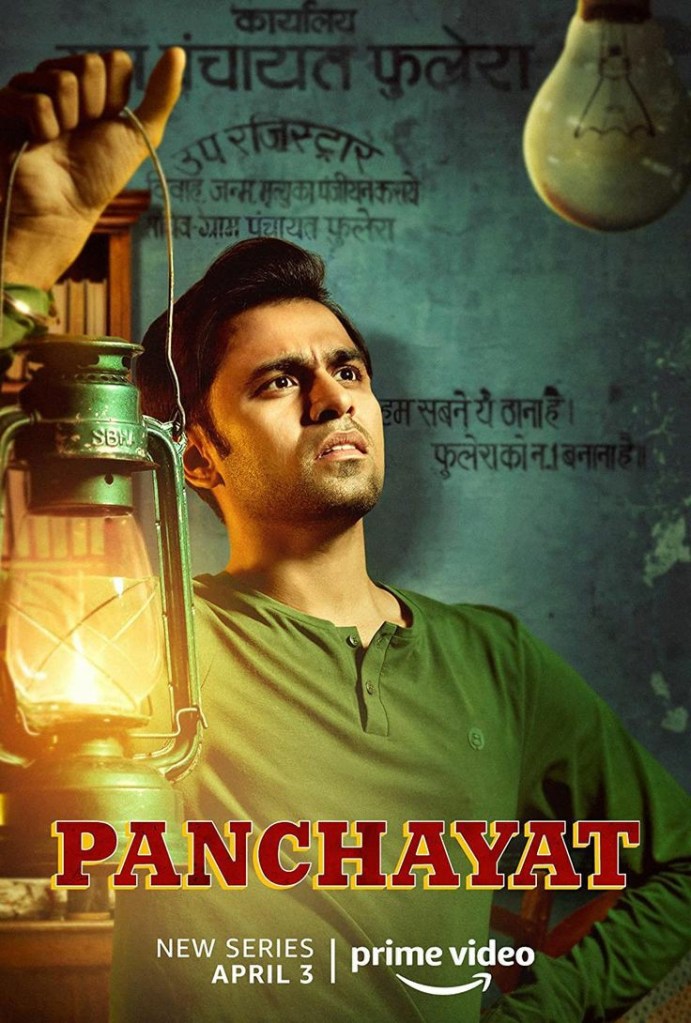
1.Panchayat
Panchayat, created by TVF for Amazon Prime Video, has been winning hearts since its premiere. Starring Jitendra Kumar, Raghubir Yadav, Neena Gupta, Panchayat follows a man who has been posted to a village as a part of his government job. The show follows his journey as he tries to make peace with his surroundings even though he feels like he is in an alien environment.A satire on the challenges he faces during his tenure in the office and the dry humour has won over countless people who have seen this show. A must-watch if you still haven’t seen this one. At the inaugural ceremony of Filmfare OTT Awards, the film won all the nominations under the Comedy Series category, except for Best Actress, which went to Mithila Palkar for Little Things. The series were also nominated for Best Original Story, Screenplay and Dialogues for Chandan Kumar, although it did not receive a win.
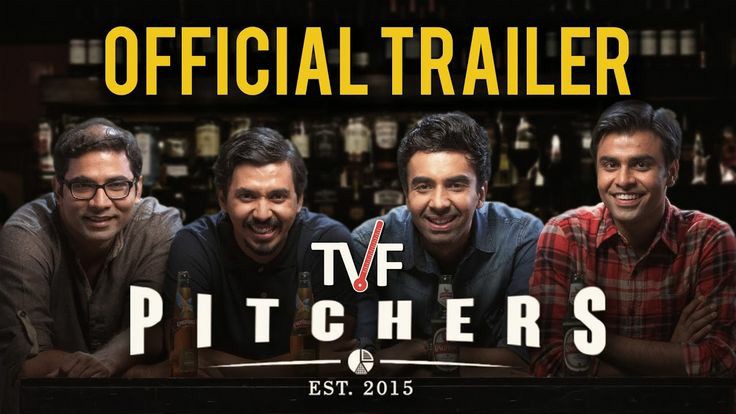
2.The pitchers
The plot of Pitchers follows the lives of 4 friends who’re pretty unhappy with their jobs. An inspirational story filled with some great comic scenes – it shows how these friends come together to start a company by quitting their day jobs. Portraying the struggle, hard work, sweat, tears and countless sacrifices that go into making a company successful – this show is a must-watch. The first season of the show was fairly successful but following the sexual harassment claims against creator-actor Arunabh Kumar, the show did not return for a second season.
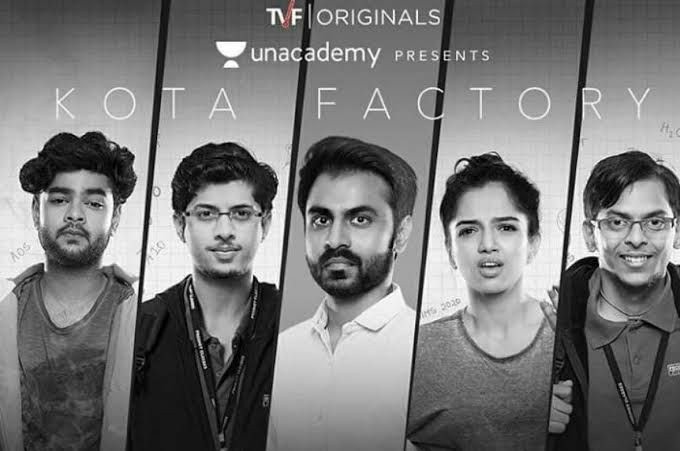
3.kota factory
Kota Factory followed the coaching culture that’s prevalent in the city of Kota, Rajasthan. Starring Jitendra Kumar and Mayur More, Kota Factory struck a chord with the audience and was an instant hit on YouTube. The five episodes of the series have over 130 million views on YouTube collectively. It is hilarious, a little dark, bittersweet and very entertaining. Plus, the fact that it’s been shot in monochrome sets it apart from other web series.
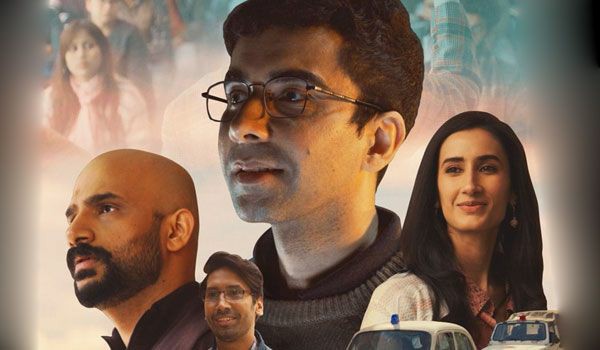
4.Aspirants
This plot follows the lives of 3 friends – Abhilasha, Guri and SK living in Old Rajinder Nagar in Delhi. Showcasing the struggle and drama that goes on behind the making of an IAS or CSE, Aspirant brings forth this entire journey. Starring Naveen Kasturia, Sunny Hinduja, and others in significant roles, Aspirants follows candidates who are preparing for their UPSC exams in Delhi’s Old Rajinder Nagar.
5.Hostel daze
Hostel Daze is an Indian Hindi-language comedy-drama streaming television miniseries created Saurabh Khanna and Abhishek Yadav. Directed Raghav Subbu, it stars Adarsh Gourav, Luv, Shubham Gaur, Nikhil Vijay and Ahsaas Channa in lead roles. Hostel Daze premiered on Amazon Prime Video on 13 December 2019. Hostel Daze can be described as a laughter ride through the corridors of hostel life that celebrates the catastrophe escapade of four students played by Adarsh Gourav, Luv, Shubham Gaur, Nikhil Vijay, and wing-mates, brought together by fate and later followed by forced friendships, heartbreaks, and flumping grades.
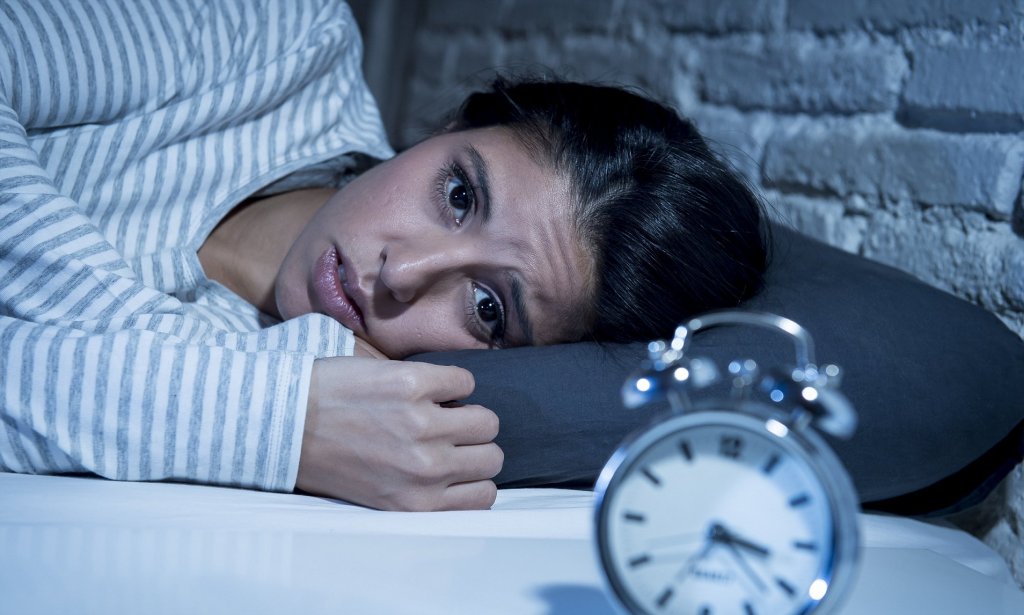
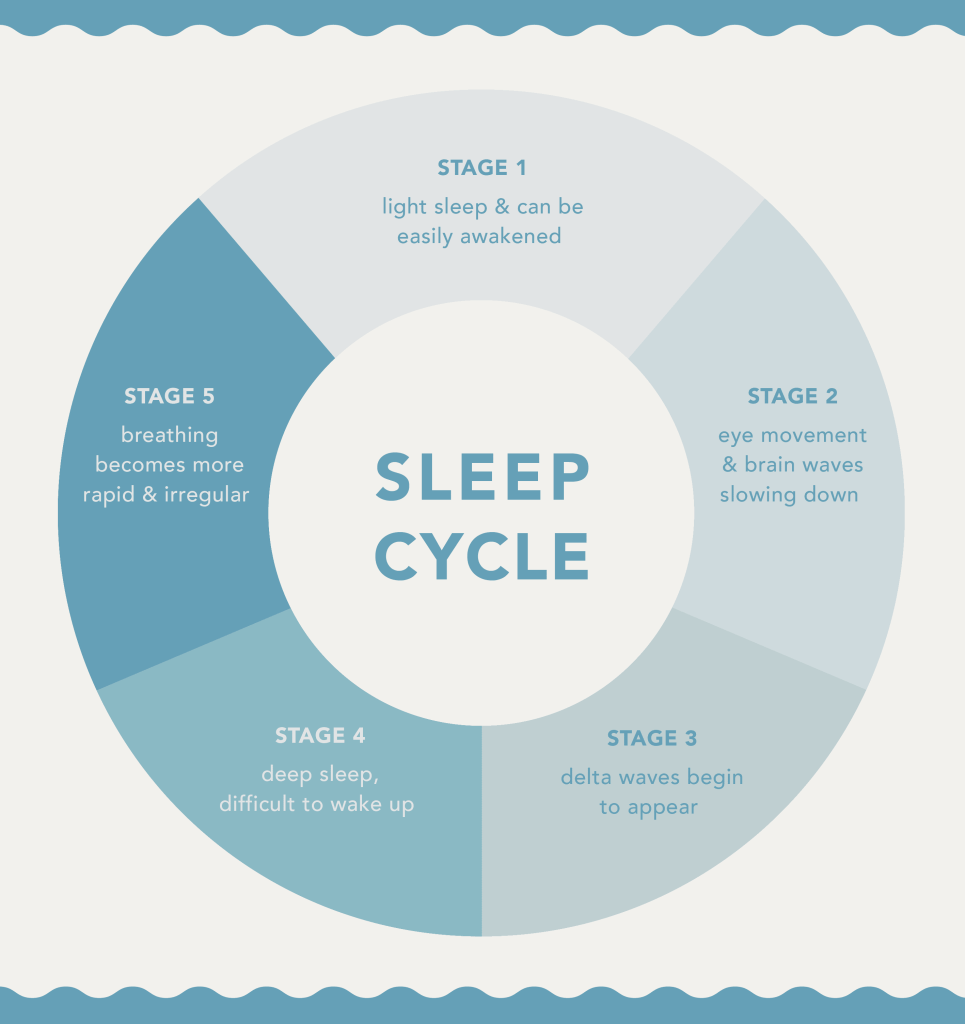
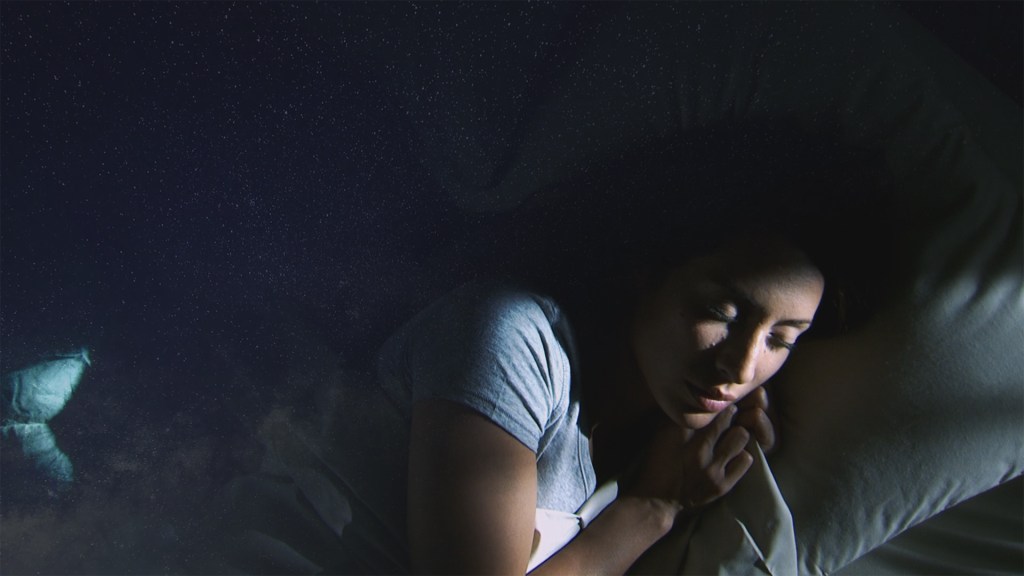
Pandemic has a huge impact on the sleep pattern of the people around the world. Some of them are tossing side to side to get a proper sleep during night time, other stay long awake but unable to regulate their usual pattern. Many experts also suggested that these days people often faces troubled sleep, with many going to bed far later and sleeping longer than usual.
Image: Shutterstock
Our sleep schedules do vary from person to person, depending in large part on the environmental causes. Because according to our circadian clock , that control our sleep schedules are sensitive to light like things like how much sunlight we’re exposed to throughout the day and what types of light we’re exposed to at night affect our sleep schedules. It’s really a huge problem, having a disrupted sleep schedule can result in deteriorating sleep pattern. But this will led to severe health ailments linked to several chronic health problems, such as sleep disorders, obesity, diabetes, depression, bipolar disorder, and seasonal affective disorders etc.
Image: Banala lite
But there are some suggested ways to get our disrupted sleep back on track:
A proper bed time routine: Try to stick to a schedule of sleep, like keeping your sleep-wake cycle the same. Our bodies have a circadian rhythm and walking up at different times disrupts it. The less you deviate from your normal bed and wake up times, the better you sleep. To get to sleep earlier, even doctors recommends going slowly and in small increments, adjusting no more than 15 minutes earlier every two to three days.
A touch of nature: Get a good amount of sunlight every morning. It serves an important purpose: it shuts down the release of melatonin, this hormone promotes sleep. Aim to get at least 15 minutes of sunlight every morning.
Image: NPR
Cut off caffeine before sleep: Caffeine has a half-life of six to eight hours and a quarter-life of 12 hours. That means if you drink coffee at 4 pm, you’ll still have a quarter of the caffeine floating around in your brain at 4 am.
Limit your drinking habit: Alcohol suppresses REM sleep cause sleep disruptions. If you drink alcohol, limit that to two drinks or stop the intake at least three hours before bed.
Limit the screen timings: Avoid screen timings just before going to bed. As blue light of mobile screen interfere with sleep habits by sending wrong signals to stay awake. But many of us do it anyway. Avoid screen time before 2 hours of going to bed.
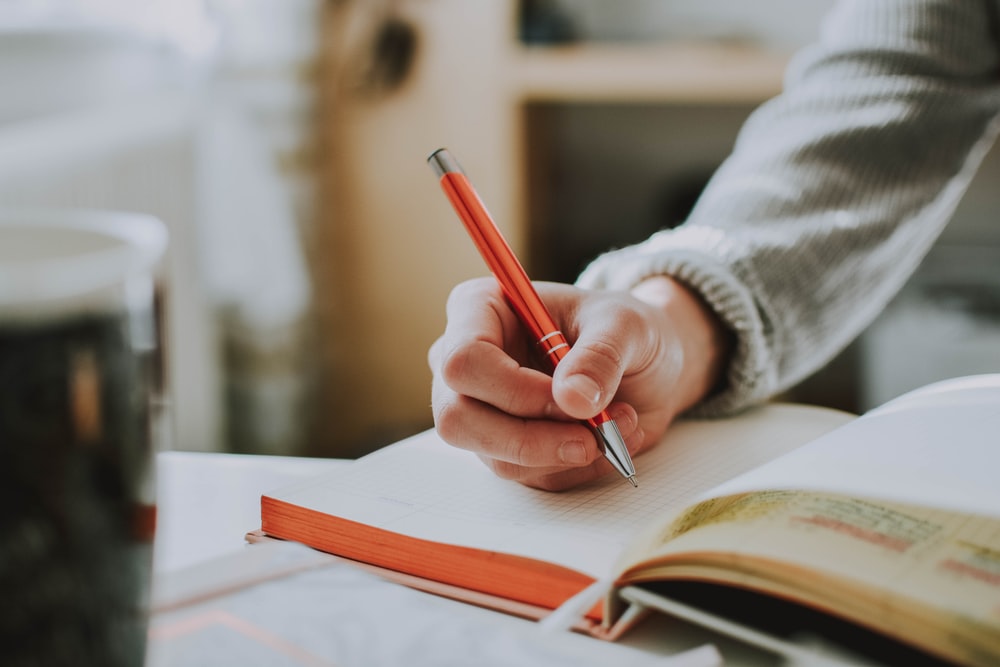
Journaling: You can’t get a proper sleep if something is bothering you, it’s always better to pen down your worries in a diary. Making this a habit can lessen your worries. Sit down with a blank piece of paper one to two hours before bed each night. Writing down your thoughts, especially anything that is bothering you. It will help you to schedule your activities and calm your mind.
Image: Unsplash
Meditation and Music: Meditation eases your woes by giving a direction to your thoughts. To get a proper sleep one should practice this 10 minutes daily routine. On the other hand, music calms mind and listening to a relaxing one will help to achieve sleep.
Avoid sleeping at day time: To promote better sleep one should avoid day time nap, so as to get a better sleep at night.
Environment: Make a good sleeping environment like switching off unnecessary lights and put on the curtains to prevent the entry of noise and lights. Take a warm bath and play some relaxing music, for instance. Make sure your bed is comfortable, the room is dark, and the temperature is not too warm.
These are the ways which enable us regain our disturbed sleep pattern. Sleep, itself promotes body healing. So, this is advised to get a proper 7-8 hours of sleep during night time.
THE CASE IVORY TRADERS & MANUFACTURERS ASSOCIATION VS UNION OF INDIA
INTRODUCTION
This case is based on the trading of ivory which is illegal. Basically the meaning of ivory is teeth of elephant. It is used for making the ornaments and other articles. And we know that it is banned because the trading of ivory is illegal. The animals get harm due to this. It is found tusks of the elephant. The case Ivory traders & manufacturers association VS Union of India, (AIR 1997 DEL 267) is based on the trading of the ivory.
According to article 48A of the Constitution of India: “protection and improvement and safeguarding of forests and wildlife.
The State shall endeavor to protect and improve the environment and to safeguard the forests and wildlife of the country.
NAMES OF JUDGES
The bench of:-
The Hon’ble CJ Mr. M Jagannadha Rao
The Hon’ble Mr. Justice Anil Dev
The Hon’ble Mr. Justice Manmohan Singh
FACTS OF THE CASE
The petitioners are dealers and artisans in ivory carry on the and trade in ivory including the manufacture of articles which are derived from ivory lawfully imported in India prior to be ban.
They import the parts of his stock of mammoth ivory from Russia and parts of it from Hong Kong for the purposes of the business.
Ivory derived from mammoth, extinct species of wild animal and ivory derived from elephants. As the mammoth and elephants both are different from each other.
This case is totally based on environment and safeguarding of forests and wildlife. The State shall protect and improve the environment and to safeguard the forests and wildlife of the country.
Four countries are involved in this trading these are India, Russia, Hong Kong and china.
The court reasoned that the amendment act explicitly bans the use of ivory for commercial use: “no person can commence or carry on business as a dealer in ivory imported into India or articles made, there from, or as manufacturers of such articles”. The court puts special emphasis on the words ivory imported into India as being designed deliberately. The intention is to cover all descriptions of ivory, including from mammoth.
Therefore, they plead that they are persons affected by amendment act.
The cannot even retain the possession and control of the ivory lawfully imported by them and articles made or derived there from as the same has been made an offence U/S 51 of act read with section 49 c (2). They say that the ban is unreasonable, unfair and arbitrary.
IMPORTANT ARGUMENTS ON BEHALF OF PETITIONER
First of all the restriction is unreasonable unfair and arbitrary and violates the fundamental rights of the petitioner under article 14 and 19 (1) (g) of Constitution of India.
As per the amendment act extinguishes the title of the petitioners over the imported ivory lawfully required by them and articles made there from without making any provisions for compensation thereof.
The petitioners trade only in imported fossil ivory and articles manufactured there from.
The mammoth imported from abroad and actually the act does not deal with this kind of ivory at all.
The act only covers elephant ivory articles made there from. That the elephant ivory and mammoth ivory are of different types and can be distinguished from each other.
IMPORTANT ARGUMENTS ON BEHALF OF DEFENDANT
That the impugned legislation was enacted to provide protection to the wildlife and it must be viewed in that perspective.
That the necessity of population and conservation of wildlife is essential for the very existence of human life.
There is an illegal killing of the India elephants for the ivory.
Due to this wildlife of our country is also depleting. We have to control this depletion and we have to take strict steps to control all these things.
As I have discussed above about the depletion of wildlife this is all because of human activities. As the initiative is taken by the government. Is they constructed the wildlife sanctuaries and the national parks to only save the animals and our wildlife also.
The human beings are exploiting animals because of the rise of money in the products of wild animals. The trade of ivory was banned in 1986 in India. And the opportunity is left with traders to dispose of the stock.
JUDGEMENT
It needs to be noticed that the Amendment Act 44 of 1991 has been enacted to carry out the mandate of the directive principles as enshrined in Article 48-A. The State has the power to completely prohibit a trade or business which has an adverse impact on the preservation of species of wild life which are on the verge of extinction both because it is inherently dangerous practice to destroy such animals in terms of ecology and also because of the directive principles contained in Article 48A of the Constitution. When the Legislature prohibits a pernicious, noxious or a dangerous trade or business it is in recognition of society’s right of self protection. Act 44 of 1991 inserted Clause (I a) in Section 49-B (1) (a) in the principal Act. As per it- ‘No person can commence or carry on business as a dealer in ivory imported into India or articles made, there from, or as manufacturer of such articles.’ It is also noteworthy that Sub-clause (I a) uses the words ‘ivory imported into India’. These words have been designedly and deliberately used by the Legislature. The legislation intended to cover all descriptions of ivory imported into India including mammoth ivory to prevent Indian ivory from entering into the market under the pretext of mammoth ivory or African ivory. Once the mammoth ivory is shaped into an article or curio, it looks exactly like an article made from elephant ivory which was said on the basis of the articles shown in Court. The respondent in its affidavit has also expressed the same difficulty in distinguishing. Also when a buyer intends to buy a curio, he is not interested to know whether it was created from elephant ivory or mammoth ivory as an average buyer also does not have the expertise or the knowledge to distinguish between article made from mammoth ivory and Indian ivory and buys it purely on aesthetic considerations or as a statue symbol. To give permission to trade in Articles made from mammoth ivory would result in laundering of Indian ivory — a result which the legislation wants to prevent for the reasons already explained above.
CONCLUSION
No citizen has fundamental rights to trade in ivory or ivory articles. Article 14 of Constitution of India is violative unreasonable, unfairness and arbitrariness. The petitioners have no fundamental right to carry on a trade or business in exhibiting or traders of animals covered by the impugned notification is prevention of unnecessary pain and suffering to animals. We have to conserve our environments. The ivory trade in India and provide a safe and protected environment for the Indian elephant.
She was a student from Kerala’s Thrissur enrolled at a medical college in China, who was the first Indian to test positive for Covid-19 in January 2020 after returning to India following the outbreak of the pandemic, has been infected again, a health official said on Tuesday.
Thrissur district medical officer K J Reena said” she has been she tested positive and under quarantine at her home. None of the family members have tested positive so far”.
The student was found to have been reinfected after she was retested as she planned to travel to Delhi. Her family said she is showing no visible symptoms and that she has also been administered the first Covid-19 vaccine dose.
The student, who has been unable to return to China as Beijing is yet to allow Indian students back into the country because of the pandemic, spent almost a month in hospital while undergoing treatment for Covid-19 in 2020. Her friends also tested positive who was travelled with her from Wuhan.
She spent 24 days at an isolated ward from January 27 to February 20, wearing personal protective equipment. She said her medical background helped her overcome the trauma.
Santa Claus—otherwise known as Saint Nicholas or Kris Kringle—has a long history steeped in Christmas traditions. Today, he is thought of mainly as the jolly man in red who brings toys to good girls and boys on Christmas Eve, but his story stretches all the way back to the 3rd century, when Saint Nicholas walked the earth and became the patron saint of children. Find out more about the history of Santa Claus from his earliest origins to the shopping mall Santas of today, and discover how two New Yorkers—Clement Clark Moore and Thomas Nast—were major influences on the Santa Claus millions of children wait for each Christmas Eve.
The Legend of St. Nicholas: The Real Santa Claus
The legend of Santa Claus can be traced back hundreds of years to a monk named St. Nicholas. It is believed that Nicholas was born sometime around 280 A.D. in Patara, near Myra in modern-day Turkey. Much admired for his piety and kindness, St. Nicholas became the subject of many legends. It is said that he gave away all of his inherited wealth and traveled the countryside helping the poor and sick. One of the best-known St. Nicholas stories is the time he saved three poor sisters from being sold into slavery or prostitution by their father by providing them with a dowry so that they could be married.
Over the course of many years, Nicholas’s popularity spread and he became known as the protector of children and sailors. His feast day is celebrated on the anniversary of his death, December 6. This was traditionally considered a lucky day to make large purchases or to saasget married. By the Renaissance, St. Nicholas was the most popular saint in Europe. Even after the Protestant Reformation, when the veneration of saints began to be discouraged, St. Nicholas maintained a positive reputation, especially in Holland.
Sinter Klaas Comes to New York
St. Nicholas made his first inroads into American popular culture towards the end of the 18th century. In December 1773, and again in 1774, a New York newspaper reported that groups of Dutch families had gathered to honor the anniversary of his death.
The name Santa Claus evolved from Nick’s Dutch nickname, Sinter Klaas, a shortened form of Sint Nikolaas (Dutch for Saint Nicholas). In 1804, John Pintard, a member of the New York Historical Society, distributed woodcuts of St. Nicholas at the society’s annual meeting. The background of the engraving contains now-familiar Santa images including stockings filled with toys and fruit hung over a fireplace. In 1809, Washington Irving helped to popularize the Sinter Klaas stories when he referred to St. Nicholas as the patron saint of New York in his book, The History of New York. As his prominence grew, Sinter Klaas was described as everything from a “rascal” with a blue three-cornered hat, red waistcoat, and yellow stockings to a man wearing a broad-brimmed hat and a “huge pair of Flemish trunk hose.”
‘Twas the Night Before Christmas
In 1822, Clement Clarke Moore, an Episcopal minister, wrote a long Christmas poem for his three daughters entitled “An Account of a Visit from St. Nicholas,” more popularly known as “‘Twas The Night Before Christmas.” Moore’s poem, which he was initially hesitant to publish due to the frivolous nature of its subject, is largely responsible for our modern image of Santa Claus as a “right jolly old elf” with a portly figure and the supernatural ability to ascend a chimney with a mere nod of his head! Although some of Moore’s imagery was probably borrowed from other sources, his poem helped popularize the now-familiar image of a Santa Claus who flew from house to house on Christmas Eve in “a miniature sleigh” led by eight flying reindeer to leave presents for deserving children. “An Account of a Visit from St. Nicholas” created a new and immediately popular American icon.
In 1881, political cartoonist Thomas Nast drew on Moore’s poem to create the first likeness that matches our modern image of Santa Claus. His cartoon, which appeared in Harper’s Weekly, depicted Santa as a rotund, cheerful man with a full, white beard, holding a sack laden with toys for lucky children. It is Nast who gave Santa his bright red suit trimmed with white fur, North Pole workshop, elves and his wife, Mrs. Claus
Santa Claus Around The World
18th-century America’s Santa Claus was not the only St. Nicholas-inspired gift-giver to make an appearance at Christmastime. There are similar figures and Christmas traditions around the world. Christkind or Kris Kringle was believed to deliver presents to well-behaved Swiss and German children. Meaning “Christ child,” Christkind is an angel-like figure often accompanied by St. Nicholas on his holiday missions. In Scandinavia, a jolly elf named Jultomten was thought to deliver gifts in a sleigh drawn by goats. English legend explains that Father Christmas visits each home on Christmas Eve to fill children’s stockings with holiday treats. Père Noël is responsible for filling the shoes of French children. In Italy, there is a story of a woman called La Befana, a kindly witch who rides a broomstick down the chimneys of Italian homes to deliver toys into the stockings of lucky children.
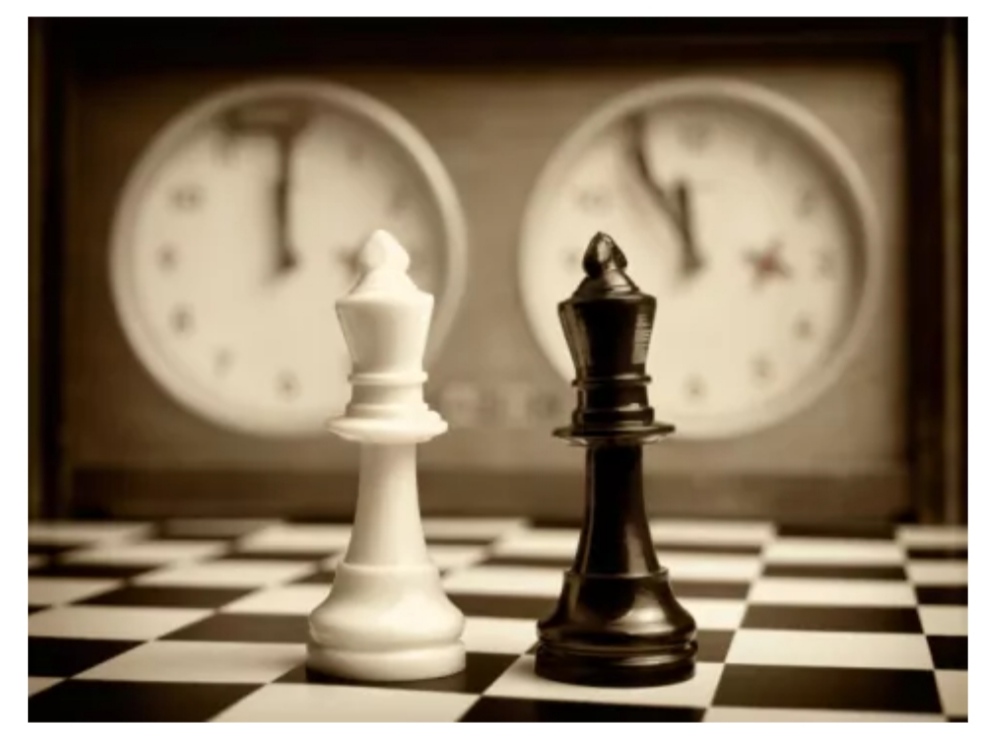
The origin of chess is something that is debated and there is not really a consensus on its origin or even the history of chess, from the old to the present.
Some say that versions of chess and its board date back from Ancient Egypt or Dynastic China, but its most supported origin is that it first appeared in India around the 6th century, at that time it would have the name of Chaturanga.
Over time, it eventually reached Persia and its name eventually changed, being now called Xatranje, probably having other rules as well.
It eventually spread throughout Europe slowly and it took about 500 years for Xatranje to begin to look more like the chess we know today.
In the yoer of 1475 began to be consolidated with the current rules and its name also eventually changed to chess but it still took a few hundred years for Europe to play with the most modern pieces and rules as well.
In the middle of the nineteenth century began to appear tournaments and chess competitions, thus giving rise to a sport, which was always dominated by the same players and had World champions who maintained their reign for long periods, 20 / 30 years for example.
Chess game
The game of Chess aims to give the “mate” in the king of the opponent player. This happens in the following situations:
The king can not move to any house (they are all in the attack line of the opponent’s pieces);
No part can stand in front and protect the King;
The piece you are attacking cannot be captured;
If any of these conditions arise, then the “mate” or “checkmate” will occur and the game ends, winning the player who applied the “mate”.
Board and Chess Pieces
The chessboard is composed of squares of white and black color (8 squares of length on each side), being these always alternating.
The pieces also have the same colors and each color corresponds to the pieces of a player.
The board should be positioned so the last house on the right side of the row closest to each player is a white square.
The game of chess consists of the following pieces:
Pawn
Tower
Horse
Queen
Bishop
Rei
The pieces have their own order to be placed on the board (Follow the positions that are represented in the image);
Please note: The position of the King and Queen changes depending on the player, following the rule:
White King – Black House Black King – White House White Queen – White House Black Queen – Black House
Who starts playing is always the player who owns the white pieces.
Chess Moves / Plays
Each piece has its unique way of moving around on the board, which enables a very large number of patterns and strategies, making chess a strategy sport and more interesting.
The possible plays per house piece are:
Pawn This can only just move forward (no more part has this rule), being that it can only advance 1 home in front, or 2 if it has never been tweaked. It is also the only one that moves differently when it is to take the opponent’s piece, and he can only take the piece that is diagonally forward.
Tower The tower has a fairly simple movement. It can move forward, backward, left or right in a straight line across the entire board as long as it has the path without any part.
Horse The horse is the one that has the most unique movement. It can only move in L. format. This means that you can only walk two houses forward and one to the side at each move. This piece can already make your move jumping over other pieces (it’s the only one with this rule).
Bishop The bishop has a movement similar to that of the Tower, only the latter, instead of moving in a straight line, moves diagonally, and can not pass over any part either.
Queen This is considered the most powerful piece of Chess, this due to its versatility of movements since it can make the same movements of the Tower and the Bishop.
Rei The King can move 1 each in all directions. The only restriction that this has is not being able to go to a house that is “check” (in the line of attack) by some part of the opponent.
Special moves
There are certain moves that can be made under special circumstances that make this magnificent game even more interesting and competitive. The special plays that exist are:
Pedestrian Promotion
When you can get one of your pawns to reach the end of the board (on the first line of the opponent), the pawn must be replaced by another piece (being a bishop, tower, queen, or horse), and is usually chosen the queen since it is the most powerful piece of the game.
Roque
It consists of a movement between the king and the queen, who change positions at the same time, in an attempt to defend the king by taking it from the center of the board and move the tower to a better position of attack.
In this movement, the king moves toward the tower two houses and the tower moves to the king’s side passing over him. There are two rocks: the small and the large, the only difference being its designation. The big rock is when the rock is made with the tower farthest from the king and the small is the opposite.
To make this move, certain conditions must be met:
The king could not have moved;
The tower can not have been moved;
The way between the tower and the king must be clean;
The king can not stand in a position that is in the line of attack of the enemy;
Passing
This is a special way for the pawn to move and can take the opponent’s pawn that passed next to him when he is in the 5 row counting from his field. Observe the images to better understand the move.
For this move there are also special conditions, which are:
Your pawn should be in the 5 row
The pawn of the opponent has advanced two houses and thus have stayed next to his;
The bid must be made immediately to the movement of your opponent;
Some Chess Rules
Chess also has some rules. Let’s just highlight the main rules that are usually addressed.
When a player lifts a piece, it may place it anywhere that is valid for the movement of that piece. After landing the piece cannot be removed, only if it has made an invalid movement.
When promoting a pawn, the player can touch a piece that is outside the board and change for his pawn, thus finishing the move;
During the Roque the player must first take the King and then in the Tower thus making their exchange of positions. If you touch both at the same time you can do it. If this one raises the King with the intention to make the Roque but this is impossible, then it must move the King to a valid house.
Players must not speak during the game, only when asking for a tie or advising the referee of any infraction. In games between amateurs it is common to announce the “check” but among professionals, the same should not be announced.
Due to corona it has been full of online classes even for 1st standard children just to make parents pay the fees even though there is no use of those classes when i say no uses students logging into the classes and they are enjoying , sleeping , eating , so there is no point in having classes for students under 8th standard. But there are many professional courses which are more useful for students now lets see about effectiveness of online education
As with most teaching methods, online learning also has its own set of positives and negatives. Decoding and understanding these positives and negatives will help institutes in creating strategies for more efficient delivery of the lessons, ensuring an uninterrupted learning journey for the students.
Advantages
Online learning offers teachers an efficient way to deliver lessons to students. Online learning has a number of tools such as videos, PDFs, podcasts, and teachers can use all these tools as part of their lesson plans. It allows students to attend classes from any location of their choice. It also allows schools to reach out to a more extensive network of students, instead of being restricted by geographical boundaries. All the course or study materials are available online, thus creating a paperless learning environment which is more affordable, while also being beneficial to the environment. Since online classes can be taken from home or location of choice, there are fewer chances of students missing out on lessons. Every student has a different learning journey and a different learning style. Some students are visual learners, while some students prefer to learn through audio. Similarly, some students thrive in the classroom, and other students are solo learners who get distracted by large groups. The online learning system, with its range of options and resources, can be personalized in many ways. It is the best way to create a perfect learning environment suited to the needs of each student.
Disadvantage
For many students, one of the biggest challenges of online learning is the struggle with focusing on the screen for long periods of time. With online learning, there is also a greater chance for students to be easily distracted by social media or other sites. Another key challenge of online classes is internet connectivity. While internet penetration has grown in leaps and bounds over the past few years, in smaller cities and towns, a consistent connection with decent speed is a problem. Without a consistent internet connection for students or teachers, there can be a lack of continuity in learning for the child. This is detrimental to the education process. Students can learn a lot from being in the company of their peers. However, in an online class, there are minimal physical interactions between students and teachers. This often results in a sense of isolation for the students. Online learning requires teachers to have a basic understanding of using digital forms of learning. However, this is not the case always. Very often, teachers have a very basic understanding of technology. Sometimes, they don’t even have the necessary resources and tools to conducts online classes. Many parents are concerned about the health hazards of having their children spend so many hours staring at a screen. This increase in screen time is one of the biggest concerns and disadvantages of online learning. Sometimes students also develop bad posture and other physical problems due to staying hunched in front of a screen.
Garima, is a 16 year old girl , brought new phone . She uploaded some of her pictures on social media . Now a guy started stocking her profile . He took some screenshots of her pictures , and morphed them all with nudes . He sent those nudes to garima and started blackmailing her for sending money . Now what will she do next about this cyber extortion. There are thousands of garima over there who are suffering from same situations .
Acoording to national crime bureau , internet is being used by 71 cr people , among which , 25 cr are women. In this portion of population, 80% of people are being victimized to cyber crimes and 63% of people don’t know where to lodge complaints on cyber crimes.
Cybercrime, are known as computer crime, the use of a computer as an instrument to further illegal ends, such as committing fraud, trafficking in child pornography and intellectual property, stealing identities, or violating privacy.
Manish Kathuria was stalking Ms. Ritu Kohli by illegally chatting on the web site, http://www.mirc.com using her name; and used obscene and vulgur language . He gave the details of her residence and telephone number . Also invited people to chat with her on the phone. As a result, Ms. Ritu Kohli was getting obscene calls from various states of India and abroad, and people were talking dirty with her. She logged FIR in police statio . The police registered her case under Section 509 of the Indian Penal Code, 1860 for outraging the modesty of Ritu Kohli. But Section 509 refers only to a word, a gesture or an act intended to insult modesty of a woman. So this was a 1st case of staking under information Technology act.
In information technology act 2000 , some cyber crimes against women , were described. Which are mentioned below
1. Harassment vie email
2. Cyber Defamation
3.Morphing
4. Email Spoofing
5. Hacking
6. Cyber Pornography
7. Cyber Sexual Defamation
8. Cyber Flirting
9. Cyber bulling
Punishment for harassment vie email Harassment vie email is 3 years , acoording to section 354D ( criminal law amendment act 2013 )
Email Spooning ; Section 66 of the Information Technology Act 2000 mentioned the punishment for cheating by personation by suing a communication device or other electronic devices. It is an offence punishable with up to three years imprisonment and fine up to Rs one lakh ruppe under IT act .section 415 and Section 416 of the Indian Penal Code also deals with this. It’s a Cheating by personation entails cheating by pretending to be the some other person or representing himself to be a person that he is not. The law explains that cheating by personation is committed by those individual who personates himself as the real person.
For cyber defamation, Section 67 of the IT Act 2000 provides for punishment to whoever transmits or publishes or causes to be published or transmitted any material which is obscene in electronic form with imprisonment for a term which may extend to two years and with fine which may extend to 25k on first conviction .
In the case of morphing , an accused can be punished under section 67 A of IT ACT 2002 , as well as violator can be punished under section 441 of Indian Penal code for criminal trespass, under Section 290 for committing public nuisance and under Section 292 A for printing or publishing grossly indecent or scurrilous matter or matter intended to blackmail and under Section 501 of Indian Penal Code for defamation.
Cyber Pornography, law related to pornography has been mentioned under section 292 of the Indian Penal code. It deals with the offence of obscenity. In addition Section 354 A of the Indian Penal Code was inserted in the year 2013 dealing with the offence of sexual harassment and also includes a man showing pornographic material to a woman against her will. The punishment under the Information technology act is more stringent in which the offence is punishable with imprisonment up to five years and fine up to Rs ten lakh for subsequent conviction.
More frequently this tech is growing
Much severely cyber crimes are prevailing
This violation of cyber laws can be stopped only by spreading awareness angaisnt the wrong and deceitful use of technology, and by making the punishment more deterrent. Victim in this situation face more mental anguish . This incident can easily destroy the confidence of a woman for her whole life .Technically, web is for learning new ideas and for providing relevant information. This should be used accordingly.
This article of mine will fill you with the knowledge of how mare the method of growing a vegetable, grains, fruits, leads you to good health, & how those grains will fill you with energy. Every one have heard of the slogan, “ EAT ORGANIC , STAY FIT” , but do you know how these organic foods or grains are grown ? Organic food is grown without the use of synthetic chemicals, such as human-made pesticides and fertilizers, and does not contain genetically modified organisms (GMOs). They are free from man made pesticides & fertilizers & hence leads to good heath.
Organic refers to the way farmers grow and process agricultural products. Practices vary worldwide; however, organic foods are generally grown without synthetic pesticides, fertilizers or routine use of antibiotics or growth hormones. Organic farming supports biodiversity by choosing appropriate species of plant & animal. Farmers use crop rotation technique , this is a technique in which different types of crops are grown over different seasons on the very same land , it helps in controlling soil erosion & maintaining soil fertility.
I think you all will love to know the benefits of organic food , after all all of us are interested in living a healthy life . some of the core benefits of organic food are :
Organic food have no pesticides , hence its free from harmful chemicals.
organic food is often fresher because no preservatives are used & that is what makes it last longer than usual grains.
When it comes to meat and milk, organic products can have about 50% more omega-3 fatty acids, a type of unsaturated healthy fat, than conventionally produced products , which is good for health .
Last I would like to conclude , Organic products are more expensive than conventional ones, and whether they’re really worth the extra cost is certainly a matter of choice. “If you can afford all organic, that’s fantastic, but it’s not feasible for most people,” , but just to inform you all , those extra money which you will spend on organic food will be worth for , specially to you health.
Profession is not only about salaries Or what amount of money we invest in it. Yes the other professions are equally important.
But if you ask me, the best profession is that of a mother. It is a job which is extremely challenging and difficult to learn and master.
Although often this job is underrated and overlooked.
A mother is someone who binds all the corners of the house and it’s people. Mothers are entrusted, and are almost totally responsible for the health, care, training, morals, security, emotional strengths, attitudes, social understanding discipline, and success of their children.
Mothers are required to possess the knowledge, practice the skills, and perform the duties of so many different life functions. They are so many in number that it is impossible to even list them.
According to me, there is no school or college that trains you to become a successful mother. Other professions like attorneys, medical doctors, and dentists, must attend anywhere from six-to-ten years of additional education after high school to be qualified to begin their profession.
Mothers are far more qualified and far more valuable producers than they, or the business world realizes. Therefore every mother of this world should receive the love that she deserves. They should be highly respected and cared.
Honestly speaking, my world revolves around my mother.
While mass vaccination drive is going on around the whole globe,news of emergence of Third wave of coronavirus have started to surface. WHO (world Health organisation) have also warned about the third wave in Europe. Cases recorded in this wave are of ‘Delta-variant’ of coronavirus.
Second wave of coronavirus caught us all off-guard and hit us hard and many lives were lost and there was a State of panic amongst us all for few months, due to this wave of coronavirus. After, passing of this second wave, people flocked the hill stations and flouted covid norms. Even, in markets people are walking without masks and not taking necessary precautions.
Tourists in Manali
Alarmed by this situation government of India have warned the citizens about this 3rd wave. Lav Agarwal, Joint Secretary, Health Ministry, on Tuesday said that the third wave of Covid-19 may be caused due to the gross violation of covid appropriate behavior. He told that :
We would like to request to everyone- when we talk about the third wave (of COVID-19), we are taking it as a weather update and not understanding its seriousness and our responsibilities associated with it
Lav Agarwal (joint secretary, Health ministry, GOI)
According to union health ministry data on Tuesday there were 32,906 new cases of Covid-19 and 2020 related fatalities, which pushed the overall tally to 30,905,819 and the death toll to 410,784.
Markets are open and govt offices and school’s are running with 50% capacity, but the way in which common people are violating the covid-19 precaution guidelines, day is not far when we’ll have to pay for this type of behaviour. If situation remains like this, then the government in order to control the spread may impose lockdowns and come up with strict measures.
Hill Stations will be there,if we’ll be safe,then we can visit there later on. We need to learn from our mistakes commited during the second wave of pandemic and try not to repeat them this time.
Government is preparing on its behalf to face up with the inevitable third wave of pandemic. We all as a responsible citizen should adhere with the government guidelines and take precautions,then we can defeat this pandemic.
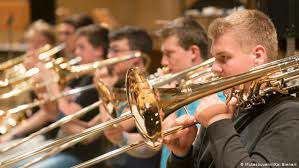
When we explore the musical industry every country in the world is about different culture, articulation, creation and meaning of music which make it stand out from others and make more fun, starting with this list of most musical countries of world, the first is:
1.THE UNITED KINGDOM:
The country has been a great producer and source of musical creation, with its artistic base from history of the United Kingdom, from church music, western culture with ancient and traditional folk music.
In 20th century, musicians from the UK became dominant in musical culture, which led to explosion of POP and ROCK music acts. Hence, the UK has become one of the world’s largest music industries today, with many British artists influencing the modern music.
Each country as mentioned above has different form of folk music:
English Folk Music
Northern Irish Music
Scottish Folk Music
Welsh Folk Music
Popular form of music from the UK includes: English Folk, Jazz, Rapping, Hip-Hop, Pop, Rock, British Folk Rock, Drum and Bass, Heavy Metal.
With that the UK has given us the most famous Music Artist we have at present and we’ve been listening to them from very beginning: The Beatles, Queen, The Who, The Rolling Stones, Pink Floyd, David Brownie and so many more.
2. THE UNITED STATES:
Music here reflects the country’s multi-ethnic population through a diverse array of styles. It is influenced by music mixture from that of West African, Irish and Scottish.
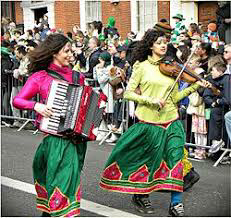
The United States’ music is heard by people all over the world and they love it. In 17th Century, after Native American played their first music, immigrants from different countries of the UK, Ireland, Germany bought their own musical instruments and African slaves bought in their own musical tradition.
The US also had documented folk music and recorded popular music in ethnic styles of Ukrainian, Irish, Scottish and Jewish among other communities.
Popular music genres of the US includes: Blues and Gospel, Jazz, R&B, Rock, Metal, Punk, Techno and Latin American Music.
Popular Artists: Eminem, Taylor Swift, Rihanna, Madonna, Beyonce, Bob Dylan and so many more.
3. GERMANY:
Germany comes up as a largest music market in Europe and third in the list of world music industry.
German classical is most performed in world, including Pop Rock, Punk, Disco and Indie. German Electronic music gained global influence along with Electro and Techno scene being internationally popular.
Germany hosts large rock musical festivals annually. One of them is: Rock am Ring Festival, the largest in world. Since 1990, Berlin has developed a diverse music and entertainment industry.
Coming to Classical Music, Germany is the largest in its development. They host the largest Classical Summer Music Festival: Schleswig-Holstein Musik Festival.
Classical Music of Germany includes:
Chorale (Vibrant and Energetic)
Opera
Baroque Period
Classical Era
Romantic Era
Apart from this included the Folk and English Popular music from Germany which are great hit among the people of world.
4. IRELAND:
Irish music has been created in various genres in Ireland. The indigenous music is known as Irish Traditional Music which has been vibrant for ages despite globalizing cultural forces. Even after influencing from all the music from Britain, The US and other cultures, Irish music has kept its influence and has impact on modern rock music.
Some of the fusion artists have attained mainstream success.
Irish has produced Traditional music, popular modern music, Folk music and Classical Music.
Popular genres developed there were: Pop, Rock, Techno, Rock and Roll, Fusion music.
Famous Artists: Westlife, Van Morrison, Boyzone and the Cranberries.
5. INDIA:
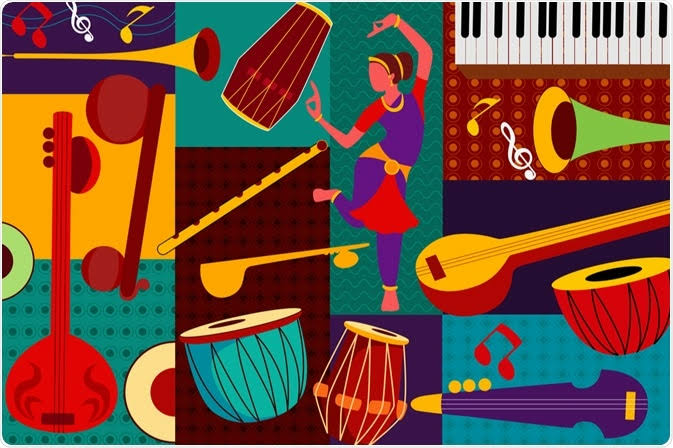
Music of India stands 5th in the list of world musical countries, including all genres classical, folk, Indian rock and Indian pop. Music here began as an integral part of socio-religious life.
Indian Music has numerous genres:
Classical Music- Hindustani and Carnatic Music (Dhrupad, Dhamar, Sadra, Raga, Tala, Pallavi)
Light Classical- Thumri, Sangeet, Qawwali, Ghazal
Folk Music- Which is different from different states of India because of diverse culture
Then we have Indian Pop, Rock and Metal, Indian Rock, Raga Rock, Jazz and Blues.
6. MEXICO:
The music culture here is diverse and is a mixture of musical genres and performances styles and influence majorly by culture of indigenous people of Mexico and Europe.
They have wide classification of music starting from:
Traditional Music which is majorly divided in two forms- By musical form and styles –Corrido, Mexican Danzon, Mexican Bolero and By types of ensembles- Banda, Mariachi and Marimba.
Popular Folk Music had Grupera influenced by the styles of cumbia, norteno and reached heights of popularity in rural areas.
Popular Music had genres like Pop, Rock, Latin Alternative, Mexican Ska, Electronic.
Whereas Art Music includes Operas, Classical and Jazz which makes Mexican music culture rich of different forms and artistic editions.
7. ITALY:
Italian music is a traditional marker of Italian national culture and ethnic identity, which holds important position in society and politics. Music innovation- harmony, notation and theatre- helped in development of Opera.
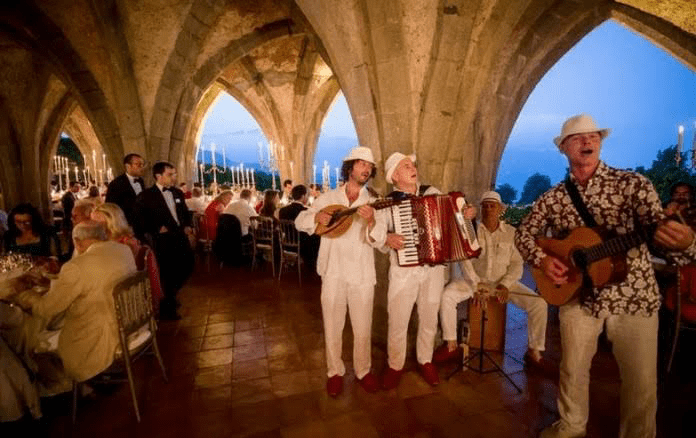
Italian folk music is an important part of musical heritage of country and includes diverse arrays of styles, dance and instruments.
Characteristics of the music majorly revolved around- Society and Politics.
Classical Music included- Ballet, Sacred and Instrumental Music, Experimental Music
Folk music had deep and complex history depending on regions, songs, dance and instrumentation.
Popular music consisted of: Modern Pop, modern dance, imported styles.
Along with rich music culture, Italy hosts a lot of large music festivals – Sanremo Music festival being one of those.
8. SWEDEN:
Music of Sweden shares a touch of Nordic folk Dance with its neighboring Northern Europe Countries. The instrumental genre is the biggest in Swedish Traditional music.
Swedish music also included more modern pop and modern influences. Sweden is one of the world’s most successful exporters of popular music.
Classical music included Choral genre.
Modern music again had- Jazz, Pop, Bubblegum dance, hip-hop, rock, punk rock and heavy metal.
Progressive and Jazz-rock music along with electronic gained much popularity from the country.
9. JAPAN:
They have wide array of performers from traditional and modern music. Japan is the largest physical music market in world. Traditional music here differs a lot from the western music.
Traditional and Folk Music- Minyo – which had 4 categories- Work, Religious, Gatherings and Child songs
Okinawan Folk music- dance songs, celebratory music.
Western music consisted of traditional pop music, western classic and orchestras.
Popular music came with Jazz, Idol music, dance and disco music, rock and heavy metal along with Theme music, game music, noise music.
10. AUSTRIA:
Slavic and Hungarian forms influenced the Austrian Music culture. Yodeling, was a form of singing involving the rapid and repeated changes of registers, was called ‘juchizn’ by Austrians.
Then with upcoming technologies came the development of Rock and Pop music in Austria and they started hosting annual music festival show casing European Music Arts.
“A person lives a single life, but a reader lives multiple lives”. A quote that inspired me to get into reading. How do you define reading? Well, Wikipedia defines it as “A process of taking in the sense or meaning of letters, symbols, etc., especially by sight or touch”. But is that all a habitual reader goes through? Obviously not. This is just a definition that describes the generalized view. If you call a bibliophile to describe reading, He or she may say ” Reading is a journey, an experience filled with all the emotions and knowledge”.
Reading is not only for experience, But there are many benefits of making reading a habit:
it empowers your brain
Many researches have shown that reading involves a complex process in your brain. There are complex networks in brain which strengthen through reading. It keeps you mentally stimulated. Reading is an exercise to your brain. And these exercises will make you smarter. Reading improves brains connectivity.
it gives new ideas
Reading helps in detecting patterns, solving puzzles and problems. You are actively thinking while reading. This will arise new ideas to the problems you were having trouble to solve or it may show a new approach to the same. You may get situations in life where references from the books you have read will guide you or solve your problem.
it helps you to write better
When you read a good book, which is well written and executed, brain absorbs that technique. reading multiple types will increase your skill. These skills you acquired while reading, that technique you appreciated when you noticed it will unknowingly show up in your writing. This will increase the quality of your writing.
it influences your world view
While reading you are thinking using the writers mind. He will provide a new view to a same situation. Good things that you accumulated during reading process will reflect in your opinions. They influence and improve the way you approach the world. It broadens your perspective and makes you question and reexamine your beliefs and judgements.
reading increases your knowledge
When you love a specific genre or a type of book, you effortlessly gain all the knowledge given within the book. This will make you smarter effortlessly. Books will have information about history, economics, science, culture, customs and what not. You will get all of these information without taking courses in colleges.
reading reduces stress
When you read a good book, it will help you reduce all your stress either from work or from personnel issues. Many researches have also proven the same. Reading can ease tension in your muscles. It is like a mini break but without taking a break!
reading improve vocabulary
Reading more and more will introduce you to more and more new words. Unknowingly these words make their way in your daily vocabulary improving your language skill. A person with good conversational skill is preferred everywhere and a good vocabulary will increase your confidence also. This will definitely help in having a good career.
If all these things are not motivating you to read, here is another fact. Bill gates, one of the worlds richest man takes a braked named “Think break” where he isolates from the other distractions of the world and just reads to have new ideas. He takes this break twice a year and you don’t need a proof to show how they end up.




















 Eduindex
You must be logged in to post a comment.