Many people think it is better to accept a situation the way it is even if it is not up to their expectation whereas, others are of the opinion that it is important to solve such problems. In my opinion the best case scenario is to make such situations better so that a person has no regrets.
To embark on, people accept a bad a situation because they fear that if they do not accept it they would not get another opportunity and will have what they have. Another reason why people do not improve their condition is because they do not have any other option and accepting it is the last resort. For an instance, an uneducated person working at a tea stall is not happy with his job and is not satisfied with the salary but he cannot do anything as he is uneducated and it the only source of income for him. Therefore it is impossible for him to improve his situation as he has no other option and even if he tries to do something else he might end up loosing everything. Hence the risk of loosing everything often makes a people stick to what they have even if they are not happy with it.
However many people believe that it is important to improve such situations because if a person does not try to make situations better they may end up regretting it in the later phase of their life. Furthermore if a person is not happy with what he is doing he may not do the same to his fullest potential and may end up loosing that opportunity. For example a person doing a job in which he is not happy and has no interest may end up loosing his job. Hence, not making a change will worsen the conditions.
According to me, it is very important to make things right so as to make full use of the opportunities . It is very important to at least try so that one does not have any regret.
To encapsulate, a person ought not accept a bad situation and must try to make it better to make the full use if the opportunities given. This will result in making life better and easier for some people.
“A soft reminder: not everything that weighs you down is yours to carry.”
The term “Mental Health” focus on our emotional, psychological and social wellbeing. It affects the way we perceive things, the way we feel and the way we react. It plays an important role in every stage of our lives from our childhood to our adulthood. Your health is more than what you are eating. It is also what you are thinking, saying and believing. We often tend to underestimate the importance of our mental health but, taking care of it is important, more than it is rewarding.
We began to hear about the virus outbreak in China during the last month of 2019, little did we all know that it would be identified as a global pandemic. On 25th of March,2020 the first lockdown was imposed in the country. The seriousness of the pandemic had intensified and the world was paused. During the lockdown everyone was paranoid and careful. A large number of people were stuck, they were away from their homes and families, there was a huge wave of unemployment and everything was falling apart. The only news that was telecasted was about how rapidly the virus is growing and it started to make people anxious. Every body was perplexed and overwhelmed.
At the beginning of the outbreak, we were told to be isolated and strengthen our immunity, exercise at home and focus on our physical wellbeing, but what we kept neglecting was our emotional wellbeing. The most common feeling that millions of people are experiencing is loneliness. Being confined to a particular place and following the same monotony made a lot of people feel empty and lifeless. we weren’t focusing on how to take care of our emotions during the time and that has left us being on an emotional roller coaster with each day. All of us are in the midst of a global pandemic currently and it is undeniable that fear and anxiousness has spread rapidly among ourselves as well.
This pandemic has given our lives a different meaning and has been recreational for a lot of people. We continue to build new normalcy during these times. Social media platforms have progressively churn out productivity contests every now and then, it is essential to remind ourselves that this is no competition that we are a part of, it is important to replace the feeling of guilt and let it go.
Before corona virus had hit us, working from seemed like a cake walk but it has certainly caused a huge disbalance between work and personal space, one should allow themselves to give them breaks and assure that you are giving your mind and body some rest. Indulge in activities like cooking, reading, watching a movie, pursuing your hobbies or doing something that you’ve always wanted to do but never found the time to during these times. Start finding happiness in the small wins like being without your phone, cleaning the dishes, cooking something which you thought you never could and so on. If you feel that there is a lot going and it is constantly making you feel hopeless, take a step back and try to calm yourself if that doesn’t help talk to someone, express what you’re feeling. Resist yourself from checking the news and find a distraction. While video calling has helped creating a bridge between the people who are far from you, it is completely normal to crave for human touch.
During these hard times, an individual who is dealing through stress should make it a point to turn to the people who are optimistic and good listeners. Try to understand that your feeling is valid, in order to keep your mental health stable, it is important to acknowledge your feelings for that you can write it down, let it out or do something that relieves your stress. It is scientifically proven that exercising helps in reducing anxiety, negative emotions and boosts self-esteem. One of the main advantages of exercising regularly during a pandemic is having a proper sleep schedule.
An individual should practice mindfulness and gratitude during such challenging times. Its very important to count your blessings and make time for things that make you happy. Lastly, we should give ourselves credit for the days we made it when we thought we couldn’t have.
Anime refers to the animation works produced in Japan. There are many famous anime series like death note, dragon ball z, Naruto, one piece etc. which have successfully captured the hearts of people all around the globe. Similarly, there are a many anime films which are very good to watch. Here are some of the greatest anime films which are worth checking out:
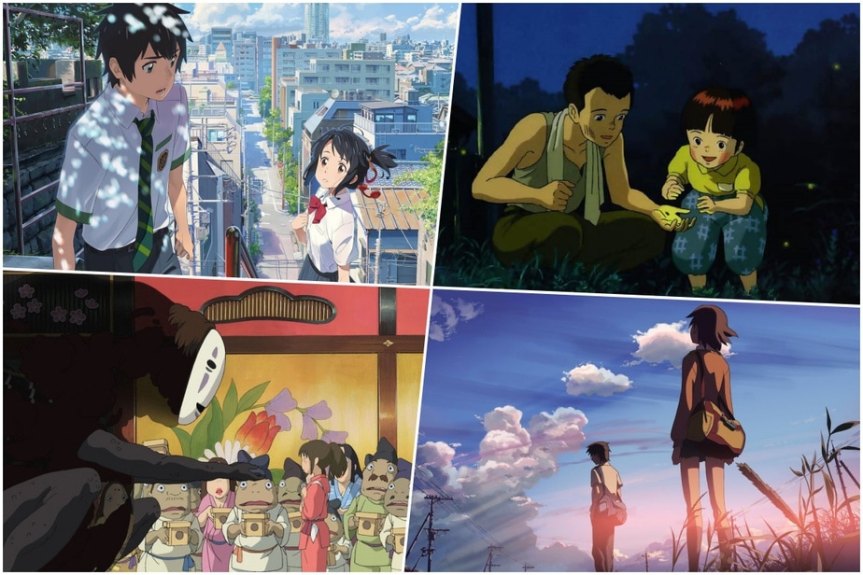
• Your Name ( 2016):
The first thing that comes to mind about this film is it’s extraordinarily breath taking animation. It is directed by Makoto Shinkai and has a 98% Rotten tomatoes rating. It is a one of a kind romantic fantasy film. It is a timeless tale of love of two teenagers who share a magical connection of switching bodies but things get very complicated when they decide to meet in person. This film has a very different take on love. It also depicts the power time has on us and how it changes everything. The music in this film is very stunning and makes the experience even better.
• The Garden of Words (2013) :
This is another Makoto Shinkai’s film. It is rather a mini movie with a runtime of 45 minutes. The animation in this film is very realistic. This film is very soothing to watch. The music and the scenes of rain are very relaxing. T story revolves around a teenager who skips school and meets a mysterious older women who shares his feelings of alienation. This film depicts loneliness and the need of companionship very well. It shows how insecurities can be both cause and result of loneliness. It showcases very relatable thoughts and feelings. Not being able to let go of past, inability to move forward in life, fear of failure, fear of being judged etc. are very aptly portrayed.
• A Silent Voice (2016) :
This is a very emotional film. It is directed by Naoko Yamada. This film depicts the effects bullying has both on the victim and the bully. The story revolves around a boy who bullied a deaf girl to the point where she has to transfer to another school. Years later, he sets out to make amends. It is a very powerful story of redemption of a sinful past. It deals with issues like sucide, self loathe, guilt, bullying, disability etc. This film depicts how self acceptance leads towards healing and how strong karma is. Self love, self forgiveness etc. are portrayed very well. Over all , this film is a roller coaster of emotions.
• Spirited Away (2001) :
This is an all time classic. It has a 97% Rotten tomatoes rating and is the winner of 2003 Best Animated Feature in Academy Awards. It is a Studio Ghibli film and is directed by Hayao Miyazaki. It is one of the best film studio Ghibli has produced. The story revolves around a girl whose parents get cursed when they go to a strange amusement park. Then then meets a boy who tells her about that park and how he has to work there to free her self and her parents. Just like any other ghibli film, it is very detailed when it comes to animation, the pacing is not fast which makes it very relaxing to watch and world exploration is done neatly. There are a lot of mythological referencing in the film and is perfect for both children and adults.
Robert Kiyosaki, in his book Rich Dad, Poor Dad, has significantly changed the way people think about money. This book teaches that you do not need to have a high income to become rich. Ironic? So let’s dive into the ocean of thoughts the author shares through this book.
The author, initially, narrates a story of his childhood where he and his friend Mike aspire to earn money and end up meeting Mike’s dad who offers them a job as laborers. Apparently, they are too small to fit in the job, besides, the labor laws too did not permit minors to work as laborers. Despite, Mike’s dad makes them work very hard and pays relatively less remuneration. The world would’ve definitely called this as exploitation. But the boys kept working day after day, week after week. One day, the author’s father, who is a government official, comes to know about this. It was obvious that he would get furious. He suggested the author to quit ASAP and also went to the height of saying that the man should be criminally charged for child labor.
Later the author goes to his employer (Mike’s dad) and was about to file his informal, oral resignation. But Mike’s dad said something. Explained something. Taught something. That moment was trailblazing and revolutionary for him. Those words proved to be life-changing. Those preaching made the author as well as his friend Mike very rich. I would suggest you to read the book to end your curiosity of knowing as what was it that the man told these boys.
On becoming rich, the author shares, with us, the key aspects of making, sustaining, and making more money. The author has presented a rather unconventional idea that your house might not be an asset. On the contrary, for most people, their house is an asset. But the author says that anything that drains money out of your pocket is a liability. And anything that makes money to get into your pocket is an asset. Many people find loans as the best option for buying a house. Hence, every month a large part of your saving is paid out as EMI. Besides, the bank charges hefty interest as well. Then how is your house an asset?
The author materially emphasizes and criticizes the habit of spending your own money extravagantly on frivolous desires. The author doesn’t say that do not buy luxury. But he, instead, suggests that do not buy them on your salary. According to him, ‘you should not work hard for the money but money should work hard for you.’ Your salary and other incomes should be invested somewhere so that your investments make more for you. And only this extra money should be spent on buying whatever you wish.
Further, the author talks about the need of working for yourself. Many people hunt jobs, work there and think that they are working in order to make themselves rich. This is an illusion. When you work at a job, you work for the owner of the company. You work hard day and night to make him rich. Secondly, you work for the government. The rich also pay taxes, but they have numerous ways of escaping from taxes. But in the case of a job-going person, tax is already cut from the salary even before it reaches his hand. Thirdly, a person doing a job works to make the banks rich. Every luxury you buy, mostly can’t be afforded out of your savings. So you choose to take loans. A loan for a car, a loan for a house, etc. The banks enjoy sitting and watching you working hard and making them rich by paying heavy interest. A solution to this is mentioned in detail, in the book. The author, further quotes the need to become a ‘jack of all trades’. Having said that, you need not be excellent at everything but you should definitely know a lot in many fields. This will make you self-reliant and capable of taking better decisions in your business or any other venture.
This is an amazing book and I would highly suggest you read his one to get insights into healthy money habits and start your journey to becoming a rich person.
England reach the final of a major tournament for the first time since 1966 after defeating Denmark after extra-time. Mikkel Damsgaard put the Danes ahead at Wembley with a stunning free-kick to breach the Three Lions’ defence for the first time of the tournament. An own goal from Simon Kjaer levelled the scores before half-time. Neither team could find a winner in 90 minutes, sending the contest to extra-time. Raheem Sterling drew a foul from Joakim Maehle, earning his team a penalty. Harry Kane missed the spot-kick as Kasper Schmeichel produced the save. However, luck was on the side of England as Kane converted the rebound. It was enough to send the Three Lions through to the final.
England will take on Italy in the European Championship final at Wembley on Sunday. Denmark deserve a huge amount of plaudits for their run in the competition in light of the circumstances following Christian Eriksen’s life-threatening collapse in their opener. They leave with their heads held high and return to action on September 1 against Scotland in their World Cup qualifying campaign.
Harry Kane celebrating the winning goal against Denmark.
Absurd theatre came about as a reaction to world II. It took the basis of existential philosophy and combine it with dramatic element to create a style of theatre which presented a world which cannot be logically explained.
The absurdist play was initially created because critics and reviews were used to be more conventional: realism in practice. the absurd play departs from the realistic characteristic situation and all of the associated theatrical conventions. Time, place, and identity are ambiguous and fluid and even basic causality frequently breaks down. Meaningless plots repetitive or nonsensical dialogues and dramatic non-sequence are often used to create dreamlike or even nightmare life moods. There is a fine line, however between the careful and artful use of chaos and non-realistic elements and true, meaningless chaos. while many of the places described by this seem to be quite random and meaningless.
The character in the absurdist play is lost and floating in an incomprehensible universe and they abandon rational devices and discursive thought because these approaches are inadequate. Many characters appear as automatons stuck in runtime speaking only in cliche. Characters are frequently stereotypical, archetypal, or flat characters. In an absurd play, characters may also face the chaos of a world that science and logic have abandoned.
The plot of many plays features the character in interdependent pairs, commonly either two males or a male and a female. The two characters may be roughly equal or have a begrudging interdependence. One character may be dominant and may torture the passive character.
Language plays the most important role. Despite its reputation for nonsense language, much of the dialogue in the absurdist play is naturalistic. The movements when character restores their senses, when words appear to have lost their denotative function, thus creating misunderstanding among the characters. In other cases, the dialogue purposefully elliptical; The language of absurdist theatre becomes secondary to the poetry of the concrete and objectified image of the stage.
The AWS technology is enforced at server farms throughout the planet, and maintained by the Amazon subsidiary. Fees square measure supported a mix of usage (known as a “Pay-as-you-go” model), hardware, OS, software, or networking options chosen by the subscriber needed accessibility, redundancy, security, and repair choices. Subscribers will pay for one virtual AWS pc, an avid physical pc, or clusters of either. As a part of the subscription agreement,[9] Amazon provides security for subscribers’ systems. AWS operates from several world nations together with half-dozen in North America.[10]
Amazon markets AWS to subscribers as some way of getting giant scale computing capability a lot of quickly ANd cheaply than building an actual physical server farm.[11] All services square measure beaked supported usage, however every service measures usage in variable ways that. As of 2017, AWS owns thirty third of all cloud (IaaS, PaaS) vi whereas subsequent 2 competitors Microsoft Azure and Google Cloud have eighteen, and Sep 11 severally, in step with natural process cluster AWS is close to launch fifteen a lot of of their accessibility zones and {again|once a lot of} individually 5 more zones in Australia, India, Indonesia, Spain, and Swiss Confederation.[10]
Each region is entirely contained among one country and every one of its information and services keep among the selected region.[9] every region has multiple “Availability Zones”,[101] that carries with it one or a lot of separate information centers, every with redundant power, networking and property, housed in separate facilities. accessibility Zones don’t mechanically offer further quantifiability or redundancy among a section, since they’re deliberately isolated from one another to stop outages from spreading between Zones. many services will operate across accessibility Zones (e.g., S3, DynamoDB) whereas others is organized to copy across Zones to unfold demand and avoid period of time from failures. AWS launched AWS re/Start within the uk to assist young adults and military veterans retrain in technology-related skills. In partnership with the Prince’s Trust and therefore the Ministry of Defence (MoD), AWS can facilitate to supply re-training opportunities for youth from deprived backgrounds and former military personnel. AWS is functioning aboard variety of partner firms together with Cloudreach, Sage Group, EDF Energy
“Haider” is a movie based on the setting of the insurgency-torn Kashmir of 1995, where there was a massive dispute between India and Pakistan. This movie is an adaptation of one of the classic plays of Shakespeare’s “Hamlet”.Although the director Vishal Bhardwaj tried to portray the original play as it is with excellent cinematography but there are several incidents which contrast with the play, but many instances make this movie worth being called an adaption of the Shakespearean play.
The contrast in setting:
If we begin with the setting of Hamlet, we see it begins in the ancient fortress of Denmark in the late middle ages of the 14th and 15th centuries. Whereas in the Movie Haider, Set in Srinagar in 1995, during militancy and a brutal Indian counter-insurgency. The setting itself changes a lot of cultural and linguistic widegap that made the play and movie different.
The contrast in Cultural, linguistic, and Religion:
Since Haider is a Bollywood movie and the director tried to make this movie in favor of the Indian audience to make it more likable and hit it was essential to be relatable to the Indian context. When we investigate Hamlet, it has all those autocratic lives of kings and queens and has a lavish livelihood.
Linguistically also there is a widening between the 2 as one is in Hindi with a mixture of Urdu dialects, whereas Hamlet is in old English which also shows that the movie is culturally different in all terms.
Hamlet has been portrayed through the Reflection of Christianity, on the other hand, Haider portrays the political mishappen with Islamic reflection.
At certain times when there is a contrast in culture and norms the effects are often visible and here there are certain differences in the plot whereas the relationship is portrayed in both.
In context to Plot:
There are several events that have been edited in the movie from the play. Such as the major ones counted as: The play shows us the King of Denmark is already dead and the ghost of King Hamlet tells the truth to Prince Hamlet about his murder, as when we investigate the movie it is the character Roohdaar who tells Haider about the culprit of his father’s murder.
Also, the relationship between Gertrude and hamlet is not much affectionate as the way it is shown in the movie about Haider and Ghazala.
All Shakespearean Tragedy Plays has this element of all the characters die in the end. But in the movie, we see that some of the characters like Roohdaar, Khurram, and Haider himself were alive in the end.
If we compare the Themes then substantially all the themes like Revenge, Corruption, Religion, Politics, women, Madness Vs. Sanity is the major theme portrayed in the movie exactly like the play.
One of the most striking scenes is the equivalent of the “to be or not to be” scene in Shakespeare. Haider turns the “to be or not to be” soliloquy into a confessional and motivational speech in front of a crowd in the market square. It is decidedly more public and more political. He uses the hangman’s rope around his neck as an imaginary microphone. Haider also carries a boom box with a cassette player. The first question he poses points to an existentialist inquiry: “Hello, mike testing 1, 2, 3. Hello. Can you hear me?” Like Hamlet, Haider has longed to be heard. He urges the crowd to reflect on Kashmir’s political crisis: “Do we exist or do we not? Chutzpah is our problem.”
Haider Vs Hamlet – A contrast to the Characters:
Hamlet Vs. Haider: looking into the character analysis of the play Hamlet, prince hamlet is an idealistic knowledgeable person who is very Melancholy, cynical in nature and is having a huge amount of Hatred for his own uncle Claudius who has married his mother Gertrude and hamlet has a repulsion towards his mother’s sexuality.
A similar portrayal is in the movie where Haider is a student of “Revolutionary poets of British India” who studies at Aligarh University comes to find his Missing Father (Doctor Hilaal Meer), there he comes to know about his Mother Ghazala having illegitimate affair with his own uncle Khurram.
We can bring to a point that both Haider and Hamlet are closely similar in their character whereas due to some contrast in the context both the characters differ in some situations, but one thing is certain is about both characters becoming insane and the theme of sanity vs madness gives highlight due to the death of king hamlet/Dr.Hilaal Meer.
Ophelia Vs. Arshia: Since the play/movie is also about the tender love story of Haider- Arshia/hamlet- Ophelia, this portrays the role of love which leads to the death of people due to the brutal conspiracies done by Polonius and Claudius for taking an avenge from prince hamlet. Love is taken as a key to a dark plot of killing hamlet by making Ophelia as a medium/ messenger of hamlet.
The same plot goes into Haider too where Arshia was a journalist and was in love with Haider, but her love became a tragedy where her own father Parvez used her daughter to keep a track of her whereabouts of Haider when he was trying to find his father’s murderer.
Both Arshia/Ophelia can be a contrast because Arshia on the one side was a stern woman who took her own stand despite all the barriers of her being a woman in a patriarchal world, whereas Ophelia was very sensitive, and a woman suppressed by other men and did what her father told her to do.
In the end, both die out of the madness of losing their father and love at the same time and commits suicide.
Claudius Vs. Khurram: The evil of the play who dies in the end, whereas in the movie he does not, as Haider changes his ideology for not killing his uncle due to his mother notions that “Intekaam se Intekaam Paida hoti Hai!” In the play and the movie Claudius/Khurram is the one with all sinister mind and political ambitions who wanted to kill his own Nephew and wanted to have full rights on Ghazala/Gertrude. His lust for women and power goes in the end when he was in the verge to die.
Polonius Vs. Parvaze: Father of Ophelia/Arshia who was good close friend of Claudius/ Khurram and was giving a prominent contribution in the dark conspiracy made by Claudius, but later gets mistakenly killed by Hamlet when hamlet losses his sanity. Polonius had the greed of power and money and was as sinful as his friend Claudius.
Parvez in the movie was the police inspector which was helping Khurram with his own daughter Arshia who was in extreme love with Haider.
Gertrude Vs. Ghazala: Married to the new king of Denmark who was hamlet’s uncle. Often as a woman there where many questions raised on her married and love life as she remarried a man which was against the ethics and she had a very fragile relationship with her own son Hamlet, and they did not have an ideal mother son relationship.
In the movie, we see that Ghazala and Haider had an affectionate relationship despite all the hatred between them in the end Ghazala even sacrificed her life for Haider by killing herself with a bomb explosion.
Roohadaar: He was an ISI agent but considered to be the ghost of hamlet and in the play, we do not have any character related to Roohdaar as the ghost of king hamlet himself tells the truth to prince hamlet about his brutal murder, whereas in the movie Roohdaar and the militant group himself tells the murder of the doctor.
Indeed, he was a good friend of the doctor and was in the prison with the doctor and he was the messenger to stimulate an urge of hatred in Haider’s mind towards his own uncle.
Horatio (A good friend of Hamlet): This character is missing in the movie as he was a good friend and played a positive supportive role for hamlet. Also, a reason why the movie and play are somewhat out of context from each other due to some change in the character appearance.
Fortinas: A close acquaintance of hamlet who had faced the same pain of losing father just like hamlet, but we do not know which character will fit the best for this. so, we can consider that this character is not available in the movie as Haider in the movie was often a loner in the movie and beacme distant from his close ones in the later part of the movie.
Conclusion:
Though the tale is somewhat similar in the movie and play but also certain characters and stories are invisible as this makes the movie or the play incomplete. Since it is an adaption so we cannot expect to be the twin of each other.
From in critic’s point of view, this movie can be rated 7.5/10 as it has all those elements of Shakespearean plays and the cinematography of Vishal Bhardwaj which is perfectly splendid!
Taken all the consideration the story is well portrayed in the movie in spite of all the cultural and religious differences with all those political contexts.
Themes of Revenge, women, corruption, religion, politics, madness are common in both the movie and play.
You may hate them or love them, but you certainly can’t dismiss the importance of vegetables and other vegetarian ingredients in your daily diet. Take a look at some exotic food that are slowly finding their way into Indian homes and restaurants…..
Couscous Couscous is crushed durum wheat semolina formed into small granules or spheres. It’s commonly served in North African, Moroccan, Tunisian, and Algerian cuisine. It’s a protein rich food.
Brussels sprouts The Brussels sprout is a member of the Gemmifera Group of cabbages, grown for its edible buds. The leaf vegetables are typically 1.5–4.0 cm in diameter and resemble miniature cabbages. The Brussels sprout has long been popular in Brussels, Belgium, from which it gained its name. These sprouts are rich in Vitamins K, C, B and B6, as well as other minerals. These also have anti cancer properties.
Arugula Arugula or rocket is an edible annual plant in the family Brassicaceae used as a leaf vegetable for its fresh, tart, bitter, and peppery flavor. It is written Vitamin C and potassium, the flowers and seeds of this plant can also be eaten. Arugula can be eaten raw in salads or prepared in diverse ways of Mediterranean European and Turkish dishes. Peak season of this green leafy vegetable is early springs and fall.
Bok choy It’s a type of Chinese cabbage. Chinese’s varieties do not form heads and have green leaf blades with lighter bulbous bottoms instead, forming a cluster reminiscent of mustard greens. Chinese’s varieties are popular in southern China, East Asia, and Southeast Asia. It tastes like, spinach with very mild bitterness. Bok choy is rich in Vitamin A, C and also has cancer prevention compounds.
Kale Kale, or leaf cabbage, belongs to a group of cabbage cultivars grown for their edible leaves, although some are used as ornamentals. Kale plants have green or purple leaves, and the central leaves do not form a head. Kale is the powerhouse of nutrients as it is rich in Calcium, Vitamin K, Vitamin C and beta carotene. Kale has been known to block the growth of cancerous ces and can also lower cholesterol levels.
Zucchini The zucchini, courgette or baby marrow is a summer squash, a vining herbaceous plant whose fruit are harvested when their immature seeds and epicarp are still soft and edible. It is high in Vitamin A and potassium. It is extremely low on calories so wait watchers, you can have a new friend. Zucchini is used in Turkish, Mexican, French and Italian cooking.
Quinoa Quinoa, a grain, is native you to South American regions. It’s a good source of Vitamin B, B6 and E, along with zinc, iron, potassium and magnesium. Cooked quinoa consists of 71.6% water, 21.3% carbohydrates, 4.4% protein, and 1.92% fat. One cup (185 grams) of cooked quinoa contains 222 calories.
Dill Dill is an annual herb in the celery family Apiaceae. It is the only species in the genus Anethum. Dill is grown widely in Eurasia, where its leaves and seeds are used as an herb or spice for flavouring food. Dill has antibacterial and antimicrobial qualities.
Oregano Oregano is native to the hills of the Mediterranean countries and western Asia and has naturalized in parts of Mexico and the United States. The herb has long been an essential ingredient of Mediterranean cooking and is widely used to season many foods. With visas gaining acceptance in Indian culinary scene, Oregano has become synonyms with the little sachets of toppings one can use. It also has antifungal properties.
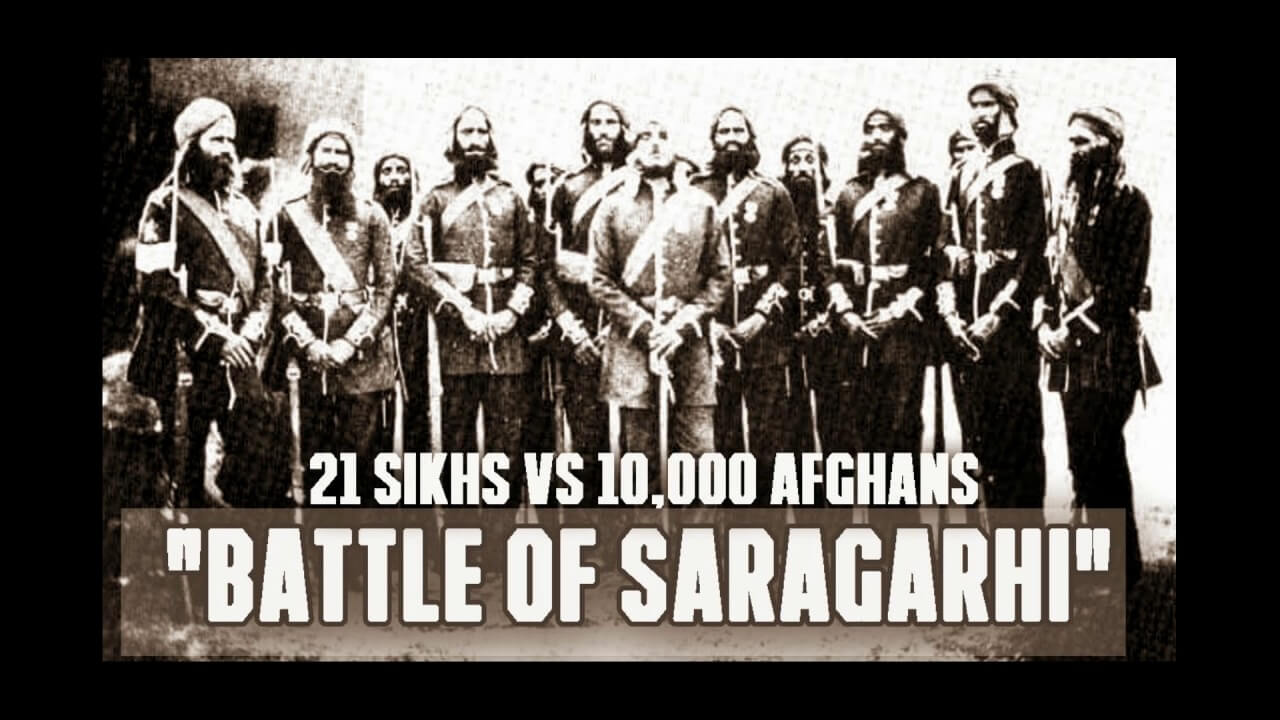
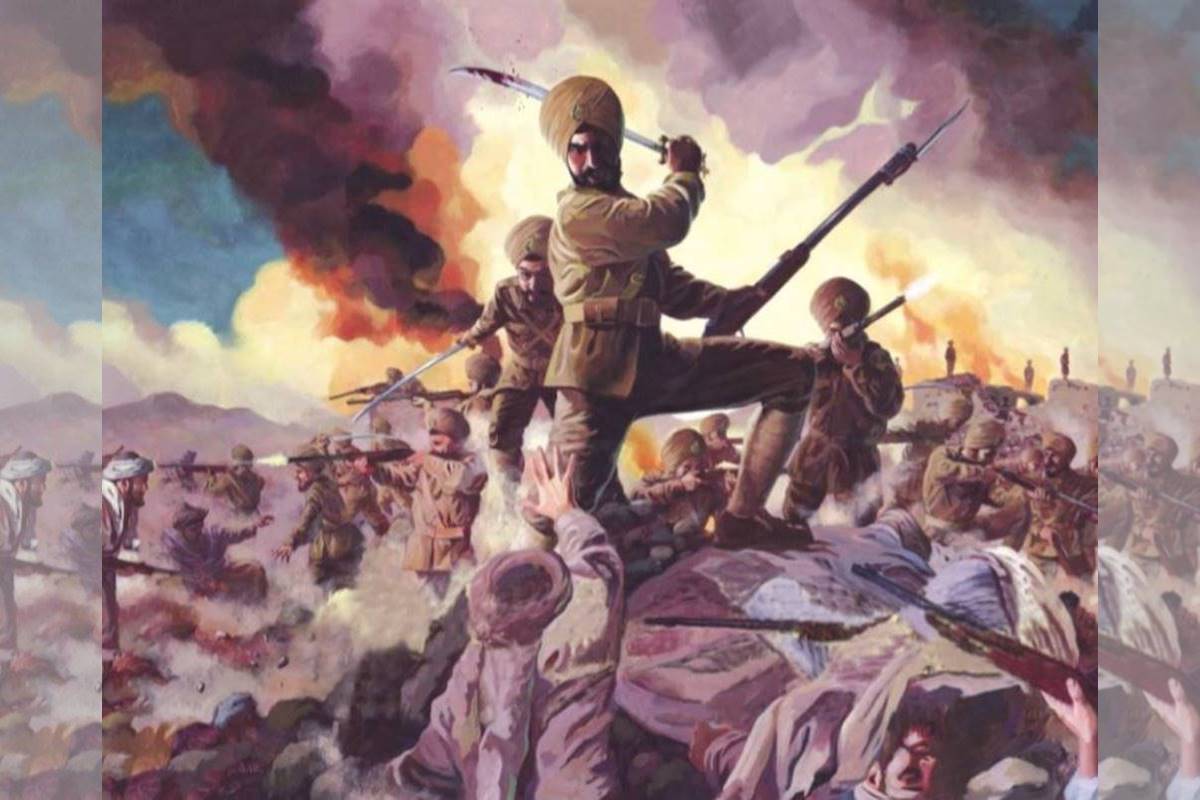
The Battle of Saragarhi was a last-stand battle fought before the Tirah Campaign between the British Raj and Afghan tribesmen. On 12 September 1897, an estimated 12,000 – 24,000 Orakzai and Afridi tribesmen were seen near Gogra, at Samana Suk, and around Saragarhi, cutting off Fort Gulistan from Fort Lockhart. The Afghans attacked the outpost of Saragarhi where thousands of them swarmed and surrounded the fort, preparing to assault it. Led by Havildar Ishar Singh, the 21 soldiers in the fort—all of whom were Sikhs—chose to fight to the death, in what is considered by some military historians as the greatest last stand in history. The post was recaptured two days later by another British Indian contingent. The Indian Army’s 4th battalion of the Sikh Regiment commemorates the battle every year on the 12th of September, as Saragarhi Day.
Saragarhi was a small village in the border district of Kohat, situated on the Samana Range, in present-day Pakistan. On 20 April 1894, the 36th Sikhs of the British Indian Army was created under the command of Colonel J. Cook, entirely composed of Jat Sikhs. In August 1897, five companies of the 36th Sikhs under Lieutenant Colonel John Haughton were sent to the northwest frontier of British India (modern-day Khyber Pakhtunkhwa) and were stationed at Samana Hills, Kurag, Sangar, Sahtop Dhar, and Saragarhi.
The British had partially succeeded in getting control of this volatile area, but tribal Pashtuns continued to attack British personnel from time to time. Thus, a series of forts, originally built by Ranjit Singh, the ruler of the Sikh Empire, were consolidated. Two of the forts were Fort Lockhart (on the Samana Range of the Hindu Kush mountains), and Fort Gulistan (Sulaiman Range), situated a few miles apart. Fort Lockhart is located at 33.5562°N 70.9188°E. Due to the forts not being visible to each other, Saragarhi was created midway, as a heliographic communication post. The Saragarhi post, situated on a rocky ridge, consisted of a small block house with loop-holed ramparts and a signalling tower.
A general uprising by the Afghans began there in 1897 and, between 27 August and 11 September, many vigorous efforts by Pashtuns to capture the forts were thwarted by the 36th Sikhs. In 1897, insurgent and inimical activities had increased, and on 3 and 9 September Afridi tribesmen, allied with the Afghans, attacked Fort Gulistan. Both the attacks were repulsed, and a relief column from Fort Lockhart, on its return trip, reinforced the signalling detachment positioned at Saragarhi, increasing its strength to three non-commissioned officers (NCOs) and eighteen other ranks (ORs).
Having destroyed Saragarhi, the Afghans turned their attention to Fort Gulistan, but they had been delayed too long, and reinforcements arrived there in the night of 13–14 September, before the fort could be captured. The Pashtuns later admitted that they had lost about 180 killed and many more wounded during the engagement against the 21 Sikh soldiers. Some 600 bodies are said to have been seen around the ruined post when the relief party arrived (however, the fort had been retaken, on 14 September, by the use of intensive artillery fire, which may have caused some casualties). The total casualties in the entire campaign, including the Battle of Saragarhi, numbered around 4,800.
The names of those 21 sikh soldiers are:
Havildar Ishar Singh
Naik Lal Singh
Lance Naik Chanda Singh
Sepoy Sundar Singh
Sepoy Ramm Singh
Sepoy Uttar Singh
Sepoy Sahib Singh
Sepoy Hira Singh
Sepoy Daya Singh
Sepoy Jivan Singh
Sepoy Bhola Singh
Sepoy Narayan Singh
Sepoy Gurmukh Singh
Sepoy Jivan Singh
Sepoy Gurmukh Singh
Sepoy Ram Singh
Sepoy Bhagwan Singh
Sepoy Bhagwan Singh
Sepoy Buta Singh
Sepoy Jivan Singh
Sepoy Nand Singh
In 2019, a Bollywood movie “Kesari” directed by Anurag Singh was made on the events of the Battle of Saragarhi.
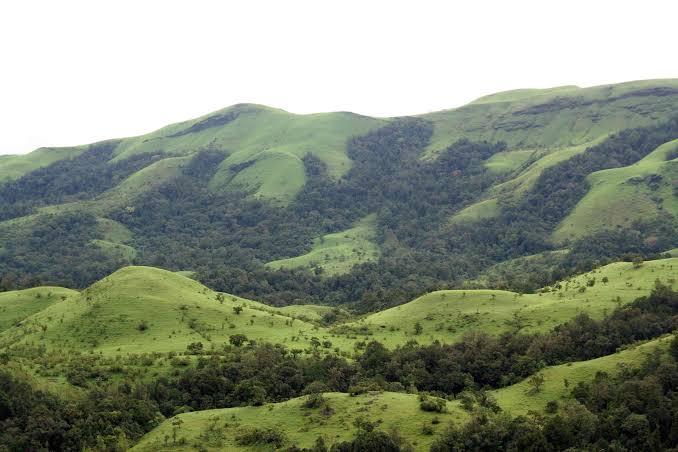
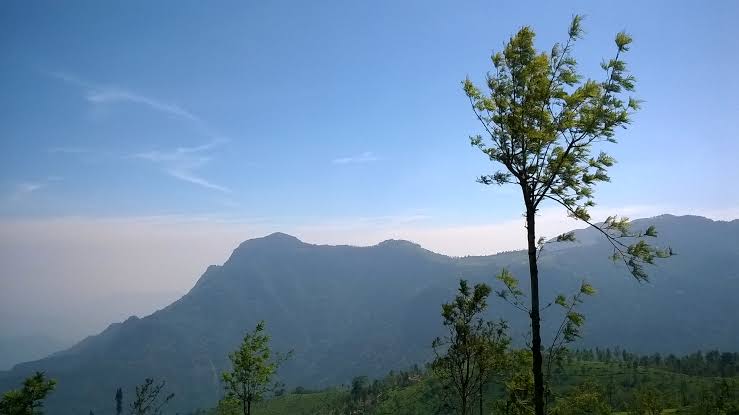
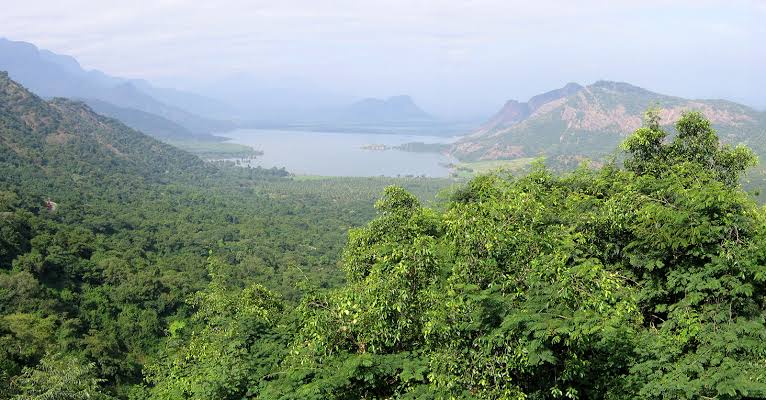
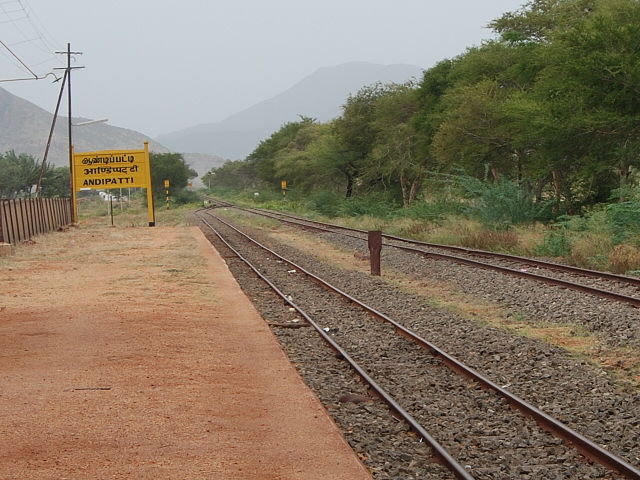
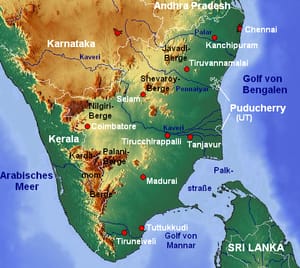
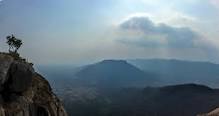
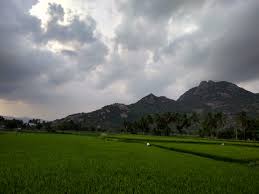
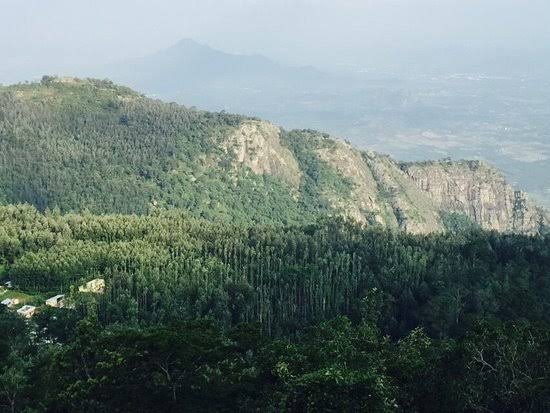
Western Ghats extend from the Nilgiris in the north to Marunthuvazh Malai at Swamithope in Kanyakumari district in the south. Height of the Western Ghats ranges from 2,000 to 3,000 meters. It covers an area of about 2,500 sq.km. Though the Western Ghats is a continuous range, it has some passes. The passes are Palghat, Shencottah, Aralvaimozhi and Achankoil. The Nilgiris, Anaimalai, Palani hills, Cardamom hills, Varusanadu, Andipatti and Agasthiyar hills are the major hills of Western Ghats.
Western Ghats
Nilgiri Hills
The Nilgiri hills is located in the Northwestern part of Tamil Nadu. It consists of 24 peaks with more than 2,000 meters height. Doddabetta is the highest peak (2,637 meters) of this hills followed by Mukkuruthi (2,554 meters). Ooty and Coonoor are the major hill stations located on the hills. It has more than 2,700 species of flowering plants and the state animal Nilgiri Tahr is found in this hill.
Anaimalai
Anaimalai is located in the border of Tamil Nadu and Kerala. It is located to the south of Palghat Gap. Anaimalai Tiger Reserve, Aliyar Reserved Forest, Valparai hill station, Kadamparai hydroelectric Power Plant are located on this hills. Aliyar and Tirumurthy dams are located at the foothills of this range.
Palani Hills
Palani hills are the eastward extension of the Western Ghats. These hills are located in Dindigul district. Vandaravu (2,533 meters) is the highest peak in the Palani hills. Vembadi Shola (2,505 meters) is its second highest peak. The hill station of Kodaikanal (2,150 meters) lies in the south central portion of the range.
Cardamom Hills
These hills are also known as Yela Mala hills located in the southwestern part of Tamil Nadu. It acquires its name from the cardamom spice, which is commonly grown here. Pepper and coffee are the other crops cultivated over the hills. They meet the Anaimalai hills in the northwest, the Palani hills in the northeast and Varusanadu and Andipatti hills in the southeast.
Varusanadu and Andipatti Hills
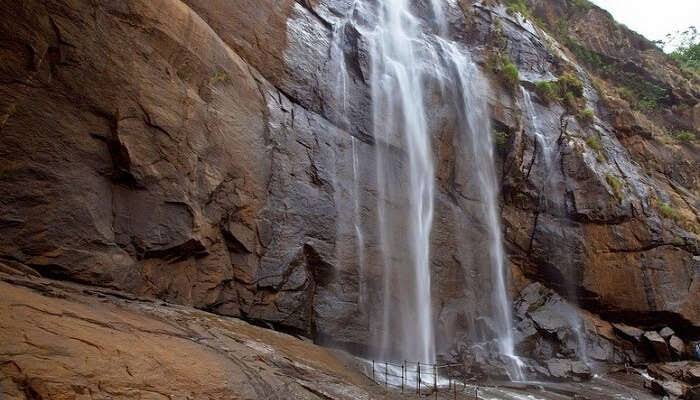
Another eastward extension of Western Ghats is Varusanadu and Andipatti hills. Megamalai (the highway mountain), Kalugumalai, Kurangani hill station and Suruli and Kumbakarai waterfalls are found on these hills. Srivilliputhur Grizzled Squirrel Wild life Sanctuary is located in the southern slope of these hills in Virudhunagar district. Vaigai river and its tributaries originate in this region.
Pothigai Hills
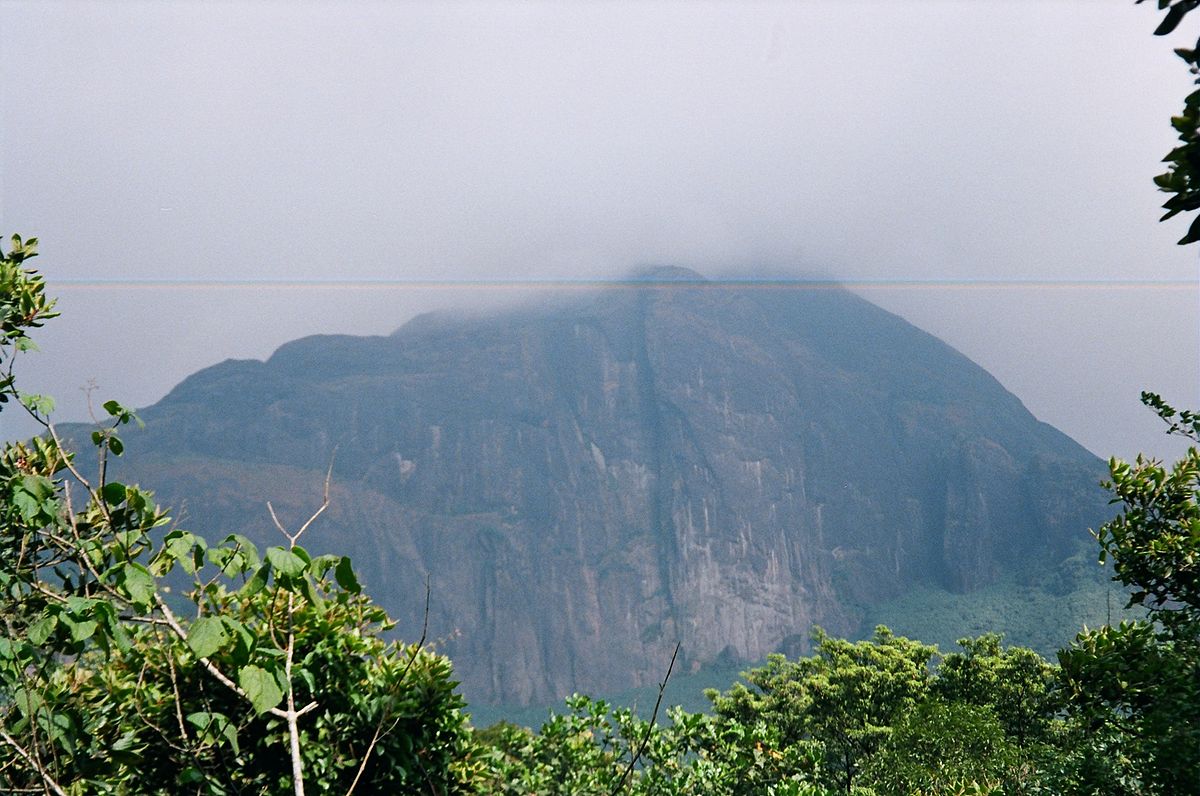
It’s major part lies in Tirunelveli district with its southern slope in the Kanyakumari district. Pothigai hills are called with different names such as the Shiva Jothi Parvath, Agasthiyar hills and Southern Kailash. These hills feature richest biodiversity in the Western Ghats. This area is known for its rich evergreen forest, waterfalls and ancient temples. Kalakkad Mundanthurai Tiger Reserve is located in this region.
Mahendragiri Hills
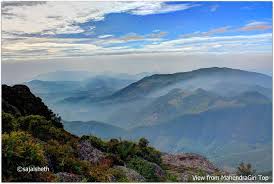
This continues range is situated along the border of Kanyakumari and Tirunelveli districts and is a part of the southern range of the Western Ghats. It’s average height is 1,645 meters.
The Eastern Ghats
Unlike Western Ghats, Eastern Ghats is a discontinuous and irregular one. It is dissected at many places by the rivers, which drain into the Bay of Bengal. It’s height ranges from 1,100 to 1,600 meters. These hills separate the plains from plateaus. Javadhu, Servarayan, the Kalrayan, Kollimalai and Pachaimalai are the major hills of the Eastern Ghats of Tamil Nadu and are located in northern districts of the state.
Eastern Ghats
Javadhu Hills
Javadhu hills are an extension of the Eastern Ghats spread across parts of Vellore and Tiruvannamalai districts and separates these two districts. Many peaks with the height of 1,100-1,150 meters are located in this range. Melpattu is its highest peak. Many parts of this range are covered with bluish grey granites. It is noted for its fruit bearing trees, medicinal herbs and sandalwoods. Due to illegal logging, sandalwood trees are disappeared now.
Kalvarayan Hills
The name ‘Kalvarayan’ comes from the word ‘Karalar’, the ancient name of the present tribes. It is another major range of hills in the Eastern Ghats of Tamil Nadu. This range, along with the Pachaimalai, Aralvaimozhi, Javadhu and Servarayan hills, separate the river basins of Cauvery and Palar. The height of this hill ranges from 600 to 1,220 meters.
Servarayan Hills
It is a mountain range located near the Salem city with the height ranging from 1,200 to 1,620 meters. The name of the range comes from a local deity, Servarayan. The highest peak in the southern part of the Eastern Ghats located in this range. The peak is Solaikaradu and its height is 1,620 meters. The hill station Yercaud, which is known as poor man’s Ooty, is located on this range. Servarayan temple is its highest point (1623 meters).
Kolli Hills
It is a small mountain range located in Namakkal district. It covers an area of about 2,800 sq.km . It rises up to 1300 meters. This is a mountain range that runs almost parallel to the east coast of South India . Arpaleeswarar temple located on this range is an important pilgrims centre. It has the largest cover of evergreen or shola forest when compared to other parts of the Eastern Ghats. Several coffee plantations, fruits, flowers and silver-oak estate are found in this region.
Pachaimalai
It is the lowest hill range , spreads over the districts of Perambalur, Tiruchirapalli and Salem. In Tamil language, pachai means green. The vegetation in this range is greener than the vegetative cover of the other hills in this region. Hence it is named as ‘Pachai malai’. Jackfruit is a popular seasonal agricultural product of this hills.
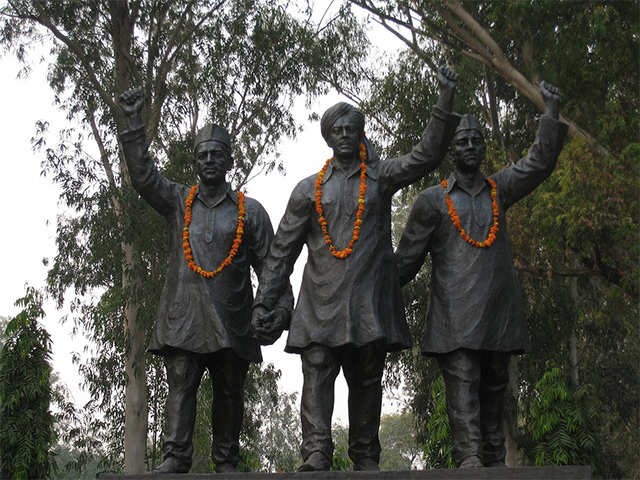
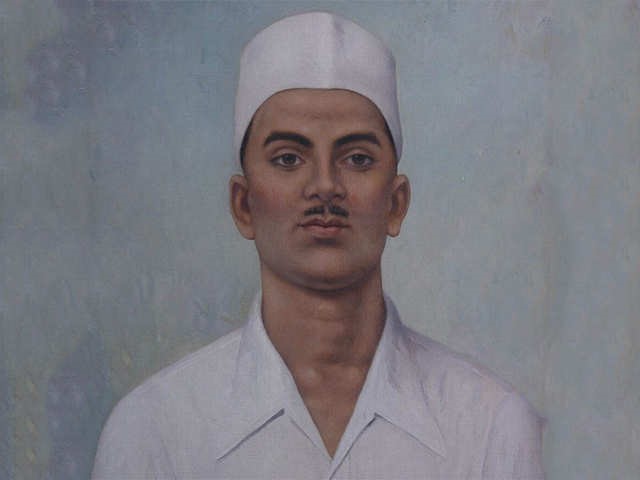
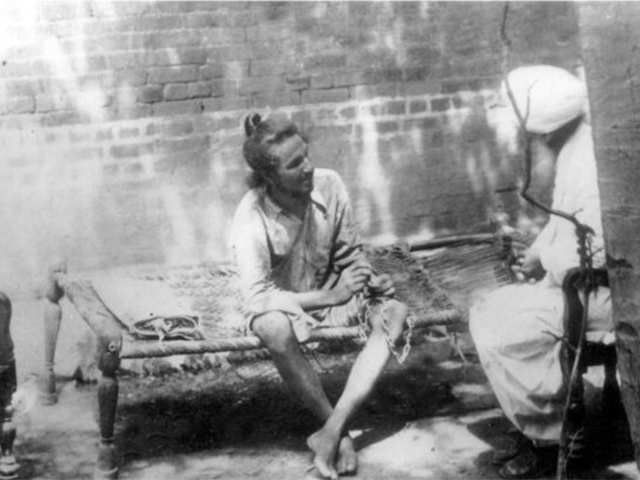
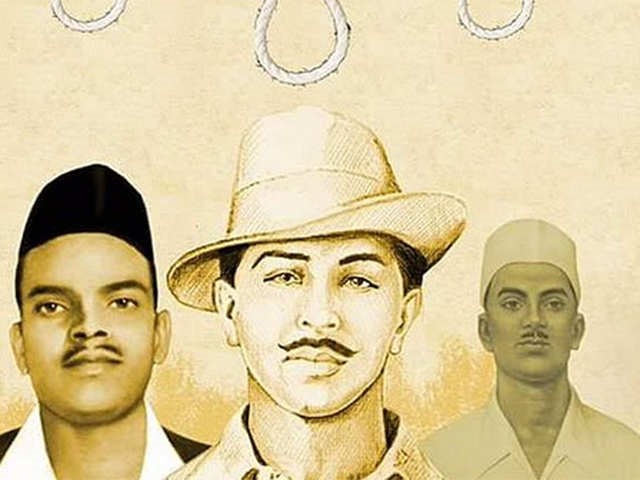
Bhagat Singh, Sukhdev Thapar, and Shivaram Rajguru – some of the most revered figures of the Indian freedom struggle – were hanged on March 23, 1931 in Punjab’s Hussainwala (now in Pakistan). Their execution spurred many youth to take up the revolutionary path, playing a vital role in energizing the fight against the British empire.
On Martyrs’ Day, also knowns as Shaheed Diwas or Sarvodaya Day, Indians pay homage to the martyrs who infused fresh blood in the fight for India’s independence.
Childhood of Bhagat Singh
At the age of 23, if anyone was smiling just before he was being hanged, he was Bhagat Singh.
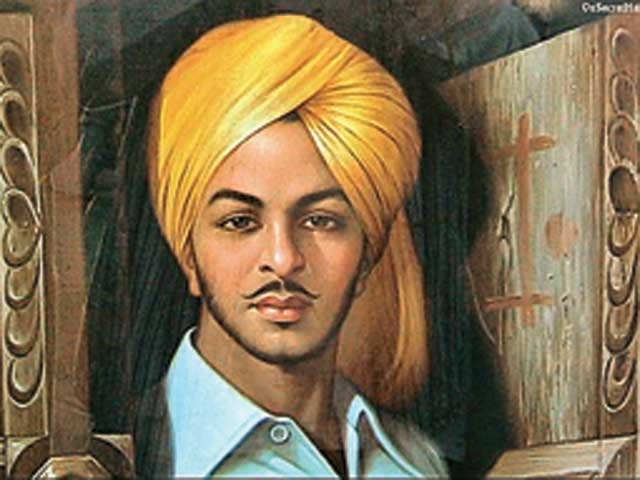
Born on September 27, 1907 in Punjab’s Banga village near Jaranwala (now in Pakistan), Bhagat Singh grew up in a freedom fighters family. His uncle, Sardar Ajit Singh, as well as his father- Kishan Singh, were great freedom fighters. At an early age, Bhagat Singh started dreaming of growing guns in the fields so that he could fight against the colonial rule.
The Ghadar Movement left a deep imprint on his mind. Kartar Sing Sarabha, hanged at the age of 19, became his hero. The massacre at Jallianwala Bagh on April 13, 1919 drove him to go to Amritsar. He was preparing fof his B.A. examination when his parents planned to have him married.
He vehemently rejected the suggestion and said that, if his marriage was to take place in Slave-India, my bride shall be only death.
Shivaram Rajguru
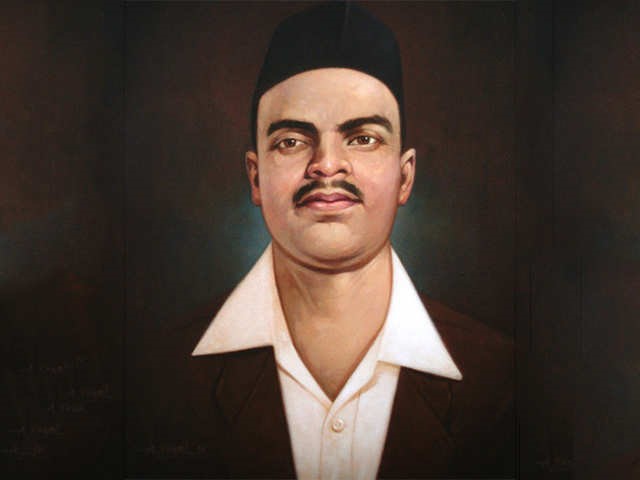
Shivaram Rajguru, born on August 24, 1908, had witnessed British’s atrocities on India and its people.
This instilled within him a strong urge to join hands with the revolutionaries in a bid for India’s freedom struggle. He joined HSRA with a motive to strike fear into the heart of the British empire.
Rajguru made British to take notice of the growing domestic uprising when they dealt crucial blows with attacks like in the Lahore Conspiracy Case and the bombing of the Central Assembly Hall in New Delhi.
Sukhdev Thapar
Born on May 15, 1907, Sukhdev Thapar had witnessed the brutal atrocities that the Imperial British Raj had inflicted on India, which then led him to join the revolutionaries, vowing to set India free from the shackles of British dominion. As a member of the Hindustan Socialist Republican Association (HSRA), Sukhdev Thapar organised revolutionary cells in Punjab and other areas of North India.
He even went on to educate the youth at the National College in Lahore, greatly inspiring them about India’s glorious past. He along with other renowned revolutionaries started the ‘Naujawan Bharat Sabha’ at Lahore that was an organisation involved in various activities, mainly gearing the youth for the freedom struggle and putting an end to communalism.
He also took active part in several revolutionary activities like the ‘Prison hunger strike’ in 1929; however, he is best remembered for his courageous attack in the Lahore Conspiracy Case.
Assembly Incident Trial
The dramatic protest was met with widespread criticisms from the political arena.
Bhagat Singh responded – “Force when aggressively applied is ‘violence’ and is, therefore, morally unjustifiable, but when it is used in the furtherance of a legitimate cause, it has its moral justification.”
Trial proceedings commenced in May where Bhagat Singh sought to defend himself, while Batukeshwar Dutt was represented by Afsar Ali.
The court ruled in favour of a life sentence citing malicious and unlawful intent of the explosions.
Lahore Conspiracy Case
Soon after the sentencing, the police raided the Hindustan Socialist Republican Association (HSRA) bomb factories in Lahore and arrested several prominent revolutionaries.
Three individuals, Hans Raj Vohra, Jai Gopal and Phanindra Nath Ghosh turned approver for the Government which led to a total of 21 arrests including those of Sukhdev Thapar, Jatindra Nath Das and Shivaram Rajguru. Bhagat Singh was re-arrested for the Lahore Conspiracy case, murder of Assistant Superintendent Saunders and bomb manufacturing.
Trial started against 28 accused in a special session court presided over by Judge Rai Sahib Pandit Sri Kishen, on July 10, 1929.
Prison Hunger Strike
In jail, Bhagat Singh and his fellow inmates declared an indefinite hunger strike in protest of the prejudiced difference in treatment of the white versus native prisoners and demanded to be recognised as ‘political prisoners’.
The hunger strike received tremendous attention from the press and gathered major public support in favour of their demands. Death of Jatindra Nath Das, after 63 days long fast, led to the negative public opinions intensifying towards the authorities.
Bhagat Singh finally broke his 116-day fast, on request of his father and Congress leadership, on October 5, 1929.
Saunders’ murder
On December 17, 1927, Bhagat Singh and Shivaram Rajguru shot and killed assistant superintendent of police John Saunders.
They were supported in this act by their compatriots Sukhdev Thapar and Chandrashekhar Azad. However, their original target was not Saunders but superintendent of police James Scott who had ordered his men to lathi-charge protesters leading to the death of the nationalist leader Lala Lajpat Rai.
Owing to the slow pace of the legal proceedings, a special tribunal consisting of Justice J Coldstream, Justice Agha Hyder and Justice GC Hilton was set up on the directives of the Viceroy, Lord Irwin on May 1, 1930. The tribunal was empowered to proceed without the presence of the accused and was a one-sided trial that hardly adhered to the normal legal rights guidelines.
The tribunal delivered its 300-page judgement on October 7, 1930. It declared that irrefutable proof has been presented confirming the involvement of Bhagat Singh, Sukhdev Thapar and Shivaram Rajguru in the Saunders murder. Bhagat Singh admitted to the murder and made statements against the British rule during the trial. They were sentenced to be hanged till death.
Shaheed Diwas
On March 23, 1931, 7:30 am, Bhagat Singh along with his comrades Rajguru and Sukhdev were hanged in Lahore Jail.
It is said that the trio proceeded quite cheerfully towards the gallows while chanting their favourite slogans like “Inquilab Zindabad” and “Down with British Imperialism”.
India’s beloved sons were cremated at Hussainiwala on the banks of Sutlej River.
At the time of their execution, Bhagat Singh and Sukhdev Thapar were just 23 years old. And Shivaram Rajguru was only 22 when he was hanged on March 23.
Every couple experiences this phase. In this stage, you only focus on the good things and similarities between each other. You spend a lot of time together and imagine that you both are made for each other. You avoid fights, and it seems that fights will never happen.
You start finding flaws in your partner. It doesn’t mean that you don’t love your partner, but things are not as beautiful as initially. You start fighting and doubting if you are really in love. The spark in the relationship seems declining.
You start getting angry because of little things. You know that fights can ruin your relationship, but at the end of the day, you fight anyway. And in this higher stage of a relationship, you think of stupidity like breaking up and leaving each other by blaming each other for no reason.
You know you both are totally different persons, you both have other qualities and flaws, but you both accept each other. You realize that things can’t be run in a fantasy world for a lifetime there comes a time when you have to act with maturity.
With time you get to know each other completely. Your involvement in each other ripes up and brings a thought in your heart that you only need that particular person in your life. You fall in love with that person forever. And this is the most natural and honest thing in any relationship.
Environment protection is practice of protecting the environment, on individual, organizational or governmental & (or) humans. Protection of the environment is needed due to various human activities.
Why laws are implemented?
Protect and preserve the environment.
The law prescribes Responsibilities of the State for protecting the national environment.
Determine who can use natural resources and on what terms.
Create rules for how people can use natural resources.
Governments have determined to strengthen their judicial capacity to enforce environmental laws.
Wildlife Act (1972)
The wild life protection Act, 1972 is an Act of the Parliament of India enacted on 9 Sept 1972. It provides for protection of wild animals, birds, plants and for matters connected therewith. It extends to whole India, except Jammu and Kashmir. It has six schedules which give varying degrees of protection.
Trophy- Whole or part of animal which been preserved.
Wildlife- Any animal, bees, butterflies, crustacean, fish & moths;
Authorities appointed
Central government may appoint A Director of wild life preservation, Assistant Directors of wild life preservation, Other officers & employees as may be necessary.
State government may appoint A chief wild life warden, Wild life wardens, One Honorary wild life warden in each district, Other officers & employees as may be necessary.
Wild life Advisory Board
The Act enforces & enables the state governments & the administrators of the union Territories to constitute a wildlife Advisory Board in each state & Union Territory.
Areas to be declared as sanctuaries, national parks, or closed areas & their administration.
Formulation of policy for protection & conservation of wildlife.
Amendment of any schedule.
Any other matter referred by State government.
Hunting of wildlife animals
Hunting of wild animals is permitted in certain cases – If the animal has become dangerous to human life or beyond recovery. Killing or wounding in good faith in defense of oneself or any other person.
Grant of permit for special purpose like Education, Scientific research, Scientific management, Collection of specimen for zoos, museums & similar institute, Derivation, collection or preparation of snake- venom for manufacture of life saving drugs.
Protection of specified plants
No person shall Willfully pick, uproot, damage, destroy, acquire, or collect any specified plant from any land & any specified area by Central government. Possess, sell, offer for sale, or transfer by way to gift or otherwise, or transport any specified plant whether alive or dead.
Penalties
Imprisonment varying from six months up to seven years and/ or ranging from rs. 500 upto not less than rs. 10000 depending upon on the nature or seriousness of the offence committed regarding the specified wildlife.
Monsoon is on our doorsteps. Soon the great showers will come pouring down & within no time, the entire complexion of our surroundings will magically transform into an epic green stage. Our new gardening season also begins in the month of June, at the onset of monsoon. No matter how small or big your garden is, here are some key steps to make the best of this nature’s glory, & make your garden ‘monsoon ready’.
How Monsoon is suitable to start gardening?
The monsoon season in India is the best time to sit back and enjoy. The fresh smell of petrichor along with drizzling water gives a soothing effect to your mind and body after the hot summer days. The plants look greener than ever, the rainwater using its superpowers yield advantages to a plant that tap water cannot. As there is a significant fall in temperature, the sun is less hot and the rains add to the faster growth of plants. There are a variety of vegetables that loves the rainy season and grow magically during this time of the year. So it becomes really important to pick the right kind of vegetables also.
How to start Gardening in Monsoon?
Allow for good drainage: Water logging is a frequent problem in rainy season and restricts plant growth. When the problem is severe, roots do not have enough oxygen to respire and may eventually die. Therefore, prepare your garden with good drainage before the monsoon onsets. Some steps you can take to allow good drainage are use of grow bags, cocopeat or other potting mix that does not hold water.
Provide support to the plants: Plants often break or fall off during the strong monsoon winds. Provide support to your plants to withstand the monsoon winds.
Pruning and mulching: The first monsoon showers shoot up plant growth. Pruning, trimming and removing dead branches before the first showers arrive helps the plant to grow in the right direction. Mulching the garden before monsoon will help soil retain nutrients.
Vermicompost: It is well known that earth worms are farmer’s best friends. Take their aid during monsoon to improve soil fertility, texture and aeration.
Timely Weeding: Just like your veggies or flowering plants, weeds also thrive during monsoons. Weeding before the monsoon arrives will prevent weeds from absorbing vital nutrients from soil. Moreover, removing weeds when they are young is easier. However, weeding needs to be done regularly during monsoon season to protect your garden.
Harvest the rain-water: If you have the space and time to do so, rainwater harvesting is fun and beautifies your landscape. There are no complex mechanisms required for harvesting rainwater. Simply direct the rainwater to a spot in your garden or collect the rainwater in barrels. If you have enough space on your terrace, you can make a pond in one corner and plant flowers around it. This not only creates a lovely spot on your terrace but also attracts birds and improves bio-diversity.
Plant the right crops: Not all plants thrive in monsoons. Some plants require hot weather, some require cool weather and some require moist soil. Plants that thrive well in monsoons are typically cucumbers and gourds like ridge gourd and bottle gourd. Get your vegetable calendar ready before each season and become a pro at gardening. Also, eating seasonally grown fruits and veggies is best for your health. If you need guidance, check out our recommendations for Monsoon vegetables here.
Cover the plants: Sometimes plants get damaged beyond repaid when there are thunderstorms or hailstorms. Cover your plants appropriately to prevent that.
Fertilizers: Soil erosion is common during rainy seasons. The top layers of fertile soil gets washed away with rains. This more often happens if you do not use pots or grow bags in your garden. So apply necessary fertilizers like NPK, cow dung, neem extracts, compost etc to keep the soil fertilized.
Routinely check on the plants: Last but not the least, monsoons bring ample work for gardeners. Regularly check on your plants to identify broken branches, pests, infections, and water logging. Sometimes getting your hands dirty is worth it! Re-pot your plants, start new seeds and watch them grow!










































 Eduindex
You must be logged in to post a comment.