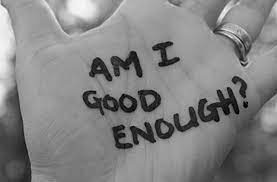
Insecurity

Everyone feels a little unsure at times. As humans, we constantly think, and some of our thoughts can be filled with doubt. This can lead to thoughts of insecurity. Too much insecurity can lead to other problems — in relationships and in your everyday life. However, there are ways you can work through your insecure thoughts and live life more confidently.

What Is Insecurity?

Insecurity is a feeling of inadequacy (not being good enough) and uncertainty. It produces anxiety about your goals, relationships, and ability to handle certain situations. Everybody deals with insecurity from time to time. It can appear in all areas of life and come from a variety of causes. It might stem from a traumatic event, patterns of previous experience, social conditioning (learning rules by observing others), or local environments such as school, work, or home. It can also stem from general instability. People who experience unpredictable upsets in daily life are more likely to feel insecure about ordinary resources and routines.On the other hand, insecurity can have no definite, external cause. Instead, it can appear as a quirk of personality or brain chemistry. Understanding the nature of insecurities can help you manage your own and offer others the support they need.  

Types of Insecurity:

There are almost limitless areas of potential insecurity. Moreover, insecurity often bleeds over from one area of life into another. However, there are some types of insecurity that appear frequently.

Relationship Insecurity: One of the most common kinds of insecurity concerns relationships or “attachments.” Attachment theory originated out of a desire to connect the attachment patterns of early childhood to later relationship patterns and expectations. When a child’s “attachment figures”, often parents or guardians, aren’t reliably available and supportive, the child often feels insecure, forms a negative self-image and relationship models, and experiences greater emotional distress and maladjustment later in life. Relationship or attachment insecurities don’t need to begin in early childhood. They can arise wherever previous experience or personal insecurity undermines someone’s security in their closest relationships.

Job Insecurity: Job insecurity occurs when you are anxious about your continued employment or about the continuation of certain benefits attached to your employment. It can be triggered by anxiety over your own job performance or anxiety over factors beyond your control, such as the economy, industry trends, workplace conflict, or the danger of company restructuring or failure. High rates of unemployment and temporary work increase job insecurity on a national scale and contribute to widespread mental health problems.

Body Image Insecurity : A common source of insecurity is body image. Many people feel insecure about the way they look and question whether they measure up to an imposed ideal. There is no necessary connection between actual body health or appearance and body insecurity. People of all body types can experience this type of insecurity.

Social Insecurity/Anxiety : Another common type of insecurity surrounds the way we are perceived by our peers and the ease with which we interact with them. This insecurity can be a recurring, low-level problem or can blossom into full-blown social anxiety disorder or social phobia.

Signs of Insecurity:

Signs of insecurity are as variable as the condition itself, but there are some common tendencies you can look out for.

Low or Superficial Self-Esteem : One sign of insecurity is low self-esteem or negative self-image, particularly when that image seems to be inconsistent with external observation. Low self-esteem means you think badly about yourself or your abilities. It can lead to other problems, especially concerning mental health. Talk to a doctor if your self-esteem is very low.Because the measurement of self-esteem generally relies on self-report, insecurity can lead to superficial self-esteem. People with insecurity often want to appear secure, and their explicit comments may be at odds with their automatic responses to certain stimuli. Deliberate self-misrepresentation or false behavior/information on social media can also be a sign of social anxiety. The act of faking then reinforces the social insecurity.

Perfectionism : The inability to be satisfied with progress and need to control and refine projects until they’re perfect can be a sign of insecurity. It stems from the sensation that you or your performance is never enough. It can appear as a manifestation of insecurity in any area of life but is frequently found in cases of job insecurity and body insecurity. Eating disorders, for example, often appear along with both harmful perfectionism and attachment insecurities.

Self-Isolation : Social insecurity can lead people to avoid social interactions, isolating themselves. Sometimes these people prefer to interact virtually in internet situations they feel they can control.

Anxious or Avoidant Attachment Styles : Attachment insecurities often result in problematic attachment styles, or dysfunctional approaches to relationships. The two most common are anxious or avoidant attachments. Anxious attachment styles are characterized by emotional dependence (relying on someone else for your emotional well-being), a fear of being alone, and fantasies of perfect relationships that can never be fulfilled. Avoidant attachment styles also stem from insecurity but go in the other direction. People with this style tend to keep relationships superficial and disengage from more intimate connections.

Poor Job Performance : Job insecurity (not having a stable job) can work to motivate some people, but it more often results in poorer performances. It can lead to absenteeism (avoiding work), turnover intention (wanting to change jobs soon after starting), disengagement from colleagues and in group projects, and poor work attitudes.

Depression or Anxiety : All types of insecurity can lead to decreased mental wellness. Depressive or anxious behavior or thinking is often an effect of insecurity, particularly when that insecurity produces (or is accompanied by) erroneous beliefs and patterns of thought.

Dealing with Insecurity :

Occasional insecurity is a natural part of life. For deeper and more longer-lasting feelings of insecurity, however, professional therapists can help you sort through your emotions and develop strategies for everyday life. In dealing with insecurity, there are a couple of helpful tips to keep in mind.

Social Networks Matter : Broad and meaningful social networks — frinedships, relationships with coworkers, and more — help to lessen both insecurity and its negative effects. There’s an inverse correlation between healthy social networks and insecure attachment styles. Having a wide circle of friends and many close connections allows you to develop the tools and confidence to engage in deeper adult relationships.Developing good friendships both in and out of the workplace also has a proven record of success as a coping strategy that helps prevent job insecurity, depression, and general anxiety. People who disengage from colleagues in response to job insecurity more frequently suffer in their mental health and job performance.

Trust Takes Practice : While having an overly trusting behavior creates its own problems, ask yourself if you have any reason to distrust expressions of affection or liking from others. People with insecurities sometimes express doubt and perceive rejection in everything from partner relationships to new acquaintances. These expressions can be self-fulfilling. Practice taking displays of interest at face value, something that can be easier in more casual relationships. You can build up the confidence to accept deeper affection and intimacy.
Discipline

Discipline is very important in everyone’s life. It is so important to be disciplined in the life. Discipline is not acquired from a single day. It is a achieved by a continued process.parents are the important in every individual’s life. The are the main reason for the discipline of their children.
After the parents, teacher is the most important person in an individual’s life. Teacher is the one who moulds the individual from the initial stage of the life and makes the individual into and perfect one. Even though the teacher schools or beats sometimes it is all for the well-being of the student and for the bright future of the student.

The first teacher in everyone’s life is their mother. Beginning with the correct thing the first mistake of the child, mother plays a very important role in correcting many of the mistakes in an individual’s life. Also the father who corrects the mistakes and puts the children in a correct way. And the teacher, who is very important in our students life to achieve their desired goals.

Teachers play a very important role in making the student perfect and make them to understand the need of the situation. Teachers help the students to reach their desired goals and in any situation teacher motivates a student to get up and stand in all the ups and downs. Like that of the mother and the father, the teacher also feels equally happy when their student acheives high in their life and when they reach their desired goals.

IMPORTANCE OF DISCIPLINE IN LIFE :


TIME MANAGEMENT :


A disciplined person always has the time to complete all the tasks within given deadlines. This is because they are focused and they know how to schedule the time properly. They dont’t believe in wasting time on unnecessary things. They understand the value of time and they know that time once has gone never comes back.


LEADERSHIP :


All great leaders are not born. Most of them follow a very tight schedule and maintain discipline in their life to become good leaders. Good discipline generates a positive attitude towards society. It creates confidence and eagerness to do something great. It helps people to build an attitude that becomes the key to becoming successful. They are able to set a great examples for others in society.

DECISION MAKING :


It is because everything gets finished within the given deadlines, disciplined people always have time to revise their work and improve their decisions.
People who are disciplined are more focused both mentally and physically. They are better able to gain their body and mind with their ideas and goals. Finally, everything is regulated in order and increases their productivity in all the activites they undergo.


ACHIEVEMENTS :


Disciplined people are more motivated and concentrated. Therefore, they achieve more when compared to a person who is not disciplinef with the activites he/she undertakes. As per study, 92% of people are able to achieve their goals in life because of the reason of being disciplined.

STABILITY AND STRUCTURE :


With discipline, comes stability in all the tasks. It helps to schedule and organize the activites and tasks in a proper structure. If a person is focused and regularly follows this particular structure, he/she is sure to succeed in their life.

RESPONSIBILITY AND CONTROL :


With great discipline comes great responsibility. Only by making schedules and timetables a person cannot become successful. It is very important regularly follow and fulfill the responsibilites which are mentioned in the schedule. This will help them to develop self- control and also build good relations with others.

RESPECT :


A disciplined person always respected by society. He/she is lookef upon as role models and mentors. Through discipline, they worked hard and achieved their goals which made them a respectful figure in the eyes of others.

IMPROVES MENTAL HEALTH :


Modern society suffers alot from anxiety and depression. We cannot blame them for their condition. Just by maintaining a little discipline in their life, they can easily improve it. Discipline will help them to reduces stress and take control of their tasks. They would be able to overcome their fears and also control their emotions.

MAINTAIN PEACE IN SOCIETY :


Disciplined people are lie assets to society. If there is no law and order, there would bee too many activites. Discipline is required to prevent such things in society. By setting the requiref rules and regulationa, it becomes easier to live in a society that is full of peace and harmony.


STAY ACTIVE :


Disciplined people have time to do every activity in the schedule. They plan their schedule in such a way that improves both their academic/ instituational performance and also their physical health. They know what is good and bad for them and thereby have good eating habits, exercising habits, sleeping and waking up paterns, etc.


SELF DISCIPLINE self discipline means self control, the ability to avoid unhealthy excess of anything that could lead to negative consequenes.


• It is the ability to reject instant grafication and pleasure, in favor of some great grain, which requires spending effort and time to get it.
• It means perservetance and not giving up.
• It is the strength not to give in to negative feelings.
• It means overcoming one’s weakness.
• It is the ability to pursue one plan despite temptations to abandom them.
• Delayed gratification in favour of accomplishing long term goals.
Discipline is very important. It helps people to showcase their attitude and represent their character and thinking. Both the body and mind are honed by discipline. Descipline helps to address individual problems and develop a society that is both peaceful and respectful. Therefore, it would be right to say that without disciplinr there is no life at all.

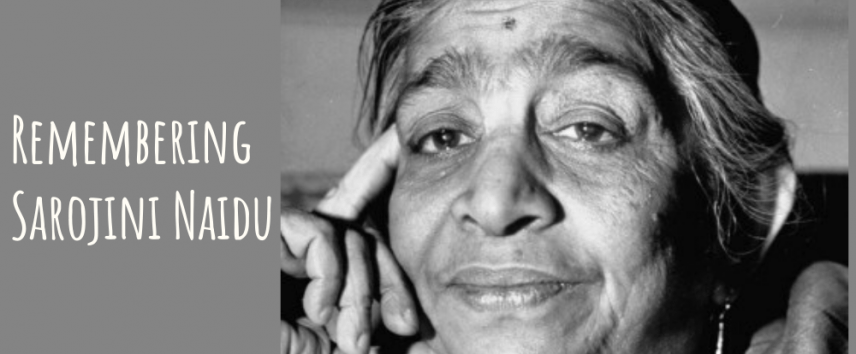
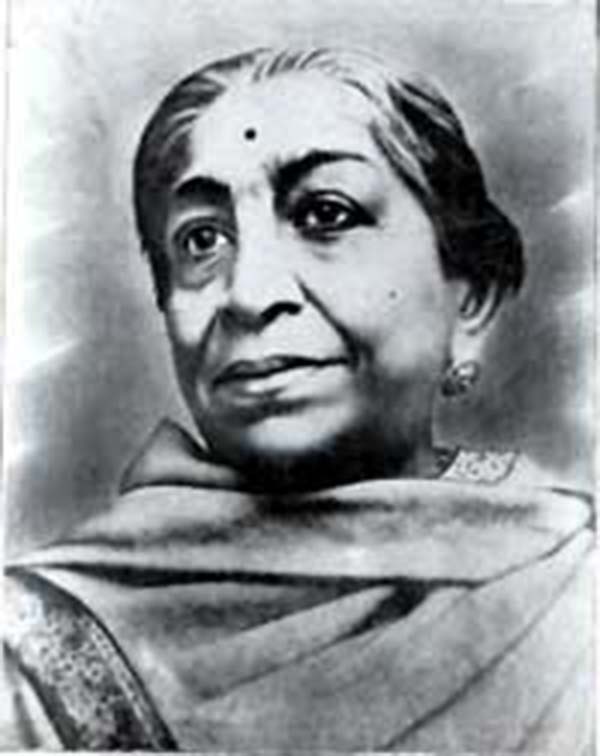
The Nightingale Of India

“As long as I have life, as long as blood flows through this arm of mine, I shall not leave the cause of freedom…I am only a woman, only a poet. But as a woman, I give to you the weapons of faith and courage and the shield of fortitude. And as a poet, I fling out the banner of song and sound, the bugle call to battle. How shall I kindle the flame which shall waken you men from slavery…”

Introduction

She was an Indian political activist and poet. A proponent of civil rights, women’s emancipation, and anti-imperialistic ideas, she was an important figure in India’s struggle for independence from colonial rule. Naidu’s work as a poetess earned her the sobriquet ‘the Nightingale of India’, or ‘Bharat Kokila’ by Mahatma Gandhi because of colour, imagery and lyrical quality of her poetry.

Birth and death

Born in a Bengali family in Hyderabad, Naidu was educated in Madras, London and Cambridge. Following her time in England, where she worked as a suffragist, she was drawn to Indian National Congress’ movement for India’s independence from British rule. She became a part of the Indian nationalist movement and became a follower of Mahatma Gandhi and his idea of swaraj. She was appointed as the President of the Indian National Congress in 1925 and later became the Governor of the United Provinces in 1947, becoming the first woman to hold the office of Governor in the Dominion of India.

Naidu’s poetry includes both children’s poems and others written on more serious themes including patriotism, romance, and tragedy. Published in 1912, “In the Bazaars of Hyderabad” remains one of her most popular poems. She married Govindarajulu Naidu, a general physician, and had five children with him. She died of a cardiac arrest on 2 March 1949.

Work

“Tell me no more of thy love, papeeha,
Wouldst thou recall to my heart, papeeha,
Dreams of delight that are gone,
When swift to my side came the feet of my lover…”

– A Love Song From The North by Sarojini
Naidu

1905: The Golden Threshold, published in the United Kingdom.
1912: The Bird of Time: Songs of Life, Death & the Spring, published in London.
1917: The Broken Wing: Songs of Love, Death and the Spring, including “The Gift of India” (first read in public in 1915) .
1919: Muhammad Jinnah: An Ambassador of Unity.
1943: The Sceptred Flute: Songs of India, Allahabad: Kitabistan, posthumously published.
1961: The Feather of the Dawn, posthumously published, edited by her daughter, Padmaja Naidu.
1971:The Indian Weavers.

After India attained independence, she became the first woman Governor of an Indian state, Uttar Pradesh. She served as governor till she passed away in March 1949, when she was working late in office.

As a Feminist

“Sarojini Naidu inspired the Indian Renaissance Movement and had a mission to improve the life of Indian woman.”

Bappaditya Bandopadhyay

Sarojini Naidu played an important role in women’s rights struggle in India. She helped in shaping Women’s Indian Association in 1917 with Annie Besant and others. The Association sought equal rights including the right to vote and represent. She presented the need to include more women in the Congress and in the freedom struggle. During 1918, British and Indian feminists including Naidu set up a magazine called “Stri Dharma” to present international news from a feminist perspective.

Link

Health Education

A sound mind lives in a sound body’.

Introduction

Health education is a profession of educating people about health. Areas within this profession encompass environmental health, physical health, social health, emotional health, intellectual health, and spiritual health, as well as sexual and reproductive health education.

Health education teaches about physical, mental, emotional and social health. It motivates students to improve and maintain their health, prevent disease, and reduce risky behaviours. It also focuses on emotional, mental and social health too. Educating students on the importance of health builds their motivation.

Health education is one strategy for implementing health promotion and disease prevention programs. Health education provides learning experiences on health topics. Health education strategies are tailored for their target population. Health education presents information to target populations on particular health topics, including the health benefits/threats they face, and provides tools to build capacity and support behavior change in an appropriate setting.

History

From the late nineteenth to the mid-twentieth century, the aim of public health was controlling the harm from infectious diseases, which were largely under control by the 1950s. By the mid 1970s it was clear that reducing illness, death, and rising health care costs could best be achieved through a focus on health promotion and disease prevention. At the heart of the new approach was the role of a health educator.

Code of ethics

The Health Education Code of Ethics has been a work in progress since approximately 1976, begun by the Society for Public Health Education (SOPHE).

“The Code of Ethics that has evolved from this long and arduous process is not seen as a completed project. Rather, it is envisioned as a living document that will continue to evolve as the practice of Health Education changes to meet the challenges of the new millennium.”

Importance of Health Education .

Health education builds student’s knowledge, skills, and positive attitudes about health. Health education teaches about physical, mental, emotional and social health. It motivates students to improve and maintain their health, prevent disease, and reduce risky behaviours.

Health education curricula and instruction help students to learn skills so that they will use to make healthy choices throughout their lifetime.

Health education teaches people of all ages about how diet and exercise contribute to a healthy lifestyle. It also encourages positive changes in behaviour and lowers the risk of addiction to drugs, alcohol and unsafe sexual practices. The majority of schools around the country have courses aimed at teaching health education to students. These courses often revolve around the body, healthy eating, sex and exercising. Some students are taught basic health and physical fitness early on. More in-depth courses are designed for middle and high school students.

Health education encourages a person to make healthy choices. They are instructed to avoid unhealthy habits. ‘A sound mind lives in a sound body’. Rabindranath Tagore and C.V. Raman, if they were confined to sick bed, could not have won the Nobel Prize. In fact, a sickly student with all his talents and abilities lags behind in the race of life.

Health education also teaches about the emotional and mental health of the student. A healthy person is the happiest person in the world.

Link

The effects of video games on a child’s behaviour

Video gaming has become a popular activity for people of all ages. Many children and adolescents spend large amounts of time playing them, although no one should have more than two hours total of screen time in a day. Video gaming is a multi-billion dollar industry, bringing in more money than movies and DVDs combined. Video games have become very sophisticated and realistic and some games connect to the Internet, which allow children and adolescents to play online with unknown adults and peers.

While some games have educational content, many of the most popular games emphasize negative themes. They promote the killing of people or animals, the use and abuse of drugs and alcohol, criminal behavior, disrespect for the law and other authority figures, sexual exploitation and violence towards women, racial, sexual and gender stereotypes, and foul language obscenities and obscene gestures. Examples of video games not acceptable for children because they have these themes include the popular ones Grand Theft Auto, Call of Duty, and Mortal Kombat.

There is growing research on the effects of video games on children. Studies of children exposed to violence have shown that they can become immune or numb to the horror of violence, imitate the violence they see and show more aggressive behavior with greater exposure to violence. Studies have also shown that the more realistic and repeated the exposure to violence, the greater the impact on children. Children and adolescents can become overly involved and even obsessed with video games, leading to poor social skills, time away from family time, school work and other hobbies, lower grades, reading less, exercising less, becoming overweight, and having aggressive thoughts and behaviors.

So how can you, as a parent, protect your child against these types of video games? First, you can check the Entertainment Software Rating Board ratings to learn about the game’s content. Every video game will actually have a label on the front to tell you what type of game it is. If it says M for mature, it’s not for your child.

Play the video games with your child to experience the game’s content and know exactly what your child is playing. Set clear rules about the game’s content for both playing time in and outside of your home. Strongly warn your children about the potential serious dangers of Internet contacts and relationships while playing online. There are a lot of online predators that will look for children specifically playing video games and this can lead to them meeting in real life. Finally, remember that you are a role model for your child. Make sure the video games you play as an adult are ones that you would want your child to play.

If you are concerned as a parent that your child is spending too much time playing video games or your child starts becoming obsessed with aggressive or violent video games, make sure you set some limits. You’re not allowed to play games for one hour after all the homework is done and encourage your child to participate in other activities so they’re not drawn to those video games. By being aware of what games are out there, you can help your child make appropriate decisions about gaming no matter where your child plays.

Bioterrorism

From the past two decades , it is stated that the threat of biological warfare is not a myth but a harsh reality of the world . Due to the outbreak , we can recognise the high risk and consequences of bioterrorism.

This editorial provides you the overview of bioterrorism , it’s symptoms , causes , measures and impact on humans in present scenario .

Introduction

A bioterrorism attack is the deliberate release of viruses, bacteria, or other germs to cause illness or death. These germs are often found in nature. But they can sometimes be made more harmful by increasing their ability to cause disease, spread, or resist medical treatment.

Biological agents spread through the air, water, or in food. Some can also spread from person to person. They can be very hard to detect. They don’t cause illness for several hours or days. Scientists worry that anthrax, botulism, Ebola and other hemorrhagic fever viruses, plague, or smallpox could be used as biological agents.

Despite patchy intelligence, France started its own biological weapons programme in the early 1920s. It was headed by Auguste Trillat, an inventive German-educated chemist who envisioned and tested the sustained virulence of airborne pathogens.

The goal of bioterrorism is usually to create fear and/or intimidate governments or societies for the purpose of gaining political, religious, or ideological goals. Bioterrorism may have a different effect on societies than would weapons such as explosives.

Symptoms

The symptoms of exposure to a biological agent might include sore throat, fever, double or blurred vision, rash or skin blisters, exhaustion, difficulty talking, confusion, descending muscle weakness, nausea, abdominal pain, vomiting, diarrhea, and coughing.

History

Historically, biological weapons have been a threat to humans for many centuries. At those times, very crude methods such as fecal matter, animal carcasses, etc. were used to contaminate water sources, but now the concentrated forms of biological agents such as dried spores and genetically modified organisms are available, which are fatal even in minute quantity.

During the Indo-Pakistan war of 1965, a scrub typhus outbreak in north-eastern India came under suspicion. India’s defense and intelligence outfits were alert to the outbreak of pneumonic plague – well known in biological warfare – in Surat and Bubonic plague in Beed in 1994, which caused several deaths and sizeable economic loss.

Prevention

There are some points that you need to consider during the outbreak :

  • If you become aware of a suspicious substance, quickly get away.
  • Cover your mouth and nose with layers of fabric that can filter the air but still allow breathing. Examples include two to three layers of cotton such as a t-shirt, handkerchief or towel.
  • Depending on the situation, wear a face mask to reduce inhaling or spreading germs.
  • If you have been exposed to a biological agent, remove and bag your clothes and personal items.
  • Follow official instructions for disposal of contaminated items.
  • Wash yourself with soap and water and put on clean clothes.
  • Contact authorities and seek medical assistance. You may be advised to stay away from others or even to quarantine.
  • If your symptoms match those described and you are in the group considered at risk, immediately seek emergency medical attention.
  • Follow the instructions of doctors and other public health officials.
    Avoid crowds.
  • Wash your hands with soap and water frequently.
  • Do not share food or utensils.

Link

The Origin of Buddhism .

We are what we think. All that we are arises with our thoughts. With our thoughts, we make the world.
Peace comes from within. Do not seek it without.

Lord Buddha

Introduction.

He was a spiritual personality . An ancient teacher and enlightened many . A founder of world religion Buddhism . He was popularly known as Gautama Buddha (also known as Siddhattha Gotama or Siddhārtha Gautama or Buddha Shakyamuni ) .

The Enlightened One who rediscovered an ancient path to release clinging and craving and escape the cycle of birth and rebirth. He taught for around 45 years and built a large following, both monastic and lay. His teaching is based on his insight into the arising of duḥkha (the unsatisfactoriness of clinging to impermanent states and things) and the ending of duhkha—the state called Nibbāna or Nirvana (extinguishing of the three fires).

Buddhism

Buddhism, one of the major religions and philosophical systems of southern and eastern Asia and of the world. Buddha is one of the many epithets of a teacher who lived in northern India sometime between the 6th and the 4th century before the Common Era.

The title buddha was used by a number of religious groups in ancient India and had a range of meanings, but it came to be associated most strongly with the tradition of Buddhism and to mean an enlightened being, one who has awakened from the sleep of ignorance and achieved freedom from suffering.

According to the various traditions of Buddhism, there have been buddhas in the past and there will be buddhas in the future. Some forms of Buddhism hold that there is only one buddha for each historical age; others hold that all beings will eventually become buddhas because they possess the buddha nature (tathagatagarbha).

According to Buddhist doctrine, the universe is the product of karma, the law of the cause and effect of actions, according to which virtuous actions create pleasure in the future and nonvirtuous actions create pain.

Your work is to discover your world and then with all your heart give yourself to it.

Lord Buddha

History

Gautama Buddha ( born c. 6th–4th century BCE, Lumbini, near Kapilavastu, Shakya republic, Kosala kingdom [now in Nepal]—died, Kusinara, Malla republic, Magadha kingdom [now Kasia, India]).

Buddha is one of the many epithets of a teacher who lived in northern India sometime between the 6th and the 4th century before the Common Era.

Learnings from Gautama Buddha.

1. “Three things cannot be hidden: the sun, the moon and the truth.”

2. “You will not be punished for your anger; you will be punished by your anger.”

3. “You can search throughout the entire universe for someone who is more deserving of your love and affection than you are yourself, and that person is not to be found anywhere. You, yourself, as much as anybody in the entire universe, deserve your love and affection.”

4. “We are shaped by our thoughts; we become what we think. When the mind is pure, joy follows like a shadow that never leaves.”

5. “Believe nothing, no matter where you read it, or who said it, no matter if I have said it, unless it agrees with your own reason and your own common sense.”

Link

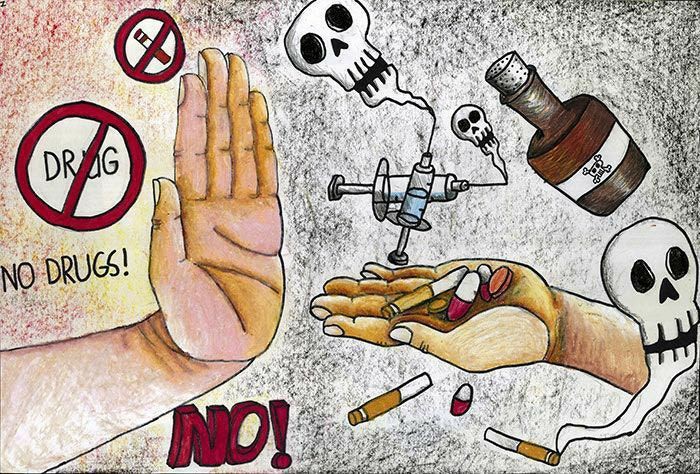
Drugs : you choose , you loose .

Addiction is just a way of trying to get at something else. Something bigger. Call it transcendence if you want, but it’s a rat in a maze. We all want the same thing. We all have this hole. The thing you want offers relief, but it’s a trap.

DRUGS ” A five letter word that is destroying human race. A word that could get you to the cloud nine and than kick you from the top.

What do you think it is ?

Is it a pleasure or a pain ?

Some says ‘it gives you wings ‘, others says ‘it makes you insane ‘ . What would you do , if someone is taking drugs ? Well , I would fly (its a joke ).

Ok , Let’s just get over with the topic .

Introduction

All the suffering, stress, and addiction comes from not realizing you already are what you are looking for.

– Jon Kabat-Zinn

Drugs are substances that change a person’s mental or physical state. They can affect the way your brain works, how you feel and behave, your understanding and your senses. This makes them unpredictable and dangerous, especially for young people.

Drug addiction is a chronic brain disease. It causes a person to take drugs repeatedly, despite the harm they cause. Repeated drug use can change the brain and lead to addiction. That can destroy one’s life .

Signs that shows someone has a drug problem

  • Changing friends a lot .
  • Spending a lot of time alone.
  • Losing interest in favorite things.
  • Not taking care of themselves – for example, not taking showers, changing clothes, or brushing their teeth.
  • Being really tired and sad.
  • Eating more or eating less than usual.
  • Being very energetic, talking fast, or saying things that don’t make sense.
  • Being in a bad mood.
  • Quickly changing between feeling bad and feeling good.
  • Sleeping at strange hours.
  • Missing important appointments.
  • Having problems at work or at school.
  • Having problems in personal or family relationships.

If a person shows these signs than he / she is using drugs . But it’s not , it’s a probability . The person may or may not be using drugs . For the assurance you have to ask the person (well they can lie ) . Take them for the blood test . It will show if the person is taking drugs or not . It’s a simple procedure .

Why can’t people stop using drugs on their own?


Repeated drug use changes the brain, including parts of the brain that give a person self-control. These and other changes can be seen clearly in brain imaging studies of people with a drug addiction. These brain changes explain why quitting is so difficult, even when an addicted person feels ready.

Many people are compelled to enter treatment by the pressure of their family, friends, or a court system. People of all ages with substance use disorders live in fear of what will happen if their drugs are taken away.

Due to the addiction , they experience a variety of physical and emotional withdrawal symptoms, including depression, anxiety, and other mood disorders; restlessness, and sleeplessness . It may lead you to the death bed .

Treatment :

Counseling and other behavioral therapies are the most commonly used forms of treatment. Medications are often an important part of treatment, especially when combined with behavioral therapies. Treatment plans must be reviewed often and modified to fit the patient’s changing needs.

  • Rational Emotive Behavior Therapy.
  • Cognitive Behavioral Therapy.
  • Detoxification.
  • Treatment with Medication.
  • 12-Step Facilitation.

One of the hardest things was learning that I was worth recovery.

Link

Use of MS Excel in today’s world.

Excel is typically used to organize data and perform financial analysis. It is used across all business functions and at companies from small to large. The main uses of Excel include: Data entry.

Excel is a software program created by Microsoft that uses spreadsheets to organize numbers and data with formulas and functions. Excel analysis is ubiquitous around the world and used by businesses of all sizes to perform financial analysis.

The main uses of Excel include:

1 Data entry
2 Data management
3 Accounting
4 Financial analysis
5 Charting and graphing
6 Programming
7 Time management
8 Task management
9 Financial modeling
10 Customer relationship management (CRM)
** Almost anything that needs to be organized!

Excel is used extensively in finance and accounting functions. In fact, many organizations run their entire budgeting, forecasting, and accounting functions entirely out of Excel spreadsheets.

While Excel is defined as a “data” management tool, the data that is most commonly managed is financial. At CFI, we would define Excel as the ultimate financial software. While there are other pieces of financial software that are tailored toward performing specific tasks, the strongest point about Excel is its robustness and openness. Excel models are as powerful as the analyst wishes them to be.

Accountants, investment bankers, analysts, and people in all types of financial career paths rely on excel to perform their daily job functions.

And one should know how to use MS Excel. Its on of the most important skill in today’s corporate world.

Agriculture

When tillage begins, other arts follow. The farmers, therefore, are the founders of human civilization.”

— Daniel Webster

Introduction

It all started thousand of years ago , when the human civilization came into existence . Agriculture was a key to survival . People were farming for there domestic purpose , not for the others .

As the civilization started to grow accustomed of agriculture , they grew food in surplus that enabled people to live in cities. Plants were independently cultivated in at least 11 regions of the world.

The development of agriculture enabled the human population to grow many times larger than could be sustained by hunting and gathering.

It was the beginning of different civilization in different parts of the World. From those civilizations , one of them was our’s The Indus Valley Civilization . Vedic literature provides some of the earliest written record of agriculture in India. Rigveda hymns , describes plowing, fallowing, irrigation, fruit and vegetable cultivation.

Some of the ancient and historical evidence suggests rice and cotton were cultivated in the Indus Valley.

Agriculture : In India and World today .

India ranks second worldwide in farm outputs. As per 2018, agriculture employed Indian work force and contributed 17–18% to country’s GDP.

In 2016, agriculture and allied sectors like animal husbandry, forestry and fisheries accounted for 15.4% of the GDP (gross domestic product) with about 41.49% of the workforce in 2020.India ranks first in the world with highest net cropped area followed by US and China.The total agriculture commodities export was US $ 3.50 billion in March – June 2020.

Agriculture is the primary source of livelihood for about 58% of India’s population. Share of agriculture and allied sectors in gross value added (GVA) of India at current prices stood at 17.8 % in FY20.

During 2019-20 crop year, food grain production reached a record of 296.65 million tonnes. In 2020-21, Government of India is targeting food grain production of 298 million tonnes.

India is among the 15 leading exporters of agricultural products in the world. Agricultural export from India reached US$ 38.54 billion in FY19 and US$ 35.09 billion in FY20.

Agriculture is an important industry in the United States. The agriculture industry, which includes both crops and livestock, is responsible for producing most of the world’s foods and fabrics. Agriculture impacts so many things that it’s hard to imagine a world without this important industry.

Schemes and Initiatives

Due to the high requirement of agriculture . It is important for the government to take initiatives and provide better infrastructure to the farmers. However , the required level of investment for the development of marketing, storage and cold storage infrastructure is estimated to be huge.

The Indian Council of Agricultural Research (ICAR), established in 1905, was responsible for the search leading to the “Indian Green Revolution” of the 1970s. The Union Minister of Agriculture is the president of the ICAR. The Indian Agricultural Statistics Research Institute develops new techniques for the design of agricultural experiments, analyses data in agriculture, and specialises in statistical techniques for animal and plant breeding.

Schemes by government for Indian agriculture :

  • Dairy Entrepreneurship Development Scheme.
  • Rainfed Area Development Programme (RADP)
  • Paramparagat Krishi Vikas Yojana (PKVY)
  • Pradhan Mantri Krishi Sinchai Yojana (PMKSY)
  • National Agriculture Market (e-NAM)
  • Pradhan Mantri Kisan Maandhan yojana.
  • Pradhan Mantri Fasal Bima Yojana (PMFBY)
  • Kisan Credit Card (KCC) scheme.
  • Pashu Kisan Credit Card Scheme.
  • PM-Kisan Scheme.

Conclusion

Agriculture sector is one of the prominent sector in India as well as all over the world . India is becoming self – sufficient in pulses and other crops .

Gone are the days , when India was unable to provide sufficient amount of food to the citizens . Gone are the days , when people used to think agriculture was not as important as other sectors . Gone are the days , when people used to think less of farmers . And gone are the days , when people were less educated about agriculture.

Farming is a profession of hope.

— Brett Brian

Link

Stress management

It may seem that there’s nothing you can do about your stress level. The bills aren’t going to stop coming, there will never be more hours in the day for all your errands, and your career or family responsibilities will always be demanding. But you have a lot more control than you might think. In fact, the simple realization that you’re in control of your life is the foundation of stress management.
Managing stress is all about taking charge: taking charge of your thoughts, your emotions, your schedule, your environment, and the way you deal with problems. The ultimate goal is a balanced life, with time for work, relationships, relaxation, and fun – plus the resilience to hold up under pressure and meet challenges head on.

Identify the sources of stress in your life:
Stress management starts with identifying the sources of stress in your life. This isn’t as easy as it sounds. Your true sources of stress aren’t always obvious, and it’s all too easy to overlook your own stress-inducing thoughts, feelings, and behaviors. Sure, you may know that you’re constantly worried about work deadlines. But maybe it’s your procrastination, rather than the actual job demands, that leads to deadline stress. 
Think about the ways you currently manage and cope with stress in your life. Your stress journal can help you identify them. Are your coping strategies healthy or unhealthy, helpful or unproductive? Unfortunately, many people cope with stress in ways that compound the problem.
Unhealthy ways of coping with stress:
These coping strategies may temporarily reduce stress, but they cause more damage in the long  run:
• Smoking
• Drinking too much
• Overeating or undereating
• Zoning out for hours in front of the TV or computer
• Withdrawing from friends, family, and activities
• Using pills or drugs to relax
• Sleeping too much
• Procrastinating
• Filling up every minute of the day to avoid facing problems
• Taking out your stress on others (lashing out, angry outbursts, physical violence)

Learning healthier ways to manage stress:
If your methods of coping with stress aren’t contributing to your greater emotional and physical health, it’s time to find healthier ones. There are many healthy ways to manage and cope with stress, but they all require change. You can either change the situation or change your reaction. When deciding which option to choose, it’s helpful to think of the four As: avoid, alter, adapt, or accept.
Since everyone has a unique response to stress, there is no “one size fits all” solution to managing it. No single method works for everyone or in every situation, so experiment with different techniques and strategies. Focus on what makes you feel calm and in control.
Not all stress can be avoided, and it’s not healthy to avoid a situation that needs to be addressed. You may be surprised, however, by the number of stressors in your life that you can eliminate.
●Learn how to say “no” – Know your limits and stick to them. Whether in your personal or professional life, refuse to accept added responsibilities when you’re close to reaching them. Taking on more than you can handle is a surefire recipe for stress.
●Avoid people who stress you out – If someone consistently causes stress in your life and you can’t turn the relationship around, limit the amount of time you spend with that person or end the relationship entirely.
●Take control of your environment – If the evening news makes you anxious, turn the TV off. If traffic’s got you tense, take a longer but less-traveled route. If going to the market is an unpleasant chore, do your grocery shopping online.
●Avoid hot-button topics – If you get upset over religion or politics, cross them off your conversation list. If you repeatedly argue about the same subject with the same people, stop bringing it up or excuse yourself when it’s the topic of discussion.
●Pare down your to-do list – Analyze your schedule, responsibilities, and daily tasks. If you’ve got too much on your plate, distinguish between the “shoulds” and the “musts.” Drop tasks that aren’t truly necessary to the bottom of the list or eliminate them entirely.
●Express your feelings instead of bottling them up. If something or someone is bothering you, communicate your concerns in an open and respectful way. If you don’t voice your feelings, resentment will build and the situation will likely remain the same.
●Be willing to compromise. When you ask someone to change their behavior, be willing to do the same. If you both are willing to bend at least a little, you’ll have a good chance of finding a happy middle ground.
●Be more assertive. Don’t take a backseat in your own life. Deal with problems head on, doing your best to anticipate and prevent them. If you’ve got an exam to study for and your chatty roommate just got home, say up front that you only have five minutes to talk.
●Manage your time better. Poor time management can cause a lot of stress. When you’re stretched too thin and running behind, it’s hard to stay calm and focused. But if you plan ahead and make sure you don’t overextend yourself, you can alter the amount of stress you’re under.
●Focus on the positive. When stress is getting you down, take a moment to reflect on all the things you appreciate in your life, including your own positive qualities and gifts. This simple strategy can help you keep things in perspective.
●Set aside relaxation time. Include rest and relaxation in your daily schedule. Don’t allow other obligations to encroach. This is your time to take a break from all responsibilities and recharge your batteries.
●Connect with others. Spend time with positive people who enhance your life. A strong support system will buffer you from the negative effects of stress.
●Do something you enjoy every day. Make time for leisure activities that bring you joy, whether it be stargazing, playing the piano, or working on your bike.
●Keep your sense of humor. This includes the ability to laugh at yourself. The act of laughing helps your body fight stress in a number of ways.

Learn the relaxation response:
You can control your stress levels with relaxation techniques that evoke the body’s relaxation response, a state of restfulness that is the opposite of the stress response. Regularly practicing these techniques will build your physical and emotional resilience, heal your body, and boost your overall feelings of joy and equanimity.

Pet.

A pet, or companion animal, is an animal kept primarily for a person’s company or entertainment rather than as a working animal, livestock or a laboratory animal. Popular pets are often considered to have attractive appearances, intelligence and relatable personalities, but some pets may be taken in on an altruistic basis (such as a stray animal) and accepted by the owner regardless of these characteristics.

Two of the most popular pets are dogs and cats; the technical term for a cat lover is an ailurophile and a dog lover a cynophile. Other animals commonly kept include: rabbits; ferrets; pigs; rodents, such as gerbils, hamsters, chinchillas, rats, mice, and guinea pigs; avian pets, such as parrots, passerines and fowls; reptile pets, such as turtles, alligators, crocodiles, lizards, and snakes; aquatic pets, such as fish, freshwater and saltwater snails, amphibians like frogs and salamanders; and arthropod pets, such as tarantulas and hermit crabs. Small pets may be grouped together as pocket pets, while the equine and bovine group include the largest companion animals.

Pets provide their owners (or “guardians”) both physical and emotional benefits. Walking a dog can provide both the human and the dog with exercise, fresh air and social interaction. Pets can give companionship to people who are living alone or elderly adults who do not have adequate social interaction with other people. There is a medically approved class of therapy animals, mostly dogs or cats, that are brought to visit confined humans, such as children in hospitals or elders in nursing homes. Pet therapy utilizes trained animals and handlers to achieve specific physical, social, cognitive or emotional goals with patients.

People most commonly get pets for companionship, to protect a home or property or because of the perceived beauty or attractiveness of the animals. A 1994 Canadian study found that the most common reasons for not owning a pet were lack of ability to care for the pet when traveling (34.6%), lack of time (28.6%) and lack of suitable housing (28.3%), with dislike of pets being less common (19.6%). Some scholars, ethicists and animal rights organizations have raised concerns over keeping pets because of the lack of autonomy and the objectification of non-human animals.

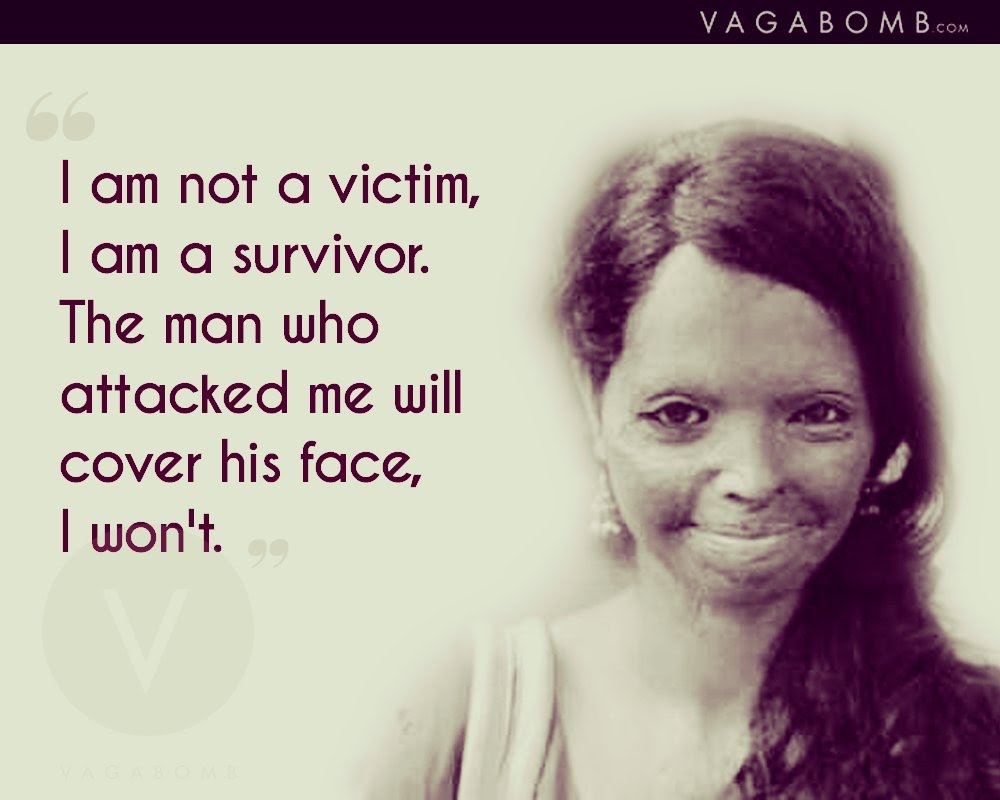
A Survivor : The Story of Lakshmi Agarwal

She was just a 15 year old girl . A girl , full of life . But what happened to her .

It’s her story . A story of a survivor.

She was powerful not because she wasn’t scared but because she went on so strongly, despite the fear.”

– Atticus

At the age of 15 , when a girl or a boy makes happy memories and learn about life . She was attacked in the market full of people . She was attacked because she rejected an old jerk of 32 years old.

A 32 year old proposed a marriage proposal to a 15 year old girl , who lives near the neighborhood. She ignored and rejected him and he planned an acid attack .

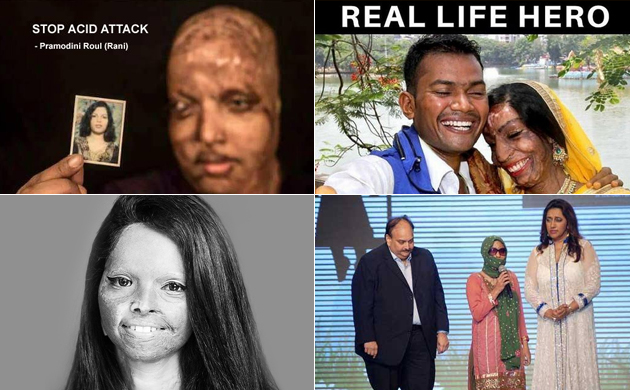
Her name is Lakshmi Agarwal , she was attacked at the age of 15 in 2005 in New Delhi after rejecting the romantic advances of Naeem Khan . She didn’t inform anyone about the scenario because she believed her parents and society would have blamed her and stopped her study .

After 10 months , Lakshmi was in the market and Naeem asked her again through message about the marriage proposal but she didn’t respond . And in no time , Kamran (Naeem’s older brother ) and his girlfriend attacked her with acid . He was in the motorcycle and his girlfriend Rakhi threw acid on Lakshmi , when Kamran called her name and she looked behind for response.

She fainted on the road and when she regain consciousness she went middle of the road asked for help and met with multiple accidents but no one stopped to help her . She was burning in fire and her skin was melting.

A man named Arun Singh called PCR and told police about the situation . Someone threw water to help her but it turned out opposite and the acid burnt her neck . Arun think it might be late , so he helped her on the backseat of his car , later the seat cover turned into black hole due to the acid .

Arun admitted her in the hospital , called police and her family . Lakshmi went through many surgeries and operations including eye surgery. Four days later Naeem Khan got arrested but was bailed after a month later .

Protests and media attention.

After many protests and media attention Naeem got life imprisonment .

Lakshmi’s story was one of the series in the Hindustan Times. Lakshmi was scared after the attack because most of her face and body parts were not same as before . But she didn’t loose hope ,she fought for justice , asked for help for the victims of acid attacks and pleaded the law for the ban on sale of acid.

Meanwhile government failed to frame policies on acid sale and chemical attacks .

Seriousness is not seen on the part of the government in handling the issue,” the bench headed by Justice RM Lodha.

In 2013 , the plea of Agarwal was heard and later claims that “ Acid is freely available in shops. Our own volunteers have gone and purchased acid easily. In fact, I have myself purchased acid,” she said. “We have launched a new initiative called ‘Shoot Acid’.

After , the law passed by Supreme court . Lakshmi founded NGO named Chhanv Foundation to help acid attack survivors in India.

In 2019, she was honored with the International Women Empowerment Award from the Ministry of Women and Child Development, the Ministry of Drinking Water and Sanitation and UNICEF for her campaign of Stop Acid Sale. In 2014, she received the International Women of Courage award at the hands of First Lady Michelle Obama.

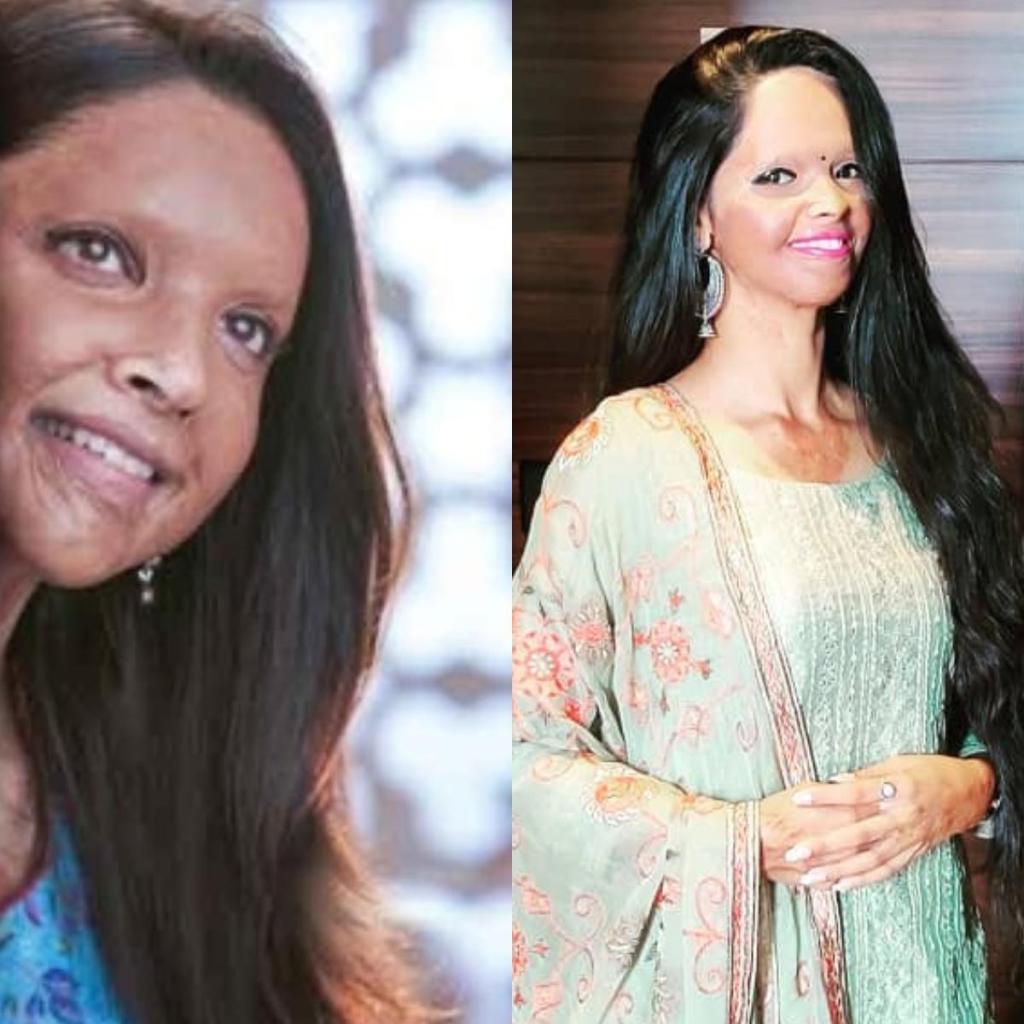
And the movie Chhapaak is based on her life and stars Deepika Padukone in her role.

“And one day she discovered that she was fierce, and strong, and full of fire, and that not even she could hold herself back because her passion burned brighter than her fears.”

– Mark Anthony

Link

EVERYONE’S JOURNEY IS DIFFERENT

My mom told me a story about how everyone has their own story

A Young Man and his father were travelling by train and they seem to be very happy. A young man in his twenties was seeing out from the train’s window and suddenly he is shouted father, see the sun it looks like a circle Then his father smiled at him.

young men again shouted – father, look at the trees as they are going behind. father again smiled at the young man. A couple sitting nearby looked at the young man’s childish comment with pity.

Suddenly the young men exclaimed again.. father, look at the clouds and sun! they are all running with us. The couple observed the young man’s behaviour for a long time they couldn’t resist and said to the old man “why don’t you take your son to a good doctor?” The old man smiled at his son and said “we did and we are just coming from the hospital”

The couple saw them with strange expression. The Old man said again “My son was blind from birth and he just got his vision today”

Every person in the world has a story. Don’t judge people before you truly know them. The Truth might surprise you.

Everyone’s journey is different

PRIDE MONTH

It takes no compromise to give people their rights…. It takes no money to respect the individual…it takes no political days to give people freedom… it takes no survey to remove repression. – Harvey Milk

As we all know June is celebrated as pride month.

So what is pride? Pride is about people coming towards to show dignity ,love ,care and affection to everyone. No matter how they look, what is their orientation, what is their gender etc.

we have to be an Ally ,being an means supporting equal rights for everyone- regardless of sexual orientation,race,gender or religion .

Global pride day is celebrated on 28 June.

Pride month dedicated to the LGBTQIA+ community and their right to live a dignified life.
LGBTQ stands for – lesbian, gay, bisexual, transgender, queer, intersex and asexual respectively.


Lesbian refers to a woman who is attracted towards other women.


Gay refers to a man attracted towards other man.


Bisexual refers to the people who sexually or emotionally attracted to both men and women.


Transgender refers to the people whose gender identity or expression differs from the sex they were assigned at birth.


Queer is an umbrella term referring to anyone who is not straight and not cisgender.


Intersex refers to the people who have biological traits such as genetic, hormonal differences that don’t fit in the typical definition of male and female.


Asexual refers to the people who do not experience sexual attraction or sexual interest/ desire for anyone

  • + Include at the end of acronym LGBTQIA+ in the condition of the multitude of identities that exist

LGBTQIA + ally is someone who stand up for, support, and encourage this community and try to make the world better place for the people of this community

We have to help, improve their quality of life in any way possible for us…

Lets free flow of colours on to the regular restricted repetitive patterns of society to make it beautiful for everyone……..