Doping – How is it Affecting Sports?

“Science has learned recently that contempt and indignation are addictive mental states. I mean physically and chemically addictive. Literally! People who are self-righteous a lot are apparently doping themselves rhythmically with auto-secreted surges of dopamine, endorphins and enkephalins. Didn’t you ever ask yourself why indignation feels so good?”

~ David Brin

Introduction

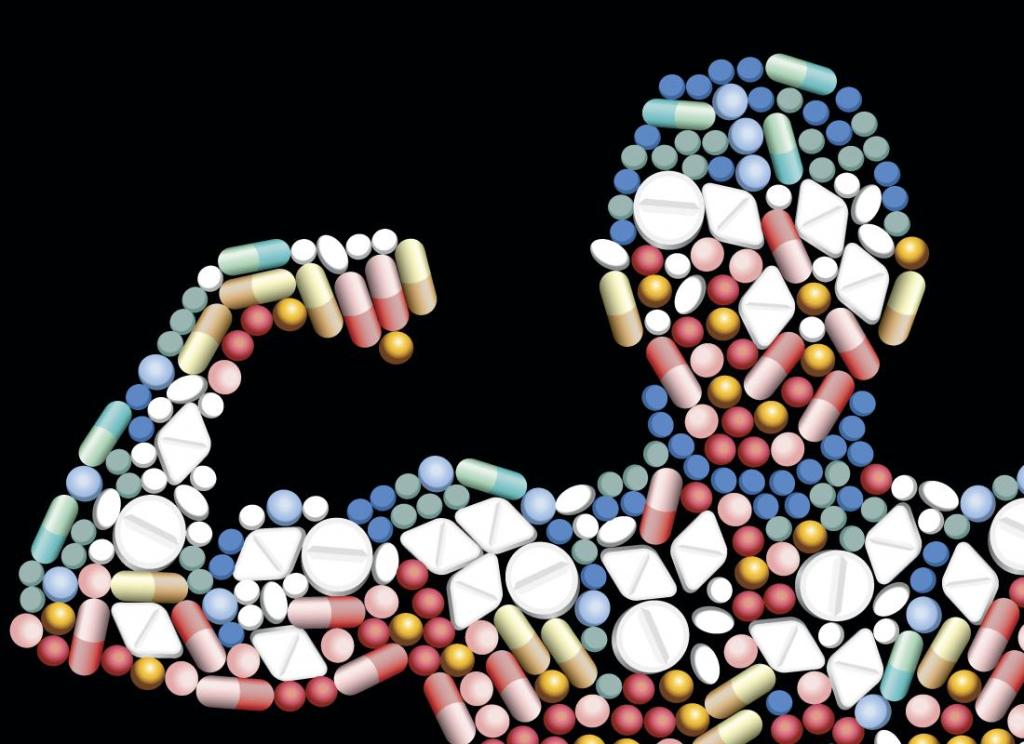
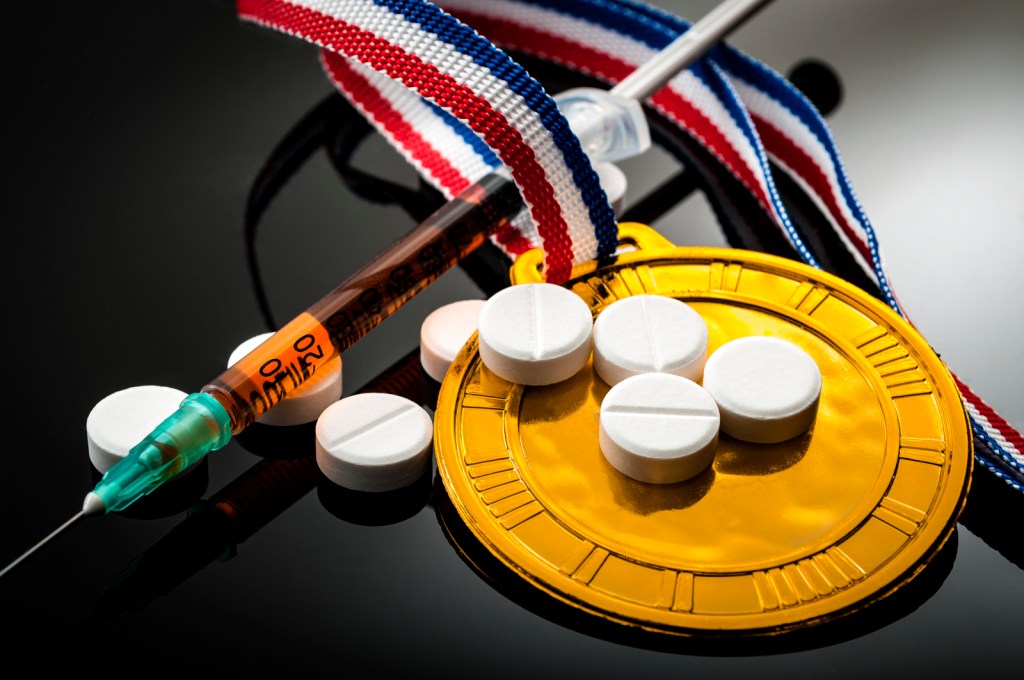
Doping in sport is a widespread problem not just among elite athletes, but even more so in recreational sports. In scientific literature, major emphasis is placed on doping detection, whereas detrimental effects of doping agents on athletes’ health are seldom discussed. Human growth hormone also increases muscle mass, although the majority of that is an increase in extracellular fluid and not the functional muscle mass.

The term doping is widely used by organizations that regulate sporting competitions. The use of drugs to enhance performance is considered unethical, and therefore prohibited, by most international sports organizations, including the International Olympic Committee.

History

According to the World Anti-Doping Agency (WADA), the term “doping” probably comes from the Dutch word “dop,” an alcoholic beverage made of grape skins that was used by Zulu warriors to make them stronger in battle.

Ancient Greek athletes used special diets and stimulating potions to improve performance, and 19th century endurance athletes indulged in strychnine, caffeine, cocaine and alcohol.

The American specialist in doping, Max M. Novich, wrote: “Trainers of the old school who supplied treatments which had cocaine as their base declared with assurance that a rider tired by a six-day race would get his second breath after absorbing these mixtures.”[8] John Hoberman, a professor at the University of Texas in Austin, Texas, said six-day races were “de facto experiments investigating the physiology of stress as well as the substances that might alleviate exhaustion.”
Effects of doping in sports

It builds muscle but causes abnormal growth, heart disease, diabetes, thyroid problems, hypertension, blood cancers and arthritis. Other adverse effects include joint pain, muscle weakness, visual disturbances, enlarged heart and diabetes.

Other side effects include:

  • Heart palpitations.Heart rhythm abnormalities.
  • Weight loss.
  • Tremors.
  • Mild high blood pressure (hypertension)
  • Hallucinations.
  • Stroke.
  • Heart attack and other circulatory problems.
  • Constipation.Skin rash or dermatitis.
  • Diarrhea.
  • Dizziness.
  • Drowsiness.
  • Dry mouth.
  • Headache.
  • Insomnia.

UFC ( Ultimate Fighting Championship ).

In December 2013, the UFC began a campaign to drug test their entire roster randomly all year-round. Random testing, however, became problematic for the promotion as it began to affect revenue, as fighters who had tested positive would need to be taken out of fights, which adversely affected fight cards, and therefore pay-per-view sales.

According to Steven Marrocco of MMAjunkie.com, about 31% of UFC fighters subjected to random testing since the program first started have failed due to using performance-enhancing drugs. That is approximately five failed tests for every sixteen random screenings.

From July 2015, the UFC has advocated to all commissions that every fighter be tested in competition for every card. Lorenzo Feritta, who at the time was one of the presidents of the UFC, said, “We want 100 percent of the fighters tested the night they compete”. Also, in addition to the drug testing protocols in place for competitors on fight night, the UFC conducts additional testing for main event fighters or any fighters that are due to compete in championship matches.

Link

Acid Rain

“The unthinkable is that we’re distorting this atmospheric balance. We’re shifting the chemical balance so that we have more poisons in the atmosphere – ozones and acid rain on ground level – while we’re also changing the thermal climate of the earth through the greenhouse effect and – get this – simultaneously causing destruction of our primary filter of ultraviolet light. It’s incredible. Talk about the national-debt crisis – we’re piling up debts in the atmosphere, and the piper will want to be paid.”

~ Michael Oppenheimer

Introduction

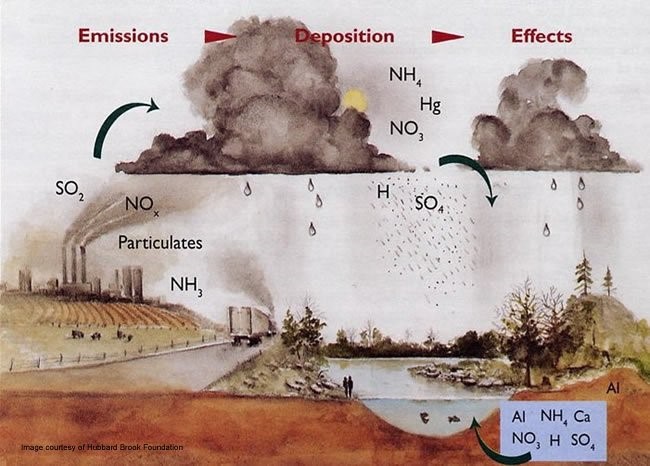
Acid rain, or acid deposition, is a broad term that includes any form of precipitation with acidic components, such as sulfuric or nitric acid that fall to the ground from the atmosphere in wet or dry forms. This can include rain, snow, fog, hail or even dust that is acidic.

Acid rain is caused by a chemical reaction that begins when compounds like sulfur dioxide and nitrogen oxides are released into the air. These substances can rise very high into the atmosphere, where they mix and react with water, oxygen, and other chemicals to form more acidic pollutants, known as acid rain.

It can have harmful effects on plants, aquatic animals, and infrastructure.

Effects of Acid Rain

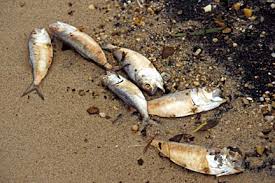
The ecological effects of acid rain are most clearly seen in aquatic environments, such as streams, lakes, and marshes where it can be harmful to fish and other wildlife. As it flows through the soil, acidic rain water can leach aluminum from soil clay particles and then flow into streams and lakes.

Acid rain has been shown to have adverse impacts on forests, freshwaters, and soils, killing insect and aquatic life-forms, causing paint to peel, corrosion of steel structures such as bridges, and weathering of stone buildings and statues as well as having impacts on human health.

Acid rain also causes the corrosion of water pipes. Which further results in leaching of heavy metals such as iron, lead and copper into drinking water.

Prevention

1. The only precaution that we can take against acid rain is having a check at the emission of oxides of nitrogen and sulphur.
2. We have so far seen the details of acid rain and its harmful effect on animals, plants and the monuments.
3. Being responsible citizens, one should be aware of the harmful effects they cause and of the industries which give out nitrogen and sulphur compound wastes unethically. 4.A great way to reduce acid rain is to produce energy without using fossil fuels. Instead, people can use renewable energy sources, such as solar and wind power. Renewable energy sources help reduce acid rain because they produce much less pollution.

Acid Rain in India

Analysis of rainwater samples from Nagpur, Mohanbari (in Assam), Allahabad, Visakhapatnam and Kodaikanal in the decade 2001-2012 showed a pH level varying from 4.77 to 5.32, indicating that these places have actually been receiving ‘acid rain’. Rainwater with pH below 5.65 is considered acidic.

As energy requirements in India will grow rapidly in tune with the economy, coal dependence is expected to increase threefold over the current level of consumption, making the clouds of acid rain heavier over many highly sensitive areas in the country – the northeast, parts of Bihar, Orissa, West Bengal ,etc ,.

The rains in the Indian Ocean and the Arabian Sea and the Bay of Bengal have become acidic. Studies show the importance to regularly monitor more places for acid rains. But the mechanism to study acid rains is at present inadequate in India. imd stations are not located in the most polluted areas in the country.

Link

Universal destruction

How could it be possible that when the time gets worse we often ignore the vulnerable?

Nikhil Meshram

We are living in the world , where no one can intrude . A life , where you can’t touch the one you want . A life, where one has to stay away from his own . A life , where no one can go in one’s home . Yes , it’s a life we are living ‘ A life of a LOG’ .

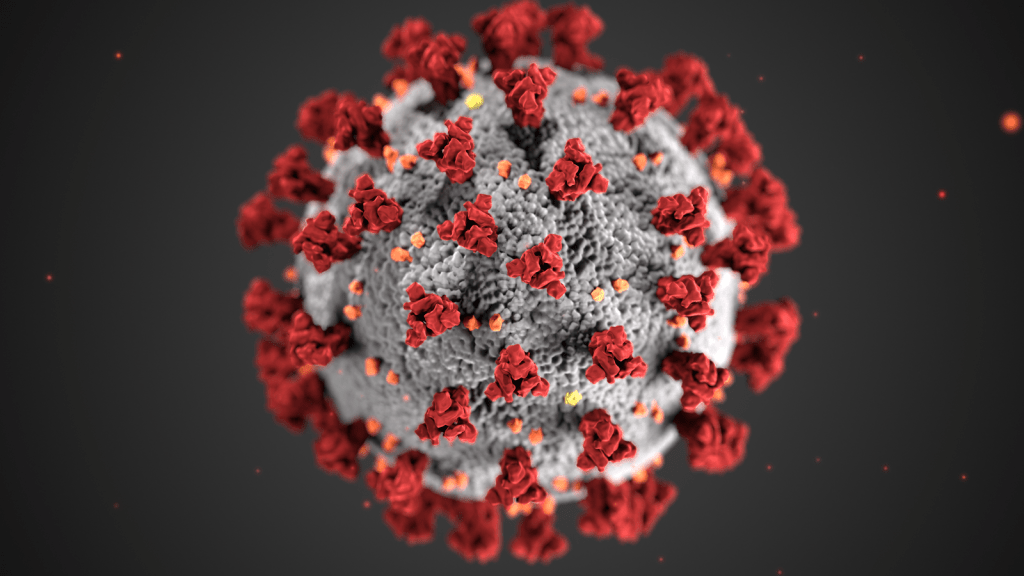
Coronavirus , I believe it’s not a new word in your dictionary . This eleven letter word creating a massive destruction all over the world . I know you are well aware but the real question is , are you following the protocols properly?

Firstly let’s get some knowledge about coronavirus.

The origin .

The recent outbreak began in Wuhan, a city in the Hubei province of China. Reports of the first COVID-19 cases started in December 2019.

Coronaviruses are common in certain species of animals, such as cattle and camels. Although the transmission of coronaviruses from animals to humans is rareTrusted Source, this new strain likely came from bats, though one study suggests pangolins may be the origin.

However, it remains unclear exactly how the virus first spread to humans.

Some reports trace the earliest cases back to a seafood and animal market in Wuhan. It may have been from here that SARS-CoV-2 started to spread to humans.

Coronaviruses are a group of viruses that can cause disease in both animals and humans. The severe acute respiratory syndrome (SARS) virus strain known as SARS-CoV is an example of a coronavirus. SARS spread rapidly in 2002–2003.

The new strain of coronavirus is called severe acute respiratory syndrome coronavirus 2 (SARS-CoV-2). The virus causes coronavirus disease 19 (COVID-19).


Around 80%Trusted Source of people with COVID-19 recover without specialist treatment. These people may experience mild, flu-like symptoms. However, 1 in 6 peopleTrusted Source may experience severe symptoms, such as trouble breathing.

The new coronavirus has spread rapidly in many parts of the world. On March 11, 2020, the World Health Organization (WHO)Trusted Source declared COVID-19 a pandemic. A pandemic occurs when a disease that people are not immune to spreads across large regions.

It’s okay take a deep breath . Yes, it’s a lot to take in but we all know how china played with the whole world .

The protocols.

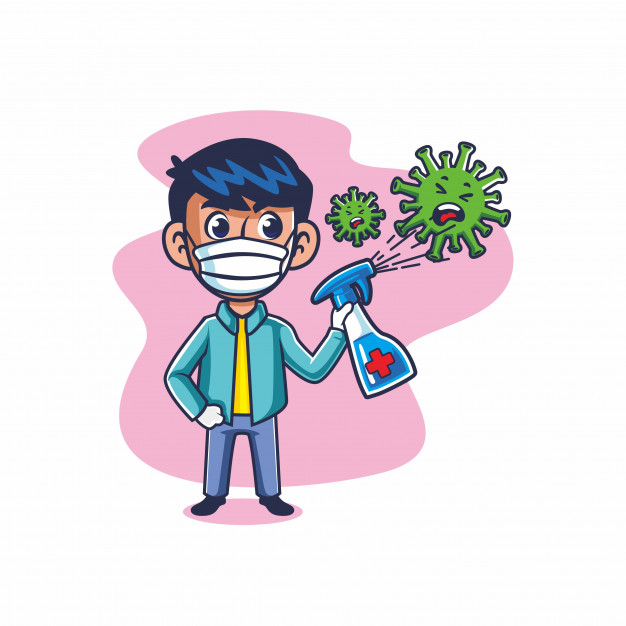
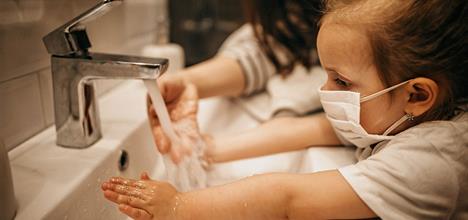
  • Wear masks ,
  • Wash hands ,
  • Use sanitizers ,
  • Social distancing , etc,.

Is it important to follow protocols ?

You say NO , I say ‘if you want to die you can easily ignore the protocols ’ . Well I don’t want to die , I have my whole 20s , 30s and so on…… .

According to the survey, people have been moving around freely, meeting different social groups and attending gatherings, going to malls and markets. This indicates that a pandemic fatigue has set in after after a year of restrictions on movement, social distancing and strict mask wearing norms.

Well , if you are saying this is what following protocols is than I am happy to stay home rather than chilling around like a monkey . Like really , a monkey also has a common sense that when to do chilling and when to fight for himself . What we are doing is putting masks in our pocket to showcase the world that I have one . Haha it’s kinda funny .

We long to return to normal, but **normal led to this**. To avert the future pandemics we know are coming, we MUST grapple with all the ways normal failed us. We have to build something better. I hope this piece, in showing what went wrong, helps.

Link :

Drinking Water Treatment with UV Irradiation

Ultraviolet (UV) rays are part of the light that comes from the sun. The UV spectrum is higher in frequency than visible light and lower in frequency compared to x-rays. This also means that the UV spectrum has a larger wavelength than x-rays and a smaller wavelength than visible light and the order of energy, from low to high, is visible light, UV, than x-rays. As a water treatment technique, UV is known to be an effective disinfectant due to its strong germicidal (inactivating) ability. UV disinfects water containing bacteria and viruses and can be effective against protozoans like, Giardia lamblia cysts or Cryptosporidium oocysts. UV has been used commercially for many years in the pharmaceutical, cosmetic, beverage, and electronics industries, especially in Europe. In the US, it was used for drinking water disinfection and treatment in the early 1900s but was abandoned due to high operating costs, unreliable equipment, and the expanding popularity of disinfection by chlorination.

Because of safety issues associated with the reliance of chlorination and improvement in the UV technology, UV has experienced increased acceptance in both municipal and household drinking water treatment systems. There are few large-scale UV water treatment plants in the United States although there are more than 2,000 such plants in Europe. There are two classes of disinfection systems certified and classified by the NSF under Standard 55 – Class A and Class B Units.

Class A — These ultraviolet water treatment systems must have an ‘intensity & saturation’ rating of at least 40,000 uwsec/cm2 and possess designs that will allow them to disinfect and/or remove microorganisms from contaminated water. Affected contaminants should include bacteria and viruses
“Class A point-of-entry and point-of-use systems covered by this Standard are designed to inactivate and/or remove microorganisms, including bacteria, viruses, Cryptosporidium oocyst and Giardia cysts, from contaminated water. Systems covered by this standard are not intended for the treatment of water that has obvious contamination or intentional source such as raw sewage, nor are systems intended to convert wastewater to drinking water. The systems are intended to be installed on visually clear water.”

Class B — These ultraviolet water treatment systems must have an ‘intensity & saturation’ rating of at least 16,000 uw-sec/cm2 and possess designs that will allow them to provide supplemental bactericidal treatment of water already deemed ‘safe’. i.e., no elevated levels of E. coli. or a standard plate count of less than 500 colonies per 1 ml. NSF Standard 55 “Class B” UV systems are designed to operate at a minimum dosage and are intended to “reduce normally occurring non-pathogenic or nuisance microorganisms only.” The “Class B” or similar non-rated UV systems are not intended for the disinfection of “microbiologically unsafe water.”

Therefore, the type of unit depends on your situation, source of water, and your drinking water quality. Transmitted UV light dosage is affected by water clarity. Drinking water treatment devices are dependent on the quality of the raw water. When turbidity is 5 NTU or greater and/or total suspended solids are greater than 10 ppm, pre-filtration of the water is highly recommended. Normally, it is advisable to install a 5 to 20 micron filter prior to a UV disinfection system.

Agriculture

When tillage begins, other arts follow. The farmers, therefore, are the founders of human civilization.”

— Daniel Webster

Introduction

It all started thousand of years ago , when the human civilization came into existence . Agriculture was a key to survival . People were farming for there domestic purpose , not for the others .

As the civilization started to grow accustomed of agriculture , they grew food in surplus that enabled people to live in cities. Plants were independently cultivated in at least 11 regions of the world.

The development of agriculture enabled the human population to grow many times larger than could be sustained by hunting and gathering.

It was the beginning of different civilization in different parts of the World. From those civilizations , one of them was our’s The Indus Valley Civilization . Vedic literature provides some of the earliest written record of agriculture in India. Rigveda hymns , describes plowing, fallowing, irrigation, fruit and vegetable cultivation.

Some of the ancient and historical evidence suggests rice and cotton were cultivated in the Indus Valley.

Agriculture : In India and World today .

India ranks second worldwide in farm outputs. As per 2018, agriculture employed Indian work force and contributed 17–18% to country’s GDP.

In 2016, agriculture and allied sectors like animal husbandry, forestry and fisheries accounted for 15.4% of the GDP (gross domestic product) with about 41.49% of the workforce in 2020.India ranks first in the world with highest net cropped area followed by US and China.The total agriculture commodities export was US $ 3.50 billion in March – June 2020.

Agriculture is the primary source of livelihood for about 58% of India’s population. Share of agriculture and allied sectors in gross value added (GVA) of India at current prices stood at 17.8 % in FY20.

During 2019-20 crop year, food grain production reached a record of 296.65 million tonnes. In 2020-21, Government of India is targeting food grain production of 298 million tonnes.

India is among the 15 leading exporters of agricultural products in the world. Agricultural export from India reached US$ 38.54 billion in FY19 and US$ 35.09 billion in FY20.

Agriculture is an important industry in the United States. The agriculture industry, which includes both crops and livestock, is responsible for producing most of the world’s foods and fabrics. Agriculture impacts so many things that it’s hard to imagine a world without this important industry.

Schemes and Initiatives

Due to the high requirement of agriculture . It is important for the government to take initiatives and provide better infrastructure to the farmers. However , the required level of investment for the development of marketing, storage and cold storage infrastructure is estimated to be huge.

The Indian Council of Agricultural Research (ICAR), established in 1905, was responsible for the search leading to the “Indian Green Revolution” of the 1970s. The Union Minister of Agriculture is the president of the ICAR. The Indian Agricultural Statistics Research Institute develops new techniques for the design of agricultural experiments, analyses data in agriculture, and specialises in statistical techniques for animal and plant breeding.

Schemes by government for Indian agriculture :

  • Dairy Entrepreneurship Development Scheme.
  • Rainfed Area Development Programme (RADP)
  • Paramparagat Krishi Vikas Yojana (PKVY)
  • Pradhan Mantri Krishi Sinchai Yojana (PMKSY)
  • National Agriculture Market (e-NAM)
  • Pradhan Mantri Kisan Maandhan yojana.
  • Pradhan Mantri Fasal Bima Yojana (PMFBY)
  • Kisan Credit Card (KCC) scheme.
  • Pashu Kisan Credit Card Scheme.
  • PM-Kisan Scheme.

Conclusion

Agriculture sector is one of the prominent sector in India as well as all over the world . India is becoming self – sufficient in pulses and other crops .

Gone are the days , when India was unable to provide sufficient amount of food to the citizens . Gone are the days , when people used to think agriculture was not as important as other sectors . Gone are the days , when people used to think less of farmers . And gone are the days , when people were less educated about agriculture.

Farming is a profession of hope.

— Brett Brian

Link

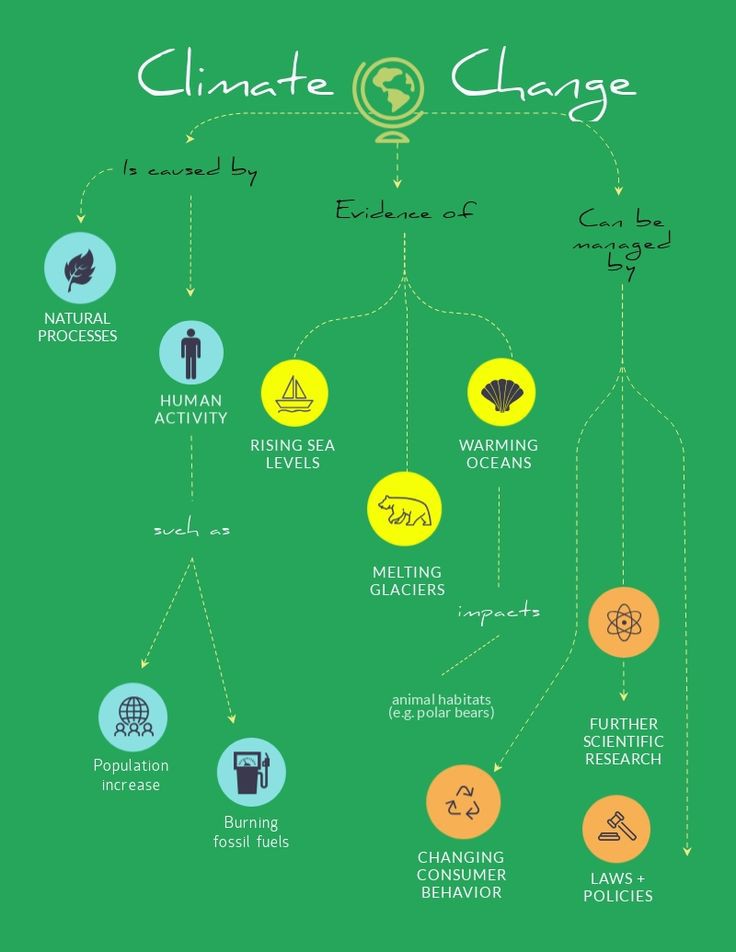
Climate change : In India and World today .

Let’s double down on solar energy, let’s be more energy-efficient, let’s weatherize our homes. We can build a better, healthier economy based on good-paying, clean energy jobs.”

Ian Somerhalder, Actor

Being one of the second largest country , climate change in India is having profound effect on India and all over the world . India is ranked fourth among the list of countries most affected by climate change in the period from 1996 to 2015 .

With 7% of global emissions , India emits about 3 gigatonnes (Gt) CO2eq of greenhouse gases each year; about two and a half tons per person, which is half the world average.

Due to the rise in temperature , the Tibetan plateau are causing problem to Himalayan glaciers . It directly effect in increasing the flow rate of the Ganges , Brahmaputra, Yamuna and other major rivers.

The Indira Gandhi Institute of Development Research has reported that, if the prediction of the Intergovernmental Panel on Climate Change is correct about Global warming than it may cause fall of GDP upto 9%.

In all over the world , climate change is drastically affecting the change in temperature of the globe 🌎 . Climate change includes both global warming driven by human-induced emissions of greenhouse gases and the resulting large-scale shifts in weather patterns.

Causes :

Human envision and green house gasses are two important causes in the climate change. Greenhouse gases affect Earth’s energy balance and climate .Human activities have added greenhouse gases to the atmosphere. Human activities are changing the climate.

Other causes :

  • Power Plants.
  • Farming .
  • Deforestation.
  • Fertilizers.
  • Oil drilling.
  • Natural gas drilling.
  • Permafrost.
  • Garbage .
  • Volcanic eruption.
  • Pollution.

Campaigns

There are many campaigns that are going on . One of them is The ActNow campaign . It was launched at the UN Climate Change Conference (COP 24) in December 2018, with a call from Sir David Attenborough in conjunction with the award-winning “People’s Seat” initiative.

It signifies individual action on climate change and sustainability. By changing our habits and making choices that have less harmful effects on the environment, we can tackle the climate emergency and build a more sustainable world.

It is also working with other campaigns like The Good life goals , Anatomy of action , 170 actions to combat climate change , lazy person guide to saving the world , connect4climate , climate neutral now , trash hack , stop the waste , Think. Eat. Save. , Clean seas , breathe life , glowing glowing gone . Their may be others as well .


Prevention :

Becoming more energy efficient is a great way to prevent pollution. It causes the power plants to expend less energy that can lead to the production of greenhouse gases. … Replace your light bulbs with energy-efficient light bulbs that help you save electricity too.

  • Speak up!
  • Power your home with renewable energy.
  • Weatherize, weatherize, weatherize.
  • Invest in energy-efficient appliances.
  • Reduce water waste.
  • Actually eat the food you buy—and make less of it meat.
  • Buy better bulbs.
  • Pull the plug(s).

Conclusion

In the times , where the world is changing and taking measurements for saving the globe . Many Environmentalist , Actors , Politicians , Countries are taking precautions and actions on the climate change . It is our duty to prevent our world from falling . Take Initiative To Save The World .

Climate change is real. It is happening right now, it is the most urgent threat facing our entire species and we need to work collectively together and stop procrastinating.

Leonardo Di Caprio, Actor & Environmentalist

Link

POLLUTION : A THREAT TO THE ENVIRONMENT

What is pollution?

The condition in which harmful and hazardous materials get mixed with the environment making it impure is called pollution . The harmful materials that make the environment impure are called pollutants. Pollutants can be natural as well as man made. For example volcanic ash is a natural pollutant whereas trash or runoff produced by factories are the pollutants created by humans. Pollutants damage the quality of air, water, and soil.

Types of pollution

Usually there are three types of pollution. They are as follows :-

Air pollution : When the harmful hazardous substances mix with the air making it impure to breathe, it causes air pollution . According to the World Health Organization (WHO), every year almost seven million deaths occur because of air pollution. Nine out of ten human beings currently breathe air that exceeds the WHO’s guideline limits for pollutants, with those living in low- and middle-income countries suffering the most.
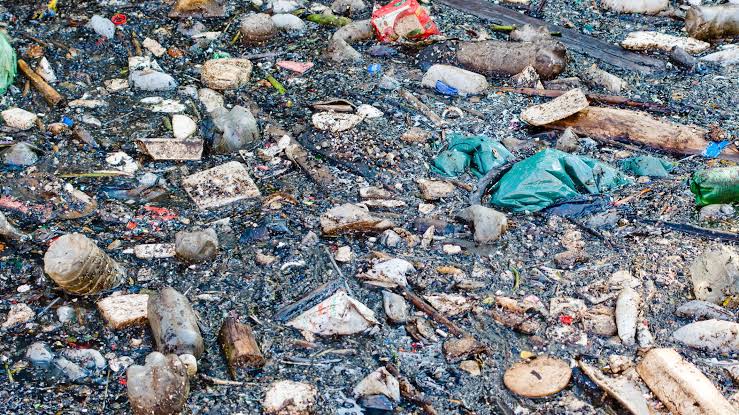
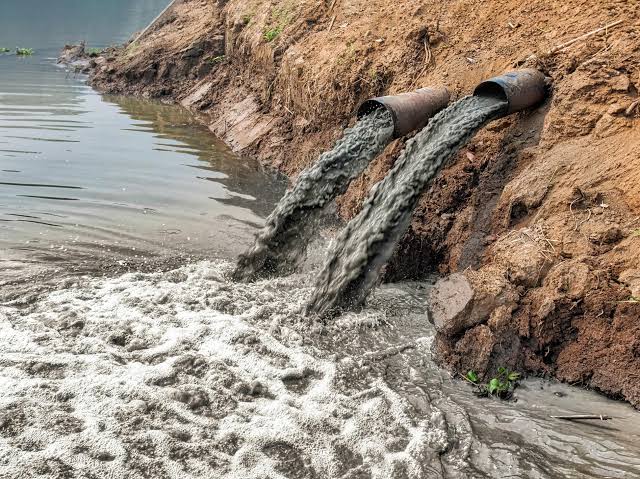
Water pollution : Water pollution (or aquatic pollution) is the contamination of water bodies, usually as a result of human activities. Therefore when harmful pollutants and chemicals mix with the water of water bodies like lakes, rivers, oceans, aquifers and groundwater leads to water pollution. Water pollution is the leading worldwide cause of death and disease, e.g. due to water-borne diseases.
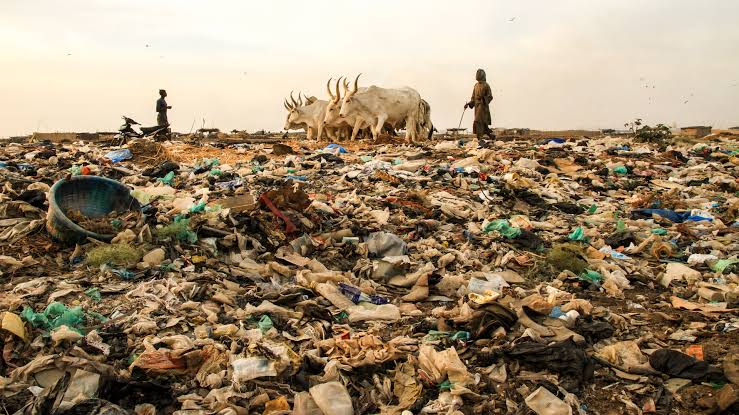
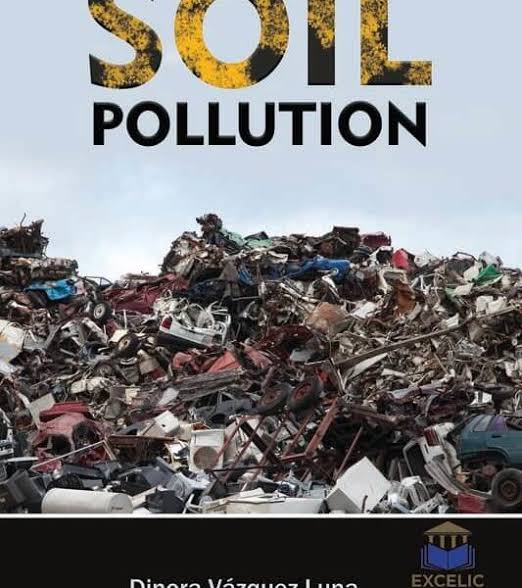
Soil Pollution : The removal of useful substances from the soil or the addition of harmful substances to it is called soil pollution. Garbage, cotton clothes, newspapers, tree waste, are the causes of soil pollution. Plastic, glasses and metal objects may also cause soil pollution.

Causes of pollution in environment :

There are many causes of environmental pollution. The causes of pollution are as follows :
Industries
From the time of the industrial revolution,Industries have been polluting our environment. This is caused due to the increasing use of fossil fuels. In the 19th century and for a significant part of the 20th century, human force was being replaced by coal to make machines work faster.

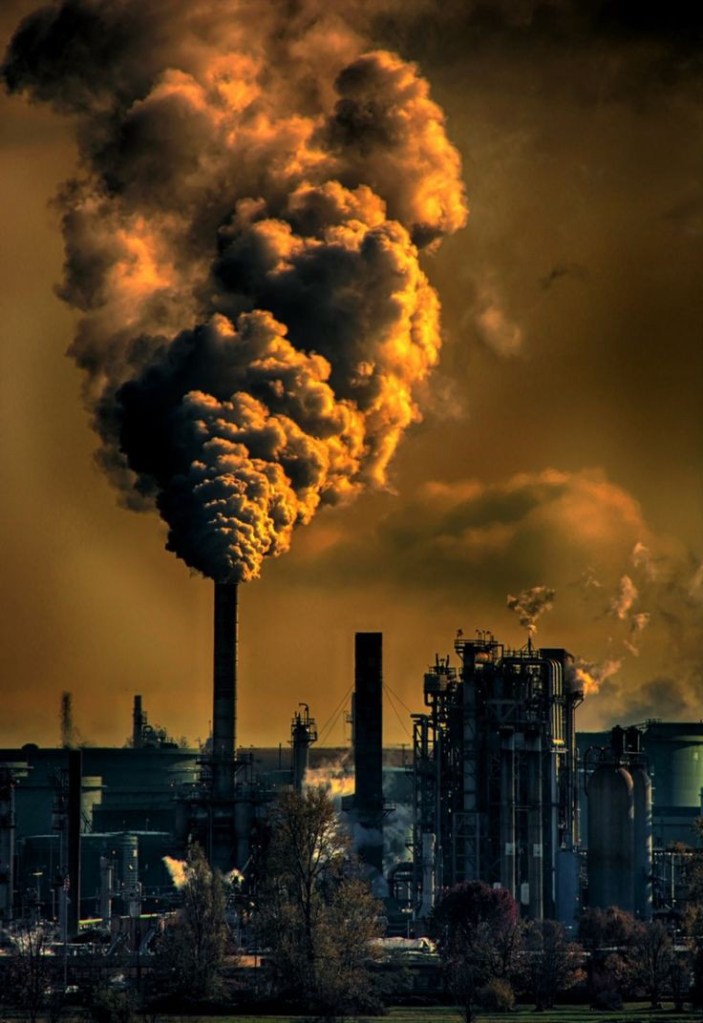
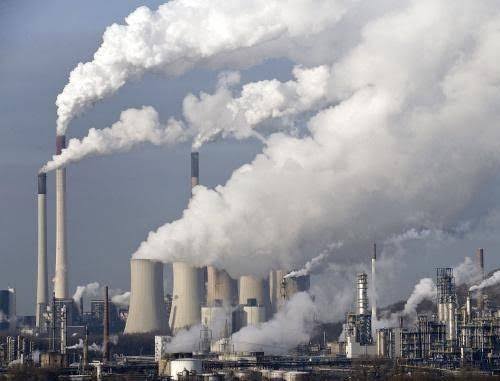
Pollution by industries is the main cause of air pollution but it also causes contamination in soil and water. This is particularly the case for power-generating industries, such as plants producing electricity (May they be a dam, a nuclear reactor or some other type of plant).
Transportation can also be harmful for the environment like petrol is transported through pipelines. A leak in the pipeline will automatically pollute the soil.
At the same time, if the tanker transporting petrol from its production plant to the place where it will be consumed leaks or sinks then it will contaminate the water.

2. Transportation
After the time when people r using petrol vehicles for transportation instead of using animal power the rate of environmental pollution has increased. Its levels have only been increasing day by day. Similarly to industries, pollution caused by transport can mainly be attributed to fossil fuels.

3. Agricultural Activities
Agricultural waste is mainly a cause of water and soil pollution. This is caused by the increased use of pesticides, as well as by the intensive character of its production. Most of the pesticides are made from chemical substances and are meant to keep diseases and threatening animals away from the crops.
However, by keeping these forms of life away, the harm is almost always made to the surrounding environment as well.
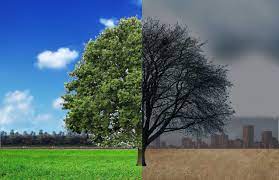
4. Trading Activities
The production and exchange of goods and services fall under this category. As regards goods, pollution can be caused by packaging (which often involves the use of plastic, which is made from fossil fuels) or transport, mainly.


5. Residences
Finally, residential areas provide their fair share of pollution as well. To build homes, the natural environment has to be destroyed in one way or another.
Wildlife and plants are driven away and replaced by human constructions. As it requires the work of industries, construction itself is also a source of contamination of the environment.

Effects of Environmental Pollution

Now that we have identified the main causes of environmental pollution, let us study the negative effects it has:

1. Effects on Humans
The effects of environmental pollution on humans are mainly physical, but can also turn into neuro-affections in the long term. It causes respiratory infections, in the form of allergies, asthma, irritation of the eyes and nasal passages, or other forms of respiratory infections. Environmental pollution has been proven to be a major factor in the development of cancer. This can happen, for example, when we eat reminiscences of pollutants used in the production of processed foods or pesticides from the crops. Other rarer diseases include hepatitis, typhoid affections, diarrhea, and hormonal disruptions.

2. Effects on Animals
Environmental pollution mainly affects animals by causing harm to their living environment, making it toxic for them to live in. Acid rains can change the composition of rivers and seas, making them toxic for fishes; an essential quantity of ozone in the lower parts of the atmosphere can cause lung problems to all animals.
Toxic algae overgrowth will be caused due to Nitrogen and phosphates present in water preventing other forms of life to follow their normal course.

Soil pollution will cause harm and, sometimes, even the destruction of microorganisms, which can have the dramatic effect of killing the first layers of the primary food chain.

3. Effects on Plants
As for animals, plants, and especially trees, can be destroyed by acid rains ozone in the lower atmosphere block the plant respiration, and harmful pollutants can be absorbed from the water or soil.


4. Effects on the Ecosystem
In short, environmental pollution, almost exclusively created by human activities, has a negative effect on the ecosystem, destroying crucial layers of it and causing an even more negative effect on the upper layers.

Prevention of environmental pollution

Environmental pollution can be reduced in many ways. The ways are as follows:
The most important thing we can do is reduce , reuse and recycle goods like plastic things etc.
We should lower the use of non biodegradable wastes
Uses of chemical fertilizers must be reduced.
To avoid pollution we should start afforestation.
We must take care during sewage disposal so that the chemical does not contaminate the soil or water.

@track2trainingseminar @track2trainingservice @track2traininginstitute @edunewsnetwork

https://www.britannica.com/science/pollution-environment

https://www.journals.elsevier.com/environmental-pollution

POLYTHENE BAGS ARE HARMFUL FOR THE ENVIRONMENT

Introduction

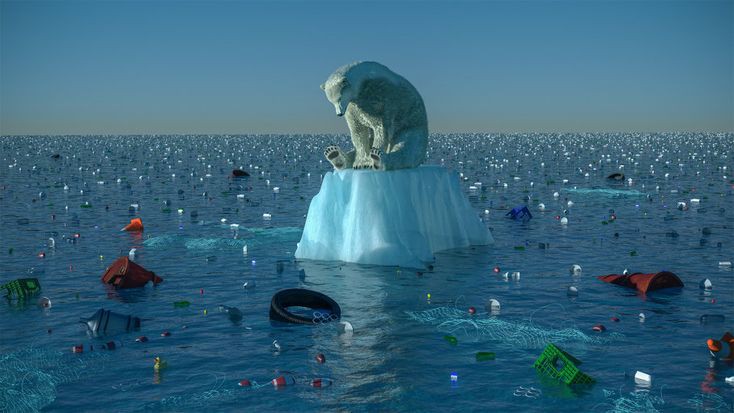
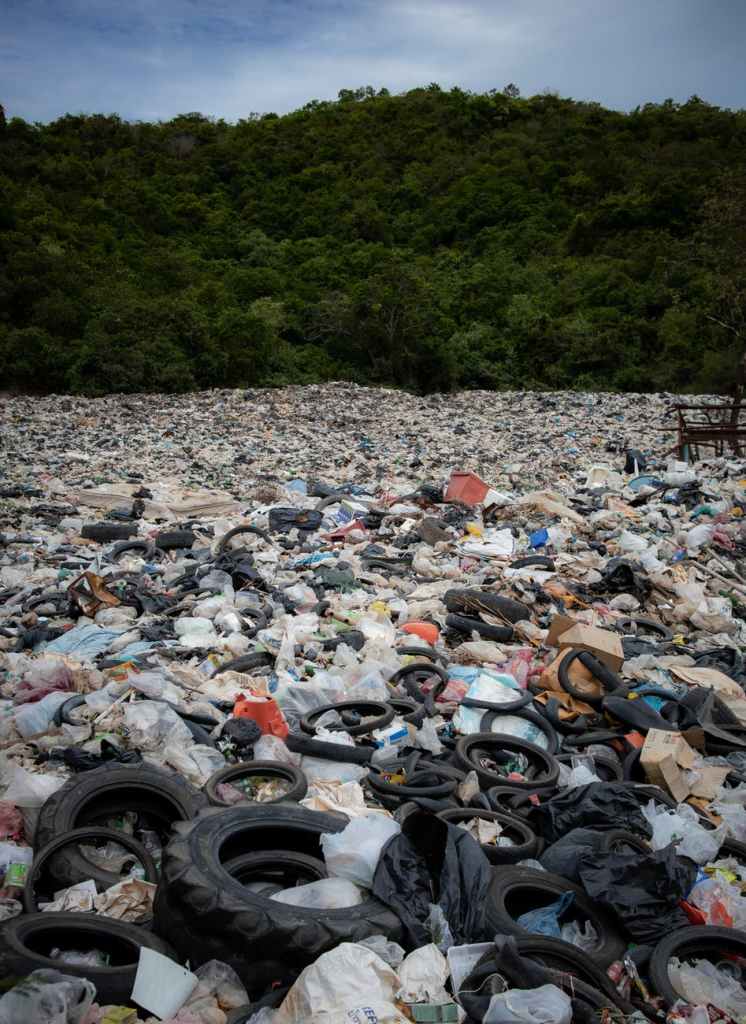
Plastic bags are the main cause of plastic pollution. The pollution which is destroying our environment. To reduce pollution plastic bags must be banned. Humans try to decompose them but it does not decompose instead it leads to air, water as well as soil pollution. It is said that plastic bags are the leading causes of increasing pollution.
For this reason plastic bags are banned in various countries. In spite of knowing the consequences, plastic bags are still used widely in most parts of the world making it harmful for the environment.

Plastic bags are readily available in the market and are used widely.These are popular at the grocery stores, markets, etc because they are handy and are comfortable to carry the grocery items like rice, wheat flour, pulses. Apart from grocery items it is used to carry veggies, fruits etc.

It is available in various sizes; these are quite economical and also easy to carry or use. But the cost for using these bags -is overlooked. These bags are costing us our beautiful environment. The plastic bags that we use in our everyday life are very much harmful to the environment. The actual problem is much more severe than it appears to us.

Plastic bags are destroying the soil making our agricultural lands infertile. It also causes several other serious problems. To ensure a cleaner and greener environment many countries have banned the use of plastic bags. Among those countries, India is one of them.

Our country has banned the use of plastic bags in many states. However, the implementation of this rule hasn’t been proper.

These are still available in the market. The retailers provide goods in these bags, and the shoppers gladly take their stuff in these easy to carry bags. And another reason for this does not have a proper option to replace them.

It is time for each one of us to understand the severity of the issue and stop the use of plastic bags.

Plastic Bags – A Boon or A Bane /A Curse?

Plastic bags are lightweight and can be carried anywhere without much effort.

This may sound like a blessing to us, but in reality it is much more harmful than its uses. They get carried away by the wind and water because of its light weight. They end up landing on the seas and water and pollute them. They get stuck in fences and pollute the environment while getting carried away with the wind.

The material used to make plastic bags is polypropylene. This material makes them durable thus making them last for a longer time. This polypropylene is prepared from natural gas and petroleum. They are non biodegradable in nature.
Green-house gases like Methane Carbon, Monoxide, and Carbon Dioxide are released during the production of various plastics products including plastic bags. This is a significant cause of global warming in the world today.

There is a misconception that recycling is an alternative to the misuse of plastic bags but recycling of plastic products cannot be a good choice because only 5% of the plastic bags can be recycled and the remaining 95% find their way in soil, water and landscape causing pollution. Only 35-40 percent of plastic bags are being recycled and the remaining 60% is not even known where it is gone.

As 60% of the plastic bags are not being traced, the producers are forced to produce more products to meet the needs of people. Everyone considers plastic bags as the most convenient bags to carry loads but it has the most harmful effects on human health.
Synthetic substances present in the polythene bags can disturb the typical working of hormones in the body.Most plastic pieces in the seas, like plastic bags, have a few contaminations, for example, PCBs (polychlorinated biphenyl) together with PAHs (Polycyclic fragrant hydrocarbons), which disturbs the normal function of our hormones.

When the marine creatures eat these synthetic substances, they travel through the food web then later into the people who consume sea animals, especially the fish.

How can we minimize their use?
In many countries across the world plastic bags have been restricted in several nations all over the world.

In many states the Government of India has already restricted the utilization of plastic bags.

Strict measures must be taken to ensure that the use of these bags is stopped. There must be curbs on the production of plastic bags altogether.
Retailers for selling as well as those who are carrying and using plastic bags must be fined.
Good quality plastic available in the market must be made chargeable. This is a good strategy to minimise the use of plastic bags.
To provide a proper alternative of polythene bags is another good strategy. The alternative must be cost efficient and have to be similar in use.

Conclusion
We had often overlooked and underestimated the harmful consequences caused due to plastic bags because we don’t notice the long term effect of these small, easy to carry bags used in our daily life.

People keep on using these bags owing to their convenience. They completely ignore the real fact about these bags that they are harmful for the environment and are a threat to life on earth.

@track2trainingseminar @track2traininginstitute @edunewsnetwork @pen2prints @

DEPLETION OF NATURAL RESOURCES

INTRODUCTION:-
There are many materials that are used to support life on earth and meet our needs called Natural resources.
E.g.Oil, coal, natural gas, metals, stone sand, air, sunlight, soil and water. Animals, birds, fish and plants are also natural resources
Types of natural resources:-
There are many ways to classify natural resources. On the basis of the resource availability and and its uses natural resources are classified into two types.They are as follows:
Renewable Natural Resources: The resources that are present in unlimited quantities and can be replenished naturally or can be sustained over a short period of time are called renewable natural resources. E.g., air, water, sunlight, soil, biomass, geothermal.
Non-renewable Natural Resources: The natural substances that are present in limited supplies and these are not replenished with the speed at which it is consumed. It is a finite resource. E.gFossil fuels such as coal, petroleum, and natural gas.
NATURAL RESOURCES DEPLETION:
We are using natural resources endlessly everyday. Explosion of population is causing overexploitation of natural resources and with little or no care is being taken to conserve them. Therefore natural resources are depleting to meet the needs of a huge population. However, we need to understand that natural resources are finite. Even to meet the population’s needs , renewable resources are not getting enough time to replenish . Thus, we can even wonder what the condition of non-renewable resources might be. So we can say that this depletion of natural resources is quite harmful to the earth and its inhabitants.
Impact of depletion of natural resources:
Minerals are being used rapidly as we need it for almost everything from housing to business. Thus, a major decline in these minerals like coal, copper etc are being noticed. If we do not conserve them completely, one day we will run out of all of them.

Similarly, the oil reserves are also running out. We won’t be able to produce more oil and thus we won’t get any petroleum. The prices will increase and many economies will crumble due to this lack of resources.

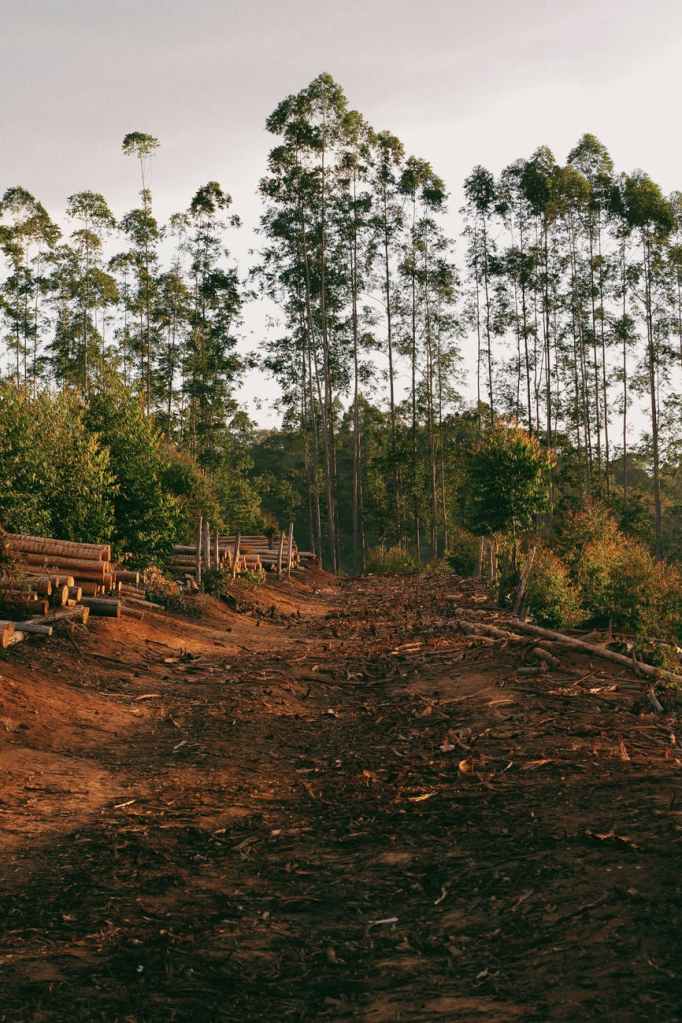
Similarly, the rate of cutting of forests is increasing day by day. Cutting down the Aarey forest in Mumbai is a major example. The damage caused as a result of this deforestation is quite dangerous. This will increase the carbon dioxide levels and alter the water cycle on earth. The day is very near when we will face frequent floods and soil erosion which will decrease our biodiversity.

Most importantly, the way of wasting water needs to be checked right away. Many countries are facing a water crisis and we know that life is impossible without water. The farmers won’t get enough water for irrigation. This results in famine and many more deadly consequences. We must not waste these resources.We should always find ways to prevent the depletion of natural resources.

WAYS TO PREVENT DEPLETION OF NATURAL RESOURCES:-
There are many ways by which we can prevent the depletion of natural resources. The ways are as follows:-
We should reduce our dependence on fossil fuels. This can be done by stopping wastage of electricity. We should try to use carpool with your neighbors or relative and travel public transport instead.
We should stop polluting water. The freshwater bodies are running out of clean water. We must organize cleanliness drives to clean the water of these bodies. We must not let the tap run for a long time. The industries must be banned from dumping their toxic waste into the water. Furthermore, we must stop taking long showers and bath using a bucket
The most important thing is we should plant more trees and preserve our existing forests. We must not let anyone to cut down. They are a very important natural resource needed for human survival. We must use less paper to avoid cutting down of trees. We can all come together and prevent this depletion of natural resources because this depletion of natural resources is very harmful for our future.
Thus depletion of natural resources can have a very harmful consequences in future so from now onwards we must start to preserve all of them.

HUMAN INTERVENTION.

Man is a social animal.

A man can go to any extent for satisfying his/her needs.

Nature being the best giver, has given everything humans need to survive and thrive. Man is not only part of nature but is because of nature only. Nature has bound humans by food, water, medicine, materials for shelter; and natural cycles like climate and nutrients which has supported the life.

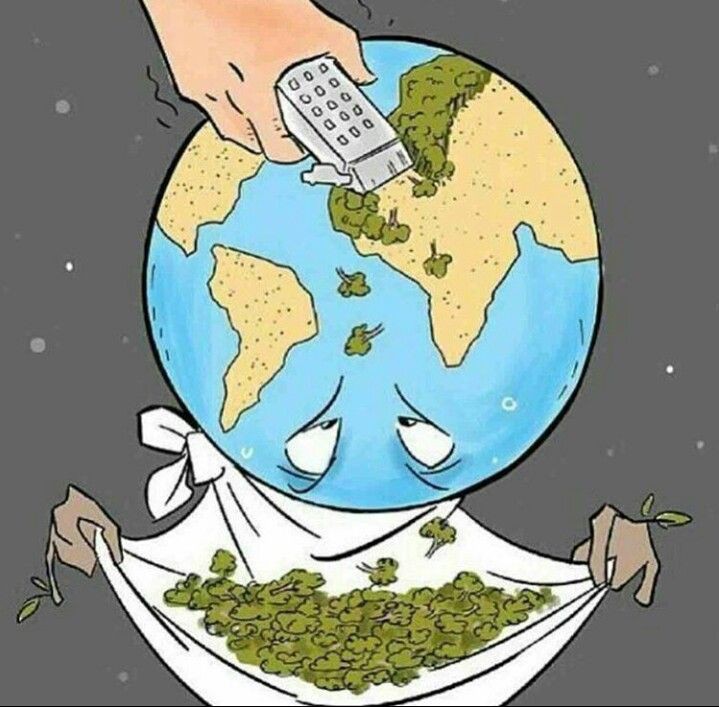
But, MAN BEING A SOCIAL ANIMAL, lacks humanity by disturbing the flora and fauna. Nature, which underpins our economy, society, has been degraded due to the human intervention. Our forests, rivers, seas, oceans and soils that provides us with the food we eat, the air we breathe and the water we irrigate our crops with, has all been destructed and deteriorated due to human greed of having more. It has affected the ecosystem habitat, extinction of wildlife and pollution.

8 Places From Around India Before & After The Lockdown
India Before and After Lockdown.

“Excess can be catastrophic”. Why a man forgets this ? It is the man who has to decide where to stop as in the end, it’s only us who are going to get affected. Man must understand that his activities have caused plastic pollution, deforestation and has damaged the environment.

Man must not only follow but raise awareness and should at once start to REDUCE, REUSE and RECYCLE.

Volunteer for cleanups in the community.