Germany lifts a ban on travelers from India, Uk, Portugal.

On Monday, Germany’s Health agency said they will lift the ban on travelers from some countries which are hit by the delta variant of Covid-19 namely; U.K, India, Russia, Portugal, and Nepal. Also, the Robert Koch Institute (RKI) said these nations would be reclassified from so-called virus variant countries to high incidence areas, by Wednesday.

This change will allow travelers to visit Germany as long as they follow quarantine and testing protocols.

Germany has introduced the ‘virus variant country’ travel category to put a stop to the new virus variant of coronavirus as it was not spread widely on the land. But, Health Minister (Jens Spanh) said last week that the Delta variant is becoming dominant in Germany, indicating that bans on countries affected by this variant of the virus may be lifted. As the research suggesting vaccines are effective against it, “we’ll look into the situation in few days”, said Spanh.

Last month, Chancellor Angela Merkel had taken a tough call and had put restrictions and longer quarantines for people traveling from Britain, where the Delta Variant has caused an explosion in cases. Last Friday on her visit to London, she indicated that the restrictions might be on ease for the travelers from Britain. She said, “We think that in the foreseeable future, those who have received double jabs will… be able to travel again, without having to go into quarantine”.

Anyone can visit Germany from high incidence areas as long as they provide a negative test on the arrival. Visitors must follow the 10 days quarantine protocol, although they can end it after five days with another negative report. Travelers from high incidence areas are also spared if they have been fully vaccinated. 

Although the countries with other variants apart from the Delta variant such as Brazil and South Africa will remain in the variant category. 

RKI has reported that the conditions are getting better for Germany with a decline in the overall prevalence in recent weeks. On Monday, it has reported 212 new cases in the past 24hrs and a prevalence rate of 5 new infections per 100,000 people over the last seven days.
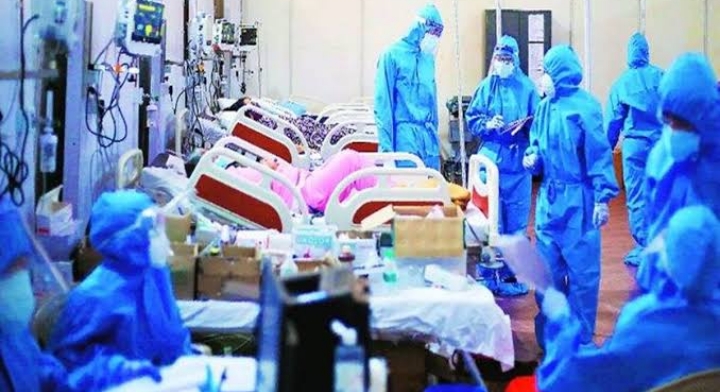
Health Infrastructure in India

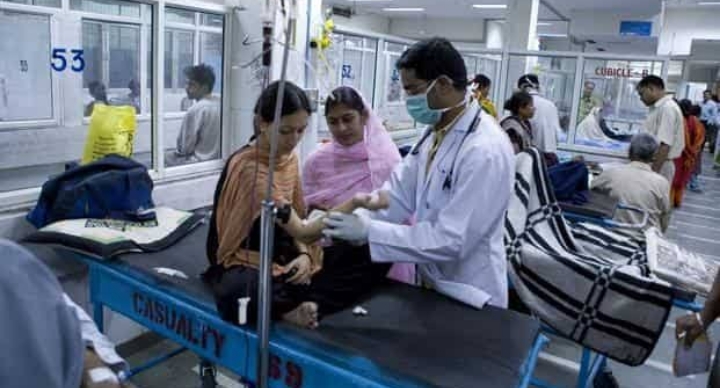
The pandemic has shown that India’s healthcare system is lacking on multiple ares and calls for a rework by all stakeholders. Government expenditure on health, demand-supply mismatch, and chronic shortages are just some of the problems.

In 2020-21, India spent 1.8% of its gross domestic product (GDP) on healthcare. With ‘health and well-being’ one of the six pillars of the Union Budget 2021-22, the government has committed approximately 2.5-3% of GDP now. Data shows that India has 1.4 beds per 1,000 people, 1 doctor per 1,445 people, and 1.7 nurses per 1,000 people. According to the World Health Organization (WHO), India ranks 184 out of 191 countries in health spending. The US spends over 16% of its total GDP on healthcare, while Japan, Canada, Germany etc. spend over 10% of their GDP on healthcare.

How have facilities coped with the pandemic?

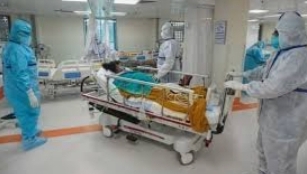
Badly. The capacity of the healthcare system has been stretched to its limits with critical shortages of hospital beds, oxygen concentrators, life-saving drugs, medical supplies, disease surveillance etc. With urban India struggling to counter the onslaught of the second wave of covid-19, rural India’s threadbare healthcare system stands even more stressed.

On April 9, Harsh Vardhan said the country had “substantially ramped up” hospital infrastructure, with 75,867 ICU beds and 255,168 oxygen beds. But going by the crisis across states, these numbers seem inadequate. Public health experts say the Centre and the states must now work together to quickly add more beds, ICUs and ventilators and also open temporary Covid facilities. They must ensure uninterrupted supply of medical oxygen. Several states have launched online tracking of hospital beds, but these often fail to display real-time data, leading to harassment of patients. For milder cases, the district administrations can open home care facilities with regular tele-monitoring so that the load on hospitals can be reduced.

Does poor healthcare impact the economy?

At a micro level, increased expenditure adversely impacts savings and consumption levels. Reduced consumption leads to reduced demand, disincentivising producers to invest more in capital formation. In case of firms, poor health conditions impact physical and mental ability, worker turnover, and attendance, leading to lower productivity. At a macro level, lower economic efficiency results in lower production relative to inputs employed, leading to lower economic growth and reduced income generation.

What is needed to improve healthcare?

India is in desperate need of an all-encompassing public healthcare system. The need of the hour is to have a regulator who can work with states and ensure that the focus shifts to affordable health-care, availability of more health-care professionals, well-equipped facilities, and disease prevention instead of disease management. Inequity among states in terms of facilities needs to be minimized. The Centre needs to aim for 100% health insurance coverage.

Government Initiatives

Some of the major initiatives taken by the Government of India to promote Indian healthcare industry are as follows:

  1. In March 2021, various states and UTs started implementation of the ‘Intensified Mission Indradhanush 3.0’—a campaign aimed to reach those children and pregnant women who were missed out or have been left out of the routine immunisation programme due to the COVID-19 pandemic. This is aimed to accelerate the full immunisation of children and pregnant women through a mission mode intervention.
  2. In March 2021, the Parliament passed the National Commission for Allied, Healthcare Professions Bill 2021, which aims to create a body that will regulate and maintain educational and service standards for healthcare professionals.
  3. In the Union Budget 2021, investment in health infrastructure expanded 2.37x, or 137% YoY; the total health sector allocation for FY22 stood at Rs. 223,846 crore (US$ 30.70 billion).
  4. The government announced Rs. 64,180 crore (US$ 8.80 billion) outlay for the healthcare sector over six years in the Union Budget 2021-22 to strengthen the existing ‘National Health Mission’ by developing capacities of primary, secondary and tertiary care, healthcare systems and institutions for detection and cure of new & emerging diseases.
  5. In Union Budget 2021-22, the government announced its plans to launch ‘Mission Poshan 2.0’ to merge ‘Supplementary Nutrition Programme’ with ‘Poshan Abhiyan’ (Nutrition Mission) in order to improve nutritional outcomes across 112 aspirational districts.
  6. The Government of India approved continuation of ‘National Health Mission’ with a budget of Rs. 37,130 crore (US$ 5.10 billion) under the Union Budget 2021-22.
  7. In the Union Budget 2021, the Ministry of AYUSH was allocated Rs. 2,970 crore (US$ 407.84 million), up from Rs. 2,122 crore (US$ 291.39 million).

IMPACT OF COVID-19 ON CARBON EMISSIONS

The unprecedented global disruption caused by the coronavirus pandemic is likely causing a sharp, brief drop in carbon emissions. 

  • Due to global lockdown ‘s impact on transport, demand for oil has fallen at an unprecedented scale. 
  • Gas demand falls less than oil or coal. 
  • The country’s CO² emission fell down by 15% during March and fell 30%in April. 
  • According to Daily data from the national grid. Coal – fired power generation fell 15% in March and 31% in April. 
  • Renewable energy generation increased by 6.4% in March. 
  • Due to reduced power generation, Industrial activity and transport volume. Thus, it has reduced fossil – related and cement – induced CO² emission. 

China is  the first country where the virus’s impact on carbon emissions  became visible

Carbon dioxide emission in China

According to China Emissions Accounts and Datasets(CEADs) :

  • Reduction of 257.7 Mt. (11%) over Q1 2019
  • Secondary industry contributed 186.8Mt.(72.5%) CO² to the total reduction (largely due to lower coal consumption and cement production). 
  • Hubei contributed 40.6Mt. reduction (due to decrease of 48.2%in secondary industry).
  • Transportation significantly contributes 65.1Mt. With a change of – 22.3% in freight transport and – 59.1% in passenger transport compared with Q1 2019.

      Globally :

  • Aviation decreased by 75%.
  • Surface Transport by 50%.
  • Power generation by 15%.
  • Industry – uncertain but~35%.
  • Small increase in residential buildings of 5%.

     Fossil Fuel:

  • Drop 8% in 3 month and peak drop 17% unprecedented 
  • Emissions in individual countries decreased by ~27%.
  • Emission from surface transport accounted for 43% of decrease, industry and power together accounted 43% and aviation. 
  • Drop in CO² Emissions had no detectable impact on atmospheric CO² or Climate change 
  • It is extremely small compared to the emission accumulated. 

Carbon dioxide emissions in India 

  • As lower power demand growth and competition from renewables weakened the demand for thermal power generation through the last 1 year. 
  • CO² emission fell by an estimated 15% during March and 30% in April. 
  • The fiscal year ending March, coal sales by main coal producer Coal India Ltd. Fell by 4.3%.

Coal import increased by3.2%

Total coal delivery fell by 2%

  • In March, coal output increased 6.5%. 

     Oil Demand :

  • Oil consumption slow down since early 2019.
  • During national lockdown, oil consumption fell 18% on March 2020.
  • Crude oil production in India decrease 5.9% compared to last financial year.

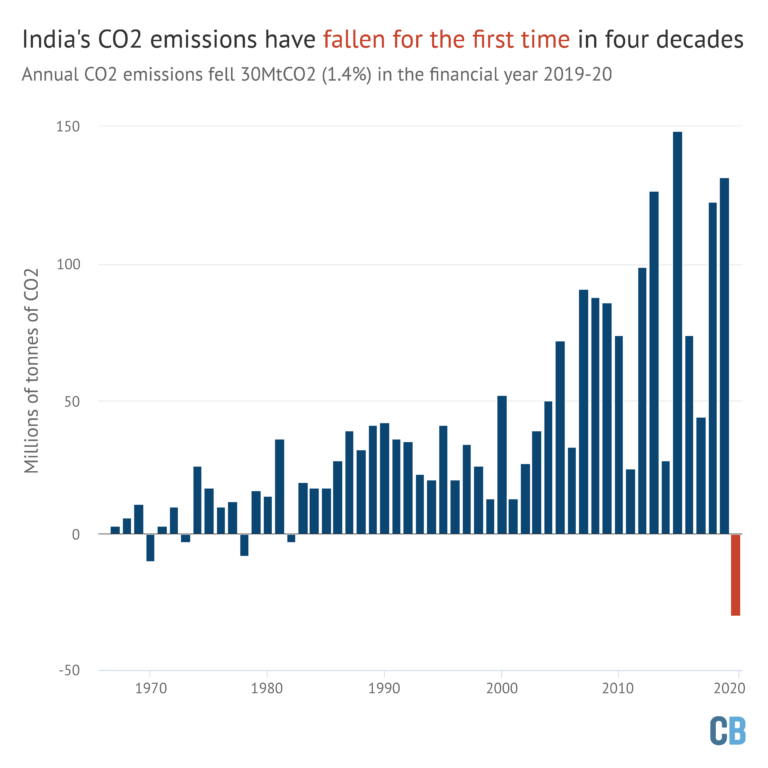
Thus, CO² emissions fell by 30mt.(1.4%) in fiscal year ending March. 

Environmental health due to Carbon Emission during Global lockdown

  • The positive effect of lockdown is to decrease the CO2 emission by −17% (−11 to −25%) by 7th April 2020 with respect to the mean level of emission in 2019.
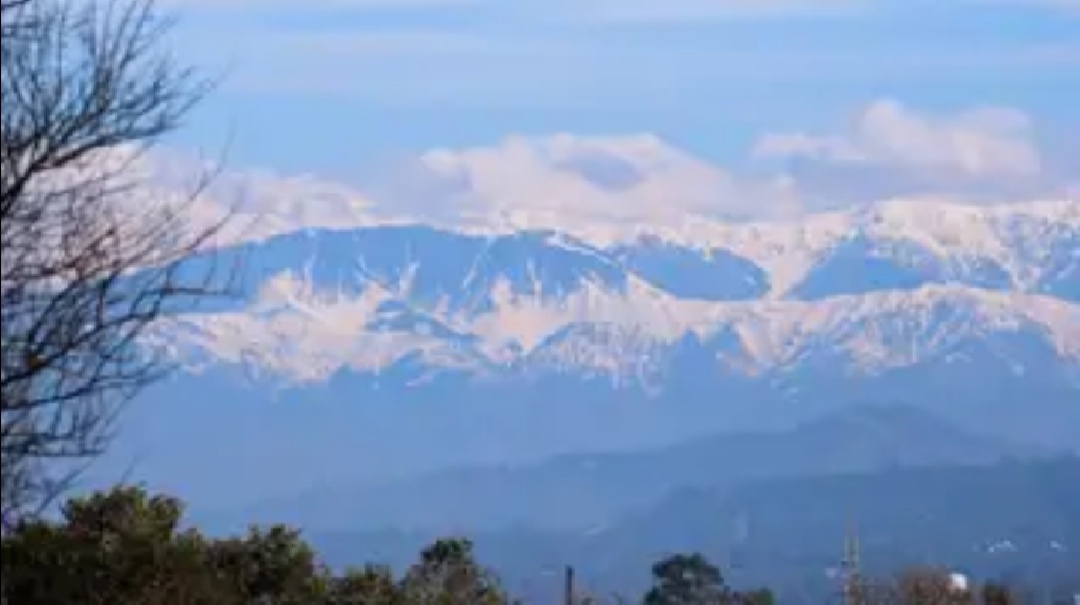
  •  Air quality index (AQI) is the assessment of air quality. The lower the AQI value, the better is the air. The normal air quality index range is (100−200) and presently it is in the satisfactory range (50–100) category as reported by Gurfam being a scientist at SAFAR. 
  • Zambrano-Monserrate et al. (2020) reported that the air quality index (AQI) has decreased by 44%, 33%, 29%, 15% and 32% in north, south, east, central and western India respectively. 
  • The same study also shows that from March 16th to April 14th, 2020, 22 cities of India show the reduction of PM10 (Particulate matter), PM2.5, CO, NO2, by 43, 31, 10 and 18%. During the quarantine period in COVID-19, the amount of NO2 was decreased by 22.8 μg/m3 and 12.9 μg/m3 in Wuhan and China respectively. 
  • In 367 cities, the PM2.5 fell by 18.9 μg/m3. As per the report of CAMS 2020 reduction of 20–30% of PM2.5 is observed in a wide area of China.
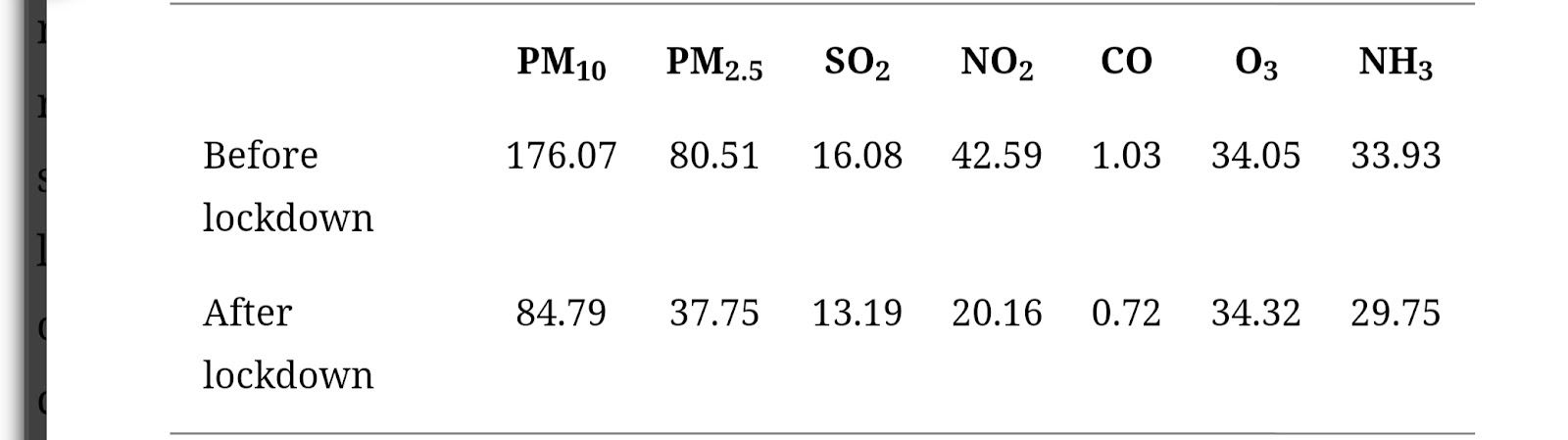
  •  Mahato et al.investigated that after three weeks of lockdown period from 24th March 2020, pollution of the Delhi, India, has experienced a noticeable reduction of different air pollution causing materials in the following Table

Comparison between different pollutants present in air before and after lockdown.

Reduction in carbon emission also lead to Ozone layer recovery over Antarctica:

  • The ozone layer is found in the upper atmosphere called the stratosphere between 10 and 50 km from the earth. 
  • The ozone layer acts as a natural sunscreen and plays a very important function by absorbing the harmful U—V rays from the sun. 
  • Ozone-depleting substances (ODS) are gases such as chlorine and/or bromine which breaks the ozone layer in the stratosphere. Various ODS are present in the environment are chlorofluorocarbon (CFCs), hydrochlorofluorocarbon (HCFCs), Methyl chloride and various halones.
  •  By the reaction with UV sunlight, these gases form chlorine and bromine and they are responsible for the depletion of the ozone layer. 
  • The international community signed the Montreal Protocol on substances about the depletion of the ozone layer, 30 years ago.
    •  According to the protocol, the consumption and production of ozone-depleting compounds should be regulated.
    •  By banning chlorine-containing synthetic compounds the rate of depletion declined and scientists expect to recover back to the 1980 level up to 2070.
    •  As per the scientific data of 2018, the stratosphere recovered at the rate of 1–3% per decade since 2000.
  •  After the lockdown began on Jan 23, the particulate matter pollution decreased by an average of 35% and NO2 decreased by an average of 60%. 
  • At the same period, scientists found the average surface ozone concentration increased by a factor of 1.5–2. 
  • Emission of ozone-depleting substances is also natural or man-made.
  •  All man-made emission is controlled because of lockdown during COVID-19. 
  • Production and consumption of ODS are also reduced. The World meteorological Organization (WMO) states that economic activity has been limited during COVID-19 which results in a decline in CO2 emission.
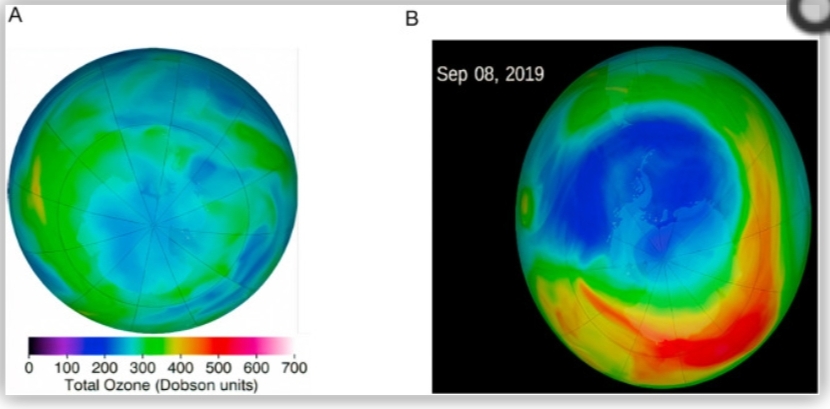
  •  In 2019, As per NASA and NOAA reported that the south pole region of Antarctica has warm temperature in the upper atmosphere which caused a small ozone hole since it was first seen in 1982 . 
  • On 23rd April 2020 Copernicus, atmospheric monitoring services (CAMS) announced that the largest hole was ever seen in the ozone layer over the arctic has been closed.
  •  Although lockdown is surely showing the prominent sign of nature, balance restoration of the ozone layer .
The map of holes in the ozone layer over Antarctica (a) 23rd May, 2020  (b) September 08, 2019

Impact of COVID 19 on Energy resources

The breakout of the Coronavirus Disease (COVID-19) toward the end of 2019 and its culminating transformation into a global pandemic sent shockwaves across the nations. Not only people lost their lives to it, but also numerous industries and governments as a whole succumbed to its impacts. To prevent the spread of the disease, many countries have resorted to observing country-wide lockdowns, damaging the normalcy of their economy. The world economy has seen new lows by trillions of dollars during this period, giving rise to times of constant anxiety about the future. The renewable energy sector, which has always been one of the leading areas to promote sustainability in terms of the environment, too is not spared from being affected by the pandemic. An amalgamation of the effects of the pandemic on the global economy and fluctuating oil prices resulting from country-wide lockdowns across the world further triggered its impact on the renewable energy industry. This work highlights the extensive impacts of COVID-19 on the renewable energy sector of India, a country that has proved itself to be proactive and progressive when it comes to solutions toward sustainable development. It showcases the present impacts of the pandemic on the sector and highlights future projections of the way it may continue to affect this sector as the world continues to struggle with the pandemic. The authors have brought up a set of their opined regulations that the administration and policymakers of the renewable energy sector of India can adopt to avert or reduce the extensivity of the impact of COVID-19 on their sector.

National Doctors Day: Are we doing enough to protect our life savers?

Typically, in an Indian household when a child grows up, Indian parents expect them to be doctors or engineers. But do we respect and love the same children when they actually become our life savers?

July 1, every year, is celebrated as National Doctors Day in India as this date marks both birth and death anniversary of prominent Doctor Bidhan Chandra Roy who was also the Chief Minister of West Bengal in early years of post independent India.

In 1991, Government of India established National Doctor’s Day to recognise the contributions of Dr. Bidhan Chandra Roy and also honour the Doctors nationwide.

Currently, the doctor-patient ratio in India is 1:1445 which is lower than WHO’s prescribed ratio of 1:1000. Doctors work day and night for their patients’ well being and this even increased since March 2020 due to COVID-19. But how much we as citizens give them in return?

India has suffered because of acute shortage of Doctors since the beginning as they never got the remuneration they deserve. This has always led to brain-drain in India as Doctors shift to other developed countries for better career prospects as they receive better salary and opportunities there.

Since the beginning of COVID-19, the only hope to get out of this deadly pandemic were Doctors and health care workers. Whenever our loved ones contract the virus, we immediately look towards our doctors with a helpless eyes, and Doctors without caring about themselves tirelessly give their life and time for us.

Some incidents in the recent past haven’t been so fruitful though. Doctors and other healthcare workers were brutally assaulted during the entire first and second wave and this is another downfall our country has witnessed.

Even on eve of Doctors day, two doctors were assaulted in Delhi yesterday after having a heated argument with two fellows. From an assault in June 2020 in Hyderabad to several such incidents in all parts of the country like Madhya Pradesh, Maharashtra, Assam and many more shows that we as citizens have failed our doctors.

Citizens have to understand by doing such acts of violence, their loves ones whom they lost won’t return. Yes, if any citizen feels their loved ones faced hospital casualties, they’ve a right to protest and they can take the legal procedures but they must not come into emotions and act violently.

Indian Medical Association has held several protests to voice for the rights of doctors. Nearly, 3000 Doctors resigned last month in Madhya Pradesh after High Court declared their strike as “illegal”. Several more prominent as well as junior Doctors in the country have vowed to not serve India as they feel citizens do not treat them with dignity.

If this goes on, India would have a vast decline in doctors per thousand people ratio and all the lives of Indian citizens will be at stake because private hospitals charge a lot and most Indians won’t be able to afford them due to mediocre and low income.

India would face a dangerous phase just like it faced in the second wave of pandemic if things continue like this till the upcoming third wave which will probably hit India by the end of 2021 as predicted by health experts. Stricter parliamentary laws against anyone who assaults doctors and moral policing of citizens can improve the doctor-citizen relationships however.

Is it the end or the begining of new era.

“Everything that has a beginning has an ending. Make your peace with that and all will be well.” ~

Jack Kornfield

Life is not always meant to fill with bliss and happiness . It also has its demon and darkness . And we are unable to understand the consequences that can be happen in future .

This is what we are facing now and it’s popularity is all over the world . Well well .. we all met the celebrity i.e., known as “ CORONA VIRUSE ”

Yes yes I know how much amazed we all were when we get to know about it . The excitement leads to the death of 1/4 of a population . Let’s move on from the gossip girls .

“But you are involved in the world, and your actions have consequences for other people, and if you don’t recognize that, then that’s the supreme kind of cruelty. Everyone shares someone else’s fate to some extent.” ~

Malcolm Bradbury

Like a gentle men he is . Malcolm has distracted us from the main theory that is “ Every action has equal and opposite reaction ”

From the past decades , census has been directly pointing out the deterioration in Nature . It leads to the extinction of wild life . More than one million of species had been reportedly facing problem and extinct .

So what do you think . Is it a revenge that nature is taking in the form of corona virus ?

Or

Is it a lesson to the human kind for playing with the nature ?

Well in both questions we get one thing clearly that is human kind has to pay .

Based on the report by WHO more than 3.3 million people died due to COVID19 in January . Their are “excess death” of people which caused mass havoc in the mind of the people all over the world .

So where were we virus , death , human kind , extinction . Ohh yeah now I remember we were talking about the hate of nature for human beings . Ops , sorry . Don’t mind sometimes I just flow with sentiments .

Well , yeah we were talking about the devastation in the human world by nature .

I am not a socialist or a misanthrope . I loved nature as much as you do . But what we didn’t understand is that how much we hurt our environment . And when we come to the realisation .

It’s being like OJO run his lovely Siren on MOJO . What , who is Siren . Siren is OJO’s favourite truck . Yeah I know I am very funny .

Reality hits us with the truck in the form of COVID .

I really do talk about COVID in this editorial rather than I used in my daily life .

We need to recreate our life in the form that It will not harm the nature . I know it’s a tough time to speak about this but until we will not stop ourselves for our wrong doing . It will come back to us and hit it with the force that no human kind can protect themselves from the destruction.

Embrace a new perspective.

Let move together to the new world where we can live with nature

This given editorial is written under one’s perspective. I am not judging anyone’s decision . You have youern own perspective and i am standing with that .

DELTA PLUS- VARIANT OF CORONA VIRUS

BACKGROUND

Union Health Ministry categorised the Delta Plus
variant of the novel coronavirus as a variant of concern.

DELTA PLUS VARIANT

• A further mutated form of the Delta variant
(B.1.617.2).

• Delta variant – Originated in India; predominantly
responsible for India’s second wave.

• Delta Plus has an additional mutation – K417N.
Found in the receptor binding domain – through
which virus gains entry into the human cell.
• Variants of Concern by WHO:
Delta Plus variant
∆ Alpha variant from the UK
Beta variant from Brazil
Gamma variant from South Africa
Delta variant

• Three classes of SARS-CoV-2 variants:
Variant of Interest
∆ Variant of Concern
Variant of High Consequence

VARIANT OF INTEREST

• A variant with specific genetic markers – associated
with changes to receptor binding and reduced
neutralization by antibodies. • May result in reduced efficacy of treatments,
potential diagnostic impact, increase in
transmissibility etc.

VARIANT OF CONCERN

• A variant with increase in transmissibility and more
severe disease. • May result in significant reduction in neutralization
by antibodies, reduced effectiveness of
treatments/vaccines, or diagnostic detection failures.
• More attributes than VoI: Substantially
decreased susceptibility, reduced
vaccine-induced protection, increased
transmissibility etc.

VARIANT OF HIGH CONSEQUENCE

• Prevention measures/medical countermeasures – have significantly
reduced effectiveness.

• More attributes than VoC: significant
reduction in vaccine effectiveness,
significantly reduced susceptibility to
approved therapeutics, more severe
clinical disease etc.

IMPACT OF THE CORONAVIRUS PANDEMIC

The COVID-19 pandemic has brought fast-moving and unpredictable factors, some of which were not equipped to tackle current disaster plans and teams. Incident response strategies unique to this crisis have been successfully established by many businesses and are now looking ahead.

In this article we will be focusing on the hospitality industry which has been affected.

Novel Coronavirus has already begun to impact the hotel industry and cost about Rs. 620 crore to the Indian hospitality industry, which is a big sum in itself in the initial days of the lockdown. Various large hotel chains and small resort chains have begun with losses of over 130 to 150 crores, while the alternative provider of accommodation facilities has suffered losses of over 420-470 crore, which is enormous and bad for the Indian market when the stock is already crashing.

All companies around the world have ordered their workers to work from home. Work from home has been an unusual phenomenon or a revolution in the working community, but it works the way the employer expects. The duty of going forward at work is on the hands of both the employer and the worker. Business culture, leadership , employee experience and interactions in the digital workplace are now being put to the test. The way that many businesses operate changed overnight. Travel limitations, however, have gutted the opportunity to perform certain activities.

Since the situation we are in the government, the lockdown was forced to be lifted in order to save the economy and SOPs (Standard Operating Procedures) were offered to industries 

To have a stable environment. Hotels only hire the necessary workers required for daily operations, while the majority operate from home. Employees can be seen wearing PPE (Personal Protective Equipment) kits that help keep the customers and staff safe from this deadly virus.

Novel Coronavirus has already begun to impact the hotel industry and cost about Rs. 620 crore to the Indian hospitality industry, which is a big sum in itself in the initial days of the lockdown. Various large hotel chains and small resort chains have begun with losses of over 130 to 150 crores, while the alternative provider of accommodation facilities has suffered losses of over 420-470 crore, which is enormous and bad for the Indian market when the stock is already crashing.

All companies around the world have ordered their workers to work from home. Work from home has been an unusual phenomenon or a revolution in the working community, but it works the way the employer expects. The duty of going forward at work is on the hands of both the employer and the worker. Business culture, leadership , employee experience and interactions in the digital workplace are now being put to the test. The way that many businesses operate changed overnight. Travel limitations, however, have gutted the opportunity to perform certain activities.

Since the situation we are in the government, the lockdown was forced to be lifted in order to save the economy and SOPs (Standard Operating Procedures) were offered to industries 

To have a stable environment. Hotels only hire the necessary workers required for daily operations, while the majority operate from home. Employees can be seen wearing PPE (Personal Protective Equipment) kits that help keep the customers and staff safe from this deadly virus.

EFFECTS OF LOCKDOWN ON STUDENTS LIFE

(CoV) are a large family of viruses that are causing illness in human beings. The symptoms of novel Coronavirus are common cold, headache and sometimes more severe diseases such as Middle East Respiratory Syndrome (MERS-CoV) and Severe Acute Respiratory Syndrome (SARS-CoV). This disease is so dangerous that it can cause death in case of severe infection.
LOCKDOWN:-
As the spread of Coronavirus was spreading day by day and there was no way to stop it other than causing lockdown. So our government decided to start a complete lockdown all over the country to stop spreading the infection. Not only did our country but also other countries decided the same as we all know that “Prevention is always better than cure”.
Effects of lockdown in short:-
When the lockdown was first announced people were initially happy but later everyone realized that this lockdown would have severe consequences on our daily life. The lockdown to prevent the spreading of Coronavirus is having various effects on different communities of People. Today I will say about the consequences in students’ life
LIFE OF A STUDENT DURING LOCKDOWN:-
During this coronavirus time, students ‘ lifestyles had changed a lot. At first all the students were very happy about the lockdown because schools and colleges would remain closed during this time. Everyone thought they could have an ash life, enjoying all day playing games, watching movies right from the morning to the night. Then suddenly we all realized that life without studies and meeting our loved ones are becoming very boring day by day, also all these entertainment games and movies would last for a short period of time and then we all started waiting for the unlocking situation to meet friends and relatives.

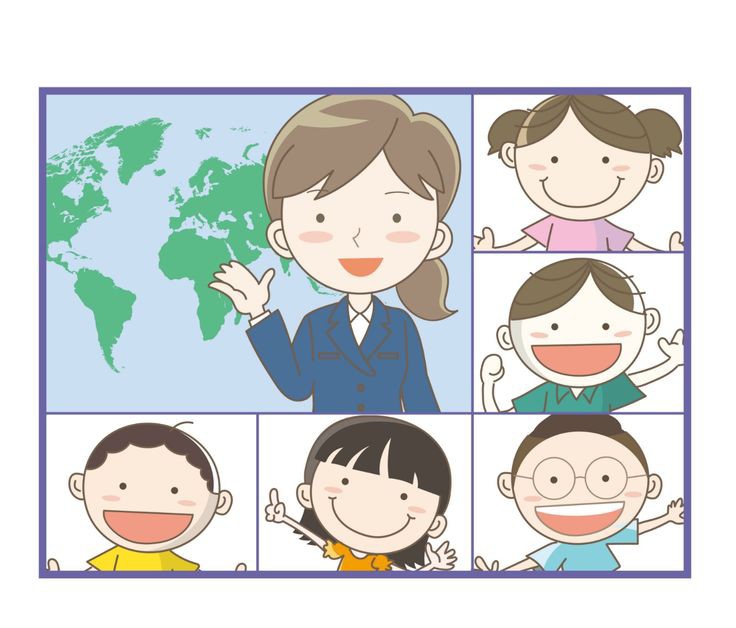
Slowly all the school and college authorities started initiating online classes. At first online classes felt better as there was a complete change in the situation of the class’s atmosphere. After a month we realized that there are lots of disadvantages and advantages to this type of education. Finally we realized that this virus is not a blessing to students but a foreshadow of the student’s further life to adjust to the Online mode of education. The shift in education is totally different from an education career.
Advantages and disadvantages of online classes

ADVANTAGES:
There are no significant advantages because there is a huge loss in jobs, lives, and the economy of the Country. But speaking about the children, there are some advantages.
Students used their quality time in studying. They had also got time to explore the talents in them other than studying.
We spent lots of time with our family. We all enjoyed the company of our grandparents, cousins, mother, father, and other relatives.Watching a movie along with the family and enjoying it can only happen now at this time. We could spend time with parents and explain career planning views.

Saving Time
A lot of time is saved as now we don’t have to travel from one place to another. Instead we can spend five to six hours of the quality time for the online classes. And if we avoid watching movies and playing mobile games then we would also get time for self study that is also necessary.

DISADVANTAGES
There are many disadvantages because there is a huge loss in jobs, lives, and the economy of the Country. Main disadvantages for students are

Online Classes
One of the problems of online classes is adopting the online classes.The adoption rate is around 50-60% whereas in the classroom the adoption was around 80-90%. It also has adverse effects on the eyes of the students due to long hours in front of the blue screen.
The interest in classes does not grow in the small children as the primary grades have low concentration power, and also it is very harmful for these small kids to sit for a longer time in front of the blue screen.

There are many poor students who do not have access to laptops and computers; and for this reason they are lagging in their studies.

There are even more disadvantages of the online classes like-
There are no exams; internals are giving marks. This may impact their career in the feature.
And finally, students are missing their happiest days in the schools and colleges. We all are hoping that the government will make good decisions on education with clear instructions as early as possible to avoid the situations that occurred by Covid-19 pandemic. @track2traininginstitute @edunewsnetwork

Covid-19: let’s see what’s going to be.

Some experts are also with the opinion that it could become the dominant strain in most of the parts of the world.

Okay, let’s keep this aside but do you think that this unlock would give us the better results, I’m neutral here as, the economy of the India is important I know it’s important but the lives of our Indians is the most important thing. Giving it a basic trail if you’ve have heard about those individuals and who were so happily living their lives who used to sing, dance, cook and etc etc. But after a few days they were no more you might heard it from your parents from your relatives from your friends that, that particular guy isn’t here with us he/she died due to covid and even when they were treated with the best medicines, from our best doctors but we all know from where does it started so let me tell you being careless about this pandemic would make you sit on the bed, so let me tell you my experience around 5-6 days ago me and my friend we were going for a morning walk and he removed his mask saying that he’s strong he won’t be having covid. I mean guys we have to be honest with ourselves that are we giving our best ladies and gentlemen please take care of yourselves:

Make sure you are wearing a proper mask.

Make sure you are washing your hands.

Make sure you are done with your doses (vaccination)

Make sure you are not going outside without any need.

Make sure you and your family are safe. And our nation is your family too.

Take care of yourselves covid is not gone yet.

COVID-19 vaccination.

As the new coronavirus continues to spread around the world, the vaccine is seen as the best way to stop it. Everyone above 18 years of age will be eligible to get vaccinated against COVID-19 from May 1. Anyone who has an allergy to any component of the vaccine, should not take it. While COVID-19 vaccine supplies are limited, health workers at high risk of exposure and older people should be prioritized for vaccination.

Covaxin is an inactivated vaccine which means that it is made up of killed coronaviruses, making it safe to be injected into the body.Bharat Biotech, a 24-year-old vaccine maker with a portfolio of 16 vaccines and exports to 123 countries, used a sample of the coronavirus, isolated by India’s National Institute of Virology.The two doses are given four weeks apart. The vaccine can be stored at 2C to 8C.Some mild symptoms AEFIs may occur like injection site pain, headache, fatigue, fever, body ache, abdominal pain, nausea and vomiting, dizziness-giddiness, tremor, sweating, cold, cough and injection site swelling. No other vaccine-related serious adverse effects have been reported.It is your choice to receive or not receive COVAXIN . other vaccines. If you are pregnant or breastfeeding, you should not get the vaccine as the effect of the vaccine has not been studied in pregnant women and nursing mothers.

Covishild is a recombinant, replication-deficient chimpanzee adenovirus vector encoding the SARS-CoV-2 Spike (S) glycoprotein. Following administration, the genetic material of part of corona virus is expressed which stimulates an immune response.People aged 65 and older are less likely to experience common side effects.

More than 1 in 10 people may experience:

feeling tired
tenderness, bruising, pain or itching in the arm where you had the vaccine injection
headache
muscle pain
joint pain
nausea
fever (temperature of 38 degrees Celsius or above)

Sputnik V Covid-19 Vaccine: Sputnik V is a two-dose Covid-19 vaccine, which has an efficacy of over 91 per cent, according to a publication in scientific journal The Lancet.Made by the Gamaleya Research Institute of Epidemiology and Microbiology in Moscow, Sputnik V is a two-dose Covid-19 vaccine using a similar platform to Covishield — the most widely used vaccine in India since the government’s immunisation programme began in January. So far, DRL has only received 150,000 doses of this vaccine from Russia. The company expects more doses soon. According to its agreement with the Russian Direct Investment Fund (RDIF), which has been in charge of signing agreements for supply of this vaccine across the world, India is expected to get at least 250 million doses, which will be sufficient to inoculate 125 million people. However, it is unclear by when these doses will be supplied and distributed in India.The imported vaccine has been priced at Rs 948 per dose. However, including 5 per cent Goods and Services Tax, the price of this vaccine goes up to Rs 995.40 per dose.the most common side effects were: flu-likeillness, headache, fatigue, injection-site reactions.

Explosive study claims:Chinese scientists created Corona virus

An explosive study claimed that Chinese scientists created virus in lab: Amid all the studies and research, an explosive new study has found that Chinese scientists were responsible for Corona virus. The study has found that Chinese scientists created the virus in a laboratory in Wuhan, and later they tried to hide their tracks by some reverse engineering versions of the virus so that it may look like it has evolved naturally and it is not created by some artificial means.

As per a report by The Daily Mail on sunday, the novel coronavirus SARS-CoV-2 virus is not having any “credible natural ancestor” and was created by Chinese scientists who were working on a ‘Gain of Function‘ project in a Wuhan lab. The report was citing a new research paper by British professor Angus Dalgleish and Norwegian scientist Dr Birger Sorensen. As per the research, it is claimed that scientists took a natural coronavirus backbone which is usually present in Chinese cave bats. They later spliced onto it a new spike, which turned it into the deadly and rapidly transmissible Covid 19.

As per the report from The Daily Mail, researchers even found some unique fingerprints in some Covid 19 samples and it is evident that such fingerprints could have only arisen due to some manipulation in laboratory. It also claimed deliberate destruction, concealment or contamination of data at Chinese labs and the mysterious disappearing of many Chinese scientists who used to spoke about such activities. It is estimated that this research study is going to affect a lot to the current Covid issue and also intensify all the debates related to this.

In this 22 paged research, Dalgleish and Sorensen pieced together how Chinese scientists, some even working with American universities, allegedly built the tools to create the deadly coronavirus. In an exclusive interview with The Daily Mail, Sorensen told that there is positive charge on four amino acids on the spike, which makes this virus more infectious as the positive charge sticks to the negatively charged parts of human. Also since these positively charged amino acids repel each other, it is rare to find three in organisms. While, four amino acids are not natural for sure.

Dalgeish told that “the laws of physics mean that you cannot have four positively charged amino acids in a row. The only way you can get this is if you artificially manufacture it,” . He further added that “We think that there have been retro-engineered viruses created. They’ve changed the virus, then tried to make out it was in a sequence years ago,“. He also emphasised on the fact that the scientists who tried to throw some light on this issue were mysteriously disappeared. He estimated that the virus escaped from some low security areas where he believes Gain of Function research was performed.

He further also said “We have seen lab leaks and we know it’s happening. We also know from the reports we’ve seen, that coronavirus is worked on in Biosafety Level 2 or 3 labs. If they do Gain of Function in such labs, what do you expect?” Before this an Australian daily has also estimated the same. And now US has also announced that it will check on this issue.


STOCKDALE PARADOX- NEVER LOSING FAITH HEREAFTER ?

“You must never confuse faith that you will prevail in the end- which you can never afford to lose- with discipline to confront the most brutal facts of your current reality, whatever they might be.” –                                       Admiral James Stockdale


No one knows when the current situation will get over, but everyone needs a 360 degree approach in life now. From facing the harshness to sometimes dealing with stress and pessimism a lot has changed since the pandemic arrived at out doorstep. We have lost interest in everything we used to do, surely this pandemic has taught us to deal with our own selves, to not lose hope and be optimistic till the end. But is being optimistic good enough ? Being pessimistic without doing anything is the same as being optimistic without taking a course of action.


The answer surely lies in what we call Stockdale paradox.


Stockdale paradox is a concept which was used by Jim Collins in his book ‘Good to Great’. He ones met a renowned Admiral James Stockdale who was a highest ranking US military officer on Hanoi camp, Prisoner of war during Vietnam war.  He was held for 8 years in the camp from 1965 to 1973 and tortured several times. In his interview with Jim Collins he recounted his experiences of sheer brutality with which he was treated, without any rights of prisoners, with no release date and uncertainty of getting out. 

 When he was asked how he lived with the hope of not getting out, his answer was very different from the optimists who always proposed a date of their release and were very confident and positive about their freedom, but in the end died. He said he never lost faith in the end of the story. Have faith but be ready to face the brutalities that life has imposed on you. He didn’t depend on blind optimism alone but did what was required to improve his chances of survival. He raised morale of his fellow mates, helped them in every way possible and exchanged secret information with his wife through letters. 


The present times demand us to be positive and hopeful that everything will become normal in the coming days. But sitting at our comfort zones and just waiting for time to turn in our favor is folly. We can instead spend this time on productive activities which can help us fulfill our goals. We can take efforts to heal ourselves by finding ways to reduce mental agonies, helping and supporting others, comforting and giving hopes to those who have faced uncertainties.

How can we apply Stockdale paradox in our life –


  1. We all want to be successful, happy and fulfill all our wishes, but reaching this state won’t come simply by being positive. We feel good about this attitude and that’s why love the way motivational speakers influence our minds by changing our life simply by changing our mindset from negative to positive. That is well and good but that is not the only thing required. There must be a sense of self-awareness about the realities and action towards something that moves you in the first place. Confronting situation is fundamental to success along with a bit of positive attitude.
  2. Applying this paradox in business- Optimism drives innovation and can lead to growth but one needs to check whether you are playing in reality and not heading towards something that can’t happen.
  3. The Stockdale paradox can help any leader to improve leadership and plan for forthcoming challenges. It makes us resilient through idea of positivity and confrontation of unpleasant facts of the current situation. 

So, try applying this principle in your life and make things work out for yourselves. 

Signing off 

Janhavi Thakre


Coronavirus Vaccines Highly Effective against B1.617.2 Variant

Coronovirus vaccine is highly effective against B1.617.2 variant, revealed by a Study in UK: A new study was conducted by some health officials in UK. It shocked everyone with its results. For the first time, it has revealed that the two doses of coronavirus vaccines are highly effective against the B1.617.2 variant i.e. the variant which was primarily reported in Maharashtra, India. It has also been referred as a double mutation variant throughout the world.

Coronavirus vaccine

Coronavirus Vaccines effectiveness against B1.617.2 Variant: 

As said by PHE (Public Health England) “The Pfizer or BioNTech vaccine was about 88 per cent effective against symptomatic COVID-19 from the B1.617.2 variant of concern (VOC) two weeks after the second dose, the Oxford/AstraZeneca vaccine was 60 per cent effective against symptomatic disease from the B1.617.2 VOC.”

However after a single dose of jab of vaccine, it was not much effective against VOC found in India. It’s effectiveness was 33% only.

As per Matt Hancock, the health secretary of UK, “This new evidence is groundbreaking – and proves just how valuable our COVID-19 vaccination programme is in protecting the people we love,”. 

He further said that “It’s clear how important the second dose is to secure the strongest possible protection against COVID-19 and its variants – and I urge everyone to book in their jab when offered, I’m increasingly confident we”re on track for the roadmap because this data shows the vaccine after two doses works just as effectively, and we all know that the vaccine is our way out of this”

As per the reports from analysis, the effectiveness of vaccine after two doses of jab is same in B1.617.2 variant as in the variant which is currenty present in UK. PHE (Public Health England) expects that the results will be more better in future and will be more effective against hospitalizations and deaths.

PHE also revealed that the difference in effectiveness between the vaccines after two doses could be explained by the fact that the second doses of AstraZeneca was rolled out a bit later than the Pfizer vaccine. The other data on antibody profiles showed that it usually takes longer to reach maximum effectiveness with the AstraZeneca vaccine.

A statement was also given by the vaccine deployment minister of UK, Nadhim Zahavi that “Today’s data is astounding and a true reflection of just how important it is to get both your jabs when offered. I encourage all those offered an appointment to get their jab booked in as soon as possible and take full advantage of the high levels of protection the vaccines bring”

PHE believes that since there are very less cases and insufficient follow up periods, it is taking longer for them to estimate the effectiveness of coronavirus vaccine against the B1.617.2 variant, but they  believe that they will definitely be able to evaluate this in the future. They estimate this not only in the case of variant primarily reported in India but also in the case of other variants which are being reported from different parts of world.

HEALTH MINISTRY WAVES GREEN FLAG TO COVID 19 VACCINES IN INDIA

It’s been almost a year since the first case of COVID 19 was reported in the country. Around one crore people have effectively recovered from the pandemic while almost one and a half lakh lost their lives to it. The government has taken diverse measures to bring the pandemic under control but the high contagiousness of the virus made it hard for them to repress its spread. Countries and organizations around the globe were actively engaged in developing COVID 19 vaccines since its inception in China. Russia was the first country to successfully conduct the trials and roll out the vaccine for its public.

India on its way to mass vaccinating the country has approved two different vaccines; COVISHILED, a variant of AZD1222 vaccine developed by Oxford University and AstraZeneca manufactured by Serum Institute of India and  COVAXIN, manufactured by Hyderabad-based Bharat Biotech in collaboration with the Indian Council of Medical Research (ICMR), making them India’s first vaccines against the pandemic. Drug Control General of India (DCGI) VG Somani has granted permission for the restricted use of the vaccines and has confirmed the effectiveness of the vaccines on their trial runs. He said that “We’ll never approve anything if there is slightest of safety concern. The vaccines are 110 per cent safe” and also added that the COVISHIELD was found to have an efficiency rate of 70.42 per cent.  The Subject Expert Committee (SEC)  has reviewed Bharat Biotech’s data on “safety and immunogenicity” and gave permission for “restricted use in an emergency situation in the public interest” and has also recommended an accelerated approval of the request to Bharat Biotech International for phase-III trials of COVAXIN. The approval was given after India conducted a dry run across its states and union territories on Saturday as part of rehearsing the massive vaccination drive.

The Government is planning to vaccinate one crore healthcare workers belonging to both the private and public service sector as the initial step of the vaccination process. A digital platform named CoWIN has been introduced by the government, which will serve as a centralised system to record all details about the people to be vaccinated and helps in scaling and processing the vaccination drive. The second round of the vaccination drive will see the frontline and municipal workers of state and central service departments getting vaccinated. Using the latest electoral roll for Lok Sabha and Legislative assembly elections, people above 50 years of age will be identified and will form the third round of vaccination drive. People belonging to the geographical areas where the COVID infection is highly prevalent and people from high populated areas will also be vaccinated. The introduction of the COVID vaccines will be an added armour in India’s fight against the pandemic and the first step in bringing the country and its people back to normal life.