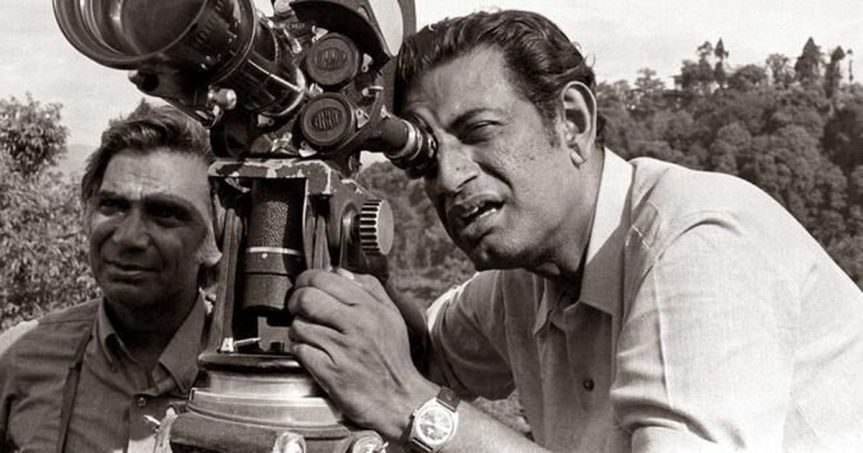
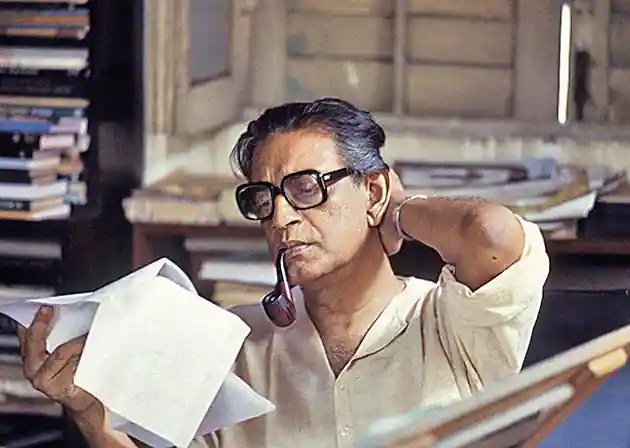
Analysing Satyajit Ray: Through The Eyes of The Master

Satyajit Ray

Introduction

Satyajit Ray was India’s first internationally recognized film-maker and, several years after his death, still remains the most well-known Indian director on the world stage. Ray has written that he became captivated by the cinema as a young college student, and he was self-taught, his film education consisting largely of repeated viewings of film classics by de Sica, Fellini, John Ford, Orson Welles, and other eminent directors.
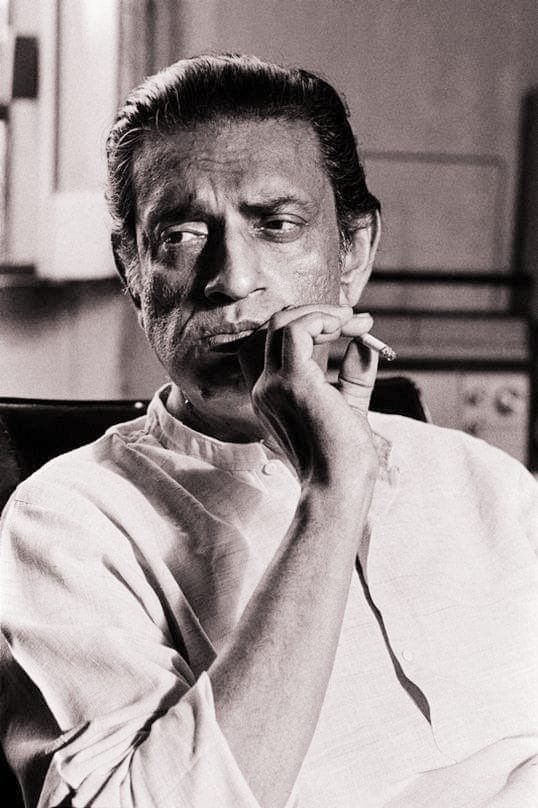
Satyajit Ray

Early Life and Family Background

Satyajit Ray was born into an illustrious family in Kolkata (then Calcutta) on 2nd May,1921. His grandfather, Upendra Kishore Ray-Chaudhary, was a publisher, illustrator, musician, the creator of children’s literature in Bengali and a leader of the Brahmo Samaj, a religious and social movement in nineteenth century Bengal. His father, Sukumar Ray, was a noted satirist and India’s first writer of nonsensical rhymes, akin to the nonsense verse of Edward Lear. Having studied at Ballygunge Government High School, Calcutta and completed his BA in economics at Presidency College, Satyajit Ray went on to develop an interest in fine arts. Later in life, Satyajit Ray made a documentary of his father’s life. His film, Goopy Gyne Bagha Byne, was based on a story published by his grandfather in 1914, but even other films, such as Hirok Rajah Deshe, “The Kingdom of Diamonds”, clearly drew upon his interest in children’s poetry and nonsensical rhymes.
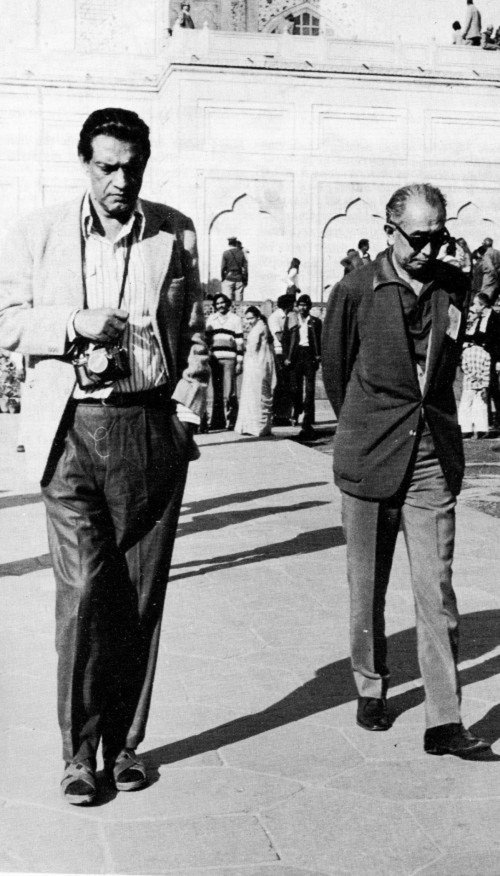
Satyajit Ray with Akira Kurosawa

The Crisis of Indian Cinema Before Ray

From the 1920s to the early 1950s, several directors working within Hollywood—as well as filmmakers in former Soviet Union, France, Italy, Germany, and Japan—considered cinema not as a mere tool of entertainment but as a medium for creative expression. Filmmakers such as Charlie Chaplin, Sergei Eisenstein, Jean Renoir, Roberto Rossellini, Vittorio De Sica, Akira Kurosawa, and others deployed artistically innovative filmic devices to convey profound statements about the complexities of life. Some of the aesthetically satisfying films produced during this period were hailed as cinematic masterpieces. Films in India, however, prioritised cliched elements such as sentimental slush, ersatz emotion, theatricality, romantic tales, spectacle-like songs, and happy endings in these decades. Instead of making serious attempts at formal experimentation, Indian directors continued catering to the lowest common denominator audience.
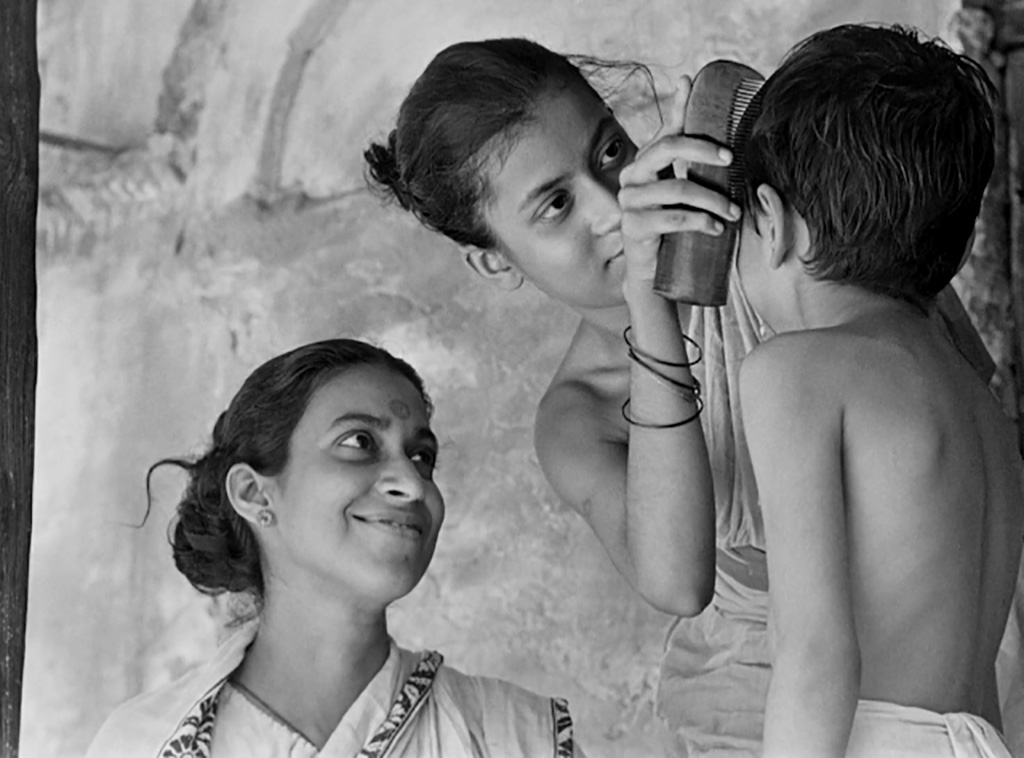
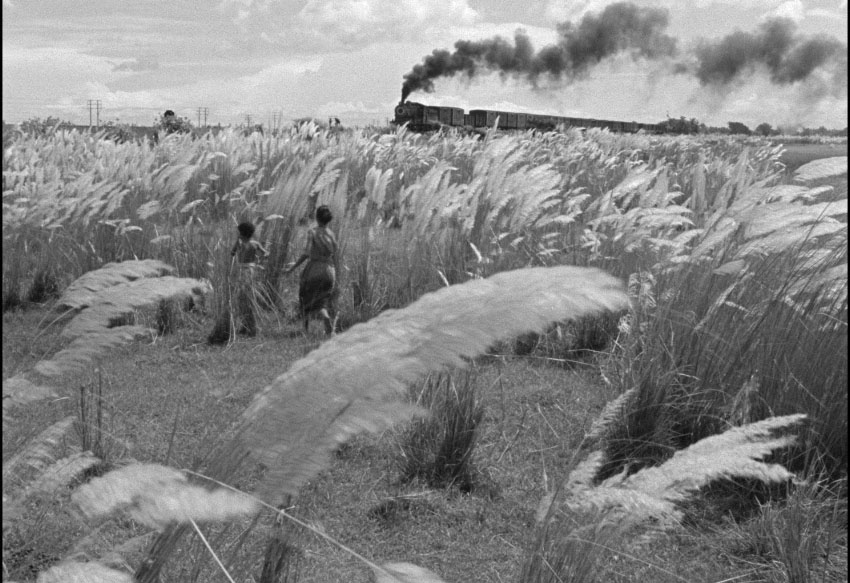
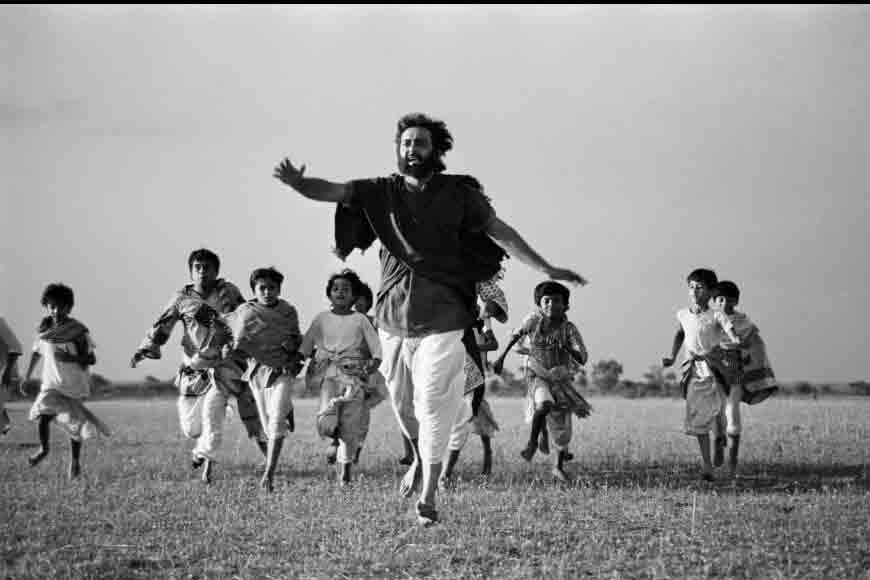
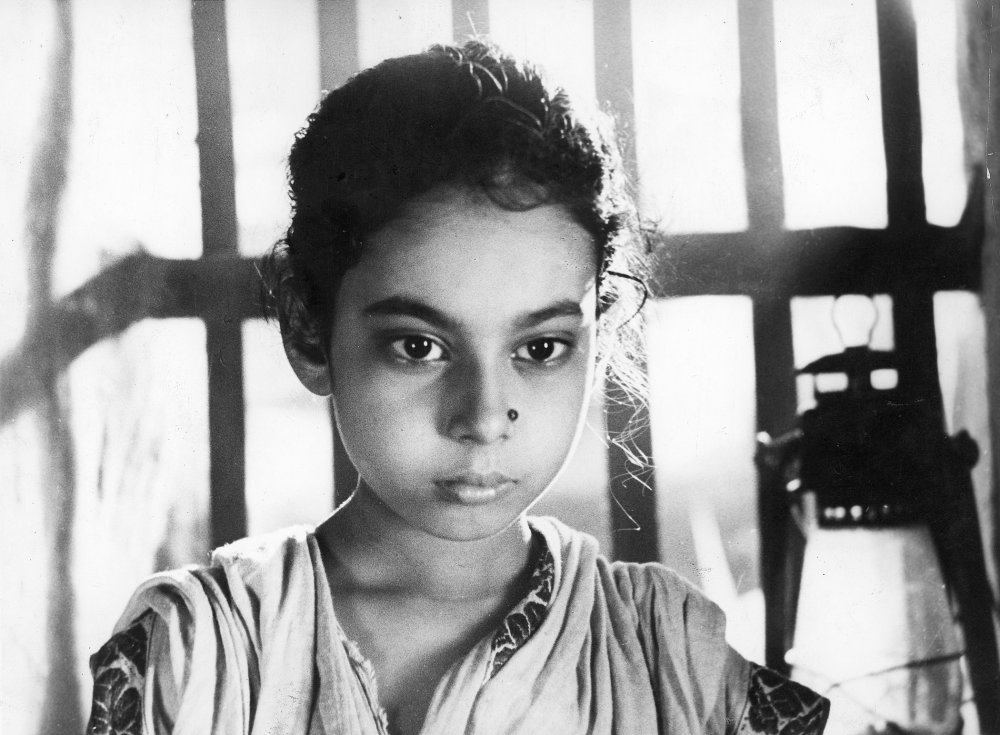
Iconic scene from Pather Panchali (1955)
Pather Panchali (1955)

Breakthrough of Satyajit Ray

A young Ray had grown up on Hollywood movies, so when his ad agency sent him to London for higher training, he spent more and more of his time in the company of films and started “losing interest in advertising in the process,” he once said in an interview. During this trip, he saw Vittorio De Sica’s “Ladri di biciclette” (Bicycle Thieves),in 1948, a neo-realist Italian masterpiece of post-War despair and was entranced by its beguiling simplicity and humanism. Back in Calcutta, he heard that Jean Renoir was in town and walked straight into the hotel where the great French filmmaker was staying to confide in his own dreams of making a movie someday. Renoir, who was location-scouting for The River in Calcutta at the time, encouraged the aspirant. And so began the journey of the song of the little road.
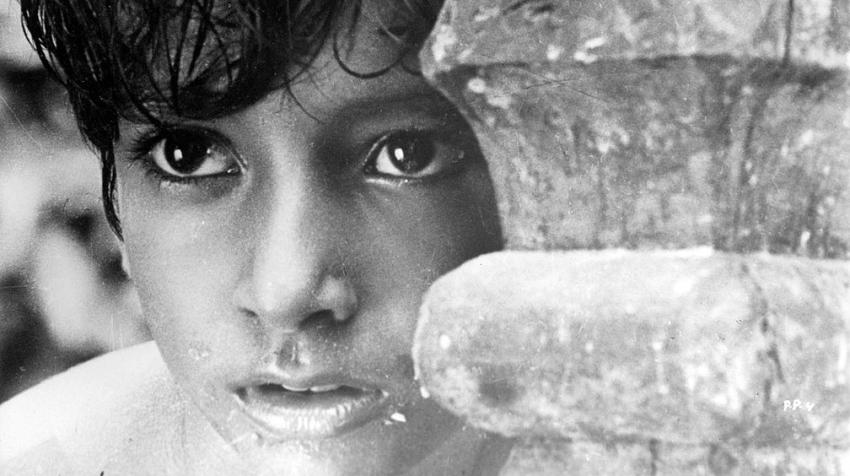
Subir Banerjee as Apu in Pather Panchali (1955)


Ray’s landmark debut, Pather Panchali ( which was adapted from  eponymous 1928 Bengali novel “Pather Panchali” by eminent Bengali novelist Bibhutibhusan Bandopadhay) was on a shoe-string budget in 1955 with a mostly non-professional cast. All the while, he clung on to his job for a safety net even as he shot what would become the first of the classic Apu Trilogy on weekends. The film was apparently being made by a group of neophytes, who had to stop filming more than once, owing to the depletion of their shoestring budget.
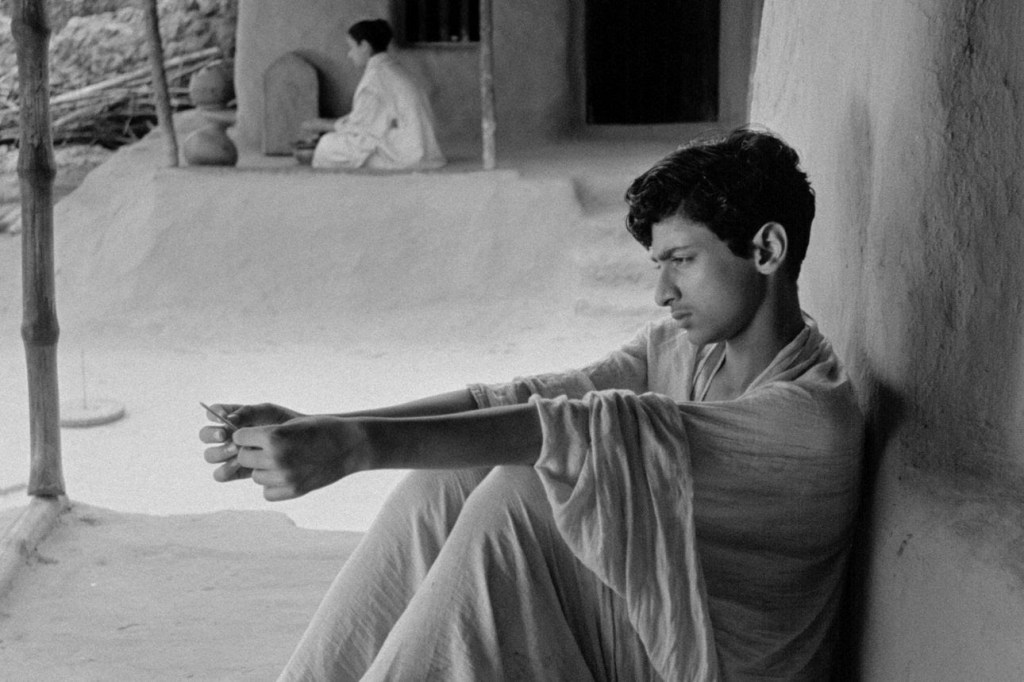
Smaran Ghoshal as Apu in Aporajito (1956)

Notable Films of Satyajit Ray

Ray directed 36 films, comprising 29 feature films, five documentaries, and two short films. Pather Panchali was completed in 1955 and turned out to be both a commercial and a tremendous critical success, first in Bengal and then in the West following a major award at the 1956 Cannes International Film Festival. sured Ray the financial backing he needed to make the other two films of the trilogy: Aparajito (1956; The Unvanquished) and Apur Sansar (1959; The World of Apu). Pather Panchali and its sequels tell the story of Apu, the poor son of a Brahman priest, as he grows from childhood to manhood in a setting that shifts from a small village to the city of Calcutta.
Chandana Banerjee in Teen Kanya (1961)
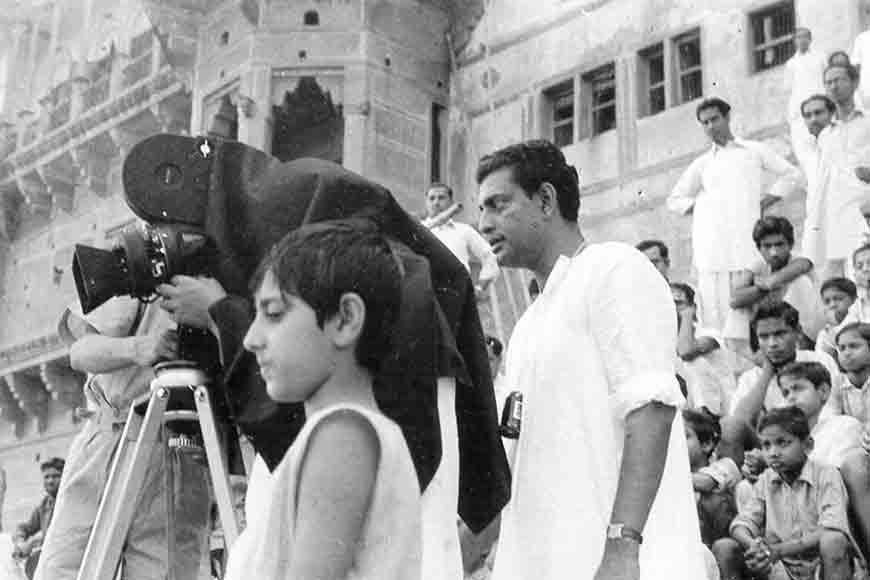
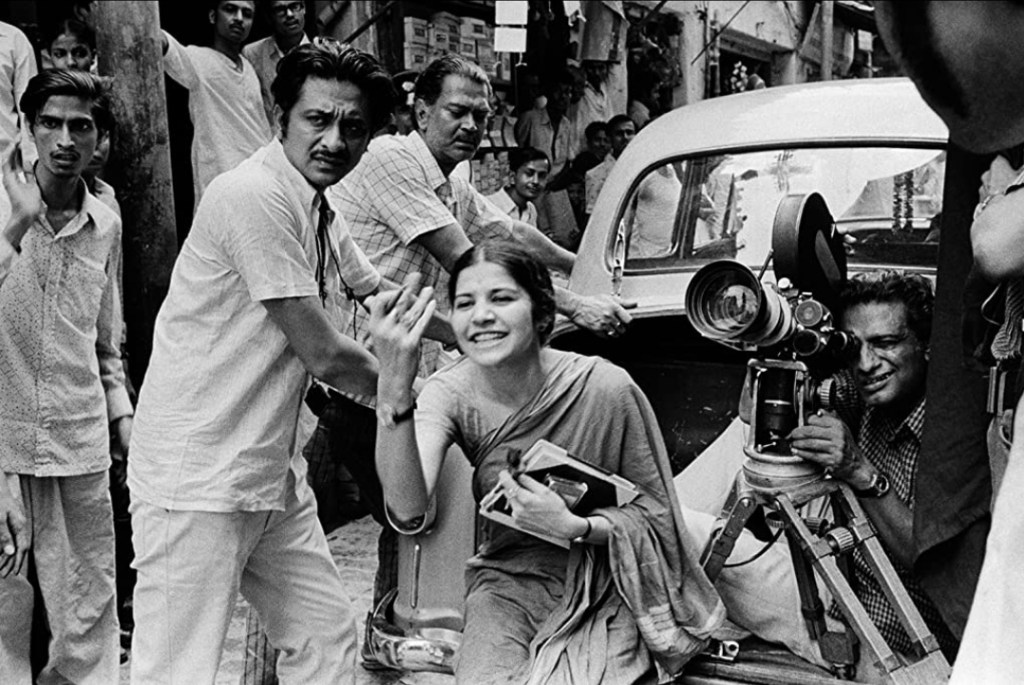
During the Shooting of Jana Aranya (1975)
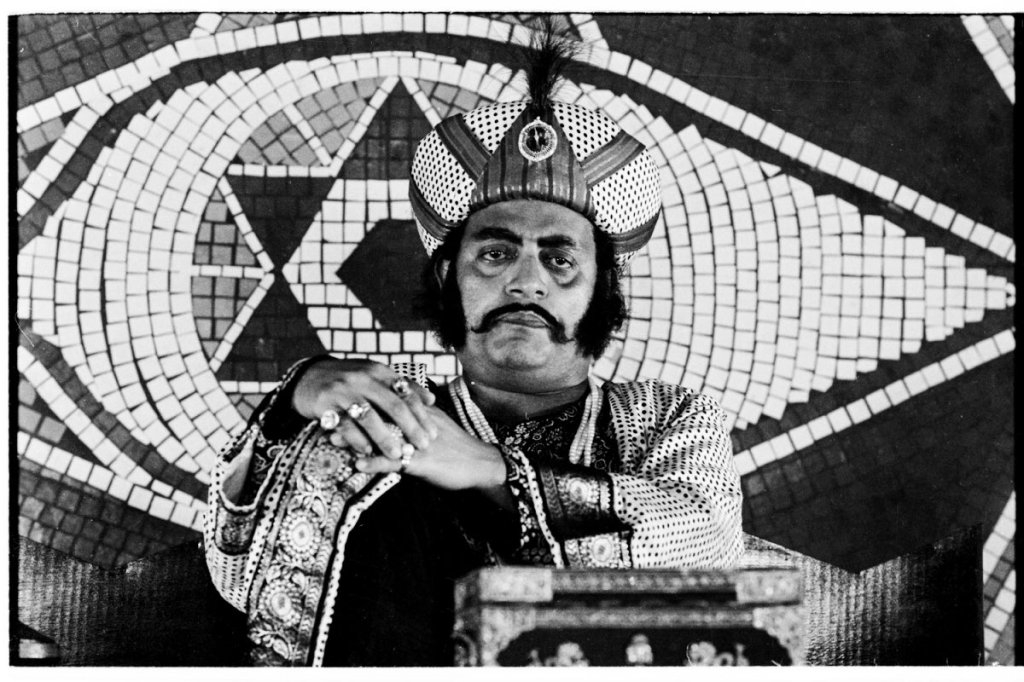
Utpal Dutta in Hirok Rajar Deshe(1980)
Soumitra Chatterjee in Hirok Rajar Deshe (1980)
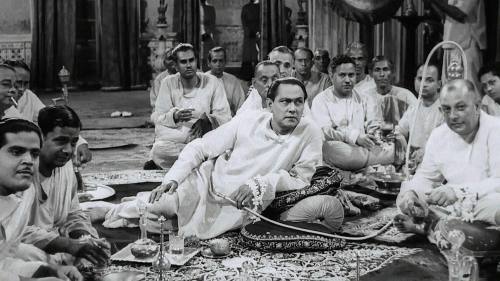
Chhabi Biswas (in middle) in Jalsaghar (1958)
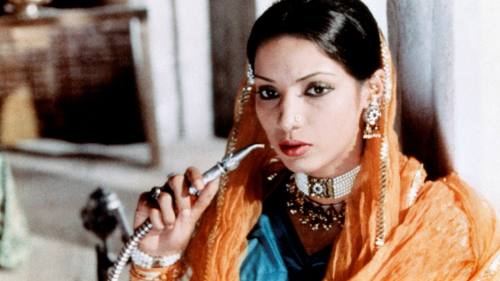
Shabana Azmi in Shatranj ke Khilari (1977)
Satyajit Ray during the shooting of Sonar Kella(1974)

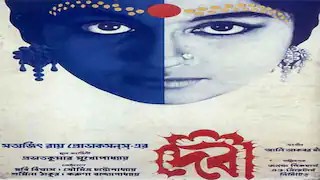
Ray’s major films about Hindu orthodoxy and feudal values (and their potential clash with modern Western-inspired reforms) include Jalsaghar (1958; The Music Room), an impassioned evocation of a man’s obsession  with music; Devi (1960; The Goddess), in which the obsession is with a girl’s divine incarnation; Sadgati (1981; Deliverance), a powerful indictment of caste; and Kanchenjungha (1962), Ray’s first original screenplay  and first colour film, a subtle exploration of arranged marriage among wealthy, westernized Bengalis. Shatranj ke Khilari (1977; The Chess Players), Ray’s first film made in the Hindi Language , with a comparatively large budget, is an even subtler probing of the impact of the West on India. Although humour is evident in almost all of Ray’s films, it is particularly marked in the comedy Parash Pathar (1957; The Philosopher’s Stone) and in the musical Goopy Gyne Bagha Byne (1969; The Adventures of Goopy and Bagha), based on a story by his grandfather. 

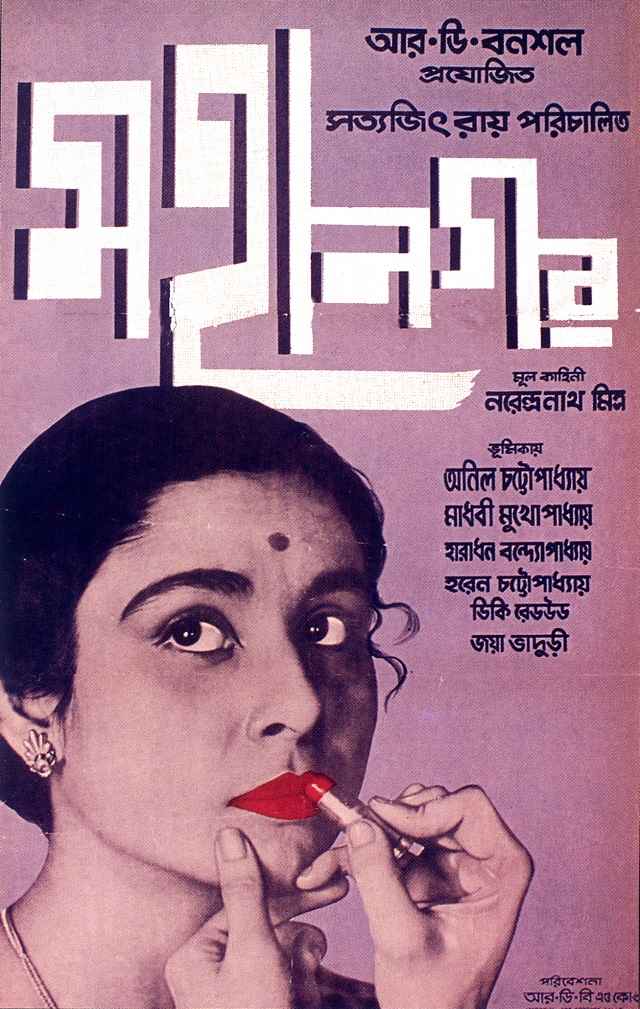
His other notable films were Ahsani Sanket (1973; Distant Thunder), Aranyer Din Ratri (1970; Days and Nights in the Forest) , Mahanagar (1963; The Big City) and a trilogy of films made in the 1970s—Pratidwandi (1970; The Adversary), Seemabaddha (1971; Company Limited), and Jana Aranya (1975; The Middleman), Ganashatru (1989; An Enemy of the People),  Shakha Prashakha (1990; Branches of the Tree), and the Agantuk (1991; The Stranger).
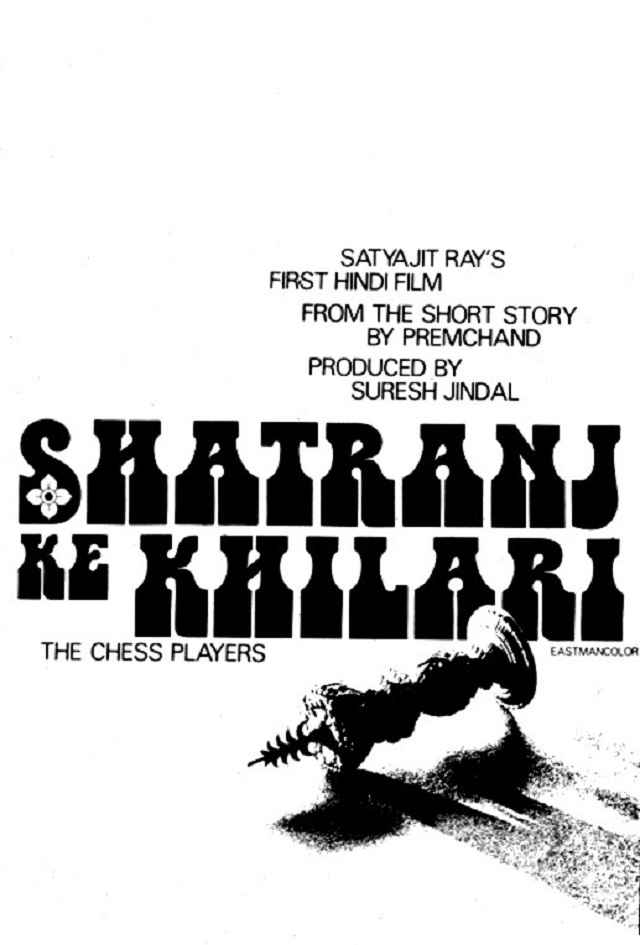
Poster of Shatranj ke Khilari (1977)
Poster of Devi(1960)
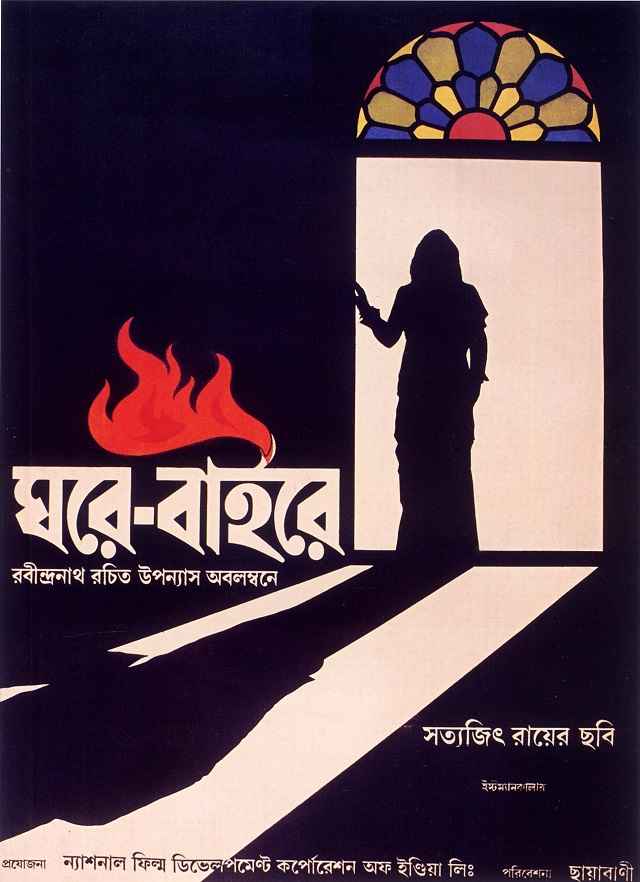
Poster of Ghore-Baire
Poster of Mahanagar(1963)
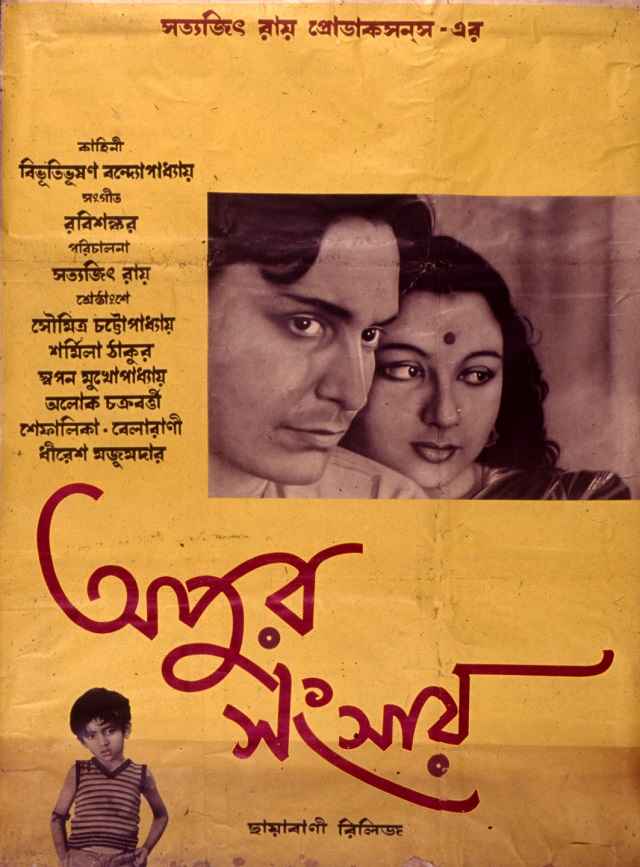
Poster of Apur Sansar (1959)
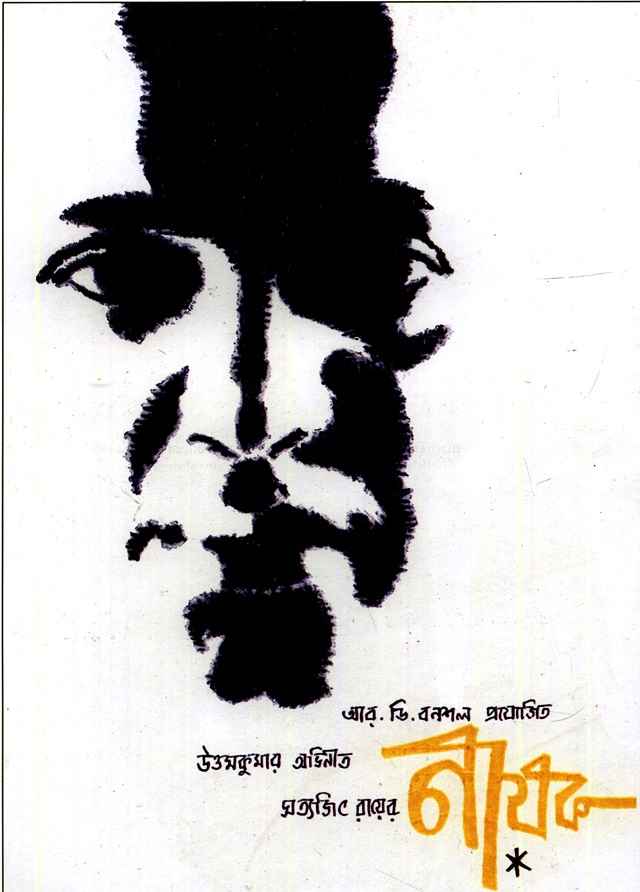
Poster of Nayak
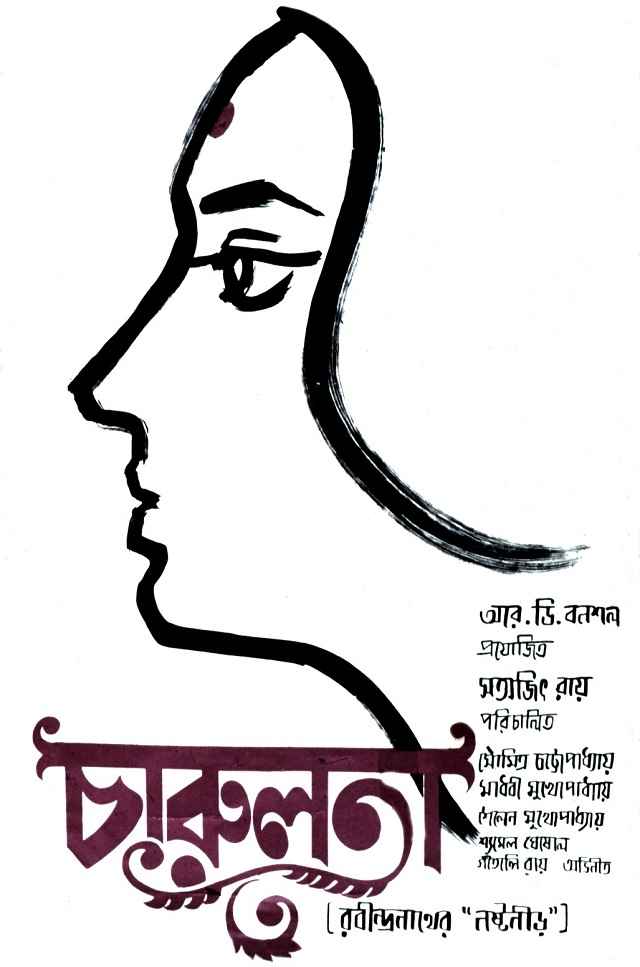
Poster of Charulata

Work As A Novelist

Ray created two popular fictional characters in Bengali children’s literature—Feluda, a sleuth, and Professor Shanku, a scientist. The Feluda stories are narrated by Topesh Ranjan Mitra aka Topse, his teenage cousin, something of a Watson  to Feluda’s Holmes. The science fictions of Shonku are presented as a diary discovered after the scientist had mysteriously disappeared. Ray also wrote a collection of nonsensical verses named Today Bandha Ghorar Dim, which includes a translation of Lewis Carroll’s “Jabberwocky”. He wrote a collection of humorous stories of Mulla Nasiruddin  in Bengali.  Ray wrote an autobiography about his childhood years, Jakhan Chhoto Chhilam (1982), translated to English as Childhood Days: A Memoir by his wife Bijoya Ray. In 1994, Ray published his memoir, My Year’s with Apu, about his experiences of making The Apu Trilogy.
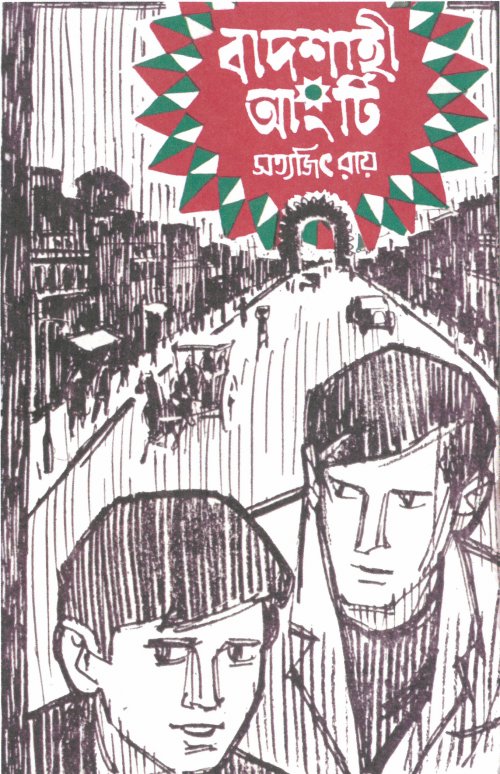
Book Cover illustrated by Satyajit Ray, himself for his first detective novel “Badshahi Angti”.
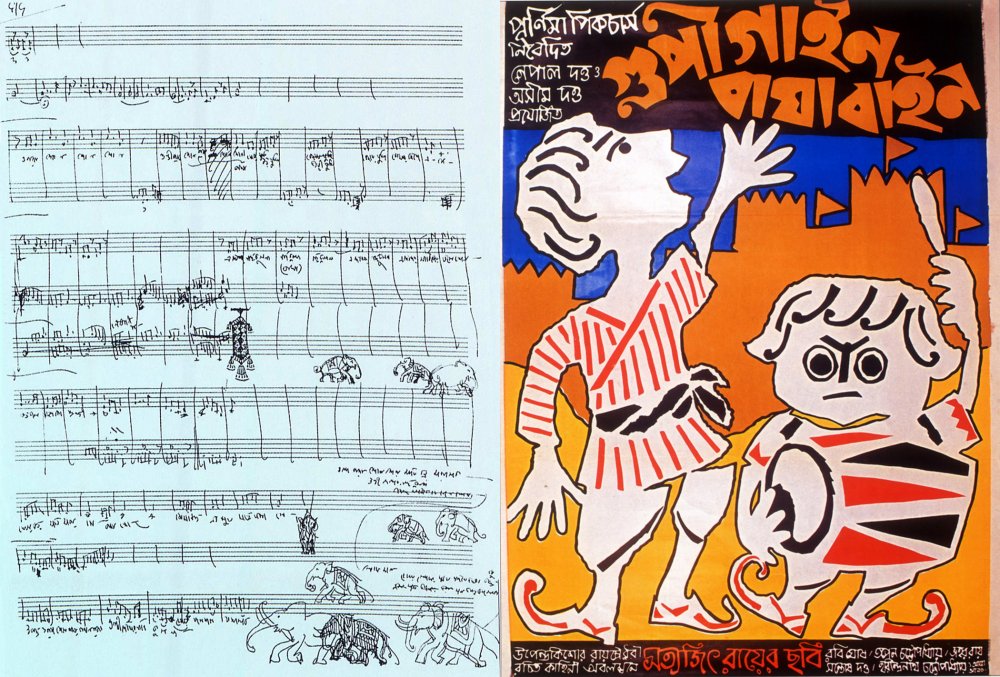
The musical score and Poster for Goopy Gyne Bagha Byne(1969), done by Satyajit Ray, himself
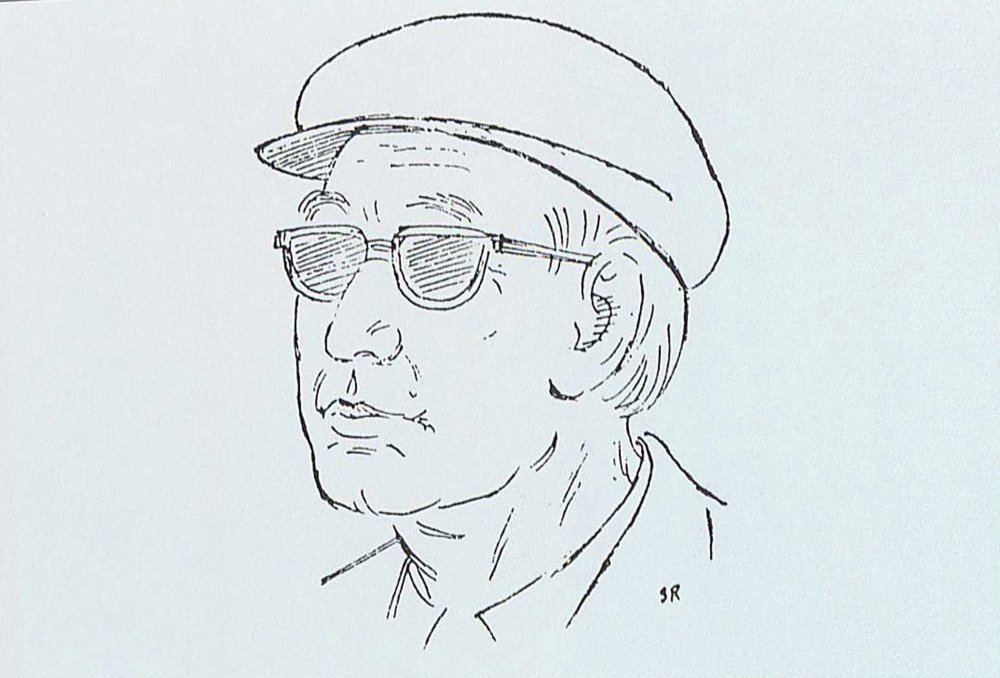
Portrait of Akira Kurosawa, illustrated by Satyajit Ray

Critical Analysis of Satyajit Ray

Instead of acting like a propagandist, Ray wanted to make people aware of the persistence of certain social problems. Devi and Ganasatru show people’s blind religious beliefsSakha Prasakhadiscloses the involvement of the top officials with bribery and corruption, Shatranj ke Khilari indicates the indolence and lack of political consciousness of the wealthy people, Aranyer Din Ratrireveals the insensitivity and boasting of the urban young men, and Mahapurush mockingly exposes the failure of the urban elite to embrace rational thoughts. Given the necessity of making people conscious of the same problems in present-day society, these films are still relevant today. Ray’s films also made a departure from tradition by frequently including strong women characters. Sarbajaya in Pather Panchali and Aparajito, Manisha in Kanchenjungha, Arati in Mahanagar, Charu in Charulata, Karuna in Kapurush, Aditi in Nayak, Aparna and Jaya in Aranyer Din Ratri, Sudarshana in Seemabadhdha, and Ananga in Asani Sanket appear as bolder, more confident, and more resilient than the male characters. In an interview, Ray states that the inclusion of unwavering women characters reflects his own attitudes towards and personal experience with women.

Awards Received by Satyajit Ray

Ray received many awards, including 36 National Film Award  by the Government of India, and awards at international film festival. In 11th Moscow International Film Festival 1979, he was awarded with the Honorable Prize for the contribution to cinema. At the Berlin International Film Festival, he was one of only four filmmakers to win the Silver Bear for Best Director  more than once and holds the record for the most Golden Bear  nominations, with seven. At the Venice Film Festival, where he had previously won a Golden Lion for Aparajito  (1956), he was awarded the Golden Lion Honorary Award in 1982. That same year, he received an honorary “Hommage à Satyajit Ray” award at the 1982 Cannes International Film Festival. Ray is the second film personality after Charlie Chaplin  to have been awarded an honorary doctorate  by Oxford University.

He was awarded the Dadasaheb Phalke Award  in 1985, and the Legion of Honour  by the President of France  in 1987. The Government of India awarded him the Padma Bhusan in 1965 and the highest civilian honour, Bharat Ratna, shortly before his death. The Academy of Motion Picture Arts and Sciences  awarded Ray an Honorary Award  in 1992 for Lifetime Achievement. In 1992, he was posthumously awarded the Akira Kurosawa Award for Lifetime Achievement in Directing at the San Francisco International Film Festival.

Conclusion

Whenever we talk about radical filmmaking in the realm of Bengali cinema, Satyajit Ray’s maiden feature (made in the face of tremendous odds) is mentioned. From Pather Panchali to his last film Agantuk, Ray never compromised on high standards, thereby making a huge impression. Having a greater familiarity with the oeuvre of Ray would enable people to understand the impressive qualities and importance of socially-meaningful cinema. We are surely in need of films that would make us perceive the beauty of a dewdrop on a blade of grass, strengthen our sense of humanism, and raise our social consciousness—hence, the everlasting relevance of the cinema of Satyajit Ray.
Bengali Mishtis: The Delectable Sweet Affair of Bengal

Traditional Sweets of Bengal

Introduction

Bengal is well-known for its music, cinema and delicious food, especially the mouth-watering sweets. In fact, it’s rather hard not to run into a sweet shop in almost every corner of the land, including the narrowest of the lanes. And, it’s equally hard to find a Bengali who is not in love with their ‘mishti’. Bengalees are incredibly proud of the sweets of Bengal and their unique appeal. And for a good reason too — Bengali sweets have wooed Indians and foreigners alike.

Bengali Mishtis

History of Sweets in Bengal

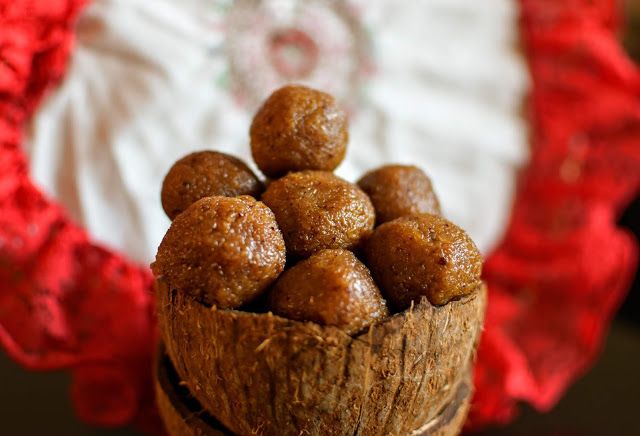
The prominent presence of sweets in Bengali cuisine can be noted throughout history. Ancient Bengal was known as ‘Gauda Banga’, a name believed to be originated from the term ‘Gur’ or molasses that were harvested in abundance in the region. The early Bengali sweets were made from the delicious jaggery or molasses and coconuts. There were several sweets made from ‘khoya and kheer’, which are Bengali names for milk solids and condensed milk, respectively. Sweets like ‘Naru’, ‘Moya’ and ‘Takti’  were popular in ancient Bengal. The uses of different fruits to make a variety of sweets were also prevalent. Books like Manasa Vijaya Kavya, written by 15th-century Bengali poet Bipradas Pipilai, also account for how varieties of ‘pithe’ or Indian Cake made from rice flour, jaggery, kheer and milk solids have been an integral part of Bengali rituals and festivals.

Traditional Coconut Balls or Narkel Naru
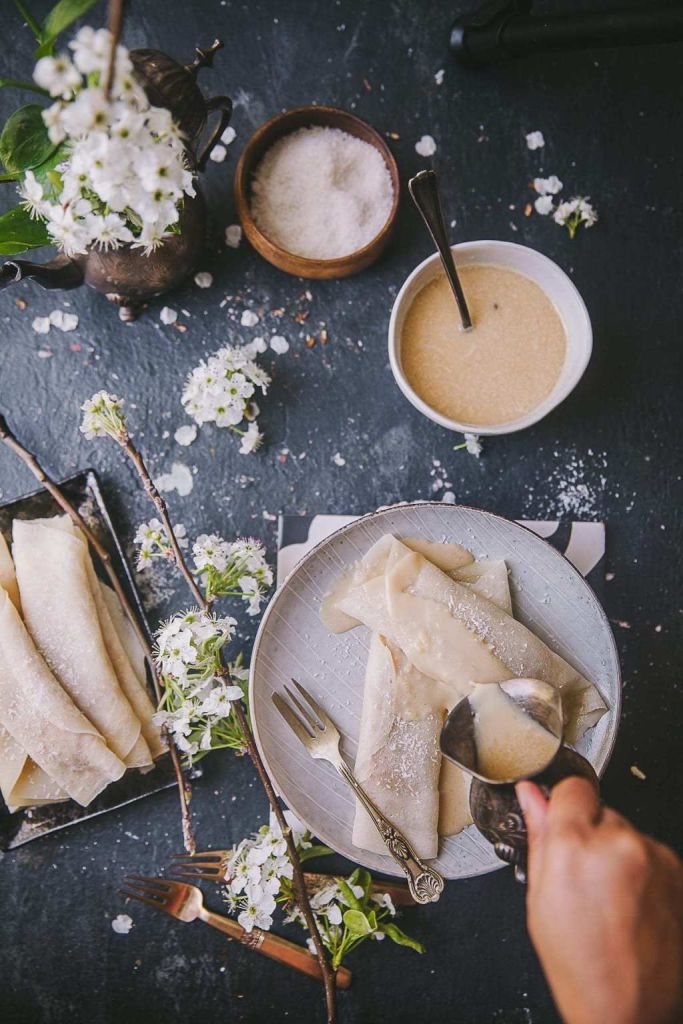
Patisapta or Eggless Crepes
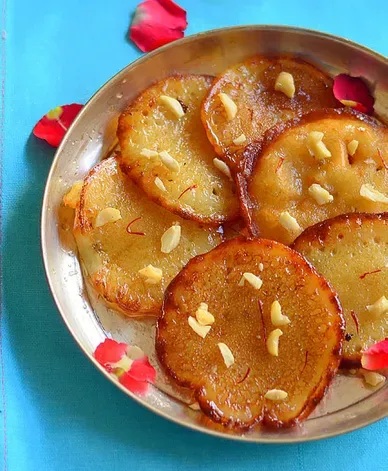
Malpua or Indian Pancakes

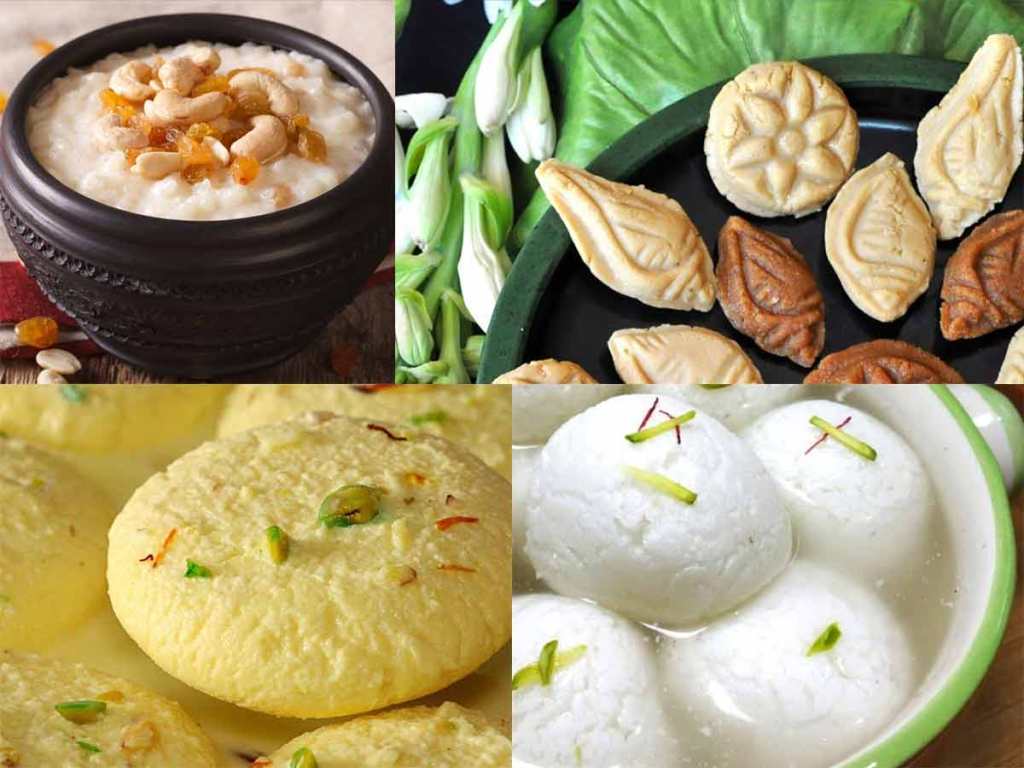
The introduction of ‘Chhana’ (Cottage Cheese) in Bengali cuisine happened after the Portuguese invaded Bengal, yet it’s interesting how today most of the characteristic Bengali sweets are made primarily from fresh ‘chhana’ (cottage cheese) and sugar. The curdling of milk with an acidic substance was forbidden according to Hindu cultures, but the Portuguese loved their cheese. After settling down in and around Kolkata in the 17th century, the Portuguese tradition of making sweets with cheese inspired the local cuisine as well. The Bengali confectioners then picked up this incredible art of curdling milk and creating mouth-watering ‘Sandesh’ and ‘Rosogollas’ among others.

Some Famous Bengali Sweets

Bengalees love all their sweets but among those, some are all time winners who can brighten up moods on a tiring day, and can even spoil a diet that you are maintaining for too long! Let’s dive deep into the varieties of some scrumptious and unique Bengali Mishtis.

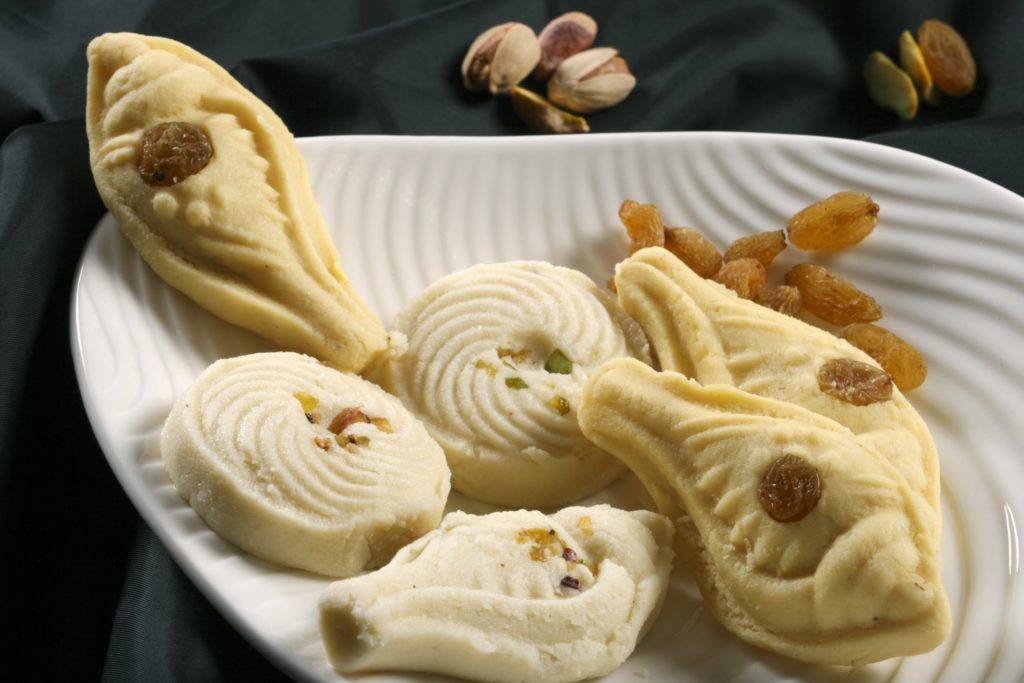
Sandesh

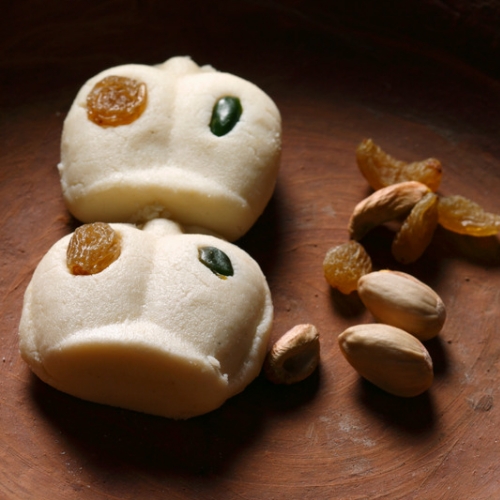
The simplest yet one of the most loved sweet of Bengal, is Sandesh. Generally, made by fine kneading of fresh cottage cheese along with sugar powder, cardamom essence and pistachios to garnish. If jaggery is used, instead of sugar then, it’s called Nolen Gurer Sandesh.

Sandesh

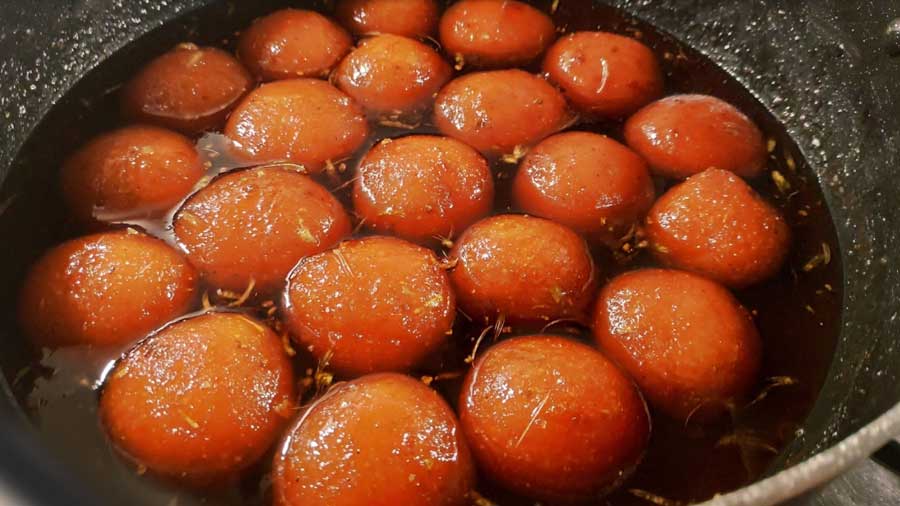
Pantua

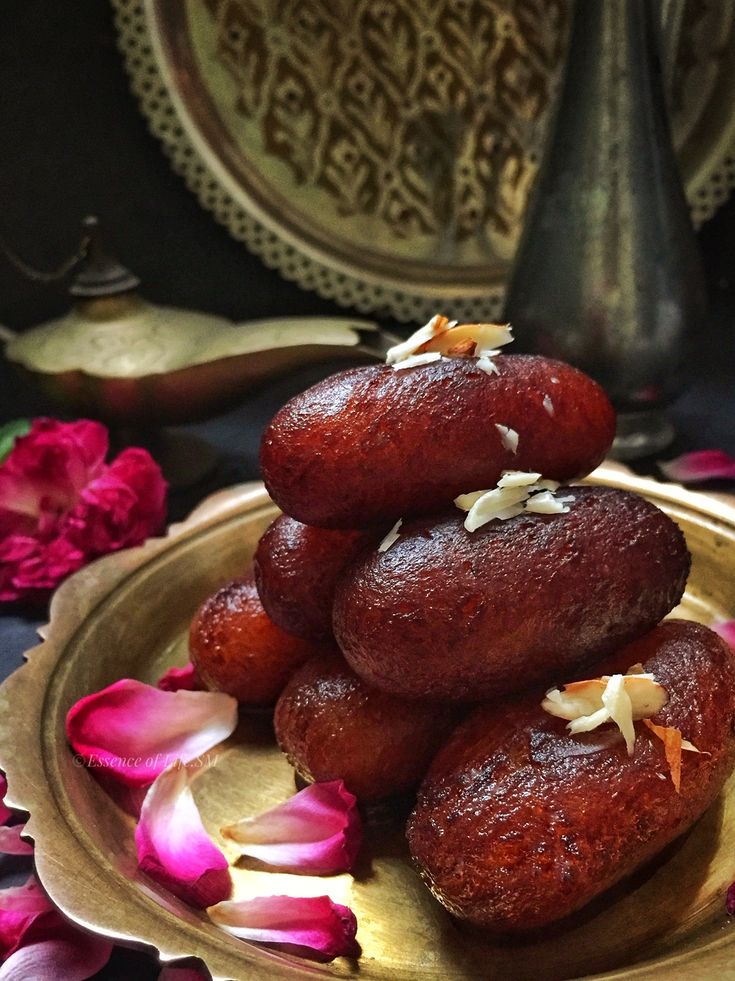
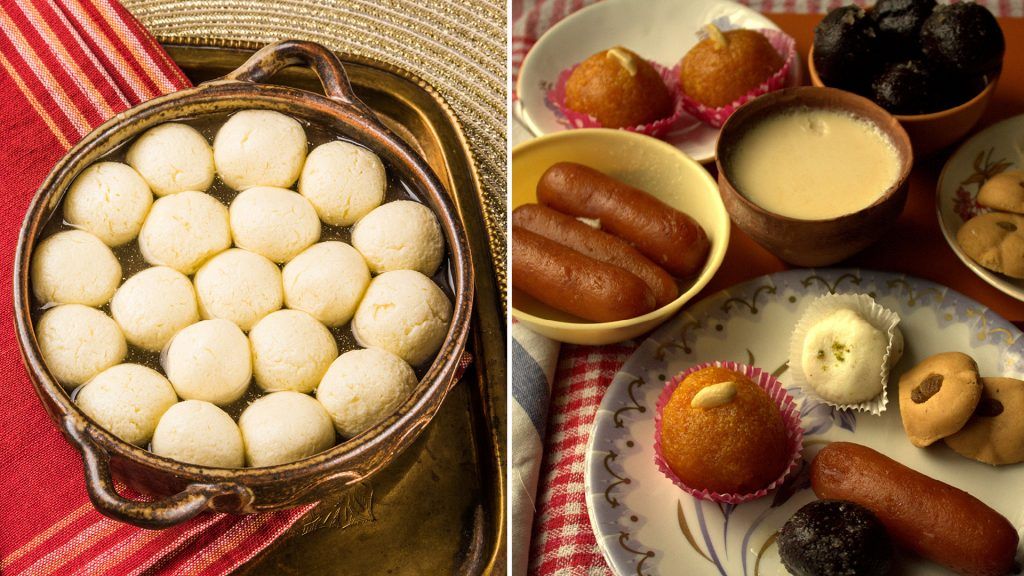
One of Bengal’s most loved syrupy sweets, is Pantua. Though it has an uncanny similarity with North India originated Gulab Jamun, taste and procedure wise they are quite different. Balls made of cottage cheese, semolina are deep fried and then tossed in sugar syrup until completely soaked in. And unlike Gulab Jamun, they can be served cold too.

Pantua

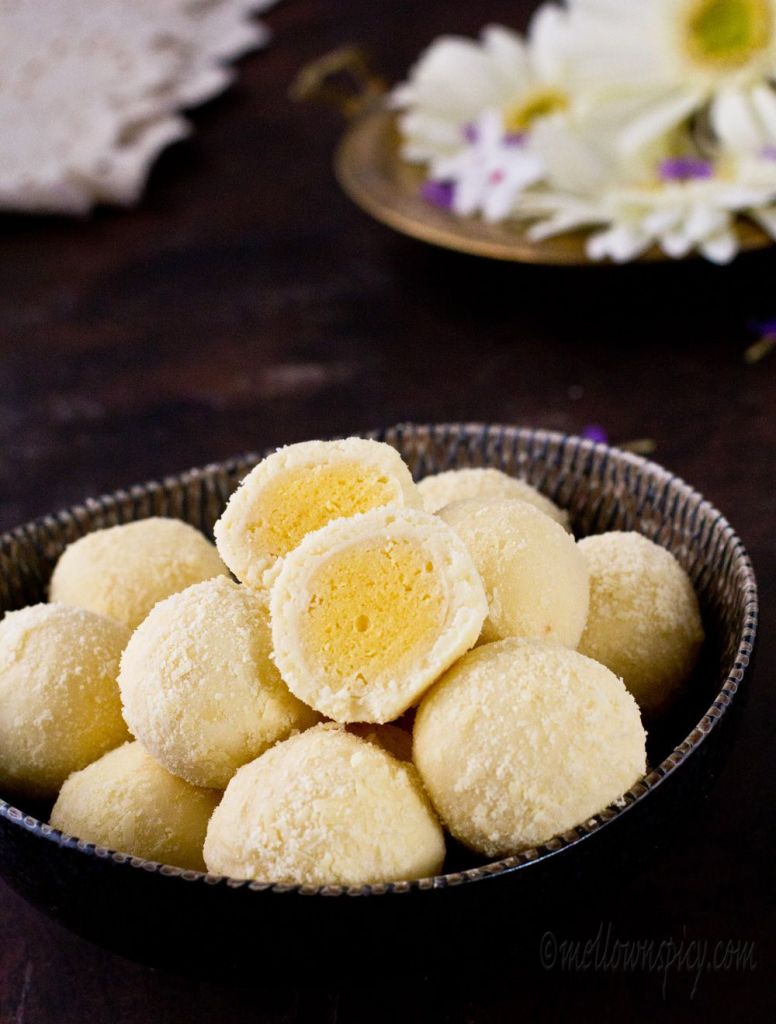
Kheer Kadam

The name of this sweet is suggestive of a flower named Kadamphool in Bengal. The flower is bright yellow in colour cover by soft, white spikes and has a distinctive smell. This Mishti resembles the flower, and has a layer of Sandesh covered over small Rosogollas .

Kheer Kadam

Lyangcha

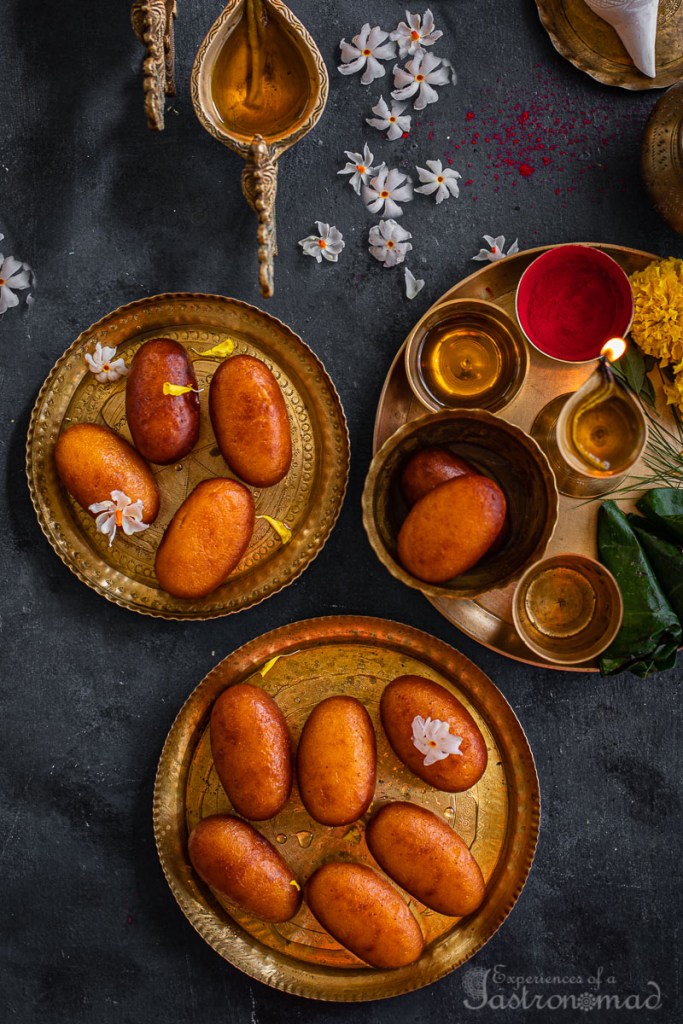
Lyangcha is a cylindrical fried sweet, soaked in sugar syrup and prepared with Fresh Chhena (Cottage cheese) and Mawa/ Khowa. To make soft and tasty Lyangcha use of Fresh Chhena is must. Originated from Shaktigarh, around 80kms from Burdwan in West Bengal, Lyangcha is a staple of Traditional Bengali Mishtis.

Lyangcha

Komola Bhog

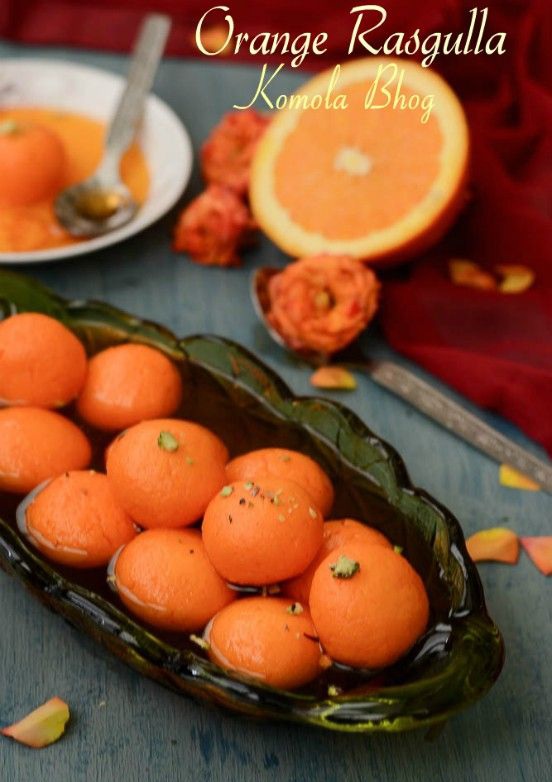
As the name suggests, Komola Bhog is literally the orange flavored Rosogolla, (Komola means Orange in Bengali) with the sweetness of Rosogollas and the tanginess of Orange. And of course, they are bright Orange in colour.

Komola Bhog

Jolbhora Sandesh

Jolbhora Sandesh, also known as Taalsas, is a sweet shaped like a ‘taal’ or kernel of the palm fruit. The sweet was created on the event of ‘Jamaisasthi’ by Surjya Modak. It is filled with sweet ‘Nolen gur’ inside and thus got its name. According to stories, Bandopadhay family of Chandernagar requested these sweets for their son-in-law. When he took his first bite of the sweet, the sweet juice spilled out. The sweet, thus, got well-known among the Bengalis.

Jol Bhora or Taal sas Sandesh

Sitabhog

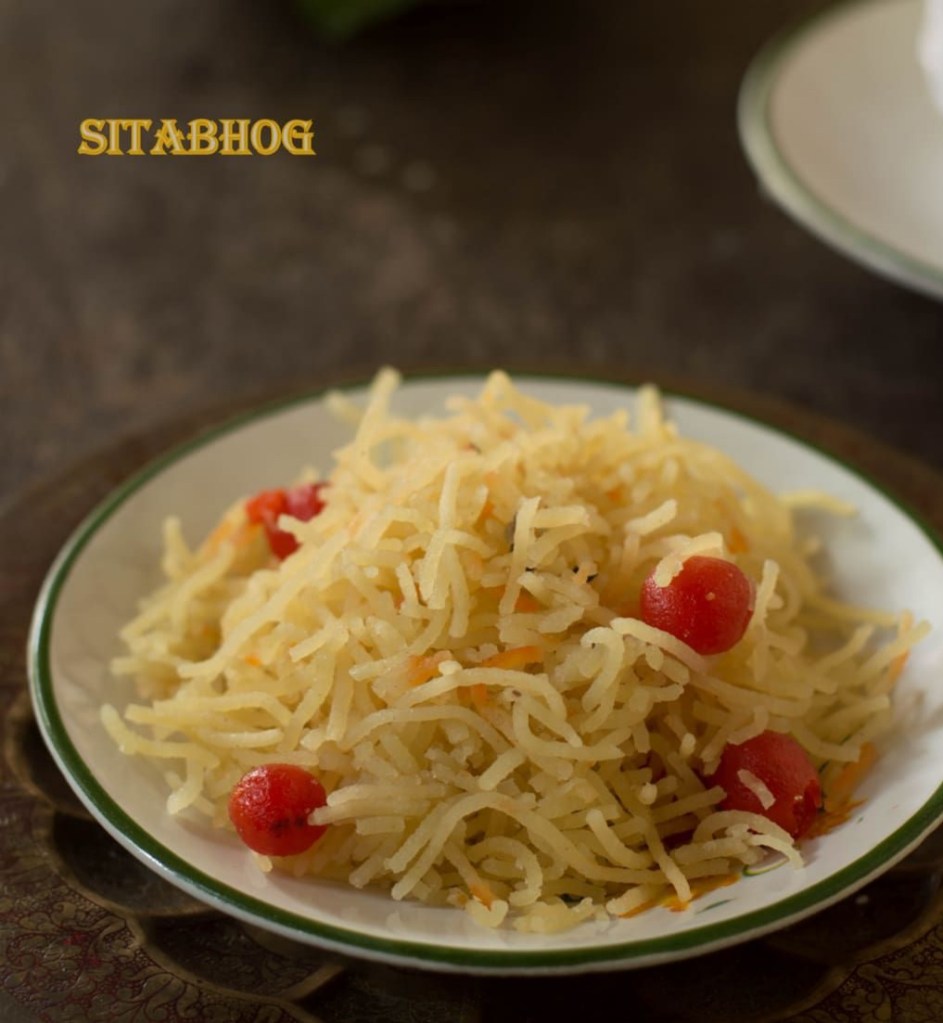
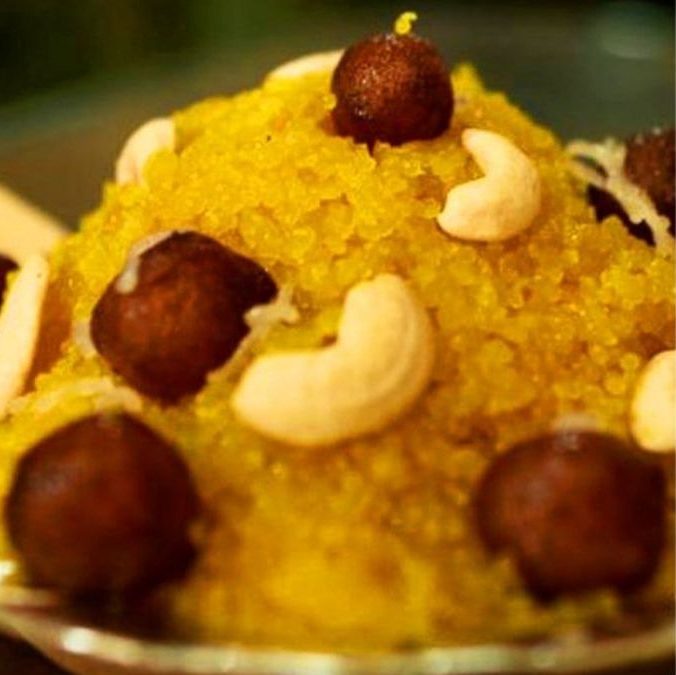
Originated from Burdwan in Bengal, Sitabhog, according to Legends, was Goddess Sita’s favourite dessert and hence the name. Sita Bhog is prepared by frying a dough made of cottage cheese and powdered rice in ghee and then soaking it in sugar syrup. The final product looks like vermicelli served along with mini Gulab jamuns.

Sitabhog

Mihi-Dana

Originated from Burdwan in Bengal , these are one of the famous sweets, that has similarities with Motichur. These are granular, deep fried and soaked into sugar syrup. Recently, Mihi-Dana has received GI Tag from UNESCO and has received its first enormous foreign order to export to The Kingdom of Bahrain.

Mihi-Dana

Ledikeni/ Lady Kenny

Ledikeni or lady Kenny has been a popular Bengali dish since the British rule. The dish is named after Lady Canning, the wife of Charles Canning who was the Governor-General of India during the 19th century. The dish a light brown sweet ball made of Chenna which is fried and then soaked in sugar syrup. It tastes divine and is prepared on most auspicious days. 

Lady Kenny

Rosogollas

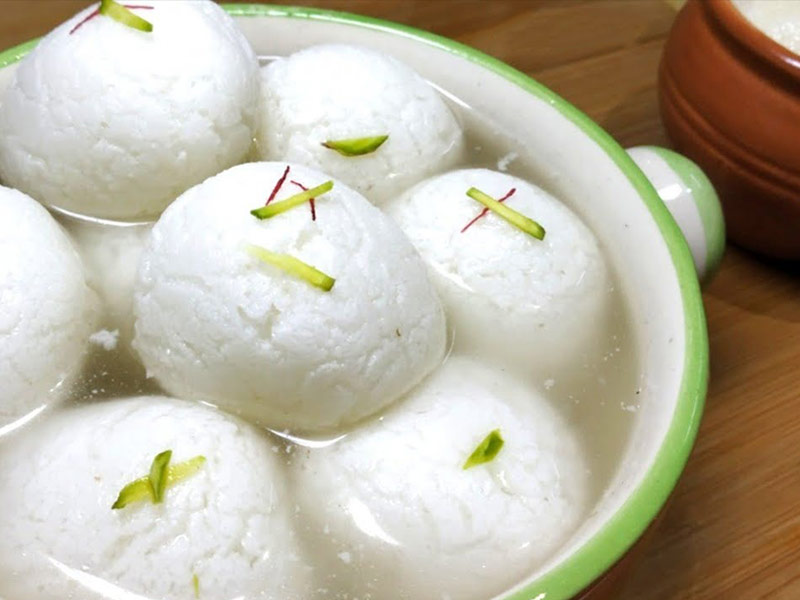
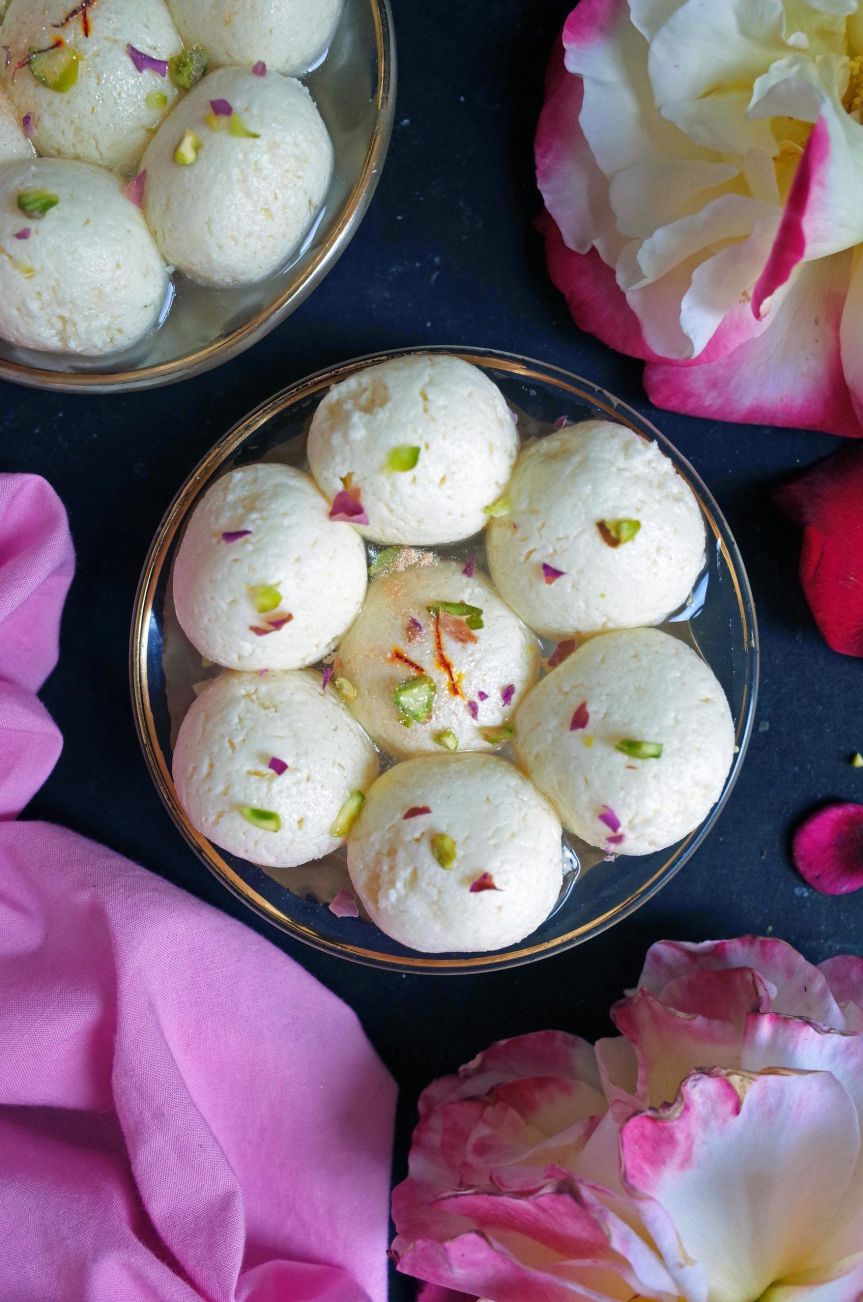
Rosogollas has done the honourable deed of introducing many, if not all, North Indians to the Bengali cuisine. These magical balls are prepared by dipping a mixture of cottage cheese and semolina dough into a sweet sugar syrup. The mere thought of those soft and spongy balls makes the mouth water.

Rosogollas

Laal Mishti Doi (Caramelized Sweet Yogurt)

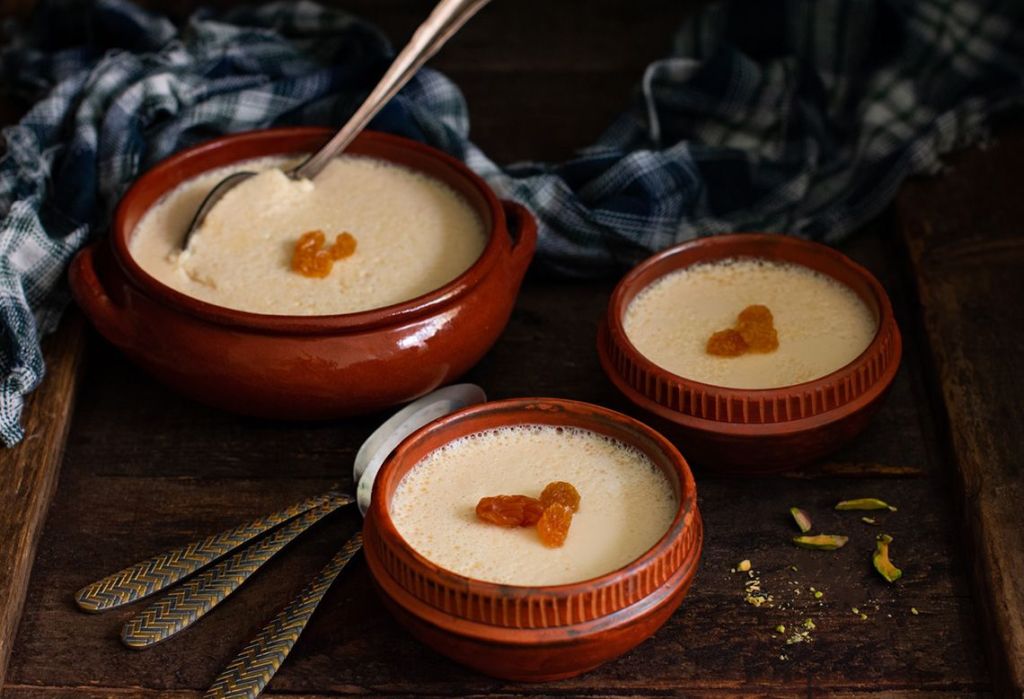
Just like the name, this Bengali dessert is extremely simple and sweet. Mishti Doi is essentially sweetened yogurt which is prepared by adding sugar to boiling milk, then leaving it to ferment overnight and is served chilled. This quintessential dessert is often served in small earthen pots which add to the aesthetics of this dish.

Laal Mishti Doi

Conclusion

Ending on a sweet note, Mishtis are also an important part of the culture and tradition of Bengal. Be it during the festivals or weddings or just greeting guests, Bengali Mishtis are always the stars of the show. If you’re a sweet-tooth, you should try these once in a while. And good news is, that many of them are now available online to order from in India and abroad.

Bauls of Bengal: The Devoted Folk Singers

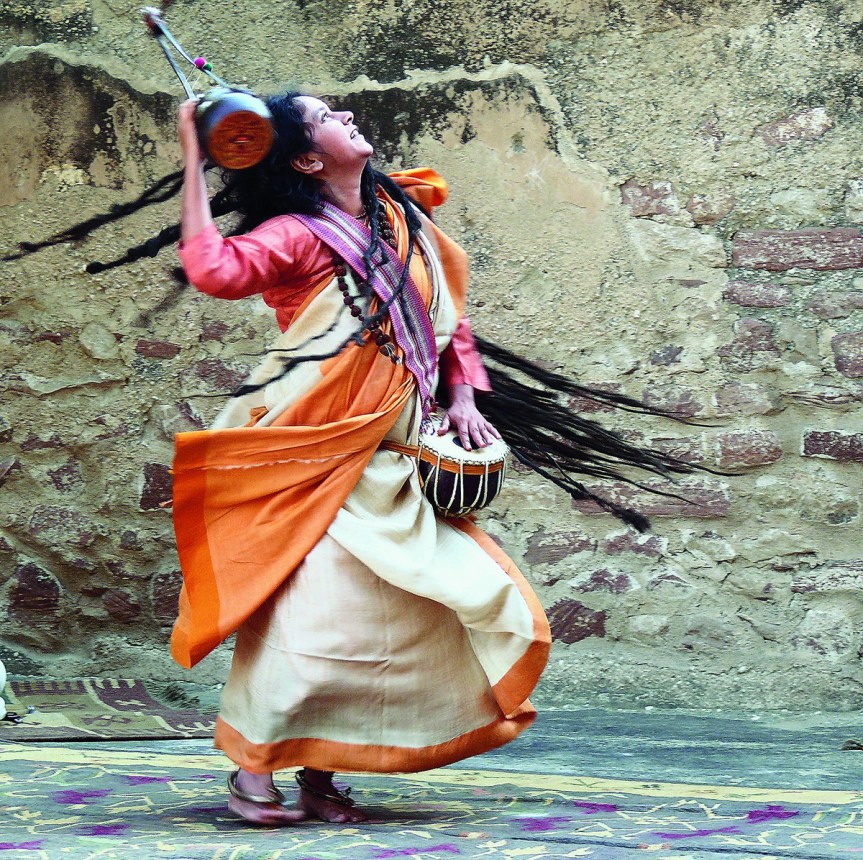
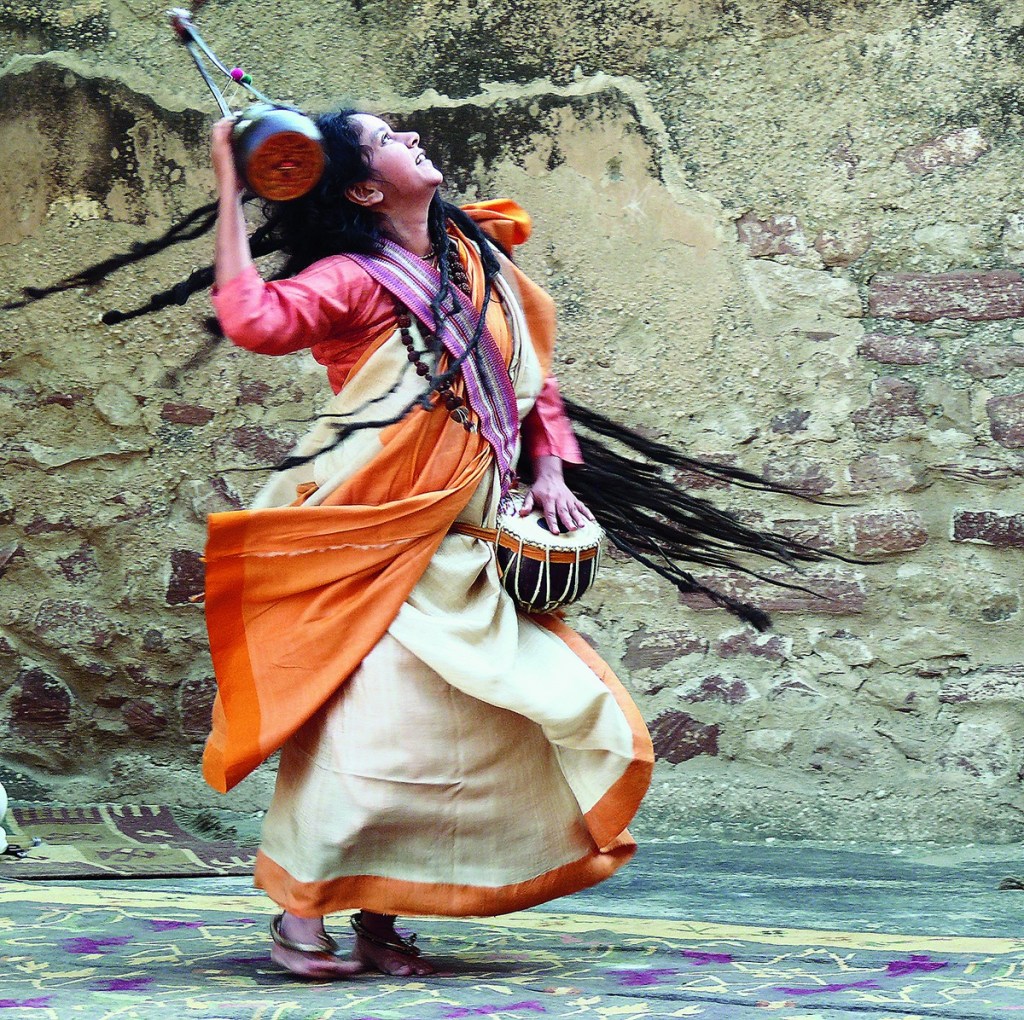
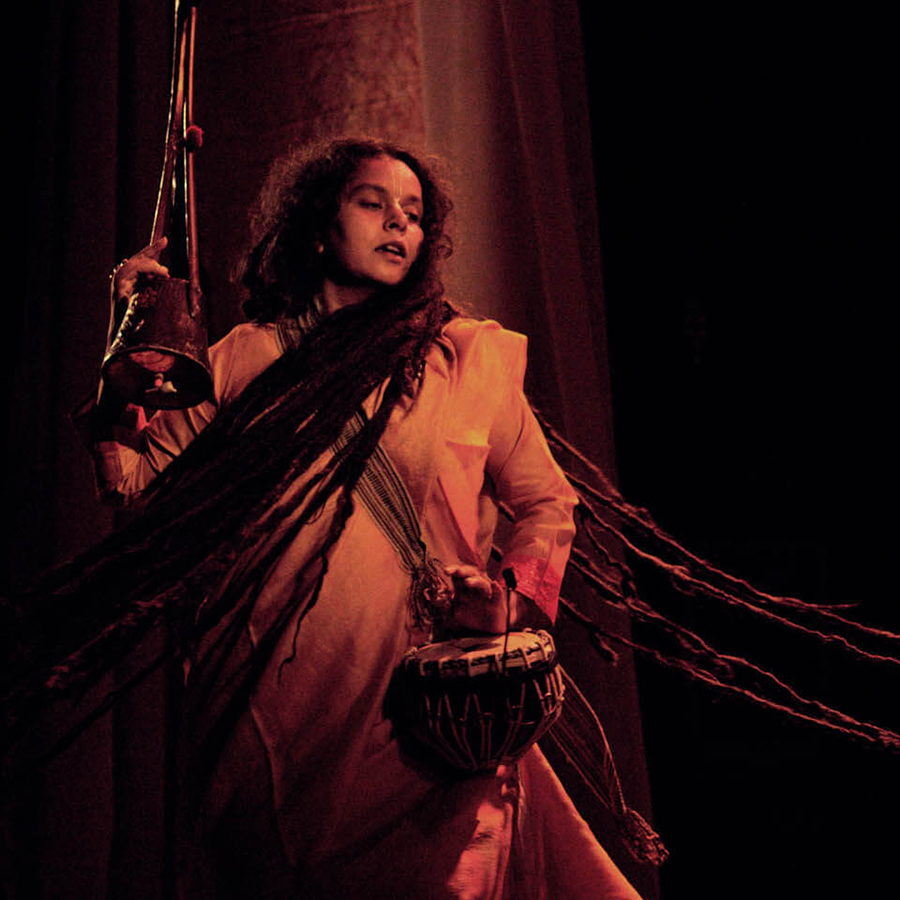
Parvathy Baul

Introduction

The Bauls of Bengal are an order of wandering folk singers that have kept their philosophies alive for centuries. But modern demands threaten to overtake their simple, itinerant lifestyles. Now, an audio-visual record is being taken to keep their vocal traditions alive for generations yet to come.

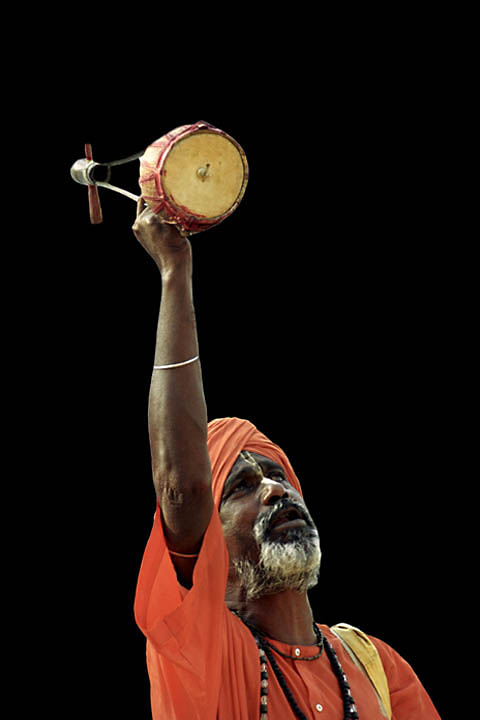
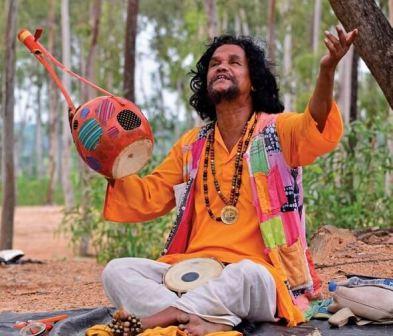
A Baul holding a Dotara

Bauls : Who They Are

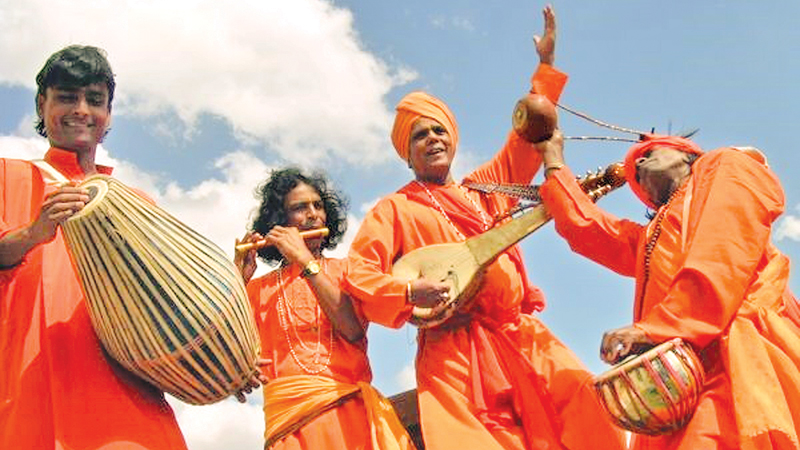
In the Bengal region of South Asia, however, itinerant mystics are still welcomed widely, respected for their sincere but simple way of life, and rewarded for the brilliance of their performances, sharing memorable poetry and music, mainly with rural communities, much as they have done for several centuries. These are the Bauls of Bengal – a group that pursue a life of self-denial and meditative discipline, committed to a belief that ‘the ultimate’ existence is to be found, not so much through rituals in holy places, but in every ‘self’ and are enthusiastic to share this passion almost exclusively through their art. Bauls belong to an unorthodox devotional tradition, influenced by Hinduism, Buddhism, Vaishnavism and Sufi Islam, yet distinctly different from them. Bauls neither identify themselves with any organized religion nor with the caste system, special deities, temples or sacred places. They share only one belief —that God is hidden within the heart of man and neither priest, prophet, nor the ritual of any organized religion will help one to find Him there. To them we are all a gift of divine power and the body is a temple, music being the path to connect to that power.

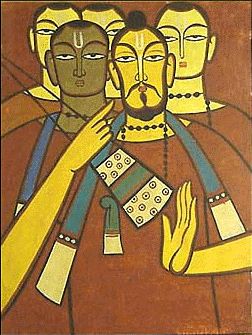
Bauls artwork by Jamini Roy

Historic Background

The word Baul comes from the Sanskrit word “Batul,” which means mad and is used for someone who is possessed or crazy for God. The Bauls are wandering minstrels of West Bengal and Bangladesh, whose song and dance reflect the joy, love and longing for mystical union with the Divine. The Baul tradition of mendicancy – ascetics who entertain in exchange for subsistence – has ancient origins, and seems to have thrived well before the rule of the great Mughal Emperors from the 16th to 18th centuries, a period during which Islam spread eastwards from the Middle East to Bengal and beyond. Originally the district of Birbhum in West Bengal was the seat of all Baul activity. Later, the Baul domain stretched to Tripura in the north, Bangladesh in the east, and parts of Bihar and Orissa in the west and south respectively. In Bangladesh, the districts of Chittagong, Sylhet, Mymensingh and Tangyl are famous for Bauls. Bauls from far off places come to participate in the Kenduli Mela and the Shantiniketan Poush Mela –the two most important fairs held in West Bengal for Baul music.

A group of Bauls in Bengal

The Characteristics and Attires

They can often be identified by their distinctive clothes and musical instruments. It’s easy to identify a Baul singer from his uncut, often coiled hair, saffron robe (alkhalla), a necklace of beads made of basil (tulsi) stems. Bauls use a number of musical instruments: the most common is the ektara, a one-stringed “plucked drum” drone instrument, carved from the epicarp of a gourd, and made of bamboo and goatskin. Others include the dotara, a long-necked fretless lute (while the name literally means “two stringed” it usually has four metal strings) made of the wood of a jackfruit or neem tree; besides khamak one-headed drum with a string attached to it which is plucked. The only difference from ektara is that no bamboo is used to stretch the string, which is held by one hand, while being plucked by another. Drums like the duggi a small hand-held earthen drum, and dhol and khol; small cymbals called kartal and manjira, and the bamboo flute are also used. Ghungur and nupur are anklets with bells that ring while the person wearing them dances.

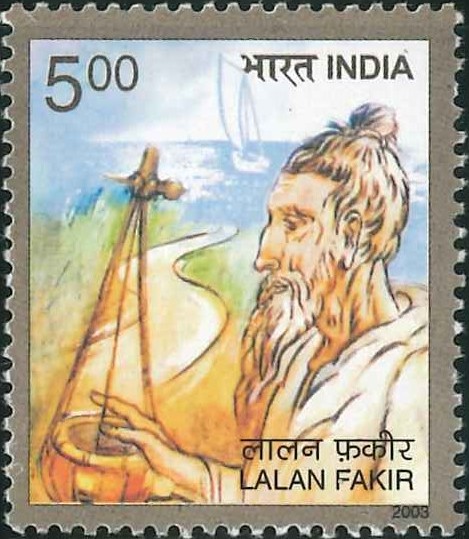
Lalan Fakir

Lalan Fakir : The Legend of Baul Movement

 Lalan Fakir (1774 -1890), the greatest of all Bauls, continued to compose and sing songs for decades without ever stopping to correct them or put them on paper. He composed a thousand songs, of which just 600 can be traced. It was only after his death that people thought of collecting and compiling his repertoire. He rejected the division of society into communities, protesting and satirising religious fundamentalism of all kinds. Lalan’s metaphysical lyrics raise a basic question – that if there is a single creator then why so many religions exist ? This is a pertinent problem in today’s world; we all know that the different ‘Gods’ have created acrimony between races and sects and as of today this concept of different ‘Gods’ remains the most decisive divisive force on planet Earth. His most famous song quoted, “Khanchar Bhitor Ochin Pakhi Kemne Ase Jay”. In 2004, Lalan was ranked 12 in BBC’s poll of the Greatest Bengali of all time.

Parvathy Baul

Baul Philosophy

Bauls do not believe in the pious ‘other world’ and most of the times deny the presence of super powers. Looking from a different angle it can be said that according to them, ‘God’ resides in each human being and it is for the human being to realise this truth, the human beings are the best exponents of spirituality ever to tread on this Earth. Nowhere did this philosophy leave its imprint more powerfully than on the work of Rabindranath Tagore, who talked of Bauls in a number of speeches in Europe in the 1930s. An essay based on these was compiled into his English book ‘The religion of man’. An important part of Baul philosophy is “Deha tatta”, a spirituality related to the body rather than the mind. They seek the divinity in human beings. Often, the lyrics philosophize on love and stress to remain unattached and unconsumed by the pleasures of life even while enjoying them. Baul music celebrates celestial love, but does this in very earthy terms.

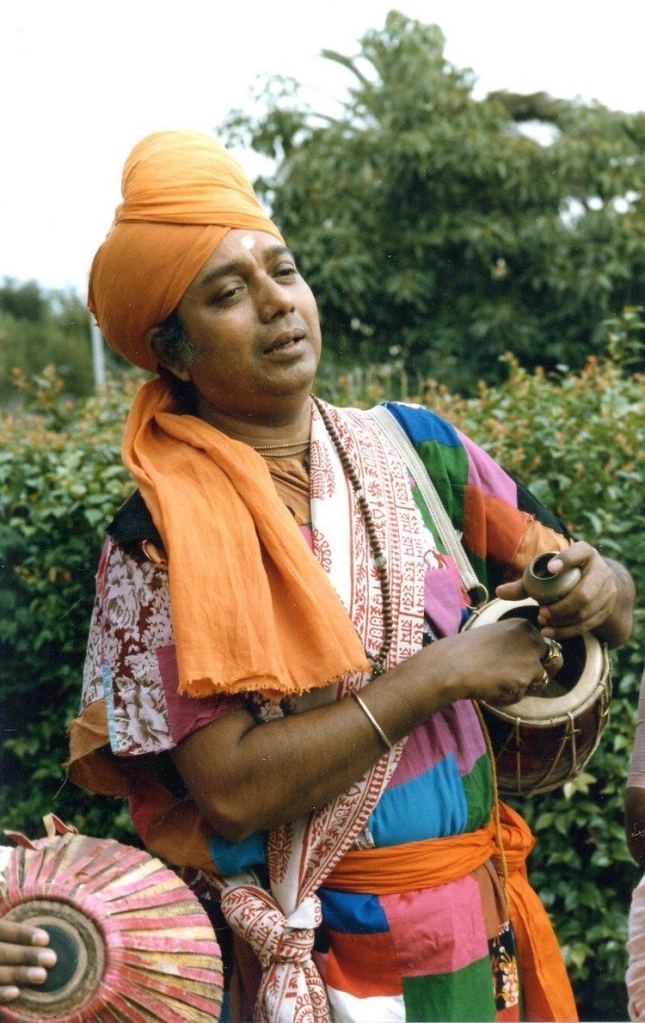
Purna Das Baul

International Connection

Referred to as the Baul Samrat, Purna Das Baul, introduced Baul songs to the West during an eight-months tour of the US in 1965 with stars like Bob Dylan, Joan Baez, Paul Robeson, Mick Jagger, Tina Turner, and all. Dubbed “India’s Bob Dylan” by the New York Times in 1984, Purna Das Baul has played with Bob Marley, Gordon Lightfoot and Mahalia Jackson and the likes. Currently another version of Baul called the folk fusion also called baul rock is also greatly accepted by the audience, especially in West Bengal. Kartik Das Baul has taken baul to different heights by associating himself with folk fusion. This type of baul was brought into the world of music by ‘Bolepur Bluez’, which was world’s first folk fusion band. There are also the Western Bauls in America and Europe under the spiritual direction of Lee Lozowick, a student of Yogi Ramsuratkumar. Their music is quite different (rock /gospel/ blues) but the essence of the spiritual practices of the East is well maintained.

A Baul in Shantiniketan,Birbhum

Conclusion

The tradition is so integral to Bengal that it’s hard to think of Bengali culture sans the Bauls. They’re not only an intrinsic part of Bengal’s music, they’re in the mud and air of this land and in the mind and blood of its people. The spirit of the Bauls is the spirit of Bengal– ever-flowing in its society and culture, literature and art, religion and spirituality.

Frida Kahlo: Unconventional, Uncompromising and Unibrows

Frida Kahlo

Introduction

Even after years since Frida Kahlo’s demise, her charisma and powerful sense of style continue to captivate the world. The Mexican artist, famed for her self-portraits, is celebrated in her home country for her attention to indigenous culture, and by feminists worldwide for her depiction of the female experience and form. In fact, she was an advocate of feminism way before it became a staple in the social media age.

Frida

Early Life of Frida Kahlo

Magdalena Carmen Frida Kahlo y Calderón was born on 6 July 1907 in Coyoacán, a village on the outskirts of Mexico City. Born to a German father and a Mestiza  mother, Kahlo spent most of her childhood and adult life at La Casa Azul, her family home in Coyoacán  – now publicly accessible as the Frida Kahlo Museum. Although she was disabled by polio as a child, Kahlo had been a promising student headed for medical school until she suffered a bus accident at the age of 18, which caused her lifelong pain and medical problems. During her recovery, she returned to her childhood interest in art with the idea of becoming an artist.

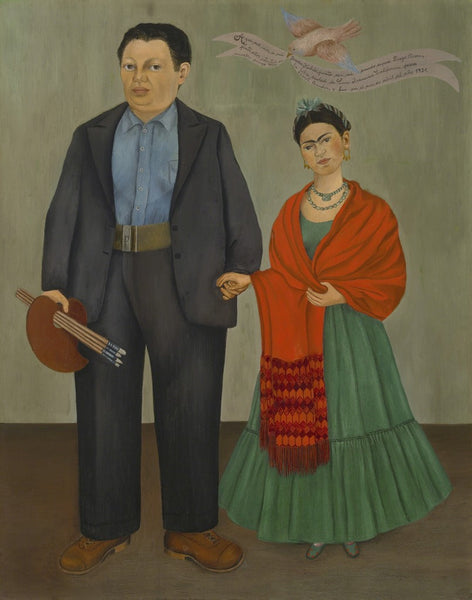
Diego and Frida, Self-Portrait With her Husband

Art Works of Frida Kahlo

Mexican artist Frida Kahlo is remembered for her self-portraits, pain and passion, and bold, vibrant colors. She is celebrated in Mexico for her attention to Mexican and indigenous culture and by feminists for her depiction of the female experience and form.

Life experience is a common theme in Kahlo’s approximately 200 paintings, sketches and drawings. Her physical and emotional pain are depicted starkly on canvases, because of her traumatic bus accident and multiple miscarriages depriving her of Motherhood and leading turbulent relationship with her husband, Mexican Mural artist Diego Rivera, who she married twice. Of her 143 paintings, 55 are self-portraits. She quoted, “I paint self-portraits because I am so often alone, because I am the person I know best.”

Kahlo’s first self-portrait was Self-Portrait in a velvet dress in 1926. It was painted in the style of 19th Century Mexican portrait painters who themselves were greatly influenced by the European Renaissance masters. She also sometimes drew from the Mexican painters in her use of a background of tied-back drapes. Self-Portrait Time Flies  (1929), Portrait of a Woman in White  (1930) and Self-Portrait  (1937) all bear this background.

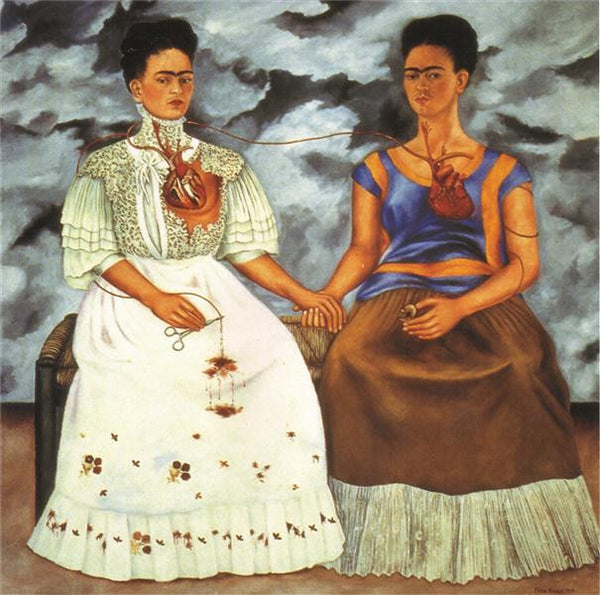
Two Fridas

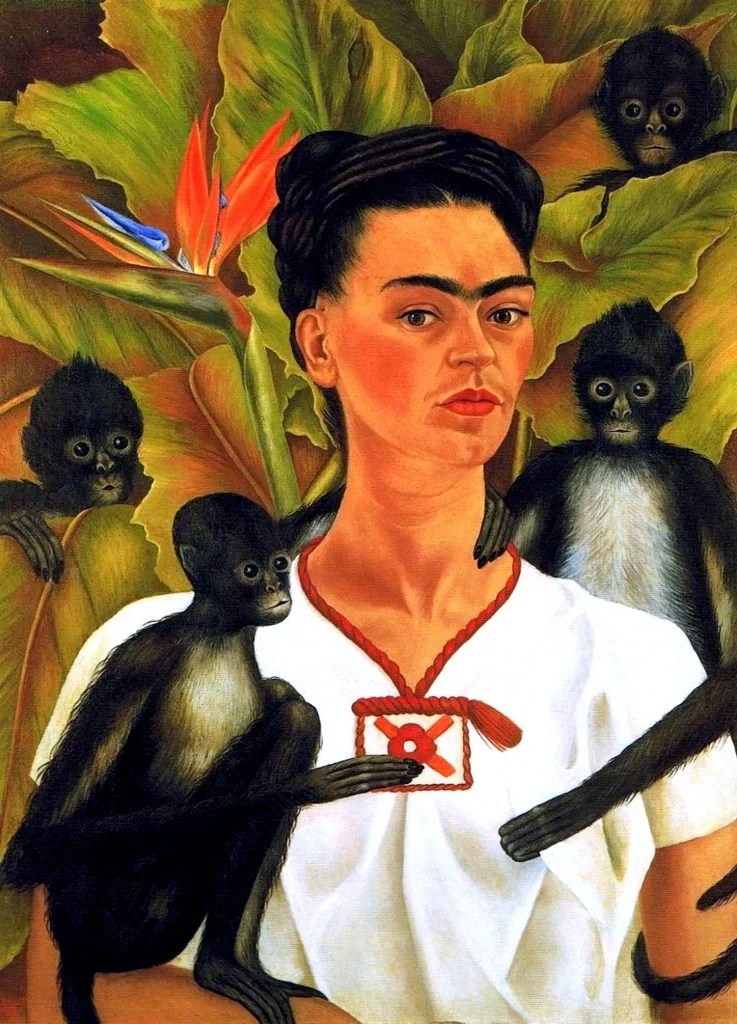
Self-Portrait With cropped hair (1940), Kahlo is depicted in a man’s suit, holding a pair of scissors, with her fallen hair around the chair in which she sits. This represents the times she would cut the hair Rivera loved when he had affairs. The 1937 painting Memory, The Heart, shows Kahlo’s pain over her husband’s affair with her younger sister Christina. A large broken heart at her feet shows the intensity of Kahlo’s anguish. Frida Kahlo and Diego Rivera divorced in 1939, but reunited a year later and remarried. The Two Fridas  (1939) depicts Kahlo twice, shortly after the divorce. One Frida wears a costume from the Tehuana region of Mexico, representing the Frida that Diego loved. The other Frida wears a European dress as the woman who Diego betrayed and rejected. Later, she is back in Tehuana dress in Self-Portrait as a Tehuana  (1943). Pre-Columbian artifacts were common both in the Kahlo/Rivera home (Diego collected sculptures and idols, and Frida collected Jewelry) and in Kahlo’s paintings. She wore jewelry from this period in Self-Portrait Time Flies  (1926), Self-Portrait With Monkeys  (1938) and Self-Portrait With Braid  (1941), among others. Other Pre-Columbian artifacts are found in The Four Inhabitants of Mexico City  (1938), Girl With Death Mask  (1938).

Frida‘s Self-Portrait With Monkeys

Analysis of Frida’s Artworks: Mexican Nationalism

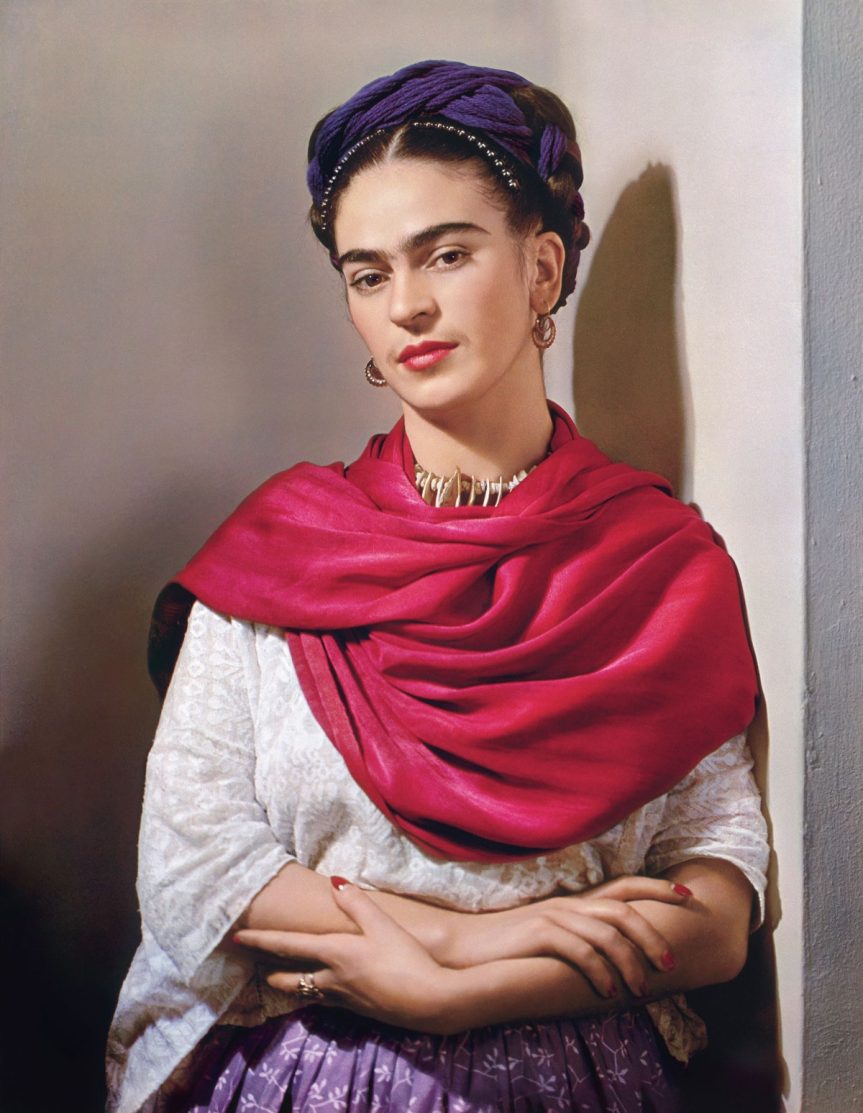
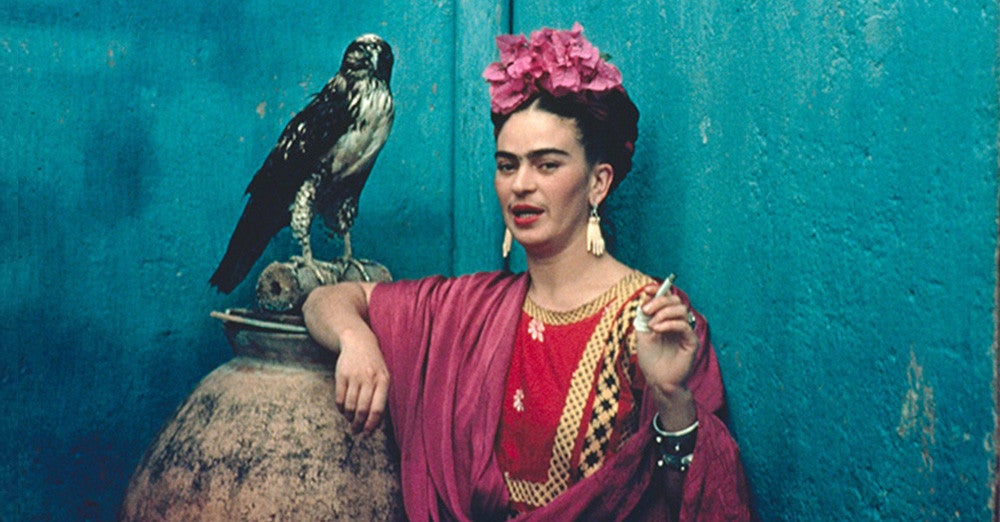
Frida Kahlo was heavily influenced by the Mexicayotl movement, which sprung from the colonialist mindset that native Mexican culture is inferior and that Mexico should emulate Europe. The Mexicayotl movement aimed at protecting the indigenous culture and traditions among the Mexican people. In most of Kahlo’s self-portraits, she paints herself in traditional indigenous Mexican dress. She wears long, colourful skirts, huiplis (loose-fitting tunic), rebozos (shawls) and elaborate headdresses. Painting herself in the Tehuana dress was a chance for Kahlo to express her anti-colonialist ideas and pay homage to her indigenous ancestry.

Frida‘s Portrait of Deer with Human Face

Symbolism and Surrealism

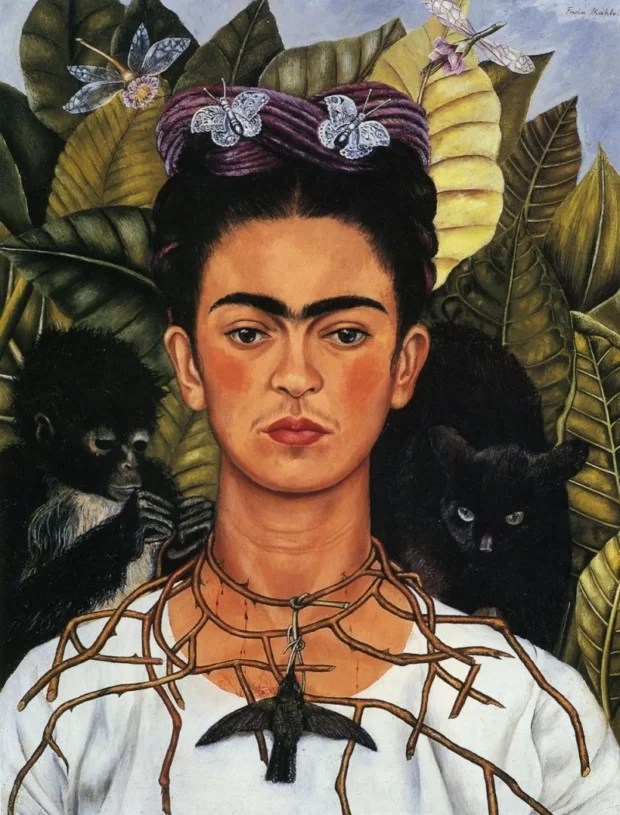
After periods of depression and miscarriages in her life she gave herself to pets around her. She liked to use animals as models in her artworks. Her paintings are domesticated by monkeys, hummingbirds, dogs, and cats. One of her self-portraits depicts her with three spider monkeys. The animals became protective and tender symbols to Kahlo. On the contrary, Mexican Mythology suggests monkeys are symbols of lust. Frida’s significant self-portrait was Self- Portrait with Thorn Necklace and Hummingbird. According to some art historians, Kahlo wanted to show that she had been resurrected and had started a new life with this painting. As a symbol of this idea, the hummingbird was placed in her necklace. The hummingbird symbolizes hope and good luck in Mexican culture. However, the audience may notice the black cat – known as a symbol of bad luck – taking its place behind the right shoulder of Kahlo. Different interpretations say that the hummingbird pendant refers to Huitzilopochtli. It is the Aztec god of war and may refer to the pain Kahlo suffered all her life internally. Other important symbols of the painting were butterflies and the thorn necklace. Butterflies symbolize resurrection and it may refer to her rebirth in life after the accident. Furthermore, the thorn necklace she wears may be the symbol of Jesus’ crown of thorns, which he bore while being dragged to his crucifixion. In addition to these symbols, Kahlo created a painting that both uses Christianity and animal symbolism in one subject matter. Painting The Little Deer, 1946 made by Frida  depicts her as a deer with a human face. The artist portrayed herself in this painting. However, there is a much more important detail in this artwork – the deer wounded by the arrows reminds us of Andrea Mantegna’s depiction of Saint Sebastian from 1480. It may also be a reference to crucifixion and resurrection.

Frida‘s Self-Portrait With Thorn Necklace and Hummingbird

Conclusion

Women prior to Kahlo who had attempted to communicate the wildest and deepest of emotions were often labelled hysterical or condemned insane – while men were aligned with the ‘melancholy’ character type. By remaining artistically active under the weight of sadness, Kahlo revealed that women too can be melancholy rather than depressed, and that these terms should not be thought of as gendered.

Dhakis of West Bengal: Where They Come From and Where They Go

Dhakis playing dhaks in a Durga Puja pandal

Introduction

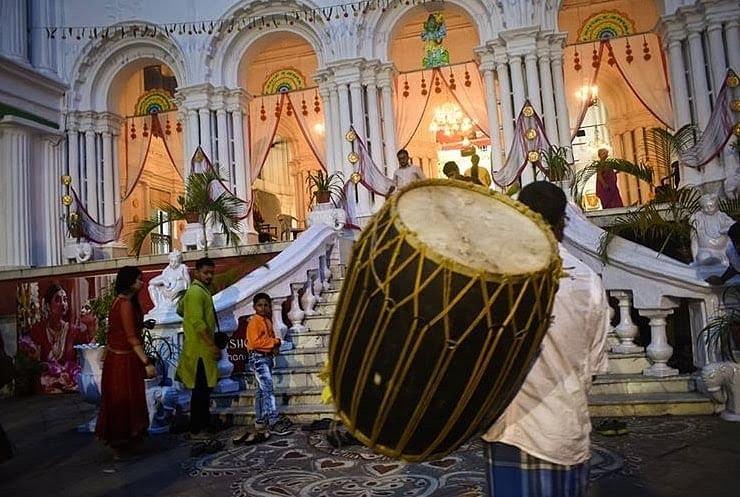
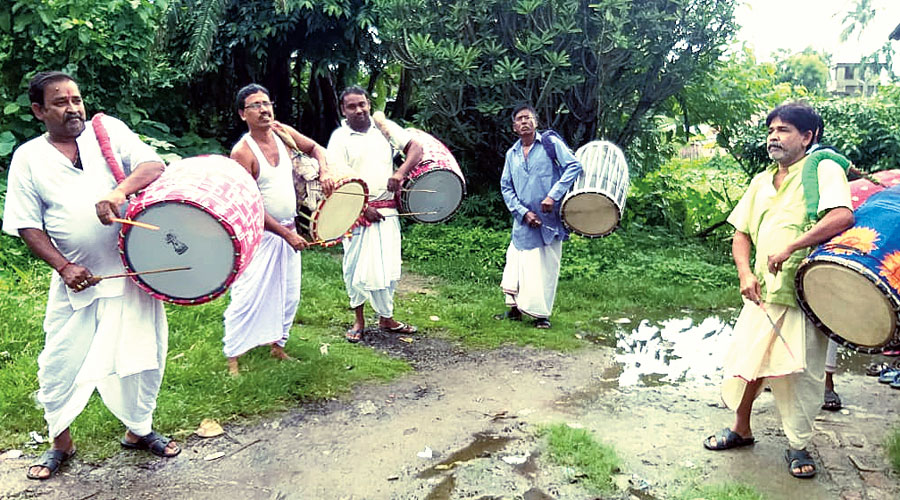
India is a country of rich cultural diversity and the essence of festivity for each Indian state is unique on its own. The main festival of the Indian state of West Bengal is Durga Puja, which is held during the auspicious Aashwin Durga Navtras in the months of September-October. During the festival the Mother Goddess is welcomed to her home on Earth with 9 long days of celebrations and joy. As a ritual of the festivity both her arrival and departure are rung by hundreds of thousands of “Dhaks” played by the professional drummers, locally called as “Dhakis”.

Dhak at a Puja Bari

What “Dhaks” Are: How They Are Made

The word “Dhak” comes from the Austric word “Dhaka” included in the Sanskrit language. The word later became a part of the Bengali script. The dhak is a big membranophone instrument that originally belongs to South Asia. The dhak has become an integral aspect of the widely loved Bengali festival of Durga Puja, other Bengali rituals and festivities. It would have no festive aura if not for the maddening rhythm of the dhak. The dhak is beaten with two sticks loudly to infuse the frenzied beats into the listeners. These beats are enough to raise the spirits and conjure up the feel of the Durga Puja. Without the instrument, the heavily celebrated festival would have felt sombre.

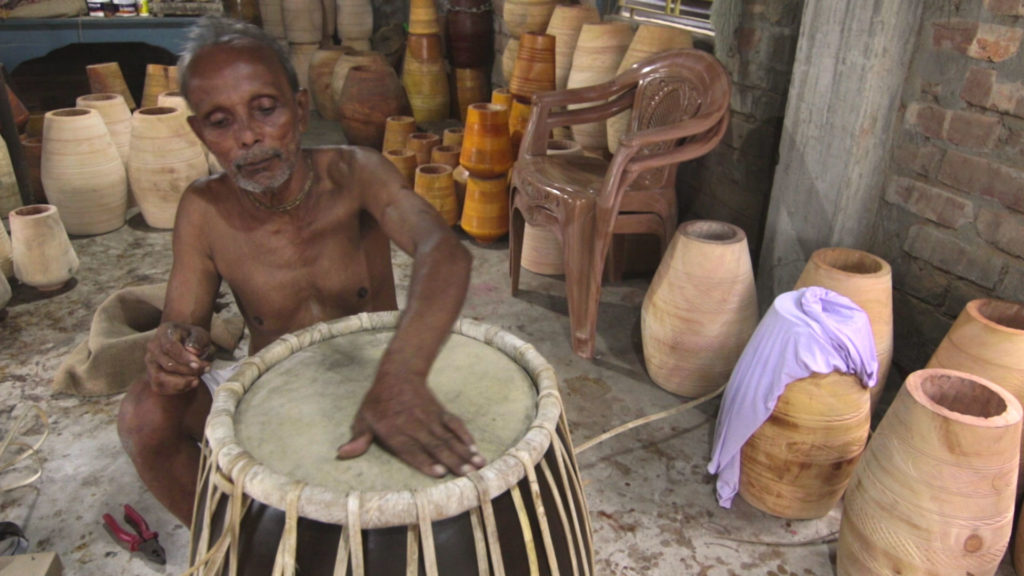
The sound of the dhak depends on a lot of factors like the shape. The shape varies from almost cylindrical to barrel-like. On one hand, the outer portion of the wood is shaved off and carved to create the barrel shaped instrument. On the other hand, the inner side of it is made to be absolutely hollow.The two ends of the dhak are wrapped up with goat skin on the top and calf skin at the bottom. It is said that using these two types of hides bring out the perfect sound texture of the dhak. The manner of stretching the skin over the mouth of the dhak and lacing it is also an important factor in the kind of sound that will be produced. The more the strings on the side of the dhak are pulled the higher the pitch of the dhak gets. The two sticks that are used to beat the dhak are carefully chiseled and formed out of thin cane or bamboo. Because of the drying session of the wooden structure and the intricate handwork and decoration, it takes around one month to reach the perfection in making the instrument.

Making of Dhaks

Who “Dhakis” Are: The Heritage follows

‘‘Dhakis’’ are integral to almost all festivities in Bengal but the art of playing the huge barrel-shaped membranophone instrument is considered as a staple of Bengal’s most celebrated Durga Puja. Most of the ‘dhakis’ or men who play the ‘dhak’ hail from humble rural backgrounds of Murshidabad, Hooghly, Malda, Bankura and Purulia districts of the state. Just like playing any other instrument that is highly associated with a centuries-old cultural heritage, the art of playing dhak, or the business of dhakis are often found to be ancestral and moving in the families since ages. The art of playing such instrument is considered as a living witness, bearing the tradition of the state of West Bengal. The art of playing dhak is passed on from one generation to the next though this art is gradually dying out and losing its focus. One of the reasons for this is the uncertain informal nature of this profession. They still teach the children to play the dhak is to preserve the culture and heritage.

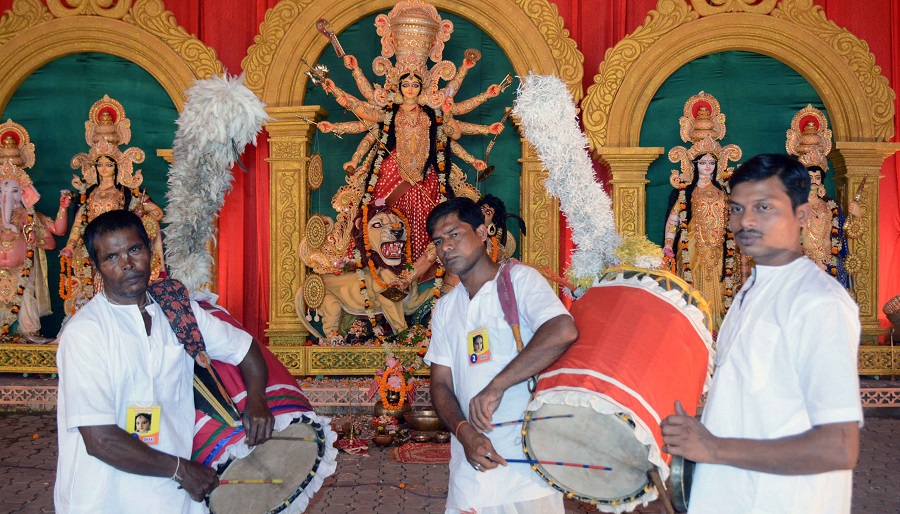
Each part of Durga Puja rituals has a different and unique tune and beat of the dhak right from the arrival of the idols till their immersion. It is played when the idol enters the pandal and even when it exits the pandal on the last day of puja, Dashami. In fact, it is the deafening sound of the dhak that fills the air of immense celebration during the ‘Sandhya Arati’ on Ashtami. This ceremony is absolutely incomplete without the beats of the dhak. Along with that, the ‘Dhunuchi Nach’ is also an essential part where the dhak provides the musical rhythm to which people dance with the ‘dhunuchi’. Another popular tradition is the ‘Dhaker Lorai’ or ‘Fight between Dhaks’ where the grandeur is revealed the best when dhakis play in groups. It is usually a fascinating experience for the audience to see the feathered drums being played by the dhakis dancing to the music produced. Finally, on Dashami, the majestic beats of the dhak helps lift the air of sadness and gloom during the vermilion ritual and ultimately, the immersion.

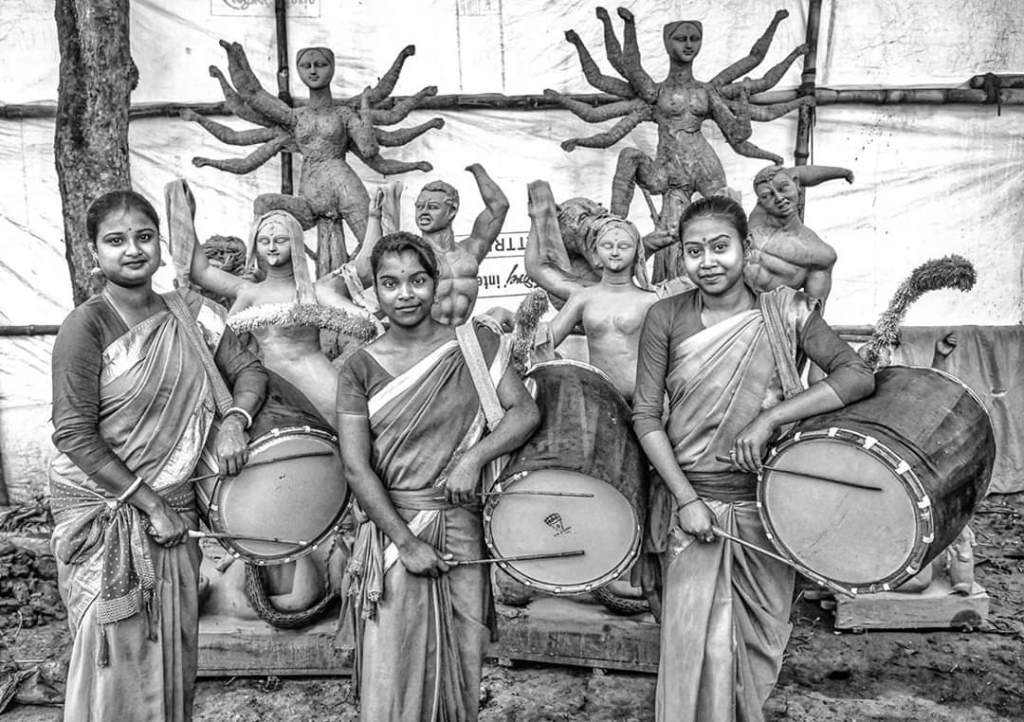
Female artists too have now taken up the responsibility to revive the age old art of playing the dhak. In such a male-dominated profession where carrying the dhak is a major issue, women have proved themselves to be no less than their male counterparts. Teams of women dhakis are finding fame and getting established slowly in their fields.

Dhakis of Bengal

COVID-19 and The Livelihood of Dhakis

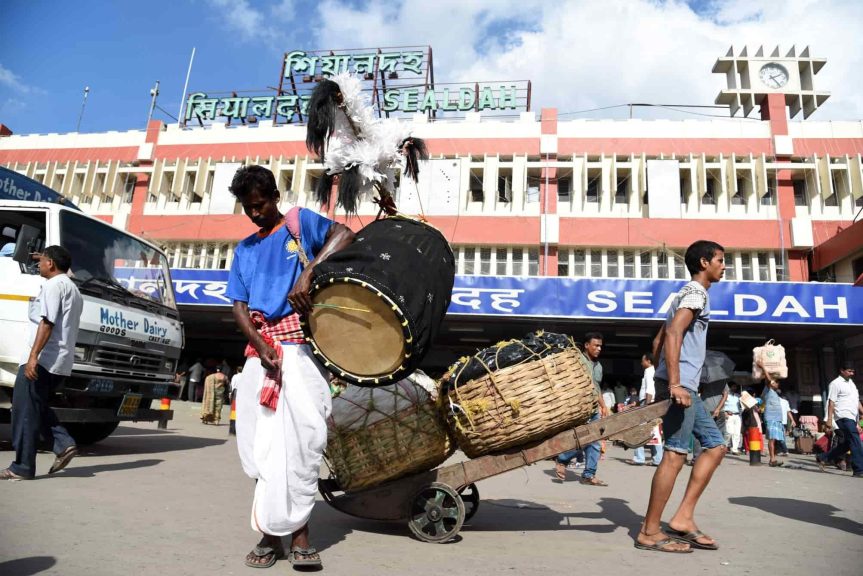
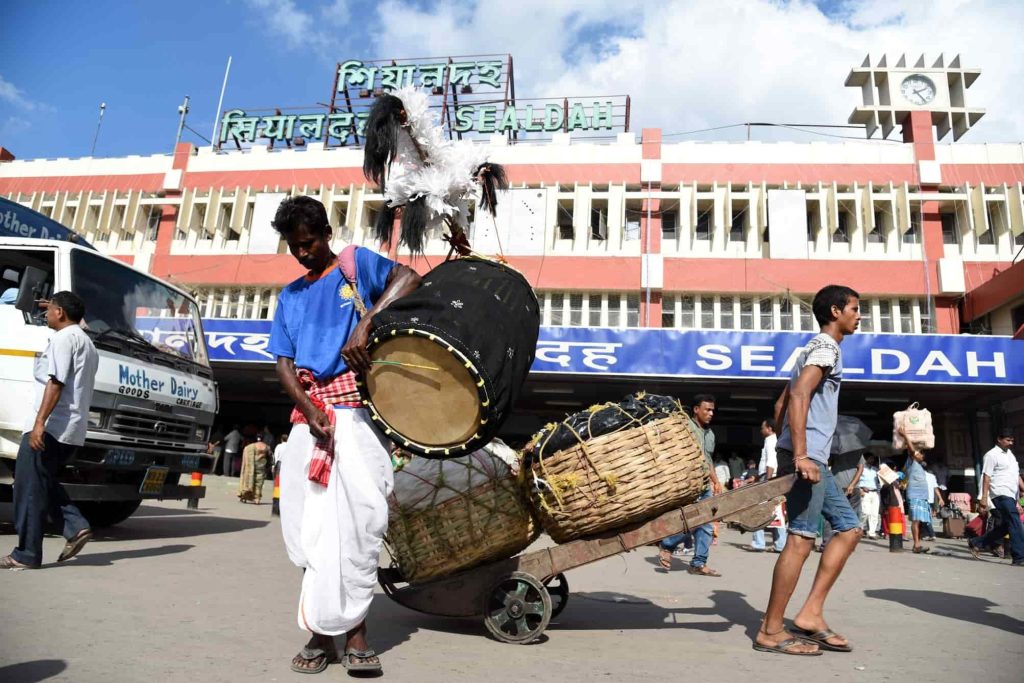
The Impact The drop in the number of Durga Pujas in and outside Bengal amid the novel coronavirus outbreak has taken the rhythm out of the lives of many dhakis (traditional drummers) who look forward to this festive season as their main source of earnings in the year. Every year, the dhakis from different districts and villages of Bengal use to appear at Sealdah station premises before Durga puja. The dhakis used to play the drums in front of Sealdah station every year before puja. From there, various puja committees used to take them in the puja pandals to play the ‘dhak’. But for the past two years the situation is very different, as Puja Committees and Organizers are tight in budget and have to follow a lot of restrictions . Moreover, thousands of dhakis from Bengal districts like East Burdwan, Birbhum, Purulia, Bankura and Hooghly would in other years travel to states such as Assam, Maharashtra, Delhi, Uttar Pradesh to perform at Durga Puja pandals and get higher pay than what they would have got in their home state. But, COVID-19 has restricted that option too for these drummers in past years.

Dhakis at Sealdah station, Kolkata

Where Are They At Now: How We Can Help

Acknowledging the fact that, playing dhak couldn’t be considered as a stable profession and is more inclined to be an occasional source of performing art and earning money, most of the dhakis are often associated with other rural jobs like farming, weaving, fishing to support their livelihood. During Pandemic, the dhakis hope that though they could not travel outside Bengal, they were still lucky if they got calls from Bengal puja organisers. When budgets are low, organisers play recorded beats of the dhaki in pandals. However, several organisers in Bengal have decided to go ahead with dhakis to add the traditional fervour to festivities with the state government offering a dole of Rs 50,000 to each puja committee.

A group of Women Dhakis in front of Goddess Durga idols

Conclusion

Just like of everyday’s, MachhBhaat, Bengal ’s essence of festivity is incomplete without the rhythmic beats of Dhaks. Along with everyone one of us, they are also looking forward for a better situation in the upcoming years, while we can celebrate together the joys of life without fearing for the safety of our health . With the constant effort of the Government and the citizens together , hope we are going to reach that phase very soon.

WHY INDIA IS INCREDIBLE ?

You may have heard the expression “Incredible India” commonly however the genuine significance behind this expression can fascinate you. Martin Luther King, Jr said that “To different nations, I might go as a tourist, however to India, I come as a pilgrim.” What is the genuine article that made our nation so incredible ? Life in India can be upbeat, intense, beautiful, distressing, tumultuous however never exhausting.

What makes India a great country — The Indian Panorama

India really sets an illustration of “Unity in diversity”. It’s practically difficult to track down some other country with as much variety as India. Every Indian state can be considered as another country since when you go there language changes, garments changes, food changes and way of life changes. Despite that we all have same thoughts and we live with each other peacefully.

11 Quotes About India By Famous Personalities

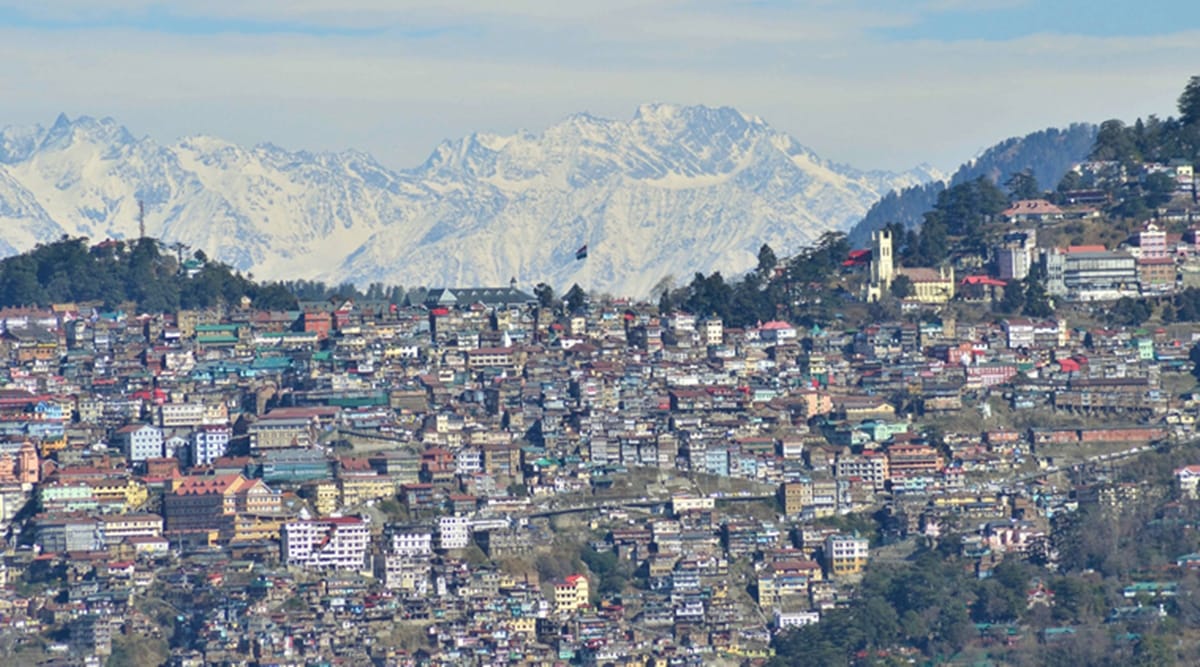
Not only that but people of different religions also live in India. That is the reason we have such countless celebrations which we praise all together. “Atithi Devo Bhava” which implies our guests are God to us. Indian food is overall mainstream you can’t get enough of it. Indian markets are open for both richer as well as poorer. Variety isn’t just among individuals yet additionally in climate. Assuming you need to see the warm places then, at that point deserts of Rajasthan can draw you in. However, assuming you need to see excellence of mountains you are generally welcome in Himachal Pradesh and Jammu Kashmir. Also there are numerous vacationer places in India which incorporate posts, sanctuaries, landmarks and some more.

50 years of Himachal Pradesh: A trip down the history lane | India News,The  Indian Express

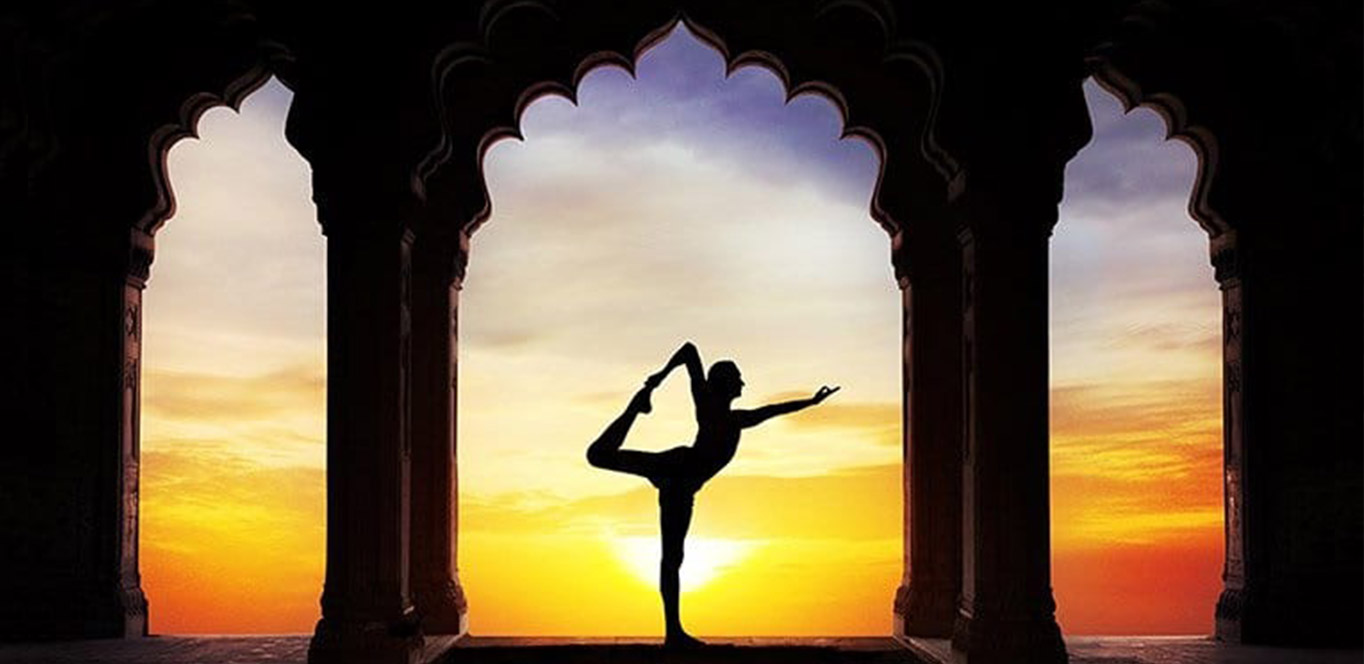
India is the land of Yoga. Yoga assists one with being truly and intellectually fit. It assists you with expanding your focus, give alleviation while having a pressure entire day. Subsequently, these all things demonstrate that why India is great. On this 75th Independence Day let us all make a promise to serve our country till death and endeavor to make India “The Best Nation in the World”. We are extremely fateful to be born in this Incredible Nation.
Yoga and Well-being - 15 Days - India Tour Guide & Driver

Is youth forming a new culture?

Today’s Youth is tomorrow’s future and these words matters a lot when we talk about the youth of any country. The way next generation is brought up, what they understand, what they learn and receive from the previous generation is important. As far as the question “is youth forming a new culture” is concerned it is true.
It is observed that the older generation is always quiet concerned about the next generation so they try to bring them up well and try to understand their mindset, thought, ideas and concerns. Well, the youth today is already facing many problem which may have existed in previous generation but, avoided. This generation is experiencing so many changes ups and down in life the older ones often address them as broken and depressed ones. But, this is not the whole truth if the new generation is considered depressed and insecure but, they are also talented, smart and decision makers.
There is a possibility that even the elderly people judge us because the other side says today’s youth is engaged into bad habits like alcohol, drug addiction etc but, it is important to focus on positive aspect where the young people are aware, know what is right and what is wrong and who stand against the injustice. The young people are serving in military and working in NGO, they are building start-ups, they are trying to open up, entertain and working hard to achieve what they want. All the negative part are just the distractions or wrong influence which is due to the bad elements of the society which have always existed be it any generation.
Every new generation brings with it something unique like if we talk about history, we have revolutionaries, leaders change makers because at that time the agenda was different it was about freedom struggle and developing nation free from colonisation. After that, came people who were capable of bringing change in their country for the benefit of people for a new start. Similarly, modern agendas which are focused on modern problems is what the youth is trying to find a solution of modern-day problems which are not as big as a freedom revolution but, closely associated to physical and mental wellbeing. The hectic schedules, balancing between personal and professional life, it is about adapting to new changes and accepting it. Some of the top issues are – body positivity, mental health, adulthood, peace of mind etc and many upcoming issues, the youth is taking part actively and contributing their share in nation development, they know how to take stand and raise their voice in a crowd.
They are definitely bringing up a new culture and the future will see it, It is bright and beautiful.

5 YouTube Channels Which Will give you Cultural Knowledge Peace of Mind

Free photo Logo Icon Video Youtube Logo Videos Icons Youtube - Max Pixel

In today’s busy life ,people always try to find peace when they become exhausted . In that case they usually like to involve them self in their favorite time passing work .Here I am suggesting some of the YouTube channels which gives inner peace for your exhausted mind .

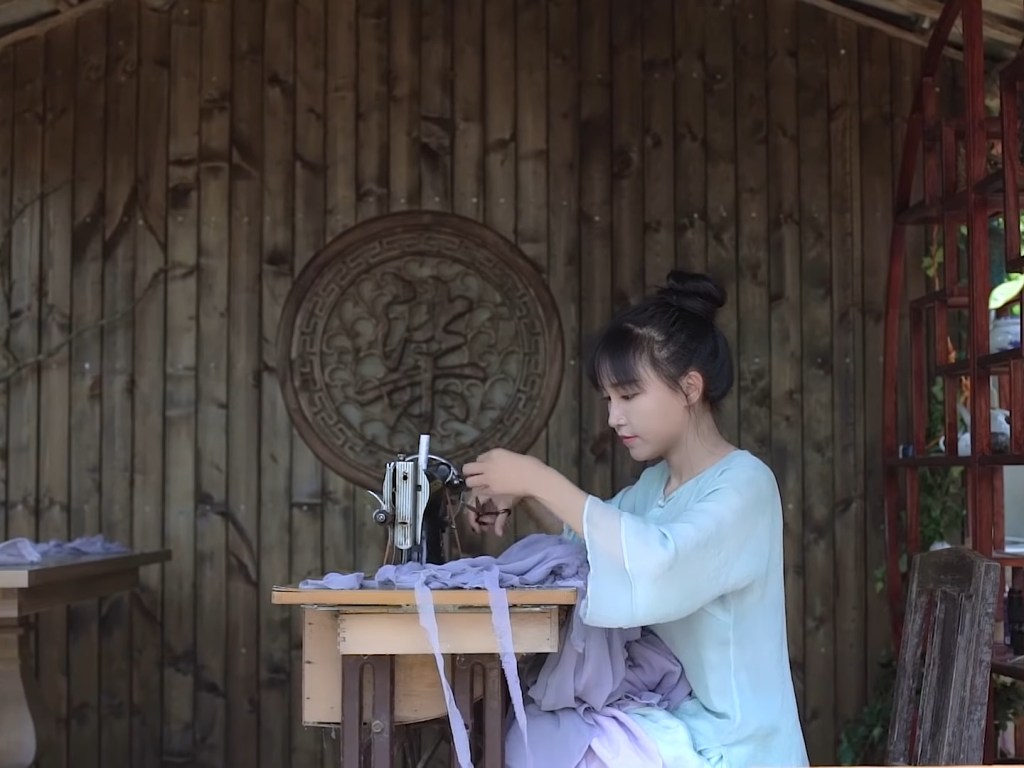
1.李子柒 Liziqi :: Liziqi is the most famous youtuber ,blogger ,Internet celebrity in this genre . She is a Chinese youtuber and also the first one in this type of video trending .Currently she has 15.8 Million subscriber in the whole world .She lives with her grandma in the countryside of Mianyang in Sichuan provinces in China .You will get a through idea of Sichuan Chinese culture specially food cuisine in her videos .Her video are authentic ,creative ,good in quality. There are almost 128 videos in her channel .She use the the old cultural & traditional process in her videos .She depends on the natural resources .Her videos depicts the picture of nature beauty ,humans dependence on nature ,nature kindness .She made various videos like — How to make Laba congee ,Construction of Wine table with winding canal ,Cucumber & other vegetable cultivation ,Various delicious food from wheat ,tomato ,peas ,peach, lotus ,mushroom ,Shu embroidery ,dress from grape skin ,Chinese cultural festival foods etc. You get good grips of traditional Chinese culture in her videos .She was also break the Guinness World Record by showing her patience of making a dress from the scratch in the Shu Embroidery video which is is a traditional Chinese embroidery .Here is the link of her channel — https://www.youtube.com/channel/UCoC47do520os_4DBMEFGg4A

2.Traditional Me :: This channel is run by a small Sri Lankan family consisting of A young girl ,her brother & grandma .They live in a remote village in Sri Lanka & depend on natural resources. Total subscriber of this channel is 1.11 Million from all over the world .They have released a total 38 videos still now .They used earthen pots for their cooking . You will be able to see various Sri Lankan food, their recipes ,spices , fruits , Sri Lankan ritual ,their tradition etc. You will also enjoy their beautiful  brother – sister relationship ,their bickering ,their family love through out the videos. She made various videos on — aloe Vera (Dishes for warm climate) ,Rambutan (making sweet dessert dish) ,Hibiscus flower (dish for afternoon snack) ,Sour chili fish dry recipe ,Dishes from corn , eggplant dish , festival sweet snacks , chicken dish ,delicacy from spinach and many more .Here is the channel link — https://www.youtube.com/channel/UCfCw8GGyGpXmtxDTNJ7J5VA

Sri Lankan village

3.Dianxi Xiaoge :: This channel is run by a Chinese country girl who is also an Chinese influencer & blogger Dianxi Xiaoge & her family . they lived in near the Myanmar border Yunnan province located in south western china .She lives with her grandparents ,brothers & her own parents with a Alaskan Malamute type dog ,whose name is Dawang . Dianxi Xiaoge is also called Apenjie  by her family & other people .She has 7.63 Million followers & 238 videos  in her channel . Dawang is also a very popular & most loved character for its funny & heart warming activity . Dianxi usually made her videos about Chinese Yunnan cultural foods like lard sealed pork ,Ham dishes , Acid pickle  ,meat sauce ,Glutinous rice , Red three chop (An Yunnan traditional dish) ,process of making hairy tofu etc. She also made some videos on festive traditional food like Moon cake ,mid autumn day festive sweets ,Hand Pilaf etc. Her videos also included of various dishes of raw mango , sour bamboo shoot ,mountain crabs ,water bamboo shoot ,peaches ,cherries ,papaya ,shiso leaves ,mushrooms ,ginger ,Taso-ko spice ,litsea ,tamarind ,Sichuan pepper ,Dipping chili ,onion dregs etc. She also have some vlog videos on their living place ,Yunnan local foods ,local fruits etc. Her videos greatly reflect the Yunnan cuisine ,their culture ,people interaction ,their living hood .Here is the link of her channel —https://www.youtube.com/c/%E6%BB%87%E8%A5%BF%E5%B0%8F%E5%93%A5dianxixiaoge/featured .

Yunnan province

4. 키미 Kimi :: It is a family YouTube channel .They live in a countryside of South Korea . They have 648K flowers & they have uploaded 90 videos till now .They specially show the countryside lifestyle ,their livelihood ,their eating habits ,farming in a relaxing manner .Some of their videos are on summer foods making ,routine for spring time ,tried day routine ,lunar new year habitual ,kimchi making process ,daily lifestyle in countryside ,sweet potato recipe etc. Their videos also include the countryside cultivation ,Korean cuisine foods making ,traditional practices etc. Here is the link of the channel — https://www.youtube.com/channel/UCip2Wb2oWTMVvCaVPherr3Q

Page 3 | Royalty-free korea photos free download | Pxfuel

Apart from the channels listed above ,there are some channels which will also comes in this genre —– 

Her 86m2 Channel (https://www.youtube.com/channel/UCxEyrf1Ud59fvH9A5mNGwIg )

Poorna-The nature girl channel                                                                                                                           ( https://www.youtube.com/channel/UCtVDQNGBmS8DTP5fPzM_GmQ )

龙梅梅Longmeimei ( https://www.youtube.com/channel/UCKu9dQPZcggDmZagZIXGicg )

village foods ( https://www.youtube.com/channel/UCx8JpAU_-48MnzqjJO1cjIA ) ; Polin Lifestyle ( https://www.youtube.com/channel/UC4gDBTG2BMuiwJp_Fe2i_2w ) & many other channels .

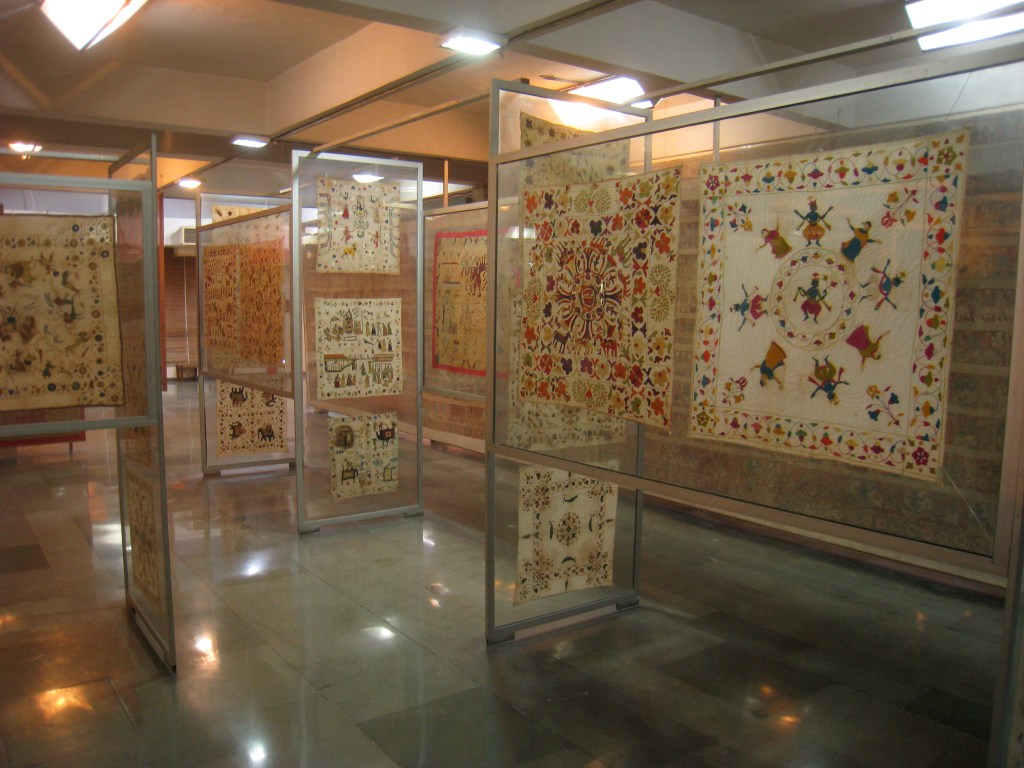
Embroidery of India

Hello guys!!Today’s topic is about embroidery of India.

Embroidery is the craft of decorating fabric or other materials using a needle to apply thread or yarn.

In embroidery they use different materials such as pearls, beads, quills, and sequins and stitch them on the fabric enhancing it’s beauty.

From: wikipedia

In India the embroidery designs are formed on the basis of the texture and the design of the fabric and the stitch.

 They generally use  dot and the alternate dot, the circle, the square, the triangle, and permutations and combinations of these and develop the design .The range of varieties  is unlimited  and designing to stitching every step is different from each other .
  • Aari
  • Banjara embroidery
  • Banni or Heer Bharat (Gujarat)
  • Chamba Rumal (Himachal Pradesh)
  • Chikankari (Uttar Pradesh)
  • Gota (Jaipur, Rajasthan)
  • Kamal kadai(Andhra Pradesh)
  • Kantha (Bengal)
  • Karchobi – Rajasthan
  • Kasuti or Kasuthi (Karnataka)
  • Kathi (Gujarat)
  • Kaudi(Karnataka)
  • Khneng(meghalaya)
  • Kutch or Aribharat
  • Kutchi bharat/Sindhi stitch (Gujarat)
  • Kashmiri embroidery
  • Mukaish Work- (similar to chikankari) -Lucknow
  • Phool Patti ka Kaam (Uttar Pradesh)
  • Phulkari (Punjab and Haryana)
  • Pichwai (Rajasthan)
  • Pipli (Odisha)
  • Rabari (Rajasthan and Gujarat)
  • Shamilami (Manipur)
  • Shisha or Mirrorwork (Gujarat, Haryana, Rajasthan)
  • Toda embroidery
  • Zardozi or Zari or kalabattu
  • From :wikipedia

There are all different styles developed in different states giving them a tinge. Depicting their own traditions and culture through their work

Each state style gives of an unique mix to the Indian embroidery.
From craftsvilla

Each style is influenced by the fashion and attire they follow ,these styles are developed from their ancestors and Indian embroidery is famous for its simple yet classy look.

Embroidery is an art of fabric they make art pieces from a single piece of cloth and thread .
From:fibre2fashion.com

The trend always changes but the roots must not change , embroidery may changes over years with time but the effort they put into is will always be conveyed to people through their art ,through their embroidery.

Thankyou^^

WHAT DOES ADOLESCENCE NEED?

Need for independence

With the growing physical and mental development an adolescent wants to express his opinion independently, to take part in different social activities and to become self-dependent like any adult member of the society. On attaining adolescence, the child who earlier used to depend on his elders, finds himself full of life and energy and cannot help but to take part in the diverse activities of the society. Thus, he defies the dominance of his elders and wants to proceed in life independently

Need for self-recognition

The adolescents not only want to take part in different social activities but also want self-recognition. They want to attract attention of other people by showing their abilities. The children in adolescence want to project themselves before the society in such a way so that people can appreciate their qualities and give them due respect and recognition.

Need for self-expression

There is a great desire among the children in adolescence to express their feelings, thoughts and ideas. At this age, every child wants to express himself in his area of proficiency like sports, dramatics, studies, music, literature, art or any other medium.

Need for social life

One of the important needs of adolescents is to take part in the greater social environment. Before entering into the age of adolescence, children do not get much scope to mix with people outside their family. But as they attain adolescence children want to experience the greater social-life and want to get involved closely in different social activities. This need for social life gets an outlet when the adolescents involve themselves in the activities of different social institutions like club, social welfare committee, community service etc.

Need for self-reliance

Another important need of children in adolescence is the need for self-reliance. There is a great desire among the children of this age to become self-reliant as soon as they attain puberty. And they start dreaming about their future professions and the ways to establish themselves in their respective fields. The children of this age are also very eager to acquire professional qualifications according to their choice.

Need for Philosophy of life, morality and need to know the unknown

The children in adolescence want to have a philosophy of life, a clear concept of morality and want to know all the things which are unknown to them. They have a lot of inquiries regarding the basic purpose of life. They want to know how human life can be goal-directed and what is the main aim of life. When the children attain puberty, they also indulge in a great deal of thinking over the concept of right and wrong, good and bad. They want to evaluate all the activities of themselves and people around them in accordance with the concept of right and wrong. There is always a tendency among them to do whatever is morally right. And if they do something morally wrong, they go through terrible mental agony. At adolescence, there is also a great desire among the children to know what is unknown to them. The new discoveries of science have a great influence on the minds of adolescents.

Need to satisfy sex-related curiosity

As the children attain puberty they develop a deep sex-related curiosity. This curiosity greatly perturbs them as the result of natural outcome of their sexual development. First, they try to satisfy this curiosity by natural means. But later, by being ignored or scolded by the elders, they try to satisfy this curiosity through abnormal ways. Adolescence is one of the important stages of growth and development of the child. At this stage a unique disturbance develops in the mind of the child. According to modern Psychologists, this disturbance in the mind of the child is not an essential outcome of his physical development, rather it occurs in the mind of adolescents because of unfavourable environment.

What Is Ikigai?

Ikigai (ee-key-guy) is a Japanese notion that combines the words iki, which means “alive” or “life,” and gai, which means “benefit” or “value.” When these phrases are combined, they indicate something which provides your life value, significance, or goal.

The notion of ikigai is claimed to have originated from traditional Japanese medicine’s core health and wellness concepts. According to this medical tradition, one’s physiological well-being is influenced by one’s mental wellbeing and perception of meaning in life

Explanations of ikigai are frequently associated with components of social identity, such as job and family life, but it is also explained as something more. It is the concept of finding meaning in all you are doing in life. Interests, relationships, public service and traveling all contribute to your ikigai.

Ikigai is frequently connected with a Venn diagram depicting the points where the following elements overlap:

  • What you love
  • What you are good at
  • What the world needs
  • What you can be paid for

THE DIFFERENT SPHERES OF IKIGAI

WHAT YOU LOVE

This sphere contains everything we do or encounter in life that offers us the most joy and helps us feel the most lively and satisfied. What matters is that we give ourselves permission to think very carefully as to what we enjoy, without regard for whether we are excellent at it, whether the world needs it, or if we can be paid to do it.

WHAT ARE YOU GOOD AT

This sphere contains whatever you are exceptionally great at, such as abilities you’ve learned, interests you’ve pursued, talents you’ve demonstrated since a young age, and so on. It’s possible that you’re excellent at something. This category includes skills or capabilities, regardless of if you are passionate about them, if the world needs them, or if you can be compensated for them.

WHAT THE WORLD NEEDS

The “world” here could refer to mankind overall, a local group with whom you are in contact, or somewhere in between. Whatever the world requires may be established based on your perceptions or the requirements voiced by others. Outside one’s own needs, this area of ikigai links most directly with other people and doing good for others.

WHAT YOU CAN BE PAID FOR

This domain of the diagram also alludes to the world or society as a whole, because it involves what somebody else is prepared to pay you for. Whether you can get compensated for your interests or skills is determined by circumstances such as the condition of the economy, the demand for your passions/talents, and so on.

A “balance point” in this ikigai diagram would thus include something that you are passionate about, are also skilled at, that perhaps the world really needs currently, and for which you will get paid.

IN PURSUIT OF A PURPOSE

Everybody, according to the Japanese culture, possesses ikigai. It denotes the worth that one discovers in their life or the things which make one feel as though their life is worthwhile. It pertains to both mental and spiritual situations that give one the impression that their existence has meaning.

What particularly appeals to me about ikigai is its interchangeability. It is unique to each individual and recognises that the concept of “happy” is really rather complex. Ikigai, as an idea, can grow alongside you. If one route of purpose is no longer available, you may adapt, shift, and follow other pursuits with purpose. This is accommodated by Ikigai.

Even though the present really doesn’t seem right, if you do not feel genuinely valued in your current condition but have a great desire to strive towards, you will have discovered your ikigai.

We frequently measure ourselves to everyone else, and when people around us appear to be doing better than us, we might feel like losers We soon overlook what we’re aiming for and we reject our current journey. This is where I believe ikigai may truly help. When we follow the concepts of ikigai, we are brought back to ourselves, towards our own purposes, and to the road we are taking to get there. Ikigai is just as much about adjustments, difficulties, and blunders as it is about achieving the “ideal” goal of a contented existence.

The concept in itself is not innovative or revolutionary, but it’s worth remembering.

Kintsugi-THE ART OF BROKEN

Hello guys! Today’s topic is  about an how an art is made by mending broken pieces.

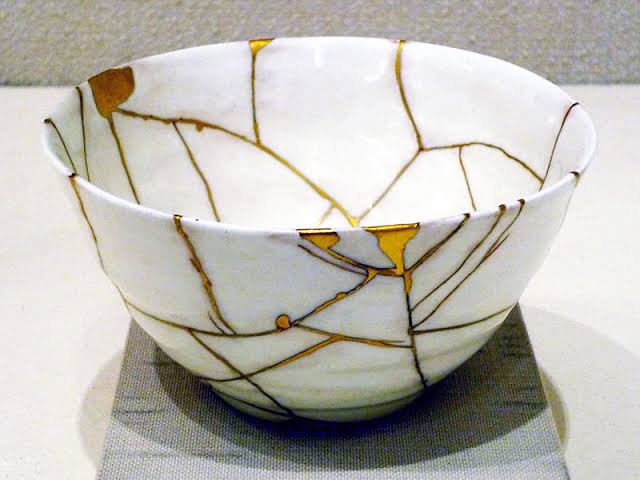
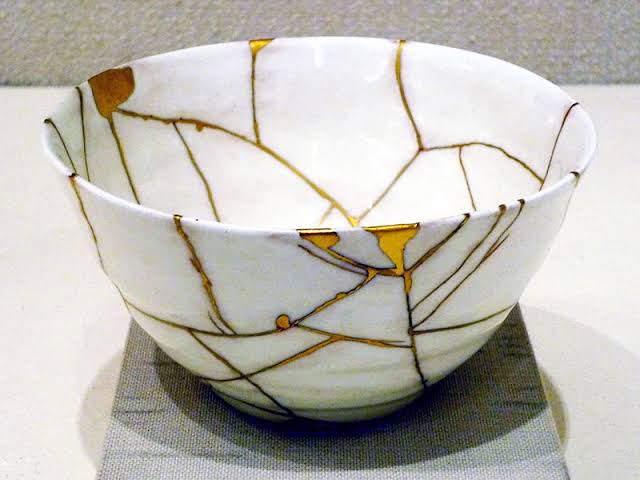
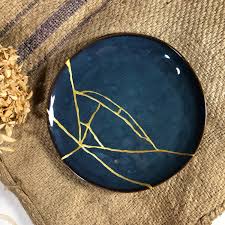
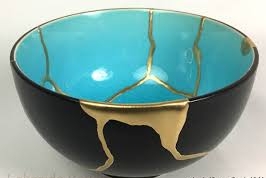
Yes you heard right when things break we throw them away but there is a Japanese art form called kintsugi or kintsukuroi.

From:unkown

As it’s name says golden joinery and golden repair respectively. In this art is made through repairing the broken pieces and again joining them.

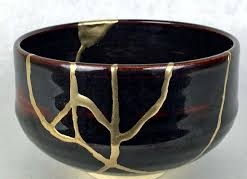
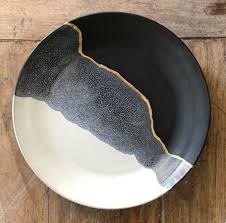
They say broken is beautiful, in this art form there is philosophy they follow that is those cracks that appear after mending the objects is considered to be the history of that object and those cracks are not to be hidden.
From: lakesidepottery
From:edtimes.in

I love how they don’t cover those cracks and instead display it proudly as if telling the whole world to look at it how it is rather than how it should appear .

It teaches us a very important life lesson that

Never to hide our scars rather than show them proudly as they are a part of your journey and they deserve to be shown rather than cover them.

We should respect our past that is depicted through these scars and be grateful that the present you is because of the past you had .
From pinterest
Imperfection is the real Perfection.

The perfection you seek is ideal but not the truth but the imperfection  you that is thriving to become the perfection is real.

From:lakesidepottery

In this art they seal the broken parts with lacquer dusted or mixed with powdered gold,silver or platinum.

There are different styles of kintsugi

Crack :-They use  gold dust and resin or lacquer to attach broken pieces with very less overlap or fill-in from missing pieces

Piece method :-In this  they add gold /lacquer in place of the missing fragments of the broken object

Joint call :- In this method a  fragment which not matching but is similarly shaped is used to replace a missing piece from the original broken object creating a patchwork effect.

Here mending  the pieces and making  an object  from it  gives them an unique aura,a special appearance and also gives the art form it's true meaning.
This art form is now an inspiration to modern artists ,this art form reduces the usage of things ,there is no wastage and infact it's as if the while mending a broken piece it's history ,the memories related to it everything is restored in the process.

Thankyou^^.

PATTACHITRA: AN INDEGENOUS FOLK AND TRIBAL ART OF ODISHA

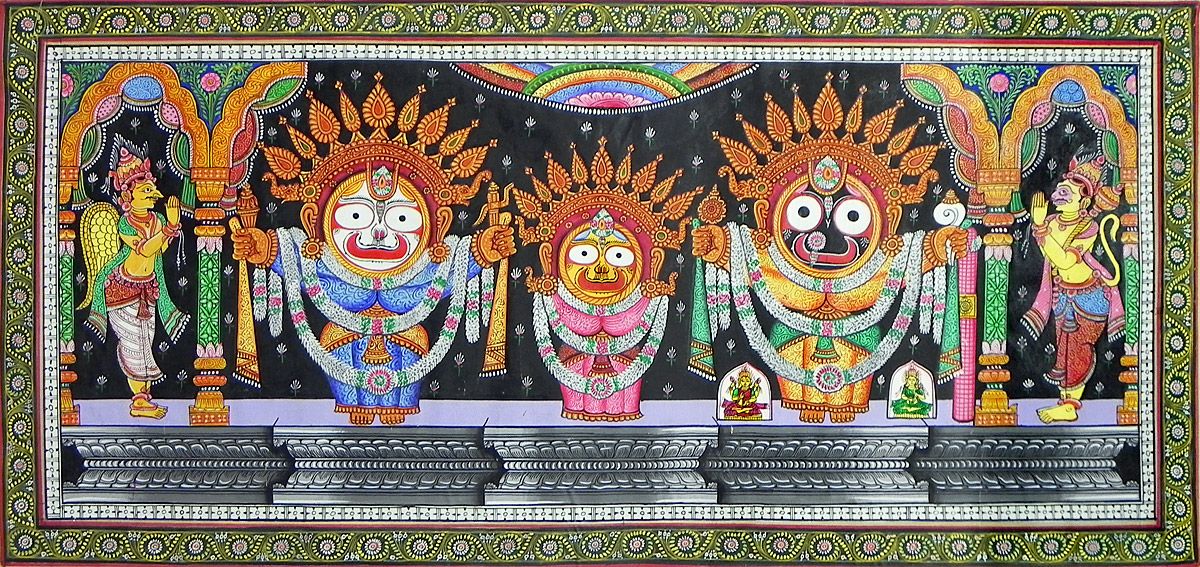
Pattachitra or Patachitra is the ancient traditional and indigenous cloth based painting technique of Odisha and is highly known for its intricate details. The word Pattachitra is derived from Sanskrit words, “Patta” meaning canvas and “Chitra” meaning painting or picture. Thus, Pattachitra is painting which is done on canvas and makes use of rich colors, creative motifs and designs for mythological narratives and folktales.

Pattachitra is a traditional and popular art forms of Odisha, India and is inspired by Jagannath and Vaishava. The specialty of the painting is that, it uses colors that are natural and are fully made by Chitraakaras or Odiya Painter. The tradition of Pattachitra painting is more than thousand years old and is still practiced in the state.

HISTORY OF THE ART FORM

The arts inscribed in “Pattachitra” resemble the ancient murals of Odisha and Lord Jagannath is taken as the source of the art form. The artform mainly shows the religious centers of Puri, Konark and Bhubaneswar region and the best works of the artform are found in and around Puri and especially in village of Raghurajpur. Other such regions were the artform is still being practiced in Paralakhemundi, Chikiti and Sonepur. The color schemes used in the artform are similar to the color schemes of deities of Puri. The wooden statues of the three deities of Puri are covered with cloth and are painted with the four limited colors of red, yellow, white and black. These deities also have their traditional art and painting which shows their life events and different tales and these are as old as the deities themselves.

Some of the popular tales or themes that are depicted in this art form are “Thia Badhia: A Depiction fo temple of Jagannath”, “Krishna Lila: Enactment of Jagannath as Lord Krishna and his powers displayed during his childhood”, “Panchamukhi: Depiction of Lord Ganesh as a five headed deity” etc. These themes are the soul of the art form and are the true reason behind the existence of this artform. The artform requires unbending concentration and careful craftmanship and it takes nearly five days of work for completing the art and it may take long or shorter period onnthe basis of the complexity of work and labour required.

Pattachitra showing Krishna Lila
Pattachitra showing Thia Badhia
Pattachitra showing Panchamukhi

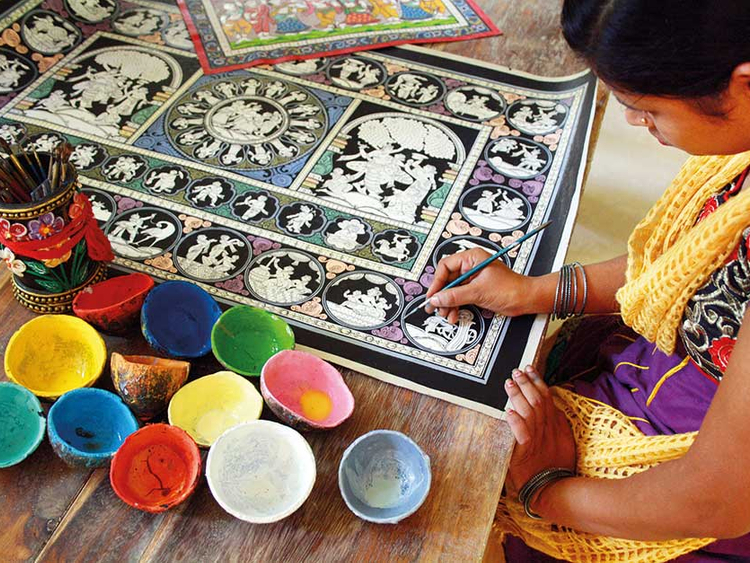
THE MAKING OF PATTACHITRA

Making of Pattachitra

While making Pattachitra following steps are followed:

  1. Making the Patta : Done with the help of tamarind paste and my soaking tamarind seeds in water for three days and then are crushed to make paste which is called Niryas Kalpa.
  2. Holding the two pieces of cloth together with the tamarind paste and coating a powder of soft clay to make it firm.
  3. After the cloth becomes dry, it is polished with rough stone followed by wood or smooth stone until the surface becomes smooth and leathery.
  4. The canvas is ready for being painted.
  5. Preparing the paste using naturally available raw materials to being about indigenous paints. This is the most important step in preparation of Pattachitra.
  6. The root of Keya plant is the most common ingredient used for making the brush and then the cloth is painted.

WHAT MAKES PATTACHITRA SPECIAL ?

Pattachitra Wood Necklace

Pattachitra painting is a disciplined art form and the makers always stick to the use of natural products only for making Pattachitras. They have certain rules the follow and abide by while making an artform and end up creating remarkable paintings that depict emotions, tales, history, culture etc. and the Chitrakars try their best to being the most accurate expression through the use of the rich colorful motifs.

Pattachitra has came a long way and has gone through large number of transitions and the chitrakaras have painted on tussar silk and even on palm leaves. Wall hangings and showpieces are also being created. And all this is done by strictly following the rules and these have remained intact throughout generations.

Pattachitra Wall Hanging

Common Language Questions.

[Bhoomika Saini]

1. What’s The Most Commonly Spoken Language Today?

First Language

Mandarin Chinese tops the list of most commonly spoken native languages with 870 million native speakers. With less than 200 million second language speakers, the vast majority of Mandarin speakers are native and also located in mainland China.

Second Language

When it comes to second languages, English takes the cake, with over 750 million second language speakers, which makes up the majority of the number of English speakers overall. Arabic is also a popular second language. With over 59 countries with an official language of Arabic, it’s easy to see why.

2. Is There A Language Spoken On All Five Continents?

There is, and you may be surprised to learn it is… French! French colonizers spread out all over the world, and as a result, there are both native and nonnative speakers in every continent.

Map of all five continents
Photo by Andrew Stutesman on Unsplash

3. What’s The Most Useful Language On The Internet?

Russian. A little less than half of all web content is written in Russian! Plenty is written in English as well, but if you are all about the internet life, you may want to learn some Russian.

4. What’s The Highest Demand Language?

Portuguese! This is due to the rapidly growing economy of Brazil. The native language of Brazil is Portuguese, an effect of colonizers in the area from Portugal. Brazil’s tourism industry is booming, and many companies are setting up locations in Brazil, making Portuguese a newly in-demand language.

Most spoken languages in the world, important to learn. Infographic by University Of The People

Languages you should try! [Part 1]

[Bhoomika Saini]

French

French, also called the language of love, was actually the international, diplomatic language for centuries. Only recently, historically speaking, with the rise of the United States as a global power, did English prevail as the language of diplomacy. France is still quite the economic powerhouse, and a popular travel destination, so French is definitely a language to learn!

Spanish

Spanish has a large number of native speakers, and a large number of overall speakers as well. Most Spanish speaking countries are located in South and Central America, which are extremely popular travel destinations in recent years. For this reason, you will find many across the world who speak Spanish. In addition, due to the large number of Spanish speakers in the US, if you live, work, or travel in the United States, Spanish is the one to learn!

Russian

Russian is an extremely influential language among many Eastern European and Europeasian countries. The Russian language also has the second highest percentage of internet content (following English), and the leading percent of internet content in Europe. This makes the Russian language one of the most important languages to learn for European business.

Japanese

While the Japanese language is not spoken widely outside of Japan, it’s still an important one to know. Whether you want to travel in Japan, love the culture and food, or the technology, knowing Japanese can get you far in many ways. It’s also an excellent introduction to other Asian languages. There are some Chinese characters in Japanese, and with similar grammar to Korean, learning Japanese puts you on the path to learn all three.

German

Germany is the most widely spoken language throughout Europe, as Germany remains Europe’s most dominant economy. For this reason, if you do business or plan to do business in Europe, German is one of the most important languages to learn. It’s a funny language to learn, with endings tacked on to words to give them specific meanings. But it is also a surprisingly easy language to learn.