Overpopulation: Cause and Effect

Debates concerning overpopulation may rapidly turn contentious because they raise the question of who is to blame for the problem and what, anything that, should be done to address it. Numerous population experts are concerned that debates about overpopulation will be exploited by small-minded people who claim that some humans are “right people” to be on the planet and others are the “wrong people” (typically people living in poverty, people of colour, foreigners, and so on). However, there are no “right” or “wrong” individuals on the world, and debating the issues of global overpopulation should never be used as a justification or as a platform for such a discussion.

Every human being has a legal right to an adequate and equitable share of the Earth’s resources. However, with a population reaching 8 billion, even when everyone chose a comparatively low materialistic quality of life, the Earth would still be pushed to the brink of ecological disaster. Furthermore, the “average individual” on Earth consume at a pace that is more than 50% more than what is feasible. Surprisingly, the average American consumes over five times more than the planet’s sustainable output.

If we are using the word “overpopulation,” we explicitly imply a scenario in which the Earth’s resources cannot be replenished each year due to the world’s population. According to specialists, this has been the situation every year since 1970, with each succeeding year growing increasingly harmful. To help moderate this highly unsustainable scenario, humans have to understand what is causing overpopulation and overconsumption, as well as how these patterns influence everything from climate change to sociocultural instability.

THE CAUSES OF OVERPOPULATION:

The Earth now has a population of over 7.8 billion people. And according to United Nations, the world’s population would reach 10.8 billion by 2100, assuming sustained fertility decreases in many nations. Surprisingly, if more progress can be made in women’s reproductive self-determination and fertility decreases faster than the United Nations predicts, the population in 2100 may be a relatively smaller 7.3 billion.

For the time being, the world’s population continues to grow at a rapid pace (approximately 80 million people per year), and our supply of critical nonrenewable resources is depleting. Many variables, including declining death rates, underused contraceptives, and a poor education for females, contributes to these unsustainable trends.

FALLING MORTALITY RATE:

An imbalance between births and deaths is the fundamental (and arguably most visible) driver of population increase. According to the World Health Organization, the worldwide infant mortality rate has dropped, with 4.1 million newborn deaths in 2017 compared to 8.8 million in 1990. Of course, this is good news for public health.

At the same time, people are living longer lives all across the world. Those of us alive now will most certainly live far longer lives than most of our forefathers. Because to advances in medical, technologies, and hygiene practices, global average life expectancy has more than quadrupled since 1900. Falling death rates are also nothing to grumble about, but universal lifespan contributes to the math of growing population numbers.

UNDERUTILIZED CONTRACEPTION:

According to the UN Population Division, the worldwide fertility rate has consistently declined over the years, falling from an average of 5 children per woman in 1950 to 2.4 children per woman now. Along with that encouraging trend, worldwide contraceptives use has gradually grown, going from 54 percent in 1990 to 57.4 percent in 2015. Nonetheless, contraceptives usage is underused in general. According to the World Health Organization, an estimated 214 million women in poor nations who wish to avoid pregnancy do not use contemporary contraception.
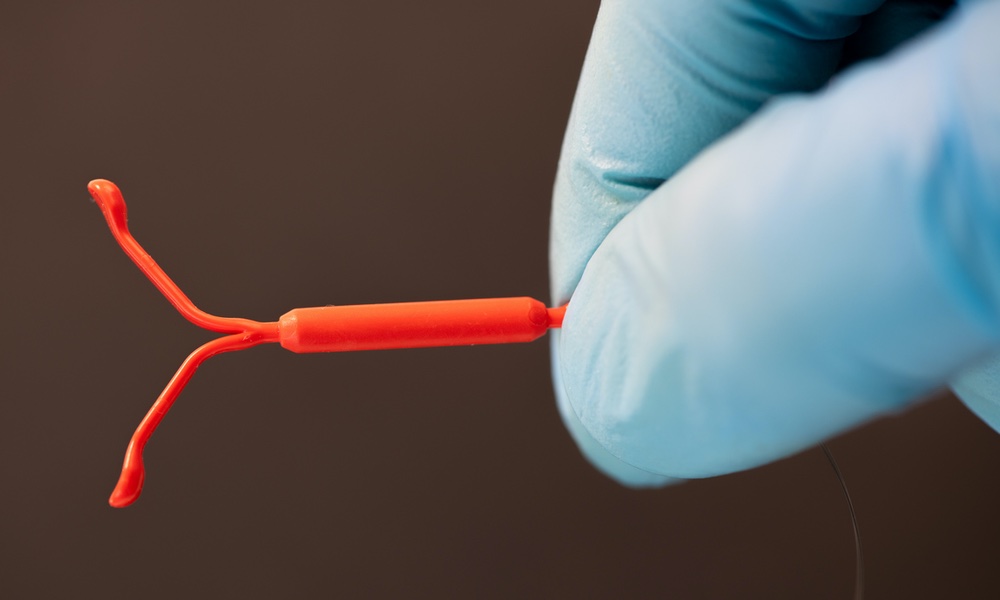
These women are not taking contraception for a number of reasons, including societal norms or religious beliefs that prohibit birth control, misunderstandings about negative side effects, and a lack of autonomy for women to make sex and family planning decisions. Between 2010 and 2014, an estimated 44 percent of pregnancies were unplanned. Giving more women access to and control over family planning options might go a long way toward flattening the population curve.

THE EFFECTS OF OVERPOPULATION:

It seems to reason that as the world’s population grows, so will the demand on resources. Higher population equals more demand for food, water, housing, energy, healthcare, transportation, and other necessities. All of this consumption adds to environmental degradation, increasing conflict, and an increased likelihood of large-scale calamities such as pandemics.

ECOLOGICAL DEGRADATION:

Population growth will undoubtedly generate pressures that will result in increased deforestation, diminished biodiversity, and increases in pollution and emissions, all of which will worsen climate change. Eventually, many experts think that unless we take action to assist prevent future population increase in the duration of this decade, the extra pressure on the planet will lead to ecological upheaval and breakdown so extreme that it affects the survival of life on Earth as we know it.
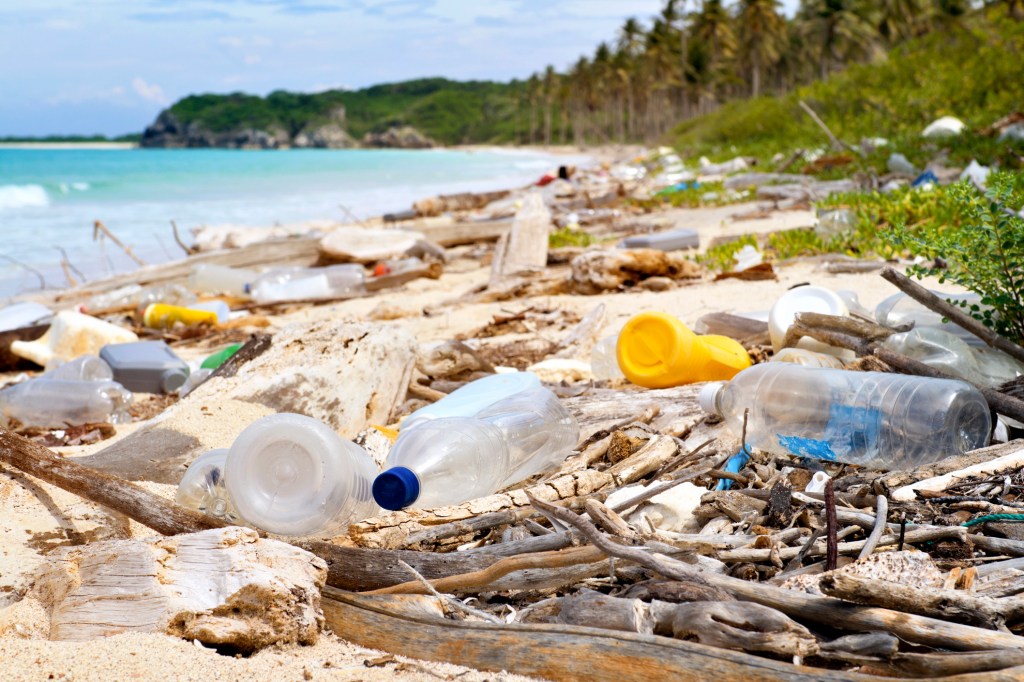
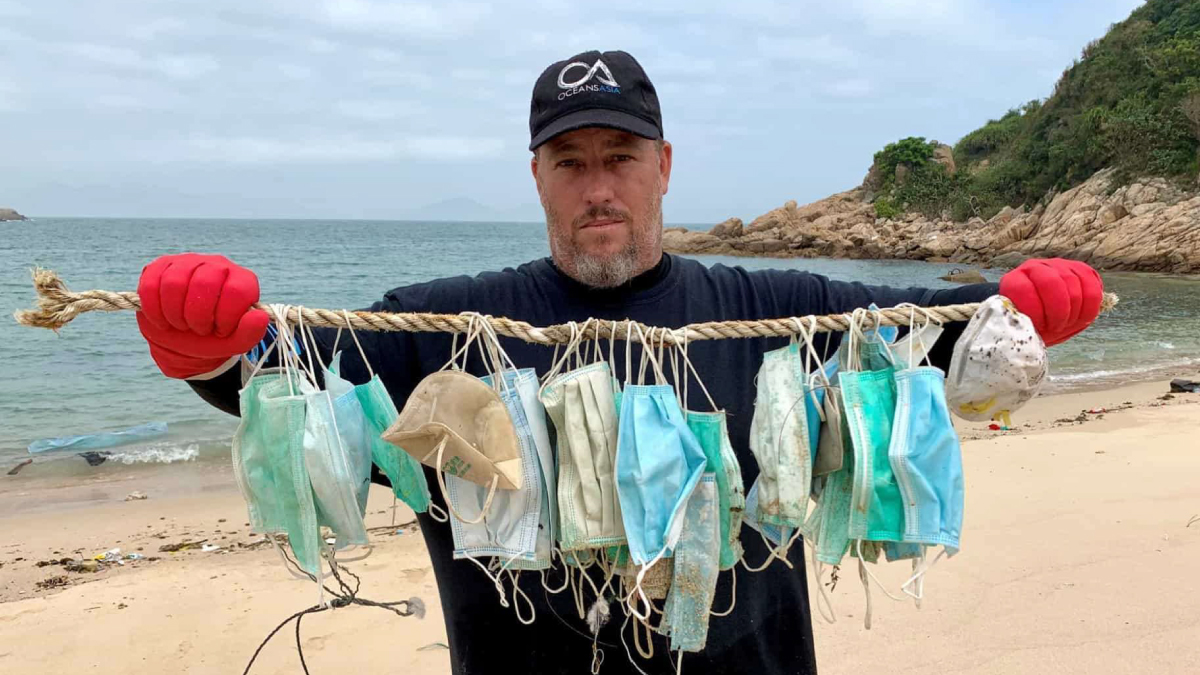
Garbage and pollution on beach

Each spike in the global population has a measurable impact on the planet’s health. According to estimates a family having one fewer child could reduce emissions by 58.6 tonnes CO2-equivalent per year in developed countries.

INCREASED CONFLICTS:

Scarcity caused by environmental damage and overpopulation has the ability to promote violence and political upheaval. Warfare over water, land, and energy resources is already taking place in the Middle East and other places, and the unrest is certain to worsen as the world population rises.

HIGHER RISK OF DISASTERS AND PANDEMICS:

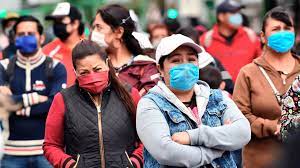
Some of the recent new diseases that have wreaked havoc on humans throughout the world, such as COVID-19, Zika virus, Ebola, and West Nile virus, emerged in animals or insects before being transmitted to humans. Part of the reason the globe is approaching “a time of heightened outbreak activity” is because humans are demolishing natural habitats and coming into more frequent contact with wild animals. Now that we’re in the grip of a pandemic, it’s apparent how impossible it is to maintain social distance in a globe populated by over 8 billion people.
WHAT CAN BE DONE?

When tackling overpopulation, it is critical to use an empowerment-focused strategy while organising against anybody promoting the use of compulsion or violence to solve our issues. The combined efforts of expanding family planning information, enhancing women’s autonomy, and refuting commonly held contraceptive misconceptions will have a significant impact on the world’s population trajectory.

At Population Media Center (PMC), we observe firsthand how raising knowledge about family planning options and the environmental and economic benefits of having fewer families may influence reproductive behaviour. Listeners to our Burundian radio show Agashi (“Hey! Look Again!”), for example, were 1.7 times more likely than non-listeners to verify that they were willing to negotiate condom use with a sexual partner, and 1.8 times more likely to say that they generally approve of family planning for limiting the number of children.

At PMC, we use the power of storytelling to inspire listeners to live healthier and more affluent lives, which helps to stabilise the global population and allows people to live sustainably with the world’s renewable resources. Discover how PMC is combating overpopulation right now!
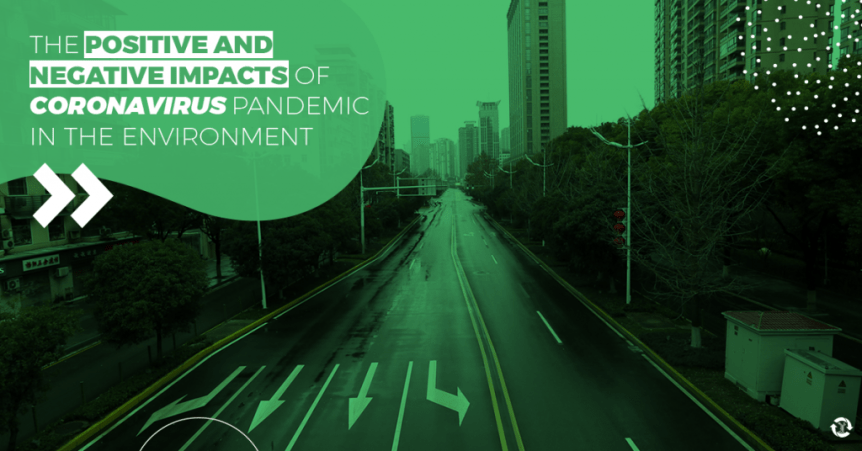
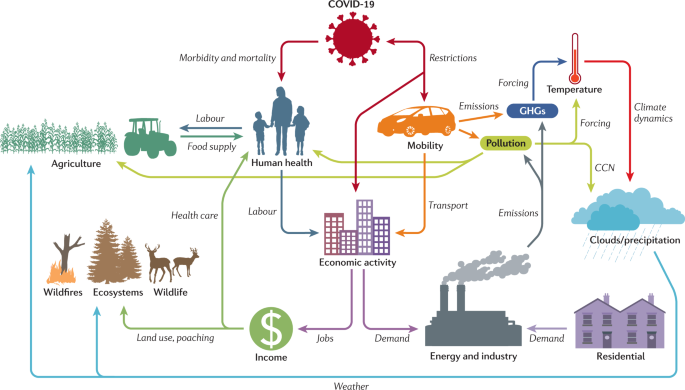
Positive and Negative impact of COVID-19 on environment

As Work from Home becomes the new norm, 23% of carbon emissions have dropped globally just because of a decrease in transportation.

Here are few positive as well as negative impacts the COVID-19 pandemic has brought to the environment.

  • Positive impact of the pandemic on the environment
  • There is more freshwater available

As the majority of industries have reduced activities, the water consumption of the industrial sector has decreased to about 20-30%. The hotels and health clubs are not functioning to full capacity either, hence a decrease in water consumption has been observed. It has also been noted that people tend to be more efficient with water at home than hotels and resorts.

  • The vegetation is growing better

Due to less human interference, plants are exposed to better air quality and clean water. The amount of oxygen and other nutrients required for their growth are not polluted and hence allow plants to grow.

  • Reduction of air pollution

A drop of 25% in carbon dioxide emissions along with 40% in nitrogen oxide emissions was

observed in Italy during the self-isolation period. Energy-related CO2 emissions in India is on track with value 1.8 as per SDG report 2020. Air quality improved because of a reduction in road traffic, air traffic, and factory emissions of carbon dioxide, Nitrogen oxide and particular matter formation.

  • Decreasing demand for oil

Due to the decrease in fuel demands for factories and travel, there has been a sharp decline by 435,000 barrels a day in the first quarter of 2020, due to the pandemic. Oil pollution also harms animals and insects, disrupts the food chain, and prevents photosynthesis in plants. Oil contamination can make water unsuitable for irrigation and damage irrigation plants.

  • Negative impacts of the pandemic on the environment
  • Increasing organic waste

Due to a sharp decline in the cargo transportation services, the export and import of various essential commodities have come to a standstill.

  • Waste management is getting difficult

Garbage contaminated with Medical waste has increased. There has been no evidence related to human contact of waste leading to the transmission of the virus. Many local waste recycling centers have suspended their activities

over the fear of virus circulation in the recycling centres.

Increasing non-recyclable waste

With increasing home deliveries during the lockdown, meals and online shopping surged which requires a lot of plastic packaging. Production and disposal of surgical masks, gloves, protective equipment and body bags have increased due to the COVID-19 crisis but all the waste generated ends up adding on the landfills and the environment.

Ecosystem at risk – Illegal deforestation, fishing and wildlife

Environment protection workers at national parks, land, marine conservation zones were required to stay at home during lockdown resulting in leaving these areas unmonitored. The decline in ecotourism activity has led to an increase in unemployment in the regions frequented by tourists.

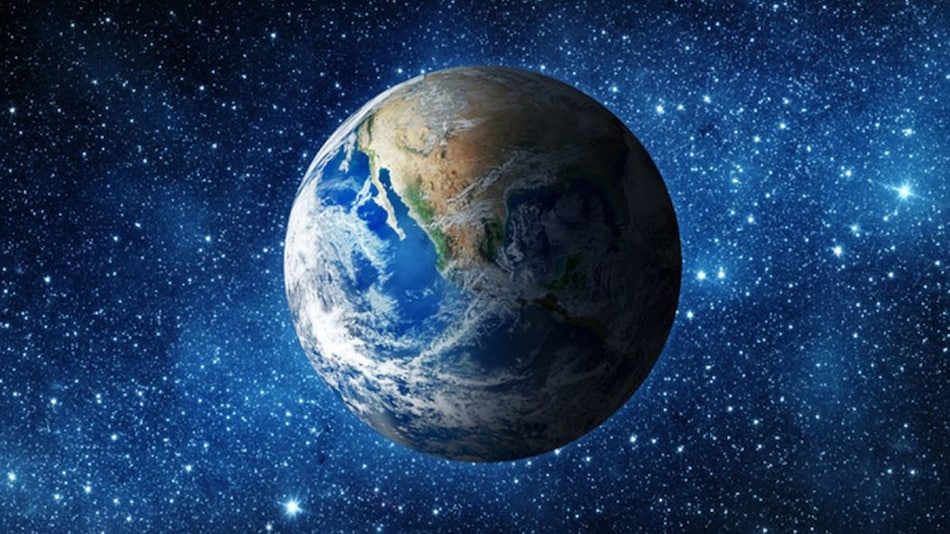
Mother Earth – Our home planet

Earth is the only planet where life can exist.

Earth is also called Blue planet.

If we destroy the earth, we destroy the chance of life.

Earth is our mother as we born here,we grow here,we eat ,play and our whole life cycle take place on earth.
Earth  provide everything that we use today whether it is directly or indirectly.

Life existed on earth is as it is suitable for having an atmosphere, suitable temperature and water is present in its liquid form on Earth due to the position of Earth on solar system.

Earth is the third planet from the Sun at a distance of about 93 million miles (150 million km).

We called Mother earth because Earth provide everything to us like a mother. Our existence become possible only due to earth.
Everything that we needed to survive and thrive is only due to our mother earth it provide us  food, shelter, home , water, air, medicine , suitable temperature and everything that we need for our existence.
But we affect our mother Earth in various ways only for the sake of our greed.

Due to our greedy behaviour natural environment of Earth get changes.

Earth provides enough to satisfy Every man’s needs but not Every man’s greed

Mahatma Gandhi

Earth day is celebrated on 22 April.

Thus ,there is a need to  save our mother Earth.

The optimal temperature of earth rises ,the glaciers are melting  and every type of pollution like air pollution water pollution ,soil pollution ,noise pollution every thing are going on its peak and that’s why why every living organism get affected by this.


Due to this anthropogenic action every single living organism get affected even when they don’t take part in this  destructive action.

Anthropogenic action is referred to as the action which is done by humans.

Impact of anthropogenic activities on  earth
First of all the major impact is  due to overpopulation –
● Due to overpopulation the overconsumption of resources are at its peak .
Even after the implementation of various sustainable act but it doesn’t make any major changes on environment.
● To fulfill the requirements of population we need more food supplies that’s why there is increase in uses of fertilizers and various chemicals to increase the food production.
■ And it will leads to lack of nutrients in grains ,soil infertility or or it may leads to desertification.
● To fulfill the requirements of people there is need to increase the land area so it has been observed that it leads to deforestation.
● Anthropogenic activities are responsible for an intensive emission of greenhouse gases to the atmosphere, leads to an increase of 35% of carbon dioxide (CO2, greenhouse gases) emissions between 1990 and 2010.
● Emission of large amount of carbon dioxide and other greenhouse gases leads to rise in temperature of Earth, increase pollution and it causes various type of disease also.
● For affordable price and easy to use the production of plastic also increases.


These all are the the main factors that affect the ecosystems too.

Measures taken to save mother earth:-

  • Reduce, reuse and recycle
  • Choose sustainable development
  • Volunteer for clean up our environment
  • Choose long lasting light bulbs
  • Try to use renewable resource more than non-renewable resources
  • Save water
  • Plant more trees
  • Use public transport system
  • Try to avoid plastic use
  • Try to minimise pollution at individual level
  • Use reusable shopping bags
  • Educate others about anthropogenic activities or the impact of anthropogenic actions on our environment and what can we do to prevent its bad effects

Save earth, save home

Why plastic bags should get banned?

Plastic bags are harming our environment. Plastics are non biodegradable product which means that they will not degrade in the soil for thousands and thousands of years. Plastic harms our environment in all the ways it can.

How plastic degrades our environment?

Land pollution from plastics…

Firstly, let’s talk about land pollution so if we throw plastic bags on for example, soil, it will not degrade easily and it will degrade may be after thousand years but the chemicals which are used to make the plastic bag degrade the fertility of the soil. Plastic bags are made from poisonous chemicals and if we will throw it in soil firstly it will degrade the fertility of the soil and secondly it will make the crop poisonous and if we will eat that food crops that will grow on such soil we can even die so it deplete the fertility of soil and at the same time makes our food poisonous. Please ,Please ,Please never throw plastic bags on soil or some land area where crops are grown. This way it causes land pollution.

How plastics causes animals death?

Sometimes animals eat plastic bags which causes them to choke. We should never throw plastic bags in garbages because in our country especially in India cows and many other animals like dogs eat from garbages and if by mistake they eat plastic it will let them to die so please never throw garbage inside plastic bags.

Water pollution from plastics…

Plastic bags also causes water pollution. Let’s see how. So when plastics are thrown inside water, the Marine animals which used to live inside the water bodies , by mistake eat that plastic or even a part of the plastic bag which made them to die. The plastic bags are made from poisonous chemicals so please remember never to throw plastic bags anywhere.

In these above-mentioned ways and many more ways plastics destroys our environment.

Measures taken against plastics by different countries…

Some Countries banned plastic totally while some other countries levied taxes on it. But a country is made by its countrymen and we are the country man of India and it is our national duty to stop using plastic bags and save our environment. In our country today also people are using plastic bags even after knowing that they are not good for our environment and causes so many problems.

Why still using plastic bags?

The question is why we are not stopping ourselves from using the plastic bags even if we know that it causes harmful effects on environment. So, there are a lot of reasons behind it. Let’s discuss them one by one.

The first reason is that we are used to it. We habitual of using plastic bags.

The second reason is that it is very convenient to use plastic bags. Plastic bags are lightweight and are very small in size so it becomes very easy for us to carry them . On the other hand cloth or jute bags are not lightweight and are big also, which makes them inconvenient or less convenient than plastic bags.

The third reason is that plastic bags are very cheap. So it’s easy to buy them.

So there are many more reasons but these are the main reasons which make plastic bags very common in use.

Conclusion

We should today take the oath that we have to never use plastic bags and this is not a rule that you have to follow against your will but this is your duty to never never never use plastic bags because it’s our Earth we can make it a better place to live for everybody else.We always want to change our society and the world. But let me tell you very clearly that you can’t.

You can just change yourself and you know what that will make the world change.

“If you can change yourself, you can change the world and if you can’t change yourself ,you will never be able to change the world.”

Thankyou so much for reading.

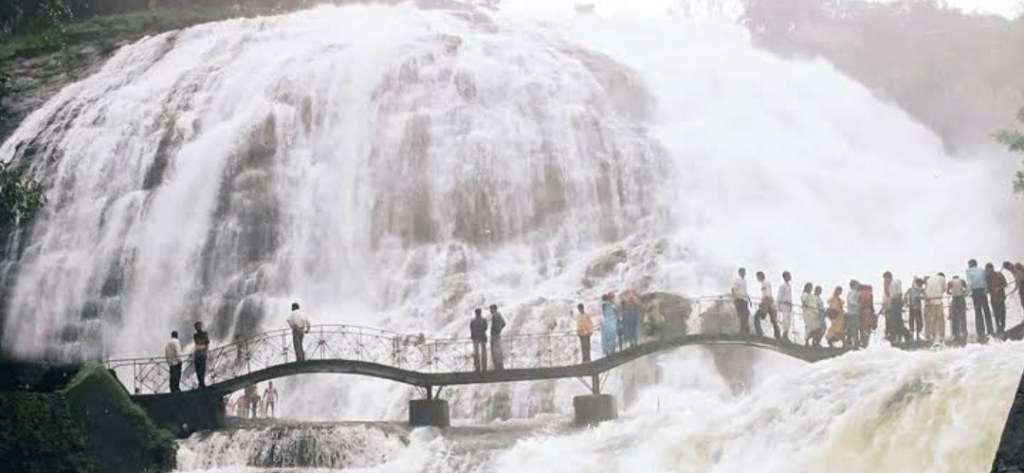
Places in India that turn beautifully green during Monsoons.

Monsoons not only give new life to nature, but also drape the surroundings in lively greens. While those used to city life might be unaware of such a thing, India boasts of places that turn lush green during the rainy season. If you are also interested to visit such places, here’s a list of places that turn beautifully green during the monsoons.

Top stunning places for your monsoon wishlist.


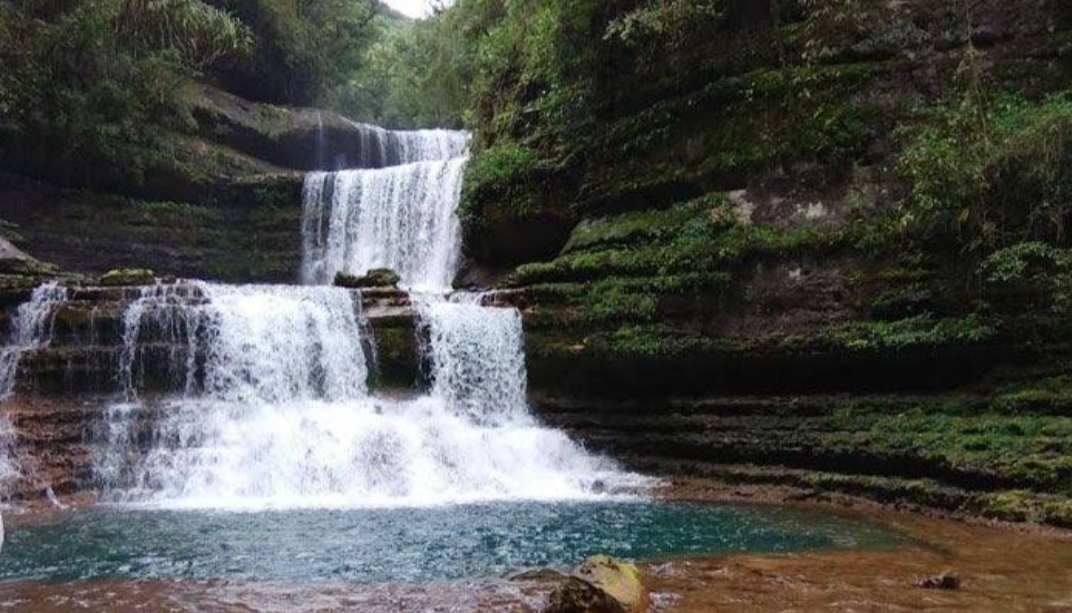
Cherrapunji, Meghalaya

Cherrapunji, being the second wettest place on Earth, boasts of pleasant weather throughout the year. When here, you might witness rains coming in with such velocity that you will be drenched in no time. And although it receives a huge amount of rainfall, the beauty of this place is that it does not get flooded. In fact, the place turns livelier during the rainy season, with sounds of chirping and humming of birds and insects, along with the thundering sound of rivers flowing at the bottom of the valley.


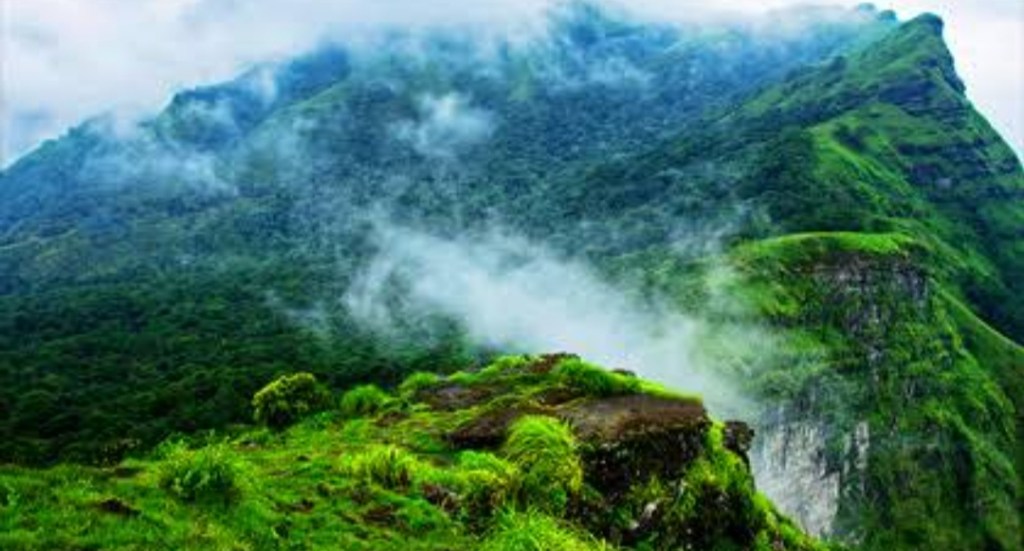
Chikmagalur, Karnataka

Chikmagalur is blessed with many attractions that turn magical during the monsoons. Sitting in the lap of Western Ghats, it is one of the places that you will make you crave for more. During this time, you can enjoy a drive to Charmadi Ghat near Chikmagalur; the drive will take you through the Western Ghats, home to many gorgeous waterfalls. Further, the spot is also dotted with tall mountains, vast tropical rain forests, and green valleys, all of which turn alive during the monsoons. You need to visit this spot during this time to believe it.

Bhandardara, Maharashtra

Monsoon is a very pleasant time in Bhandardara, as the Randha Falls and streams and lakes get drenched in monsoon rains. The landscape turns fresh, dewy, and green, making it a lovely spot to visit during this time. Further, Bhandardara being situated in the Sahyadri Mountains of the Western Ghats, it also turns into a haven for hikers and trekkers in and around Maharashtra. However, be sure to avoid the trails that turn slippery during the rains.

Mussoorie, Uttarakhand

During monsoons, Mussoorie turns greener than ever, and makes rains the best time to visit. The crowd too gets thinner at this time as compared to summers and winters. If you visit the Queen of Hills during the rainy season, you get the opportunity to witness the dreamlike setting of monsoon that brings out the best of Mussoorie. The beautiful landscapes, serene ambience, make this spot a must ‘green getaway’ during the rainy season.


Banswara, Rajasthan

Also known as the City of Hundred Islands, it’s a paradise of a place to visit during the monsoons. It got its name from the bans or bamboo trees that once grew in abundance here. Lush green hillocks, scenic surroundings, the presence of youthful lakes and rivers, make this spot so gorgeous that you will forget that you are in Rajasthan. When here, visit the lake banks and Mahi river dam that turn stunning during the rains, thereby making it a dreamy monsoon destination.

17 Sustainable Goals by United Nations.

Sustainable development is development that meets the needs of the present without compromising the ability of future generations to meet their own needs. Sustainable development has continued to evolve as that of protecting the world’s resources while its true agenda is to control the world’s resources. Environmentally sustainable economic growth refers to economic development that meets the needs of all without leaving future generations with fewer natural resources than those we enjoy today. Let us know 17 Sustainable Goals set by UN and their progress by now.

1) Poverty Eradication:

The 2030 Agenda acknowledges that eradicating poverty in all its forms and dimensions, including extreme poverty, is the greatest global challenge and an indispensable requirement for sustainable development.

2) ENDING HUNGER:

The total number of persons suffering from severe food insecurity has been on the rise since 2015, and there are still millions of malnourished children. The economic slowdown and the disruption of food value chains caused by the pandemic are exacerbating hunger and food insecurity.

3) Ensure healthy lives and promote well- being for all at all ages

Progress in many health areas continues, but the rate of improvement has slowed and will not be sufficient to meet most of the Goal 3 targets. Globally, an estimated 295,000 maternal deaths occurred in 2017, resulting in an overall maternal mortality ratio of 211 maternal deaths per 100,000 live births, a 4 per cent reduction compared with 2015 and a 38 per cent reduction compared with 2000. The majority of the deaths occurred in low- and lower-middle-income countries, and roughly 66 per cent of them occurred in sub-Saharan Africa. At the current pace of progress, the world will fall short of the target of the Goal.

4) Ensure inclusive and equitable quality education and promote lifelong learning opportunities for all:

At the end of 2019, millions of children and young people were still out of school, and more than half of those in school were not meeting minimum proficiency standards in reading and numeracy.

5)Achieve gender equality and empower all women and girls

The commitment to advancing gender equality has brought about improvements in some areas, but the promise of a world in which every woman and girl enjoy full gender equality and all legal, social and economic barriers to their empowerment have been removed remains unfulfilled.

6)Ensure availability and sustainable management of water and sanitation for all

In 2017, 3 billion persons lacked soap and water at home. In 2016, 47 per cent of schools worldwide lacked handwashing facilities with available soap and water, and 40 per cent of health-care facilities were not equipped to practise hand hygiene at points of care.

7) Ensure access to affordable, reliable, sustainable and modern energy for all

The world is making good progress on increasing access to electricity and improving energy efficiency. However, millions of people throughout the world still lack such access, and progress on facilitating access to clean cooking fuels and technologies is too slow.

8) Promote sustained, inclusive and sustainable economic growth, full and productive employment and decent work for all:

In 2018, the rate of growth of global real GDP per capita was 2 per cent. In addition, the rate for least developed countries was 4.5 per cent in 2018, less than the 7 per cent growth rate targeted in the 2030 Agenda.

9) Build resilient infrastructure, promote inclusive and sustainable industrialization and foster innovation:

In 2019, 14 per cent of the world’s workers were employed in manufacturing activities, a figure that has not changed much since 2000. The share of manufacturing employment was the largest in Eastern and South-Eastern Asia (18 per cent) and the smallest in sub- Saharan Africa (6 per cent).

10)Reduce inequality within and among countries

In 73 of the 90 countries with comparable data during the period 2012–2017, the bottom 40 per cent of the population saw its incomes grow. Moreover, in slightly more than half of those countries, the bottom 40 per cent experienced a growth rate in income that was higher than the overall national average.

11) Make cities and human settlements inclusive, safe, resilient and sustainable:

Rapid urbanization has resulted in a growing number of slum dwellers, inadequate and overburdened infrastructure and services and worsening air pollution.

12) Ensure sustainable consumption and production patterns:

As at 2019, 79 countries and the European Union reported on at least one national policy instrument that contributed to sustainable consumption and production in their efforts towards the implementation of the 10-Year Framework of Programmes on Sustainable Consumption and Production Patterns.

13) Take urgent action to combat climate change and its impacts.

The year 2019 was the second warmest on record and the end of the warmest decade, 2010 to 2019. In addition, with a global average temperature of 1.1°C above estimated pre-industrial levels, the global community is far off track to meet either the 1.5 or 2°C targets called for in the Paris Agreement.

14. Conserve and sustainably use the oceans, seas and marine resources for sustainable development:

Oceans and fisheries continued to support the global population’s economic, social and environmental needs while suffering unsustainable depletion, environmental deterioration and carbon dioxide saturation and acidification.

15) Protect, restore and promote sustainable use of terrestrial ecosystems, sustainably manage forests, combat desertification, and halt and reverse land degradation and halt biodiversity loss:

Forest areas continued to decline, protected areas were not concentrated in areas of key biodiversity and species remained threatened with extinction.

16) Promote peaceful and inclusive societies for sustainable development, provide access to justice for all and build effective, accountable and inclusive institutions at all levels:

Conflict, insecurity, weak institutions and limited access to justice remain a great threat to sustainable development. Millions of people have been deprived of their security, human rights and access to justice.

17) Strengthen the means of implementation and revitalize the global partnership for sustainable development:

Strengthening multilateralism and global partnerships is more important than ever before. The global nature of the pandemic requires the participation of all governments, the private sector, civil society organizations and people throughout the world.

Acid Rain!

 In your school or college, we all have once come across the phrase ‘Acid Rain’. Many of us have forgotten about it and many of us do remember the topic in detail. So, in this article, I am going to put some light on the following topics:-

I) What is Acid rain?

II) How much acidic is Acid rain?

IIl) Effects of Acid rain.

V) What can be done?

What is Acid rain?

When gases like nitrogen oxides and sulfur dioxide (produced by the burning of fuels from factories, power stations, or vehicles) react with tiny droplets of water in clouds to form sulphuric and nitric acids. Which is the form of rain that falls from the clouds, which is why that rain is known as ‘Acid Rain’.

How much acidic is Acid Rain?

We all have learned in school about the pH scale, the scale which is used to determine acidity. This scale goes from 0 to 14, where 0 is the most acidic and 14 is the most alkaline and 7 is neutral. Acid rain is very weak in terms of acidity.

Rain is always acidic because of the presence of naturally occurring oxides in the air, for unpolluted rain the pH value is between 5-6. But when the air gets more polluted with the presence of sulfur dioxide and nitrogen oxides in it, the acidity can increase to a pH value of 4. The most acidic rain recorded till now has a pH value of 2. But, even the most acidic rain ever is as acidic as lemon juice or vinegar. 

Now that we know it can’t harm us then why do we worry about it? 

What are the effects of Acid rain?

Though Acid rain can cause skin irritation to some people, there are many effects of Acid rain on the forest, aquatic animals, and water resources. 

Effects on Forest:-

I) It can dissolve and wash away the nutrients and minerals in the soil which helps the trees to grow.

II) Acid rain causes the release of harmful substances such as aluminum into the soil.

III) Acid rain wash away the waxy protective coating of leaves, damaging them and preventing them from being able to photosynthesis properly.

Effects on Buildings:-

I) Acid rain can make the erosion process of materials faster. 

II) Statues and monuments made up of limestone are worst affected by Acid rain.

Effects on Lakes and Rivers:-

I) It can be very harmful to aquatic species.

II) It can also cause toxic substances like aluminum to be released into the water from the soil, resulting in water pollution.

III) It can destroy the ecosystems of lakes and rivers.

What can be done?

Mentioned below are some ways to reduce Acid rain:-

 By installing catalytic converters on our vehicles.

→ Sulfur can also be ‘washed’ out of smoke by spraying a mixture of water and powdered limestone into the smokestack.

 By using renewable energy sources rather than fossil fuels.

 By conserving energy. 

 By carpool or using public transport.

Impact of Covid-19 on environment

The activities human does has its impact directly on the environment which in turn affect humans in the long term . In the last two centuries the concern for the environment protection arose first during the Industrial Revolution in Europe which changed the entire dynamics of the world leading to revolutionary changes but the burning of coal to run the machines in the industries led to smoke pollution. With time as the number of industries increased globally so did the number of harmful pollutants released in the air causing high smog level, acid rain , respiratory diseases among many other things. It was not just the air but also the water where the waste from industries was directly released making water misfit for humans as well as posing threat to the animals in there. Everything on the surface of earth is interrelated , the cycle of destruction which once starts consumes everything within it fueled by the human greed. Extensive mining , improper waste disposal, excessive noise from honking of cars and other sources leads to different forms of air, soil and noise pollution . Over the years, different governments have come up with different plans to preserve and protect the natural resources and environment along with various methods to reduce the negative impact of globalization and industrialization on the environment.

The covid-19 pandemic which hit the world in early 2020 and has claimed almost a million lives till now had the countries going into the complete lockdown to prevent the further spread of the disease. Lockdown ceased the normal routines of the people as everyone was caged inside their houses with many loosing their jobs, many getting rest from the normally hectic lives, the conditions of the medical professionalists being worse as they had to deal with a foreign deadly disease which they had no idea about. The lockdown which closed all industries and workplaces brought down the world economy to a major level. Despite all these hardships, the only positive thing which happened was the clearance of the environment such as air and water which had been polluted beyond repair by the humans.

Everything has its own pros and cons. This blogs will tell you about the positive and negative impact of covid-19 on environment.

Positive impacts

  • There was a phenomenal reduction observed in the emission of green house gases such as carbon dioxide , methane and nitrous oxides due to closed industries and shut down of transportation which led to cleaner air. According to a study, China which had an average of 2,00,000 metric tones of carbon dioxide emission saw the emission being reduced by 25% which according to the Earth system scientists saved the lives of over 77000 people in two months. The decrease in air pollution brought with it 50% reduction of nitrogen dioxide and oxides of carbons levels which also decreased the rain in that particular time period being acidic. Acid rain which had led to many diseases and corrosion of metals and monuments such as our mighty Taj Mahal is caused by the combination of nitrogen dioxide with oxygen and water vapor present in the atmosphere which leads to the production of the harmful nitric acid along with water.
  • India, where the AQI(Air Quality Index) had worsen in the last decade, saw a drastic improvement in the air quality. The AQI obtained by the Central Pollution Control Board(CPCB) was assessed by comparing the level of pollutants degrading the air quality( PM10, PM2.5, Carbon monoxide and sulphur dioxide) in the unlock (pre covid-19) phase to that in the four lockdowns which the country experienced. It was observed that there was a gradual to rapid reduction in the level of these harmful pollutants and increment in ozone concentration due to the reduction in Nitrogen dioxide concentration by almost 80%.
  • Water Pollution which is a major problem in India and Bangladesh with industries releasing their waste water without its proper treatment in the water bodies causing the decrease in oxygen level in the water affecting the aquatic life present there and also making it unfit for human use. According to various reports, the Ganga and Yamuna rivers of the country which were one of the highly polluted rivers due to the dumping of garbage and industrial releases pre covid showed the signs of rejunevation during the lockdown. No discharge of harmful affluent in these water bodies led to the decline in nitrite concentration in water increasing the dissolved oxygen level. Further, it was reported that the districts in Ganga river basins experienced 60% more rainfall than what it normally experiences which led to the increased discharge of water in river further contributing towards the dilution of remaining pollutants.
  • Also, the animals which were rarely found in open such as the sea turtles finally retreated to their original natural habitant with many sea turtle and rare species of fishes being spotted in the open and on the beaches which were deserted in the lockdown.

Negative Impacts

  • People were advised to use masks and gloves as a precaution against covid-19. The inappropriate disposal of masks and gloves along with other bio medical waste which was used to treat the covid-19 patients will lead to more harm in the long term. Governments advised people against the open disposal of the bio medical wastes but lack of proper knowledge led people to do the otherwise contributing in the water and soil pollution.
  • Also, the flora and fauna which was protected by human guards against the illegal human activities was also at risk. As with lockdown, decrease in man power guarding the reserved forests and sanctuaries decreased which led to the increase in illegal deforestation, wildlife hunting among other things.

Covid-19 can be seen as the nature’s warning to humans to stop interfering in the natural things and to mend its relation with the environment , else the consequences will be terrible.

STARTUP STORIES – GOURMET GARDEN

Gourmet Garden

“ One cannot think , love , sleep well if one has not dined well”

People are leading a hectic lifestyle to make their ends meet. In the midst of all the chaos , they take no notice of their intakes and health. The unhealthy lifestyle followed is the primary cause for all the major health issues prevailing in most of us. Although we are aware of this act we cannot control the same due to the shortness in alternatives. The main reasons for poor quality food is use of pesticides and fertilizers which  eventually causes soil and water pollution. This has caused many chronic disorders and deaths all over the world. The per hectare consumption of pesticides and fertilizers are increasing day by day.

“The Discovery of Agriculture was the first big step towards a civilized life “ – Arthur Keith

Naturophonic Farming:

Naturophonic farming is a method in which plants are grown with RO water. The farming method is completely soilless and thus the by-products are completely free from contamination. The world is developing at a rapid phase and as innovations flourish in every field , it is no wonder that the agricultural field is also improving its methodologies. Starting from vertical farming to soil less farming , many companies and individuals are laborious in bringing changes to the industry. 

Gourmet Garden:

Gourmet Garden is a Bengaluru based company started in 2018 with an aim of providing high quality food products. They have a variety of products like fresh fruits , vegetables , mushrooms , herbs and spices to choose from . They are currently operating in metropolitan cities like Bangalore and Chennai and deliver their fresh produce to their customers. 

Funding:

“Chase the vision , the money will end up following you” – Tony Hseih

The company has successfully completed 60,000 orders . It’s interesting to know that most of their orders come from their initial customers. A company which understands the customer needs well and develops a good customer base has more chances of raising funds. The initial funding of the company was done by Whiteboard Capital and Incubate Fund India. They have recently raised a fund of about Twenty Five Crores (25 Cr INR) in a series A funding in a funding campaign led by Beyond Next Ventures , M Ventures capital . Gourmet Garden is set to expand its business to other parts of India with the funding raised and thus deliver fresh foods all over the country.

https://timesofindia.indiatimes.com/business/india-business/gourmet-garden-gets-rs-25-crore-series-a-funding/articleshow/84041777.cms

https://www.freepressjournal.in/weekend/hydroponics-all-you-need-to-know-about-the-latest-farming-trend

Environment Protection Act -1986

The constitution of India clearly states that it is the duty of the state to “protect & improve the environment and to safeguard the forests & wildlife of the country”. The department of environment was established in India in 1980. this later became the Ministry of environment & forests in 1985. The EPA (Environment Protection Act), 1986 came into force soon after the Bhopal gas tragedy & is considered an umbrella legislation as it fills many gaps in the existing laws. Thereafter a large number of laws came into existence as the problems began arising, or example, handling and management of hazardous waste rule in 1989.

An Act to provide for the protection and improvement of Environment. Whereas the decisions were taken at the United Nations Conference on the Human Environment held at Stockholm in June, 1972, in which India participated, to take appropriate steps for the protection & improvement of human environment.

Objective

  • Providing for the protection & improvement of the environment.
  • Preventing environmental pollution in all its forms.
  • To tackle specific environmental problems that are peculiar to different parts of the country.
  • To co- ordinate the activities of the various regulatory agencies already in existence.
  • To appoint environment officers to check environmental pollution.
  • To improve the quality of life by protection of environment.
  • Establishing environmental laboratories. To protect the forests & wildlife in the country.

SCHEME OF THE ACT

The Environment (Protection) Act, 1986 has 26 Sections & it has been divided into four chapters relating to, 1.Preliminary 2.General Powers of the central Government. 3.Prevention, Control, & Abatement of Environmental Pollution. 4.Miscellaneous.

PRELIMINARY : •Short Title, Extended & Commencement. •Definitions

Short Title, Extended & Commencement

The environmental protection act (1986) enacted under article 253 of the Indian constitution. To protect & improve environmental quality, control & reduce pollution from all sources. 1.This act may be called the Environmental (Protection) Act, 1986. 2.It extends to the whole of India.

IMPORTATNT DEFINATIONS

  1. Environment
  2. Environmental Pollutant
  3. Environmental Pollution
  4. Handling
  5. Hazardous Substance
  6. Occupier

GENERAL POWERS OF THE CENTRAL GOVERNMENT

  • Planning and execution of a nation-wide program for the prevention, control and abatement of environmental pollution.
  • Restriction of areas in which any industries, operations or processes or class of industries, operations or processes shall not be carried out or shall be carried out subject to certain safeguards.
  • Laying down procedures and safeguards for the handling of hazardous substances
  • Examination of such manufacturing processes, materials and substances as are likely to cause environmental pollution.
  • Carrying out and sponsoring investigations and research relating to problems of environmental pollution.
  • Establishment or recognition of environmental laboratories and institutes to carry out the functions entrusted to such environmental laboratories and institutes under this Act.

RULES TO REGULATE ENVIRONMENTAL POLLUTION

  1. The standards of quality of air, water or soil for various areas and purposes
  2. The maximum allowable limits of concentration of various environmental pollutants (including noise) for different areas
  3. The procedures and safeguards for the handling of hazardous substances
  4. The prohibition and restrictions on the handling of hazardous substances in different areas
  5. The prohibition and restriction on the location of industries and the carrying on process and operations in different areas
  6. The procedures and safeguards for the prevention of accidents which may •cause environmental pollution and for providing for remedial measures for •such accidents.

PREVENTION, CONTROL, AND ABATEMENT OF ENVIRONMENTAL POLLUTION

  • Persons carrying on industry operation, etc., not to allow emission or discharge of environmental pollutants in excess of the standards.
  • Persons handling hazardous substances to comply with procedural safeguards
  • Furnishing of information to authorities and agencies in certain cases
  • Powers of entry and inspection
  • Power to take sample and procedure

PUNISHMENTS

One of the objective of EPA is provide for deterrent punishment to those who endanger human environment safety & health. Section 15 of EPA provides that any person who fails to comply or contrivance any provision or rule or act he shall be punishable. With a fine  of 1 lakh. with imprisonment for term for 5 years. or both

Interesting products on Kickstarter-2

Hug – The Insulated Collapsible Mug

“Creativity is making marvelous out of Discarded” 

Plastic Cups Pollution:

The world uses about 500 million plastic cups every year. That’s really a massive amount. Imagine these plastic cups dumped as a pile. These piles add up every year and the number tends to increase due to the increase in population. These wastes make the environmentalists who are bent over backwards in attempts of cleaning up the wastes feel exhausted. The plastic cups are not used intentionally. They are used because of the lack of an alternative. Many people have guilt about using these plastic cups. Most of us would have thought of having a reusable, variable size and handy cup. But we are provided with either or options which is just partially beneficial.

Hug – The Mug:

“Every lock has a key. Every problem has its solution” 

Ruary Hewson has carefully observed the situation and has come up with an exquisite design. The features of the mug are listed as follows:

  • Double Walled Insulation: The Mug is double-wall insulated which makes it suitable for all environmental conditions, You can also heat it up in the microwave and have your drink piping hot. 
  • Customizable Height: The height of the cup we use varies according to the drink and time of the day. Hug has an option for every such choice. It has 9 customizable height options to choose from. 
  • Patent Pending Lock Mechanism: Hugcomes with a lock mechanism to lock at the height of your choice at a jiffy. The lock and unlock mechanism is built to last for 1000 cycles of its use.
  • Pocket-friendly and quick: Hug can easily fit into the pocket of your jeans, sweatshirts, purses and what more do we need? The speed of stretching it can be done in a blink of an eye. It can be done within 3.4 seconds. 
  • Recycled: The cups are fully made from Recycled plastic which means it recycles the past used plastics and prevents the future use of plastics. 
  • Spill-proof: The major hassle in using cups is spills caused by them on our precious assets. Hug is way cooler. It is completely spillproof and provides you with an unperturbed user experience. 
  • Cool and Colourful: Hug comes with 4 vibrant colours to choose from and thus removing the restrictions of you to be cool with your cup. 

Facts about Hug:

  • Hug is backed by 4500 backers for $ 2,04,205 which is 45 times higher than the amount targetted for. 
  • The campaign is about to end in 4 days and rock with the delivery by next year.

Water Pollution: A threat to humans and the environment!

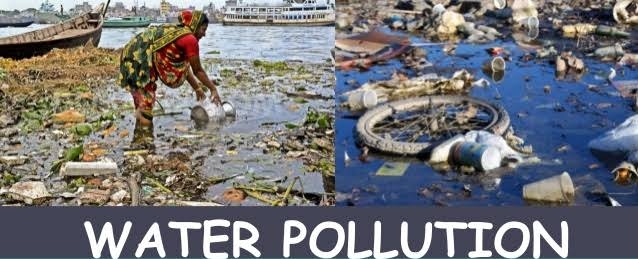
Talking about our most crucial resource “Water”, our rivers, lakes, seas are flooding with chemicals, waste, plastic, and other pollutants. Every living being’s life has become nothing but a threat. Yet we trash water anyway. A British poet named W.H Auden once said “Thousands have lived without love, not one without water.” Polluted water takes away more life than any war/form of violence. With access to less than 1℅ of freshwater resources, it is estimated that by 2050 demand for freshwater will increase by 1/3 than it is today.

In this article, you’ll know:-

★What is water pollution?

★What are the causes?

★What are the ways to prevent water pollution?

What is water pollution?

Water pollution is caused when water bodies are contaminated with chemicals, wastes, or microorganisms, that end up turning water bodies toxic to humans and the environment.

Causes of Water Pollution:-

Water is a Universal Solvent, and it can dissolve more substances than any other liquid on earth. That’s why water is easily polluted. Toxic Substances from factories, farms, and towns mix with it and make it polluted. 

I) Groundwater Pollution- Groundwater gets polluted when pollutants like pesticides, fertilizer runoff, waste are leached from the trash yard and septic systems.

II) Surface Water Pollution- Surface water gets polluted by fertilizer runoff, farm waste, municipal and industrial waste, dumping garbage directly, etc.

III) Ocean water Pollution- Chemicals, nutrients, and many toxic substances from farms, industries, cities are carried by streams and rivers to the sea. Hence, ocean water gets polluted. It is also polluted because of oil spills and leaks.

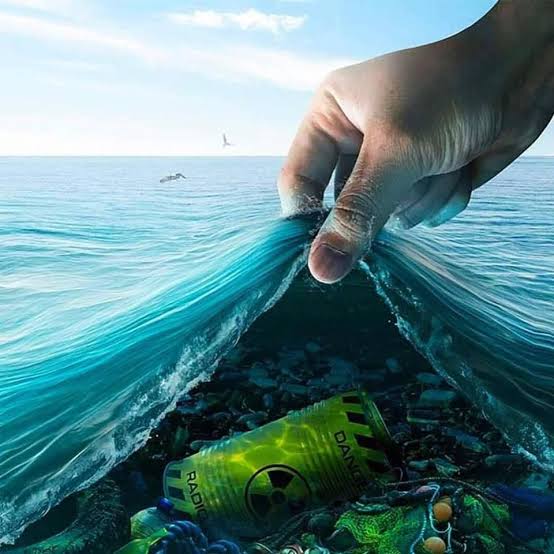
IV) Radioactive Pollution- Radio Active wastes are generated by uranium mining, nuclear power plants, and by universities and hospitals using radioactive material for research. Unknowingly released or improper disposal of these pollutants can threaten groundwater, surface water, and marine resources. 

What are the ways to prevent water pollution?

The ways by which one can prevent water pollution are:-

I)  Reduce, reuse and recycle plastic.

II) Maintenance of vehicles(especially checking oil leakage or coolant leakage. 

III) Proper disposal of chemicals, factory waste, oils, and non-biodegradable substance. 

IV) By avoiding the usage of pesticides and herbicides.

V) By considering landscaping to reduce runoff.

VI) By spreading awareness. 

Sustainability In India

Pollution is not just an undesirable outcome that causes environmental deterioration in India; it is also a major roadblock to growth and development in the country. It would have a negative effect on economic growth if it is not addressed properly and managed.

This resulted in a major shift in people’s attitudes and political will. Significant advances in clean energy technologies have opened the path for commercial possibilities arising from the ‘green economy transformation.’ Clean technology will be in high demand. Countries that adequately upskill and establish industry sectors to manufacture it stand to benefit greatly. They may earn profit from clean technology exports and earn access to global markets.

While India already is trying to make tremendous progress in the field of sustainability, there seems to be an imperative need to involve our country’s youth in order to fulfil our sustainable development goals.

Sustainability became one of the most defining terms of the twenty-first century, and for valid reason: the contemporary world is now struggling with the consequences of unrestricted consumption and production tendencies. Simply stated, even as our population grows and technology advances at a breakneck pace, our quality of life is progressively deteriorating. India, which is on the verge of a new age of growth, is at an important crossroads in terms of its approach to sustainability. While our nation has some of the lowest per-capita emissions in the world, we are the third-largest emitter globally. The two most significant hurdles to our approach to sustainability are our population and the swift pace of our economic progress.

India, though, has made significant progress as an aspiring change-maker in addressing climate change and developing development plans which are in line with the Sustainable Development Goals, that were implemented in September 2015 and encapsulate the social, environmental, and social dimensions of sustainability, as well as the abolition of all forms of poverty.

To that aim, attempts have been made to include all stakeholders – public and private – in the development of successful guidelines, implementation methods, and best practises. For example, in February 2018, a nationwide seminar on capacity building was organised with the objective of localising the SDGs. In December 2018, the NITI Aayog released the SDG India Index — Baseline Report 2018 to monitor the progress the  states and union territories have made on the strategies and initiatives launched by the central government.

The country was also a significant participant in formulating the Paris Agreement and has implemented a variety of energy-efficiency initiatives. Sustainability is also an important aspect of Indian culture, thought, and beliefs. Rural areas, which accounted for about 70% of the nation’s population in 2011, maintain a modest and inexpensive way of living. According to Greendex, an international study on sustainable living which analyses how individuals respond to environmental issues in their housing, transportation, food, and products choices, India ranks first among 18 countries, including China and the United States.

India has also  had one of the most effective programmes in terms of eliminating single-use plastic and promoting the Swachh Bharat campaign, an initiative launched by the central government. This has aided in increasing awareness beginning in primary school, with children asking their parents about their right to cleanliness.

That being said, as the economy develops and grows, there is a noticeable change in socio-economic patterns. The nation still has to confront several  significant environmental challenges, particularly in terms of building sustainable communities.

Being one of the world’s youngest countries — 42% of India’s population is between the ages of 15 and 35, and this estimate is expected to rise to 55% in the coming 30 years — the youth in our country should be encouraged to develop environmentally friendly economic solutions.

Interesting Kickstarter Products-1

Innovative Bird Feeder

“True Innovation is coming up with a product that the customer didn’t even know they needed”Extinction of the Exclusives:Birds are the most lively and charming creatures existing on Mother Earth. They play a vital role in the food chain. Extinction of bird species is increasing at an alarming rate. Major reasons for bird extinction are as follows:Aggravated Human Population , Contamination of soil by excessive use of fertilizers,Poor Air Quality,Destruction of Forests and Natural Landscapes.Although some of us are not directly involved in such extinction , we all are involved in the same without our knowledge. Every lock has its key. What if we could rectify the situation with an innovative product? Then Kickstarter has got an offer for you.Bird Buddy:Kickstarter is evolving as a hub of innovative products. One product that has recently caught my eyes is a Novel Bird Feeder. Everyone of us would have done a bird feeder out of cardboard or waste materials and would have placed it in our homes. The joy we get while the birds are fed with the feeder is astonishing. But sometimes we would forget to refill the feeder or while we are out of town we wouldn’t be able to feed them and have a look over them. The Bird buddy will save you at those times.Unique Features of Bird Buddy:Magical Moments captured are treasures to be cherished:Bird Buddy has a camera in it and it captures every featured friend who is benefited by your benevolence. It will also recognize them and send a notification to your mobile regarding their visits. It also identifies the arrival of birds using their voice with the help of its built in microphone.Weather Resistant: In our childhood days , we would be agonized when the bird feeder crafted by us were destroyed in rainwaters.Bird Buddy is safe all day , everyday.Win Win Situation:Bird watching is an art that is underrated. Watching those little creatures enjoying their meal is an unmatched emotion. Sometimes our little lovelies are frightened by our presence and fly away in the middle of a meal. But with Bird Buddy it’s a win-win situation for both. The birds enjoy their food at peace whereas we could get a sneak peak of them at our comfort zone.Easy to use:The bird buddy is simple to operate and maintain. It has a built-in battery to power the microphone and camera. The refilling option is very easy.Cool Add-ons:Bird Buddy comes up with cool add ons like solar roof , wall and fence mounts.The product has got more than 20 backers till June 2021. Hope this might bring back joy in our lives and enhance the food chain.

Environmental pollution

“Humankind has not woven the web of life. We are but one thread within it. Whatever we do to the web, we do to ourselves. All things are bound together. All things connect.”

~ Chief Seattle

What is environmental pollution ?

Is it degrading our lifestyle ?

How can we improve our environment ?

Let’s get through the topic .

Introduction

One of the greatest problems that the world is facing today is that of environmental pollution, which is causing grave and irreparable damage to the natural world and human society with about 40% of deaths worldwide being caused by water, air and soil pollution and coupled with human overpopulation has contributed to the malnutrition of 3.7 billion people worldwide, making them more susceptible to disease.

Environmental pollution is defined as “the contamination of the physical and biological components of the earth/atmosphere system to such an extent that normal environmental processes are adversely affected.”

From: Environmental Management, 2017

We all are well known about the word Environmental pollution . It is not some kind of new phenomenon , yet it is a greatest problem facing by our society . Still , people are avoiding the topic to its utmost.

Environmental pollution is one of the most serious global challenges. Wild-type organisms have a slower degradation rate of hazardous materials.

Both developed and developing nations share this burden together, though awareness and stricter laws in developed countries have contributed to a larger extent in protecting their environment.

Reasons behind environmental pollution

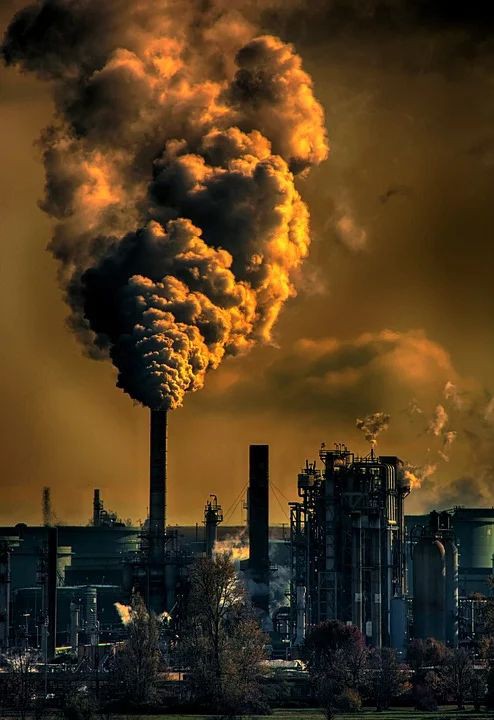
  • The Burning of Fossil Fuels. Industrial Emission.
  • Indoor Air Pollution.
  • Wildfires.
  • Microbial Decaying Process.
  • Transportation.
  • Open Burning of Garbage Waste.
  • Construction and Demolition.
  • Urbanization and industrialization. Since the era of industrial revolution, man has continued to introduce hazardous materials into the environment at an alarming rate.Mining and exploration.
  • Agricultural activities.
  • Particulate matter.
  • Plastics.
  • Energy production.
  • Deforestation.
  • Mining.
  • Over population.
  • Increase in global average temperature.

Effects of environmental pollution

Environmental pollution is an incurable disease . It can only be prevented.

Barry commoner

1. Effects on Humans. The effects of environmental pollution on humans are mainly physical, but can also turn into neuro-affections in the long term. The best-known troubles to us are respiratory, in the form of allergies, asthma, irritation of the eyes and nasal passages, or other forms of respiratory infections. Other rarer diseases include hepatitis, typhoid affections, diarrhea, and hormonal disruptions.

2. Effects on Animals . Environmental pollution mainly affects animals by causing harm to their living environment, making it toxic for them to live in.

3. Effects on plants . As for animals, plants, and especially trees, can be destroyed by acid rains (and this will also have a negative impact on animals as well, as their natural environment will be modified), ozone in the lower atmosphere block the plant respiration, and harmful pollutants can be absorbed from the water or soil.

Solutions for environmental pollution.

  • Evironment planning.
  • Shifting to eco-friendly transportation.
  • Air pollution must involve moving away from fossil fuels, replace them with sustainable fuels .
  • Solar power .
  • Wind power.
  • Go green.
  • Storage facilities for solid waste.
  • Environmental friendly products.
  • Policies implimentation for environmental pollution.
  • We also need to work on electromagnetic radiation (ER) reduction.
  • Awareness through mass media.
  • More green parks and areas.
  • Environmental education, etc,.

“We say we love flowers, yet we pluck them. We say we love trees, yet we cut them down. And people still wonder why some are afraid when told they are loved.”

~ Paul Morley

Link