Importance of Exercise

Exercise is basically any physical activity that we perform on a repetitive basis for relaxing our body and taking away all the mental stress. It is important to do regular exercise. When you do this on a daily basis, you become fit both physically and mentally. Moreover, not exercising daily can make a person susceptible to different diseases. Thus, just like eating food daily, we must also exercise daily. The importance of exercise essay will throw more light on it. People who are obese or overweight during their early life, they are more likely to be obese as adult. So, it is important to exercise during childhood and adolescent. It is important to exercise.

Importance of Exercise

  1. Exercising is most essential for proper health and fitness. Moreover, it is essential for every sphere of life. Especially today’s youth need to exercise more than ever. It is because the junk food they consume every day can hamper their quality of life.
  2. If you are not healthy, you cannot lead a happy life and won’t be able to contribute to the expansion of society. Thus, one needs to exercise to beat all these problems. But, it is not just about the youth but also about every member of the society.
  3. These days, physical activities take places in colleges more than often. The professionals are called to the campus for organizing physical exercises. Thus, it is a great opportunity for everyone who wishes to do it.
  4. Just like exercise is important for college kids, it is also essential for office workers. The desk job requires the person to sit at the desk for long hours without breaks. This gives rise to a very unhealthy lifestyle.
  5. They get a limited amount of exercise as they just sit all day then come back home and sleep. Therefore, it is essential to exercise to adopt a healthy lifestyle that can also prevent any damaging diseases.

Benefits of Exercise

  1. Exercise has a lot of benefits in today’s world. First of all, it helps in maintaining your weight. Moreover, it also helps you reduce weight if you are overweight. It is because you burn calories when you exercise.
  2. Further, it helps in developing your muscles. Thus, the rate of your body will increases which helps to burn calories. Moreover, it also helps in improving the oxygen level and blood flow of the body.
  3. When you exercise daily, your brain cells will release frequently. This helps in producing cells in the hippocampus. Moreover, it is the part of the brain which helps to learn and control memory.
  4. The concentration level in your body will improve which will ultimately lower the danger of disease like Alzheimer’s. In addition, you can also reduce the strain on your heart through exercise. Finally, it controls the blood sugar levels of your body so it helps to prevent or delay diabetes.

Conclusion

In order to live life healthily, it is essential to exercise for mental and physical development. Thus, exercise is important for the overall growth of a person. It is essential to maintain a balance between work, rest and activities. So, make sure to exercise daily. Body:

Exercise is basically any physical activity that we perform on a repetitive basis for The AI generated a suggestion that was flagged as potentially unsafe. Please adjust your content before generating again.

Health problems in India

India is a developing county where we are still developing in different fields of life. One of the most important field is health . In health department, India has many loopholes and problems which we face a lot of time and with growing population at a very fast rate that is putting an immense pressure on health care system as as well as natural resources.

The level of health in India is very low also due to large degree of morbidity and mortality. The reason of these are lack of proper environment and sanitation , improper facility, and many other reasons .And these conditions have become even more worse due to poverty, illiteracy and superstitions in our country.

Different health problems in India

  1. Due to food and water borne diseases:- Many diseases are transmitted from person to person due to contaminated food and water. some diseases due to this are Diarrhoea , typhoid , dysentery etc. These diseases are very common in placers where there is lack of water supply regularly. In very rural areas in India, people have no facilitites of water purifiers or aqua gaurds . They drink direct water from handpumps and other places but this water is contaminated with harmful mineral.

2. Air borne diseases : This is another kind of reason of many dangerous diseases. Some diseases can be transmitted through the air we inhale. some diseases due to this transmission are common cold ,influenza, pneumonia. The most recent disease is none other than COVID-19.

3. diseases due to poor housing: Many health problems causes due to living in unhealthy conditions and overcrowded places. Due to which they does not get sufficient sunlight, safe drinking water and basic requirements of healthy life style. These problems may lead to Cholera, typhoid and tuberculosis.

4. Diseases Through insects :- lack of cleanliness may result in houseflies , mosquitos and other insects which may cause diseases like dengue, malaria, filariasis and many other harmful diseases.

5. Diseases due to population : – Population plays a very big role in health problems. diseases that are air- borne, water and also soil population are largely occur in crowded cities and towns.

6 .Due to lack of medical facilities: This is one of the biggest reason of poor health problems in India. Lack of medical facilities in rural, small and remote area always creates big health problems .India has been struggling with weak infrastructure with lack of well equipped hospitals and facilities. In India, we also have a shortage of doctors and nurses in many hospitals especially in rural areas, where maximum population of India lives. The doctor to population ratio in India is just 1 : 1456.( source of data : https://www.deccanherald.com/business/budget-2020/the-doctor-population-ratio-in-india-is-11456-against-who-recommendation-800034.html) . It means there is not even 1 doctor for every 1000 people in India. Our medical facilities was exposed again when COVID-19 ‘s second wave came.

These were some types of health issues that are very common in India. Some of them we cannot control but some are in our control but due to our mistakes, carelessness and bad habits, these diseases are able to go into our body and cause serious health issues. so we have to be very serious for our health.

HEADACHE

Headache is a common problem that does not allow us to concentrate on our work. Nothing can take away the throbbing pain that headache causes. It may be caused due to injury, stress, eye strain, anxiety, or other medical conditions. Headache is called Cephalgia in medical terms. Many people suffer this discomfort frequently and don’t pay attention to it. But this simple headache may cause serious illnesses if left untreated. 

WHAT HAPPENS DURING A HEADACHE?

Our brain can recognize pain in various parts of the body. A headache is caused by the swelling of the blood vessels present in and around the brain. Most headaches occur in the nerves and muscles of the head and neck region. These nerves and muscles generate signals and send them to the brain which makes us feel the pain.

TYPES OF HEADACHES

Headaches are of two types – Primary headache and Secondary headache.

PRIMARY HEADACHE

There are types of primary headaches. However, some common types include

  1. Tension headache – It is the most common type which is caused due to stress and tension in the muscles of the head. It may start with a slow onset of moderate pain. It usually hurts on or around both sides of the head, in the back neck, and head. It usually goes away on its own but sometimes may need a pain reliever. For prolonged pain and chronic conditions, a doctor’s advice is required.
  2. Migraine – Migraine headaches are associated with throbbing pain along with some symptoms like nausea or vomiting, sensitivity and can last for several hours to few days. It may be caused also due to genetic reasons. Rescue medicine is prescribed by doctors to get immediate relief from the pain and preventive medicines to prevent future occurrences.
  3. Clustered headache – It is least common when compared with the other two types. It is characterized by sudden pain in any one side of the head and face. It occurs multiple times in a day and stays for 1-3 hours each time. It may be caused due to alcohol intake or tobacco usage. Treatment includes lifestyle changes and prescribed medication by the doctor.

SECONDARY HEADACHE

Secondary headaches occur because of any underlying issue or mental condition. It must be diagnosed and treated as soon as possible as it may create life-threatening situations at times. It may be caused due to bleeding of the blood vessels in the brain, tumors, abscesses, or high blood pressure. Symptoms include pain during changing postures, chewing food, etc. There are many subtypes of this headache according to the affected area and symptoms. It must be given at most care to avoid worsening of the condition.

SITUATIONS THAT NEED IMMEDIATE HELP

Sometimes headaches may be a symptom of a serious issue and occur to warn us of the disorder. If it is accompanied by drowsiness, seizures or fits, changes in vision, etc. then immediate consultation of a physician is mandatory.

CARE AND CURE

  • A healthy balanced diet of fruits and vegetables may help to stay fit and reduce the intensity.
  • Stress management relaxations and lifestyle changes can bring betterment.
  • Some counter medicines could be taken and soothing herbs such as peppermint, eucalyptus, flax seeds reduce pain as they have pain-relieving properties.

The Silent Killer of Immunity – Indoor Pollution

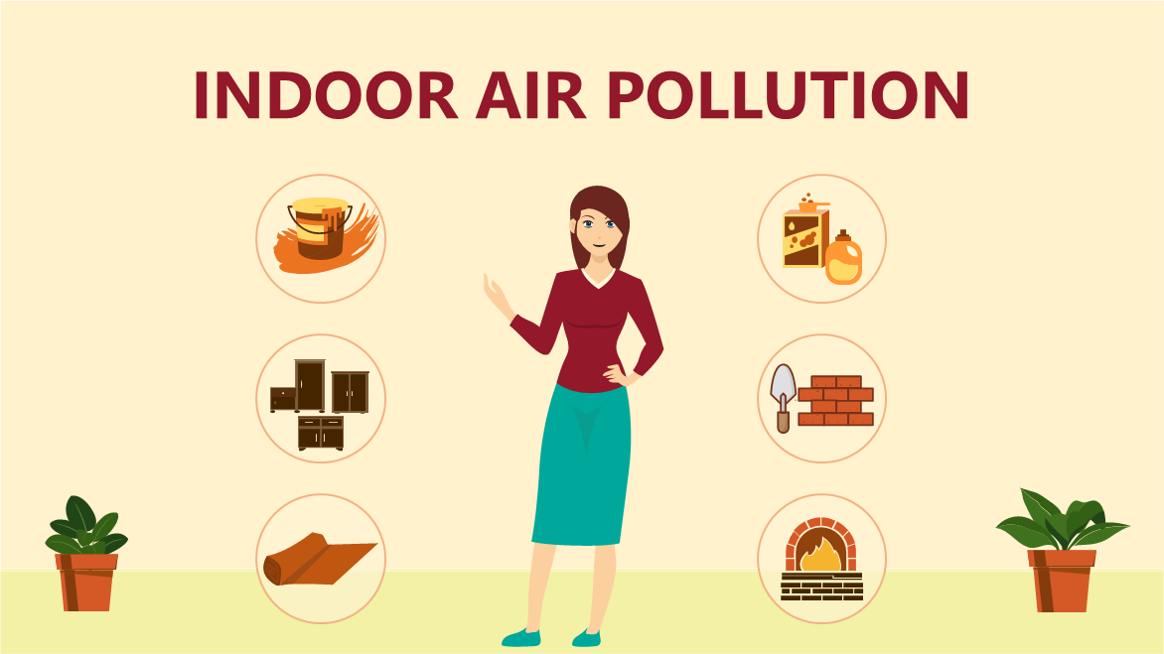
Hello everyone , Stay Home, Stay Safe. Today, everyone is advised to stay inside their homes if they want to be protected from the virus. But have you ever thought about the viruses inside your home? I’m talking about the pollution inside our homes. Whenever we talk about air pollution, we refer to the pollution outside in the city. But do you know that there are multiple sources of air pollution inside your home? Which are adversely affecting your health and immunity. 

I think this will be an apt time to talk about indoor air pollution. What are the different sources of indoor air pollution? And how can you protect your health from them and fight against them? Come, let’s find out all of this, in today’s video. A US-based report of 2019 had stated that more than 6 Lakh Indians died because of indoor air pollution. The diseases from this type of pollution are respiratory. Pulmonary diseases. Like stroke, lung cancer, asthma, those diseases which are often caused by outdoor air pollution. But the good news is that, though you can’t control the outdoor pollution, but you can control the pollution inside your homes to quite an extent in simple and easy steps. 

Come, let’s get to know the sources and how to control them. You might not have to worry about the first and largest source perhaps because most of you live in cities where LPG cylinders are used. But in India, around 60% of the people, especially those living in rural areas, often use wood, charcoal and cow dung as fuel for cooking even today. The cooking fuels cause incomplete combustion which releases PM2.5. Which is very harmful to the lungs. Thankfully, for the last few years, through the Ujjwala scheme, the use of LPG cylinders has increased across the country. And the indoor pollution from this source has been reduced. If you know someone who still uses these cooking fuels, please advise them against it. 
The second source is something that can be easily found in the kitchens of the people living in cities. That is a non-stick pan with Teflon coating. Generally speaking, Teflon is safe. But when it is heated for more than 300°, the Teflon compound breaks down and harmful chemicals and gases are released. It is not very difficult to avoid this. If you have a Teflon pan, do not pre-heat it when it’s empty. Do not use it over extremely high heat. You can get its alternative, the ceramic pans which are not made of Teflon. The third source of indoor air pollution is your vacuum cleaner. Who would’ve thought? The machines that you use to clean your house are the ones who make it dirtier. 
Many vacuum cleaners, especially the old ones, suck in the dirt, dust and bacteria from the floor, and throw it back into the air. This was discovered by Australian researchers in 2012. That some vacuums instead of making things cleaner, spread more dirt. The same logic is applicable for brooms as well. The dust in the ground is spread into the air by the brooms. Which might then go into the respiratory system of the people. Friends, the simple solution to avoid this is to use the latest vacuum cleaners which have the High-Efficiency Particulate Air filters. The HEPA filters. When you buy a vacuum cleaner check whether it has the HEPA filter or not. These filters apparently capture 99.9% of dirt, dust and bacteria. The fourth source is the chemicals present in your personal care products. 
The air fresheners, perfumes, baby lotions and artificially scented candles which have synthetic fragrances in them. Synthetic fragrances are very harmful. There are petrochemicals in them. Benzene derivatives and Aldehydes which can cause cancer, birth defects and nervous disorders. The solution is very simple. Use such personal care products which do not have any synthetic fragrances. 
 The next source of indoor air pollution is paint. The paint that goes on the walls. You heard it right. Often, when the paint is wet. Many paints have VOCs which are very harmful to you. They may cause respiratory problems, headaches, nausea and your central nervous system may also be affected. Again, the solution is very simple. Use those paint companies which do not have VOCs. Or have minimal VOCs. Today, you will find many paint companies which sell VOC free paints. Second, when you get your walls painted, ensure that the windows remain open until the paint dries. And keep the paint cans tightly closed to prevent chemicals from leaking. 

The next source of indoor air pollution is something very common. Unfortunately, it is not so easy to avoid it. Mosquito coils, candles and incense sticks. You heard it right, friends. The things which are heavily used in our day-to-day lives. Especially, the candles and incense sticks. You would’ve read about combustion in school, friends. There are 5 main types of combustion. Let’s focus on the first two. Incomplete combustion and Complete combustion. In incomplete combustion, the combustion process is not fully completed. It means that unburnt soot particles are released. 
Combustion where the frame is of yellow colour. Like that in candles and incense sticks. And the blue frame is of complete combustion which is purer. Unburnt soot particles are not released. And fewer harmful gases are released. The logic is simple, friends. Whenever there is incomplete combustion, harmful gases will be released. Which are very harmful to your health. Not only candles and incense sticks, but also hookahs, cigarettes and wherever you find incomplete combustion. Obviously, in cigarettes and hookahs, there are many other harmful chemicals as well. 
Which are even more harmful to your health. Friends, cigarette smoke not only affects the health of the person smoking but if smoked indoors, the health of all the people in that house is also affected. Because the smoke from the cigarette spreads all over the house. It’s called Second-Hand smoking. You might have already heard about this. But, friends, did you know that after Second-Hand smoking there’s also something called Third-Hand smoking. When the ash residue from smoking falls on the furniture it can stay there for many days and release harmful gases. 
This third-hand smoking is as harmful as second-hand smoking according to several pieces of research. I talked about mosquito coils as well. They also release particulate matters. The solution here is that these things; mosquito coils, candles and incense sticks, avoid using them as much as you can. And when you have to use them, open the windows. Ensure proper ventilation. So that the air keeps moving and the smoke from them can go out of the house. 
While talking about ventilation, always remember one thing, friends, ventilation is a very important weapon not only against indoor air pollution but also to fight against coronavirus. Several research papers have said that if you keep your house well ventilated, keep the windows and doors open regularly so that the air can pass through, it reduces the spread of coronavirus to a large extent inside your house. The chances of your being infected by coronavirus are reduced a lot. Many research papers have stated that the spread of coronavirus and its infection has been seen indoors mostly. 
The infection rate outdoors is low. After ventilation, another important weapon is the sunlight. You might be amazed to know this, friends, that direct sunlight kills coronavirus. Not inside the human body but on the surfaces and in the air. When the direct sunlight falls on them. The scientists had previously assumed as such. But the latest research has proven that the intensity of killing coronavirus that direct sunlight has is 8 times as intense as was previously assumed. So open the doors and windows and let sunlight come in. Let it fall on your furniture and the floor and kill the germs and viruses.
 I hope that you would have learnt important and new things in this video. Share this video so that your friends and family can also get to know it. And get to safeguard their health. And can truly Stay Home and Stay Safe. 

The 8 Best Healthy Foods to Gain Weight Fast

1. Homemade protein smoothies

There are many delicious protein smoothie recipes. Avoid most commercial versions, which may contain added sugar and aren’t as nutritious.

2. Milk

Drinking milk is a great way to add protein to your diet. It contains both casein and whey proteins.

3.Rice

Rice is a great source of carbs that are easy to consume and digest.

4. Nuts and nut butters

Nuts and nut butters are delicious, high calorie treats. They’re great for you and easy to add to many different snacks or recipes.

5.Red meats

Red meat is an excellent source of protein that will help you gain muscle. It contains leucine, an amino acid that helps stimulate muscle protein synthesis. The fattier the meat, the more calories you’ll take in.

6. Potatoes and starches

Healthy starches are a great way to get important nutrients and fiber, boost your calorie intake, and increase your muscle glycogen stores.

7.Salmon and oily fish

Salmon and other oily fish are a great source of incredibly healthy omega-3 fats. They also provide high quality protein to help you build muscle.

8.Protein supplements

Protein supplements are a simple and affordable addition to your diet to help you increase your protein intake.

QIGONG

                         QIGONG

The name comes from the meaning of Qi(life force or energy) and Gong(work), which indicates that the  works with the individual’s life force. It is also known as Chi kung. The art of qigong is based on the Taoyin, which is an ancient art which is used to foster mental and physical well being.

The Chinese Government made it popular as it is done with Tai Chi. The practice began to appear in teaning and marital arts at the beginning of the twentieth century which was used in the hospital in the early 1930s. It involves static and dynamic exercises which stimulate respiration by standing, seated and reclined position. There are many different styles of qigong, the movements are gentle and intense.

BENEFITS

Improved cardiac functions

Better circulation

Improved balance of sex hormones

Declaration of symptoms associated with senility

Improved bodily functions

FIVE ELEMTS OF QIGONG

The Five elements represent Earth, Wood, Water, Metal and Fire. This five series helps to maintain the body movements and improves the brain and organ function.

EARTH

1. Stand with your legs and your feet directly on the shoulders, strengthen the posture.

2. Relax your shoulders down and your arms loose at your side, slightly away from the body.

3.inhale-raise your arms, shoulders, Exhale-bend your knees, bring your arms.

4. Hold the position, focus on the breath.

WOOD

1. Starting from the earth posture, turn your palms and arms, forming a circle and inhale. 

2. Turn your palms so that elbow points downwards and relaxed.

3. Reverse the movement as you exhale.

4. Repeat twice, for the total of three.

WATER

1.Standing from the earth posture, bend your knees into squat, keep your chest upright and exhaling throughout.

2. Stretch your lumbar spine

3. By inhaling, stand to return earth posture.

4. Repeat twice, for a total of three.

METAL

1. Starting from the earth position, raise your arms until your hands are level with your stream.

2. Palms to be turned and hands to be upward.

3. As you inhale, move your hands to the shoulder.

4. As you exhale, bring your hands towards the back in position

5. Repeat it twice, observing the energy concentration and bring hands in front of your lungs.

FIRE

1. Starting from the earth posture, bring hands near the heart and inhale, Rotate your hands to feel the energy.

2. Turn from your waist gently to left, keeping your hands downwards to  the ground.

3. Palms facing each other, separate your hands in front of the abdomen.

4. Turn your waist to the right, keeping your torso relaxed to the ground.

5. As you exhale, let your hands come back to the heart.

6. Separate your hands, bringing one up near the shoulder and other near the abdomen.


            GENTLE MOVEMENTS, LONGER LIFE

FEVER

Fever is the sudden rise in body temperature. It is a signal that our body gives us that something bad is happening inside our body. It is a normal reaction or response of our immune system. Whenever a foreign particle enters our body and infects the cells, our antibodies fight against it. It is our body’s way of giving alerts by increasing the normal temperature. Fever is also called Pyrexia or Controlled Hyperthermia. When the body temperature goes to 100o F (38o C) or more, we consider it as a significant temperature rise. If it persists for more than 24 hours, the causes of it should be suspected, diagnosed, and treated. 

WHEN SHOULD WE TAKE IT SERIOUSLY?

Fever is just a normal function of our body that lets us know the correct response against an infection. But it should be taken care of especially in children or infants if there are symptoms like

  • Temperature is 102o F or more and if it continues for more than 36 hours.
  • Cold, cough, and loss of appetite.
  • Chills and night sweats.
  • Fever accompanied by vomiting and diarrhea.
  • Weakness, dizziness, body ache, or fatigue.
  • Having seizures or fits with high temperature.
  • Cough, sore throat, mucus accumulation, and chest tightness.
  • Inability to swallow foods even liquids.
  • Fever recurring after particular hours.

TYPES OF FEVER AND VARIATIONS

There are many kinds and causes of fever. Most commonly it may be due to viral or bacterial infections. Viral fevers usually stay for 1-3 days but the recurrent fever may persist for almost 14 days or more. A person with viral infections may experience nausea, coughing, running nose, body pain, etc. Not all viral fevers are contagious but most of them appear to be contagious. For example, common cold, influenza, malaria, dengue, HIV, covid-19, etc. are contagious and may spread from person to person by various means. Bacterial infections are similar to viral infections and there is no major difference in symptoms. It persists for few days or until treated with an antibiotic. Bacterial fever does not subside by itself and it is higher than a viral fever. It worsens day after day instead of showing better improvement.

Other than the common infections, fever may occur also due to other less common causes like hepatitis, sinusitis, gastroenteritis, tuberculosis, urinary tract infections, etc. Body temperature also varies with age and physical activities. It may be lower in the mornings and higher in late noon or after heavy workout sessions and hot showers.

WHERE TO TAKE THE TEMPERATURE?

There are four ways to measure the rise in body temperature.

  1. Rectal method – It is the most accurate way of measuring temperature, especially for children. It is taken by inserting the thermometer in the rectum or bum.
  2. Tympanic method – It is the next accurate method where the temperature is taken by keeping the thermometer into the ear canal.
  3. Axillary method – This temperature which is taken from the underarms is considered to be less accurate when compared with tympanic and rectal methods.
  4. Oral method – It is the least accurate method of all where the temperature is taken by keeping the thermometer under the tongue. But it is the most common method of reading the temperature.

THE BOTTOM LINE

Fever can be controlled by following some home remedies or by taking antipyretics which can only reduce the temperature but doesn’t treat the reasons. Few antipyretics or fever-reducing drugs are paracetamol, aspirin, or Anacin. These drugs can be taken rarely, however consuming them too often may cause unwanted side effects.

The 8 Most Weight-Loss-Friendly Foods

PART-2

1.Cottage Cheese

Eating lean dairy products, such as cottage cheese, is one of the best ways to get more protein without significantly increasing your calorie intake.

2.Avocados

Avocados are a good example of a healthy fat source you can include in your diet while trying to lose weight. Just make sure to keep your intake moderate.

3.Apple Cider Vinegar

Adding apple cider vinegar to your vegetable salad may help curb your appetite, potentially leading to greater weight loss.

4.Nuts

Nuts can make a healthy addition to an effective weight loss diet when consumed in moderation.

5.Chili Pepper

Eating spicy foods that contain chili peppers may reduce your appetite temporarily and even increase fat burning. However, tolerance seems to build up in those who eat chili regularly.

6.Fruit

Though fruits contain some sugar, you can easily include them on a weight loss diet. They’re high in fiber, antioxidants and various nutrients that slow the rise of blood sugar after meals.

7.Grapefruit

Studies indicate that grapefruit may suppress appetite and reduce calorie intake when eaten before meals. It’s worth a try if you’re want to lose weight.

8.Coconut Oil

Coconut oil contains medium-chain triglycerides (MCTs) that may increase satiety after meals. MCT oil supplements are even more effective.

THE QUEEN OF HERBS: TULSI

Tulsi is an aromatic member of the basil family (ocinum tenuiflorum or ocimum sanctum.)Sanskrit meaning of tulsai is the ‘incomparable one’.It is regarded as Lakshmi, the Goddess of wealth and the consort of Lord Vishnu. As per the Hindu calendar, the month of Kartik (October-November) is the best month to worship Tulsi as this month is loved by her. Tulsi is ceremonially married to Lord Vishnu annually on the 11th bright day of the month of Karttika in the lunar calendar. This ritual, called the ‘Tulsi Vivaha’ inaugurates the annual marriage season in India. Tulsi is worshiped in Hinduism.
Tulsi is known as the queen of herbs because there has been no herb which offers enormous healthy benefits as Tulsi. In Ayurveda Tulsi is considered as a tonic which retain youth and avoids ageing. The Hindi name for Basil is Tulsi. It is rich in phyto-nutrients. Tulsi contains minerals like vitamin A, beta carotene, potassium, iron, copper, manganese, magnesium. It is a stress buster and a mood elevator. Helps to reduce tension and anxiety. Tulsi is a tonic to heart. Tulsi has world’s best anti-oxidant, anti-bacterial, anti-biotic, anti-inflammatory, anti-viral, anti-allergic, anti -disease properties. Intake of Tulsi helps to fight more than 200 diseases like flu, dengue, fever, cough, cold, blood pressure, joint pain, allergy, swollen lungs, tiredness, vomiting, loss of appetite, etc. Everyone should eat Tulsi leaves and drink Tulsi tea everyday for a good health. 

Types of Basil 

There are various types of basil found all over the world. They are categorized into two groups- Holy Basil and Mediterranean Basil.

A. HOLY BASIL

It is also known as Tulsi and the most revered houseplant in India. It is associated with Ayurveda and Hindu religion as goddess of wealth, health and prosperity. The plants have strong medicinal properties compared to second group of species. This small herb is found all over India and is cultivated, worshiped in temples and houses of Hindus. There are 5 popular species of Holy Basil :-

Krishna Tulsi

It is said that Krishna Tulsi got its name because of the purple leaves as Lord Krishna’s skin color is dark according to the Vedas. Krishna Tulsi is also famous for its crispy and peppery taste.Purple Leaf Tulsi is also used to treat throat infections, respiratory system, nasal lesions, earache and skin diseases.

Rama Tulsi

It is also known as ‘Rama Tulsi’, Sri or Lakshmi Tulasi, Ocimum tenuiflorum, Ocimum sanctum. The Green Leaf Tulsi is known for its cooling, mellower taste. This variety of Tulsi is found in China, Brazil, Eastern Nepal, as well as in Bengal, Bihar, Chatgaon and the southern states of India.All the parts of the plant emit a strong aroma. Ram Tulsi has a characteristic fragrance. Crushing its leaves between the palms releases a stronger fragrance than other varieties of Tulsi.

Vana Tulsi 

It is native to India, Sri Lanka, Java and the northern and eastern parts of Africa. The scientific name of Vana Tulsi is Ocimum gratissimum. It can grow up to 2m high with highly aromatic and slightly hairy green leaves. The strong antioxidant activity of Vana Tulsi slows down the ageing process. Vana Tulsi is also known as African tulsi.

Kapoor Tulsi 

This type of tulsi has garnished its name due to the sweet fragrance that can keep insects and mosquitoes at bay. Kapoor tulsi is short in terms of heights and gets the most number of flowers among all different types of the tulsi plant. It is also called heavily flowered basil.

Amrita Tulsi 

Amrita means “immortality” in Sanskrit, and is sometimes translated as “nectar”- thus “nectar of immortality.”Amrita Tulsi also known as a tea basil, holy basil, or tulasi, is an aromatic plant in the family Lamiaceae which is native to the Indian subcontinent and widespread as a cultivated plant throughout the Southeast Asian tropics.Commonly used to make teas with a very pleasing aroma and taste

B.MEDITERRANEAN BASIL 

It is known as sweet basil and is the most popular variety of basil found all over the world including Asia, Europe, America and Africa. It is the most consumed herb worldwide . It is used in culinary preparations. Some of the Mediterranean basil are Sweet basil, Thai basil, Purple basil, American basil, lemon basil, African blue basil, Greek basil, Summer long basil, etc.

THE LIFE PLANT : MORINGA

Moringa is derived from Latin word moringa oleifera. It is also known as subhanjana, sahajan, drumstick tree and life plant. It belongs to the family of Moringaceae. It is a handsome softwood tree, native of India, occurring wild in the sub Himalayan regions of Northern India and now grown worldwide in the tropics and sub-tropics. In India it is grown all over the subcontinent for its tender pods and also for its leaves and flowers.Flowering begins within the first six months after planting. In seasonally cool regions, flowering only occurs once a year in late Spring and early Summer (northern hemisphere between April and June, southern hemisphere between October and December). In more constant seasonal temperatures and with constant rainfall, flowering can happen twice or even all year-round. The pod of moringa is a very popular vegetable in South Indian cuisine and valued for their distinctly inviting flavour. The cultivation of moringa in India occurs mainly in the southern states of Tamil Nadu, Karnataka, Kerala, Andhra Pradesh as well as in central India also.
Moringa is considered to be a complete food in itself and is a nutritional powerhouse. It contains more than 92 nutrients and it is the one of the most important antioxidant on the earth. It has 46 types of Anti-Oxidants, 36 Anti-inflammatory and 18 Amino-acids 9 of which are essential Amino Acids. It is a natural Anti-ageing and said to cure about 300 diseases. It has all the vitamins such as vitamin A, B1, B3, B6, B7,C, D, E and K which are found in fruits and vegetables.
It is the most nutritious herb on earth.
It has:-
25 times more iron than spinach.
07 times more vitamin C than oranges.
15 times more potassium than bananas.
10 times more Vitamin A than carrots.
17 times more calcium than milk.
04 times more protein than eggs.

Benefits of Moringa 
1. Moringa is useful in reducing obesity and extra fats.
2. Moringa has high content of phosphorus in it which is beneficial for reducing extra calories.
3. Moringa helps in regulating metabolism.
4. It is beneficial for the problems related to digestion.
5. Moringa is beneficial in diseases like cholera, dysentery, jaundice,etc.
6. Intake of moringa provides relief in kidney and urinary bladder stones, by dissolving stones.
7. Moringa keeps the skin healthy and glowing. It purifies our blood because of which pimples do not come up on face.
8. Moringa keeps the hair healthy and prevents hair fall.
9. Moringa has high content of beta carotene, protein, amonio acids, iron, calcium, vitamin-B, and nutrients which prevents malnutrition.
10.Presence of calcium, copper and phosphorus in moringa helps in the treatment of diseases related to bones and teeth.
11.It helps to prevent anemia.
12. Moringa boost the immunity system which is effective in reducing the chances of having cold and flu.
13. Moringa regulates cholesterol and maintains sugar level.
14 .Moringa helps to give relief in heart related diseases, asthma, arthritis and infertility.
15 .Moringa is thought to be helpful in treating depression, anxiety, and fatigue.
Precautions
1.Pregnant women should not intake Moringa has it may lead to miscarriage. 
2.Likely unsafe for people with high blood pressure as Moringa makes blood thin.

Health Benefits of Avocado

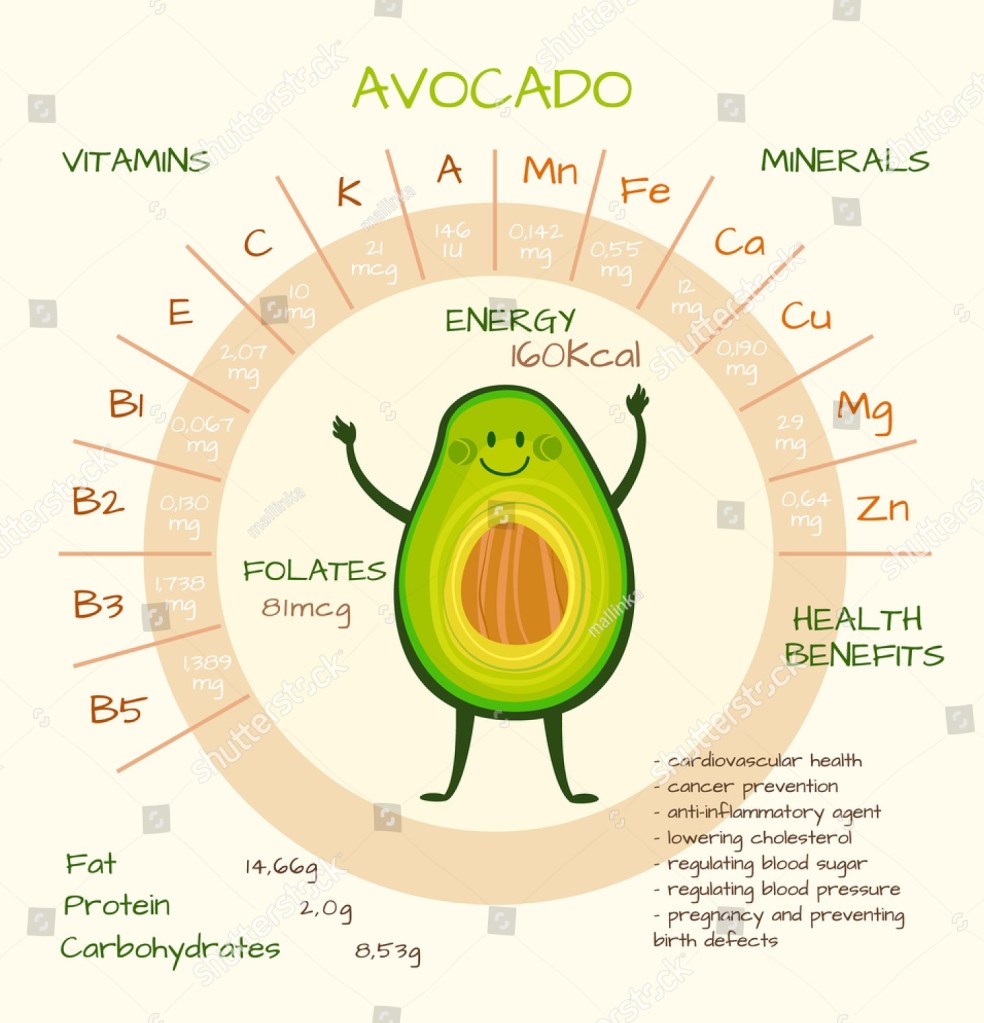
Avocados may seem like just a hipster food, but the fruit can do way more than make brunch photos look cute. Known for their smooth, creamy texture and good-with-just-about-anything taste, avocados have become increasingly popular over the past decade. In addition to being culinary MVPs, avocados provide heart-healthy fats and micronutrients, including potassium, folate, vitamin B6, vitamin C, and magnesium, explains Jaclyn London, MS, RD, CDN, head of nutrition and wellness at WW.

1. It Helps Keep You Smart

Here is some food for thought: avocados are filled with omega-3 fatty acids and natural vitamin E, which are both great for your brain. For instance, they improve the blood supply to your pre-frontal cortex, which is the part of your brain responsible for planning, decision making and critical thinking.

2. Great for vision

Avocados contain lutein and zeaxanthin, two phytochemicals that are especially concentrated in the tissues in the eyes where they provide antioxidant protection to help minimize damage, including from ultraviolet light. As the monounsaturated fatty acids in avocados also support the absorption of other beneficial fat-soluble antioxidants, such as beta-carotene, adding avocados to your diet may help to reduce the risk of developing age-related macular degeneration.

3. It Reduces Cholesterol

Avocado is filled with fats that are good for you, with one cup of sliced avocado providing you with 32% of your daily fat recommendation. The reason the fat is so good for you is because it is monounsaturated fat, which may help to lower bad cholesterol – which has lots of other benefits for your body, such as lowering risks of stroke and heart disease.

Another bonus of monounsaturated fats is that they may also raise levels of good cholesterol in your body.

4. Good for the gut

It’s not the most glamorous topic, but gut health is an important part of overall health. A 2021 study published in The Journal of Nutrition found that daily avocado consumption had a positive effect on diversity of healthful bacteria in participants’ stomachs and intestines. While more research is needed to determine the how, dietary fiber and monounsaturated fats have both been linked to gut health—and avocados provide these nutrients in abundance!

5. Lower risk of depression

Foods containing high levels of folate may help to decrease the risk of depression because folate helps to prevent the build-up of homocysteine, a substance that can impair circulation and delivery of nutrients to the brain. Excess homocysteine can also interfere with the production of serotonin, dopamine, and norepinephrine, which regulate mood, sleep, and appetite.

6. Healthy for the heart

Avocados contain 25 milligrams per ounce of a natural plant sterol called beta-sitosterol. Regular consumption of beta-sitosterol and other plant sterols has been seen to help maintain healthy cholesterol levels.

7. It Helps You To Lose Weight

Want to lose a little weight? Buy some avocados; they contain monounsaturated fatty acids, which means they are likely to be stored as slow burning energy rather than fat. This mean you’ll feel satisfied and full after you’ve eaten avocado,[3] helping to keep your hunger at bay.

8. It Is Beneficial During Pregnancy

If you’re pregnant, try to stock up on avocados. Just one cup of avocado contains nearly 25% of your recommended dose of folate, which is essential for both you and your baby.

Quick tips:

  • Spread avocado on toast in the morning instead of butter.
  • Use avocado instead of mayonnaise in chicken or egg salad, or as a spread on a sandwich.
  • The soft, creamy texture of an avocado and its mild taste make it a perfect first food for babies.

Why is wildfire smoke potentially worse than other pollutants in the air?

Wildfires in the Western United States have spread smoke across the landscape, posing a rising hazard to public health. The 2020 fire season was so terrible, because of climate change, that it nearly quadrupled the previous record for acres burned in California, and at-home monitoring of the smoke’s impact on air quality became practically ubiquitous. This year’s season is off to a disastrous start, with smoke from West Coast wildfires already darkening skies on the East Coast.

Smoke isn’t your typical form of pollution. According to studies published in the journal Nature earlier this year, the small particles present in smoke can be up to ten times more hazardous to human health than soot from other sources such as tailpipes and factories.

Fine particles, also known as PM2.5, are 30 times smaller than the diameter of a human hair follicle and were studied by researchers. When a fuel, whether it’s gas or plant, burns, tiny particles are released into the air and occasionally into our bodies. According to the study, fine particles from wildfire smoke resulted in 10% more respiratory hospitalizations than they would have been without the smoke. While pollution from other sources is also hazardous, it only increased hospitalizations by around 1%.

Rosana Aguilera, the study’s primary author and a postdoctoral researcher at the University of California, San Diego, spoke in an interview. She explained what she and other academics are doing to learn more about the effects of wildfire smoke on human health.

The interview was slightly altered for clarity.

What are “fine particles,” and why are they a concern?

Fine particles were investigated by the research group I work in since they are one of the primary components of wildfire smoke. These particles are distinct from others. Their chemical makeup varies depending on the items being burned. There are a variety of chemicals that may be found in wildfire smoke and fine particles, including carbon and heavy metals.

We’re concentrating on these small particles found in wildfire smoke right now because wildfire smoke is becoming increasingly prevalent as a source of emissions in various parts of the United States and the world. It’s one form of air pollution in California that appears to be on the rise in the foreseeable future. Some articles support the notion that wildfire smoke will be one of the primary sources of fine particulate matter in areas such as the Western United States.

What kind of impact may such tiny particles have on people’s health?

Because it’s tiny enough to infiltrate our respiratory system and reach deep into the lungs, it’s one of the air pollutants to be concerned about. It might enter the circulation and spread to other organs from there. It can make breathing difficult. It can irritate the skin and aggravate illnesses such as asthma and other respiratory and cardiopulmonary problems.

We mostly deal with acute impacts, which are the reactions that occur after being exposed to wildfire smoke for a few days. My study group isn’t focusing on long-term impacts right now, but I believe it’s an issue that needs to be explored more. Long-term exposure is more difficult to study since it requires following individuals who have been exposed to several wildfires.

So, how does wildfire smoke compare to other sources of pollution like vehicles, trucks, and industry?

When comparing wildfire smoke to non-smoke fine particles, we discovered that wildfire smoke is more hazardous in terms of increased hospitalizations.

The mix of traffic emissions and wildfire smoke may be extremely different. We haven’t looked at the chemical makeup of these tiny particles concerning their origins. However, several toxicological studies have delved into this further and shown that wildfire smoke toxicity may be enhanced. If it passes through a structure, it may pick up pollutants from homes and other structures.

What do you want to achieve with your research?

We’d like to investigate these differential effects of fine particles concerning emission sources, as well as try to learn more about the chemical makeup of various wildfires.

If wildfire smoke has a higher impact, and if it will be one of the primary sources of this sort of pollution in the future — or if it currently is — we need to learn more about why it is more damaging. Then, what kind of long-term impact can we expect?

HOW TO CELEBRATE EAH DAY?


CELEBRATE EACH DAY

The only way to celebrate each day is we need to live each day to the fullest. It shows the beauty of fleeting, changing and imperfect nature of the world. Instead of searching beauty in perfection, try to find beauty in yourselves. 

THIS MOMENT WON’T COME AGAIN. This is cent per cent true statement. Whether we like or not, agree or disagree some kinds of changes is going to happen around us and that is unstoppable. Talk with strangers, travel around the world, live the moment.

Here are some inspirational statement which can eventually change your mindset.

1. DON’T WORRY

The secret to live longer is not to get worried about things. Always keep your heart young. Don’t make it old. Open your heart with the nice smile. Smiling at opposite party makes them feel good on you. Everyone has a problem, the theme is how we are going to face it with plans. There is no way to stop it. Spending tie together with like minded people or with family and friends is the only thing which you can have fun.

2. CULTIVATE GOOD HABITS

Wakeup at six in the morning. Spend time in your garden, relax, keep your mind and heart stable by getting the fresh air. Avoiding screen on your mobile or lap screen for the first one hour of your day. The key to stay sharp in older age is your fingers. If your fingers are busy, you will live to see your one hundred.

Get some energy, have tea or coffee, stretch your arms, eat a bit and that is the secret of staying healthy in the morning times. Work a lot, If you don’t do that your body is not fit. 

So, celebrate your mornings with exercise and fun. If your mornings are good, your day will absolutely fit your schedule.

3. NUTURE YOUR FRIENDSHIPS

Getting together with friends makes your time stable with happiness. Make your hobby with friends and neighbors. Taking each day with people whom you love a lot make you feel blessed and that is the way of the happy life. Celebrate the things that are behind you.

Getting together with people, socializing yourself, making your time happily are some of the secrets of the longest life.

4. RELAX

Don’t live in a hurry life. RELAX yourself, you still have time to do great things. Nothing is too late. You always live longer when you are not in a hurry. Do many things with interest, learn something new this will make you to adapt the new environment. 

Make always busy with a thing which you thought to do, but don’t get stressed.

5. BE OPTIMISTIC

Every day is precious and powerful. Live it to the fullest. A laugh everyday, because laughter is the best medicine. An Interview was taken to the ninety eight years old man for what is his secret for living longer? He replied that he considers himself as young and the old man has much more things to do. How good is to hear such kind of answers from them. And why not we?

The most important thing is always to have a smile on your face. There is nothing more than to celebrate each day. This is a trick, just play it.

Effectiveness of YOGA

As you all know that the origin of the yoga is Ancient India . Yoga is a Sanskrit word , which means UNION . From ancient time to modern time , yoga is an important health benefactor . WHO also have agreed that yoga have a very good effect on human health .Yoga is the best way for self care . It gives benefits to all ages people , from children to old aged person . United Nation had acknowledged   21st June as the “World Yoga Day” .WHO also comes up with a 2018 – 2030 Yoga Practice plan for all the people from every country . Several researches are conducted to know the effectiveness of yoga & expectedly everyone have given positive feedback about it .Yoga enriches the mental & physical health & helps to flourish the spirituality .

Jen

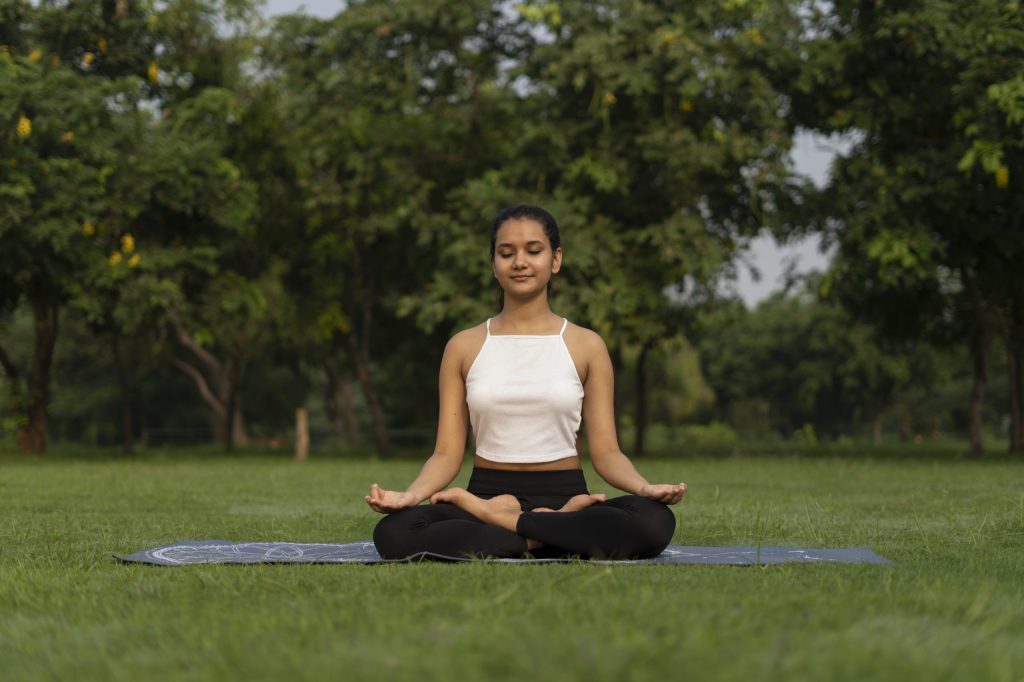
Various types of Yoga : There are some yoga  asana are below —-   Adho Mukha Shavasanan or Downward-Facing Dog pose ; Adho Mukha Virakhaasana or Yoga Handstand ; Bhadrasana or Cobbler’s pose ;Makarasana or Crocodile pose ;Padmasana or sitting pose(The most common meditational yoga pose) ; Shirshasana or Headstand pose ;Gomukhashasana or cow faces pose ; Dhanurasana  or Bow Posture ; Sukhasana or Easy Posture yoga ; Naukasana  or Boat Posture & many other yoga are there .

Adho Mukha Shavasanan or Downward-Facing Dog
Adho Mukha Virakhaasana or Yoga Handstand
Dhanurasana  or Bow Posture
Padmasana or sitting pose
Shirshasana or Headstand pose
Bhadrasana or Cobbler’s pose

Yoga Time : There is no particular time for yoga .But there are some asana which have a particular time to conduct ,like Surya asana which should be conducted at dawn when the sun rises . Starting the day with yoga practice give you immense energy & healthy fresh mind to start a work .You can also do yoga for 5 to 20 min when you are exhausted or in sour mood .That will helps you with your tiredness & lift up your mood . Doing weight losing yoga after dinner or, lunch will keep you fit.

Effectiveness of Yoga :                                                                                                                                                                          1) ’Downward Dog’ yoga make your body relax from head to toe .                                                                                             2) ’Tree Pose’ yoga helps you to stabilize .It balances your body & increase flexibility & strength .                                                         3) ‘Cat cow Pose’ helps in back pain & it improve mobility .                                                                                                                 4) According to Johnas Hopkin’s review paper on yoga ,yoga is very much effective in Arthritis .                          5) ‘Downward Dog Pose’ works for the protection of human heart health .                                                                    6) Many researches show that ‘Legs up the wall’ yoga & many other yoga helps in insomnia & let you sleep better .                                                                                                                                                                                   7) yoga improves mental health & makes you energetic with a bright good mood .                                                       8) ‘Corpse Pose’ or, ‘Ssvasana’ helps in hyper tension & stress relief which improves your mental health . 9) Yoga helps to improve anxiety problems . It also fight against PTSD (Post Traumatic Stress Disorder) . 10) A research in 2015 showed that , yoga works against chronic inflammation , which prevents the heart problems .                                                                                                                                                                       11) Yoga also works effectively for high blood pressure patients . Yoga helps to reduce bad LDL Cholesterols in blood & lowers the high bold pressure .                                                                                                                12)It also works on depression .Yoga lowers the level of Cortisol with & prevents our mind from being depressed.                                                                                                                                                                                              13) Yoga not only do the above works .It also effective for other body organ or, parts . Yoga also works on our respiratory systems , digestive systems ,Reproductive systems ,Blood circulation ,Mussel growth , Nervous systems etc. Every yoga has its own effectiveness in every parts of our body .So we should practices those yoga which we needs for our benefits .