

Being a good friend isn’t always easy, but taking the time to nurture a lasting friendship is worth every ounce of effort. Good friendships provide strength, happiness, and meaning in ways that social media or striving for popularity cannot. All true friendships are built on mutual trust and support, so whether you’re looking to make new, quality friendships or improve your existing ones, there are things you can do to be a good friend to others.
Some of the reason why we aren’t collectively so good at friendship is that we don’t have a clear idea of what a really good friend might be like. Holding a good friend isn’t always easy, but taking the time to nurture a constant friendship is worth every ounce of effort. some times Don’t wait for people to be friendly.
Show them how Good friendships provide strength, happiness, and meaning in ways that social media or striving for popularity cannot. Sometimes our actions and the words that escape our mouths stop going through a filter. All true friendships are built on mutual trust and support, so whether you’re looking to make new, quality friendships or improve your existing ones, there are things you can do to be a good friend to others.
1.We need meaningful relationships with other people. Not everyone should be a close friend, but it is integral to our happiness that we show people who we really are, allow ourselves to get to know them in return, and then give each other small or big tasks. Remind through what we care about.
2.Be honest. Keep your promises and do what you are saying. be reliable. Nobody wants to befriend someone who lies. And lies are always a way of coming to light. Also, friends will tell each other the truth, no matter how difficult it is.
3.Be reliable. Being trustworthy is one of the most important aspects of being a good friend. Your friend will need you to support, especially during difficult times. No one wants to befriend someone who is not really interested in them. It is difficult to trust a person who does not behave in a consistent and reliable manner.
4.Apologize when you have made a mistake. If you want your friends to believe in you, you cannot act as if you are innocent. If you know you made a mistake, own it instead of denying it.
5.Keep their secrets. Prove yourself a reliable person who will protect your secrets with your life. A good way to prove you are trustworthy is to share some of your secrets with your friends.
6.Encourage your friend. Everyone needs encouragement. Find specific ways to encourage your friend. Even in the depths of their struggles, show them what makes you look special about them and are willing to take them when they are depressed or feel that life is pressuring them from all sides.
7.Always put in your best efforts. When they ask for your opinion or help with something that has meaning. This means that they understand the value you think. If someone writes an essay that helps you proofread or revise it, go the extra mile. Bust out a red pen and start marking it as crazy. Show them that you are investing the way you are. This means that when it comes to your friends, half-baked things never happen.
8.Stay in touch. Life moves forward and everyone has their own thing. Sure, it may be easier for you to pick up from where you left off, but it is easier to lose contact altogether. It tries to maintain a good friendship, especially when the physical distance is too much. It is a relationship that takes both sides to work.
9.Learn to forgive. If you want your friendship to last, you should be able to forgive your friend and move on. If you keep a complaint and let your bitterness and resentment grow, you will not be able to move forward. Accept that no man is perfect and if your friend sincerely apologizes and if they have not done anything terrible, you should pursue it
10.Accept your friend who they are. To make your friendship a success, you should not try to change your friend or your friend to see the world from your perspective. Celebrate what makes your friend (and you) unique! If you are conservative and your friend is liberal, then accept instead of trying to argue about it all the time.
11.Be happy for them. We all get caught up in our lives and forget to appreciate it. Sure, we know we care, but if you don’t show it, it’s hard for the other person to know you. It is easy to tell when someone is dishonest. “Wow, I’m so happy for you,” with a non-carious face, not very confident. Invest in your successes and show in your facial expressions that you are really happy.
■A good friend likes us in ways we simply cannot like ourselves. Generally, we are alive to our own shortcomings. It is more obvious from our point of view than what is disappointing or attractive to us. Disappointing or attractive because we need a friend. We are responsible for being very friendly to ourselves, we think that being a true friend is
■Should be with whom we spend a lot of time, but in fact, the ideal other becomes a part of us, we see them internally as they smile the way they pause or enthusiastically they make our brain Continue even when we are not in touch for a while or when they are far away a good friend is always with us.
Tag: life
LIFE LESSONS FROM COVID-19

Everybody was stuck in shock when we all heard about CORONAVIRUS. But we didn’t think that it would have such a worst impact on our lives. In fact, we didn’t realize its seriousness at first. When the coronavirus slowly started to spread all over our country, we started to realize the seriousness. As we all know, due to the pandemic, the whole of India was kept shut for many days. Every company went through its worst phase. Gradually, we accepted the scenario and started doing the unthinkable. Schools started taking classes online, IT and other companies functioned through work from home and many others remained pathetic not knowing what to do. Many families couldn’t get enough money for daily necessities. Moreover, they had to spend more than normal for the pandemic made us spend more on medicines and sanitation. With all these, on one hand, we got to learn a lot of new things.
First, we learned to spend time with our family. Before the pandemic, we would live in our own way. We don’t spend time without family. We had our own reasons like returning home after tight schedules either from school, college, or work, and even after that, we had certain tasks to be accomplished. We would spend most of our time in the outside world and only had time to freshen up and relax ourselves to start off the next day. Due to this lockdown, we were not allowed to step out of our houses which made us spend quality time with our family. Also, by this, we realized the value of family and relationships. Not only this, we learned to value life. We realized that life is the biggest gift one has been bestowed with. After losing our loved ones, and seeing our near and dear losing their loved ones, we started being grateful for being alive at least. These were the biggest lessons life taught us through this pandemic.
Lockdown restricted us from using vehicles and this paved the way to reduce air pollution. Now, we see and hear that our EARTH is healing. Holes in the Ozone layer are disappearing. As a result, the environment changed in a good way. We are now released from breathing the poisoned air and the quality of the air has increased.
Another one, we started believing in our natural Indian medicine. Although we have many allopathy medicines for boosting immunity, we all made decoctions using Tulsi leaves, turmeric, pepper, ginger, lemon, honey, and so on. These were the traditional medicines prescribed by our ancestors to prevent our bodies from a virus attack. Literally, every good thing which was ignored before was given place and priorities. As time went by, we started to know how to maintain a healthy lifestyle and good hygiene. We started eating healthy food to sustain this pandemic. We all realized the importance of regular exercises and yoga. They create such a beautiful impact on our bodies. We learned one main lifesaving thing which is very much essential no matter whatever the situation may be, positivity. Positivity plays a crucial role in our life behind the scenes. Researches show that positivity helps in increasing the chances of recovery from any disease. It makes us feel good, boosts our energy and confidence. It is said to enhance mental productivity and inner strength.
We explored the new side of ours. We got to know more about ourselves and self-love and care. Last but not the least, we all understood the pain and struggles of spending our whole life inside the house as faced by all the housewives and mothers only when we were forced to confine ourselves inside the four walls of the house. We started sharing household chores and other work equally with our family. This definitely gave our mothers some relaxation for which they earned for many days.
Going by the quote, “Every evil has its good and every ill an antidote”, we also had many good things that happened in this pandemic. All I would say is be happy with all the goodness around us and stop complaining about the problems.
Being in the imagination or live in the realistic world .

Being born in money or torn away by poverty is the world where we live
The Hallucination
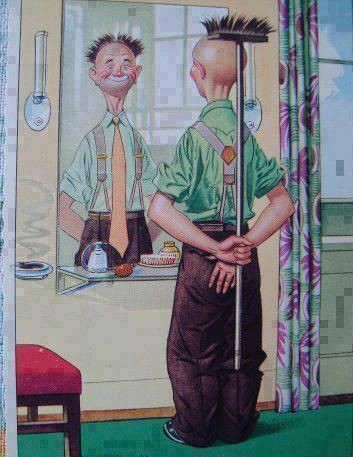
Are the money makers living their life without fear ?
Can a poorer get to live more life than its fated ?
Will you ignore the one who hurt you immensely ?
Or like a coward , can you run from the truth ?
If yes , than pray to god for providing you such an imaginary world . Don’t take it seriously but you really need to wake up .
The Truth
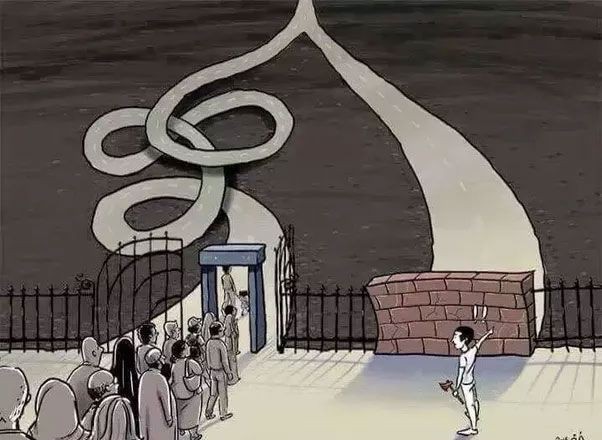
The life that we are living is not a game to play . We need be realistic while taking decisions in our life . I don’t want to sound like an arrogant person . But we need to think before taking any decision because it may or may not harm our future . In our life we only focus on materialistic things and grow accustom to them . Which leads to the situation where we become selfish and fiercely jealous to one’s personality .
We judge them regarding to their status , money , power , clothes and their physique . Ding ding …. It’s time for the truth we become impetuous .
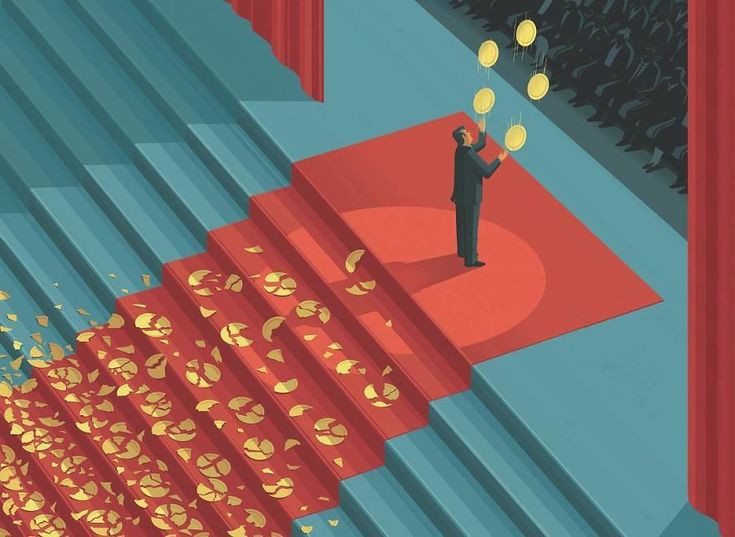
So what we learn from OJO -MOJO . 1. Like OJO that donot study and fail in your class. OR 2. MOJO that learn workhard and get award from the school . I choose options 1 (hehe don’t get any ideas I am a hardworker so I will choose my handsome MOJO not an overconfident OJO )
The REALITY
Not against the world of imagination just a believer of reality .
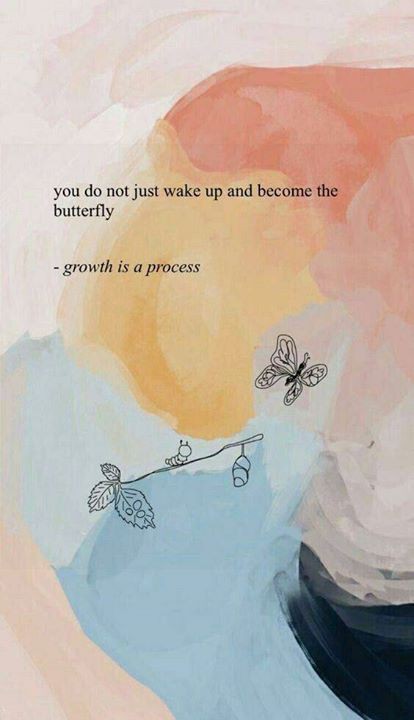
Life is not easy I agree with you but can we make it easy , Is the question only you can answer .
For me , we can only when we are focusing on our work rather than its result . I am not repulsive about getting a promotion on my first day on the work . But I am excited about learning new things and improve my capabilities . That how we need to react . I didn’t get the idea of getting a luxurious jet when I didn’t even have a penny to spend on my health . Well if you can just don’t forget to take me as well ( Huh.. greedy me ) .
I do imagine my life being in the island with some hot people around me ( its a wild imagination) . Well I can’t change that . But what I can change is the accept the reality ( like sitting in my PJ’s , eating popcorn and drooling over Michele Morrone yeah I am fan of 365 days ) .
Conclusion
Life is a series of natural and spontaneous changes. Don’t resist them; that only creates sorrow. Let reality be reality. Let things flow naturally forward in whatever way they like.
Lao Tzu
things that are written in the blog is my perspective of life . i am not taunting anyone .
its your life you can live according to your rules .

and yes pictures that i used in the blogs are from pintrest .

enjoy your reading .
Stop Spending So Much Time In Your Head
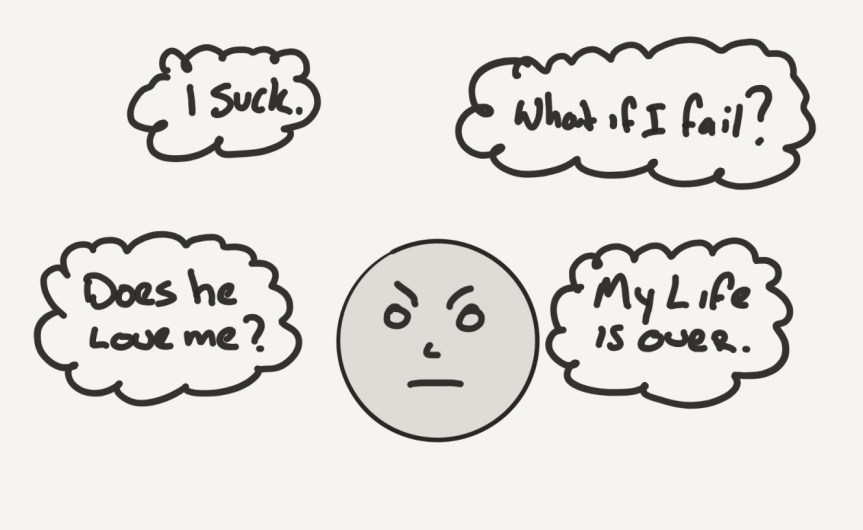
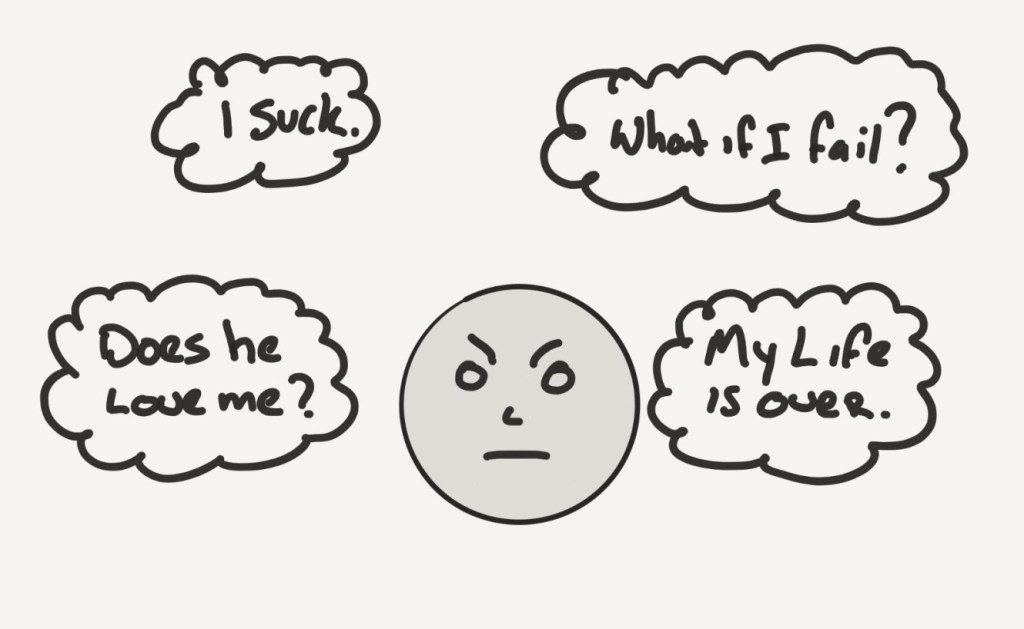
I know something about you without knowing you. I bet you spend A LOT of time in your head.
You know, thinking, worrying, stressing, freaking out — call it whatever you want. I call it a preoccupied mind. And with what?
99% of your thoughts are useless. William James put it best:
“A great many people think they are thinking when they are merely rearranging their prejudices.”
All my life I’ve been obsessed with practical things. Practical philosophy, practical knowledge, practical books, practical work, and practical advice.
That idea comes from Pragmatism, a philosophical tradition that started in the 19th century in America. Charles Sanders Peirce, who was a Harvard professor, is considered as the “father of Pragmatism.”
But it was William James, a trained physician turned philosopher, who really defined the philosophy.
About thoughts, worry, and stress, William James says:
“The greatest weapon against stress is our ability to choose one thought over another.”
Pragmatism believes that a mind is a tool. Your mind should work for you, not against you. People who don’t master their mind, don’t believe it’s possible.
They say: “I can’t help but thinking these things.”
Well, you can with enough practice. It’s a skill.
In other words: You have the ability to decide what you think. Or, you can choose NOT to think.
And that is one of the most important and most practical things you can learn in life. Before I learned that skill, I would spend hours and hours inside my head.
Just think about how much you think.
- “I wonder what my boss thinks?”
- “What happens if I screw up and lose my job?”
- “Does she love me?”
- “I think he doesn’t care about me.”
- “I just keep failing.”
- “Why does my life suck?”
- “Why is my life awesome, and other people’s lives are not?”
- “What if I get cancer?”
- “I don’t care about my job. Is there something wrong with me?”
- “I can’t finish anything. What’s wrong with me?”
And the list goes on. That is all REAL shit. That’s stuff people tell me when I ask them what they worry about.
Do you know what those thoughts do to you? Guilt, anger, suffering.
I just have one question for you: What’s the practical use of your thoughts?
Yes? I’m waiting. Still no answer? Exactly.
Thoughts have no use. 99% of them that is.
Which thoughts are useful?
- Thinking about how you can solve problems. A problem is just an unanswered question. Put your brain to use and think about how you can solve problems. There are a lot of those on this earth.
- Understanding knowledge. That means this: Try to internalize knowledge and think about how you can use that knowledge to improve your life, career, work, relationships, etc.
That’s it. You can ignore every other thought.
If you’re constantly thinking, it’s because you haven’t’ trained your mind yet. You HAVE to get out of your head.
If not, you go mental. Everyone will. No exception.
Also, you’re probably thinking so much that you’re missing out on life. Did you notice the sunshine this morning when you woke up? Or the raindrops? Did you notice the smell of your coffee? Did you feel the texture of your cereals?
If your answer is no, you definitely need to get out of your head. Stop thinking and start feeling.
Now, you might think: “How do I train myself to stop thinking useless thoughts?”
Awareness.
That’s where it starts. Every time you start drifting off, become aware of it. Just observe your brain. Step outside yourself and just observe the crazy shit you’re thinking about.
Don’t judge. Don’t think you’re stupid. If you do that, you’re thinking again.
No, what you want to do is say this to yourself: “Ah that’s a cute thought. Now, let’s get back to reality.”
“If you can change your mind, you can change your life.”
― William James
Are you back to reality? Do you feel your eyes reading the letters on your screen? Do you feel your phone in your hand? Are you thinking about how you’re going to apply this information to your life?
Great. You’re USING your mind, and it’s not the other way around. Now, keep using that brain of yours.
Because I’ll tell you this: It’s the most powerful tool on earth.
Thanks for reading!
These Six Questions Will Improve Your Decisions
To improve your decisions, you want to look at your process for making a decision. Most people assume that good decision making is a matter of picking a course of action that leads to the desired outcome.
That’s a misconception. Decision making refers to your cognitive process. It’s about how you end up with your decision, not what the decision leads to.
Good decision making can lead to bad outcomes. The opposite is also true. Bad decision making doesn’t mean you always get bad results. For every decision, there are external factors that influence your outcomes.
So how can we improve our decisions? By focusing on the process, not the outcome. The best method for improving your decision making process is to ask yourself critical questions. It’s not enough to ask obvious questions like, “What are my alternatives? What has worked for others? What are the consequences?”
While it’s good to ask yourself those questions, it will not change your decision making process. Those questions only look at what you already know.
I found a list of six thought-provoking questions in Annie Duke’s book, Thinking In Bets. Notice what the theme is.
- Why might my belief not be true?
- What other evidence might be out there bearing on my belief?
- Are there similar areas I can look toward to gauge whether similar beliefs to mine are true?
- What sources of information could I have missed or minimized on the way to reaching my belief?
- What are the reasons someone else could have a different belief, what’s their support, and why might they be right instead of me?
- What other perspectives are there as to why things turned out the way they did?
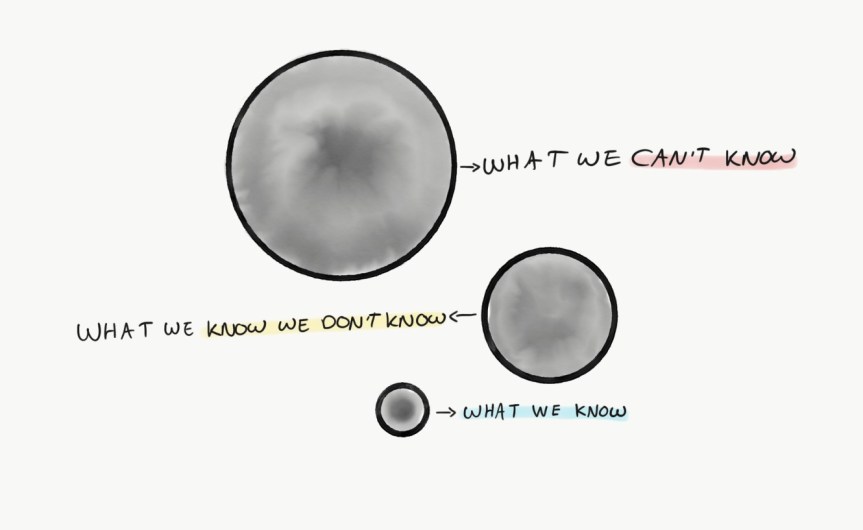
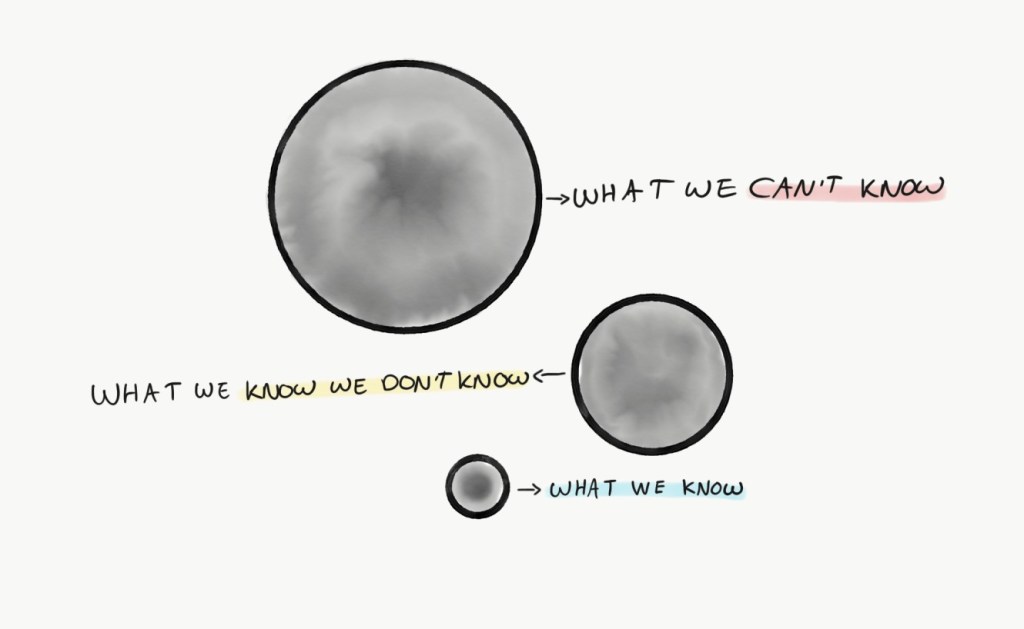
Think About What You Can’t Know
The reason I like these questions from Annie Duke is because they force you to think about what you can’t know. In my experience, that’s what drastically improves your decisions.
We all know the feeling of talking to an experienced person who shares some insights with us, and we go, “Aha! I didn’t realize that.” That’s what you want. Duke writes the following in Thinking In Bets:
”Just by asking ourselves these questions, we are taking a big step toward calibration. But there is only so much we can do to answer these questions on our own. We only get exposed to the information we have been exposed to, only live the experiences we have experienced, only think of the hypotheses that we can conceive of.”
This is the reason I often turn to my friends, mentors, communities, books, courses, and podcasts for insights that come outside of myself. I want to learn about things I can’t know.
It’s impossible to know and see everything. We haven’t had the experiences of other people. Most of us keep making the same decisions because we never get an outside point of view. We don’t make an effort to improve our decisions.
Open To Beliefs—Not Gullible
To improve your decisions, ask yourself questions that challenge your existing beliefs. I highly recommend saving those six questions in your note-taking app. I’ve done it and when I face a decision, I often go through these questions and my other notes on decision making.
As you become open to other beliefs and perspectives, keep in mind that other people also don’t have all the answers. Adopt the mindset of a skeptic. Be open to other beliefs, but don’t believe everything instantly.
Keep looking for evidence and other perspectives. When you have collected enough information, make your decisions. Sometimes people assume you have to listen to everything “experts” have to say. This will only make us gullible. If there’s one thing that harms our decisions, it’s that.
We should always make our own decisions after going through a process. We should avoid making rash decisions based on the opinions of others.
Common Decision Making Pitfalls
Here’s what you should watch for when you’re making decisions (no matter how big or small):
- Analysis paralysis—This is very common. At some point you get stuck in the process and you can’t make a decision. You go over the process over and over again. This is a big risk. You can NEVER have 100% of the information you need. It also helps that your decisions are not about the outcomes. Don’t let your fear of making the “right” decision paralyze you. There’s no right or wrong outcome. Just outcomes. Deal with it later.
- Extinction by instinct—The opposite of the above. It’s the belief that instincts are a useful tool in decision making. This leads to rash decisions.
- Information overload—This is when you ask too many people for their opinion or insights. Stick to trustworthy sources and keep them at a minimum. More information is not better. Reliable information is.
I’m not a fan of complicated theoretical decision-making frameworks to improve your decisions. Those types of formal frameworks might work for large institutions, but for you and me, it’s just not useful. Who makes time to read an 800-page textbook on statistical decision theory? And if you do study it, you probably can’t remember all of that theory. Instead, work with what you have.
When you face a problem, simply look at your options, collect some information, think about what you can’t know (the six questions at the top), evaluate everything, and pull the trigger. Done. Then, move on to the next one.
book review :IKIGAI- The Japanese secret to a long happy life.
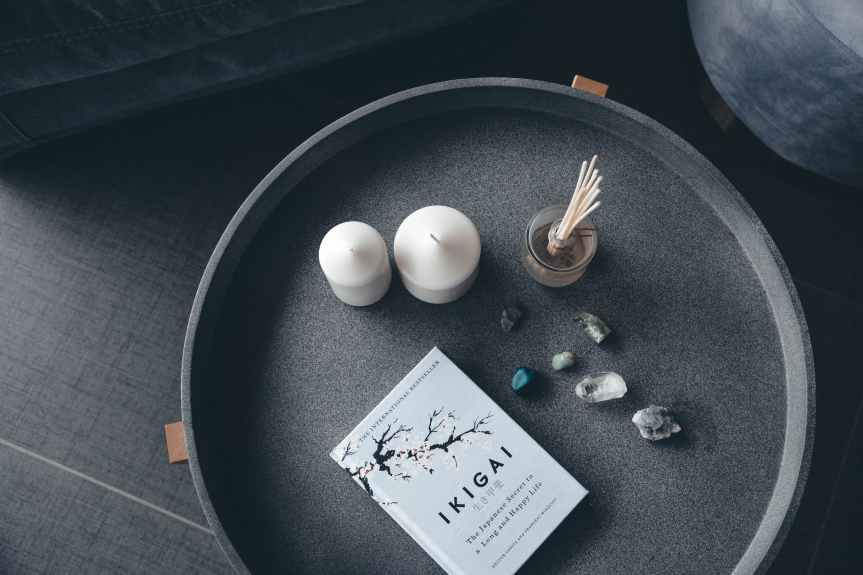
” Life is not a problem to be solved. Just remember to have something that keeps you busy doing what you love while being surrounded by the people who love you”- Ikigai by Hector Garcia and Francesca Miralles
IKIGAI is a Japanese concept referring to have direction or purpose in life, providing a sense of happiness and fulfillment and towards which the person may take action, giving them satisfaction and a sense of meaning.
This book touches on various elements of life that certainly we all are aware of, but always fail to implement in our daily life by giving ourselves unnecessary excuses. This book talks about how every person in this world has the ikigai ( a reason for being ), and by asking a few simple questions to yourselves, you can discover yours and live a prosperous and happy life. The authors of the book have beautifully put down all the ideas and facts which will persuade you to live your life to the fullest. The authors in the book bring the Japanese secret for the readers from the wise people of OKINAWA Island in Japan on how to live a happy and long life.
The best part of this book is, unlike many other self-help books, this does not go on and on. There are very few chapters. The idea or the message which the authors try to convey is straightforward. Read the book carefully, and it will surely teach you how you can bring meaning and joy to every day by following your IKIGAI .
Overall, a wonderful book to read if you feel stuck in your life or just want to make some changes in your life.
HAPPY READING ; )
Monsoon!

Yeah! Its a season of joy, enjoyment, happiness, and we should enjoy it at the best.
A monsoon is traditionally a seasonal reversing wind accompanied by corresponding changes in precipitation, but is now used to describe seasonal changes in atmospheric circulation and precipitation associated with annual latitudinal oscillation of the Intertropical Convergence Zone between its limits to the north and south of the equator. Usually, the term monsoon is used to refer to the rainy phase of a seasonally changing pattern, although technically there is also a dry phase. The term is sometimes incorrectly[according to whom?] used for locally heavy but short-term rains.
The major monsoon systems of the world consist of the West African and Asia–Australian monsoons. The inclusion of the North American Monsoon and South American monsoon with incomplete wind reversal has been debated.
The term was first used in English in British India and neighbouring countries to refer to the big seasonal winds blowing from the Bay of Bengal and Arabian Sea in the southwest bringing heavy rainfall to the area.
So we should definitely enjoy this season!
Want To Make Better Decisions? Do This
POWER OF DECISIONS!…
Do you ever look back on your decisions and think, “Why I on earth did I do that?”
We all make bad decisions.
- Buying an SUV that sucks up all your cash
- Starting a relationship without being in love
- Saying yes to a job that you’re not passionate about
- Creating products that no one needs
Shit happens (the above examples are all about me). But the funny thing is that bad decisions never seem like bad decisions at the moment.
I’ve been reading about the decision-making process of Warren Buffet and Charlie Munger, two of the most successful investors of all time.
In Alice Schroeder’s biography of Warren Buffett, I read that Buffet and Munger have a learning strategy that’s based on what you should avoid doing. They identify mistakes and do their best to avoid those mistakes. But as Charlie Munger says:
“Smart people do dumb things.”
You can never avoid making a mistake. However, you can do your best to avoid making dumb decisions.
Plus, by learning from other people’s mistakes, you can make their mistakes your own. You’ll learn faster that way.
Don’t Overthink.
Smart people are way too preoccupied with doing the right things. They want to have a perfect life, career, house, business, car, holiday, etc.
When you put too much pressure on yourself to make the right decisions, you get analysis paralysis.
I recently spoke to a friend who wanted to make a career move. I asked him to walk me through his thinking process:
“I like the company I work for, but my job isn’t engaging anymore. I’ve been doing this work for four years. And sure, I’ve been promoted twice, but it’s still the same work. So I’ve been looking at other companies. But what if I go somewhere else and that doesn’t work out? I’ll have to move on quick. And that won’t look good on my resume.”
I remained silent.
“Just hearing myself talk leads me to another thing: Overthinking it.”
We both laughed our asses off. I can do the same with overthinking. And I bet you’ve been there too.
When you overanalyze every single decision, you become paralyzed. Result? Nothing. Now, that’s a bad outcome!
That’s how people end up wasting their lives.
The only way you can stop overthinking is by making yourself aware of your thinking process. When I asked my friend about his thinking, he became aware of how irrational his process was.
You can’t control the future. So stop thinking about it.
Do This Instead: Make Small Decisions. Decide Often.
I recently read Seeking Wisdom by Peter Bevelin. It’s about the way Charlie Munger thinks. One of his decision-making strategies is to avoid mistakes. But that can be interpreted in different ways.
You can fear decisions altogether because you might make mistakes. What happens is that you don’t make decisions at all. As Munger says:
“The difference between a good business and a bad business is that good businesses throw up one easy decision after another. The bad businesses throw up painful decisions time after time.”
You can interpret that Munger quote in different ways. I interpret it as follows:
When you make small decisions early, before they become big — it’s easy. When you put off decisions, they become big — and painful.
For example, I’m not happy with the email provider I use to send out my newsletter. Their support is slow, there’s no good integration with my online courses platform, and readers have complained about not getting my newsletter.
This is something that’s on my radar for more than 1.5 years. At the time my list was less than half of the size it’s today. I also had only one online course. Now, I have three.
The hassle of moving to another provider gets bigger every day. Had I moved early, it was easy. By now, it’s a painful process.
In life, it’s exactly the same. The longer you stay in a bad relationship, the harder it gets to leave. It’s also true for your job.
Earlier Decisions Lead To Better Decisions
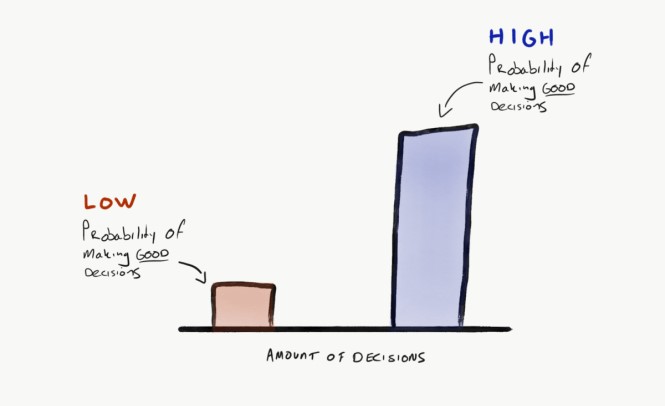
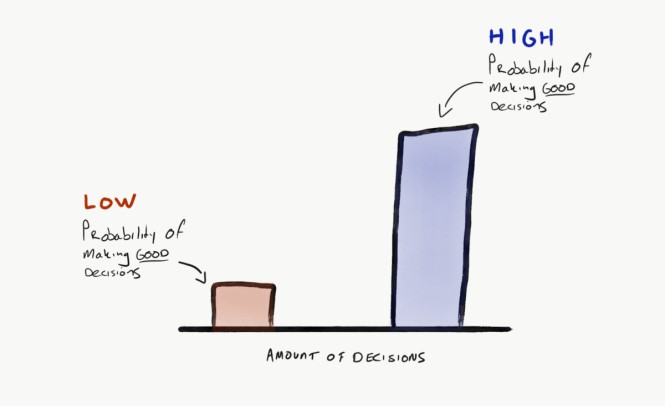
The earlier and more you decide, the more chance that you make better decisions.
I often say that there are no right or wrong decisions — only decisions. That’s not entirely accurate. Of course, there’s a difference in the quality of our choices. That’s the topic of another article.
But here’s the thing: NOT making a decision is also a decision. If that’s a conscious move, that’s okay. You think about something, and you decide that doing nothing is the best option.
However, I’m referring to not making a decision as in “I’ll put it off until another time.”
No matter what, you’re making decisions all the time. Instead of making fewer conscious decisions, we need to make them earlier.
Because all you need are a few good choices in your lifetime anyway. What will be your best? You only find out after, you guessed it, you’ve made a decision.
All that has been lost in the pandemic
We are almost over with the second wave, but we humans as a community have lost so much to the pandemic. It almost feels like the silence after the storm, when all the buildings, trees have collapsed but you are standing there helpless, staring at the damage and destruction that has been caused by this storm named pandemic. We still haven’t recovered from the scars of the 2 waves of covid and there is another wave lurking around the corner, and who knows the devastation it may bring about, although I hope it does not cause any more loss.
The second wave saw deaths at a larger rate than the previous wave, there was not a single night where there was no sound of an ambulance wheezing to save a single life.
The sad part is that many of the people who their lives might have been healthy if not for covid, they might not have had any health complications but still lost their life. Young people, too, have lost their lives in this pandemic.
We will eventually come out of this pandemic but at what cost? For many of us, it won’t even matter if the pandemic ends, after losing loved ones. But this where we should try to understand that now, after losing a life which was so dear to you might feel like “does it matter now that the cases are coming down, that deaths are occurring less and less day by day?” But still, we must realize that there are many more lives that need to be kept safe. The pain of losing a dear one will not pass away easily and when your kids will be reading about the pandemic, in the future, in their books, that memory will come alive again.
Many other things have also been lost, many people have lost their jobs, they have not been able to feed their family and themselves. Many students who were looking for employment lost their chances due to this pandemic. We have lost our normal routines, it feels like a lifetime when we went out for dinners and movies, we now miss even a regular day at schools and colleges.
But the bottom line is, life will go on no matter what, people will eventually forget that you had lost someone during the pandemic, they will move on. You will have to deal with this yourself, and we cannot blame them because everybody has to get on with their lives, so take time your time, sit back and reflect. Let the grief enter your mind and heart, feel it completely, cry, and when you let it sink in completely, then maybe you will be able to detach yourself from that feeling, although you can never forget it, it may help you. This detachment theory was something I read in the book “Tuesdays with Morrie”. We all must hope that the third wave does not bring with it any more destruction or better it does not come at all.
the stability of life
A father’s fears and tears are unseen, his love is unexpressed, but his care and protection remains as a pillar of strength throughout our lives.
Ama H. Vanniarachchy

Stability, when we ponder upon this, we can think of many things. For some, it means having a peaceful life sheltered within the four walls and a roof, while for some, it means well enough income for sustainability while others might think about their plans like marriage. But for these versions of stability, one has to work hard and sacrifice everything in his way to achieve it. But there is one kind no one has to ever work for, a kind we receive since we are born in this world, that is, the stability provided by the pillar of our lives, our dad.
A dad is an individual who sacrifices all his versions of stability so that his son and daughter can live a stable life. He gives up his peace, his savings so that he can secure his young ones future. He devotes his entire existence to us to live a better and happy life at the expense of his countless days of sleep.
A mother may carry us inside her womb for nine months but, it’s the father that helps us take our first step. When we fall, it’s the mother who treats our injuries but, it’s a father who tells us to get back up and try again. While a mother supports us emotionally, it’s the father who shows us what real strength is.
On the brink of this pandemic, where many lost their families, jobs, houses, the pillars of our household didn’t lose hope. Without proper public transportations, they travelled long miles for their work, worked alternatively from their home and office to fulfil the shortages inside their household. And unfortunately, many fathers lost their lives due to this.
Their real strength is hope. Hope to feed their families at heart’s content with their earnings, hope to see their kids become successful in life, hope their loved ones to lead a healthy life and hope that their family would live on if something were to happen to them. They may or may not have higher qualifications in this modern era of technologies, but they have the best experience when it comes to life. Having been through countless ups and downs and having seen the lowest of the low points in life, they try to give their kids a perfect life so that they wouldn’t have to experience the cruelty of the world. They protect from the frontline while stepping aside during celebrations shows how selfless and giving their love is.
So on this Father’s Day, let’s appreciate his sacrifice and show him that his hard work was never in vain. Let us show him that we were always thankful for his guidance whenever we stuck at crossroads, felt safe when he covered us with a blanket at night, were happy when he fulfilled all our wishes without any expectations. But, we also got worried when he was late, tensed when he caught a cold, felt sorry when we saw the dark circles under his tired eyes, cried when we saw him hurt but loved him from the bottom of our hearts as he was and always will be the permanent stability of our lives.
Music: what’s your thing?

Music is the art of arranging sounds in time to produce a composition through the elements of melody, harmony, rhythm, and timbre. It is one of the universal cultural aspects of all human societies. General definitions of music include common elements such as pitch (which governs melody and harmony), rhythm (and its associated concepts tempo, meter, and articulation), dynamics (loudness and softness), and the sonic qualities of timbre and texture (which are sometimes termed the “color” of a musical sound). Different styles or types of music may emphasize, de-emphasize or omit some of these elements.
Okay! So in simple words music gives us a thrilling experience, it lowers down our stress and gives us a reliefable experience. Many of us might have different-different artists. Different types, different tastes, but I love all the types of music. Depending upon the mood but you know we all have a phase where we do need a motivational song, Which motivates us, which gives us a idea that where we are and where do we have to go. Sometimes we need a song which make us feel good after a breakthrough it might be when you fought with your best friend may be your partner may be your siblings your parents, from those who mean alot to you.
And there are a lot of types of music it may be:
1. EDMs.
2. Motivational songs.
3. Romantic songs.
4. A breakthrough song.
5. Rock music.
6. A whole mood song. Which gives you a thrill and makes your legs move. That song will let you dance. It happened with me I was once travelling in the metro and I was using my earbuds and suddenly that song came and I was like ‘yea it’s a whole vibe’.
And etc etc there are many types of songs but yes for sure it depends upon our mood
So my moto to write an article on this topic was that if you’re angry sit alone listen to music if you’re happy listen to the music if you can’t handle things listen to the music if you’re in a phase you can’t tell anyone please listen to the music. It just lower down the stress and music is the only thing you’ll listen to at that time this is my experience.
Race: today’s generation!

As I’m going to start this blog I would love to say everyone is perfect in their own personality, in their own perspective, in their own decisions. So it’s been a long time I had passed my school and now persuing my passion (not a course) ‘my passion’ so let me tell what is the main topic I’m talking about but firstly I’ll tell you a story which is real, so I was studying in 10th and one of my closest friend I can’t revel his name but his intrest was in painting and then he was confused that ‘bro what should I take as a stream in 11th’ so I told him what you love or in which you have your interest, but he said my father is telling me to take PCM (science, math) and he wants to take humanity but he was confused because his dad said if you’ll took humanity then there’s no future! And his dad told him take science-maths and then you cout prepare for IIT and he took science-math and just because he want to become a engineer and want to earn money! And he wasn’t happy as he wasn’t able to paint because of his studies and he wasn’t that good in studies so he was trying very hard but I said why I mean if you love to paint and you wanted to take humanity as your stream then did you took science and math just for the sake of money and even you don’t have intrest in science maths then why and he said because of my father. And this is my experience ladies and gentlemen he took science and maths he studied very hard and gave the exam for jee and he failed because he wasn’t having that intrest in PCM. And on the other hand he haven’t painted for more than a year and when he gave his exam and came back home he took his brush and painted and I’ll that art was one of the best of my friend as he hasn’t painted for a while which is more than a year but,
As i said ‘IF YOU HAVE INTREST IN A PARTICULAR FIELD, YOU’LL DEFINITELY WIN’ but if you don’t have intrest in that particular field you’ll definitely lose doesn’t matter who much you work upon it ‘HAVING INTREST IS THE TOP FACTOR’
For example, if you don’t love to cook and your mom said son just cook tonight’s dinner and you know how to cook but you hate it than Tonight’s dinner would be for the dustbin. I’m damn sure! I don’t love to paint and if you’ll say please make my sketch. Then I don’t know what I’ll make but after making that Sketch you’ll disown me I know.
But why you guys just want yurselves to put yur souls, your hard-work, your precious time and obviously money, in those things where you don’t have any Intrest in. My today’s generation just want to become a engineer, doctor, or a IAS.
Okay so, let’s take an assumption, if my friend was passed in that jee exam and he was selected in a college and becomes an engineer and was doing his job properly but what do you think he used to be happy and prosperous okay if you was at his place were you used to feel good and happy. Guys invest yourselves in those materials where you’re good at and where you’ll love your thing. Its not about that we should not listen to our parents but sometimes we should listen to ourselves too.
My fellow murder mystery junkie, I’ve got your alibi!
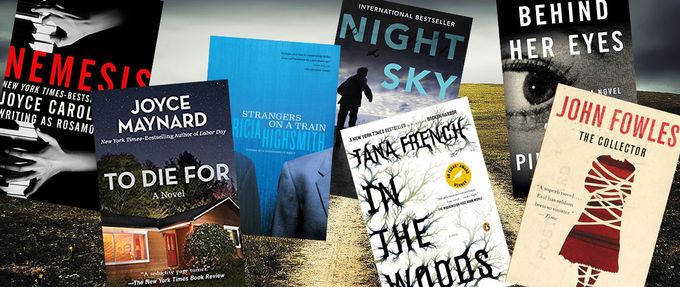
Experiences are always fun to talk about, right? Let’s do a quick refreshing. Adventure, gut-wrenching, adrenaline gush. Try to map these three words to a single entity. Your mind, involuntarily would picture the obvious risk driven bungee jumping or skiing or other such outdoor activities. What if I told you, all I can picture is a cozy couch and a cup of steaming coffee? This sounds calm, not dangerous, you may think. But beware, a good murder mystery or a thriller book clutched within your hold, can shake the living hell out of you!
What happens physically when reading a murder mystery?
Without moving an ounce of your flesh, you get to experience a whirl wind of emotions. Reading a thriller book gives you the best experience. These sort of books give us a unique sensation that books of other genres can never do. They are all packed with suspense, waiting to burst within the hands that pick them. Let me explain you what happens when you reach the core of a thriller book:
The back of our throat wanting to fill with bile, our stomach flutters, lungs struggle to get more air, our heart racing at a tremendous 120 km/hr. speed. Amidst all this, our brain trying to declutter the plethora of meaning underlying in a single sentence while at the same time, convincing our body that we our still positioned at our room’s couch, not on a wild goose chase of a psychopath of our imaginative, yet so realistic world.
Huh, I am gasping for air for just typing this out!
In addition to the chaos and turmoil bubbling inside, we can actually feel our hands go numb and our spine getting chilled. Its absolute wonder that a mere combination of 26 alphabets of a language can give you such trills. It is an amalgamation of so many things: excitement, terror, horror and what not?
Sonder
Apart from the train of random feelings, and a rollercoaster of emotions, these books actually provide a deep unfathomable impact and realization of the complexity of life. There exists a beautiful word in English for explaining this feeling and from the moment I heard it, I fell in love with it. Sonder.

Movie or book?
Many a times, you may argue that a movie adaptation of a thriller book can give you the same experience. Let me tell you, you will miss one major escapade which can be experienced only by reading books, and not visually seeing a movie adaptation of the same.
When we see a movie, we do not give our brain enough time to contemplate what is going on. We adapt to the perspective of the director instead of developing our own. But when reading about the vivid description of a place, or about the character build, our brain gives life to the book. It tries to imagine the place, gives a face to the character and adsorbs the essence of the scene. This virtualization becomes impossible when we watch a movie as that work is already being done for us.
The good and evil within
Thriller books and murder mystery books keep us guessing about the suspects and without our knowledge, our mind penetrates into the mindsets of both the protagonist and into that of the villain. This introduces us into the duality of the human mind. We astonishingly try to relate with the good and the bad simultaneously. We try to seek justice for the light and the dark, putting us in a unique juxtaposition.
We are like water, taking the form of whatever we are poured into. It is up to us to stay true to who we are and lead our life absorbing the positive vibes only. So apart from the unique experience, thriller books also convey a beautiful truth about life, good needs evil to survive. Without mistrust, you will not grasp onto faith. Without rain, you will not appreciate the sun. So put your faith in the right things, lead your life with happiness. My dear fellow crime junkie, I’ve got your alibi (Wink).
Good and bad is not black and white but a million shades of grey.
Little Strategies to get Ahead in Life

The year 2021 is almost here. The new year will be a chance to start over after a tumultuous 2020 and reach new heights. Starting the year on the right foot will set the tone for your personal growth and great achievements and getting ahead in life.
The most successful people you know didn’t get where they are by doing things like everyone else. One thing they likely have in common: Consistently doing the right things day in and out.
1. Organize Your Efforts
The first step to great achievement is organizing your efforts. Every high achiever has their methods to concentrate their efforts, lay out goals, and execute plans. Poor organization, on the other hand, won’t get you nearly as far.
Getting organized in the first place is typically the most challenging part. Here are a couple of organizational methods you can try to help you get started:
Time Boxing
Organizing your time is incredibly important in your quest for success. By laying out your daily schedule, you ensure that you’re dedicating enough time to tasks and responsibilities that keep your life in order and help you reach your goals.
To implement time boxing, you need a calendar or planner. Digital options are quicker to update and adjust, but using paper will also work if that’s what you prefer. For each day, lay out the tasks and assignments you have. Dedicate a box of time for each one.
Pomodoro Technique
This time management technique puts a spin on time boxing. It focuses more on how you expend your energy while still being effective. It was developed by a man named Francesco Cirillo in the late 1980s and is still used frequently today.
The Pomodoro technique works similarly to time boxing, but the time slots are smaller. You take a task that needs to be completed, like a term paper for your college English course. Set a time for 25 minutes (this is the recommended time, but you can change it how you’d like). Once the timer goes off, take a five-minute break, and then start again. After four cycles or Pomodoros, take a longer (10 minutes) break.
2. Know When to Give Up
You can’t win them all, and you shouldn’t expect to. You can learn a lot from missing the mark, but the important skill here is knowing when to throw in the towel. You can exert a lot of time and energy that would be better spent doing something else.
An example can be found in the form of musicians. Songwriters go through dozens of song ideas trying to find the perfect tune. Not all of them will make the cut. If they focus for too long on a project that’s going nowhere, their productivity will hit a wall and they won’t be able to release any new music.
By knowing when to give up, you open yourself to new opportunities to move forward. You prevent yourself from falling into a rut that stops you from becoming a high achiever.
3. Focus on Strengths
Even the most successful people aren’t good at everything. Each individual has their own strengths and weaknesses to take into account. Maximizing your strengths while overcoming your weaknesses is a balancing act required for high achievers.[1]
Too many people get hung up on their weaknesses that they fail to capitalize on their strengths. Stick with what you’re good at and allow those skills and talents to lift you and help you get ahead.
4. Ask for Help
You don’t have to do it all alone. You can still be labeled a high achiever even when you ask for help from others. This isn’t a sign of weakness. Asking for help is simply you recognizing that you can do more and go further with the help of others than you could on your own.
You can ask for help in a variety of ways from a myriad of people. You can network with business professionals who can give you career advice or ask your family and friends to support you with a new business.[2] Getting ahead by yourself is unnecessarily difficult when there are people who can help you.
5. Learn the Importance of Hard Work
You can’t reach world fame simply by having a great idea or possessing incredible raw talent. Behind every genius, top-charting musician, and professional athlete is a person who spends hours each day perfecting their craft and putting in the work to succeed.
Unfortunately, you won’t wake up one day as a high achiever. Behind every success story, you’ll find countless hours of blood, sweat, and tears that led high achievers to where they stand today. To reach their level, you must be willing to put in that same effort.
6. Take Care of Your Body
Another key to getting ahead in life is taking care of your body. You might look at high achievers and notice their net worth, brilliant minds, or trophy cases. What you might not notice immediately is that most, if not all of them, also take the time to care for their bodies.
As important as it is to pursue education, master skills, and attempt new things, none of that will matter as much if your body is falling apart. Proper diet, exercise, and sleep are all crucial for a well-maintained body.
These were some of the strategies to get head in life. Pretty basic but effective.
I hope these tips help you to get ahead in life.
Thank you.
Strategies to improve your life this year
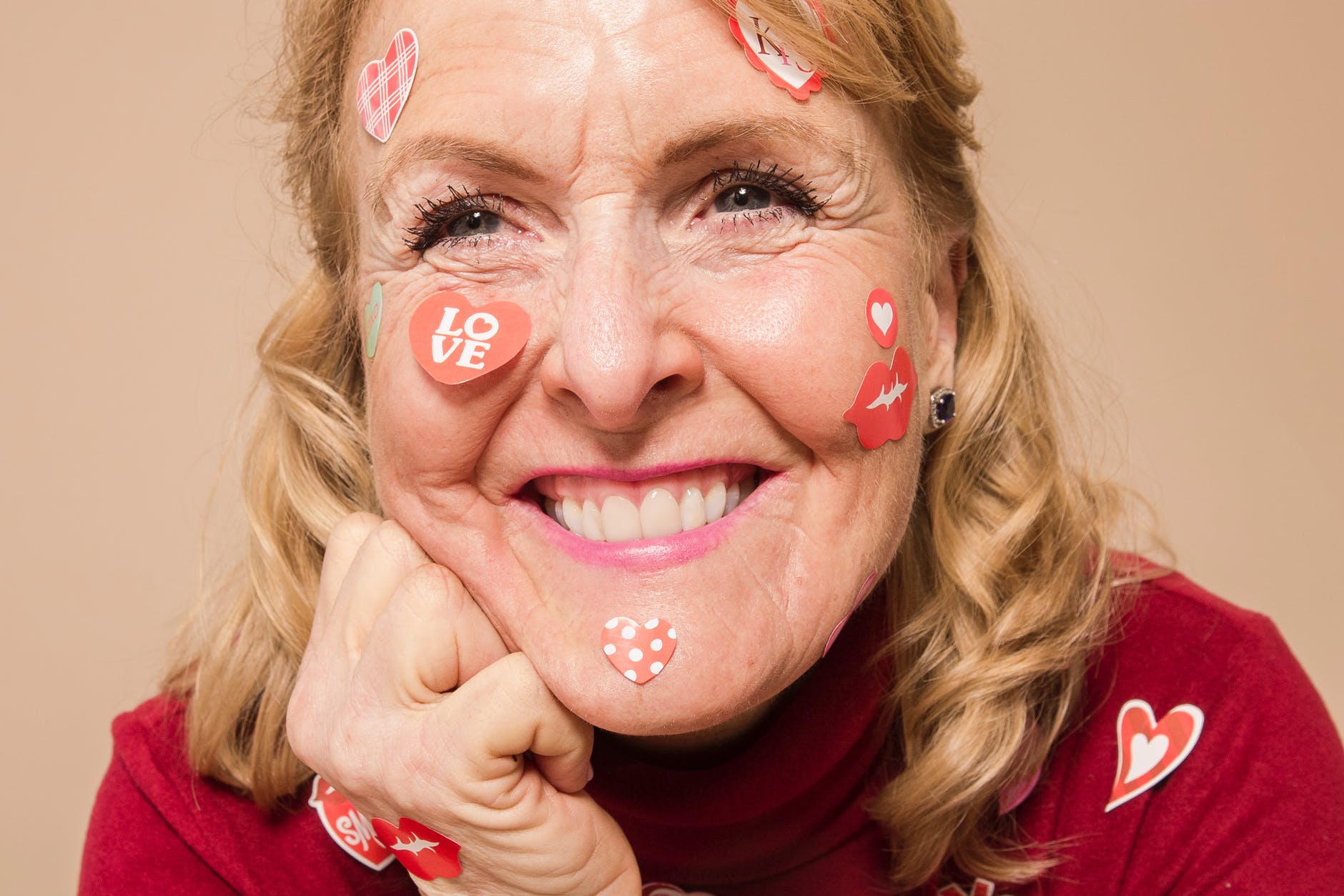
Whatever your definition of “the good life” may be, it’s vital that you enjoy & get meaning from the day-to-day while on your journey. This is something we all have in common, regardless of the particular path we’re on. Your daily experiences (your tasks, your schedule, the places you spend your energy & time) are what make up your life. And in my book, that’s all we’ve really got. Life.
“Attention is a tangible measure of love. Whatever receives our time and attention becomes the center of gravity, the focus of your life. This is what we do with what we love: We allow it to become our center. What is at the center of your life?” –Wayne Muller
Are you ready for some inspiring & practical ways to rev up your capacity for joy, fulfillment & meaning? Ready for some tactics to improve the quality of your day-to-day life? I think I hear you shouting “Hell yes!”
8 STRATEGIES TO IMPROVE YOUR QUALITY OF LIFE
- Cultivate Optimism. Being positive can often be seen as naivety or “Pollyanna” behavior. In actuality, optimism increases job performance, creativity, ability to weather stress & self esteem. Optimism can be used in how you talk to yourself in the face of adversity, explain past events & think about the future. In the quest for the good life, positive expectations can be self-fulfilling. Cultivating your ability to be optimistic is beneficial to your health & your success. How cool is that?
- Be Present. Take a deep breath. This is the here and now. Stop ruminating over the past or worrying about the future for a moment. Tell the voices in your head (“your committee”) to be silent. Enjoy your ability to create your experience this very second. If you’re washing the dishes, wash the dishes. If you’re writing a blog post, write the blog post. If you’re playing with your kids, play with your kids. It’s harder than is sounds, but worth practicing every day.
- Clarify. When you are clear on what is important to you, there comes an incredible sense of freedom. You no longer live in a world of social comparison. You are running your own race. Goals, big decisions & small habits are surmountable & invigorating because you have a clear picture of what you want your life to stand for. Clarity does not come easily. It also evolves throughout your life, which requires gracious flexibility. But it is worth it. Spend some quality time getting clear.
- Give Out. Mentor, contribute, practice random acts of kindness, express gratitude. Make a loan, give your time, be fully present for your family, change the world. There are a million ways to give of yourself. Do it big, do it small, just do it. It’s one of the most positive equations in the world: You give of your time or resources, which improves someone’s quality of life, which makes you feel needed & valuable, which in turn improves your quality of life. We’re all better off. Magic.
- Connect. We are social beings. We crave connections to others individually, to our communities, to our world. Pay special attention to your family, your lover, your adored friends, your colleagues & your neighbors. Explore & strengthen your connection to a Higher Power. And be open enough to enjoy the spontaneous connections that come from making a new friend on vacation or sharing a witty remark with your seatmate on the bus. Genuine curiosity & kindness are an amazing way to foster connections, new & old.
- Find Flow. Flow is being in the groove, totally engaged in your present activity, challenged but succeeding with clear goals & feedback. It’s a glorious state to be in. For some it’s gardening, writing, cooking dinner with your partner, intense conversation, or crunching numbers. Though it requires more energy than passive ways to spend time (reality tv, idle gossip, video games) seek out the activities that challenge, engage & satisfy. Find your flow.
- Celebrate. We need play & whimsy in our lives. A healthy dose of joi de vivre fuels your creativity & feeds your spirit. Celebrating is a wonderful way to share love with others & incorporate more play in our lives. Who in your life has done something big lately? Did you celebrate? What about something small, but personally important? Did you celebrate? Celebrate with traditions, with heartfelt compliments, with notes in lunchboxes, with surprises, with big evenings out, or with cozy evenings in.
- Love Yourself. Your body is the vehicle that carries you through your life. Love yourself by treating your body with respect & care. Fuel it well with fresh fruits, vegetables, whole grains & lean protein. Move it daily. Don’t smoke, don’t abuse alcohol. Meditate. Help yourself age well by staying flexible, protecting your skin from sun & exercising your mind. Sleep well. Beware the ease in which you critique yourself & indulge in praise instead.
I want to make sure you know that these strategies are useful even when you already feel perfectly content. If you’re “happy”– wonderful. That’s a great space to be in. Try increasing the quality or quantity of one of the strategies you already enjoy or tackle one that’s a bit less familiar. Think of them as ways to “stay happy”.
I hope you like these tips.
Thank you.
 Eduindex
You must be logged in to post a comment.