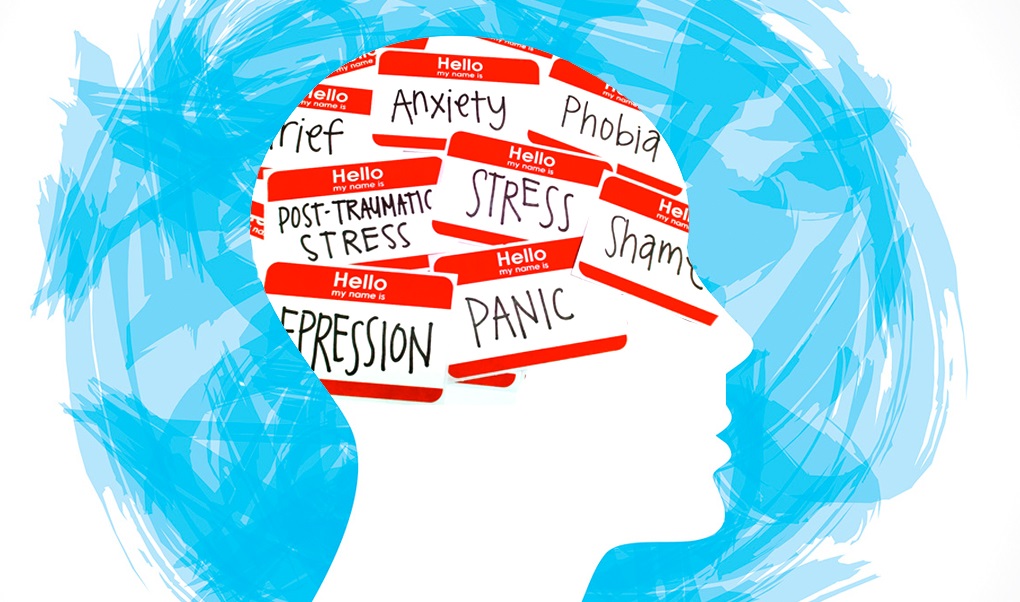

Answers to your questions on mental health !

” What mental health needs is more sunlight, more candor, and more unashamed conversation.” – Glenn Close

Mental health plays a supreme role in everyone’s life . It is mental health only which affects how we think , how we behave , how we feel , & how we cope up with life . It also help us determine how we cope up with stress , relate to others & make choices . It is important at every stage , from childhood to adulthood & aging . This includes our physical , psychological & social well being .

WHAT CAN AFFECT OUR MENTAL HEALTH ?

Many factors affect our mental health , some of them are , biological factors , such as genes & brain chemistry , family history & mental health problems in the family . This affects a lot , because they are present already in you , they are biological factors & outside factors have no affect hand & effect on you mental health . Sometime your very own experience in your life make you mentally ill , experiences such trauma , abuses , accidents leads to poor mental health . Not only biological factors , family history or bad experiences affect our mental health , but our way of living the life decides the how our mental health is . Our diet , food habits , physical activity also tells us our state of mental health . you can improve your mental health by meditating , doing yoga , by involving in physical activities .

What are the signs that I might have a mental health problem?

When it comes to your emotions, it can be hard to know what is normal and what is not. There are warning signs that you may have a mental health problem, including

  • A change in your eating or sleeping habits
  • Withdrawing from the people and activities you enjoy
  • Having low or no energy
  • Feeling numb or like nothing matters
  • Having unexplained aches and pains
  • Feeling helpless or hopeless
  • Smoking, drinking, or using drugs more than usual
  • Feeling unusually confused, forgetful, angry, upset, worried, or scared
  • Having severe mood swings that cause problems in your relationships
  • Having thoughts and memories that you can’t get out of your head
  • Hearing voices or believing things that are not true
  • Thinking of harming yourself or others.
  • Not being able to perform daily tasks like taking care of your kids or getting to work or school

WHY IS MENTAL HEALTH IMPORTANT ?

Mental health is very important , it tells you how to behave to a particular situation , how to cope up with stress . It helps us to stay physically fit & mentally strong . By being in good mental health one can carry good relationships with everyone . It increases your work productivity , helps you to contribute a handsome amount of efforts for the community . It makes you realize your full potential & caliber with which you can outshine anywhere & everywhere.

Positive Psychology

Positive psychology is one of the newest branches of psychology to emerge. This particular area of psychology focuses on how to help human beings prosper and lead healthy, happy lives. While many other branches of psychology tend to focus on dysfunction and abnormal behaviour, positive psychology is centered on helping people become happier. Positive psychology is designed to “complement and extend the problem-focused psychology that has been dominant for decades,” explained the late Christopher Peterson, author of “A Primer in Positive Psychology” and professor at the University of Michigan, in a 2008 article published in Psychology Today. “Positive psychology is…a call for psychological science and practice to be as concerned with strength as with weakness; as interested in building the best things in life as in repairing the worst; and as concerned with making the lives of normal people fulfilling as with healing pathology,” Peterson wrote.

According to leading authorities in the field, Martin Seligman and Mihaly Csikszentmihalyi, positive psychology will help achieve “scientific understanding and effective interventions to build thriving in individuals, families, and communities.” In order to understand the field of positive psychology, it is essential to start by learning more about its major theories, applications, and history.

History of Positive Psychology

“Before World War II, psychology had three distinct missions: curing mental illness, making the lives of all people more productive and fulfilling, and identifying and nurturing high talent,” wrote Seligman and Mihaly Csikszenmihalyi in 2000. Shortly after WWII, the primary focus of psychology shifted to the first priority: treating abnormal behavior and mental illness. In the 1950s, humanist thinkers like Carl Rogers, Erich Formm and Abraham Maslow helped renew interest in the other two areas by developing theories that focused on happiness and the positive aspects of human nature.

General interest in positive psychology has grown tremendously since the concept was introduced. Today, more and more people are searching for information on how they can become more fulfilled and achieve their full potential.

Uses

Positive psychology can have a range of real-world applications in areas including eduction, therapy, self-help, stress management, and workplace issues. Some of the major topics of interest in positive psychology include: Character strengths and virtues, Flow, Gratifications, Gratitude, Happiness, Pleasure, Helplessness, Hope, Mindfulness, Optimism, Positive thinking, Resilience .

Impact of Positive Psychology

Some of the major findings of positive psychology include: Money doesn’t necessarily buy well-being, but spending money on other people can make individuals happier, People are generally happy, Some of the best ways to combat disappointments and setbacks include strong social relationships and character strengths, While happiness is influenced by genetics, people can learn to be happier by developing optimism, gratitude, and altruism, Work can be important to well-being, especially when people are able to engage in work that is purposeful and meaningful.

Potential Pitfalls

Positive psychology is often confused with positive thinking, and misconstrued as self-help tactics rather than research-backed theories. Positive thinking is a way of thinking ourselves into better behavior and greater resilience, rather than behaving our way into a different frame of mind. Positive psychology, on the other hand, is the scientific study of what makes people thrive. It focuses on behaviors that can lead to a more optimized frame of mind as well as on thought patterns that lead to more functional behaviors.

Myths about Counseling

Mental health challenges affect millions of people around the world. In any given year, unfortunately, misconceptions and myths around counselling and talk therapy often discourage people from seeking help and contribute to the stigma surrounding mental health issues. The truth is that counselling has the ability to help almost anyone with mental health concerns, social issues and personal development. But another truth is that every person is very unique – they will respond to and experience counselling differently and a method that works for one person is not necessarily going to work for someone else. If you have tried counselling before and didn’t find it helpful we encourage you to try again, with a different counsellor and/or different method.

Myth 1: Counselling is only for major issues or “crazy” people : Yes, counselling can help you through major life issues and traumas but those aren’t the only situations where counselling can work for you. Sometimes we just need someone unbiased to talk to about a situation or feelings we’re having – and that’s okay. It’s normal to seek help for problems large and small or simply when you’re not feeling quite yourself and you don’t know why. Counselling does not need to be used as a reactive measure when life gets hard. It can also be preventative and help provide you mental and emotional tools and strategies to use in future times of stress. We see physicians for prevention through annual check-ups – we can think of counselling in the same way.

Myth 2: Admitting that you need help and going for counselling means you’re weak: The concepts of weakness and vulnerability tend to get confused with each other. There is vulnerability in sharing what you’re going through and what you’re feeling, but that is not a sign of weakness. It is courageous to open up to someone. It’s an act of strength to take steps to better yourself when you’re not feeling your best. Vulnerability is not a weakness but rather a quality to take pride in, not be shameful of.

Myth 3: Counselling doesn’t help or will make the situation worse : Every person is different, and every person has different needs – the results from counselling are not going to be identical for everyone. But most of the time, counselling will provide you with support, new perspectives, and a plan to tackle your problems.

Myth 4: The counsellor doesn’t know me, so they can’t help me : When things aren’t going quite right and we want advice, we turn to our family and friends – people that know us and care about us. Having social connections is extremely important for maintaining mental wellness but our loved ones normally don’t have the skills or the objectivity needed. We’re not recommending that you turn away from loved ones or that their advice can’t be helpful, but counsellors are an excellent additional resource to guide you through difficult times. An unbiased, impartial trained professional can give insight into the situations and feelings that you’re having that you would not be able to get from people that are close to you. Professional counsellor’s training and experience can help beyond the well-intentioned advice of your loved ones.

Myth 5: Counselling takes a long time and costs a lot : The length of time, or number of sessions needed with a counsellor will greatly vary depending on many factors, such as:

  • How long you’ve been dealing with the issue
  • The severity of the problem
  • The time you need to make any necessary changes (i.e. Habits, copying mechanisms, etc.

Myth 6: Couples counselling is only for people that have problems in their relationship : Just like you need to water a plant to make it grow, or practice an instrument to master it, you also need to work on a relationship if you want it to thrive. Take the plant analogy – you wouldn’t just water your plant when its leaves are wilted and it’s near death. You would water it on a regular basis, even when it’s healthy looking and vibrant. Working on skills with your partner like communication, conflict resolution, and intimacy when your relationship is strong, is just as important as building on those skills when times are tough. Having the desire to improve your relationship with some help doesn’t mean your relationship isn’t good or that it won’ last – it means that you care enough about your partner to invest in the relationship.

Myth 7: They will blame my parents for everything : Every struggle you go through is unique. And the process to heal from those struggles is going to vary. Much of your work with your counsellor will be guided by you – the areas of your life you want to focus on: past, present and future. For some situations it can be helpful to analyze your past and see how your environment and the people around you shaped how you respond to things today. Some situations are best solved by looking at current behaviours. Regardless if you and your counsellor analyze your past or your present, the most important thing to keep in mind is that counselling is not about assigning blame, but learning how to have a healthy mental outlook and have healthy relationships with yourself and others.

Myth 8: All counsellors are the same – If you didn’t have success with one, counselling won’t work for you : You don’t “click” with every single person you meet and everyone doesn’t respond the same way to the same exact form of any kind of treatment. Counsellors and counselling treatments are no different and not every counsellor will be a perfect fit for you. That’s okay. We want you to see results from your counselling experience. When you request counselling from Calgary Counselling Centre, we ask many questions to make sure you are assigned to the type of counsellor you prefer and that you’ll receive the type of treatment that is most likely to achieve the best results. If after a few sessions the relationship with you and your counsellor doesn’t seem to be a match, you can request another counsellor. We promise, your counsellor will not be offended by this, on the contrary, they want the best for you.

Mental Health- still a taboo?

Just because no one else can heal or do your inner work for you, doesn’t mean you can, should or need to do it alone.

Lisa Olivero

Have you ever felt the stark desire to inevitably scream in a room full of people, hoping they just care enough to notice the signs you have been leaving regarding your deteriorating mental state and how desperately you need help? But instead, you just accept your solitude in an empty chair and try to repress your bottled-up emotions deep within the realms of your consciousness.

A lot of us might have gone through the same situation at a certain point in our lives. The primary reason behind this subconscious aversion to the expression of thoughts is the mere fact that humans have been conditioned to do so throughout their lives. Men are typically the most vulnerable victims of this detrimental mindset. From an early age, they are frequently instructed to not cry like a girl. According to a survey, a significant percentage of men in the nation are currently depressed, and they themselves admitted that they lack a support system.

Mental health is still a deeply rooted stigma that people aren’t ready to accept. In order to understand the concept one needs to broaden the perspective of understanding humans and follow certain ways like-

  1. Instead of asking,”How are you?” ask,” How are you, really?”
  2. Look for obvious signs in a person- whether they feeling low from abnormal no. of days.
  3. Asking your closed ones to describe their day in detail and be a good listener.
  4. Do not mistreat someone who is already going through some sort of trauma.
  5. Treat people with kindness, you never know what someone is going through.

Additionally, in India, therapists continue to be overlooked as a useful resource for treating a person’s mental health. A person is called a “lunatic” if they see a therapist. In light of the increased public awareness during the pandemic’s lockdown time, these issues are being explored on social media, and many people now see psychology as a crucial component of the educational system. People have now started considering mental health as being equally essential as physical health as because of an alarming spike in suicide incidents during this period.
Still, awareness needs to be assured at ground level and there is still a long way to go to see the day when all of us are not reluctant to lend a helping hand to our fellow humans.

A fundamental aspect of any society should be understanding, accepting, and embracing each and every emotion one feels which makes them human.