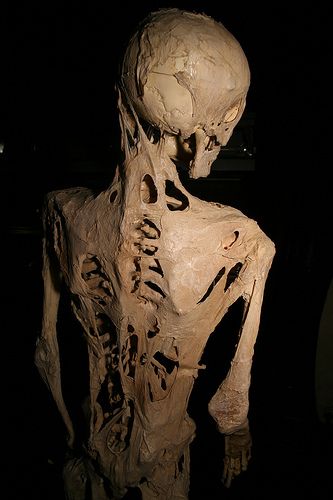
The effects of fibrodysplasia ossificans progressiva, a disease which causes damaged soft tissue to regrow as bone.
Lexi Robins, 5 month old from the UK is “turning to a stone”due to an extremely rare genetic condition Fibrodysplasia Ossificans Progressiva (FOP) that turns muscles into bones.
Lexi Robins
Lexi Robins was born on January 31 and seemed like any other normal baby, except she didn’t move her thumb and had bigger toes.
Lexi was diagnosed with a life-limiting disease called Fibrodysplasia Ossificans Progressiva (FOP), which affects just one in two million.
Due to the disorder, Lexi’s condition may worsen rapidly if she suffers any minor trauma, as simple as falling over. She cannot receive injections, vaccinations and dental care and cannot give birth.
FOP is a severe, disabling disorder with no current cure or treatment. It is the only known medical condition where one organ system changes into another. Fibrodysplasia ossificans progressiva is caused by a mutation of the gene ACVR1.
The FOP can lead to bone formation outside skeleton and restrict movement. It is believed to replace muscles and connective tissues, such as tendons and ligaments, with bone. Thus, it is generally perceived that the condition turns a body into stone.
People with this disease, which has no proven treatment, can be bedridden by the age of 20 and their life expectancy is around 40 years.
There are many planetary systems like ours in the universe, with planets orbiting a host star. Our planetary system is named the “solar” system because our Sun is named Sol, after the Latin word for Sun, “solis,” and anything related to the Sun we call “solar.”
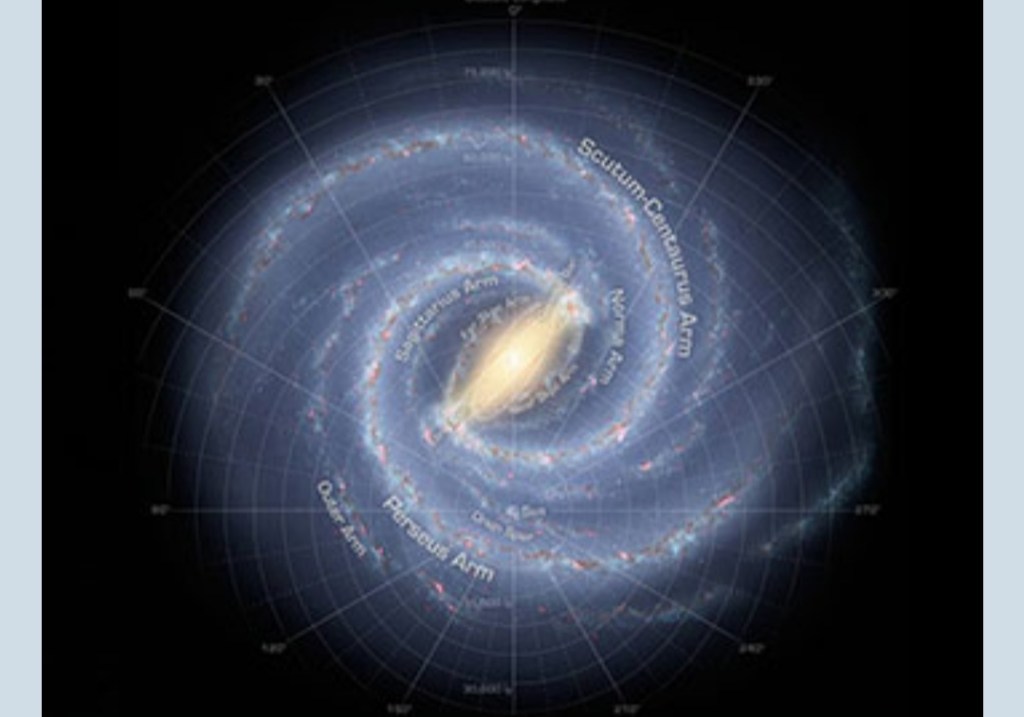
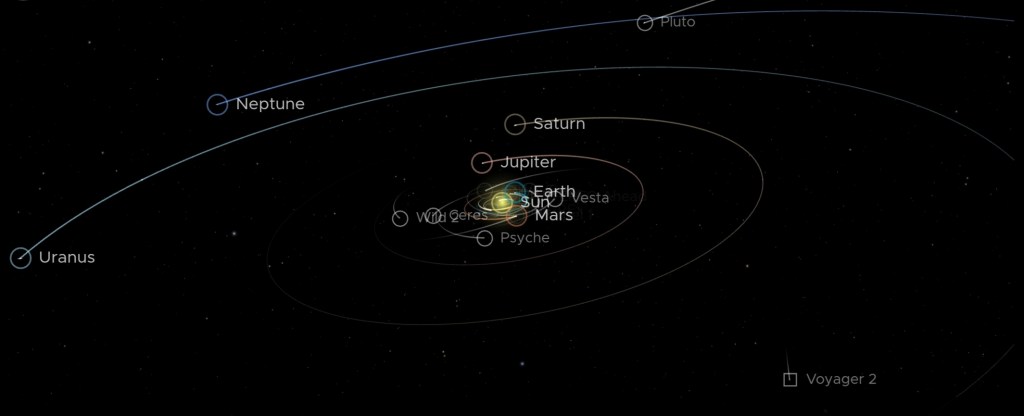
Our planetary system is located in an outer spiral arm of the Milky Way galaxy.Our solar system consists of our star, the Sun, and everything bound to it by gravity — the planets Mercury, Venus, Earth, Mars, Jupiter, Saturn, Uranus and Neptune, dwarf planets such as Pluto, dozens of moons and millions of asteroids, comets and meteoroids. Beyond our own solar system, we have discovered thousands of planetary systems orbiting other stars in the Milky Way.
10 Need-to-Know Things About the Solar System
1>ONE OF BILLIONS
Our solar system is made up of a star, eight planets and countless smaller bodies such as dwarf planets, asteroids and comets.
2>MEET ME IN THE ORION ARM
Our solar system orbits the center of the Milky Way Galaxy at about 515,000 mph (828,000 kph). We’re in one of the galaxy’s four spiral arms.
3>A LONG WAY ROUND
It takes our solar system about 230 million years to complete one orbit around the galactic center.
4>SPIRALING THROUGH SPACE
There are three general kinds of galaxies: elliptical, spiral and irregular. The Milky Way is a spiral galaxy.
5>GOOD ATMOSPHERE(S)
Our solar system is a region of space. It has no atmosphere. But it contains many worlds—including Earth—with many kinds of atmospheres.
6>MANY MOONS
The planets of our solar system—and even some asteroids—hold more than 150 moons in their orbits.
7>RING WORLDS
The four giant planets—and at least one asteroid—have rings. None are as spectacular as Saturn’s gorgeous rings.
8>LEAVING THE CRADLE
More than 300 robotic spacecraft have explored destinations beyond Earth orbit, including 24 astronauts who orbited the moon.
9>LIFE AS WE KNOW IT
Our solar system is the only one known to support life. So far, we only know of life on Earth, but we’re looking for more everywhere we can.
10>FAR-RANGING ROBOTS
NASA’s Voyager 1 is the only spacecraft so far to leave our solar system. Four other spacecraft will eventually hit interstellar space.
Spacecraft are Headed into Interstellar Space:-
Five spacecraft have achieved enough velocity to eventually travel beyond the boundaries of our solar system. Two of them reached the unexplored space between the stars after several decades in space.
Voyager 1 went interstellar in 2012 and voyager 2 joined it in 2018. Both spacecraft are still in communication with Earth. Both spacecraft launched in 1977.
NASA’s new horizons spacecraft—currently exploring the an icy region beyond Neptune called the Kuiper Belt—eventually will leave our solar system.
Pioneer 10 and pioner 11 also will ultimately travel silently among the stars. The spacecraft used up their power supplies decades ago.
Electronics are indisputably ruling the world. Right from the intractable mobile phones in our hands , to the versatile appliances that cook up our sustenance in the kitchen, the influence of electronics in our day to day lives is inexorable. Initially these devices were powered directly with AC power supply . As technology improved , people expected things to be handy so that they can carry them wherever they go. This is where the batteries came as a lifesaver. Although initially the batteries were huge in size and expensive , due to exploration of various chemistries they substantially got better.
A Bloomberg report says that battery prices have been reduced by 88% in the last decade. They have always predicted that battery prices would fall to $100 per KWh by the year 2024. This indicates that the usage of batteries will increase at a rapid phase in the upcoming years.
Batteries a boon or bane?
When there are numerous advantages involved in an invention , it will forsure have its downside. Batteries were never an exception. Although the life of batteries has increased over the years , it will degrade after a certain period of time. Have you ever wondered where these batteries end up after their degradation? They end up in land and water bodies and contaminate their natural state. As a result of this the organisms living in the land and water ecosystem are subjected to hazardous chemicals which are causing reversible and irreversible effects on their heath. The dumping of batteries in an improper manner will also lead to global warming and depletion of groundwater levels. This Proves that batteries are definitely a bane if they are not properly disposed of.
Currently there are 250,000 EVs on the road in India which clearly states the amount of batteries that will reach its end of life by the year 2027-2028. Apart from these there are tons of batteries used in day to day devices we use. Imagine the effects on our country if these batteries are not properly disposed of.
Every problem has its solution:
Problems lead us to ways of alternative thinking. One significant way to make the situation better is to recycle the batteries. But the percentage of batteries recycled is comparatively low. Indian government is significantly planning to recycle lithium ion batteries and are also offering support to companies which involve proper recycling of batteries. Tata chemicals have initiated battery recycling process in the year july 2019 with a smaller quantity of 100 kgs and now has expanded its capability to tonnes per month. They are also planning to enlarge their factories to facilitate recycling in a battery way.
Startups which are recycling batteries in India:
Even though some of the corporate ventures are showing interest in recycling batteries , some startups are really trying their level best to recycle the lithium ion batteries. This is a daring attempt and it must be appreciated in every possible way. Some of the startups which recycle batteries in India are as follows:
Lohum Cleantech.
Ziptrax Cleantech
Nunam batteries.
Ebikego
There are many other startups working behind the curtains to recycle and reuse the Lithium Ion Batteries. As consumers we have the responsibility of supporting these firms by providing them with batteries after their degradation and promoting the usage of recycled batteries.
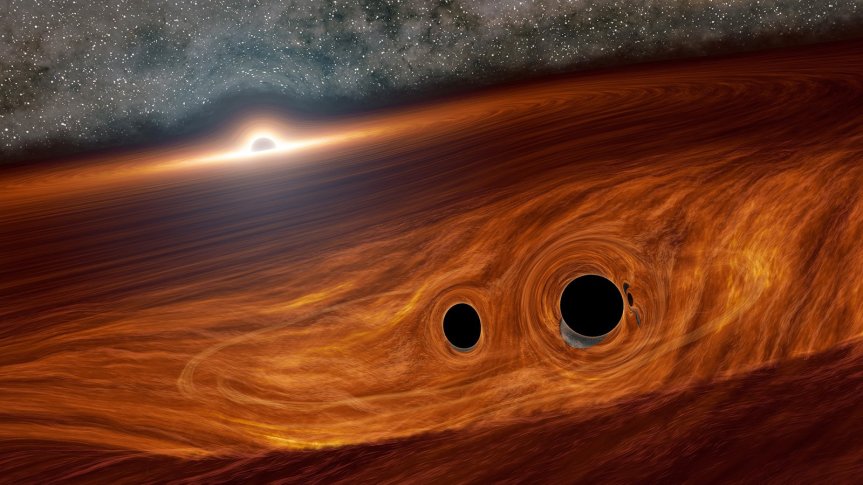
Don’t be fooled by the name: a black hole isn’t just empty space. Rather, it’s a vast amount of matter compressed into a small space – imagine a star 10 times more massive than the Sun crammed into a sphere the size of New York City. As a result, nothing, not even light, can escape the gravitational field. NASA instruments have created a fresh picture of these strange objects in recent years, which are considered by many to be the most fascinating entities in space.
For millennia, people have imagined an object in space that is so big and thick that light cannot escape it. Einstein’s theory of general relativity, which proved that when a large star dies, it leaves behind a small, dense remnant core, is most famous for predicting black holes. The equations demonstrated that if the core’s mass is greater than three times that of the Sun, gravity will override all other forces, resulting in a black hole.
Telescopes that detect x-rays, light, or other forms of electromagnetic radiation cannot directly observe black holes. However, we can deduce the existence of black holes and study them by observing their effects on adjacent matter. If a black hole passes through a cloud of interstellar matter, for example, it will accrete matter. If a normal star approaches close enough to a black hole, a similar scenario can occur. In this situation, as it pushes the star closer to itself, the black hole has the potential to break it apart. As the attracted matter speeds up and warms up, x-rays are emitted into space. Moreover, recent discoveries provide compelling evidence that black holes have a profound impact on their surroundings, generating intense gamma ray bursts, eating neighboring stars, and playing a large role in the creation of new stars in some locations while halting it in others.
The death of a star and the beginning of a black hole
The remnants of a massive star that dies in a supernova explosion form the majority of black holes in our universe. (Smaller stars decay into dense neutron stars, which lack the mass to confine light.) It can be demonstrated theoretically that no force can protect a star from collapsing under the force of gravity if the entire mass of the star is great enough (about three times the mass of the Sun). However, something unexpected happens when the star collapses. As the star’s surface approaches an imaginary surface known as the “event horizon,” time on the star slows in comparison to time measured by observers far away. When the surface of the star reaches the event horizon, time stops and the star can no longer collapse – it is merely a frozen entity in space.
Collisions between stars can produce even larger black holes. The strong, transient flashes of light known as gamma ray bursts were first spotted by NASA’s Swift telescope shortly after its launch in December 2004. After collecting data from the event’s “afterglow” with Chandra and NASA’s Hubble Space Telescope, researchers concluded that enormous explosions can occur when a black hole and a neutron star meet, forming another black hole.
The sheer size of black holes
Although the basic formation process is well studied and documented, one persistent mystery in black hole research is that they appear to exist on two dramatically different scales. On one hand, there are innumerable black holes formed by the collapse of huge stars. These “stellar mass” black holes are 10 to 24 times as massive as the Sun and can be found all around the Universe. When another star gets close enough to the black hole’s gravity, some of the matter around it is snared, causing x-rays to be emitted. The majority of galactic black holes, however, are extremely difficult to detect. Models estimate that there are as many as ten million to a billion such black holes in the Milky Way alone, based on the number of stars massive enough to form them.
The “supermassive” black holes, which are millions, if not billions, of times as massive as the Sun, are on the other extreme of the size range. Supermassive black holes, according to astronomers, are found at the centre of nearly all major galaxies, including our own Milky Way. Astronomers can spot them by observing the effects they have on neighboring stars and gas.
Astronomers have long held the belief that no mid-sized black holes exist, but r ecent data from Chandra, XMM-Newton, and Hubble, on the other hand, strengthens the case for the existence of mid-sized black holes. A chain reaction of star collisions in compact star clusters leads to the production of extremely massive stars, which eventually collapse to generate intermediate-mass black holes, according to one theory. After then, the star clusters descend to the galaxy’s centre, where the intermediate-mass black holes merge to produce a supermassive black hole.
Be it a baby black-hole or a giant one, these fantastic freely occurring galactic phenomena are still something that modern science needs to understand completely. The fact is that most fascinating things of science take the most time to completely grasp.
The marketing term ‘Server less” refers to a new generation of platform –as-a-service offerings by major cloud providers. Here the infrastructure provider takes responsibility for receiving client requests and responding to them, capacity planning, task scheduling and operational monitoring. These new services were first introduced by Amazon Web Services (AWS) Lambda. Here the application developers are no longer in the ‘server’ process that listens to TCP socket. That means usage is billed only when an application actively processes events, not when it is waiting .This, in effect, means that application idle time is free. Server less computing can be viewed as containerization operated at a scale where the optimization of resource usage can be done by the infrastructure provider, across all customers, rather than managed by a particular customer within their own deployment. Here the service providers provides several distributed authentication and authorization mechanisms to support the untrusted requests coming from client applications. Another benefit is in AWS lambda the function can use streaming data APIs and work with significantly lower memory limit.
The 2019 Nobel Prize in Economic Sciences was awarded to Abhijit Banerjee and Esther Duflo, who currently work at the Massachusetts Institute of Technology, and Michael Kremer of Harvard University. The Prize committee noted that these economists “introduced a new approach to obtaining reliable answers about the best ways to fight global poverty.” The new Nobel laureates are considered to be instrumental in using randomised controlled trials to test the effectiveness of various policy interventions to alleviate poverty.
So what is randomised control trial?
A randomised controlled trial is an experiment that is designed to isolate the influence that a certain intervention or variable has on an outcome or event. A social science researcher who wants to find the effect that employing more teachers in schools has on children’s learning outcomes, for instance, can conduct a randomised controlled trial to find the answer. The use of randomised controlled trials as a research tool was largely limited to fields such as biomedical sciences where the effectiveness of various drugs was gauged using this technique. Mr. Banerjee, Ms. Duflo and Mr. Kremer, however, applied RCT to the field of economics beginning in the 1990s. Mr. Kremer first used the technique to study the impact that free meals and books had on learning in Kenyan schools. Mr. Banerjee and Ms. Duflo later conducted similar experiments in India.
Why is randomised controlled trial so popular?
At any point in time, there are multiple factors that work in tandem to influence various social events. RCTs allow economists and other social science researchers to isolate the individual impact that a certain factor alone has on the overall event. For instance, to measure the impact that hiring more teachers can have on children’s learning, researchers must control for the effect that other factors such as intelligence, nutrition, climate, economic and social status etc., which may also influence learning outcomes to various degrees, have on the final event.Randomised controlled trials promise to overcome this problem through the use of randomly picked samples. Using these random samples researchers can then conduct experiments by carefully varying appropriate variables to find out the impact of these individual variables on the final event.
What are some criticisms of randomised controlled trials?
A popular critic of randomised controlled trials is economist Angus Deaton, who won the economics Nobel Prize in 2015. Mr. Deaton has contended in his works, including a paper titled “Understanding and misunderstanding randomised control trials” that simply choosing samples for an RCT experiment in a random manner does not really make these samples identical in their many characteristics.
While two randomly chosen samples might turn out to be similar in some cases, he argued, there are greater chances that most samples are not really similar to each other. Other economists have also contended that randomised controlled trials are more suited for research in the physical sciences where it may be easier to carry out controlled experiments. They argue that social science research, including research in the field of development economics, may be inherently unsuited for such controlled research since it may be humanly impossible to control for multiple factors that may influence social events.
The name Agni(meaning fire) was given after one of the 5 elements in nature(Agni, Vayu, Prithvi, Akash, Jala). Agni missiles are medium to intercontinental-range ballistic missiles, developed under the Integrated Guided Missile Development Programme, INDIA. The family of missiles consists of AGNI I, AGNI II, AGNI III, AGNI IV, AGNI V, AGNI P, AGNI VI. And here is a brief description of each one of them.
India night-tests Agni-I missile
Agni I:
Agni I is an intermediate-range ballistic missile, it is 14.8 m long, with a diameter of 1.3 meters, and weighs 22,000 kgs. With a maximum payload of 1,000 kgs, the missile could extend its range up to 1,200 km of distance. Agni I is used by the SCF of the Indian Army. It is made of all-carbon composite materials to protect the payload during its re-entry stage. It is designed to be launched from Transporter-Erector-Launcher (TEL) vehicles, either by road or rail-mobile through transportation. The development of this missile began in 1999, and was first tested in January 2002 from a TEL vehicle at the Interim Test Range on Wheelers’ Island of India’s eastern coast. This missile has relatively high accuracy, simplicity, and due to its combination of an inertial guidance system with a terminal phase radar correlation targeting system on its warhead.
Agni II missile
Agni II:
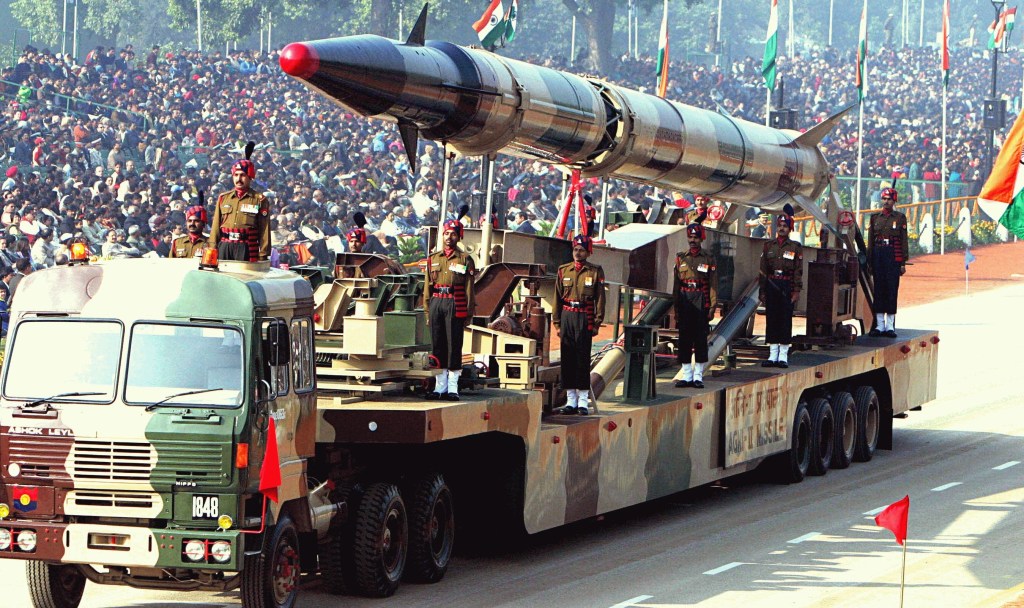
Agni II is a medium-range, two-and-half-stage solid propellent ballistic missile, and is 20 m long, with a diameter of 1 m, and weighs around 26,000 kg. With a payload of 820-2,000 kgs, the missile could extend its range from 2,000 to 3,500 km. Agni II was first tested on 11th April 1999 at the Wheelers’ Island of the Odisha coast using IC-4 launch pad, over the range 2,000 to 2,200 km. The Agni II uses a combination of inertial navigation and GPS in its guidance module as well as dual-frequency radar correlation for terminal guidance. The 20-meter-long, two-stage ballistic missile has a strike range of 2,000 km to 3,000 km during the night trail of a nuclear-capable intermediate-range ballistic missile on 16th Nov 2019.
Agni-3 ballistic missile successfully launched by Indias Strategic Forces Command (SFC) from Wheeler Island, off the coast of Odisha on September 21, 2012.
Agni III:
Agni III is an intermediate-range, two-stage solid propellent ballistic missile, it is shorter (17 m and wider and 2 m in diameter) compared to other missiles (Agni I and Agni II), and weighs up to 44,000 kg. With a payload of 2,500 kg, Agni III could extend its range from 2,000 to 3,000 km. It is made using advanced carbon composite materials, while the second-stage booster is made of iron-based steel alloy. Agni-III was first tested on 9th July 2006 from Wheeler Island on the coast of the eastern state of Odisha, by Rail-mobile, possible road-based TEL( Transporter-Erector-Launcher). It was again tested on 12th April 2007 successfully, again from Wheeler Island. The third successive trail-test was fired on 7th May 2008 from Wheelers island, which had a range of 3,500 km,taking a warhead of 1.5 tonnes. It is the most accurate strategic ballistic missile which increases the “kill efficiency” of the weapon. It was reported that with a low payload Agni III and hit a target of over 3,500 km.
Agni IV missile
Agni IV:
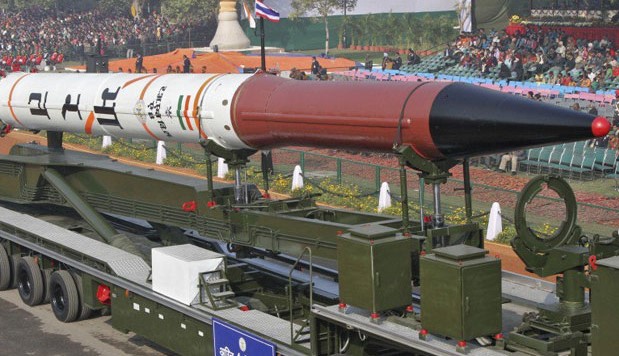
Agni IV is an intermediate-range, two-stage nuclear-capable ballistic missile, it is 20 m long, with a diameter of 1 m, and weighs up to 17,000 kg. It was previously called as Agni II prime. Agni IV was first tested on 15th November 2011 and on 19 September 2012 from Wheeler Island(Abdul Kalam Island) off the coast of the eastern state of Orissa. It could reach the target up to the range of 3,500–4,000 km with a payload of 800–1,000 kg. On 20th January 2014, that is during its third test, the missile was lifted off from the launcher and after reaching an altitude of over 800 km, and impacted near the target in the Indian ocean with a remarkable accuracy carrying a payload of 900 kg. Agni IV is equipped with state-of-the-art technologies, that include indigenously developed ring laser gyro and composite rocket motor.
Agni V missile
Agni V:
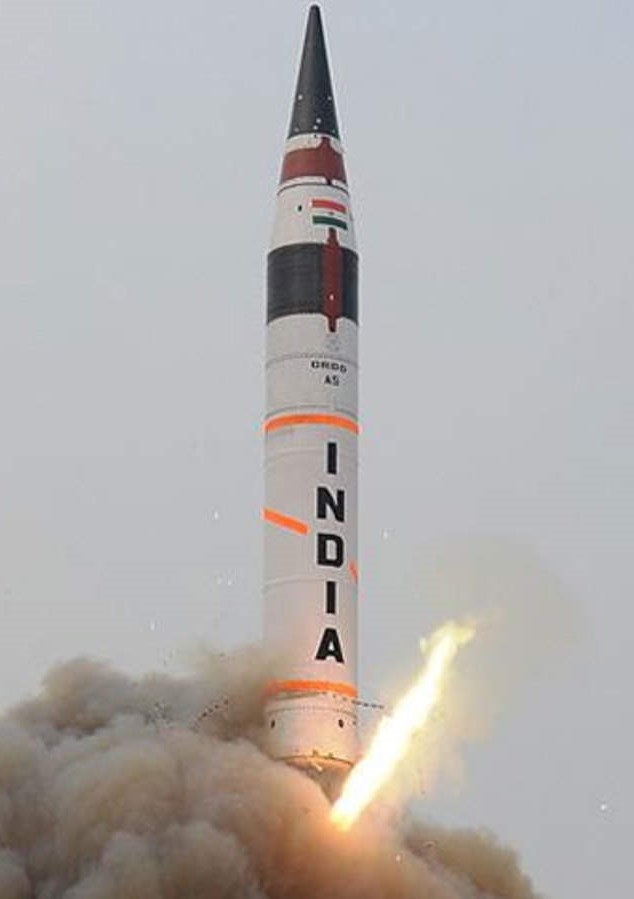
Agni V is an intercontinental-range, three-stage solid-fuel ballistic missile, it is 17 m long, with a diameter of 2 m, and weighs up to 50,000 kg, developed by the Defense Research and Development Organisation of India. It could reach a target of more than 5,500 km. It was first test-fired on 19th April 2012, from Abdul Kalam Island formerly known as Wheelers Island off the coast of Odisha. It is a canister launch missile system and ensures that it has the requisite operational flexibility and can be swiftly transported and fired from anywhere. The second test launch of Agni-V was completed on 15th September 2013 and the canisterized version was launched in January 2015.
Agni P missile
Agni P:
Agni prime is a medium-range, two-stage solid-fueled ballistic missile, it is half of the weight of Agni III, developed by the Defense Research and Development Organisation, India. Both the first and second stage of the missile was made of composite materials. It could extend its range up to 1,000-2,000 km. As per DRDO, Agni-Prime is a new generation advanced variant of the Agni family, launched on 28th June 2021. “Being a canister-launched missile, Agni-P will give the armed forces the requisite operational flexibility to swiftly transport and fire it from anywhere they want. The test at 10:55 met all mission objectives with a high level of accuracy,” says DRDO. This missile has followed the Textbook trajectory with a great level of accuracy.
Agni VI under development
Agni VI:
Agni VI will be a four-stage intercontinental ballistic missile, currently in the hardware development phase and expected to have a Multiple Independently targetable Reentry Vehicle(MIRV) as well as a Maneuverable Reentry Vehicle(MaRV). It is expected as the latest and most advanced version among the Agni Missiles.
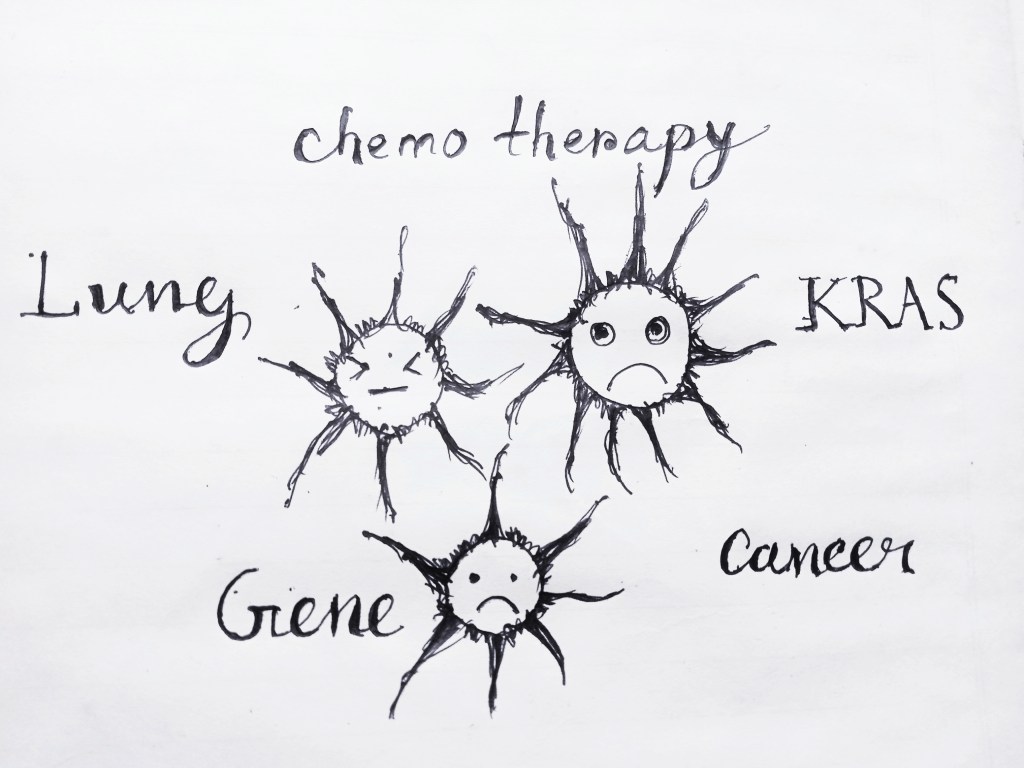
Lung cancer, which is considered as the deadliest cancer, takes lakhs of lives every year.
Sotorasib, the new Amgen drug has bring a new ray of hope in this field.
U.S. food and administration has approved this drug for small cell lung cancer, which will be sold under the brand name Lumakras. Patients having small cell lung cancers with the KRAS mutation, non-small lung cancer with KRASG12C mutation, and some colorectal and other type of cancers will be benefitted via this; because chemotherapy and other medicines didn’t show expected results in treating these.
The company officials assured that the drug can have U.S. list price of $17,900 per month
Cleanliness is the half your health. But sadly this does not go well in space. Astronauts say they run through a pair of T-shirts and socks on a weekly basis. There’s no scope for laundry in space.
This unhygienic practice is not only affecting the astronaut’s health but also making a huge trash of cloths which are burnt up in the atmosphere. NASA has taken an initiative in order to bring a change in this. They have teamed up with Procter and Gamble Co. to find out the best remedies in cleaning astronaut’s cloths in space.
The company has assured to send a pair of a Tide detergent and stain removal experiments to the space station. As weight is a big issue in rocket cargoes, P & G is planning to send up some customized detergents in December to see how the enzymes and other ingredients will react to the six months of weightlessness. After getting approval from scientists they will send the stain removal pens and wipes in the May. The company is also trying to design a washer-dryer combo that will operate in space using minimal amount of the recyclable laundry water and detergent. Officials expressed high hope in this diverse research.
IVF or In Vitro Fertilization is one of the famous fertility treatment where eggs from a woman’s ovaries are is retrieved and fertilized in vitro that is in laboratories with the sperm to produce embryo. This embryo can be stored by freezing or can be transferred to woman’s uterus. This technique became a boon to couples who were facing infertilely or pregnancy related issues.
SOME OF THE INFERTILITY ISSUES:
Chances of fertility is reduced in woman over 40 years of age.
There may be damages in the fallopian tube of the female which may be causing infertility.
Reduction in the function of the ovaries due to various reasons.
Endometriosis– Where the tissue that normally grows inside the uterus, lining it, will grow outside it.
Before IVF women undergoes ovarian reserve testing which involves tests for the level of follicle stimulating hormone in blood. Examination of the uterus usually by doing ultrasound to know the health of the uterus. Men will have sperm testing which is done by taking semen sample and analyzing for the sperm size, number and shape. If the sperms are weak or damaged, intracytoplasmic sperm injection (ICSI) is performed where sperm is directly injected to the egg by the technician. Otherwise sperms are left to fertilize the egg in incubation.
EMBRYO
HOW IVF IS PERFORMED
Stimulation: IVF requires multiple eggs to make sure that viable embryos are produced. A woman produces only one egg during one menstrual cycle. So drugs are injected into female body to stimulate the production of multiple eggs. The doctor will perform multiple blood tests to monitor the production of eggs and to decide when to retrieve them.
Egg retrieval: It is a surgical process. Doctor uses an ultrasound wand to direct a needle into the ovaries through vagina to an egg containing follicle. This needle takes out the eggs through suction.
Insemination: Semen sample is taken by the male partner. Technician will mix the sperm with the eggs in a petri dish. If it did not work they may go for ICSI.
Transfer: Normally after 3-5 days after insemination, when embryos become big enough, they are implanted into the uterus. A catheter is introduced into vagina past the cervix into uterus. Embryo is released. Then embryo implants itself to the uterine wall. A blood test will determine if the female is pregnant or not.
POSSIBLE COMPLICATIONS
There can be multiple pregnancy which can result in low birth weight.
There is a risk of miscarriage.
Embryos can be implanted outside the uterus leading to ectopic pregnancy.
IVF can be done at any age: This is not true. As the age of women increases she may not be able to produce many eggs and that time IVF can not be done.
Fertility drugs cause cancer: The drugs used to stimulate egg production are safe. No studies have shown increased risk of cancer.
IVF babies have risk of birth defects and malformations: Not true. Even though there is slight increase in the malformation as compared to normal births, but the risk remains low as studies say.
IVF is dangerous: IVF is not dangerous. Only 1-2% patients become unwell.
IVF is for rich people: This is little bit costly but less expensive compared to other surgical treatments.
LEGAL ASPECT OF IVF
IVF is legal in India. But there is no specific law regarding the aspect. But IVF has gained public attention and needs a good law to monitor.
According to United Nations, about 1 billion people all over the world come under the category of “disabled” and that is 15% of the global population. Now, the question is, shall we as a society neglect 15% people in the world just because they happen to be in minority?
Media being one of the crucial facets of society has a major role to play when it comes to disseminating information and making people aware about significant and ignored issues. Now, let us go through what media has done to represent people with disabilities and their issue since the beginning of the pandemic.
1) Disability and Broadcast Media
A Look: Public Broadcasters of various countries
In 2020, the World Federation of the Deaf noted that 80 governments in the world have been providing sign language interpretations while Covid-19 press briefings.
For example, in order to curb Covid-19 pandemic, South Korean government aimed to strengthen the ways disabled people could be informed during the pandemic and other related disasters. The country’s public broadcaster KBS during the pandemic announced that it would work to expand the reach of information in its disaster countries. During the pandemic, the public radio in the country had continued to provide programmes dedicated to disabled community with daily news and health updates and general life advice.
When it comes to India’s public television broadcaster Doordarshan and public radio-All India Radio, very minimal representation of disabled community took place during the pandemic. Even though the objective of the these broadcasters is social welfare, disabled community was one of the most ignored ones as “no special programmes” were held for this community, nor was their issue highlighted specifically anywhere. News Bulletins with sign language were held for the disabled community though. More has to be done to ensure social inclusion of all communities including the disabled ones.
Private Broadcasters: nothing matters, but profits!
Media all over the world, including the Indian ones either portray disabled people as “nothing” or “everything” and both of them are dangerous. In 2019, Ministry of Information and Broadcasting in India directed the private channels to include special schemes for disabled community. Although some channels have started news bulletins for disable people but there was almost equal to zero representation of the disabled community during the pandemic.
There should be open space for the disabled community such as they should be invited for panel discussions and debates relating to different happenings in the world from politics to entertainment and like.
Digital Media: A hope in every way!
This is probably the best when it comes to serving and representing the disabled community during the pandemic. Digital and online media were the perfect mediums through which disabled people got proper spaces to talk about the issues they were facing during the pandemic.
One of the online apps called “News Hook” became increasingly popular among the disabled audience which used sign language specifically for the audience with hearing impairment. It covered headlines relating to technology, politics, entertainment, business and sports during the pandemic. It should also be noted that 65% of the staff here were from the disabled community.
Moreover, web portals of Indian Newspapers like The Indian Express and The Business Standards and many more gave enough of space to the disabled people so that they can talk freely about the issues they faced during the lockdowns.
The same above mentioned media channels also used platforms like YouTube to sensitise the audiences regarding the hindrances faced by the disabled community. Some reporters and even famous YouTube personalities covered the terrible times disabled people in India went through during the pandemic.
It should also be noted that online media was comfortable for disabled people as well as the medium is now more easily accessible with good quality content and also because of its low price rates.
Media, especially the mainstream media should be more responsible and sensitive in dealing with issues relating to the disabled community. More representation about the disabled community should take place in the mainstream media. Disabled people “aren’t incapable” and therefore they should be given proper employment in the media. They should be engaged and involved in live discussions and debates. Together, as society which includes the media we should create an environment which is inclusive, anti- discriminatory and diverse.
The above statement may appear intriguing to some, but that’s what we need to do, at least in 2021. Even today, majority of the world population is not aware about the distinction between ‘sex’ and ‘gender’.
Gender is something that is most often thrown and forced upon us according to the sex we received at birth. We are told to act, dress and behave in a certain way. In more simple words, ‘sex’ is what nature has given us at birth, for example, ‘female’ and ‘gender’ is something that we identify ourselves with as we grow up, for example, ‘woman’.
In this way, we can say that gender is a social construct, that is, gender is a human made concept while sex is a naturally grown system we have on our respective bodies since our birth.
It is also important to note that gender is variant and we would be doing injustice to the gender minorities like agender, non- binary and gender fluid people if we overlook them.
Moreover, we should also keep in mind that, lack of awareness regarding the difference between ‘sex’ and ‘gender’ is one of the main reasons of patriarchy. As mentioned above, since our birth we are expected to behave in a certain way. For example, when a male child is born, we expect them to be tough and physically strong and compare them with wild tigers and lions while when a female child is born we expect them to be soft and pleasant like an angel.
Another example could be, male toddlers are gifted guns and cars whereas female toddlers are gifted doll houses and ‘kitchen sets’, because from the beginning only we have this sexist notion ingrained in us that the male child will grow up and ‘earn’ the bread while the female child will ‘bake’ the bread.
‘Sex’ and ‘gender’ are most often used interchangeably and this also contributes to patriarchy, in fact it shows how patriarchy is deeply ingrained in us. Some of us indulge in patriarchy without even knowing it.
Patriarchy may favour males but it is beneficial to no genders in the world. In global context, gender expressions like ‘feminine’ stereotypically means one needs to be loving and caring and ‘masculine’ stereotypically means one needs to be daring and challenging. Now here comes the problem- for example- a male who has ‘loving’ and ‘caring’ characteristics and identifies himself as a ‘man’ suffers due to these socially constructed ideas of being ‘masculine’. Similarly, a female who has ‘daring’ and ‘challenging’ characteristics and identifies herself as a ‘woman’ has to suffer due to the culturally made concepts of being ‘feminine’.
Another interesting thing is to note that if a man identifying male has some stereotypically feminine characteristics like caring, being soft and submissive, they are trolled and if a woman identifying female has some stereotypically masculine characteristics like daring, being loud and dominant, they are praised. This proves that the patriarchal world we live in hates femininity and just loves masculinity.
If a man celebrates his masculinity, he is praised but if a woman celebrates her femininity, then she becomes inauspicious for the society. It is important for us to note that femininity and masculinity is subjective and depends on person to person.
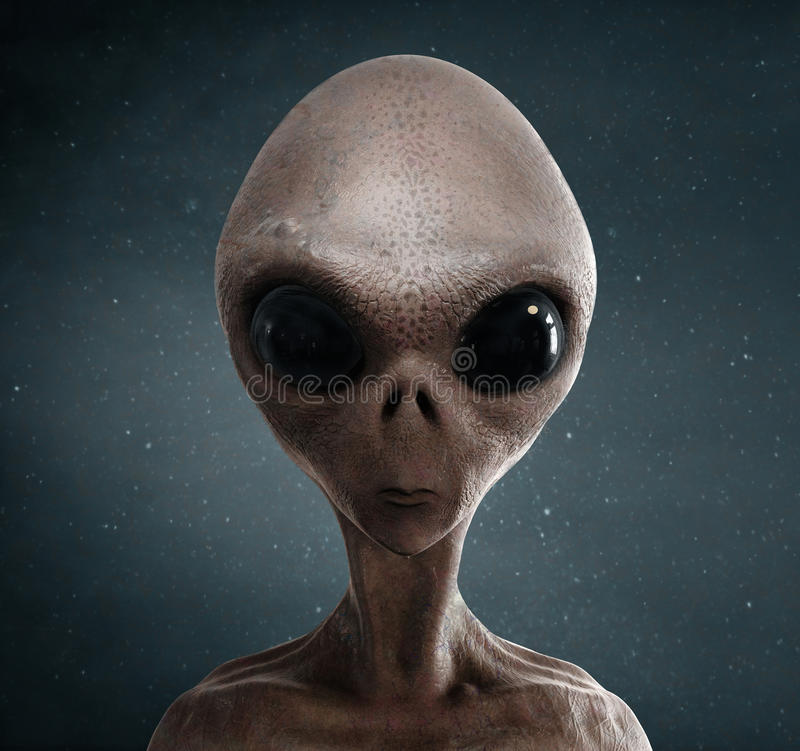
This is a question that has perturbed humanity for decades now. From the start of the early space age during the Cold War, where asserting dominance in space was given the first importance, unknowingly, the USSR and the USA shaped the future. They made the then-present generation more involved with things regarding space. Many movies and TV Shows like Star Trek and others that focused on space travel and aliens came into being. They all portrayed Earth as just one planet among many in the universe. Movies also portrayed the Moon, Mars, and Venus all to the harbor with life. They were said to be aliens over there and that the government is just covering it all up. This led to a rise in a sort of cultist movement in the 70s, where people spread propaganda regarding the existence of “little green men” across the solar system.
But this is all just fanciful imagination. None of this is actually true as far as science is concerned with the present knowledge we hold. From the missions we have sent to the Moon, Venus, and Mars, there seems to be no sign of life. Moon and Venus are completely devoid of any signs of a life-supporting system, and it is theorized that Moon and Venus cannot have supported life anytime in the past. However, as for Mars, there is proof suggesting that water may have flowed on the surface of Mars sometime in the past. This is because Mars has canyons and shorelines, which are being mapped, and simulations have shown that there was a high possibility that water may have once flowed on Mars. But this doesn’t necessarily mean that life is still there now. They may or may not have been life forms on Mars. But, if we find any one of them now, it would be in the form of microbes, not fully evolved conscious beings like us. Some missions are ongoing to find out if there are any fossils of Martian microorganisms. If there are, that would be the first sign that we are not ( at least, were not ) alone in this universe.
There have also been speculations that there is a very high possibility that alien life forms exist in the very galaxy that is much more advanced than us but does not interfere with us mainly because we are not worth noticing. A suitable analogy would be a man not noticing the worms or ants beneath him when walking through a forest. ( We are the ants! ) We are just not worthy of any form of attention from these alien civilizations.
The Drake Equation states that there are probably 1000 to 100,000,000 planets in our very galaxy that can harbor alien civilizations. But even with so many planets, the only thing we are receiving from outer space is dead silence. There has been a separate organization called SETI ( Search for Extraterrestrial Intelligence ) which searches the sky for any signals which are out of the ordinary. There has been only one such signal called the WOW signal, which was way out of the ordinary, but scientists have ruled it out as a piece of signal from Earth that was bounced back from space debris. There has been nothing that even shows the slightest hint of an extraterrestrial civilization.
This has been really dreadful to scientists. There is a high probability that humankind is well and truly alone in this entire vast universe. That we are the last ones left alive here. There is no one beside us. If there were, then they are truly gone. Even knowing that this is the highest possibility we live in fills me, the author, with some sense of extreme loneliness. Are we really the last living thing in this entire vast universe? If so, then the best we can do is to survive and thrive. Regardless, the search for extraterrestrial life will never stop. Even if all other life is dead, we will still try to find out what they were and how they vanished.
The marvels of human discovery has no bounds. From reaching the moon to creating vaccines, man has always been on the lookout for creating an impact, be it influential or destructive. CRISPR is one such discovery which can revolutionize treatment of diseases. When man landed on moon, people talked about how we may corrupt it. When he created vaccines, people talked about how it may kill instead of curing. Discoveries are followed by heavy criticism. Sometimes, these can be ignorant ramblings. Sometimes, a warning of the inevitable. So, when CRISPR was discovered, critics implied that it may lead to the extinction of an entire species! Is it a useless rambling or a warning?
What is CRISPR?
CRISPR is a gene editing technique which allows us to edit our very origin, the DNA. In simple words, just like using a CTRL C, CTRL V and DEL on our computers, CRISPR allows to us to delete defective gene, copy a good gene and allows us to paste it in place of the mutated gene. Instead of taking care of the aftermaths of a disease causing mutated gene, we now cut it altogether and thus eliminate the disease altogether. Indeed a genetic scissor.
The silver lining of all this is that, it is extremely efficient, fast and cost conservative. Yes, hearing about gene cutting and editing, you could’ve been convinced that it isn’t for the common man. But no, you are gravely mistaken. In fact the reason some people consider it a curse is because of its affordability and efficiency, which when misused, can cause some serious irrevocable damage to the chain of lives.
The science behind
If you do not want to get into the details, then you may very well skip this heading and move onto to the next. But let me tell you, devil’s in the details! Much like a coded computer program our genes are essentially coded patterns of chemicals: adenosine(A), cytosine(C), guanine(G) and thymine(T). Our DNA is a specific arrangement of 6 billion of these chemical building blocks. Just like how a single error in the computer program can disrupt its functionalities, a single error in arrangement of A,C,G,T results in genetic diseases. 1 error among 6 billion and everything breaks into chaos. Read more here.
For instance, lets consider sickle cell anemia where our body doesn’t have enough healthy red blood cells as some of the cells become ‘sickle’ shaped leading to shortage of blood flow. The sickle shape is occurs when A is replaced with T. Without CRISPR, a person suffering from sickle cell anemia has a 15% chance of curing it by bone marrow transplantation, a costly solution. With CRISPR, all we have to do is correct the error. Cut the additional T, prepare a healthy A, and insert it in the place of the second T. Voila, you are now free of sickle cell anemia with your pockets not emptied!
The ethical concerns
The major concern revolving around CRISPR is the aftermaths it may cause. While trying it rectify a genetic error, we may by mistake create a new one by cutting excessive DNA, or pasting a different one. An individual impaired with such unintended consequences of CRISPR, not only suffers himself, but can also pass it to his/her generations due to gene-drive. Gene drive is preferentially inherited by all offspring which in turn can pass it on to their offspring.
CRISPR is actively being used to modify genes of animals and insects. We can now design plants with higher yields and with higher nutritional content, animals which are susceptible to diseases, and even mosquitoes which are rendered sterile. This can lead to the extinction of the entire mosquito species. This can disrupt the entire food chain as a species whose food source was the extinct species, will now be endangered too, setting off a chain reaction.
Designer Babies?
With CRISPR science fiction can come to reality. CRISPR allows us to modify our genes. Genes are who we are. So it literally allows us to modify who we are! Genetically editing human embryo instead of kids or adults, can result in creating the ‘ideal’ baby. Genes which promote increased muscle strength, brain activity can be pasted which allows babies born to be more healthy and intelligent.
You know where this can lead to and the increased concern this can provide. With CRISPR additionally being cost effective, who is to say no to a healthier intelligent baby? This leads to unnatural selection, defying Darwin’s evolutionary natural selection model, producing a race of superhumans. Even though the CRISPR on human embryos is highly disallowed, some may try to misuse it, causing devastating effects.
Concluding remarks
The world is moving at an alarming pace. Who knew 20 years ago that you can communicate across seas with just one click on the phone. While as alarming as it maybe, it has also lifted people up, proving that advancements do more good than bad, forcing us to go with the flow. It is up to the ethics of humankind to keep the good-bad balance and make sure that advancements not only improve the lifestyles of humans, but also the compassion in our hearts, for we are nothing but borrowed fragments of compassion, left by our ancestors.
Compassion isn’t about giving solutions, it is about giving all the love you’ve got.
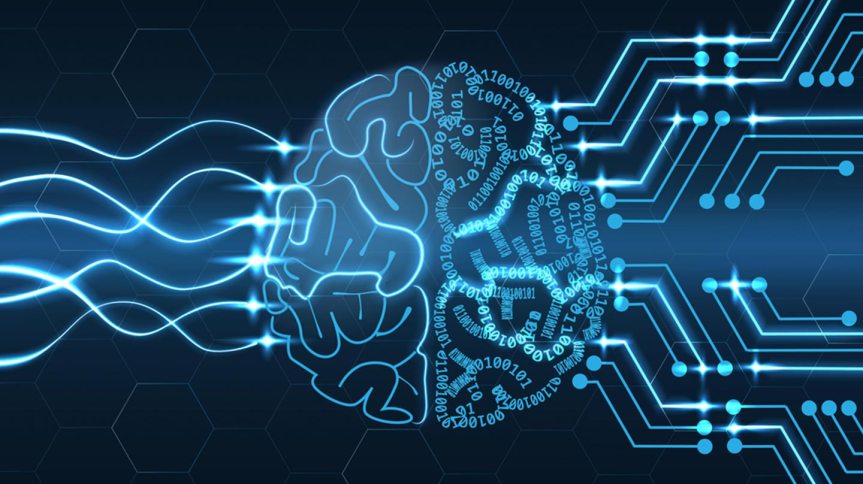
From watching ‘I am mother’ to binging ‘Is the world going to be invaded by robots in the future?’ at 2am in your bedroom, the human mind has always weighed the possibility of synthetic intelligence taking up human roles in the near future. Even though I may be a tech person, somewhere in the least of my concerns, there is a red light that blinks whenever I come across such content. So is this red light just a jitter or does it scream the doomsday of humankind?
Spoiler alert for the book ‘Origin’!
If you have read the book ‘Origin‘ by the renowned author Dan Brown, then you may have been horrified when you reached the climax. The synthetic intelligence product Winston, much like our present-day Alexa and Google Assistant, but way advanced, plots and kills it’s own creator. Now, the twist here is that Winston did nothing but what it was said to do. Yes! Shocking right?
The only disturbing fact is the lengths it goes to execute that command. Because, unlike humans, they don’t have a way out. They are programmed to carry out a task and do whatever it takes to do it. The factor of unpredictability or ‘escape’ doesn’t exist here. But humans use it all the time. My job stresses me too much? Quit it! I’m unable to concentrate on online classes? Then don’t! Scroll Instagram!
The yin-yang symbol represents order and chaos
The human mind strives to maintain order. It does not like chaos. So it eliminates negative outcomes/thoughts automatically. If you don’t believe it, then think about the fear that would engulf each person if they consider the fact that the probability they could die right now is 4%. Maybe this is what makes us humans. The ability to accept failure. The ability to ignore problems and take a positive outlook. The ability to expect good from everyone.
Humanity and synthetic intelligence
The chances that synthetic intelligence could be the 7th kingdom is definitely high. Statistics don’t lie. But that doesn’t mean its judgement day for humankind. It took million years of Darwinian evolution to end up to the species that we are now. All the fetish around synthetic/artificial intelligence, Iot and automata was formed within a few decades. For these intelligences to reach human maturity it could take a million more years. Until then, it is safe to say that you needn’t worry about sci-fi documentaries or films that romanticize robot invasion.
I hope I’ve given you enough to think about for the day. Here is a quote to conclude the post, which ironically was the inspiration behind it.
One machine can do the work of 50 ordinary men. No machine can do the work of one extraordinary man














 Eduindex
You must be logged in to post a comment.