

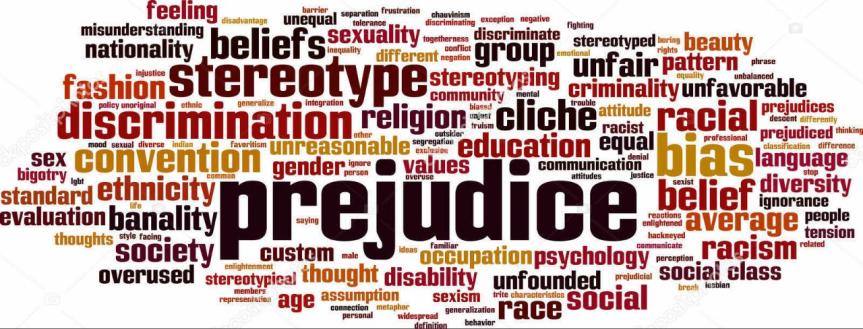
Prejudices refers to a set attitudes towards a particular group of people. They usually refer to negative attitudes. Attitude is a state of mind or set of views with an evaluative feature. Prejudices are often based on stereotypes about the specific group.
Stereotypes refers to fixed ideas regarding the characterstics of a specific group. Usually, stereotypes consist of undesirable characteristics about the target group. All members of the group are assumed to possess these characteristics which is often not true in reality.
Prejudice is often accompanied by dislike or hatred towards members of the group. Prejudice can be seen in behaviour through discrimination. Discrimination makes a distinction between the two groups by favouring one group over other. Sometimes prejudice can lead to excessive hatred and discrimination which may even lead to mass killing of innocent people. An example of this is the holocaust of Jews by Nazi Germany. Discrimination can controlled by law but attitudes and minds sets of people cannot.
Just like any other attitude, prejudices are also learned through observation, association, exposure to information or through culture. The family, groups, personal experiences, media also play a role in learning of prejudices. In some cases it has been observed that a strong social identity towards one’s own group may cause group bias and lead to negative attitudes towards other groups and lead to prejudice.
Another reason for prejudice is scapegoating. It is a group based way of expressing frustration towards the weaker group and it leads to negative attitudes. Here the stronger group places the blame for its problems on the weaker group. The weaker group is too weak to defend itself.
https://www.bbc.co.uk/bitesize/guides/zcb42hv/revision/3#:~:text=One%20bad%20experience%20with%20a,and%20can%20lead%20to%20prejudice
Sometimes people continue to hold stereotypes because they believe that after all, there may be some truth in what people say. These sorts of beliefs are rather difficult to change as they originate in response to other stronger beliefs.
Stereotypes are also learned in the similar manner as attitudes. Stereotypes are usually formed by hearing different things about the particular group. A single bad experience with the member of a group may lead to the assumption that all members of that group behave that way.
https://blogs.hope.edu/getting-race-right/our-context-where-we-are/the-history-we-inhaled/what-are-the-causes-of-stereotypes/
Stereotypes provide grounds for prejudices which lead to discrimination. This however, is not always true. Sometimes prejudices may develop without stereotypes or may not lead to discrimination. Similarly, discrimination may be seen without prejudice. But even so, these three are often considered to be connected.
Prejudices are attitudes and are not very easy to change if once formed. In order to control it, strategies should focus on minimising the opportunities for learning prejudices or changing such attitudes at an earlier stage. Narrow social identity based on the in-group should not be emphasised and people should be encouraged to seek out truth rather than blindly believing in what they hear.
These goals can be achieved through education and information. By correcting the stereotypes that are formed on false grounds. Emphasis should be given to individual identities rather than group identities. This can weaken strong in-group bias. Increasing the contact between the two groups can remove misunderstandings, mistrust and can lead to communication which may lead to discovery of positive characteristics.
Tag: #society
The Private-Public Distinction: Through a Feminist Lens:
From the beginning to this day, women have always been oppressed be it by men in their family or by the state that was and is still highly patriarchal. Earlier, the private (households) and the public (political, business world) were strictly kept separate. State had no roles in what was happening in the private sphere. And the major factor of this separation was that public was controlled by males and private appeared to be in control of females.
The separation between private (home) and public (work) made a significant difference in the lives of males and females, and of course, it was negative for women. For example, males were expected to work out and hence they dominated the outside world while females were expected to stay at home and decide the household decisions and thus they happened to be the controllers of the households.
However, the above situation was far away from reality. In most cases, as public was controlled by males it used to have a direct influence on the private sphere. And therefore, the then feminists and scholars labelled this distinction as baseless and started demanding for political rights of females like voting rights, reproductive rights and like. It was through the second wave of feminism in 1960s, feminists began to bring up more such marginalised communities and issues into the picture.
Earlier only a “white heterosexual male” normative was followed in the world and especially in western civilisations.
Feminists have rejected the public-private boundary as an acceptable rationale for legal action or inaction. A feminist argument is that such a separation disadvantages women of their rights and advantages privileged groups like white heterosexual males.
Three major arguments that were brought by feminists which aimed to challenge the public-private distinction are, first,
politics and society, both had ignored the domestic sphere, second, public-private distinction is deeply gendered and
sexist as its assigns roles to people based on their biological characteristics and because of this women become the most affected underprivileged group, third, calling “family” a
private sphere was an attempt to hide domination and abuse in the relationships in families from legal discourse.
To put an end to all of this ignorance, women activists fought against the injustices and demanded the states to intervene in household matters like laws against domestic violence, divorce rights to women, abortion rights and other rights to choose. Along with these domestic protection rights, many other rights on the public sphere were also demanded.
Feminists from the second feminist wave asked for equal representation in politics, law-making and other decision making procedures which were of both public and private significance.
Examples:
1) Paid Work:
Even though working environment has
changed nowadays as compared to earlier times, females suffer from hard labour but less payment. From corporate houses to films and television everywhere females are paid less than their male counterparts even though all of them do the same work. At times, female actors do more work as they have dance sequences in addition in the movies but still get paid less for the work. This has witnessed a change in recent times where female actors have begun to charge lump sum amount.
2) Patriarchal State:
States can be extremely patriarchal to
women in terms of legal and political rights. This can happen in two ways- one by creating patriarchal and misogynist laws for women, two by not doing anything progressive for women (because not interfering into women’s rights is also equal to creating misogynist laws for women). Over the past few decades, this has also witnessed a change where we have seen governments making women friendly laws like reservations and special commissions for women or anti dowry and anti-domestic violence rights.
3) Male Violence:
This can mean anything that happens both in public and private sphere. Sexual harassment at workplaces is at peak all over the world. Thanks to social activists and NGOs in India who all fought for implementation of sexual harassment act back in 1990s when a social worker was brutally sexually assaulted for stopping a child marriage in the Indian state of Rajasthan.
At the end, we all as a society collectively need to understand that opposite of patriarchy is gender equality, that is, feminism, nothing else.
International day of Tropics
The serenity of the lulling ocean is a wondrous thing to behold..more precious than the gems coveted and covered in platinum or gold…
Oksana Rus

Introduction
International day of Tropics is observed every year on June 29th . This day is celebrated to highlight the different challenges and opportunities faced by the nation as well as by the people who lived in tropical areas .
Firstly , you want to know about things like :
What are tropics ?
Why we celebrate international day of Tropics ?
Or
Is it worth it to talk about these things and is it really important ?
Well hold your horses and try to calm .
What is tropic day and why we celebrate it ?
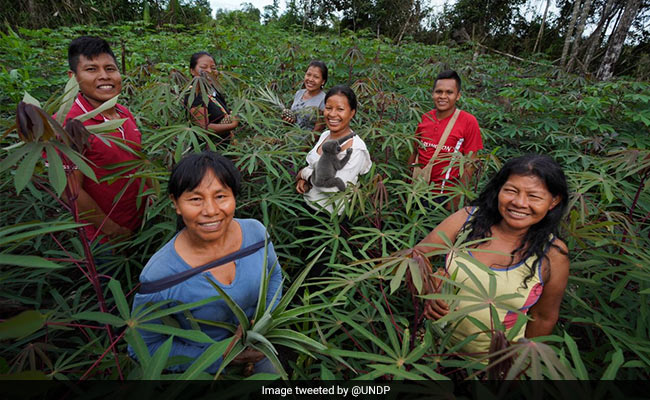
Well a tropic day is celebrated to highlight the importance of Tropics , it signifies extraordinary and astounding diversity of tropical nations .
The Tropic defined as a area /region between tropic of Cancer and tropic of Capricorn . The day aim at promoting tropical regions and awareness to the people about the diversity of these regions .
While these regions go through little seasonal changes on day to day basis because of some factors like tomography , climatic variation that causes changes in temperature and make these regions warm.
This day introduced to the world when in June 29th , 2014 twelve leading tropical research institutes come together and collaborate. The inaugural state of the Tropics report was launched . The report offers some unique perspective for the increasing the importance of these regions .
United Nations General Assembly adopted resolution A/RES/70/267 in 2016, which declared that 29 June of each year is to be observed as the International Day of the Tropics.
The International day of Tropics briefly explained the issues affecting the tropical zone’s all over the world. To raise awareness and important role the countries played to Sustainable goals .
International day of Tropics 2021

As per the state tropics report the theme of this year is “ THE DIGITAL DIVIDE IN THE TROPICS ”
With the record of sustainable development goals as well as developmental scope . The biodiversity of these regions are maximum and its loss is also greater there. Tropical regions comprise 98% world’s mangrove forests, and around 99% mangrove species.
Due to the subpolar zone the Sun is directly overhead which is one of the region of extinction of flora and fauna in the Tropics. The region is subjected to myriad and need immediate attention to ensure sustainable development.
More than 50% of renewable water resource could be founded their. But the threat lies which causes eviction of lives in the Tropics.
Importance :
Due to the problems it’s our duty as a human being to spread awareness about the implications in climate changes , deforestation , urbanization , global warming effect the biodiversity and lives in Tropics.
The International day of Tropics organize many events in which people share their stories , events and lives in these areas and formulate strategies to ensure the development of such regions .
You who sacrifice fortunes to see the luxuriance of the tropics or the polar lights of the arctic, must pay more dearly to see the One for whom the luxuriance of the tropics is poverty and the polar lights are a tallow candle.
Nikolaj Velimirović, Prayers by the Lake

Link:
- https://www.goodreads.com/quotes/tag/tropics
- https://www.firstpost.com/world/international-day-of-the-tropics-2021-theme-this-year-is-digital-divide-in-the-tropics-all-you-need-to-know-9762481.html
- https://www.news18.com/news/india/international-day-of-the-tropics-2021-theme-history-and-significance-3901280.html
|Complexities in life |

Complexities and complications in life makes us who we are today. If it isn’t for the experience’s and complex situations that we had undergone we wouldn’t have become who we are today. This essay focuses on how these complexities make our life beautiful. I would like guide you down to a very different lane of thoughts about life. These complex thoughts can only be learned and understood with examples and real-life situation in order for us to comprehend it. Referring to the idea of addressing the twisted and complicated side of globalization, Manfred B Steger made us understand some of these complexities.
Sometimes we find ourselves at crosswords with different situations which are hard to simplify. An example of this is how Cameron Russell talks about how she if living a life most of us would want to grab at the first chance we get yet how unhappy she is with it. These are the complex situations where we stop to think of how happy we are and content with our lives even when we have no wealth or fame. Happiness instead of becoming a choice then become an unattainable option.
‘Is google making us stupid’ is an article by Nicholas Carrwhich focuses on how complex the system of google working is, there are two sides to the story. One, where we completely rely on google to learn while the other google making us stupid. It is pretty paradoxical if I put it that way but it is quite true too. I would like to unravel such complex thoughts in my essay.
The Paradox in Life
Our lives aren’t compromised of simplicities nor they want to be easily defined. From the flip side of romanticizing sadness to people actually being able to relate to it, we have come across some complex dimensions a human brain can adapt too. We are social beings kept locked away in our homes for the past 8 months, imagine the irony. People learn new thoughts and possibilities and eventually life only through socialization but what happens when they are cut off from the world completely. They forget to live life as it was before. They forget about how beautiful life was before this pandemic struck. How we all loved the little complex moments and shared the joy in it.
The word ‘Love’ has different pronunciations and spellings in different places yet it shares the same feelings wherever it is expressed. Love cannot be limited to just your partners affection, love is also when your mother buys you, your favorite dress or when your father cooks your favorite dish. Love cannot be reduced to a specific section of people because love is omnipresent. And if shared brings a lot of joy. But this cannot be said about the way humans treat each other.
People aren’t always filled with love and happiness but also emotions like anger, sadness, regret, guilt and jealousy. They are sometimes driven by these complex emotions which sometimes can result in unpredicted circumstances and we learn from them. We learn from our mistakes every time we commit one, everyday we are learning, evolving, changing into a better version of ourselves because of these complexities.
In Steger’s text on globalization we had come across a very twisted side of how the interconnectedness of the world has resulted in many tragedies rather than the advantages. The world has become so progressed yet it has not let go of its secular roots and stereotypes. One of the after product of this globalization is the internet. People make use of the most popular search engine ‘Google’. Yes, google makes us look smart and earns us good grades but at the same time it makes us lose the ability to concentrate and read, it reduces our concentration span and it makes us reduce the amount of knowledge we could have acquired through reading a book. So, think about it? Are we really becoming smart?
These thoughts I have put forward were for you to realize how complexities that stay out of our normal thinking could easily make us know the world in another perspective. Looking at things from one point of view is quite biased and subjective. Learning to view through the objectivize path requires wide reading as said by Ann Morgan. She had set on a voyage for reading a book from all the countries across the world. It is a beautiful yet complex mission which if attained can make her quite a knowledgeable person. Someone with wide reading capabilities know how important it is to acknowledge the little things in life and live in the moment.
Writing conclusions for an essay with such a variety perspective is quite a challenge, because it isn’t about a specific topic nor about an unchanging entity. It is about the situations and experiences where we learn to be a better person and it is no easy challenge. My examples of how I see the world can be very different from yours but it does not make it any smaller. We all are part of something as huge as the milky way. We have yet to find out so many things in the world, but we should always learn to embrace the complex moments and the beauty in our lives.
Media, Disability & COVID-19
According to United Nations, about 1 billion people all over the world come under the category of “disabled” and that is 15% of the global population. Now, the question is, shall we as a society neglect 15% people in the world just because they happen to be in minority?
Media being one of the crucial facets of society has a major role to play when it comes to disseminating information and making people aware about significant and ignored issues. Now, let us go through what media has done to represent people with disabilities and their issue since the beginning of the pandemic.
1) Disability and Broadcast Media
A Look: Public Broadcasters of various countries
In 2020, the World Federation of the Deaf noted that 80 governments in the world have been providing sign language interpretations while Covid-19 press briefings.
For example, in order to curb Covid-19 pandemic, South Korean government aimed to strengthen the ways disabled people could be informed during the pandemic and other related disasters. The country’s public broadcaster KBS during the pandemic announced that it would work to expand the reach of information in its disaster countries. During the pandemic, the public radio in the country had continued to provide programmes dedicated to disabled community with daily news and health updates and general life advice.
When it comes to India’s public television broadcaster Doordarshan and public radio-All India Radio, very minimal representation of disabled community took place during the pandemic. Even though the objective of the these broadcasters is social welfare, disabled community was one of the most ignored ones as “no special programmes” were held for this community, nor was their issue highlighted specifically anywhere. News Bulletins with sign language were held for the disabled community though. More has to be done to ensure social inclusion of all communities including the disabled ones.
Private Broadcasters: nothing matters, but profits!
Media all over the world, including the Indian ones either portray disabled people as “nothing” or “everything” and both of them are dangerous. In 2019, Ministry of Information and Broadcasting in India directed the private channels to include special schemes for disabled community. Although some channels have started news bulletins for disable people but there was almost equal to zero representation of the disabled community during the pandemic.
There should be open space for the disabled community such as they should be invited for panel discussions and debates relating to different happenings in the world from politics to entertainment and like.
Digital Media: A hope in every way!
This is probably the best when it comes to serving and representing the disabled community during the pandemic. Digital and online media were the perfect mediums through which disabled people got proper spaces to talk about the issues they were facing during the pandemic.
One of the online apps called “News Hook” became increasingly popular among the disabled audience which used sign language specifically for the audience with hearing impairment. It covered headlines relating to technology, politics, entertainment, business and sports during the pandemic. It should also be noted that 65% of the staff here were from the disabled community.
Moreover, web portals of Indian Newspapers like The Indian Express and The Business Standards and many more gave enough of space to the disabled people so that they can talk freely about the issues they faced during the lockdowns.
The same above mentioned media channels also used platforms like YouTube to sensitise the audiences regarding the hindrances faced by the disabled community. Some reporters and even famous YouTube personalities covered the terrible times disabled people in India went through during the pandemic.
It should also be noted that online media was comfortable for disabled people as well as the medium is now more easily accessible with good quality content and also because of its low price rates.
Media, especially the mainstream media should be more responsible and sensitive in dealing with issues relating to the disabled community. More representation about the disabled community should take place in the mainstream media. Disabled people “aren’t incapable” and therefore they should be given proper employment in the media. They should be engaged and involved in live discussions and debates. Together, as society which includes the media we should create an environment which is inclusive, anti- discriminatory and diverse.
A society that can breach the stereotype in India .
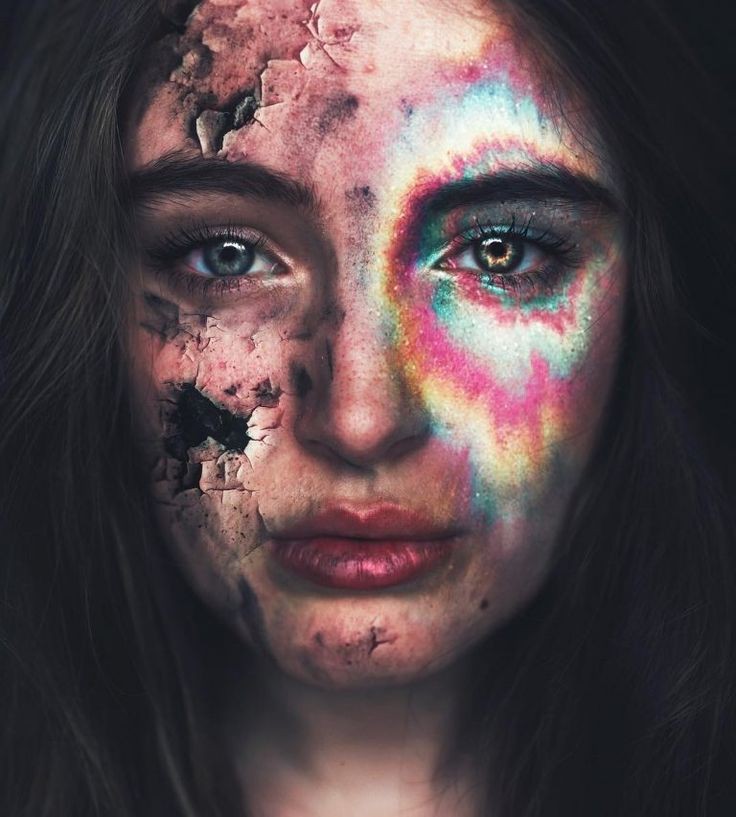
I never feel confined by gender, by labels, by expectations, by stereotypes. I’m free to be myself.
Princess Nokia
Introduction
During the last two decades it is said that to be a women is the most precious gift a human can have . To be able to give birth to another human being that lives inside precisely 9 months at most .
But their is another dispute that a women can only be a insider . That can fulfill the needs of the dominant society.
Isn’t these two statements are contradictory. In first one a women is a precious gift and in another she can only fullfill one’s needs but only in four walls .
Aren’t they human or a thing that can only live under the roof of men for living ?
Women have always played an important role in the society . Even in the ancient times , they were considered as an equal with the men . So what change , the air , the water , the life style or the mindset . We can also say that the stereotype mindset in society .

Years and years before people grew their ego and think about their individual benefits. Women lead life with virtue , wisdom and respect .
When it start
It was all not same as it was now , their were times when women rule the nation . But due to the foreign invasion , women suffer immensely . At the mediaeval times , women came to be confined within the four walls of the house .
Mediaeval period also known as ‘DARK AGE ‘ as very few women’s were found to be a ruler at that period . It was the period when women brought to the deeds where they made to be inferior to men .
They were raped and brutally killed by the demons who think they can dominate them .
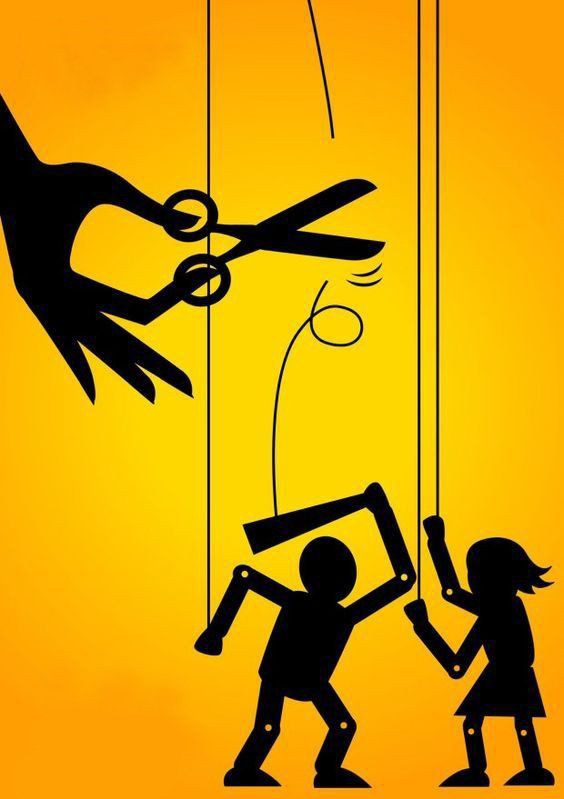
Rani Padmavati, Jodha Bai, Gulbadan Begum, Nurjahan, Jahan Ara , Mumtaj Mahal, Razia Sultan , Jija Bai are some of the women who fought for their right , safety , people , family and love also saved many .
“And one day she discovered that she was fierce, and strong, and full of fire, and that not even she could hold herself back because her passion burned brighter than her fears.”
– Mark Anthony
Modern era
It’s a century of love , reliability , equality and most important individuality .
Then why women are always compared to the men . Why they questioned when they are innocent . ( Well not all are innocent and victim , just for those who are ) .
I do believe that men and women are different . Their differences doesn’t make them weak . It’s just a perspective and view of people that make them vulnerable .
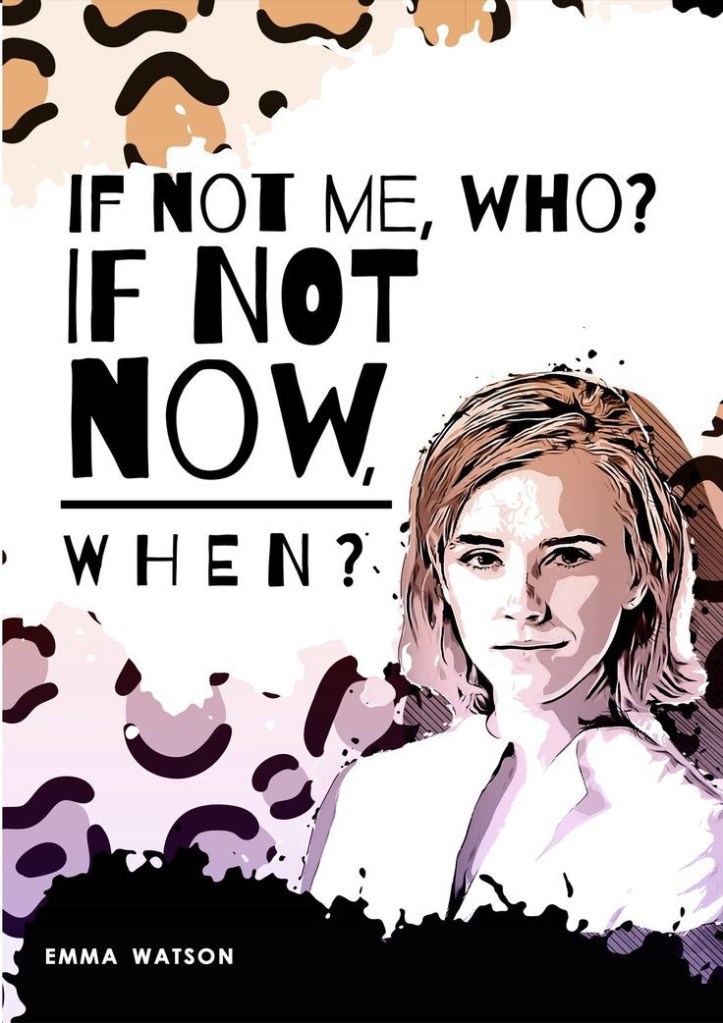
But do women care , it’s their own life not to say that anyone means ANYONE can come and stamp their ‘so called ’ rules on them . Not against the male gender but to those who think they can dominate and lock them in four walls .
Not to say, if women lock men in four wall room . So what will happen to them . Umm. Let’s think , they run like a horse at the time when the room unlocked .
If OJO -MOJO can’t stay in their rooms can’t OLLE do the same . Yes she can , also kick their humpy dumpy bum.
Let’s end the topic and eat some more . It’s a 21st century donot let someone walk on you , you can stand for yourself .
“Don’t let anyone speak for you, and don’t rely on others to fight for you.”
– Michelle Obama

This editorial is written under one’s perspective . Neither against any gender nor in favour .
GENDER? No, we aren’t supposed to impose it at birth.
The above statement may appear intriguing to some, but that’s what we need to do, at least in 2021. Even today, majority of the world population is not aware about the distinction between ‘sex’ and ‘gender’.
Gender is something that is most often thrown and forced upon us according to the sex we received at birth. We are told to act, dress and behave in a certain way. In more simple words, ‘sex’ is what nature has given us at birth, for example, ‘female’ and ‘gender’ is something that we identify ourselves with as we grow up, for example, ‘woman’.
In this way, we can say that gender is a social construct, that is, gender is a human made concept while sex is a naturally grown system we have on our respective bodies since our birth.
It is also important to note that gender is variant and we would be doing injustice to the gender minorities like agender, non- binary and gender fluid people if we overlook them.
Moreover, we should also keep in mind that, lack of awareness regarding the difference between ‘sex’ and ‘gender’ is one of the main reasons of patriarchy. As mentioned above, since our birth we are expected to behave in a certain way. For example, when a male child is born, we expect them to be tough and physically strong and compare them with wild tigers and lions while when a female child is born we expect them to be soft and pleasant like an angel.
Another example could be, male toddlers are gifted guns and cars whereas female toddlers are gifted doll houses and ‘kitchen sets’, because from the beginning only we have this sexist notion ingrained in us that the male child will grow up and ‘earn’ the bread while the female child will ‘bake’ the bread.
‘Sex’ and ‘gender’ are most often used interchangeably and this also contributes to patriarchy, in fact it shows how patriarchy is deeply ingrained in us. Some of us indulge in patriarchy without even knowing it.
Patriarchy may favour males but it is beneficial to no genders in the world. In global context, gender expressions like ‘feminine’ stereotypically means one needs to be loving and
caring and ‘masculine’ stereotypically means one needs to be daring and challenging. Now here comes the problem- for example- a male who has ‘loving’ and ‘caring’ characteristics and identifies himself as a ‘man’ suffers due to these socially constructed ideas of being ‘masculine’. Similarly, a female who has ‘daring’ and ‘challenging’ characteristics and identifies herself as a ‘woman’ has to suffer due to the culturally made concepts of being ‘feminine’.
Another interesting thing is to note that if a man identifying male has some stereotypically feminine characteristics like caring, being soft and submissive, they are trolled and if a woman identifying female has some stereotypically masculine characteristics like daring, being loud and dominant, they are praised. This proves that the patriarchal world we live in hates femininity and just loves masculinity.
If a man celebrates his masculinity, he is praised but if a woman celebrates her femininity, then she becomes inauspicious for the society. It is important for us to note that femininity and masculinity is subjective and depends on person to person.
Social issues related topics.
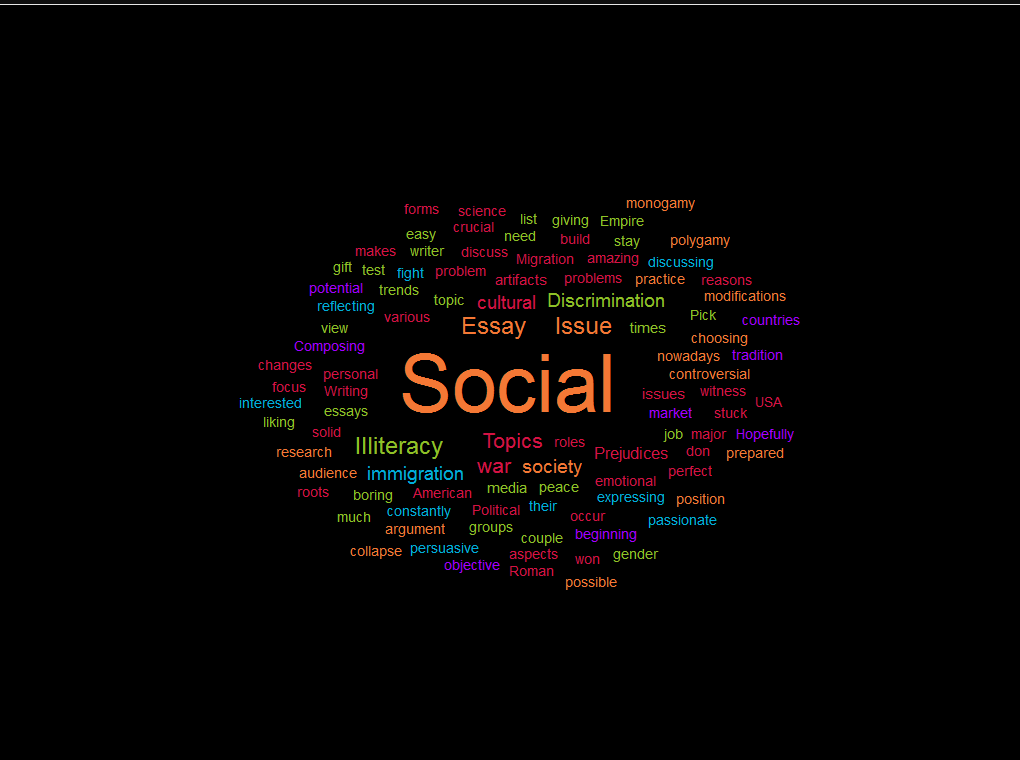
Common Examples of Social Issues:-
* Poverty and Homelessness
* Climate Change
* Overpopulation
* Immigration Stresses
* Gender Inequality
* Health Care Availability
* Childhood Obesity
* Bullying
* Poor Leadership
* Fixing Common Social Issues
* Raise Awareness Through Education
* Covid-19 & Global Pandemic
* The Black Lives Matter Social Movement
* Green Energy Conversion
* The Presence of the U.S. Military Troops in Afghanistan
* The Challenges of Remote Education
* Arctic Pole Environmental Situation
* Global Pandemic & Vaccination
* Travel Restrictions
1. Poverty and Homelessness:-
Poverty and homelessness are worldwide problems. According to Habitat for Humanity, one-quarter of the world’s population lives in conditions that harm their health and safety. Many do not have shelter, a basic human need for survival.
This social issue also goes beyond the 25% of the population directly affected. Because of the lack of shelter for this vulnerable population, there is greater stress on government and social programs, including schools and healthcare systems.
2. Climate Change:-
A warmer, changing climate is a threat to the entire world. Climate change affects the entire world population, and the Union of Concerned Scientists calls this social issue “one of the most devastating problems humanity has ever faced.”
The 800 million people already living in extreme poverty will be impacted most severely. Around the world, people are already noticing warmer winters, more severe storms and rainfall events, and more frequent wildfires. These issues already put stress on governments and systems in many countries.
3. Overpopulation:-
As the population of the world grows, resources become scarcer. The United Nations reports that the current population of 7.7 billion people is expected to grow in coming decades, with a projection of 8.5 billion people by 2030.
The fastest growing areas of the world, such as sub-Saharan Africa, often face already scarce resources like land for farming. As the population becomes more than the country can sustain, people will need to move elsewhere to avoid starvation and homelessness.
4. Immigration Stresses:-
People move from one country to another, and in itself, this isn’t a social problem. However, immigration can place stress on government programs and social systems within a country, and it can be a divisive topic in a society. These immigration-related stresses affect many people.
For instance, the Pew Research Center reports that the United States has more immigrants than any other country; 13.6% of the U.S. population identifies as an immigrant. This is a divisive issue in the U.S. population, with some groups calling for stricter immigration laws. Although the majority of U.S. citizens welcome immigrants, a 2019 Gallup poll indicates 23% of people think immigration is the most important social issue facing the country.
5. Civil Rights and Racial Discrimination:-
Civil rights, or the rights of citizens in a country to have equal treatment socially and politically, is another one of the most significant social issues in America and around the world. More than 40 years after the Civil Rights Act passed, almost 60% of African Americans still live in segregated neighborhoods and 90% of African Americans report that racial discrimination is still a major problem.
6. Gender Inequality:-
A report from the Pew Research Center Fact Tank indicates that about 50% of Americans feel the country needs to do more to address the income gap between men and women. Women still lag behind men in wages and top leadership positions held, although they are now more likely to attain a college degree.
Worldwide, the situation is even more extreme. UNICEF reports that 12 million girls are married before they reach adulthood, and 98 million high school-aged girls do not attend school.
7. Health Care Availability:-
When people are sick or hurt, they need access to medical care to get better. According to the Centers for Disease Control and Prevention (CDC), almost one in 20 U.S. citizens do not obtain needed medical care because of the cost. Worldwide, 97 million people become impoverished by seeking needed medical care, as reported by the World Health Organization (WHO). Governments around the world are working on this problem, as are nonprofit organizations.
8. Childhood Obesity:-
However, the childhood obesity epidemic doesn’t affect all children equally. Children in families where the parents have more education and higher incomes are far less likely to be obese than those in families with less education and lower incomes.
9. Bullying:-
Obesity can also have an impact on another important social issue: bullying. The PACER National Bullying Prevention Center indicates that obesity and other appearance issues are among the top reasons children report being bullied.
Despite recent anti-bullying initiatives, more than 20% of American students report being bullied. A third of those being bullied report that it happens at least once or twice each month. Additionally, 24% of middle school students report they have been victims of cyberbullying, or bullying conducted online.
10. Poor Leadership:-
Many of the social problems in society are connected in subtle ways, but all social problems are connected to the leadership of countries, corporations, and other groups. An ongoing Gallup poll asks Americans to rate the most important problems and social issues facing the country. By far, the most significant issue was poor leadership; 28% of respondents list it as the number one problem.
11. Fixing Common Social Issues:-
Although many Americans feel their leaders are the biggest problem they face, governments, corporations, and communities are working to fix some of the top social issues. These are just a few of the actions they are taking:
- Schools are implementing anti-bullying programs, which the PACER National Bullying Preventions Center says can decrease bullying by up to 25%.
- Community efforts to help reduce childhood obesity include adding salad bars to school lunches, focusing on physical fitness, and adding obesity prevention initiatives to hospitals.
- The U.S. enacted the Affordable Care Act (ACA) to begin addressing the challenges in health care availability, and it remains an important political issue.
- The European Union is on track to meet its goals for reducing carbon emissions and helping mitigate the effects of climate change. Other countries are also working hard to make progress.
12. Raise Awareness Through Education:-
Discussing social issues can be contentious, but it’s also an important part of making progress on these problems facing society. Community and classroom activities involving social issues can help raise awareness for these topics. Writing about social issues can also help expand people’s understanding of these important challenges.
13. Covid-19 & Global Pandemic:-
Without a doubt, almost every sector of modern life has been affected by the global pandemic restrictions and the rules of social distancing. Even though several countries of the world seem to return to normal life, the matters of logistics and global trading are still vague. As an example of social topics dealing with this issue, you may consider writing about how the Covid-19 crisis has affected a particular company or the entire industry.
14. The Black Lives Matter Social Movement:-
It is hard to find anything that has marked the last two years in terms of social importance. The Black Lives Matter movement has captured the entire world because the issues of racial prejudice are relevant as ever. In terms of possible topics, you can compare the BLM movement with the student protests in the 1970s or the Montgomery Bus Station protest.
15. Green Energy Conversion:-
This social issue is mostly related to environmental problems, yet the global conferences in 2021 are dedicated to finding safe ways to convert all available energy to safe methods. You may consider writing about the latest innovations to the solar energy sector and talk about wind turbines if you are majoring in Electrical Engineering. At the same time, you can consider writing about school education and the importance of educating the youngsters about our environment.
16. The Presence of the U.S. Military Troops in Afghanistan:-
It is a sensitive social issue in the United States as President Biden has announced about the troops leaving Afghanistan in 2021. This social topic is s quite important as it is not only a political issue but also a matter of national security.
17. The Challenges of Remote Education:-
As we are making it through yet another year of distance learning with Skype and Zoom solutions for video conferences, the challenges of modern learning are evident. Consider writing about how the student habits and attitudes have changed in 2021 and think about what pros and cons of this issue you can explore.
18. Arctic Pole Environmental Situation:-
The Arctic Pole Ice Shield is the social issue that became apparent in 2021 as explorers and scientists from all fields of science started to reveal updated information. Regardless of your college course, you can approach this social issue through the prism of environmental protection, political bias, economics, marketing, and even the logistics that are also present in this sector.
19. Global Pandemic & Vaccination:-
The subject of vaccination might be among the most discussed social issues today, yet it does not make it to the lists of immediate issues because of the political games at play. For example, you can write about unequal distributions of vaccines to certain countries and the ways how politics manipulate this sensitive matter.
20. Travel Restrictions:-
As the warm times are coming closer, the majority of people think about traveling. Even if you are not up for the times of leisure, you may consider some business travels. The list of restrictions is changing all the time, which makes it a relevant social issue in 2021. You can consider writing about new safety regulations and the ways how the Covid-19 has affected our travel routines and rules.
Reference Links:
https://examples.yourdictionary.com/common-examples-of-social-issues.html
Emerging Trends in Social Media

Over the past decade, social media has managed to secure a special position in our hearts.
Like every other evolutions in the world, the way we use social media platforms also evolves.
With the quick growth of social media, trends change every second day and thus brands and individuals are in a hurry to adopt them fast!
Major Trends…
1) Augmented Reality
Augmented reality (AR) is an interactive experience of a real-world environment where the objects that reside in the real world are enhanced by computer-generated perceptual information, sometimes across multiple sensory modalities, including visual and auditory.
How it is used in different ways in social media?
Now, during the pandemic times, it wasn’t easy for people to go out for shopping and try out the things they wanted to purchase.
So Augmented Reality became an important feature in social media apps so that consumers can try out the business products from their respective homes.

MORE COMMON EXAMPLES OF AR IN SOCIAL MEDIA
Mark Zuckerberg, founder of Facebook, recently said Augmented Reality has slowly become the company’s “topmost priority” .
We have already witnessed how social media apps like Snapchat and Instagram have become more AR oriented– all the face filters that we use on such social media apps are nothing but small facets of Augmented Reality.

2)VIRTUAL REALITY
Virtual reality (VR) refers to a computer- generated simulation in which a person can interact within an artificial three-dimensional environment using electronic devices, such as special goggles with a screen or gloves fitted with sensors.
Users have a realistic feeling experience when it comes to Virtual Reality.
VIRTUAL REALITY IN SOCIAL MEDIA
A) VR CHAT
VRChat is a free-to- play massively multiplayer online virtual reality social media platform. It allows players to interact with others as 3D character models.
Users can interact via text chats and then play the games according to their needs.

B) FACEBBOOK SPACE
It allows an integration with Facebook, which makes it easy to invite our friends and acquaintances to the VR world.
Three people can actually interact using a VR device. This has however now been discontinued.
3)Shopping through Social Media
Many new brands and business firms deal with their consumers entirely though social media platforms like Facebook and Instagram.
Both these social media platforms provide services like a complete e- commerce portal and also allows business firms to show their products on the platforms while attaching a link to the firm’s official website. Customers can view products, see prices and can directly order products from these social media platforms.

4) News Culture on Social Media
This is one of the most popular trends we tend to see these days on social media. People spent most of their times in social media and therefore many mainstream media channels maintain good interaction with their audiences on social media platforms like Instagram, Facebook and Twitter via video stories, pictorial presentations and like.
Many new media houses are completely based on social media. People mostly get to know about recent happenings through social media.
Twitter as compared to any other social media platform has distinctively been credited for instantaneous news.

5) Hash-tag Culture
This is another form of social media trend that can be seen these days where interested groups make a hash-tag phrase (for example: #xyz) regarding their concerned matters.
This has widely been witnessed on Twitter and Instagram where users make their interested topics “trendy” on social media. This is especially done on Twitter to bring anything to public notice.

Is it the end or the begining of new era.
“Everything that has a beginning has an ending. Make your peace with that and all will be well.” ~
Jack Kornfield
Life is not always meant to fill with bliss and happiness . It also has its demon and darkness . And we are unable to understand the consequences that can be happen in future .
This is what we are facing now and it’s popularity is all over the world . Well well .. we all met the celebrity i.e., known as “ CORONA VIRUSE ”
Yes yes I know how much amazed we all were when we get to know about it . The excitement leads to the death of 1/4 of a population . Let’s move on from the gossip girls .
“But you are involved in the world, and your actions have consequences for other people, and if you don’t recognize that, then that’s the supreme kind of cruelty. Everyone shares someone else’s fate to some extent.” ~
Malcolm Bradbury
Like a gentle men he is . Malcolm has distracted us from the main theory that is “ Every action has equal and opposite reaction ”
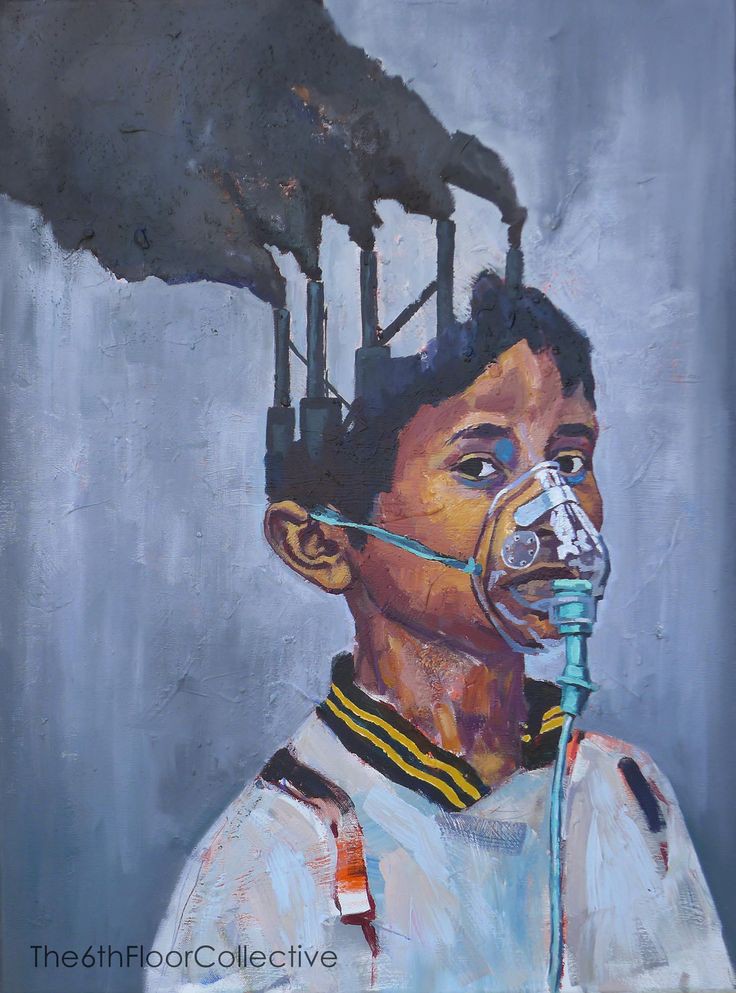
From the past decades , census has been directly pointing out the deterioration in Nature . It leads to the extinction of wild life . More than one million of species had been reportedly facing problem and extinct .
So what do you think . Is it a revenge that nature is taking in the form of corona virus ?
Or
Is it a lesson to the human kind for playing with the nature ?
Well in both questions we get one thing clearly that is human kind has to pay .
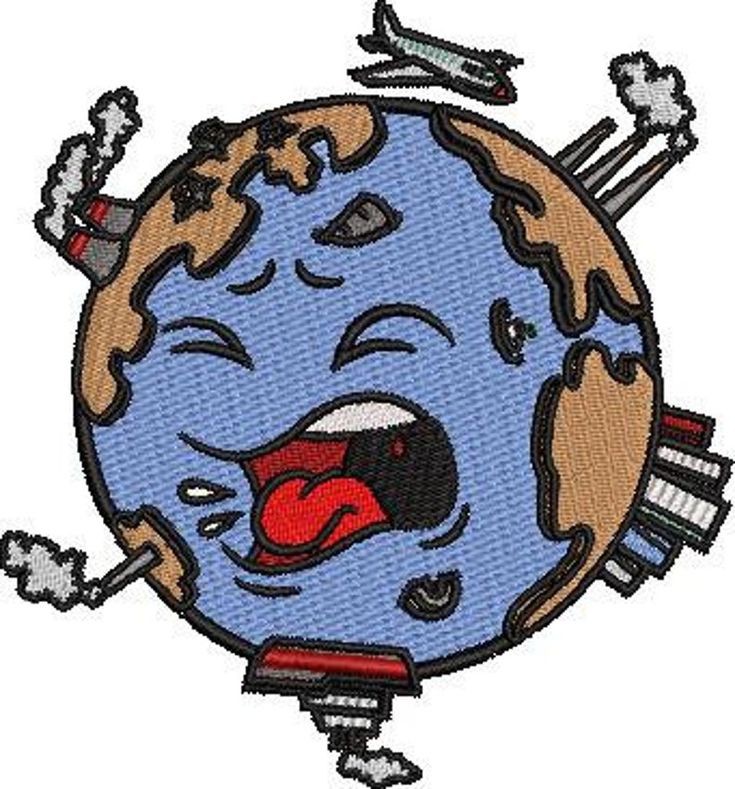
Based on the report by WHO more than 3.3 million people died due to COVID19 in January . Their are “excess death” of people which caused mass havoc in the mind of the people all over the world .
So where were we virus , death , human kind , extinction . Ohh yeah now I remember we were talking about the hate of nature for human beings . Ops , sorry . Don’t mind sometimes I just flow with sentiments .
Well , yeah we were talking about the devastation in the human world by nature .
I am not a socialist or a misanthrope . I loved nature as much as you do . But what we didn’t understand is that how much we hurt our environment . And when we come to the realisation .
It’s being like OJO run his lovely Siren on MOJO . What , who is Siren . Siren is OJO’s favourite truck . Yeah I know I am very funny .
Reality hits us with the truck in the form of COVID .

I really do talk about COVID in this editorial rather than I used in my daily life .
We need to recreate our life in the form that It will not harm the nature . I know it’s a tough time to speak about this but until we will not stop ourselves for our wrong doing . It will come back to us and hit it with the force that no human kind can protect themselves from the destruction.
Embrace a new perspective.
Let move together to the new world where we can live with nature
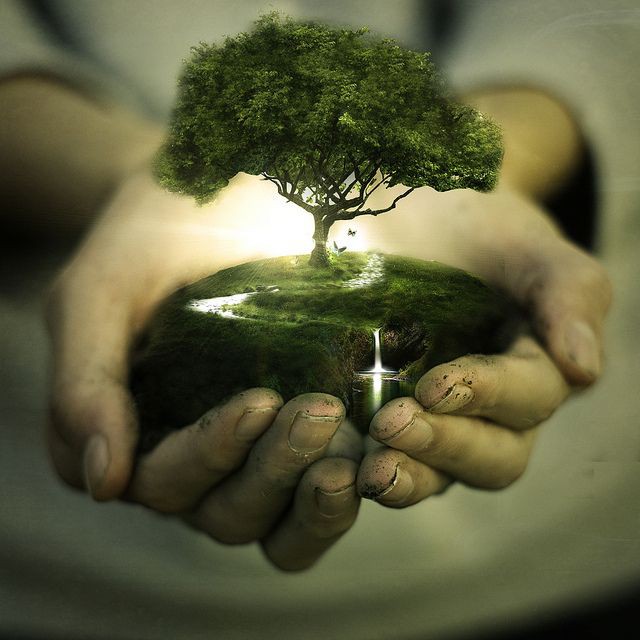
This given editorial is written under one’s perspective. I am not judging anyone’s decision . You have youern own perspective and i am standing with that .
Decline of Political participation of Females in India
Since the beginning of rebellious movements against the oppressive British regime in 19th century, women have played an integral part in freedom struggle in India. From Rani Lakshmibai in 1857 to Mantangini Hazra in 1942, women have always upheld the patriotism and love for their nation.
Sarojini Naidu, an Indian political activist, joined Indian Independence movement back in 1905 and later became the Governor of Uttar Pradesh in Independent India, making her India’s first female Governor.
In the post independent India, prominent freedom fighter Sucheta Kriplani became the first female Chief Minister of India for Indian State Uttar Pradesh. In 1966, Indira Gandhi became the first female Prime Minister of India.
But if women participated in Indian politics and independence movements so actively at a time when women weren’t even allowed to walk out freely, why do we see a sudden decrease in participation of women in Indian Politics in 21st Century?
In 1990s, there were about 6 sitting female Chief Ministers in India and in 2021, there is only one sitting female Chief Minister in India, that is, Mamata Banerjee in West Bengal. Let us see the reasons behind lack of participation of females in Indian politics.
Assault on Indian female politicians:
India holds a bad history of torture, discrimination and hostility towards female politicians. From Ms. Jayalalitha who was brutally assaulted in late 1980s to Ms.Mayawati and Ms. Mamata Banerjee who were assaulted ruthlessly in mid-1990s proves that Indian Politics has never been safe for women. These female politicians were assaulted especially by male chauvinists to intimidate them for being a woman and raising voice in politics. These assaults discourage women in India to join politics.
Indian Political Parties are Male-dominated:
Unless a political party is formed by a female, all other political parties be it left, right or centre are by nature male-dominated in India. Females are not given powerful positions in these parties which further lower their self-esteem and this influences other women negatively to not join politics.
Systematic Sexism in Politics:
Even if women are given political positions, they are mostly given those positions that are stereotypically considered “womanly”. Women holding positions are also often harassed by male politicians. Women who want to hold more prominent positions thus get discouraged. Although some things have changed in recent years where we have seen women holding powerful positions in Defence and Finance Ministry, still a lot more has to be done.
Patriarchal Society:
This is a bitter reality that our male-dominated society doesn’t love “dominant female leaders”. For instance, when in 2019, two Female MPs from West Bengal wore a shirt and jeans, they were criticised and shammed for wearing western whereas so many male members in Parliament wearing jeans wasn’t an issue. The fear of getting judged by the society also discourages women to join politics.
What can be done to improve the situation?
First and foremost, we should make a safe political environment for women and listen to the issues they face in politics. Second, society and the government must have a feminist approach so that women come out and lead political movements. And lastly, although India has women friendly laws, these laws aren’t implemented and thus proper implementation of these laws must be done, for example, taking strict action against male politicians who make misogynistic statements, abuse women and like.
Being in the imagination or live in the realistic world .

Being born in money or torn away by poverty is the world where we live
The Hallucination
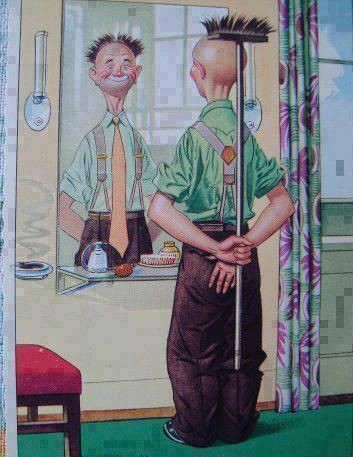
Are the money makers living their life without fear ?
Can a poorer get to live more life than its fated ?
Will you ignore the one who hurt you immensely ?
Or like a coward , can you run from the truth ?
If yes , than pray to god for providing you such an imaginary world . Don’t take it seriously but you really need to wake up .
The Truth
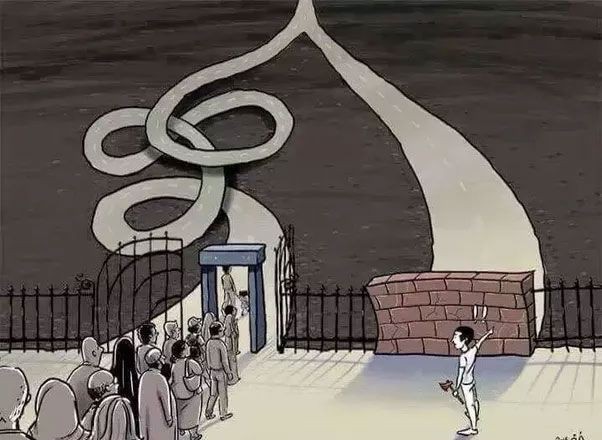
The life that we are living is not a game to play . We need be realistic while taking decisions in our life . I don’t want to sound like an arrogant person . But we need to think before taking any decision because it may or may not harm our future . In our life we only focus on materialistic things and grow accustom to them . Which leads to the situation where we become selfish and fiercely jealous to one’s personality .
We judge them regarding to their status , money , power , clothes and their physique . Ding ding …. It’s time for the truth we become impetuous .
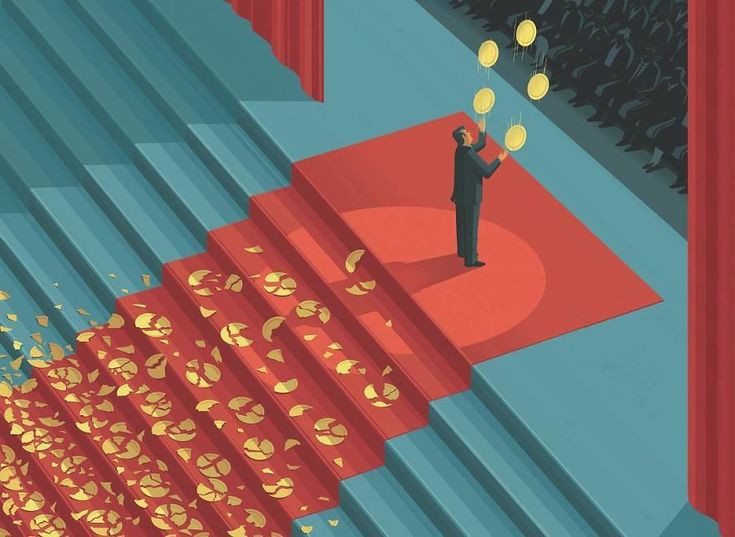
So what we learn from OJO -MOJO . 1. Like OJO that donot study and fail in your class. OR 2. MOJO that learn workhard and get award from the school . I choose options 1 (hehe don’t get any ideas I am a hardworker so I will choose my handsome MOJO not an overconfident OJO )
The REALITY
Not against the world of imagination just a believer of reality .
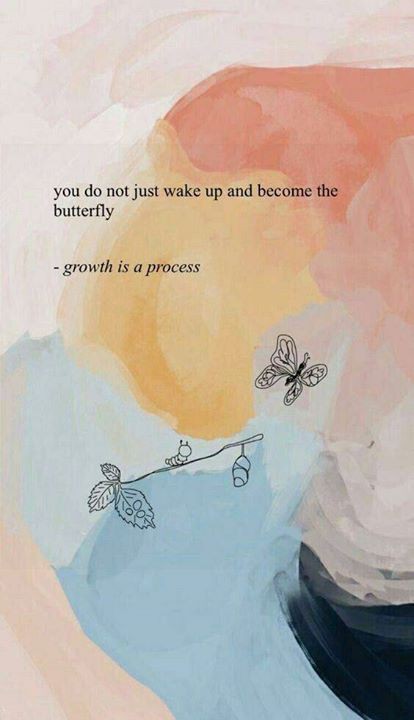
Life is not easy I agree with you but can we make it easy , Is the question only you can answer .
For me , we can only when we are focusing on our work rather than its result . I am not repulsive about getting a promotion on my first day on the work . But I am excited about learning new things and improve my capabilities . That how we need to react . I didn’t get the idea of getting a luxurious jet when I didn’t even have a penny to spend on my health . Well if you can just don’t forget to take me as well ( Huh.. greedy me ) .
I do imagine my life being in the island with some hot people around me ( its a wild imagination) . Well I can’t change that . But what I can change is the accept the reality ( like sitting in my PJ’s , eating popcorn and drooling over Michele Morrone yeah I am fan of 365 days ) .
Conclusion
Life is a series of natural and spontaneous changes. Don’t resist them; that only creates sorrow. Let reality be reality. Let things flow naturally forward in whatever way they like.
Lao Tzu

things that are written in the blog is my perspective of life . i am not taunting anyone .
its your life you can live according to your rules .

and yes pictures that i used in the blogs are from pintrest .

enjoy your reading .
CHILD LABOUR
INTRODUCTION
The best phase of human life is childhood. It is the most innocent phase of our life. In this stage human foundations are laid for successful adult life. In this phase we spend the most cosy, carefree and tension free lifestyle. We pass our time by playing, and leading a tensionless fun life. But there are many children who spend their life supporting themselves instead of spending it in a carefree and fun-loving manner because for them learning and playing are scared and tormented. They are controlled & tortured by others.
They want to get out from this dark world but they are forced to stay in this world. This is the true story of the child labour. Child labour is term that we all heard about in news or in movies.
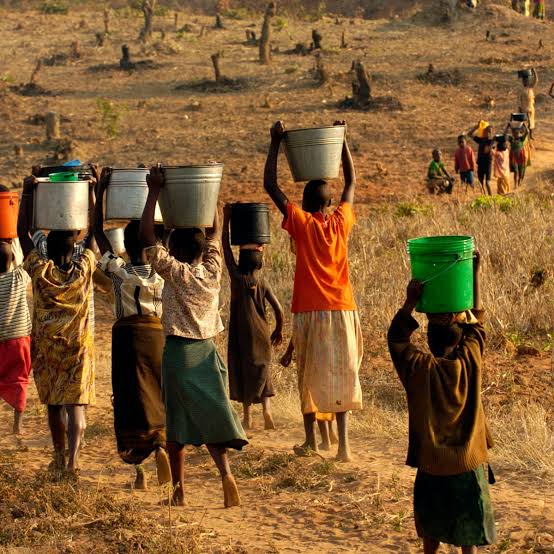
Child labour is a crime. In some underprivileged families who are suffering from poverty, children are forced to work from a very early age to support themselves economically because they expect their kids to take responsibilities of working and provide food for them.
Industries and individuals take the advantage of their poverty and employ children to put them to work at very low payables.
They are forced to work for long hours in dangerous factories. Sometimes they are forced to carry heavy loads that weigh even more than their body weight.
Then comes some individuals’ who hire children in their house for domestic help. They are so rude that when the children make a single mistake they beat them and torture them physically.
Those children do not get proper food to eat or clothes to wear. Sometimes they are made to starve and given worn-out clothes to wear. This is the story of many children who are suffering in this cruel world.
The average age for a child to be appropriate to work is considered 15 years or more, below this age limit won’t be allowed to indulge in any work forcefully.
Child labour takes away the kid’s opportunity of having a normal childhood a proper education and physical and mental wellbeing in some countries. It is illegal, but still now it is practiced in many countries.
CAUSES OF CHILD LABOUR
The main reasons for the ever-growing child labour are poverty and lack of education.
The parents think that their children are money-making machines. To earn more money by getting sympathy from other people they carry infants on the street begging.
Then when they grow up, they take them and eventually sell them to employers.This is a sickness that is rampant across the length and breadth of India
But other than poverty and lack of education, many other reasons are also responsible for child labour.
Firstly, it is common in those countries where unemployment is more than poverty. When the families are unable to earn enough money to support their lifestyle they put the children to work so they can have enough money to survive.
At the same place if the adults
are unemployed. The younger ones have to go to work. When people are illiterate then it is very common that they will send their children to work. This is because being uneducated all they care about is short term results due to which they send children to work even if the earning is less to survive their present . This destroys the future of children. They also remain uneducated and later after growing up when they start their own family they repeat the same thing as their parents did i.e., sending their children to work at an early age.
WORST CONDITION FACED BY CHILD LABOUR
India is in the second-highest number of child labour after Africa.
The worst employment bfir children is bonded child labour which is also known as slavery for lifetime.
Indian Parliament passed an act on the bonded labour system in 1976 but in spite of this act people still keep on practicing this system. It is estimated that almost 10millions children are victims of the bonded child labour. They work as domestic servants in India. Apart from India, almost 55 millions of children are hired across the world for bonded child labour.
The children are sold to money lenders as a payment of the money borrowed by their parents which they failed to return.
Children living in streets, instead of going to school, work in streets as a beggar, or selling flowers. This also is an example of child labour of different category. They are made to stay without eating food for many days so that people feel sad for them and give some.
Nowadays child labour couples who abuses child has become one of the greatest maladies across the world.
Every year the number of child abuse increases especially in the case of the girl child.This usually happens when someone abuses a girl at home, then to hide this fact her family sell her to an employer or money lenders as domestic help or the girl gets married to a man older than her age.
ERADICATION OF CHILD LABOUR
To eradicate child labour we should formulate some efficient solutions which will save our children. The future of other countries dealing with these social issues will also get enhanced. With the help of this one can create several unions that work to prevent child labour solely. It would help the children to indulge in this work and punish those who make them do it.
Stakeholders must take responsibility
Increased access to education
Provide support for children
Improve economic growth
Engage with the Sustainable Development Goals
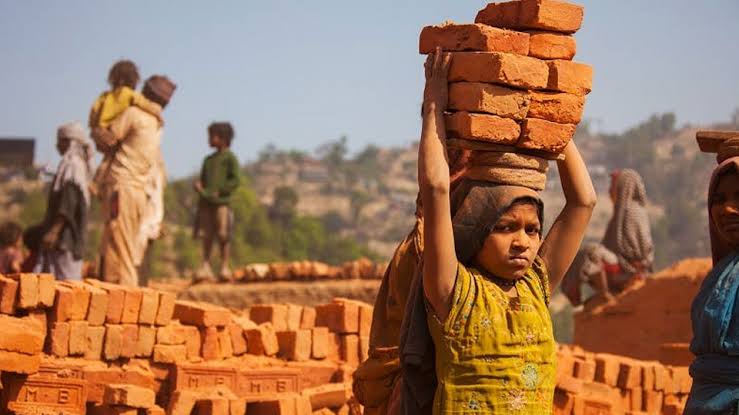
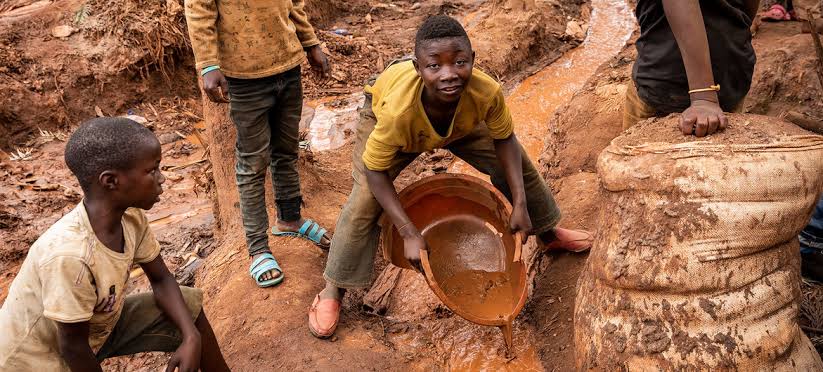
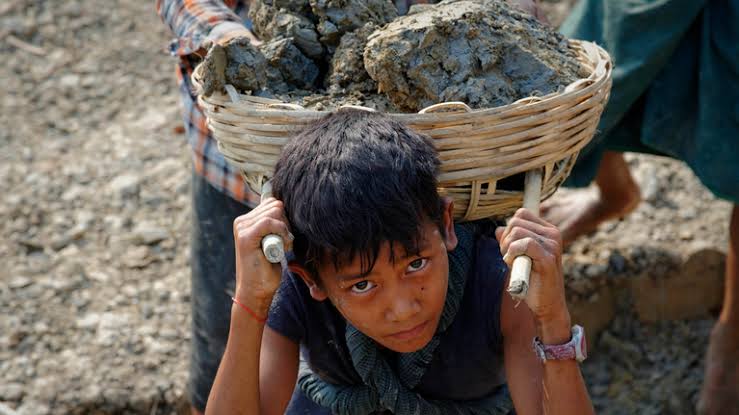
@track2traininginstitute @track2trainingseminar @edunewsnetwork @hariyaliinsitute
IMPACT OF HUMAN POPULATION ON ENVIRONMENT
WHAT IS POPULATION
The number of organisms of the same species that live in a particular geographic area at the same time, with the capability of interbreeding is called population.
HUMAN POPULATION:
Human population refers to a collection of humans living in a particular geographic area. The social science that entails the statistical study of human populations is called Demography. Thus, human population is the number of people in a city or town, region, country or world; population is usually determined by a process called census (a process of collecting, analyzing, compiling and publishing data).
HUMAN POPULATION GROWTH The increase in the number of individuals in a population is population growth. Annual global human population growth amounts to around 83 million or
1.1% per year. In 1800 the global population was 1 billion which has rises to 7.9 billion in 2020. The UN projected population to keep growing, and estimated that by the middle of 2030, 2050 and 2100 the total population will rise to 8.6 billion ,9.8 billion and 11.2 billion respectively. But some academics outside the UN have developed human population models that shows the additional downward pressures on population growth. They also suggested that if this happens then the population would peak before 2100.
POPULATION EXPLOSION AND ITS CAUSE:
The sudden increase in population growth in an unmannered way is called population explosion.
Causes of population explosion:
The causes of population explosion are as follows:-
High Birth Rate
The major cause responsible for the rapid growth of population is high birth rate. In India, the birth rate was found to be 45.8 per thousand during 1891-1900 and 25.8 per thousand in 2001, but still it is considered to be substantially high. This shows in spite of the increase in the widespread propaganda of family planning, family welfare programmes and population education campaigns, instead of a decrease in the birth rate it is increasing.
2. Low Death Rate
The death rate in recent years has phenomenally fallen which is another important factor that leads to the rapid increase in population. The death rate in India was about 8.5 per thousand in 2001. But because of the advancement in medical science, dreadful and chronic diseases such as smallpox, cholera, plague, typhoid are no longer dreaded. Better facilities for sanitation and cleanliness, provision of pre-natal and post-natal care has also reduced infant mortality rate.
3. Early Marriage
The practice of early marriage is another important reason for the rapid increase in population in India. The marriage of girls at an early age results in a longer span for reproductive activity and thus leads to an increase in the number of children.
4. Social and Religious reasons
In India,marriage is a compulsory institution as per social norms.so people have to marry.Therefore, people do not hesitate to increase the size of the family as in a joint family everyone takes equal responsibility . Apart from this most people think that it is necessary to give birth to at least one male child so in expectatin of getting a male child, they go on increasing the family size.
5. Poverty
Poverty is another cause of population growth. Children are source for income of the family. So instead of going to school they go to work and thus prove to be an asset for the family. This makes the parents believe that every child born will become an earning member of the family.
6. Standard of living
People whose standard of living is low tend to have more children because an additional child is considered as an asset rather than a liability. Since majority is uneducated and think that every child born will become the earning member of the family they keep on increasing the family size.
7. Illiteracy
Most of the people in India are either illiterate or has the minimum education. This leads them to accept low paying work but fails to support the family resulting poverty. Due to the prevalence of higher rate of illiteracy, there is widespread ignorance in the form of social customs and beliefs like early marriage and preference for a male child. As a result, there is high rate of population growth in the country.
IMPACTS OF POPULATION GROWTH ON ENVIRONMENT: Population growth leads to overconsumption that causes environmental concerns, such as biodiversity loss and climate change, due to resource-intensive human development that exceed planetary boundaries.The impacts of overpopulation and the environment are often interrelated and complex.
Farming impacts
If the population increases the need for food also increases. To meet the need of food intensive farming is done.This includes harmful mechanisation, chemical fertilizers and pesticides that degrades the soil quality causing soil erosion. This also leads to eutrophication that depletes water from oxygen having negative effects. To create new farmland deforestation is done resulting in a negative outcome.
Agriculture is responsible for about 80 percent of deforestation.
Deforestation
Deforestation leads to a reduced ability to capture CO2, resulting in the increase of greenhouse gas problems. Deforestation is also strongly associated with loss of habitat and extinctions.
Human population increase is related to all of these deforestation pressures. The more people we need, the more food, more wood products, and more firewood.
Eutrophication
The main cause of eutrophication is agricultural runoff caused by the presence of excessive nutrients in bodies of water.
Eutrophication causes the dense growth of plant life that consumes oxygen, resulting in the death of aquatic animals. Other major sources of eutrophication are industry and sewage disposal–both related to population growth.
Loss of Freshwater
Although there are plenty of water resources,only 2.5 percent of water resources are fresh water, and only a small fraction of it is available as unpolluted for drinking purposes. This is because with the increase of Human population, human waste also increases which pollutes the water making it unsuitable for drinking. Also with the increase in population the need for drinking water increases thus water scarcity also increases.
Global Warming
Human population growth and climate change have grown hand in hand as the use of fossil fuels has exploded to support industrialized societies. More the number of people, the more is the demand for oil, coal, gas, and other energy sources extracted from below the Earth’s surface that spew carbon dioxide (CO2) into the atmosphere when burned, trapping warm air inside like a greenhouse. Most fossil fuel consumption comes from developed countries.It is a sobering thought that most developing nations aspire to similar industrial economies as they experience economic growth, which further escalates CO2 emissions into the atmosphere.
PREVENTION:The population can be controlled by following measures.
A. Social Measure:
Population explosion is a social problem and it is deeply rooted in society.
1. Minimum age of Marriage:
The minimum age of marriage should be raised because fertility depends on age of marriage. Fixed by the law the minimum age of men is 21years found 18 years for women.
2. Raising the Status of Women:
Women should be given opportunities to develop socially and economically.
3. Spread of Education:
The spread of education changes the outlook of people. The educated men will prefer to delay marriage and adopt small family norms. Educated women are health conscious and avoid frequent pregnancies and thus help in lowering birth rate.
4. Adoption:
Some parents who do not have any children are advised to adopt the orphan children. It will be beneficial to orphan children as well as lower the population.
5. Change in Social Outlook:
Social outlook of the people must be changed. Marriage should not be considered as social binding anymore.
6. Social Security:
People should be covered under-social security schemes. So that they do not depend upon others in the event of old age, sickness, unemployment etc. with these facilities they will have no desire for more children.
B. Economic Measures:
1. More employment opportunities:
The first and foremost measure is to raise the employment avenues in rural as well as urban areas.This step can check the population growth.
2. Development of Agriculture and Industry:
If agriculture and industry are properly developed then a large number of people will be employed and when their income increases they would improve their standard of living and adopt small family norms.
3. Standard of Living:
Improved standard of living acts as a deterrent to large family norms. In order to maintain their higher standard of living people prefer to have a small family.
4. Urbanisation:
People in urban areas have a lower birth rate than those living in rural areas. Urbanisation should therefore be encouraged.
C. Other Measures:
1. Late Marriage:
At the age of 30years,marriage should be solemnized. This will reduce the period of reproduction among the females bringing down the birth rate.
2. Self Control:
Self control is a powerful method to control the population. It helps in reducing the birth rate.
3. Family Planning:
This method implies family by choice and not by chance. People can regulate the birth rate by using preventive measures like cheap contraceptive devices for birth control etc.
4. Recreational Facilities:
For many people sex is the only recreation of life which is responsible for a high birt rate. But the birth rate will fall if other recreational activities like cinema, theatre, sports and dance etc are available to the people. As a result of which people will not have sex for recreation reducing in lower birth rate.
5. Publicity:
The communication media like T.V., radio and newspaper will propagate the benefits of the planned family to the uneducated and illiterate persons especially in the rural and backward areas of the country.
6. Incentives:
The govt. can give various types of incentives to the people to adopt birth control measures. This will result in small family norms reducing the birth rate.
7. Employment to Woman:
If women are given employment they will get incentives for their work. This will keep them busy and is a good measure of population control. @track2traininginstitute @track2trainingseminar @edunewsnetwork


MENSTRUAL HYGIENE: A CHALLENGING DEVELOPMENT ISSUE
Menstruation is still now a social taboo in Indian Society.The major reasons behind menstruation still being a taboo in the Indian society are illiteracy, poverty and lack of awareness.
WHAT IS MENSTRUATIONS?
The blood coming out from vagina normally occurs as part of a woman’s monthly cycle called menstruation or periods. Every month, our body prepares for pregnancy. The uterus, or womb, sheds its lining in case of no pregnancy . The menstrual blood is partly blood and partly tissue from inside the uterus. We can say that periods are the onset of puberty in girls. During this time a girl goes through several physical and psychological changes in her body. It is associated with bleeding along with stomach ache , nausea as well as mood swings.
After the onset of puberty , it brings various rules, restrictions, isolation and changed expectations in the girls life by the society. These changes in attitude towards girls such as restrictions on their self expressions, schooling, mobility and freedom has far reaching consequences on the mindset of women.
MENSTRUATION- A TABOO
In the Indian society menstruation is still considered as a taboo. Till now, adolescent girls are not given proper information about menstruation. People create major hurdles in educating girls about menstrual hygiene.
Mothers also don’t talk with their daughters about this topic because they feel shy while expressing the terms. Another reason they don’t discuss this topic is because most of them lack scientific knowledge on puberty and menstruation.
Most of the people in India, especially the girls are illiterate. This is one of the reasons for which menstruation is still a relevant taboo in our Indian society. The other important reasons are poverty and lack of awareness about menstrual health and hygiene.
Very less number (less than 18 percent) of Indian women use sanitary pads.
TROUBLES SUFFERED BY THE WOMEN:
In many families women’s freedom is still in the hands of patriarchal discourse. With the evolution of these cultures, there has not been any significant change in people’s attitudes and mentality towards menstruation.
In some families menstruation is still denoted as an unclean or embarrassing thing. For them even mentioning menstruation in public or private places is embarrassing. Most girls feel embarrassed to go to a medical store to buy sanitary pads for them. There are also many girls who cannot afford to buy the Sanitary Napkins.
Most of the girls in financially unprivileged families drop out of school when they begin to menstruate. More than 77 percent of girls and women in India use an old cloth, which is often reused, ashes, newspapers, dried leaves and husk sand during periods.
During these periods women are not allowed to participate in day-to-day activities. They are not allowed to enter the house or carry in with their household chores. They are even restricted from entering the kitchens. They are restricted from entering the temple. They are not even allowed to any sacred places and also not allowed to perform any rituals. They are restricted from doing all these works because they think that a menstruating woman is impure and everything she touches turns impure or bad. They think after menstruation a woman must be purified before entering the house or other places.
While menstruating, a woman goes through several psychological trauma and mood swings . During this time they should be given proper care but instead they are treated poorly by the society.
SURVEYS:
According to the latest National Family and Health Survey 58 per cent of young Indian women (15-24 years) use a hygienic method of protection (mostly sanitary pads) which is a significant increase from the 12 percent using pads in 2010. This is a consequence of greater attention to menstrual hygiene management over the past few years in India. This not only prevails in the Indian society but is a global issue.
On a global level, at least 500 million women and girls lack adequate facilities for menstrual hygiene management. The lack in appropriate information on sanitation and hygiene facilities, especially in public places like schools, workplaces or health centres can pose a major obstacle to women and girls.
CONCLUSION:
To prevent this troubles faced by the menstruating women in our society, we must give them proper education about menstrual health and hygiene, provide financial support or distribute sanitary napkins to the unprivileged women so that they don’t have to suffer the ill fate. @track2traininginstitute @edunewsnetwork

 Eduindex
You must be logged in to post a comment.