Electronic Wallets in India

It was only after the cash crunch of November 2016 that digital payments had received their booster shot into the mainstream Indian economy. Moreover, the increased penetration of internet and smartphone usage with government programs like Digital India have paved the way for electronic payments in India. The digital payment instrument that has gained exponential popularity among both the merchants and consumers however is the mobile wallet/e wallet.

A mobile wallet is a virtual place to carry your credit and debit card information in a secure digital form on your mobile device. Instead of using your physical plastic card to make purchases, a mobile wallet allows you to pay with your smartphone, tablet, or smartwatch in stores, in apps, or on the web. All it requires is to download these digital wallet apps from the app store or play store. Some of the leading players in this space are PayTm, Mobikwik, PhonePe, Google Pay among others.

There were multiple factors that contributed to the rapid adoption rate of mobile wallets in India. The increased use of the smartphones, the internet and improved telecom and payment infrastructure were drivers for the market growth due to the convenience smartphones offer in making payments. This growth in the mobile wallet market in the Asia Pacific countries is attributed to the falling smartphone prices. The granting of PPI licences (Pre-Paid Instruments) by the Reserve Bank of India played an important role in establishing e-wallets in the Indian market.

Features such as 1-click payment that enable user to easily pay across various services has made mobile wallet appealing to the users due to its simple working. There have also been multiple incentives offered by the mobile wallet companies through discounts and cashbacks to increase their appeal among the individuals. It is the ‘cost-effectiveness’ nature of these wallets that appeals to the merchants as the cost associated with acceptance of e wallets including setting-up infrastructure and transaction fees is much lower compared to the traditional card-based payment system. Paytm, for instance, does not charge merchant any fees towards installation and annual maintenance. While it charges merchant service charges for online payments, no charges are applied on QR code based in-store transactions.

However, it has not always been smooth sailing for mobile wallets even after their boost. They still face a few of the major challenges. Mandatory KYC and still evolving policies made by the government has had some negative impact on the overall growth of the adoption of these wallets. Additionally, while medium to large-value transactions continue to be made through digital banking and cards, only low-value day-to-day transactions are carried out through mobile wallets. Mobile wallets also face certain challenges from banks in establishing their foothold who are worried that it might negatively impact their revenue. Network problems and reliable and fast internet connectivity is not available in most part of the country and poses a challenge for those situated in rural and remote parts of the country. There is also a lack of awareness about the benefits of using wallets among traditional users who perceive online payment as insecure which is fuelled by instances of fraudulent activity in such transactions.

To remain competitive against cash and other alternatives, the wallet providers are now looking beyond ‘just payments’ and focusing on value-added services. These wallets encompass additional services such as utility bill payments, mobile top-up and even gold purchases. Some of the wallet providers such as Paytm and Airtel have also begun to move to other sectors to offer banking services, after receiving the approval from RBI. Although, mobile wallets appear to have a bright future in the Indian Market, several external market factors will also have an impact on their adoption. They need to keep on innovating and take advantage of the dynamism of market economics to stay in the game.


HEADACHE

Headache is a common problem that does not allow us to concentrate on our work. Nothing can take away the throbbing pain that headache causes. It may be caused due to injury, stress, eye strain, anxiety, or other medical conditions. Headache is called Cephalgia in medical terms. Many people suffer this discomfort frequently and don’t pay attention to it. But this simple headache may cause serious illnesses if left untreated. 

WHAT HAPPENS DURING A HEADACHE?

Our brain can recognize pain in various parts of the body. A headache is caused by the swelling of the blood vessels present in and around the brain. Most headaches occur in the nerves and muscles of the head and neck region. These nerves and muscles generate signals and send them to the brain which makes us feel the pain.

TYPES OF HEADACHES

Headaches are of two types – Primary headache and Secondary headache.

PRIMARY HEADACHE

There are types of primary headaches. However, some common types include

  1. Tension headache – It is the most common type which is caused due to stress and tension in the muscles of the head. It may start with a slow onset of moderate pain. It usually hurts on or around both sides of the head, in the back neck, and head. It usually goes away on its own but sometimes may need a pain reliever. For prolonged pain and chronic conditions, a doctor’s advice is required.
  2. Migraine – Migraine headaches are associated with throbbing pain along with some symptoms like nausea or vomiting, sensitivity and can last for several hours to few days. It may be caused also due to genetic reasons. Rescue medicine is prescribed by doctors to get immediate relief from the pain and preventive medicines to prevent future occurrences.
  3. Clustered headache – It is least common when compared with the other two types. It is characterized by sudden pain in any one side of the head and face. It occurs multiple times in a day and stays for 1-3 hours each time. It may be caused due to alcohol intake or tobacco usage. Treatment includes lifestyle changes and prescribed medication by the doctor.

SECONDARY HEADACHE

Secondary headaches occur because of any underlying issue or mental condition. It must be diagnosed and treated as soon as possible as it may create life-threatening situations at times. It may be caused due to bleeding of the blood vessels in the brain, tumors, abscesses, or high blood pressure. Symptoms include pain during changing postures, chewing food, etc. There are many subtypes of this headache according to the affected area and symptoms. It must be given at most care to avoid worsening of the condition.

SITUATIONS THAT NEED IMMEDIATE HELP

Sometimes headaches may be a symptom of a serious issue and occur to warn us of the disorder. If it is accompanied by drowsiness, seizures or fits, changes in vision, etc. then immediate consultation of a physician is mandatory.

CARE AND CURE

  • A healthy balanced diet of fruits and vegetables may help to stay fit and reduce the intensity.
  • Stress management relaxations and lifestyle changes can bring betterment.
  • Some counter medicines could be taken and soothing herbs such as peppermint, eucalyptus, flax seeds reduce pain as they have pain-relieving properties.

How Covid-19 pandemic has hit the fashion industry hard?

The coronavirus outbreak has negatively impacted the fashion industry on every imaginable level; production has ceased, retailers have closed, and demand has plummeted.

As we all know that fashion is an industry that runs on change with new trends, styles, and whole new ranges offered up every season. To meet those demands, it must keep the supply chain working at full steam to stitch up and ship out new fashions at breakneck speed.

According to reports the Global Fashion Agenda in its Pulse of the Fashion Industry 2019 study “Fashion companies are not implementing sustainable solutions fast enough to counterbalance negative environmental and social impacts of the rapidly growing fashion industry”.

Now the global coronavirus pandemic has brought sustainability to the forefront. As an immediate threat to everyone’s health, it demonstrates how fragile we are as human beings and how our future health and happiness depend on the healthy environment that we have around us.

The coronavirus crisis has crumpled the social fabric of our lives and the fashion industry as well. Be it the way we address our financial goals or the way we dress are in our hands which has been automatically crushed after the attack of this deadly virus.

Even as fashion titans like Louis Vuitton, Prada, Gucci and some Indian designers are casting their bread upon the waters to create safe and sustainable clothing (including PPE kits), the most that we can do is wait. and watch!

Fashion historians believe that people changed their dressing style after the 1918 Flu Pandemic, the Great Depression and World War II. The 2020 Covid-19 pandemic is no exception.

But after all this, fashion has not been put down but has found new ways. The outbreak of the coronavirus pandemic has impacted all spheres but be its online retail, or traffic on e-commerce sites like Amazon.com, E-commerce sales grew during the initial six months of 2020 as everything became online. The online market of second-hand and recycled clothes, shoes and accessories has also seen a spike during this period. Many retailers from the fashion industry in the U.S. and other countries went all out to find a different way to send products into the hands of the shoppers and started shipping as it can be time-consuming but profitable. Added to that, many consumers simply aren’t interested in buying clothes right now. There’s so much focus on purchasing essential items to survive during the lockdown and I think everyone’s minds have naturally been focused on that. So fashion just becomes an after-thought or no thought.

You may nod and naff in equal measure, but it looks like Back to Basics. Now fashion trends are varying as the world slowly emerges from the global quarantine. With weddings now becoming more intimate, smaller in size, the fusion trends will find favour with both brides and bridesmaids. Mirror lehengas, organza skirts, pre-stitched sarees, necklet gowns, dhoti-crop tops in handwoven fabrics and hand-done embroideries with traditional textile techniques will trend. It will also help support the rural artisans and handloom communities.

ENVIORMENTAL DEGRADATION

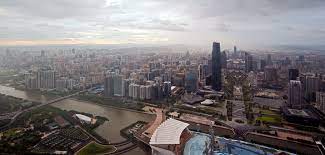
We are living in the 21st century, where infrastructure, services, and technology are developing with rapid speed. It's the era where everything is possible just on one click with the help of machines and high data speed. Everything can be accessed and monitored on a monitor.
As the time is passing, the population is increasing, people are shifting from rural to urban areas which is increasing urbanization, construction of multistorey buildings, development of transportation services, increase in industries and growth of industrialization.
No doubt all these developments, in one or the other way, are contributing to the growth of the nation, it's economy and GDP, but what about the pain and problems our environment is facing with these developments?
As urbanization is increasing day by day, especially if we talk in the context of India, this is causing a burden on the resources of urban areas, people are migrating to cities which means rural people don't want to practice agriculture, which will lead to less production of food grains. If population increases day by day and production will be less, this will ultimately lead to starvation of food in the country.
Moreover, people are moving in search of jobs and a high standard of living from rural to urban areas which is increasing the number of unemployed people in India, especially in urban areas.
When people travel from rural to urban areas they need shelter to live and due to which the forests are being cleared so fast. Urbanization leads to an increase in deforestation which harms the environment.
Deforestation leads to decrease of oxygen concentration in the environment, which is the basic need of every human. Secondly, it leads to soil erosion as the root of trees holds on the soil at one place, thirdly cutting down trees directly leads to increase in temperature and makes the environment warm.
Increase in industries on one hand leads to the growth of the nation, and provides employment to many people, but on the other hand it harms the environment so badly.
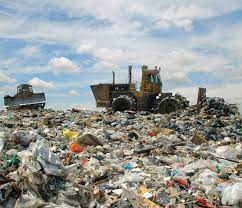
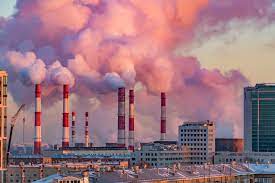
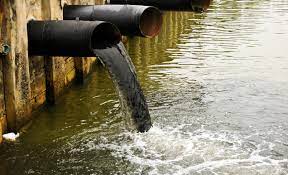
Industrialization shares a large proportion in degradation of the environment. It makes air impure, water dirty and improper waste management.
Industries release black smoke which ultimately mixes with the air in the environment, pollutes it and the same air every human breathes, which causes problems in the respiratory systems of people.
The waste water of industries which contains plenty of impurities in it is discharged in fresh water bodies and pollutes it which further gives birth to the diseases which are caused by drinking contaminated water. Although nowadays industries have adopted the system of waste water management. Various power plants have been built where wastewater is treated and cleaned and then discharged into several water bodies in order to control water pollution.
As the countries are developing, the services are also developing for a good standard of living, transportation services have accelerated with high speed in the last few decades. The development of roads and railways have made inaccessible places accessible. People used to walk to kedarnath and vaishnav devi, but now it's possible to go by vehicles because roads are built by cutting down hills.
In the hilly terrain areas, it was hard to provide goods and services because of no roads and routes but again by breaking hills roads were made which has made transportation easy in those areas.
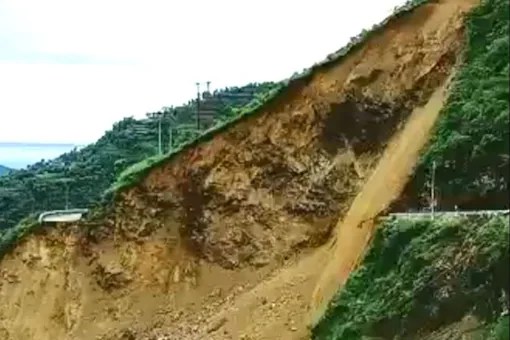
Of course this seems good to listen to, but the process through which these hills are broken down is by explosions in those areas. It leads to landslides so rapidly, any moment the rocks can fall down leading to the loss of life and property.
Mountains always behave like a barrier. For instance if a glacier melts and water comes down towards the plain areas, mountains stop them, but due to this hill cutting those rocks have become weak and hence cannot handle the pressure of flowing water and erodes along with the fast flow and hence causes flooding in many of the areas in the plains.
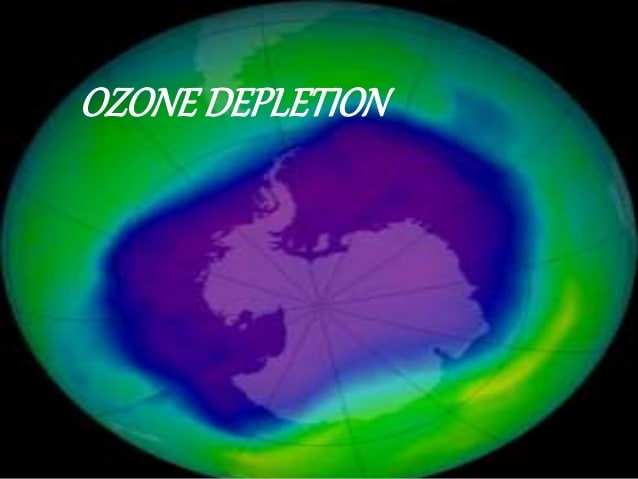
Technology is developing and hence the production of machineries is also developing. The standard of living is slowly rising. People have started using such kinds of household gadgets which improve the quality of their life and save time too. For example, refrigerators and microwave ovens, the gas which is filled in the compressor of refrigerators and various other machines directly affects the ozone layer of the earth, a layer which prevents the ultraviolet rays of sun from entering into the earth's atmosphere.
Scientists have found that this ozone layer of earth is being depleted day by day due to increase in temperature and if this goes on, a day will come when it will become extinct and what will happen next is even hard to imagine.
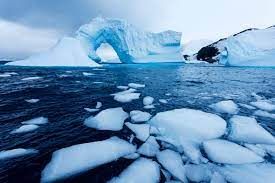
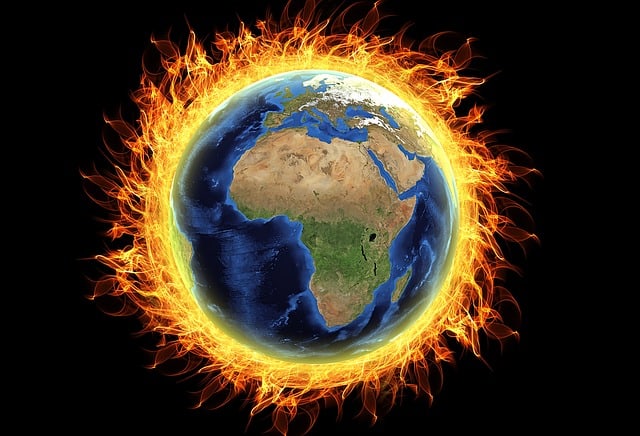
Degradation of the environment is a topic of global concern. Global warming is increasing day per day which leads to an increase in the temperature of the earth and melting of glaciers. Keeping this in mind the whole world has come together to control this degradation. The matter was taken to the United Nations and the United Nation Environment Program was started by its first director on June 5 1972.
Many organizations were built world wide on different sub parts of environment degradation such as WWF, Conservation International, International Union for Conservation of Nature, Fauna and Flora international and many more. These organizations are working together to save the environment.
Every country is responsible in one way or the other for the degrading conditions of the environment, but I feel that a country with a large population is far more responsible, for example India. India has a population of 130 crores. Almost every individual needs food, shelter, water, air and various other resources he/she will use. If such a large number of the population lives together and doesn't give a damn about the environment, it's going to degrade and that is obvious.
If the population increases, the shelters will increase, garbage and waste will increase, and resources and trees will decrease.
Now the question arises: are nations and individual countries responsible for saving the environment? The nation is made up of whom? Every individual, and hence each and every citizen living on this planet is responsible for the degradation of the environment, and it's the duty of every individual to save it, neither of nation nor of any organization.
A human is so selfish in nature. He only knows how to use and throw. He doesn't want to take any responsibility and also does not consider his duty towards saving the environment. Even if so many organizations start working. NGOs start working to save the environment. Ultimately the condition of the environment will improve when every individual will feel concerned towards their environment on their own. When nobody will force him to do it, then only the environment can be saved. When every individual will practice some etiquettes in his daily life then only the environment can be saved because each drop makes up the ocean.
Everything in this world has pros and cons. On one hand the development of technology and standard of living of people are increasing, on the other hand it's affecting the environment badly. Why? Because we have ignored the second factor. We have created an imbalance. We are over focusing on development not on the harmful results it is causing.
Development is necessary for human life. Development is proof that we humans are intelligent, but an intelligent human knows by balancing his life he becomes smart and a smart human can do sustainable development. Let us be smart. Let's have the same concern and concentration on environmental problems as on development, then only we can save our mother earth.

Giant panda on loan from China gives birth to lively twin female cubs in France zoo

  Giant panda on loan from China gives     birth to lively twin female cubs in France     zoo!!

A giant panda gave birth to female twin cubs on Monday, a French zoo announced, declaring ‘they are very lively, pink and plump’. They cubs weigh 149 and 129 grams.

A  giant panda on loan to France from China gave birth to female twin cubs early Monday, a French zoo announced, declaring “they are very lively, pink and plump.”

Tokyo Olympics 2021 Updates: India men to play Germany in hockey bronze play-off

Tokyo Olympics 2021 Updates: India men to play Germany in hockey bronze play-off

India lost to Belgium 2-5 in the men’s hockey semifinal and will now play Germany in the bronze-medal playoff. Tajinderpal Singh Toor failed to qualify for the men’s shot put final after finishing 13th in Group A qualification. Also, the country’s wrestling campaign began on a losing note as Sonam Malik lost her 62kg freestyle pre-quarterfinal. Stay with Times of India to get all the live updates on Olympics 2021, India Events at Tokyo Olympics, Results, Medal Table and more on Times of India.


Review of THE 5 AM CLUB Book Summary

Book Name : THE 5 AM CLUB

Author Name : Robin Sharma

Year of Publication : 2018

By the time we turn off the alarm in the morning here and go to sleep, on the other hand the biggest World Class Business Leaders, Sports Persons, Entrepreneurs will be starting their day. They make some effort and do something special in their mornings. That’s why they are at the peak of their lives. 

This book is very clear on what ordinary people like them need to do to make progress. Author Robin Sharma has written very clearly in this 5AM Club book what to do when you get up at 5am. In this article we are going to know the summary of this book. Let’s start reading.

In this book he talks about three things and divides those three things into several parts and wonders what is special about waking up at 5 p.m. 

Those three things are, 

1. Use 20/20/20 Formula

2. The Four Interior Empire

3. Habit Installation Protocol


1. Use 20/20/20 Formula

Author says our first hour after waking up in the morning is the Most Worth and Important Hour. He calls this hour “Victory Hour.” This hour can be divided into three parts.

  •  Move
  •  Reflect
  •  Grow

*Move*

For the first 20 minutes we need to exercise. I.e. High Intensity Workout. Doing so is our Energy and Focus Increase. Scientifically speaking, there is a chemical release in our brain called BDNF. BDNF stands for Brain Derived Neurotrophic Factor. This will increase our focus and reduce the stress level. In addition, the newest neural connections in the brain is Increase. So it will be very helpful to increase our focus and thinking power.

*Reflect*

Reflect for the next 20 minutes. In this step we need to isolate ourselves and get to know ourselves. Then we need to plan what we want to do on this day. Doing so will keep our focus on our work without becoming distracted. So we will be busy whole day. We can stay away from unnecessary distractions. During these 20 minutes we can meditate or pray. Doing so will give us a clarity on our lives. This will be very helpful in taking the right decision for the whole day. 

*Grow*

Finally grow in the last 20 minutes. That means gain Knowledge. We can read books that may be in our field. Otherwise read the biographies of the great men. That too can be done by listening to audio books or watching motivational videos. We must keep doing something every day to develop our knowledge. By doing this we will be much more advanced compared to our competitors. 

2. The Four Interior Empire

We must spend our precious time equally on these four things if we are to be happy in our lives. What they are,

  • Mind Set
  • Heart Set
  • Health Set
  • Soul Set

*Mind Set*

We can learn many things to improve our mind set by watching motivational videos, podcasts and using the strategies that can be told in it. But by doing so we can only achieve 25% of our goal. 

*Heart Set*

It is connected with our emotional life. We can not make the right decision just because our mind set is strong. We also need to be strong in our emotional lives. Emotional life is the connection that friends, family, relatives can have with them like this. Only if we are strong in emotion will it be easy for us to make any decision in our life.

*Health Set*

No matter how much money and property we have, if our physical health is not good it is all waste. Health is essential to providing a legacy for those who depend on us after we die.

“You cannot make a good business if you are dead.”

That is why world top successful people place importance on their health.

*Soul Set*

This is something very important. In our lives we are running after unwanted material thoughts. In this running we forget who we are. We have completely forgotten what we need in our lives to be happy. The only way author says to improvise the Soul Set is through meditation and prayer.

3. Habit Installation Protocol

Our Author says in this book that we need 66 days to accept a habit. He has divided this into three stages.

  • Destruction Phase
  • Installation Phase
  • Integration Phase

*Destruction Phase*

At this stage first 22 days one has to destroy a bad habit and implement a good habit. This is the most difficult part of all three stages. Our will power must be very high to do this. We need to keep motivating ourselves over and over again.

*Installation Phase*

The next 22 days will be totally irritating for us. Thought appear that this is why we need to do this. The thought appears that we can leave this. But we should not quit there. We have to go through those 22 days somehow to boost our self-confidence. 

*Integration Phase*

This will make it easier for all of us. After this we do not need an alarm to wake up at 5am. Looking at the next one we get to the point where we can tell why these people are sleeping so long.

Come, Join me!!

Photo by JAMES WESTMAN on Pexels.com

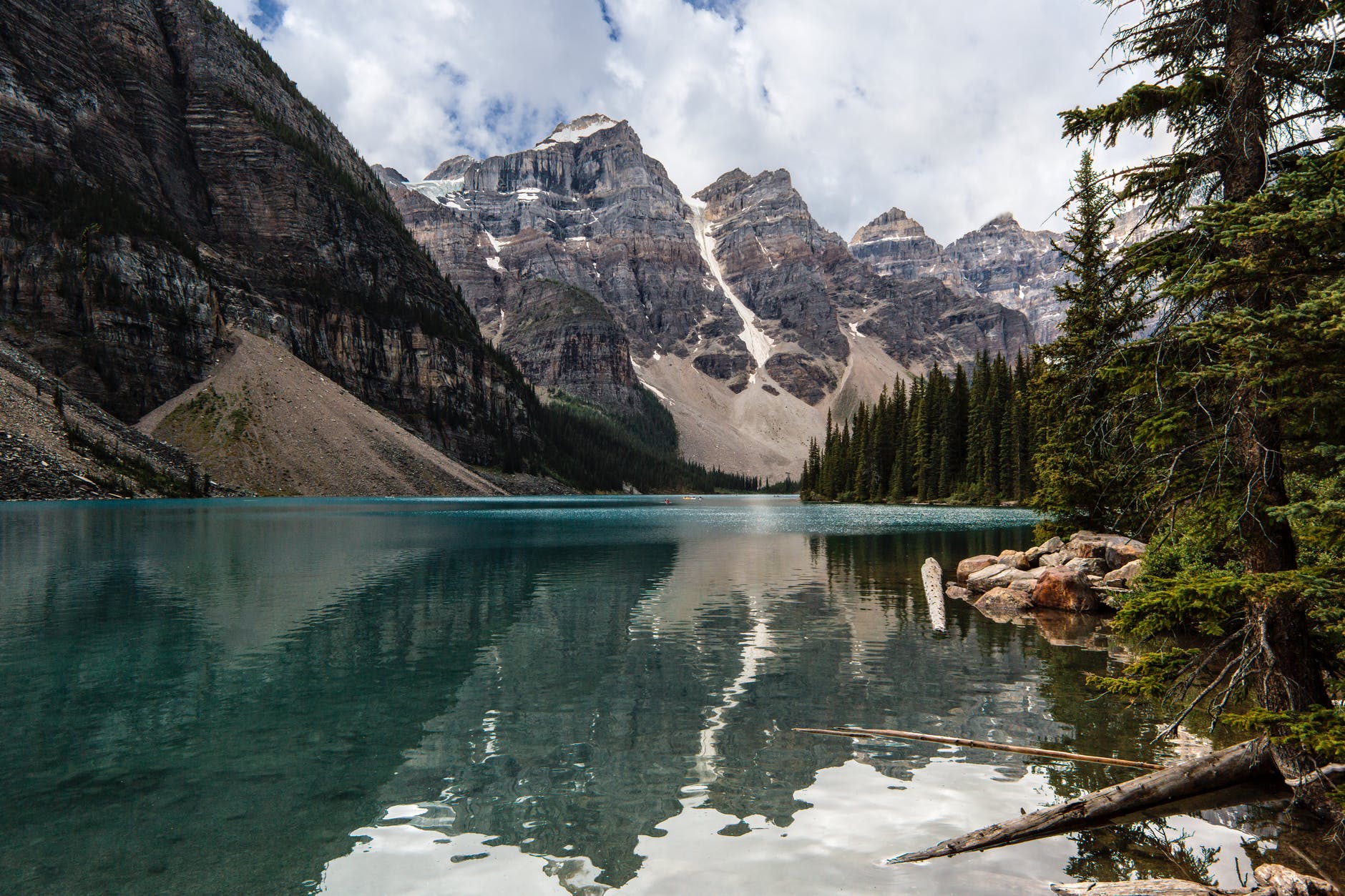
Come, join me on the path of this river as it begins its journey from the mountain top, travels through the various stages and merges with the sea meeting its end, or is it the beginning of its new life in a new form? Well, it is debatable and a lot about perspective but what stands true is the fact that it goes through various stages, experiences several changes- in itself, in its surroundings and is itself the cause of soo many.

So, come let us join the river in its life course.

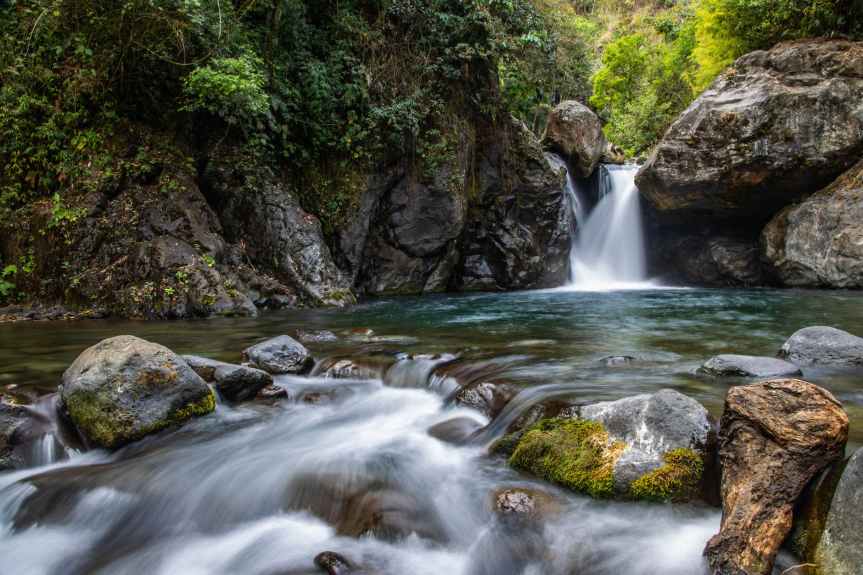
The river originates from the mountain top, from the glaciers. This river then travels down the slope, young and full of energy, erosion being its prime activity(vertical corrasion). It, thus, cuts deep through the valley forming gorges and canyons. It is young and naive and arrogant, believes it can do anything. On the way, it meets some hard rocks. They are strong and experienced and do not budge. But the river is adamant and so travels above them, forming rapids and cataracts. It, now, reaches the end of the mountain and has to plunge through a great height. The height could have been the result of the relatives of the above hard rock, who were persistent even when everything else surrounding them was destroyed or it could have been due to the cracks formed between the two plates of the earth, who had seen a lot together but knew it was time to let go or it might have very well been the end of the plateau the river was traversing: maybe, it was time for a new beginning. The river, hence, formed a waterfall, diving towards its new life.

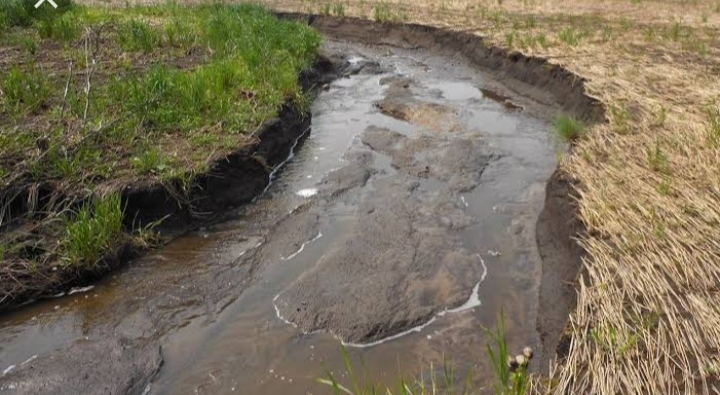
The river has now reached the middle course. It has now lost a lot of its energy, but fairly traded it for wisdom. It again meets the same hard rocks. But now the river knows engaging with them is aa wastage of its energy. And so, it changes its path, curving every time it encounters one. Here, it forms a meander. During the formation of a meander, according to its requirements, it erodes the mud of the outer bank to make space for the water, forming a steep river cliff. It also ends up depositing the mud in its inner bank and mid stream when its needs for space are met. Though, on its path it meets several one of its relatives and some new additions to its family(the tributaries) and has to make space for them(horizontal corrasion). The life here is good. But the river cannot go on this way forever. It has entered the plains and its energy is draining. It has to meet the ocean.

And so , the river now enters its lower course. It, in the beginning, leaves behind the most accommodating waters (forming the ox-bow lake). After all, the world, today, is not a place for the easily bending ones. The river now bears the burden accumulated throughout its life, it sediments. It cannot travel any further carrying the burden. Thus, the river, starts renouncing the burden on its final path. The more silt it deposits, the lighter it feels an the easier it gets to travel. The friends and companions it had accumulated throughout its life, all one-by-one leave it. They will meet again in the sea, but for now each of them has their own journey to make (here, they form a delta).

And this marks the end of life of the river. But, its water is now part of the sea. There, it experiences new challenges in a new place and in a new form.

FOREX MARKET

The foreign exchange market is where currencies are traded. Currencies are important because they enable purchase of goods and services locally and across borders. International currencies need to be exchanged in order to conduct foreign trade and business.

If we are living in the U.S. and want to buy cheese from France, either we or the company that buy the cheese from has to pay the French for the cheese in euros (EUR). This means that the U.S. importer would have to exchange the equivalent value of U.S. dollars (USD) into euros. The same goes for traveling. A French tourist in Egypt can’t pay in euros to see the pyramids because it’s not the locally accepted currency. As such, the tourist has to exchange the euros for the local currency, in this case the Egyptian pound, at the current exchange rate.

The foreign exchange (also known as FX or forex) market is a global marketplace for exchanging national currencies.

Because of the worldwide reach of trade, commerce, and finance, forex markets tend to be the largest and most liquid asset markets in the world.Currencies trade against each other as exchange rate pairs. For example, EUR/USD is a currency pair for trading euro against the US dollar.

Forex markets exist as spot (cash) markets as well as derivatives markets offering forwards, futures, options, and currency swaps.

Market participants use forex to hedge against international currency and interest rate risk, to speculate on geopolitical events, and to diversify portfolios, among several other reasons.One unique aspect of this international market is that there is no central marketplace for foreign exchange. Rather, currency trading is conducted electronically over-the-counter (OTC), which means that all transactions occur via computer networks between traders around the world, rather than on one centralized exchange. The market is open 24 hours a day, five and a half days a week, and currencies are traded worldwide in the major financial centers of London, New York, Tokyo, Zurich, Frankfurt, Hong Kong, Singapore, Paris and Sydney—across almost every time zone. This means that when the trading day in the U.S. ends, the forex market begins anew in Tokyo and Hong Kong. As such, the forex market can be extremely active any time of the day, with price quotes changing constantly.

A BRIEF HISTORY OF FOREX

In its most basic sense, the forex market has been around for centuries. People have always exchanged or bartered goods and currencies to purchase goods and services. However, the forex market, as we understand it today, is a relatively modern invention.

After the accord at Bretton Woods in 1971, more currencies were allowed to float freely against one another. The values of individual currencies vary based on demand and circulation and they are monitored by foreign exchange trading services.

Commercial and investment banks conduct most of the trading in forex markets on behalf of their clients, but there are also speculative opportunities for trading one currency against another for professional and individual investors.

There are two distinct features to currencies as an asset class:

We can earn the interest rate differential between two currencies.

We can profit from changes in the exchange rate.

An investor can profit from the difference between two interest rates in two different economies by buying the currency with the higher interest rate and shorting the currency with the lower interest rate. Prior to the 2008 financial crisis, it was very common to short the Japanese yen (JPY) and buy British pounds (GBP) because the interest rate differential was very large. This strategy is sometimes referred to as a “carry trade.”


SPOT MARKET

Forex trading in the spot market has always been the largest because it trades in the biggest “underlying” real asset for the forwards and futures market. Previously, volumes in the futures and forwards markets surpassed those of the spot market. However, the trading volumes for forex spot markets received a boost with the advent of electronic trading and proliferation of forex brokers. When people refer to the forex market, they usually are referring to the spot market. The forwards and futures markets tend to be more popular with companies that need to hedge their foreign exchange risks out to a specific date in the future.

FORWARD AND FUTURE MARKETS

A forward contract is a private agreement between two parties to buy a currency at a future date and at a pre-determined price in the OTC markets. A futures contract is a standardized agreement between two parties to take delivery of a currency at a future date and at a predetermined price.

Unlike the spot market, the forwards and futures markets do not trade actual currencies. Instead they deal in contracts that represent claims to a certain currency type, a specific price per unit and a future date for settlement.

In the forwards market, contracts are bought and sold OTC between two parties, who determine the terms of the agreement between themselves. In the futures market, futures contracts are bought and sold based upon a standard size and settlement date on public commodities markets, such as the Chicago Mercantile Exchange.

Soil Erosion

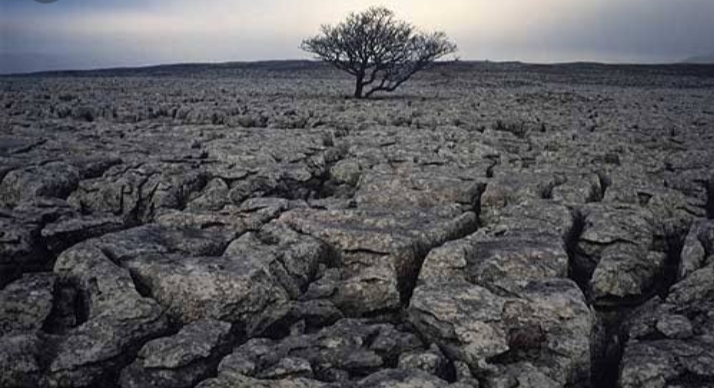
The top layers of soil contain humus and minerals salts, which are vital for the growth of plants. Removal of upper layer of soil by wind and water is called soil erosion. Soil erosion causes a significant loss of humus, nutrients and decrease the fertility of soil.

Agents of Soil Erosion

Agents of soil erosion are high velocity of wind, air currents, flowing water, landslide, human activities (deforestation, farming and mining) and overgrazing by cattle.

Management of Soil Erosion

Retain vegetation cover, so that soil is not exposed. Cattle grazing should be controlled. Crop rotation and soil management improve soil organi mattet. Runoff water should be stored in the catchment. Reforestation, terracing and contour ploughing. Wind speed can be controlled by planting trees in form of a shelter belt.

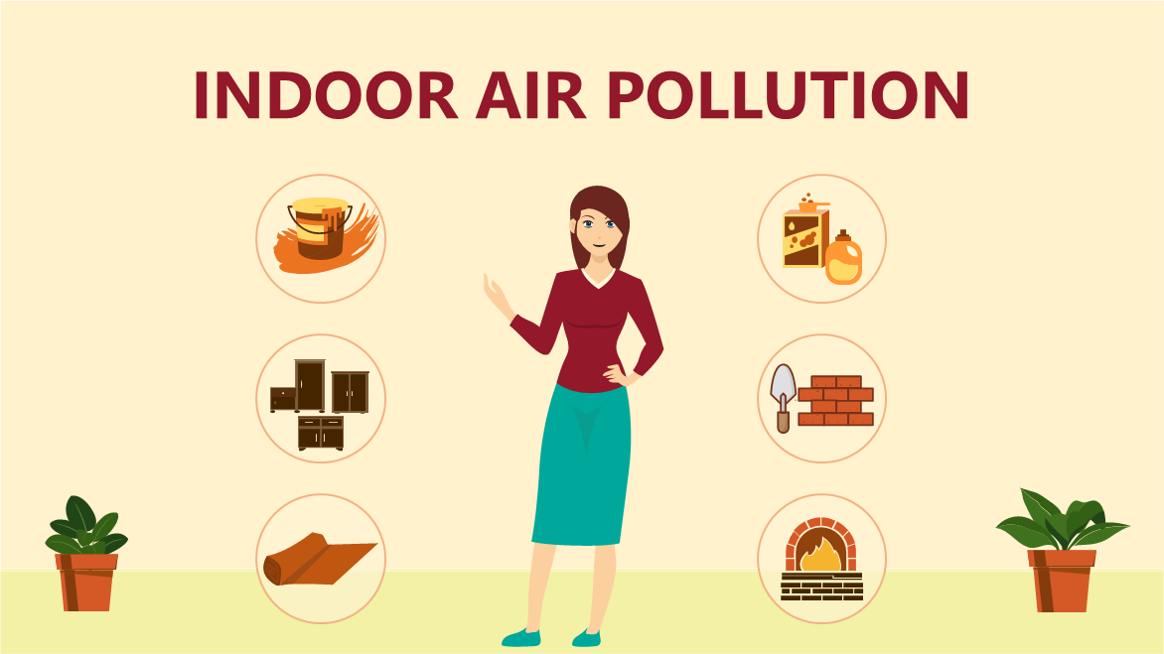
The Silent Killer of Immunity – Indoor Pollution

Hello everyone , Stay Home, Stay Safe. Today, everyone is advised to stay inside their homes if they want to be protected from the virus. But have you ever thought about the viruses inside your home? I’m talking about the pollution inside our homes. Whenever we talk about air pollution, we refer to the pollution outside in the city. But do you know that there are multiple sources of air pollution inside your home? Which are adversely affecting your health and immunity. 

I think this will be an apt time to talk about indoor air pollution. What are the different sources of indoor air pollution? And how can you protect your health from them and fight against them? Come, let’s find out all of this, in today’s video. A US-based report of 2019 had stated that more than 6 Lakh Indians died because of indoor air pollution. The diseases from this type of pollution are respiratory. Pulmonary diseases. Like stroke, lung cancer, asthma, those diseases which are often caused by outdoor air pollution. But the good news is that, though you can’t control the outdoor pollution, but you can control the pollution inside your homes to quite an extent in simple and easy steps. 

Come, let’s get to know the sources and how to control them. You might not have to worry about the first and largest source perhaps because most of you live in cities where LPG cylinders are used. But in India, around 60% of the people, especially those living in rural areas, often use wood, charcoal and cow dung as fuel for cooking even today. The cooking fuels cause incomplete combustion which releases PM2.5. Which is very harmful to the lungs. Thankfully, for the last few years, through the Ujjwala scheme, the use of LPG cylinders has increased across the country. And the indoor pollution from this source has been reduced. If you know someone who still uses these cooking fuels, please advise them against it. 
The second source is something that can be easily found in the kitchens of the people living in cities. That is a non-stick pan with Teflon coating. Generally speaking, Teflon is safe. But when it is heated for more than 300°, the Teflon compound breaks down and harmful chemicals and gases are released. It is not very difficult to avoid this. If you have a Teflon pan, do not pre-heat it when it’s empty. Do not use it over extremely high heat. You can get its alternative, the ceramic pans which are not made of Teflon. The third source of indoor air pollution is your vacuum cleaner. Who would’ve thought? The machines that you use to clean your house are the ones who make it dirtier. 
Many vacuum cleaners, especially the old ones, suck in the dirt, dust and bacteria from the floor, and throw it back into the air. This was discovered by Australian researchers in 2012. That some vacuums instead of making things cleaner, spread more dirt. The same logic is applicable for brooms as well. The dust in the ground is spread into the air by the brooms. Which might then go into the respiratory system of the people. Friends, the simple solution to avoid this is to use the latest vacuum cleaners which have the High-Efficiency Particulate Air filters. The HEPA filters. When you buy a vacuum cleaner check whether it has the HEPA filter or not. These filters apparently capture 99.9% of dirt, dust and bacteria. The fourth source is the chemicals present in your personal care products. 
The air fresheners, perfumes, baby lotions and artificially scented candles which have synthetic fragrances in them. Synthetic fragrances are very harmful. There are petrochemicals in them. Benzene derivatives and Aldehydes which can cause cancer, birth defects and nervous disorders. The solution is very simple. Use such personal care products which do not have any synthetic fragrances. 
 The next source of indoor air pollution is paint. The paint that goes on the walls. You heard it right. Often, when the paint is wet. Many paints have VOCs which are very harmful to you. They may cause respiratory problems, headaches, nausea and your central nervous system may also be affected. Again, the solution is very simple. Use those paint companies which do not have VOCs. Or have minimal VOCs. Today, you will find many paint companies which sell VOC free paints. Second, when you get your walls painted, ensure that the windows remain open until the paint dries. And keep the paint cans tightly closed to prevent chemicals from leaking. 

The next source of indoor air pollution is something very common. Unfortunately, it is not so easy to avoid it. Mosquito coils, candles and incense sticks. You heard it right, friends. The things which are heavily used in our day-to-day lives. Especially, the candles and incense sticks. You would’ve read about combustion in school, friends. There are 5 main types of combustion. Let’s focus on the first two. Incomplete combustion and Complete combustion. In incomplete combustion, the combustion process is not fully completed. It means that unburnt soot particles are released. 
Combustion where the frame is of yellow colour. Like that in candles and incense sticks. And the blue frame is of complete combustion which is purer. Unburnt soot particles are not released. And fewer harmful gases are released. The logic is simple, friends. Whenever there is incomplete combustion, harmful gases will be released. Which are very harmful to your health. Not only candles and incense sticks, but also hookahs, cigarettes and wherever you find incomplete combustion. Obviously, in cigarettes and hookahs, there are many other harmful chemicals as well. 
Which are even more harmful to your health. Friends, cigarette smoke not only affects the health of the person smoking but if smoked indoors, the health of all the people in that house is also affected. Because the smoke from the cigarette spreads all over the house. It’s called Second-Hand smoking. You might have already heard about this. But, friends, did you know that after Second-Hand smoking there’s also something called Third-Hand smoking. When the ash residue from smoking falls on the furniture it can stay there for many days and release harmful gases. 
This third-hand smoking is as harmful as second-hand smoking according to several pieces of research. I talked about mosquito coils as well. They also release particulate matters. The solution here is that these things; mosquito coils, candles and incense sticks, avoid using them as much as you can. And when you have to use them, open the windows. Ensure proper ventilation. So that the air keeps moving and the smoke from them can go out of the house. 
While talking about ventilation, always remember one thing, friends, ventilation is a very important weapon not only against indoor air pollution but also to fight against coronavirus. Several research papers have said that if you keep your house well ventilated, keep the windows and doors open regularly so that the air can pass through, it reduces the spread of coronavirus to a large extent inside your house. The chances of your being infected by coronavirus are reduced a lot. Many research papers have stated that the spread of coronavirus and its infection has been seen indoors mostly. 
The infection rate outdoors is low. After ventilation, another important weapon is the sunlight. You might be amazed to know this, friends, that direct sunlight kills coronavirus. Not inside the human body but on the surfaces and in the air. When the direct sunlight falls on them. The scientists had previously assumed as such. But the latest research has proven that the intensity of killing coronavirus that direct sunlight has is 8 times as intense as was previously assumed. So open the doors and windows and let sunlight come in. Let it fall on your furniture and the floor and kill the germs and viruses.
 I hope that you would have learnt important and new things in this video. Share this video so that your friends and family can also get to know it. And get to safeguard their health. And can truly Stay Home and Stay Safe. 

Why do we get acne?

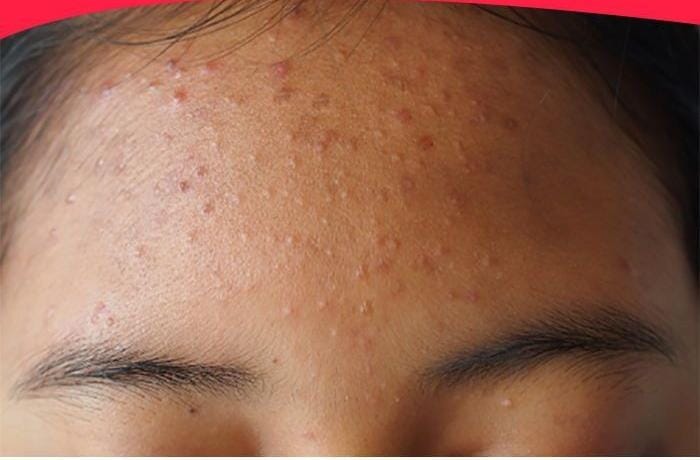
Acne is a condition of skin when hair follicles become plugged with oil and dead skin cells. Acne can be blackheads, whiteheads, pimples or cysts. Teens are most affected by acne because of hormonal changes that comes with puberty. The hair follicles or pores in skin contains Sebaceous glands (oil glands). These glands generate Sebum, an oil that lubricates your hair and skin. Sebaceous glands make the right amount of sebum. As the body begin to mature and develop though hormones stimulate the sebaceous glands to make more sebum. Pores becomes clogged if there is much sebum. Then bacteria get trapped inside pores and multiply in number causing swelling and redness to skin.

Symptoms

  1. whiteheads ( closed plugged pores)
  2. Blackheads ( open plugged pores)
  3. Small red , tender pumps (papuls)

Tips to prevent pimples

  1. Properly wash from face.
  2. Stay hydrated.
  3. Use tea tree oil.
  4. use antibiotics.
  5. Good diet.

Why calisthenics is the “go-to”, if you dont have the time to hit the gym

calisthenics (American English) is a form of strength training consisting of a variety of movements that exercise large muscle groups (gross motor movements), such as standing, grasping, pushing, etc. These exercises are often performed rhythmically and with minimal equipment, as bodyweight exercises. They are intended to increase strength, fitness, and flexibility, through movements such as pulling, pushing, bending, jumping, or swinging, using one’s body weight for resistance. Calisthenics can provide the benefits of muscular and aerobic conditioning, in addition to improving psychomotor skills such as balance, agility, and coordination.

Urban calisthenics is a form of Street Workout; calisthenics groups perform exercise routines in urban areas. Individuals and groups train to perform advanced calisthenics skills such as muscle-ups, levers, and various freestyle moves such as spins and flips.

Sports teams and military units often perform leader-directed group calisthenics as a form of synchronized physical training (often including a customized “call and response” routine) to increase group cohesion and discipline. Calisthenics is also popular as a component of physical education in primary and secondary schools over much of the globe.

History

Catharine Esther Beecher (1800–1878), was an American educator and author who popularized and shaped a conservative ideological movement to both elevate and entrench women’s place in the domestic sphere of American culture. She introduced calisthenics in a course of physical education and promoted it. Disciples of Friedrich Ludwig Jahn brought their version of gymnastics to the United States, while Catharine Beecher and Dio Lewis set up physical education programs for women in the 19th century.Organized systems of calisthenics in America took a back seat to competitive sports after the Battle of the Systems, when the states mandated physical education systems. The Royal Canadian Air Force’s calisthenics program published in the 1960s helped to launch modern fitness culture.

Calisthenics is associated with the rapidly growing international sport called Street Workout. The street workout consists of athletes performing calisthenics routines in timed sessions in front of a panel of judges. The World Street Workout & Calisthenics Federation (WSWCF) based in Riga, Latvia orchestrates the annual National Championships and hosts the World Championships for all the national champions to compete at one competition. The World Calisthenics Organization (WCO) based in Los Angeles, CA. promotes a series of competitions known globally as the Battle of the Bars. The WCO created the first-ever set of rules for formal competitions, including weight classes, timed round system, original judging criteria and a 10-point must system—giving an increasing number of athletes worldwide an opportunity to compete in these global competitions. Street workout competitions have also popularised ‘Freestyle calisthenics’, which is a style of calisthenics where the athlete uses their power and momentum to perform dynamic skills and tricks on the bar, often as part of a routine where each trick is linked together in a consistent flow. Freestyle calisthenics requires great skill to control your momentum and understanding the mechanics of the body and the bar.

Can it give you the pump?

The lower intensities also allow athletes to focus on the muscles involved and to get a good squeeze and pump. Many muscle movements are pulled from appropriate strength movements. Many calisthenics movements involve static holds. Endurance movements train the athletes capability to hold the body various positions. This certainly gives you the pump, and by making small adjustment, u will be able to build muscle too.

Goa Mollem Protests- The Fight Against Coal

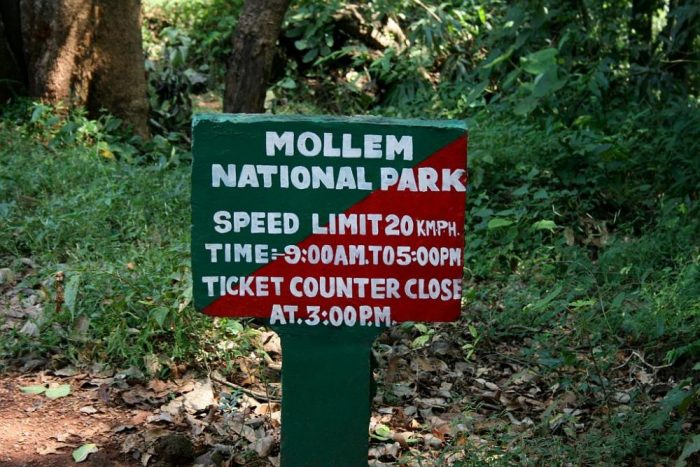
Hello everybody, Chances are that you don’t know about it because it is an issue that hasn’t been talked about much by our national media. For the last many months, thousands of people are protesting against a critical environmental issue, the Mollem National Park. 19th December is celebrated as the Goa Liberation Day because Indian government threw out Portuguese colonisers from Goa on this very day in 1961. So, on this occasion on 18th December, 2020, some protesters stood holding sign boards and wearing t-shirts that said “Save Mollem”. 

Without any provocation, they did not even do anything…there even were some children there standing with their posters, Police detained them. So, let’s get to know why this entire protest is happening in the first place. In simple words, the government in the name of development wants to clear forests in an ecologically sensitive area without consulting the public. In this case, the ecologically sensitive area is the Bhagwan Mahavir Sanctuary and Mollem National Park, the pride of Goa. Spread across 240 sq kms, it is Goa’s largest protected area. It is one of the 8 hottest biodiversity hotspots in the world. 

That means a high variety of plant and animal life is found here, the likes of which are found at very few places in the world. There are some great tourist attractions here as well such as the Dudhsagar Falls, Devil’s Canyon. There is a temple too so it is quite a popular destination for tourism as well. So, what is the development that the government wants to do here? There are three projects: one is a highway which the government wants to be four-lane, another one is a railway line and the third is a power transmission line. All these three projects are going through the middle of this wildlife sanctuary. Geographically, if you look at it on a map then these three projects will look this way. 

A railway line is going from the lower region, highway is crossing from the middle and in the upper region is the power transmission line. So, for all the three projects, trees would be cut off. It has been estimated that about 20, 000 trees would be felled for the railway line, 40,000 for the highway and about 5,000 for the power transmission line In total, it is being estimated that 60,000-80,000 trees are to be felled. Now you will ask here, what’s the harm? Some trees will have to be felled for a little bit of development.

 These are three main problems First problem is that prior to approving these projects, the government did not do any assessment, did not follow proper procedure and did not even consult the public. In fact, two of three projects were approved during lockdown due to Covid 19. In the month of March, the National Board of Wildlife approved these projects through video conferencing. When the central government was asked how this was approved then they said that the state panel approved it therefore we approved it as well.

 News is that some 5-6 members of the state panel have alleged that they were not even consulted. In fact they did not even know that clearance had already been given. Omkaar Dharwaskar is naturalist who also attended the State Wildlife meeting has said that they have not given any approval in that meeting. This project was not approved. But the minutes of the meeting say exactly the opposite and the project was subsequently approved after being forwarded to the National Wildlife Board. 

The second problem is that environmental activists and protesters believe that this is not only about a few trees but the entire Goa is being transformed into a coal hub. The extension of the railway line and the highway is not for the convenience of the public but rather for the convenience of big corporations. It is being done so that the transportation of coal is simpler. RTI activist and lawyer Savio Correia says that all three projects are part of the government’s Sagarmala project which was approved by the central government in 2016 for the development of Goa’s port. This project aims to develop Goa into a coal transportation corridor. Mormugao port is a port in South Goa and according to the projections of its trust, by 2030, they wish to import 51.6 million tonnes of coal for Adani group, JSW Group and Vedanta. The names of these groups have come up here although the Adani group denies it. 

This is the reason, many protesters of Goa have pointed out Adani as well. If this railway will in fact be used to transport coal then remember one thing, the coal dust can travel up to 5-15 kms due to the wind and depending on the speed of the train. “-Coal is entering their houses, if you…-in what way? -You just have to ask them for tea and probably you will see that in the saucer and you see that in their kitchen … -There’s coal in their saucer? -Exactly! You see that in the kitchen, the living room. You can’t live in that house. Your children need nebulizers from morning to afternoon In the morning they start brooming, they collect coal in their house and by evening again… -black particles of dust… This coal dust is not only a threat to the environment but also for the fishing industry, agriculture, tourism as well as for the public. 

If Goa really turns into a coal hub then think about it, would you want to go to Goa beaches as a tourist where you will find coal dust in the air? Perhaps this is the reason that in 2013 the then CM of Goa Manohar Parrikar rejected this railway line project in Goa. This is the reason friends that today the protesters stand with banners that say “Goyant Kollso Naka”. Forgive me if the pronunciation is not correct but it basically means that we don’t want coal in Goa. 

The third problem is that if any railway line or highway goes through a wildlife sanctuary then it results in habitat fragmentation which can eventually lead to the extinction of many animal and bird species. Habitat fragmentation basically means that you split a big ecosystem in small pieces due to which animals are not able to interact from one piece to another. This usually happens whenever a highway goes through a wildlife sanctuary. Imagine, there is a squirrel species and it has only 50 members left because it is an endangered species. So, 50 squirrels live in a big forest but if a highway goes right through the middle of the forest then the forest will be divided into two. 

Now, assume that 25 squirrels live on each side. Now animals living in each of these parts cannot go to the other part because of the highway. It is quite difficult for them to transfer from one side to another. The first problem arising out of this is that if the minimum number of any animal does not exist in any part then its entire species will become extinct due to inbreeding depression. You can search about inbreeding depression. It is quite an interesting thing. Secondly, any natural calamity or if any disease spreads that say results in the death of 23 out of 25 squirrels so it is not possible for that species to survive with so few animals. 

This can happen in a big forest as well but if you start splitting the forest from the middle and making fragments of it, then the chances of it happening increase manifold. Overall, the highway and the railway line will split the wildlife sanctuary in three fragments This increases the chances of any animal extinction by three times. The public has expressed its protest through various means. There are different trends on social media on hand while there are protests on ground on the other hand. Even children have participated in these protests. More than 150 scientists have written letters to the government to tell them why this project should not go through. 

The common public has even written emails to the government as to why this project must not be executed. If you want to see the latest updates on this protest on twitter then you can follow this account “Save Mollem campaign”. I will attach the link in the description below. Goa’s youth also wrote letters to their respective MLAs in order to pressurize the government. What was the government’s response regarding all of this? What would you expect? Think about it, what would be the government’s response in such cases? If you are thinking that the way the government responded to the farmers’ protest, they would respond the same way here as well then you are right. Because the government has said that all protests are funded by the opposition and all these protesters are misled. 

The famous leaders of this protest have been booked under several FIRs, detained and like I mentioned in the beginning, even children have been detained by the government. But fortunately, the good news is that the High Court has stayed at least one of the three projects. On 8th December, the High Court stayed the power transmission line project. But for the rest of the two projects, the government can still execute. This is why it is important to raise a voice regarding this, whichever way you can do it. If you live in Goa, you can join the protesters.

 If you are not living in Goa then you can raise your voice on social media by using #SaveMollem Share this video with as many people as you can so that the voice raised reaches the government and pressurizes them to stop these projects for the sake of climate and the public. The good news is that when the public raises a voice then it does create pressure on the government. Remember the Aarey forest case; the final end result has been a positive one. As soon as Uddhav Thackeray was made the CM, he took a decision in favour of Aarey forest by moving the metro rail project elsewhere and saving the Aarey forest. 

RUSKIN BOND

In this living world there is so many authors and writers who are waiting numerous book a day but sill there is no one who had supressed the aptitudes of Ruskin Bond. His is a world class author whose book is going to be remember for centuries.

Ruskin Bond is an award winning Indian author of British descent, much renowned for his role in promoting children’s literature in India. A prolific writer, he has written over 500 short stories, essays and novels. His popular novel ‘The Blue Umbrella’ was made into a Hindi film of the same name which was awarded the National Film Award for Best Children’s Film, in 2007. He is also the author of more than 50 books for children and two volumes of autobiography.

Ruskin Bond was born on 19 May 1934 in Kasauli, Punjab State Agency, British India. His father, Aubery Alexander Bond, was an English teacher and had taught English to the princess of Jamnagar palace. His mother’s name was Edith Clarke and she was a homemaker. He had a sister named Ellen but unfortunately she was died in 2014. Ruskin Bond grew up with his family in Kasauli but in 1939 his father join Air Force so they need to live at Ruskin’s Maternal home in Dehradun.

At age of 8 Ruskin was sent to the boarding school and his mother separated from his father and married a Punjabi Hindu, name Hari. Thereafter his father took him to Delhi and that time his father was his everything. Although, unhappily his father died in 1944 due to malaria disease. After this he started living with his mother and step father in Dehradun.

Ruskin Bond started his elementary education at Bishop cotton school in Shimla. He was a very studious ant intelligent student in his school. He was extra talented in literature and writing. He wrote his first and very short story in 1951 and named Untouchability. He then moved to his aunts home in channel Island in 1951 following his high school education and stayed there for two years.

Ruskin Bond worked for a while in a photo studio while trying to find a publisher for his works. Once he started earning money from his writing, he moved back to India and settled in Dehradun. By this time he was a popular writer and his essays and articles were published in numerous magazines and newspapers, such as ‘The Pioneer’, ‘The Leader’, ‘The Tribune’, and ‘The Telegraph’. He also edited a magazine for four years.

In 1980, one of his most popular novels, ‘The Blue Umbrella’ was published. His increasing fame as a writer caught the attention of Penguin Books. The publishers approached Bond in the 1980s and asked him to write a few books. Two of his previous novels, ‘The Room on the Roof’ and its sequel ‘Vagrants in the Valley’ were published in one volume by Penguin India in 1993. Some of his works have been adapted for the television and films. Bollywood director Vishal Bhardwaj made a film based on his novel for children, ‘The Blue Umbrella’ in 2007. The movie won the National Award for Best Children’s film. The Hindi film ‘7 Khoon Maaf’, is based on Bond’s short story ‘Susanna’s Seven Husbands’.

Following his best contributions to Indian literature, he has been honoured with numerous awards. However, these awards are nothing against his works but could give an inspiration sign among peoples.

1957-John Llewellyn Rhys Prize

1992-Sahitya Akademie Award

1999-Padma Shri

2014-Padma Bhusan

2017-Lifetime Achievement Award

Ruskin Bond is the name among the authors which is going to be remembered in the whole world history. Not Only for India But all over the world. His books are read by every people from every country. Ruskin has such exclusive and unique writing skills that change the mood of readers. It will be very difficult for other coming writers to surpass his achievement and records.