Letting Go

Romeo and Juliet is probably one of the best known pieces of fiction in the world. Two lovers separated by family differences find each other only after death makes them meet in the world beyond.
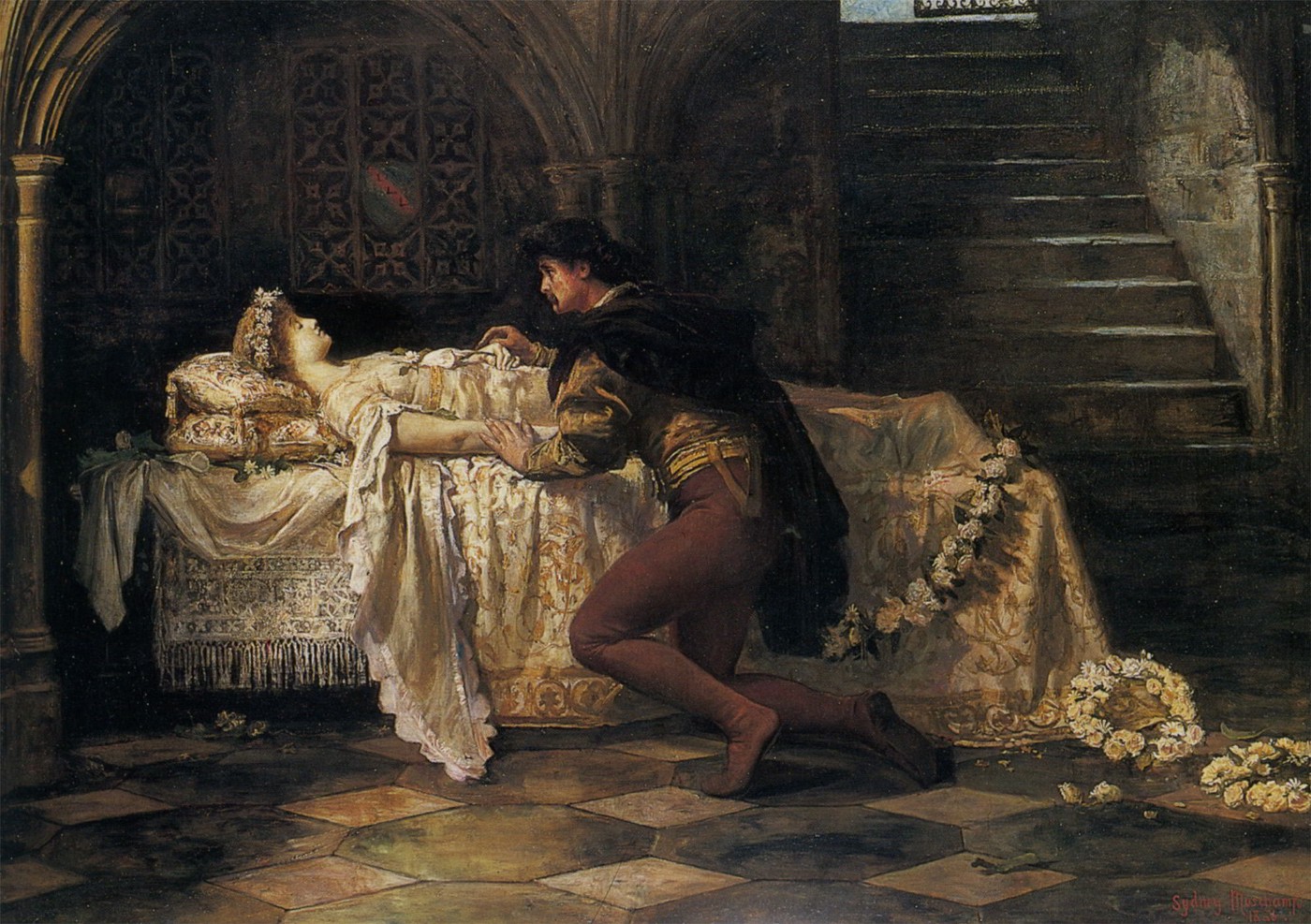
What Are the Real Origins of Shakespeare's “Romeo and Juliet?” | by Julia  Rose Harmon | The Smartie Newsletter | Medium

Now, it is a very philosophical way of saying, but in life, sometimes, one must know how to give up. Giving up is not the part where one never tries but the part where one realizes that he or she or they are done trying – to their best. And it is not a sign of cowardice but a very healthy exercise when giving up is accompanied by letting go.

The American star Olympian Simone Biles announced her early return from the Tokyo Olympics citing mental health reasons, the most decorated Gymnast of all time was clearly being braver and more conscious of herself than the way in which many conservatives in her country tried to portray her. She knew that she could not perform if she could not keep calm and that would only make it worse for her – deep in her head. Let us not forget that she holds 32 medals combining World championships and Olympics. In the 2016 Olympics, she singlehandedly won 3 gold and 1 bronze medals and another gold medal in teams event. She, by no means lacks the resources to be the champion. But she understood her mind.

Biles smiling and waving

The process is difficult. One might argue that giving up is like admitting defeat. Admitting defeat in the face of a certain defeat is honesty! And although your mind requires some straining, it is up to you to decide to what extent can you strain the same.

Next time, when you are giving your best and after several attempts, it seems futile to continue, give it a thought. Should you or should you not continue.
The Japanese Language and why learning it can be hard

With the sudden increase in the Japanese Economical might after the second world war and its steady cultural impact due to technology, manga and cartoons, people have been more interested in Japanese culture than ever. Japan is still a largely conservative society with modernity picking up steadily despite an ageing population. But assimilating into that society can be hard. The most important reason being the difficulty a non-native shall face in learning their language.

Modern Japanese is a fairly new language – just like modern Italian, French, Mandarin or Hindi. Before the Meiji restoration, every part of Japan had a local language that was similar to but nor exactly the way in which Japanese speak it today. Ancient and Medieval Chinese led to the formation of the script that the Japanese used. The Meiji restoration meant that Japanese as spoken in the court of Kyoto was exported to all provinces and the need for a new script was needed. This led to creation of three scripts in the modern times – the Kanji or the Old Japanese – the one influenced by ancient and medieval Chinese characters. The next are the two modern scripts – Hiragana script that is used to express vernacular terms and words in the vocabulary while the Katakana script is used to write words borrowed from other countries. For example AC and Fridge or refrigerator will be written in Katakana while Fuji, Tokyo etc will be written in Hiragana.

Now, the Japanese language unlike English, Hindi and Arabic is a phonetic language. That means that it does not have standard alphabets with vowels and consonants that then group together to form words but rather sounds that make the alphabets of the language. So, both the Hiragana and Katakana scripts have 72 characters each. And writing or using even these characters has to follow some non-standard rules of phonetics.

Finally, Japanese is a language with a very strict emphasis on seniority. While this exists in most other languages as well – except Roman languages like English, in languages like Hindi and North Indian Bhojpuri, Nepali Hindi, Tamil etc., it is only about the addition of suffixes to the root word or in languages like Urdu, there is no such seniority needed because all the people are addressed in a high degree of respect. Japanese however might have different words that have the same meaning but suit different situations – casual, formal or with elders.

Finally, please don’t say goodbye to a Japanese guy. That is considered rude. The better expressions are see you soon or take care.

Arigatou Gozaimasu! ありがとうございます

Happy Learning!

Book review for ‘the Boy in the stripped Pyjamas’: A heartbreak but not a very real story

The holocaust is for sure a topic that as discussed as infamous it can be. It is as much a tragic story as a fact that can make any person grip in fear of what a human is capable of becoming.

Bruno is a 9-years old boy in Berlin during the Second World War and his father a member of the Nazi party, soon promoted to office the Auschwitz camp at the personal orders of the Fuhrer.

Sad and missing his friends, Bruno spots a pale boy in pyjamas with a lot of people on the other side of the fence. Bruno meets this boy, Shmuel whom he quickly befriends. Shmuel informs Bruno that he lived on this side of the fence with his grandfather, brother and father. And to the merry of both boys, they share the same birthday and age.

Shmuel grows pale and lean everyday and Bruno starts to sneak him food. They talk and share their lives while Bruno does not really understand what is going on the other side of the fence.

One day, Shmuel informs Bruno that his father is missing and everyone in his family is desperate to find him. That evening, Bruno removes his clothes, pulls up the stripped pyjamas Shmuel offers him and crosses the fence to search for Shmuel’s father.

Both the kids are spotted by guards who ask them to participate in the march. The march ends in a closed room which Bruno assumes is the place to sleep and sit together. He holds Shmuel’s hands and whispers to him that they shall be friends for life.

Bruno is missing and only his clothes are found near the camp fence. His father, deducing what must have happened is broken and offers himself to the now invading Allied armies.

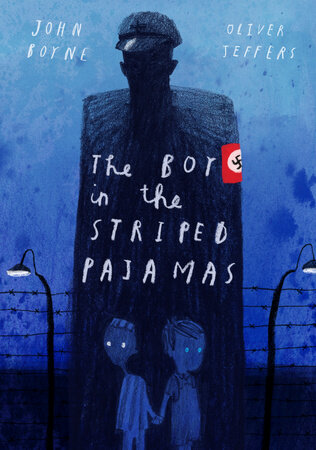
This fictional story that forms the plot of the book, “The boy in the stripped Pyjamas” by Irish author John Boyne. The book quite metaphorically illustrates the fact that the adults were really not concerned with what is happening under their noses while the kids were just been broken, separated by fences and lines drawn between races.

The Boy in the Striped Pajamas (Deluxe Illustrated Edition) by John Boyne:  9780399559310 | PenguinRandomHouse.com: Books

However, and quite correctly, the historians have argued that this book has several historical inconsistencies that might make a reader believe that concentrations camps were way more lax than they really were. No one, let alone a kid was left off work to let him have the time to meet, talk to and enjoy another human being’s company.

Auschwitz: Concentration Camp, Facts, Location - HISTORY
An actual picture from the Auschwitz Camp

At the end, the author expresses his belief in humanity by stating,

Of course, all of this happened a long time ago and nothing like that could ever happen again. Not in this day and age.

Happy reading!

Artificial Intelligence: Can the AI take over?

Artificial Intelligence is a topic with a vast appeal to the en masse. People believe that it is the future of human techologies. But beyond that, people are of various school of thoughts. The first group assumes that AI shall help humanity achieve singularity – a point in technological development that shall mean an utopia. We shall spend all our time towards spiritual and emotional development while most of the crude tasks shall be taken care by machines. The second school of thought assumes that AI shall take over humanity as its overlords. Let us analyse both.

The history of animated, self-thinking, free willed machines is not new at all. It has been imagined for centuries by fiction writers. However, the modern conception of AI in scientific thinking started about 80 years ago. John McCarthy, an American mathematician proposed the idea of such machines back in the first half of the 20th century. Alan Turing, the inventor of the Turing Machine, a British mathematician also proposed his idea of intelligent machines, his proposal now famously called the Turing Test. However, for the next 40 years or so, no important research occurred in the field. It was only in the last decades of the 20th century, when the research started again and not before humanity entered into the 21st century that something formidable was created.

As of today, AI has invaded all spaces of human endeavor. Mechanics, mechatronics, smart devices, our smartphones – all of it is infiltrated with AI. But this AI is what most scientists call ‘weak AI’. It cannot really think. It has a predefined algorithm and then it uses that algorithm to capture inputs and ‘learn’ about new scenarios as per its algorithmic definitions. This AI cannot work without human input and can certainly not take over the world. It can however carry out some actions that are equivalent to evolution as the AI at the Facebook research Center developed their own language to communicate. However, this evolution still does not mean that the AI is “thinking”. It is just evolving its learning based on a preprogrammed code. It is nothing like human beings where discretion is a thing. Even the famous robot AI, Sophia is but a weak AI – a little better than SIRI and google assistant but that is all there is to it. It is not a self-thinking, free-willed machine.

Sophia the Robot – Keynote Speaker | London Speaker Bureau
Sophia, the robot

Researchers have tried hard to create strong AIs with a completely different set of ethical concerns – the main obviously being how would such machines live with humans if they are free to think – but have failed so far. And believe it or not, strong AIs might really not be a thing for at least another 50-100 years at the very least. Maybe even a couple of centuries after that.

So, if you’ve watched the movie Prometheus or Covenant and are scared of the possibility of David being a reality, grab a cup of coffee and relax. By the way, both the movies are really good!

Alien: Covenant, a review by guest columnist David 8 | by Charles Evans |  Medium
David-8 from the movie Prometheus.

The International Day of Indigenous people

One of the most tragic instances in history would be that of the holocaust – a word that in itself is a definition of six years of European geopolitics. In Russia, Palestine and China, the expulsion of the White Army, the expulsion of the Arabs and the brutual suppression of cultures across China in the name of cultural revolution respectively bring to picture the way in which states and not just people can sometimes be the enemy of people. However, there have been several such instances in history, most of them hidden because they were carried out by the more ancestors of the ones who ended up being economically and intellectually influential communities.

Cultural Revolution - Wikipedia
A poster calling out for Chinese Cultural Revolution

Human history is a record of forced displacements both internal and external, ethnic cleaning and genocides and murders both to the dismay and sponsored by states. When Captain Cook discovered the down under, it led a massive import of British criminals on the continent. With them came officers, scientists and explorers. The businessmen and civilians searching for more opportunities came in later. The people of the continent – the Australian arboginals, the Maoris from Oceania and many more tribes were reduced to a mere holder of small patches of lands and often no land at all by the British who had a superior military.

When the first Irish and British settlers landed in the new World of America, the red Indians offered them food and shelter which soon became a situation where the Red Indians had to fight for the survival of their lives and their cultures which was systematically and quite institutionally taken away by the New World settlers. Similarly, when the Spanish invaded Latin America, it meant a complete and absolute dissolution of their traditions and a genocide that would annihilate their population to an extent where even after 400 years, they would not attain the same.

The Last Days Of The Incas - HistoryExtra
Machu Pichu stands as a testimony to the Grand Incan Empire in the Andes before the Spanish arrived.

To add to all these miseries are the tales of the Rohingya community from Myanmar, the Tamils in Sri Lanka, the Kashmiri Pandits in Indian state of Jammu and Kashmir, the now diminishing sea faring communities in Philippines and Malaysia and many more. Japanese and Italian unifications were also carried out at the cost of the local traditions, cultures and ways that the communities living there had been practicing for a millennia. In India, the use of English and Hindi have slowly gobbled up on the rich culture of local languages that the communities had. In fact, many communities from the state of Bihar and Uttar Pradesh have completely given up on their languages. Bihar – a state where only 6% people had Hindi as their mother tongue now has a minority of about 20%!!

World loses about 1 language every 15 days!!!

Wikipedia defines Indigenous people as – “Indigenous peoples, also referred to as first peopleaboriginal peoplenative people, or autochthonous people, are culturally distinct ethnic groups who are native to a place which has been colonised and settled by another ethnic group. ” But, a broader definition is the fact that indigenous people are defined by their cultures which is at a steady loss across the globe. The most important thing is to treasure the fragments of their traditions that still remain. Because a rainbow is better a rainbow.

COVID-19 and Indigenous peoples | United Nations For Indigenous Peoples

Happy International Day for the Indigenous communites.

The Stranger: A Book Review

Buy The Stranger ALBERT CAMUS (Vintage International) Book Online at Low  Prices in India | The Stranger ALBERT CAMUS (Vintage International) Reviews  & Ratings - Amazon.in

Someone said many years ago, “no man is an island”. Humans need human contact to exist, to continue and to be happy. However, authors, poets and philosophers have often used isolation and the idea of being broken as chief plots of their story.

Camus gives life to an indifferent and emotionally detached Meursault who is introduced as a character who refuses to cry at his mother’s funeral. One thing after the other, that also demonstrates his lack of empathy and emotional connection leads to a murder he commits. In the prison, he refuses to go to god, and speaks about his perceived understanding of life, death and human actions. He, in his last days, understands his mother’s feelings while she would have seen an imminent death. And that he shall no longer be lonely as a large crowd shall be seeing him die – each getting rid of its loneliness. And there the story ends.

The Stranger is a classic in both philosophy and Algerian French literature. Meursault is a truthful and emotionally detached man – something that scares those around him, the established judiciary and the lawyers. He frequently exclaims how he lives in the present and refuses to live in the past or the future. All these traits are so odd for the people around him that he becomes the stranger in the story.

It is an excellent book, originally written in French and is the recipient of the Nobel prize in literature. But it is full of monologues and might not exactly be to the liking of thriller lovers. However, story telling and philosophy build up this novella as one of the best to read.

Hope you like reading it, happy reading!

The Quit India Movement Day

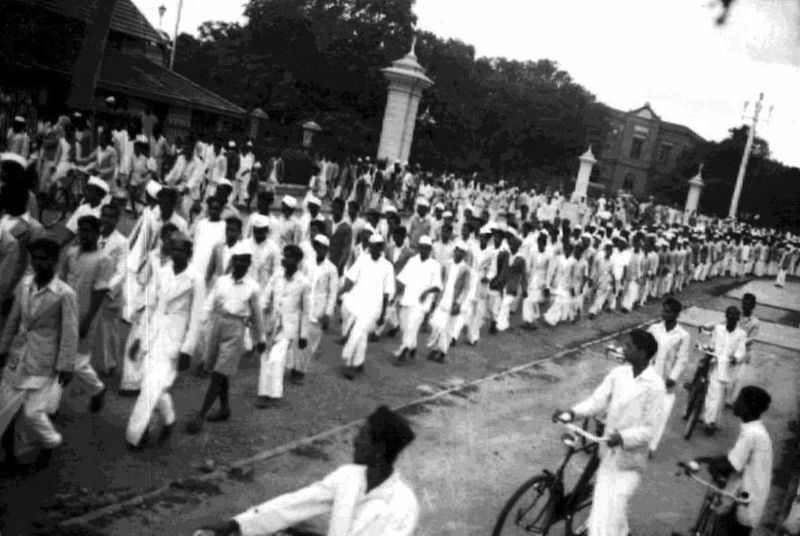
August 8th marks a very iconic day in Indian history. The Indian National Congress declared its ultimatum for the British to leave India. This movement in itself had contested set of consequences – the strengthening of the Muslim League, the rise of freedom struggle motivated Subash Chandra Bose to invade the British camps in Noth East and Gandhi, for the fist time in his career was willing to go agressive even if he had his own definitions of the word – when he announced, “karo ya maro” (Do or Die).

Quit India Movement: Who gave the slogan 'Do or Die' - Oneindia News

The Quit India movement came up at the heels of the failure of the Cripps Mission that was sent by the Raj to secure Indian cooperation towards the British war efforts in the second world war. The leader of the mission, Sir S. Cripps was left wing British statesman who was sympathetic to the cause of Indian self rule but was also a member of the war cabinet of 1942.

The proposals of the mission were refused by the Congress which had seen similar proposals in the first world war where the Raj had promised more autonomy but ended up imposing harsher taxes that resulted in the Non-Cooperation movement, the Rowlatt and Jalia Walah Bagh massacres. The Indian National Congress resigned from its positions in all provincial governments and announced the Quit India Resolution that led a national movement that was difficult for the British to look after in the face of the then ongoing second world war. Virtually all of the INC leaders were jailed for the next three years and the Muslim league got enough time to build itself a support that shook the years Gandhi had spent projecting himself and his colleagues as leaders of a secular, united state of India. To add to it was the vehement opposition Hindu nationalists showed to the movement where many, including the Hindu Mahasabha and Veer Savarakar denounced the movement pointing out to the power vacuum it might cause and quite correctly predicitng the Muslim League partially filling the same.

The British soon left the subcontinent – too weak due to the war to control a population that was showing both civil disobedience and had an army of its own – a reference to the insurgency and attacks the INA had started in the Raj’s territories.

The Quit India movement – with all its pros and cons and consequences formed a very important phase in the history of modern India.

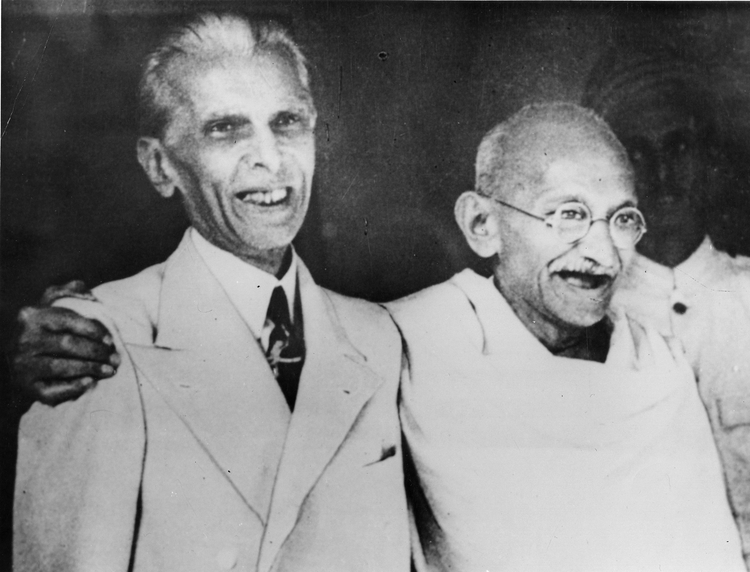
Jinnah expected India and Pakistan to be best of friends - Telegraph India
Jinnah and Gandhi had quite different outlook and faced different consequences due to the Quit India Movement – one failed in his projection of a secular and inclusive India, the other successfully used it to campaign for Pakistan

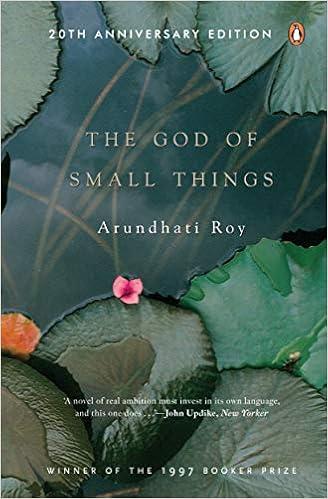
The god of small things: A Book Review

Buy God of Small Things: Booker Prize Winner 1997- English Book Online at  Low Prices in India | God of Small Things: Booker Prize Winner 1997-  English Reviews & Ratings - Amazon.in

A broken marriage can mean a lot of things to a family. Marriages can be broken by a lot of things including laws defined by societies about whom to love, whom to marry and whom not to.

The god of small things is a caricature of human pain and life built on the layers of political leanings, the realities of Indian conservative societies, casteism and of course on how other people exploit it just to feel away and free from their own realities.

A multi-generational family lives in a small village in the state of Kerala – a communist stronghold. A woman from the family falls in love with an Irish priest, despite the opposition of her father, but failing to get any near him, is left bitter and becomes the antagonist of the narrative. Two twins witness a rape and murder wherein this lady, their aunt, the one who once loved an Irish priest is almost implicated for lying about the criminal and she tricks the poor children into blaming their servant. All this happens in the backdrop of a violent and turbid communist politics of which the servant who dies due to police beating turns out to be a member of. The aunt hates the communists because they once forced her to weave the red flag while forcible stopping her car on the road. To save herself of any implications, the lady gets rid of the children – blaming them of the death of the raped girl and the servant, breaks down their family – the mother dying at 31 and the father never really bothered. The twins grow broken, traumatized and never really heard or cared for. And the climax of the story just leaves one crying when the two twins finally meet at 31 – the age their mother died. The girl twin no longer speaks and the boy is just a lost one. They, for the first time realize the meaning of love and warmth and that it is them alone who share it with each other.

This review will and any review will, as a matter of fact, fail to capture the perfection Roy has achieved in this book. The 1997 Booker’s Prize winner is a masterpiece of storytelling and narrative. And it is a wonderful critique on politics, religion and casteism.

Happy reading!

arundhati roy
Arundhati Roy, who might be in news due to her remarks in the present day has penned a beauty.

India and her Handlooms

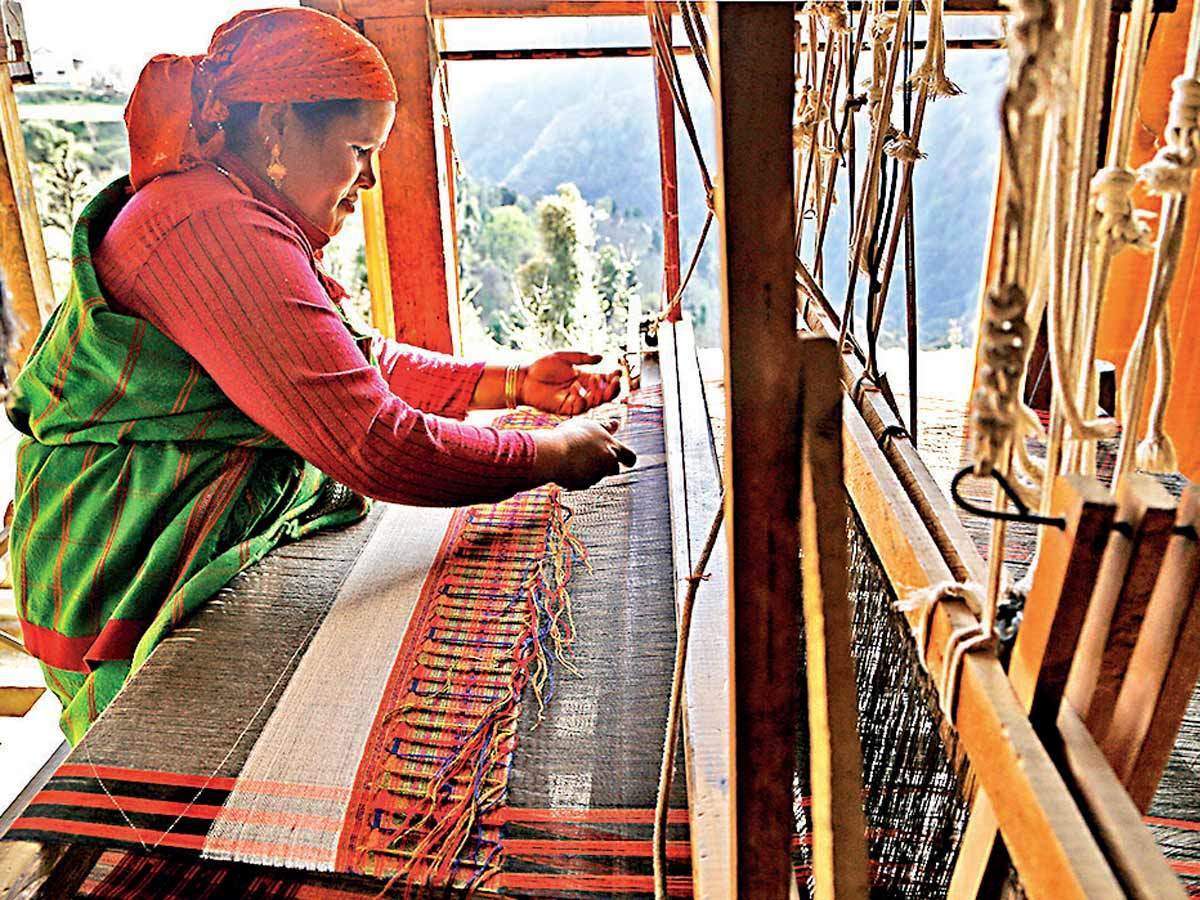
Indian handloom industry saw a reduction in 30% of its trade in the year 2020. This means that the already struggling industry will see further cut in costs. There is an urgent need to innovate new ways to market the goods it produces. The modern state of India still has one of the largest employed workforce in the textile sector, and a large part of it is the handloom industry – which is mostly worked in by the artisans who are either poor or are working hard to preserve their traditional way of manufacturing clothes and designs. For India presents a rainbow in manufacturing methods – right from the famous Benarasi Saree to the now almost extinct methods of making silk and woolen garments in the remote hills of Ladakh and Kashmir.

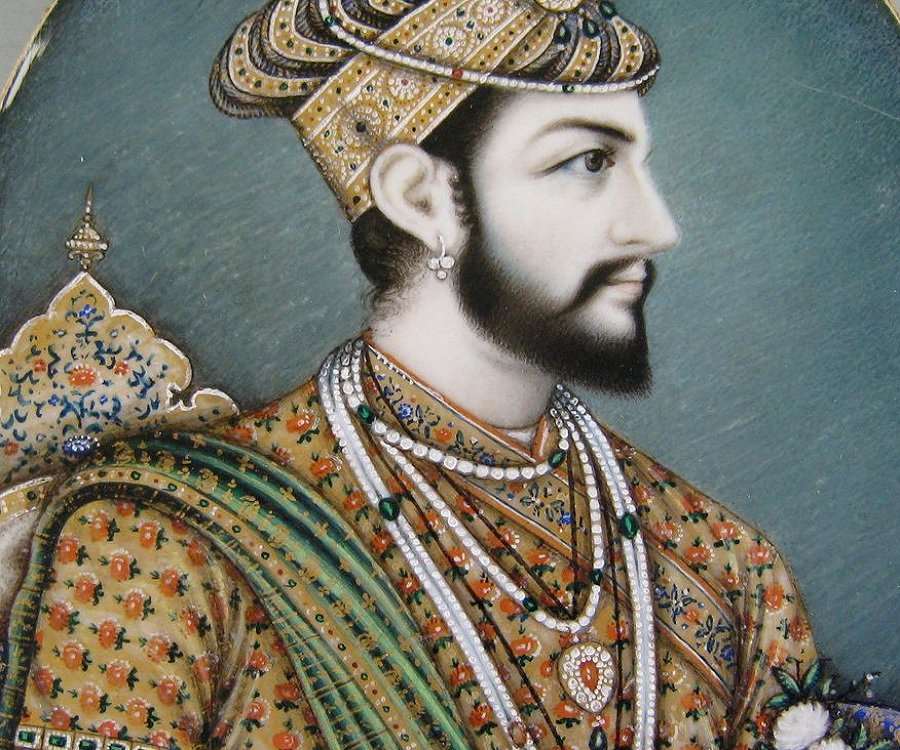
Cotton has been cultivated in the Indian subcontinent for over 3000 years. And that is probably also the age of a rich tradition of fabric making. With the advent of the bronze age through the influx of Greco-Roman, Mongol, Iranian, Vedic and Afghan cultures into the modern age of Mughals, Marathas, British and later the republic of India and her neighbours – the Indian textile industry has seen a plethora of changes and demand.

Shah Jahan Biography - Childhood, Life Achievements & Timeline
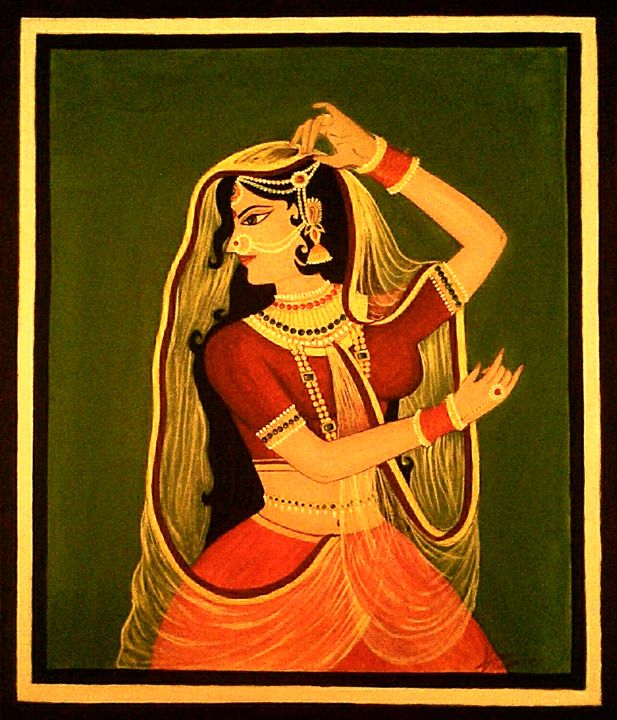
Queen of royal India - SSK Art Gallery - Paintings & Prints, Ethnic,  Cultural, & Tribal, Asian & Indian, Indian - ArtPal
From dhotis and sarees to kurtas and Salwars – India has seen a plethora of changes in its clothing culture.
India's handloom export declined by 30% within a year: Text Min statistics
Social enterprises looking at innovative ways to revive handloom sector  post-lockdown - The Economic Times

Handloom has a great symbolic importance to India. For it was the first Industry that stood as a symbol of self-reliance during the British Raj resistance period, a rhetoric the current Indian Prime Minister used in his Atmanirbhar Bharat campaign. After all, if it were not for Indian fabric – the famed Muslins and Pashminas and Indian spices – the British would have had to search for other reasons to come and settle in a land so very far away from their motherland.

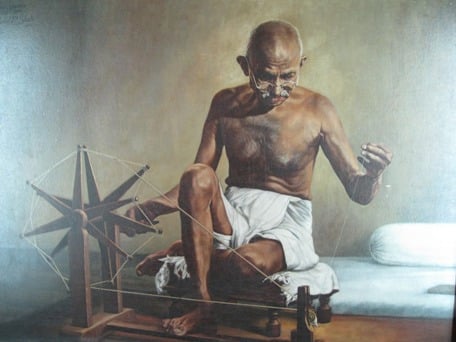
Cherishing the charkha | Indian Link
Gandhi used handloom as a symbol of self reliance

7th August marks the National Handloom day – a day dedicated to an industry that is rapidly finding itself in a stage where only the ones who are super-nationalist and the rich opting for it. Handloom products are often costly than the cheap produce of the machines that invaded the textile industry 200 years ago, effectively ushering in the Industrial Revolution in the 17th century England.

Back to India, here is a list of some famous Indian handloom industries and the cities in which they are concentrated.

  1. Varanasi – The famed Banaras Silk sari is the prized possession of many north Indian women as that is the standard sari of the bride in marriages in households that can afford them. And yet, the Benarasi artists are increasingly been replaced by machines that are producing cheaper saris though with reduced finesse. To add to it is the Zamdani works on cotton fabric, quite endemic to the city.
  2. Jaipur – Jaipur and its handloom industry have the royal family of Jaipur as its patrons. There are establishments and shops that were opened by the last Rajmata of the city, Gayatri Deviji to promote local industries. To add to that is the already existing tradition of Bandhni, Zari and Patti works.
  3. Surat – One of the oldest textile industries that were spotted and used by the local rulers and the British alike. The silk industry in Surat is one of the largest of its kind in the country.
  4. Kota – The tuition capital of the country is also home to the Kota Doria, Gotta Patti and the Kota weave artisans.
  5. Lucknow – The city has an industry that keeps alive the times when nawabs ruled over the city of Lucknow, the then capital of the Awadh state. Most famous of its local weaves is the Chikankari work.
  6. Bhadohi – The small town is only 40km from Varanasi and has been the centre of Indo-Persian carpet work since the era of the Mughal Emperor Akbar and has the largest carpet making industry in the country.

Well, there are many more of such cities and villages when one researches about them. Many of the ingenious art forms that are involved in making clothes are dying with less than 50 families left that carry forward the tradition. The sad part – machines cannot replicate that finesse. Such is the case of the wool and silk industry in the Gharwal and Kashmir valleys.

After the pandemic or even during it, let us and our government support this remnant of our history, our art, our tradition and a symbol of first instance of our modern industrial self reliance.

Metamorphosis – Book Review

Buy Metamorphosis Book Online at Low Prices in India | Metamorphosis  Reviews & Ratings - Amazon.in

Gregor Samsa is a salesman who wakes up to find himself transformed into a monstrous vermin. Lying on his bed, he worries about himself and while he has time, contemplates upon the consequences of his metamorphosis. He wonders about his life, his family and the way in which his life and career has turned out to be. He thinks about he is struck with his job only because of his father’s debt and that no relationship in his life ever came from heart.

His family is horrified when they learn of this transformation when the office clerk pushes his way into Gregor’s room. The family, no longer financially stable decide to get jobs and when they do, they start neglecting Gregor more and more only to end up using his room as a store room and giving away a room in their house on rent. Gregor’s sister is the only one willing to give him food in all this while. One day, when Gregor’s sister accidentally breaks a bottle of medicine, his father hurls an apple on him, which gets struck in a sensitive spot on his back and he lies in his room in agony. And one day, he scares the tenants who threaten legal action over the unhygienic conditions of the house.

Grete, Gregor’s sister realises that Gregor is but a liability and asks her parents to get rid of “it”. Hearing the conversation, Gregor goes into his room and dies before sunsrise. The family rejoices his death by taking a day off and ride on a ferry down the countryside. Gregor’s mother exclaims that Grete has grown beautiful despite all problems and they must find her a good husband.

Kafka’s metamorphosis is considered to be a classic in literature. It is a story of a changing society and how necessities cause a metamorphosis in households and in society in general.

When are you reading this tale of humanity?

The Hiroshima Day

6th August 1945. Imperial Japan had refused to surrender even though all the other Axis powers had. Hitler and Mussolini were dead – the Second world war in Europe had come to an end as far as conflicts were concerned (A long age of a partitioned Germany and the Nuremberg trials would happen later). Roosevelt had overseen the construction of secret weapon and Truman, who came to power in the April of that year, ordered for its use.

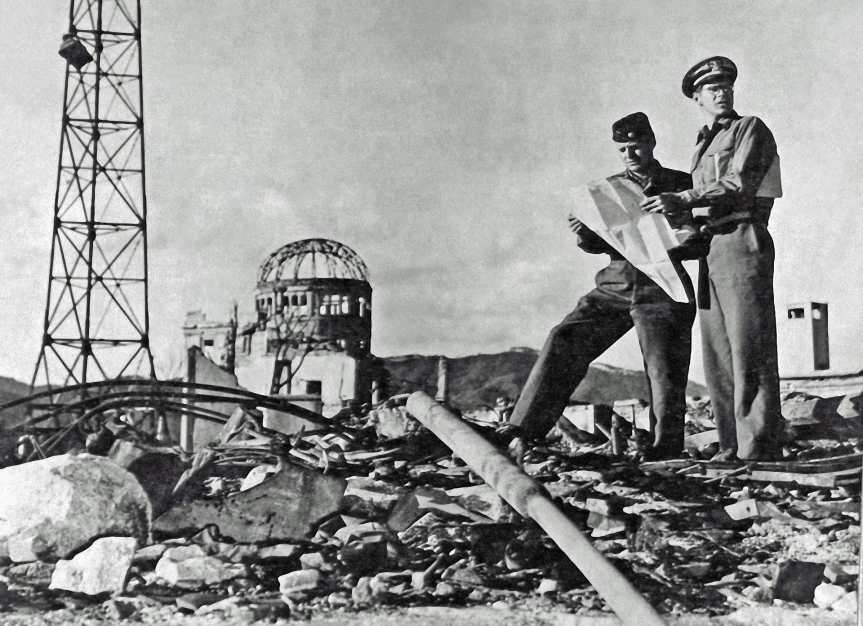
Atomic Bomb Dropped on Hiroshima - HISTORY
Hiroshima was the first city in history to suffer a nuclear detonation.

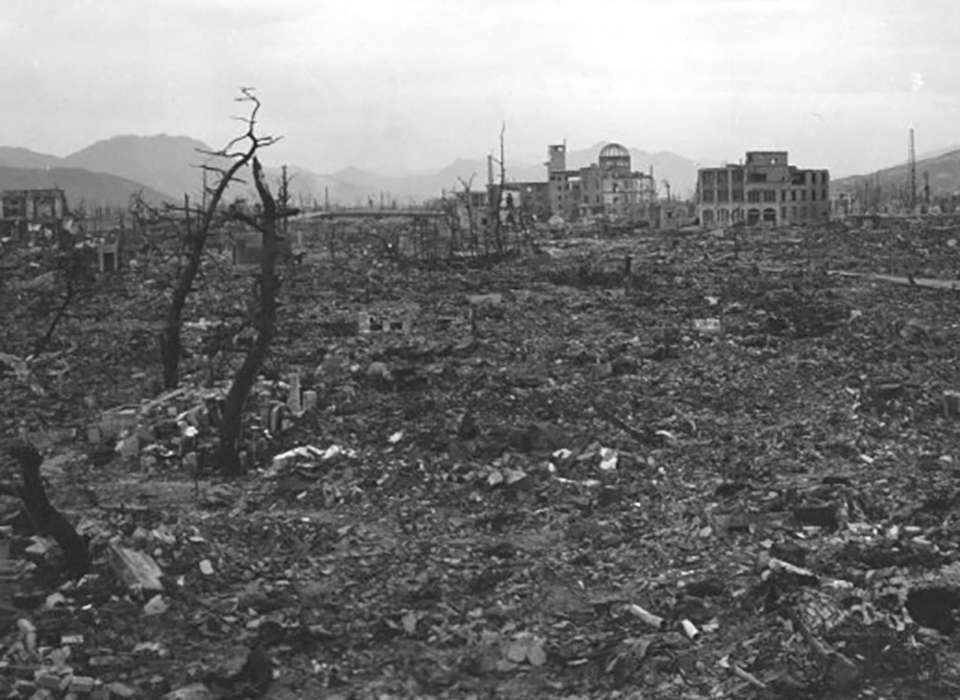
The city of Hiroshima was bombed on the 6th of August 1945 – the first ever atomic bomb attack in human history. 3 days later, another Japanese city – Nagasaki was bombed with the nuclear weapon – forcing Japan to surrender unconditionally and bring the second world war to a decisive end in the favour of the Allied forces. But Truman and most Americans shall never know what it is to be bombed with the weapon. Hiroshima and Nagasaki mark the only instances of atomic bombing recorded. The Allied had failed to bring Japan to its knees and sought the Atom bomb as a quick and effective way. But this quick way, which was a joint plan by the US and its allies – as required by the Quebec Agreement killed a 150,000 people – a 120,000 of them being civilians in Hiroshima alone. And this might have been one of the deadliest attacks on a civilian city by any country involved in a conventional warfare – let alone the US that was trying top be the leader of human rights and civilian liberties.

The Most Fearsome Sight: The Atomic Bombing of Hiroshima | The National  WWII Museum | New Orleans
A 120,000 people and 50sq km of area were eradicated in a matter of seconds.

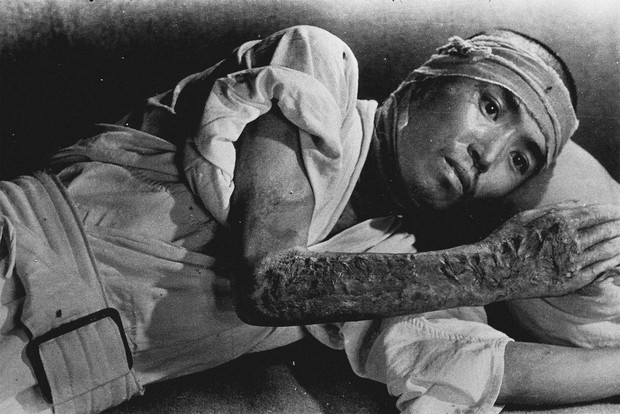
To the Allies, the bomb meant an end to warfare and a sign of American supremacy for the next 5 decades. But to Japan, it meant deaths of 200,000 people in both cities and several decades of nuclear poisoning, radiation induced mutations and cancers that spanned several generations and in some families continue even today.

The University of Texas created a photobook to let the average American – who allegedly yields more pride than sympathy toward the incident – to know of the plight of a nuclear warfare. And people across the world – may it be Chinese, Indian, Pakistani, American, Russian, Israeli or North Korean(if they could read this) would agree that the rhetoric of a nuclear warfare is so blatant in these societies that a bunch of stupid people in the government can lead to a humanitarian and environmental crisis unprecedented in history.

University of Texas photo book aims to show realities of Hiroshima,  Nagasaki blasts to US - The Mainichi
Raditation poisoning killed about 20,000 more people in the later months.

The Hiroshima Day is a reminder of the powers of nature that man has been able to harness and the fact that these powers mean only more responsible behaviour is needed in all of us.

Hiroshima Peace Memorial Park Hiroshima Tickets & Tours - Book Now
The Hiroshima Memorial Park stands as a testimony to those people who bore the brunt of war between two groups who sought nothing but a global supremacy in trade and diplomacy.

Panchatantra : The Older Aesop Fables

A certain king Sudarshan had three sons – neither of them willing to take responsibility or learn anything. The dejected king went to a scholar named Vishnu Sharma who used animals as characters to weave five treatises – sets of interwoven stories – “The Loss of Friends”, “The Winning of Friends”, “Of Crows and Owls”, “Loss of Gains” and “Imprudence” – that taught the princes about politics, life, justice etc. and came to be known as the Panchatantra.

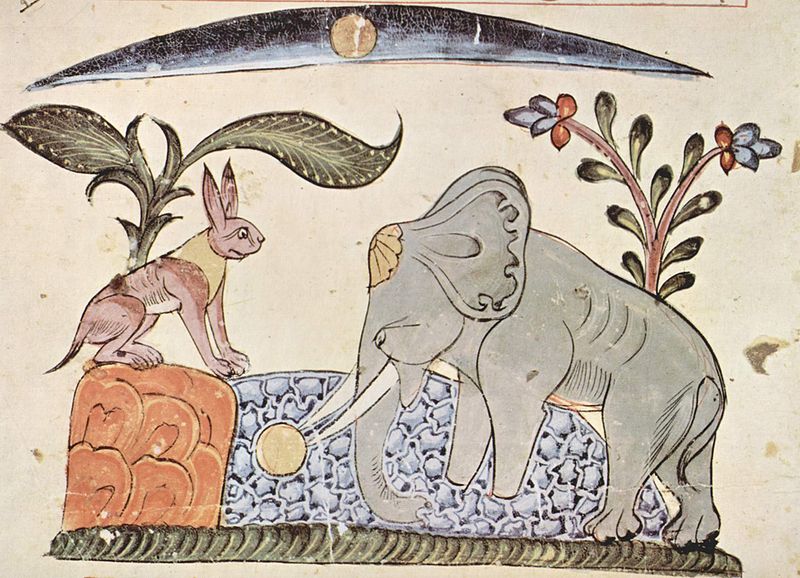
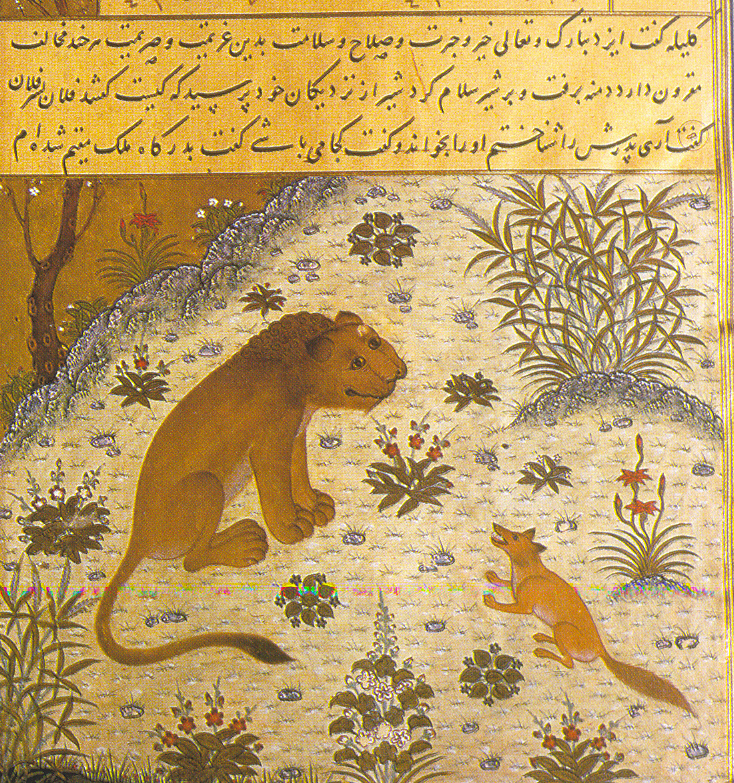
Panchatantra to this day remains the most published, circulated and translated non-religious text in human history. The Arabs carried the book to their lands to be translated as Kalīlah wa Dimnah in the 7th century. By that time, it already existed in Sanskrit, Persian, Greek and the local Indian languages like Pali and Prakrit. By the 17th century, it existed in French, Italian, German, Chez, English and Slavic languages as well.

Ibn al-Muqaffa' by Khalil Gibran.png
Ibn al-Muqaffa, the scholar who translated the book in Arabic.
The Persian Panchatantra

The Aesop Fables of Greece carries a similar taste in story telling – simple and straightforward stories with talking animals often holding the traits identified with humans. But weirdly enough, that is a more famous set of stories in the modern day despite all the historic achievements the Panchatantra holds.

In the modern day, when society is increasingly pushing itself and its members – including kids and adults into its new evolving definitions of justice, crime and conduct – Panchatantra offers a freshness of simplicity despite being 2500 years in age and in lore.

Anxiety and movement

Anxiety is the brain’s way to inform that you are stressed. Stressed not about particularly something big and important, but maybe just about tomorrow. Sometimes it is a reaction to a past experience, sometimes it is because you are going to experience something for the first time and sometimes it is just hormonal. And the hormonal one is pretty common in adolescents. Another reason for anxiety might be that it is simply genetic. Genetic depression and anxiety have long been subject to clinical research.

Whatever the reason behind this unwanted fear and apprehension be, it is often paralysing. It takes away the brain’s capacity to deduce the right action at that point in time. And that is the most hated part about it. Because anxiety is probably one of the most natural of brain’s reactions and yet is one of the most decapacitating ones.

But the trouble is – we, as people must complete what we have to despite the anxiety we possess. And more importantly, we as people must let our mind stay healthy and hence not push that anxiety away by simply asking it to go away because we are too ‘privileged’ to have it.

So, what is the better way out? Well, perhaps, a constructive overwork on it – communication. Writing down a journal, drawing, music, watching a movie, reading a book etc. or simply speaking to someone. Communication is the better way to reduce anxiety.

Suppressing anxiety may lead to depression, over stressing and a sharp fall in productivity – maybe even some constructive thoughts might become seldom.

How to Cope With Anxiety and Depression | Everyday Health

So, as a note, accept your emotions and communicate. That is the better way through.

2020-21: Fires, Heat and Rains

2020 started with forest fires in Canada, Brazil and bush fires across Australian coast, causing the death of at least two billion animals.

Tourism Australia Bites Back On 'Viral Bushfire Misinformation'
The Australian Bush fires

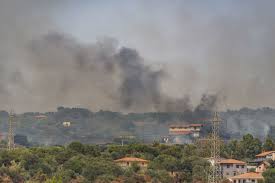
Come 2021, Greek, Turkish and Italian people experienced one of the hottest summers in history in 2021. In the Hellenic Republic of Greece, the temperatures reached 45 degree Celsius on 4th August. While this might be a pretty regularly recorded temperature in the tropic, the Balkans and the Anatolian peninsula recording such temperatures is worrisome. The temperatures led to a spontaneous spread of forest fires in and across Europe, Canada and Turkey – and people across the globe shared the plight of Turkey on social media since Turkey is not habitual with these fires and hence lacks the number of helicopters and jets to control these fires.

Sicily wildfires, August 2021
Turkey battles wildfires for 6th day, EU to send planes
Turkish Wildfires have been unprecedented for the country

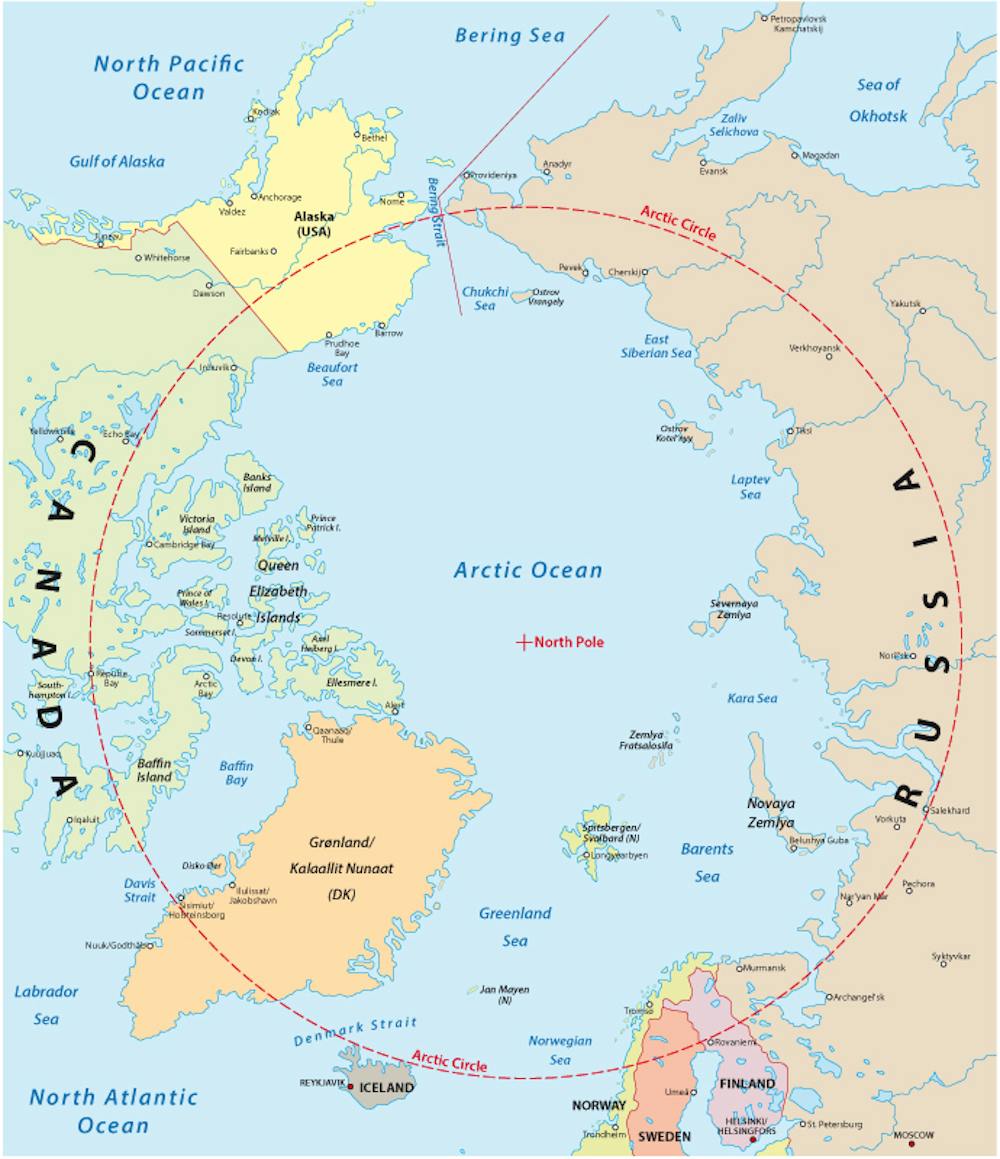
China recorded floods it had never seen in the last 50 years of its history in 2021. A very worst form of excessive rainfalls was recorded in central and western Europe in July 2021 with countries like Germany completely overwhelmed by floods. This is in addition to the already burning Amazons and even Asian countries recording instances of Forest fires in a time not traditionally identified with the same. Russia and Finland and US are also heading towards a quite imminent diplomatic crisis given that the Arctic has already lost more than 50% of its ice opening up the once frozen Tundra and permafrost to petroleum and uranium explorations with the obvious geopolitical control over the area being a chief topic of contention.

Arctic cold war: climate change has ignited a new polar power struggle
Climate change has ignited a new proxy struggle for the domination of the ocean.
Climate change: Polar bears could be lost by 2100 - BBC News
These might be one of the last generation of the polar bears.

China and India claim to have planted at least a billion trees in the last 5 years with China keen on developing technologies that are associated with building forest towns – a human enclosure built within an artificial forest as the future of dwelling. France announced a closing of all its coal plants 2 years ahead of schedule. But is that all? Global statistics show a massive increase in demand for coal in 2020 and ’21.

Liuzhou Forest City | Stefano Boeri Architetti
The Liuzhou city might be the first forest city on the planet.

The images of environment recovering due to COVID might be fairly short lived.

We were Liars: A book review

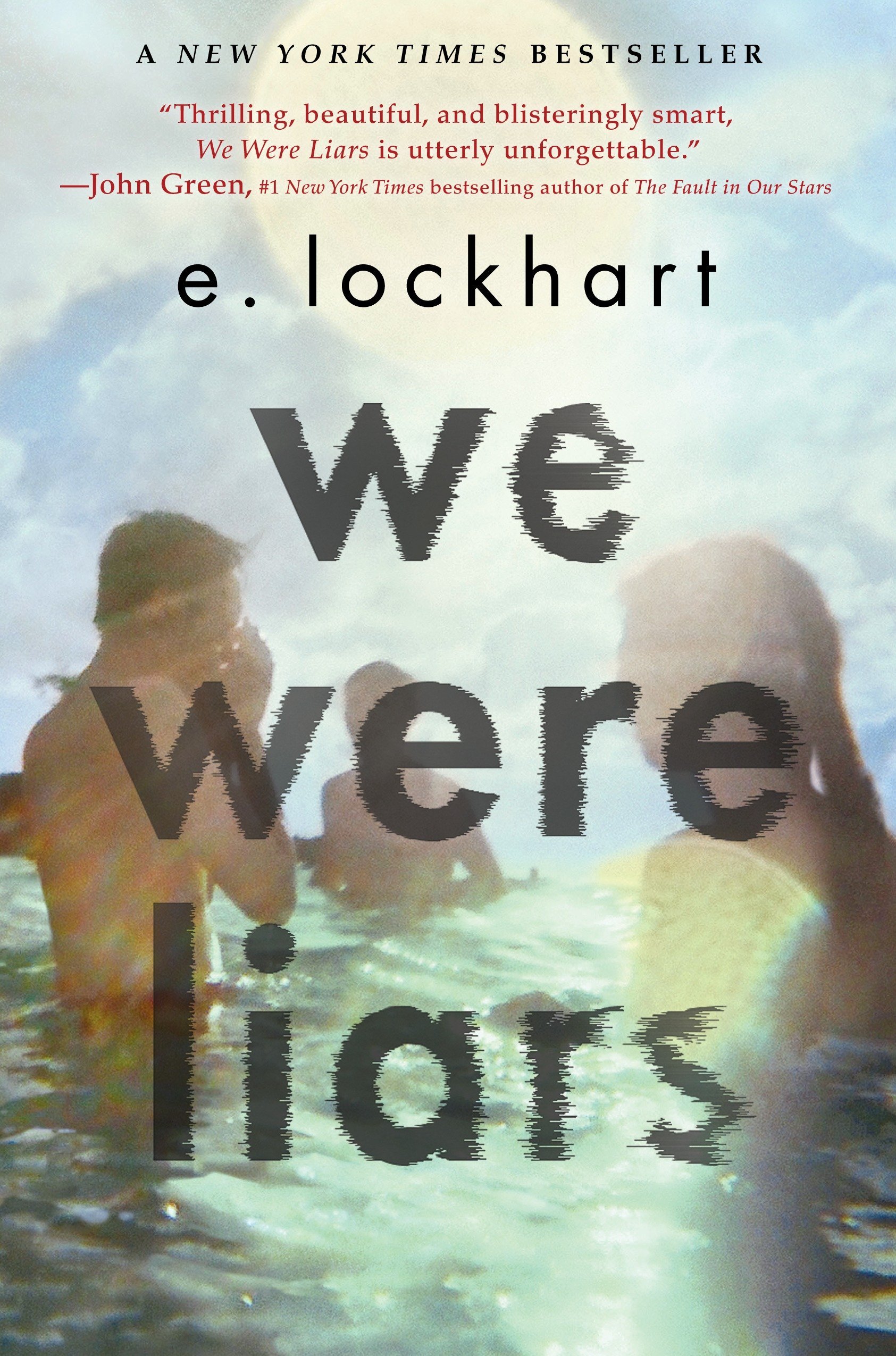
Cadence is a girl born to rich family that owns large estates and an island. Her best friends are her cousins and the son of the manager. This group together is called the liars. The liars are the best of friends, and enjoy each other more than their families which are bound quite unlovingly in threads of race and economic dependencies. One day Cadence is found unconscious near the shore and is not allowed to visit the island again for the next couple of years. The worst part is she remembers nothing of what happened to her. Her mother even forces her to improve relationships with her estranged father. She returns however to the island only to find the liars living in a far end of the island and her family broken down and her once strong headed and commanding grandfather suffering from dementia.

She roams around the island and is saddened that the liars do not want to get very close to her. She discovers not only the ugly relationships and secrets of her family but also slowly comes to remember and accept the fate that she has given to her friends and her family.

Awarded the Good Reads Book of the year in young adult literature in 2015, We were liars is a book that deals with love, romance, a decaying aristocracy and the decaying state of mind within it, not to forget issues like mental health and defenses.

Buy We Were Liars Book Online at Low Prices in India | We Were Liars  Reviews & Ratings - Amazon.in

Happy Reading!!!