4 REASONS WHY GETTING ENOUGH SLEEP IS IMPORTANT

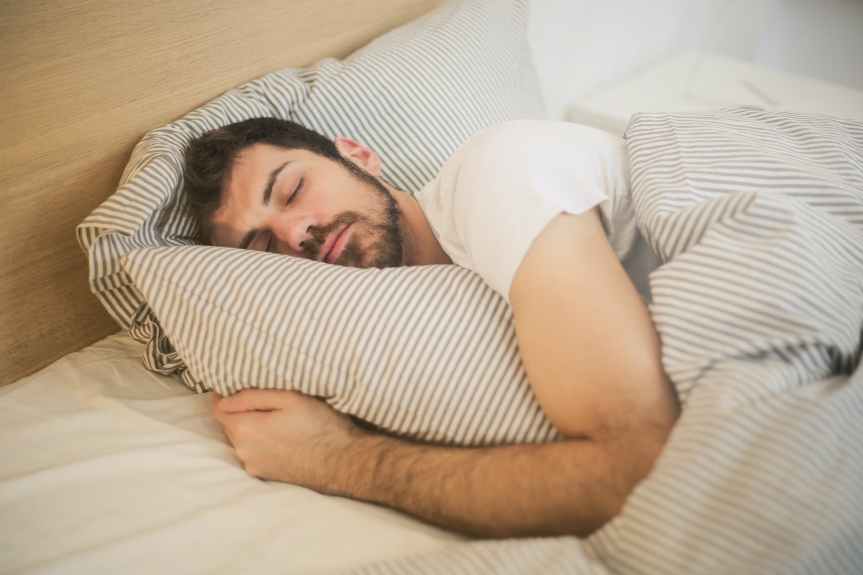
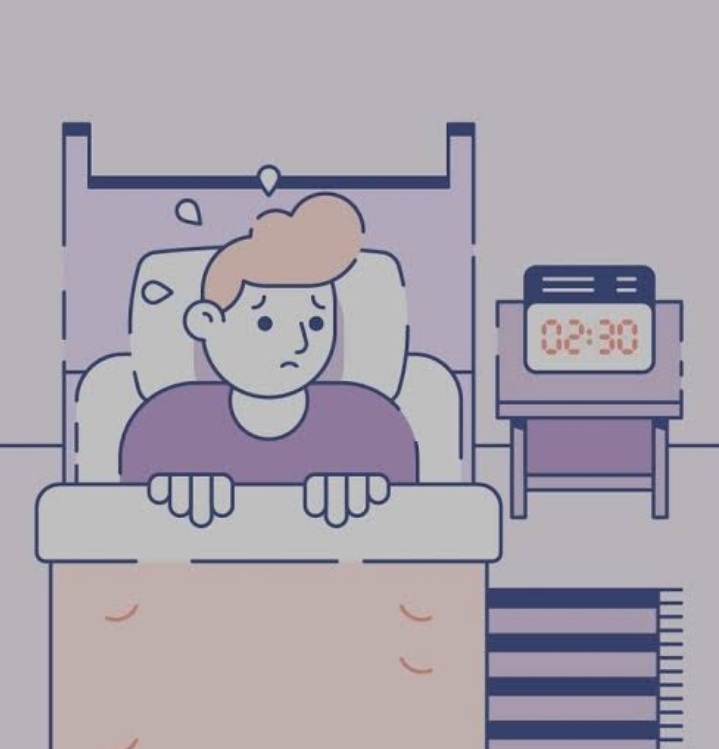
1. If you do not get the amount of sleep then you have not only wasted a whole night but the following day too.

Because sleep is like a charger that refills you with energy & also heals the tiredness to face the challenges and proactively command your day with great energy and enthusiasm.

2. Rest is also important and because it is lacking you will usually take more time than the actual time you estimated for the task.

The simple reason behind why it happens is you aren’t thinking clearly and if you aren’t thinking clearly then how you can act clearly , that’s so simple.

3. When your complete energy is drained because of the whole day’s work your concentration level is not at its best to perform vital tasks and thus you become diverted to perform less important tasks.

4. Creativity often reduces when you don’t sleep properly.

And if you aren’t creative when you are doing a precious task, means for that task you have sacrificed your sleeping  hours then it must be a precious one, right ?

Procrastination

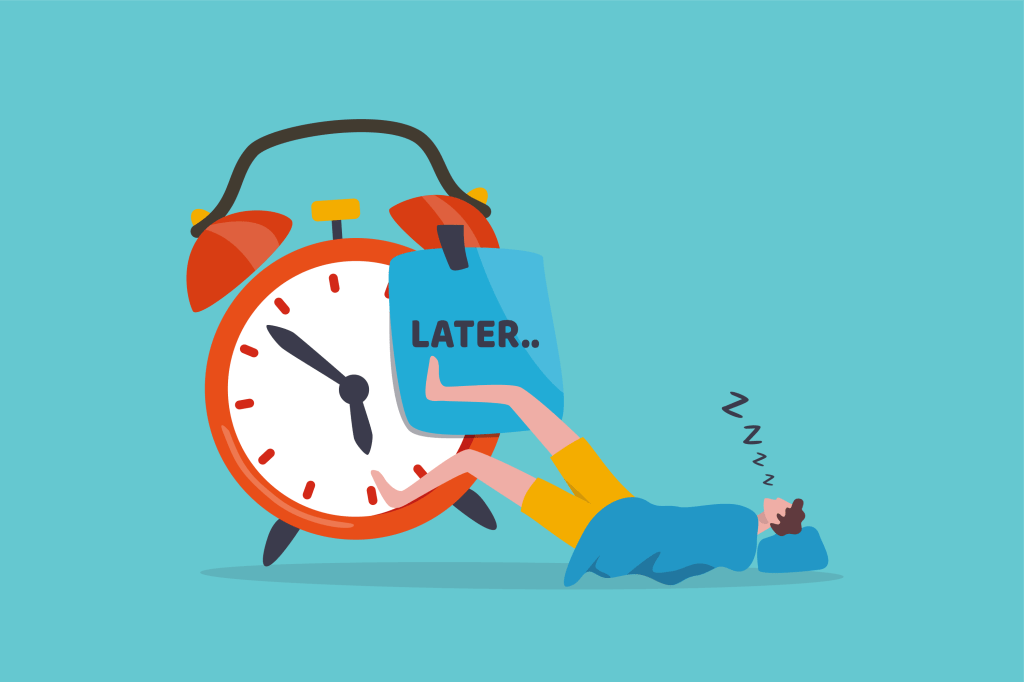
Ah! I’ll do it later.

If there is one habit that can easily be regarded as a “disease” it would have to be our habit of procrastination. Procrastination is a habit wherein a person keeps delaying a task that should be a priority and focus on the tasks that are clearly not that important.

It is often believed that a person delays the task because he/she is lazy but that is not the case. Laziness involves unwillingness to do the task but procrastinating has a larger scope. We often procrastinate when we feel we do not have the potential to complete the said task on time or at all. There is a little voice inside us that often says that we are not up for it so let’s delay it. I am sure everyone can relate to this. We often find ourselves putting off assignments that require a lot of time and effort. In fact we delay it so much that after a certain point it starts to feel more like a burden and that is the time we think we would have been better off if we just did the task on the first day. This feeling does not go away until the task the completed. The reason I called it a disease is because it is hard to cure. You procrastinate in doing one task and the next thing you know you have a list of tasks to do in the end moment.

Dr. Piers Steel, a professor of motivational psychology at the University of Calgary and the author of “The Procrastination Equation: How to Stop Putting Things Off and Start Getting Stuff Done.” has accurately said that procrastination is “Self-harm”. If you think that delaying stuff only affects your time management skills then you are wrong. Procrastination has adverse effects on your mood, your potential and of course your ability to complete anything on time let alone the important tasks. The more you put off doing things the more you start to doubt your potential. You develop the fear of failure. You have the constant fear that you won’t be able to it and so you keep on delaying until a time comes when you have to do it in a hurry and half-heartedly, which is definitely a blow to your potential abilities. And so you do it more because you don’t trust your capabilities.

Your emotions are also take a giant hit in the process. You are constantly irritated and everything around you makes you unhappy. We humans always focus about having a good mood for a short period of time rather than thinking about long term. So we slowly start to procrastinate until we are in a good mood without thinking of the long term consequences. The worst part about this is the self blame that is followed by low self-esteem. This not only has an impact on your emotions and your brain but your entire body suffers.

Procrastination might sound like a normal thing involving putting off tasks but it has a deeper impact which is clearly not healthy. You know you are gonna have to do the task so why not just start with doing it. If you feel low in the middle just switch to easier tasks but don’t give up on the important ones. Once you start prioritizing you will feel your schedule changing and you will feel lighter in the long run. So, next time you feel like procrastinating just think about the consequences and that would be enough to get you started and with time you will get over it completely.

AIDS

Acquired Immune Deficiency Syndrome (AIDS) is a chronic disease. It is caused by the infection of Human Immunodeficiency Virus (HIV). The virus attacks the immune system, causing a potential life threat. Initially, the infected person may not show any or negligible symptoms like dry cough, chills, nausea, fever, body aches, and loss of appetite. A prolonged period with no symptoms may make it seem normal, but over time, the virus interferes more with the immune system, which makes the body much vulnerable to infections and results in tumors and tuberculosis. Such symptoms which show up later are said to be Acquired Immune Deficiency Syndrome (AIDS). Abnormal weight loss can be seen in this stage.

Causes of AIDS

The cause of AIDS is HIV infection. The virus copies its RNA into the host cell’s DNA, altering the genetics of the body. This ability of the Human Immunodeficiency Virus (HIV) makes it a retrovirus. HIV targets and destroys the White Blood Cells (WBCs). The white blood cells are known as the immunity cells as they fight against any foreign bodies such as viruses, bacteria, fungus, or any other infections and diseases. As the WBCs weaken, the overall immune system gets disturbed and weak, resulting in the inability of the body to fight against any disease.

How Does the Virus Transmit?

HIV is mainly transmitted from unprotected sexual intercourse through genital, oral, or rectal parts. The body fluids released during sexual activity transmit the virus from one infected body to the healthy body. Other than that, it can also transmit through pre-natal and blood.

In the case of blood, using the same needles as used on HIV positive person on a healthy person can easily infect the person. Even, transfusion of blood of an HIV-infected person into the body of a healthy person transmits the virus.
In pre-natal transmission, the virus is transmitted through the mother to the baby during pregnancy, during delivery, or through breastfeeding.

Treatment

AIDS is a lifelong disease that neither has a cure nor vaccine. But it can be treated and prevented. People have the misconception that HIV can even spread with minimum touch or contact with the infected person, without any sexual contact necessarily. It is important to have protected sex to prevent HIV and other sexually transmitted diseases. After all, prevention is better than cure.

It is advised to have safe sex and wear condoms by any of the partners, be it male or female. It not only prevents unplanned pregnancy but also safeguards against HIV and other sexually transmitted diseases (STDs).
It is better to get tested for HIV routinely and to have a restricted number of partners to have sex with.

Stigma Related to AIDS

Many people still have the misconception that AIDS is contagious and often maintain a distance from people with AIDS. There have been various instances where people with AIDS are not accepted socially. They are often not offered jobs or terminated from their jobs after finding their disease.

Many cultures and religions discourage the use of condoms as they believe it is a barrier to the natural process. Such ill practices contribute to the spread of such diseases.

Conclusion

HIV is not a contagious disease; however, it is life-threatening. Being bullied or secluded by people makes it much tougher for HIV patients to survive. They are already suffering, and discrimination against them makes them mentally suffer more than they are already suffering physically due to the underlying disease.

HIV-positive patients can lead healthy and normal life with proper treatment, love, and affection. It is important to create awareness among people regarding AIDS. Educating them about the fatality and the importance of getting tested on a regular basis for HIV is crucial.

MEDICAL TERMINATION OF PREGNANCY (AMENDMENT) BILL 2021

Context: Recently, the Rajya Sabha passed the Medical Termination Pregnancy (Amendment) Bill, 2021.

● The Bill seeks to amend the Medical Termination of Pregnancy Act, 1971.

● This Act covers abortions in India. It had been amended in 1975 and 2002.

●This is an important Bill that seeks to enhance the reproductive rights of women in india .

● Before the enactment of this legislation, abortion was prohibited under Section 312 of the Indian Penal Code.

According to this MTP Act, 1971, a pregnancy may be medically terminated by a registered medical practitioner:

  1. Where the length of the pregnancy does not exceed twelve weeks (for this, the opinion of one doctor was required).
  2. Where the length of the pregnancy has exceeded twelve weeks but does not exceed 20 weeks. In this case, for the abortion to take place, two doctors must be of the opinion that the continuation of the pregnancy would impair the mental and/or physical health of the mother, and/or that if the child were to be born, it would suffer from serious physical or mental abnormalities causing it to be handicapped.
  3. The law also required minor pregnant women to get written consent from the guardian for the abortion to be allowed.

Provisions:

Termination due to Failure of Contraceptive Method

Under the Act, a pregnancy may be terminated up to 20 weeks by a married woman in the case of failure of contraceptive method or device. The Bill allows unmarried women to also terminate a pregnancy for this reason.

Opinion Needed for Termination of Pregnancy:

• Opinion of one registered medical practitioner (instead of two or more) for termination of pregnancy up to 20 weeks of gestation.

• Opinion of two registered medical practitioners for termination of pregnancy of 20-24 weeks of gestation.

• Opinion of the State-level medical board is essential for a pregnancy to be terminated after 24 weeks in case of substantial foetal abnormalities.

Medical Boards:

Every state government is required to constitute a Medical board

These Medical Boards will consist of the 5 members:

(i) a gynaecologist

(ii) a paediatrician

(iii) a radiologist or sonologist

(iv) any other number of members, as may be notified by the state government.

Upper Gestation Limit for Special Categories:

It enhances the upper gestation limit from 20 to 24 weeks for special categories of women which will be defined in the amendments to the MTP Rules and would include survivors of rape, victims of incest and other vulnerable women (like differently-abled women, minors) etc.

Confidentiality:

The “name and other particulars of a woman whose pregnancy has been terminated shall not be revealed”, except to a person authorised in any law that is currently in force.

Benefits:

Termination in Case of Anomaly:

A number of foetus abnormalities are detected after the 20th week, often turning a wanted pregnancy into an unwanted one.

Helps Special Category Women:

The law will help the rape victims, ill and under-age women to nd unde terminate the unwanted pregnancy lawfully.

Beneficial for Unmarried Women:

The Bill also applies to unmarried women and therefore, relaxes one of the regressive clauses of the 1971 Act, i.e., single women couldn’t cite contraceptive failure as a reason for seeking an abortion.

Allowing unmarried women to medically terminate pregnancies and a provision to protect the privacy of the person seeking an abortion will bestow reproductive rights to the women.

Abortion laws across the world:

Abortion laws vary across the world. It is learnt that around 60 countries prescribe gestational limits.

• 52 % including France, the UK, Austria, Ethiopia, Italy, Spain, Iceland, Finland, Sweden, Norway, Switzerland and even Nepal, allow for termination beyond 20 weeks on the diagnosis of foetal abnormalities.

● Some countries go beyond even these limits with laws in 23 countries-Canada, Germany, Vietnam, Denmark, Ghana, and Zambia-allowing for abortion at any time during the pregnancy on the request of the mother.

●Recently, Argentina became both the largest Latin American country and the third South American country to legalize abortion.

Challenges:

Viability of the Foetus:

● A key aspect of the legality governing abortions has always been the ‘viability’ of the foetus.

● Viability implies the period from which a foetus is capable of living outside the womb.

● As technology improves, with infrastructure up-gradation, and with skilful professionals driving medical care, this ‘viability’ naturally improves.

• Currently, viability is usually placed at about seven months (28 weeks) but may occur earlier, even at 24 weeks.

Thus, late termination of pregnancy may get in conflict with the viability of the foetus.

Preference for a Male Child:

The preference for a male child keeps sex determination centres in bussiness in spite of their illegal status. There are concerns that a more liberal abortion law can aggravate this state-of-affairs.

Change of Choice:

The current Bill does not consider factors such as personal choice, a sudden change in circumstances (due to separation from or eath of a partner), and domestic violence

Medical Boards:

●The present healthcare budgetary allocation makes setting up a board across the country, both financially and practically impossible.

● Access to the board by pregnant women in remote areas of the state is a matter of concern.

●No time limit set to respond to the requests.

● The board will subject women to multiple examinations before allowing her to terminate her pregnancy. This is a violation of right to privacy and right to live with dignity.

Way Forward

●Though Medical Termination of Pregnancy (Amendment) bill 2021 is a step in the right direction, the government needs to ensure that all norms and standardised protocols in clinical practice to facilitate abortions are followed in health care institutions across the country.

●Along with that, the question of abortion needs to be decided on the basis of human rights, the principles of solid science, and in step with advancements in technology.


Can working long hour affects our heart ?

“Working long hours is a major risk factor for heart-related ailments, almost equivalent to having diabetes and hypertension together,” said a doctor


In May 2021, the World Health Organization (WHO) found that long working hours have been increasing deaths from heart disease and stroke. In the pandemic, this has become a more pressing issue, as working from home has caused people to spend long hours in front of their computer screens. The report by WHO and ILO found that this work-related burden is particularly significant in men.  According to Dr Kumar Narayanan, consultant cardiac electrophysiologist at Medicover Hospitals Hyderabad, the link between mental stress and heart disease is well established. “Nowadays, not only are working hours excessively long, but stress at work has escalated exponentially. Work timings are also often unhealthy, extending into odd hours as people work across time zones in a globally-linked world. All this leads to harmful stress responses in the body, along with unhealthy diet, sedentariness, smoking and inadequate sleep.”
Weighing his thoughts on this, Dr P C Mondal, a senior consultant intervention cardiologist and HOD at Kolkata’s Apollo-Gleneagles Hospital said while patients with pre-existing cardiovascular diseases (especially heart failure) and those with coronary risk factors (diabetes, obesity) are at an increased risk of severe disease and mortality from COVID-19(especially older patients), there may also be the development of new cardiovascular implications (including cardiomyopathy/myocarditis/Acute Coronary Syndromes) in patients without pre-existing cardiovascular diseases.
 
What are the things that one needs to know –

1. Avoiding a diet rich in fats, salt, low fiber, junk and fast foods.
2. Exercising more.
3. Lowering the consumption of tobacco, or completely stopping it.
 
“Psychosocial stress includes job-related stress due to long working hours, persistent stress, high work demands, and job insecurity,” he said, adding: “All these factors over a period of 25 years lead to the same level of risk of heart attacks as people who smoke and do not exercise.”
Summing it up, Dr Ulhas M Pandurangi, chief of division of cardiac electrophysiology and pacing at Arrhythmia-Heart Failure Academy, Chennai, noted: “Stress can tax the heart dearly. It is clear — working long hours is a major risk factor for heart-related ailments, almost equivalent to having diabetes and hypertension together.”


Foods which are good for a healthy heart –
 
1. Eat fish high in omega-3s such as salmon, tuna etc
2. Healthy nuts like almonds or walnuts
3. Berries containing phytonutrients such as blueberries, strawberries etc
4. Oats are the comfort food nutrient powerhouse.
5. Fruits like orange and papaya.
6.  Dark chocolates
7. Legumes
8. Vegetables like spinach, broccoli etc. 

THE ANCIENT INDIAN GREAT PHYSICIAN- JIVAKA

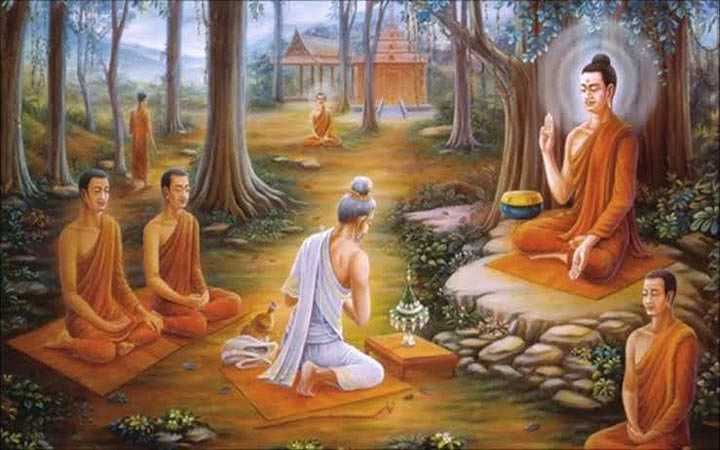
Jivaka Komarabhacca was a renowned legendary physician of ancient Indian and the personal physician of lord Buddha. Jivaka was lived in Rajagrha of the Magadha empire in 5th century BCE. He was the son of king Bimbisara and half brother of king Ajatasatru. Some sources say that jivaka was born for a courtesan who was called as amrapali but she discarded unwanted newborn baby in garbage dump outside the city of Ratnagiri in the kingdom of magadha. Fortunately, king bimbisara found the new born baby as live even in the harsh circumstences and named him as “JIVAKA” which means life.

Once as a teenager jivaka got to know about his birth secret and he felt ashamed of himself, later he decided to make money independently to repay for his adoptive father for his upbringing. The ayurveda medication forms has fascinated him a lot and he went to the greatest university of those times “TAKSASILA” to learn traditional medicine. He proved his excellence under the great guru of that time Atreya punarvasu. After completing his education jivaka became as a court physician to serve the king bimbisara of the magadha dynasty.

Jivaka was the most celebrated physician in India during the buddha time. Including king bimbisra himself sought for help from jivaka to cure his fistula problem and in some texts he is also depicted as a great surgeonist who performed many complex surgeries like brain surgery and surgery for volvulus etc… When buddha’s foot was injured because of the rock splinter, Jivaka helped him as a physician to cure the injury.

Later, he felt great pleasure to be as a physician to lord buddha and as he influenced by the teachings of buddha he showed interest in building monasteries for the monks. There is a saying that buddha did not accepted him as a monk but he accepted him as his lay disciple because buddha want him to remain free to help the sick people.

Even todays Thai massage therapy was also developed by Jivaka. His all medical techniques were stored in the form of jivaka sutras. Jivaka was an early physician than Bodhi dharma. His texts were even now stored in the chinese old buddhist libraries. Thailand people used to call him as father of doctors. He is also known as shivago kompara in Thailand.

CONCLUSION:

Jivaka is such a great Indian physician and a great surgeonist but he is not that much well known to our Indians when compared with Thailand people and chinese. Thailand citizens constructed a gaint statue of jivaka for his traditional medication techniques but we as Indians, we forgotted about our great ancient personalties and today we are in a situation to seek help from abroad countries for small problems also. Finally, Jivaka always believed that prevention is more important than directly going for treatment.

” THE MORE YOU LEARN FROM THE PAST THE BETTER YOU CAN PREPARE FOR THE FUTURE”

Understanding your Mental state during the Pandemic

Introduction

The second wave of COVID-19 started from the middle of March 2021 and peaked in April with a shortage of oxygen cylinders and hospital beds. Now when the numbers have gone down again, people will start venturing outside and the reason for this eagerness is understandable because of the impact this pandemic has had on all of us, we just need ways to cope with it. Although mental health has been discussed a lot since the beginning of the pandemic and the lockdown, it is important to understand what changes we have been experiencing and how we can cope with them.

Impact on Mental Health

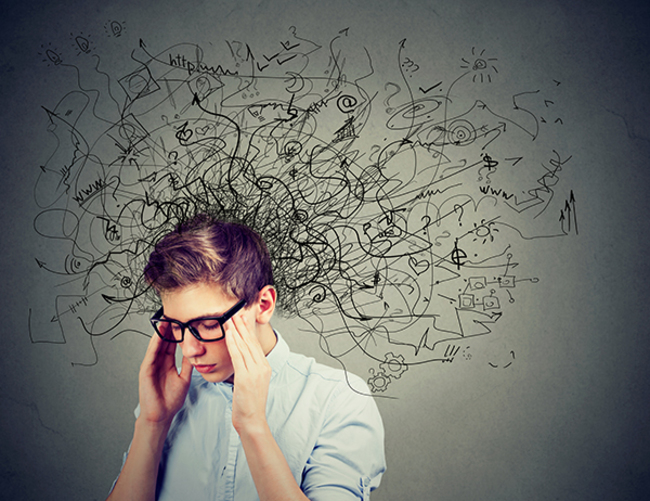
As we know, this pandemic created an economic crisis but along with that it also negatively impacted the mental health of people all across the world. People have been facing trouble with sleeping, eating, and alcohol consumption also went up. But the major mental health issues that are identified are stress, anxiety, depressive symptoms, insomnia, denial, anger, and fear. And the people with existing mental disorders became more sensitive to their symptoms. The rate of suicide also increased, a suspected Covid-19 patient committed suicide in fear of the result of his test, and later it was found that he tested negative. Adding to that the level of concentration has drastically gone down.

On a normal day if you search for symptoms, you might be experiencing during the pandemic, it would lead to the diagnosis of depression but don’t get confused between depression and the COVID-19 blues. The symptoms of COVID-19 blues include:

  • Feeling of sadness, emptiness, and hopelessness
  • Restlessness
  • Guilt
  • More than normal anger and irritability
  • Withdrawal from things you normally enjoy
  • Avoiding talking to friends and family
  • Change in sleep pattern
  • Change in appetite.

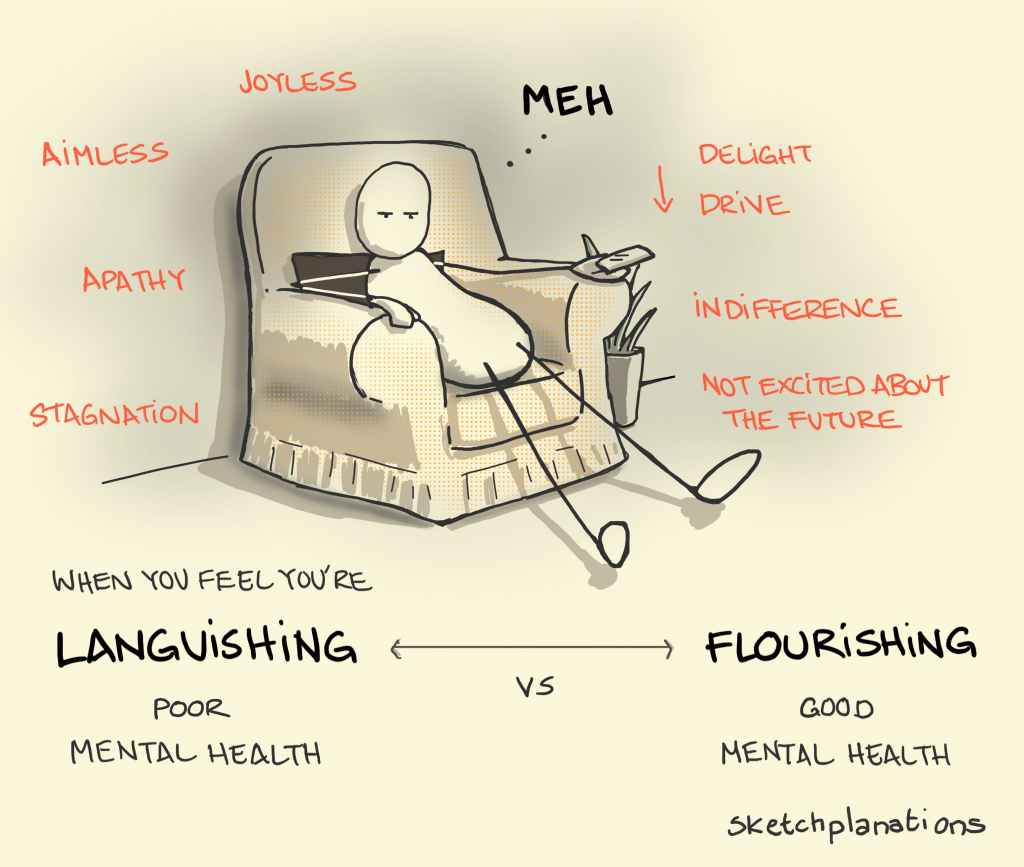
This is not the only thing, the feeling of eternal aimlessness that has started ever since the pandemic is known as languishing, and remember that you are not alone in this, even the practiced psychologists feel the same way. Languishing can be defined as a state of stagnation when you feel like the days are just passing by but you are not doing anything, you are just living through it. Not being able to focus on things is also a symptom of this.

Issues with Online

While most of the things have been shifted to the online forum and the work is being done in this new way, there are still side-effects of this change. The college students who started the online semesters with motivation have lost all of it as they can no longer focus or pay attention to the lectures, it all feels like background noise to them at this point. They cannot connect with their peers in the same way anymore. The distinction between personal and work time has disappeared, this isn’t just for college students but also adults working from home, everyone is working at any time and the expectation to get work done has increased using the reason “you are at home, you have time”. No one feels any kind of connection with their colleagues which brings troubles in the workflow. Moreover, people have lost any sense of time.

Solution

Here are some solutions to deal with this feeling:

  • Create a routine, divide your time for housework and job-related work. A routine will help you maintain a sense of normalcy. It will also help you from feeling lost because of too many things to do at the same time.
  • Try an at-home exercise routine to keep up with your physical health.
  • Declutter your home, it will help you in feeling productive and in control.
  • Set small daily goals, even small achievements count.

There is a concept of flow which means the state of absorption. The people who are immersed in some project avoid languishing, solutions for this are:

  • Even a Netflix binge helps as you connect with the characters of the show and your focus shifts to that.
  • Keep a goal of setting uninterrupted time for yourself, remove all kinds of distractions and focus on the one work you need to finish. There are applications that make sure you don’t use your phone for how much ever time you fill in.

Conclusion

This has been a very hard time for people all across the world, being scared for physical health was one thing but on the path to that our mental health is in danger and we need to take care of it. Remember to not blame yourself for feeling this way, take things slowly, do things that bring you peace. There is no need to hesitate from consulting a psychologist, if you think you are facing symptoms of depression, consult a psychologist to stay on top of your mental health.

References

IMPACT OF COVID-19 ON CARBON EMISSIONS

The unprecedented global disruption caused by the coronavirus pandemic is likely causing a sharp, brief drop in carbon emissions. 

  • Due to global lockdown ‘s impact on transport, demand for oil has fallen at an unprecedented scale. 
  • Gas demand falls less than oil or coal. 
  • The country’s CO² emission fell down by 15% during March and fell 30%in April. 
  • According to Daily data from the national grid. Coal – fired power generation fell 15% in March and 31% in April. 
  • Renewable energy generation increased by 6.4% in March. 
  • Due to reduced power generation, Industrial activity and transport volume. Thus, it has reduced fossil – related and cement – induced CO² emission. 

China is  the first country where the virus’s impact on carbon emissions  became visible

Carbon dioxide emission in China

According to China Emissions Accounts and Datasets(CEADs) :

  • Reduction of 257.7 Mt. (11%) over Q1 2019
  • Secondary industry contributed 186.8Mt.(72.5%) CO² to the total reduction (largely due to lower coal consumption and cement production). 
  • Hubei contributed 40.6Mt. reduction (due to decrease of 48.2%in secondary industry).
  • Transportation significantly contributes 65.1Mt. With a change of – 22.3% in freight transport and – 59.1% in passenger transport compared with Q1 2019.

      Globally :

  • Aviation decreased by 75%.
  • Surface Transport by 50%.
  • Power generation by 15%.
  • Industry – uncertain but~35%.
  • Small increase in residential buildings of 5%.

     Fossil Fuel:

  • Drop 8% in 3 month and peak drop 17% unprecedented 
  • Emissions in individual countries decreased by ~27%.
  • Emission from surface transport accounted for 43% of decrease, industry and power together accounted 43% and aviation. 
  • Drop in CO² Emissions had no detectable impact on atmospheric CO² or Climate change 
  • It is extremely small compared to the emission accumulated. 

Carbon dioxide emissions in India 

  • As lower power demand growth and competition from renewables weakened the demand for thermal power generation through the last 1 year. 
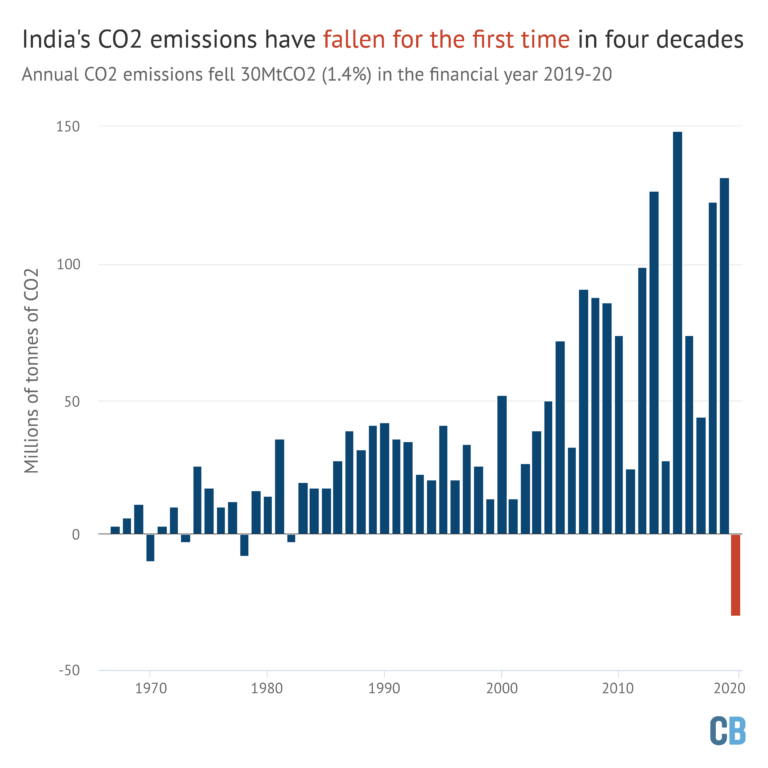
  • CO² emission fell by an estimated 15% during March and 30% in April. 
  • The fiscal year ending March, coal sales by main coal producer Coal India Ltd. Fell by 4.3%.

Coal import increased by3.2%

Total coal delivery fell by 2%

  • In March, coal output increased 6.5%. 

     Oil Demand :

  • Oil consumption slow down since early 2019.
  • During national lockdown, oil consumption fell 18% on March 2020.
  • Crude oil production in India decrease 5.9% compared to last financial year.

Thus, CO² emissions fell by 30mt.(1.4%) in fiscal year ending March. 

Environmental health due to Carbon Emission during Global lockdown

  • The positive effect of lockdown is to decrease the CO2 emission by −17% (−11 to −25%) by 7th April 2020 with respect to the mean level of emission in 2019.
  •  Air quality index (AQI) is the assessment of air quality. The lower the AQI value, the better is the air. The normal air quality index range is (100−200) and presently it is in the satisfactory range (50–100) category as reported by Gurfam being a scientist at SAFAR. 
  • Zambrano-Monserrate et al. (2020) reported that the air quality index (AQI) has decreased by 44%, 33%, 29%, 15% and 32% in north, south, east, central and western India respectively. 
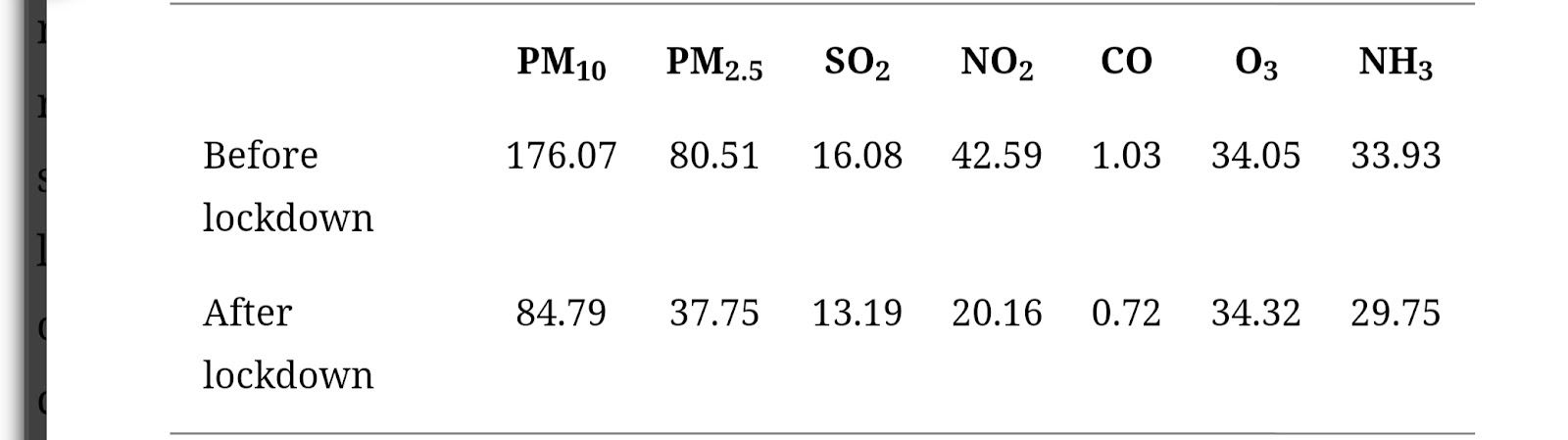
  • The same study also shows that from March 16th to April 14th, 2020, 22 cities of India show the reduction of PM10 (Particulate matter), PM2.5, CO, NO2, by 43, 31, 10 and 18%. During the quarantine period in COVID-19, the amount of NO2 was decreased by 22.8 μg/m3 and 12.9 μg/m3 in Wuhan and China respectively. 
  • In 367 cities, the PM2.5 fell by 18.9 μg/m3. As per the report of CAMS 2020 reduction of 20–30% of PM2.5 is observed in a wide area of China.
  •  Mahato et al.investigated that after three weeks of lockdown period from 24th March 2020, pollution of the Delhi, India, has experienced a noticeable reduction of different air pollution causing materials in the following Table

Comparison between different pollutants present in air before and after lockdown.

Reduction in carbon emission also lead to Ozone layer recovery over Antarctica:

  • The ozone layer is found in the upper atmosphere called the stratosphere between 10 and 50 km from the earth. 
  • The ozone layer acts as a natural sunscreen and plays a very important function by absorbing the harmful U—V rays from the sun. 
  • Ozone-depleting substances (ODS) are gases such as chlorine and/or bromine which breaks the ozone layer in the stratosphere. Various ODS are present in the environment are chlorofluorocarbon (CFCs), hydrochlorofluorocarbon (HCFCs), Methyl chloride and various halones.
  •  By the reaction with UV sunlight, these gases form chlorine and bromine and they are responsible for the depletion of the ozone layer. 
  • The international community signed the Montreal Protocol on substances about the depletion of the ozone layer, 30 years ago.
    •  According to the protocol, the consumption and production of ozone-depleting compounds should be regulated.
    •  By banning chlorine-containing synthetic compounds the rate of depletion declined and scientists expect to recover back to the 1980 level up to 2070.
    •  As per the scientific data of 2018, the stratosphere recovered at the rate of 1–3% per decade since 2000.
  •  After the lockdown began on Jan 23, the particulate matter pollution decreased by an average of 35% and NO2 decreased by an average of 60%. 
  • At the same period, scientists found the average surface ozone concentration increased by a factor of 1.5–2. 
  • Emission of ozone-depleting substances is also natural or man-made.
  •  All man-made emission is controlled because of lockdown during COVID-19. 
  • Production and consumption of ODS are also reduced. The World meteorological Organization (WMO) states that economic activity has been limited during COVID-19 which results in a decline in CO2 emission.
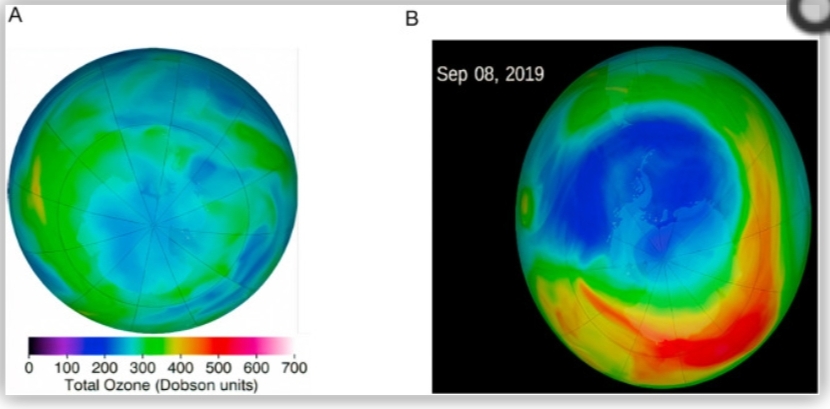
  •  In 2019, As per NASA and NOAA reported that the south pole region of Antarctica has warm temperature in the upper atmosphere which caused a small ozone hole since it was first seen in 1982 . 
  • On 23rd April 2020 Copernicus, atmospheric monitoring services (CAMS) announced that the largest hole was ever seen in the ozone layer over the arctic has been closed.
  •  Although lockdown is surely showing the prominent sign of nature, balance restoration of the ozone layer .
The map of holes in the ozone layer over Antarctica (a) 23rd May, 2020  (b) September 08, 2019

Impact of COVID 19 on Energy resources

The breakout of the Coronavirus Disease (COVID-19) toward the end of 2019 and its culminating transformation into a global pandemic sent shockwaves across the nations. Not only people lost their lives to it, but also numerous industries and governments as a whole succumbed to its impacts. To prevent the spread of the disease, many countries have resorted to observing country-wide lockdowns, damaging the normalcy of their economy. The world economy has seen new lows by trillions of dollars during this period, giving rise to times of constant anxiety about the future. The renewable energy sector, which has always been one of the leading areas to promote sustainability in terms of the environment, too is not spared from being affected by the pandemic. An amalgamation of the effects of the pandemic on the global economy and fluctuating oil prices resulting from country-wide lockdowns across the world further triggered its impact on the renewable energy industry. This work highlights the extensive impacts of COVID-19 on the renewable energy sector of India, a country that has proved itself to be proactive and progressive when it comes to solutions toward sustainable development. It showcases the present impacts of the pandemic on the sector and highlights future projections of the way it may continue to affect this sector as the world continues to struggle with the pandemic. The authors have brought up a set of their opined regulations that the administration and policymakers of the renewable energy sector of India can adopt to avert or reduce the extensivity of the impact of COVID-19 on their sector.

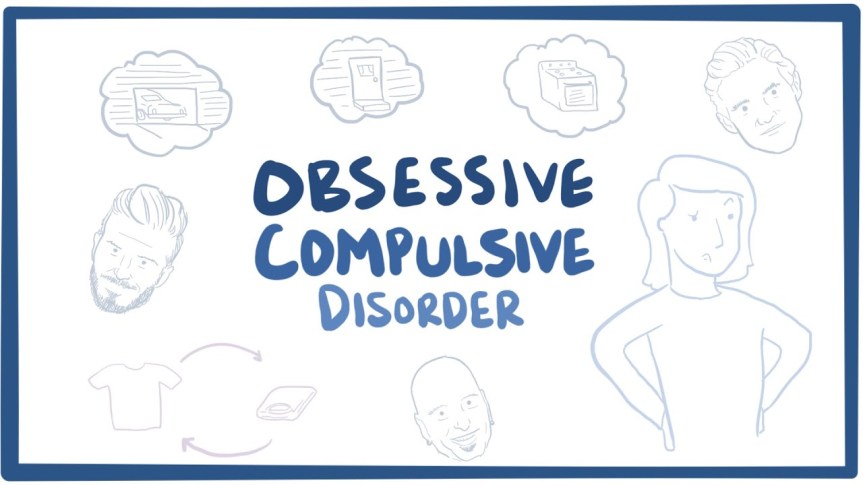
OBSESSIVE COMPULSIVE DISORDER(OCD)

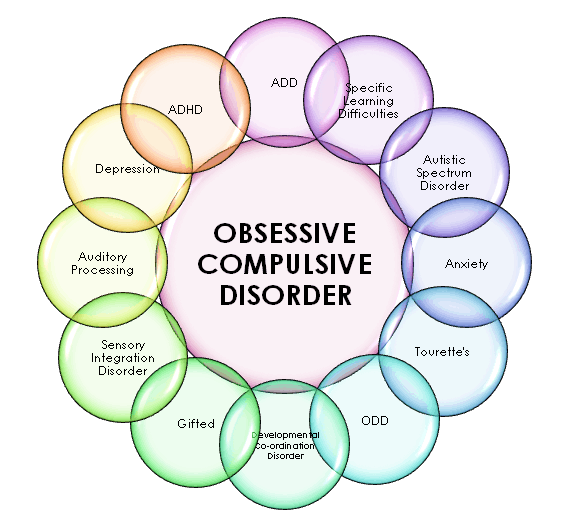
Diagram chart of Obsessive Compulsive Disorder .

Obsessive compulsive disorder is a mental health disorder that affects people of all ages and walks of life . It occurs when an individual gets caught in a cycle of obsessions and compulsions . It can be said that person with OCD are plagued by constant thoughts of fears that cause them to perform rituals or routines . The disturbing thoughts are called obsessions and rituals are called compulsions .

In simple words , OCD is a type of mental of disorder that causes repeated unwanted thoughts . To get rid of the unwanted thoughts , he/she performs the same task/activity again and again . For example, a person may fear that everything he/she touches has germs on it . So , to get rid of that fear he/she washes his/her hands again and again . Persons suffering from OCD might understand that their obsessions are unreasonable , but trying to stop or ignore them causes anxiety and stress . There are some symptoms of OCD , which may range from mild to severe . Some of the obsession and compulsions are mentioned below.

Main obsessions

  • A fear of harm to yourself or loved one .
  • A fear of contamination by germs .
  • A forceful or driving need to perform things perfectly or correctly .
  • Having excessive doubt on any individual .
  • A fear of being embarrassed .
  • A fear of getting dirty .
  • A fear of making mistakes.

Main compulsions

  • Repeating things or always moving items to keep them in exact order .
  • Bathing or washing hands several times.
  • Checking things over and over again.
  • Repeating specific words.
  • Hoarding .
  • Constant praying.

Causes of OCD

The exact cause of obsessive compulsive disorder is still unknown . Research studies suggest that there may be a problem with the way one part of the brain sends information to another part . Serotonin is the chemical in the brain that sends messages from one part to another . Insufficiency of serotonin may help in causing OCD . Stress and anxiety do not cause OCD but they may worsen the symptoms of OCD.

Recent studies have indicated that there may be considerable genetic basis for OCD. Depression is also thought to be the cause of OCD but the experts’ opinion is split .

Tea – The most overwhelming drink of everyday

Tea is an aromatic beverage prepared by pouring hot or boiling water over cured or fresh leaves of Camellia sinensis, an evergreen shrub native to China and East Asia.The tea plant originated in the region encompassing today’s Southwest China, Tibet, north Myanmar and Northeast India, where it was used as a medicinal drink by various ethnic groups.After water, it is the most widely consumed drink in the world.

Tea has a stimulating effect in humans primarily due to its caffeine content.Portuguese priests and merchants introduced it to Europe during the 16th century.During the 17th century, drinking tea became fashionable among the English, who started to plant tea on a large scale in India.

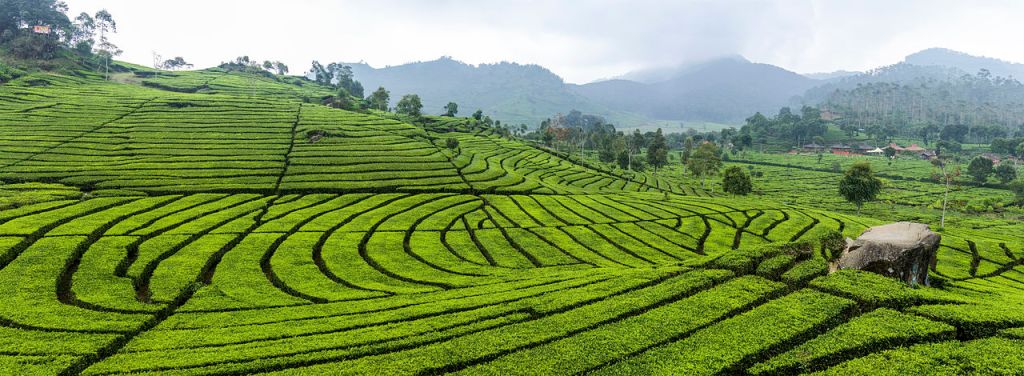
Tea Garden

Origin and history of tea :-

Tea plants are native to East Asia and probably originated in the borderlands of southwestern China and north Burma. Besides that, Chinese (small-leaf) type tea may have originated in southern China possibly with hybridization of unknown wild tea relatives. However, since there are no known wild populations of this tea, its origin is speculative.

Given their genetic differences forming distinct clades, Chinese Assam-type tea may have two different parentages – one being found in southern Yunnan and the other in western Yunnan. Western Yunnan Assam tea and Indian Assam tea both may have originated from the same parent plant in the area where southwestern China, Indo-Burma, and Tibet meet.Tea was first introduced to Western priests and merchants in China during the 16th century, at which time it was termed cha.The earliest European reference to tea, written as chiai, came from Delle navigationi e viaggi written by Venetian Giambattista Ramusio in 1545.

5 Good effects of having tea :-

1. Boosts energy. 2. Protects heart health. 3. Supports mental health. 4. May regulate blood sugar. 5. Aids Digestion.
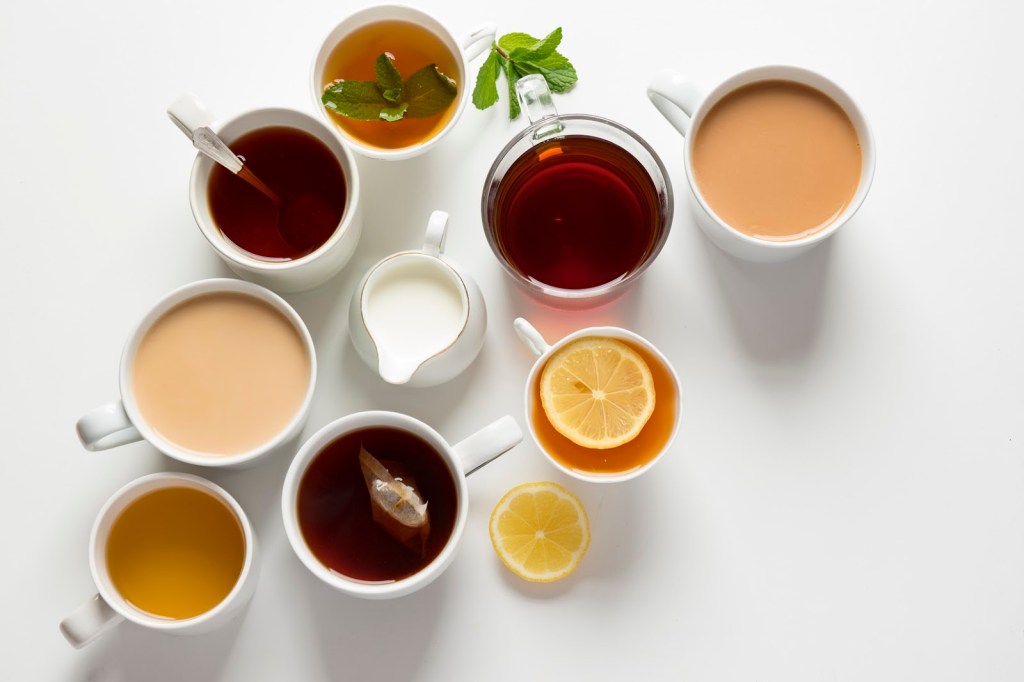
Different kind of tea

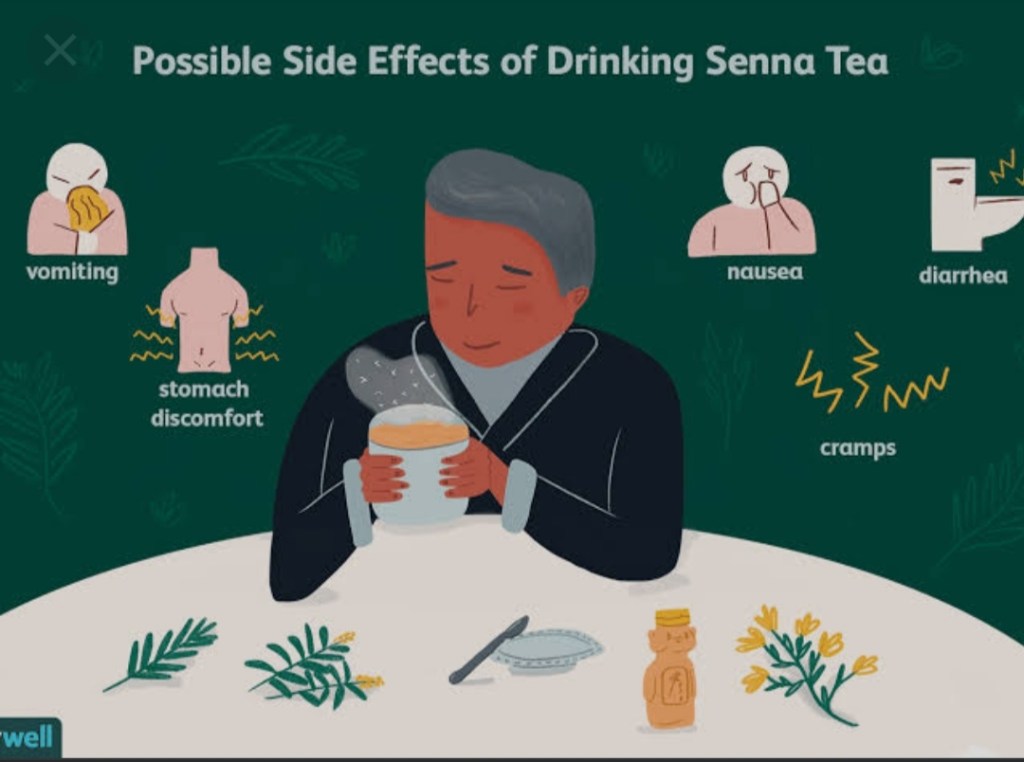
5 Bad effects of having massive amount of tea :-

1. Increased anxiety, stress, and restlessness. 2. Reduced iron absorption. 3. Nausea. 4. Poor sleep. 5. Caffeine dependence.

Different kind of tea :-

Tea is one of the most ancient beverages on the planet, and it’s made by soaking dried leaves in water.Some of the most common tea varieties include black tea, green tea, white tea, oolong tea, herbal tea, and rooibos tea.The tea flavor can change greatly depending on temperature, humidity, and other air conditions. Heat treatments, like pan-firing or steaming, will stop the oxidation process.

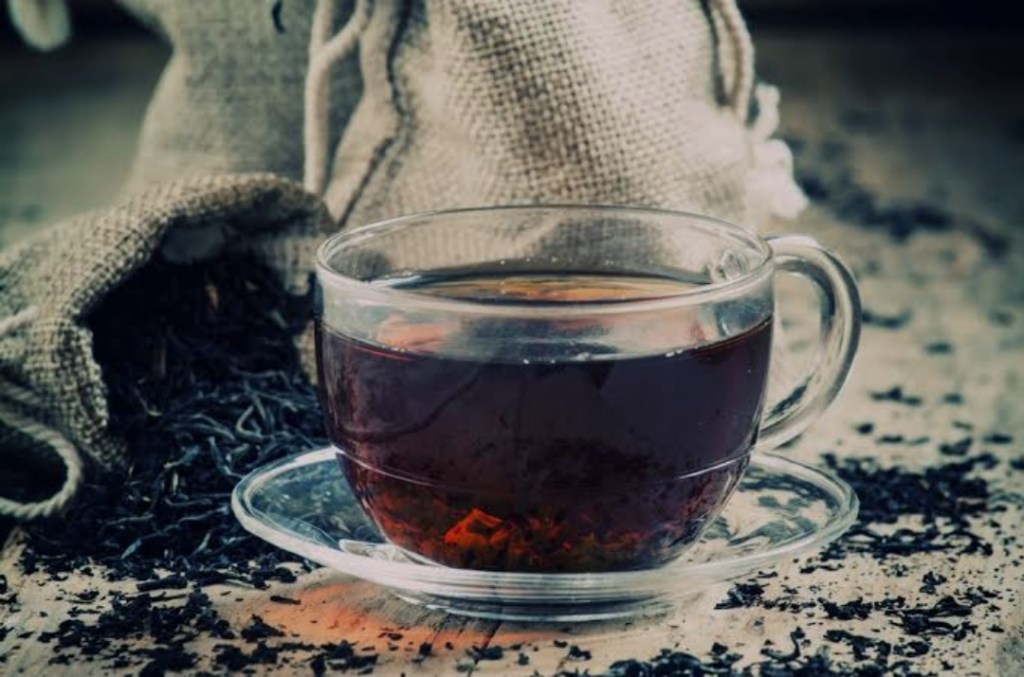
1. Black Tea :-

Black tea or red tea is one of the most popular tea flavors and is fully oxidized. The leaves of the Camellia sinensis plant are withered. Assam, Darjeeling, Nilgiri, and Sri Lanka are a few well-known black tea producing regions, and the flavor will vary based on the region and type of black tea.

Black Tea

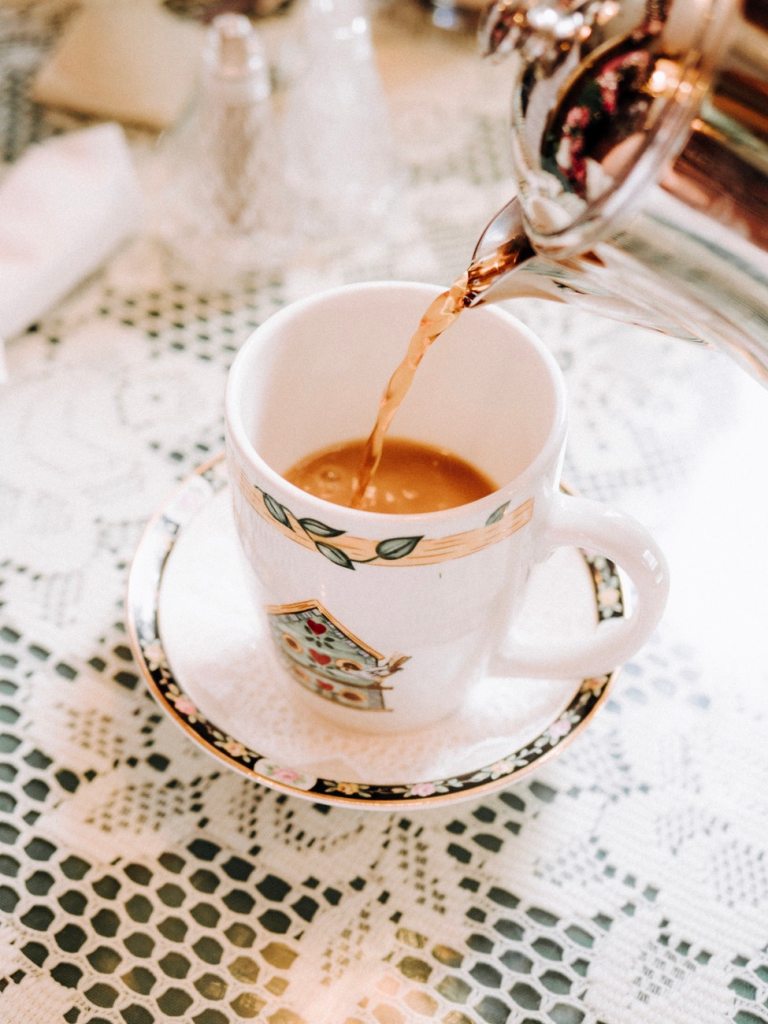
2. Milk Tea :-

Milk tea refers to several forms of beverage found in many cultures, containing some combination of tea and milk. Beverages vary based on the amount of each of these key ingredients, the method of preparation, and the inclusion of other ingredients (varying from sugar or honey to salt or cardamom).

Milk Tea

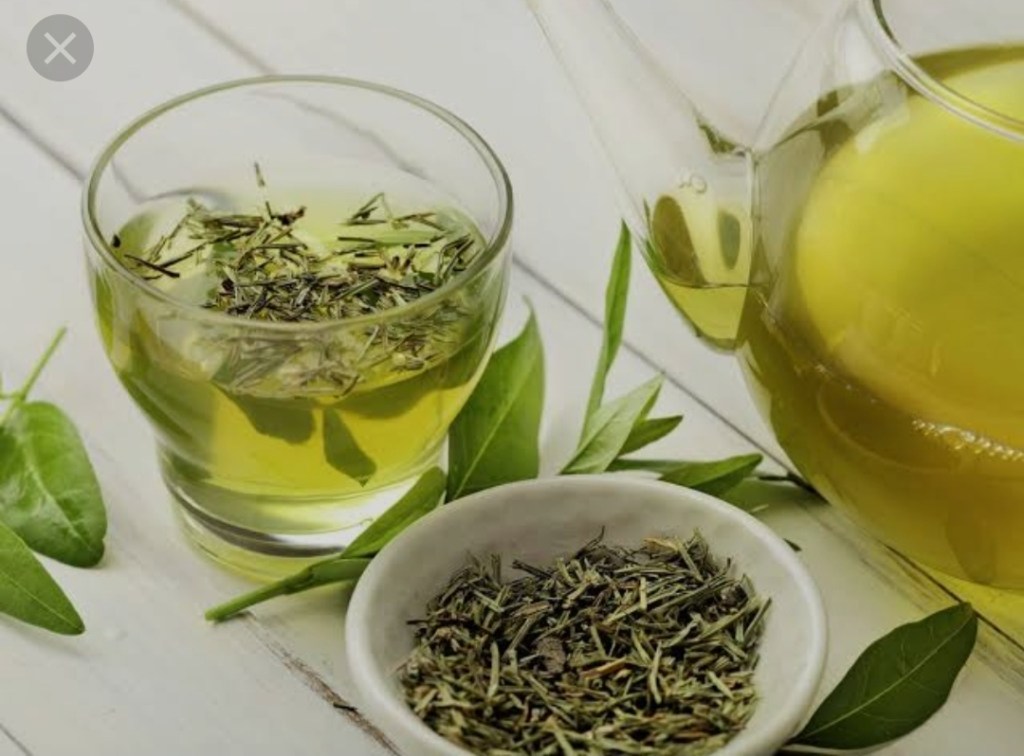
3. Green Tea :-

Green tea is the most popular tea globally, is unoxidized, and has less caffeine than black tea. Camellia sinensis leaves are picked, dried, and heat-treated to prevent oxidation. Chinese people often pan-fire leaves, which creates a duller green color, while Japanese people will typically steam them and achieve a brighter green shade. Matcha, Sencha, Gunpowder Green tea, Dragonwell (Longjing) green tea are some different kind of green tea.

Green Tea

4. Herbal Tea :-

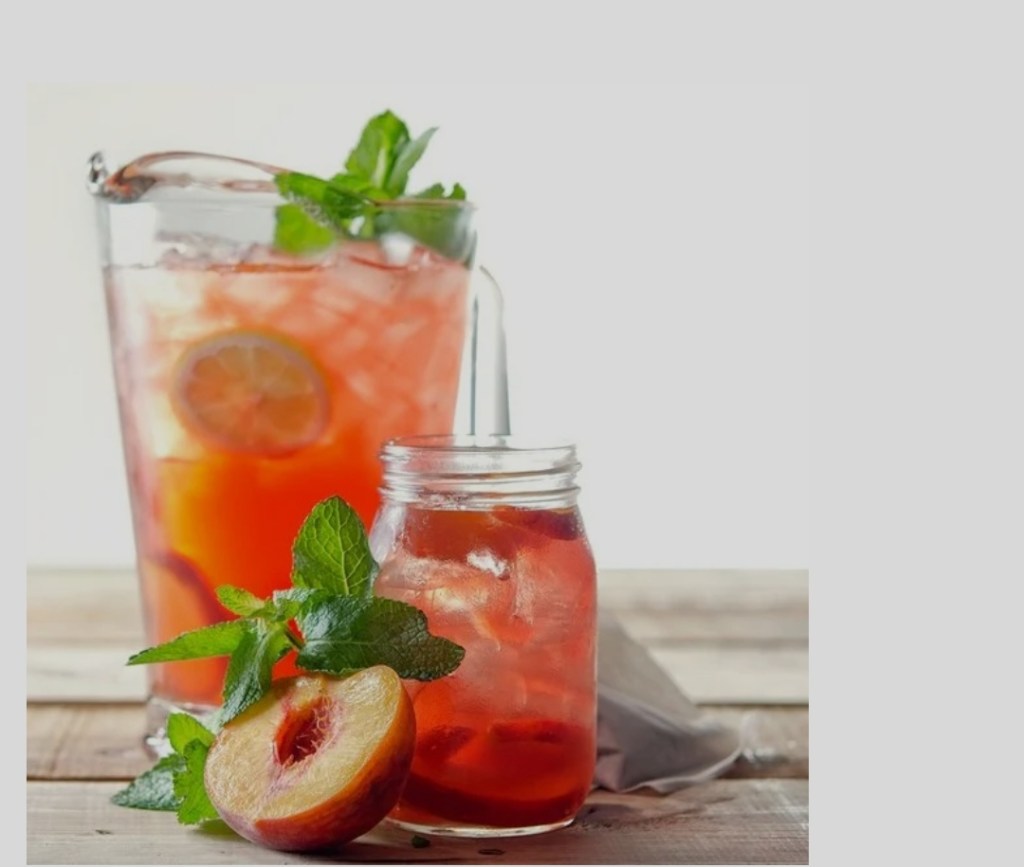
Herbal tea doesn’t come from tea leaves like other varieties. It’s made from dried herbs, fruits, and flowers, which can create a wide range of delicate flavors. These tea types are caffeine free, making them ideal for customers with dietary restrictions.hibiscus, chamomile, peppermint, Yerba Mate are some kind of herbal tea.

Herbal Tea

5.Rooibos Tea :-

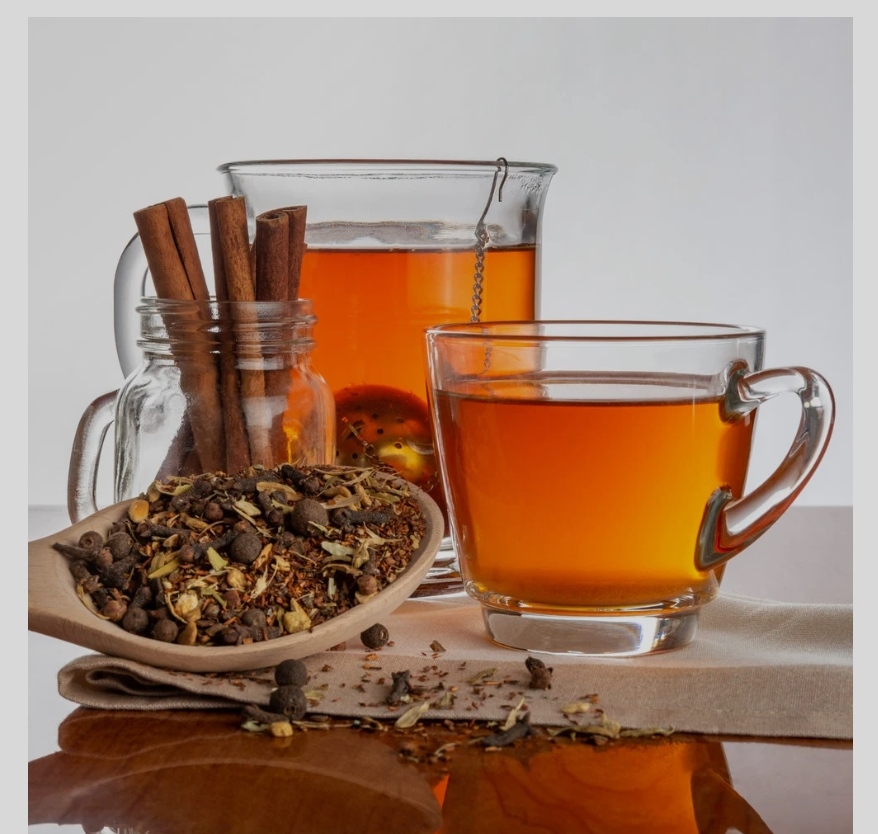
Rooibos tea, or African Red Tea, is an herbal tea that comes from the South African Red Bush, and the leaves are ground and bruised before they’re fermented and dried. Green rooibos tea doesn’t go through an oxidation / fermentation process and has a lighter flavor.

Rooibos Tea

5 Must have plants at home

1. Tulsi

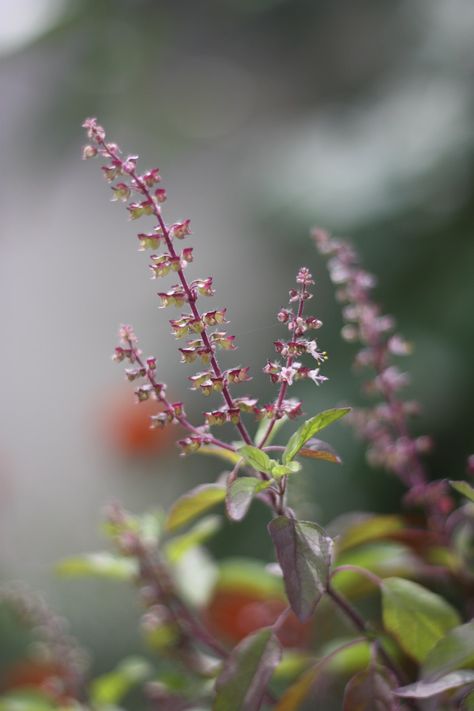
Scientific name of Tulsi is Ocimum Tenuiflorum, generally known as Basil. Tulsi contains vitamin c, vitamin k, zinc . It has anti-bacterial, anti-fungal and anti-bacterial properties. It is rich source of anti-oxidant.

Benefits :-

  • Immunity booster.
  • Reduces stress.
  • Good for skin.
  • Reduces hair fall.
  • Useful in cold and cough.

2. Mint :-

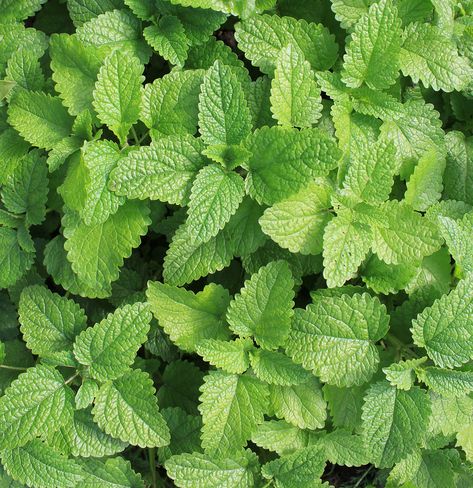
Its scientific name is Mentha and belongs to Lamiales family. It contains potassium, magnesium, calcium, iron, etc.
Benefits :-

  • Prevents Skin disease.
  • Provides relief in pain.
  • Beneficial in oral health.
  • Boost immunity.
  • Treat indigestion.

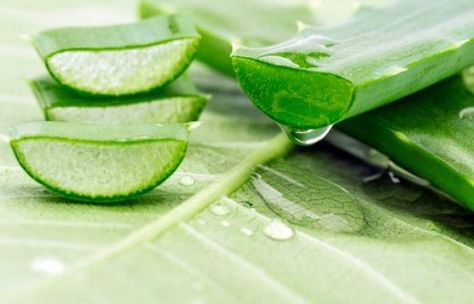
3. Alovera :-

Alovera belongs to Asphodelacea family. It contains vitamin A, C and E, anti-oxidants, salicylic acid, amino acid etc.

Benefits :-

  • Treat dandruff.
  • Treat minor burns.
  • Act as pain reliever.
  • Useful in diabetes.
  • Weight loss.

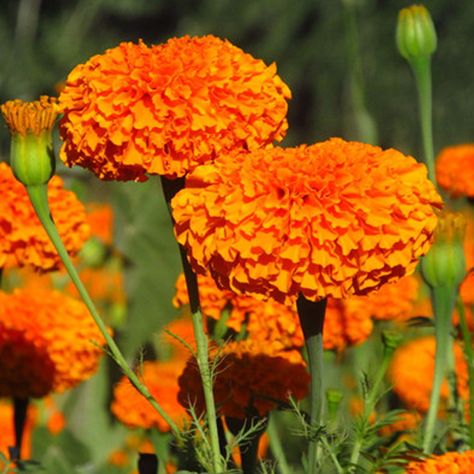
4. Marigold :-

Scientific name for Marigold is Tagetes belongs to family Asteraceae. Marigold is antipyretic, antiseptic, anti-oxidant and anti-bacterial.

Benefits :-

  • Heals skin wounds and burns.
  • Reduces eczema.
  • Good for digestion.
  • Helps in detoxification.
  • Treats ear infections.

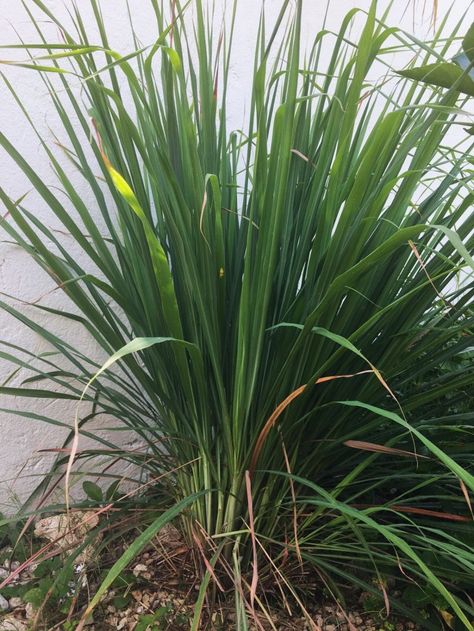
5. Lemongrass :-

Cymbopogon is scientific name for lemongrass. It belongs to Poaceae family. It contains potassium, manganese and iron. It is source of vitamin A and vitamin C.

Benefits :-

  • Relieving anxiety.
  • Prevents infection.
  • Reduces stress.
  • Lowers Cholesterol.
  • Helps in weight loss.

Is it your anxiety .

“Your mind will answer most questions if you learn to relax and wait for the answer.”

—William S. Burroughs

Am I losing my mind or its just my mind playing tricks ?

In the world , where people are ready to fight against their competitor . What will happen when you loose ?

Or didn’t get what you desire the most ?

Would you accept the reality or choose to mourn for your loss.

Introduction

Do you ever feel anxious about going to the new place or meeting with new people ?

Do you ever feel the numbness in your body when you lost something or someone ?

Have you ever get overwhelmed by your fears ?

So what do you call it .

Is it an anxiety disorder?

Well hold your horses because it’s not . Like really we all feel anxious , hesitation , numbness , fear in our life . But if you think it’s an anxiety disorder . It’s a big NO .

If you want to know what is anxiety disorder and how to differentiate it from normal anxiety . You have to ask me .

SO . ASK . ME .

Well if you don’t ask me then also I will tell you .

When we feel something is crawling on our leg but didn’t find a thing . Instead of sleeping peacefully , we think of possible aspects that will make our night hell .

Well it happened with me and guess what , I always wake up middle of the night and try to find the invisible ghost ( is it only me who thinks about these weird things or it happened with you as well .)

Anxiety is when these types of situations happened only single time , maybe 2 or 3 times. But when these kind of situations happened every time whenever you sleep than maybe you have Anxiety Disorder.

What is Anxiety Disorder?

Let’s get to know about the Father before we get to know about the Son .

Anxiety is a feeling that comes and goes, but does not interfere with your everyday life.This type of anxiety is unpleasant, but it may motivate you to work harder and to do a better job.

But what about Anxiety Disorder . Well I am explaining just have some patience . You know patience is the virtue of life .

Yes , we were talking about the Son . I mean Anxiety Disorder . It is the feeling of fear may be with you all the time. It is intense and sometimes debilitating. These type of anxiety can cause more damage than you think about.

You will stop enjoy everything . In extreme cases you stop socialising with other and if it left untreated, it may be worse like you will kill yourself.

According to the APA ( American Psychiatric Association) , women are more likely than men to be diagnosed with an anxiety disorder.

Types of Anxiety Disorder

  • Panic Disorder .
  • Phobia .
  • Social Anxiety Disorder.
  • Separation Anxiety Disorder.
  • PTSD (Post Traumatic Stress Disorder.)
  • Illness Anxiety Disorder .

In present world , PTSD is most likely to be found in the women rather than men. It happens when a person goes through some traumatic experience.

Symptoms:

  • Increased heart rate.
  • Rapid breathing.
  • Restlessness.
  • Trouble concentrating.
  • Difficulty falling asleep.
  • Stop trusting.
  • Worried about small things .

Remedies :

  • Getting enough sleep.
  • Meditating.
  • Staying active and exercising.
  • Eating a healthy diet.
  • Staying active and working out.
  • Avoiding alcohol.
  • Avoiding caffeine.
  • Quitting smoking cigarettes.

Conclusion :

Anxiety Disorder can be found in anyone from 5 year old boy to 80 year old woman or from 15 year old girl to 50 year old man. It may be cured , only if it treated properly . If not , it can cause some serious issue .

What lies behind us and what lies before us are tiny matters compared to what lies within us.

—Henry Stanley Haskins

Link

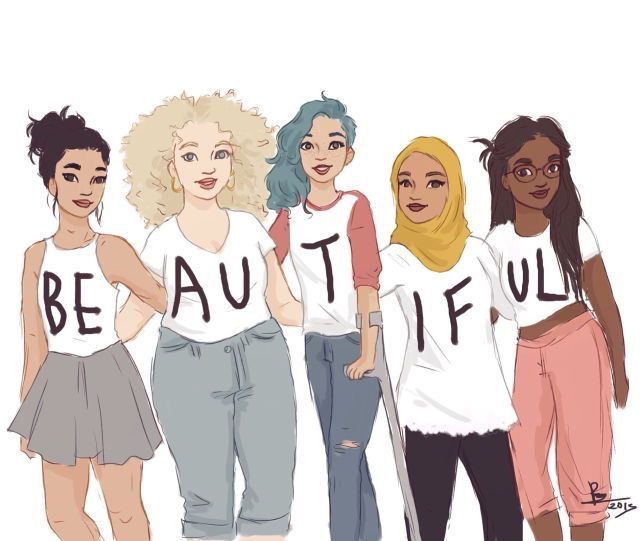
Body positivity

I have thighs that giggle a little when I run. So what?

I like it that way.

When I adorn myself in a new black dress some tell that it adds on to my darkness. So what?

I like it that way.

People presume that I may have any syndrome as I appear very thin. So what?

I like it that way.

You would be shocked to know that 20% of adults feel shamed and depressed of their body weight. Adults say that the images used in magazines and advertisements have caused them to worry about their body weight. 64% of teenage boys and 94% of teenage girls are being body shamed for the way their body looks. A doctor says that she sees patients as young as six years old with body image issues. Anorexia Nervosa is an earing disorder causing people to obsess about their body weight with an unwarranted fear of being overweight. It is the most lethal of all psychiatric conditions. It is the leading cause of death of many teenage girls.

Is being plus body sized, dusky, dark complexed or being very thin becomes a stigma or an an insecurity or does it mean that a person isn’t beautiful enough?

Body positivity renders a great response to all of these alike questions. Body is neither an object of shame nor an entitlement. Body positivity is a social movement initially laid to empower and popularize overweight women and men, while also challenging the ways in which the society presents and views a physical body. The movement advocates the acceptance of all physical bodies irrespective of size, race, appearance or physical ability. It asserts that all people over here deserve to have a positive body image, regardless of how others view them. It also recognizes that judgements are often made based on race, gender, shape, and appearance.

What do we mean by being beautiful? Is it being fair, slim, tall, chubby cheeks and rosy lips? The definition of beauty is being switched over randomly by people in line with their marketing of products. A Hair product adverts that silky and smooth hair is beauty. A skin product adverts that the soap and creams they vend makes you more beautiful. A diet product adverts that the food they provide you, turns you to size zero. All of these beauties just end up being a fantasy. What actually beauty means? It is possessing the quality that gives pleasure or satisfaction to see hear and think about. It is about being genuine, authentic and real, being yourself. Dimple chin or double chin doesn’t matter, DARE TO BE YOURSELF.

By whom are these are these beauty standards being framed ? Day in and day out people are being influenced by several factors like advertisements, brands, magazines and influencers who device body image problems and then exploit them. When we were young we would have had a great craze for barbie dolls which dictated the definition of beauty( fair, slim and tall). According to a study done the barbie dolls does have a huge effect on a younger and older girls’ self esteem because if a child is raised with dolls such as barbie wouldn’t their idea of perfect body image come from their experience by playing with their perfect barbie dolls. When we grow up beauty brands define perfect skin, fair and spotless. Images used in magazines, televisions and newspapers influence the concept of an ideal body weight of nearly 70% adolescent girls. In this world where beauty care is an investment people are expecting the providers of said products to deliver results. There are still products who actually do what they claim and invest on the actual research of products. However in this world where persuasion is done by emotion a lot of beauty care brands invest in advertisements rather than on the real products. If we think in depth beauty brands use hashtags like #loveyourself and #beyourself but are they really encouraging us to do so? They obliquely delude us that we aren’t beautiful enough and impose their selling of products on us. By using our ignorance the cosmetic industry climbs up and up the ladder.

Be aware of the business behind the products you use. Get rid of the unreal things happening around you. Body positivity is the only weapon to overcome these unreal beauty facts created by random people and stop getting influenced. It is the idea that one should be proud, happy and comfortable of ourselves regardless of the size and looks. Body positivity movement has flooded the timeline for years now. There are some who say that it promotes unhealthy lifestyle and encourages obesity, but the movement is all about self acceptance and not letting your physical appearance let you down. Don’t try hard to stick to the stereotypical order that someone has created. KNOW YOUR WORTH AND DEFINE YOUR OWN BEAUTY. There are many ways to motivate you to lose or gain weight but if you dont wish to do so gain enough confidence lose your timidness and confront others valiantly.

DONT TRY TO IMPRESS PEOPLE BY BECOMING FAIR OR SLIM , INSPIRE THEM BY BEING YOURSELF!!!

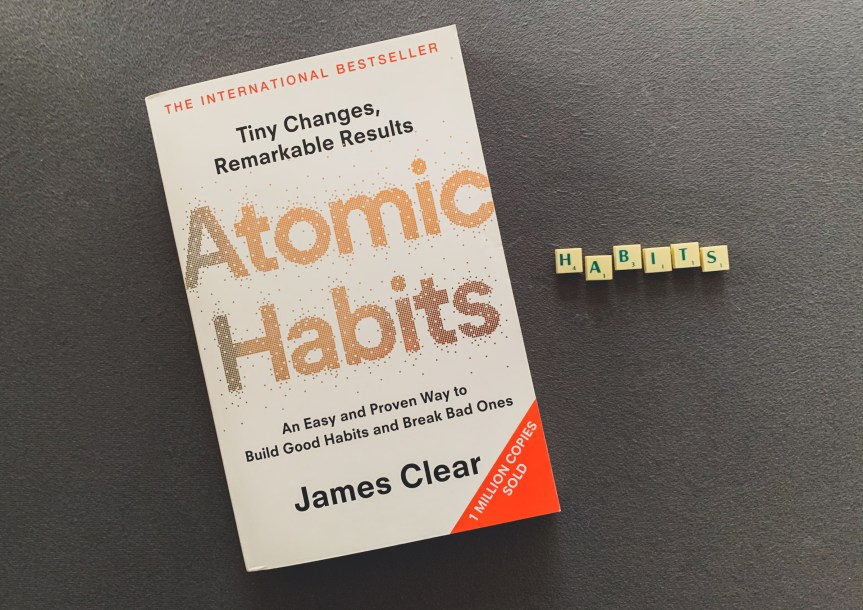
Book Review: Atomic Habits by James Clear

There are very few books in your life that you will read and think “Wow, this was life-changing”. You may enjoy reading books, and may even be a fan of a certain series of books like Harry Potter or Game of Thrones. However, these are generally limited to serving entertainment purposes only and are not the kind of books that will give you deep insights into life or help you reflect on yourself. Having said all this, I do believe the book “Atomic Habits’ that I am going to discuss in this article is the type of self-help book that will change or give you a new perspective on habits and lifestyle choices in general.

General Idea

The general idea of the book is this: small changes or habits you incorporate in your life will compound into much greater results in the long-run. Hence the use of the word ‘atomic’. The author is trying to explain that even small habits materialize into major results if we keep at them. This is a fairly new idea being introduced in this book, as we are often told if we want to change our lives, we have to take drastic steps like moving to a new place or quitting our jobs. This book replaces this notion with a new and improved one: change can occur even through miniscule habits and can provide life-altering results. You do not have to take drastic steps to create change, in fact you are probably better off starting at something very small and sticking with that. The process of building and sustaining these tiny habits, while also stopping or breaking free from bad ones, will help create the positive change we require.

Key Insights

  • The 1% rule – This relates to ‘compounding’ as mentioned before. It works in a similar way to compound interest. As we leave something to develop for a long period of time, eventually the net growth is massive. In this way, if we try to better our lives by even just 1% everyday, then we will be a 37% better version of ourselves after a year. The author provides a very insightful quote “Habits are the compound interest of self-improvement”. We should be careful though, as it also works the other way and even bad habits can compound to make us worse. So, we should focus on the self-beneficial ones while trying to limit or remove the harmful ones.
  • Focus on ‘Systems’ not ‘Goals’ – An important idea stressed upon in the book is on building ‘habits’ and not focusing on ‘goals.’ Our behavior should be such that it becomes repetitive and compelling, and not completely goal-oriented. If we become goal-oriented, we may become disappointed if we don’t meet our goals, but if our sole focus is on building a habit which we will maintain for the rest of our lives, there will be a much greater positive impact. For example, if your goal is to lose 5 kgs in one month, you will become disappointed if you don’t. Even if you do, it is only a temporary achievement and you may gain weight again after that. Instead, you should build the habit of exercising routinely to sustainably lose weight and stay fit.
  • Identity is the north star of habit change – This basically means that we should not solve problems based on their outcomes and results, as this means we only solve them temporarily. To solve problems for the long-term, we need to change our identity itself. This ties into the previous point in essence. For example, instead of saying you want to eat less junk food to lose weight, you should change your identity to a person who likes eating healthy and wants to build a good diet. To quote the book; “The ultimate form of intrinsic motivation is when habits become part of our identity.”
  • How to build a habit – There is a basic 4 step process for building habits: cue, craving, response, reward. Cue triggers the brain to perform an action, Craving provides the motivational force to perform it, Response is the habit/action that we perform and Reward is the end result. So, we should build habits that we want to incorporate into our lives through this process, by making the habit obvious, attractive, easy to perform and satisfying. In case all these are adhered to, the process of habit formation becomes rather easy.

Conclusion

As mentioned earlier, the book really is life-changing for anyone struggling to build a habit or break an old one. The aim should be to build long-lasting and sustainable habits (systems), however small, and to not focus on achieving some set goals in life. It is hard for many of us, in this world of instant gratification, to stick to habits that will show outcomes only after a long time and through a process of compounding, However, this book helps us with this and guides us on how we can build habits in and easy and efficient manner, and also explains the benefit this may have on our lives if we are just able to stay discipled and stick to them. Tiny changes, remarkable results.

COVID-19 and Tourism


• UN report – COVID-19 and Tourism: An Update.

• Collapse of international tourism -cost the world at least $4 trillion.

• Report -jointly released by UN Conference on Trade and Development (UNCTAD) and UN World Tourist Organization (UNWTO).

• India – 54% drop in tourist arrivals in 2020.

• Tourism is not expected to return to pre- COVID levels until 2023.
 Cost the world -$1.7 trillion and $2.4 trillion in 2021.

• Three scenarios.
 Optimistic.
 Pessimistic.
 Uneven roll-out of vaccines. • Developing countries -majority in losses due
to the asymmetric roll-out of vaccines. • Tourism likely to pick up faster this summer

  • North America and Europe.
  • • Loss in tourism sector -Felt particularly by women and young people. • 100-120 million tourism jobs are at stake.
  • • Recommended quick roll-out of vaccines
    globally.
    • Appreciated The EU Digital COVID Certificate
    initiative.
     Facilitate safe free movement of citizens
    in the EU during the COVID-19 pandemic.
  • • Recommended socio-economic measures to
    protect livelihoods.
  • • Grim warning -some tourism-related businesses
    would not survive even after restrictions are
    removed.