• Collapse of international tourism -cost the world at least $4 trillion.
• Report -jointly released by UN Conference on Trade and Development (UNCTAD) and UN World Tourist Organization (UNWTO).
• India – 54% drop in tourist arrivals in 2020.
• Tourism is not expected to return to pre- COVID levels until 2023. Cost the world -$1.7 trillion and $2.4 trillion in 2021.
• Three scenarios. Optimistic. Pessimistic. Uneven roll-out of vaccines. • Developing countries -majority in losses due to the asymmetric roll-out of vaccines. • Tourism likely to pick up faster this summer
North America and Europe.
• Loss in tourism sector -Felt particularly by women and young people. • 100-120 million tourism jobs are at stake.
• Recommended quick roll-out of vaccines globally. • Appreciated The EU Digital COVID Certificate initiative. Facilitate safe free movement of citizens in the EU during the COVID-19 pandemic.
• Recommended socio-economic measures to protect livelihoods.
• Grim warning -some tourism-related businesses would not survive even after restrictions are removed.
Globalization is the word used to describe the growing interdependence of the world’s economies, cultures, and populations, brought about by cross-border trade in goods and services, technology, and flows of investment, people, and information.
Globalization is driven by the convergence of political, cultural and economic systems that ultimately promote — and often necessitate — increased interaction, integration and dependency amongst nations.
The more that disparate regions of the world become intertwined politically, culturally and economically, the more globalized the world becomes.
These international interactions and dependencies are enabled and accelerated by advances in technology, especially in transportation and telecommunications. In general, money, technology, materials and even people flow more swiftly across national boundaries today than they ever have in the past. The flow of knowledge, ideas and cultures is expediated through Internet communications.
There are three types of globalization:
1. Economic globalization. This type focuses on the unification and integration of international financial markets, as well as multinational corporations that have a significant influence on international markets. 2. Political globalization. This type deals mainly with policies designed to facilitate international trade and commerce. It also deals with the institutions that implement these policies, which can include national governments as well as international institutions, such as the International Monetary Fund and the World Trade Organization. 3. Cultural globalization. This type focuses on the social factors that cause cultures to converge — such as increased ease of communication and transportation, brought about by technology.
Kilimanjaro is a snow – covered mountain that is 19,710 feet high and is said to be the highest mountain of Africa ……. close to the western summit there is the dried and frozen carcass of a leopard . No one has explained what the leopard was seeking at the altitude.
– Ernest Hemingway
In the above passage , two points draw the attention of the reader . First, the behaviour of the leopard was purposive – that he was trying to find out something by climbing on the snow -covered peak . Second, to understand the leapord’s behaviour , we would have to understand his purpose – what he was seeking . But one thing is sure that there was some force of motivation behind such action . Motivation is the main determinant of an individual’s behavior . The term ‘Motivation’ is derived from the word ‘Motive’ . Motive is a combination of of thought , feeling or condition that causes one to act . Motive can be for a short period or can be for a long longer one . If a child takes a colourful ball , he plays with the ball but if , in the meantime , he is attracted towards the other colourful ball , or toy, then we say that his motive for the first ball was a short period . But if a player wants to win gold medal at the international level and he/ she works hard for years to get the medal , we say that his/her motive is for longer period .
Human behavior is controlled , directed and modified through certain motives . When a person feels hungry and searches for food , we say that he/she is motivated by his/her drive , i.e. biological drive . When he/she gets food and is satisfied , we say that his/her drive for food has been fulfilled .
Motivation is one of the main psychological factors which affects performance . Motivation means to be inspired to do something . The definition of motivation is to give reason , enthusiasm or interest that causes a specific action or certain behaviour . Motivation is present in every function of life .
The following definitions may clarify the meaning of motivation more explicitly .
According to Crooks and Stein,“ Any condition , that might energies and direct our actions” is called motivation.
According to Sage,“ The drive to strive ” is called motivation .
According to Alderman,“ Motivation is the general level of arousal to action in an individual .”
“Motivation is the inclination to persue and persist in activities related to one’s sports .”
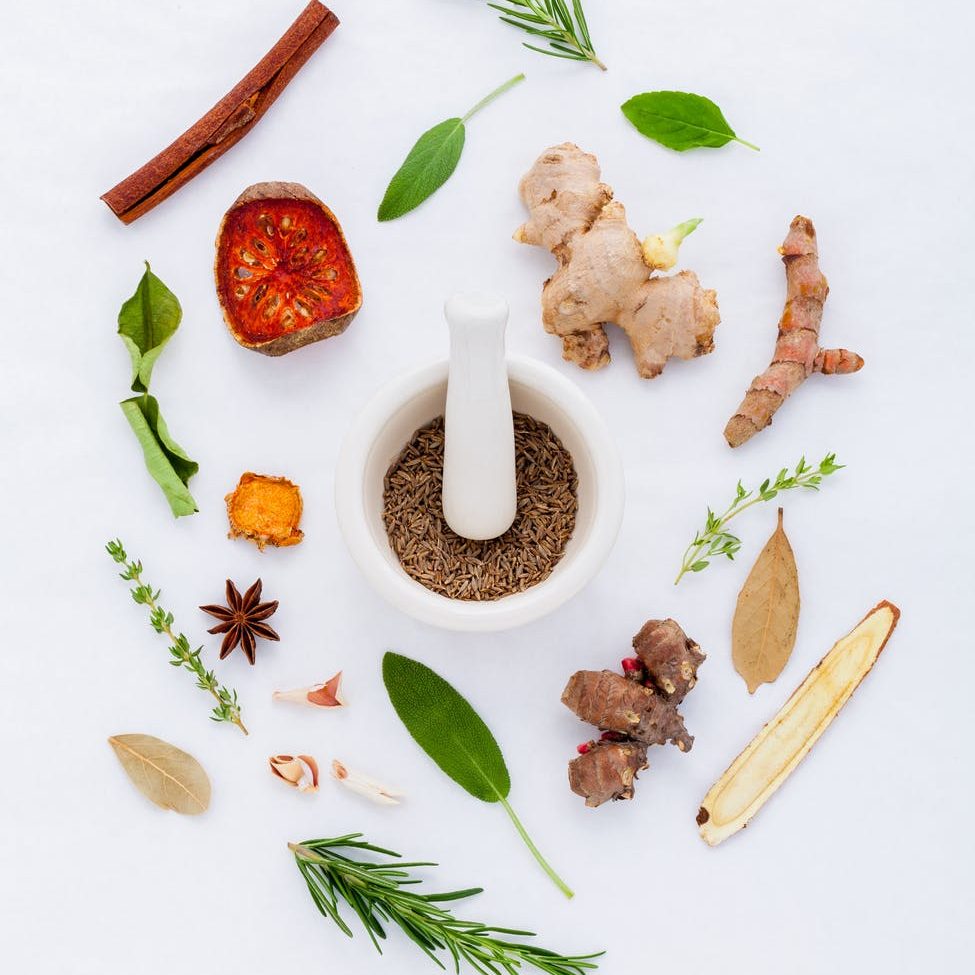
The word Ayurvedha is comprised of two Sanskrit terms “Ayur” means life, “veda” means science or knowledge.Ayurvedha is Explored Natural method for Improving the wellness of the body and Mind.It is believed that the Ancient Rishis or saints of india Received the gift of Ayurvedha from their Hindu Deities about 5000 years ago.Most of its essential Information about achieving a balanced and healthy life was obtained from Vedas,specifically the Artarva Vedha.
The Rishis ,saints and munis of the indian society dedicated their entire lives to understand and explore the truth about the universe.All their Knowledge and Practices to their students has been passed down and recorded their discoveries in the holy book of Vedas.The vedas are the oldest form of literature.The Artarva Vedais the book of Knowledge that india’s ancient medical Practices are studied and systematically Outlined.The Classics of Ayurveda consist of Charaka Samhita,sushruta Samhita,and Ashtanga Hridayam Sangraha.
CHARAKA SAMHITA:
The orginal texts of this book were thought to be written by Agnivesha, an Ayurvedic Scholar.It is believed that Agnivesha’s and his co-disciples created samihitas By adding their Knowledge to the subject.Charka later annotated Agnivesha’s work and focussed more on the diagnosis of the disease.He also detailed The medical value and qualities of over 10,000 Herbal Plants.
SUSHRUTA SAMHITA :
This samhitas explain the concept and practice of Surgery in ayurveda.Many modern Scolars and Researchers suggest that it was created around in middle of first BCE.Sushruta Samhita is composed of 184 chapters,300 types of operations,different surgical procedures , various kinds of instruments and kinds of medicines derived from animals,plants and Minerals.
ASHTANGA HRIDAYAM SANGRAHA:
This samhita was formed after the Charaka samhita and Sushruta Samhita were written.It mainly focuses on the kayachikista, the branch of ayurveda that specializes in internal Medicine.It also explains the qualities of various food,plants and animals in respect of their medicinal and Health benefits.
AYURVEDIC MEDICINE IN MODERN TIMESAND ITS IMPORTANCE:
The emergence of modern science has threatened Ayurveda’s integrity.Many researches conclude that Ayurveda and experimental evidence-based medicine should be combined together with innovative intiatives that explore preventive and personalized medicine.This modern medical Practices and remedies has also become significant price point,Ayurveda provides an excellent alternative for people who cannot afford the cost of modern medicine due to economic factors.Ayurveda’s influence is steadily seeping into societies internationally,it not only provide health benefits but it also offers a postive economic impacts.
Ayurveda was officially recognised by WHO(World Health Organization)in 1976.Ayurveda ,through diet and lifestyles balances stress and work under pressure which is vital for the present human era.It also leads to long term revitalizing energy in forms of relaxation,meditation,anti-aging,Healthy skin etc.Ayurveda provides a heal to all the diseases in a plain and healthy methods.Ayurveda is considered as one of the most ancient sciences of health and Medicine,also includes cosmetics.Ayurvedic Cosmetics as considered as safe solutions,no side effects to skin with use of natural herbs,long lasting impacts with beauty.
One of the challenges that Ayurveda faces in its developement is the standardization of its medicine .Medicinal Plants and herbs used in Ayurveda are also threatening the conservation of india’s flora.Despite the importance of these medicinal plants,the trade for them remains unorganized,unregulated.It is based on the indigenous theories, and experiences passed from one to other generation WHO continues to encourage the preservation and promotion of the Traditional medicine of each country.Ayurveda has importance with it’s own ways and how it is used for the required medications.
Women are often told to not do certain things while they are menstruating. These things vary from not going to a temple, not entering the kitchen, to being treated like an untouchable. There are many homes where they have separate rooms, utensils for women menstruating. Nobody enters the room nor do they touch the things used by them. You might find it hard to believe but these things still happen and what’s worse is they are “normalised”.
Menstruation is normal, every woman goes through it every single month. So, why is it still looked down upon? Menstruation has been around for as long as the very existence of human beings. But still, people treat it like a taboo. Here are some things that prove that periods are still taboo.
Why do the commercials of sanitary products show the period blood blue?
It is considered fine to show blood in movies during a fight but when it comes to period blood it is suddenly “sensitive content”.
Why in schools did we hide the sanitary napkin like it was something illegal?
This one time in school a female teacher during a bag checking, picked my sanitary napkin and asked what’s this?
Why are sanitary napkins packed in newspaper, or a black bag like we are hiding something?
Why do we have to hide the fact that we are menstruating from our brothers or father?
Why are menstruation products still so expensive for the women?
In a lot of places women still have to use newspapers, cloths, rags, hay, or leaves because they cannot afford the sanitary products. The world has come so far yet it fails to provide necessities to the women who cannot afford them.
In India, 88% of women don’t have access to menstrual products.
23% of the girls drop out of school after they start menstruating.
Some girls don’t even receive education on menstruation because it is an “uncomfortable” topic to talk about.
The women go through a hard time while menstruating. A lot of women get very painful cramps, that even pain killers do not help. While women go through this, society decided to treat women as impure and dirty while they are already dealing with so much.
I fail to see the justice in that. Society needs to be supportive and not make the girl hate herself for getting her periods.
I know that not everyone suffers from the issues I talked about. But, the majority of the women are going through this. So, it is our responsibility to raise awareness. We need to start talking about it, raising awareness, supporting films like Padman and advertisements like bleeding red: where Radhika Apte shows period blood as red instead of blue.
Let’s normalise menstruation and help the women out. Raising awareness will bring more and more light to the issues and that is how we will be able to create change. This article is not just for women. It is also for the men, as a men make sure that the females in your family, or your partner, or your female friends know they can talk to you about menstruation. It should be a normal topic and not an uncomfortable taboo.
Breaking taboos is hard but it is something that is needed to be done.
I may not be able to change the mindsets of the people who are older and like to stick to old norms. But, I know I will be able to change the mindsets of the future generation.
Before we start, please ensure that you — yourself and other are trying and registering yourself for the Covid-19 Vaccines.
The worlds largest vaccination drive, surely, but I’m tired of searching slots, and definitely who isn’t at this point. Be it Dose 1 or Dose 2, getting a slot — is equivalent to witting lottery, and you can’t argue with me, the lottery has amounts; price, money as a gift, with Vaccination slots, the nearer the Centre the bigger the jackpot. Oh.. what a nuisance.
I just had to travel 10+ KM to get my jab, and mind you; I stay in a metropolis. After months, and I’m not exaggerating, months, I finally paid enough to get my first jab (a pat on my back).
Nonetheless, don’t get dishearten, getting these vaccinations are crucial, with the Delta Variant hanging over our head, it has been all the more important that we start taking care of our health more and more.
Please still do follow all the social guidelines and public health notices, make sure you follow it for yourselves and that you don’t bring harm upon someone else; don’t complain if someone isn’t following the rules, you can insist them, but it’s their option and we have to respect, but that doesn’t mean you can compromise your safety.
Eat healthy, eat well, stay door, maintain social distance and wear a mask.
Go to the COWIN website and ensure that you have registered yourself by now, don’t make plans for a group vaccination day, it’s not a picnic, your health should be your primary focus. Keep on searching for slots in your district, or area, enrol yourself to sites/apps like PayTM to get notified when the nearest slot is available, the process is tough, with such a huge population, it can’t be avoided, that’s why you need to stay of top of your vaccination game, and take proper care once you do get your jab.
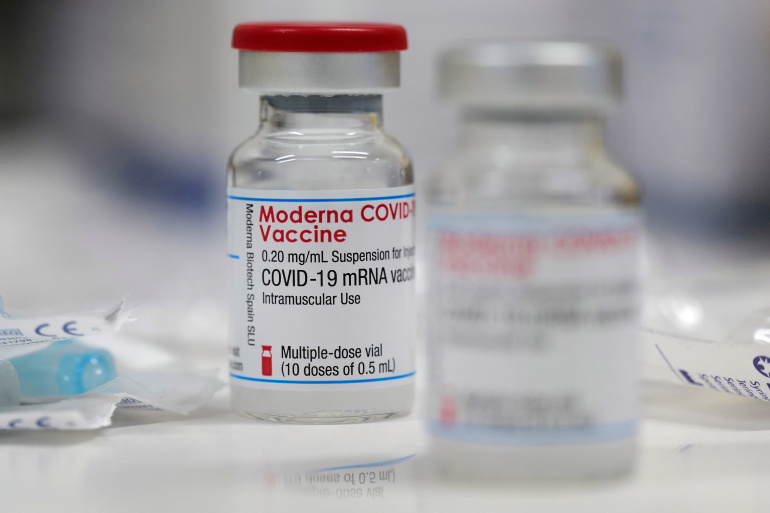
Moderna will be the fourth vaccine to be used for the vaccination drive in the country. The other three vaccines that are being used in India are Covishield, manufactured by the Serum Institute of India, Bharat Biotech’s Covaxin and the Russian vaccine, Sputnik V.
Drugs Controller General of India (DCGI) has approved Cipla, a Mumbai-based pharmaceutical company, to import Moderna vaccine for restricted emergency use in the country, VK Paul, member of NITI Aayog announced on Tuesday. “New drug permission has been granted to Moderna, the first internationally developed vaccine. This new drug permission is for restricted use,” Paul also said in the press briefing. The Moderna vaccine has been manufactured by the American pharmaceutical company with the same name. Here is all you need to know about the international vaccine:
How many shots are required?
The Moderna vaccine is a two-dose regimen at an interval of 28 days. In India as well, it will be administered in two doses, Paul confirmed in the briefing. However, the interval between the two doses in India is yet to be announced.
Is it WHO approved?
The Moderna vaccine is approved by the World Health Organisation (WHO). The world health body approved on April 30 on the basis of the recommendations of its strategic advisory group of experts (SAGE).
How effective is the vaccine?
The Moderna vaccine has been shown to have an efficacy of approximately 94.1% in protecting against Covid-19. The immunity starts to develop after 14 days of the first dose, WHO mentions on its site.
Does it work against new variants?
According to the studies done so far, the Moderna vaccine is effective against the new variants of SARS-CoV-2, including the Alpha variant and the Beta variant. However, researchers are still testing the vaccine’s efficacy against the new variants.
How many countries have approved the Moderna vaccine?
So far, the vaccine has been approved in more than 40 countries including Canada, the United States, Germany, France, United Kingdom, Italy, Israel, Japan and South Korea.
Any side effects?
The Moderna vaccine has no major side effects. However, after a person is administered with the dose there may feel slight fever, soreness in the arm, chills. The after effects include body ache, nausea and fatigue.
Age groups that it is safe for?
The WHO has approved the vaccine for all above the age of 18-years. Recently Modenra filed a request with the European Medicines Agency seeking authorisation for use in adolescents in the 12-17 age group. The US Food and Drug Administration (FDA) is also reviewing its medical trial data for emergency use authorisation of its vaccine in kids 12 and up.
Migraine is a medical condition described by severe recurring and intense headache. There can also be sensory changes called as aura. Aura includes visual disturbances like flashing lights, seeing zigzag pattern or a temporary vision loss. Other symptoms are nausea, stress, anxiety, hormonal changes, lack of sleep, vomiting, nasal congestion, sweating, diarrhea etc. Migraine affects the capacity to perform regular works due to pain. Sensitivity to light and sound may also increase. It is 3 times more common in women than men and affects more than 10% of the population worldwide. Migraine effects may vary from person to person.
HOW MIGRAINE IS DIFFERENT FROM NORMAL HEADACHE
Even though it is difficult to differentiate between the normal headache and a migraine, the intensity of pain may tell something about that. Migraine pain sometimes can be so severe that patient may need hospitalization which is not seen in the cases of normal headaches. Normal headaches tend to occur in both sides of the head. Migraine headaches can also occur in both sides, but majority instances include pain in only one part of the head. In normal headache you may feel pressure instead of throbbing which happens in migraine cases. Normal headaches are may be due to stress and worry or tiredness. But reason for migraine is unclear.
as already said, the cause of migraine is unknown. Some suspect that genetic features play a role in migraine. But it can be said that they arise mainly because of the changes in the way nerves communicate, loss of balance in chemicals and dilation of blood vessels in the head. But migraine can be triggered by hormonal changes, inadequate hydration, change in diet and some emotional triggers. Some medications can also cause it as side effects. Strong smells, loud noises or tiredness and lack of sleep also trigger migraine.
treatment
There is no cure for migraine. But medications can control or reduce pain and other symptoms. The frequency of the headache can also be reduced from the medication.
HOME REMIDIES TO REDUCE PAIN
Effective stress management and a good sleep habit will help to manage the pain. An improvement in the diet can also help. A regular practice of yoga and workouts may help but don’t do them while having pain. It may increase the pain. During pain staying in a dark quiet room or taking a good sleep will definitely help. Putting icepacks on forehead, neck and shoulders will help to manage the pain.
SOME FACTS ABOUT MIGRAINE
Migraine is found to be most common in the people belonging to the age group between 18 to 44 years.
Migraine tends to run in families.
It is the 6th most disabling illness in the world.
People who suffer from migraine are prone to depression and anxiety.
Majority of the migraine sufferers remain undiagnosed and majority people do not seek medication as well.
Typically, in an Indian household when a child grows up, Indian parents expect them to be doctors or engineers. But do we respect and love the same children when they actually become our life savers?
July 1, every year, is celebrated as National Doctors Day in India as this date marks both birth and death anniversary of prominent Doctor Bidhan Chandra Roy who was also the Chief Minister of West Bengal in early years of post independent India.
In 1991, Government of India established National Doctor’s Day to recognise the contributions of Dr. Bidhan Chandra Roy and also honour the Doctors nationwide.
Currently, the doctor-patient ratio in India is 1:1445 which is lower than WHO’s prescribed ratio of 1:1000. Doctors work day and night for their patients’ well being and this even increased since March 2020 due to COVID-19. But how much we as citizens give them in return?
India has suffered because of acute shortage of Doctors since the beginning as they never got the remuneration they deserve. This has always led to brain-drain in India as Doctors shift to other developed countries for better career prospects as they receive better salary and opportunities there.
Since the beginning of COVID-19, the only hope to get out of this deadly pandemic were Doctors and health care workers. Whenever our loved ones contract the virus, we immediately look towards our doctors with a helpless eyes, and Doctors without caring about themselves tirelessly give their life and time for us.
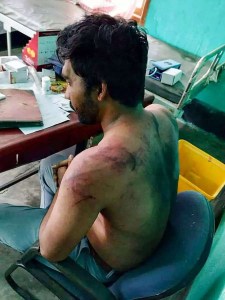
Some incidents in the recent past haven’t been so fruitful though. Doctors and other healthcare workers were brutally assaulted during the entire first and second wave and this is another downfall our country has witnessed.
Even on eve of Doctors day, two doctors were assaulted in Delhi yesterday after having a heated argument with two fellows. From an assault in June 2020 in Hyderabad to several such incidents in all parts of the country like Madhya Pradesh, Maharashtra, Assam and many more shows that we as citizens have failed our doctors.
Citizens have to understand by doing such acts of violence, their loves ones whom they lost won’t return. Yes, if any citizen feels their loved ones faced hospital casualties, they’ve a right to protest and they can take the legal procedures but they must not come into emotions and act violently.
Indian Medical Association has held several protests to voice for the rights of doctors. Nearly, 3000 Doctors resigned last month in Madhya Pradesh after High Court declared their strike as “illegal”. Several more prominent as well as junior Doctors in the country have vowed to not serve India as they feel citizens do not treat them with dignity.
If this goes on, India would have a vast decline in doctors per thousand people ratio and all the lives of Indian citizens will be at stake because private hospitals charge a lot and most Indians won’t be able to afford them due to mediocre and low income.
India would face a dangerous phase just like it faced in the second wave of pandemic if things continue like this till the upcoming third wave which will probably hit India by the end of 2021 as predicted by health experts. Stricter parliamentary laws against anyone who assaults doctors and moral policing of citizens can improve the doctor-citizen relationships however.
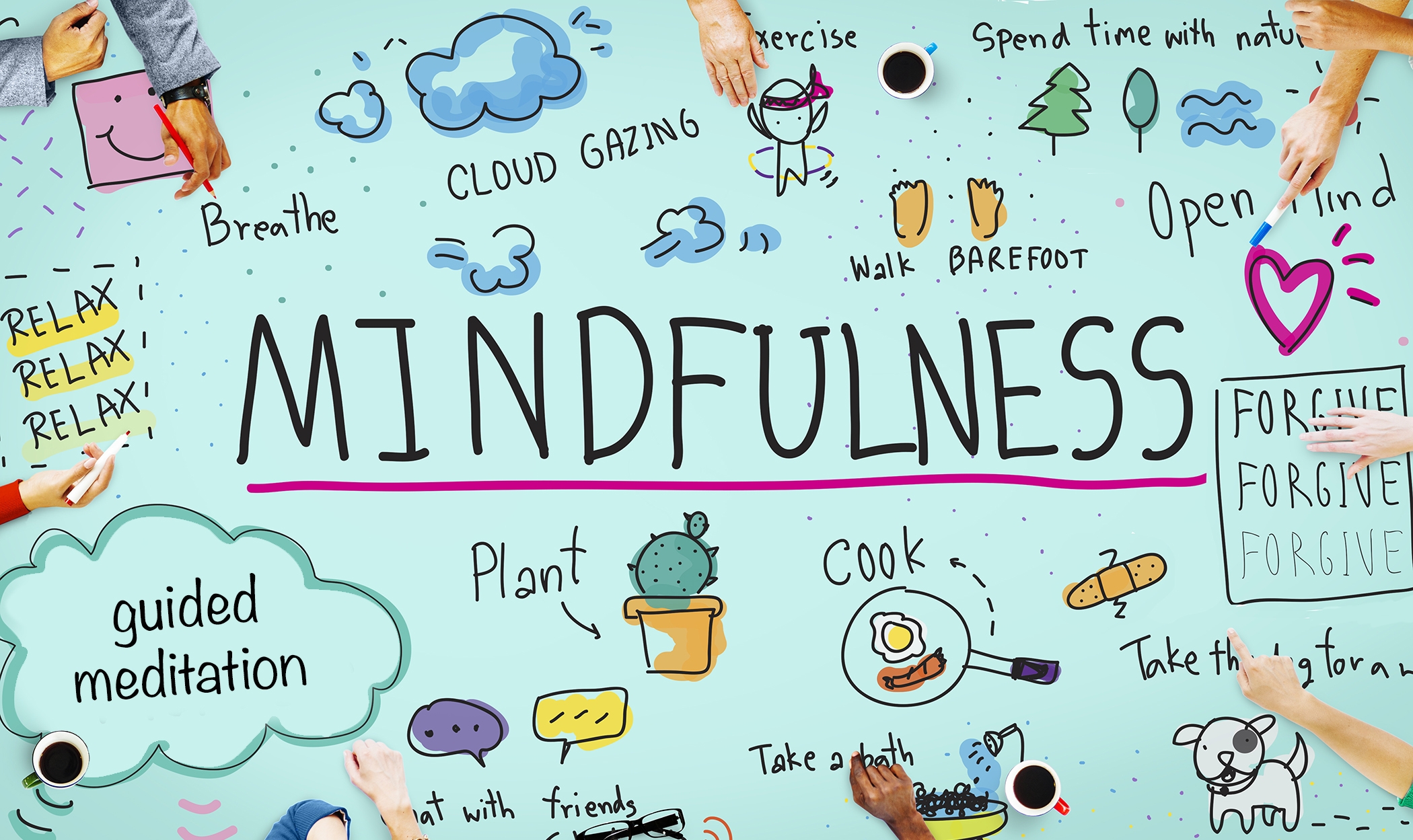
Mindfulness is the basic human ability to be fully present, aware of where we are and what we’re doing, and not overly reactive or overwhelmed by what’s going on around us. (Definition given by Mindful.org)
According to me, it is a practice of maintaining a complete non-judgmental state of awareness of one’s thought and emotions.
Also, many of us confuse mindfulness and meditation. In simple words, meditation is one of the ways to achieve mindfulness, or we can say; mindfulness is a quality whereas meditation is a practice.
So here the question comes, what are the benefits of practicing mindfulness?
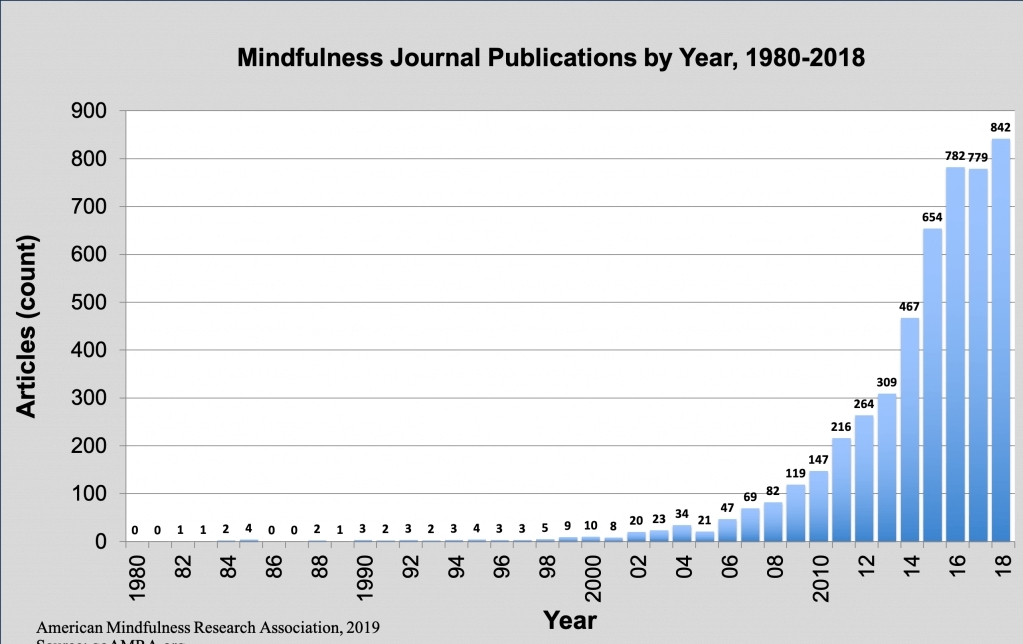
Well, to be honest, there are numerous. And seeing the popularity of the topic in positive psychology, we’ll probably be seeing a lot more to come. Have look at the graph below for example.
Mentioned below are just a few examples of what researchers have found.
1) Reduced emotional ‘reactivity’
In an emotional interference task conducted by Ortner and colleagues in 2007, participants with wide-ranging experience in mindfulness meditation were asked to categorize tones that were given either 1 or 4 seconds after a neutral or emotionally upsetting picture was presented.
The ones with more experience of practicing mindfulness-based mediation showed greater focus on the task even when emotionally upsetting pictures were shown.
2) Enhanced visual attention processing
A study by Hodgins and Adair in 2010 has confirmed that those who practiced mindfulness-based mediation have shown better performance on tests of concentration, selective attention, and more.
3) Managing physical pain
Some research has also shown that mindfulness may have a role in helping with the management of physical pain.
4) Improved working memory
According to a study by Jha and colleagues in 2010, mindfulness is practically linked to enhanced working memory capacity.
According to the study, participants who practiced mindfulness-based meditation for 8 weeks have shown improvement in their working memory capacity.
5) Reduced stress
Bränström et al.(2010), found cancer patients who took part in mindfulness-based training have shown remarkably reduced self-reported stress than those who didn’t.
So these were a few of the many examples. Individuals who want to practice mindfulness can find many mindfulness-based training online and practice it on their own. Practicing mindfulness on a day-to-day basis is a great way to improve one’s well-being.
This covid19 has burdened us with many challenges and obstacles. The word corona by itself poses as a very pessimistic thing that we have ever faced which has completely toppled our lives and brought the world to a grinding halt. Contemplating on the cons, meaning it is more than a drawback or a snag, because on a personal standard many of the families have lost their loved ones and there were many lonely departures without the final adieu. The world has dissipated many doctors, healthcare & welfare workers, police officers who toiled dawn and dusk for the well being of all and many innocent people. Despite the unemployment factor already being a serious issue in the country, especially in this pandemic some had to lose their jobs and many with no or a less source of income.
The education system has also taken a back seat in the pandemic refraining students from gaining practical knowledge. The digital medium cant make a replica of the interpersonal interactions that the school facilitates by having the young generation together from diverse backgrounds and culture. The peer group interaction between the class hours, promotes communication skills to their holistic development. Moreover the students in the rural are more prone to the drawback of online classes because they might not have an elasticity to E-learning. Even the developed countries faced many obstacles to deliver quality education to students during the pandemic.
It made many people idle and we were left stranded with a big question that when are we going to get out this woeful situation. The house confinement and the lack of exposure to school, work place, sports and leisure activities had increased the occurrence of mental illness and distress. The constant subjection to cell phone, computer and other electronic devices makes people at the high risk of obesity, eyesight problems and other related issues. Besides covid19 being a public health crisis, it has also severely affected the global economy leading to significant reductions in the income, mitigated productivity, business closures, disruptions in the transportation, service and other manufacturing industries. Amidst some people saying that the lockdown renders more mental depression imagine the plight of the families who have lost their own people. So in this crisis we were burdened with many things happening around us. All these things were making life unfeasible and intricate. This has left us with a stream of dejections, tears and unreliability. It made us uncertain of many factors in the near future.
On the other hand with schools, workplaces and universities shut down, a feeling that the clocks don’t work anymore and a unified distress within us, we were able to connect to the other part of life, the world opened us a new window. Before we would be awaiting for holidays to stay home and spend some quality time with our loved ones, even though we didn’t have a really great time in the lockdown it made us to think out of the box, to think of something other than the regular consistent work, made children to think out of the school curriculum. We became open to many things that we weren’t exposed to before because of some hectic scheduled stuffs. The current delay gave us more time to formulate a better roadmap for the future. People made their venture into online businesses which later became a good source of income for them. Kids started relishing non-curriculum books, creating art and exploring many things. With the flexibility of time in my peer group we started trying out new courses and internships which will help us in the long run rather than merely sticking to the subjects. For some people, the restrictions laid for covid19 gave some relaxations to develop their physical and mental health, to focus over fitness, home workout and activities like yoga with the feasibility of time. Which place could be more enjoyable than burning calories from the comfort of your home. Mothers had a pause form the tiring household chores with the children and other family members sharing the burden of house works. It has granted us ample of time to focus on our health, a sound sleep, to promote discipline and hygiene etc.
We have to be strong, resilient, stick to the necessary protocols laid by the government, be mentally and physically fit to get the rid of the crisis and for the betterment of the situation. We have fought against plenty of factors during many hardships like flood times and cyclones so we are going to do the same, fight against covid19 together but with social distancing and the masks up. Get vaccinated. Stay indoors and stay safe!!
National Doctors Day is celebrated nationwide, every year, on the 1st of July. But why? This is to express our gratitude towards doctors and physicians for their service towards our well-being. Legendary physician and the second Chief Minister of West Bengal, Dr Bidhan Chandra Roy was born on the 1st of July in Patna, Bihar in 1882 and coincidentally died on the very same date in the year 1962. In 1961, Dr Roy was conferred with the nation’s highest civilian award, Bharat Ratna. Doctors day in India was established in 1991 in honour of his birth and death anniversary.
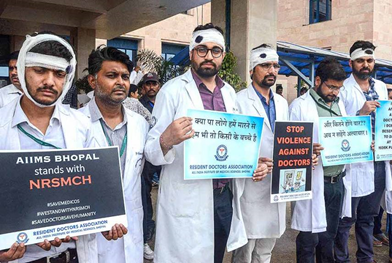
Well, Doctors day is celebrated every year on the 1st of July but this year another day was observed, by the doctors of IMA (Indian Medical Association) on 18th of June, NATIONAL PROTEST DAY. Doctors came together against the assaults on doctors in COVID wards. IMA observed nationwide protests demanding central law to protect doctors against violence.
Doctors and healthcare workers held placards and raised slogans like doctors bachao desh bachao (save doctors, save nation) and save the saviour. Doctors and medical staff at the IMA office in Hyderabad protested wearing black badges. Doctors from AIIMS Delhi and IMA unit, Ludhiana also took part in the agitations. Various state-level protests were taking place for a long time.
Why are these protests taking place?
Let me brief you here
Bhopal: A local politician was seen screaming at a Bhopal doctor who couldn’t save the life of a patient who was bought to the hospital at an oxygen level of 30. This left the doctor in tears and he was demoralised to the extent that he wanted to resign.
Guwahati: A doctor at a coronavirus facility in Assam was punched, kicked, and pounded with metal trash cans and bricks, by the relatives of a Covid patient who had died, allegedly due to oxygen shortage. Locals also assaulted the doctor who was then hospitalised.
Kerala: A police official allegedly attacked a doctor in the Alappuzha district. The official is accused of slapping Dr Rahul Mathew, who was working the night shift at the Mavelikkara district hospital, after the former’s mother, a COVID-19 patient, was brought dead to the hospitals. Doctors protest for the non-arrest.
And many more such cases went viral on social media. Assaults on doctors might not make it to the news daily, but take place every day.
What exactly did they do to get such treatment?
Grinded in high school, cracked NEET, spent 7-8 years working hard and studying in college, paid a hefty amount of fees to medical colleges or even took loans for their studies.
Who does that? Their fault, right?
Image source: Google | Image by: BusinessToday.In
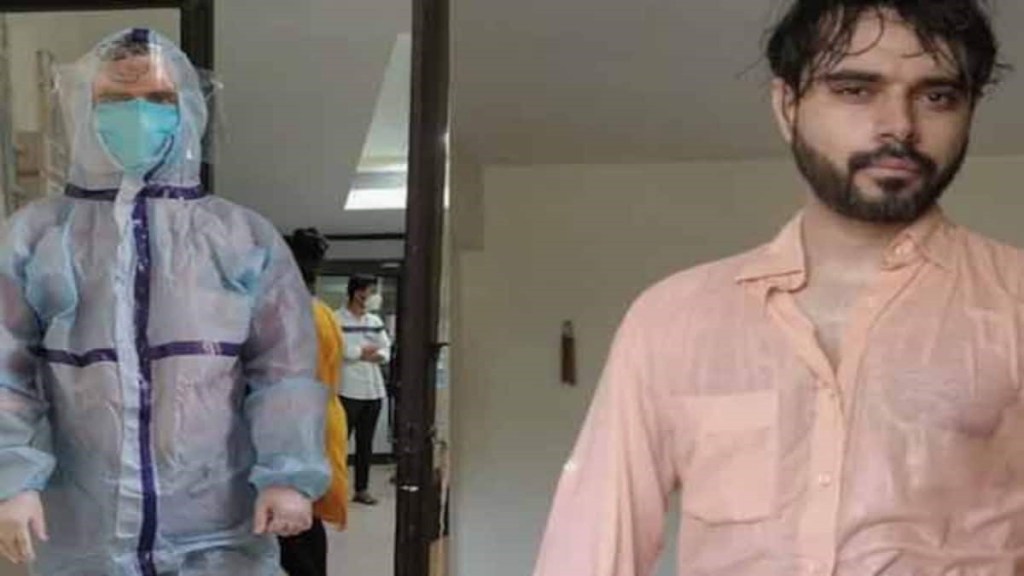
During COVID lockdown when most of us were busy making dalgona coffee and baking cakes, they were out there in scorching heat, wearing PPE kits dealing with patients. Burning the candle at both ends, forgetting they have a life of their own, forgetting they have a family waiting for them, isolating themselves from their own family members, in their own houses to protect their families from contracting the virus, more than 500 doctors died during COVID, trying to save our lives. But why, just to save us. Imagine how demoralising it is for them to get beaten up by the ones they’re working for.
What is the probable reason?
Lack of infrastructure
Manpower
Laws in place
Security arrangements
Lack of infrastructure
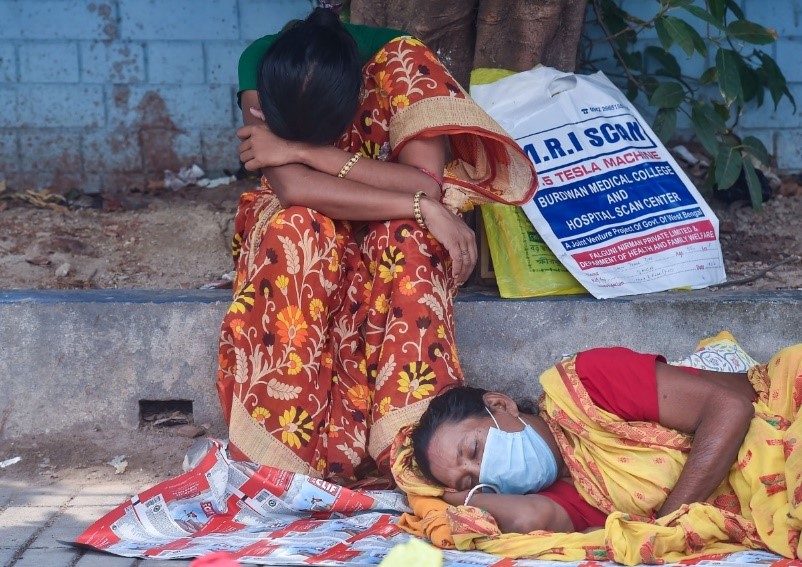
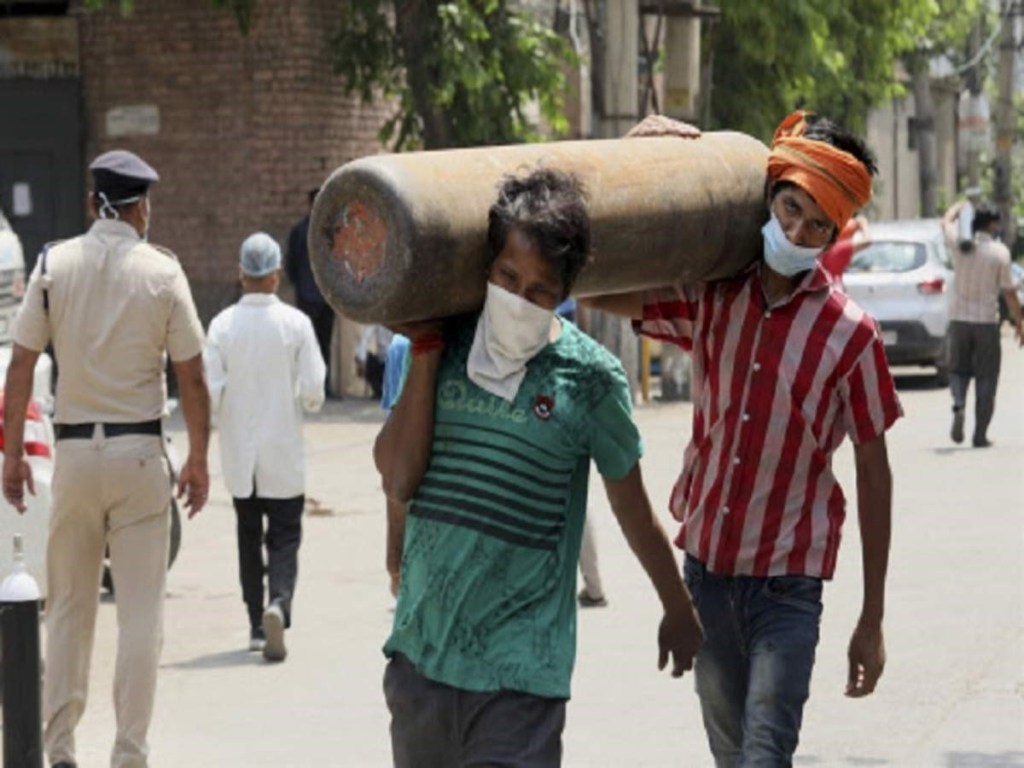
The shortfall of ICUs, no beds for patients, dearth of oxygen support, the inadequacy of medicines, caretakers bound to wait in long queues for medicines at dispensaries, patients gasping outside hospitals, black marketing of almost everything required for a person to recover, our health infrastructure was crippling.
Image source: Google | Image by: The Times Of India
Manpower
Along with the tools used to help fight COVID, there is a paucity of our warriors too. There should be at least one doctor per 1000 patients according to WHO, whereas in India there is one doctor who attends more than 1445 patients. Not just doctors, the suggested number of nurses per 1000 patients is at least 3, there are just 1.7 in India (43% less than WHO standards). This leads to overworking of doctors and medical staff ignoring their basic requirements like sleep and a proper diet.
Laws in place
Medicare Service Persons and Medicare Service Institutions (Prevention of Violence and Damage to Property) Act, also known as the Medical protection act is there in at least 19 states, which when breached can lead to an imprisonment of up to 3 years and a fine of INR 50,000. Damage to any medical devices and equipment is a punishable offence and offenders are liable to pay twice the amount of the damaged equipment’s cost.
The Act, however, fails to really protect doctors because it features neither in the Indian Penal Code (IPC) nor in the Code of Criminal Procedure (CrPC). This makes it difficult for victims to approach the police for help or the latter to file a complaint against suspects.
Security arrangements
Doctors are not politicians with scores of gunmen and bouncers around them, who will assure their safety? Due to lack of security at hospitals and clinics, doctors and other staff are the soft targets for unhappy relatives and agitated patients.
Stepping into doctor’s shoes
Imagine yourself as a teacher who fears being beaten up to death by parents for their child’s poor performance at a test, will you even be willing to teach anymore with the same zest. I don’t think so. Hospitals are understaffed, doctors are overworked, patients are overwhelmed.
But this isn’t the fault of our doctors. They are going an extra mile in order to save as many patients as they can, making 3 patients share a bed or switching oxygen support among patients, they have our best interest at heart.
Doctors are not supposed to be accountable for the paralyzed infrastructure, that is where the leaders we vote for come into play. They’re made to work for 15+ hours at a stretch that too in a harsh environment, in a place they no longer feel safe or comfortable in.
What do doctors want?
All they want is for the government to sit with them and consider their problems.
For a law to protect their lives so that they can continue with their duties towards the nation. The implementation of existing laws.
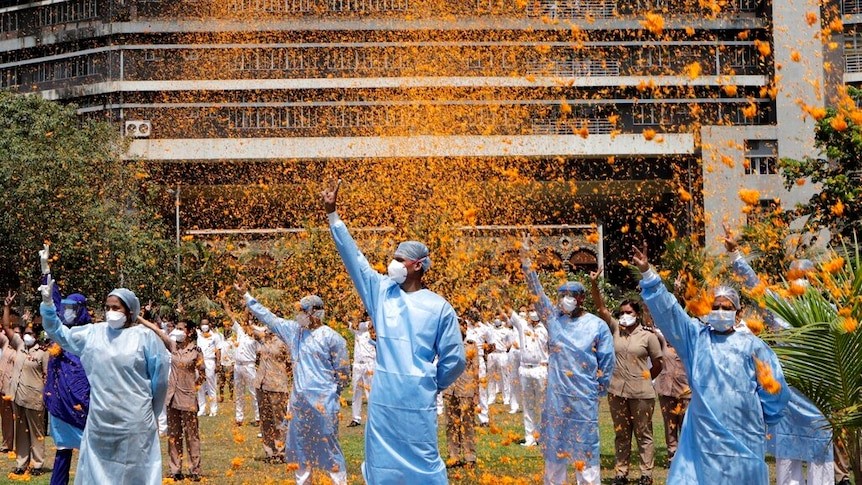
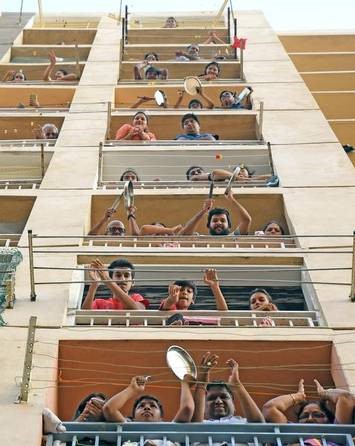
They don’t demand banging of thalis from our balconies or something like that in order to pay our respect, they didn’t ask for showering of flowers upon them for their service, all they’re asking for is to be able to practice in a safe environment where they’re worried for patients’ life, not scared of getting beaten up by sticks.
Image source: Google | Image by: Anjana Pasricha ( VoA)
We were always raised to believe doctors are God on land. Saving our life, giving us a new one at times, while risking their own. What they now want is not godly, but at least a humanly manner.
How can we help?
First and foremost, don’t be someone they need protection from. i.e. don’t be an assaulter.
Secondly, don’t ignore if you see someone being unfair toward them. Raise your voice, report if you see something like this.
A simple realisation that we can trust our doctors can do wonders.
Lastly, don’t forget they’re humans too. Thank them, pay your respect, or at least, just don’t be a jerk.
This Doctors day, I bet Dr Bidhan Chandra wouldn’t be proud of our country treating its doctors and medical staff like this.
Let’s all come together and promise that we’ll make the world a better place to live for our selfless human beings. We owe them.
Ending here with a salute to any doctor or an aspiring doctor reading this, and a sincere tribute to the warriors that lost their lives.
The presence of the doctor is the beginning of the core.Doctor’s day is celebrated on 1st july .It is an occasion to marked to pay tribute to the doctor and their contribution in the society .In india,it is celebrated in honour Dr. Bidhan Chandra Roy’s birth and death anniversary .
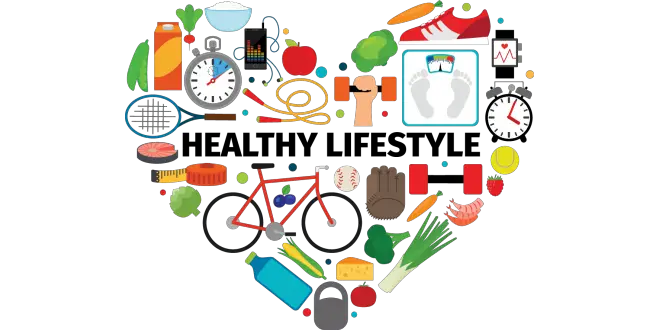
Overview What do you mean by Healthy Lifestyle? It is not just the good health of a person. A healthy lifestyle also includes a healthy routine, and healthy eating habits, etc. Good nutrition, daily exercise, and adequate sleep are the foundations of healthy living. A healthy lifestyle keeps you fit, energetic, and at reduced risk for disease. According to WHO, Healthy living is a way of living that helps you enjoy more aspects of your life. It is a way of living that lowers the risk of being seriously ill or dying early. Health is not just about avoiding a disease or illness. It is about physical, mental, and social well-being too. When you adopt a healthy lifestyle, you provide a more positive role model for other people in your family, particularly children. You will also create a better environment for them to grow up in. By helping them to follow a healthier lifestyle, you will contribute to their well-being and enjoyment of life now and in the future. Factors that affect your lifestyle on a regular basis Managing stress in positive ways, instead of through smoking or drinking alcohol, reduces wear, and tear on your body at the molecular level. For a longer and more comfortable life, you should adopt a healthy lifestyle. Following factors may affect your lifestyle on a regular basis: Eating It plays a vital role in your lifestyle. It is providing nutrients to the body so that it can help in cell growth and metabolism. You need to eat a varied diet to get essential nutrients in the form of protein, vitamins, carbohydrates, minerals, and fats. Consume lean meat such as chicken along with legumes, eggs, and nuts for healthy living. Also, a balanced diet is needed to maintain a good lifestyle which lies under eating habits. Not just eating healthy food but, drinking healthy liquids like juice, and green tea, etc. Exercise Your lifestyle should include exercise. It majorly contributes to maintaining a healthy lifestyle. Calories accompany the nutrition in food and if you don’t exercise, you’ll gain weight. Carrying extra weight increases your risk for heart disease, type 2 diabetes mellitus, and cancer. Your lifestyle should support a constant healthy weight for normal daily activity. You should always do muscle-strengthening exercises, such as weight lifting, along with aerobic exercises, such as walking or running. You should also include exercise, such as yoga to improve body flexibility. Sleeping Daily metabolism perpetuates the decline and rejuvenation of cellular tissue and the body’s self-repair takes place when you are asleep. Memory consolidation and appetite regulation also occur during this time of reduced physical activity. Seven to nine hours of night sleep daily is considered an optimum for most individuals for a healthy lifestyle. Reducing Stress Your body responds to everyday stress with a release of hormones that prepare you to react. Although some stress is inevitable and necessary, the excess can lead to various health problems. If you don’t relieve this excessively stressful state through relaxation, the effects build and can create muscular pain, headaches, sleep disturbances, and other symptoms. A lifestyle that includes regular stress management, breaks this cycle before it can progress to unhealthy levels.
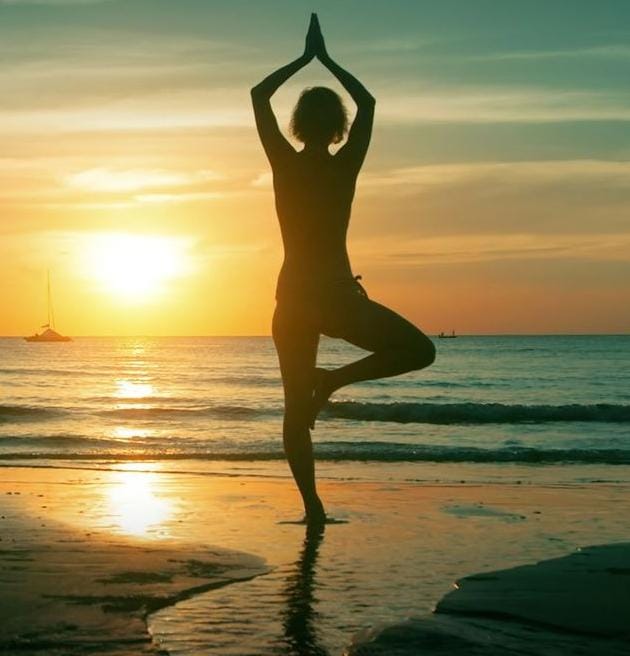
Yoga is derived from Sanskrit word ‘Yuj’ (verb) which means unite. Yog means union of individual soul with the absolute soul. It also means unification of physical, mental, intellectual and spiritual aspects of human being
Benefits of Yoga
Physical Purity :- There are three substance in our body i.e; vaat, pitt and kaph. If these three substance is in proper balance we may remain healthy. Neti, Dhoti, Nauli, Basti, Tratak etc. are some yogic exercise which keep internal organ of our body in clean state.
Reduces Mental Tension :- Prathyahar, Dharna and Dhyan plays important role for restoring peace of mind. Makarasana, Shavasana, Shalabhasana are benefical for releasing stress.
Spiritual Develpoment :- We can generate good control on our mind by doing regular exercises. Padmasana and Siddhasana are the best asana for spiritual development.
Increase Flexibility :- Flexibility plays a significant role in every ones life. Flexibility makes the body movement efficiently. Chakrasana, Dhanurasana, Halasana, Bhujangasana are beneficial for increasing flexibility.
Reduces Obesity :- Nowadays obesity is worldwide problem. Obese people may suffered from various diseases. Pranayama and meditative asana reduces obesity.






 Eduindex
You must be logged in to post a comment.