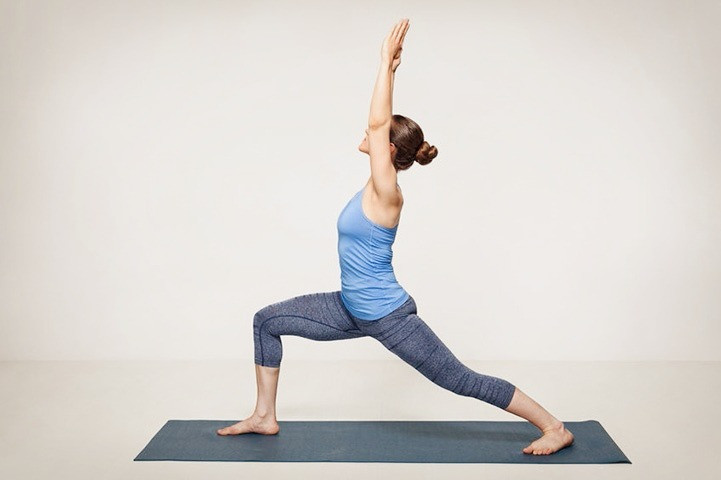
Yoga!

Yoga Sanskrit: योग; Sanskrit for “yoking” or “union”, is a group of physical, mental, and spiritual practices or disciplines that originated in ancient India. Yoga is one of the six orthodox philosophical schools of Hinduism. There are a broad variety of yoga schools, practices, and goals in Hinduism, Buddhism, and Jainism and there are four paths or types of yoga: Karma yoga, Kriya yoga, Bhakti yoga, and Jnana yoga. Research studies have shown that traditional yoga systems that include breathing exercises and asanas or postures, chants, and meditation can reduce stress and improve immunity and lung functions. Traditional forms and modern methods of yoga are practiced worldwide.

The practice of yoga has been thought to date back to pre-vedic Indian traditions, possibly in the Indus valley civilization around 3000 BCE. Yoga is mentioned in the Rigveda, and also referenced in the Upanishads, though it most likely developed as a systematic study around the 5th and 6th centuries BCE, in ancient India’s ascetic and Śramaṇa movements.

The chronology of earliest texts describing yoga practices is unclear, varyingly credited to the Upanishads. The Yoga Sutras of Patanjali date from the 2nd century BCE, and gained prominence in the West in the 20th century after being first introduced by Swami Vivekananda. Hatha yoga texts began to emerge sometime between the 9th and 11th century with origins in tantra.


Yoga gurus from India introduced yoga to the West following the success of Vivekananda’s adaptation of yoga without asanas in the late 19th and early 20th centuries. The term “yoga” in the Western world often denotes a modern form of hatha yoga and yoga as exercise, consisting largely of the asanas. Outside India, it has developed into a posture-based physical fitness, stress-relief and relaxation technique. Traditional yoga, however, includes physical exercise, meditation, and spirituality. Yoga has its own epistemological method, which assumes the ontology and metaphysics of the closely correlated Samkhya darsana.

In this today’s world it’s so difficult to spend our time and go to gym and take a diet and etc etc. But yoga is formed to pe in a peace of mind where we are not just physically but we are mentally fit too.

youtube

YouTube

YouTube the way of leaning

What Are the Main Functions of YouTube?

  • Users can search for and watch videos.
  • Create a personal YouTube channel.
  • Upload videos to your channel.
  • Like/Comment/share other YouTube videos.
  • Users can subscribe/follow other YouTube channels and users.
  • Create playlists to organize videos and group videos together.

What is the main purpose of YouTube?

YouTube provides a simple way for people to store videos online and share them with others. YouTube videos cover any topic anyone cares to upload a video about. These videos are easy to share via other forms of social media, email and websites and can also be embedded in other websites

What are the benefits of being a YouTuber?

Benefits of Having a YouTube Channel

Give the Audience More Content. One really good reason to add video and a YouTube channel to your site is to give the audience more content. …

Extra Source of Traffic. …

Closer Personal Connection. …

Another Source Of Revenue. …

Modernizing. …

Creative Outlet. …

Get Outside Your Comfort Zone.

Teens Like YouTube because?

YouTube is a free to use service and a can be a great space for teens to discover things they like. For many young people, YouTube is used to watch music videos, comedy shows, how to guides, recipes, hacks and more. Teens also use the video-sharing service to follow their favourite vloggers (video blogger), subscribe to other YouTubers and celebrities they are interested in.

By YouTube what the people wish to like ?

The way the their mind sets and Intrest videos

there are different kind of people

Wish to learn new things

spend time on their mind sets

giving live news and events

Advantages and Disadvantages

1.       In education YouTube help in term of provide the video of teaching and learning for the students to get the knowledge from the professors in another part of the world.

2.       The students are able to access to the sources of learning anytime anywhere they want without any payment.

3.       Provide the chance for all the learner to study with the high professional teacher especially for those who have no chance to go university.

4.       There are many skill people who upload their video and we can learn from their skill.

5.       YouTube is the very wide classroom for teaching and learning which we can save our time and budget.

6.        It is a biggest source of study which easy to understand by the video such as video on how to make up, video on how to cook, video on how …etc.

SELF-CARE

Self-care is the practice of taking care of our mental, emotional and, physical health. We must take care of ourselves and our well-being. We often don’t give time to ourselves because we are too busy or are occupied with technology.

People who prioritise self-care practices in their lives are often more likely to be happy, confident and, successful. It also shows people that you value yourself and your life. You instantly feel more productive and are in a state of peace with yourself.  

Here are a few things which you can do daily for self-care. These things don’t consume a lot of time and can easily be added to your daily routine.

Getting adequate sleep: It is a no-brainer that our body needs an adequate amount of sleep to function well. Sleeping for a good amount of time not only helps prevent health problems but also increases our productivity during the day. It also keeps us in a better mood and we are less likely to feel annoyed when things go wrong.

Doing mornings right: Every day is a new day and our day starts in the morning. So, we must do our morning right. Let’s start with waking up a little early than usual so we don’t have to rush to our work.

 The next thing is to not go on our devices, going on social media or thinking about work is not the best thing to do the moment you wake up. We wake up every morning with a positive thought and we need to maintain that so our day goes well.

We need to add an activity that allows us to give time to ourselves. Adding this activity will make us feel better because we are not just waking up to work but we have things that we do for ourselves in the morning.

The activity can be as simple as making your morning tea and drinking it while reading a newspaper, magazine, or book. You can also simply meditate or do yoga for 15 min. Giving yourself a peaceful time in the morning is important.

Giving your body nutrients: An important part of self-care is to take care of our health. Our body needs various vitamins and nutrients. So, make sure you eat food rich in vitamins. Eating healthy will fulfil your body’s needs and will also make you feel good about yourself. A healthy body leads to a healthy mind.

Get your body moving: Doing something physical every day is important. You can choose any activity of your choice. It can vary from an hour of the gym to a walk for 20 minutes. Anything that gets your body moving is considered a physical activity even dancing to your favourite songs.

Getting organized: You will never feel like good working or living in a cluttered environment. So, make sure that your things are organized and are kept properly. A lot of people also consider organizing things therapeutic as it helps them clear their thoughts. If you are someone who procrastinates a lot before cleaning or organizing there is a tip for you too. Every day set a timer for 10 minutes to organize things. This way you won’t feel pressured to work and you will feel accomplished after completing your tasks.

Me time: Giving time to yourself is the most important part of self-care. Me time will allow your brain to connect with yourself. It will help reduce stress and will instantly brighten your mood up. A few things you can do in your me-time are:

  • Cook something fun
  • Sing or dance
  • Create an art piece
  • Journal
  • Take a bubble bath
  • Paint your nails
  • Treat yourself

These things will allow you to enjoy time with yourself and, it will also make you appreciate yourself. Me-time is important because, before we enjoy and spend time with others we need to be happy in our own company.

How Yoga Day came into existence?

International Day of Yoga is observed globally, to highlight the importance of yoga in the contemporary era, every year on June 21

Back in December 2014, India’s Permanent Representative Ashok Mukherjee introduced the draft resolution regarding the same in the United General Assembly. The draft received tremendous support from the 177 member states and was adopted as a special day. The United Nations on December 11, 2014, proclaimed that June 21 will be marked as International Day of Yoga by resolution 69/131.

Notably, International Yoga Day is celebrated on June 21 as it is the longest day in the Northern Hemisphere.
Significance –
Yoga is derived from Sanskrit and it means to join or to unite. Union of body and consciousness is known as Yoga as it helps to maintain a balanced lifestyle in these changing times. It was on June 15, 2015 – the first International Day of Yoga was globally observed.
On this day, India’s ministry of Ayush had organized a program which was attended by eminent dignitaries of around 84 nations along with Prime Minister Narendra Modi. A total of 35,985 people at Rajghat performed 21 yoga poses, making it the world’s largest yoga class.

International Yoga Day 2021: Theme

Owing to the raging COVID-19 pandemic, in 2020 the theme for yoga day was ‘Yoga at Home and Yoga with Family’. The message sent out by the theme was that in these adverse times, yoga will give rays of hope to stay relaxed and fit. Similarly, this year’s theme for International Day of Yoga is ‘Yoga for Well-being.’

Psycho-social care needs to be prioritised amid the pandemic time and yoga plays a vital role in it. When COVID-19 patients, who are in isolation and quarantine, faced psychological problems doctors held yoga sessions as it provides aid in mental stability. Therefore, ‘Yoga for Well-being’ is the correct theme for this year because it focuses on the holistic health of every individual, which is the need of the hour

🧘‍♂️YOGA🧘‍♀️

“yoga is the art work of awareness on the canvas of body, mind, and soul.

Yoga is essentially a spiritual discipline based on an extremely subtle science, which focuses on bringing harmony between mind and body. It is an art and scince of healthy living. The word ‘Yoga’ is derived from the Sanskrit word ‘yuj’ which means  ‘to unite’.

Yoga is a practice of mind and body . Yoga is  combination of physical postures, breathing techniques, and meditation or relaxation. It involves movement, meditation, and breathing techniques to promote mental and physical well-being. There are several types of yoga and many disciplines within the practice.

Yoga offers physical and mental health benefits for people of all ages. If any person is  going through an illness, recovering from surgery or living with a chronic condition, yoga can become an integral part of their treatment .

A yoga therapist can work with patients and put together individualized plans that work together with their medical and surgical therapies. That way, yoga can support the healing process and help the person experience symptoms with more centeredness and less distress.

Benefits of YOGA

•  Yoga improves strength, balance and     flexibility

•  Yoga helps with back pain relief.

•  Yoga can ease arthritis symptoms.

•  Yoga benefits our  heart health.

•  Yoga relaxes us , which helps us sleep better.

•  Yoga can help us to gain  more energy , positive thinking  and brighter moods.

•  Yoga helps us  manage stress.

•  Yoga connects us with a supportive community.

•  Yoga promotes better self-care.

YOGA: FOR A HEALTHY BODY AND A CALM MIND

On this day seven years ago, the United Nations on 11th December 2014 announced 21st June as the international yoga day. The aim behind it was to “globally raise awareness regarding the benefits of practicing yoga”.

All About Yoga: Poses, Types, Benefits, and More | Everyday Health


Yoga, in the words of late practitioner B.K.S Iyengar is a way of maintaining a balanced attitude in day-to-day life and endows skill in the performance of one’s actions.

Since the onset of the pandemic followed by a nationwide lockdown, the amount of physical activity performed by an individual has declined at an alarming rate. The gyms shut down while the permission to leave the house only for essentials has made the human body quite lethargic and stiff. But yoga is one of the few ways where an individual can maintain their physical and mental health without the need of stepping out of the house.

So, on this yoga day, let’s talk about a couple of asanas that help one with weight loss.

Using yoga for weight loss is a pretty debatable topic. Many believe it alone can’t promote weight loss unless it’s combined with a healthy diet. By combining yoga with a healthy diet not only does it helps in losing weight but also keeps the mind and the body healthy. 

One of the reasons for weight gain is neither binge eating nor lack of physical activities but stress. Stress can have a disastrous effect on one’s mind and body. It often reveals itself in the form of insomnia, anxiety, lack of concentration and pain. Combining yoga with stress management techniques; not only helps in weight loss but also helps in maintaining good physical and mental health.

Talking about the asanas, they don’t immediately produce a result as the poses are simple but, they focus more on increasing body flexibility, improving concentration, and building one’s muscle tone. Once the body gets used to it, only then it starts to show the results. The asanas used for weight loss are as follows.

1. Chaturangadandasana (the plank pose)

How to Do Low Plank (Chaturanga Dandasana)

Chaturangadandasana or the plank pose mainly to strengthens the core muscles. The benefits of this asana are contradictory to the way it’s performed. To perform this, you have to hug your elbows to your side while making sure your upper arms are parallel to the floor. 

2. Virabhadrasana (the warrior pose)

Warrior Pose (Veerabhadrasana or Virabhadrasana) | The Art of Living

Virabhadrasana or the warrior pose helps in toning the thighs and shoulders while increasing one’s concentration. It also improves the balance of the body and tones the back end, arms and legs. While contracting abdominal muscles while holding the pose helps in attaining a flat belly. It works more effectively the longer one can hold this pose. 

3. Trikonasana (the triangle pose)

Triangle Pose (Trikonasana) | Yoga Garden San Francisco Bay Area

Trikonasana or the triangle pose helps in improving digestion and reducing fat accumulation in the belly and waist. This pose improves the blood circulation in the entire body and, its unique lateral motion helps to burn belly and waist fat while strengthening the thigh muscles and the hamstrings. 

4. Adho Mukha Svanasana (the downward dog pose)

How to Do Downward Facing Dog (Adho Mukha Svanasana)

Adho Mukha Svanasana or the downward dog pose benefits the body by toning it and strengthening the arms, thighs, back and hamstring. It also improves blood circulation, and the concentration when one holds the pose concentrates solely on breathing.

5. Sarvangasana (the shoulder stand)

How to do Sarvangasana | Shoulder Stand Step | Benefits Sarvangasana


Sarvangasana or the shoulder stand pose has multiple benefits. It increases strength, and improves digestion of the body and is also known for boosting the metabolism and balancing the thyroid levels. It also strengthens the upper body, legs and abdominal muscles while improving one’s sleeping pattern and respiratory system.

6. Sethu Bandha Sarvangasana (the bridge pose)

How to Do Supported Bridge (Setu Bandha Sarvangasana)


Sethu Bandha Sarvangasana or the bridge pose is excellent for weight loss, glutes and maintaining thyroid levels. This pose helps in toning and strengthen the back muscles, improve digestion and thyroid levels while regulating the hormones and reducing back pain.

7. Dhanurasana (the bow pose)

HOW TO BOW POSE/ DHANURASANA🎀⁠ ⁠ follow @yogarove⁠ follow @yogarove⁠ ⁠ Bow  pose is a DEEP chest opener a… | How to do yoga, Yoga for beginners, Yoga  poses pictures


Dhanurasana or the bow pose massages the abdominal muscles while strengthening the thighs, chest, and back muscles. This pose stretches the entire body while improving blood circulation.

Yoga, which originated in India, is a revival method for body and mind. It is a traditional form used by people of all age groups who yearn for a healthy body and mind. It benefits every single part of the body and also helps in relaxing the mind. This age-old tradition has been accepted and praised worldwide for its effectiveness and has helped maintain a healthy body and a relaxed mind.

Skin problems!

So before I write this article I want to say that doesn’t matter how you look how we look the most precious and beauteous thing in this world is the inner beauty!

Skin disorders vary greatly in symptoms and severity. They can be temporary or permanent, and may be painless or painful. Some have situational causes, while others may be genetic. Some skin conditions are minor, and others can be life-threatening.

While most skin disorders are minor, others can indicate a more serious issue. Contact your doctor if you think you might have one of these common skin problems

There are many different types of skin disorders. Here is a list of 25 with pictures

1.eczema.
2.psoriasis.
3.acne.
4.rosacea.
5.ichthyosis.
6.vitiligo.
7.hives.
8.seborrheic dermatitis.

And so on but all of these skin diseases can be cured. Don’t take a lot of time just sitting at the home and thinking about these diseases go to a dermatologist and make sure you have a Open conversation with him/her. You’ll definitely get the better results after that treatment.

And guys if you’re bullying someone due to these diseases then please this article is not for you! You need to be honest with yourselves that am I giving my best to everyone.

Things to do when you are feeling low

Do you have one of those days where you don’t feel like getting out of bed? Where you feel like everything is going against you and you feel sad or unaccomplished.

Well good for you, you are not alone.

We all have days where we don’t know what to do. Where we feel lost and unsatisfied. We want to change the way we feel but, there is no motivation to do so

Feeling low is quite normal. It is our brain’s way of telling us to take a break. Now there are two things people do when they feel low.

The first thing is they push themselves to work and forget about their emotions.

The second one is they let their emotions sit in, take a break and, then move forward with a fresh perspective.

Which approach sounds better? The second one right.

So, here are a few things to do when you are feeling low,

The first thing to do is acknowledge your emotions. Cry if you are feeling sad. A lot of people think that crying isn’t good or it shows that you are not strong enough. But, that’s not true. Crying is as normal as laughing when you find something funny.

Did you know that crying makes you feel better?

Crying releases endorphins, these feel-good emotions help you feel better.

Now that you have let your emotions out, give yourself a break so your body can recharge.

Have your favourite meal. You deserve that after going through so much. Forget about the calories and go grab a pizza if that will make you feel better.

Go outside and connect with nature. I am not asking you to go on a vacation. But even going outside to the park near your place can help. Being surrounded by nature will instantly make you feel calm. Nature has a calming effect on human beings. Even lying down under the night sky will help you feel calm and make you realise, how small of a part you are in this universe.

Do not go on social media. It is not the best idea to go on social media, where all you see is people having fun while your life is a mess. We tend to forget that people on social media also have bad days like us but they don’t show that online.

Talk to your trusted ones. Keeping things on your mind can be draining. So, talk to your friends, or family. If you are not comfortable sharing things with them, then you can always talk to your therapists or some trusted friends online. Talking things out and sharing your negative emotions with your trusted ones is profoundly healing.

Do an activity you enjoy. It can be as simple as painting, reading, or singing. You don’t have to be good at it. Do it to enjoy yourselves and to have fun.

We get so involved in our lives that we often don’t get time to do such things. So doing an activity you love would be very therapeutic.

Now that you are done with the break and are ready to go on with your life. Remember to take things slow.

One step at a time. Set small targets for yourself. Give your brain enough time to pick up with the pace.

Doing these activities will help your brain recover and give you a fresh perspective on life. It is always okay to not be okay and, to let our emotions take over. It is okay to take a break and rest for a day or two. Even successful people have bad days. So, don’t be so hard on yourselves for feeling low instead, give yourself time to rejuvenate.

HEALTH

Health is more important than wealth
If you were to ask people what they needed to be happy, two of the most common answers would be health and wealth. Both are definitely necessary for happiness. However, if you could only have one, which is more important? It is my opinion, health wins hands down. Firstly, health is more important than wealth because if you are physically fit, you will have a sense of well-being. That means that you will feel happy. Wealth does not necessarily do the same. Many people mistakenly think that they would be happy if they had a million ringgit. They think that having more money will solve all their problems. On the contrary, it has been found that being wealthy can actually rob you of your peace of mind. Rich people suffer from more stress, anxiety, suspicion and unhappiness. Besides that, wealth is of no use without health. To understand this, we must look at why we gather wealth. The purpose of doing so is to be able to supply our daily needs and make ourselves happy by spending on luxuries. Without good health, no matter how much one spends on material things, that person will not be able to enjoy them to the fullest. For example, a person who is unwell would not be able to eat everything he wants to even though he could afford to buy the most expensive food. A person who is bedridden will not be able to enjoy vacations in exotic places even if he owned a private plane. Therefore, health is more important than wealth as wealth is useless without health .Another point in favour of health is that if you were healthy, you would be able to gain wealth. The reverse is not possible. If a person is healthy, he would be able to find work or carry out investments that could eventually make him wealthy. However, for a person who is wealthy but ill, even the best medical care that money can buy may not guarantee the return of that person’s health. This fact alone is sufficient to support the view that wealth is less important than health .In a nutshell, health is indeed more important than wealth for the reasons explained above. Of course, the ideal situation would be to have both health and wealth. I conclude that always wealth is not more important than Health

MENSTRUAL HYGIENE: A CHALLENGING DEVELOPMENT ISSUE


Menstruation is still now a social taboo in Indian Society.The major reasons behind menstruation still being a taboo in the Indian society are illiteracy, poverty and lack of awareness.

WHAT IS MENSTRUATIONS?
The blood coming out from vagina normally occurs as part of a woman’s monthly cycle called menstruation or periods. Every month, our body prepares for pregnancy. The uterus, or womb, sheds its lining in case of no pregnancy . The menstrual blood is partly blood and partly tissue from inside the uterus. We can say that periods are the onset of puberty in girls. During this time a girl goes through several physical and psychological changes in her body. It is associated with bleeding along with stomach ache , nausea as well as mood swings.
After the onset of puberty , it brings various rules, restrictions, isolation and changed expectations in the girls life by the society. These changes in attitude towards girls such as restrictions on their self expressions, schooling, mobility and freedom has far reaching consequences on the mindset of women.

MENSTRUATION- A TABOO
In the Indian society menstruation is still considered as a taboo. Till now, adolescent girls are not given proper information about menstruation. People create major hurdles in educating girls about menstrual hygiene.

Mothers also don’t talk with their daughters about this topic because they feel shy while expressing the terms. Another reason they don’t discuss this topic is because most of them lack scientific knowledge on puberty and menstruation.
Most of the people in India, especially the girls are illiterate. This is one of the reasons for which menstruation is still a relevant taboo in our Indian society. The other important reasons are poverty and lack of awareness about menstrual health and hygiene.
Very less number (less than 18 percent) of Indian women use sanitary pads.

TROUBLES SUFFERED BY THE WOMEN:
In many families women’s freedom is still in the hands of patriarchal discourse. With the evolution of these cultures, there has not been any significant change in people’s attitudes and mentality towards menstruation.

In some families menstruation is still denoted as an unclean or embarrassing thing. For them even mentioning menstruation in public or private places is embarrassing. Most girls feel embarrassed to go to a medical store to buy sanitary pads for them. There are also many girls who cannot afford to buy the Sanitary Napkins.

Most of the girls in financially unprivileged families drop out of school when they begin to menstruate. More than 77 percent of girls and women in India use an old cloth, which is often reused, ashes, newspapers, dried leaves and husk sand during periods.

During these periods women are not allowed to participate in day-to-day activities. They are not allowed to enter the house or carry in with their household chores. They are even restricted from entering the kitchens. They are restricted from entering the temple. They are not even allowed to any sacred places and also not allowed to perform any rituals. They are restricted from doing all these works because they think that a menstruating woman is impure and everything she touches turns impure or bad. They think after menstruation a woman must be purified before entering the house or other places.
While menstruating, a woman goes through several psychological trauma and mood swings . During this time they should be given proper care but instead they are treated poorly by the society.

SURVEYS:
According to the latest National Family and Health Survey 58 per cent of young Indian women (15-24 years) use a hygienic method of protection (mostly sanitary pads) which is a significant increase from the 12 percent using pads in 2010. This is a consequence of greater attention to menstrual hygiene management over the past few years in India. This not only prevails in the Indian society but is a global issue.
On a global level, at least 500 million women and girls lack adequate facilities for menstrual hygiene management. The lack in appropriate information on sanitation and hygiene facilities, especially in public places like schools, workplaces or health centres can pose a major obstacle to women and girls.

CONCLUSION:
To prevent this troubles faced by the menstruating women in our society, we must give them proper education about menstrual health and hygiene, provide financial support or distribute sanitary napkins to the unprivileged women so that they don’t have to suffer the ill fate. @track2traininginstitute @edunewsnetwork

how to drink 8 glasses of water every day?

Yes, it’s one of those articles which will ask you to drink water. I know you already don’t want to read it because we all know the benefits of drinking water. We have been hearing about that since we were little. So, I am not going to bore you by listing all the reasons you should drink water.  

Water is plain and boring. Which sane person would keep drinking a transparent fluid and feel happy about it. Right? Like, go grab a coffee, tea, or a soft drink.

So a while ago, I was thinking about why I don’t drink water. Turns out it was mostly because I do not like the taste of it. I don’t think it is something I can keep drinking all day. So, I decided to spice things up a little.

 Here are some things that I tried and, it helped me increase my intake of water.

So, after I came up with this idea of drinking more water. I was honestly motivated. So the first thing I did was buy a beautiful bottle and a glass with a built-in straw. You must be thinking about how that helped. Well, it did. Drinking water in something you like would make you want to drink more water. I now carry my bottle whenever I go out mostly because I think it looks cute.

Did you know drinking water with a straw increases your intake of water? So go grab a glass bottle with a metal straw. They are reusable and won’t harm the environment.

The next thing I did was add flavour to the water. Yes, let’s get rid of the plain taste of water. Instead of drinking plain water, you can drink fruit-infused water. You can easily make fruit-infused water by adding the fruit of your choice in cold water and letting it sit for 2-4 hours. It will not just keep you hydrated and feeling fresh but it will also remove the toxins from your body.

I usually add lemon, mint, and cucumber. But, to change things up I like to add blueberries and strawberries. You can come up with your own recipes or check out a few recipes online.

If you are one of those people who are very busy in your life that you forget to drink water. I have a solution for you too. Download a drinking water app from the play store or app store. It will give you reminders to drink water. It is fun and you won’t forget to drink water.

Another thing that I do is always keep water next to me especially when I am working on an assignment. So whenever I am tired, I take a sip of water then continue. It gives my brain a little break and helps me stay hydrated.

Remember how I told you at the start that I won’t tell you the health benefits of drinking water. It is because I want you to try these tips and let me know the changes you saw in yourself after increasing your intake of water.

Stress

Stress is the response of an individual towards an event which is beyond his/her ability to cope. When faced with a challenging or threatening situation, an individual undergoes stress. Stress is not necessarily bad, in fact term eustress is used to describe the stress that is good for an individual. This is the least level of stress which actually helps a person to achieve peak performance and managing problems. If however, this stress starts growing inside, it causes body’s wear and tear. It is called distress and it is this stress that is unhealthy for an individual.
Stress is caused by external events. These events are called stressors. Some examples of stressors are: crowding, examination pressure, bad relationships etc.
Individuals responses towards a stressor varies from one another. It largely depends on perceived events and how they are interpreted. Past experiences often help in dealing with stress. If an individual has handled a similar stressful situation well in the past, he/she is more likely to do the same in the present. The opposite also stands true. An individual who beliefs that he/she is in control of the situation, often experience less stress than those who have no such sense of personal control. Self confidence is a key in overcoming stress.
When faced with stress, our body produce a stress reaction. It can be physical, emotional or behavioural or a mixture of all. The first reaction is usually the physiological one, wherein adrenal glands release hormones responsible for fight or flight response. During stress, a hormone named cortisol is also released in our body which provides energy. Emotional reactions may include negative feelings like fear, anger, anxiety or depression. Behavioural reactions however depend on individuals that whether they choose flight response (forget everything and run) or fight response (face everything and rise).
How an individual responds to a stressor aslo depends on the nature of stress. The intensity and complexity of a stressor as well as whether it is predictable or not influences the nature of response it induces. It has been observed that stress which is intense, prolonged, complex and unpredictable have a more negative effect on people in comparison to the stress which is less intense, short lived and predictable.
There are various types of stress. Physical stress relates to the stress that is related to our body. It is much easier to deal with than the psychological stress which generates in our minds. This psychological stress is very subjective and unique to the person experiencing it. It includes frustration and internal conflicts. Social pressure, life events and daily hassles or experience of traumatic events also contribute to psychological stress.
Stress has various adverse effects on an individual. Emotional effects like mood swings, anxiety, depression, increasing tension, decreasing confidence are very common. Physiological effects include increased heart rate, slow digestion, hypertension etc. People may even suffer from mental overload and loose their ability to make sound decisions. Poor concentration, disrupted sleep patterns, reduced work performance are some other effects of stress.

Signs you’re not getting enough protein

Protein is an essential part of a healthy diet and not consuming enough can cause serious health problems. Here is what you need to know about the signs and symptoms of protein deficiency and how much protein you need each day

As children, we often saw our elders fetch tins and boxes of “proteins” or “protein-rich” biscuits to add to the milk we drank. Almost all “energy powders” that were spooned into the milk we drank added proteins to our diets. Now, as grown-ups, we see serious bodybuilders and sportspersons, fitness enthusiasts, marathoners – all talking about the protein supplements that they take. 

What is the importance of proteins

Protein is a complex macronutrient which are found in certain foods, such as animal products and legumes. In its most basic form, a protein is a string of amino acids that create the building blocks for the physical parts of your body, including muscles, bones, skin, hair, nails, and organs. Protein deficiency, also called hypoproteinemia, is usually tied to overall low protein intake.

Signs and symptoms of protein deficiency

Protein deficiency can cause a range of symptoms, which can vary based on the severity of the deficiency.

In mild cases of protein deficiency – Increased appetite, weakness and fatigue

In moderate cases of protein deficiency- Muscle atrophy, brittle nails, hair thinning

In severe cases of protein deficiency-  Stomach bloating, liver failure, stunted growth and porous bones.

Causes of protein deficiency

Protein deficiency is most commonly associated with malnutrition and an inadequate protein intake. The amount of protein you need depends on your age, health, and activity level. The recommended daily allowance (RDA) is a minimum of 0.36 grams per pound of body weight, so 54 grams of protein a day for someone who weighs 150 pounds. 

Who all are at risk of protein deficiency

1. Adults who are aged over 50

2. People who doesn’t consume animal proteins. However, they still can get enough proteins from plant sources such as soy, pea, pulses etc.

How to increase protein intake

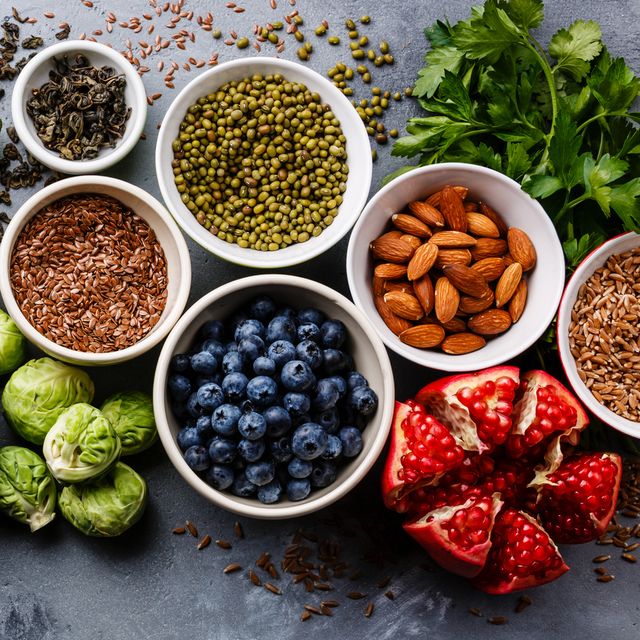
  • By consuming protein rich foods like Nuts and seeds such as almonds, pistachios, cashews, and flax seeds
  • Legumes, such as lentils and beans 
  • Eggs and seafood, like fish or shrimp
  • Animal meat
  • Dairy products

The average adult under age 65 is recommended to take 0.8 grams of protein per kilogram of body weight per day. Therefore, someone who weighs 68 kilograms (150 pounds) should have about 54 grams of protein per day. 

Are Romantic Movies Damaging Real Relationships???

Let us be honest.

To start with, like everything, romantic movies too affect in both positive and negative ways. Talking about positive effects of romantic movies that shows the love relationships between two individuals, irrespective of their age, sex, caste, country and religion affects and in a way broadens the concept of love between two. If we see the earlier and even today’s version of a country like India, we are very well known by the fact that the only love that was considered dignified and pure was that of between two individuals of different sex, same caste, same religion and same age group that also needed to happen between two after marriage only. Love before marriage, love between same sexes, love between individuals of different caste and religion was not at all accepted in earlier India. But now, as we see India is changing bit by bit. There are many who accepts and encourages love that has no boundaries of sex, marriage, caste etc. And for this change, two things are responsible : 1- Education and 2- Romantic movies. Its film industry and the films that younger generations learn from and try to follow. And when these younger generations become older, they allow their next generations to love before marriage and all sort of things. In some cases, old generations also try not to enforce the laws and boundations that were earlier enforced on them in their young ages that didn’t allowed them to love freely and in a way forced them to suppress their desires. That’s how films normalised and even today trying to normalize the love of different kinds that knows no boundaries  at all. Films taught people that its nothing wrong in it if they are falling for someone of the same sex or different age group. Off course, only if the other person is also into it equally. Also, romantic movies presents the feelings and situations of both individuals equally and that helps people to understand their partner better. We cannot deny the fact that every person is different in nature and might have different feelings and circumstances that made her/him but anyhow, by  presenting love relationships, it gives a sight into other person’s psyche. Or we can say, romantic movies makes us to think beyond ourselves.

Now coming to the negative effects of romantic movies we may say that such movies also develops a particular image of love, what our partner should behave like, or what many times we address it like “Sapno ka Rajkumar” / “Sapno ki Rani”. Its not the dreams that we see about our would be partner but the effect of these romantic movies that we start imagining our partner to be identical to this or that character, which is not at all good. We know every person is different from the other and different circumstances and experiences are the things that makes up the individual into who they are today. So it would be wrong to expect someone to act in a way you want, or a character of a romantic movie you like. On one hand people keep saying that they want a real person who doesn’t act fake to look perfect and on the other its the same people who fancy about a character in a movie and rejects a real person saying that they are not the person they’re looking for. People imagine to have a movie like relation in real life and if things don’t go that way, they simply want to come out of it. That is actually the effect of romantic movies people see and they don’t even realise that their relation can’t work like the cooked up ones in those ENTIRE WORKS OF FICTION.

About the mid day meal scheme

The Mid Day Meal is the world’s largest school feeding programme reaching out to about 12 crore children in over 12.65 lakh schools/EGS centres across the country.
Mid Day Meal in schools has had a long history in India. In 1925, a Mid Day Meal Programme was introduced for disadvantaged children in Madras Municipal Corporation. By the mid 1980s three States viz. Gujarat, Kerala and Tamil Nadu and the UT of Pondicherry had universalized a cooked Mid Day Meal Programme with their own resources for children studying at the primary stage. By 1990-91 the number of States implementing the mid day meal programme with their own resources on a universal or a large scale had increased to twelve states.

  1. With a view to enhancing enrollment, retention and attendance and simultaneously improving nutritional levels among children, the National Programme of Nutritional Support to Primary Education (NP-NSPE) was launched as a Centrally Sponsored Scheme on 15th August 1995, initially in 2408 blocks in the country. By the year 1997-98 the NP-NSPE was introduced in all blocks of the country. It was further extended in 2002 to cover not only children in classes I -V of Government, Government aided and local body schools, but also children studying in EGS and AIE centres. Central Assistance under the scheme consisted of free supply of food grains @ 100 grams per child per school day, and subsidy for transportation of food grains up to a maximum of Rs 50 per quintal.
  2. In September 2004 the scheme was revised to provide cooked mid day meal with 300 calories and 8-12 grams of protein to all children studying in classes I – V in Government and aided schools and EGS/ AIE centres. In addition to free supply of food grains, the revised scheme provided Central Assistance for (a) Cooking cost @ Re 1 per child per school day, (b) Transport subsidy was raised from the earlier maximum of Rs 50 per quintal to Rs. 100 per quintal for special category states, and Rs 75 per quintal for other states, (c) Management, monitoring and evaluation costs @ 2% of the cost of foodgrains, transport subsidy and cooking assistance, (d) Provision of mid day meal during summer vacation in drought affected areas.
  3. In July 2006 the scheme was further revised to provide assistance for cooking cost at the rate of (a) Rs 1.80 per child/school day for States in the North Eastern Region, provided the NER States contribute Rs 0.20 per child/school day, and (b) Rs 1.50 per child/ school day for other States and UTs, provided that these States and UTs contribute Rs 0.50 per child/school day.
  4. In October 2007, the scheme has been further revised to cover children in upper primary (classes VI to VIII) initially in 3479 Educationally Backwards Blocks (EBBs). Around 1.7 crore upper primary children were included by this expansion of the scheme. From 2008-09 i.e w.e.f 1st April, 2008, the programme covers all children studying in Government, Local Body and Government-aided primary and upper primary schools and the EGS/AIE centres including Madarsa and Maqtabs supported under SSA of all areas across the country. The calorific value of a mid-day meal at upper primary stage has been fixed at a minimum of 700 calories and 20 grams of protein by providing 150 grams of food grains (rice/wheat) per child/school day.
    5.During the year 2009 the following changes have been made to improve the implementation of the scheme:-
    a) Food norms have been revised to ensure balanced and nutritious diet to children of upper primary group by increasing the quantity of pulses from 25 to 30 grams, vegetables from 65 to 75 grams and by decreasing the quantity of oil and fat from 10 grams to 7.5 grams.
    b) Cooking cost (excluding the labour and administrative charges) has been revised from Rs.1.68 to to Rs. 2.50 for primary and from Rs. 2.20 to Rs. 3.75 for upper primary children from 1.12.2009 to facilitate serving meal to eligible children in prescribed quantity and of good quality .The cooking cost for primary is Rs. 2.69 per child per day and Rs. 4.03 for upper primary children from 1.4.2010.The cooking cost will be revised by 7.5% from 1.4.2011.
    c) The honorarium for cooks and helpers was paid from the labour and other administrative charges of Rs.0.40 per child per day provided under the cooking cost. In many cases the honorarium was so little that it became very difficult to engage manpower for cooking the meal. A Separate component for Payment of honorarium @ Rs.1000 per month per cook- cum-helper was introduced from 1.12.2009.Honorarium at the above prescribed rate is being paid to cook-cum-helper. Following norms for engagement of cook-cum-helper have been made:
    (i) One cook- cum-helper for schools up to 25 students. (ii) Two cooks-cum-helpers for schools with 26 to 100 students . (iii) One additional cook-cum-helper for every addition of upto 100 students. More than 26 lakhs cook-cum-helper at present are engaged by the State/UTs during 2010-11 for preparation and serving of Mid Day Meal to Children in Elementary Classes.
    d) A common unit cost of construction of kitchen shed @ Rs.60,000 for the whole country was impractical and also inadequate .Now the cost of construction of kitchen-cum-store will be determined on the basis of plinth area norm and State Schedule of Rates. The Department of School Education and Literacy vide letter No.1-1/2009-Desk(MDM) dated 31.12.2009 had prescribed 20 sq.mt. plinth area for schools having upto 100 children. For every additional upto 100 children additional 4 sq.mt plinth area will be added. States/UTs have the flexibility to modify the Slab of 100 children depending upon the local condition.
    e) Due to difficult geographical terrain of the Special category States the transportation cost @ Rs.1.25 per quintal was not adequate to meet the actual cost of transportation of foodgrains from the FCI godowns to schools in these States. On the request of the North Eastern States the transportation assistance in the 11 Special Category States (Northern Eastern States, Himachal Pradesh, Jammu & Kashmir and Uttarakhand) have been made at par with the Public Distribution System (PDS) rates prevalent in these States with effect from 1.12.2009.
    f) The existing system of payment of cost of foodgrains to FCI from the Government of India is prone to delays and risk. Decentralization of payment of cost of foodgrains to the FCI at the district level from 1.4.2010 will allow officers at State and National levels to focus on detailed monitoring of the Scheme.
    8.41 cr Primary children and 3.36 cr Upper Primary children i.e a total of 11.77 cr children were estimated to be benefited from MDM Scheme during 2009-10. 11.04 Crore children were covered under MDM Scheme during 2009-10.
    During 2010-11 11.36 Cr children i.e 7.97 Cr. children in primary and 3.39 Cr. children in upper primary are expected to be covered in 12.63 lakhs institutions .
    Today, Mid day Meal scheme is serving primary and upper primary school children in entire country.