Ethics

Ethics is a branch of philosophy dealing with the issue of morality. It implies the concepts of what right and wrong conducts are. Ethics define how a person should act in some specific situations. It is not a new term, but it has been there since the Stone Age. Different religions and many philosophers have also made a substantial contribution to ethics.

There are different branches of ethics. First of all, comes descriptive ethics. Descriptive ethics include what people actually consider right and wrong. Accordingly, laws are made regarding that and if they are even acceptable or not. The moral principles of society keep on changing from time to time. However, the basic ethics remain the same. Descriptive ethics are also called comparative ethics. They are given the name comparative ethics as they are used to compare the ethics of past and present scenarios. Also, they are used to compare the ethics of different societies as well.

Then comes the next branch of ethics- Normative Ethics. Normative Ethics deals with some specific norms or a set of considerations. These norms indicate how people should act in some given situations. These ethics set out the rightness or wrongness of people’s actions. Normative Ethics are also known as prescriptive ethics. This name is given as there are principles involved with these ethics and those principles determine whether the actions of people are right or wrong in different situations.

Types of ethics :

1. Deontological Ethics :

* In moral philosophy, deontological ethics or deontology is the normative ethical theory that the morality of an action should be based on whether that action itself

* Deontology is an ethical theory that uses rules to discern the moral course of action. Diffusion of responsibility. Diffusion of responsibility occurs when people fail

* Deontology morality is about following a system of rules, like ” Do Not Lie ” or ” Do Not Steal” .

* Ethics or moral philosophy is a branch of philosophy that involves systematizing, defending Deontological ethics.

2. Utilitarianism :

* The most common example of normative ethical theories are utilitarianism, kantian duty- based ethics and divine command theory.

* utilitarianism means, act in your own self- interest. Utilitarianism is that which is moral only if the act produces the greatest.

* Utilitarianism is a moral theory that implements fair choices is an effort to ensure the least amount of harm is done to all parties involved.

* However, some contemporary utilitarians , such as peter singer, are concerned with maximizing the satisfaction of preferences, hence prefernce utilitarianism.

* utilitarianism is an ethical theory that asserts that right and wrong are best determined by focusing on outcomes.

3. Consequentialism :

* consequentialism refers to moral theories that hold the consequences of a particular action form the basis for any valid moral judgment about that action.

* consequentialism is a class of normative, teleological ethical theories that holds that the consequences of one’s conduct are the ultimate basis for any judgment.

* consequentialism is an ethical theory that judges an action’s moral correctness by its consequenes. Corporate social Responsibility.

* on our definition of consequentialism, only the direct view is a genuinely consequentialist position, and rule consequentialism.

4. Professional Ethics :

* Rules imposed on an employee in a company, or as member of a profession. For instance, journalists, doctors, lawyers. Etc.

* professional ethics encompass the personal and corporate standards of behavior expected by professionals.

5. Applied ethics :
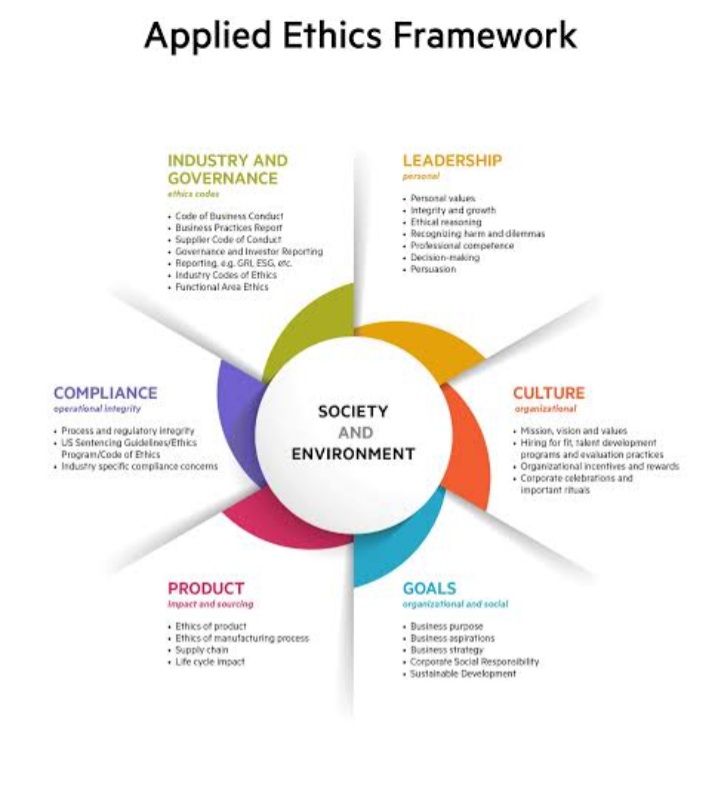
* Applied ethics is the branch of ethics which consists of the analysis od specific, controversial moral issues such ad abortion, animal rights, or euthanasia.

*Applied Ethics includes a philosophical examination of certain public and private life problems. The examination of those issues generally takes place from a moral standpoint. This branch of ethics is generally used by professions like doctors, teachers, etc.

* Applied ethics which deals with the actual application of ethical priniciples to a particular situation. While it is helpful to approach the field of ethics.

6. Virtue Ethics :
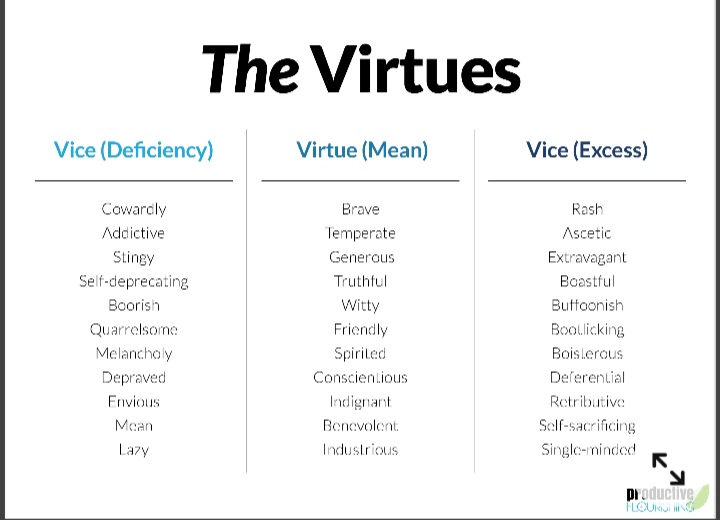
* virtue ethics is an approach to ethics that emphasizes an individual’s character as the key element of ethical thinking, rather than rules about the acts themselves.

* virtue ethics not only idea deals with the rightness or wrongness of individual actions, it provides guidenece as to the sort of characteristics and behaviour a good person will seek to achieve.

An abstract way of analyzing ethics is called Meta-Ethics. They do not deal with whether the actions are right or wrong, rather they question what morality is.

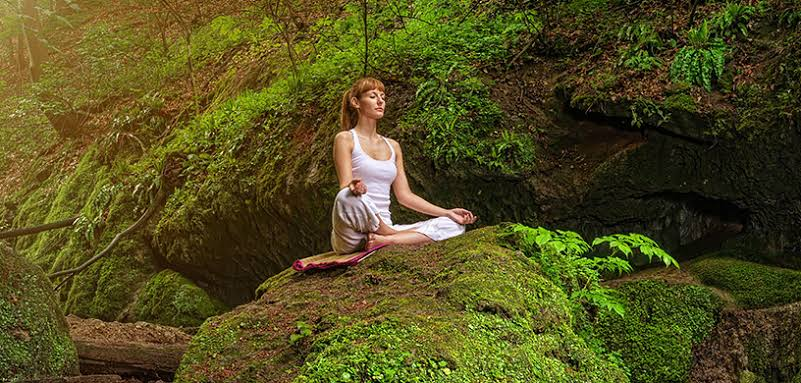
WHAT MAKES FINLAND THE HAPPIEST COUNTRY

Irrespective of experiencing 200 days of winter with complete absence of sun, Finland has maintained it’s position to be the Happiest Country in the World for the last four years. It has been named the most stable, freest and the safest country by various international bodies because of the socio-economic and welfare policies of the nation.
Finland is a natural beauty with forests, crystal clear lakes and wildlife. It has low pollution levels which makes the air clean and encourages more citizens to be amidst the nature. Hence, a large number of outdoor activities like kayaking, canoe, horse back riding and others can be experienced. Nature in itself is known to have immense healing power that can cheer people and lift their spirits.


Finland offers free Forest Therapy to it’s citizens where the general public is allowed to roam freely in natural areas like forests, lakes, and rivers without any permission from the landowners (if the areas fall under a private land). This traditional legal concept is called ‘’Everyman’s Right ‘’. However, the only condition applied is that no damage or disturbance should be faced by the landowner.


Finns have a warm culture and enjoy a relaxed way of living. Unlike other Western countries they believe in cooperation over competition. The follow minimalistic approach to life and prefer well-made, sustainable, functional items that will stand the test of time. Finns are not considered to be happy bubbly people with cheerful smiley faces. In fact, they are the least expressive people who take life as it comes.


Coming to the most important topic, what makes them the happiest country in the world?
Well, there cannot be a single factor to happiness. However, the main cause of it is self-satisfaction and inner peace, which in term is an outcome of various factors.


Finns follow a relaxed way of living and are at peace with themselves. Finland may not be the most powerful or wealthy economy but what makes them happy is the fact that they are at peace with their present situation. They are not too ambitious about what life should offer them and this helps them to feel satisfied with what they currently have.


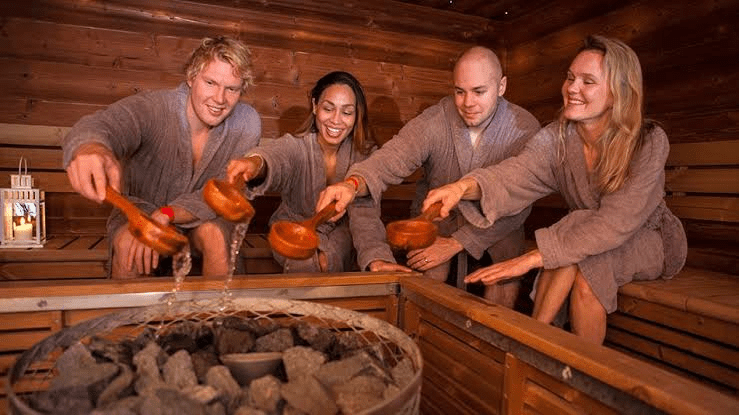
The national pass time for Finns is enjoying sauna baths. The fact that they have over 2 million saunas explains their love for the tradition. Saunas are places that purifies one’s body and soul. Sauna creates a sense of community and equality for the citizens as people from all backgrounds come together to enjoy the experience. Finns are used to being naked in the sauna with their family and friends, which can help create a comfort with and acceptance of their bodies, too.

Fins follow the philosophy of ‘Sisu’ that is focused on persevering when the odds are against us and viewing challenges as an opportunity. “Instead of waiting for a warm sunny day, many Finns practice daily sisu by heading out in any kind of weather for a brisk walk or cycle, or to spend time in nature.” They believe that happiness does not come from searching for it, but by living.

Finns value time over money. They choose a healthy work – life balance over wealth. A good personal life gives them the chance to pursue their personal interests and feed their creativity. This further contributes to the low inequality levels in Finland. The society majorly consists of middle-class households with very less poverty and more social security. They have few rich families but since the people are satisfied with themselves, they don’t believe in excessive show off of their wealth. This promotes the feeling of content and satisfaction amongst the low-income groups as well.

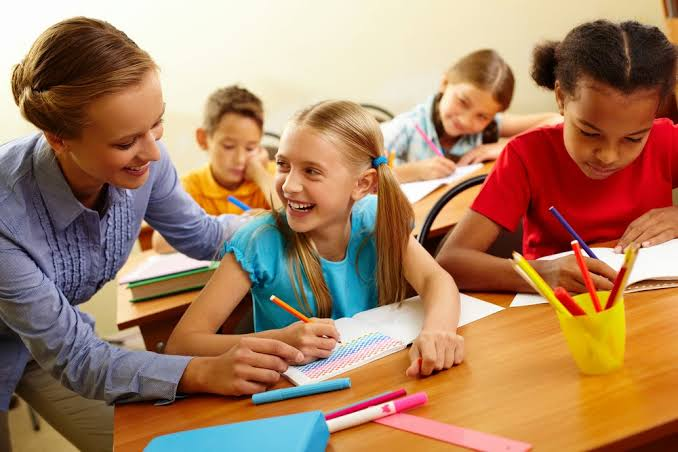
One of the main reasons why Finns are satisfied and happy with their lives is social equality. The government provides each new born a equal and healthy start to life. They distribute packages of clothing and other useful items to all new mothers. This was initially started to reduce the declining birth rate and high infant mortality but on a broader picture it reduces the difference and provides an equal start to all the new citizens. Equal opportunities are given to every citizen in terms of best education in schools and universities without any cost. This helps each child shape their own future without any form of economic hindrances. (A happy childhood breeds happy adults) The presence of best of health care opportunities to all the citizens at no cost reduces further disparity and makes them more secure and stress-free.

Under the ‘Housing first’ principle, it is ensured that even the rough sleepers are given the right support and a roof above them. The presence of equal opportunities for all makes people more satisfied with their lives, hence there is no need for people to adapt criminal offences. Low crime rates, in turn makes people more safe, secure and happy.

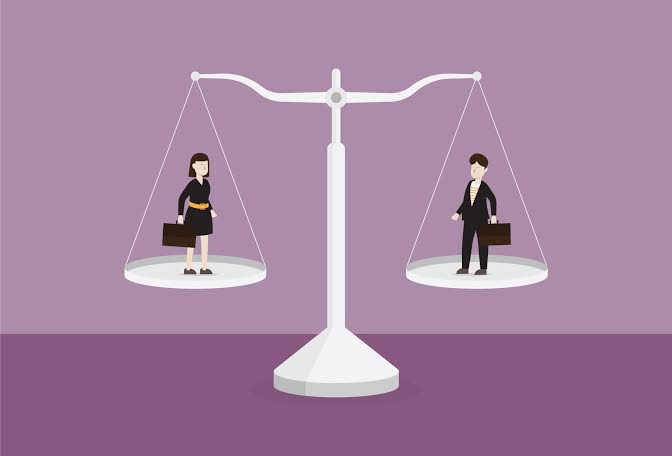
Finland strongly emphasises on closing gender equality as a means to promote the feeling of satisfaction and oneness amongst all citizens. Some of the measures includes providing new fathers with nine weeks of paternity leave at 70 percent of their salary and closing the gender pay gap. (Hence proving that a rising tide lifts all boats). Finland is one amongst the few Nordic countries where fathers spend more time with school-aged children compared to their mothers.

The extent of equality and freedom amongst the nation is such that they follow Flat Working Model in commercial world. For those who don’t know, a flat working model is one where there are few or no hierarchal levels between management and staff. This leads to less supervision and increased involvement with organizational decision-making, enabling open communication between all departments. Hence, increasing workplace productivity and team-cohesion. This worker-centric approach to business has served Finland well for more than a decade. Moreover, Finland is the only country that provides 25 paid workdays off in addition to the paid national holidays.

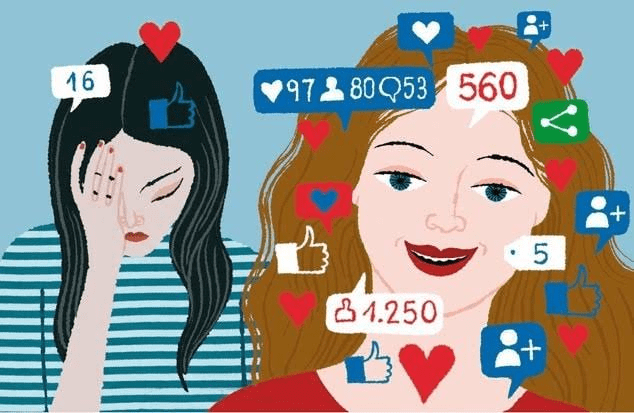
Finns are least active on social-media platforms that indulge in putting forward a polished view of their lives. They don’t brag about their success and wealth or show an outwardly exuberant zest for life. Rather, they believe in being reserved and accepting both the good and the bad as it comes. They believe that if they are truly happy, they don’t need to shove it in anyone’s faces.

Even after being the happiest country in the world, Finns have an emotionless exterior and prefer melancholic songs to express themselves. This is because they accept negative emotions as part of life. Trying to suppress one’s negative emotions is considered bad for one’s well-being. They are taught to embrace such emotions and learn to accept one’s life for what it is. This in turn has a positive impact on their life and help them feel more satisfied. They believe in expressing their negative emotions to such an extent that they celebrate a national event called “The International Day of Failure” (celebrated annually on 13 October), that carries an important message that without the possibility of failure there is no success, and occasional failure is therefore acceptable.

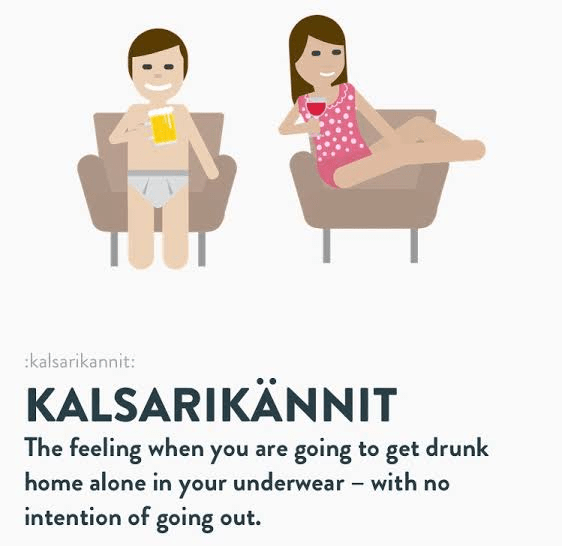
They follow the culture of Kalsarikännit or Pantsdrunk which is the practice of binge drinking alone in your home in your underpants. To a large extent, it is still considered a way of life in Finland, probably because of the stereotyped lack of social contacts among Finns.

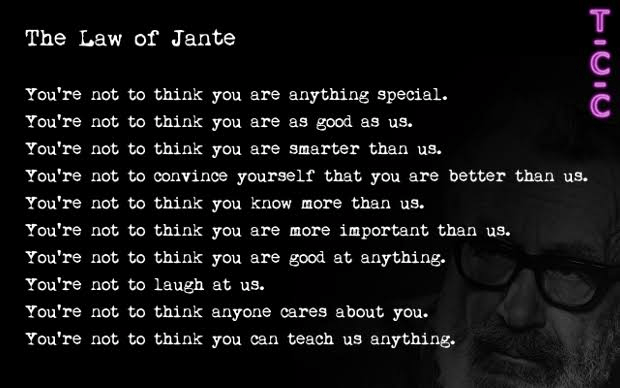
Another reason why nordic countries are most at peace with themselves may be the not mentioned, but always present, “Law of Jante” that is silently enforced by everybody in unison. Law of Jante explain the egalitarian nature of Nordic countries where they support a harmonious and happy society.

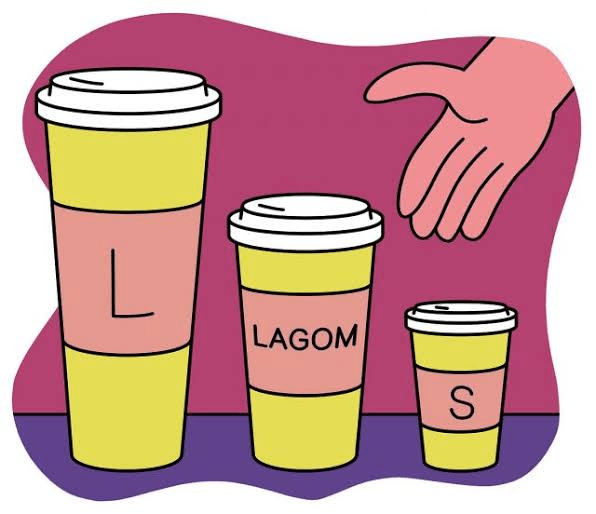
Finns are socialized to believe that what they have is as good as it gets—or close enough. Finns believe in the Norwegian term Lagom, which can be translated as “just the right amount,” i.e., neither too much nor too little. They believe that what they have is as good as it gets—or close enough. This mindset makes them the happiest people in the world despite living in small apartments, earning modest incomes, with even more limited purchasing power because of the high prices and taxation.

Hence, one thing that the world could learn from them is their willingness to embrace the less-sunny aspects of living i.e., to accept negative feelings as a normal part of life.

Beauty Standards

Beauty is now being an issue for young girls. Growing up, we all remember Barbie. I love Barbie movies. They teach us about kindness, courage, friendship, values, etc. But, they also make young girls who play with Barbie dolls want to be like them. Barbie is the first beauty standard we were exposed to.

We then came to our early teens and were exposed to Victoria’s Secret models and the fashion industry. Early teen is also the place where we go through puberty. We all know puberty is not a pretty place. Trust me, nobody looks good when they are going through puberty.

Now, being exposed to the world of beauty and going through puberty puts us in a tough spot. We start hating ourselves. We know that most people do not look like models. We also know that models have a strict diet plan, they undergo surgeries, and there is constant use of Photoshop to make them look flawless. Our subconscious brain is aware of these facts. We still can’t help comparing ourselves to the pretty models.

We start looking down upon ourselves. We constantly try to become like models. A lot of girls become anorexic to be as thin as the models. A lot of girls also take supplements to reduce fat. A lot of them start saving up for cosmetic surgeries from a very young age. Most of the girls do these surgeries to feel more confident. I do not blame them. But I do blame our society for making them feel like they needed to change.

Our beauty standards are also being white-washed. We are now following western beauty standards. When we think of beauty, we imagine a tall, thin white girl. Even in African and Asian countries, this is what the beauty standard is. This makes people from those countries spend millions of dollars bleaching their skin even when it leads to skin cancer.

Our media makes millions of dollars selling products with the faces of white-washed beauty. These days when we see an advertisement, we look at the models more than the product. Are they selling the product or the beauty standard? 

Now our role in the world of beauty standards is to stop thinking it matters. Unless you want to become a model. People who have zero connection to the beauty industry have to stop worrying about their looks. It is not our work to look like that. So, we all need to end our obsession with beauty. If we are not being paid for being pretty, we do not have to obsess over it.

Next, we all need to stop thinking that every single woman has to be pretty. I know even men go through it. But, the American Society of Plastic surgeons reveals that women have accounted for 92% of cosmetic surgeries and men accounted for 8% of them. About 98% of the women feel immense pressure from external sources to look a certain way.

I really want to change that. So can we all start complimenting each other on qualities other than appearance? Instead of only telling a girl, you are pretty, beautiful, etc. Can we please tell them that they are talented, kind, intelligent, and caring?

I love getting compliments on my work rather than being complimented on my physical appearance. It is not in our control how we look like.    

Can we all start complimenting each other on who we are rather than what we look like?

Impulsive Buying

Every person has to shop things from time to time. Shopping is a part of our day to day life because it is requisite to supply our families with the basic necessities. Some do shopping to escape the stress built within them and they enjoy by doing so. They find it as a way of relaxing from the monotonous life. While some consumers plan the things that they need to buy before hand by preparing the list of items for every week/month, they surf through the price tags to afford the good quality products at the lowest price, there are others who indulge in impulsive buying. It is the tendency of a customer to buy goods and services without planning anything in advance. When a customer makes impetuous decisions to buy products off the cuff, it is usually provoked by emotions and feelings. Impulsive buying is not just restricted to few products it can be observed on a wide range of goods like clothing, electronic devices, jewellery, sports pieces, pastries and so on, by the consumers when they get fascinated with a sudden impulse.

TYPES OF IMPULSE PURCHASES:

  • PURE IMPULSE BUYING – The consumers crack their normal pattern of consumption
  • REMINDER IMPULSE BUYING – When the consumers sees items in the shop that they forgot to add to the shopping list before, they purchase them when he/she is reminded by seeing those things displayed in the stores.
  • SUGGESTION IMPULSE BUYING – When the customers notice things that they never used or seen before they plan to buy them at the moment by a conviction that it would be very obliging.

Dealers try to exploit this behavior of the customers to promote their sales/services. The hyper markets tries to captivate people from the entrance of their space. They provide a great window display which increases the curiosity of potential customers, introduce combo packs using the demand of the primary products for the sale of secondary products, work with brands, offer suggestions with new products and influence the mind of customers and such plentiful tricks. Marketing companies are more likely to get benefitted because of this trait because customers end up purchasing products even without any actual intent of doing so.

Some of the customers even realize this when half of the wallet is swiped off as they return back to home ending up with random products which may not be of a great use to them. A study published in the June 2008 issue of the Journal Of Consumer Research suggests that consumers are more susceptible to impulsive buying from one brand over another when distracted while shopping. Consumers are also likely to make an impulse purchase, when a consumer perceives that the environment is over stimulating. Emotional appeal contributes largely to impulsive buying. Scientists state that this happens because some items help us feel better and temporarily dampen our unhappiness. Some customers want to stock up things even when there is not an immediate need for them. Many get attracted on the spotting of discounts on products and at times our brain get fooled by the idea that we are getting a good deal and get defeated.

How to get rid of impulsive buying ?

  • Design a budget and cling to it. A budget doesn’t all of a sudden save all your money we should sincerely stick to them. If not planned for a budget don’t go in for spending money.
  • Try not to shop when you are emotional. It takes an major part in triggering a person to go for an impulsive buying. We just buy things in the thrill of the moment and later realize the unnecessary investments made. Retail therapy just makes you feel goo at the spur of the moment.
  • Have a clear monitor on the budget and savings and review it every month. By this we can avoid the dispensable products.
  • When shopping on a larger basis find support and accountability which can go a long way in refraining us from impulsive buying.
  • When tempted to buy a new product go through its reviews and we can realize the worth of buying such products.

Right to repair

Right to repair is the movement started by the activist and oragination all around the world. Joe -Biden ,US president ,signed an executive order on Federal Trade Commission to institute rules to curb anticompetitive restrictions that limit consumers’ ability to repair gadgets on their own terms. The Uk too had introduced this .

The agenda of the movement is to get compinies to make spare parts of the gadget and the consumers can repair them rather than replacing the product.

Large tech compinies like Apple, Microsoft,Amazon and Tesla are opposing the movement stating that its opening up their intellectual property to third party to repair them.

Gender inequality

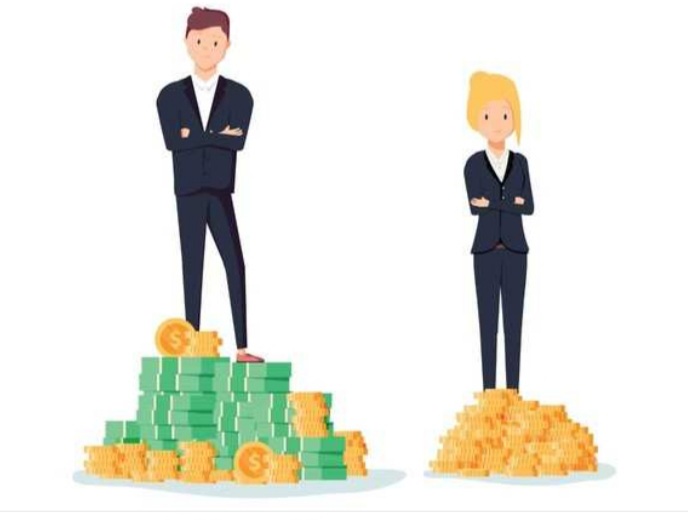
Discrimination is the state when all individuals are not treated equally and not given equal rights. Every individual in the community yearns for equal status, opportunities, and equal rights. People generally say these days that everyone is treated equally but they are not. Discrimination usually exists because of cultural differences, geographical differences, and gender. Inequality on the basis of gender is something that is not appreciated, but it is seen many times in many companies. There are many areas where equal opportunities are not provided to women.

We are in the 21st century, and even now, women are not treated equally as men. It is generally believed that women are more talented than men, and it has been proved many times, but society is not yet ready to accept this fact. Gender equality is the term used when equal opportunities in the fields of politics, economics, education, and health are provided to both men and women.

As per the World Economic Forum’s gender gap ranking, India holds the rank 108 out of 149 countries. The rank should be a major concern in the country as it signifies the immense gap between the opportunities given to women when compared to men. The structure in India is such that women are neglected in many fields like education, health, finance, etc. They are just limited to household chores which should not be the scene here. There are many places in India where women are considered as a burden and they are not allowed to go to school and study as well. Also, a preference for sons prevails in many areas in India.

The seven important forms of gender inequality :

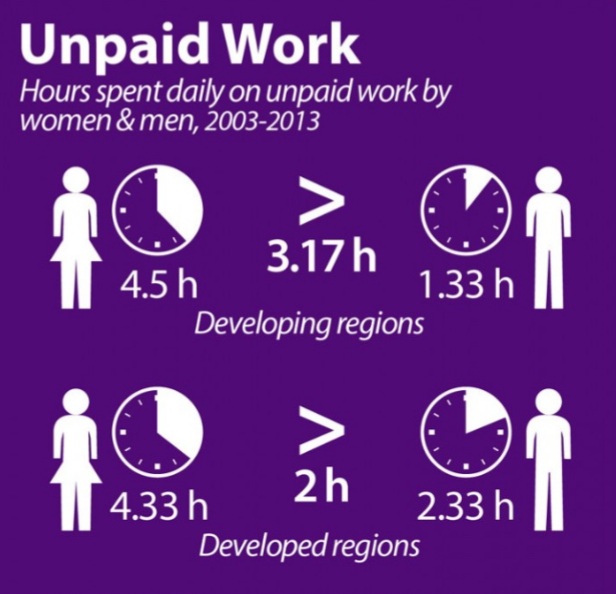
1 . Women works Longer than Men :

In most of the societies the male – stream is the main stream who argues that women have comparative advantage in household non- market production, like cooking and cleaning for the family that cant be called emotional and personal caring work. Based on this thinking, household jobs are then asymmetrically distributed. Women are more valued in home. Men are specialised in market- baesd production. Thus, being the bread- earners, males enjoy both power and status.

2. Inequality in Employment and Earnings :

Historically, men have greater participation in work outside home than women. But women ( particularly of poor households) share unequally household duties in addition to economic production. Thus they work longer than males. This kind of ‘ division of labour’ may be seen as the ‘ accumulation of labour’ on women, as described by Amartya sen. Household activites are often viewed as ‘ sedentary activites’ which require less ‘ calore’ to gain energy.

3. Ownership Inequality :

A case of social inequality. Let us turn to another kind of inequality, called ownership inequality a classic case of social inequality. In most of the societies, ownership over property and means of production rests mainly on male members . The law of inheritance provides such ownership rights on male child. Such denial coming out of hierarchical dualism within the family not only reduces the voice of women but also prevents them from participating in commerial, economic and social activites.

This kind of social deprivation means absence or lack of capability or because of ‘capability deprivation’, women are subject to various kinds of exploitation and unfreedoms. Social inequality distorts the process of development. Unfortunately, ownership inequality in any country is not of recent origin. In her earlier life, a woman comes under the influence of her father, then husband as she enters a married life and finally, under sons ownership right over property is skilfully avoided. A telugu proverbs corraborates this understanding: ” Bringing up a daughter is like watering a plant in anothers courtyard.”

4. Survival Inequality :

Another crudest from of gender disparity is the unusally high mortality rates of women , though biologically, women live longer than men! Thus more boys than girls are born evrywhere leading to a ‘ deficit’ of women and a ‘ surplus’ of men. In developed countries beacuse of absence of gender bias in health care and nutrition, women outnumber men. In Europe and in north America, 105 or more girls are born per 100 boys. Such high female- male genderd survival rate in different age groups.

5. Gender Bias in the Distribution of Education and Health :

Health and education are the major forms of human capital are realted to economic development . Human capital gets accumulated as a society advances in education . The contribution of human capital towards Japan’s remarkable economic progress attracts our attention . Improvement in health capital also improves the return to investments in education .

However, one finds a huge education and health gaps between developed and developing countries. In recent times, despite a large increase in econoc advancement on times, despite a large increase in economic advancement in asia and africa, these countries lag far behind the developed countries in terms of educational attainment particularly in respect of women’s education. Gender disparity not only hindrrs economic progress but also exacerbates social inequality.

6. Gender Inequality in Freedom Expression :

Let us talk about gender inequality beyond economic issues or factors. Women are not only subject to income or asset inequality but also in terms of freedom and power deprivation of women goes beyond one’s imagination. They lack not only economic freedom at home because of absence of autonomy in house hold decisions, limited or poor wages earned but also lack any freedom in airing opinions over education of children.

In some backward poor societies the right of women giving options is completely denied. Such un – freedoms, however, are not uncommon even among the educated elites who enjoy enormous power and authority in the male domined society. Historically , this sort of law socioeconomic status of women has been continuing nowasdays.

7. Gender Inequality in Respect of viloence and victimisation :

Finally, anti – female bias starts before the girl child is born and this attitide of the society a female member carries throughout her life. It is because of the unequal sharing of income, property, household benefits . Women are subject to both physical and sexual violence – the oppsite of freedom, and an extreme form of coercion. This is common for both poor and not too much uncommon in rich countries as well as among rich people. One in three women in the word is beaten or raped during her life times.

Dowry harassement is considered as an ‘ instrumental use’ of violence. Dowry death is the most serious form of domestic violenece. Wife beating is not uncommon. Sexual violence is an obnoxious form of human rights violation.

Specifically, public health can contribute to reducing health inequities by integrating health equity considerations into policy and programs, collebrating with other sectors to address inequities engaging with communities to support their efforts to adress inequities, identifying the reduction of health inequities.

Reducing inequality requires transformative change. Greater efforts are needed to eradicate ectreme poverty and hunger and invest more in health, education, social protection and decent jobs especially for young people, migrants and other vulnerable communities.

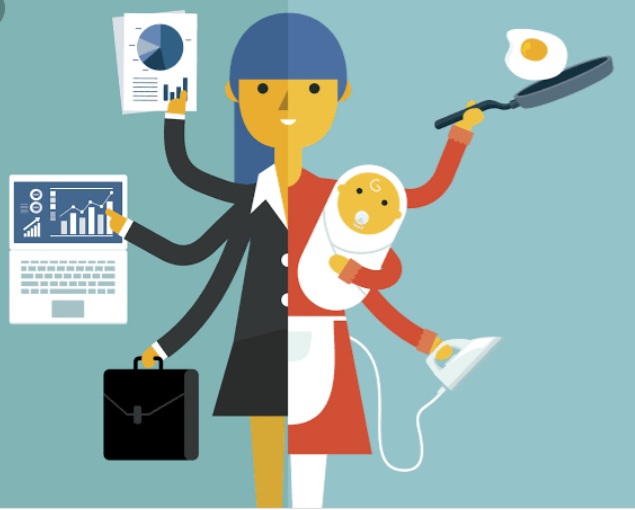
We should understand that women are the part and parcel of any family. When it comes to flexibility, they can manage their home and offices at the same time. If equal opportunities are not given to them, they will be led down and won’t be able to achieve big milestones which they are obviously capable of.

Memories – The unforgettable demons

Memories are reminders of what you have lost. They remind you of a good time in a bad way. They are out there challenging you to face them, to remember them and to be devastated by them. They hurt you sometimes and sometimes they don’t. You can’t control them. Nobody can. They break your heart, they hurt you in a way nobody does and probably nobody can and you don’t even know it. They remind you of what you can’t have anymore. They make you suffer. They remind you of what happened. Or they silently accuse you of what you did to lose it all. They cover you in so much guilt that you can never get out of it. They hurt you in more ways than you can imagine. They attract you with the hope of remembering everything in a beautiful way. Instead they set you up for hurt, for betrayal, for lies. Lies you didn’t know were not true. And you fall into their trap, thinking there is still hope for something good.

Photo by KoolShooters on Pexels.com

They make you addicted to them in such a way that you can’t stay away from them ever. They bind you with such a strong rope of expectations that maybe someday you can have it all back, even if it is all in your head. For a long time or maybe forever, they haunt you, they never leave your back, never let you go off them. You are forever bound to them whether you know it or not, whether you like it or not. You always come looking back for them, for more good times, for happy moments, even if you suffer even more. They make you believe that maybe you can live with the idea of what could have happened.

Memories are the unforgettable demons living in our minds. They don’t go away. They eat you alive and let your mind rot. They are like the uninvited guest in your house. They live rent free in your mind and create chaos to remind you of everything. They clog your mind with the thoughts of the past and that hinders your thinking for the future. They don’t let you live in the moment, in the present. Memories force you to regret your bad deeds when all you want is to let them go. When you try to move on from something, memories come back rushing and fill your mind. Don’t let them overpower you. Don’t let them control your thoughts. Control yourself from walking straight into their trap hole. They will suck you right into the past and will hold on to you for eternity. You don’t hold onto memories instead the memories hold onto you. You want to let go but they have such a strong hold on you that you can’t find the strength to run away from them.

They will always and forever be with you no matter what. But this is not in a good way. They will never let you out of that hole you fell in. Sometimes they will not let you live in the present or think about your future, without having to deal with your past. Just don’t let them ruin you. Try to take control of yourself as much as you can.

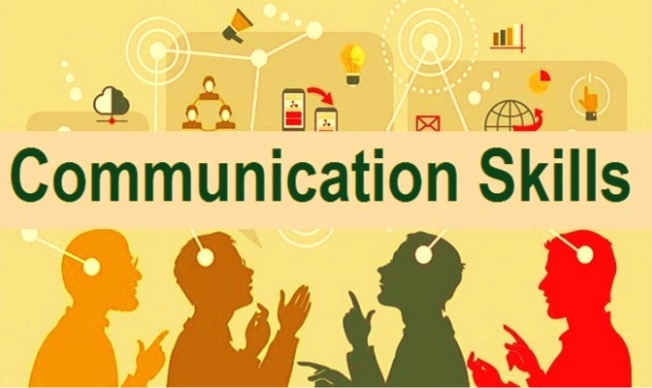
Communication skills

Good communication is very important to convey what is there in the mind. Whatever language, communicating in a understandable way is very important. communication today is very important both in the business world and in private life.

Even though the person is good at skills and is capable of doing things better, lack of communication degrades the skills and brings a negative mark on the person which is a bad thing for the individual.

Top 5 communication skills and How to improve them

Developing strong communication skills is essential when it comes to building a successful careee. Communication skills play a key role in your private life too. These 5 skills are absolutely necessary for sucessful commuincation in the workplace or private life.

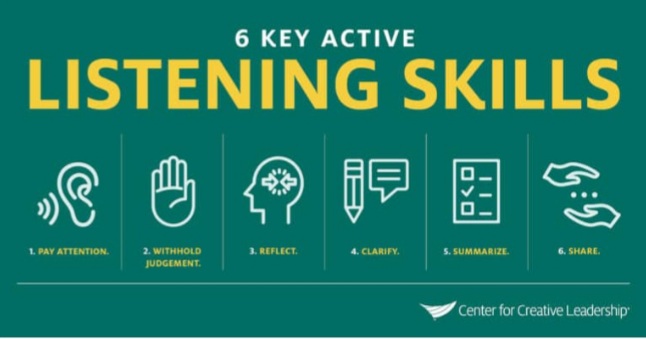
1. Listening :

Listening is one of the most important aspects of communication. Successful listening is not just and understanding of spoken or written information, but also an understanding of how the speaker feels during communication. If a speaker can see and feel that someone is listening and understanding that can help build a stronger, deeper realtionship between interlocutors.

Careful listening can also create an environment in which everyone feels safe to express ideas, opinions and feelings, or plan and solve problems in a creative way.

2. Straight talking :

Conversation is the basis of communication, and one must not neglect its importanc. Even a simple, friendly conversation with colleafues can build mutual trust and even detect problems before they become serious. A healthy does of chatting with and unknown person can lead to a business opportunity . Be accessible and friendly because then you will be able to talk to almost anymore.

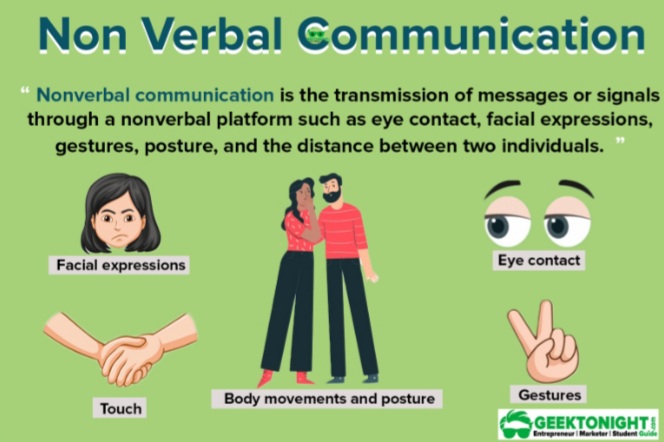
3. Non- verbal communication :

When we talk about things that matter to us then we send a lot of nonverbal messages. Non verbal signals are wordless communication, body position, facial experssion, hand movements, gestures, eye contact, attitude and tone of your voice, muscle tension and the way you breathe. The way you look, listen create, react, gesture , speaks far more about feelings than words will ever be able to.

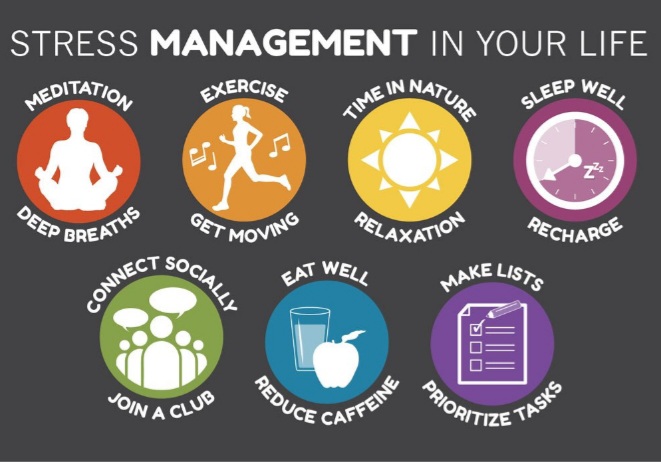
4. Stress Management :

In small quantities, stress can be very useful and encouraging for work . However, when the stress becomes constant and completely begins to take effect, it can affect communication, clarity of opinion and appropriate behavior and action. When you are under stress you may misunderstand other people, send confusing nonverbal signals, and use funny patterns of behavior.

5. Emotion control :

In communication, feelings play an important role. Making decisions more often affects the way you feel than the way you think. Gudided by emotions, your nonverbal behavior affects the understanding of other people and how others understand and perceive you. Control of emotions provides you with tools to understand others, yourself and the messages you send. Though recognizing feelings makes it simple, many people have strong feeling like anger, sorrow, or fear being pushed under the carpet.

Importance of communication :

Communication thus helps understand people better removing misunderstanding and creating clarity of thoughts and expression. The communication brings people together, closer to each other. The communication is an important management function closely associated with all other managerial functions.

Everybody has their own way of communicating. It is influenced by cultural background, the way someone was raised, their gender, their temperament, and much more. At that point true communication may become utterly impossible. Sometimes we may have a difficult time understanding anothers feelings , needs and habits.

* communication serves four major functions with a group of organization :

* control

* Motivational

* Emotional expression

* Information

* communication serves five major purposes :

* to inform

* to express feelings

* to imagine

* to influence and

* to meet social expectations

For example:

For instance, if an individual is going to an interview with great confidence. An individual who is good at different kinds of skills, and also good at executing them and he is lack of communication skills. As the person is not a good communicator, the person faces difficulty in explaining the things to the other person which is known to him. Instantly, this brings a bad impression on the person and a negative mark will be marked on him. The negative mark has a lot to do with. The negative mark can also lead to the rejection of the person in the interview.

Being knowledgeable is very important to achieve certain goals in life, attaining good communication skills and being a good communicator is also equally important to achieve high in the life. Being a good communicator is not A big deal. It is so easy as the lifestyle. Any individual can be good communicator if he communicates all the time with other people in the possible way.

Education in the present

Education is very important in every individual’s life as it is very important for the living. The person who is educated will be well treated by the society and will you have good potential wherever he or she goes. Education as the extra energy to the individual’s life and a moles the individuals character into a good one. It is very important to be educated as the competition in the world is comparatively very high.

Online classes are the greatest and the biggest task to all the students. It is so difficult for all the students to understand the topics in a detailed manner. Even though the students try their level best to understand the topics during the online class, it is only the 50% of learning but the topics are not understood properly but the students and face lots of difficulties.

It is also equal difficult to conduct exams to all mine because it’s exams are connected through online then there is a chance formal practices. Basically, students commit malpractices during exams in a view to get good marks but not about the knowledge. So,many of the students commit malpractices.

Ways to improve the education system

* skill – based learning :

As of now , the education system is such that everyone is forced to study science and math. If this system can be revamped to identify the strengths of a student, then they can be given appropriate training in the chosen field. This will ensure that the child shines in that particular field.

* Rural Education :

As the sad thing about the Indian education system is the fact that its focus is only on urban clusters. There are hardly any decent centres of learning in the rural areas. This is especially true in terms of higher education. If a country has to actually develop, urban and rural development have to go hand in hand.

* Gender Neutral Education :

The education system has always favoured men over the fairer sex. The major change that must be brought about is to involve women in the same. Particularly subjects that are now considered to be the strength of men alone ( like carpentry, engineering, etc). Should be made more accessible to women. Pioneer women in these fileds should be given due encouragement and appreciation.

* Teacher Training :

India has a very good quality of dedicated teachers. However, the sad fact here is the fact that after they join this service, they receive little or no training. In such a situation, giving them periodic training will not just ensure that they are updated with the changing times, but will also improve the entire education scene of the country by leaps and bounds.

* Infrastructure :

As in every other sector, the indian education sector is one that suffers from the acute death of infrastructure. Most of the government schools do not even have proper chairs, tables, restrooms, let alone a playground, libraries and laboratories. Thus ,the first step in revamping the education scene in the country should begin with improving the infrastructure so that the students are given an evironment where they can learn to the best of their abilities.

* subsidising professional courses :

It is a sad reality that many meritorious students are not able to afford professional corses because of the sheer expense involved in the same. This is all the way truer in case of students from the general category who do not have access to many scholarships. In such a situation subsidising the cost professional education will ensure that the same is within the reach of deserving students from the lower and lower middle class strata of the Indian society.

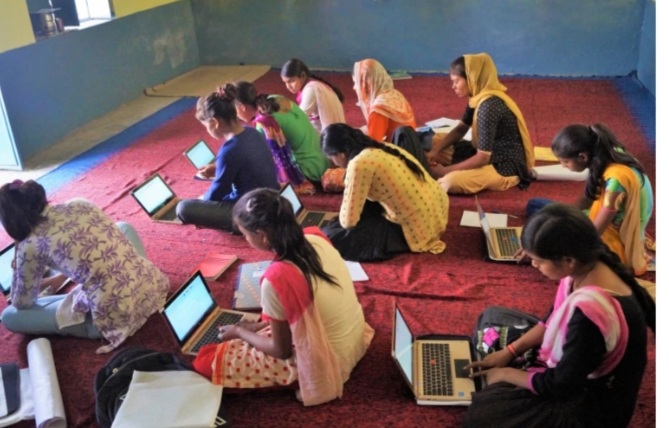
* Basic computing In Rural Areas :

On one hand , India is a land of IT giants; on the other, rural India is completely digitally ill- equipped, in a sitiation like this, the first change that the education system must bring forward is to start free computing classes for skill development in rural areas. Only then will rural Indian move in the same pace as that of the urban Digital India and the country embark on the journey of development.

* Make sports compulsory :

One of the main reasons for the alarming rise in suicide amongst students in the country is the fact that they cannot handle stress. That in turn is because they are subjected to too much mental pressure. By making sports compusory it can be ensured that all the students indulge in some sort of some physical activity. This will lead to their mind performance better and enable them to grasp their theory lessons well.

* Educate parents :

Most of the times it is seen that the children’s woes centre atound that of their parents. In the Indian scenerio, parents are the ones who force their wards into a career they do not like. As a result students do not excel and upon failing to meet their parents expectations, they suffer from a number of mental health issues. To prevent such a thing from happening, the first step that must be taken is to educate the parents about the different carrer options that are available to the students and the possible scope of future in them.

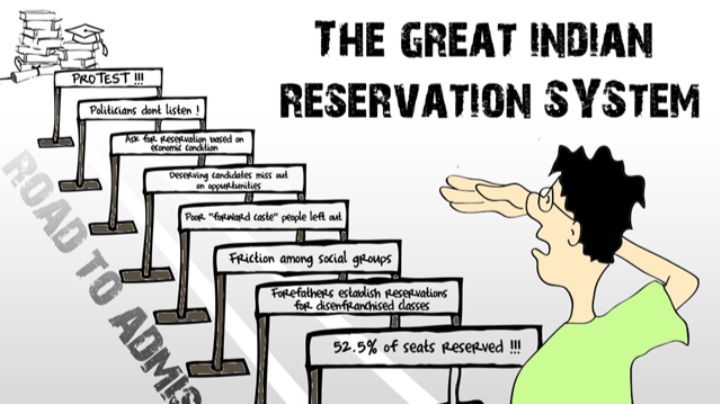
* Remove The Reservation system :

The reservation system in India has been so obsessed with providing the best of opportunities to the reserved that it misses out on many opportunities for the ones who actually deserve the same. This results in not just personal loss for certain people but also brain drain for the entire country and fosters a massive loss to the nation’s economy.

Today’s education system may be good to score marks, but fails to retain the knowledge once students have completed their examinations. This leads to young minds being stifled at an age when they should be asking questions, learning and gaining knowledge, and developing a thirst for more knowledge.

DOPING

To continue the fight against doping - Fondazione Gianni Benzi Onlus

Doping is not new to the people . In ancient Greece, there were specialists who used to offer athletes nutritional ingredients in order to enhance their physical performance. Those specialists may be compared to the current sports medicine specialists . During the Olympic Games in the third century BC, the athletes tried to increase their sports performance by taking mushrooms and opium . In the Ist centaury AD, the Greek runners used to drink a herbal beverage to increase their strength and become capable to run long distance races. Gladiators are also reported to use various substances for enhancing strength . In the modern era , the use of performance enhancing substances and techniques by the top sportspersons across the world has been a presistent issue in the world of sports for nearly four decades. Since the beginning of the 21st century, many athletes have been engaged in taking such substances. Some of them have been tested positive such as Tim Montgomery, Marion Jones, swimmer Phelps, etc.

Concept of Doping

‘Doping’ is the word, which is used in the field of sports, to refer to the situation when athletes use prohibited substances or methods to unfairly improve their sporting performance. In general terms, doping is the use of performance enhancing substances or methods by athletes to gain an advantage over their competitors . In fact , some athletes take illegal substances to enhance their performance . This activity is known as ‘doping’ . Doping in sports is the deliberate or inadvertent use by an athlete of a substance or method banned by the International Olympic Committee. In fact, the ban or prohibition on such substances is necessary to protect the athletes from the unfair advantage which may be gained by those athletes who use prohibited substances or methods to enhance their performance and also from the possible harmful side effects which these substances or methods can produce. The following definitions of doping may help in understanding its exact meaning:

According to International Olympic Committee, ‘‘Doping is the use of any method or substance that might harm the athlete, in a quest to gain an unfair advantage, over his/her fellow competitors”. In fact, doping is the use of prohibited substances or methods designed to enhance an athlete’s physical or mental abilities or to mask the use of such substances or methods during preparation for or participation in a sports competition .

According to World Anti-Doping Agency (WADA) ,” Doping is defined as the occurrence of one or more of the anti-doping rule violations set forth in Article 2.1 through Article 2.8 of the code.”

The reason behind the rising number of old age homes in India

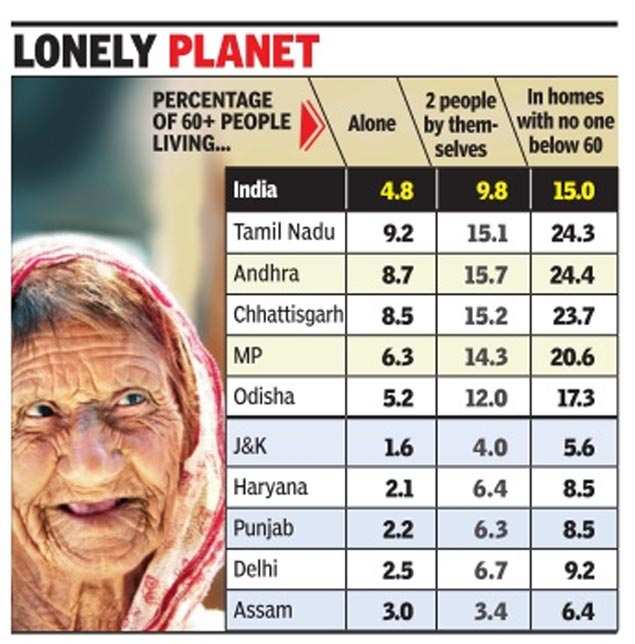
According to Population Census 2011, there are nearly 104 million elderly persons (aged 60 years or above) in India; 53 million females and 51 million males. A report released by the United Nations Population Fund and HelpAge India suggests that the number of elderly persons is expected to grow to 173 million by 2026. Currently 71% of the elderly population resides in urban areas while 29% are in rural areas. With the changing times, children moves out to different cities or even different countries with the aim of gaining better living aspects leaving behind their parents for whom it is not possible to adjust with the lifestyle changes which migration brings . In some cases while the parents agree to move in with their children , in other cases it is observed that when parents age children starts to see them as a burden and a responsibility that they want to get rid off which lead them in abandoning their own parents.

Currently there are 728 old age homes in India, with the information available for 547 homes out of which 325 homes accommodates elderly people free of cost, while 95 others charges for the accommodations while nearly 110 other homes have both free as well as pay staying facility available . Kerala , the state which has the highest literary rate in India is also reported to have the highest number of old age homes i.e. 278.

India has always been a nation of traditions where a child since birth is taught to touch the feet of elders as a mark of respect. It is considered an insult to leave the parents at old age home, to not provide for them in their vulnerable age as many children consider taking care of their aging parents as a forced liability as their growing age weakens their physical ability. This blog will highlight some of the reasons why the number of elderly people in old age homes continuously rising.

The reasons for the rising numbers

The families in India few decades back were joint families with parents, grandparents, siblings their wives and children living together under a single roof in a small town or villages. Those were the times when urbanisation had not really hit the sub continent and the aging elders have does not have to worry about someone taking care of them.

  • The migration which the children go through sometimes from a state to another or to another country, makes it difficult for the elders to adjust with their children’s new surroundings as it is very natural to adjust in an experience to which you are foreign almost your entire life. Even if they do adjust they tend to feel very lonely while the children go to work. As the urban system which consists of living in flats or even houses in the cities had made people isolated in their own world owing to their hectic schedules . In these cases , children feel that if their parents will get the company of their own age then they will feel better and will be able to lead a happy retirement.
  • As the times progressed, opportunities increased children started moving away from their parents as the trend of nuclear families came in fashion. Also, the generation gap between the elderly and the young does not allow elders to accept some of their children’s choices like many still have objections to an independent working daughter in law. These issues creates rift in the family dynamics leaving no option other than to move the parents out of their houses. Since in India children never shy away from taking their parent’s savings which they had saved for their old age for their personal benefits and the middle class families can’t afford another place for the parents to live close by, parents ends up in the old age homes . Also, there are some horrific cases reported where children tend to abandon their parents by the excuse of sending them off to pilgrimage or to any other city leaving them stranded. The reason this occurs is because the younger generation refuse to adjust with the older ones by being cruel and mean to them for their limited physical capability. In such cases, the passer by then drop them to the old age homes.
  • While many children move out of their parent’s house for job or education purposes leaving their parents alone, their security always remain their prime issue. Though many youngsters have surveillance cameras and advanced security systems installed in the house , still the rising number of crimes against the elderly where the houses with just elder people becomes a target for robbery even murder is worth worrying. In such cases children feel the environment of old age to be safe.

The conditions in old age homes

While many old age homes provide good accommodation and facilities many are reported to provide stale and inadequate amount of food, no medical attention even after taking money for the proper services by the children. Their are instances of cases of violence in the old age homes . Such one instance is a time, when an elderly was reported to be beaten by the management for complaining about the quantity and quality of food served.

The people in old age homes are not always happy as somewhere or the other they still miss their children who either comes on weekends and important occasions. While there is this other set of children for whom parents are a forced responsibility , who never show up after giving false hopes of coming every weekend. In the latter cases, it is the management of the homes which take care of the medical needs of the elders through donations. There are also cases when children do not even come after the death of their parents.

Conclusion

Everything in this world is a part of the vicious cycle of Karma with the proverb “As you sow so shall you reap” being true. When a child is born it is completely dependent on its parents for its needs. Similarly there reaches a time when the human body gives up to age making it difficult for the older people even to do their necessary works. In such cases they become dependent on their children who will have to learn to adjust to the maximum to cater their parent’s needs. Else, when their time would come they would also die in old age homes with their own blood having no care about it.

Also, government should work on increasing the number of old age homes in states and also upgrade the security making sure that the elders are safe in the homes.

CAREER PATHS IN FASION INDUSTRY

Fashion industry is the colorful industry which encompasses various types of small and niche industries in it. Fashion industry is the industry of art and which changes itself very fast according to the demand. If you are focusing or thinking about your career in fashion industry then you must know about pros and cons of that priorly, so that you can come up to conclusion on the path that you want to choose.

For Youngsters, It is really important to Identify their Passion Clearly. We see many youngsters who pursue Fashion Design courses and later they join in a big fashions houses as Interns but within days or weeks they quit their job. When we speak to them about their decision, few of them mentioned that they were unable to undertake the pressure of bottle neck deadlines & Stressful working conditions and some of them replied that, their expectations about this industry went wrong.

Due to lack of guidance on fashion career paths most of the youngsters assume that their career would take a fairytale turn and be a part of celebrities like Manish Malhotra and Sabyasachi in social media. But they do not know the fact how stressful a designer life would be. It is important that these youngsters must also know in advance the dark side of the fashion Industry.

If a guy want to become as a fashion designer then he must know about the inner meaning of designing a collection. Yes, because designing is purely based on creativity of moulding a fabric that is given to a designer. For sure only a designer knows how much stress he has undergone to put forward a beautiful set of garments, as a next step of designing the designer must select materials for the garment which includes a stressful roaming on streets for few days & once the material is sourced it is important to communicate clearly to workers in making them understand these designs , dealing with illiterate artisans like dyers for dyeing the fabrics ,Masters for cutting, embroidery workers, Tailors ,and all this could be scrapped at any point and redone, now Marketing- this part involves photographing the garments with celebrity & conducting fashion shows to attract clients and then posting these photos in social media, finally when clients arrive with tight deadlines some even ask for hours & days , running with materials behind all those workers and delivering the garment to clients and if any measurement or miscommunication with workers would lead to failures and clients harsh words and money time and material wastes and redo all this again.

The above written para is just a simple example to show how hard to be as a fashion designer. Fashion institutes must share this knowledge to every student well in advance while joining in courses and they must also share the different career paths in fashion industry. So, that the student can choose their feasible path and let me share some career paths in fashion industry which are unknown to most of the people.

CAREER OPTIONS FOR FASHION DESIGNING COURSES ARE AS FOLLOWS:

Fashion Journalist, Fashion consultant, Fashion Illustrator, Fashion Designer, Fashion Stylist.

CAREER OPTIONS FOR MODELLING ARE AS FOLLOWS:

Walking on Ramp of fashion shows, modeling in fashion Photography, being part of ad campaigns, be a brand ambassador, acting and many more.

Finally, Youngsters who desired to be a Model, it is important that they must know the difference between modeling and designing, Joining in a fashion designing course is not needed to be as a model, There are authorized agencies in which one must register and get trained with the agency to become as a model. The main thing that I want to convey through this article is, The post which is made on social media platform was just a minute of happiness but the background work behind that post will be under a stressful tight deadlines. Guys when you love creativity and like to keep your whole focus and determination on this field, then it would be a lovely field and all those pains seem nothing when we see a fruitful outcome.

Peace – The Most Precious Feeling

” The day I understood everything, was the day I stopped trying to figure everything out. The day I knew peace was the day I let everything go. ” This is a beautiful quote by C. Joybell C. Peace has different meaning for different people. Some consider peace as a way of detaching from the world, while some believe it to be the way to find themselves. I personally think peace is happiness.

Peace is the most satisfying feeling in the whole world. It is when you just don’t care anymore. When you stop thinking about anything over and over again. When you are not bothered by anything anymore. When you don’t care what other people think about you. When you stop having expectations about something or maybe from someone. When you aren’t expected to do anything. When you don’t have to fight anymore. When you are patient. When you just don’t trust anyone but yourself.

Peace is eternal. If you find it once truly, it will stay with you forever. If it’s really peace that has come your way, it will never go away. Peace is when you are standing in the open and cold wind blows through your hair. You don’t do anything or think about anything. Then you close your eyes and whatever you see first, any thing or anyone or any feeling, that is peace.

Photo by S Migaj on Pexels.com

Peace is when all your regrets are forgotten. All the mistakes forgiven. All the problems solved. The self doubts cleared. The pressure gone. The hurt healed. The sadness removed. The bad deeds neglected. The guilt ignored. The desperation turned into patience. The anger calmed. The thoughts organized and the mind cleared. That is peace. You feel it, you sense it.

Peace is the most supreme feeling anyone can have. It is greater than happiness. Even greater than the hurt. It is endless while others are temporary. Most difficult to find but the most valuable, most eternal and satisfying emotion. It subsides the anger, it heals the most dreaded hurt and fills the heart with calmness. It’s the ultimate goal of someone’s life. To not care, to not be angry, to not be hurt by betrayal, to be happy and content, to feel nothing but peace, this is life.

Search for peace and when you find it, claim it yours and never let go. Peace makes the soul last forever and ever. The crave for peace is undeniable when you are on the verge of ending everything. When you just can’t tolerate anymore, you desire the sense of calmness, the inner peace. The want doesn’t subside easily. It never ends until you do find your precious peace. Peace makes you wholesome.

The power of peace and calm is unbeatable. The crazy hunger to find peace turns into anger and that anger flows out in the form of tears. The strongest, most desired and the most overwhelming feeling is peace. It consumes you from inside out. It grabs your fear of being lost, throws it away and puts you back on the track of your life. When you have it, you will know the true meaning of peace.

The effects of video games on a child’s behaviour

Video gaming has become a popular activity for people of all ages. Many children and adolescents spend large amounts of time playing them, although no one should have more than two hours total of screen time in a day. Video gaming is a multi-billion dollar industry, bringing in more money than movies and DVDs combined. Video games have become very sophisticated and realistic and some games connect to the Internet, which allow children and adolescents to play online with unknown adults and peers.

While some games have educational content, many of the most popular games emphasize negative themes. They promote the killing of people or animals, the use and abuse of drugs and alcohol, criminal behavior, disrespect for the law and other authority figures, sexual exploitation and violence towards women, racial, sexual and gender stereotypes, and foul language obscenities and obscene gestures. Examples of video games not acceptable for children because they have these themes include the popular ones Grand Theft Auto, Call of Duty, and Mortal Kombat.

There is growing research on the effects of video games on children. Studies of children exposed to violence have shown that they can become immune or numb to the horror of violence, imitate the violence they see and show more aggressive behavior with greater exposure to violence. Studies have also shown that the more realistic and repeated the exposure to violence, the greater the impact on children. Children and adolescents can become overly involved and even obsessed with video games, leading to poor social skills, time away from family time, school work and other hobbies, lower grades, reading less, exercising less, becoming overweight, and having aggressive thoughts and behaviors.

So how can you, as a parent, protect your child against these types of video games? First, you can check the Entertainment Software Rating Board ratings to learn about the game’s content. Every video game will actually have a label on the front to tell you what type of game it is. If it says M for mature, it’s not for your child.

Play the video games with your child to experience the game’s content and know exactly what your child is playing. Set clear rules about the game’s content for both playing time in and outside of your home. Strongly warn your children about the potential serious dangers of Internet contacts and relationships while playing online. There are a lot of online predators that will look for children specifically playing video games and this can lead to them meeting in real life. Finally, remember that you are a role model for your child. Make sure the video games you play as an adult are ones that you would want your child to play.

If you are concerned as a parent that your child is spending too much time playing video games or your child starts becoming obsessed with aggressive or violent video games, make sure you set some limits. You’re not allowed to play games for one hour after all the homework is done and encourage your child to participate in other activities so they’re not drawn to those video games. By being aware of what games are out there, you can help your child make appropriate decisions about gaming no matter where your child plays.

Vitamins

Vitamins and minerals are very important for everyone to be fitter and healthier. It is very important to consume the food which is rich in vitamins and minerals. And there are many side effects of not consuming vitamins and minerals like vitamin deficiency. Vitamins and minerals are good source of energy.

Nutrients are very important to consume and have good cause. An individual must prefer nutritious food than the junk food. It is very important to eat the fruits and vegetables rather than eating the high calorie food.

Many of the people does not include those fruits and vegetables in their diet. When they do not include the fruits and vegetables it leads to the malnutrition sometimes.

Types of vitamins :

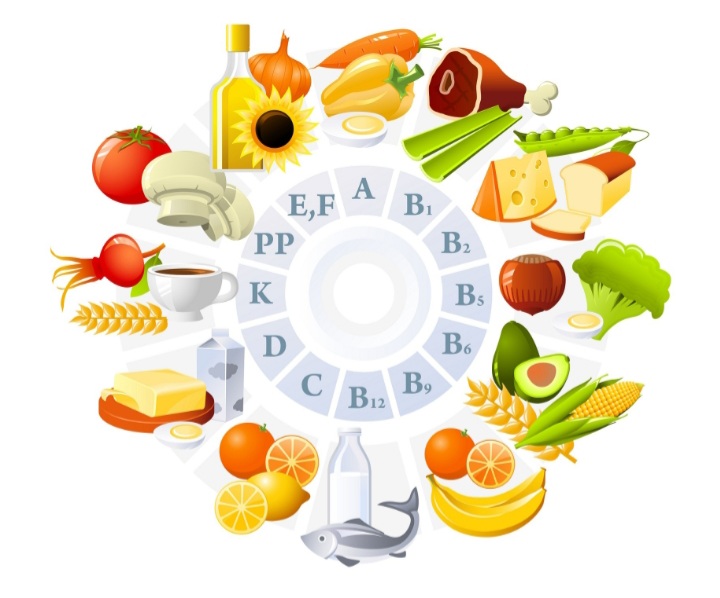
There are 13 essential vitamins. They are vitamins A,C,D,E,K, and the B vitamins (thiamine, riboflavin, niacin, pantothenic acid , biotin,B6, B12, and folate). Vitamins have different jobs to help keep the body working properly. Some vitamins help you resist infections and keep your nerves healthy, while others may help your body get energy from food or help your blood clot properly.

Food sources :

* vitaminD from fatty fish, fish liver oils, fortified milk products, and fortified cereals.

* vitamin B12 from meat, fish, poultry milk, and fortified breakfast cereals. Some people over age 50 have trouble absorbing the vitamin B12 found naturally in foods. They may need to take vitamin B12 supplements and eat foods fortified with this vitamin.

* calcium is a mineral that is important for strong bones and teeth, so there are special recommendations for older people who are at risk for bone lkss. You can get calicium from milk and other dairy, some forms of tofu, dark green leafy vegetables, soyabeans, canned sardines and salmon with bones, and calcium – fortified foods.

* Magnesium is found in foods containing dietary fiber, such as green leafy vegetables, whole grains, legumes, and nuts and seeds. Breakfast cereals and other fortified foods often have added magnesium. It is also present in tap, mineral, or bottled drinking water.

* pottasium is found in fruits, vegetables, meat, and dairy foods. Foods high in potassium include dried apricots, lentils and potatoes. Adults get a lot of their potassium from milk, coffee , tea and other nonalcoholic beverages.

* preparing your own meals at home without using a lot of processed foods or salts will allow you to control how much sodium you get.

* vitamin B6 is found in a wide variety of foods . The richest sources of vitamin B6 include fish, beef liver, potatoes and other starchy vegetables, and fruit ( other than citrus).

* vitamin A can be found in products such as eggs and milk. It can also be found in vegetables and fruits, like carrots and mangoes.

* vitamin C is found in some of the best fruits and vegetables. Citrus fruits, tomatoes, and potatoes can be large source of vitaminC

* vitamin E can be found in nuts like peanuts and almonds and can be found in vegetable oils, too. It can also be found in green vegetables, like broccoli and spinach.

* vitamin B1 in meat- especially pork- and fish. It’s also in whole grains and some fortified breads, cereals, and pastas.

* vitamin B2 in eggs and organ meat, such as liver and kidneys, and lean meat. It is found in green vegetables, like asparagus and broccoil.

* vitamin B3 can be found in some types of nuts, legumes, and grains. It can also be found in poultry , beef, and fish.

* vitamin K can be found in many foods including green leafy vegetables, like spinach and kale and in some fruits, such as blueberries and figs . It can also be found in cheese, eggs and different meats.

* Folate can be found in vegetables and fruit, such as broccoli brussel sprouts, spinach, and oranges. It can also be found in nuts ,

Most of the teenagers consume junk food instead of eating the healthy food that is the fruits and vegetables. The junk food contain some preservatives in it and they’re also rich in fats and carbohydrates which are not so good. Doing a mistake is acceptable but doing the mistake even after knowing the truth is a bad one. So, all the teenagers must know the need of the situation and must bring the awareness among the people who are addicted to the junk food. They must motivate the people who are in it all the time.