THE BUTTERFLY ORGAN – ‘THYROID’.

The thyroid gland is a 2 inch long, butterfly shaped organ located in the front lower part of the neck. It is responsible for the production, storage and release of two main hormones called Triiodothyronine (T3) and Thyroxine (T4).

The hypothalamus and the pituitary gland in the brain is responsible for the production of T3 and T4. The hypothalamus produces a TSH releasing hormone called thyrotropin-releasing hormone (TRH) that signals the pituitary gland to produce TSH. The release of TSH by the pituitary gland regulates the production of hormones in the thyroid gland i.e., T3 and T4.

In case of low T3 and T4 levels, the pituitary gland releases more of TSH, that stimulates the thyroid hormone to produce more of T3 and T4.

In case of high T3 and T4 levels, the pituitary gland reduces the release TSH, that makes the thyroid hormone produce less of T3 and T4.

The thyroid gland absorbs iodine from the blood and incorporate it into the thyroid hormones. These hormones are responsible for controlling the rate of metabolism in the body. The metabolic rate of the body influences the heart, muscle and digestive function, brain development and bone maintenance. The key to the thyroid hormone is the amount of iodine in our meal. The thyroid gland absorbs the iodine from the blood and incorporate it into the thyroid hormones.

In addition, there are other hormone-producing cells within the thyroid gland called C-cells. These cells produce calcitonin. Calcitonin plays a role in regulating calcium and phosphate levels in the blood, which is important for your bone health and maintenance.

In normal cases thyroid gland produces the exact number of hormones needed to keep the body’s metabolism running and in balance. However, there are several disorders. When the thyroid gland produces too much of T3 and T4, it leads to higher metabolism, excess weight loss, fast heart rate, high irritability/nervousness, muscle weakness and tremors, infrequent menstrual periods and sleep problems. This condition is caused by a hyperactive thyroid gland and hence is called hyperthyroidism. Whereas, when the thyroid gland produces lower amounts of T3 and T4, it leads to lower metabolism rate. Low metabolism leads to depression, weight gain, slower heart rate, fatigue, more frequent and stronger menstrual periods, forgetfulness, dry skin and hair, hoarse voice and intolerance to cold. This condition is caused by an under active thyroid gland and hence is called hypothyroidism.

Ozone hole over Antarctica

Methodology:

  1. Description of the problem.
  2. Cause of the problem.
  3. Analysis of the problem.
  4. Control of the problem.
    Introduction to the problem:
    The stratospheric ozone layer protects life on Earth by absorbing ultraviolet light, which
    damages DNA in plants and animals (including humans) and leads to sunburns and skin
    cancer. Prior to 1979, scientists had not observed atmospheric ozone concentrations below 220
    Dobson Units. But in the early 1980s, through a combination of ground-based and satellite
    measurements, scientists began to realize that Earth’s natural sunscreen was thinning
    dramatically over the South Pole each spring. This thinning of the ozone layer over Antarctica
    came to be known as the ozone hole.

    This is Dobson’s unit of the first observation on September 17, 1979 and the most recent one
    that is on October 12, 2018. The red region is showing the size of the ozone hole. It’s clearly
    visible in the above data that how in the past years the size of the ozone hole on Antarctica
    increased. Due to this hole on the ozone layer uv rays reaches down on the region of the
    Antarctica which result in the melting of glacier and due to which the sea-level increases and
    due to the increased sea-level cyclones, flooding, storms and other natural disasters occurs
    which highly affects the human lives on the earth.

NOTE:– The measurements were made from 1979–2004 by NASA’s Total Ozone Mapping
Spectrometer (TOMS) instruments; from 2005–2011 by the Royal Netherlands Meteorological
Institute’s Ozone Monitoring Instrument (OMI) (which flies on NASA’s Aura satellite); and from
2012-2019 by the Ozone Mapping Profiler Suite (OMPS) on the NASA/NOAA Suomi NPP
satellite. Red and yellow areas indicate the ozone hole.


Cause of the problem:
The ozone hole opened the world’s eyes to the global effects of human activity on the
atmosphere. Scientists found out that chlorofluorocarbons (CFCs)—long-lived chemicals that
had been used in refrigerators and aerosol sprays since the 1930s—had a dark side. In the
layer of the atmosphere closest to Earth (the troposphere), CFCs circulated for decades without
degrading or reacting with other chemicals. When they reached the stratosphere, however, their
behavior changed. In the upper stratosphere (beyond the protection of the ozone layer),
ultraviolet light caused CFCs to break apart, releasing chlorine, a very reactive atom that
repeatedly catalyzes ozone destruction.
The global recognition of the destructive potential of CFCs led to the 1987 Montreal Protocol, a
treaty phasing out the production of ozone-depleting chemicals. Scientists estimate that about
80 percent of the chlorine (and bromine, which has a similar ozone-depleting effect) in the
stratosphere over Antarctica today comes from human, not natural, sources.
Effect of CFCs, HCFC and VOCs on the Ozone layer

•Analysis of the problem:
Serious ozone depletion has been measured every Antarctic spring since the early 80’s. This
ozone depletion is considered to be a result of photo chemical reactions and cat- alytic cycles
resulting from anthropogenic halogen containing gases. In addition, the formation of Polar
Stratospheric Clouds (PSCs) facilitates ozone loss because reac- tive halogen species are
released by heterogeneous reactions on the surface of a PSC particle. Generally, Arctic ozone
depletion is less severe and shows larger variability than Antarctic loss because of the unstable
and warmer condition. However, the Arctic stratosphere has been becoming colder during past
decades and the Arctic ozone loss in the 2011 winter was comparable to Antarctic losses.
Ozone depletion is di- rectly/indirectly linked to the climate because the absorption of UV
radiation changes the temperature field. It is therefore important to quantify the loss for future
climate prediction.
Following picture is showing the concentration of the ozone layer by Dobson’s unit.


Control of the problem:
Ways to prevent the depletion of ozone layer are as follows:-
● Avoid the consumption of gases dangerous to the ozone layer.
● Minimise the use of vehicles.
● Use of any other eco-friendly chemical as a substitution of CFCs in the refrigerators.

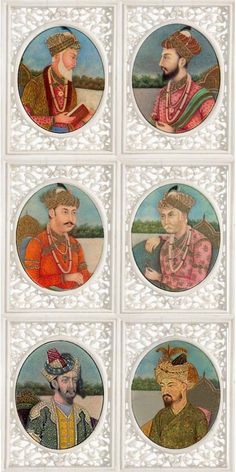
Rulers of the Mughal empire.

In India, the Mughal Empire was perhaps the best domain ever. The Mughal Empire administered countless individuals. India became joined under one guideline, and had extremely prosperous social and political years during the Mughal rule. There were numerous Muslim and Hindu realms split all through India until the organizers of the Mughal Empire came. There were a few men like Babar, grandson to the Great Asian victor Tamerlane and the vanquisher Genghis Khan from the northern district of Ganges, stream valley, who chose to take over Khyber, and at last, the entirety of India.

Babar (1526-1530):

the extraordinary grandson of Tamerlane and Genghis Khan, was the first Mughal sovereign in Quite a while. He went up against and crushed Lodhi in 1526 at the main skirmish of Panipat, thus came to build up the Mughal Empire in India. Babar governed until 1530, and was prevailed by his child Humayun.

Humayun (1530-1540 and 1555-1556):

the oldest child of Babar, succeeded his dad and turned into the second head of the Mughal Empire. He managed India for almost 10 years however was removed by Sher Shah Suri, the Afghan ruler. Humayun meandered for around 15 years after his loss. In the interim, Sher Shah Suri passed on and Humayun had the option to crush his replacement, Sikandar Suri and recapture his crown of the Hindustan. Nonetheless, before long, he kicked the bucket in 1556 at a youthful age of 48 years.

Sher Shah Suri (1540-1545):

was an Afghan chief who assumed control over the Mughal Empire in the wake of overcoming Humayun in 1540. Sher Shah involved the seat of Delhi for not over five years, but rather his reign end up being a milestone in the Sub-landmass. As a lord, he has a few accomplishments in his credit. He set up an effective policy management. He set up an income assortment framework dependent on the estimation of land. Equity was given to the everyday person. Various common works were completed during his short rule; planting of trees, wells and working of Sarai (hotels) for voyagers was finished. Streets were laid; it was under his standard that the Grand Trunk street from Delhi to Kabul was assembled. The money was additionally changed to finely printed silver coins called Dam. Notwithstanding, Sher Shah didn’t endure long after his increase on the seat and kicked the bucket in 1545 after a short rule of five years.

Akbar (1556-1605):

Humayun’s beneficiary, Akbar, was brought into the world in a state of banishment and was just 13 years of age when his dad kicked the bucket. Akbar’s reign holds a specific noticeable quality ever; he was the ruler who really invigorated the establishments of the Mughal Empire. After a progression of triumphs, he figured out how to curb the greater part of India. Regions not under the realm were assigned as feeders. He additionally embraced a placating strategy towards the Rajputs, henceforth diminishing any danger from them. Akbar was an incredible victor, yet a fit coordinator and an extraordinary manager too. He set up a large group of establishments that end up being the establishment of a managerial framework that worked even in British India. Akbar’s standard additionally stands apart because of his liberal approaches towards the non-Muslims, his strict advancements, the land income framework and his popular Mansabdari framework. Akbar’s Mansabdari framework turned into the premise of Mughal military association and common organization.

Akbar passed on in 1605, almost 50 years after his rising to the seat, and was covered outside of Agra at Sikandra. His child Jehangir then, at that point accepted the seat.

Jehangir:

Akbar was prevailed by his child, Salim, who took the title of Jehangir, signifying “Hero of the World”. He wedded Mehr-un-Nisa whom he gave the title of Nur Jahan (light of the world). He cherished her with dazzle enthusiasm and gave over the total reins of organization to her. He extended the realm through the expansion of Kangra and Kistwar and merged the Mughal rule in Bengal. Jehangir did not have the political endeavor of his dad Akbar. Be that as it may, he was a fair man and an open minded ruler. He strived to change society and was lenient towards Hindus, Christians and Jews. Be that as it may, relations with Sikhs were stressed, and the fifth of the ten Sikh masters, Arjun Dev, was executed at Jehangir’s orders for giving guide and solace to Khusrau, Jehangir’s defiant child. Craftsmanship, writing, and design succeeded under Jehangir’s standard, and the Mughal cultivates in Srinagar stay a suffering declaration to his imaginative taste. He passed on in 1627.

Shah Jahan:

Jehangir was prevailed by his second child Khurram in 1628. Khurram took the name of Shah Jahan, for example the Emperor of the World. He further extended his Empire to Kandhar in the north and vanquished the majority of Southern India. The Mughal Empire was at its apex during Shah Jahan’s standard. This was because of right around 100 years of unmatched thriving and harmony. Therefore, during this rule, the world saw the extraordinary advancement of expressions and culture of the Mughal Empire. Shah Jahan has been known as the “modeler ruler”. The Red Fort and the Jama Masjid, both in Delhi, stand apart as transcending accomplishments of both structural designing and workmanship. However regardless of anything else, Shah Jahan is recalled today for the Taj Mahal, the gigantic white marble sepulcher developed for his better half Mumtaz Mahal along the banks of the Yamuna River in Agra.

Aurangzeb:

Aurangzeb climbed the seat in 1658 and controlled preeminent till 1707. Along these lines Aurangzeb governed for a very long time, coordinating with Akbar’s reign in life span. However, lamentably he got his five children far from the regal court with the outcome that none of them was prepared in the specialty of government. This end up being exceptionally harming for the Mughals later on. During his 50 years of rule, Aurangzeb attempted to satisfy his aspiration of bringing the whole Sub-landmass under one principle. It was under him that the Mughal Empire arrived at its top in matter of region.

The Indus Valley Civilization

The Indus River Valley Civilization, 3300-1300 BCE, otherwise called the Harappan Civilization, stretched out from advanced upper east Afghanistan to Pakistan and northwest India.

Significant advancements of this civilization incorporate normalized loads and measures, seal cutting, and metallurgy with copper, bronze, lead, and tin.

Little is perceived about the Indus script, and subsequently, little is thought about the Indus River Valley Civilization’s establishments and frameworks of administration.

The progress probably finished because of environmental change and relocation.

Geology and time period

In 1856, British pilgrim authorities in India were occupied with checking the development of a railroad interfacing the urban communities of Lahore and Karachi in cutting edge Pakistan along the Indus River valley.

As they kept on working, a portion of the workers found many fire-prepared blocks stopped in the dry landscape. There were countless genuinely uniform blocks, which appeared to be very old. Regardless, the laborers utilized some of them to develop the street bed, ignorant that they were utilizing old antiques. They before long found among the blocks stone antiques made of soapstone, including multifaceted creative markings.

However they didn’t know it then, at that point, and however the main significant unearthings didn’t occur until the 1920s, these rail line laborers had stumbled upon the remainders of the Indus Valley Civilization, otherwise called the Harappan Civilization, after Harappa, the first of its destinations to be uncovered, in what was then the Punjab area of British India and is currently in Pakistan. At first, numerous archeologists thought they had discovered remnants of the old Maurya Empire, an enormous domain which overwhelmed antiquated India somewhere in the range of c. 322 and 185 BCE.

Prior to the unearthing of these Harappan urban communities, researchers imagined that Indian progress had started in the Ganges valley as Aryan migrants from Persia and focal Asia populated the area around 1250 BCE. The revelation of old Harappan urban communities agitated that origination and moved the course of events back another 1500 years,situating the Indus Valley Civilization in a completely unique natural setting.

Alleviation guide of Pakistan including the starting points of the Indus Valley realm, Mehrgarh, in the lower regions of a mountain pass. Guide shows Pakistan, Afghanistan, the northwest piece of India and Punjab, and part of the Arabian Sea.

Help guide of Pakistan including the starting points of the Indus Valley realm, Mehrgarh, in the lower regions of a mountain pass. Guide shows Pakistan, Afghanistan, the northwest piece of India and Punjab, and part of the Arabian Sea.

Alleviation guide of Pakistan. Picture kindness Wikimedia Commons.

Researchers are as yet sorting out data about this baffling civilization, however they have taken in an extraordinary arrangement about it since its rediscovery. Its starting points appear to lie in a settlement named Mehrgarh in the lower regions of a mountain pass in current Balochistan in western Pakistan. There is proof of settlement around here as right on time as 7000 BCE.

The Indus Valley Civilization is regularly isolated into three stages: the Early Harappan Phase from 3300 to 2600 BCE, the Mature Harappan Phase from 2600 to 1900 BCE, and the Late Harappan Phase from 1900 to 1300 BCE.

This guide shows the degree of the Indus Valley Civilization during the Mature Harappan Phase. Civilization is featured in brown in the space of current Pakistan and northern India. The remainder of the guide is green and is an incomplete guide of India and the region northwest of Pakistan.

This guide shows the degree of the Indus Valley Civilization during the Mature Harappan Phase. Progress is featured in brown in the space of advanced Pakistan and northern India. The remainder of the guide is green and is an incomplete guide of India and the region northwest of Pakistan.

Indus Valley Civilization in the Mature Harappan Phase (2600-1900 BCE). Picture civility Wikimedia Commons.

At its pinnacle, the Indus Valley Civilization may have had a populace of more than 5,000,000 individuals. The Indus urban communities are noted for their metropolitan arranging, a specialized and political cycle worried about the utilization of land and plan of the metropolitan climate. They are additionally noted for their prepared block houses, elaborate waste frameworks, water supply frameworks, and groups of huge, nonresidential structures.

The Indus Valley Civilization started to decay around 1800 BCE. Archeological proof shows that exchange with Mesopotamia, found to a great extent in present day Iraq, appeared to have finished. The high level seepage frameworks and showers of the extraordinary urban communities were worked over or impeded. Composing started to vanish, and the normalized loads and measures utilized for exchange and tax collection dropped out of utilization.

Metropolitan framework and design

By 2600 BCE, little Early Harappan people group had formed into huge metropolitan places. These urban areas incorporate Harappa, Ganeriwala, and Mohenjo-daro in cutting edge Pakistan and Dholavira, Kalibangan, Rakhigarhi, Rupar, and Lothal in current India. Altogether, in excess of 1,052 urban areas and settlements have been discovered, mostly in the overall locale of the Indus River and its feeders.

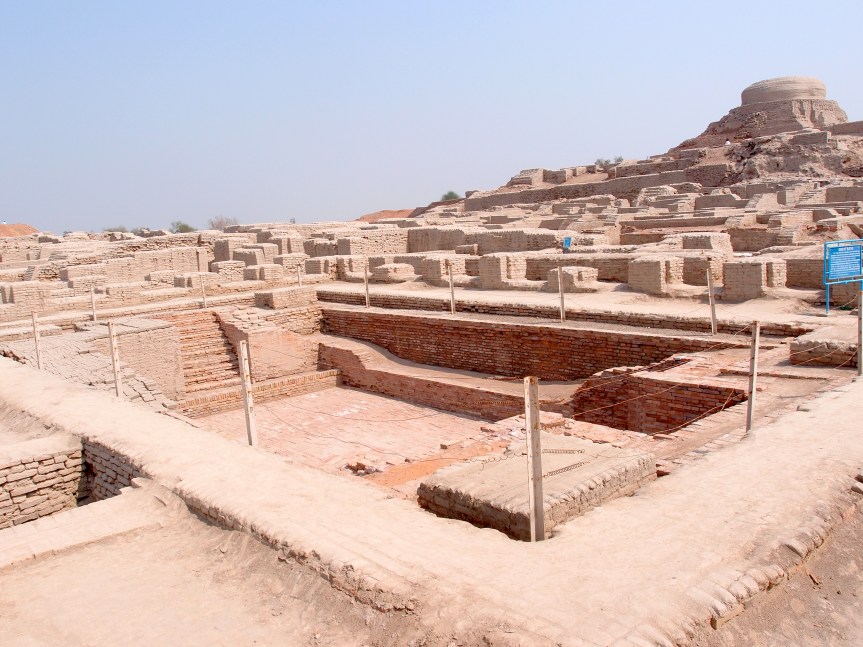
Mohenjo-daro is thought to have been underlying the twenty-6th century BCE; it became not just the biggest city of the Indus Valley Civilization however one of the world’s soonest major metropolitan communities. Found west of the Indus River in the Larkana District, Mohenjo-daro was quite possibly the most modern urban areas of the period, with cutting edge designing and metropolitan arranging.

Archeological remaining parts at the lower town of Lothal. The blocks are uniform in size and are dark earthy colored shaded. They are in a field of dead grass and are lined by low-lying green trees and bushes.

Archeological remaining parts at the lower town of Lothal. The blocks are uniform in size and are dark earthy colored hued. They are in a field of dead grass and are lined by low-lying green trees and bushes.

Archeological remaining parts at the lower town of Lothal, showing uniform fire-prepared blocks. Fire-prepared blocks will hold up to dampness, making them fit to building showers and sewers. Picture kindness Wikimedia Commons.

Harappa was a braced city in cutting edge Pakistan that is accepted to have been home to upwards of 23,500 inhabitants living in etched houses with level rooftops made of red sand and mud. The city spread more than 150 hectares—370 sections of land—and had sustained managerial and strict focuses of a similar sort utilized in Mohenjo-daro.

The two urban communities had comparative association and included strongholds, focal regions in a city that were vigorously sustained—ensured with protective military designs. Moreover, the two urban communities were arranged along the Indus River. This construction would have permitted those at the more significant levels of the structures in one or the other city to peer down the waterway and see into the distance.

The remaining parts of the Indus Valley Civilization urban communities show wonderful association; there were very much arranged wastewater seepage and garbage assortment frameworks and perhaps even open showers and silos, which are storage facilities for grain. Most city-inhabitants were craftsmans and shippers gathered in particular areas. The nature of metropolitan arranging proposes effective city governments that set a high need on cleanliness or strict custom.

Harappans exhibited progressed design with dockyards, silos, stockrooms, block stages, and defensive dividers. These huge dividers probably shielded the Harappans from floods and may have stopped military struggles. In contrast to Mesopotamia and Ancient Egypt, the occupants of the Indus Valley Civilization didn’t construct enormous, great designs. There is no convincing proof of royal residences or sanctuaries—or even of rulers, armed forces, or ministers—and the biggest designs might be storage facilities. The city of Mohenjo-daro contains the Great Bath, which may have been a huge, public washing and social region.


Colonialism

Expansionism or colonialism is an act of control, which includes the oppression of one individuals to another. One of the troubles in characterizing expansionism is that it is difficult to recognize it from colonialism. Every now and again the two ideas are treated as equivalent words. Like expansionism, colonialism additionally includes political and monetary power over a reliant domain. The historical underpinnings of the two terms, nonetheless, gives a few insights about how they vary. The term state comes from the Latin word colonus, which means rancher. This root helps us that the training to remember expansionism typically elaborate the exchange of populace to another region, where the appearances lived as perpetual pilgrims while keeping up with political loyalty to their nation of beginning. Colonialism, then again, comes from the Latin expression imperium, which means to order. Hence, the term dominion causes to notice the way that one nation practices control over another, regardless of whether through settlement, sway, or backhanded instruments of control.

The authenticity of expansionism has been a longstanding worry for political and moral savants in the Western custom. Essentially since the Crusades and the success of the Americas, political scholars have battled with the trouble of accommodating thoughts regarding equity and regular law with the act of European power over non-Western people groups. In the nineteenth century, the strain between liberal idea and pilgrim practice turned out to be especially intense, as territory of Europe over the remainder of the world arrived at its pinnacle. Amusingly, in similar period when most political rationalists started to guard the standards of universalism and correspondence, similar people actually safeguarded the authenticity of expansionism and dominion. One method of accommodating those obviously gone against standards was the contention known as the “edifying mission,” which recommended that a transitory time of political reliance or tutelage was important all together for “uncouth” social orders to progress to where they were fit for supporting liberal organizations and self-government.

The objective of this section is to break down the connection between Western political hypothesis and the task of imperialism. Subsequent to giving a more exhaustive conversation of the idea of imperialism, this passage will clarify how European masterminds advocated, legitimized, and tested political control. The third area centers around radicalism and the fourth segment momentarily talks about the Marxist custom, including Marx’s own safeguard of British expansionism in India and Lenin’s enemy of colonialist compositions. The fifth segment gives a prologue to contemporary “post-pilgrim hypothesis.” This methodology has been especially powerful in scholarly investigations since it causes to notice the different ways that postcolonial subjectivities are established and opposed through digressive practices. The last segment will present an Indigenous scrutinize of pioneer expansionism that arises both as a reaction to frontier practices of mastery and dispossession of land, customs and customary history and to post-pilgrim hypotheses of universalism. The objective of the passage is to give an outline of the tremendous and complex writing that investigates the hypothetical issues arising out of the experience of European colonization.

Expansionism is anything but a cutting edge wonder. World history is loaded with instances of one society slowly extending by consolidating a nearby area and settling its kin on recently vanquished region. The old Greeks set up settlements as did the Romans, the Moors, and the Ottomans, to give some examples of the most renowned models. Imperialism, then, at that point, isn’t confined to a particular time or spot. In any case, in the sixteenth century, expansionism changed unequivocally due to mechanical advancements in route that started to interface more far off pieces of the world. Quick cruising ships made it conceivable to arrive at far off ports and to support close ties between the middle and settlements. Hence, the advanced European frontier project arose when it became conceivable to get huge quantities of individuals across the sea and to keep up with political sway despite topographical scattering. This passage utilizes the term expansionism to depict the cycle of European settlement and political authority over the remainder of the world, including the Americas, Australia, and portions of Africa and Asia.

The trouble of characterizing expansionism originates from the way that the term is regularly utilized as an equivalent for government. Both expansionism and dominion were types of triumph that were relied upon to profit Europe financially and deliberately. The term imperialism is much of the time used to portray the settlement of North America, Australia, New Zealand, Algeria, and Brazil, puts that were constrained by an enormous populace of lasting European occupants. The term colonialism regularly portrays cases in which an unfamiliar government manages a domain without huge settlement; common models remember the scramble for Africa for the late nineteenth century and the American mastery of the Philippines and Puerto Rico. The qualification between the two, nonetheless, isn’t altogether reliable in the writing. A few researchers recognize states for settlement and provinces for monetary misuse. Others utilize the term expansionism to depict conditions that are straightforwardly represented by an unfamiliar country and difference this with colonialism, which includes backhanded types of mastery.

The disarray about the significance of the term government mirrors the way that the idea has changed after some time. Albeit the English word government was not ordinarily utilized before the nineteenth century, Elizabethans previously portrayed the United Kingdom as “the British Empire.” As Britain obtained abroad conditions, the idea of realm was utilized all the more as often as possible. Colonialism was perceived as an arrangement of military mastery and sway over regions. The everyday work of government may be practiced in a roundabout way through nearby congregations or native rulers who offered recognition, yet sway rested with the British. The shift away from this customary comprehension of realm was impacted by the Leninist examination of colonialism as a framework situated towards monetary abuse. As per Lenin, dominion was the essential and inescapable aftereffect of the rationale of collection in late private enterprise. Along these lines, for Lenin and resulting Marxists, government depicted a recorded phase of private enterprise instead of a trans-authentic act of political and military mastery. The enduring effect of the Marxist methodology is clear in contemporary discussions about American government, a term which generally implies American financial authority, whether or not such force is practiced straightforwardly or in a roundabout way (Young 2001).

Given the trouble of reliably recognizing the two terms, this passage will utilize imperialism as an expansive idea that alludes to the venture of European political control from the sixteenth to the 20th hundreds of years that finished with the public freedom developments of the 1960s. Post-imperialism will be utilized to portray the political and hypothetical battles of social orders that accomplished the change from political reliance to sway. This passage will utilize government as an expansive term that alludes to financial, military, political mastery that is accomplished without critical lasting European settlement.

  1. Normal Law and the Age of Discovery

The Spanish success of the Americas started a philosophical, political, and moral discussion about the utilization of military power to secure authority over unfamiliar terrains. This discussion occurred inside the system of a strict talk that legitimized military victory as an approach to work with the transformation and salvation of native people groups. The possibility of a “edifying mission” was in no way, shape or form the creation of the British in the nineteenth century. The Spanish conquistadores and pilgrims expressly defended their exercises in the Americas as far as a strict mission to carry Christianity to the local people groups. The Crusades gave the underlying stimulus to fostering a legitimate precept that supported the victory and ownership of unbeliever lands. While the Crusades were at first outlined as guarded conflicts to recover Christian grounds that had been vanquished by non-Christians, the subsequent hypothetical developments assumed a significant part in resulting endeavors to legitimize the success of the Americas. The center case was that the “Petrine order” to really focus on the spirits of Christ’s human run required Papal purview over fleeting just as profound issue, and this control stretched out to non-devotees just as adherents.

The transformation of the local people groups, be that as it may, didn’t give an unproblematic defense to the undertaking of abroad triumph. The Spanish success of the Americas was occurring during a time of change when humanist researchers inside the Church were progressively impacted by the regular law hypotheses of scholars like St. Thomas Aquinas. As per Pope Innocent IV, war couldn’t be pursued against heathens and they couldn’t be denied of their property essentially in light of their non-conviction. Affected by Thomism, Innocent IV presumed that power was real just in situations where unbelievers disregarded regular law. Nonbelievers had real domain over themselves and their property, however this territory was repealed in the event that they demonstrated unequipped for administering themselves as per rules that each sensible individual would perceive

THE FESTIVAL OF DIWALI AND HOW TO MAKE IT MEMORABLE FOR EVERYONE

India is a secular country. People of various religions reside here and all have different festivals to celebrate. All the festivals are celebrated with great joy and unity and people of some other religion celebrating festivals of another is not a rare sight.
One such festival is Diwali, also called Deepawali. It is a festival mainly celebrated among Hindus. It holds a good position in the list of important festivals for the people of the community. Not only adults, the children too wait eagerly all year round for the festival.
The celebrations not just start on the day of the festival but begin a couple of days before. People visit their relatives and neighbors and the exchange of sweets, utensils, and ornaments takes place. Dhanteras, Govardhan Puja, and Chotti Diwali are other small occasions that precede Diwali. People light up their homes, draw mesmerizing and colorful rangolis and decorate their houses. Children cannot wait to run outside and burst firecrackers with their friends after the puja. People dress up wearing new clothes and are all set to click pictures. A feast is prepared and people enjoy themselves to the fullest.
But what is the reason that these particular celebrations are made? Why not the occasion be celebrated some other way?
Well, there is a reason for that too. The festival of Diwali dates back to the time of Lord Rama. It is celebrated to mark the victory of good over evil. Also to celebrate the return of Lord Rama to Ayodhya after killing Ravana, to save his wife Sita. He then came back to Ayodhya to become an ideal king. For this, people spend the whole day decorating their homes and shops and colorful and sweets and chocolates are displayed outside shops.
Not only Lord Rama, but people also worship Goddess Lakshmi.
Over the years, Diwali has been celebrated with complete enthusiasm but a part of the celebration is causing harm to not just animals, but us also.
Firecrackers have been a big menace over the years. Cases of extreme burns and injuries can be seen in the news just a day after the festival.
Pollution is another problem. We already live in a highly polluted environment. Smokes from vehicles, less than the required number of trees are problems that are on the rise. On top of this, a lot of air pollution is added to the environment when firecrackers in such high numbers are burst. This pollution impacts the health of the kids and the elderly negatively.
Another issue which needs attention is the animals. Stray as well as pets. A lot of us have dogs at home or strays around us whom we love. Bursting of such high-sound firecrackers causes them stress. Some may even have heart attacks or are depressed for a long period. While pets can be soothed to some extent, it is the strays that suffer the most. Many of them get injured while wandering around a firecracker that has already been put on fire.
Wastage of money on these Chinese products is also one point. Most of the firecrackers are made in China and one should avoid using their products. Reasons are obvious and need no elucidation.
Diwali is an important festival, so why not make it enjoyable and memorable for everyone. Why not celebrate it safely to bring out the best memories possible of the festival!

Climate change is the greatest threat of our time.

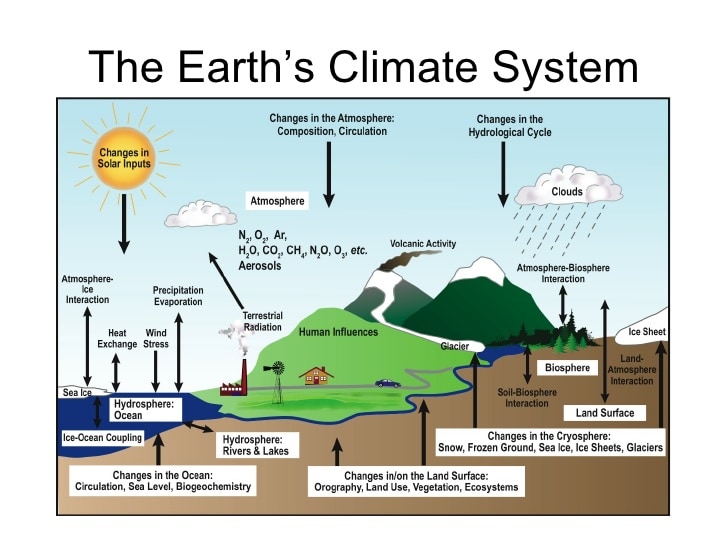
Climate change is happening now and it affects our everyday lives. We are seeing increased frequency and strength of coastal storms. Rainfall events are becoming more severe. Heat waves are affecting human health and our valuable agriculture sector. And, as a coastal state, we must pay attention to changes in sea levels.

The term “climate change” refers to a rise in the average global temperature due to an increase in the concentration of atmospheric green house gases, resulting in numerous climatic shifts and impacts around the globe.

The term “global warming” is also used, although it is important to recognize that the increase in temperature is a global average AMD individual locations will experience varied temperature and precipitation changes.

Several gases, such as carbon dioxide(CO2) and methene (CH4), exist naturally in the atmosphere and contribute to the warming of the earth’s surface by trapping heat from the sun, in what is known as the greenhouse effect. When the proportion of such greenhouse gases in the atmosphere is stable, the effect is beneficial, making surface temperatures warmer and alleviating temperature swings.

However, human activity is increasing the concentration of greenhouse gases in the atmosphere, which is already causing average temperatures to rise.

Effects of climate change

• UV Exposure

– Skin cancer (an abnormal growth of skin tissues)

– Premature aging (make the skin thick, wrinkled and leathery)

– Eye damages (cataracts, degenration of yellow spot, skin cancer around eyes etc)

– Suppression if immunity (over exposure of UV-B radiation suppresses and weakens body immunity system)

5 Games to Play with Your Dog

#1. Hide & Seek
Hide the Treat is a great brain game for dogs
Hide it in a place that’s difficult to get to and leave a trail of scent by rubbing it on a few spots along the way.

#2. Tug of War
Tug is by far dog’s favorite game. It’s fun, it’s engaging, it’s great physical exercise and it’s a good way for dogs to practice their manners.

#3. Water Games
Going to the local beach can be a lot of fun for dogs, especially those that already love swimming (don’t forget a doggie life jacket ). You can bring along some dog toys and play a game of fetch in the water.
If your dog isn’t a great swimmer, Get a plastic kiddie pool and fill it with water and play games.

#4. Fetch
Fetch is a great game for energetic dogs. It provides plenty of physical exercise.

#5.   Shell Game
let your dog watch as you place a treat under one of three cups. You then shuffle the cups around and encourage them to ‘find the treat.’

The Pegasus spyware hack reveals that Apple needs to substantially improve iPhone security.

Apple has always been proud of the secure service it provides to its customers. It often pokes fun at Android, speaks at length about privacy during keynotes, and has released few features that have irritated the other Big Tech companies. However, the new Pegasus spyware disclosure has left Apple red-faced, indicating that the Cupertino-based tech company has to beef up its security. Journalists and human rights campaigners from all around the world, including India, were targeted by the malware.

The Amnesty International Security Lab discovered evidence of Pegasus infections or attempted infections in 37 of the total 67 cellphones examined. 34 of them were iPhones, with 23 displaying evidence of a successful Pegasus infection and the other 11 displaying signs of an attempted infection.

Only three of the 15 Android cellphones, on the other hand, revealed signs of a hacking effort. However, there are two things to consider before assuming that Android phones are safer than iPhones. One, Amnesty’s investigators confirmed that Pegasus evidence was located on the iPhone more than anywhere else. Android’s logs aren’t large enough to retain all of the data required for decisive findings. People have greater security expectations than the iPhone, for two reasons.

Apple has often said in previous years that the iPhone is a more secure phone than Android, and this assertion holds whether Pegasus is there or not. However, the Pegasus tale demonstrates that the iPhone is not as secure, or rather unhackable, as Apple claims. This is reflected in Amnesty International’s statement.

The issue is especially concerning because it affected even the most recent iPhone 12 devices running the most recent version of Apple’s operating system. That’s usually the best and last level of protection a smartphone maker can provide.

“Apple strongly opposes cyberattacks against journalists, human rights advocates, and anyone working to make the world a better place,” Ivan Krstic, head of Apple Security Engineering and Architecture, said in a statement to India Today Tech. Apple has led the industry in security innovation for over a decade, and as a consequence, security experts believe that the iPhone is the safest and most secure consumer mobile device available. Such attacks are very complex, cost millions of dollars to create, have a short shelf life, and are used to target specific persons. While this means they pose no harm to the vast majority of our users, we continue to work diligently to secure all of our customers, and we’re always implementing additional safeguards for their devices and data.”

How did the iPhone’s security get hacked?

Pegasus zero-click assaults were used to hack the iPhones, according to the study. It claims that thousands of iPhones have been infected, but it cannot confirm the exact number of phones that have been affected. ‘Zero-click’ assaults, as the name implies, do not involve any activity from the phone’s user, giving an already strong virus even more potential. These attacks target software that accepts data without first determining whether or not it is trustworthy.

In November 2019, Google Project Zero security researcher Ian Beer uncovered a similar vulnerability, revealing that attackers may take total control of an iPhone in the radio vicinity without requiring any user input. Apple released a software update to remedy the problem but confessed that it was powerful enough to damage the devices.

Because zero-click attacks don’t involve any user interaction, avoiding them becomes extremely tough. Even if you are aware of phishing attempts and use the best online practices, you may still be targeted by this malware.

What does Pegasus have access to?

While there is an amount of data on who was impacted and how they were affected, no investigation has been able to uncover the data that was gathered. However, the options are limitless. Pegasus may gather emails, call logs, social network posts, user passwords, contact lists, photos, videos, sound recordings, and browser history, among other things.

It also can turn on the cameras or microphones to acquire new photos and recordings. It can listen to voice mails and gather location records to figure out where a user has gone, and it can do all of this without the user accessing their phone or clicking on a strange link.

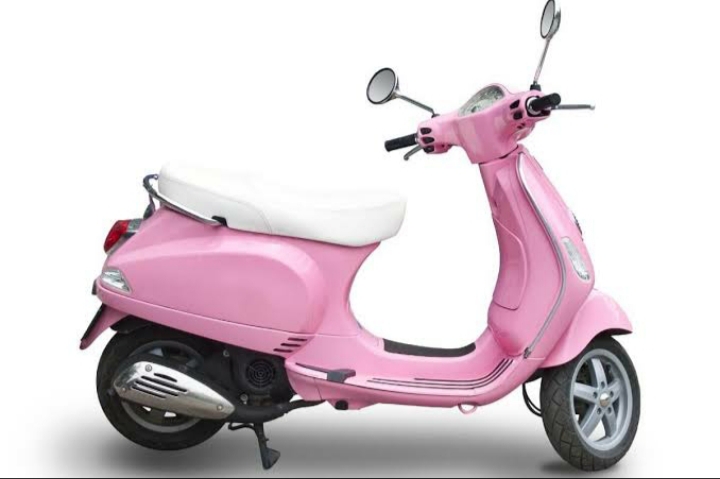
ELECTRIC SCOOTER

PROS TO USE ELECTRIC SCOOTER:

Let’s see how some of the main advantages of choosing to buy an electric scooter:

1.Storage Space: The electric scooter has an area under the seat that allows us to carry bags, packages or backpacks in any comfort.


2.Fuel Savings: One of the significant advantages of the electric scooter is substantial for the pocket of the final consumer: the considerable savings in gasoline.


3.Freedom: Get from Point A to Point B fast, no more waiting for the bus, waiting for the taxi. Simply unfold your scooter and you are ready to go.


4.Ecology and Respect for the Environment: Every time we use an electric scooter we are contributing our bit to that ecological spirit that should be present in our daily lives.


5.Lower Maintenance cost among many other differences with gasoline engines: electric motor does not need to spend time or money on maintenance tasks such as oil changes, filters, etc.


6.Lower Acoustic Impact: Although some detractors of the electric scooter wield the argument that “it does not make noise” we have to keep in mind that noise pollution is one of the severe problems of the current urban society. It has been shown that street noise reduces between 30% and 40% the productivity of people working in the environment. However, the constant noise suffered by the motorcyclist affects his concentration on the road over time and to their levels of stress, anxiety, and aggression. Electric scooter, on the other hand, is less noisy.


I don’t know what you think about the electric scooter, but for us, it is a clean, fast and agile way to get around the city. There are many advantages offered by this way of driving through large cities. It makes more and more people prefer to move in this way.

A Great Martial Artist ‘Bruce Lee’.

Born – Lee Jun-fan, November 27, 1940 ,San Francisco, California, U.S.

Died – July 20, 1973 ,(aged 32)Kowloon Tong,British Hong Kong.

Cause of death – Cerebral edema ,Resting place Lake View Cemetery, Seattle, Washington, U.S.

Other names – Bruce Lee Siu-Lung, Lee Yuen-cham, Lee Yuen-kam.

Citizenship – United StatesBritish Hong Kong

Occupation – Martial artist,philosopher, actor, director, screenwriter, producer.

Spouse(s) – Linda Emery ​(m. 1964).

About Bruce Lee:

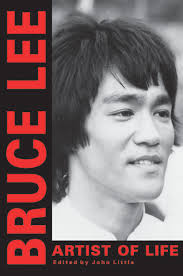
Bruce Lee, the very name breathes enthusiasm and life euphoria in the minds of thousands of action movie lovers. When we talk about action movies today, particularly in the martial arts genre, it is impossible to forget, that Bruce Lee was the one who began it all with movies like The Big Boss (1971), Fist of Fury (1972), Way of the Dragon (1972), Enter the Dragon (1973) and The Game of Death (1978). Gone were the days when action movie lovers would be pleased with the gun fight of Clint Eastwood or the epic chariot races of Charlton Heston. Kung Fu had made its entrance in the world of entertainment, courtesy the silver screen. Bruce Lee was born on 27 November 1940. His father, Lee Hoi Chuen, was Chinese and his Catholic mother, Grace Ho, was of three-quarter Chinese and a quarter German ancestry. Lee and his parents went from the US to Hong Kong when he was three months old. Lee’s father was one of the leading Cantonese opera and film actors at the time.

At the age of thirteen, Bruce Lee took Kung Fu lessons with Yip Man. Having learnt the basics from his father, Bruce showed keen interest in the art and a year later, in 1955, had private training with the man who would later become the President of the Australian Federation of Kung Fu, William Cheung. At this time, the martial artist, Wong Shun Leung, who was consistently involved with dangerous and brutal competitions, had Bruce Lee privately train with him. Both Wong Shun Leune and William Cheung were students of Yip Man in his school at the same time as young Bruce Lee. Despite the advantages of his family’s high social status during his youth in Hong Kong, the neighbourhood where Bruce grew up was dangerous and full of gang rivalry. Bruce Lee evolved in these conditions as a dangerous street fighter. No wonder then that at the high school level at St Francis Xavier’s College in Kowloon, Lee was part of the school boxing team in inter-school tournaments.

Through his father, Bruce was introduced into films, and by the time he was 18, he had acted in 20 films. While in the United States from 1959 to 1964, Lee abandoned thoughts of a film career in favour of pursuing a career in martial arts. Destiny had different plans for him and the lightning fast moves of Bruce Lee landed him the role of Kato in the TV series The Green Hornet. This led to a host of other television serials like Iron Side (1967) and Here Come the Brides (1969). Lee’s return to Hong Kong landed him in Raymond Chow’s The Big Boss and Fist of Fury, and Lee was a big star overnight. Lee became a god of action cinema with the Warner Brothers’ production Enter the Dragon, but a cruel and inexplicable death snatched him away from his fans six days before the release of this movie.

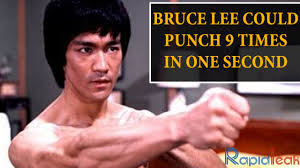
We remember Lee today as a man who redefined action on the silver screen. We remember his high kicks, his exceptionally fast punches and the spine-chilling fight sequences. ‘Lee, pound for pound, might well have been one of the strongest men in the world, and certainly one of the quickest,’ said Chuck Norris. When a child today watches Jackie Chan or Jet Li and gets excited to throw a punch, no father fails to remind him that these are compared to the master-Bruce Lee. hing Lee has left a unique legacy in the world of sports and cinema, imitated by millions but mastered by none.

Devoted Teacher:

Lee finished high school in Edison, Washington, and subsequently enrolled as a philosophy major at the University of Washington. He also got a job teaching the Wing Chun style of martial arts that he had learned in Hong Kong to his fellow students and others. Through his teaching, Lee met Linda Emery, whom he married in 1964. By that time, Lee had opened his own martial arts school in Seattle.He and Linda soon moved to California, where Lee opened two more schools in Oakland and Los Angeles. He taught mostly a style he called Jeet Kune Do, or “The Way of the Intercepting Fist.” Lee was said to have deeply loved being an instructor and treated his students like a clan, ultimately choosing the world of cinema as a career so as not to unduly commercialize teaching.Lee and Linda also expanded their immediate family, having two children — Brandon, born in 1965, and Shannon, born in 1969.

Mysterious Death:

Most of the people said that he died under mysterious circumstances .On July 20, 1973, just one month before the premiere of Enter the Dragon, Lee died in Hong Kong, China, at the age of 32. The official cause of his sudden and utterly unexpected death was a brain edema, found in an autopsy to have been caused by a strange reaction to a prescription painkiller he was reportedly taking for a back injury. Controversy surrounded Lee’s death from the beginning, as some claimed he had been murdered. There was also the belief that he might have been cursed, a conclusion driven by Lee’s obsession with his own early death.More rumors of the so-called curse circulated in 1993, when Brandon Lee was killed under mysterious circumstances during the filming of The Crow. The 28-year-old actor was fatally shot with a gun that supposedly contained blanks but somehow had a live round lodged deep within its barrel.

VILLAGES : Strength or Weakness for the Nation.

Villages are definitely our strength, but because of less support for agriculture, village people are migrating to cities. government should provide loans and insurance for agriculture . Villages are the backbone of India because most of the food crops are in villages.so literally villages are feeding everyone. ecological balance is maintaining by village because of the environment of village. more three, eco-friendly habits helps to keep village pollution-free. Though the time are changing and pollution levels are increasing in villages ,there is a huge difference between pollution levels of villages and cities. India is well known for its tradition& cultural values, which can be seen more in village. Festivals and traditional ceremonies are celebrated by those who moved to cities. India’s economy depends a lot upon agriculture sector. Agriculture, along with fisheries and forestry, accounts for one-third of the nation’s gross domestic product. hence village are the strength of India economy. Village people have more unity ,helping nature, hardworking nature. Healthy food and lifestyle of villages is being replicated in cities these day’s thus making India more healthier. Once, India was called as ‘GOLDEN BIRD’ due to villages. People of other countries have positive on India and treat India as a spiritual destination, they are imbibing our practices and culture that is mainly in India villages, to lead a healthy and peaceful life.

ROBERT FROST

Who Was Robert Frost?

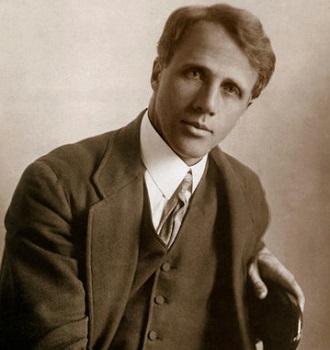
Robert Frost was an American poet and winner of four Pulitzer Prizes. Famous works include “Fire and Ice,” “Mending Wall,” “Birches,” “Out Out,” “Nothing Gold Can Stay” and “Home Burial.” His 1916 poem, “The Road Not Taken,” is often read at graduation ceremonies across the United States. As a special guest at President John F. kennedy’s inauguration, Frost became a poetic force and the unofficial “poet laureate” of the United States.

Frost spent his first 40 years as an unknown. He exploded on the scene after returning from England at the beginning of World War II. He died of complications from prostate surgery on January 29, 1963.

Early Years

Frost was born on March 26, 1874, in San Francisco, California. He spent the first 11 years of his life there, until his journalist father, William Prescott Frost Jr., died of tuberculosis.

Following his father’s passing, Frost moved with his mother and sister, Jeanie, to the town of Lawrence, Massachusetts. They moved in with his grandparents, and Frost attended Lawrence High School.

After high school, Frost attended Dartmouth college for several months, returning home to work a slew of unfulfilling jobs.

Beginning in 1897, Frost Harvard University  but had to drop out after two years due to health concerns. He returned to Lawrence to join his wife.

In 1900, Frost moved with his wife and children to a farm in New Hampshire — property that Frost’s grandfather had purchased for them—and they attempted to make a life on it for the next 12 years. Though it was a fruitful time for Frost’s writing, it was a difficult period in his personal life, as two of his young children died.

During that time, Frost and Elinor attempted several endeavors, including poultry farming, all of which were fairly unsuccessful.

Despite such challenges, it was during this time that Frost acclimated himself to rural life. In fact, he grew to depict it quite well, and began setting many of his poems in the countryside.

The Impact of Music: Can It Help Your Health?

It’s difficult to discover anyone who doesn’t have a special bond to music. Even though you can’t hold a tune or play a musical instrument, you can certainly draw up a list of songs that bring back nice memories and lift your mood. Doctors have traditionally played their favourite tunes in the surgery room to reduce tension, and bringing music to patients has been related to better clinical outcome.

Music has the ability to evoke any feeling imaginable. It can lift us to unfathomable heights, soothe us in our sadness or loneliness, helps us in expressing our anger or irritation in a non-harmful way, gets our bodies going, and provides peace and serenity to our souls. Music has the ability to boost our health and well-being, which adds to its greatness.Music therapy has been more important in many aspects of recovery over the last few decades.

What precisely is music therapy?

Music therapy is a psychological approach that employs music’s inherently mood-lifting characteristics to assist people in improving their mental health and general health. It is a goal-oriented treatment which may include music creation, songwriting, singing, dancing, hearing music and analyzing music. Music therapy affects the body, mind, and soul. It  may divert the mind, slows down the rhythms of the body, and affect our mood, both of which can impact our actions.

This method of therapy may be beneficial for those suffering from anxiety and depression, as well as improving the quality of life for those suffering from physical ailments. Anybody can participate in music therapy; you wouldn’t need knowledge of music to benefit from it. 

Music therapy treatments are planned with the patient’s general wellbeing, communications skills, cognitive capabilities, psychological well-being, and hobbies in mind.

Types of Music Therapy

Music therapy is an evolving process in which patients participate in the creation of music, or a passive one in which patients hear to or respond to music. Certain therapists may employ a hybrid strategy that includes both active as well as passive musical engagement.

There are many recognized techniques in music therapy, such as:

Analytical music therapy: Analytical music therapy enables you to communicate your unconscious ideas through an improvised musical “conversation” such as singing or playing an instrument, which you may then ponder upon and analyse with your therapist.

Benenzon music therapy: This method integrates some psychoanalytic principles with the process of producing music. The quest for your “musical sound identification,” which defines the exterior sound that most closely fits your interior psychological condition, is part of Benenzon music therapy.

Cognitive behavioural music therapy (CBMT): It blends cognitive behavioural therapy (CBT) with music. Music is utilised in CBMT to encourage certain behaviours and alter others. This method is planned rather than improvised, and it may involve having to listen to music performing, singing, or playing a musical instrument.

Community music therapy: This style focuses on utilising music to support transformation on a group level. It is carried out in a group environment and necessitates a great degree of participation from each participant.

Vocal psychotherapy: In this approach, you engage with your thoughts and desires by using numerous vocal exercises, natural sounds, and breathing techniques. This exercise is intended to help you get in touch with yourself more deeply.

The Advantages of Music Therapy

Because music therapy can be extensively customised, it is appropriate for people of all ages—even very young toddlers can gain from it. It is also adaptable and beneficial to persons with varying degrees of musical expertise as well as varied mental or physical health issues.

Music therapy can stimulate brain areas that regulate memories, feelings, mobility, sensory relay, some autonomic activities, decision-making, and rewards. It can help children and young people with developmental and/or learning impairments enhance their motor skills and improve their communication.

Overall, music therapy has been shown to promote good emotions such as relaxation, happiness, emotional closeness, optimism, and confidence.

MENTAL HEALTH: THAT DRIVES YOUR WELL-BEING

“Health is a state of complete physical, mental and social well-being and not merely the absence of disease or infirmity.”

World Health Organization (WHO)

DEFINING MENTAL HEALTH

The World Health Organization (WHO) defines Mental Health as ” A state of well-being which an individual realizes his or her own abilities, can cope with the normal stresses of life, can work productively, and is able to make a contribution to his or her community.” Mental Health includes many aspects, like psychological, social, emotional well-being etc. and plays a vital role in determining how a person thinks, feels and acts. Mental health helps in determining the stress level of a person and thus can help in reducing it. It helps to relate people with others and make choices. It is important at every stage of life and affects the life in numerous ways.

If a person had mental health problems, then its thinking, mood, behavior, actions etc. will be affected to a great extent and can cause problem in society. Some of the factors that contribute to mental health are :

  1. Biological Factors: Genes or brain chemistry
  2. Life Experiences: Trauma or abuse
  3. Family history of mental health problems

UNDERSTANDING THE RELEVANCE OF MENTAL HEALTH

Mental health is an essential and vital component of health and mental health is similar to the condition, where there is no mental disorder or disabilities. A person with sound mental health is able to realize his or her duty and responsibilities and is capable to cope with the stresses of life which are normal and can work productively, With this the person can efficiently contribute to his or her community.

Mental Health is fundamental ability of an person to think, respond, interact with each other, earn a living and enjoy life. On this basis, we can say that, it is very necessary to preserve, conserve and protect a persona mental health because it can affect other individuals around them, the society, their community and the world itself.

FACTORS DETERMINING MENTAL HEALTH

Numerous factors affect a persons mental health and they can be social, biological and psychological. For example, violence and social pressures can mentally disturb a person.

Poor mental health can affect the way a person responds to others and to the society. It can lead to social change, stressed work conditions, gender discrimination, social exclusion, prejudice, unhealthy lifestyle etc. There are specific factors which can affect a persons mental health and can make people vulnerable to mental health problems and disorders.

PROMOTING MENTAL HEALTH

Different ways to promote mental health:

  1. Socio economic empowerment of women for increasing their access to education, schemes etc.
  2. Early Childhood interventions for providing proper infrastructures which will be child sensitive.
  3. Programs targeting vulnerable people of the society; like migrants, minorities etc.
  4. Mental health promotional educational centers and mental health interventions at work.
  5. Social support for elderly people.
  6. Poverty reduction and social protection to the vulnerable group.
  7. Promotion of rights, opportunities and care to everyone having mental disorders.
  8. Violence prevention and community development programs.