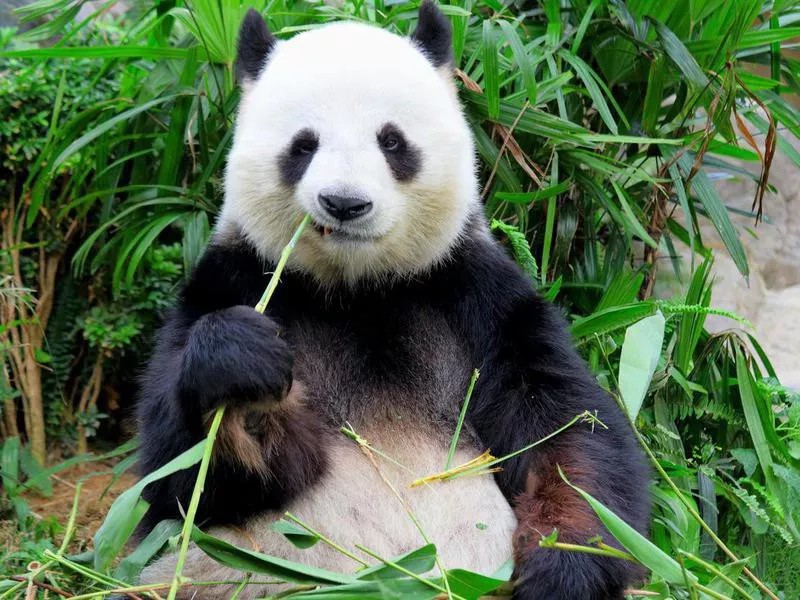
The giant panda (panda bear/ panda) can be found in South Central China, primarily they live in China’s Yangtze river basin. Pandas were actually belongs to group of carnivorous animals but still it eats more of bamboo leaves and shoots. They occasionally eat grasses, wild tubers and even meat of birds or rodents.
Why giant pandas became endangered species of animals?
They were endangered mainly because of habitat loss. During the year of 1984 people of China started to clear bamboo forests which is needed more in number for the survival of pandas because they live in forests, they cannot adapt to live outside the forests and they also eat the same. People used to hunt them to make money from their skins. in the year 1990 pandas were declared as endangered.
Why pandas were removed from list of endangered species now?
After nearly 30 years of struggle to preserve species of giant pandas. Now there is an evidence documenting the increase in population of the pandas. Now 25% China’s land designated for ecological protection according to China’s State Council Information Office.
>>Stay connected to eduindex.org for more updates 🙂
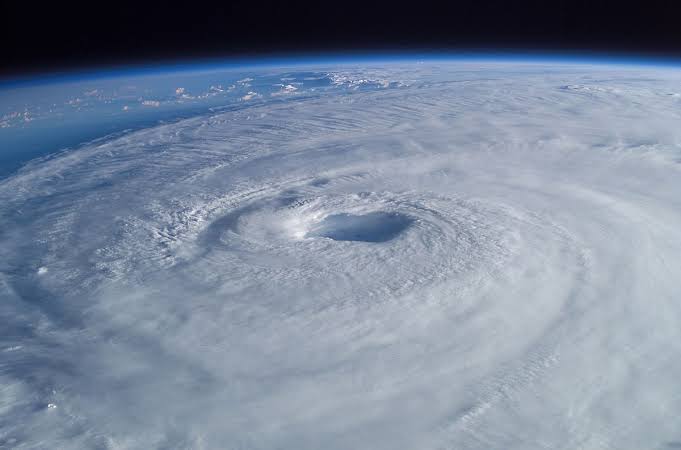
Tropical cyclones are intense circular storms that originate over the warm tropical oceans with more than 119 kilometres per hour speed and heavy rains. Mainly, the greatest damage to life and property caused not from the wind but from other secondary events including storm surges, flooding, landslides and tornadoes. Tropical cyclones are among the foremost destructive weather phenomena and also known as typhoons or hurricanes. They include a number of different hazards that can individually cause significant impacts on life and property, such as storm surge, flooding, extreme winds, tornadoes and lighting.
Tropical cyclones are known by various names in different parts of the world. In the North Atlantic ocean and the eastern North Pacific they are called hurricanes, and in the western North Pacific around the Japan, and China the storms are referred to as typhoons. In the western South Pacific and Indian ocean they are variously referred to as severe tropical cyclones, tropical cyclones, or simply cyclones. All these different names refer to the same type of storm. The tropical cyclone is formed when a transfer of water vapour and heat from the warm ocean to the overlying air occurred primarily by evaporation from the surface of the sea. As we know that warm, moist air rises, it expands and cools, quickly and become saturated and released latent heat due to the condensation of water vapour. By this process, the column of air in the core of the developing disturbance is warmed and moistened. The temperature difference is formed between the warm, rising air and the cooler environment that causes air to become buoyant and enhance its upward movement. If the surface of the sea is too cool then there will not be enough heat available and the rate of evaporation will be low to provide fuel to the tropical cyclone. Even the supply of energy will also be cut off due to warm surface water layer is not enough deep. It happens because the tropical system modifies the underlying ocean. The sea surface becomes cool due to the falling of the rain from the deep convective clouds and the strong winds in the centre if the storm will further create turbulence. If this resulting mixing brings cool water from the below the surface layer to the surface, the fuel supply for the tropical system will be removed.
A tropical cyclone that remains over the ocean and moves into higher latitudes will change its structure and become extra tropical as it encounters cooler water. Each year the impacts of tropical cyclones and other weather, climate and water extremes around the Earth give rise to multiple casualties and significant damage to property and infrastructure, with adverse economic consequences for communities that can persist for many years.
What is the first thing that strikes your mind when you read this?
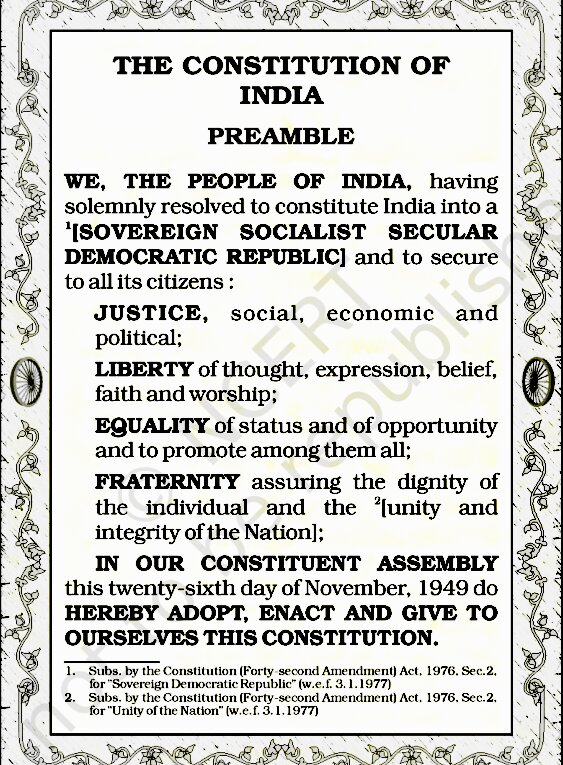
Its the starting of the PREAMBLE of INDIA.
How much do we know about the Preamble of our Country?
What is a Preamble?
A preamble is an introductory statement in a document that explains the document’s philosophy and objectives.
In a Constitution, it presents the intention of its framers, the history behind its creation, and the core values and principles of the nation.
Although not enforceable in court, the Preamble states the objectives of the Constitution, and acts as an aid during the interpretation of Articles when language is found ambiguous.
What is it about?
Source of the Constitution
Nature of Indian State
Statement of its objectives
Date of its adoption
Components of Preamble
It is indicated by the Preamble that the source of authority of the Constitution lies with the people of India.
Preamble declares India to be a sovereign, socialist, secular and democratic republic.
The objectives stated by the Preamble are to secure justice, liberty, equality to all citizens and promote fraternity to maintain unity and integrity of the nation.
The date of adoption of the preamble is mentioned i.e. November 26, 1949.
Words in bold – The key words
We, the people of India: It indicates the ultimate sovereignty of the people of India. Sovereignty means the independent authority of the State, not being subject to the control of any other State or external power.
Sovereign: The term means that India has its own independent authority and it is not a dominion of any other external power. In the country, the legislature has the power to make laws which are subject to certain limitations.
Socialist: The term means the achievement of socialist ends through democratic means. It holds faith in a mixed economy where both private and public sectors co-exist side by side.
It was added in the Preamble by 42nd Amendment, 1976.
Secular: The term means that all the religions in India get equal respect, protection and support from the state.
It was incorporated in the Preamble by 42nd Constitutional Amendment, 1976.
Democratic: The term implies that the Constitution of India has an established form of Constitution which gets its authority from the will of the people expressed in an election.
Republic: The term indicates that the head of the state is elected by the people. In India, the President of India is the elected head of the state.
Equality: The term ‘Equality’ means no section of society has any special privileges and all the people have given equal opportunities for everything without any discriminations. Everyone is equal before the law.
Liberty: The term ‘Liberty’ means freedom for the people to choose their way of life, have political views and behavior in society. Liberty does not mean freedom to do anything, a person can do anything but in the limit set by the law.
Fraternity: The term ‘Fraternity’ means a feeling of brotherhood and an emotional attachment with the country and all the people. Fraternity helps to promote dignity and unity in the nation.
Justice: It is necessary to maintain order in society that is promised through various provisions of Fundamental Rights and Directive Principles of State Policy provided by the Constitution of India. It comprises three elements, which is social, economic, and political.
Social Justice – Social justice means that the Constitution wants to create a society without discrimination on any grounds like caste, creed, gender, religion, etc.
Economic Justice – Economic Justice means no discrimination can be caused by people on the basis of their wealth, income, and economic status. Every person must be paid equally for an equal position and all people must get opportunities to earn for their living.
Political Justice – Political Justice means all the people have an equal, free and fair right without any discrimination to participate in political opportunities.
Why is Liberty, Equality and Fraternity so important?
It provides a way of life. It includes fraternity, liberty, and equality as the notion of a happy life and which can not be taken from each other.
Liberty cannot be divorced from equality, equality cannot be divorced from liberty. Nor can liberty and equality be divorced from fraternity.
Without equality, liberty would produce the supremacy of the few over the many.
Equality without liberty would kill individual initiative.
Without fraternity, liberty would produce the supremacy of the few over the many.
Without fraternity, liberty and equality could not become a natural course of things.
Amendment of the Preamble
42nd Amendment Act, 1976: After the judgment of the Kesavanand Bharati case, it was accepted that the preamble is part of the Constitution.
The term ‘Socialist’, ‘Secular’, and ‘Integrity’ were added to the preamble through 42nd Amendment Act, 1976.
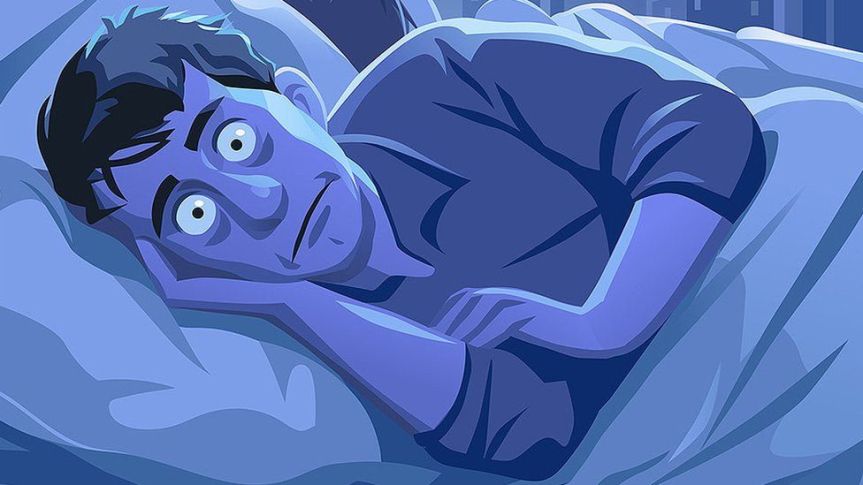
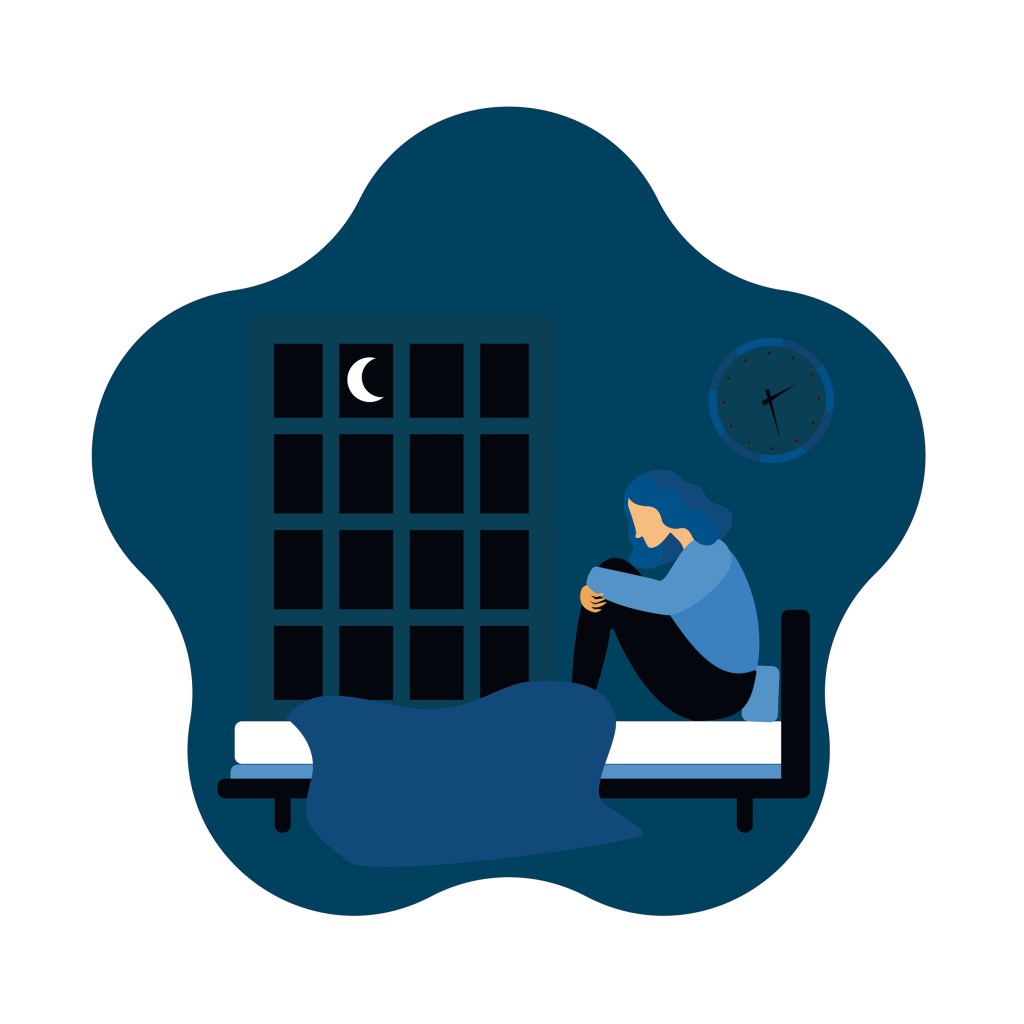
Insomnia, also known as sleeplessness, is a common sleep disorder that can make it hard for the person to fall asleep, hard to stay asleep or cause to wake up too early and not be able to get back to sleep. Insomnia is typically followed by daytime sleepiness, low energy, irritability and a depressed mood. It may result in an increased risk of motor vehicle collisions, as well as problems focusing and learning. How much sleep is enough varies from person to person, but most adults need seven to eight hours a night. Insomnia can occur independently or as a result of some another problem. Conditions that can result in insomnia include psychological stress, chronic pain, heart failure, hyperthyroidism, heart burn, menopause, certain medications and drugs such as caffeine, nicotine and alcohol. Other risk factors include working night shifts and sleep apnea.
SYMPTOMS:-
Insomnia symptoms may include:-
difficulty falling asleep at night.
waking up during the night.
waking up too early.
not feeling well-rested after a night’s sleep.
daytime tiredness or sleepiness.
irritability, depression or anxiety.
difficulty paying attention, focusing on tasks or remembering.
ongoing worries about sleep.
CAUSES:-
Insomnia may be the primary problem or it may be associated with other conditions. Chronic Insomnia is usually a result of stress, life events or habits that disrupt sleep. Treating the underlying cause can resolve the insomnia, but sometimes it can last for years. Chronic Insomnia may also be associated with medical conditions or the use of certain drugs. Common causes of chronic insomnia include:-
Stress- concerns about work, school, health, finances, family can keep the mind active and occupied every time, making it difficult to sleep.
Travel or work schedule- the circadian rhythms of our body act as an internal clock, guiding such things as the sleep-wake cycle, metabolism and body temperature. Disrupting the body’s circadian rhythms can lead to insomnia.
poor sleep habits- include an irregular bedtime schedule, naps, stimulating activities before bed, an uncomfortable sleep environment, watching smart phones or other screens.
eating too much late in the evening- may cause the person to feel physically uncomfortable while lying down. Many people also experience heartburn, a backflow of acid and food from the stomach into the esophagus after eating, which may keep them awake.
Additional causes of Insomnia include:-
Mental health disorders- anxiety disorders, such as post-traumatic stress disorder may also be the reason for disruption during sleep. Awakening too early can be a sign of depression.
Medications- many prescription drugs can interfere with sleep such as certain antidepressants.
Medical conditions- such as chronic pain, cancer, diabetes, heart disease, gastroesophageal reflux disease(GERD) etc.
sleep related disorders.
caffeine, nicotine and alcohol.
PREVENTION:-
Good sleep habits can help prevent insomnia and promote sound sleep:-
keep the bedtime and wake time consistent from day to day.
staying active- regular activities help to promote a good sleep.
check the medications to see if they may contribute to insomnia.
avoid or limit naps.
avoid or limit caffeine and alcohols.
keep yourself calm and relaxed when going to sleep.
Air Jordan is an American brand of basketball shoes, athletic, casual, and style clothing produced by Nike. It was Founded in Chicago, the Air Jordan was created for Hall of Fame basketball player and six-time NBA Finals MVP Michael Jordan during his time with the Chicago Bulls. The original Air Jordan sneakers were produced exclusively for Michael Jordan in late 1984. The Air jordan sneakers were made available to public on April 1st 1985. The shoes were designed for Nike by Peter Moore, Tinker Hatfield, and Bruce Kilgore.
History
Coming from North Carolina university, Michael Jordan was an 3rd overall pick in the first round of the NBA draft of 1984. He was drafted by the Chicago Bulls. At the time Michael jordan entered the NBA and before the basketball sneaker game was boring. The players were allowed to wear only sneakers of “white” colour. The shoe was given a small astheitc touch such as a logo, extra tread or support. In 1972, the world witnessed the introduction of Nike blazer, a basketball shoe made for the portland trial blazers. These sneakers were made famous by George the iceman Gervin. The Nike blazer was advanced both in branding and also in technology.
In 1984, a young basketball prodigy entered the NBA, with the performance of Michael Jordan in his rookie year it was understood that he had a great future ahead of him. Nike noticed his talent and prospect and took a unique risk and decided to sign a deal with Michael Jordan to produce his own line of basketball shoes. Micheal jordan always had worn “ADIDAS” till that point of time, but then he got carried away with NIKE executives and their desire to sign a contract with him. The original Air Jordan 1’s were exclusively produced for Micheal Jordan in 1984, the first jordan’s had a different colour-way in contrast to the shoes that existed before the introduction of Jordan’s. The shoes were in flamboyant colour’s of black and red, the original shoes were banned by the NBA because the shoes were full coloured. The NBA felt that the “white shoes” convention was being violated.
When these shoes were made available to the public for sale, they instantly sold out, 50,000 pairs were instantly sold out. It was a game changer for NIKE and also a game changer in the field of sneakers, NIKE made 150 million out of sales with the release of that shoe.
Why they need a place in your sneaker collection?
The ostentatious history of these shoes makes it a must on your sneaker collection. The brand brings pride in your sneaker game, no matter what you buy, once you have jordan’s on your feet they gonna dominate all the other shoes in your collection. The sneakers available in the jordan line are multifarious. They indeed produce the most comfortable and the most eye catching sneakers.
Cost factor – all the sneakers of jordan, they are pretty costly.A question arises, whether these shoes are worth the money? well, To summarize: yes — Jordans are definitely worth it. Even the handful of more mass-produced pairs offer up similar leathers; and if you pick up a Triple White Jordan 1 Mid or a Bred Jordan Zoom 92, then you’ll be able to secure an everyday pair you can easily wear for a solid amount of time.
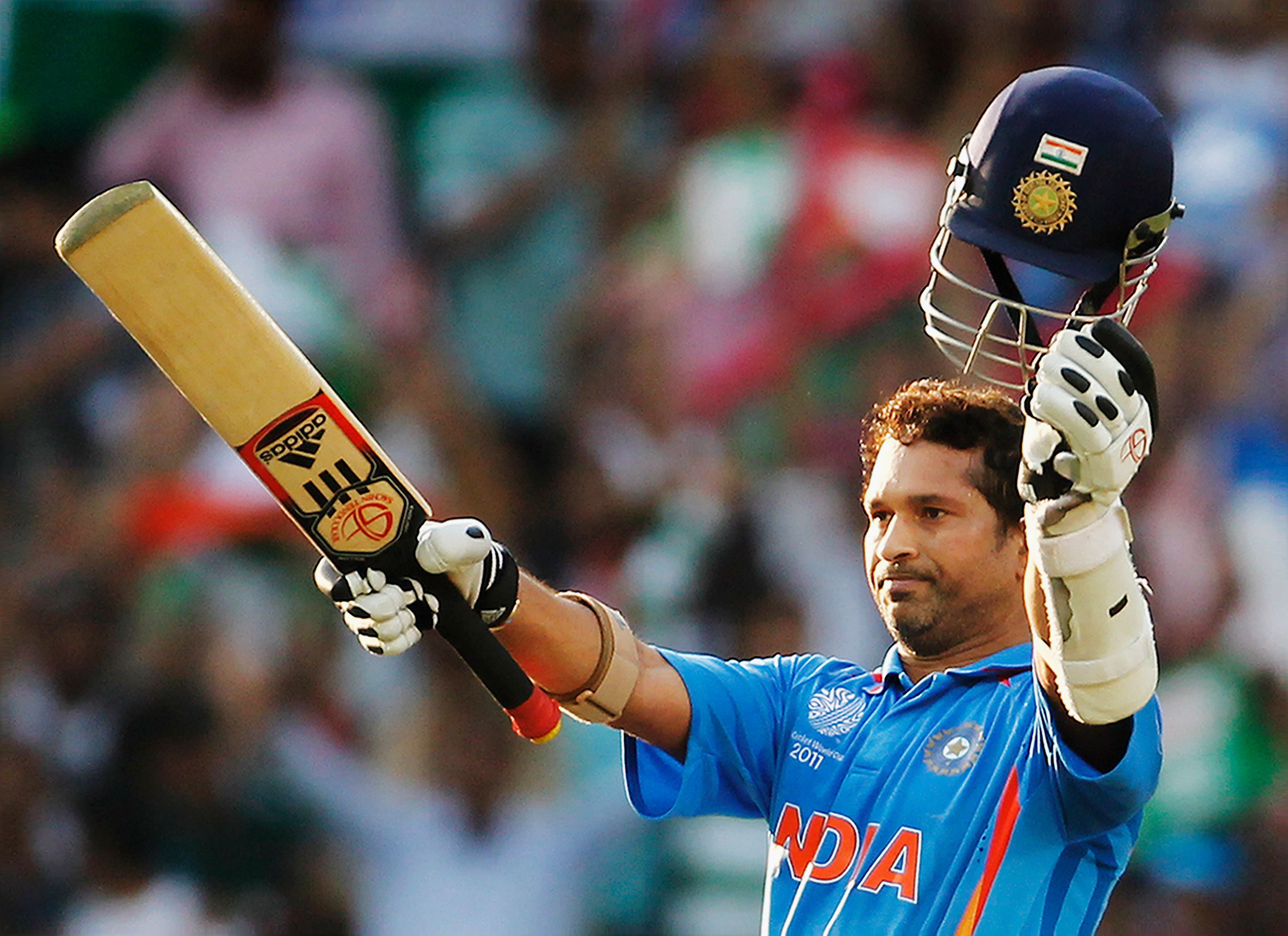
Sachin Ramesh Tendulkar is an Indian former international cricketer who served as captain of the Indian national team.He is widely regarded as one of the greatest batsmen in the history of cricket.He is the only batsman in world cricket to hit 100 centuries.
BIO Born : 24 April 1973 Age (as 2021) : 48 Years Height : 1.65 m (5 ft 5in) Father’s Name : Ramesh Tendulkar Mother’s Name : Rajni Tendulkar Spouse Name : Anjali Tendulkar Children : Sara And Arjun Hometown : mumbai Zodiac sign : Taurus Nationality : Indian Religion : Hinduism
Sachin Tendulkar was born to a brahmin family on 24 April, 1973 in Dadar, Mumbai. That is he belongs to renowned Saraswat Brahmin Family. His father, Ramesh Tendulkar, was a Marathi poet and novelist. His mother was Rajni who worked in the insurance industry. He has two brothers namely Nitin and Ajit and one sister Savita.
EDUCATION School : Indian education society’s new English school in mumbai. Shardashram vidyamandir school, mumbai College /University : not attended
CRICKET Batting : Right-handed Bowling : Right-arm medium, leg break, off break Role : Batsman JERSEY : #10(INDIA)
EARLY CAREER: Tendulkar took up cricket at the age of eleven, made his Test debut on 15 November 1989 against Pakistan in Karachi at the age of sixteen, and went on to represent Mumbai domestically and India internationally for close to twenty-four years. In 2005, he became the first cricketer to score 35 centuries (100 runs in a single inning) in Test play.
Later in his career, Tendulkar was a part of the Indian team that won the 2011 World Cup, his first win in six World Cup appearances for India.
Tendulkar became the first batsman in history to cross the 34,000 run aggregate in all formats of Cricket on 5 December, 2012. In an international cricket approx. he played a total of 657 matches. On 16th March, 2012,100th-century milestone was achieved against Bangladesh in the Asia Cup.
Top Test Cricket Records: ° He holds the record to be the fourth-youngest °Sachin Tendulkar was the first Indian to surpass the 11,000 run mark in Test World record of 8,705 runs in Tests away from home °World record of 29 centuries in Tests away from home °First player to reach 13,000, 14,000, 15,000 Test runs respectively °The only cricketer to score 100 centuries in international cricket (test and ODI) °He is the only cricketer to have scored 5 centuries before he turned 20.
AWARDS: > 1994 – Arjuna Award for exemplary achievements in cricket > 1997 – Amongst the five players selected as Wisden Cricketer of the Year > 1997-98 – Rajiv Gandhi Khel Ratna India’s highest sporting honour > 1999 – Sachin received Padma Shri Award > 2001 – Sachin received Maharastra Bhushan Award > 2003 – Named as Greatest Sportsman by Zee News > 2006 – Recognised as one of the Asian Heroes by Times Magazine and Awarded the Sportsperson of the Year >2008– Awarded the Padma Vibhushan which is India’s second highest civilian award > 2009 – Sachin’s Test Debut recognised as Top 10 Sporting Moments by Times Magazine > 2010 – LG People’s Choice Award, ICC Cricketer of the Year, and Sports Icon of the Year at NDTV Indian of the Year Awards > 2012 – Wisden India Outstanding Achievement award and Honorary Member of the Order of Australia, given by the Australian government > 2013 – Bharat Ratna > 2020 – Laureus World Sports Award for The Sporting Moment of the Year (2000-2020)
RETIREMENT : His 24 year-long marvellous cricket career came to an end on 16 November, 2013 when he announced his retirement.
Abstract : In the Disney world, we can see that gender role-play a very prominent role. It is something people look forward to and observe while watching a movie and depicting certain characters in certain ways could change the way men and women are expected to be like and it sets a standard of how their role should look like. Very frequently, many female characters are portrayed as weak, and always in need of a man to save them. For instance, Cinderella, snow white, etc. There are only a handful number of movies where the female takes it upon herself to not give in to societal norms and standards.
Introduction: The main focus of this article is to throw light on the representation of female characters in gynocentric Disney movies. Disney was originally founded on October 16, 1923. It was finally renamed The Walt Disney Company in 1986. Disney has given a lot of people all over the world comfort through their unparallel storytelling, extraordinary productions, and unbeatable attention to detail. Even with all the amazing storylines, it’s mostly gynocentric and male-oriented. Their portrayal of women is very outdated and affects the perception of women in the real world. This research is important as it helps us realize why the way men and women are portrayed in a particular manner can be harmful and deceiving, as in the movies men are shown to be powerful, strong, level headed and manly while the female characters are shown to be weak, always in need of help, in need of a male character to help them be liberal and achieve happiness. This can send the wrong message to people who are trying to accept themselves as they are and not care about how others wish them to be. In modern times like this, media or visual entities hold a lot of power and therefore it is important for the messages to be conveyed in the right manner and make sure that it doesn’t change the progress of the real world. If men and women are given equally important roles and represented with equality, it would spread a positive message and the receiver would also have a positive outlook of the world.
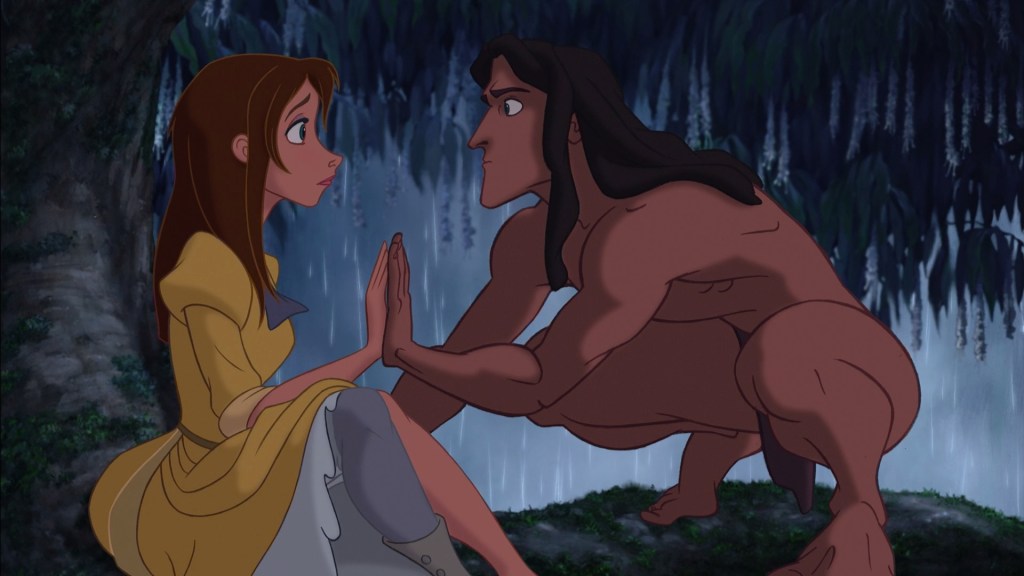
Data Analysis, Result, and Discussion: The first movie is Tarzan release in 2003 was an orphaned his parents were killed by the cheetahs when he was a baby. He was adopted by a gorilla and Kala and spent his early years trying to imitate them. The entire movie displayed him as a masculine, strong, fierce hunter, worrier, and independent. When the ape Kerchak attacks and tried to kill him, he wins the fight the takes Kerchak’s place as the king of the ape. On the other hand, Jane has been portrayed as weak, emotional, and fragile. Jane and her father research Gorilla, so she came to the jungle with Clayton to get more information about them. At first, Jane has shown bravery and courage trying to stop Clayton from killing the gorillas. Clayton was using the trip so that he can kill the gorillas and sell them. But once she meets Tarzan and falls in love with him, she completely relies on him and the others to save her from every difficult situation she faced. While the baboons chased her Tarzan save her. When the pirate guy tries to hit her again Tarzan saves her. When they are imprisoned on the boat instead of trying to find how to escape, she just stays there and waits for Tarzan. In the movie, Jane always follows Tarzan wherever he goes. The way how Jane was portrayed in the movie is common to many other female characters, it says something not about them as an individual but how the society view women and their place and expectations.
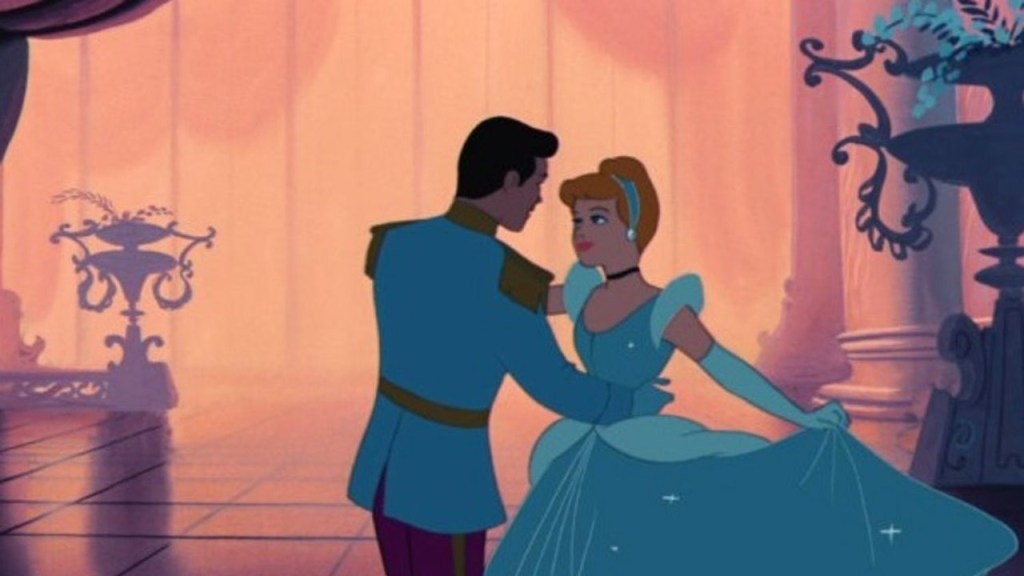
The second movie is Cinderella release in 2007 is a classic fairy story, a rags-to-riches tale about a kind-hearted girl who suffers various hardships only to marry the prince of the kingdom. In Cinderella, men are portrayed as the upper gender, because of the sociological position of women at that time when they were considered inferior and of an inferior class and wealth. Cinderella’s father played no important role in Cinderella’s life. Most of the time, she was controlled by her evil mother-in-law. Cinderella was seen as happy and she looks like she is enjoyed doing household chores she still dreams of her happiness ever after. Cinderella is a typical image of a distressed lady because the only one who can save her from her miserable life was the prince. Cinderella will be stuck in her miserable life forever if the prince won’t save her. This shows the status of women at the time who idealized marriage and the role of being at home to taking care of babies and care for the husband. In addition, by showing the differences the step-sisters had with Cinderella, children can think that step-sisters share a nasty relationship, which isn’t the case on many occasions. It is important to not label or relate certain achievements or actions to a person’s gender because that’s not always the case.
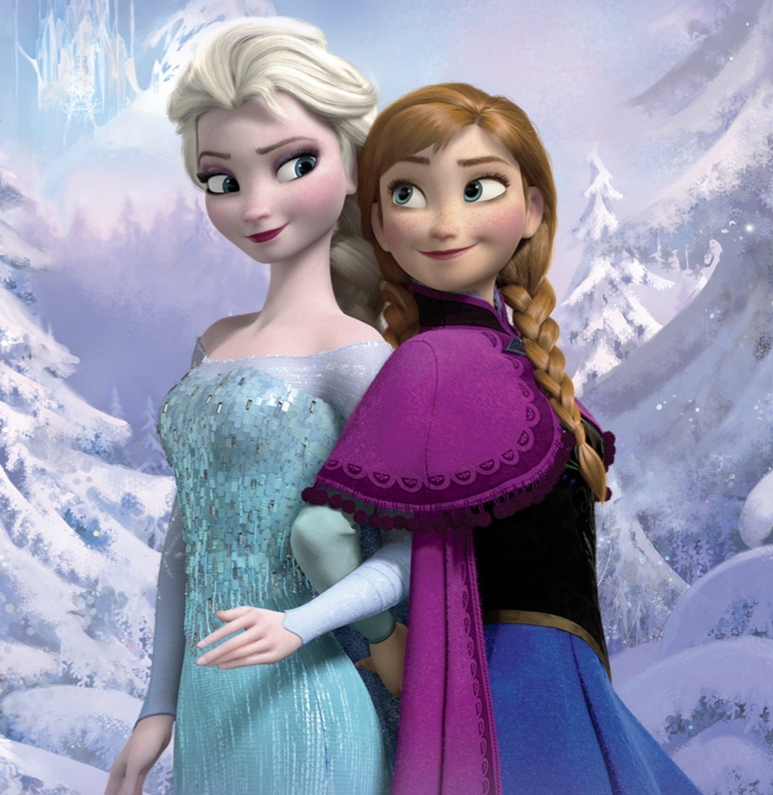
The third movie with a strong female character is Frozen which was released in 2013. This movie talks about women’s power and how there is strength in unity and beauty in accepting oneself as they are. The movie starts with two sisters, Elsa and Anna where Elsa was born with magical powers to create ice but she unintentionally hurts Anna and is no longer confident about her powers, and their parents decide that it’s best to hide her powers. Due to this, the two sisters grow apart and there’s a distance between them but one day during Elsa’s coronation, Anna meets Prince Hans of Isle. They fall in love but Elsa doesn’t approve of them and accidentally shows her powers to the world and that’s where Anna realizes how difficult it must’ve been for Elsa. Elsa escapes and Anna follows her where she meets Christoph, a very ordinary man who works in the business of collecting ice. They both leave to find Elsa and convince her to go back but to no avail. Elsa realizes that the mountains are where she belongs as she cannot hurt anyone and can freely do magic. Elsa strikes Anna’s heart which can only be healed by “an act of true love”, so she travels back to Arendelle to Hans but quickly realizes that it was all an act and he was only after her wealth. In the meantime, Hans captures Elsa to put an end to her but she successfully escapes. Hans finds her and is about to strike her when Anna throws herself to save her sister’s life and Elsa is in disbelief and starts weeping and that’s when Anna comes back to life as the “act of true love” mentioned above was sisterly love. This movie has a strong message that women need to stick together and how there is power in being one.
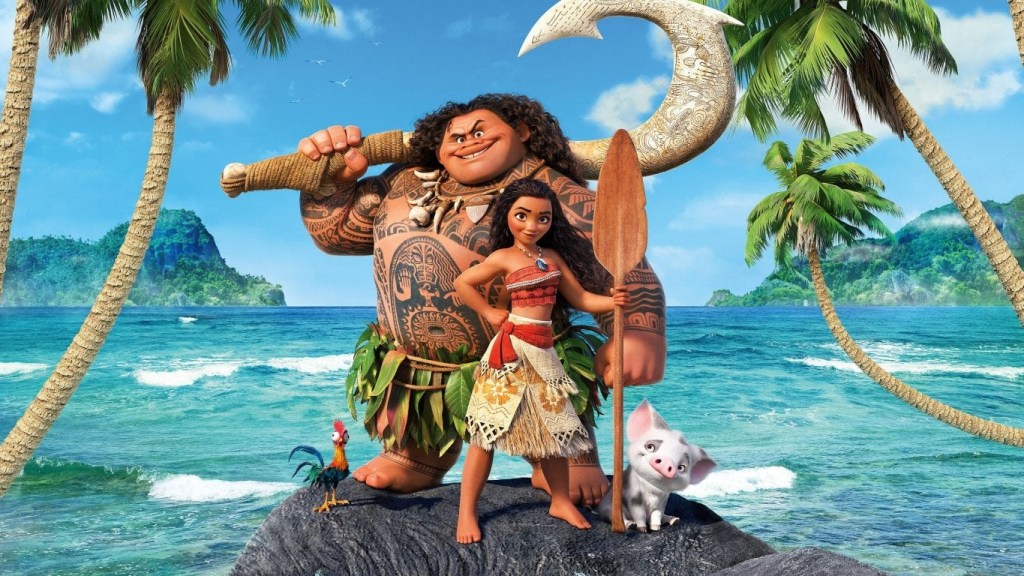
The fourth movie chosen is Moana released in 2016. This movie is about a girl who is supposed to be leading an island but shows very little interest in that particular topic but she finds water to be very fascinating and is drawn to it from the very beginning but isn’t allowed to be anywhere near water as it’s considered to be dangerous or unknown. Moana tries her best to make sure she fulfills her duty as someone who should lead but is unable to do so and therefore begins her journey with water. In the movie, we can see how her grandmother always encouraged Moana to find her true calling and follow her dreams and find happiness in whatever she does. The movie starts with her grandmother reading an ancient tale to the children of the island which nobody considers to be true but her grandmother is sure that it’s not all a lie. Maui is a demigod who runs away with the stone or nature’s heart which starts to corrupt the world and destroy it. Moana is the only one why can put things back to place as she is the chosen one and is supposed to deliver the stone with Maui beyond the reef. She goes on an adventure to save the world and finds Maui and even though she faces a lot of hardship in her path, she still makes sure to deliver the stone as the fate of her island and the world depended on her. During the journal, she realizes that her ancestors were voyagers and the island residents started voyaging again once the issue was solved as they deeply believed in Moana. This entire movie has proved that women need to take matters into their own hands and face obstacles head-on and have faith in themselves. They should be able to freely follow their gut feeling and be able to do whatever they want to without needing anyone’s permission or approval.
Conclusion: This article aimed to view the gender representation of female characters in gynocentric Disney movies. It analyzes four different Disney movies. Earlier the female characters are given a minor role and did not hold any importance in the movies. Even in this age and time, Disney shows how women need men to achieve happiness and freedom. Movies like Mulan and Moana need to be advocated more so women can find their happiness in their way and they don’t need a man to fulfill their interests. However, as gender roles have changed, the female characters in Disney animations have also changed with gaining more importance in their roles.
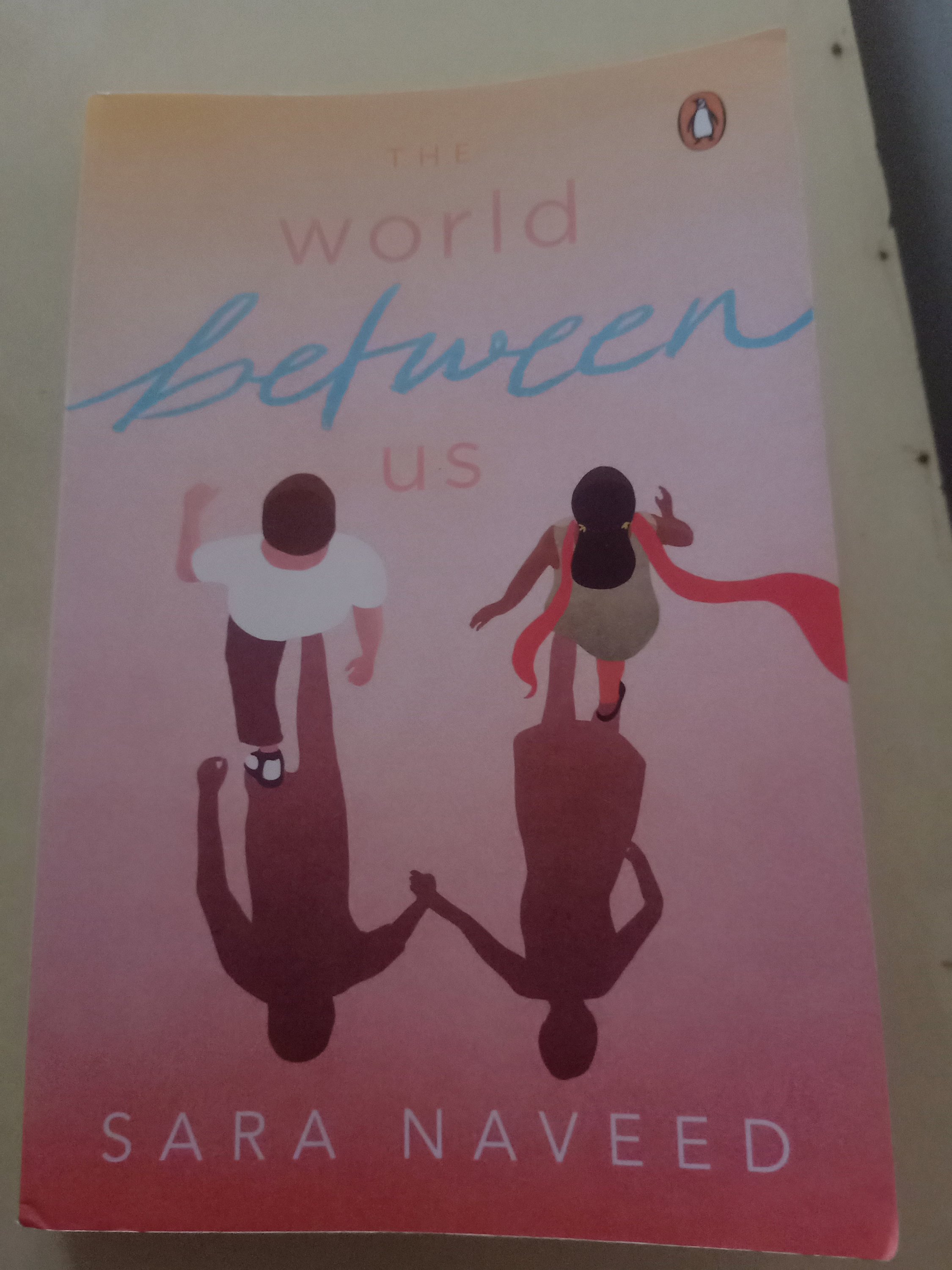
This book is written by Sara Naveed, who is a Pakistani author, she wrote this book in the year 2020, she usually writes lighthearted romantic fiction stories for the young audiences. Apart from this book she has written three more best selling novels.
The book describes the story of Qais and Amal who belong to two completely opposite world’s and how there world’s collide.
Amal has been widowed on the day of her marriage and Qais on the other hand is devastated by his mother’s death and is unable to cope up with the same . Both the characters are weaved together by different tragedies they faced early on in their life . And and even though they have different coping mechanisms with their loss they both have their own ways to deal with it. Amal is unable to move on after Haider’s death is keeping herself busy with work and family responsibilities, whereas Qais Ahmed has become distant towards his father who is thinks is directly responsible for his mother’s death. Qais seems to be disturbed by an incident at a party in Washington which leads him to quit his job at Microsoft and turn to drugs. Qais and Amal both join a dating app reluctantly, on their respective friend’s request and it ultimately leads them to a date together whereby Amal finds Qais to be a disastrous dating match. After a series of events Qais Ahmed joins the same company as that of Amal. He tries hard to get Amal’s attention, but she doesn’t reciprocate the same initially.
Eventually Amal and Qais fall in love, but there is more then what meets the eye, Amal and Qais are connected with a past incident which has changed both their lives.
Will their love save them and is it bigger then their pasts they are trying to hide from or will it fade away before the truth. These are the questions which arise in a readers mind while we go through their story. Sara has intricately weaved different emotions, both our protagonists go through. The book does feel lengthy at times, it could be a little summarised on some occasions. But the fact that the lead characters story has been defined well enough, makes it a good read all together. The book keeps you rooting for happy ending from the start as both the characters have suffered immense heart break in the beginning. Amal is portrayed as a strong career oriented woman with a mind of her own, who at the same time is very compassionate and soft hearted. Qais on the other hand is a rich somewhat spoilt but an extremely intelligent boy who is also a heartbroken soul deeply disturbed by the events that had unfolded in his past, which makes his story just like that of Amal’s. This book is about two broken individuals who both have the power to make each other whole again through forgiveness and love.
This is an office romance with lots of filmy twists to keep you hooked in this lockdown . Read it on a Sunday morning with a cup of hot coffee and get immersed in this refreshing and feel good story.
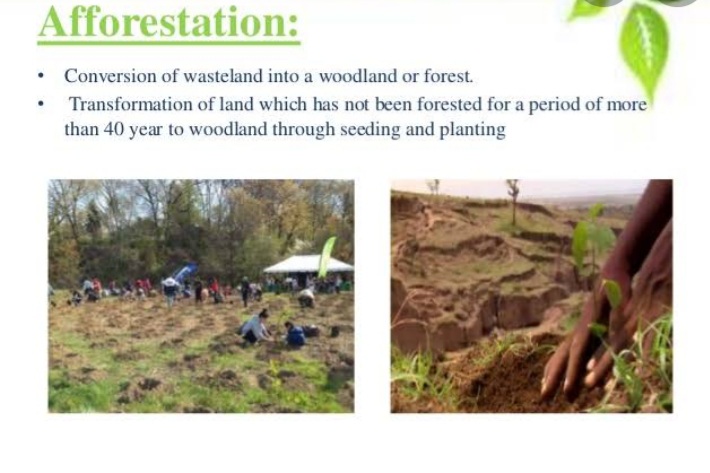
Afforestation is very useful to prevent and maintain the oxygen levels. Due to the deforestation, many of the trees are being cut and the oxygen supply has been reduced very drastically. Afforestation will help to maintain the oxygen levels in the atmosphere and helps the individual and the world to be healthy all the time. Oxygen is the minimum need for the individual to survive on the earth. If there is no oxygen, then which will cannot live or survive. When there is no o2, It is equally difficult for the animals to survive.
It also helps to maintain good forests. Deforestation, that is cutting of the trees makes the land abandoned and trees life less. When an individual takes a step forward to plant trees that is afforestation, good number of trees will be grown and the forests will be developed.
The most important thing for the animal’s survival is trees that give shelter and plants for the food. When the trees are being cut, some of the animals find no shelter and sometimes no food to eat. When afforestation takes place animals will find good shelter and also good food to eat.
Importance of Afforestation :
Afforestation helps to addess all the issues of soil erosion and barren land at the same time. Tress acts as wind barriers thereby weakening the speed of the wind and reducing its impact and ability to carry big soil particles.
The impacts of afforestation is occuring in many parts of world, can modify the nature and transformations of soil organic carbon and associated soil prevents, which in turn can affect plant diversity and ecosystem function. Afforestation also decreased soil bulk density and pH, and increased soil water content.
Types of Afforestation :
Afforestation materials are mainly divided into three categories: seed,seedling,and cutting. The choice of these three types of afforestation materials and methods is related to site conditions, tree species and age.
Various causes of Afforestation :
* Afforestation is highly fundamental in creating an alternative source pool of nature resource.
* Afforestation aids in tackling global warming and stabilizing global temperatures.
* protection of sensitive areas, biodiversity, and natural cycles.
* Afforestation can support wildlif.
* Afforestation creates employment and can provide a source of livelihood.
Advantages of Afforestation :
* A constant supply of forest products.
* prevents soil erosion.
* stabilizes the climate.
* Has the potential of reversing global warming and climate change.
* Better quality air.
* Improve watershed.
* preservation of wildlife.
* provision of employment and economic opportunities.
Disadvantages of Afforestation :
If not properly managed, afforestation can result in a reduction of local biodiversity, the modification of particular biomes, the intriduction of non – native and potentially invasive species, reduced stream flow and lost revenue from agricultural.
The horizontal movement of air along the surface of the earth is called the “wind” while the vertical movement of air is a called an “Air Current“. The winds always blow from a high pressure area to a low pressure area. Wind is mostly named after the direction from which it blows. For example, the wind blowing from the east is known as the easterly wind or easterlies.
An ‘anemometer‘ records wind speed while a ‘windvane‘ measures the direction of the wind. The unit of measurement is kilometre per hour or knots.
Types of Winds
Winds are generally classified into the following four major types ✓Planetary winds ✓Periodic winds ✓Variable wind ✓Local wind
Planetary winds
The winds which constantly blow in the same direction throughout the year are called the Planetary winds. They are also called as permanent winds or the prevailing winds. These winds include Trade winds, Westerlies and Polar Easterlies.
Trade Winds
Trade winds blow from the subtropical high pressure belt to the Equatorial low pressure belt in both the hemispheres. They blow with great regularity, force and in a constant direction throughout the year. These winds were very helpful to traders who depended on the winds while sailing in the seas. And so, they are named as Trade winds.
Westerlies
Westerlies are the permanent winds that blow from the tropical high pressure belt to the sub polar low pressure belt in both the hemispheres. They blow from South West to North East in the northern hemisphere and North West to South East in the southern hemisphere. The velocity of westerlies become so vigorous and fast to be called Roaring Forties at 40°, Furious Fifties at 50° and Screaming Sixties at 60° latitudes.
Polar Easterlies
Polar easterlies are cold and dry polar winds that blow from the polar high pressure belt to the sub polar low pressure belt. These are weak winds blowing from North East direction in the Northern Hemisphere and South East direction in the Southern Hemisphere.
Periodic winds
The periodic winds are the seasonal winds that change their direction periodically. These winds are caused by the differential heating of land and ocean.
Winds which reverse their direction with the change of seasons are called monsoons. Tropical Monsoon winds of Indian subcontinent is a best example.
Variable wind
Cyclones
The term cyclone is a Greek word meaning “coil of a snake”. Cyclones are centres of low pressure where, winds from the surrounding high pressure area converge towards the centre in a spiral form. Due to the rotation of the earth, the cyclonic winds in the northern hemisphere move in anti clock wise direction, where as they move in clockwise direction in the southern hemisphere.
Cyclones can be classified into ✓Tropical cyclones ✓Temperate cyclones ✓Extra tropical cyclones
Tropical cyclones
Tropical cyclones are known as ‘cyclones’ in Indian Ocean, ‘typhoons’ in the western pacific ocean, ‘hurricanes’ in the Atlantic and eastern pacific ocean , ‘ baguios’ in Phillipines and ‘willy willy’ in Australia, Taifu in Japan. Tropical cyclones often cause heavy loss of life and property on the coasts and become weak after reaching the landmasses.
Temperate cyclones
Temperate cyclones are formed along a front where hot and cold air masses meet in mid-latitudes between 35° and 65°N and S. Temperate cyclones do not become weak like the tropical cyclones on reaching the land. Temperate cyclone commonly occurs over the North Atlantic Ocean, North West Europe, Mediterranean basin. Mediterranean basin’s temperate cyclones extend up to Russia and India in winter. In India it is as called western disturbances.
Extra tropical cyclones
Extra tropical cyclones occur in the latitudes between 30° and 60° in both the hemispheres. They are also called as mid-latitude cyclones. They collect energy from temperature differences which are found in higher latitudes. Extra tropical cyclones produce mild showers to heavy gales, thunderstorms, Blizzards and tornadoes.
Anticyclones
Anticyclones are the opposite of cyclones. Here an area of high pressure region is found in the centre surrounded by low pressure on all sides. The wind from the high pressure region move outwards to the low pressure regions in a spiral form. Anticyclones are often accompanied by cold and heat waves.
Local Winds
Local winds are the winds that blow only in a particular locality for a short period of time, The effect of these local winds are experienced only in that particular area.
Such as land and sea breeze, mountain and valley breeze. They are mostly seasonal and have local names like
✓Foehn (Alps-Europe) ✓Sirocco (North coast of Africa) ✓Chinook (Rockies-North America) ✓Loo (Thar Desert- India) ✓Mistral (Mediterranean sea in France) ✓Bora (Mediterranean sea in Italy)
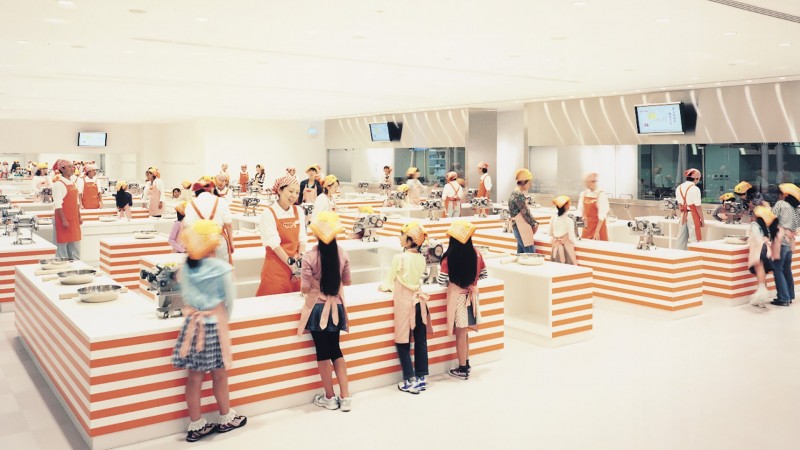
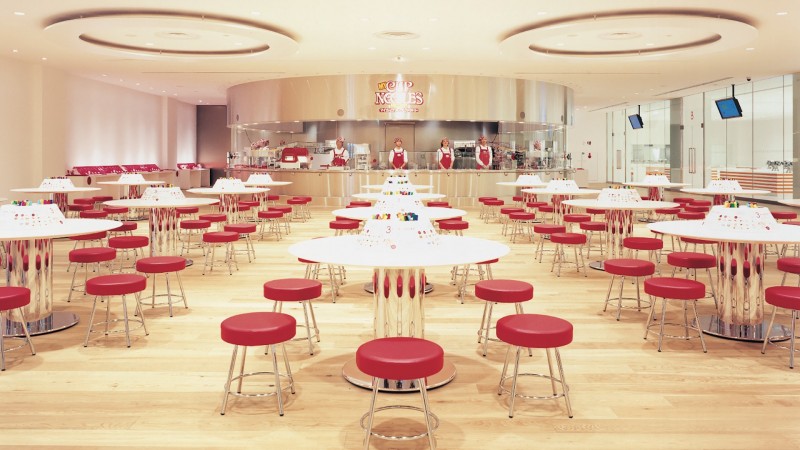
I WAS SUPRISED TO HEAR THAT THERE IS SEPARATE MUSEUM FOR CUP NOODLES IN JAPAN .JAPAN AS WE ALL KNOW THAT IT A PLACE FAMOUS FOR ELECTRONICS AND TECHNOLOGY BUT THAT PLACE ALSO HAS THIS ASTONISHING MUSEUM. LETS SEE WHAT ARE THE SERVICES ARE PROVIDED INSIDE CUPNOODLES MUSEUM.
CHICKEN RAMEN FACTORY:
Here we can Make Chicken Ramen by hand and enjoy the entire process of kneading, spreading, steaming and seasoning the wheat flour and drying it in the factory.
My CUPNOODLES Factory :
In here We can Create our own original Cup noodles packet, which is unavailable in the world. we can design, select our favorite soup as well as toppings among 12 varieties for our cup noodles.
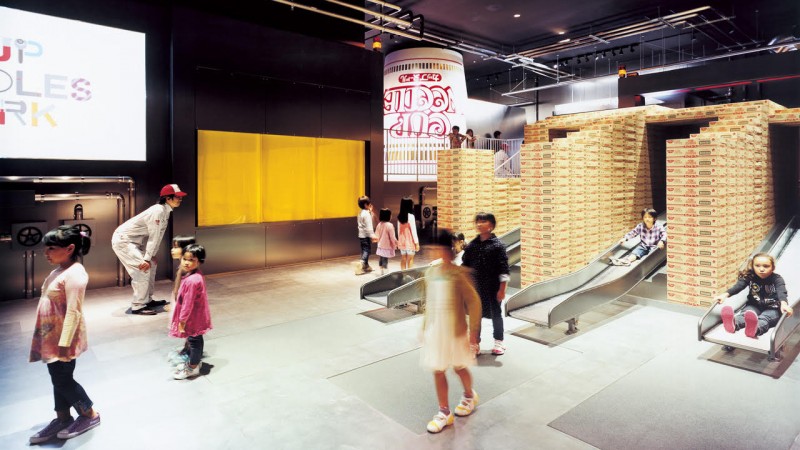
CUPNOODLES Park:
In Here An huge facility offers us the virtual experience of how cup noodles are made from starting (manufacturing) stage to ending stage (i.e,shipping).
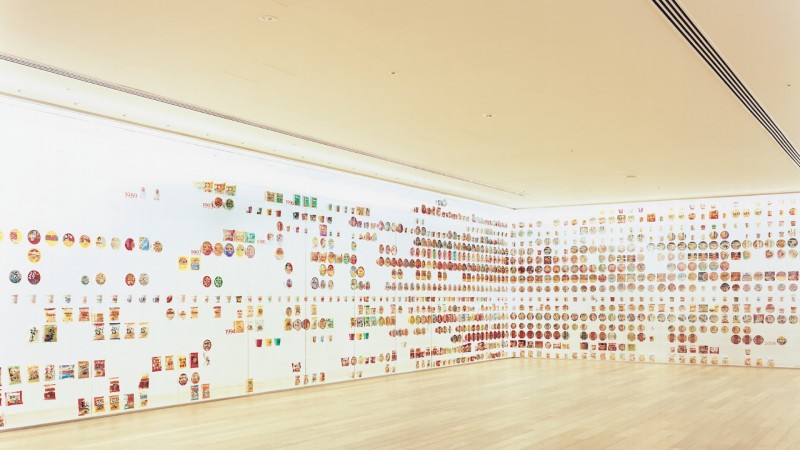
Instant Noodles History Cube:
In here An astounding quantity of packages was placed to show how instant noodles which started as Chicken Ramen grew into a global dietary culture.
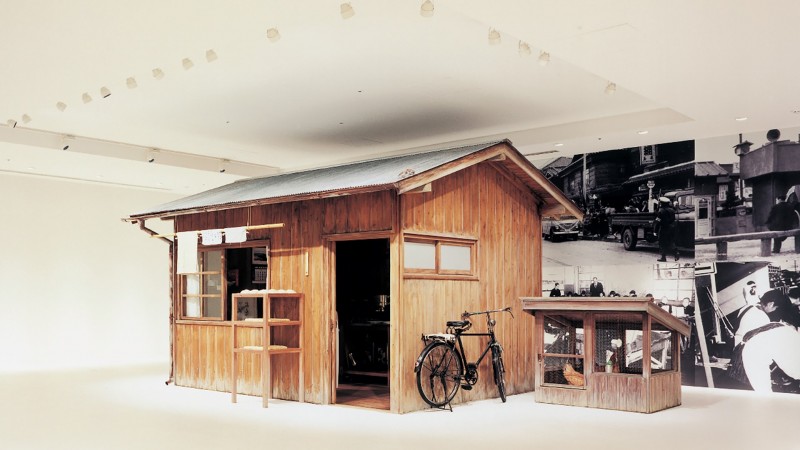
Momofuku’s Work Shed:
This shed is a Recreation of the work shed where the world’s first Instant ramen( chicken ramen) was invented.
Momofuku Theater:
This Theater has MOMOFUKU TV which uses CG animation to tell the story of how Momofuku Ando overcame great adversity to achieve.
Museum Shop:
This shop has original goods from the CUPNOODLES MUSEUM and other items related to instant noodles and it has some items which is not available anywhere else.
Technology runs our lives currently. Smartphones, tablets and computers – we actually can’t appear to perform while not them. in a {very} very short quantity of your time, technology has exploded within the market and currently, many folks cannot imagine a life while not it.
To understand however we have a tendency to left the Middle Ages (which very wasn’t all that long ago) to wherever we have a tendency to square measure these days, it’s vital to know however technology evolves and why it matters.
PURPOSE DRIVES TECHNOLOGY FORWARD All technologies square measure born out of purpose. for instance, search engines were created to kind through the large amounts of knowledge on-line. With every new upgrade technology compounds existing technologies to form one thing higher than what was antecedently used before. And on and thereon goes.
With the lightning speed of technological evolution, it’s no surprise many folks have struggled to stay up. To be fair, the scope of technology’s expanse is therefore nice, wrapping everything up into one web log post is much not possible.
Here is simply a short glimpse into however apace the net and technology as a full have evolved in recent years.
THE PAST: WORLD, MEET the net Looking back to the 1990’s, the net was a brand new trade goods several, however not all, households and businesses began to realize access. For folks living throughout that point, the sound of the painfully slow dial up signal connecting to the net could be a not-so-fond memory (EEEE-AAAAAHH!!!!).
Thankfully, as additional folks found price within the net, technology took off to eliminate having to use a connexion to travel on-line and instead delivered quicker connections to the globe Wide net.
THE PRESENT: SNAPS, CHATS AND DOUBLE faucets Fast-forward a brief decade later (side note: bear in mind VHS tapes!? The OG fast-forward? OK, moving on…).
Since the times of dial-up, access to the net is obtainable virtually all over. it’s rare currently for shoppers to travel into a restaurant, library or anywhere of business and not be ready to access a Wi-Fi signal. If there isn’t a Wi-Fi signal in shut vary, the majority still have access to the net via their cellular information affiliation on their smartphones and private hotspots, no problem.
THERE’S AN APP FOR THAT With this anywhere/anytime access to the net, businesses created net applications to answer common desires of shoppers. These applications will do everything from pursuit food parts to causation large amounts of data during a click of a button.
MYSPACE, YOURSPACE, BOOKFACE: THE SOCIAL MEDIA rousing We’ve watched texting evolve from causation text-only messages (literally texting) to the addition of images, due to the infectious agent unfold of gifs, memes, emojies and bitmojies. In fact, with the spike in video-sharing, actual text is shrinking (meet SnapChat, Instagram Stories, Facebook Stories, Periscope, Vine, etc. and shorthand abbreviations). SMH.
Social networks still amendment the means folks interact with each other. Ironically, the constant affiliation and means folks move with each other appears to morph to a additional superficial setting on-line. though superficial sometimes, this type of communication helps folks keep nearer to every different once they would have otherwise lost contact.
FACE TO FACE (VIRTUALLY, SPEAKING) Face-to-face conversations via technology square measure resurfacing, though, and even strengthening, due to higher-quality video and streaming capabilities (enter: Skype, Google Hangouts, Zoom, FaceTime, live streaming, etc.). With additional folks participating in web/video conferencing on-line, geographic barriers that when hindered communication were torn down. Instead, corporations will interact with shoppers during a additional human manner, folks will visit folks face-to-face while not the necessity for pricey travel and reaching bent folks everywhere the globe is quicker and easier.
CUTTING THE CORD: the age OF VIDEO STREAMING Remember once Netflix was a primarily a videodisc delivery company, transfer your favorite motion-picture show via mail? Back once binge-watching wasn’t a thing?
Today, folks square measure cutting the wire once it involves cable, choosing digital streaming and video services like Netflix, YouTube and Hulu. huge brands are attempting to stay up and vie, doing their best to one-up one another with original content, handiness and delivery channels (e.g. Apple TV, Amazon fireplace TV, Google TV, etc.). User-generated content could be a force to acknowledge furthermore. due to streaming choices like Facebook Live, Instagram Live and optical instrument, people and business square measure ready to broadcast their own videos and content.
In a shell, videos square measure stoning up all over and trending success. and that they thought talking footage would ne’er last…
TODAY’S school FORECAST: ICLOUDY DAYS AHEAD More folks and firms square measure mistreatment cloud-based services for his or her business and store everything on-line rather than on one device. this modification can still have a colossal impact on the means business is finished, reworking our once-traditional workplace environments and the way folks move with corporations on an everyday basis. Flash drives square measure virtually extinct with the prevalence of cloud storage, like iCloud, Google Drive, Dropbox and FTP sites.
With such a lot of new technologies permeative the means folks access data and access one another, the forward momentum appearance promising for future technological developments.
THE FUTURE: rising TRENDS ON THE HORIZON As additional existing technologies square measure stacked onto one another and developed into one thing larger, shoppers and businesses alike will expect to ascertain additional chance with future technology. Technology are quicker, have the flexibility to accomplish additional and everything can become additional efficient to form obtaining work done, easier.
While we have a tendency to don’t have the flexibility to predict the long run, we are able to provide speculations on technology’s evolution. we have a tendency to square measure perpetually seeing rising media and new trends in technology to follow. Here square measure a couple of trends to look at for within the returning years.
the World war 2 took place when Hitler invaded Poland from the west after which 2 days later France and Britain declared war on Germany beginning World war 2. The second World war conflict that involved virtually every part of the world the principal where the axis power Germany Italy and Japan and the allies France great Britain the United States the Soviet union. The world war 2 conflict that involve virtually every part of the world during the years World war 2 change the political alignment and social structure of the globe. The united nations was established to foster International cooperation. The Soviet union and the United States emerged as rival super powers setting the stage for the nearly of century long cold war. Most countries industries had been damaged mood towards economic recovery and expansion .
The outbreak of the World war 1 was a global war that lasted from 1939 to 1945. In a total war directly involving more than hundred million personal from more than 30 countries the major participants to their entire economic industrial and scientific capabilities behind the war effect blurring the distinction between civilian and military resources. The aircraft played a major role in the conflict enabling the strategic bombing of population centres and the only 2 uses of nuclear centre in the war to this day. In the wake of the axis defeat Germany and Japan were occupied and was tribunal where conducted against Germany and Japanese leaders that allied victory resulted in fall of Nazi Germany fascist Italy and imperial Japan allied military occupation of Germany Japan Austria and foundation of the Italian republic in place of the kingdom of Italy. Beginning of the nuclear age dissolution of the league of Nations and creation of the United Nations emergence of the United States and the Soviet union was rival super powers and beginning of the cold war. The casualties and losses the military date over 16000000 and the civilian stat over 40 5000000 total death over 610000000.
The second world war is generally considered to have big and under Nazi Germany e Adolf Hitler invaded Poland in the wake of European devastation the influence of its great powers waned triggering the decolonisation of Africa and Asia most countries whose industry had been damaged mood two words economic recovery and expansion despite strong Pacifists sentiment after World war 1, irredentist and revanchist nationalism emerged in several European states in the same period the sentiments where is specially marked in Germany because of the significant territorial colonies and financial losses imposed by the treaty of Versailles . From 1922 to 1925 the fascist movement seized power in Italy with nationalist totalitarian and class coloboratronist agenda that abolished the representative democracy repressed socialist left winning of liberal forces and pursued and aggressive expansionist foreign policy aimed at making Italy a world power. The world war two resulted in the extension of the Soviet union power to nations of eastern Europe.
The German dictator Adolf Hitler has become determined to invaded and occupied by Poland at to neutralize the possibility that the Soviet union would resist the invasion of its Western neighbour. Adolf Hitler leader of Nazi party e re armed the nation and signed strategic treaties with Italy and Japan to further his ambition of world domination Hitler after becoming chancellor of Germany swiftly consolidated power after assigning alliance with Italy and Japan Hitler sent troops to occupy Austria World war 2 prove to be the deadliest International conflict in history who died at the hands of Nazi. The legacy of the war includes spread of communalism global shift in power that would soon face different it against each other in cold war. World war 2 ended when vs general accepted Japan’s formal surrender abroad the US Battleship Missouri anchored in Tokyo Bay along with a flotilla of more than 250 allied warships.
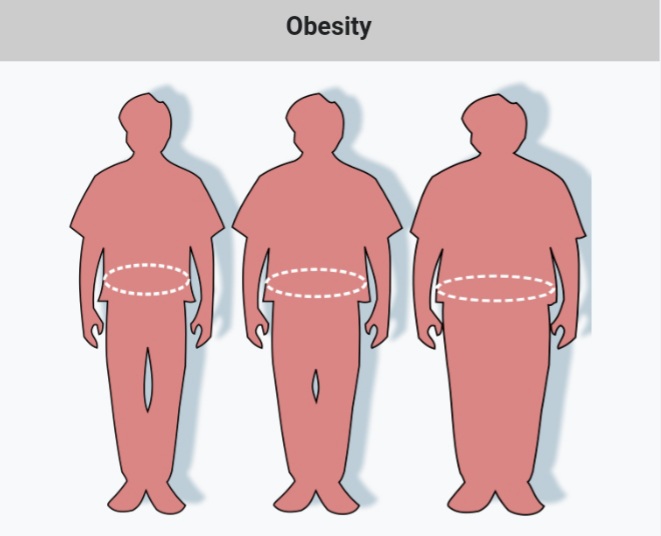
Obesity is described by the BMI (Body mass index). The obesity in the body is nothing but the high level of fat stored in the body. It is a very bad thing which in future leads to many health problems.
Many of the children are falling obese now a days. This is because of not having good food. Many of the children are highly addicted to the junk food. The junk food intake in the body increases the fat levels in the body.
A disorder involving excessive body fat that increases the risk of health problems. Obesity often results from takingin more calories than are burned by exercise and normal daily activities.
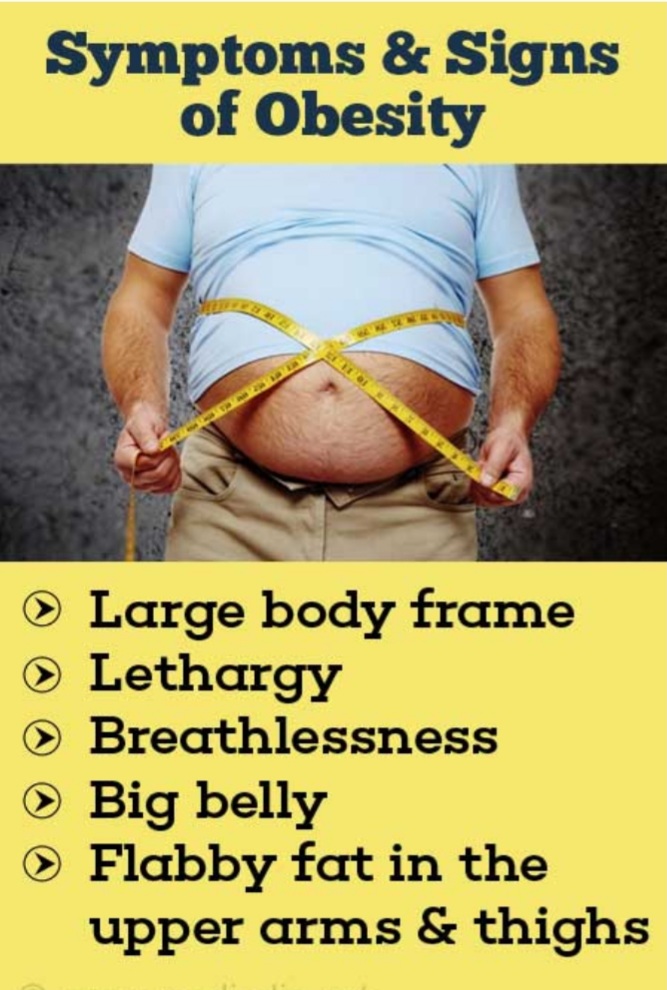
Symptoms:
Obesity occurs when a person’s body mass index is 25 or greater . The excessive body fat increses the risk of serious health problems.
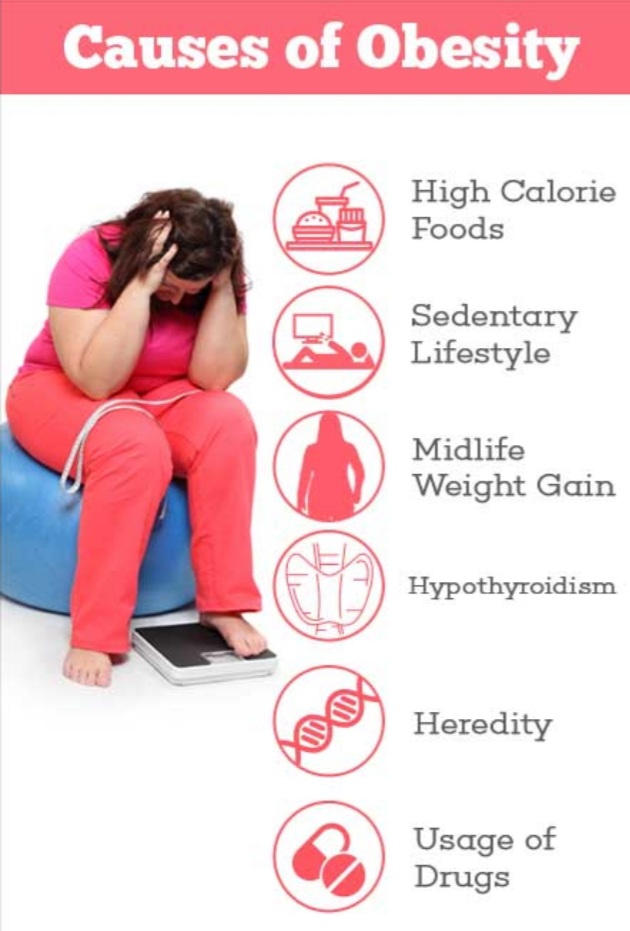
What causes obesity?
Obesity is generally caused by eating too much and moving too little. If you consume high amounts of energy , particularly fat and sugars, but do not burn off the energy through exercise and physical activity, much of the surpluse energy will be stored by the body as fat.
8 Most common causes of obesity :
* physical inactivity.
* overeating.
* Genetics.
* A diet high in simple carbohydrates.
* A frequency of eating .
* Medications.
* psychological factors.
* Diseases such as hypothyroidism, insulin resistance, polycystic ovary syndrome, and caushing’s syndrome are also contributors to obesity.
Let us now look at some methods to prevent obesity.
*Healthy and nutritious food :
It is very important to consume healthy and nutritious food every day. To gain a sufficient amount of nutrients and and to be healthy it is very important to consume nutritious food. Consuming nutritious food helps us to gain sufficient energy. Being healthy prevents us from Many deadly diseases.
*Exercise :
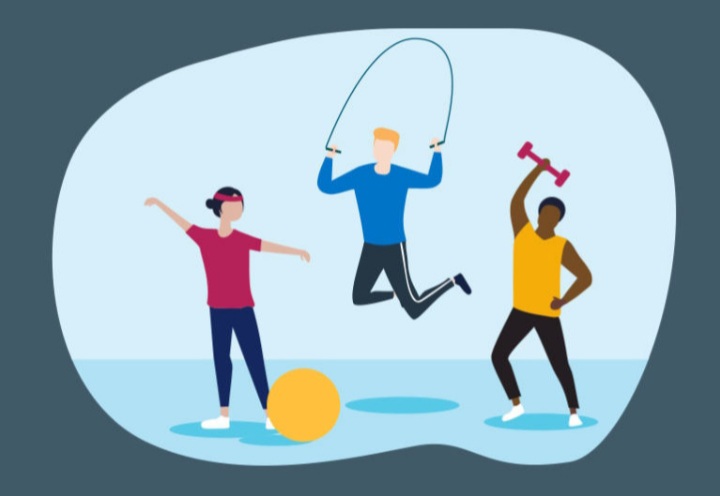
Exercising at least for 10 to 15 minutes a day help the individual to be physically fit and also mentally strong. Exercising every day is a very good habit which everyone need to make it and perfect habit to do. Exercising 10 to 15 minutes also relieves us from the stress and the tension we have had. So, it is better to spend at least 10 to 15 minutes even in our hectic schedule an exercise.
* yoga :
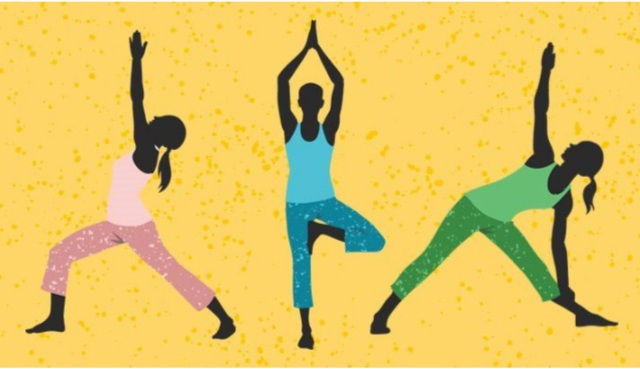
Yoga relives from the stress and tension we have had. Sparing at least 10 to 15 minutes time on yoga benefit is a lot. It relaxes the muscle and comes to mind. It helps to be physically fit and mentally strong. All the asanas and pranayama helps to Gain strength and to be physically fit.
*Meditation :
Meditating for certain minutes helps to calm the brain and soul. It helps and relieving the stress and the tension we have had. It helps us to focus on the things which we are willing to do. It also equally helps us to be mentally strong. It is such a good and a mandatory practice an individual must obtain and must follow without any delays.
* Monitor your weight regularly.
* Be consistent.
Who obese people?
BMI is calculated by dividing a person’s weight in kilograms by the square of their height in metres. A BMI of 25.0 – 29.9 is classified as overweight but not obese, while a BMI of 30.0 or over is classified as obese. A BMI of graeter than 35.0 is classified as severely obese.
Adult BMI calculator
BMI WEIGHT STATUS
Below 18.5 underweight
18.5 – 24.9 Normal
25.0- 29.9 overweight
30.0 and above obese
The negative effect of obesity :
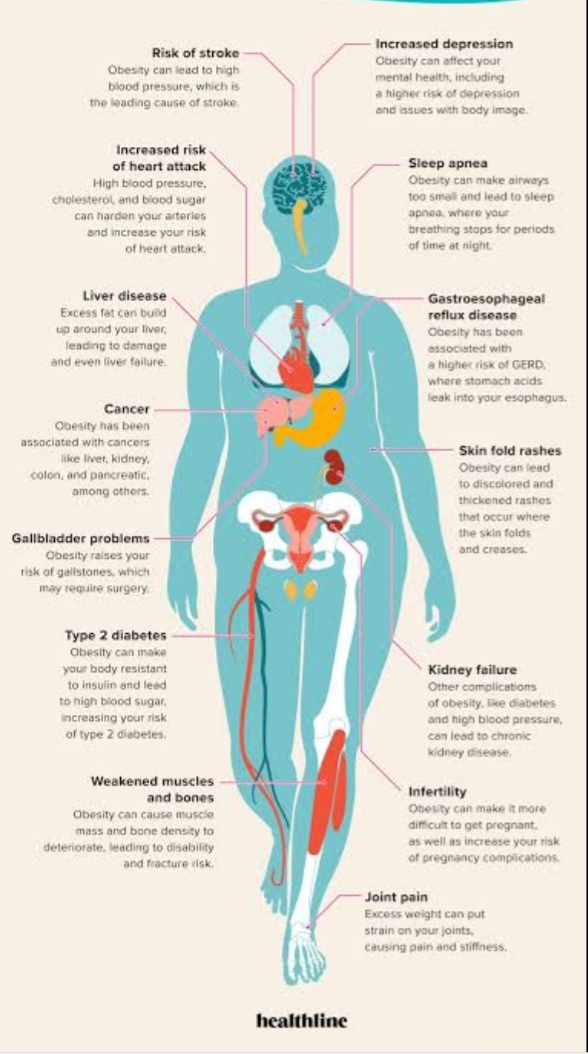
Obesity is serious beacause it is associated with poorer mental health outcomes and reduced quality of life. Obesity is also associated with the leading causes of death in the united states and worldwide, including ,diabetes, heart disease, stroke, and some types of cancer.
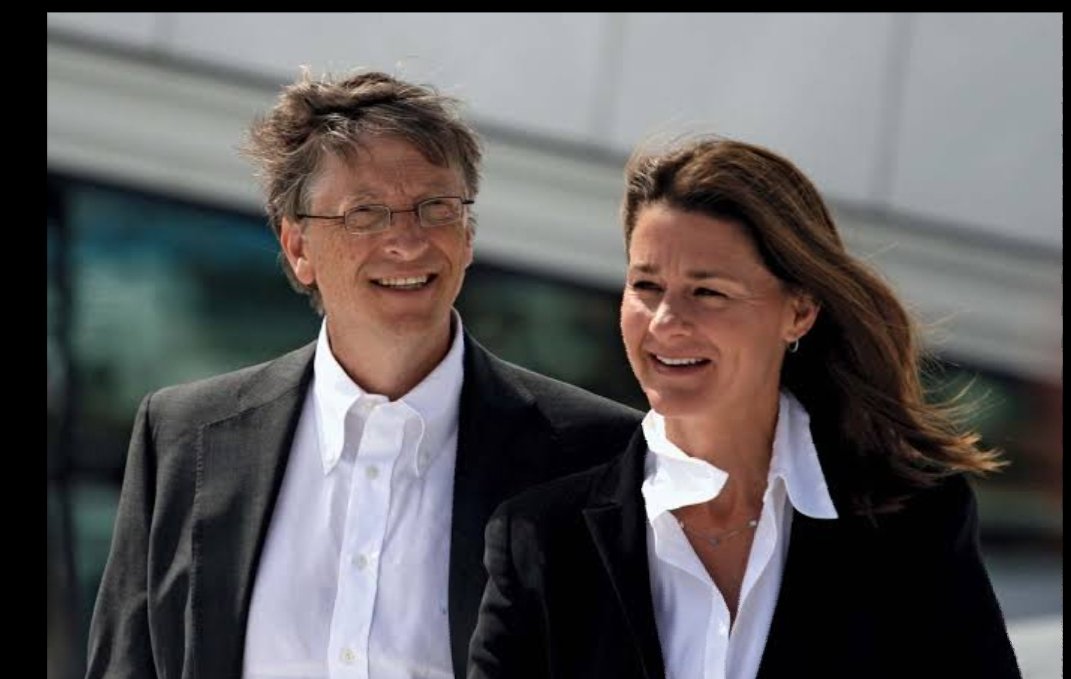
William Henry Gates is an American business magnate, software developer, investor, author, and philanthropist. He is a co-founder of Microsoft Corporation, along with his late childhood friend Paul Allen.
He was on 28th October 1955 (65 years) in seatle, Washington, unitedstates he was dropped out from harvard University, and schooling in lakeside school.
Co-chairperson of the Bill & Melinda Gates Foundation
















 Eduindex
You must be logged in to post a comment.