Rape and Its Types

.

What is Rape?

It is a type of sexual assault which usually involves sexual intercourse or other forms of sexual penetration carried out against a person without that person’s consent. It could be carried out by physical force, coercion, abuse of authority, or against a person who is incapable of giving valid consent, or is below the legal age of consent.

In other words rape can be defined in most jurisdictions as sexual intercourse committed by a perpetrator against a victim without their consent. The definition of rape can be considered inconsistent between health organizations, law enforcement, health providers, and legal professions.

Rape is the fourth most common crime against women in India. According to the 2019 Annual Report of the National Crime Records Bureau, 32033 rape cases were registered across the country, or an average of 88 cases daily, slightly lower than 2018 when 91 cases were registered daily. Of these, 30,165 rapes were committed by perpetrators known to the victim (94.2 % of cases), a high number similar to 2018. The share of victims who were minors or below 18 – the legal age of consent – stood at 15.4%,down from 27.8% in 2018. On the other hand, rapes by juveniles remained high in India with 3 minors being arrested for rape, assault and attempted violence on women and girls each day in 2019.

Types of Rape:-

The types of rape are as follows:-

Date Rape:-

Date Rape is used to refer a non-domestic rape committed by someone who knows the victim, and drug facilitated sexual assault where the perpetrator intentionally drugs the victim with a date rape drug so that they are incapacitated. 

Gang Rape:-

This type of rape occurs when a group of people participate in the rape of a single victim. Nowadays gang rape is widely reported to occur in many parts of the world.

Spousal Rape:-

Spousal rape is also known as marital rape, wife rape, this kind of rape between a married or couple without one spouse’s consent. Spousal rape is considered a form of domestic violence and sexual abuse.

Rape of Children:-

Rape of a child is a form of child sexual abuse.. When committed by a parent or other close relatives such as grandparents, aunts and uncles, it is also incest and can result in serious and long-term psychological trauma.

Statutory Rape:-

It is a non-forcible sexual activity in which one of the individual is below the age of consent (the age required to legally consent to the behaviour).  It usually refers to adults engaging in sexual activities with minors under the age of consent.

Prison Rape:-

This is the rape which occurs in the prison. This phrase is commonly used to describe rape of inmates by other inmates, less commonly to the rape of inmates by staff, and rarely to rape of staff by inmates.

Serial Rape:-

A Serial Rape is rape committed by a single person over a relatively long period of time and has committed on a number of victims. Most of the times these types of rapist are unknown to the victim and they follow a specific and predictable pattern of targeting and assaulting their victims.

Payback Rape:-

It is a form of rape which consists of the rape of a female, usually by a group of several males, as a revenge for acts committed by the members of her family, such as her father or brothers or husband or sons. This rape is meant to humiliate and bring shame upon the father or brothers or husband or sons, as punishment for their prior behaviour towards the perpetrators. 

War Rape:-

These kind of rapes are committed by soldiers, combatants or civilians during a conflict or war, or during military occupation. It also covers the situation where girls and women are forced into prostitution or sexual slavery by an occupying power. During war, rape is often used as a means of psychological warfare in order to humiliate the enemy and undermine their morale. 

Rape by Deception:-

When the perpetrator obtains the victim’s agreement to engage in sexual intercourse or other sexual acts, but gained it by deception, such as false statements or actions.

Corrective Rape:-

Corrective Rape is a hate crime in which one or more people are raped because of their perceived sexual orientation or gender identity. The common intended consequence of this rape, as seen by the perpetrator is to turn the victim heterosexual or to enforce conformity with gender stereotypes.

Custodial Rape:-

Rape perpetrated by a person employed by the state in a supervisory or custodial position, such as a police officer, public servant or hospital employee. This includes the rape of children in institutional care such as orphanages or crèche.
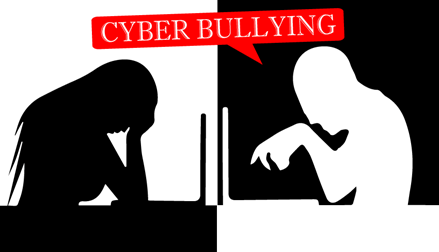
Cyber Bullying in India

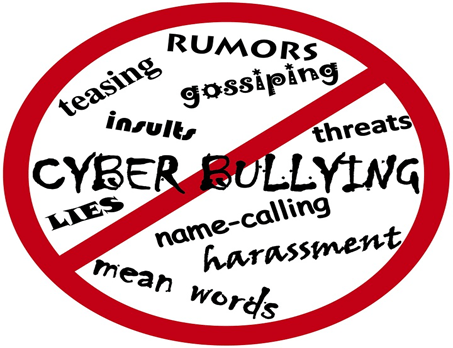
Cyber bullying is a state when a person is threaten, harassed and is humiliated via mobile phone or Internet by a person or else by a group of persons. Cyber bullying can be considered equally offensive and harmful as bullying in real world is. In this modern era using social media account is very common which each one of us do and these accounts helps us to post pictures, data or anything a person wish to but these are often misleading by these bullies. Cyber bullying can be in the form of targeting of social media publically or by sending hurtful and   inappropriate messages. Cyber bullying can be considered as an extremely dangerous one because it allows the bullies to embarrass and harass any person at any time via any gadget and platform. Now a days everyone is quite familiar with social media networking be it a child, an adult or a senior-citizen and thus it becomes somewhat easier to be the victim or the suspect of such prejudice. It was found in a study that “1 in 3 high school students have been subjected to some form of bullying or cyber bullying.”

In the India Penal Code and the Information Technology Act suggest cyber bullying as an extremely serious offence which results in adequate punishment. This term was introduced by Bill Belsey who was a Canadian educator. Cyber bullying is that state of position where one can use information technology or communication technology to torture or harm the other person. Cyber bullying often results in victim getting into a brutal situation or every so often in a depressed state of mind. The basic motive behind this crime is to hurt a person; it can be a known or an unknown person too. In the case of bullying the suspect could be a powerfully person whether economically or socially than the victim. As per the report of the survey it was found that 63% of the children under the age of 18 are victim of cyber bullying. These bullying are of different types which involves mistreating blogs, private pictures, abusing a person via chat section and sending junk mails. Other than this, revealing personal data, pictures, harassing someone in groups or publically or stealing passwords as well as forcing someone else to bully the victim is also a kind of bullying. Cyber bullying can either be very simple one where the suspect do so using mails, messages, etc. but other than this bullying can also be in a vigorous form as sometimes the suspect starts to gang up against the victim and threats also gives sexual comments, spreads rumors, etc.

Cyber bullying is that wound that effects the person wholly and solely for lifetime. Ignoring or overcoming such bullies is not a permanent solution for it. At Indian Penal Code of 1860 in 2013, these stalking are considered as a great criminal offense. According to section 354C of IPC if any person who is caught bullying a female or taking of her private pictures or watch her when she is at her privacy than that person shall be penalized with sentence of one to three year in prison and also have to charge some fine.

Conclusion

Cyber bullying is a great offence and is also punishable in India. We people have the tendency to avoid things which later results as a devastating one. Cyber bulling also come under such category which can take an ugly shape with the course of time. As every second child is a victim of such cyber bullying there should be more laws and measures regarding it. These laws should be made keeping in mind the psychological state of the victim too. Smalls ignorance leads to heart-rending situations and stopping such bullying is crucial at this point of time otherwise these bullies could be left open and the only suffers will be the victim.

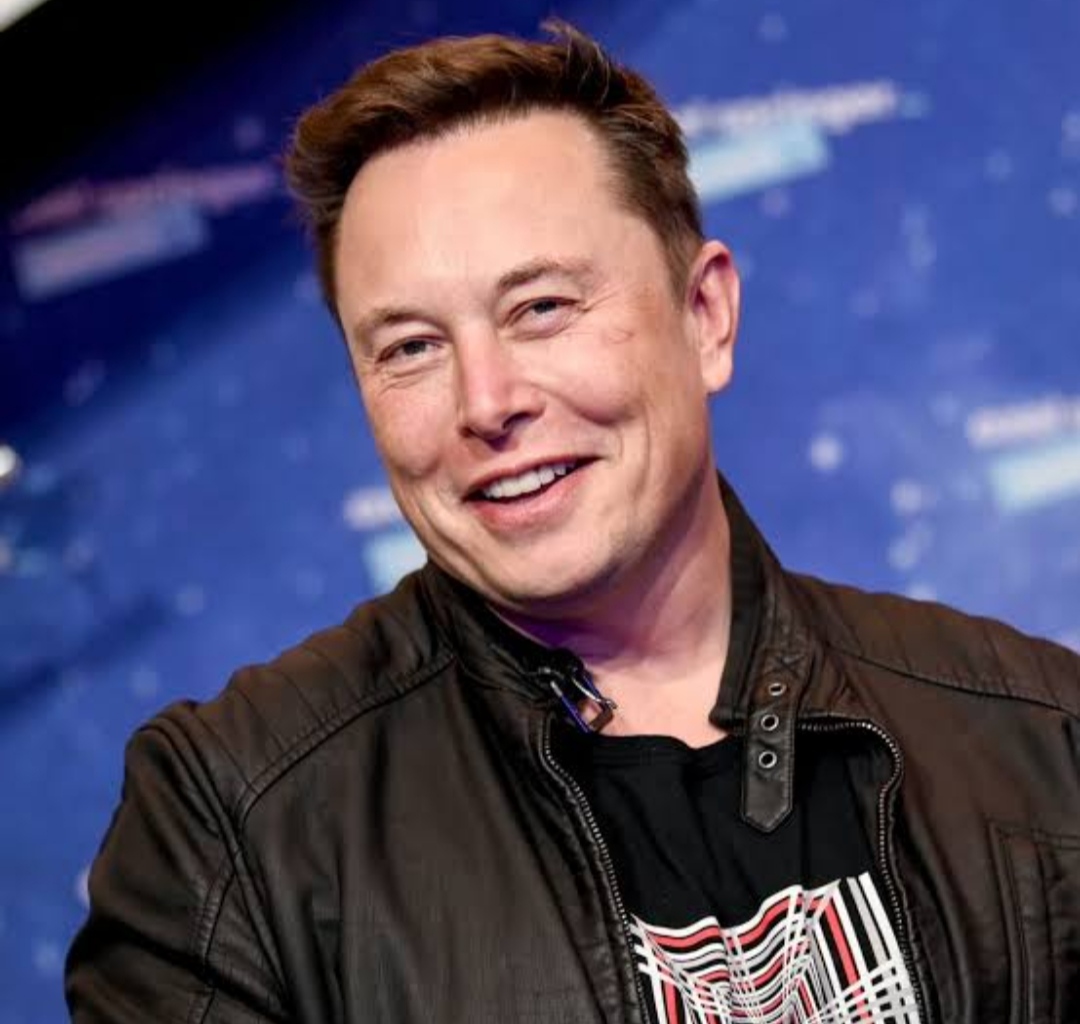
ELON MUSK

ELON MUSK, the famous and most successful person in the tech world, who played many roles and faced many struggles to become what he is today. Elon Musk was born and raised in South Africa.

We all know him as an entrepreneur, businessman, CEO of Tesla and spacex, but he is also a skilled investor, software developer, designer, inventor, rocket scientist, actor, film producer, one of the richest man in the world.

During his school days, he was a victim of severe bullying. At the age of 12, he created a video game(blaster) and sold it to a computer magazine. Elon Musk is the founder of X.com (later it became paypal), spacex, Tesla motors.

Recently Elon Musk turned 50, over the past decades Musk managed to become CEO of Tesla and spacex, founder of the boring company, co-founder of OpenAI, Neuralink. He also played a vital role in space rockets, electric cars, solar batteries.

“”Failure is a option here, if things are not failing then you are not innovative enough.””.                 – Elon Musk

“” I think it’s possible for ordinary people to choose to be extraordinary.””                                                                   –Elon Musk

Is third dose required for Pfizer- BioNTech COVID-19 vaccine ?

The ongoing trial, conducted into the Pfizer-BioNTech Covid-19 vaccine, has shown that a third dose can push antibody levels five to 10 times higher against the said variants of the coronavirus compared to the first two doses alone


The Pfizer-BioNTech Covid-19 vaccine, sold under the brand name ‘Comirnaty’, may require a third dose to work more effectively against the original strain of the coronavirus disease (Covid-19), news agencies reported on Friday morning, citing a statement from the companies from a day ago. The third Covid-19 shot is also expected to provide better protection against the Beta variant, first identified in South Africa, and the Delta variant, found in India, as per interim data from an ongoing trial into the vaccine. Pfizer and BioNTech announced on Thursday that they would seek regulatory approval for the third dose of their Covid-19 vaccine, in view of the interim trial data which showed that a third dose can push antibody levels five to 10 times higher against the said variants of the coronavirus compared to the first two doses alone. This will, in effect, provide better protection than the current practice of administering two shots, the statement read.
The development comes after the vaccine was found to less effective against the Delta variant  of the SARS-CoV-2 virus. A study, published in the journal ‘Nature’, showed that a single shot of the Pfizer-BioNTech vaccine, or even the AstraZeneca shot for that matter, “barely” induces any neutralising antibodies against the Delta Covid-19 strain.
The Pfizer-BioNTech Covid-19 vaccine was reportedly dropping in efficacy after six months, the Israeli government said earlier this week. According to Bloomberg, data from Israel’s health ministry showed the Pfizer Covid-19 vaccine protected 64% of the country’s people against the virus between June 6 and early July, down from the earlier 94%.
This decline has been observed amid the emergence and rise in cases of Delta variant in the country, the data revealed. Commenting on the matter, Pfizer-BioNTech said that the third dose may be needed within six to 12 months after full vaccination for complete protection.
In light of these findings, Pfizer-BioNTech announced that the companies are working on a Delta-specific vaccine, the first batch of which has already been manufactured at BioNTech’s facility in Mainz, Germany. However, more studies are needed in this area and the companies anticipate the clinical trials to begin in August, subject to regulatory approvals.
“The companies expect to publish more definitive data soon as well as in a peer-reviewed journal and plan to submit the data to the FDA (Food and Drug Administration), EMA (European Medicines Agency) and other regulatory authorities in the coming weeks,” the statement said.
 

THE EXCRETORY SYSTEM

Excretion

Removal of nirogenous waste produce during metabolism of protein and nucleic acid.

Human excretory system includes:-
Pair of kidney
Pair of ureter
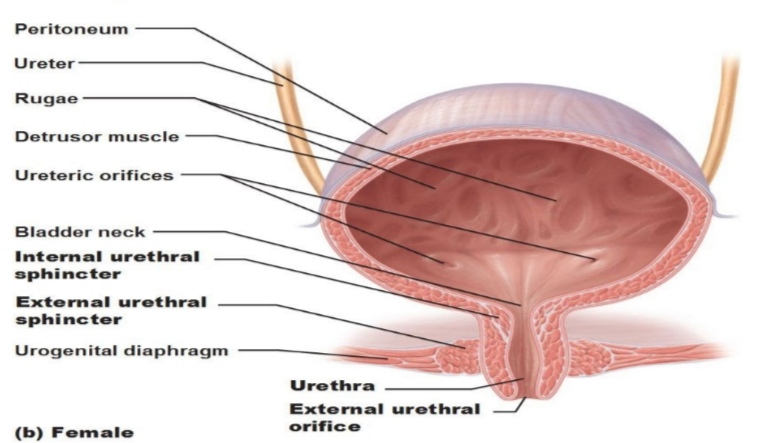
Urinary bladder
Urethra

Function of kidney

Kidneys regulate the osmotic pressure of a mammal’s blood through extensive filtration and purification, in a process known as Osmoregulation.

  • Kidneys filter the blood; urine is the filtrate that eliminates wastes from the body via the ureter into the urinary bladder.
  • The kidneys are surrounded by three layers:
    1.  Renal fascia
    2. perirenal fat capsule
    3. Renal caps

EXTERNAL ANATOMY

A typical adult kidney (mass – 135–150 g) is:

10–12 cm- long
5–7 cm – wide
3 cm cm- thick

  • The concave medial border of each kidney faces the vertebral column. 
  • Near the centre of the concave border is an indentation called the Renal hilum, through which the ureter emerges from the kidney along with blood vessels, lymphatic vessels and nerves.
  • Human kidney are Retroperitoneal(covered with peritoneum) 
  • Present between 12th thoracic vertebrae to 3rd lumber vertebrae. 
  • Left kidney is higher than the right kidney due to position of liver in right side. 

Three layers of tissue

a) .The Renal capsule(Deep layer) – Smooth, transparent sheet of dense irregular connective tissue that is continuous with the outer coat of the ureter.

  •  It serves as a barrier against trauma and helps maintain the shape of the kidney. 

b) The adipose capsule (middle layer) – Mass of fatty tissue surrounding the renal capsule. 

  •  Protects the kidney from trauma and holds it firmly in place within the abdominal cavity.

c) The renal fascia(superficial layer) – Thin layer of dense irregular connective tissue 

  •  Anchors the kidney to the surrounding structures and to the abdominal wall 

On the anterior surface of the kidneys, the renal fascia is deep to the peritoneum

Internal anatomy

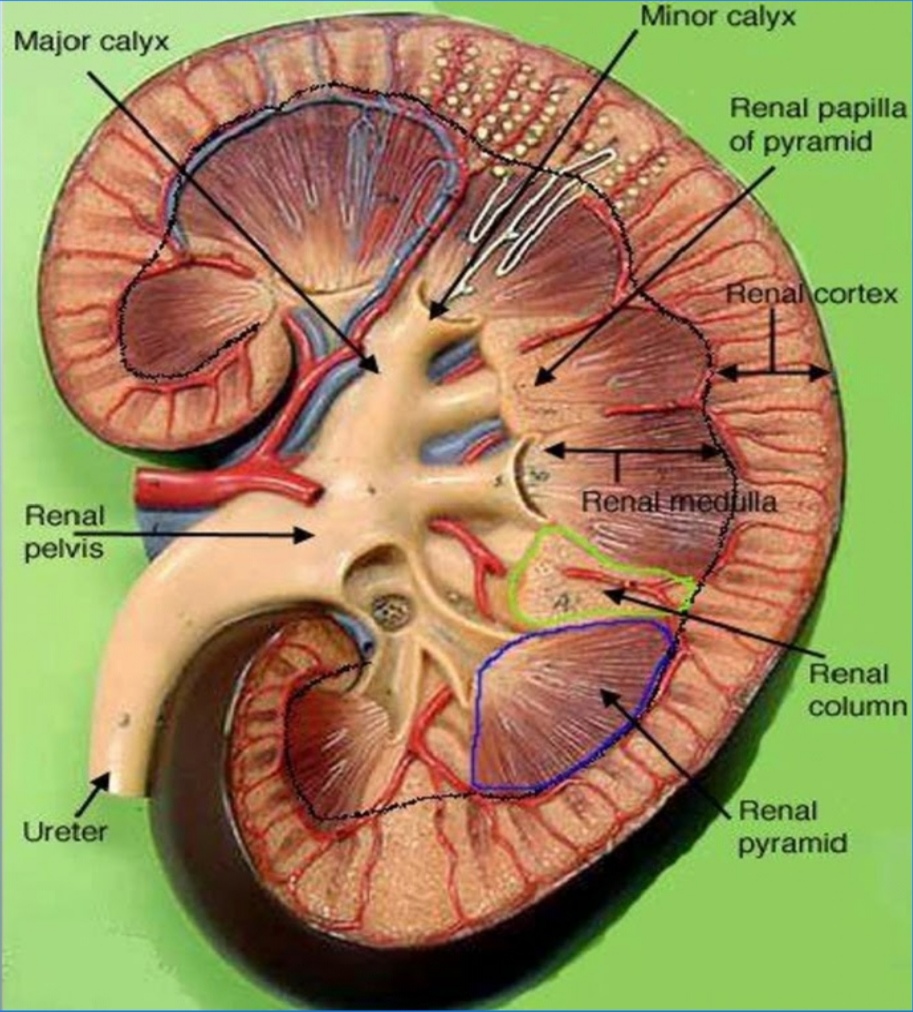
A frontal section through the kidney reveals two distinct regions: 

  1.  Renal cortex (outer)
  2.  Renal medulla (inner). 

The renal medulla consists of several cone-shaped renal pyramids. 

The base (wider end) of each pyramid faces the renal cortex, and its apex (narrower end), called a renal papilla, points toward the renal hilum. 

The renal cortex, smooth textured area extending from the renal capsule to the bases of the renal pyramids. 

It is divided into an outer cortical zone and an inner juxtamedullary zone.

Ureter

Muscular tubes of 25-30cm length, 3m in diameter. 

Wall of Ureter

  • Innermost-Transitional epithelium
  • Middle layer-Muscular(longitudinal and circular muscle) 
  • Outermost layer – Tunica adventita. 

Urine is move through ureter by peristalsis.

Urethra conduct the urine from urinary bladder to outside.
Female urethra is short.
Male urethra is long.


Urinary bladder

It is hollow muscular organ  that stores urine from the kidneys before disposal by urination. 

In humans the bladder is a hollow distensible organ that sits on the pelvic floor

Nephron

Structure and functional unit of kidey.

Each kidney contain about 1 million nephron 

Each nephron has 2 part 

  • Glomerulus
  • Renal tubules.
  • Take a simple filtrate of the blood and modify it into urine.
  • Cleanse the blood and balance the constituents of the circulation.
  • Many changes take place in the different parts of the nephron before urine is created for disposal. 
  • The term urine will be used here after to describe the filtrate as it is modified into true urine. 
  • The principle task of the nephron population is to balance the plasma to homeostatic set points and excrete potential toxins in the urine.

RENAL CORPUSCLE

It CONSISTS OF A GLOMERULUS SURROUNDED BY A BOWMAN’S CAPSULE. 

THE GLOMERULUS ARISES FROM AN AFFERENT ARTERIOLE AND EMPTIES INTO AN EFFERENT ARTERIOLE. 

THE SMALLER DIAMETER OF AN EFFERENT ARTERIOLE HELPS TO MAINTAIN HIGH BLOOD PRESSURE IN THE GLOMERULUS.

THE BOWMAN’S CAPSULE IS DIVIDED INTO THREE LAYERS:

  • OUTER PARIETAL LAYER- MADE UP OF EPITHELIAL CELLS WITH MINUTE PORES OF DIAMETER 12NM.
  • MIDDLE BASEMENT MEMBRANE-IT IS SELECTIVELY PERMEABLE.
  • INNER VISCERAL LAYER-IT CONSISTS OF LARGE NUCLEATED CELLS CALLED PODOCYTE(BEAR FINGER-LIKE PROJECTIONS CALLED PODOCEL) 

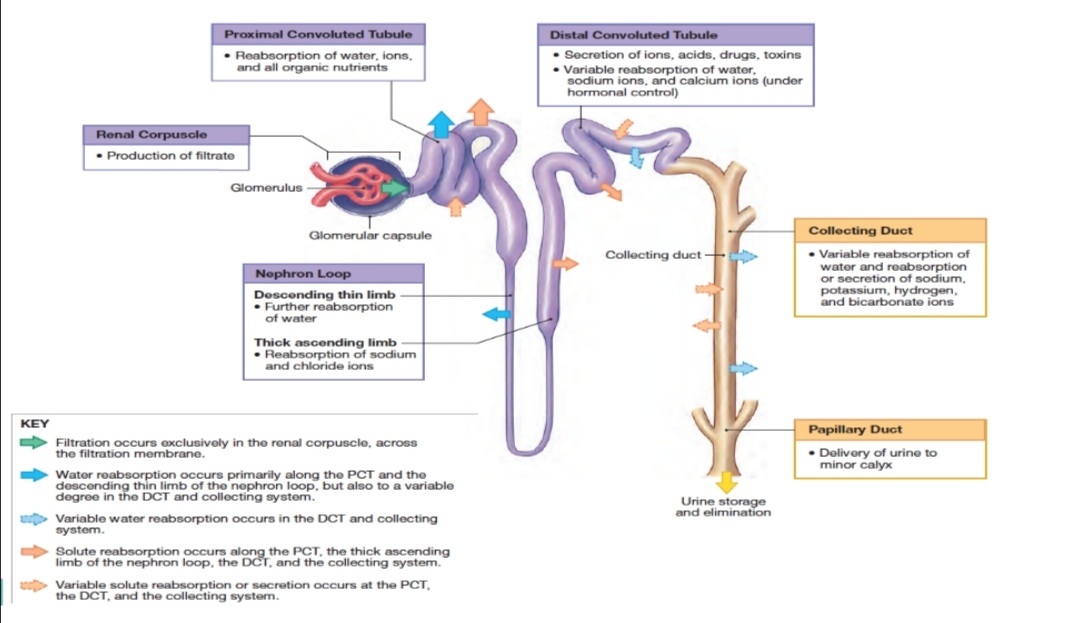
Renal tubule

It IS A LONG AND CONVOLUTED STRUCTURE THAT EMERGES FROM THE GLOMERULUS 

IT CAN BE DIVIDED INTO THREE PARTS BASED ON FUNCTION:-

  1.  PROXIMAL CONVOLUTED TUBULE (PCT) –  IN THE RENAL CORTEX.
  2.  THE LOOP OF HENLE, OR NEPHRITIC LOOP – IT FORMS A LOOP (WITH DESCENDING AND ASCENDING LIMBS) THAT GOES THROUGH THE RENAL  MEDULLA.
  3. DISTAL CONVOLUTED TUBULE (DCT)- IN THE RENAL CORTEX.

Loop of Henle

Thick segment-Simple cuboidal epithelium
Thin segment-Simple squamous epithelium.

DCT

Distal  convoluted tubules

Cuboidal epithelium with fewer mitochondria and microvilli

  • Conditional reabsorption of water under the effect of ADH.
  • Na+ – Aldesteron
  • Ca²+ – parathyroid hormone
  • Reabsorption ofHCO3¯and secretion of H+, K+and NH3 to maintain pH. 

Collecting duct

Cuboidal epithelium

Conditional reabsorption of water, Na+, Ca²+. 

Permeability for urea 

PCT

⅔rd of water reabsorption and 60% of glomerular filtrate is reabsorbed. 

Water, Na+, Cl-, HCO3-, Glucose, vit. C, amino acid, K+and little amount of urea and uric acid.

Descending Limb-permeable to water only. 

Ascending Limb– permeable to ions only. 

Na+, Cl-, k+, Mg²+, Ca²+

Reabsorption is minimum. 

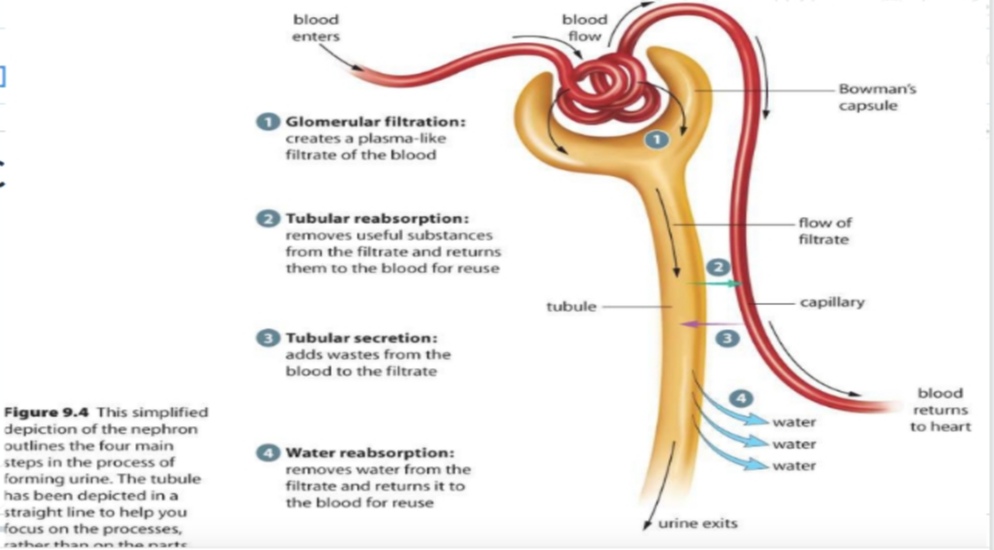
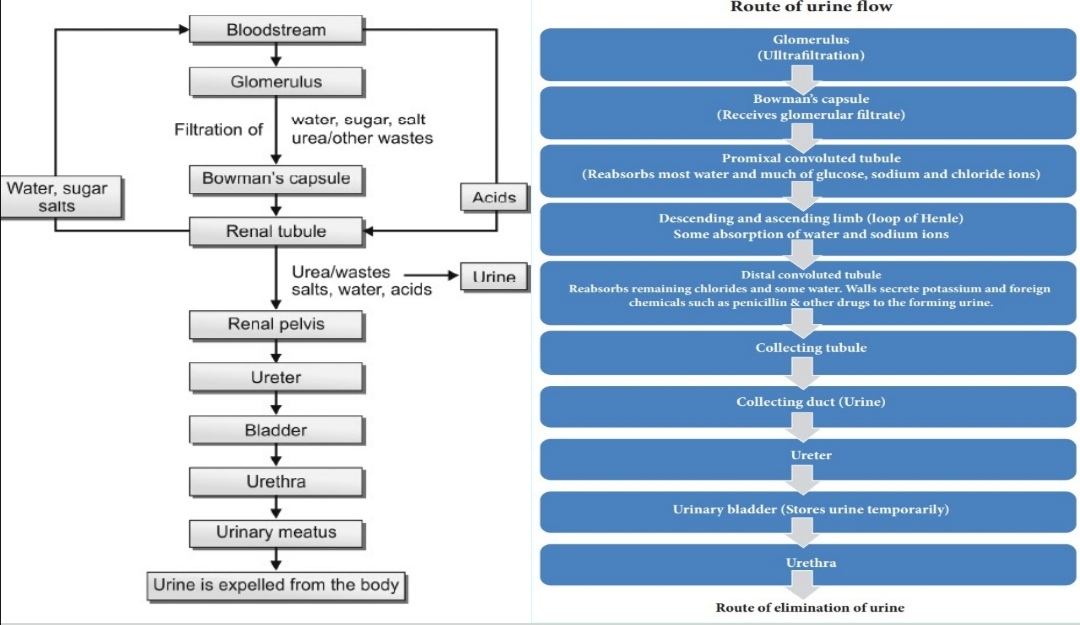
Urine formation

1) Glomerular filtration
2) Tubular reabsorption
3) Tubular secretion

Glomerular filtration 

  • WATER AND SOLUTES ARE FORCED THROUGH THE CAPILLARY WALLS OF THE Glomerulus INTO THE BOWMAN’S CAPSULE (GLOMERULARCAPSULE)
  • FILTRATE –THE FLUID THAT IS FILTERED OUT INTO BOWMAN’S CAPSULE. 
  • Glomerulus filtrate-same as plasma but protein are absent. 

Contains-Water, ions, Glucose, amino acid, water soluble vitamin, urea, uric acid etc. 

Tubular reabsorption

OCCURS BOTH PASSIVE AND Actively. 

GLUCOSE, AMINO ACIDS, AND OTHER NEEDED IONS (NA, K, CL, CA, HCO3) ARE TRANSPORTED OUT OF THE FILTRATE INTO THE PERITUBULAR CAPILLARIES ( REABSORBED BACK INTO THE BLOOD)

ABOUT 65% OF THE FILTRATE IS REABSORBED IN THE PCT. 

AS THESE SUBSTANCES ARE Reabsorbed, THE BLOOD BECOMES HYPERTONICSO WATER EASILY FOLLOWS BY OSMOSIS. 

REABSORPTIONIN THE DCT IS UNDER Hormonal CONTROL ALDOSTERONE CAUSES MORE SALT TO BE ABSORBED

 ADH CAUSES MORE WATER TO BE ABSORBED

TUBULAR SECRETION

WASTE PRODUCTS SUCH AS UREA AND URIC ACID, DRUGS AND HYDROGEN AND BICARBONATE IONS ARE MOVE OUT OF THE PERITUBULARCAPILLARIES INTO THE FILTRATE; THIS REMOVES UNWANTED WASTES AND HELPS REGULATE PH

Urine

It is pale yellow in colour due to Urochrome pigment that is byproduct of red blood corpuscles(RBC) breakdown. 

Around 1-1.5 litre of urine is formed per day. 

PH =6 (vary 4.2 – 8.2) 

It can be four times as concentrated as the blood i. e-1200mosmol/L.

Heavier than water

  • contain
  • 95% =water
  •  5%= urea, uric acid, K+, H+, NH4+, sulphate, hippuric acid, oxalate


Hindi a national language ?

There as been many controversy about this but as a south Indian who’s mother tongue is Tamil ,how do we see this thing ?. We are not only the one who is opposing hindi as a national language but this has been framed that we are the one opposing this thing. But practically India is a country which speaks more than 20 languages and tamil is one of the oldest.

the thing is we are not saying that Hindi should not exist but we don’t want them to force on every one if anyone wants to learn hindi they can. But some of them are trying to make people forget Tamil but is that what you think . you cant just make people forget there their mother tongue by forcing a language

I read this in a blog stating south Indian cant speak hindi but we are the people who knows hindi but refuses to speak hindi. The statement they are making is hindi is a profound language then what about Tamil it is the oldest language its is been here over 2000 years but yours is just 70 years old . Its funny right people are translating novels from tamil to their language not from hindi . you cant even compare it.

If you wanna make a language as a national language make English a national language because each and every country speaks English not Hindi . see before speaking about this just try to go through the history and you will know who is the real king and which is the 1st language that is spoken

Covid-19 THIRD WAVE.

Raising the alarm bells for policymakers and citizens, a research report has contended that India may witness the third covid wave from August 2021. The report – COVID-19: The race to finishing line – prepared by SBI Research, claims that the covid third wave peak will arrive in the month of September 2021.

The research report says that India achieved its second wave peak on 7th May. “Going by the current data, India can experience cases around10,000 somewhere around the 2nd week of July. However, the cases can start rising by the second fortnight of August,” the report said.


These are the highlights from the report:

1. Global data shows that on average third wave peak cases are around 1.7 times the peak cases at the time of second-wave.
2. However, based on historical trends the cases can start rising by the second fortnight of Aug’21 with peak cases at least a month later.
3. India has started giving more than 40 lakh vaccination doses per day as shown by 7 DMA.
4. Overall, India has fully vaccinated 4.6% of its population, apart from 20.8% having received one dose. This is still lower than other countries including the US, the UK, Israel, Spain, France among others.
5. The decline in bank deposits in FY21 and concomitant increase in health expenditure may result in further increase in household debt to GDP in FY22.
6. States with high per capita GDP have been associated with higher Covid-19 deaths per million while low per capita GDP are associated with low Covid-19 deaths.
7. Only 4.6 per cent of the population in India is fully vaccinated, while 20.8 per cent have received one dose, much lower compared to other countries including the US (47.1 per cent), the UK (48.7 per cent), Israel (59.8 per cent), Spain (38.5 per cent), France (31.2), among others.

Live Life, Don’t Just Exist!

To lead a life of adventure is certainly very exciting and amazing. It involves breaking free of certain social conditioning and challenging yourself to work upon your mental fears, which are mostly in your mind, and discovering unlimited freedom and opportunities. We, therefore, need to be willing to undertake adventure as it is a necessary part of happy existence. It is important to spend your limited time on earth doing some of those things that make a difference and give one enjoyment rather than simply sinking all the time playing the normal routine game of “delayed gratification”.

Taking action helps one to build a more enriching life and enables you to embrace life with more passion each day. The desire for sameness never contributors to anything exciting but makes our life and spirit dull. A variety of sports and recreation are adventurous to a lot of people today. Some people race cars, skydivers jump out of a 5 aeroplane, mountain-climbers scale peaks etc. This helps them to escape their daily stress and gives them a ‘high’. So it is important to live life to the fullest and it is also surely worth making the effort to ‘live’ with an adventurous spirit.

Actually this thought comes from inside…because everyone have their own perspective towards life and own ways to cherish it. But every time you will find people around you who are just a burden on Earth and dragging themselves. This is not correct and should not be done. We all are definitely mortal. So why just not live life fully and make the most out of it. Most of the people just live because they have got no other option left! People get stuck in situation and try to run away by blaming it. But just remember one little phrase “if there’s a problem there’s a solution.” Just keep this thought in mind and conquer the situation with all your heart. Learn a lesson from it and apply it in other situations of life. We all have a hidden talent in us just find it and use it help other people in society. Because this is the BEST WAY TO MAKE YOUR EXISTENCE WORTH. “The world wants what you got.” Be a helping hand , live yourself, explore every possible thing in this world and yet be kind to the society and be an Irony to the rest of the youth. At last I would like to say just one thing: life has no rules, except that once you have made…break all the old rules and create new rules that allow you to live happily and serve the mankind peacefully. If not at the end you will regret your own existence.

reference-https://www.healthylifestylesliving.com/liberate-the-mind/personal-development/dont-just-exist-live-a-life/

Dystopian Genre: Analysis and its Significance

The dystopian genre can be categorized into a wide group of literary works of speculative fiction. It usually involves a vision of the future, or an alternate world, which is used by an author to comment on and explore ideas about their own society. It’s has been a popular genre for quite some time. Lets analyze why dystopian literature, in particular, is so important.  

Dystopian literature makes important commentary on the world, societies, and our governments. Humans, since the beginning of the organized society, have always been fascinated by a perfect society which is ‘Utopia’. Since Humans are flawed and our societies mirror that, but it’s also in our nature to strive for better, similar to philosophers who focused on political theory. 

During the medieval age, utopia seemed to be a noble idea among the European authors and philosophers. While its main aim was to depict an ideal society, Dystopia on the other hand was a response where authors argued with the Utopian literature. Dystopias are utopias in the real world as these visionary ideas work well, as ideas. When placed in reality they quickly turn into dystopias.

In order to have an ideal society, humans should be devoid of humanistic values. Writers Depict societies that strive for perfection but ultimately fail as they ignore some vital part of humanity, which makes a convincing dystopian world.

Writers look for flaws that exist in our societies today, grounded in truth, and amplify them. A similar reflection of flaws can be seen in Orwell’s 1984 where it paralleled the problems that were ongoing in that period with the depiction of the overt dictatorial elements present in the Soviet Union and Third Reich. He critically pointed out the Government Surveillance, thought police, the constant change of history, and banning of books, which may seem exaggerated. These elements parallel our society albeit in a more subdued manner. Nevertheless, the parallels are present there, hence 1984 is still a very relevant piece of literature today.    

Similarly in Brave new world, Huxley pointed out that there would be no need for banning books as people will be bombarded with too much information and would be critically incapable to decipher reality with information overload. Where pleasure receptors hijack people’s critical thinking    

Within these two instances, we can interpret that one man’s heaven (Utopia) is another man’s hell (Dystopia). And dystopian writers don’t shy away from being political or radical when they try to describe these phenomena to warn readers.

It has also given rise to many similar genres like science fiction and cyberpunk, dystopian literature can share elements with these themes. In recent times, dystopian literature has also been popularized with the help of Movies, TV shows, and Video Games. 

With the advent of the 20th-century dystopian literature evolved and flourished, many of the revered classic literature in the past century has been a part of this genre. Technology and science progressed and new means of government and bureaucratic institutions were established. This gave writers a new method to introspect the societal trend.   

There is a critical need to academically evaluate these literary writings as its getting more relevant in our present society.

References:

4 MAJOR LEARNINGS FROM THE BOOK: STEAL LIKE AN ARTIST.

1. NOTHING IS ORIGINAL

What a good artist understands is that nothing comes from nowhere. All creative work builds on what came before. Nothing is completely original.

If we are free from the burden of trying to be completely original, we can stop trying to make something out of nothing, and we can embrace influence instead of running away from it.

2. PRODUCTIVE PROCRASTINATION.

Creative people need time to sit around and do nothing. You get some of your wonderful ideas when you seat and do nothing. So take time to do nothing and just sit.

If you are running out of ideas, go for a long walk. Por stare at something as long as you can. As artist Maira Kalman says, “Avoiding work is the way to focus my mind”.

3.KEEP YOUR DAY JOB.

A day job gives you a daily routine in which you can schedule a regular time for your creative pursuits. Establishing and keeping a routine can be even more important than having a lot of time.

4. SCHOOL YOURSELF.

School is one thing. Education is another. The two don’t always overlap. Whether you are in school or not its always your job to get yourself an education.

You have to be curious about the world in which you live. Look things up. Chase down every reference. Go deeper than anybody else – that’s how you will get ahead.

FELLING OF BUXWAHA

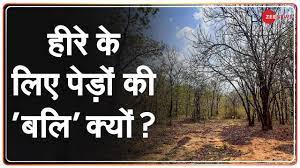
Diamond mining in India dates back to ancient times. In the past, India was the only source of nearly all the world’s known diamonds, until the discovery of diamonds in South Africa in 1896. India has not been a major diamond-producing country since the 1900s, but diamond mining continues. But don’t we all know what is the price we have to pay for in order to make a mine?

Not recently have the forests of Buxwaha been in news for the wrong reasons. The diamond mine project, which is now with Aditya Birla Group’s Essel Mining & Industries Limited (EMIL), is once again facing dark clouds due to protests over ecological concerns, as it could result in the felling of over 2 lakh trees. Yes, this is the rate of a diamond mine currently!

The 55,000-crore rupees mining project spans over 300 hectares in Madhya Pradesh’s Chhatarpur district, in the drought-prone Bundelkhand region. The block is estimated to have 34 million carats of rough diamonds. The existing diamond mine, National Mineral Development Corporation’s (NMDC) is about 175 kilometres from Bunder.

The proposed Bunder diamond block in the Chhatarpur district of Madhya Pradesh has been in the news for the wrong reasons over the years. The forests of Buxwaha, located near the site, are home to tigers, leopards, Indian foxes, sloth bears and other wildlife. The area is also rich in minor forest produce such as Tendu leaves and Mahua. Over 200,000 trees are expected to be cut in the Buxwaha forest for the diamond project. Environmentalists fear that the mining project would result in loss of biodiversity as well as air and water pollution.

The Forest clearance report shows that the project would cost over 200,000 trees in the forest region and also use a lot of water. We are against the environmental destruction in our area, which is already a water distress area,” said Sankalp Jain, a local youth who is associated with one of the groups running social media campaigns such as ‘save Buxwaha forest’ and ‘India stands with Buxwaha forest’ last month.

Credits: Mongababy

 It is to be noted that the project, once operational, has the potential to become one of the largest diamond mines in the Asian region. The company targets the execution of the mining lease by the end of the financial year 2022. But what potential be praiseworthy where Mother Nature gets compromised? In addition to trees and wildlife, the amount of water needed to build the mine will dry out the already water-scarce region of Buxwaha. A dam is to be constructed to divert a seasonal nallah.

Expectedly the project is facing strong opposition, including social media campaigns. Already, a Public Interest Litigation has been filed in the Supreme Court of India, seeking a stay on the project that had been secured by the Essel Mining & Industries Limited in 2019. In 2006, the Madhya Pradesh government had granted a prospecting licence to Rio Tinto Exploration India Private Limited, an Australian mining giant, to explore diamond mining in the Buxwaha region in the Chhatarpur district. Opposition was done even then.

Effects of Mine

  • 2,00,000 trees are no joke. The ecosystem is no joke. Imagine the countless number of animal species residing in the woods, the amount of oxygen and water that is retained by these green guys.
  • The residents fear a massive loss of trees, including teak, ken, behda, banyan, jamun, tendu, arjuna and other medicinal trees as well as the devastation of the natural ecosystem if the project proceeds further.
  • “Despite the claims to provide jobs in mining, I feel the project will eat out the livelihood options in the area.” said a resident of Kasera village- closest village to mining site.
  • The villagers are dependent on minor forest produce and water for farming. The project involves the diversion of a nullah which is a lifeline for the area. It ensures groundwater level and water for wildlife.This project will lead to groundwater depletion as well.
  • Environmental activist Hari Krishna Dwivedi said the “whole Bundelkhand region is facing a water crisis and this forest is essential for the local ecology”.
  • The homes of people are going to be uprooted. What progress is this that uproots tribal people who have lived in the region for hundreds of years and generations, tending to the forests and taking only as much is their wont?

EVERY CLOUD HAS A SILVER LINING

“With the dawning of a new age, after pandemics have done their work, we may find ourselves at the watershed of singular considerations about how to handle the changes that revolutionize our lives, and trace the silver lining in a new reality. (What do they think behind their dirty aprons?)”
― Erik Pevernagie

TASTE THE POWER OF THE ‘PROVERB’

Clouds are the symbol of grave period of life and the silver lining as mentioned refers to the bright, contented, or enjoyable times. It is very obvious that the entire proverb is about optimism. If an individual is positive even in the murkiest of periods, then indeed things will ultimately be in his/her favour. However, if the individual has a pessimistic approach towards life, then no opportunity in his/her life can ever make him/her gratified and he/she will end up in difficulties. Ups and Downs are part and parcel of life. In fact, if these did not exist, life would have been boring and meaningless. All these understandings enhance us in some way or the other and help us to become strongminded individuals. In fact, all the hardships and difficulties we face in life have the effect of making us richer in experience and educate us to embark upon adverse situations. Therefore, it can be appropriately said that ‘Every Cloud has a Silver Lining’.

HOW DARKNESS PENETRATES OUR LIVES

To elucidate the above, let us analyse the problems of a person called Kamal. He was an average person, coming from a middle-class family. His parents, who were well-educated themselves, wanted him to have the best education and so he was admitted to the best school in the city. As a student, he outshined neither in academics nor in sports and was always placed in the middle of his class in both. Even in extra co-curricular activities Kamal did not leave behind any distinctive mark. Being an obedient child, he was always guided by parental advice, which prevented the development of his personality and as a result, he lacked self-confidence.

AN IRON DETERMINATION PAVES THE WAY

However, Kamal’s life went disordered with the sudden demise of his father in an accident. The family was staring at imminent poverty because his father was the sole bread-winner and the pension that they were to get was not enough to fund the education of both Kamal and his younger sister. All of a sudden, the entire burden of the family descended on Kamal’s young shoulders, but that was a blessing in disguise because the misfortune made him resolute. He developed into a very strong-willed individual who was ready to take on the world legitimately. Kamal took stock of the situation and started providing private tuitions to supplement the family income. In doing so, he realized that his actual calling in life was to be an academician. Gradually, he cleared all the examinations with flying colours and at a very young age joined an elite institution as a there has been no looking back since then. Had the disaster never occurred, Kamal might have followed and done what his parents believed fit for him instead of realizing his own potential and aptitude in life and society would have been left without a very good teacher.

SO…BE OPTIMISTIC

Like Kamal, there are millions of such individuals who suffer major hindrances in their lives but still manage to pull through. So, one should never feel hopeless because of problems, as no individual in this world leads an uncomplicated existence. Whenever clouds of worries appear, they always carry an indication of something better that might happen.So, we must be inspired from such events and should always move frontward in life even if it is hard for us to do so. Strong willpower and undying hope pave the way for success to be achieved. Every single problem in life is like a riddle which hides some solution and a mindful search for that solution open many closed doors of achievements.

Nelson Mandela

Leaders

Leaders – we presumably see or hear about them practically every day from our parents, on television, and at school. The captain of our football team, our classroom teachers, and the individuals in charge of our country are all leaders. Leaders have only one task: to guide their followers toward a shared objective. This aim might be anything from winning a football game to passing an exam to bettering the country. The world would be a chaotic place if there were no leaders.

A Leader’s Recipe

So, what does it take to be a good leader? Many people think that some people are “born” leaders, that they are gifted with unique abilities that no one else possesses. Anyone may become a leader; acquiring the attributes of a good leader is not difficult.

Good Leader:

  • Accept responsibility for their acts.
  • Others should be explained, informed, taught, and guided.
  • When making decisions, show courage.
  • Are determined and compelled to succeed.
  • Are trustworthy and eager to work.
  • Encourage and encourage others to follow in their footsteps.
  • They pay attention to, comprehend, and care for their followers.

Great leaders have ‘charisma.’ It attracts people to listen, to trust, and to follow them.

Nelson Mandela is among the greatest statesmen of the 20th century. He fought apartheid in South Africa, where people of color were treated badly by the whites. 

When Nelson Mandela was a young man, apartheid in South Africa prohibited white and black people from doing activities together and forced them to live separate lifestyles.

White people, who were a small part of the population, were in charge of everything in South Africa.

Black people were not allowed to use the same items or go to the same locations as white people, and white people had superior schools and hospitals.

Basic rights, such as the ability to vote in elections, were also denied to black people. Nelson Mandela, on the other hand, felt that everyone should be treated equally.

In 1944, Mandela became a member of the African National Congress (ANC). In 1964, he was imprisoned for life, by the white minority government of South Africa, for conspiracy to overthrow the government.

Photos of Mandela were prohibited while he was in jail, and it was even prohibited to mention him in public.

People from all around the world, on the other hand, pushed for his release.

Even while in jail, Mandela remained a leading representative for the fight for equality. Following global pressure, Mandela was released from prison in 1990. Mandela had spent 27 years in jail and was greeted as a hero on his release. In 1991, the government abolished the laws, which legalized apartheid. Mandela, along with the South African President, Frederick Willem de Klerk, was awarded the Nobel Peace Prize in 1993. In 1994, Mandela was elected South Africa’s first black President, in the nation’s first multiracial election. 

After being elected president, Nelson Mandela set out to bring people of all races together.

South Africa hosted its first big sporting event, the Rugby World Cup, in 1995.

Mandela gave his support to the South African rugby team, made up mostly of white men so that it would unite the country. The team, known as the Springboks, went on to lift the trophy.

Mandela became a global celebrity and one of the most popular leaders in the world, with politicians and celebrities wanting to see him.

All you need to know about UGC( University grant commission)

Introduction

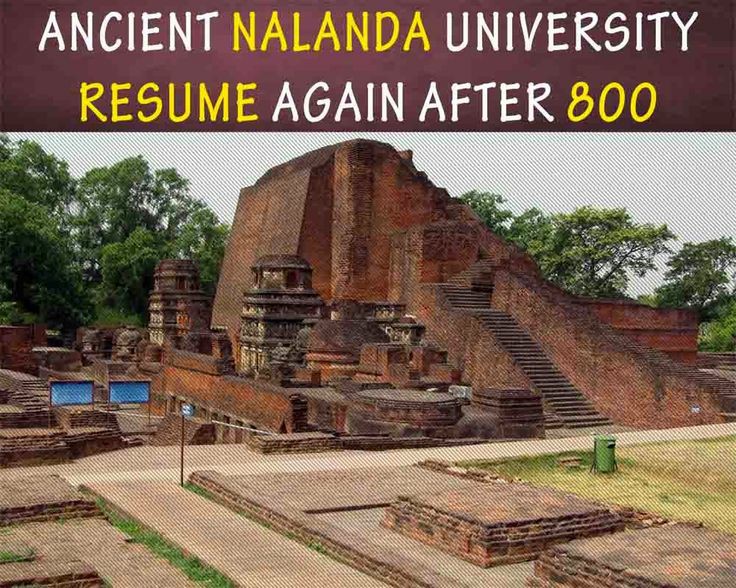
Since ancient times to the modern world, the Higher Education System has always been remarkable in our country, India. From ancient Bharat to modern India, higher education has always occupied a place of prominence in Indian history. In ancient times, Nalanda, Taxila and Vikramsila universities were renowned seats of higher learning, attracting students not only from all over the country but from far off countries like Korea, China, Burma, Sri Lanka, Tibet and Nepal. Today, India manages one of the largest higher education systems in the world.

UGC

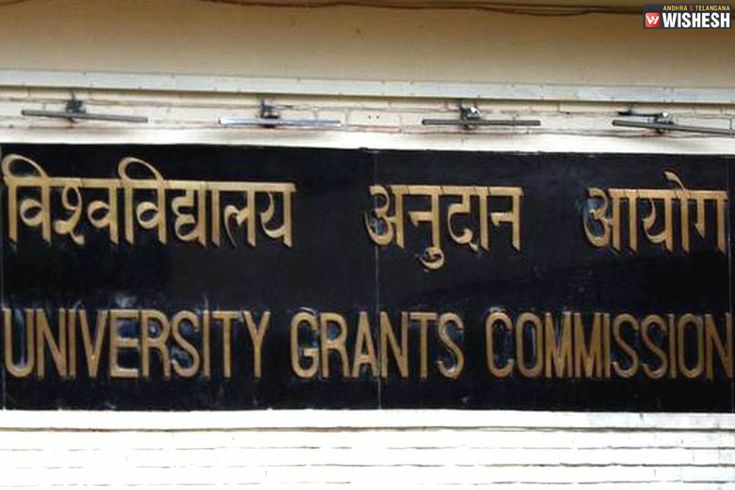
The University Grants Commission of India (UGC India) is a statutory body set up by the Government of India in accordance to the UGC Act 1956 under the Ministry of Education, and is charged with coordination, determination and maintenance of standards of higher education. It provides recognition to universities in India, and disbursements of funds to such recognized universities and colleges. The headquarters are in New Delhi, and it has six regional centers in Pune, Bhopal, Kolkata, Hyderabad, Guwahati and Bangalore. A proposal to replace it with another new regulatory body called HECI is under consideration by the Government of India. The UGC provides doctoral scholarships to all those who clear JRF in the National Eligibility Test. On an average, each year more than a $100 million is spent on doctoral and post-doctoral fellowships by the commission.

Basic information

Established
28 December 1953 First
executiveshanti Swaroop bhatnagar
Headquarternew Delhi
ChairmanDp Singh
Departmentdepartment of higher education, ministry of education
Sectorhigher education

History

  • The present system of higher education dates back to Mountstuart Elphinstone`s minutes of 1823, which stressed on the need for establishing schools for teaching English and the European sciences. Later, Lord Macaulay, in his minutes of 1835, advocated “efforts to make natives of the country thoroughly good English scholars”. Sir Charles Wood`s Dispatch of 1854, famously known as the ` Magna Carta of English Education in India`, recommended creating a properly articulated scheme of education from the primary school to the university. It sought to encourage indigenous education and planned the formulation of a coherent policy of education. Subsequently, the universities of Calcutta, Bombay (now Mumbai) and Madras were set up in 1857, followed by the university of Allahabad in 1887. The Inter-University Board (later known as the Association of Indian Universities) was established in 1925 to promote university activities, by sharing information and cooperation in the field of education, culture, sports and allied areas.
  • The first attempt to formulate a national system of education in India came In 1944, with the Report of the Central Advisory Board of Education on Post War Educational Development in India, also known as the Sergeant Report. It recommended the formation of a University Grants Committee, which was formed in 1945 to oversee the work of the three Central Universities of Aligarh, Banaras and Delhi. In 1947, the Committee was entrusted with the responsibility of dealing with all the then existing Universities.
  • Soon after Independence, the University Education Commission was set up in 1948 under the Chairmanship of Dr. S Radhakrishnan “to report on Indian university education and suggest improvements and extensions that might be desirable to suit the present and future needs and aspirations of the country”. It recommended that the University Grant Committee be reconstituted on the general model of the University Grants Commission of the United Kingdom with a full-time Chairman and other members to be appointed from amongst educationists of repute. In 1952, the Union Government decided that all cases pertaining to the allocation of grants-in-aid from public funds to the Central Universities and other Universities and Institutions of higher learning might be referred to the University Grants Commission. Consequently, the University Grants Commission (UGC) was formally inaugurated by late Shri Maulana Abul Kalam Azad, the then Minister of Education, Natural Resources and Scientific Research on 28 December 1953.
  • The UGC, however, was formally established only in November 1956 as a statutory body of the Government of India through an Act of Parliament for the coordination, determination and maintenance of standards of university education in India. In order to ensure effective region-wise coverage throughout the country, the UGC has decentralized its operations by setting up six regional centers at Pune, Hyderabad, Kolkata, Bhopal, Guwahati and Bangalore. The head office of the UGC is located at Bahadur Shah Zafar Marg in New Delhi, with two additional bureaus operating from 35, Feroze Shah Road and the South Campus of University of Delhi as well.
  • In 1994 and 1995 the UGC decentralized its operations by setting up six regional centres at Pune, Hyderabad, Kolkata, Bhopal, Guwahati and Bangalore. The head office of the UGC is located at Bahadur Shah Zafar Marg in New Delhi, with two additional bureaus operating from 35, Feroze Shah Road and the South Campus of University of Delhi as well.
  • In December 2015 the Indian government set a National Institutional of Ranking Framework under UGC which will rank all educational institutes by April 2016.

Role

  • The main aim & role of UGC in higher education is to provide funds to universities and coordinate, determine & maintain the ethics in institutions of higher education. The commission upholds the interpretation among the universities, government, and the community. UGC has also set some standards for the universities for being UGC Approved Universities. With the growth of higher education in India, many top, medium, and small universities are being established day by day. Among these universities, there are many universities that are fake and not fit as per the UGC standards. Therefore, the University Grants Commission has released the list of Fake Universities in India to help the students to recognize these rejected universities

Functions

It provides funds and it also arranges for the coordination and maintenance of the universities in India. The UGC controls the following in India:

1.Maintaining the standard of research, teaching and examination in the university maintaining standards of teaching, examination and research in universities & Framing regulations on minimum standards of education.

2.It is a link between the union government and the institutes of higher education system.

3. It also advises the government about the steps to be taken in order to improve the education system.

4.Allocates grants to the universities and colleges out of its own funds for their development or other general purpose.Advises the central and state government on disbursing grants to the universities out of the Consolidated Fund of India. Advises any authority on the establishment of new university or on the proposal seeking expansion of any university.

5.Collects information on university education in India and in other countries.

6.Seeks information from the universities from time to time. The information may range from the financial position of the university, their various branches of learning to the rules and regulations followed in a particular university.

Imparts education to the students in various streams through its Country wide classroom teachings and a four-year old 24 hours educational channel ‘Vyas’.

8.Conducts National Eligibility Test (NET) through its National Educational Testing Bureau in a bid to determine eligibility for lectureship. It also awards Junior Research Fellowship (JRF), which has been set as the minimum standards for Indian nationals to enter teaching profession and research. Humanities (including languages), Forensic Science, Computer Science, Social Sciences, Environmental Sciences, and Applications and Electronic Science are the subjects in which a student can appear for a JRF.

9.The University Grants Commission has recently launched an ‘e-scripting’ course in television for all those students who want to make a career in broadcast media. The course is being run by its Consortium of Educational Communication, an Inter University Centre of the UGC on electronic media.

10.Monitoring developments in the field of collegiate and university education; disbursing grants to the universities and colleges.

Types of universities under ugc

1.Central Universities

2.state universities

3.Deemed universities

4.private universities

for more information go the link below 👇

https://en.wikipedia.org/wiki/University_Grants_Commission_(India)

https://www.ugc.ac.in/

Naseerudin Shah Discharged From The Hospital

Actor Naseeruddin Shah was admitted to the hospital for the treatment of pneumonia and was discharged on Wednesday morning, his son Vivaan said. He was admitted to the same medical facility as his co-star Dilip Kumar, who passed away on Wednesday due to illness.

The 70 year-old actor was admitted to the P D Hinduja Hospital and Medical Research Centre, a non-COVID-19 facility, last Tuesday.

His son captioned ‘Back home’, with the picture of his father and mother, actor Ratna Pathak Shah on his Instagram Story. Naseerudin Shah can be seen sporting an orange tee and white pyjamas while Ratna Pathak Shah looks cute in a green traditional outfit. Last week, Ratna Pathak told that the actor had a small patch of pneumonia in his lungs and was undergoing treatment at the hospital. On 3rd July source said that the actor was responding well to the treatment.

Naseeruddin Shah has given mind-blowing performances in films such as Sarfarosh, Iqbal, Mohra, The Dirty Picture, Zindagi Na Milegi Dobara, Masoom and Monsoon Wedding. He has also worked in international films such as Such A Long journey, The Great New Wonderful and Mango Dreams.

The actor was last seen in the 2020 drama Mee Raqsam and before that in the acclaimed Amazon Prime Video’s web series Bandish Bandits.

He was also won three national film awards in his film career.