Council raises GST on low-cost footwear, garments to 12%

In its first physical meeting in two years, the GST Council on Friday effected several long-pending tweaks in tax rates including an increase in the GST levied on footwear costing less than ₹1,000 as well as readymade garments and fabrics to 12% from 5%.
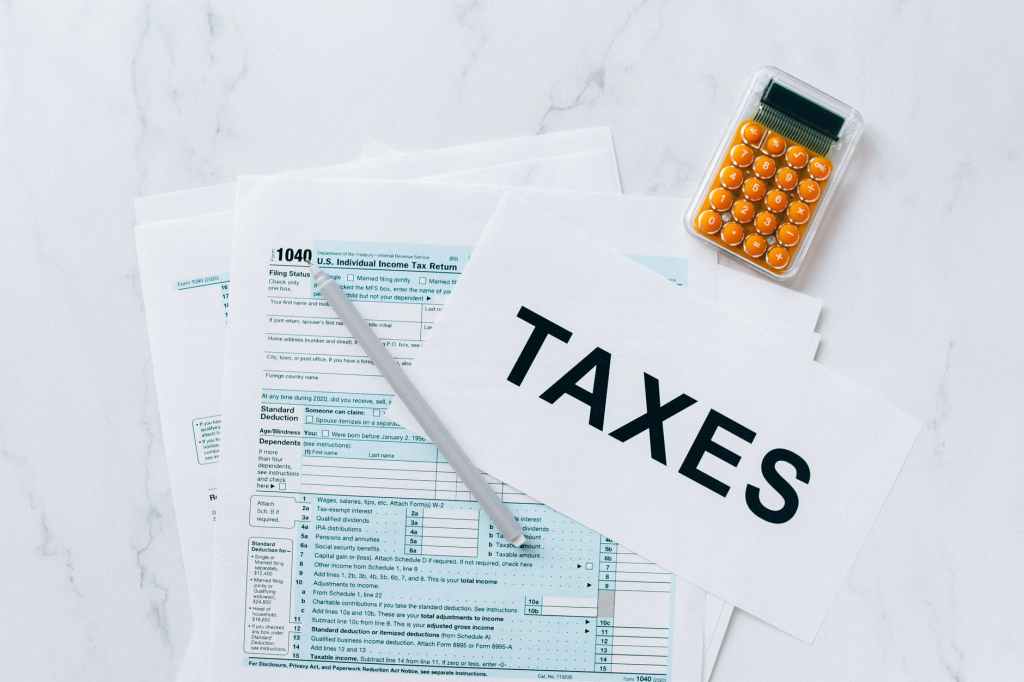


The new rates on these products, a decision on which had been deferred by the Council over the past year owing to the pandemic’s impact on households, will come into effect from January 1, Finance Minister Nirmala Sitharaman said.

The Council approved a special composition scheme for brick kilns with a turnover threshold of ₹20 lakh, from April 1, 2022. Bricks would attract GST at the rate of 6% without input tax credits under the scheme, or 12% with input credits.

While this will please States like Uttar Pradesh that had sought a special scheme for brick kilns, a decision on extending such a scheme for other evasion-prone sectors like pan masala, gutkha and sand mining was put off.


The Council also decided to extend the concessional tax rates granted for COVID-19 medicines like Amphotericin B and Remdesivir till December 31, but similar sops offered by the Council at its last meeting in June for equipment like oxygen concentrators will expire on September 30.

The GST rate on seven more drugs useful for COVID-19 patients has been slashed till December 31 to 5% from 12%, including Itolizumab, Posaconazole and Favipiravir. The GST rate on Keytruda medicine for treatment of cancer has been reduced from 12% to 5%.

Life-saving drugs Zolgensma and Viltepso used in the treatment of spinal muscular atrophy, particularly for children, has been exempted from GST when imported for personal use. These medicines cost about ₹16 crore, Ms. Sitharaman said.

Food delivery tax shift:
The Council also decided to make food delivery apps like Swiggy and Zomato liable to collect and remit the taxes on food orders, as opposed to the current system where restaurants providing the food remit the tax.

Revenue Secretary Tarun Bajaj stressed this did not constitute a new or extra tax, just the tax that was payable by restaurants would now be paid by aggregators. Some restaurants were avoiding paying the GST even though it was billed to customers.

“The decision to make food aggregators pay tax on supplies made by restaurants from January 1, 2022, seems to have been done based on empirical data of under reporting by restaurants, despite having collected tax on supplies of food to customers,” said Mahesh Jaising, Partner, Deloitte India.

“The impact on the end consumer is expected to be neutral where the restaurant is a registered one. For those supplies from unregistered, there could be a 5% GST going forward,” he added.

Aircraft on lease:
The GST Council has exempted Integrated GST levied on import of aircraft on lease basis. This will help the aviation industry avoid double taxation, the Finance Minister said, and will also be granted for aircraft lessors who are located in Special Economic Zones.

Goods supplied at Indo-Bangladesh border haats have also been exempted from GST.

8 Foods For Our Moods

Everything has a vibration. Whatever you do,say,eat and drink has an effect on you. It either builds you up or breaks you down without your knowledge. An unhealthy diet comprising of less vegetables and organic food can effect your mood drastically. Other than obesity, It also attracts sadness, frustration and negativity as a whole.

Having organic food and a balanced diet has a contrary effect.  It makes us feel energetic, refreshed, alive and happy. In simple words, it boosts our mood and lifts our vibes. It assists us in attracting what we desire . Good health and good mind are very closely related to each other. Let us look into some of these uplifting foods:


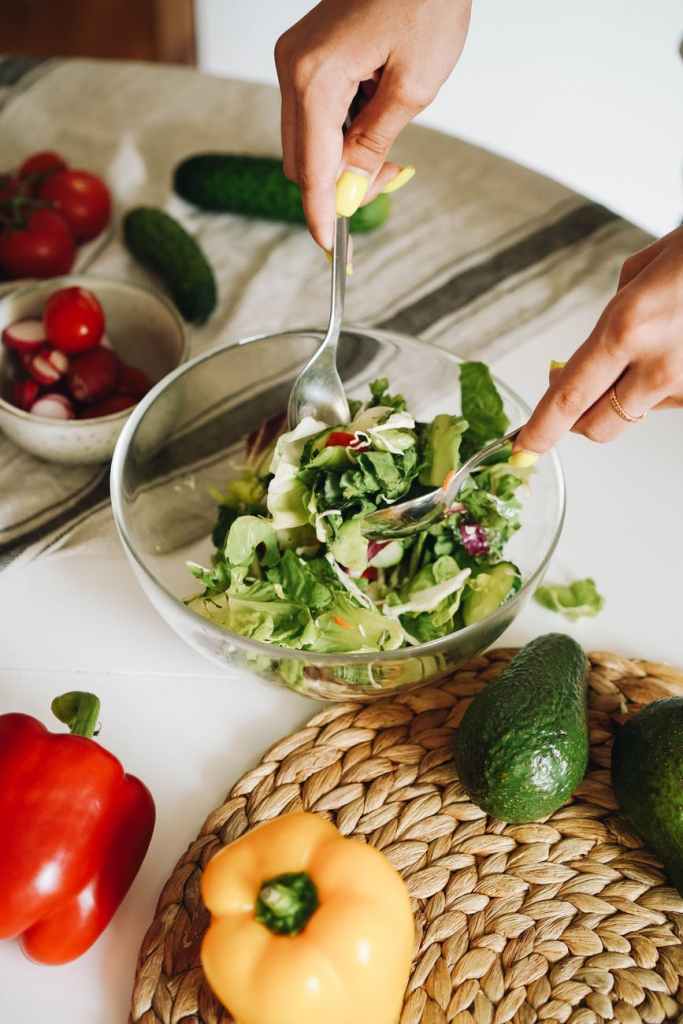
Green Leafy Vegetables: Leafy Vegetables are organic and the fresher they are, the better. Spinach, chard and other dark leafy vegetables contain magnesium which positively effects serotonin and boosts our mood. Lack of magnesium can cause a risk of anxiety and depression.

Beans: As protein packed foods, beans contribute to our mental health through the fibre present in them. Fibre helps regulate blood sugar which  in turn makes our mood better. Beans are also an excellent source of magnesium, iron, potassium and phosphorus.

Bananas: Bananas appear in every list of food concerning mood boosts. They are high in Vitamin B6 which synthesize feel good neurotransmitters like serotonin and dopamine. Bananas consist both sugar and fibre. Sugar, when paired with fibre, releases slowly into our bloodstream allowing for stable blood sugar levels which stabilizes our mood. Low blood sugar levels may lead to mood swings.

Bananas with a green coloured peel are a great source of probiotics which is a kind of fibre which helps feed healthy bacteria to our gut.

Berries: Berries are packed with a variety of antioxidants. Blueberries are rich in the antioxidant flavonoids which assist in activating brain pathways associated with reduced inflammation and risk of depression. Blueberries and strawberries contain a compound called polyphenolics which improves concentration, memory and attention span.


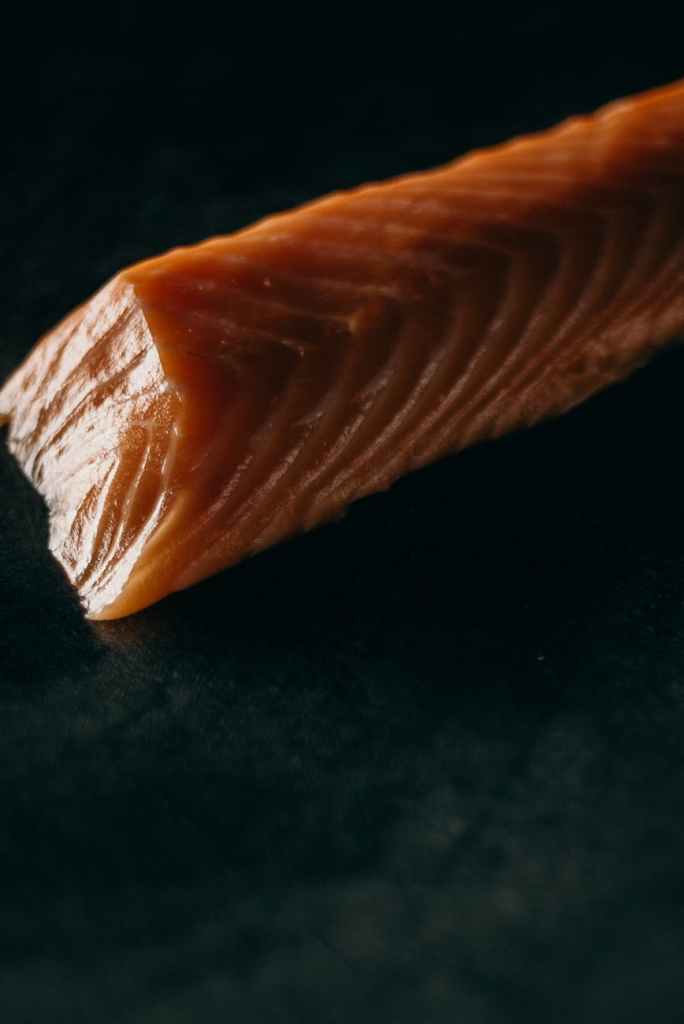
Salmon: Salmons are rich in omega-3, fatty acids. Especially DHA and EPA. Omega acids are anti inflammatory and are necessary for brain and nervous system development. EPA and DHA have shown to eliminate depression and they can effect our personality and impulse control. Salmons are also high in proteins, Vitamin B12 and D. Vitamin D is linked to better and stable mood. Vitamin B12 on the other hand works in cooperation with folate to help convert amino acids into neurotransmitters which are found in low levels among depression patients.

Almonds: Almonds are rich in protein  including tyrosine for neurotransmitter production It also contains Vitamin E, magnesium and fibre. As an antioxidant, Vitamin E can help fight radical damage in the brain and has shown to improve memory and cognition.Almonds and walnuts have calcium which can help offset hormonal imbalance in women and decrease the symptoms of depression, anxiety, irritability and impaired memory.

Cashews on the other hand, are rich in tryptophan, a neuro chemical which our body turns into serotonin. Vitamin B6 and magnesium present in cashews help to control mood swings. A handful of unsalted cashews are just enough to get the necessary nutrients.

However, not everytime one may feel like indulging in organic foods. In such cases, one may try chocolates! Dark chocolates, to be specific.  Rich in many mood boosting compounds, its sugar is a quick source of fuel to the brain which in return may improve our mood. It helps reducing anxiety and improves the conditions of clinical depression. Dark chocolates with large amounts of cacao can have positive effects on stress levels and even the immunity. It releases feel good compounds such as caffeine and N-acylethanolamine which is chemically similar to cannabinoids that is linked to an improved mood.

Coffee: For some of us, Coffee is a mood saver. Indeed it is. Its high level of caffeine and chlorogenic acid boosts our mood. The caffeine increases our attention by preventing adesnosine from attaching to the brain receptors that promote tiredness.The list of such food goes on. Some examples are oats,lentils,eggs,herbs,spices, fermented foods and tea.

The list of such food goes on. Some examples are oats,lentils,eggs,herbs,spices, fermented foods and tea.


There are  lists of healthy foods,habits,lifestyle,behaviour and practices . What makes them healthy is the vibes and energy which they carry. It is known amongst many that how a vegetarian diet can help to calm down a person. How exercises boosts our mood and how meditation helps us understand ourselves better.

All of these practices are healthy because they help to promote good vibes in us. When we come in contact with something which vibrates at a higher frequency, it improves our vibrations . When we inculcate activities with such  high frequency vibrations, we improve our own vibes. Thereby, attracting positivity.

Weight Loss & Metabolism

Weight loss is of two types. Healthy And Unhealthy and most of the time the main concern of this generation is the body. They overlook the diet. For most of the people,weight loss means skipping meals and increasing exercises. This technique is rather an illogical and harmful way of loosing weight. We may end up loosing some pounds by following such techniques but we also gain fatigue,weakness,low immunity and no proper metabolism. Eating low calorie,less nutritious foods throughout the day without no proteins or intake of other vitamins,minerals and fibres can lower down our metabolism and if metabolism slows down it can cause a slower pace in achieving a healthy weight loss,severe constipation which can make us feel uneasy and a prolonged constipation can lead to a swelled up stomach or the development of stones which can cause jaundice and cancer.
Thus overlooking the metabolism while loosing weight can effect us in adverse way.


There are different ways of increasing metabolism for a healthy weight loss. First,before anything else,we should look after our digestive system. Easily digestible and healthy foods increase the digestion rate and thus enhances metabolism. Its easy to digest healthy foods and can easily provide us energy by breaking down at a faster pace and the calories from such foods are easier to burn. It is already said,a person who has a balanced diet with nutritious foods in it,they can easily loose weight if they follow a proper exercise and physical health routine. The body burns more calories while digesting proteins rather than fats or carbohydrates. Thus,to make the diet more healthier,we can add eggs,meat,fishes and beats in our diet.On the other hand,a person who has a disbalanced diet,concentrating on only one nutrient or comprising of just junk food will find it difficult to burn the calories and the extra fats.which gets stored in their bodies. Junk foods take longer time to break down and the calories they contain do not burn easily. This is how a proper diet leads to a proper digestive system which in turn stimulates better metabolism which helps in weight loss. We may also added vitamin B1,B2 and B6 as they are equally important for increasing metabolic rate


The body is a machine. If it’s not active,it gets rusted. A balanced diet cannot help unless there is a presence of a PROPER exercise routine. Even if for half an hour,high intensity workouts help to burn the calories and steadies the metabolism rate. Full body exercises,stretches and basic exercuses for the abdominal muscles can be a good start for the beginners.
Increasing metabolism is not possible if the consumption of calories is more than the calories which get burned but sometimes even after trying alot our metabolism may not increase. It can be due to presence of any diseases in our body like hypothyroidism. In such a case,diet and exercises should be decided after consulting a doctor.
Building muscles does not only makes our body look fitter and more attractive but it also has many hidden benefits. People with more muscles have a better metabolism rate as one pound of muscles uses 6 calories to sustain whereas each pound of fat uses 2 calories. Thus,muscle training can help us to a great extent to burn fats and engance the metabolism rate. But however,aerobic exercises are equally useful.


And the major ingredient to a better health?drink lots of water. Water doesn’t just calm our thirst but also our body. People who drink 8-9 glasses of water have a good metabolism rate as calories need water to be processed and burn. Water is important for digestion. If our body is dehydrated,the process kf metabolism slows down. Thus,to increase the metabolism rate one should nwver underestimate the power of water. The best part is water doesn’t have much calories but helps to burn hundreds of calories. Drinking water before and after every meal will help the body to break down the food easily while keeping us hydrated. Cucumbers,tomatoes and other such vegetables and fruits with high water content can also be consumed to boost up our calorie burning capacity.


Last but not the least,never cheat on sleep. When sleeping our body produces a hormone named ghrelin(increases hunger)and releases less of the hormone reption(helps a person to feel full). Thus,enough sleep balances the hormones and prevents overeating

FOOD AND MALNUTRITION


FOOD AND MALNUTRITION

FOOD SECURITY

Food is defined as a substance that we people eat, drink to live and maintain life and growth. Food security would denote a person’s ability to eat enough, stay active and lead a healthy life.

Food security exists when all people at all times, have physical, social and economic access to sufficient, safe and nutritious food which meets their dietary needs and food preferences for an active life. This concept is now-a-days used in few decades. Initially it referred to as overall supply of for a global, regional or national context.

The basic components of food and nutrition is the availability of food, accessibility and absorption. Availability of food in desired quantities which might change stocks and imports. Capabilities and opportunities in turn are related mainly to one’s access to his/her own assets and education. Absorption of food is the ability of biologically utilization.

NUTRITION AND HEALTH STATUS


India has largest number of malnourished children in the world and half of the stunned children. However, records reveals that the stunning prevalence has been declined since 2020 and nearly 45 million suffered from wasting. The malnutrition measures are used to track the world to move along in its sustainable development goals. However the crises remains same or increased when it comes with percentage. India losing up to nearly 4% of GDP and 9% of productivity is also a combined failure.

MALNUTRITION

The COVID 19 has however caused the biggest increase in the world by hunger and malnutrition. For Indian children older than fiver years of age this is the first time that the national values are published. The National Family Health survey says that nearly 29% of the Indian children suffer from malnutrition. Besides COVID Malnutrition is till running around many. Hunger is most crucial pain in the world. When we let to see children with such pain, we will try to give what we have.

Covid-19 and Global Food Security

 The unprecedented pandemic has impacted the world in multiple ways. It has affected the years of development done in terms of food security in the countries. The Covid pandemic has increased the global food insecurity, and its impact is expected to be seen in 2021 and 2022. Initially, as the pandemic broke out, sudden closure of borders, trade restrictions and lockdown measures had disrupted the food supply and distribution pattern completely. 

It reduced the access to inputs and services, as labour movement and transports were blocked. The farmers struggled to access the market to sell and buy products properly during the lockdown in different countries. The locust outbreak that happened in 2020, also destroyed the food and other crops in the agricultural lands. Farmers were the worst hit by this locust crisis. 

Higher pricing of food and reduced income in the households is another prime reason that has impacted the accessibility of food. Due to financial shortage caused by lower income or loss of livelihood, more and more households have been forced to reduce their quality and quantity of food consumed. A number of countries reported food inflation during the pandemic. 

Climate change has led to adverse climatic conditions all over the globe. Extreme weather conditions seen in different places such as temperature rise, heat waves, extreme rainfall and drought have impacted agriculture and food production. This has further disrupted the food supply chain system, leading towards food insecurity.

A survey done by the World Bank in 48 countries reveals that people were either running out of food or were lowering their consumption. This reduced calorie intake can affect the health of the people, due to lack of essential nutrients. The UN’s report on “State of food security and nutrition in the world” states that between 720 to 811 million people worldwide, went hungry in 2020. Lower consumption of food is a major health concern. It can lead to problems like malnutrition, especially among children. The pandemic has led 1.6 million children out of their schools, depriving them from the nutritious meals provided. 

The World Food Programme‘s (WFP) annual review of 2020, shows that the pandemic pushed 124 million people into poverty, leading to an increase in hunger and the threats of famine in some areas. But WFP states that the goal of achieving zero hunger by 2030, is still possible with worldwide efforts and cooperation to plan out a better future. 

Such difficult times call for global solidarity and support. The government and the international organizations should cooperate in order to help those affected by food insecurity. Monetary help as well as access to adequate food resources can be provided to them.

This food insecurity in the times of pandemic has highlighted the importance of developing long-term sustainable strategies to deal with the challenges in agriculture and food supply.


12 Indian Snacks You Must Try

If you’re throwing a party, these party snacks recipes will come in handy while preparing your menu. Snacks and appetizers are a must-have at every party or celebration.

Vegetarian snacks are prepared in India in a number of ways. Some snacks have different recipes and methods depending on the locale. While some delicacies are extremely popular across India. There are various delicacies that are only popular in certain parts of India.

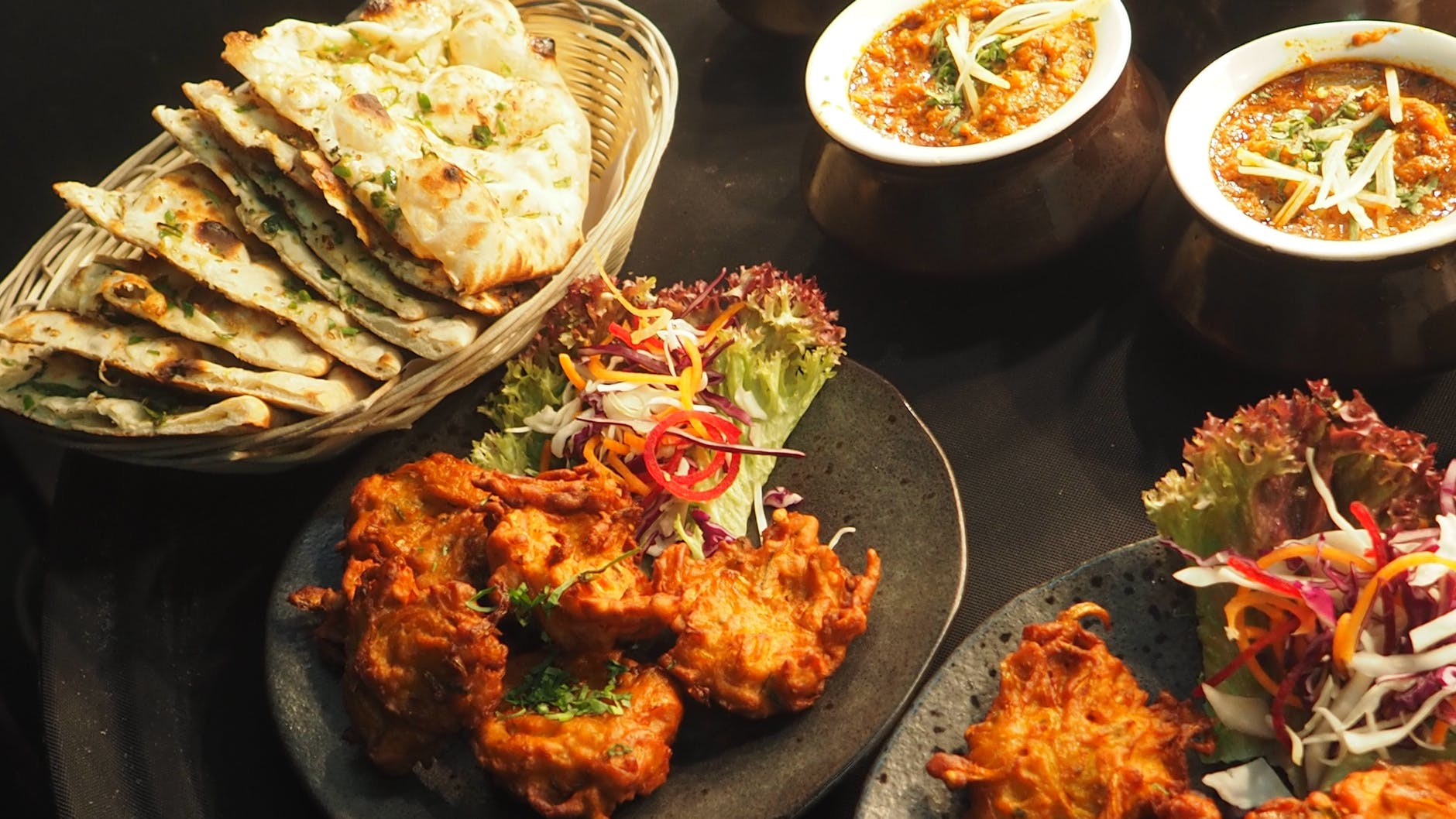
Photo by Chan Walrus on Pexels.com

Here are 12 Indian snacks that are easy to make and you can serve them to your guests at the party or get-together.

1. Paneer Tikka: Paneer (Indian cottage cheese cubes) are marinated in a spiced yogurt-based marinade, skewered, and cooked in the oven in this Restaurant Style Tandoori Paneer Tikka.

2. Aloo Tikki: A crispy, crusty, and delicious Aloo Tikki recipe. In Hindi, aloo refers to potatoes, while tikki refers to patties. So these are spicy, herby, and tasty potato patties in the Indian way.

3. Onion Pakoda: Onion fritters prepared with gramme flour are a popular street snack in India. It’s a snack that’s simple to make and tastes great. Serve them with green chutney or sweet chutney and fried salted green chilies. This entire meal can be accompanied by Indian chai.

4. Dahi Bhalla: Lentil dumplings are dipped in a creamy whipped yoghurt and topped with spicy and sweet chutneys in this popular North Indian street food snack. Dahi bhalla differs slightly from dahi vada. Papdis, boiling potato cubes, and cooked chickpeas are all added to dahi bhalla, giving it a variety of textures, tastes, and flavours.

5. Pani Puri: Crisp fried dough balls (puri) are packed with potatoes, sprouts, spicy acidic water, or sweet chutney in this popular Indian street snack. You just cannot eat just one pani puri with so many bursts of flavours and flavours in your mouth.

6. Kaman Dhokla: Gujarati cuisine has a nutritious, tasty, and wonderful vegan snack. It’s light and fluffy, with a mildly tangy-sweet flavour that’s perfect at any time of day. This is also a recipe for instant khaman dhokla.

7. Veg Cutlet: Crispy and flavorful vegetable patties cooked with a variety of vegetables. These vegan patties are best served hot with tomato ketchup and green chutney as a late-night snack. They’re a tasty teatime snack that can also be cooked during the rainy season.

8. Bhel Puri: It is a well-known Mumbai street food. Puffed rice is blended with onions, tomatoes, and other chutneys to make bhel puri. This bhel puri is simple to prepare and contains quick recipes for the three chutneys commonly used in bhel puris.

9. Dal Vada: chana dal, onions, and spices-herbs are used to make this renowned crispy and crunchy fried snack. These are crispy and crunchy, and they make a wonderful tea time snack.

10. Bread Pakora: Bread is dipped in a spicy gramme flour batter and packed with potato stuffing before being fried shallow or deep. In most Punjabi households, these bread pakoras are made for breakfast on Saturdays or Sundays.

11. Hara Bhara Kabab: These delightful and nutritious kababs are made with spinach, peas, and potatoes. It’s both nutritious and delicious, and it goes well with any chutney or sauce. They’re frequently fried in a pan. However, you may either bake or air fried them if you like.

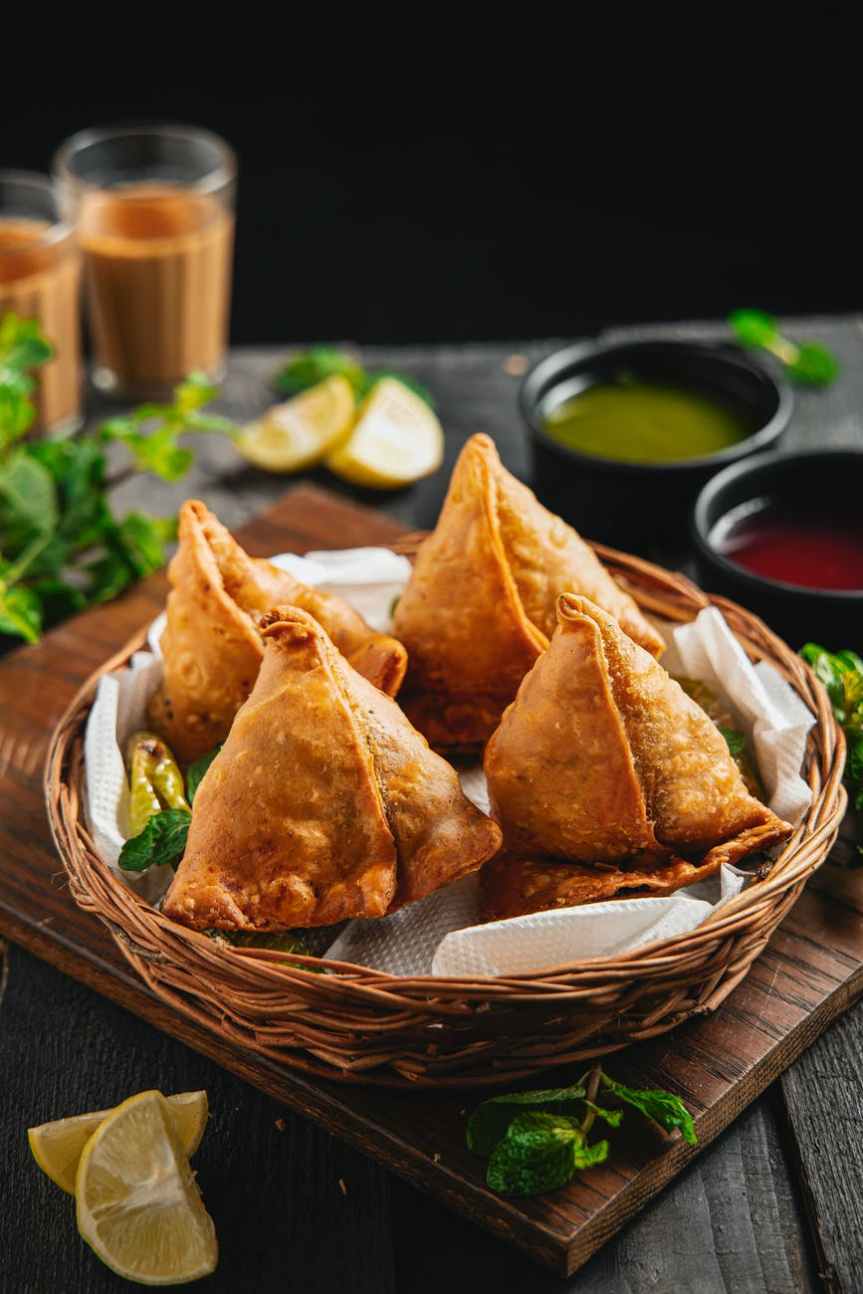
12. Samosas: These samosas have a wonderful potato and peas mixture and are flaky and crispy on the outside. This recipe is a true winner, with a beautiful crust and a soothing filling. Give it a shot and you’ll be surprised at how easy and enjoyable it is to cook samosa at home.

Organic Farming

 With the increasing use of chemical fertilizers and pesticides, organic farming stands as an eco-friendly farming process. Organic Farming is the process of farming without using any synthetic or chemical fertilizers. In simple words, it means farming without the use of any inorganic substances. 

Benefits of organic farming

Chemical fertilizers are not only highly expensive but also have some serious environmental consequences. Some chemicals contain toxic materials which can harm the skin and respiratory organs. It can deteriorate the natural fertility of the soil by killing the bacteria and other microorganisms present in it. It takes years to regain the natural fertility of soil. 

Organic farming can ensure maintenance of the soil quality and also prevents soil erosion. It can also prevent the harmful effect of nitrates leaching into the groundwater. The chemical fertilizers have a tendency to escape from the soil to the nearby water bodies and pollute them. Therefore it is extremely important to minimise the use of chemicals and switch to better alternatives. 

Organic farming in India

India stands in the 100th position in the World Hunger Index of 2020. This indicates towards the growing food requirement in the country. Ensuring an adequate amount of food for the huge population of the country is an enormous challenge that needs to be tackled. But it is also important to ensure the quantity as well as safety of the food. In India, organic farming is largely seen as a procedure of using organic manure instead of chemicals. But it also includes several methods to increase the microbial population of the soil. 

 The chemical fertilizers yield results quickly. As the process of organic farming takes a lot of time and due lack of awareness and facilities, it is not widely practiced. Between 2011 to 2014, there was a decrease in organic farming in India. 

Sikkim was declared as the first 100% organic state in the whole world, by UN Food and Agriculture. All of its  farmlands are organically certified. Chemical fertilizers and pesticides are not available in the state. In 2003, all imports of chemical fertilizers in the state were banned. This transition to a completely organic farming practice has helped around 66,000 farming families in the state. This organic image has also uplifted the tourism sector in Sikkim. It helped to promote the idea of organic farming in the country. 

Paramparagat Krishi Vikas Yojana is a government scheme under the Soil Health Management and the National Mission of Sustainable Agriculture which aims to promote certified organic farming in India. The objectives of the scheme includes providing resources and motivating the farmers to take up organic farming. 

The idea of organic farming and the question of food safety and eco-friendly farming measures have received some attention lately. With proper education and access to facilities, organic farming can be further promoted in the country.


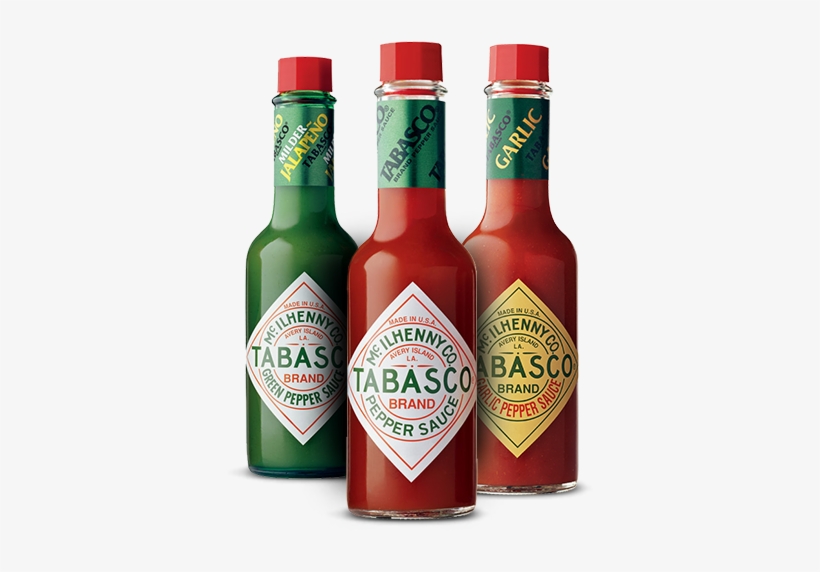
Tabasco Pepper Sauce

Tabasco Pepper Sauce is a condiment that is a spicy hot sauce made from Tabasco peppers, vinegar, and salt.  The hot peppers are picked by hand as soon as they ripen to the perfect shade of bright red.  The same day the peppers are picked, they are mashed, mixed with a small amount of Avery Island salt, placed in white oak wooden barrels, and allowed to ferment and then age for up to three years.  When deemed ready by a member of the McIlhenny family, the approved, fully aged mash is then blended with all natural, high grain vinegar.  Numerous stirrings and about four weeks later, the pepper skins and seeds are strained out.  The finished sauce is then bottled.

History

Avery Island, the birthplace of Tabasco Brand Products including TABASCO® pepper sauce, has been owned for over 180 years by the interrelated Marsh, Avery and McIlhenny families. Lush subtropical flora and venerable live oaks draped with wild muscadine and swags of barbe espagnole, or Spanish moss, cover this geological oddity, which is one of five “islands” rising above south Louisiana’s flat coastal marshes.

 The  2,200-acre tract sits atop a deposit of solid rock salt thought to be deeper than Mount Everest is high. Geologists believe this deposit is the remnant of a buried ancient seabed, pushed to the surface by the sheer weight of surrounding alluvial sediments. Although covered with a layer of fertile soil, salt springs may have attracted prehistoric settlers to the island as early as 12,000 years ago. Fossils suggest that early inhabitants shared the land with mastodons and mammoths, giant sloths, saber-toothed tigers and three-toed horses.

A salt production industry dates back to about 1000 AD, judging from recovered basket fragments, polished stone implements, and shards of pottery left by American Indians. Although these early dwellers remained on the Island at least as late as the 1600s, they had mysteriously disappeared by the time white settlers first discovered the briny springs at the end of the next century. After the Civil War, former New Orleans banker E. McIlhenny met a traveler recently arrived from Mexico who gave McIlhenny a handful of pepper pods, advising him to season his meals with them. McIlhenny saved some of the pods and planted them in his in-laws’ garden on Avery Island; he delighted in the peppers’ piquant flavor, which added excitement to the monotonous food of the Reconstruction-era South.

21st Century

Archaeologists digging at the site of a black-owned saloon in the historic Old West mining town of Virginia City unearthed a 130-year-old bottle of Tabasco brand hot sauce.  The bottle, the oldest style of Tabasco bottle known to exist, was reconstructed from 21 shards of glass excavated from beneath the site of the Boston Saloon, which was owned by an African-American from Massachusetts and catered to blacks and whites from 1864-75, was among the first eateries to introduce the now-popular spicy sauce.  The Tabasco bottle is particularly intriguing because of what it implies about African-American cuisine and the development of the West,” said Kelly Dixon, the administrator of the Comstock Archaeology Center who is supervising the dig in Virginia City about 20 miles southeast of Reno.

THE STORY OF LAY’S

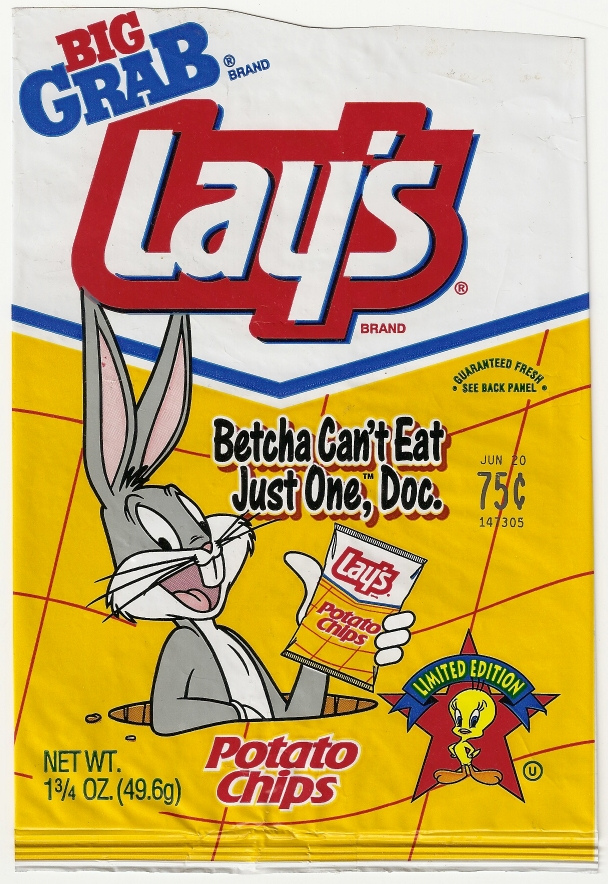
There may not be a single Indian who doesn’t love ‘Lay’s’. It is everyone’s favorite potato chips to snack on. But not many know how it began. It all started with this man.

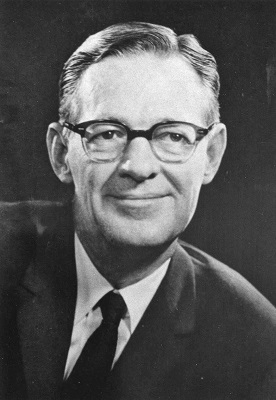
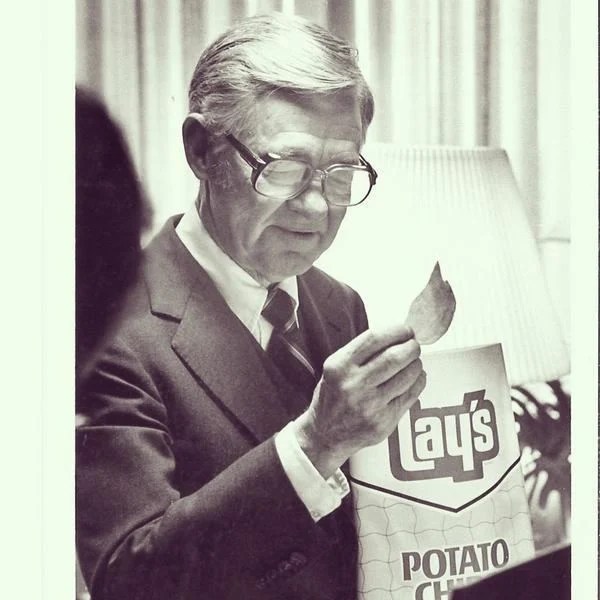
Herman Lay

Herman Lay, a salesperson in Nashville, Tennessee, was the first to sell Lay’s on behalf of Barrett Food Products Company in 1932. (U.S.). During the Great Depression, he was a traveling salesman, selling his chips from the back of his automobile on the roadway. “He believed in giving the most affordable prices and the highest quality products at an arm’s reach of every consumer,”

After six years, when Barrett fell on hard times, Herman bought the firm and renamed it H. W. Lay & Company. H.W. Lay & Company was the company’s original name until 1944 when Herman chose to condense it to the ICONIC Lay’s Potato Chips.

Lay’s Tennessee Valley Popcorn, not potato chips, was the company’s initial product, released in 1938. H.W. Lay & Company didn’t begin making Lay’s chips until 1944. People rapidly grew enamored with the chips. Lay’s had grossed $16 million in revenue by 1957, making it the largest potato chip and snack food manufacturer in the United States.

It became the first snack food brand to advertise on television, with an animated mascot dubbed Oscar-The Happy Potato.

Around the same time, C.E. Doolin was purchasing the recipe for yet another American staple: Frito corn chips. Doolin began preparing them in his mother’s kitchen. In 1961, the two of them partnered up to form Frito-Lay.

In 1962, Lay’s potato chips first crossed the border into Canada. By 1997, Lay’s potato chips had established itself as a popular choice among Canadians, and they remain the country’s favorite potato chip brand to this day. In 1965, PepsiCo acquired the Lay’s brand. Frito Lays, a PepsiCo subsidiary, manufacture Lays.

Fritos, Doritos, Ruffles, Cheetos, Rold Gold pretzels, Munchos, Funyuns, and Sun Chips are all Frito-Lay products. Lay’s, formerly known as Hostess in Canada until 1996, is also known as Walkers in the United Kingdom and Ireland, Smith’s in Australia, Chipsy in Egypt, Poca in Vietnam, Tapuchips in Israel, Margarita in Colombia, Katkoot in Kuwait, and Sabritas in Mexico. Lay’s flavors vary by region: North America, Europe, Australia, Asia, and Africa.

LAY’S DEBUT IN INDIA

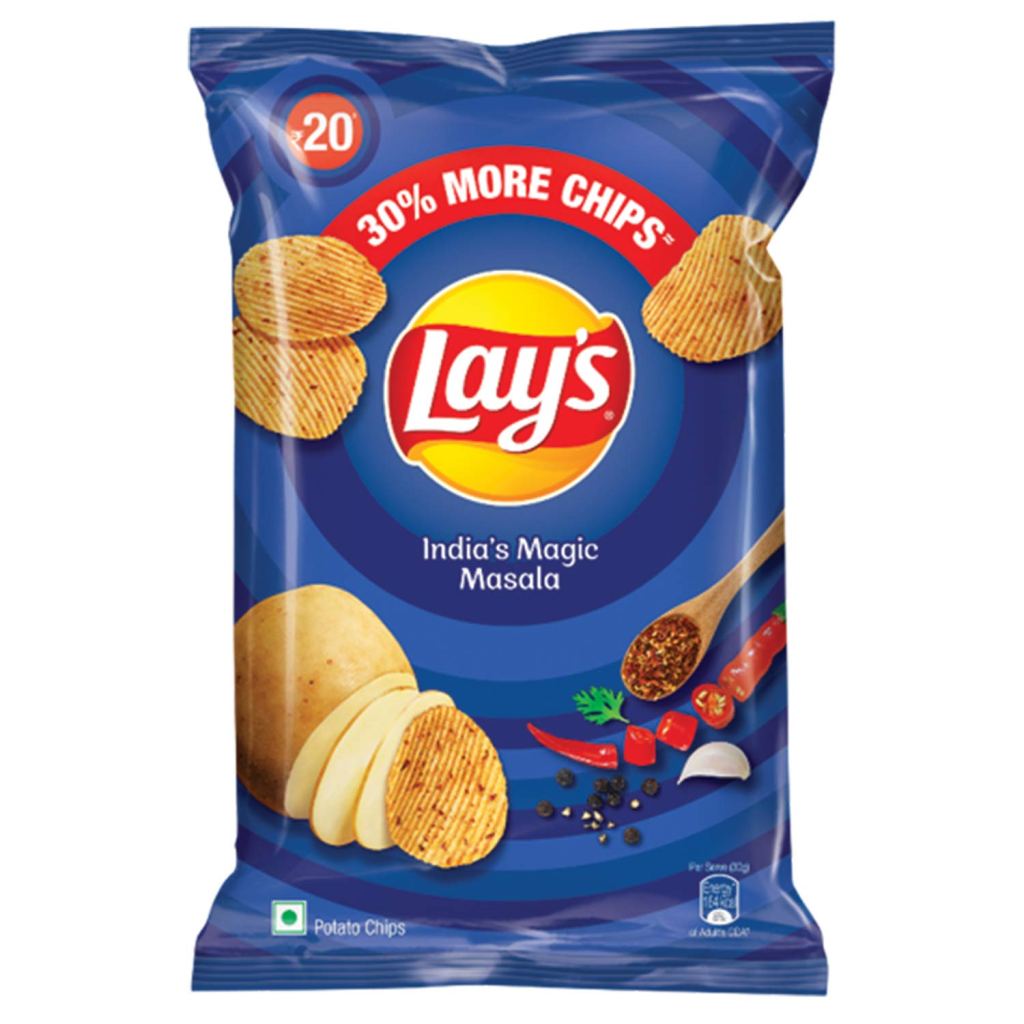
Lay’s debuted in India in 1995 and quickly rose to become one of the Before Lays, Uncle Chips dominated the Indian market. In barely five years, Lay’s positioned itself as the principal rival of ‘Uncle Chips’ and grew to become the largest chip manufacturer in India.

Economical chips packets ranging from Rs.5, Rs.10, Rs.20, and Rs.25 were launched to attract customers & According to a study, more than 72 % of residents felt the cost adequate. In 2016, Lay’s had a 50 percent market share in potato chips in India, according to Statista.

Lay’s are prepared with the finest potatoes, cooked in edible vegetable oils, and flavored with wonderful seasonings. Extensive quality control and production techniques are used. It has ISO 14000 HACCP (Hazard Analysis and Critical Control Point) certification, USA; TQCSI (Australia) accreditation from the American Institute of Baking (USA), and OHSAS 18001 (Occupational Health and Safety Assessment Series) certification, USA.

Lay’s chips come in over 200 different flavors. The chips come in a variety of flavors, like salt & vinegar and barbeque, as well as cappuccino, vegetable soup, and Beer ‘n Brats.

It introduced a variety of Indian and Western flavors, like Classic Salted, American Style Cream & Onion, Chat Chaska, Magic Masala, Tangy Tomato, and Astana Mango, to appeal to both urban and rural markets in India. To attract the health-conscious clientele Frito-Lay potato chips now have zero trans-fats and no added MSG.

The 8 Best Healthy Foods to Gain Weight Fast

1.Dried fruit

Dried fruit is packed with calories, healthy fiber, and antioxidants. It’s an easy way to add nutrients and calories to your diet.

2.Whole grain bread

Whole grain breads can be effective in gaining weight, especially when combined with a good protein source.

3.Avocados

Avocados are full of healthy fats and nutrients. They’re versatile and can be added to many different meals or eaten on their own.

4.Healthy cereals

Eating cereal can be a great way to gain weight and consume more fiber. However, stick to healthier forms such as oatmeal.

5.Cereal bars

Stick to cereal bars that have whole grains and other healthy ingredients, such as dried fruit and nuts.

6.Dark chocolate

Dark chocolate is packed with antioxidants and other nutrients, along with plenty of calories to help you gain weight.

7.Cheese

Cheese is a very good source of protein and rich in healthy fats. Add it to meals if you need a calorie and flavor boost.

8.Whole eggs

Eggs are one of the best foods for building muscle. There’s no limit to the number you should eat in a day, and they’re full of nutrients.

How did India's MTR Foods Overcome The Economic Downturns

 Hello everybody , On 25th of June 1975 the Indira Gandhi government officially declared a nationwide emergency. The fundamental rights were curbed, the press was censored and within a fortnight the livelihood of 620 million Indians was at stake. Little did they know that the next 21 months of their lives would be known as the darkest chapter in the history of Indian democracy. And all of this was happening during a time when India was already witnessing a socioeconomic crisis. During this time, let alone business prosperity even survival was considered to be a miracle. And the story that I’m about to tell you today is the story of one such miracle wherein amidst this economic nightmare while most businesses were shutting down there was one incredible businessman who turned this very same emergency into an business opportunity and built a business empire that now has a revenue of 1000 crores. This businessman is Mr Sadananda Maiya and the company that I’m talking about is Mavalli Tiffin Room which is popularly known as MTR. 

The question is- What was so special about MTR and how was it able to turn an economic nightmare into a business opportunity ? The answer to this question lies in the rich history of MTR that dates back to 1924. This is when the Maiya family started the MTR restaurant with the vision to serve the most authentic, hygienic and the tastiest South Indian food to its customers. And the entire family was so dedicated to their profession that even during the post-independence time when the country was witnessing a political turmoil they still served the most authentic, hygienic and the tastiest South Indian food in town. Within a few years the restaurant became so popular that it became a hotspot for tourists television personalities and even film stars. But after 5 long decades of prosperity; in 1975 when the emergency was imposed the family hit a dead end due to the socio-economic crisis. 

During this time, apart from the emergency India had already seen 2 bad agricultural years and due to the formation of OPEC the oil prices had quadrupled and the inflation in the country had skyrocketed to 15%. The situation was so bad that the government had to stop all new construction work they froze the wages and salaries in the public sectors And imposed compulsory savings on income tax payers. And this meant that every single rupee was a lifesaver for a middle class person and it obviously meant that rarely anybody ever went to a restaurant. On top of that, the government required every restaurant to conform to prices set by the government and it was practically impossible to run a profitable restaurant business with those given prices. For example, under the President’s rule, the price of Idli was clipped to 10p from 25p while a cup of coffee which costed one rupee was to be sold for just 25p. 

Now, people, when something like this happens most of the restaurant owners do either one or many of these 3 things to survive. And this is something that you would’ve seen even during the COVID-19 crisis. Number one, they do extreme cost cutting and fire all of their employees. Number two, they indulge in adulteration and serve extremely low quality food to their customers which eventually leads to health hazards. Or number three they just shut their shop altogether and wait for the situation to get back to normal. And this is exactly what the restaurant owners did in 1975 because they saw no other option to survive. But you know what ? Even during this time MTR foods still served the most authentic, hygienic and the tastiest South Indian food to its customers without compromising on their quality. 

And not just that They retained most of their employees and built a supply chain that was so robust that when the emergency was lifted MTR went on to become one of the most successful food companies in the country. The question is- What exactly was this strategy and what was so special about it ? As it turns out, when the government imposed the prices the MTR restaurants started bleeding. They were loosing out ₹25,000 on weekdays and lost upto 1 lakh rupees during weekends. But even during that time Sadanand Maiya sir was not willing to compromise on his family business values. At the same time he did not want to fire any of the employees because they had stayed loyal to the business for decades So you know what ? He took a bold step to shut down the restaurant altogether and made 3 strategic changes to it’s business.

 Number one, he realised that inspite of the emergency, the demand for food did not go down. It’s just that the purchase power of the customers had declined drastically. And the supply chain of the restaurant was too costly to actually cater to their demands. So, to reduce the cost he moved from cooked food to packed food. Because of this the heavy cost and loss due to perishable items was completely eliminated. On top of that instead of adulterating the costly ingredients he changed the ingredients altogether. For example, they moved from rice idlis to rava idlis to make idlis cost effective. And even today, Rava Idli is one of MTR’s signature dishes. 

Number two since he could not comply by the prices imposed by the government he turned the same restaurant into a grocery store and started selling food mixes via grocery sales. And last and most importantly he trained his entire staff to build an efficient supply chain to make packed food and sold it at an affordable price. In the corporate world this is what we call as reskilling. And that is how ladies and gentlemen MTR was able to survive the emergency without compromising on its business values. And guess what ? As soon as the emergency was lifted MTR restaurant reopened but this time along with the restaurant they had a ready to fire manufacturing chain which produced nothing but high quality products. Soon enough it extended to multiple food mixes like pickles, like spices and even special spice mixtures. Fast forward to today MTR has emerged as one of the finest food brands in the country with a revenue of almost 1000 crores. And MTR exports its products to 21 countries including US, UK, Australia and Japan. 

And most importantly it has successfully stood the test of time for 97 years without ever compromising its values And even during the COVID crisis, 10 years after Maiya sir stepped down The company is still setting very high standards for change management in the industry. While most companies were clueless and struggled to keep their supply chain intact during the COVID crisis; MTR foods had already doubled their inventory level from 14 days to 30 days capacity. And while the first lockdown was imposed on 25th of March MTR rigorously started preparing for the crisis way back from 10th March itself. And this is when none of us had a clue that our lives were about to change forever. 

And that is how time and again by turning a business threat into a business opportunity MTR has consistently set a benchmark for other brands to follow and from entrepreneurs like you and me to learn from. Now there are 3 very important lessons that we need to learn from this iconic case study. Number one and this is something that has been followed by Dhirubhai Ambani sir better than anybody else wherein his policy was everytime you see a market crisis you need to realize that your competitors are facing the exact same crisis as you are. The question is are you going to see it as an obstacle and succumb to it or treat it as a business opportunity and get way ahead of your competition.

 Number two, money can build a company but it takes guts, quality and values to build a brand. And last and most importantly as much as the Internet is filled with American and European business case studies we often fail to realise the fact that India has had a long history of political and economic crisis and the adversity has been so much that let alone business, even staying alive was considered to be a big deal.

 But even during these times we have had some incredible entrepreneurs who were able to build a business empire and have established a golden legacy for us to follow and we being in the Indian markets need to pay very close attention to these lesser known goldmines because they have got nuggets of wisdom that can turn us into extraordinary business leaders of this country. 

How did India's MTR Foods Overcome The Economic Downturns

 Hello everybody , On 25th of June 1975 the Indira Gandhi government officially declared a nationwide emergency. The fundamental rights were curbed, the press was censored and within a fortnight the livelihood of 620 million Indians was at stake. Little did they know that the next 21 months of their lives would be known as the darkest chapter in the history of Indian democracy. And all of this was happening during a time when India was already witnessing a socioeconomic crisis. During this time, let alone business prosperity even survival was considered to be a miracle. And the story that I’m about to tell you today is the story of one such miracle wherein amidst this economic nightmare while most businesses were shutting down there was one incredible businessman who turned this very same emergency into an business opportunity and built a business empire that now has a revenue of 1000 crores. This businessman is Mr Sadananda Maiya and the company that I’m talking about is Mavalli Tiffin Room which is popularly known as MTR. 

The question is- What was so special about MTR and how was it able to turn an economic nightmare into a business opportunity ? The answer to this question lies in the rich history of MTR that dates back to 1924. This is when the Maiya family started the MTR restaurant with the vision to serve the most authentic, hygienic and the tastiest South Indian food to its customers. And the entire family was so dedicated to their profession that even during the post-independence time when the country was witnessing a political turmoil they still served the most authentic, hygienic and the tastiest South Indian food in town. Within a few years the restaurant became so popular that it became a hotspot for tourists television personalities and even film stars. But after 5 long decades of prosperity; in 1975 when the emergency was imposed the family hit a dead end due to the socio-economic crisis. 

During this time, apart from the emergency India had already seen 2 bad agricultural years and due to the formation of OPEC the oil prices had quadrupled and the inflation in the country had skyrocketed to 15%. The situation was so bad that the government had to stop all new construction work they froze the wages and salaries in the public sectors And imposed compulsory savings on income tax payers. And this meant that every single rupee was a lifesaver for a middle class person and it obviously meant that rarely anybody ever went to a restaurant. On top of that, the government required every restaurant to conform to prices set by the government and it was practically impossible to run a profitable restaurant business with those given prices. For example, under the President’s rule, the price of Idli was clipped to 10p from 25p while a cup of coffee which costed one rupee was to be sold for just 25p. 

Now, people, when something like this happens most of the restaurant owners do either one or many of these 3 things to survive. And this is something that you would’ve seen even during the COVID-19 crisis. Number one, they do extreme cost cutting and fire all of their employees. Number two, they indulge in adulteration and serve extremely low quality food to their customers which eventually leads to health hazards. Or number three they just shut their shop altogether and wait for the situation to get back to normal. And this is exactly what the restaurant owners did in 1975 because they saw no other option to survive. But you know what ? Even during this time MTR foods still served the most authentic, hygienic and the tastiest South Indian food to its customers without compromising on their quality. 

And not just that They retained most of their employees and built a supply chain that was so robust that when the emergency was lifted MTR went on to become one of the most successful food companies in the country. The question is- What exactly was this strategy and what was so special about it ? As it turns out, when the government imposed the prices the MTR restaurants started bleeding. They were loosing out ₹25,000 on weekdays and lost upto 1 lakh rupees during weekends. But even during that time Sadanand Maiya sir was not willing to compromise on his family business values. At the same time he did not want to fire any of the employees because they had stayed loyal to the business for decades So you know what ? He took a bold step to shut down the restaurant altogether and made 3 strategic changes to it’s business.

 Number one, he realised that inspite of the emergency, the demand for food did not go down. It’s just that the purchase power of the customers had declined drastically. And the supply chain of the restaurant was too costly to actually cater to their demands. So, to reduce the cost he moved from cooked food to packed food. Because of this the heavy cost and loss due to perishable items was completely eliminated. On top of that instead of adulterating the costly ingredients he changed the ingredients altogether. For example, they moved from rice idlis to rava idlis to make idlis cost effective. And even today, Rava Idli is one of MTR’s signature dishes. 

Number two since he could not comply by the prices imposed by the government he turned the same restaurant into a grocery store and started selling food mixes via grocery sales. And last and most importantly he trained his entire staff to build an efficient supply chain to make packed food and sold it at an affordable price. In the corporate world this is what we call as reskilling. And that is how ladies and gentlemen MTR was able to survive the emergency without compromising on its business values. And guess what ? As soon as the emergency was lifted MTR restaurant reopened but this time along with the restaurant they had a ready to fire manufacturing chain which produced nothing but high quality products. Soon enough it extended to multiple food mixes like pickles, like spices and even special spice mixtures. Fast forward to today MTR has emerged as one of the finest food brands in the country with a revenue of almost 1000 crores. And MTR exports its products to 21 countries including US, UK, Australia and Japan. 

And most importantly it has successfully stood the test of time for 97 years without ever compromising its values And even during the COVID crisis, 10 years after Maiya sir stepped down The company is still setting very high standards for change management in the industry. While most companies were clueless and struggled to keep their supply chain intact during the COVID crisis; MTR foods had already doubled their inventory level from 14 days to 30 days capacity. And while the first lockdown was imposed on 25th of March MTR rigorously started preparing for the crisis way back from 10th March itself. And this is when none of us had a clue that our lives were about to change forever. 

And that is how time and again by turning a business threat into a business opportunity MTR has consistently set a benchmark for other brands to follow and from entrepreneurs like you and me to learn from. Now there are 3 very important lessons that we need to learn from this iconic case study. Number one and this is something that has been followed by Dhirubhai Ambani sir better than anybody else wherein his policy was everytime you see a market crisis you need to realize that your competitors are facing the exact same crisis as you are. The question is are you going to see it as an obstacle and succumb to it or treat it as a business opportunity and get way ahead of your competition.

 Number two, money can build a company but it takes guts, quality and values to build a brand. And last and most importantly as much as the Internet is filled with American and European business case studies we often fail to realise the fact that India has had a long history of political and economic crisis and the adversity has been so much that let alone business, even staying alive was considered to be a big deal.

 But even during these times we have had some incredible entrepreneurs who were able to build a business empire and have established a golden legacy for us to follow and we being in the Indian markets need to pay very close attention to these lesser known goldmines because they have got nuggets of wisdom that can turn us into extraordinary business leaders of this country. 

How did India's MTR Foods Overcome The Economic Downturns

 Hello everybody , On 25th of June 1975 the Indira Gandhi government officially declared a nationwide emergency. The fundamental rights were curbed, the press was censored and within a fortnight the livelihood of 620 million Indians was at stake. Little did they know that the next 21 months of their lives would be known as the darkest chapter in the history of Indian democracy. And all of this was happening during a time when India was already witnessing a socioeconomic crisis. During this time, let alone business prosperity even survival was considered to be a miracle. And the story that I’m about to tell you today is the story of one such miracle wherein amidst this economic nightmare while most businesses were shutting down there was one incredible businessman who turned this very same emergency into an business opportunity and built a business empire that now has a revenue of 1000 crores. This businessman is Mr Sadananda Maiya and the company that I’m talking about is Mavalli Tiffin Room which is popularly known as MTR. 

The question is- What was so special about MTR and how was it able to turn an economic nightmare into a business opportunity ? The answer to this question lies in the rich history of MTR that dates back to 1924. This is when the Maiya family started the MTR restaurant with the vision to serve the most authentic, hygienic and the tastiest South Indian food to its customers. And the entire family was so dedicated to their profession that even during the post-independence time when the country was witnessing a political turmoil they still served the most authentic, hygienic and the tastiest South Indian food in town. Within a few years the restaurant became so popular that it became a hotspot for tourists television personalities and even film stars. But after 5 long decades of prosperity; in 1975 when the emergency was imposed the family hit a dead end due to the socio-economic crisis. 

During this time, apart from the emergency India had already seen 2 bad agricultural years and due to the formation of OPEC the oil prices had quadrupled and the inflation in the country had skyrocketed to 15%. The situation was so bad that the government had to stop all new construction work they froze the wages and salaries in the public sectors And imposed compulsory savings on income tax payers. And this meant that every single rupee was a lifesaver for a middle class person and it obviously meant that rarely anybody ever went to a restaurant. On top of that, the government required every restaurant to conform to prices set by the government and it was practically impossible to run a profitable restaurant business with those given prices. For example, under the President’s rule, the price of Idli was clipped to 10p from 25p while a cup of coffee which costed one rupee was to be sold for just 25p. 

Now, people, when something like this happens most of the restaurant owners do either one or many of these 3 things to survive. And this is something that you would’ve seen even during the COVID-19 crisis. Number one, they do extreme cost cutting and fire all of their employees. Number two, they indulge in adulteration and serve extremely low quality food to their customers which eventually leads to health hazards. Or number three they just shut their shop altogether and wait for the situation to get back to normal. And this is exactly what the restaurant owners did in 1975 because they saw no other option to survive. But you know what ? Even during this time MTR foods still served the most authentic, hygienic and the tastiest South Indian food to its customers without compromising on their quality. 

And not just that They retained most of their employees and built a supply chain that was so robust that when the emergency was lifted MTR went on to become one of the most successful food companies in the country. The question is- What exactly was this strategy and what was so special about it ? As it turns out, when the government imposed the prices the MTR restaurants started bleeding. They were loosing out ₹25,000 on weekdays and lost upto 1 lakh rupees during weekends. But even during that time Sadanand Maiya sir was not willing to compromise on his family business values. At the same time he did not want to fire any of the employees because they had stayed loyal to the business for decades So you know what ? He took a bold step to shut down the restaurant altogether and made 3 strategic changes to it’s business.

 Number one, he realised that inspite of the emergency, the demand for food did not go down. It’s just that the purchase power of the customers had declined drastically. And the supply chain of the restaurant was too costly to actually cater to their demands. So, to reduce the cost he moved from cooked food to packed food. Because of this the heavy cost and loss due to perishable items was completely eliminated. On top of that instead of adulterating the costly ingredients he changed the ingredients altogether. For example, they moved from rice idlis to rava idlis to make idlis cost effective. And even today, Rava Idli is one of MTR’s signature dishes. 

Number two since he could not comply by the prices imposed by the government he turned the same restaurant into a grocery store and started selling food mixes via grocery sales. And last and most importantly he trained his entire staff to build an efficient supply chain to make packed food and sold it at an affordable price. In the corporate world this is what we call as reskilling. And that is how ladies and gentlemen MTR was able to survive the emergency without compromising on its business values. And guess what ? As soon as the emergency was lifted MTR restaurant reopened but this time along with the restaurant they had a ready to fire manufacturing chain which produced nothing but high quality products. Soon enough it extended to multiple food mixes like pickles, like spices and even special spice mixtures. Fast forward to today MTR has emerged as one of the finest food brands in the country with a revenue of almost 1000 crores. And MTR exports its products to 21 countries including US, UK, Australia and Japan. 

And most importantly it has successfully stood the test of time for 97 years without ever compromising its values And even during the COVID crisis, 10 years after Maiya sir stepped down The company is still setting very high standards for change management in the industry. While most companies were clueless and struggled to keep their supply chain intact during the COVID crisis; MTR foods had already doubled their inventory level from 14 days to 30 days capacity. And while the first lockdown was imposed on 25th of March MTR rigorously started preparing for the crisis way back from 10th March itself. And this is when none of us had a clue that our lives were about to change forever. 

And that is how time and again by turning a business threat into a business opportunity MTR has consistently set a benchmark for other brands to follow and from entrepreneurs like you and me to learn from. Now there are 3 very important lessons that we need to learn from this iconic case study. Number one and this is something that has been followed by Dhirubhai Ambani sir better than anybody else wherein his policy was everytime you see a market crisis you need to realize that your competitors are facing the exact same crisis as you are. The question is are you going to see it as an obstacle and succumb to it or treat it as a business opportunity and get way ahead of your competition.

 Number two, money can build a company but it takes guts, quality and values to build a brand. And last and most importantly as much as the Internet is filled with American and European business case studies we often fail to realise the fact that India has had a long history of political and economic crisis and the adversity has been so much that let alone business, even staying alive was considered to be a big deal.

 But even during these times we have had some incredible entrepreneurs who were able to build a business empire and have established a golden legacy for us to follow and we being in the Indian markets need to pay very close attention to these lesser known goldmines because they have got nuggets of wisdom that can turn us into extraordinary business leaders of this country. 

The 8 Best Healthy Foods to Gain Weight Fast

1. Homemade protein smoothies

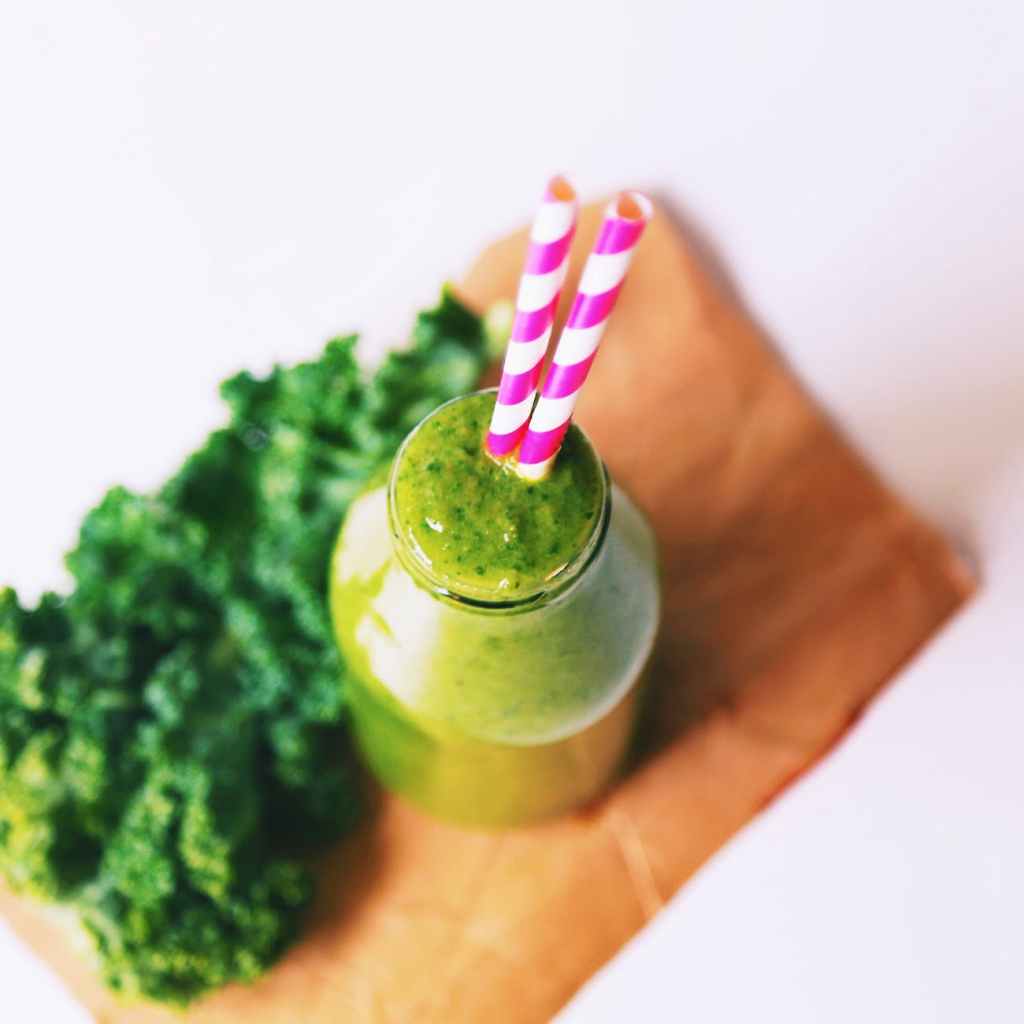
There are many delicious protein smoothie recipes. Avoid most commercial versions, which may contain added sugar and aren’t as nutritious.

2. Milk

Drinking milk is a great way to add protein to your diet. It contains both casein and whey proteins.

3.Rice

Rice is a great source of carbs that are easy to consume and digest.

4. Nuts and nut butters

Nuts and nut butters are delicious, high calorie treats. They’re great for you and easy to add to many different snacks or recipes.

5.Red meats

Red meat is an excellent source of protein that will help you gain muscle. It contains leucine, an amino acid that helps stimulate muscle protein synthesis. The fattier the meat, the more calories you’ll take in.

6. Potatoes and starches

Healthy starches are a great way to get important nutrients and fiber, boost your calorie intake, and increase your muscle glycogen stores.

7.Salmon and oily fish

Salmon and other oily fish are a great source of incredibly healthy omega-3 fats. They also provide high quality protein to help you build muscle.

8.Protein supplements

Protein supplements are a simple and affordable addition to your diet to help you increase your protein intake.