Our diet plays a crucial role in the process of weight loss and having a well-balanced diet and some mind-full eating in regulated portions is always the key for healthy and fit body. It might not be as difficult as it may sound if you start with a little patience and consistency. Sometimes a Subtle tweak here and there in diet is absolutely fine!
Here are few recipes which works out for weight loss journey
TURMERIC TEA
Turmeric consists of a powerful ingredient called as ‘curcumin’ which basically is the main active ingredient in turmeric that aids in cutting down the body fat. ‘Curcumin’ plays a major role to help suppress the fat but it does not fully absorb in the body. To make absorption work other ingredients such as black pepper is made use of. Therefore, this detoxifying drink makes the body light as well as helps cut down the excess fat if used regularly.
India’s favorite comfort food made into a high-protein, healthy one! Brimming with the goodness of oats, moong dal, carrot, green peas, tomatoes, chilies and olive oil, this hearty bowl of khichdi is sure to leave you healthy, happy and satiated
Fenugreek seeds are rich source for vitamins, minerals and poly-nutrients .It is also rich in vital vitamins such as thiamine, pyridoxine, vitamin A , vitamin C and other essential nutrients for optimum health.
Makhanas are popularly known as lotus seeds, fox nuts, Euryale ferox, gorgon nuts and phool makhana. It’s actually the puffed lotus seeds or the puffed fox nuts that has high nutritional and medicinal values
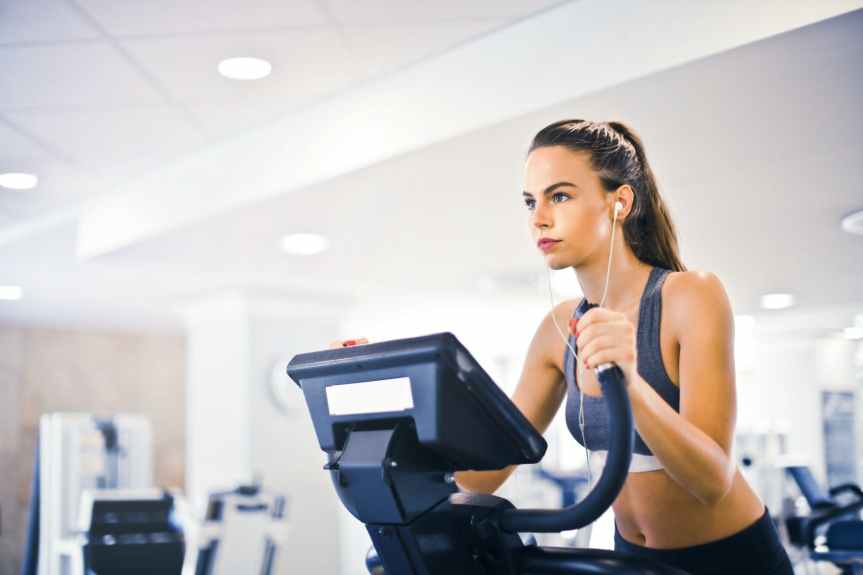
Remember to always fill your plate with good amount of veggies, greens and fruits. Drink loads of water and buttermilk. If possible take a 20-30 min walk or jog because it speeds up the process of weight loss.
Pandemic has changed our lifestyles , made us stuck in our phones & laptops , & left us with no physical activity .
The COVID-19 pandemic is an unprecedented time all across the world. Worldwide, extensive social distancing policies are put into place, restricting people’s daily activities and worldwide pleas from governments asking people to stay safe and stay at home. This of course means that most people will spend much of their time (if not all) at home.
These social distancing measures mean that people have far fewer opportunities to be physically active, especially if activities such as walking or cycling as transportation, or taking part in a leisurely activity (e.g. jogging, walking the dog, going to the gym) are being restricted. Furthermore, these drastic measures also make it so much easier to be sedentary at home for long periods of time. The impact of this physical inactivity may very likely be seen in many areas such as health and social care and the mental well-being of people all across the globe Though this social distancing is the need of now , but physical activities are also the need of now.
In light of the current situation worldwide, certain benefits of physical activity may be specifically pertinent to the COVID-19 Pandemic. These benefits are:
Physical activity enhances immune function and reduces inflammation therefore it could reduce the severity of infections which will automatically leads to good health.
Physical activity improves common chronic conditions that increase the risk for severe COVID-19 (i.e. Cardiovascular Disease, Diabetes) , but taking these physical activities in your daily lives , risk of death due to corona virus will reduce .
Physical activity is a great stress management tool by reducing symptoms of anxiety and depression.
Physical activity helps bring cortisol levels in balance. Stress and distress (such as during a pandemic) creates an imbalance in cortisol levels and this negatively influences immune function and inflammation.
Instead of always keeping an eye on your phone & laptops keeping an eye on your physical activities will leads to rest for your eyes, neck, & back.
We all know that this pandemic will stay with us for a long go , even if you are save with no corona virus symptoms , poor physical health will lead you to major heath issues . Instead of surrounding yourself with heath problems , indulge yourself into physical exercise, like yoga , meditation , exercise ,etc. ” STAK HOME , STAY SAFE , INDULGE YOUR SELF WITH INDOOR PHYSICAL ACTIVITES & HENCE SATY FIT”.
You probably know the meanings of the words’ workaholic’ and ‘alcoholic’.
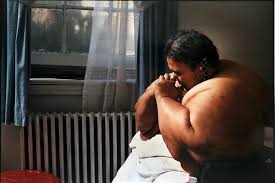
What do you think a ‘foodaholic’ is? Walter Hudson was one.
How much do you weigh? Walter Hudson weighed more, much more. This is his obituary.
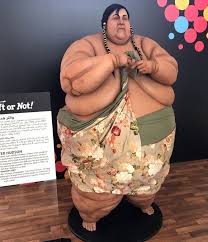
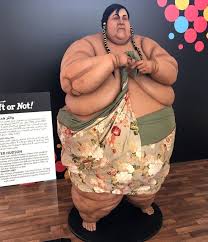
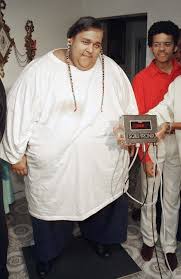
WALTER HUDSON, who has died at Hempstead, New York, age 46, was once listed in The Guinness Book of World Records as the heaviest man on earth. About 183 cm tall and 274 around, with cherubic features set off by pigtails braided in the Cherokee style, he long devoted himself to the pleasures of the table. Four years ago, Hudson-then tipping the industrial scales at his top weight of 543 kg gained worldwide notoriety (as “Whopping Walter”) when he became stuck in his bedroom door. He was wedged there for some four hours. It took eight firemen to free him.
Walter Hudson was born at Brooklyn in 1945 and, as he recalled, “began gorging at the age of six.” At 15 he was so obese his legs collapsed underneath him and he was confined to bed. Indeed, except for the time when his family moved to Hempstead in 1970 and he was transported by motor-car (his then 266kg broke the seat,) he remained inside. “I’m just a foodaholic,” he once confessed, “I have no excuse.”
Hudson’s eating habits were fuelled by food brought in by members of his family. He would generally start his day with a breakfast of two pounds of bacon, 32 sausages, a dozen eggs, a loaf of bread, jam and coffee.
For lunch, Hudson favoured four enormous bowls of rice, four double cheese- burgers, eight boxes of fried potatoes, six pies, and six large bottles of coca-cola. For dinner he would eat six roasted corns, half-a-dozen yams, and another six or seven baked potatoes, ending with a whole apple pie. Between these main meals, he would eat a chicken or two, followed by noodles, string beans, six large bottles of soda, not to mention colossal sandwiches, and copious amounts of ice-cream.
“All I cared about,” he recalled, “was food, FOOD!” When not eating and sleeping he would watch television, listen to tapes and read the Bible-he had a particular penchant for the psalms and was apt to recite Psalm 121. “I will lift up mine eyes unto the hills…”
Hudson, though, was advised against sitting up for longer than five minutes because of the risk of being smothered by flab. The only exercise he engaged in 8. was when he attended to his ablutions; it took him an hour to negotiate the six yards to the bathroom from his bedroom. Then in 1987, he found himself wedged in the door-way. “The day I got stuck in that door,” he recalled, “that when the Lord got me the help I needed.” The help to which he referred was offered by Dick Gregory, a comedian who masterminded the Slim Safe Diet Scheme.
“We think what might have happened,” said Gregory about his new client, “is that in 27 years of lying around he might, because of the reading of his Bible, have taken on the same characteristics as Buddhist monks – slowed down the biological processes. But we don’t know.” Gregory placed Hudson on a1,200 calorie-a-day diet of raw fruit and orange juice. For exercise he was advised to lie in bed waving his arms about like a conductor.
Hudson soon lost some four inches off his knees, and within three months had shed 178 kg. It began to look as if he might fulfil such ambitions as visiting his mother’s grave, riding on the New York subway, driving into the country-and even flying to a clinic in the Bahamas, from which he envisaged emerging as a sylph of 13 stones. 12. But it was not to be. At the time of his death, of an apparent heart attack, Hudson reportedly weighed 508 kg. Rescue workers had to cut a large hole in the wall of his bedroom to remove the body. He was unmarried.
SO HOW CAN OVERWEIGHT AND OBESITY BE REDUCED? It is not good for human body in this pandemic era……………….
Overweight and obesity, as well as their related noncommunicable diseases, are largely preventable. Supportive environments and communities are fundamental in shaping people’s choices, by making the choice of healthier foods and regular physical activity the easiest choice (the choice that is the most accessible, available and affordable), and therefore preventing overweight and obesity.At the individual level, people can:limit energy intake from total fats and sugars;increase consumption of fruit and vegetables, as well as legumes, whole grains and nuts; andengage in regular physical activity (60 minutes a day for children and 150 minutes spread through the week for adults).
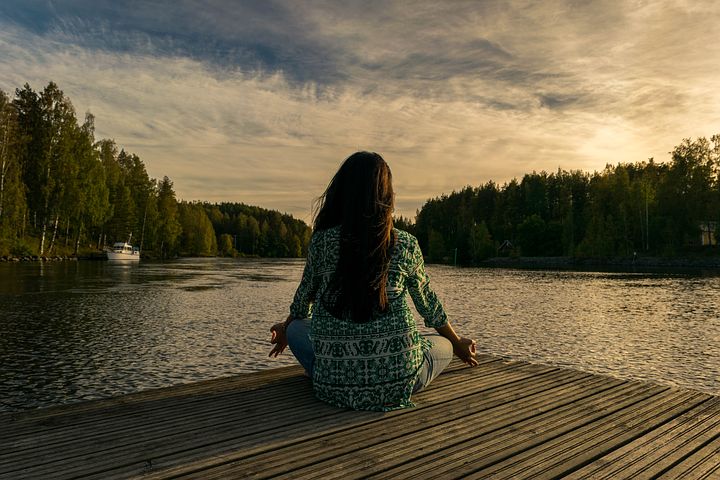
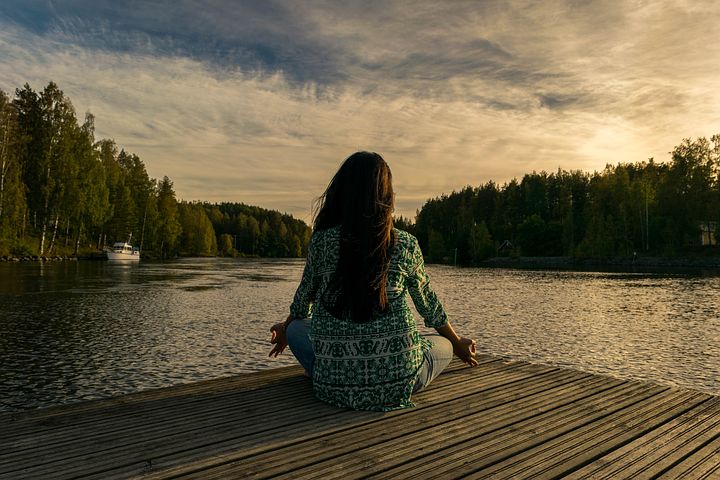
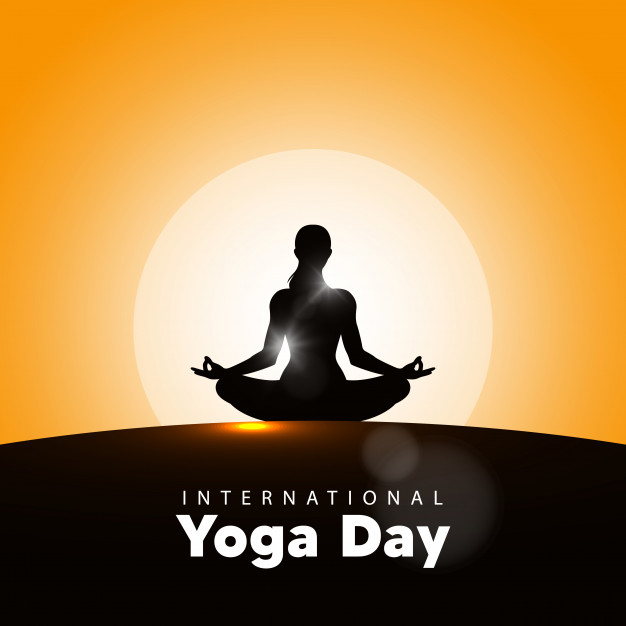
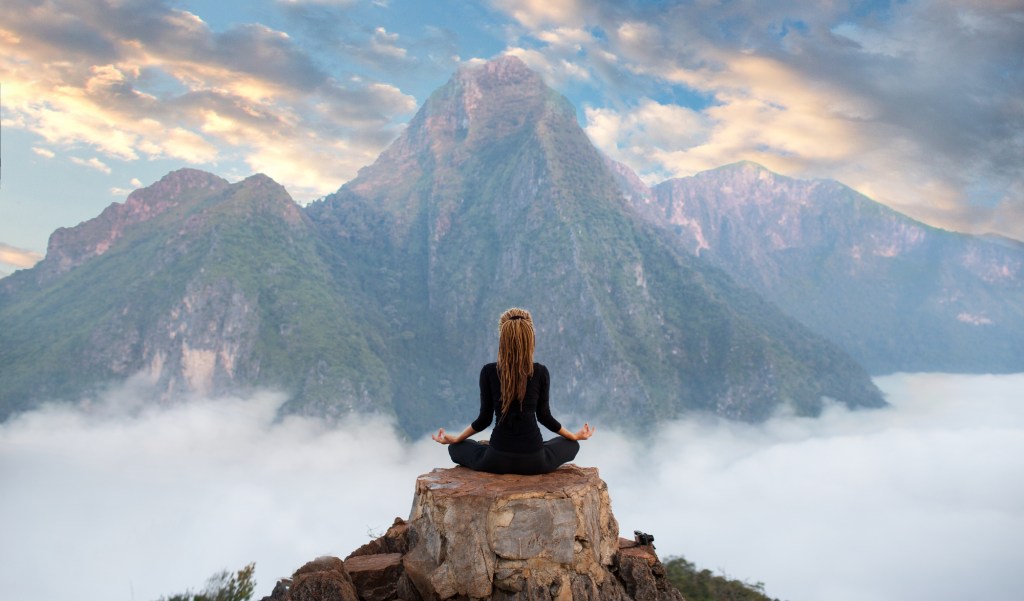
Yoga is basically a spiritual discipline which is based on an extremely subtle science that concentrates on bringing harmony between mind and body. It is a science and an art of healthy and sound living. The word ‘Yoga’ is derived from the Sanskrit word ‘Yuj’, signifying ‘to join’ or ‘to combine’ or ‘to unite’. Both Yoga and Ayurveda are historically closely related and have developed in tandem with each other since ancient times. According to Yogic sacred writings the act of Yoga prompts the union of individual consciousness with that of the Universal Consciousness, showing an ideal congruity between the mind and body, Man and Nature. Yoga is believed to balance the three doshas i.e Vata , Pitta & kapha. As indicated by modern scientists, everything in the universe is only an appearance of a similar quantum atmosphere. One who experiences this oneness of existence is said to be in yoga, and is named as a yogi, having achieved a state of freedom alluded to as Mukti, Nirvana or Moksha. Therefore, the prime objective of Yoga is Self-realization, to overcome all types of sufferings prompting ‘the state of salvation’ (Moksha) or ‘freedom’ (Kaivalya). Living with freedom in all aspects of life, health and harmony is the primary focus of yoga practice. “Yoga” likewise alludes to an inward science including an assortment of strategies through which people can understand this union and accomplish authority over their destiny.Yoga, being generally considered as an ‘Immortal cultural outcome’ of Indus Saraswati Valley civilization – going back to 2700 B.C., has substantiated itself taking into account both material and spiritual upliftment of humanity.Basic humane values are the very Identity of Yoga Sadhana.
20 ways yoga Improves health:
1. Builds muscle strength – Strong muscles do more than look good. They also protect us from conditions like arthritis and back pain, and help prevent falls in elderly people. And when you build strength through yoga, you balance it with flexibility. If you just went to the gym and lifted weights, you might build strength at the expense of flexibility.
2. Improves your flexibility – Improved flexibility is one of the first and most obvious benefits of yoga. During your first class, you probably won’t be able to touch your toes, never mind do a backbend. But if you stick with it, you’ll notice a gradual loosening, and eventually, seemingly impossible poses will become possible. You’ll also probably notice that aches and pains start to disappear. That’s no coincidence. Tight hips can strain the knee joint due to improper alignment of the thigh and shinbones. Tight hamstrings can lead to a flattening of the lumbar spine, which can cause back pain. And inflexibility in muscles and connective tissue, such as fascia and ligaments, can cause poor posture.
3. Perfects your posture – Your head is like a bowling ball—big, round, and heavy. When it’s balanced directly over an erect spine, it takes much less work for your neck and back muscles to support it. Move it several inches forward, however, and you start to strain those muscles. Hold up that forward-leaning bowling ball for eight or 12 hours a day and it’s no wonder you’re tired. And fatigue might not be your only problem. Poor posture can cause back, neck, and other muscle and joint problems. As you slump, your body may compensate by flattening the normal inward curves in your neck and lower back. This can cause pain and degenerative arthritis of the spine.
4. Prevents cartilage and joint breakdown – Each time you practice yoga, you take your joints through their full range of motion. This can help prevent degenerative arthritis or mitigate disability by “squeezing and soaking” areas of cartilage that normally aren’t used. Joint cartilage is like a sponge; it receives fresh nutrients only when its fluid is squeezed out and a new supply can be soaked up. Without proper sustenance, neglected areas of cartilage can eventually wear out, exposing the underlying bone like worn-out brake pads.
5. Protects your spine – Spinal disks—the shock absorbers between the vertebrae that can herniate and compress nerves—crave movement. That’s the only way they get their nutrients. If you’ve got a well-balanced asana practice with plenty of backbends, forward bends, and twists, you’ll help keep your disks supple. Long term flexibility is a known benefit of yoga, but one that remains especially relevant for spinal health.
6. Betters your bone health – It’s well documented that weight-bearing exercise strengthens bones and helps ward off osteoporosis. Many postures in yoga require that you lift your own weight. And some, like Downward- and Upward-Facing Dog, help strengthen the arm bones, which are particularly vulnerable to osteoporotic fractures. In an unpublished study conducted at California State University, Los Angeles, yoga practice increased bone density in the vertebrae. Yoga’s ability to lower levels of the stress hormone cortisol may help keep calcium in the bones.
7. Increases your blood flow – Yoga gets your blood flowing. More specifically, the relaxation exercises you learn in yoga can help your circulation, especially in your hands and feet. Yoga also gets more oxygen to your cells, which function better as a result. Twisting poses are thought to wring out venous blood from internal organs and allow oxygenated blood to flow in once the twist is released. Inverted poses, such as Headstand, Handstand, and Shoulderstand, encourage venous blood from the legs and pelvis to flow back to the heart, where it can be pumped to the lungs to be freshly oxygenated. This can help if you have swelling in your legs from heart or kidney problems. Yoga also boosts levels of hemoglobin and red blood cells, which carry oxygen to the tissues. And it thins the blood by making platelets less sticky and by cutting the level of clot-promoting proteins in the blood. This can lead to a decrease in heart attacks and strokes since blood clots are often the cause of these killers.
8. Drains your lymphs and boosts immunity – When you contract and stretch muscles, move organs around, and come in and out of yoga postures, you increase the drainage of lymph (a viscous fluid rich in immune cells). This helps the lymphatic system fight infection, destroy cancerous cells, and dispose of the toxic waste products of cellular functioning.
9. Ups your heart rate – When you regularly get your heart rate into the aerobic range, you lower your risk of heart attack and can relieve depression. While not all yoga is aerobic, if you do it vigorously or take flow or Ashtanga classes, it can boost your heart rate into the aerobic range. But even yoga exercises that don’t get your heart rate up that high can improve cardiovascular conditioning. Studies have found that yoga practice lowers the resting heart rate, increases endurance, and can improve your maximum uptake of oxygen during exercise—all reflections of improved aerobic conditioning. One study found that subjects who were taught only pranayama could do more exercise with less oxygen.
10. Drops your blood pressure – If you’ve got high blood pressure, you might benefit from yoga. Two studies of people with hypertension, published in the British medical journal The Lancet, compared the effects of Savasana (Corpse Pose) with simply lying on a couch. After three months, Savasana was associated with a 26-point drop in systolic blood pressure (the top number) and a 15-point drop in diastolic blood pressure (the bottom number—and the higher the initial blood pressure, the bigger the drop.
11. Regulates your adrenal glands – Yoga lowers cortisol levels. If that doesn’t sound like much, consider this. Normally, the adrenal glands secrete cortisol in response to an acute crisis, which temporarily boosts immune function. If your cortisol levels stay high even after the crisis, they can compromise the immune system. Temporary boosts of cortisol help with long-term memory, but chronically high levels undermine memory and may lead to permanent changes in the brain. Additionally, excessive cortisol has been linked with major depression, osteoporosis (it extracts calcium and other minerals from bones and interferes with the laying down of new bone), high blood pressure, and insulin resistance. In rats, high cortisol levels lead to what researchers call “food-seeking behavior” (the kind that drives you to eat when you’re upset, angry, or stressed). The body takes those extra calories and distributes them as fat in the abdomen, contributing to weight gain and the risk of diabetes and heart attack.
12. Makes you happier – Feeling sad? Sit in Lotus. Better yet, rise up into a backbend or soar royally into King Dancer Pose. While it’s not as simple as that, one study found that a consistent yoga practice improved depression and led to a significant increase in serotonin levels and a decrease in the levels of monoamine oxidase (an enzyme that breaks down neurotransmitters) and cortisol. At the University of Wisconsin, Richard Davidson, Ph.D., found that the left prefrontal cortex showed heightened activity in meditators, a finding that has been correlated with greater levels of happiness and better immune function. More dramatic left-sided activation was found in dedicated, long-term practitioners.
13. Founds a healthy lifestyle – Move more, eat less—that’s the adage of many a dieter. Yoga can help on both fronts. A regular practice gets you moving and burns calories and the spiritual and emotional dimensions of your practice may encourage you to address any eating and weight problems on a deeper level. Yoga may also inspire you to become a more conscious eater. One of the benefits of yoga is how the practices resonate through other areas of your life.
14. Lowers blood sugar – Yoga lowers blood sugar and LDL (“bad”) cholesterol and boosts HDL (“good”) cholesterol. In people with diabetes, yogahas been found to lower blood sugar in several ways: by lowering cortisol and adrenaline levels, encouraging weight loss, and improving sensitivity to the effects of insulin. Get your blood sugar levels down, and you decrease your risk of diabetic complications such as heart attack, kidney failure, and blindness.
15. Helps you focus – An important component of yoga is focusing on the present. Studies have found that regular yoga practice improves coordination, reaction time, memory, and even IQ scores. People who practice Transcendental Meditation demonstrate the ability to solve problems and acquire and recall information better—probably because they’re less distracted by their thoughts, which can play over and over like an endless tape loop.
16. Relaxes your system – Yoga encourages you to relax, slow your breath, and focus on the present, shifting the balance from the sympathetic nervous system (or the fight-or-flight response) to the parasympathetic nervous system. The latter is calming and restorative; it lowers breathing and heart rates, decreases blood pressure, and increases blood flow to the intestines and reproductive organs—comprising what Herbert Benson, M.D., calls the relaxation response.
17. Improves your balance – Regularly practicing yoga increases proprioception (the ability to feel what your body is doing and where it is in space) and improves balance. People with bad posture or dysfunctional movement patterns usually have poor proprioception, which has been linked to knee problems and back pain. Better balance could mean fewer falls. For the elderly, this translates into more independence and delayed admission to a nursing home or never entering one at all. For the rest of us, postures like Tree Pose can make us feel less wobbly on and off the mat.
18. Maintains your nervous system – Some advanced yogis can control their bodies in extraordinary ways, many of which are mediated by the nervous system. Scientists have monitored yogis who could induce unusual heart rhythms, generate specific brain-wave patterns, and, using a meditation technique, raise the temperature of their hands by 15 degrees Fahrenheit. If they can use yoga to do that, perhaps you could learn to improve blood flow to your pelvis if you’re trying to get pregnant or induce relaxation when you’re having trouble falling asleep.
19. Releases tension in your limbs – Do you ever notice yourself holding the telephone or a steering wheel with a death grip or scrunching your face when staring at a computer screen? These unconscious habits can lead to chronic tension, muscle fatigue, and soreness in the wrists, arms, shoulders, neck, and face, which can increase stress and worsen your mood. As you practice yoga, you begin to notice where you hold tension: It might be in your tongue, your eyes, or the muscles of your face and neck. If you simply tune in, you may be able to release some tension in the tongue and eyes. With bigger muscles like the quadriceps, trapezius, and buttocks, it may take years of practice to learn how to relax them.
20. Helps you sleep deeper – Stimulation is good, but too much of it taxes the nervous system. Yoga can provide relief from the hustle and bustle of modern life. Restorative asana, yoga nidra (a form of guided relaxation), Savasana, pranayama, and meditation encourage pratyahara, a turning inward of the senses, which provides downtime for the nervous system. Another by-product of a regular yoga practice, studies suggest, is better sleep—which means you’ll be less tired and stressed and less likely to have accidents. Sleep is one of the key benefits of yoga that nearly every practitioner can experience no matter what their skill level.
No one ever knew that coronavirus would stay on this long, and a 21 days lockdown would extend to a year and half now. All the plans, the expectations of getting a normal grad-farewell, went nowhere but into an invisible bin in space. Day by day, breath by breath, I find it hard to live, to exist; sitting and wasting the last year of my graduation attending lectures online – what worse could happen. But no. The worse was yet to come an online farewell?! For real?
I get that this is not really as worse as the situation is out there. Millions of people have lost thier jobs and their only source of income. Many corners of the world has peoples starving to death. Here every passing second, I can hear the intensity of sirens increasing next street. My phone is buzzed with calls of my parents asking if I’m doing okay and also my relatives informing that they tested positive and we could do nothing but just be there emotionally, a thousand miles apart. Just like the cases, the number of deaths of knowns and unknowns are increasing and I’m so intimidated by the pain and anxiety this has left us with.
If we look back when everything was normal, when we could roam around with our friends and family, when we could have things we craved for at that instance, when we could watch skies changing colours while the sun setting down over chit chatting with our friends, when we could stay with them even if the sky turned dark. When there were no curfews, no restrictions, we could stay that way as long as we wished for. Only if we knew in March’20, maybe then, we could hold on to our closer ones a little longer, we would enjoy that last sunset together a little longer, we would enjoy that one last meal together a little longer. Only if we knew that time, we would appreciate those small little things more than we ever did. This pandemic taught us few lessons though; to reconnect with our loved ones; to appreciate and be grateful for every little joy of happinesses.
Ever since our births, we’re always taught to look at the brighter picture. This pandemic taught us few lessons though; to reconnect with our loved ones; to appreciate and be grateful for every little joy of happinesses. Even if we’re miles apart from our loved ones, we’re still connected to them by these screens; these megapixel screens act as a ray of hope to the darkness of despair around. In the end, all that I have now is just me and these megapixel screens. But, is it really an end if it’s not a happy one? Somewhere deep down in our hearts we still know we’re going to live that life before Covid again; where we would step out of our houses without masks & sanitizers. But this time hasn’t come yet. So, we still have to follow all the safety precautions as we know together we can get through this.
RECENT UPDATES ON THE CURRENT SITUATION OF COVID PANDEMIC
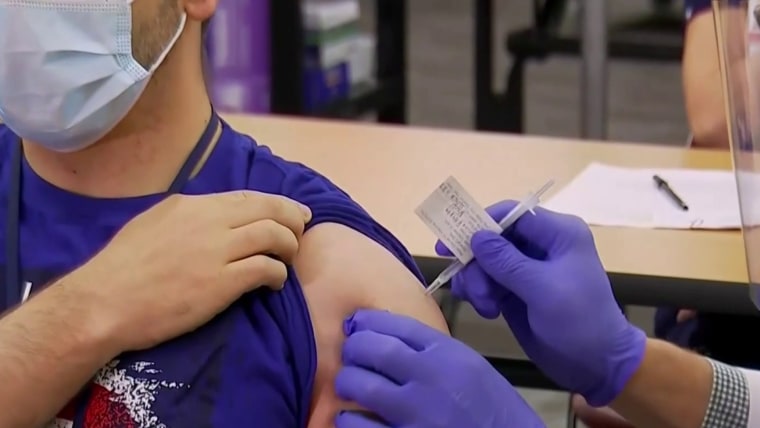
The second wave of Covid is making people suffer from its worst effects as the newly affected on a daily basis have reduced to less than 40,000 from 4 lakh of affected within ten days as per the latest reports of WHO organization released recently. The deaths are nearly more than 4 lakh of population and the government of various states are managing to control the spread of this virus. The doses of vaccines are prepared in a full stream as 34 lakhs of vaccines are distributed to several states and countries from the Serum Institute since it was approached by WHO company to prepare these doses. The third wave of Covid have already started in Australia that has affected nearly 20,000 people so far with even more advanced side effects of this virus. Accompanied by the death rate of these fungus as 5 out of 10 people prove fatality with negligence of side effects. As relaxations are made every country government works to control the spread and remove this deadly virus all over the globe.
It’s almost been an year and a half since we have been caged in our homes for most of the time. Adults couldn’t go to their offices, children couldn’t go to their schools and coachings, ladies couldn’t go shopping. Holidays seemed useless and the urge to get out, breathe fresh air at mountains and beaches and enjoy the outside world, vacations again is like dream come true to every person in the country. Now as from the start of July after the relaxation in cases after second wave there’s a certain initiation towards beginning of offline schools and colleges along with offices and even openings of tourist places. In such situations the immense curiosity in each one of us to move out now is natural and common. But, the question is ‘In order to acquire our rights to freedom again’, should we forget our duties towards our nation and people around us. Was all the mourning for all the dead people across the country was a lie. And did we even really learn from mistakes done by us during the relaxation after first wave, which lead us to a more deadly return of a COVID wave. The answer can be seen in this picture below;
Under such critical circumstances for the whole world, it’s not only the duty of Government to protect the nation but also the responsibility of citizens to understand the situation and act accordingly to preserve themselves from this widespread killer disease. However, From the start of July itself Indians aren’t found working wisely anymore. Even after so many guidelines, precaution measures and rules been provided to the people they have become careless as shown. We need to understand that the relaxations done by government in travels are firstly for the needy people and then for us amd thereafter for little bit of casual movements here and there while considering the interest of individuals as well. All of us were and are crystal clear with the intensity of the conditions, and the country as a whole needs to deal with it with uttermost sincerity. There are still some states which are yet under high risks and high number of people are suffering regularly. Thousands are bearing the pain of loosing their loved ones. Still there are various alerts for another dangerous variants of virus coming up and the most risky part to be noticed i.e. the upcoming arrival of third Wave. The decision is upon us. Whether we want to enjoy much for a few days and get locked for next few months again or take precautions today and greet a goodbye to these cages and live freely again as soon as possible. Surely, Noone will like to choose Warmly welcoming and providing a home to the virus again over leading you way to a healthy normal life again.
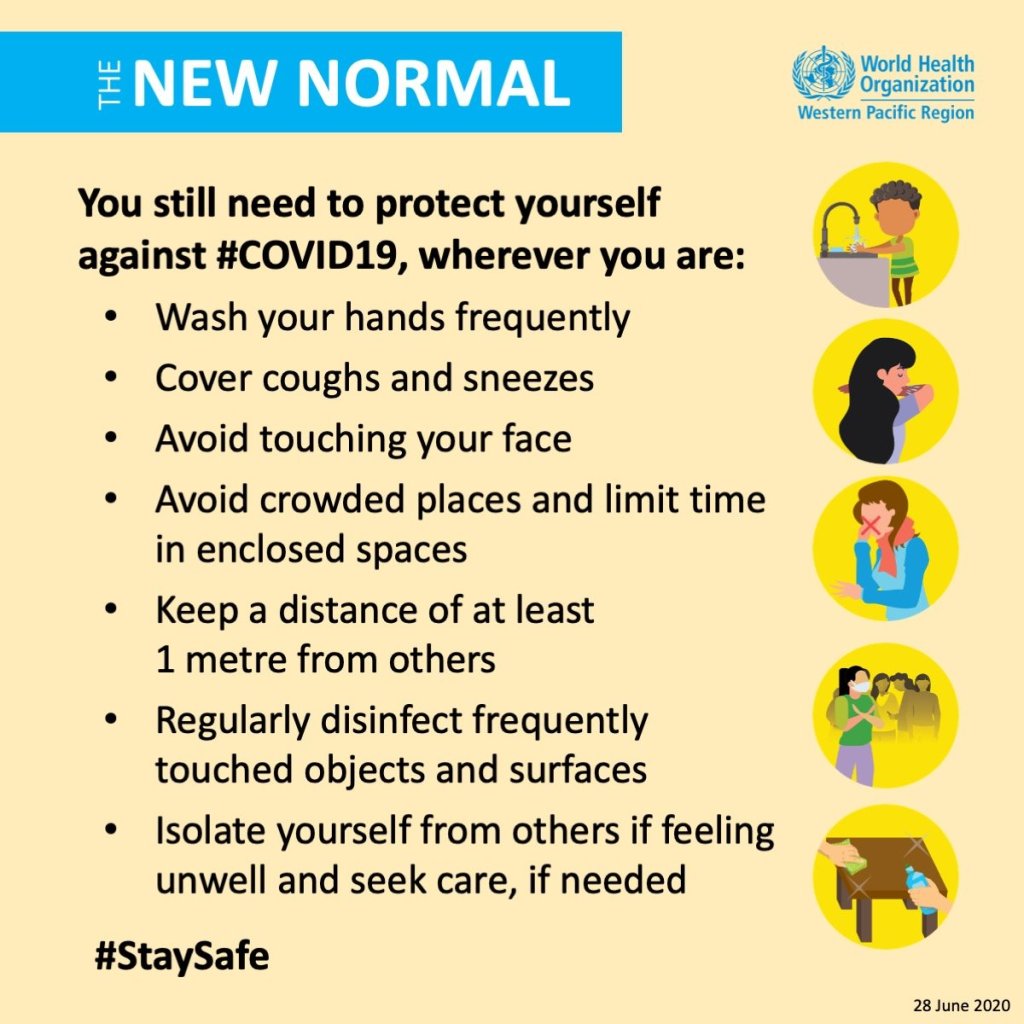
A very well known fact is “Prevention is better than cure”. One should keep in mind that not all rules are meant to be hated. Some could really be very profitable to you too. Health should always be looked on to as the most important part of life and currently, it has to be your No. 1 priority. The officials are doing their part to keep you safe. Our Doctors are dying forgiving us live, standing like the most efficient soldiers in from of the battleground with one of the biggest emmemies of the world. Hemcex it is our duty to support them. And mainly. Support ourselves and rescue ourselves by following regulations as given by government like; Washing your hands thoroughly each time you return home, avoid going to crowdy places, staying at a distance from anyone, WEARING MASKS, etc. As given in the picture above.









 Eduindex
You must be logged in to post a comment.