Struggles of big dairy companies in India!!!

India is that the world’s biggest producer and consumer of dairy. In 2018 alone, India produced 186 million metric tonnes of milk — about 410 billion pounds and 22 percent of the milk produced globally. Almost all of that is consumed domestically thanks to India’s dairy-heavy diet — think creamy curries, yogurt drinks, and a popular type of butter called ghee. A quick note before we proceed: this includes milk from buffaloes, which are an important source of milk in many developing countries. the point is that India loves milk.

What is pushing India's small dairy farmers out of business?

In 2011, the French dairy company Danone hoped to capitalize on this by opening a division in India. Danone opened its own processing plant in Haryana and tried to capture some of India’s 1.2 billion dairy lovers. But less than a decade later, Danone shuttered their dairy business in India. That same year, the corporate made 28 billion dollars worldwide and was within the top three global dairy companies. With all this success, elsewhere, why did Danone’s dairy business sour in India? Let’s start with some background on Danone. Their business is broken down into three categories:

  1. 1.specialized nutrition, like supplements and formula for babies;
  2. bottled waters and seltzers;
  3. dairy and plant-based alternatives.

That one makes up over half of their global sales, but it’s also the one that failed in India. Danone does still sell specialized nutrition products in the country, but they don’t break out those sales figures separately. This is the same company as Dannon in the U.S. The company decided to rebrand to make the spelling less confusing for American consumers. Anyway, now for some background on India’s dairy industry. There are about 75 million dairy farmers in India. Most of them are women who own one or two buffaloes or cows to supplement the family’s income. Nearly half of India’s milk is not sold, but consumed by the farmers household. This makes India’s dairy industry much more fractured and localized than other countries where Danone operates. Take the company’s native France and one of its biggest customers, the U.S. Each has far fewer dairy farms with herds that dwarf India’s one or two animal average. This was Danone’s first big problem in India: sourcing milk is difficult. Of the half not consumed by farmers’ households, only about 15 percent goes to big organized companies or government run cooperatives. The rest goes to hundreds of small, local milk processors.

Tainted milk: Branded dairy in India sees 5% increase in ...

The largest companies like Amul, Mother Dairy, and Nestlé have tiny percentages of the market, and they’ve been there for decades. Market research firms Mintel and Euromonitor declined to release specific market share numbers to CNBC. However, a 2016 piece in The Economic Times of India citing Euromonitor put the figures at about 7 percent for Amul, 3.7 percent for Mother Dairy, and 2.9 percent for Nestlé. In short, tapping into the existing dairy infrastructure is effective but time consuming. Imagine the effort of contacting dozens or hundreds of local and regional dairies, processors, or individual farmers. But establishing a separate supply chain altogether is very expensive — a lesson Danone learned the hard way. And when Danone did get milk, the company focused on the wrong products. Danone pushed plain yogurt and flavored yogurt drinks — popular in places like the U.S. and France with high profit margins to boot. But in India around the time when Danone arrived, yogurt comprised only 7 percent of the dairy consumed.

The real money was in ghee, a type of clarified butter, and plain old fluid milk, a product with razor-thin margins dominated by those hundreds of local small-scale producers. Analysts explained to CNBC the simple reason why Indian consumers shunned Danone’s prepackaged yogurt. And if Indian consumers did want to buy premade yogurt, they had a slew of cheaper options than Danone. Dairy never accounted for more than 10 percent of Danone’s sales in India, a far cry from its global 50 percent. Its specialized nutrition arm picks up the slack, and the company announced a renewed focus on that division when it shuttered its dairy operation. Meanwhile, two of their biggest competitors, Amul and Nestlé, made nearly five billion and 750 million from dairy, respectively. But not all hope is lost for Danone’s dairy in India.

Amul, Nestle, Mother Dairy, Tru & Danone: Which Milk Tastes the ...

In January 2018, the same time that Danone ended its dairy production there, the investment arm of the company announced its part in a 26.5 million dollar investment in Epigamia, an Indian yogurt startup. This could be a sustainable move for Danone in India’s dairy industry because Epigamia offers consumers products that add value onto the plain yogurt they will make cheaply reception . But perhaps most importantly is this: while much of the population still makes yogurt the old-fashioned way, analysts predict that a growing number of consumers will want to buy premade options as they move into corporate jobs in developing urban centers. Very large numbers indeed. If only 5 percent of India’s 1.35 billion people decides to buy prepackaged yogurt, that’s over 67 million consumers — more than the entire population of Danone’s native France.

5 secrets of successful person

When we talk about successful persons nearly all of us think that there must be something secret behind their success. May be we think they work hard but don’t we too work hard if yes then why do most of us think or assume that they are not successful in their life. There are no as such secrets behind success but there are surely some values which if we follow regularly become secrets behind our success. Let us learn about some so called unknown secrets of success.

1.successful people have strong self beiief:

This is the most essential quality to be successful. Such persons do sometimes get caught in self doubt but they witty enough to encounter such things. Instead of over analysing of what things could go wrong they focus on their strenghts. Thus to become successful one must have confidence in themself.

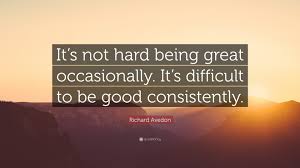
2. To be successful you need not be great all time but must be consistently good:

Yes many times people think that to be successful they must be always great in their work but no it is consistently good performance that makes one successful over the time. If you are great in your work it’s totally ok but being consistently good is must.

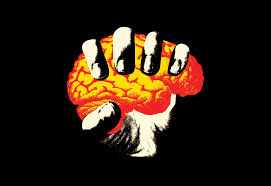
3.He who conquers the mind conquers the world:

Mind control is the most important thing to be successful, one must be always focused towards their goal in order to achieve success. Mind is like stearing of the vehicle, in order to reach your destination you must take control of it and keep going in the right path. There will be many distractions in the way but to win you must show strong desire and faith with you controlling the mind not your mind controlling your body.

4.Don’t bother about others, If you are clear in your goal:

This fact is always misunderstood sometimes you have to listen to elders and other experts in your field, because geart people are good listeners. However if you think someone is intentionally teasing you or distracting you from your goal, don’t even bother to reply them.

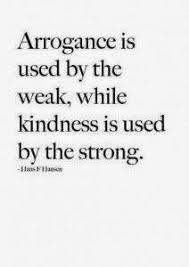
5.Don’t be arrogant or think yourself superior than others and always have faith in god:

One who is arrogant or over-confident has always risk of being failed. Only the ones who know their limits and are aware of their surroundings succeed. Great people never show-off and always know the importance of god and grateful to others. Don’t forget humans are social beings thus one who gains faith of society becomes successful.
Hope this article can help readers to redefine success in a positive way.

Why Apple was not so popular in India???

Apple sells millions of iPhones every year. In the year 2018, the tech giant reported selling close to 47 million units worldwide. But not all markets are created equal. India has been one of the hardest countries to crack for the Cupertino giant. Although it’s been over a decade since Apple began selling iPhones in India, the company can’t seem to get a big bite of the world’s second-largest smartphone market. India is a very price-sensitive market, which means that people pay a lot of attention to what value they are getting out of the price that they are paying for a particular product.

In the case of Apple, there’s a lot of premium being paid for the brand itself, and that’s where the price-conscious Indian consumer thinks about that if they are getting the same kind of features or specs from another phone that they can get a lower price, that makes it tougher to sell something at a much higher premium. Apple is definitely feeling the pressure. Samsung and Xiaomi accounted for the majority of smartphone sales in India in quarter three of 2018, garnering 22 percent and 27 percent respectively of the smartphone market. In contrast, Apple made up only about 1 percent of India’s smartphone market share, trailing behind Chinese phone makers Vivo and Oppo. It’s also worth noting that the premium smartphone market in which Apple operates still makes up less than 5 percent of the overall smartphone market in India.

7 Key Strategies That You Must Learn from Apple's Marketing

Most of the smartphones in India that sell, they are below $200 and Apple does not have any play in that segment. This environment is one that competitors like Samsung have begun to adapt to. The South Korean powerhouse is launching its Galaxy M series budget smartphones to appeal to the Indian market. In contrast, Apple doesn’t seem too keen on changing up its India strategy. I got some ideas for you, OK? I talked to some people at Walmart yesterday. An arrangement with Walmart Flipkart to take over India with a budget phone rather than doing it piecemeal? For us, we’re about making the best product that enriches people’s lives. And so, we’re not about making the cheapest. For us, what we’ve seen is, there’s enough people in every country in the world that we play in that we can have a really good business by selling the best phones. Still, some tech investors see Apple as being out of touch with the India market. You think they are going to slash prices? I think they have to. How can you sell a $1,000 phone in a market like China where the GDP per person is $10,000? In India it’s $2,000. And if you go back to the September earnings release, they talked about the fact that India was way below where they thought.

Apple postpones launch of online store in India - The Economic Times

Well, if your average GDP person is $2,000 and you’re trying to sell a $1,000 phone, it’s gonna be probably pretty hard to sell it. They probably want to eat. Another issue for Apple: stiff tariffs. I think iPhones have a specific disadvantage in the India market because of the local regulation. There is a very high import duty on the phones that are not manufactured locally in India. So for most of the big players in the India market, they are manufacturing locally so they do not have to pay that high import duty. Samsung has been manufacturing phones in India since 2007 and just last year opened the world’s largest mobile phone factory on the outskirts of New Delhi. Chinese phone makers Xiaomi and Oppo have also invested millions of dollars to build manufacturing plants in the country. That’s not to say Apple has completely ignored India.

The tech giant already manufactures its lower-cost iPhone SE and iPhone 6s models locally, through a partnership with Taiwanese manufacturer Wistron. This year, Apple is also expected to move its production of the iPhone X series into Foxconn’s plant in southern India. If you look at how we’ve done over the years, we’ve gone from a $100-$200 million business to last year we had we exceeded $2 billion. That $2 billion was flat year over year after a rapid rapid growth. And so we have more work to do. We’d like to put stores there. We would like some of the duties and so forth that are put on the products to go away. But even with its local hardware production push, Apple still fails to provide Indians with a robust software experience.

Apple iOS 13 Release: Should You Upgrade?

Apple has introduced turn-by-turn navigation for the India market. Before that, that significant part was missing. And beyond that, there’s not a lot of customization that Apple has done for the India market. There are not a lot of apps that specifically cater to the India market. Past complaints for Apple Maps also included missing major landmarks and having very sparse data of cities and towns. But again, Apple is working on a solution. The company has hired thousands of engineers at its mapping facility in Hyderabad to improve its services. Apple Pay is also not an option in India, though similar payment services from Samsung and Google have already been rolled out. Finally, unlike in most other markets, Apple can’t rely so much on its brand recognition to sell devices in India. The other challenge for Apple in India is that it cannot have its own retail stores or own Apple stores because of some regulatory issues, which means it has to have partners on the retail side, whether it’s the Apple premium resellers, which you see in many other countries as well, or with the third-party resellers. In order to have a larger presence in the market.

Apple has to have partnerships with thousands of these resellers, which in a country as big as India, can be challenging. Apple is still a premium status symbol for many Indians, but one that is out of reach for the majority of the population. With phones from Chinese brands like OnePlus, which was India’s best selling premium smartphone brand for the second quarter in a row, offering similar features at a fraction of the cost, Apple may have a very tough time getting a bigger slice of the India market.

Apple - Localizing the Message - Global Marketing Professor

Why Australia is least affected by recession!!!

America’s economy is approaching a big milestone. If it keeps humming until July 2019, it’ll be the longest expansion in U.S. history. It would be exactly one decade and one month old by then. But there’s another country with an even more impressive run It’s even called the ‘lucky country’ Three big lessons from Australia.

  1. Be smart.
  2. Be organized.
  3. Be lucky.

So, if I’ve got any advice for other countries, it’s try and be as lucky as Australia That luck has to do with Australia’s treasure trove of natural resources. You know Australia is on the other side of the world and sitting on tremendously valuable minerals right at the point where the Chinese economy is just around the corner and exploding. Australia and every one its natural resources were within the right geographic neighborhood even as the Chinese economy began to begin . And it just so happens that China did a big fiscal stimulus in 2008 and spent a great deal of money building new cities. So all of these resources were drawn from places like Australia. So that also served as a huge tailwind at a time when developed markets were in a whole lot of trouble.

What Currency Is Used In Australia | Australian Dollar : Compare ...

The year 2008 was a time of economic turmoil The Global Financial Crisis hit and markets crumbled around the world. But as it turns out this was also a year for Australia’s economic management to really show off At the time the government had a very helpful and very low level of debt. One reason? Pension reform in the 1990s. Australia set up a compulsory retirement system called the superannuation system. It requires employers put money into its employees’ retirement savings.

Since companies and citizens have to build up retirement savings, some of the financial burden to pay off pensions was taken off of Australia’s government As other economies reeled in the wake of the 2008 crisis, the Australian Government was then able to put money directly into people’s bank accounts This boosted consumer spending in order to stimulate growth In 2008, the Australian Government unlike some other developed market governments actually jumped in very quickly with fiscal stimulus, so that helped to kind of minimize the effect of the crisis The country’s numbers continued to look sluggish after the financial crisis. But they never quite dipped low enough or for long enough to satisfy the definition of a recession. It takes two quarters of negative growth to fall into a recession. Australia’s economy did post a couple of negative quarters since 2008, but no country’s perfect. Overall Australia’s economy has been managed pretty much in recent years partly due to a robust and stable financial institution.

Reserve Bank of Australia – Australia's LGBTQ Inclusive Employers

Australia has an independent financial institution and it is a very well-run financial institution . It also has a floating exchange rate and the exchange rate helped it adjust to international shocks. Australia’s economic reforms gave it flexibility in times of hardship. For example, floating the Australian dollar In 1983, Australia’s government moved the dollar onto a floating exchange rate This meant that the dollar would be valued by supply and demand instead of being subject to influence from its government or its central bank It allows the economy to react to shocks as well Typically when an economy is hit by some sort of negative shock. The currency will adjust. It will depreciate and that helps promote exports. Another reason behind Australia’s economic diary lies in its immigration policy. Since the late 1990s, Australia has seen growth in temporary migration, many arriving to the country on student or temporary work visas. The number of temporary migrants peaked in the year 2000. However a recent change to immigration law in 2018 gave visa applicants more hurdles to get through if they wanted to come to the country Even when our GDP per capital average incomes aren’t rising by much because the number of people continues to rise that means the total GDP continues to rise at even more rapid pace Part of that’s underpinned by much faster population growth Most experts think Australia’s economy remains strong in 2019, but it’s not without risks.

Australia’s suffering at the instant from pretty weak wage growth. That’s worrying a lot of people. There’s a lot of fear right now that China is hitting a wall. That will hit demand for Australian products. The good news is to the extent that the Chinese are buying commodities hopefully will find buyers from overseas for many of those commodities if the Chinese are not there The bad news is the rest of the world economy is not doing that well.

Australian economic growth slows, enters per capita recession ...

How India’s massive Election System works?

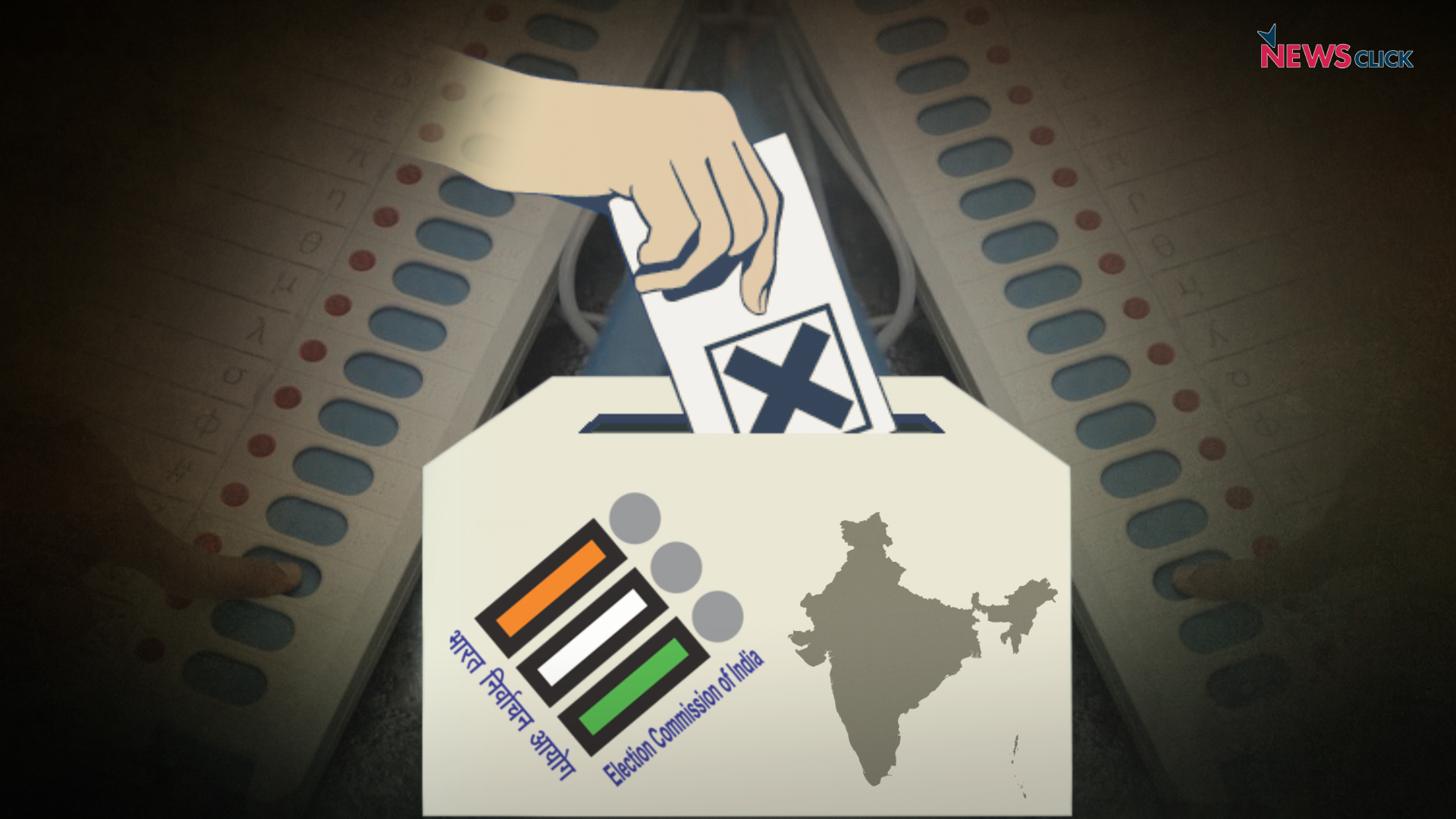
The world’s biggest democracy just had an election. The world’s biggest democratic election It’s a marathon election A mammoth undertaking It’s the world’s biggest exercise in democracy In India, voters picked its central government for the next five years. An eighth of the world’s population was eligible to vote in this election. In the year, 2019, there are 900 million eligible voters in India making this the largest Democratic exercise in the history of humanity.

A vote for reform: Election Commission collaborating with IIT-M on ...

In one of the largest and most populous countries in the world, that isn’t an easy task. India has to reach voters in coastal cities in the south, in the rural regions of the west, and jungles to the east and everywhere in between. And what’s more, they want every Indian citizen to be within 2 km of a voting station. That’s only about 25 city blocks no matter where you are in the country. It’s an incredibly ambitious goal and yet, somehow they’re able to do it. This is the biggest election in the world and I wanted to know how does it work. Every election a team of state officials and security forces, get on a ship within the east of India to require off towards this island. They travel about 100 km to get here, all to securely deliver these Electronic Voting Machines or EVMS, the instrument that logs India’s votes, the heart of this elaborate election process.

Election Commission's crackdown on poll-related monetary ...

India has 2.3 million voting machines for its 900 million voters. So, getting these machines on the brink of every voter may be a big logistical undertaking. That’s why India doesn’t have one polling day , instead, it’s closer to an election month with multiple phases that last weeks. This process takes more than 11 million election officials and security forces, who move from polling station to polling station to polling station from densely populated cities to the rural areas where the majority of Indians live. Once on the island with the EVMs, officials pile on to bike carts and head towards the polling station. Once they arrive, they start setting everything up for the vote.

On Election Day, voters line up, cast their vote, and get their fingers inked to prevent double voting. This is where the process ends for the voters, but for the election officials this is just the beginning. Driving a boat out to a remote island is just one of many ways that officials reach every voter. India’s vast and diverse terrain requires transportation methods of all kinds, like in the jungles of this northern state where elephants transport voting machines to reach a remote town or in the Himalayas where officials hike for hours to bring EVMS for election day. Helicopters, trains, they even use camels. But what makes India’s elections so impressive is not just how they reach everyone in such an enormous country, that’s just half the battle. It’s also the ways they try to include voters of all backgrounds into the process, a challenge that has been a part of India’s elections since the very beginning. India has 22 official languages and hundreds of dialects and when India became an independent nation, less than a quarter of the population could read and write.

Why EC Owes an Answer to the Country Over 'Phantom Votes' | NewsClick

The newly formed Election Commission of India created a range of symbols to correspond to each political party, like an elephant, a lotus, a hand or even an alarm clock so that from the beginning all people regardless of literacy level and language could vote with confidence. Since 1947, the literacy rate has increased significantly, but it’s still only 75 percent, so these symbols are still useful to many when casting a vote. But this is a massive sprawling operation and over the years it’s run into some pretty serious problems like allegations of election rigging and problems with a practice called booth capture, where gangs actually take over polling stations and tamper with the elections. It’s partly because of these problems that the Commission introduced these voting machines in the 1990s.

It also increased security around the elections. These efforts to include all voters and protect elections seem to be working. In 2019, India saw the highest voter turnout yet and for the firsttime women voted just as much as men. India’s elections are only getting bigger and more complicated. India has one among the fastest growing populations within the world. and in 2020, young people will make up more than a third of the country. This is the most important election within the world that takes many officials fanning out across a huge country to assist many millions vote.

Election Commission rejects Opposition demand to tweak VVPAT ...

India:- Medical Negligence, can it be pardoned?

Mediacal profession is viewed as the most devout and mindful calling among others. It is one of the most regarded areas of the general public and there is no forswearing of the way that specialists have been given assignment proportionate to that of the God. In the current occasions additionally, everybody is admiring these experts and hailing them as warriors in white uniform.

Nonetheless, a few occurrences put the specialist customer relationship in an air pocket. Because of some careless clinical experts the whole society is addressed and detested. Indeed, even the smallest carelessness of their part can be lethal for the patient and once the word ‘carelessness’ is appended with any clinical expert it is a major hit to the generosity of that individual.

UNDERSTANDING MEDICAL NEGLIGENCE

What is clinical carelessness?

The Supreme Court in Poonam Verma v. Ashwin Patel and Ors. [(1996) 4 SCC 332] talked about the idea of clinical carelessness and characterized as under:

“Carelessness has numerous signs – it might be dynamic carelessness, insurance carelessness, near carelessness, simultaneous carelessness, proceeded with carelessness, criminal carelessness, net carelessness, perilous carelessness, dynamic and detached carelessness, headstrong or crazy carelessness or Negligence essentially.”

A specialist can be held obligated for carelessness just on the off chance that it tends to be demonstrated that he/she is capable of a disappointment that no other specialist with conventional aptitudes would be liable of it, if acting with sensible consideration. A slip in judgment comprises carelessness just if an expert who is sensibly able with the standard aptitudes and has acted with conventional consideration, would not have made a similar mistake.

Legal PRECEDENTS

The expansive standards regarding this matter have been clarified in detail by the three Judge Bench of the Supreme Court in Jacob Mathew v. Province of Punjab and Anr. [(2005) 6 SCC 1]. In section 41 of the choice, the Court saw that:

“The expert must bring to his errand a sensible level of ability and information and must exercise a sensible level of care. Neither the most elevated nor a low level of care and skill is the thing that the law requires.”

Carelessness can be both a Tort and a Criminal risk. Carelessness as a wrongdoing has by and large an exclusive requirement. Under the misdeed Law, carelessness is built up to the degree of the misfortune brought about. In any case, carelessness under the criminal law is dependent on the degree or measure of carelessness. Courts have emphasized that the weight of building up criminal carelessness lies with the individual calling for it. On the off chance that a specialist has a blameworthy psyche and his/her carelessness prompts the foolishness then the individual submitting the demonstration will be held at risk.

In Dr. Suresh Gupta v. Legislature of NCT of Delhi [(2004) 6 SCC 422] the Supreme Court saw that:

“Among common and criminal risk of a specialist causing passing of his patient the court has a troublesome assignment of gauging the level of recklessness and carelessness claimed with respect to the specialist. For conviction of a specialist for supposed criminal offense, the standard ought to be verification of wildness and intentional wrong doing for example a further extent of ethically culpable lead.

To convict, in this way, a specialist, the arraignment needs to come out with an instance of serious extent of carelessness with respect to the specialist. Unimportant absence of legitimate consideration, safeguard and consideration or coincidence may make common obligation however not a criminal one. The courts have, in this manner, consistently demanded on account of supposed criminal offense against specialist causing demise of his patient during treatment, that the demonstration griped against the specialist must show carelessness or imprudence of such a further extent as to show a psychological state which can be portrayed as absolutely emotionless towards the patient. Such gross carelessness alone is culpable.”

A serious extent of carelessness is required to prove the claim of criminal carelessness under Section 304-An of the Indian Penal Code, 1860. For fixing criminal risk on a clinical specialist a unimportant absence of required consideration, expertise and consideration isn’t adequate, it is required to be demonstrated that there was a “gross carelessness”. Under Indian Penal Code, Sections 52, 80, 81, 83, 88, 90, 91, 92 304-A, 337 and 338 examine the law of clinical misbehavior in India.

The direct of clinical negligence was brought under the Consumer Protection Act, 1986, by ethicalness of a milestone instance of the Indian Medical Association v. V. P. Shantha and others [(1995) 6 SCC 651] wherein the Court saw that:

“clinical consideration was characterized as an “administration” under this judgment that was secured by the Act, and it was additionally explained that an individual looking for clinical consideration might be considered as a shopper if certain models were met for instance there was an installment either for treatment or enrollment, or charges were deferred or it was paid by an insurance agency.”

After this judgment, it was viewed as that a few classifications of patients presently could bring charges against the careless medicinal services suppliers for remuneration under the Consumer Protection Act, 1986. Offices and specialists that offered a wide range of assistance liberated from cost to all customers were not to be held obligated under the Act.

The Supreme Court in V.N. Shrikhande v. Anita Sena Fernandes [(2011) 1 SCC 53] saw that:

“18. In instances of clinical carelessness, no restraint equation can be applied for deciding concerning when the reason for activity has collected to the shopper. Each case is to be settled on its own realities. In the event that the impact of carelessness on the specialist’s part or any individual related with him is patent, the reason for activity will be considered to have emerged on the date when the demonstration of carelessness was finished. On the off chance that, then again, the impact of carelessness is inactive, at that point the reason for activity will emerge on the date when the patient or his delegate complainant finds the damage/injury caused because of such act or the date when the patient or his agent complainant could have, by exercise of sensible persistence found the demonstration establishing carelessness.”

In this way, the Court held that there is no sweeping technique to choose with respect to when the reason for activity has resulted the shopper.

Moreover, Sections 80 and 88 of the Code specifies the barriers for specialists blamed for criminal obligation.

As indicated by Section 80:

“80. Mishap in doing a legal demonstration – Nothing is an offense that is finished unintentionally or disaster, and with no criminal expectation or information in the doing of a legitimate demonstration in a legal way by legal methods and with appropriate consideration and alert.”

As per Section 88:

“88. Act not planned to cause passing, done by assent in compliance with common decency for individual’s advantage – Nothing, which isn’t proposed to cause demise, is an offense by reason of any mischief which it might cause, or be expected by the practitioner to cause, or be known by the practitioner to probably cause, to any individual for whose advantage it is done in compliance with common decency, and who has given an assent, regardless of whether express or inferred to endure that hurt, or to face the challenge of that hurt.”

Enactments

Government at both the Central and the State level has attempted to ensure the nature of human services segment at all levels through declaring various statutes, guidelines and acts.

  1. The Medical Council Act, 2001 – The said Act canceled the Indian Medical Council Act, 1956 as was changed in 1964, 1993 and 2001. The Act accommodates the constitution of the Medical Council of India (MCI). The MCI directs principles of clinical instruction, authorization to begin schools, courses or increment the quantity of seats, enrollment of specialists, norms of expert lead of clinical professionals.
  2. Indian Medical Council (Professional Conduct, Etiquette and Ethics) Regulations, 2002-This guideline sets out the lead of clinical experts, indicating the obligations and obligations of the doctors in and has additionally assembled the general rules required for moral clinical practice.
  3. Screening Test Regulations, 2002-The Regulations accommodates:

“An Indian resident having an essential clinical capability granted by any clinical organization outside India who is covetous of getting temporary or lasting enrollment with the Medical Council of India or any State Medical Council on or after 15.03.2002 will need to qualify a screening test led by the endorsed expert for that reason according to the arrangements of area 13 of the Act.”

  1. Indian Nursing Council-It is a national administrative body for medical attendants and medical caretaker instruction in India. It is likewise liable for consistency in nursing instruction.
  2. Medications and Cosmetics Act, 1940-The essential target of the Act is to guarantee that the medications and beauty care products sold in India are sheltered, viable and adjust to state quality guidelines.
  3. Drug store Act, 1948 – The Act accommodates:

“An Act to direct the calling of drug store. To improve arrangement for the guideline of the calling and practice of drug store and for that reason to establish Pharmacy Councils”

  1. Clinical Termination of Pregnancy Act, 1971 – The Act accommodates:

“An Act to accommodate the end of specific pregnancies by enrolled clinical professionals and for issues associated therewith or coincidental thereto.”

  1. Transplantation of Human Organ Act, 1994-This Act fills in as the essential enactment administering the procedures of organ gift and organ transplantation in India.
  2. Pre-natal Sex Determination Test Act, 1994-This demonstration was authorized to stop female foeticides and capture the declining sex proportion in India. The demonstration restricted pre-birth sex assurance.
  3. Medications and Magic Remedies (Objectionable Advertisement) Act, 1954 – The said Act gives as under:

“It disallows notices of medications and cures that guarantee to have supernatural properties, and makes doing so a cognizable offense.”

Finishing up REMARKS

There are no two different ways about the way that specialists owe an obligation of care towards the patients yet.

celebrate not just a day but life full of yoga

Yoga: understanding fundamentals

Yoga is a group of spiritual,mental and physical practices originated in ancient India. the modern yoga is seen as exercise to the body which mainly consists of postures or asanas. The practice of yoga has been thought to date back to pre-vedic Indian traditions; possibly in the Indus valley civilization around 3000 BCE. Yoga is mentioned in the Rigveda and also referenced in the Upanishads. Yoga gurus from India later introduced yoga to the West,[17] following the success of Swami Vivekananda in the late 19th and early 20th century with his adaptation of yoga tradition, excluding asanas. Outside India, it has developed into a posture-based physical fitness, stress-relief and relaxation technique. Yoga in Indian traditions, however, is more than physical exercise; it has a meditative and spiritual core.

why yoga ?

There are many reasons why one should keep habit of practicing yoga for at least half an hour a day even if they are busy all the day. yoga is an art whivh cures you from a disease before you get infected by it.

some of the benefits of yoga are:

  • increased flexibility.
  • increased muscle strength and tone.
  • improved respiration, energy and vitality.
  • maintaining a balanced metabolism.
  • weight reduction.
  • cardio and circulatory health.
  • improved athletic performance.
  • protection from injury.

Prominent personalities practicing yoga:

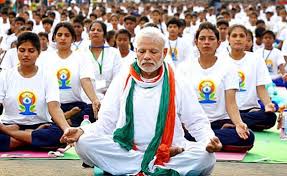
  1. Narendra modi:
If prime minister can do then we can too at least we are not as busy as him.

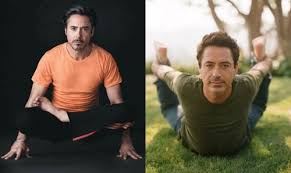
2. Robert downey ,jr.(Iron Man):

Shocked!! yes he also do yoga which has helped him in leaving the bad habit of drugs addiction.

3.Jennifer Aniston (Racheal green in Friends):

she is been practicing yoga since 2005 for at least 20-30 minutes a day regularly

admist her busy schedule.

The list goes on thus it is well known that yoga is key to healthy life. Practice it daily if you don’t know asanas search in google or refer you tube videos. Hope you start practicing Yoga.

8 Genuine ways to earn money from your home!!!

Here are some of the genuine ways to earn in your spare time without any investment.

  1. Transcriber: average earnings per month is hundred and fifty. All you need is actually to have a good pair of headphones and of course you need to get stored to type there now there is a few other sites so you can’t only rely of course on hundred and fifty dollars average earning per month but if you are good at this you can actually earn of course much more but what you can do is you can become a transcriber. rev.com is another site here as a transcriptionist you can anywhere from 24 to 90 cents per audio/video minute basically you can be a video captioner also which is pretty much the same here and you can earn anywhere from 45 cents up to 75 cents.
  2. Micro tasks you can do this on my.com in your spare time you get paid for completing simple tasks here so it can be anything from like tagging objects here helping companies select the best picture the audit user classifying you can see that there is tons of opportunities. Rapidworkers.com is another site where you can earn a decent amount just by doing some micro taskes.
  3. Data entry jobs on Amazon on rapid workers there is micro workers also but there is also assigned like a clickworkercalm.com. You just sign up for a free account and you work independently your schedule is flexible and all you need is a computer and of course and/or a mobile device with an internet connection and it’s totally up to you how much you want to work. You can do text creation, copy editing, research surveys, mystery visit, app testing and photo capturing a lot of opportunities that you can earn money from the comfort on clickworker.com.
  4. Virtual assistant one of my favorite sites is virtual assistant jobs calm and basically you can apply for data entry, call center whatever comes into your mind you can get started here and apply and search for it you might be available only to do this on part time so you can search for part-time flexible with contracts. Jobs.com helps us out there by providing all types of virtual assistance jobs.
  5. Online tutoring if you’re good at something math or English or something like that one side is a shag.com , VIP kid teachers.com which is basically they teach English here and you can earn up to twenty two dollars per hour teaching. There are many students who want to learn extra and out of their books so here comes opportunity by teaching them.
  6. Freelancer totally depends on your skills. There is other popular freelance sites like upwork.com there is freelancer.com there is people per hour so a lot of options actually that you can apply for here as a freelancer. Freelancing is one of the best option as you can work also on your niche and can enhance it for future use.
  7. Affiliate marketer and the good thing with affiliate marketing is that you don’t have to deal with shipping you don’t have to deal with anything at all. You need is just grab a link and promote that offer whatever it is and of course you earn a commission okay so one of the most popular platforms is Clickbank.com. They have thousands of products here probably one of the most popular niches will be health and fitness. You just grab a link here and what you do is you use this link to promote it you can use something like bitly to shorten this ugly link of course and then all you need to do is drive traffic to this offer. Amazon is another option that you can make money as an affiliate marketer they have millions of products here that you can promote ok you can earn a commission from anything you promote inside Amazon here so it works the same way it totally depends on your niche here how you can drive traffic to it.
  8. Sell stuff on eBay you have available that you don’t use at your home you can get stored there to sell this or you can actually use this platform to buy something and sell it much higher. So, you can be a sort of a middleman here so this is another option tons of ways and opportunities to make money eBay and you can of course do this from your home without any investment.


How to control your mind & thoughts through Vipassana Meditation


mind_control-01

A Non-Sectarian Technique

Vipassana meditation is for the purification of the mind. It is the highest form of awareness—the total perception of the mind-matter phenomena in its true nature. It is the choiceless observation of things as they are. Vipassana is the meditation the Buddha practiced after trying all other forms of bodily mortification and mind control, and finding them inadequate to free him from the seemingly endless round of birth and death, pain and sorrow. It is a technique so valuable that in Burma it was preserved in its pristine purity for more than 2,200 years.

Vipassana meditation has nothing to do with the development of supernormal, mystical, or special powers, even though they may be awakened. Nothing magical happens. The process of purification that occurs is simply an elimination of negativities, complexes, knots, and habits that have clouded pure consciousness and blocked the flow of mankind’s highest qualities—pure love (mettā), compassion (karuṇā), sympathetic joy (muditā), and equanimity (upekkhā).

There is no mysticism in Vipassana. It is a science of the mind that goes beyond psychology by not only understanding, but also purifying, the mental process. The practice is an art of living which manifests its profound practical value in our lives—lessening and then eliminating the greed, anger, and ignorance that corrupt all relationships, from the family level to international politics. Vipassana spells an end to daydreaming, illusion, fantasy—the mirage of the apparent truth. Like the sizzling explosion of cold water being thrown on a red-hot stove, the reactions after bringing the mind out of its hedonistic tendencies into the here and now are often dramatic and painful. Yet there is an equally profound feeling of release from tensions and complexes that have for so long, held sway in the depths of the unconscious mind. Through Vipassana anyone, irrespective of race, caste, or creed, can finally eliminate those tendencies that have woven so much anger, passion, and fear into our lives. During the training a student concentrates on only one task—the battle with his own ignorance. There is no guru worship or competition among students. The teacher is simply a well-wisher pointing the way he has charted through his own long practical experience. With continuity of practice, the meditation will quiet the mind, increase concentration, arouse acute mindfulness, and open the mind to the supramundane consciousness the “peace of nibbāna (freedom from all suffering) within.”

As in the Buddha’s enlightenment, a student simply goes deep inside himself, disintegrating the apparent reality until in the depths he can penetrate even beyond subatomic particles into the absolute. There is no dependence on books, theories, or intellectual games in Vipassana.

The truth of impermanence (anicca), suffering (dukkha), and egolessness (anattā) are grasped directly with all the enormous power of the mind rather than the crutch of the intellect. The illusion of a “self,” binding the mental and physical functions together, is gradually broken. The madness of cravings and aversions, the futile grasping of “I, me, mine,” the endless chatter and conditioned thinking, the reaction of blind impulse—these gradually lose their strength. By his own efforts, the student develops wisdom and purifies his mind.


The foundation of Vipassana meditation is sila—moral conduct. The practice is strengthened through samadhi—concentration of the mind. And the purification of the mental processes is achieved through panna—the wisdom of insight. We learn how to observe the interplay of the four physical elements within ourselves with perfect equanimity, and find how valuable this ability is in our daily lives. We smile in good times, and are equally unperturbed when difficulties arise all around us, in the certain knowledge that we, like our troubles, are nothing but a flux, waves of becoming arising with incredible speed, only to pass away with equal rapidity.

Although Vipassana meditation was developed by the Buddha, its practice is not limited to Buddhists. There is no question of conversion—the technique works on the simple basis that all human beings share the same problems, and a technique that can eradicate these problems will have a universal application. Hindus, Jains, Muslims, Sikhs, Jews, Roman Catholics, and other sects have all practised Vipassana meditation, and have reported a dramatic lessening of those tensions and complexes that affect all mankind. There is a feeling of gratefulness to Gotama, the historical Buddha, who showed the way to the cessation of suffering, but there is absolutely no blind devotion.   The Buddha repeatedly discouraged any excessive veneration paid to him personally. He said, “What will it profit you to see this impure body? Who sees the teaching—the Dhamma—sees me.”

Although Vipassana is a part of the Buddha’s teaching, it contains nothing of a sectarian nature, and can be accepted and applied by people of any background. The Buddha himself taught Dhamma (the way, the truth, the path). He did not call his followers “Buddhists”; he referred to them as “Dhammists” (those who follow the truth).

Vipassana courses are open to anyone sincerely wishing to learn the technique, irrespective of race, caste, faith or nationality. Hindus, Jains, Muslims, Sikhs, Buddhists, Christians, Jews as well as members of other religions have all successfully practiced Vipassana. The malady is universal; therefore, the remedy has to be universal. For example, when we experience anger, this anger is not Hindu anger or Christian anger, Chinese anger or American anger. Similarly, love and compassion are not the strict province of any community or creed: they are universal human qualities resulting from the purity of mind. People from all backgrounds who practice Vipassana find that they become better human beings.

The Present-day World Environment

Developments in the fields of science and technology, in transportation, communications, agriculture and medicine, have revolutionized human life at the material level. But, in actuality, this progress is only superficial: underneath, modern men and women are living in conditions of great mental and emotional stress, even in developed and affluent countries.

The problems and conflicts arising out of racial, ethnic, sectarian and caste prejudices affect the citizens of every country. Poverty, warfare, weapons of mass destruction, disease, drug addiction, the threat of terrorism, epidemics, environmental devastation and the general decline of moral values—all cast a dark shadow on the future of civilization. One need only glance at the front page of a daily newspaper to be reminded of the acute suffering and deep despair which afflict the inhabitants of our planet.

Is there a way out of these seemingly insolvable problems? The answer is unequivocally, yes. All over the world today, the winds of change are readily apparent. People everywhere are eager to find a method which can bring peace and harmony; restore confidence in the efficacy of wholesome human qualities; and create an environment of freedom and security from all types of exploitation—social, religious and economic. Vipassana can be such a method.

mind_control-01.jpgVipassana and Social Change

The technique of Vipassana is a path leading to freedom from all suffering; it eradicates craving, aversion and ignorance which are responsible for all our miseries. Those who practice it remove, little by little, the root causes of their suffering and steadily emerge from the darkness of former tensions to lead happy, healthy, productive lives. There are many examples bearing testimony to this fact.

Several experiments have been conducted at prisons in India. In 1975, Mr. S. N. Goenka conducted a historic course for 120 inmates at the Central Jail in Jaipur, the first such experiment in Indian penal history. This course was followed in 1976, by a course for senior police officers at the Government Police Academy in Jaipur. In 1977, a second course was held at the Jaipur Central Jail. These courses were the subject of several sociological studies conducted by the University of Rajasthan. In 1990, another course was organized in Jaipur Central Jail in which forty life-term convicts and ten jail officials participated with very positive results.

In 1991, a course for life-sentence prisoners was held at the Sabarmati Central Jail, Ahmedabad, and was the subject of a research project by the Department of Education, Gujarat Vidyapeeth.

The Rajasthan and Gujarat studies indicated definite positive changes of attitude and behaviour in the participants, and demonstrated Vipassana is a positive reform measure enabling criminals to become wholesome members of society.

In 1995, a massive course was organised for 1000 prisoners in Tihar jail with far-reaching effects. Vipassana was adopted as a prison reform technique in the largest jails of India. A detailed report of the scientific studies carried out to assess the impact of Vipassana meditation on the prisoner’s mental health proves that Vipassana is capable of transforming criminals into better human beings.

The civil service career of S. N. Goenka’s meditation teacher, Sayagyi U Ba Khin, is an example of the transformative effect of Vipassana on government administration. Sayagyi was the head of several government departments. He succeeded in instilling a heightened sense of duty, discipline and morality in the officials working under him by teaching them Vipassana meditation. As a result, efficiency dramatically increased, and corruption was eliminated. Similarly, in the Home Department of the Government of Rajasthan, after several key officials attended Vipassana courses, decision-making and the disposal of cases were accelerated, and staff relations improved.

The Vipassana Research Institute has documented other examples of the positive impact of Vipassana in such fields as health, education, drug addiction, government, prisons and business management.

These experiments underscore the point that societal change must start with the individual. Social change cannot be brought about by mere sermons; discipline and virtuous conduct cannot be instilled in students simply through textbook lectures. Criminals will not become good citizens out of fear of punishment; neither can caste and sectarian discord be eliminated by punitive measures. History is replete with the failures of such attempts.

The individual is the key: He or she must be treated with love and compassion; he must be trained to improve himself — not by exhortations to follow moral precepts, but by being instilled with the authentic desire to change. He must be taught to explore himself, to initiate a process which can bring about transformation and lead to purification of mind. This is the only change which will be enduring.

Vipassana has the capacity to transform the human mind and character. It is an opportunity awaiting all who sincerely wish to make the effort.


Let you be your ultimate master!

We all have at least one person in our life, may it be your life partner, parents, friends or whoever it is, who are always keen to take decisions on behalf of ourselves.When I say ‘decision’, it belongs everything ranging from setting your future goals to just opting the color of your outfit. And most of the time, we simply let them do it because of the emotional bond we share between them or simply because we just don’t want to hurt them. Now, in between this complicated structure we often forget that it is our valuable life that we are sacrificing. And personally, I have encountered myriads of people who definitely don’t see a wrong in it. May be they are not realizing what they are missing, that is the freedom to stand up for ourselves, or may be they just don’t care to dedicate their life to someone’s hand. With all that being said, an irrefutable question still remains: ‘do we really have to owe our entire life to somebody?’ Well, if you ask me, we don’t have to!

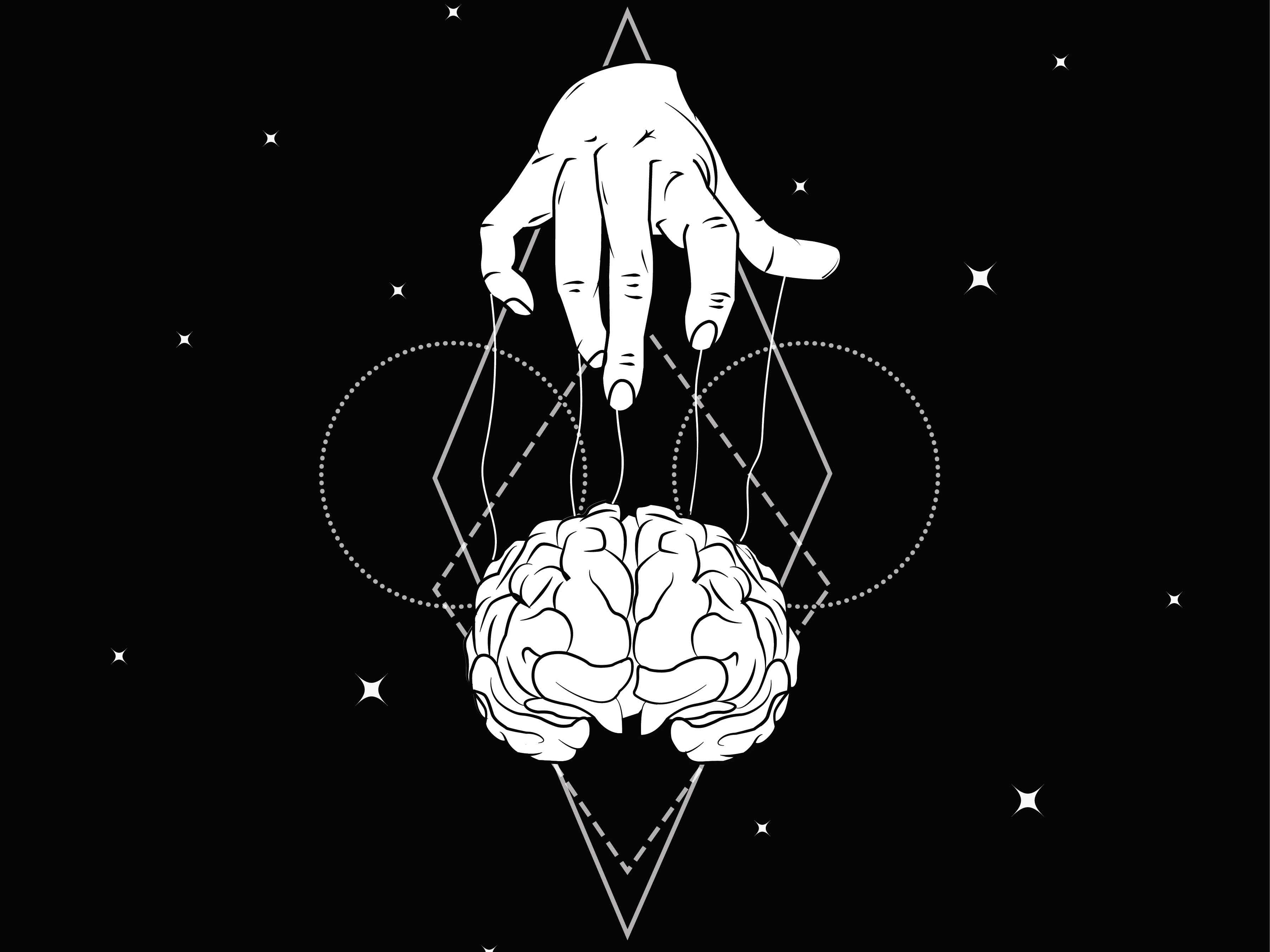
How do you feel to be somebody’s puppet?

This lack of self dependence is more prominent in relationships. I have seen people who ask their partners permission and consents before doing what they want to do. People might think it is the right thing to do and it has to be true since this kind of act is quite common in every relationship that you see around. But, there is an inevitable aspect that you often don’t recognize is that the things which are common in nature doesn’t have to be right always. Now, let me enlighten my point precisely. There is nothing wrong in seeking suggestions and asking for opinions but make sure you are the one who takes the ultimate decision on your matter. Being in relationships can sometimes crush your self respect, self love and dignity just with a common manifestation termed ‘adjusting’. Well, it can be good when it comes to understanding and respect others believes and values. But it should never ever possess the power of changing you. Always love the way you are and realize the fact that you don’t have to change for somebody else. You have the definite capability and power to stand up for yourselves and decide what goes best for you. Listen to yourself because self love does matter.

Day to Day Sings & Symptons…DAY 1 to 22

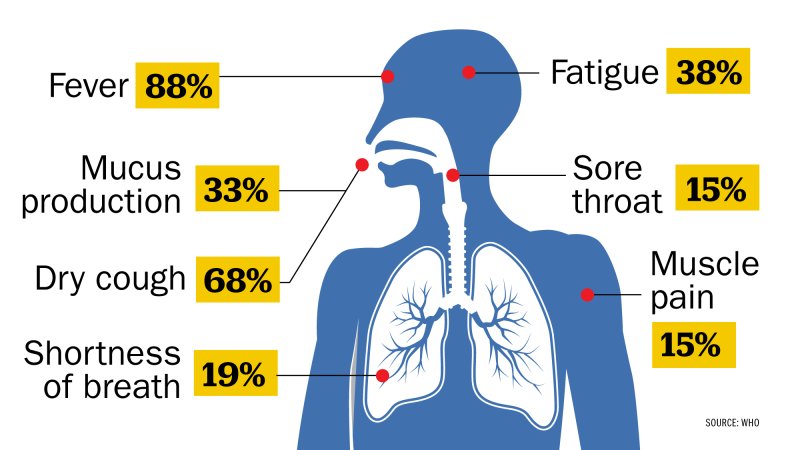
Day to Day Signs and Symptoms of Coronavirus DAY TO DAY SYMPTOMS OF COVID-19 Before proceeding, please note that this general overview is compiled for initial self-assessment only and should vary for each individual. If you are not feeling well, you ought to immediately consult a medical man to possess an accurate diagnosis and proper treatment of COVID-19. The typical daily symptoms are concluded from the study of 138 patients at Zhongnan Hospital of Wuhan University and another study involving 135 patients from Jinyintan Hospital and 56 patients from Wuhan Pulmonary Hospital.

Update: China reports 1,287 confirmed cases of new coronavirus ...

These symptoms are broken down into:

DAY 1 to DAY 2 the start symptoms are almost like the cold with a light pharyngitis and neither having a fever nor feeling tired. Patients can still consume food and drink as was common .

DAY 3 The patient’s throats start to feel a touch painful. Body temperature reads at around 36.5° celsius. Although it’s uncommon, other symptoms like mild nausea, vomiting or mild diarrhea are possible to set in.

DAY 4 Throat pain becomes more serious. Other symptoms like feeling weak and joint pain start to manifest. The patient may show a temperature reading between 36.5° to 37° celsius.

DAY 5 to DAY 6 Mild fever starts. The patients show a temperature reading above 37.2° celsius. The second most common symptom, dry cough, also appears. Dyspnea or breathing difficulty may occur occasionally. Most patients during this stage are easily feeling tired. Other symptoms remain about the same. These four symptoms are among the top five key indications of COVID-19 according to the final report of the initial outbreak conducted by the joint mission of China and WHO.

DAY 7 get more serious coughs and breathing difficulty. Fever can get higher up to 38° celsius. Patients may develop further headache and body pain or worsening diarrhea if there’s any. Many patients are admitted to the hospital at this stage.

DAY 8 to DAY 9 On the 8th day, the symptoms are likely to be worsened for the patient who has coexisting medical conditions. Severe shortness of breath becomes more frequent. Temperature reading goes well above 38°.

DAY 9 is that the average time when Sepsis starts to affect 40% of the patients.

DAY 10 to DAY 11 Doctors are ordering imaging tests like chest x-ray to capture the severity of respiratory distress in patients. Patients are having loss of appetite and should be facing abdominal pain. The condition also needs immediate treatment in ICU.

DAY 12 to DAY 14 For the survivors, the symptoms can be well-managed at this point. Fever tends to urge better and breathing difficulties may start to cease on day 13. But Some patients should be suffering from mild cough even after hospital discharge.

DAY 15 to DAY 16 Day 15 is the opposite condition for the rest of the minority patients. The fragile group must prepare for the possibility of acute cardiac injury or kidney injury.

DAY 17 to DAY 19 COVID-19 fatality cases happen at around day 18. Before the time, vulnerable patients may develop a secondary infection caused by a new pathogen in the lower respiratory tract. The severe condition may then lead to blood coagulation and ischemia.
DAY 20 to DAY 22 The surviving patients are recovered completely from the disease and are discharged from the hospital.

STAY HOME & STAY SAFE

Instagram Launches 'Stay Home' Story & Co-Watching Feature Amid ...

Negotiating- The Art, a small story!!!

I think there is an art to it it’s a craft, the negotiating training this morning in the office and the reason, negotiating it be is because it’s the one area of the deal where people need me the most and they need me the most they think I have the most confidence and the confidence that I have going to the deal comes from experience and it comes from honestly – practice practice practice because no matter what you’re selling you’re selling. Two different people you’ve got a seller and a buyer and in every negotiation you’ve got price you’ve got pressure and you’ve got persistence those are the three P’s remember that is it can be a nice little instructional.

The negotiations between Disney and Lucasfilm - A negotiation case ...

An iPhone cost to make now you’re not going to negotiate the price of an iPhone because there’s too strong demand but let’s say there wasn’t strong demand then you can negotiate or you can find a retailer who’s going to sell it to you for cheaper because it doesn’t cost nearly as much to make that phone. As it does for you to buy it real estate is the same way a deal that’s listed from 10 8 down to 10 so 10 million bucks the offer originally came in at 8 million dollars okay that seems like it’s way too far apart. If I go to the seller he’s going to say you got to come up they’re going to say oh no this is my offer so what do you do what do you do you remember the price you want to try to get – which in this instance was around 8 and a half that’s where we thought we’d get a deal done and the legacy price what the seller paid seller paid six point five. So, even at our low terrible awful offer that sellers making money that’s a good thing to remember and to consistently remind each side and then you let time saturate the emotions of the deal and you use repetition you only paid six five even if this bullshit offer you’re making money.

The Art of Negotiation in Project Management

There are clients who are losing million and they use pressure right the fear of a falling market and the fear of missing out every seller fears they’re not going to get their price going forward because maybe the market could change every buyer has a little fear that they’re going to lose it a little fear they’re going to miss out and then you’re trying to find the price in the middle where both sides will say we came to that number because that’s the max or the minimum that I’m willing to go to get this deal done.

Can a Business Simulation Game help develop Negotiation and ...

ATTITUDE v/s EGO…The real life stories…!!!

Attitude is a huge thing and small part of Attitude is EGO, Example if Attitude is a Continent then Ego is just a small country in it Attitude can be divided into two parts first Right attitude and Second is Wrong attitude people get confuse between ego and attitude because ego is the part of wrong attitude but the best part is that you can be a good attitude person without having an ego. Likewise, Every Indian is an Asian, but every Asian will be an Indian is not compulsory similarly,

“every Egoistic person will for sure have Attitude, but person who has Attitude doesn’t have Ego”.

Your attitude matters in your life – Journey of life Continues

Hence even you should be a person who has attitude you shouldn’t be a person who is egoistic or who has a bad attitude (wrong attitude) Now let’s talk about definition, Attitude shows what we think about other things How we feel and how we respond in any situation whereas Ego always allow us to think about our self-esteem and self-importance for example, person who has a Good Attitude will say No matter what happens I will win whereas an Egoistic person will say, that no matter what happens no one can beat me Good attitude person will live life as if he is the king of the world. Whereas bad attitude person lives a life as if everyone is their slave and everyone should always obey them.


Now let’s talk about today’s Book summary which is related to this Topic Author Ryan has accomplished huge successes in a very young age he was only 19 years when he became the youngest executive in the Talent Management Agency who later did signing of big rock bands, and also did consulting for many books which was sold in millions at the age of 21 he was the marketing director of an amazing Company AMERICAN PAREL. At the age of 25 he was also the best selling author everything was so perfect, but suddenly one day time changed and everything changed in his life he lost everything, he started failing in his life, he made a tattoo in his hand, he tattooed the most important reason of his failure in his hand so that he never forget that and should never repeat that same mistake in his life and can avoid such failure again.

200+ Ego Quotes, Sayings, Images to Inspire You in Love and Life ...

The tattoo which he made in his hand was “EGO IS THE ENEMY” because his ego was the main and the most important reason for his failure and that reason he never wanted to forget Ryan defines Ego as an unhealthy belief which make us obsessed about self-importance. Ryan says that ego is “something which converts our Confidence to Arrogance Ego is that dangerous thing which ruins or destroys our long term goals by just giving us short term satisfaction, and by making us feel; superior from others for just for short time and such ego is not at all right”. Author says that every person in their lives always stays in one stage out of three first stage is ASPIRING, second is SUCCEEDING and third is FAILING:

  1. Either person is aspiring, means working on something in order to achieve something in his life wanted to become something in his life.
  2. Either person has already achieved in his life, means he already faced success.
  3. Either person is failing in his life, he is not able to achieve anything huge in his life.

Now the biggest obstacle which stands firm in front of us during all three stages to defeat us is nothing but our OWN EGO. Now let’s see how EGO Comes between all three stages to destroy our goals:

1.Aspiring, Rohit has seen a video related to body building he loved that video, hence he decided that he will for sure become a bodybuilder no matter what happens after deciding. On first day he started posting workout pictures on social media pages by NO PAIN NO GAIN #WORKINGONMYDREAMS with this he started showing off more than his actions, he do less and show more after few days his entire motivation goes down, and he return to his normal life. Well this happens to many people and the reason for this is EGO Our Ego always makes us think what others are thinking about us therefore instead of taking maximum action for our goal completion. We started doing easy things to impress others such has we started talking more, we start uploading pictures on social media pages which in reality nor impress others not even allow us to complete our goals because in show off and talking same resources are required which is needed to complete our actual goals, which is our time, mental physical health /energy and our will power and mostly we use all these and finish it just by showing off and talking. Hence it will be best if you avoid wasting your energy on talking and in thinking about it all day, start using that same energy in taking action and in completing your goals.


2.Succeeding, at age 18 Howard Hughes took the biggest decision. He gave money to his relatives and bought 100 percent shares of his family business and became owner of that company. It was an Oil drill bit company this was the very bold decision because he wasn’t much aware about the business but still it proved to be the most brilliant move of his, Hughes shifted that company from 1 million dollar to 1 billion dollar he became very successful. His overconfidence or can say his Ego destroyed his success his ego made his career the most embarrassing the most dishonest and waste career in the history. The first huge Success of Hughes made him believe the he is very talented and he can be successful in any business, hence he get into Aviation field, film making and in stock market, and in every field he faced a huge loss in fact a biographer has shown Hughes end life in his book like he was sitting in his favorite chair naked, without taking care of his health, without bathing he was fighting with lawyers with investigators, investors by hiding his every wrong doings. So, that he doesn’t lose his everything Hughes Ego was the reason for his embarrassing end even after getting success he failed miserably most of the time when people get success, then their ego shift them from humble and learning person to overconfident person about their capabilities therefore they failed to maintain their success and hence they lose everything in their lives.


3.Failing, after many scandals and 300 million loss, company gave two options to American Apparel Founder Dove Chaney, first option to resign as a CEO from the company and to work as Creative Consultant and for that he will get a good pay or salary, and second to resign and completely leave the company at that Time Dove rejected both options and chose the third and the worst option which was to FIGHT. He filed a case against his company, he sue his company, instead of searching a better CEO for a company. He made that company to reach to bankruptcy his ego didn’t allow him to think better for his company instead he destroyed his company as well as himself because after that case his life was so devastated that he used to sleep on his friend couch because he was bankrupt, had no money. Ego is something which never allow us to understand our own shortcomings and faults just like an alcoholic who feels the whole world is doing wrong with him. He himself does the worst for himself, without realising that he is the biggest enemy of himself. Similarly, when we fail to achieve something, at that time instead of taking responsibility our ego starts making excuses starts blaming world and others our ego blames and make excuses so that our respect doesn’t decrease hence we do everything but never realize our mistakes and shortcomings because of which we fail to overcome it and fail to get success and achievements in our lives.

Leadership Without Ego: How to Get Your Ego Out of the Way?

The Easiest is to be Happiest😃…How to be happy???

  1. To live by is that one day you will be gone it may be in 50 years it may be in 50 weeks it may be next week or even today. I don’t know you don’t know nobody knows and rather than live in fear of this we should embrace the fact that this life is short and unpredictable knowing this we must live fully today it’s not a recipe for recklessness rather a recipe to offer your all today to offer your absolute best today in everything you do to give your greatest energy. To this day to your family to everyone you encounter today it’s a reminder for you to go away your best self in each moment what if they couldn’t speak to you tomorrow what if you were gone tomorrow what would they speak of you what are you able to do this will leave an enduring positive memory within the lives.

two men laughing
Photo by Ketut Subiyanto on Pexels.com

  1. There is nothing you cannot be do or have if there has been someone even one person on this planet that has done it before that means you can – it doesn’t mean it will be easy but it does mean it is possible and as long as it is possible you can work towards it you can make a plan learn what must be finished you to measure your craziest most abundant life a life most would consider impossible.
  2. Nothing is worth it if it doesn’t make you happy if it doesn’t a make you happy or B make you better don’t make time for it now before and if you jump on this let me clarify nothing is worth it if it doesn’t make you happy. It means if it doesn’t make you happy now while you’re doing it or it isn’t going to make you happy as a result of doing it most likely is not worthwhile almost everything worth fighting for goes to need a true fight to win an excellent prize. You will need to suffer and sacrifice for nearly anything worthwhile in life but you ought to ask yourself this question about everything you are doing in your life does this make me happy if the solution is not any ask yourself will this sacrifice i’m making cause more happiness within the future if not you ought to let it go.


student with documents and laptop happy about getting into university
Photo by Ketut Subiyanto on Pexels.com

  1. Be yourself always no exceptions it’s such a tragedy to see so many people on this planet living lives they don’t want to live just because they listen to other people who did an equivalent the sole way you’ll live happy during this life. The only way you’ll achieve success is that if you be you let me repeat that because perhaps it’s the foremost important thing you’ll ever apply to your life the only way you can be happy in this life the only way you can be successful is if you will never be truly happy in life. If you are constantly doing things to please others to compete with others or to be like another you are unique and that is your greatest gift when you follow your own path regardless if that matches in with others you open up space for nice things to enter your life compare yourself to nobody compete with no other make your own decisions and it’ll cause your greatest vital principle .
  2. Everything you would like is already within you during this world we see endless samples of people that seemingly have it all materially speaking but they’re empty inside things will never complete you people will never complete you no matter what Terry McGuire says “needing nothing attracts everything”. When you come from an area of needing nothing of seeking nothing outside yourself to form you cheerful you open up space for more amazing things to enter your life and if things don’t come that’s fine you don’t need them real happiness is never found outside of us it is not found in possessions or wealth happiness is always and only found within us. It is a state of mind never forget this happiness is the highest level of excess do what feels good the rest will follow principle.

happy children lying on bed with father
Photo by Ketut Subiyanto on Pexels.com

  1. there’s no room for toxic people but there is never-ending space for positive energy and positive people surrounding yourself. With energy killers is one of the worst things you can do if you want to live a happy fulfilled and successful life unfortunately not everyone including families and friends will share an equivalent positive energy you’ve got some will take a short time some might never get there allow them to run their own race, while you specialise in living your own happiness. Those who are truly aligned with you’ll never hold you back from living the life you would like to measure don’t ever dim your lights to suit in with others shine bright those that see your spark will shine with you remember you can’t live an excellent life a cheerful life if you surround yourself with toxic people.
  2. Whatever you focus on you will find if you search for negativity in this world you will find plenty of it. If you look for hate anger violence and sadness you’ll find it but an equivalent is true on the flip side if your only intention is to look for the great you’ll find only the great whatever meaning you give your life becomes your life. It can be a failure or a lesson heartbreak or character building life is against you making you stronger because there is no such thing as reality we choose our own reality by the meaning we give each moment in our lives make it your intention to seem for the great in your life, to note the great in others to be grateful for what you do have to see challenges as opportunities.

happy young woman opening cosmetic bottle while standing against white background
Photo by Karolina Grabowska on Pexels.com