Weight Loss & Metabolism

Weight loss is of two types. Healthy And Unhealthy and most of the time the main concern of this generation is the body. They overlook the diet. For most of the people,weight loss means skipping meals and increasing exercises. This technique is rather an illogical and harmful way of loosing weight. We may end up loosing some pounds by following such techniques but we also gain fatigue,weakness,low immunity and no proper metabolism. Eating low calorie,less nutritious foods throughout the day without no proteins or intake of other vitamins,minerals and fibres can lower down our metabolism and if metabolism slows down it can cause a slower pace in achieving a healthy weight loss,severe constipation which can make us feel uneasy and a prolonged constipation can lead to a swelled up stomach or the development of stones which can cause jaundice and cancer.
Thus overlooking the metabolism while loosing weight can effect us in adverse way.
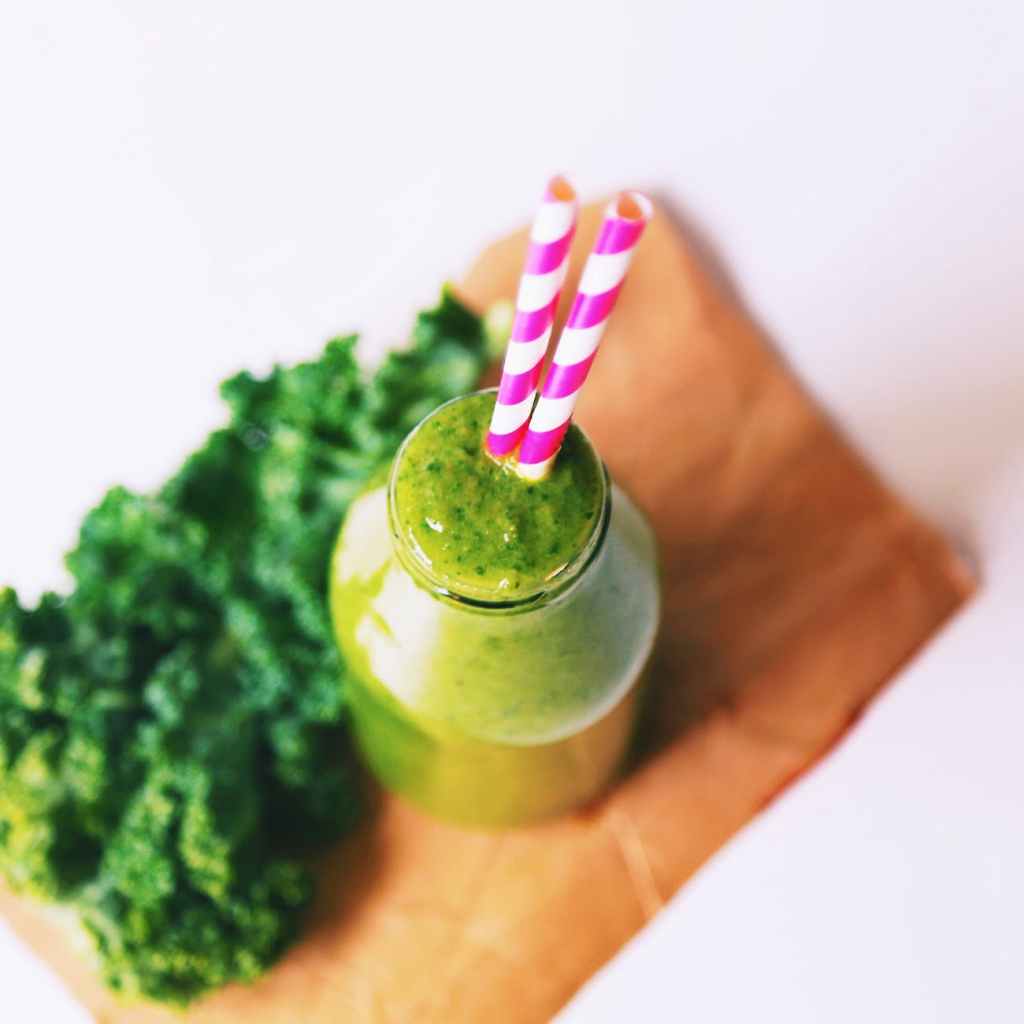

There are different ways of increasing metabolism for a healthy weight loss. First,before anything else,we should look after our digestive system. Easily digestible and healthy foods increase the digestion rate and thus enhances metabolism. Its easy to digest healthy foods and can easily provide us energy by breaking down at a faster pace and the calories from such foods are easier to burn. It is already said,a person who has a balanced diet with nutritious foods in it,they can easily loose weight if they follow a proper exercise and physical health routine. The body burns more calories while digesting proteins rather than fats or carbohydrates. Thus,to make the diet more healthier,we can add eggs,meat,fishes and beats in our diet.On the other hand,a person who has a disbalanced diet,concentrating on only one nutrient or comprising of just junk food will find it difficult to burn the calories and the extra fats.which gets stored in their bodies. Junk foods take longer time to break down and the calories they contain do not burn easily. This is how a proper diet leads to a proper digestive system which in turn stimulates better metabolism which helps in weight loss. We may also added vitamin B1,B2 and B6 as they are equally important for increasing metabolic rate


The body is a machine. If it’s not active,it gets rusted. A balanced diet cannot help unless there is a presence of a PROPER exercise routine. Even if for half an hour,high intensity workouts help to burn the calories and steadies the metabolism rate. Full body exercises,stretches and basic exercuses for the abdominal muscles can be a good start for the beginners.
Increasing metabolism is not possible if the consumption of calories is more than the calories which get burned but sometimes even after trying alot our metabolism may not increase. It can be due to presence of any diseases in our body like hypothyroidism. In such a case,diet and exercises should be decided after consulting a doctor.
Building muscles does not only makes our body look fitter and more attractive but it also has many hidden benefits. People with more muscles have a better metabolism rate as one pound of muscles uses 6 calories to sustain whereas each pound of fat uses 2 calories. Thus,muscle training can help us to a great extent to burn fats and engance the metabolism rate. But however,aerobic exercises are equally useful.


And the major ingredient to a better health?drink lots of water. Water doesn’t just calm our thirst but also our body. People who drink 8-9 glasses of water have a good metabolism rate as calories need water to be processed and burn. Water is important for digestion. If our body is dehydrated,the process kf metabolism slows down. Thus,to increase the metabolism rate one should nwver underestimate the power of water. The best part is water doesn’t have much calories but helps to burn hundreds of calories. Drinking water before and after every meal will help the body to break down the food easily while keeping us hydrated. Cucumbers,tomatoes and other such vegetables and fruits with high water content can also be consumed to boost up our calorie burning capacity.


Last but not the least,never cheat on sleep. When sleeping our body produces a hormone named ghrelin(increases hunger)and releases less of the hormone reption(helps a person to feel full). Thus,enough sleep balances the hormones and prevents overeating
ASPERGILLOSIS

BY DAKSHITA NAITHANI

INTRODUCTION

Pier Antonio Micheli, a priest and scientist, named Aspergillus while documenting moulds in 1729. The mould looked like an aspergillum, which is a type of holy water sprinkler. Physician Georg W. Fresenius described the species fumigatus for the first time in 1863.

 Apergillus spp., found in abundance of nature, can be found in soil, decomposing materials, water sources, and air particle. Aspergillus-related disease is uncommon, although it has a significant death rate. The majority of people are exposed to spores (conidia) during their lives, although illness development occurs mostly in people with compromised immune systems, as well as during construction and yard activities. In patients with leukaemia, asthma, cystic fibrosis, and hematopoietic stem cell transplant recipients, A.fumigatus is the most frequent invasive mould infection, with death rates exceeding 50 percent in these high-risk populations.

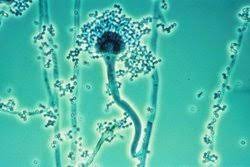
Around the apex, the stipes are grey in colour. They feature a slick finish. Their globule is tiny and columnar. The conidia’s texture is either smooth or spinose.

WHERE IT CAN BE FOUND?

Aspergillus is commonly found in rotting plant matter. After considerable environmental exposure to Aspergillus spores, such as when handling tree-bark chipping, Aspergillosis can develop in healthy hosts.

Aspergillus can be found in soil, compost piles, and damp grain in outdoor settings. Aspergillus may be found within buildings in wet insulation, fireproofing material, beds , behind couches, in damp rooms’ corners, dust, and air conditioning systems. In the Northern Hemisphere, most research studying seasonal changes in fungal exposure show an increase in airborne Aspergillus throughout the cold season.

TYPES OF ASPERGILLOSIS

Allergic bronchopulmonary aspergillosis (ABPA) is a multifaceted hypersensitivity reaction to inhaled Aspergillus fumigatus. Although it produces lung irritation and allergy symptoms, it does not cause infection. Aspergillus sinusitis is caused by an allergic reaction to the fungus Aspergillus, which produces inflammation in the sinuses and the symptoms of a sinus infection but does not cause an infection. A fungus ball is also known as an Aspergilloma. It forms in the lungs or sinuses but seldom spreads to other regions of the body, as the name implies.

Aspergillosis of the lungs (chronic pulmonary aspergillosis) Aspergilloma, chronic cavitary pulmonary aspergillosis (CCPA), chronic fibrosing pulmonary aspergillosis (CFPA), and Aspergillus nodules are all illnesses classified as chronic pulmonary aspergillosis (CPA). CPA is a lung infection that develops over time.

INVASIVE PULMONARY ASPERGILLOSIS

Inhaled conidia are removed by epithelial cells and alveolar macrophages in normal host lungs. Aspergillus becomes invasive when conidia escape these host defences and develop into branching filaments called hyphae. Alveolar macrophages generate inflammatory mediators, which attract neutrophils, which can destroy the hyphae.

CUTANEOUS SKIN ASPERGILLOS

Aspergillus comes in contact through a breach in the skin (for example, after surgery or a burn wound) and infects persons with weaker immune systems. Cutaneous Aspergillosis can also develop if invasive Aspergillosis moves from another part of the body, such as the lungs, to the skin.

LIFE CYCLE

Aspergillus begins its infectious life cycle by producing conidia (asexual spores) that are easily transported into the atmosphere, ensuring its ubiquity in both habitats. Inhalation of these conidia is the most common way to become infected, followed by conidial deposition in the bronchiole spaces. The phagocytosis and destruction of Aspergillus conidia is largely carried out by macrophages. The danger of infection stems largely from a breakdown in these host defences, as well as fungal characteristics that allow A. fumigatus to survive and flourish in this pulmonary habitat.

SYMPTOMS

The symptoms of Aspergillosis are:

  • Wheezing, chest pain
  • Shortness of breath, stuffiness, runny nose and reduced ability to smell
  • Cough (sometimes blood)
  • Fever (in rare cases), headache, fatigue
  •        Weight loss

•             The length of time that an illness lasts depends on the underlying health concerns, the intensity or location of infection, and the kind of sickness.

•             Allergic forms, may require steroid and antifungal treatment for a few months, possibly longer sometimes.       

•             Invasive pulmonary Aspergillosis may need at least 6 to 12 weeks of antifungal therapy. Severe cases may need therapy for lifetime and monitoring to keep the illness under control. 

•             If the infection spreads from the lungs to other areas of the body, additional symptoms may appear.

•             Red to purple plaques or papules are common symptoms of cutaneous Aspergillosis.

DIAGONOSIS    

Because the symptoms of Aspergillosis might be confused with those of other lung diseases, diagnosing it can be challenging. In order to make a diagnosis, your healthcare practitioner will look at your medical history, risk factors, symptoms, physical examinations, and lab testing.

An Aspergilloma, a fungal tumour, or the symptoms of invasive Aspergillosis and ABPA can be found on a chest X-Ray or a chest CT scan.

•             A sample of your sputum is stained with a dye and examined for the presence of Aspergillus filaments in a respiratory secretion (sputum) test.

•             Tissue and blood testing may be used to confirm the presence of ABPA.

•             To confirm invasive aspergillosis, a biopsy of tissues from your lungs or sinuses is performed, as well as blood testing.

TREATMENT

In addition to early diagnosis, early treatment is critical in managing aspergillosis. Depending on the type of disease, one may have the following treatments:

•             Observation- If you have a single aspergilloma, you may not need treatment; instead, you may be monitored with regular chest X-rays or CT scans. The doctor may prescribe antifungal medication if your disease worsens.

•             Antifungal medicines may be used in combination with corticosteroids to reduce the need of steroids, improve lung function, and prevent existing asthma or cystic fibrosis from deteriorating. Some examples are prednisone (Deltasone), prednisolone (Orapred), and methylprednisolone (Medrol).

•               Invasive pulmonary aspergillosis is treated with antifungal medications. Voriconazole (VFEND) and amphotericin B are two of these drugs (Amphocin, Fungizone).

•             Surgery- as antifungal medicines have a hard time penetrating an aspergilloma, surgery may be required to remove the fungal mass if the aspergilloma causes pulmonary haemorrhage.

Embolization of the Arteries -This technique can be used to temporarily halt aspergilloma-related bleeding.  A radiologist uses a catheter to inject a substance into an artery supplying a lung cavity where an aspergilloma is causing blood loss. The injected substance solidifies, cutting off the area’s blood supply and halting the bleeding. This therapy works for a while, but the bleeding will most likely return.

EFFECTIVE TIPS TO LOSE WEIGHT

How to Lose Weight in 7 Days: Tips & Exercises | Side Effects

Losing weight doesn’t mean that you should start starving yourself. This will only make you weak and inactive. Many people want to lose weight to impress someone, well you don’t need to change yourself for others. Lose weight to become fit not to impress others. Others don’t care if you lose or gain weight but still they will belittle about you.

Easy steps to lose weight are:

1.Do not skip breakfast

Breakfast is the most important meal of the day. You could miss out on essential nutrients and may end up feeling more hungry all day.

2.Eat regular meals

Eating at regular times during the day helps to burn calories at a faster rate. It likewise lessens the compulsion to nibble on food sources which are high in fat and sugar.

3.Get more active

Being active is important to getting in shape and keeping it off. Just as giving loads of medical advantages, exercise can burn more calories as compared to dieting.

4.Drink a lot of water

People sometimes confuse thirst with hunger. You can wind up burning-through additional calories when a glass of water is truly what you need.

At last don’t force yourself to lose weight if you’re not comfortable now. Do it when you’re prepared. Try not to be in a rush to shed pounds.

RESOURCE:

https://www.nhs.uk/live-well/healthy-weight/12-tips-to-help-you-lose-weight/

RECIPES TO PROMOTE WEIGHT LOSS (DESI-VERSION)

Our diet plays a crucial role in the process of weight loss and having a well-balanced diet and some mind-full eating in regulated portions is always the key for healthy and fit body. It might not be as difficult as it may sound if you start with a little patience and consistency. Sometimes a Subtle tweak here and there in diet is absolutely fine!

Here are few recipes which works out for weight loss journey

TURMERIC TEA

Turmeric consists of a powerful ingredient called as ‘curcumin’ which basically is the main active ingredient in turmeric that aids in cutting down the body fat. ‘Curcumin’ plays a major role to help suppress the fat but it does not fully absorb in the body. To make absorption work other ingredients such as black pepper is made use of. Therefore, this detoxifying drink makes the body light as well as helps cut down the excess fat if used regularly.

Recipe link:-  https://yummyindiankitchen.com/turmeric-tea-recipe-for-weight-loss/#how-does-it-help-in-belly-fat-loss

OATS KHICHDI

India’s favorite comfort food made into a high-protein, healthy one! Brimming with the goodness of oats, moong dal, carrot, green peas, tomatoes, chilies and olive oil, this hearty bowl of khichdi is sure to leave you healthy, happy and satiated

Recipe link :   https://food.ndtv.com/recipe-oats-khichdi-951242

FENUGREEK SOUP

Fenugreek seeds are rich source for vitamins, minerals and poly-nutrients .It is also rich in vital vitamins such as thiamine, pyridoxine, vitamin A , vitamin C and other essential nutrients for optimum health.

Recipe link : https://simpleindianrecipes.com/Home/FenugreekSproutsSoup.aspx

CARAMEL MAKHNA

Makhanas are popularly known as lotus seeds, fox nuts, Euryale ferox, gorgon nuts and phool makhana. It’s actually the puffed lotus seeds or the puffed fox nuts that has high nutritional and medicinal values

Recipe link :- https://www.indianveggiedelight.com/caramel-makhana-recipe/

Remember to always fill your plate with good amount of veggies, greens and fruits. Drink loads of water and buttermilk. If possible take a 20-30 min walk or jog because it speeds up the process of weight loss.

5 common mistakes students do during their college life while losing weight

Trying to shed the pounds and keep them off for good? I’ve rounded up the most common mistakes which college guys make during their weight-loss journey. They are usually busy with their studies so they don’t think twice about following any health tips or exercises given from any source.

Related: 5 common weight loss mistakes you’re probably making

1. Overestimating your calorie burn


Running eats up more calories than most other activities: the average man burns around 120 calories per Km and the average woman burns 105, but you can undo all your good work on a 5K, for example, with something as simple (and tempting) as a chocolate-chip cookie and a sugary coffee.

Correction: Get a better estimate of your calorie burn with an online calculator or a GPS watch or fitness tracker that allows you to input your height, weight, and other stats. If you tend to indulge after a run, avoid cancelling out your hard-earned calorie deficit by choosing ‘reward’ foods with easily controllable portions, such as single-serving snacks.

2.Running on empty


You may have heard this one: hit the road without breakfast and your body will burn fat. But it doesn’t always work that way. Rather than seeking out fat immediately, your muscles first use carbs that have been stored in your muscles as glycogen. When those stored carbs run out and your body starts to burn fat, your energy drops, forcing you to slow down and burn fewer calories than if you’d properly fuelled up.

Correction: If you’re heading out for 30 minutes or less on an easy run, you can skip a pre-run snack, since you probably have enough glycogen to power you. But if you run longer or harder, you should have a 100-200-calorie snack about an hour before your run. Choose carbs and a bit of protein, such as a banana with peanut butter, and drink water to hydrate.

3. Mid-race feasting


Addicted to mid-run refuelling? You may be piling on more calories than you need from energy bars, gels, drinks and shakes. ‘Calories from mid-race fuels are dense and don’t do much to suppress hunger.

Correction: For runs shorter than 60 minutes, skip the gels and sports drinks – water is just fine.

4. Not refuelling post-run


After tough workouts, such as long runs or speed work, your muscles will be hungry, but you may not be; many runners find their appetite is suppressed just after a workout. ‘But when your body realises its glycogen stores are low, you’ll feel much hungrier, leaving you prone to eating too much.

Correction: Refuel within an hour of tough or long workouts. A 3-to-1 ratio of carbs to protein is ideal, and ensure this snack contains no more than 300 calories. At around 250 calories per serving, chocolate milk fits the bill nicely.

5. Drowning in calories


Calories in a glass count just as much as those on your plate. Alcohol is particularly sneaky: according to the AIIMS New Delhi, the average wine drinker in India takes in around 2,000kcal from alcohol every month, while drinking five pints of lager a week adds up to 44,200kcal over a year. Add in calories from soft drinks and fruit juice, and you could be overdoing it. Studies show that, in general, liquid carbs don’t contribute to satiety the way solids do. That means if you are down 200 calories at the bar, you won’t compensate by eating 200 fewer calories at dinner.

Correction: Most of the fluid you drink should be calorie-free: water, diet soft drinks, unsweetened tea. Alcohol may trigger overeating as your inhibitions drop. Moderate drinking means one a day for women, two for men, cut calories by choosing light beer, wine or spirits mixed with soda.

Why Diet Pills, Fat Burners, And Herbal Tea Harm Are Harmful To Our Health?

Excessive weight gain is known for causing a great deal of stress in so many individuals. It restricts your capacity to appreciate life’s joys in the same manner which others do. Excess weight restricts breathing and movement, increases tiredness, and is very harmful to the heart.

There’s also the difficulty of getting clothing that fits you properly. To maintain the body in shape, health specialists recommend a healthy weight control regimen. They advise you to consume less portions of specific foods and to exercise to burn calories and extra body fat. And when this isn’t possible through diet and exercise, many people turn to diet pills, fat burners and herbal tea to help them lose weight. 

Weight loss pills are frequently labelled as ‘organic’ or ‘herbal.’ It doesn’t mean they’re safe to consume in large quantities. Furthermore, nutritional supplements and weight reduction medications are not required to go through stringent quality and safety review processes by appropriate regulatory bodies.

These products can be easily sold despite the fact that they lack solid scientific data from well-designed clinical control studies to demonstrate its efficacy and safety. Herbal slimming tea, detox juices, morning smoothies, and meal replacements are all common weight loss aids.

According to Allied Market Research, the weight loss and weight management diet market was valued at $192.2 billion in 2019 and is expected to touch $295 billion by 2027.

What exactly do these supplements consist of?

Meal replacement smoothies, fat burners, diet pills, processed soups, weight loss tea, and other weight reduction products are made by mixing several ‘natural’ substances. These are especially popular with young people who are health enthusiasts, busy corporate professionals, and many others who might not have the time to prepare meals, eat healthily, or exercise.

Meal replacement shakes, among the most common weight reduction products, contain heavily processed ingredients like protein isolates, sweeteners, and artificial flavours. Artificial sweeteners account for around 40% of the calories for each portion of these smoothies. 

Major health issues you should look out for

These fat burners and weight reduction pills have been linked to a variety of side effects, including liver damage, hypertension, and anxiousness. There have been numerous instances of persons taking weight reduction pills suffering from immediate, clinically obvious liver damage.

A 2007 Israeli research identified 12 incidences of liver damage in individuals who used a ‘herbal’ dietary supplement, including one case each of stage I primary biliary cirrhosis and hepatitis B. Another 2010 research looked into three instances from Canada and the United States who used two popular weight loss pills. According to the investigators, all three patients’ liver biopsies revealed results consistent with drug-induced acute liver damage. All of these are red flags. Often, a temporary fix might result in long-term harm.

Many of the chemicals in fat burner tablets or powders have been linked to increased hypertension. Substances that stimulate the central nervous system (CNS) to regulate hunger, such as phenylpropanolamine, fenfluramine, and ephedrine, can raise blood pressure. Bitter orange extract, caffeine, and yohimbe supplements can cause a headache as well as anxiety.

Caffeine is a prevalent component in many  fat burners and is frequently present in high concentrations. Caffeine in excess might have a negative impact on your heart. If you have a history of cardiac problems, it is best to avoid highly caffeinated fat burners.

Many weight-loss medications/pills suppress hunger by generating an anorectic effect on the human body, which can lead to distress and diarrhoea. Nausea and vomiting may occur while using fat burners including guar gum, carnitine, green tea extract, chromium, or chitosan.

It is important to consult a healthcare expert before beginning any dietary supplement to reduce weight. Individuals who have high blood pressure, diabetes, heart disease, liver disease, or other medical problems should be especially cautious. It is always better to attempt to lose weight healthily and gradually by including a calorie-restricted diet, regular exercise, yoga, meditation, 7 to 8 hours of good rest, and good mental health into your life.

Underrated weight loss tips that actually works

UNDERRATED WEIGHT LOSS TIPS THAT ACTUALLY WORKS

There are a lot of misconceptions about weight loss. If you feel like you have tried all the diets and still can’t lose weight. Then, it may be the time to take the focus of the food and on to something a little less tangible.It’s time to reframe the sabotaging self-talk. Ever had an emotional binge eating on a Friday night and then told yourself the weekend is gone and you’ll start from next Monday, this is sabotaging self-talk. But don’t worry, here are a few tips which might help you in your weight loss fitness journey.

You bite it, You write it- Numerous studies have shown the effectiveness of food journaling for weight loss. It can help you remember what you have eaten that day and it’s one of the most effective ways to track calories. You can also see where you can improve and where you are lacking. It will help you adjust your eating schedule because it will let you see what time of day you typically get hungry. It may help you realise if you are eating out of boredom rather than hunger.

Don’t skip meals– You should always keep in mind that our bodies ultimate goal is to stay alive. Skipping meals can cause your metabolism to slow down which may cause weight gain or make it harder to lose weight. When you skip a meal or go a long time without eating, your body goes into survival mode. This can cause your body to crave food ,which causes you to eat a lot.

Schedule a workout date- As we all know that working out is considered the best way to cut off extra weight. Exercising increases metabolism and burns calories which helps in weight loss, and also help you maintain your weight. Scheduling your workout dates will help you to keep an eye on your workout regime. It will also prepare your body and mind for next workout sessions. So you can plan accordingly and you can set new goals every week for yourself.

Focus on making realistic goals- If you are someone who cannot do without your daily foods like rice and roti, then do not force yourself to not eat them just for the sake of weight loss. These foods contain carbs which will provide you with sufficient energy to follow your day-to-day functions. Follow a diet regime that you can follow for life. Because fitness is not just a goal it’s a way of living life in a better way.

Sleep well during weight loss journey- It might seem a bit weird but there is a connection between sleep and your weight. But there is much to be discovered about the intricate details of how sleep and weight are connected. It is said that poor sleep is a major risk factor for weight gain and obesity. Poor sleep can increase your appetite. So, sleep helps you fight cravings and make healthy choices. It also enhances your physical activity, so you can also focus on your workout in a better way.

Conclusion– Losing weight is quite difficult but by following these steps and tips it can help you throughout the journey.

Disclaimer– Weight loss results vary from person to person. The tapes above mentioned are as per information gained by internet and health professionals. No individual results should be seen as typical.

6 easiest weight loss tips you can practice now!

Are you the one who wants to lose weight while eating junk food? Well, today is your lucky day, because this is possible! As I was thinking about losing weight, I worried about food constraints, workout strength, and scheduling. I kept on researching for easier and adaptable methods and I learned some amazing and unique weight loss tips.

Weight loss does not always associate with body image. It is also a means of being healthy for some and a professional requirement for others. All we need is motivation to act. Remember why you want to do this and DO NOT BE AFRAID to start now. Baby steps are fine and the results will amaze you!

If you are working from home like me, you must have plenty of time and resources. If not, all the more reason for you to read my tips. Imagine yourself after achieving your desired weight! I am losing at least 3KGs per month since then!

  1. First dose: Start your day with a glass of lukewarm water mixed with 1 tablespoon of honey and 1 medium-sized lemon. This tonic not only helps in weight loss but also helps in the proper digestion of your subsequent meal or breakfast.
  2. The 5-minute breaks: If you don’t have time or interest for 40-60 minutes of continuous exercise daily, 5-minute breaks are very important for you. This way, you don’t have to plan or do every exercise in one go. Whenever you are sitting or standing for long hours, take a 5-MINUTE GAP EVERY HOUR to practice some easy weight loss ‘Yogasanas’ and do some stretching. You can also play a song and enjoy aerobic dance for 5 minutes. Maintain the intensity. Remember, unless you sweat, you have done little. If you take at least 8 breaks a day, you are giving 40 minutes to it daily, which is ideal. If you have time, you can escalate the duration of the break. If you are in an office and you can’t do it there, do it in the lounge, bathroom, parking basement, or terrace. You know you can find a place. *winks*.
  3. Walk: If you are not in quarantine, wear a mask, and instead of driving, walk to the nearby stores for buying grocery or stuff which is available nearby, instead of driving. (You are also helping in environmental protection.) If you do phone calls, walk every time you are on a call. Stop just sitting or standing while you talk on call.
  4. 3-hour meal plan: You need to do your homework and maybe need some help with it. Search and note the healthiest recipes which are also tasty. Choose one for each meal and stick the plan on your kitchen wall. The food needs to be tasty, otherwise unwanted cravings! Your meal plan goes like this: Eat small portions of food every 3rd hour. Yes, that’s just it!
  5. Tiffin: Keep a tiffin filled with fruits, and have them in between the meals whenever you feel hungry. Eat them, make juice or shake. But do not add sugar. You can also freeze it and eat it like ice cream. Vegetable juices are also a very healthy option. I suggest, eat the fruits and drink the vegies. The sweet taste of fruits compensates for the sour taste of vegetable juice.
  6. Eat junk food: Yes, you can, but in calculated proportions. If you are okay with not eating junk at all, it’s best. Otherwise, plan your junk diet as well. Out of your favorites, make a list and ideally have one meal of junk in every two weeks. If it’s difficult, make it once a week. Remember, only one meal of junk. Don’t overeat. Don’t force yourself into not eating junk for months. Because if you do, there is a 70% chance of you snapping and eating junk every day due to long-standing cravings.
  7. Celebration: Sunday is not an exception. Celebrate your Sunday by relaxing, dancing, and a bit of exercising. Work your body out for a minimum of 40 minutes. Sunday is not an excuse for unplanned junk. Keep track of your parties, so that you can plan your junk meal accordingly.

As the World Health Organization states, “Health is a state of complete mental, social and physical well-being, not merely the absence of disease or infirmity.” And Gautam Buddha knew “To keep the body in good health is a duty… otherwise we shall not be able to keep the mind strong and clear.”

REPERCUSSIONS OF OBESITY.

Being healthy or chubby is a particular individual’s personal choice. But is it good for your health? Not really because obesity causes a lot of problems for your body. Obesity is a complex syndrome involving an excessive volume of body fat. It is a medical problem that doubles your danger of other ailments and health problems, such as heart condition, diabetes, high blood pressure, etc. Although there are hereditary, behavioral, metabolic, and hormonal impacts on body mass, obesity occurs while you take in added calories than you burn throughout the exercise and usual daily activities. The body accumulates these extra calories as fat. People with obesity might consume more calories even after they are full, feel starved sooner, or eat more due to tension or worry.

Diseases such as Respiratory Disorders: People with obesity have decreased lung function. They have a larger chance of having respiratory infections. Liver Disease: Obesity is the cause of fatty liver and non-alcoholic fatty liver disease. Fatty liver disease can create scarring of the liver, occurring in worsened liver capacity, and this can lead to liver cirrhosis and liver failure. Stroke: Obesity puts pressure on your entire circulatory system. This pressure raises your risk of stroke. Obesity can lead to other stroke risk circumstances such as heart disease, hypertension, etc.  Sleep apnea: People with obesity are more likely to have sleep apnea, a possibly serious ailment in which breathing frequently stops and starts during sleep. Liquid calorie: People can drink many calories without feeling full, especially calories from alcohol. Other high-calorie beverages, such as soda drinks, can contribute to significant weight increase. Unhealthy diet: A diet that’s huge in calories, lacking in fruits and vegetables, fast food loaded with high-calorie drinks, large servings contribute to weight gain, etc. Inactivity: If an individual has a stationary lifestyle, undoubtedly take in more calories every day than they burn through exercise and usual activities. Working on computers, tablets, and phone screens or involved in sitting activity for too long. The estimate of hours an individual spends sitting with electronics is associated with weight gain. Obesity can diminish the overall condition of living. The person may shun away from people and public places. People with obesity may even face prejudice and other problems such as Depression Disabilities, Lower work achievement, etc.

Obesity can be prevented by losing or maintaining a healthy weight by following certain measures.The intake of fruit and vegetable is 5 to 9 portions every day for adults. Loading your meal with protein and fiber-containing food can help keep calories moderate and decrease the chance of overeating. Avoid oily food and restrict sweets and alcohol. Eat three proper meals a day with restricted snacking.At least get 150 minutes of moderate-intensity exercise a week to prevent weight gain. Slightly intense physical activities include fast walking and swimming.WHO recommends weight training that involves all your major muscles at least two times per week.Adhering to a healthy-weight plan as much as possible increases your chances of long-term success.

Like Mr.Joseph Pilates quoted “Physical fitness is the first requisite of happiness.”