Review of THE 5 AM CLUB Book Summary

Book Name : THE 5 AM CLUB

Author Name : Robin Sharma

Year of Publication : 2018

By the time we turn off the alarm in the morning here and go to sleep, on the other hand the biggest World Class Business Leaders, Sports Persons, Entrepreneurs will be starting their day. They make some effort and do something special in their mornings. That’s why they are at the peak of their lives. 

This book is very clear on what ordinary people like them need to do to make progress. Author Robin Sharma has written very clearly in this 5AM Club book what to do when you get up at 5am. In this article we are going to know the summary of this book. Let’s start reading.

In this book he talks about three things and divides those three things into several parts and wonders what is special about waking up at 5 p.m. 

Those three things are, 

1. Use 20/20/20 Formula

2. The Four Interior Empire

3. Habit Installation Protocol


1. Use 20/20/20 Formula

Author says our first hour after waking up in the morning is the Most Worth and Important Hour. He calls this hour “Victory Hour.” This hour can be divided into three parts.

  •  Move
  •  Reflect
  •  Grow

*Move*

For the first 20 minutes we need to exercise. I.e. High Intensity Workout. Doing so is our Energy and Focus Increase. Scientifically speaking, there is a chemical release in our brain called BDNF. BDNF stands for Brain Derived Neurotrophic Factor. This will increase our focus and reduce the stress level. In addition, the newest neural connections in the brain is Increase. So it will be very helpful to increase our focus and thinking power.

*Reflect*

Reflect for the next 20 minutes. In this step we need to isolate ourselves and get to know ourselves. Then we need to plan what we want to do on this day. Doing so will keep our focus on our work without becoming distracted. So we will be busy whole day. We can stay away from unnecessary distractions. During these 20 minutes we can meditate or pray. Doing so will give us a clarity on our lives. This will be very helpful in taking the right decision for the whole day. 

*Grow*

Finally grow in the last 20 minutes. That means gain Knowledge. We can read books that may be in our field. Otherwise read the biographies of the great men. That too can be done by listening to audio books or watching motivational videos. We must keep doing something every day to develop our knowledge. By doing this we will be much more advanced compared to our competitors. 

2. The Four Interior Empire

We must spend our precious time equally on these four things if we are to be happy in our lives. What they are,

  • Mind Set
  • Heart Set
  • Health Set
  • Soul Set

*Mind Set*

We can learn many things to improve our mind set by watching motivational videos, podcasts and using the strategies that can be told in it. But by doing so we can only achieve 25% of our goal. 

*Heart Set*

It is connected with our emotional life. We can not make the right decision just because our mind set is strong. We also need to be strong in our emotional lives. Emotional life is the connection that friends, family, relatives can have with them like this. Only if we are strong in emotion will it be easy for us to make any decision in our life.

*Health Set*

No matter how much money and property we have, if our physical health is not good it is all waste. Health is essential to providing a legacy for those who depend on us after we die.

“You cannot make a good business if you are dead.”

That is why world top successful people place importance on their health.

*Soul Set*

This is something very important. In our lives we are running after unwanted material thoughts. In this running we forget who we are. We have completely forgotten what we need in our lives to be happy. The only way author says to improvise the Soul Set is through meditation and prayer.

3. Habit Installation Protocol

Our Author says in this book that we need 66 days to accept a habit. He has divided this into three stages.

  • Destruction Phase
  • Installation Phase
  • Integration Phase

*Destruction Phase*

At this stage first 22 days one has to destroy a bad habit and implement a good habit. This is the most difficult part of all three stages. Our will power must be very high to do this. We need to keep motivating ourselves over and over again.

*Installation Phase*

The next 22 days will be totally irritating for us. Thought appear that this is why we need to do this. The thought appears that we can leave this. But we should not quit there. We have to go through those 22 days somehow to boost our self-confidence. 

*Integration Phase*

This will make it easier for all of us. After this we do not need an alarm to wake up at 5am. Looking at the next one we get to the point where we can tell why these people are sleeping so long.

Come, Join me!!

Photo by JAMES WESTMAN on Pexels.com

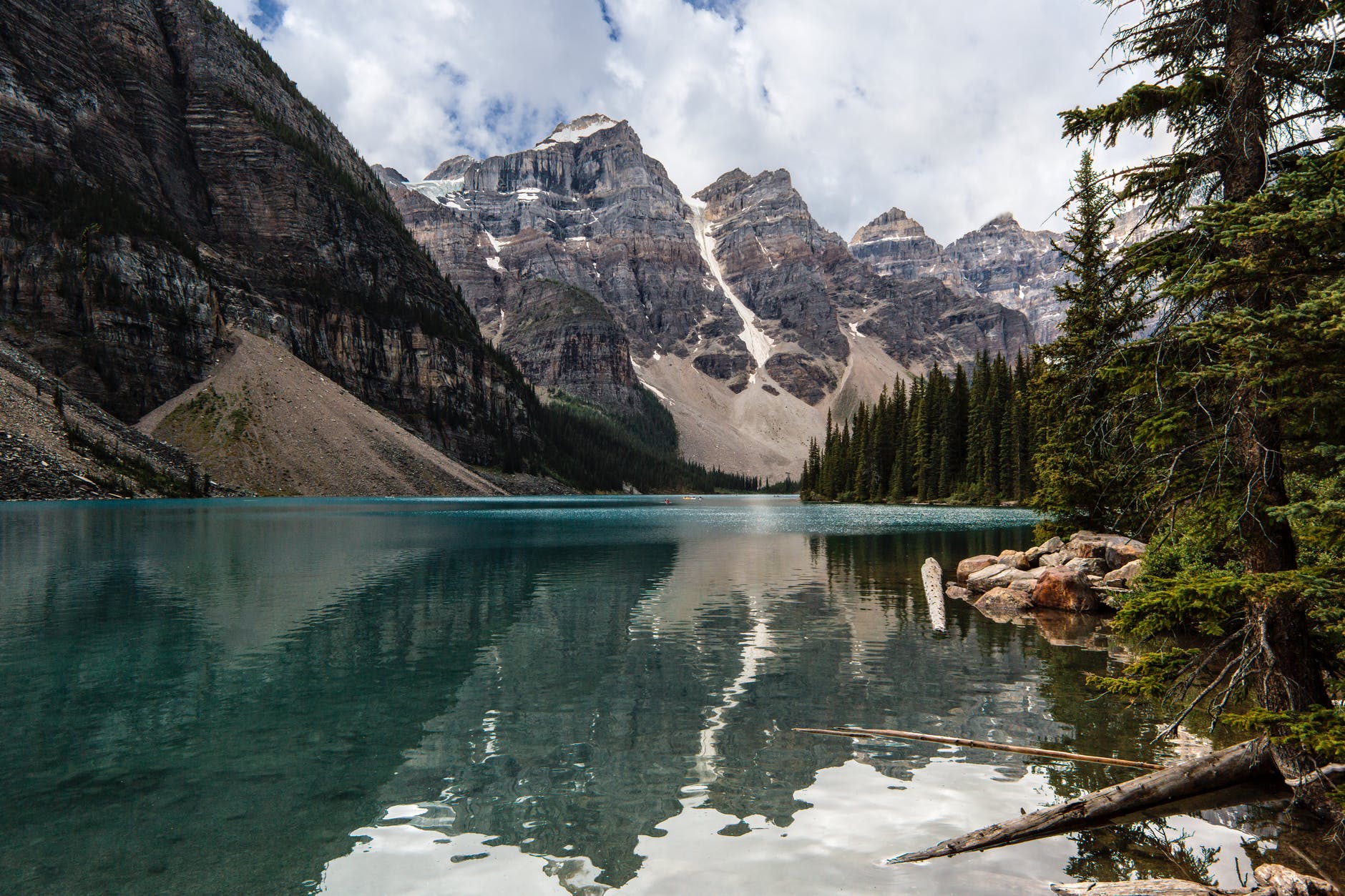
Come, join me on the path of this river as it begins its journey from the mountain top, travels through the various stages and merges with the sea meeting its end, or is it the beginning of its new life in a new form? Well, it is debatable and a lot about perspective but what stands true is the fact that it goes through various stages, experiences several changes- in itself, in its surroundings and is itself the cause of soo many.

So, come let us join the river in its life course.

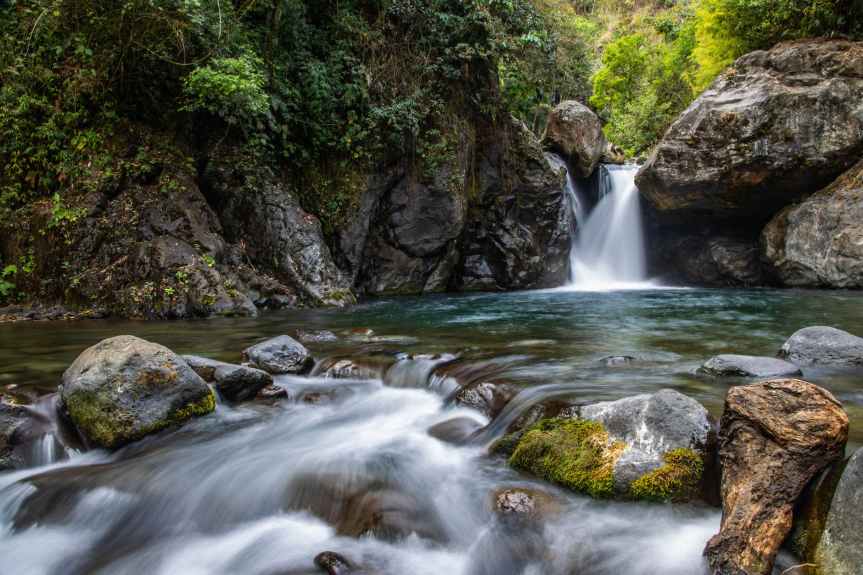
The river originates from the mountain top, from the glaciers. This river then travels down the slope, young and full of energy, erosion being its prime activity(vertical corrasion). It, thus, cuts deep through the valley forming gorges and canyons. It is young and naive and arrogant, believes it can do anything. On the way, it meets some hard rocks. They are strong and experienced and do not budge. But the river is adamant and so travels above them, forming rapids and cataracts. It, now, reaches the end of the mountain and has to plunge through a great height. The height could have been the result of the relatives of the above hard rock, who were persistent even when everything else surrounding them was destroyed or it could have been due to the cracks formed between the two plates of the earth, who had seen a lot together but knew it was time to let go or it might have very well been the end of the plateau the river was traversing: maybe, it was time for a new beginning. The river, hence, formed a waterfall, diving towards its new life.

The river has now reached the middle course. It has now lost a lot of its energy, but fairly traded it for wisdom. It again meets the same hard rocks. But now the river knows engaging with them is aa wastage of its energy. And so, it changes its path, curving every time it encounters one. Here, it forms a meander. During the formation of a meander, according to its requirements, it erodes the mud of the outer bank to make space for the water, forming a steep river cliff. It also ends up depositing the mud in its inner bank and mid stream when its needs for space are met. Though, on its path it meets several one of its relatives and some new additions to its family(the tributaries) and has to make space for them(horizontal corrasion). The life here is good. But the river cannot go on this way forever. It has entered the plains and its energy is draining. It has to meet the ocean.

And so , the river now enters its lower course. It, in the beginning, leaves behind the most accommodating waters (forming the ox-bow lake). After all, the world, today, is not a place for the easily bending ones. The river now bears the burden accumulated throughout its life, it sediments. It cannot travel any further carrying the burden. Thus, the river, starts renouncing the burden on its final path. The more silt it deposits, the lighter it feels an the easier it gets to travel. The friends and companions it had accumulated throughout its life, all one-by-one leave it. They will meet again in the sea, but for now each of them has their own journey to make (here, they form a delta).

And this marks the end of life of the river. But, its water is now part of the sea. There, it experiences new challenges in a new place and in a new form.

FOREX MARKET

The foreign exchange market is where currencies are traded. Currencies are important because they enable purchase of goods and services locally and across borders. International currencies need to be exchanged in order to conduct foreign trade and business.

If we are living in the U.S. and want to buy cheese from France, either we or the company that buy the cheese from has to pay the French for the cheese in euros (EUR). This means that the U.S. importer would have to exchange the equivalent value of U.S. dollars (USD) into euros. The same goes for traveling. A French tourist in Egypt can’t pay in euros to see the pyramids because it’s not the locally accepted currency. As such, the tourist has to exchange the euros for the local currency, in this case the Egyptian pound, at the current exchange rate.

The foreign exchange (also known as FX or forex) market is a global marketplace for exchanging national currencies.

Because of the worldwide reach of trade, commerce, and finance, forex markets tend to be the largest and most liquid asset markets in the world.Currencies trade against each other as exchange rate pairs. For example, EUR/USD is a currency pair for trading euro against the US dollar.

Forex markets exist as spot (cash) markets as well as derivatives markets offering forwards, futures, options, and currency swaps.

Market participants use forex to hedge against international currency and interest rate risk, to speculate on geopolitical events, and to diversify portfolios, among several other reasons.One unique aspect of this international market is that there is no central marketplace for foreign exchange. Rather, currency trading is conducted electronically over-the-counter (OTC), which means that all transactions occur via computer networks between traders around the world, rather than on one centralized exchange. The market is open 24 hours a day, five and a half days a week, and currencies are traded worldwide in the major financial centers of London, New York, Tokyo, Zurich, Frankfurt, Hong Kong, Singapore, Paris and Sydney—across almost every time zone. This means that when the trading day in the U.S. ends, the forex market begins anew in Tokyo and Hong Kong. As such, the forex market can be extremely active any time of the day, with price quotes changing constantly.

A BRIEF HISTORY OF FOREX

In its most basic sense, the forex market has been around for centuries. People have always exchanged or bartered goods and currencies to purchase goods and services. However, the forex market, as we understand it today, is a relatively modern invention.

After the accord at Bretton Woods in 1971, more currencies were allowed to float freely against one another. The values of individual currencies vary based on demand and circulation and they are monitored by foreign exchange trading services.

Commercial and investment banks conduct most of the trading in forex markets on behalf of their clients, but there are also speculative opportunities for trading one currency against another for professional and individual investors.

There are two distinct features to currencies as an asset class:

We can earn the interest rate differential between two currencies.

We can profit from changes in the exchange rate.

An investor can profit from the difference between two interest rates in two different economies by buying the currency with the higher interest rate and shorting the currency with the lower interest rate. Prior to the 2008 financial crisis, it was very common to short the Japanese yen (JPY) and buy British pounds (GBP) because the interest rate differential was very large. This strategy is sometimes referred to as a “carry trade.”


SPOT MARKET

Forex trading in the spot market has always been the largest because it trades in the biggest “underlying” real asset for the forwards and futures market. Previously, volumes in the futures and forwards markets surpassed those of the spot market. However, the trading volumes for forex spot markets received a boost with the advent of electronic trading and proliferation of forex brokers. When people refer to the forex market, they usually are referring to the spot market. The forwards and futures markets tend to be more popular with companies that need to hedge their foreign exchange risks out to a specific date in the future.

FORWARD AND FUTURE MARKETS

A forward contract is a private agreement between two parties to buy a currency at a future date and at a pre-determined price in the OTC markets. A futures contract is a standardized agreement between two parties to take delivery of a currency at a future date and at a predetermined price.

Unlike the spot market, the forwards and futures markets do not trade actual currencies. Instead they deal in contracts that represent claims to a certain currency type, a specific price per unit and a future date for settlement.

In the forwards market, contracts are bought and sold OTC between two parties, who determine the terms of the agreement between themselves. In the futures market, futures contracts are bought and sold based upon a standard size and settlement date on public commodities markets, such as the Chicago Mercantile Exchange.

Soil Erosion

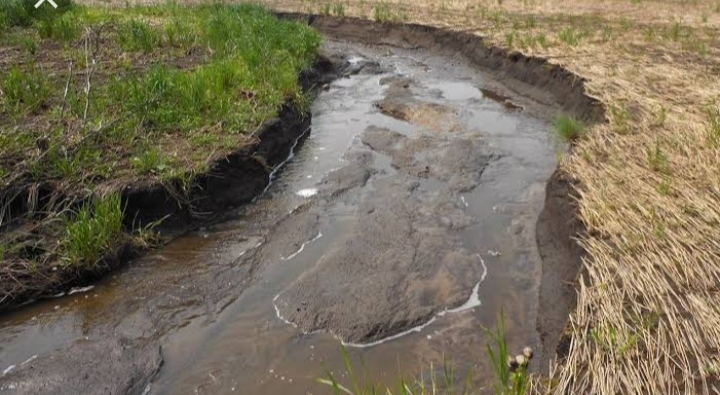
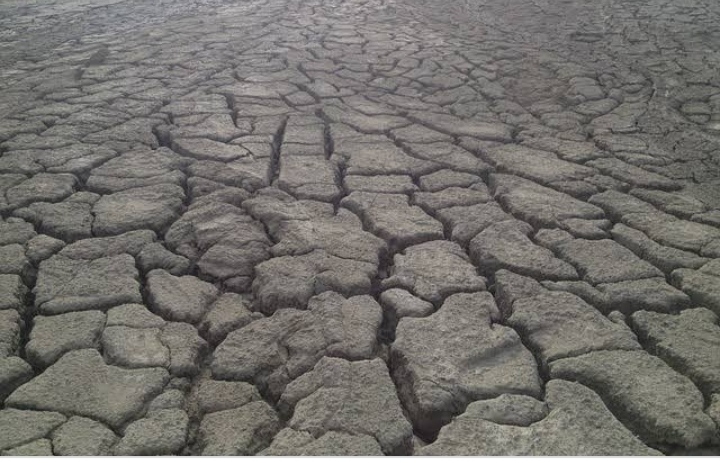
The top layers of soil contain humus and minerals salts, which are vital for the growth of plants. Removal of upper layer of soil by wind and water is called soil erosion. Soil erosion causes a significant loss of humus, nutrients and decrease the fertility of soil.

Agents of Soil Erosion

Agents of soil erosion are high velocity of wind, air currents, flowing water, landslide, human activities (deforestation, farming and mining) and overgrazing by cattle.

Management of Soil Erosion

Retain vegetation cover, so that soil is not exposed. Cattle grazing should be controlled. Crop rotation and soil management improve soil organi mattet. Runoff water should be stored in the catchment. Reforestation, terracing and contour ploughing. Wind speed can be controlled by planting trees in form of a shelter belt.

The Silent Killer of Immunity – Indoor Pollution

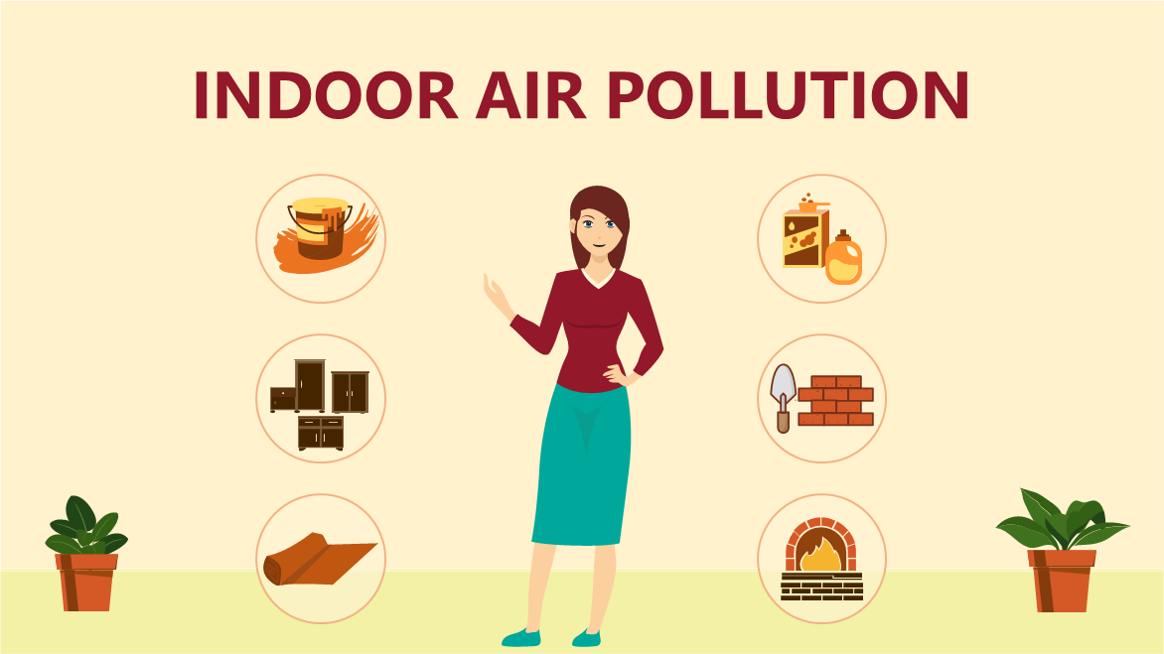
Hello everyone , Stay Home, Stay Safe. Today, everyone is advised to stay inside their homes if they want to be protected from the virus. But have you ever thought about the viruses inside your home? I’m talking about the pollution inside our homes. Whenever we talk about air pollution, we refer to the pollution outside in the city. But do you know that there are multiple sources of air pollution inside your home? Which are adversely affecting your health and immunity. 

I think this will be an apt time to talk about indoor air pollution. What are the different sources of indoor air pollution? And how can you protect your health from them and fight against them? Come, let’s find out all of this, in today’s video. A US-based report of 2019 had stated that more than 6 Lakh Indians died because of indoor air pollution. The diseases from this type of pollution are respiratory. Pulmonary diseases. Like stroke, lung cancer, asthma, those diseases which are often caused by outdoor air pollution. But the good news is that, though you can’t control the outdoor pollution, but you can control the pollution inside your homes to quite an extent in simple and easy steps. 

Come, let’s get to know the sources and how to control them. You might not have to worry about the first and largest source perhaps because most of you live in cities where LPG cylinders are used. But in India, around 60% of the people, especially those living in rural areas, often use wood, charcoal and cow dung as fuel for cooking even today. The cooking fuels cause incomplete combustion which releases PM2.5. Which is very harmful to the lungs. Thankfully, for the last few years, through the Ujjwala scheme, the use of LPG cylinders has increased across the country. And the indoor pollution from this source has been reduced. If you know someone who still uses these cooking fuels, please advise them against it. 
The second source is something that can be easily found in the kitchens of the people living in cities. That is a non-stick pan with Teflon coating. Generally speaking, Teflon is safe. But when it is heated for more than 300°, the Teflon compound breaks down and harmful chemicals and gases are released. It is not very difficult to avoid this. If you have a Teflon pan, do not pre-heat it when it’s empty. Do not use it over extremely high heat. You can get its alternative, the ceramic pans which are not made of Teflon. The third source of indoor air pollution is your vacuum cleaner. Who would’ve thought? The machines that you use to clean your house are the ones who make it dirtier. 
Many vacuum cleaners, especially the old ones, suck in the dirt, dust and bacteria from the floor, and throw it back into the air. This was discovered by Australian researchers in 2012. That some vacuums instead of making things cleaner, spread more dirt. The same logic is applicable for brooms as well. The dust in the ground is spread into the air by the brooms. Which might then go into the respiratory system of the people. Friends, the simple solution to avoid this is to use the latest vacuum cleaners which have the High-Efficiency Particulate Air filters. The HEPA filters. When you buy a vacuum cleaner check whether it has the HEPA filter or not. These filters apparently capture 99.9% of dirt, dust and bacteria. The fourth source is the chemicals present in your personal care products. 
The air fresheners, perfumes, baby lotions and artificially scented candles which have synthetic fragrances in them. Synthetic fragrances are very harmful. There are petrochemicals in them. Benzene derivatives and Aldehydes which can cause cancer, birth defects and nervous disorders. The solution is very simple. Use such personal care products which do not have any synthetic fragrances. 
 The next source of indoor air pollution is paint. The paint that goes on the walls. You heard it right. Often, when the paint is wet. Many paints have VOCs which are very harmful to you. They may cause respiratory problems, headaches, nausea and your central nervous system may also be affected. Again, the solution is very simple. Use those paint companies which do not have VOCs. Or have minimal VOCs. Today, you will find many paint companies which sell VOC free paints. Second, when you get your walls painted, ensure that the windows remain open until the paint dries. And keep the paint cans tightly closed to prevent chemicals from leaking. 

The next source of indoor air pollution is something very common. Unfortunately, it is not so easy to avoid it. Mosquito coils, candles and incense sticks. You heard it right, friends. The things which are heavily used in our day-to-day lives. Especially, the candles and incense sticks. You would’ve read about combustion in school, friends. There are 5 main types of combustion. Let’s focus on the first two. Incomplete combustion and Complete combustion. In incomplete combustion, the combustion process is not fully completed. It means that unburnt soot particles are released. 
Combustion where the frame is of yellow colour. Like that in candles and incense sticks. And the blue frame is of complete combustion which is purer. Unburnt soot particles are not released. And fewer harmful gases are released. The logic is simple, friends. Whenever there is incomplete combustion, harmful gases will be released. Which are very harmful to your health. Not only candles and incense sticks, but also hookahs, cigarettes and wherever you find incomplete combustion. Obviously, in cigarettes and hookahs, there are many other harmful chemicals as well. 
Which are even more harmful to your health. Friends, cigarette smoke not only affects the health of the person smoking but if smoked indoors, the health of all the people in that house is also affected. Because the smoke from the cigarette spreads all over the house. It’s called Second-Hand smoking. You might have already heard about this. But, friends, did you know that after Second-Hand smoking there’s also something called Third-Hand smoking. When the ash residue from smoking falls on the furniture it can stay there for many days and release harmful gases. 
This third-hand smoking is as harmful as second-hand smoking according to several pieces of research. I talked about mosquito coils as well. They also release particulate matters. The solution here is that these things; mosquito coils, candles and incense sticks, avoid using them as much as you can. And when you have to use them, open the windows. Ensure proper ventilation. So that the air keeps moving and the smoke from them can go out of the house. 
While talking about ventilation, always remember one thing, friends, ventilation is a very important weapon not only against indoor air pollution but also to fight against coronavirus. Several research papers have said that if you keep your house well ventilated, keep the windows and doors open regularly so that the air can pass through, it reduces the spread of coronavirus to a large extent inside your house. The chances of your being infected by coronavirus are reduced a lot. Many research papers have stated that the spread of coronavirus and its infection has been seen indoors mostly. 
The infection rate outdoors is low. After ventilation, another important weapon is the sunlight. You might be amazed to know this, friends, that direct sunlight kills coronavirus. Not inside the human body but on the surfaces and in the air. When the direct sunlight falls on them. The scientists had previously assumed as such. But the latest research has proven that the intensity of killing coronavirus that direct sunlight has is 8 times as intense as was previously assumed. So open the doors and windows and let sunlight come in. Let it fall on your furniture and the floor and kill the germs and viruses.
 I hope that you would have learnt important and new things in this video. Share this video so that your friends and family can also get to know it. And get to safeguard their health. And can truly Stay Home and Stay Safe. 

Why do we get acne?

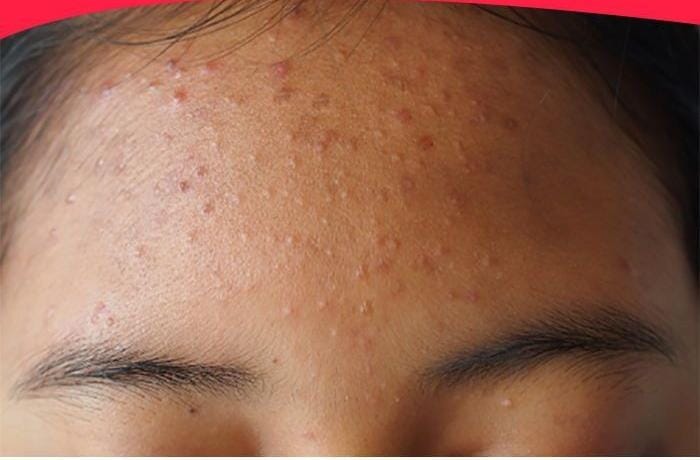
Acne is a condition of skin when hair follicles become plugged with oil and dead skin cells. Acne can be blackheads, whiteheads, pimples or cysts. Teens are most affected by acne because of hormonal changes that comes with puberty. The hair follicles or pores in skin contains Sebaceous glands (oil glands). These glands generate Sebum, an oil that lubricates your hair and skin. Sebaceous glands make the right amount of sebum. As the body begin to mature and develop though hormones stimulate the sebaceous glands to make more sebum. Pores becomes clogged if there is much sebum. Then bacteria get trapped inside pores and multiply in number causing swelling and redness to skin.

Symptoms

  1. whiteheads ( closed plugged pores)
  2. Blackheads ( open plugged pores)
  3. Small red , tender pumps (papuls)

Tips to prevent pimples

  1. Properly wash from face.
  2. Stay hydrated.
  3. Use tea tree oil.
  4. use antibiotics.
  5. Good diet.

Why calisthenics is the “go-to”, if you dont have the time to hit the gym

calisthenics (American English) is a form of strength training consisting of a variety of movements that exercise large muscle groups (gross motor movements), such as standing, grasping, pushing, etc. These exercises are often performed rhythmically and with minimal equipment, as bodyweight exercises. They are intended to increase strength, fitness, and flexibility, through movements such as pulling, pushing, bending, jumping, or swinging, using one’s body weight for resistance. Calisthenics can provide the benefits of muscular and aerobic conditioning, in addition to improving psychomotor skills such as balance, agility, and coordination.

Urban calisthenics is a form of Street Workout; calisthenics groups perform exercise routines in urban areas. Individuals and groups train to perform advanced calisthenics skills such as muscle-ups, levers, and various freestyle moves such as spins and flips.

Sports teams and military units often perform leader-directed group calisthenics as a form of synchronized physical training (often including a customized “call and response” routine) to increase group cohesion and discipline. Calisthenics is also popular as a component of physical education in primary and secondary schools over much of the globe.

History

Catharine Esther Beecher (1800–1878), was an American educator and author who popularized and shaped a conservative ideological movement to both elevate and entrench women’s place in the domestic sphere of American culture. She introduced calisthenics in a course of physical education and promoted it. Disciples of Friedrich Ludwig Jahn brought their version of gymnastics to the United States, while Catharine Beecher and Dio Lewis set up physical education programs for women in the 19th century.Organized systems of calisthenics in America took a back seat to competitive sports after the Battle of the Systems, when the states mandated physical education systems. The Royal Canadian Air Force’s calisthenics program published in the 1960s helped to launch modern fitness culture.

Calisthenics is associated with the rapidly growing international sport called Street Workout. The street workout consists of athletes performing calisthenics routines in timed sessions in front of a panel of judges. The World Street Workout & Calisthenics Federation (WSWCF) based in Riga, Latvia orchestrates the annual National Championships and hosts the World Championships for all the national champions to compete at one competition. The World Calisthenics Organization (WCO) based in Los Angeles, CA. promotes a series of competitions known globally as the Battle of the Bars. The WCO created the first-ever set of rules for formal competitions, including weight classes, timed round system, original judging criteria and a 10-point must system—giving an increasing number of athletes worldwide an opportunity to compete in these global competitions. Street workout competitions have also popularised ‘Freestyle calisthenics’, which is a style of calisthenics where the athlete uses their power and momentum to perform dynamic skills and tricks on the bar, often as part of a routine where each trick is linked together in a consistent flow. Freestyle calisthenics requires great skill to control your momentum and understanding the mechanics of the body and the bar.

Can it give you the pump?

The lower intensities also allow athletes to focus on the muscles involved and to get a good squeeze and pump. Many muscle movements are pulled from appropriate strength movements. Many calisthenics movements involve static holds. Endurance movements train the athletes capability to hold the body various positions. This certainly gives you the pump, and by making small adjustment, u will be able to build muscle too.

Goa Mollem Protests- The Fight Against Coal

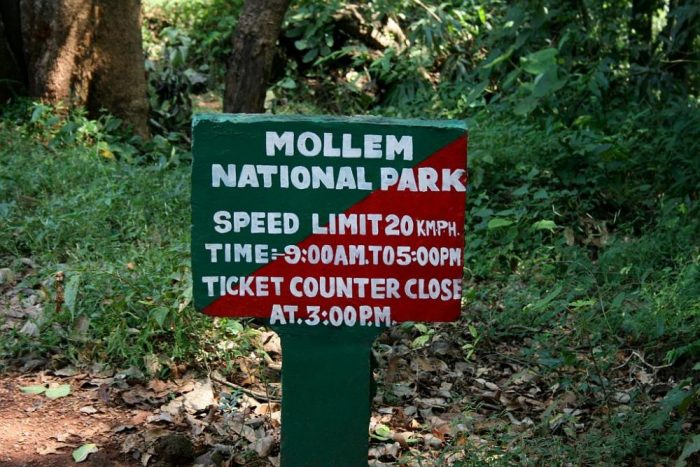
Hello everybody, Chances are that you don’t know about it because it is an issue that hasn’t been talked about much by our national media. For the last many months, thousands of people are protesting against a critical environmental issue, the Mollem National Park. 19th December is celebrated as the Goa Liberation Day because Indian government threw out Portuguese colonisers from Goa on this very day in 1961. So, on this occasion on 18th December, 2020, some protesters stood holding sign boards and wearing t-shirts that said “Save Mollem”. 

Without any provocation, they did not even do anything…there even were some children there standing with their posters, Police detained them. So, let’s get to know why this entire protest is happening in the first place. In simple words, the government in the name of development wants to clear forests in an ecologically sensitive area without consulting the public. In this case, the ecologically sensitive area is the Bhagwan Mahavir Sanctuary and Mollem National Park, the pride of Goa. Spread across 240 sq kms, it is Goa’s largest protected area. It is one of the 8 hottest biodiversity hotspots in the world. 

That means a high variety of plant and animal life is found here, the likes of which are found at very few places in the world. There are some great tourist attractions here as well such as the Dudhsagar Falls, Devil’s Canyon. There is a temple too so it is quite a popular destination for tourism as well. So, what is the development that the government wants to do here? There are three projects: one is a highway which the government wants to be four-lane, another one is a railway line and the third is a power transmission line. All these three projects are going through the middle of this wildlife sanctuary. Geographically, if you look at it on a map then these three projects will look this way. 

A railway line is going from the lower region, highway is crossing from the middle and in the upper region is the power transmission line. So, for all the three projects, trees would be cut off. It has been estimated that about 20, 000 trees would be felled for the railway line, 40,000 for the highway and about 5,000 for the power transmission line In total, it is being estimated that 60,000-80,000 trees are to be felled. Now you will ask here, what’s the harm? Some trees will have to be felled for a little bit of development.

 These are three main problems First problem is that prior to approving these projects, the government did not do any assessment, did not follow proper procedure and did not even consult the public. In fact, two of three projects were approved during lockdown due to Covid 19. In the month of March, the National Board of Wildlife approved these projects through video conferencing. When the central government was asked how this was approved then they said that the state panel approved it therefore we approved it as well.

 News is that some 5-6 members of the state panel have alleged that they were not even consulted. In fact they did not even know that clearance had already been given. Omkaar Dharwaskar is naturalist who also attended the State Wildlife meeting has said that they have not given any approval in that meeting. This project was not approved. But the minutes of the meeting say exactly the opposite and the project was subsequently approved after being forwarded to the National Wildlife Board. 

The second problem is that environmental activists and protesters believe that this is not only about a few trees but the entire Goa is being transformed into a coal hub. The extension of the railway line and the highway is not for the convenience of the public but rather for the convenience of big corporations. It is being done so that the transportation of coal is simpler. RTI activist and lawyer Savio Correia says that all three projects are part of the government’s Sagarmala project which was approved by the central government in 2016 for the development of Goa’s port. This project aims to develop Goa into a coal transportation corridor. Mormugao port is a port in South Goa and according to the projections of its trust, by 2030, they wish to import 51.6 million tonnes of coal for Adani group, JSW Group and Vedanta. The names of these groups have come up here although the Adani group denies it. 

This is the reason, many protesters of Goa have pointed out Adani as well. If this railway will in fact be used to transport coal then remember one thing, the coal dust can travel up to 5-15 kms due to the wind and depending on the speed of the train. “-Coal is entering their houses, if you…-in what way? -You just have to ask them for tea and probably you will see that in the saucer and you see that in their kitchen … -There’s coal in their saucer? -Exactly! You see that in the kitchen, the living room. You can’t live in that house. Your children need nebulizers from morning to afternoon In the morning they start brooming, they collect coal in their house and by evening again… -black particles of dust… This coal dust is not only a threat to the environment but also for the fishing industry, agriculture, tourism as well as for the public. 

If Goa really turns into a coal hub then think about it, would you want to go to Goa beaches as a tourist where you will find coal dust in the air? Perhaps this is the reason that in 2013 the then CM of Goa Manohar Parrikar rejected this railway line project in Goa. This is the reason friends that today the protesters stand with banners that say “Goyant Kollso Naka”. Forgive me if the pronunciation is not correct but it basically means that we don’t want coal in Goa. 

The third problem is that if any railway line or highway goes through a wildlife sanctuary then it results in habitat fragmentation which can eventually lead to the extinction of many animal and bird species. Habitat fragmentation basically means that you split a big ecosystem in small pieces due to which animals are not able to interact from one piece to another. This usually happens whenever a highway goes through a wildlife sanctuary. Imagine, there is a squirrel species and it has only 50 members left because it is an endangered species. So, 50 squirrels live in a big forest but if a highway goes right through the middle of the forest then the forest will be divided into two. 

Now, assume that 25 squirrels live on each side. Now animals living in each of these parts cannot go to the other part because of the highway. It is quite difficult for them to transfer from one side to another. The first problem arising out of this is that if the minimum number of any animal does not exist in any part then its entire species will become extinct due to inbreeding depression. You can search about inbreeding depression. It is quite an interesting thing. Secondly, any natural calamity or if any disease spreads that say results in the death of 23 out of 25 squirrels so it is not possible for that species to survive with so few animals. 

This can happen in a big forest as well but if you start splitting the forest from the middle and making fragments of it, then the chances of it happening increase manifold. Overall, the highway and the railway line will split the wildlife sanctuary in three fragments This increases the chances of any animal extinction by three times. The public has expressed its protest through various means. There are different trends on social media on hand while there are protests on ground on the other hand. Even children have participated in these protests. More than 150 scientists have written letters to the government to tell them why this project should not go through. 

The common public has even written emails to the government as to why this project must not be executed. If you want to see the latest updates on this protest on twitter then you can follow this account “Save Mollem campaign”. I will attach the link in the description below. Goa’s youth also wrote letters to their respective MLAs in order to pressurize the government. What was the government’s response regarding all of this? What would you expect? Think about it, what would be the government’s response in such cases? If you are thinking that the way the government responded to the farmers’ protest, they would respond the same way here as well then you are right. Because the government has said that all protests are funded by the opposition and all these protesters are misled. 

The famous leaders of this protest have been booked under several FIRs, detained and like I mentioned in the beginning, even children have been detained by the government. But fortunately, the good news is that the High Court has stayed at least one of the three projects. On 8th December, the High Court stayed the power transmission line project. But for the rest of the two projects, the government can still execute. This is why it is important to raise a voice regarding this, whichever way you can do it. If you live in Goa, you can join the protesters.

 If you are not living in Goa then you can raise your voice on social media by using #SaveMollem Share this video with as many people as you can so that the voice raised reaches the government and pressurizes them to stop these projects for the sake of climate and the public. The good news is that when the public raises a voice then it does create pressure on the government. Remember the Aarey forest case; the final end result has been a positive one. As soon as Uddhav Thackeray was made the CM, he took a decision in favour of Aarey forest by moving the metro rail project elsewhere and saving the Aarey forest. 

RUSKIN BOND

In this living world there is so many authors and writers who are waiting numerous book a day but sill there is no one who had supressed the aptitudes of Ruskin Bond. His is a world class author whose book is going to be remember for centuries.

Ruskin Bond is an award winning Indian author of British descent, much renowned for his role in promoting children’s literature in India. A prolific writer, he has written over 500 short stories, essays and novels. His popular novel ‘The Blue Umbrella’ was made into a Hindi film of the same name which was awarded the National Film Award for Best Children’s Film, in 2007. He is also the author of more than 50 books for children and two volumes of autobiography.

Ruskin Bond was born on 19 May 1934 in Kasauli, Punjab State Agency, British India. His father, Aubery Alexander Bond, was an English teacher and had taught English to the princess of Jamnagar palace. His mother’s name was Edith Clarke and she was a homemaker. He had a sister named Ellen but unfortunately she was died in 2014. Ruskin Bond grew up with his family in Kasauli but in 1939 his father join Air Force so they need to live at Ruskin’s Maternal home in Dehradun.

At age of 8 Ruskin was sent to the boarding school and his mother separated from his father and married a Punjabi Hindu, name Hari. Thereafter his father took him to Delhi and that time his father was his everything. Although, unhappily his father died in 1944 due to malaria disease. After this he started living with his mother and step father in Dehradun.

Ruskin Bond started his elementary education at Bishop cotton school in Shimla. He was a very studious ant intelligent student in his school. He was extra talented in literature and writing. He wrote his first and very short story in 1951 and named Untouchability. He then moved to his aunts home in channel Island in 1951 following his high school education and stayed there for two years.

Ruskin Bond worked for a while in a photo studio while trying to find a publisher for his works. Once he started earning money from his writing, he moved back to India and settled in Dehradun. By this time he was a popular writer and his essays and articles were published in numerous magazines and newspapers, such as ‘The Pioneer’, ‘The Leader’, ‘The Tribune’, and ‘The Telegraph’. He also edited a magazine for four years.

In 1980, one of his most popular novels, ‘The Blue Umbrella’ was published. His increasing fame as a writer caught the attention of Penguin Books. The publishers approached Bond in the 1980s and asked him to write a few books. Two of his previous novels, ‘The Room on the Roof’ and its sequel ‘Vagrants in the Valley’ were published in one volume by Penguin India in 1993. Some of his works have been adapted for the television and films. Bollywood director Vishal Bhardwaj made a film based on his novel for children, ‘The Blue Umbrella’ in 2007. The movie won the National Award for Best Children’s film. The Hindi film ‘7 Khoon Maaf’, is based on Bond’s short story ‘Susanna’s Seven Husbands’.

Following his best contributions to Indian literature, he has been honoured with numerous awards. However, these awards are nothing against his works but could give an inspiration sign among peoples.

1957-John Llewellyn Rhys Prize

1992-Sahitya Akademie Award

1999-Padma Shri

2014-Padma Bhusan

2017-Lifetime Achievement Award

Ruskin Bond is the name among the authors which is going to be remembered in the whole world history. Not Only for India But all over the world. His books are read by every people from every country. Ruskin has such exclusive and unique writing skills that change the mood of readers. It will be very difficult for other coming writers to surpass his achievement and records.

Top 5 fitness influencers on Youtube

When you can’t head to the gym, you can head to YouTube. The YouTube community is growing every year with creators sharing their fitness journeys, tips, and tricks with their subscribers to inspire them to live healthier and happier lifestyles. All over the globe, viewers are going on YouTube to workout alongside their favorite YouTubers. With millions of viewers, fitness influencers are reaching audiences all over social media with personalized workouts and meal plans. Check out the top 5 fitness influencers on YouTubers who could double as your personal trainer:

1. Yoga with Adriene

  • 6.11M subscribers
  • 511M views
  • Joined August 30, 2012 
  • As one of the most successful yoga channels, Yoga with Adriene aims to provide subscribers with free, high-quality yoga videos. If you’re brand new to yoga or a seasoned pro, you can find content on Adriene’s channel that is right for your level and body type. In her collection of videos, you can find numerous yoga practices to fit your mood and your goals. Adriene’s channel features different series such as Yoga for Beginners, Foundations of Yoga, Yoga for Weight Loss, and Total Body Yoga.

2. FitnessBlender

  • 5.91M subscribers 
  • 1B views
  • Joined January 19, 2010

With the fitness influencer husband and wife team, Daniel and Kelli, you can find more than 600 free full-length workout videos to help you improve your health, quality of life, and body. Their priority is to share unbiased workout, nutrition, and health information with their subscribers. FitnessBlender videos range in difficulty and experience, so there is always a workout for everyone. To track your workouts and progress, or to put together a home workout program, you can head to their website for more information.

3. ScottHermanFitness

  • 2.34M subscribers
  • 443M views
  • Joined May 25, 2009
  • Scott Herman posts new videos every Tuesday and Thursday to help his subscribers learn how to maximize their workouts and gains. On his channel, you can find videos on full-body workouts, building your arm and leg muscles, and chest growth. If you’re looking for a custom meal plan or a program geared toward fat loss, strength, or muscle gain – look no further. You can join Scott’s online community on his website or download his app to gain all the fitness guidance you need.

4. Bradley Martyn

  • 2.33M subscribers
  • 335M views
  • Joined August 20, 2014

Bradley Martyn is here to help you create a better you. Bradley posts up to five new videos per week covering anything and everything from grocery store shopping essentials to the most effective shoulder workouts. He also features videos on his channel where he works out with popular Instagram and YouTube influencers. If you want to focus your fitness journey on strength training and muscle gains, this is the channel for you.

8. Kali Muscle 

  • 1.99M subscribers 
  • 389M views
  • Joined April 10, 2008

If there was a contest for the biggest arms on YouTube, Kali Muscle would win. As an ex-convict from Compton, Kali Muscle found his purpose through fitness and has found his way to success through his bodybuilding channel. Like his YouTube bio says, Kali is here to motivate and inspire his subscribers. He uploads daily videos relating to fitness, gaming, cooking, and vlogs.

CRICKET

Cricket is a bat-and-ball game played between two teams of eleven players on a field at the centre of which is a 22-yard (20-metre) pitch with a wicket at each end, each comprising two bails balanced on three stumps. The batting side scores runs by striking the ball bowled at the wicket with the bat , while the bowling and fielding side tries to prevent this by preventing the ball from leaving the field, and getting the ball to either wicket) and dismiss each batter .

The earliest reference to cricket is in South East England in the mid-16th century. It spread globally with the expansion of the British Empire, with the first international matches in the second half of the 19th century. The game’s governing body is the International Cricket Council (ICC), which has over 100 members, twelve of which are full members who play Test matches. The game’s rules, the Laws of Cricket, are maintained by Marylebone Cricket Club (MCC) in London. The sport is followed primarily in the Indian subcontinent, Australasia, the United Kingdom, southern Africa and the West Indies.[1] Women’s cricket, which is organised and played separately, has also achieved international standard. The most successful side playing international cricket is Australia, which has won seven One Day International trophies, including five World Cups, more than any other country and has been the top-rated Test side more than any other country.

Cricket has had a broad impact on popular culture, both in the Commonwealth of Nations and elsewhere. It has, for example, influenced the lexicon of these nations, especially the English language, with various phrases such as “that’s not cricket” , “had a good innings” and “sticky wicket”. “On a sticky wicket” is a metaphor used to describe a difficult circumstance. It originated as a term for difficult batting conditions in cricket, caused by a damp and soft pitch.

How to manage time.

Time management is an art rather skill that is not easy for everyone. Often, we spend our entire time after college work or office work and it became difficult for us to take out time for our family. Time is very necessary for strengthening the bond that we often take for granted. Everyone is having a busy schedule these days especially because of online classes or work from home situations, but some manage time quite well and manages everything and have a balanced life, while others stay pretty engaged in their official work only that makes the situation stressful.

“Time management” refers to the way that you organize and plan how long you spend on specific activities. Failing to manage your time effectively can have some very undesirable consequences. Being conscious of time will result in self-improvement and goal achievement.

Here are some ways to manage time effectively.

  • Have a to-do list : Having a list is always a time saver. If you have a list, you’ll never have to wonder what’s on the daily agenda or what to do next. Indeed, a list keeps you focused and motivated, focused on feeling that sweet satisfaction every time you tick off a task from your list. Lists also let you see – and monitor – your progress. Even if you’re surrounded by distractions, your list will keep you on the right track.
  • Plan Ahead : Planning ahead is a critical part of time management. Ideally, you should plan ahead for the week or at least the day before. When you know exactly what needs to get done for the day or week, you’ll stay organised and focused. You can break tasks across days to see, in advance, how much time is needed to complete a project. Even spending just a few minutes planning ahead can transform how you work.
  • Be Decisive : Decide each day what the goals are by order of importance and stick to them. If you work in a shared office, avoid unnecessary conversations until you’ve done your task. Don’t get stuck on long telephone calls when you have a deadline looming and write short, polite responses to emails to keep lines of communication open.
  • Stay focused : Try not to let distraction get the better of you. Staying focussed on the particular job at hand is key to your success as a small business start-up. Try staying focused for short amounts of time, say 20 minutes at a go, and then have a short break before diving in again. Being mindful of how long you have to spend per task will help ensure you stay within your timeframe.

Evolutions in the medical domain

  • Small pox was a deadly and contagious disease that nearly killed 35% of its victims, while leaving the rest blind or scarred. The last natural case of small pox according to WHO was in 1977 and it was completely eradicated in 1980 with no such cases now in India.
  • Polio While the WHO continues with its efforts to eradicate the disease, it has been eliminated in India. India certified polio free in March 2014 from over 50000 cases in 1995 when it launched the campaign against polio.
  • Yaws is a kind of chronic bacterial disease which mostly affects tribal population that inhabits remote, hilly and forest areas. It targets skin, bones and joints and was eliminated from India in 2006.
  • Rinderpest caused the death of millions of cattle, buffalo, yak and wild animals leading to famine and starvation. It was declared eradicated in 2011 making it the first animal disease to be eliminated in the history of mankind.

With all the advancements in medicine and science the human race have managed to battle and have won against some of the deadliest diseases mentioned above with the evolution of vaccines and medications and there are also many emerging medical advancements which is very vital for the mankind and for the progression of the society and economy. The broader availability of technologies, digital platforms and aging global population are driving change in the health care industry faster than ever before. The technology over medicines is been growing seamlessly which we might have failed to perceive because of its abundance. Let us have a look at some of the tremendous advancements in the medical field.

Drug development – The development of covid 19 vaccines in less than a year is also one of the greater scientific accomplishments in human history. It is the process of bringing a new pharmaceutical drug to the market once a lead compound has been identified through the process of drug discovery. There has been a constant development in drugs against various diseases. The most important drugs are penicillin for the treatment of microbial diseases, insulin, morphine, aspirin, steroids etc.

Nano medicine– is the medical application of nanotechnology that uses the knowledge and tools of nanotechnology to the prevention and treatment of diseases. It has its applications in imaging, sensing, diagnosis, and delivery through medical devices. It has demonstrated great potential for enabling improved diagnosis and monitoring of many serious illness including cancer, cardiovascular and neurological disorders, HIV/AIDS.

AI & Machine learning are at their best when supplied with vast amounts of raw data, much as one would find flowing in and out of a medical facility. AI is increasingly being used in remote monitoring and telehealth applications. It makes it possible to analyze millions of CAT scans and from that detected patterns could be used to treat, prevent, or predict diseases.

Cancer immunotherapy– Immunotherapy is changing definitions in the medical world, primarily by curing previously un-curable diseases. The premise of immunotherapy is to genetically alter a patient’s cells to work in tandem with the body’s immune system to fight cancer. Unlike chemotherapy, immunotherapy detects and destroys more cancerous cells and reduce tumor growth.

Robotic surgery– Robotics has been making an impact on medical care since the 1980’s, but as the technology behind it has improved, the applications have increased exponentially. Nanobots in the bloodstream can diagnose and prevent disease. Image guided robots can now investigate lesions on the brain without damaging any if the surrounding tissue. Robotic surgery is minimally invasive, more precise, less prone to infection and quicker to heal.

Quantum computing – We still have our place in the initial stages of quantum computing, but this technology has already been used in combination with machine learning to quickly recognize medical tools and annotations during cataract surgery. It could enable a range of disruptive use cases for providers and health plans by accelerating diagnoses, personalizing medicine and optimizing pricing.

Vacuum-induced uterine tamponade device Childbirth should a joyous experience, but between 1% and 5% of women experience postpartum hemorrhage, which is a tragic complication. Vacuum induced uterine tamponade changed all that by creating negative pressure in the uterus to collapse the bleeding cavity and shut off leaking blood vessels. This low cost noninvasive procedure may prove useful with limited access to other treatment options.

Wireless brain sensors This medical device will aid doctors in measuring the temperature and pressure within the brain. Since the sensors are able to dissolve, they reduce the need for additional surgeries.

3-D Printing has quickly become one of the hottest technologies in the market. They can be used to create implants and even joints to be used during surgery. The use of printers can create both long lasting and soluble items. 3-D printing can be used to print pills that contain multiple drugs, which will help patients with the organization , timing and monitoring of multiple medications.

There are plentiful advancements that are flooding the medical industries. And these are the best examples on how technology and medicine go together and all these make it more accurate and more efficient diagnoses and treatments and could win the battle against many dreadful diseases like cancer etc.

Economic Impact of the Olympics

Many believe that the level of tourism and foreign investment that result from hosting the games can be an economic boon. However, hosting the Olympics actually tends to be more negative for the country’s economy than anticipated. Many countries bid tens of millions of dollars for the chance to host the Olympic games. Most cities have ended up falling massively in debt after hosting the games, cities without the necessary infrastructure may be better off not hosting the games. Submitting a bid to the International Olympic Committee (IOC) to host the Olympics itself costs millions of dollars. On top of that a small fortune is spent on consultation fees and event organization. For example, Tokyo lost approximately $150 million on its bid for the 2016 Olympics and spent approximately $75 million on its successful 2020 bid. When a city wins a bid for hosting the games, cities commonly add roads, build or renovate airports, and construct rail lines to accommodate the large influx of people. Housing and facilities for the thousands of athletes must be provided as well. All these costs add up to well over $5 billion.

There are certainly benefits to hosting the Olympics. Hundreds of new jobs are created for the building of infrastructure and its improvement. Additionally, thousands of sponsors, media, athletes, and spectators typically visit a host city for six months before and six months after the Olympics, which brings in additional revenue. In 2008, Beijing spent over $22.5 billion constructing roads, airports, subways, and rail lines, as well as almost $11.25 billion on environmental cleanup. This created a lot of jobs and did help the economy.

However, The boost in job creation for cities hosting the Olympics is not always as beneficial as initially perceived. Most of the jobs went to workers who were already employed, which does not help the number of unemployed workers. Moreover, many of the profits realized by construction companies and hotels go to international companies rather than better the city’s economy. The icome generated from the Olympics has often never covered the total expenses incurred. London brought in $5.2 billion and spent $18 billion on the 2012 Olympics. Actually, Los Angeles is the only host city that made a profit from the games. This was because the required infrastructure already existed. It is actually very difficult to ascertain exactly which benefits come from hosting the Olympics.

To summarize, hosting the Olympics tends to put the city in an economic defecit. Unless a city already has the existing infrastructure to support the surge of tourists and athletes, it would be best to hold off on hosting the games.

Third Wave of Coronavirus – Delta Plus Variant in India

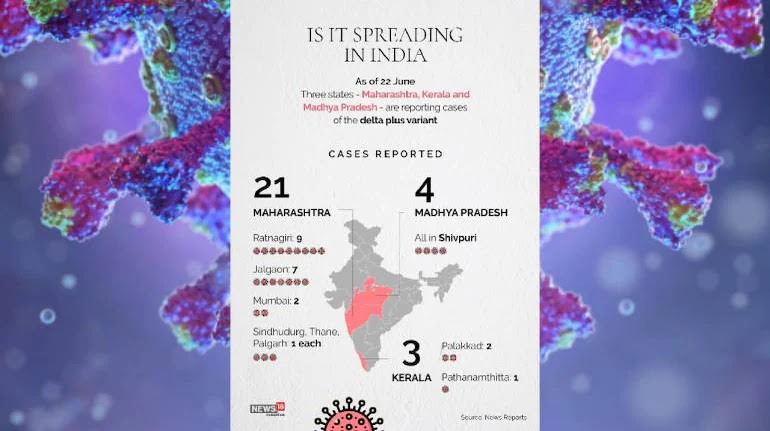
 Hello everyone,  Talking about Coronavirus, there is an uproar in the world because of the Delta variant. America and European countries are worried that the Delta variant will cause the next wave of Covid. On the other hand, people in India are worried that there might be a third wave because of the Delta Plus variant. What is this Delta Plus variant? And when can this third wave happen? Come, let’s try to find out in today’s video. Friends, what’s special about the mutations is that it happens in every living being. Whether it’s a human, animal, plant, tree, or even a virus. 

Mutations accompany reproduction. A person’s DNA, when you have children, and the DNA is transferred, then from one generation to the next, on average there are 100-200 mutations in the DNA. Most of the mutations are harmless, can’t be seen and neither can their effects be felt. Same with viruses. Thousands of mutations take place in the Covid virus. Most of them do not bother us. But at times there are such mutations that make the virus more transmissible. So that the virus can spread easier. And at times there are such mutations that make the virus more deadly. 

WHO or the World Health Organization keeps a track of the dangerous mutations of Coronavirus. WHO has classified these mutations into two categories. The first category is ‘Variants of Interest’. And the second category is ‘Variants of Concern’. Broadly speaking, Variants of Interest will include those coronavirus variants that have been detected in multiple countries. And which have high transmissibility. Meaning that they spread easily. As compared to the original virus. On the other hand, the variants of concern include those coronavirus variants that has not only high transmissibility not only do they spread more easily, but the disease caused by them is much more severe. And the effectiveness of the vaccines on these variants is lesser than compared to the original virus. Currently, WHO has put four variants in the Variant of Concern category. Alpha, Beta, Gamma and Delta. The Alpha variant was called the UK variant initially. Because it was first found in the UK. Similarly, the Beta variant was found in South Africa. Gamma in Brazil. And the Delta variant was first discovered in India. That’s why it was also called the Indian variant initially. 

Later, people protested as to why they were named after countries. When the original virus came from China, we did not name it the Wuhan virus or the China virus. So why are the names of the variants based on the countries they’re found in? So WHO reacted to this. And then WHO decided to rename them to Alpha, Beta, Gamma and Delta. The strain of the Delta variant was first found in October 2020 in India. This was the cause of the second wave in India. Today, the Delta variant has spread to over 80 countries. Its transmissibility is extremely high. Meaning it spreads really easily. Before moving forward, I should clarify one thing. Discovering a variant in a country is merely a matter of chance. No country can be blamed for anything. 
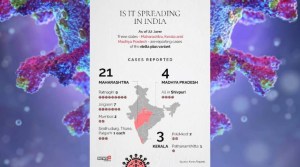
Because as I said, the virus is going through thousands of mutations. Which mutation will turn out to be more dangerous or more transmissible is all up to chance. Including where the mutation will be found. In extremely mathematical terms, studies have shown that the Delta variant is 60% more transmissible than the Alpha variant. And the Alpha variant was 50% more transmissible than the original strain found in Wuhan in 2019. So you can imagine how much more infectious it is than the original. Generally, when viruses mutate and become more transmissible, they become less deadly as well. I explained it in detail using this chart in a previous video. But there can be some rare cases where the virus becomes more transmissible and more deadly after the mutation. 

But at the same time, I’d like to say that there has been no conclusive research yet that shows that the Delta variant is, for sure, more deadly or more dangerous. A study conducted in the UK has said that because of the Delta variant, the risk of hospitalization doubles. As compared to the Alpha variant. But does getting hospitalised mean that it is more deadly? It cannot be conclusively said yet. It may also happen that this variant is not more deadly. But because it is so highly transmissible, it spread among so many people in such little time. So the death rate peaked a lot in that short time. 

As compared to the same number of deaths in a longer time period. Do you understand what I’m trying to say here? If transmissibility is so high, it becomes more difficult to ascertain if it is really more deadly or not. Many factors need to be considered here. Another interesting thing to know is that the symptoms of the Delta variant are a little different than the original Covid-19 symptoms. Originally, a runny nose was not made out to be one of the major symptoms. But recently, a study has been conducted in the UK when people self-reported their symptoms. It was found that among the symptoms of the Delta variant, runny nose features prominently in the list of symptoms. Headache, runny nose, cold, sore throat, were the top symptoms. So the symptoms of the Delta variant are very similar to the symptoms of the common cold. Loss of smell. 

Not being able to smell things properly. Was a major symptom in the original strain of Covid-19. But for the Delta variant, it ranked 9th in the UK study. The good news regarding the vaccines is that according to the data available till now, almost all the vaccines are definitely effective against the Delta variant. Pfizer vaccine, AstraZeneca’s Covishield vaccine and the others have shown that they are more than 90% effective in preventing hospitalization and death. If you catch the Delta Variant after taking both doses. The only trouble here, though marginal, is that the effectiveness of the vaccines in preventing symptoms has reduced. Like AstraZeneca’s Covishield’s effectivity in preventing symptoms against the Delta variant remains at only 60% after taking both doses.

 Though Pfizer’s vaccine is still showing an effectiveness of 88% in it too. Now, the Delta variant is no longer a major concern for India. But now we get to hear about a mutation named Delta Plus in the news. The Indian government has declared the Delta variant as a Variant of Concern. And some people believe that there will a third wave in India because of the Delta Plus variant. The limited research conducted till now regarding it has found that the Delta Plus variant is 60% more transmissible than the Delta variant. And it is highly resistant against some drugs. But the reality is that friends, we don’t honestly know much about it. It is important to note that the World Health Organization has not declared it a Variant of Concern yet. 

Even though the Indian government has done so. Indian Council of Medical Research ICMR says that it is too soon to tell if there will be a third wave because of the Delta Plus variant. So it seems a bit unlikely that that there will be a third wave because of the Delta Plus variant. But still, the experts believe that there is a very high chance that there will be a third wave in India. The gap between two waves is said to be generally of 15-16 weeks in an epidemic. 

A Reuters poll of 40 medical experts was conducted with the conclusion that the experts said that a third wave is inevitable. There will definitely be a third wave. And they believe that the third wave will come around October of this year. On the other hand, AIIMS Director Randeep Guleria says that the third wave may come in the next 6 to 8 weeks. If people stop wearing masks and stop following social distancing. But there are some experts like Dr N.K. Arora Dr N.K. Arora is the Chief of the Centre’s Covid-19 Working Group, he says that the third wave of Coronavirus will not happen before December of this year. So there are estimations from October to December by the doctors and experts. 

This is just the time. But if we’re to talk about the severity, How dangerous can the third wave be? A report of the Tata Institute of Fundamental Research has stated that it is very likely that the third wave will not be as severe as the second wave was. It may be less disastrous than that. But does that mean that we can relax because there’s nothing to worry about? No, it doesn’t mean this. Because take an example of South Africa. The first wave in South Africa was because of the original Coronavirus. Look at this chart. And then the second wave happened because of the Beta variant that was found in South Africa. And now the third wave is happening because of the Delta variant. And the third and second waves seem equally dangerous. And they’ve spread so rapidly. Experts believe that their government is to be blamed for not planning things properly and because of the inefficient vaccine rollout.

 As of today, less than 5% of people have been vaccinated in their country. Had more people been vaccinated, then the Delta variant wouldn’t have caused havoc. Take Israel’s example. 60% of its population has been vaccinated. When the Delta variant reached Israel, the government definitely took some measures. Some people were infected. But hospitalization and deaths are still negligible in Israel. Friends, the good news is that in recent times, the vaccination rate in India has increased very well. Recently, India broke the record of vaccinating more than 8 million people in a day. 

That’s an amazing feat. The sooner the vaccinations are administered, the sooner people are vaccinated, we will have a better chance of beating the third wave. But the unfortunate thing is that this speed of vaccination may still not be enough. To completely avoid the third wave. The government aims that by the end of the year, the entire adult population of India will be vaccinated. But on this graph, you can see that we are, unfortunately, not on the track to achieve this. At an individual level, there is only one sure-shot, long-term solution of being protected from the third wave. And that is to get vaccinated as soon as you get the chance to. 
Today, as a matter of fact, I got my vaccine. I got the chance to get it today. Because it’s possible that the Delta Plus variant does not cause the third wave. But remember, there are thousands of mutations in this virus every day. Someday, a mutation may crop up, that is more transmissible and more deadly and can bring forth the third wave. That’s why the vaccine is the best chance we have to be safe from it. I hope you found this video informative. Thank you very much.