Which Trading is Better?

Want to trade? Stuck choosing between online and offline? You have come the right way. We are here to help you through your decision for trading online or offline. First, you should know the basics of trading. Then we will guide you through some points stating differences between online and offline trading. 

Before the age of the internet, trading was carried out by stockbrokers. They dealt with the work of buying and selling equities on behalf of their clients. But the internet made this process a lot easier and faster. Today, both online and offline share trading is prevalent around the world. 

To understand more clearly, let us tell you something about Forex trading. 

What is Forex Trading? 

Forex trading or better known as foreign exchange trading is multipurpose trading carried out around the world. It can be explained as a network of various types of buyers and sellers willing to transfer currency between each other at an agreed price. 

Forex trading or any other type of trading can be carried out by individuals, organizations, companies, and central banks. They convert currency into one another and transfer the same. The amount of currency they convert daily causes price movements across many countries around the globe. 

Now let’s see some differences between online and offline trading. 

Differences between online and offline trading

  1. Ease of trade

Online trading is usually done individually and the person makes all the transactions for himself without any guidance. Also, online trading can be done with any device provided by the internet. Here all you need is the internet so it is less expensive. 

Whereas in offline trading all the transactions are carried out by the broker. And the individual has to approach the broker and contact him by going to his office. This also makes offline trading more expensive. 

  1. Convenience

Convenience is the most important factor to be considered when doing absolutely anything. Similarly, online or offline trading services should be selected based on the convenience of the individual. 

Lack of the internet can be a problem for those who prefer online trading. But if you have a mobile and full-time internet then your best option is online trading. But for people who prefer regular guidance, should go for offline trading. 

Photo by Karolina Grabowska on Pexels.com
  1. Security

In terms of security, online trading is much more secure than offline trading as in online mode, the individual has complete control over the transactions to be made. 

In offline trading, the transactions are in the hands of the broker. They carry out the transactions on behalf of the client without any knowledge. 

Another advantage of online trading is that the traders can check their tax, brokerage, and other statements. But in offline trading, the broker can easily manipulate the trader. 

  1. Real-time information

While trading, the trader needs to keep track of the real-time information. So again online trading has the ball in its court. It is a huge benefit of online trading that all the real-time information is displayed on the trader’s screen. He can have access to updates on any crashes in the stock market. 

Whereas in the case of offline trading, the trader can’t keep track regularly as the market keeps updating every second. 

  1. Trading fees

In online trading, the client executes the trade themselves so there is no need for middlemen. This reduces the trading fees to almost negligible in online mode. 

Whereas in offline trading there is more than one person involved in the process which increases the trading fees significantly. 

  1. Guidance

Guidance is necessary during trading. So in online trading, the trader can surf the internet for various expert comments and suggestions. 

Whereas in the side of offline trading, the trader has no other option but to depend on the broker’s word for everything. 

  1. Platform

It is a huge advantage of online trading that it has all the things under one umbrella. The trader can find everything on a single platform. No need to search here and there. Plus, the broker houses make sure they upload all the necessary things on their site. 

Whereas in offline trading, the trader needs to do independent research about everything, before asking the broker to trade. 

  1. Quality of service

In online trading, the trader can access detailed reports of trends in the market and can have all information regarding stocks and orders. 

Whereas in offline trading, the trader should trust the broker for all information. 

  1. Flexibility

With online trading, getting the order at the right time has become easier. All broker houses provide a trading platform like their website or app. There the trader can execute buying and selling of orders and make transactions. 

Whereas in offline trading, the trader needs to go to the broker’s office or carry out the trade on call. This is tiresome and inconvenient to almost everyone nowadays because of the busy schedule. 

  1. Fraud

Online trading provides the trader with full control over their trades and transactions. 

But in offline trading, clients have to take the broker on his word. This sometimes leads to mistakes and cases of fraud. 

Now you can easily start trading without depending on anyone for information and all the necessary transactions. Clearly, online trading won the battle online Vs offline. Hope you make the right choice. Happy trading! 
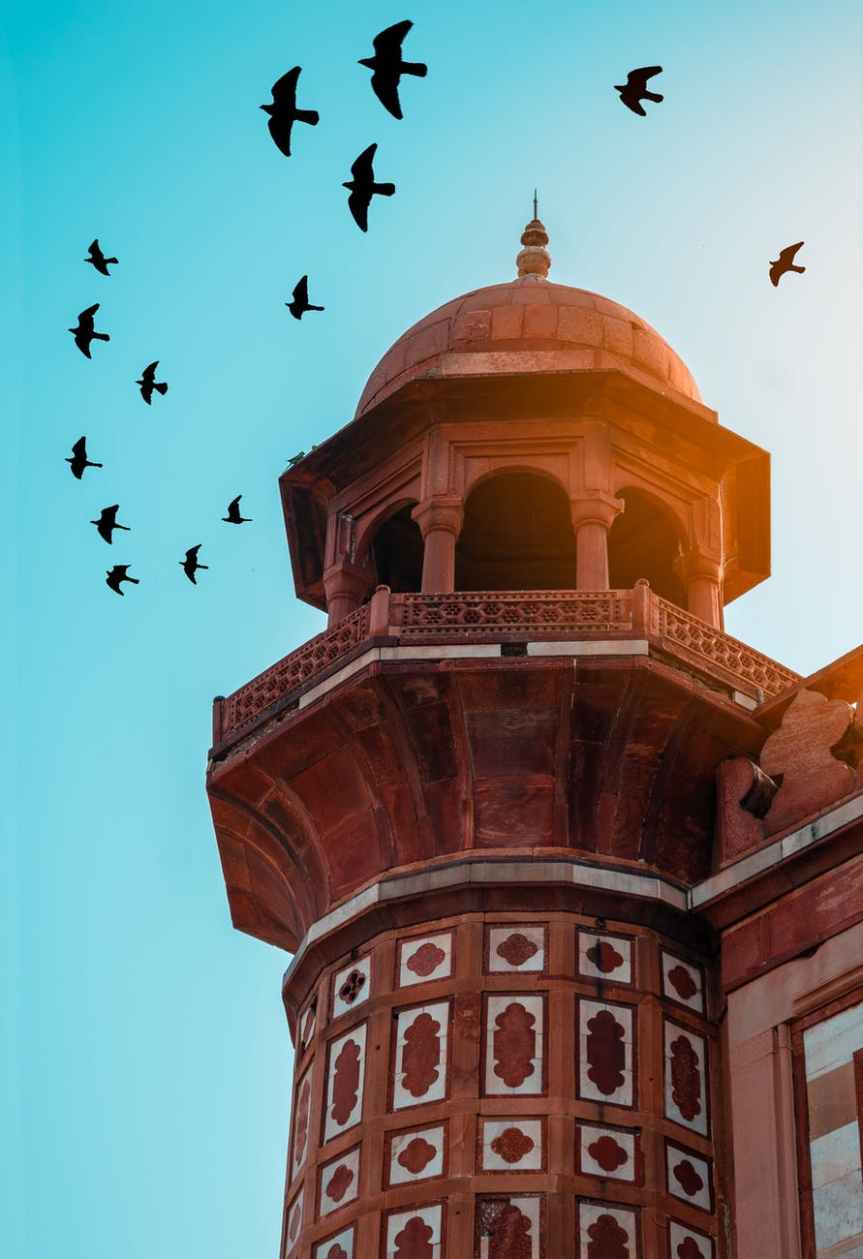
Some Historical Tourists Places in India

Travelling is the part of human life. Travelling give knowledge, inner peace, change of mind. India has a glorious history of past. All around India we can see the footprint of history. They are the great tourist attraction of India. Delhi & Agra is the main tourist attraction in the case of historical tourist places as there are  many monuments ,construction are situated here.  Let’s talk about some of them ––

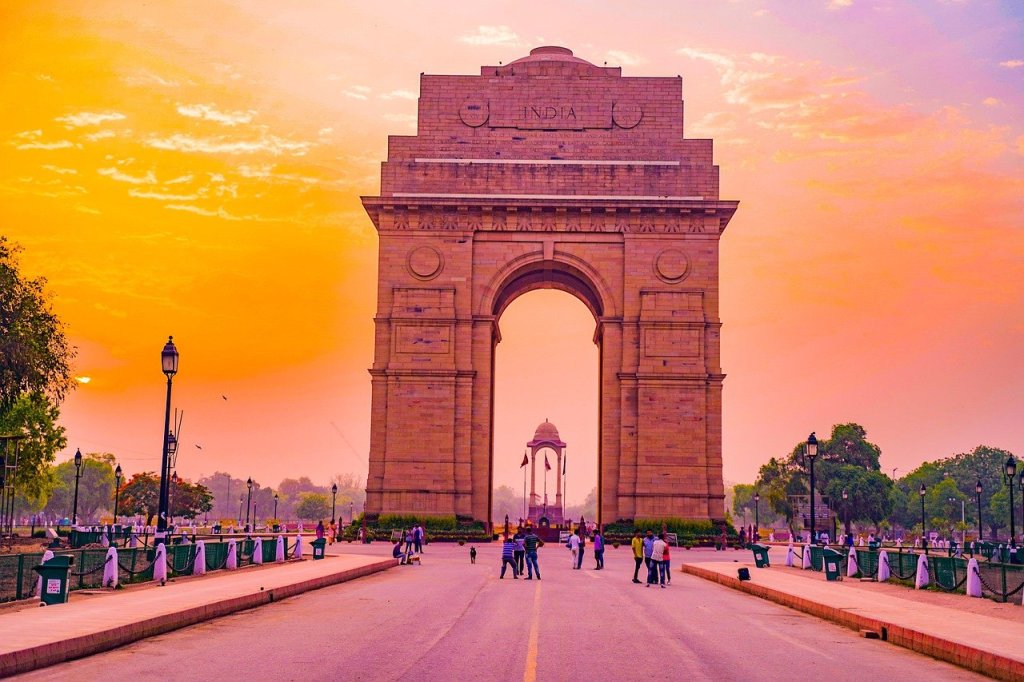
1.India Gate: It is situated in Rajpath in New Delhi , the capital of India . It is the symbol of the capital of India, Delhi. The designer of India Gate was Sir Edwin Lutyens. It was constructed on 12th February on 1931.It is a 42m tall war Memorial. India Gate of constructed in the memory of the 70000 British Indian Army soldiers who sacrificed their life during the first world war and in the third Anglo Afghan war. There is a ritual that in every Republic Day Prime Minister of India will visit the gate ‘Amar Jawan Jyoti’ canopy is also the part of India Gate.

India Gate

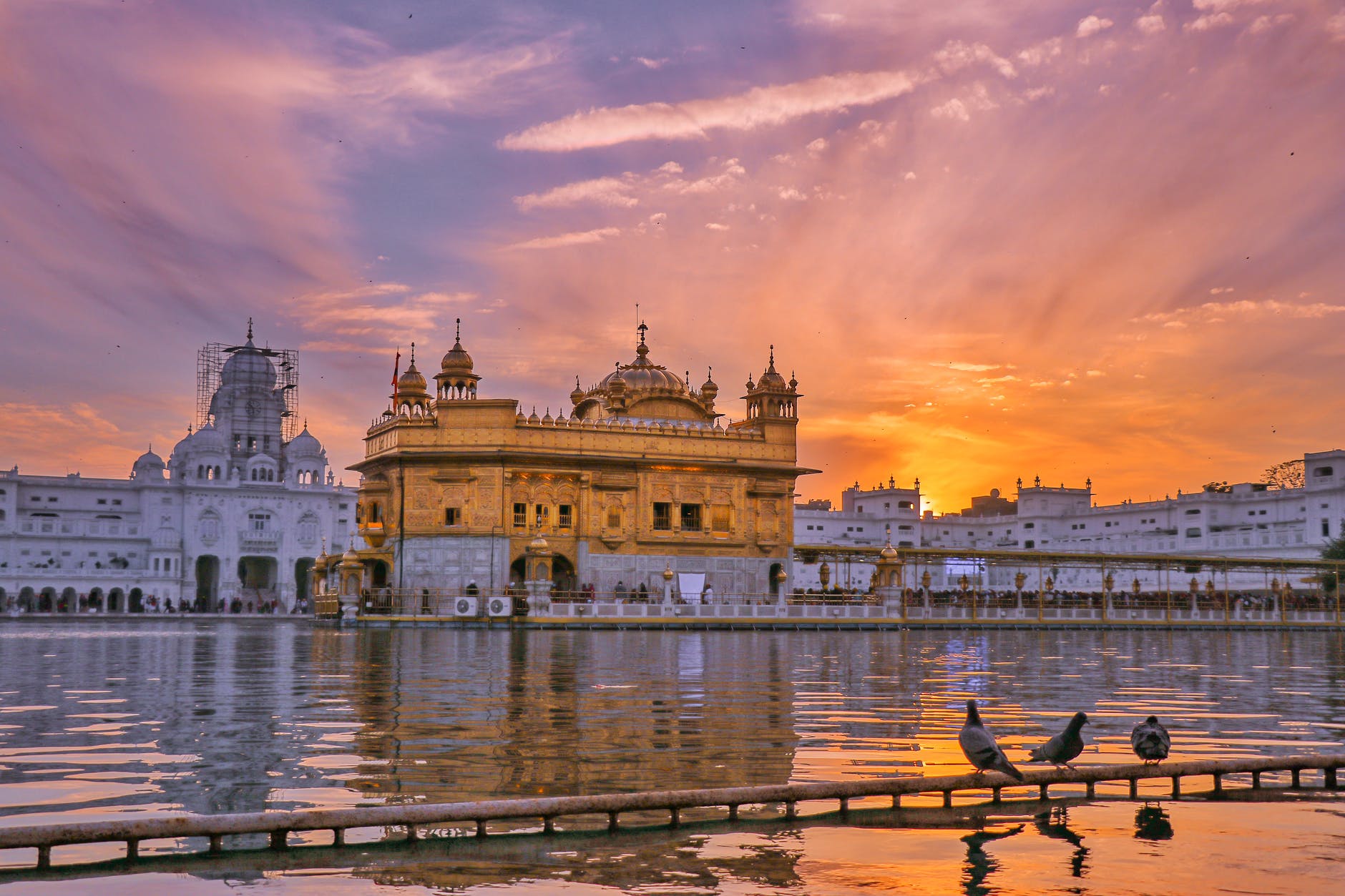
2.Golden temple: It is situated in Amritsar in Punjab. It is a pilgrimage tourist place. Its construction was completed in the year of 1604. It’s another name is Harmandir Sahib (which mean abode of God). It is very remarkable shrine with the concepts of purity, virtual reality and spirituality for not only Sikhs but also for other religions. Guru Arjan contributed a copy of Adi-Granth in 1604 in Golden temple. There is an artificial pool called Sarovar as a source of holy water. It is acknowledged as UNESCO World Heritage site.

Golden temple

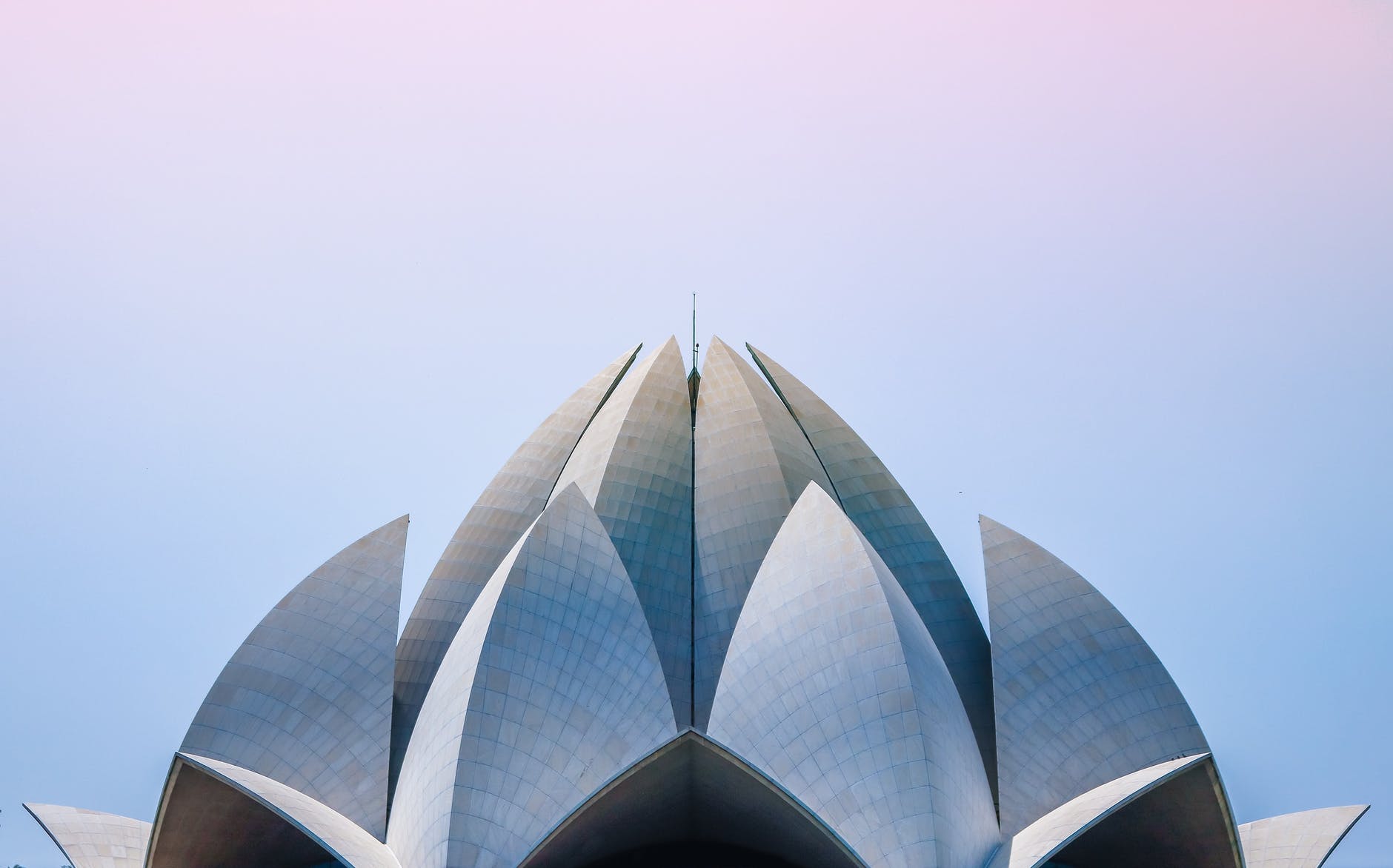
3.The Lotus Temple: It is situated in New Delhi in India. It is a worship house. This construction was completed in 13th November in the year of 1986. It was made by architect Fariborz Sahba. It is a huge construction with the model of lotus flower. It was devoted to worship of Bahai Faith. Its unique structure of blooming lotus flower attract lots of visitors from all around the world.

The Lotus Temple

4.Agra Fort: it is situated in Agra of Uttar Pradesh. It is acknowledged as the UNESCO World Heritage site. It is also called Red Fort of Agra. The whole construction was made by red sandstone. This was constructed by Mughal emperor of India, Akbar in the year of 1565 to 1573. It was made when Akbar came Agra and made Agra the capital of his ruling region. It is also the sign of Indian rebellion in the year of 1857.

Agra Fort

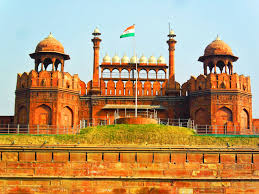
5.Red Fort: It is situated in Old Delhi in India. Its other name is Lal Qila. It is also acknowledged as UNESCO World Heritage site. It was made by Mughal emperor Shah Jahan in the year of 1573. The architect of these construction was Ustad Ahmad lahori. It was the main abode of Emperor Shah Jahan .It is significant for the shifting of the capital from Agra to Delhi. It is a ritual that in the Independence Day of India (15th August) Prime Minister will host the national flag in Red Fort.

Red Fort

A Monk

Who are Monks ?

Why people are becoming Monks?

Is it some kind of religion ?

How a monk lives ?

What kind of God they persuit ?

Want to know more about them , then start some reading .

Introduction

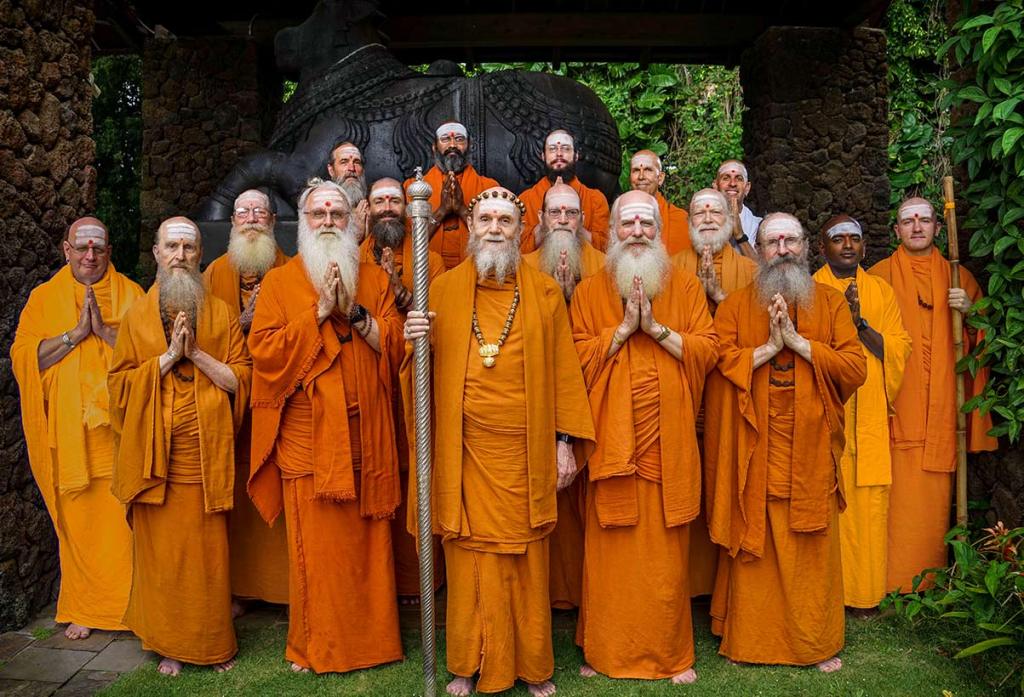
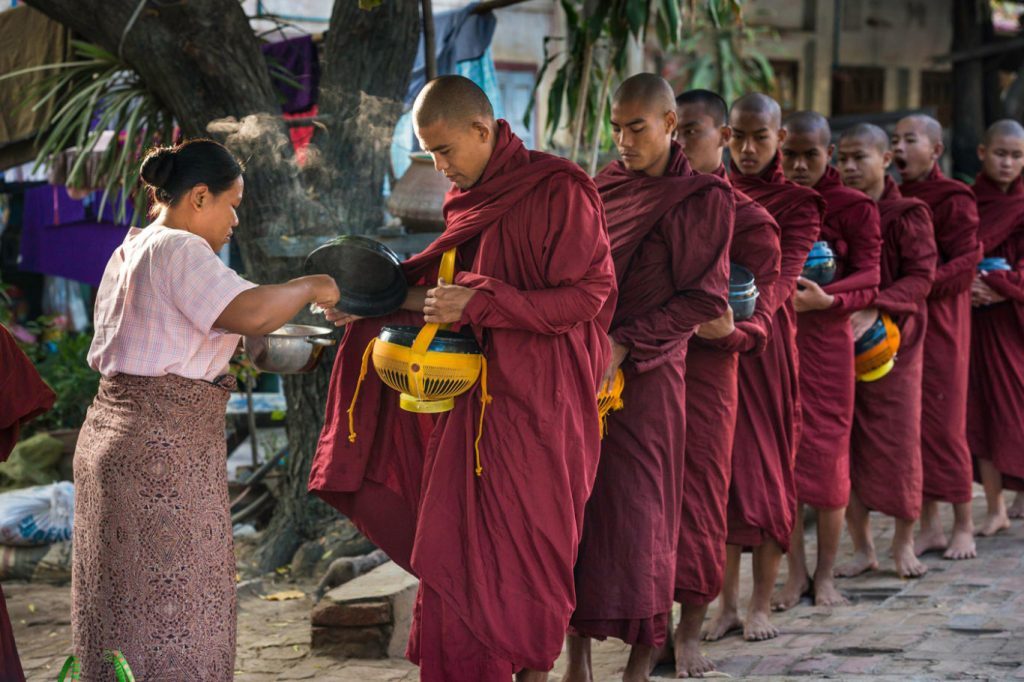
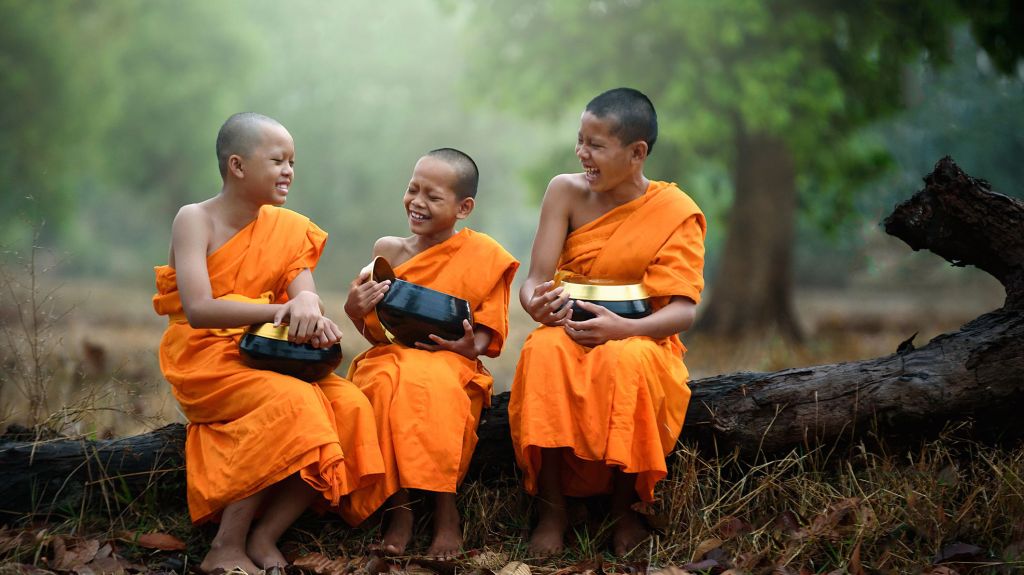
A monk is a person who practices religious asceticism by monastic living, either alone or with any number of other monks . A monk may be a person who decides to dedicate his life to serving all other living beings, or to be an ascetic who voluntarily chooses to leave mainstream society and live his or her life in prayer and contemplation. The concept is ancient and can be seen in many religions and in philosophy.

In simple words , A monk is a man who devoted part or all of his life to a religion. The word comes from Ancient Greek, and can be translated as solitary. In Greek, the word can apply to women, but in modern English it is mainly used for men. The word nun is usually used for female monastics. Monks practice asceticism. They either live alone, or together with other monks who share the same ideals. Monks can be found in different religions, most often in Buddhism, Christianity, Hinduism, Jainism and Taoism.

There living

Monks usually follow rules and regulations for convenient life. As a monk you must obey these rules .

  1. Poverty: the monk cannot own anything.
  2. Chastity: the monk cannot have sex or a sexual relationship and cannot start a family or get married.
  3. Solitude: the monk should always be alone. Some monks choose to not follow this law.
  4. Silence: the monk shall not speak unless it is necessary.
  5. Generosity: the monk should always help other people.
  6. Stillness: the monk cannot travel far unless it is necessary. Sometimes this means that the monk must be cloistered which means that they must not leave their monastery (especially Warsa period). Sometimes they can be allowed to leave, but must not go very far.
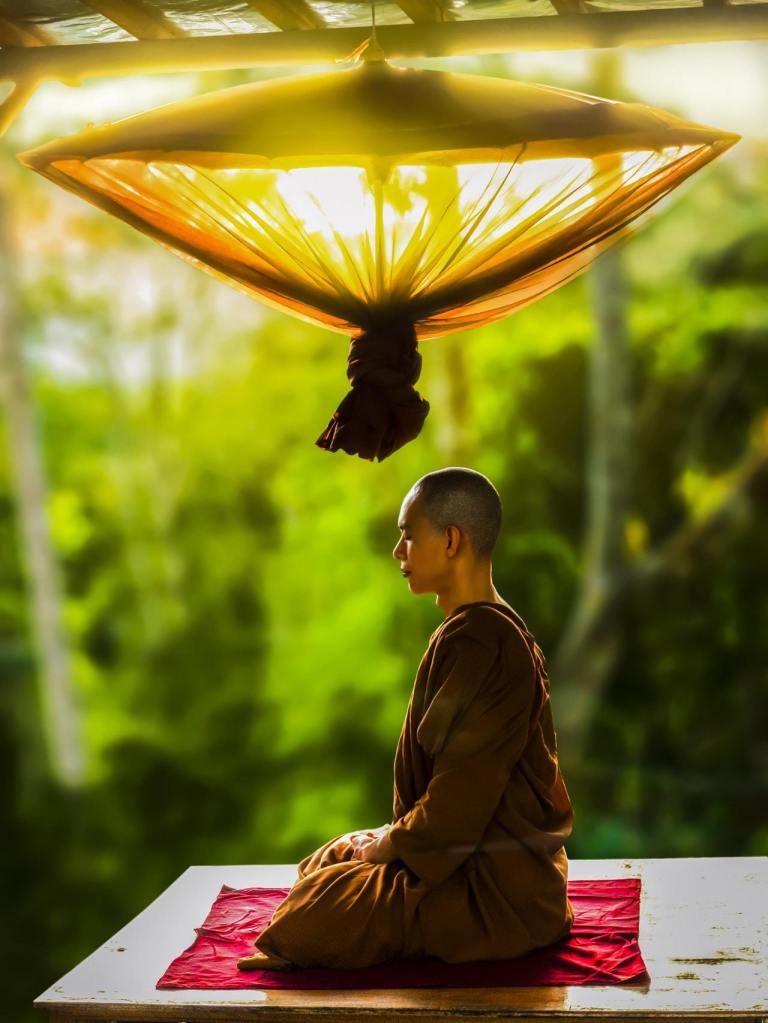
  7. Duty: The monk must do some things every day. For example, the monk must pray or meditate and must do some work.

Indian monks

One of the finest and versatile monk in India was Swami Vivekananda . Swami Vivekananda was greatly inspired by Ramakrishna. For Swami, Ramakrishna was just a plain and simple villager, who was a part of the Kali temple. However, his intense spiritual practices intrigued Swami.

For five years, Swami learnt everything from his master, Ramakrishna. After his master left the world, everyone looked up to Swami. He urged the followers of Ramakrishna to leave the worldly pleasures and look up to God.

“You cannot believe in God until you believe in yourself.”

His saying intrigued just not one nation but the whole world .

Life lessons

Being a monk , gives you a pleasure of being yourself . We live in the world where we get pleasure from materialistic things . We become selfish , ruthless, dull, lifeless and worthless. You have to believe in yourself in order to excel in life.

Start learning from lessons.

  • When you start to do meditation you recognize the egotistical mind.
  • Trying until you get it right.
  • The answer to your question is inside of you.
  • Real wisdom in life comes from doing something and failing.
  • We must be both compassionate and resilient.
  • Patience is a virtue.
  • Detach from your ego.
  • Happiness come from within, and also comes from outside.

Link

Is Fashion Really Important?

Fashion is a worldwide phenomenon. From small kids to old people, almost everyone is familiar with the latest trends whether they like it or not. Fashion cannot be undermined especially given the sale numbers. For instance, the global apparel retail market is currently worth $1.34 trillion in retail sales per year. If footwear and jewelry are included, that value rises to around $2 trillion. These numbers may show fashion as an indispensable tool however I’d like to differ from this argument. Fashion, in reality, has put immense and unnecessary pressure on individuals. It has created such high standards of evaluation that people have forgotten the true meaning of fashion; to dress as one likes. Therefore, fashion is not really important because it puts the individual in a position where they cannot express themselves freely without wanting to keep up with others.

The first argument as to why fashion should not be considered very important is because it’s unrequired. Fashion is given too much importance in society. So much that the level of obsession regarding fashion statements has only been increasing. With the emergence of e-commerce and focused apparel branding, the ‘importance’ of fashion has been restated again and again. In 2017, a total of 60 million online transactions occurred on the fashion e-commerce sites themselves. The market for fashion from then has only grown. Buying apparel is not bad, however, the mentality of wearing one to prove yourself is wrong and people who tend to divert away from fashion trends are often targeted by fashion lovers or ridiculed for their ‘fashion sense’. People have forgotten that what defines an individual is their ideals and personality, not some high brand clothes.

Secondly, fashion does not restrict itself to clothing sense but also extends to body style.
What most people neglect while talking about fashion is the requirement of it to have a particular body size and shape. The fashion trends demand you to not only wear clothes of a particular style but also for you to have a certain body size and weight. This puts immense pressure and creates self-doubt and complexity amongst people who do not possess these “standard” bodies. An example of how fashion induced ‘body-standard’ can lead to harmful situations was seen in August 2018, when a 22-year-old aspiring fashion designer committed suicide for the continuous body shaming attacks that she was bombarded with.

Thirdly, fashion can become an unhealthy addiction. This statement especially rings true for kids and teenagers where keeping up with latest trends and incorporating them in their wardrobes becomes an addiction. With every change in trend, the addicted individual is made to change their sense of style. The addiction can sometimes become so severe that individuals tend to spend a huge amount of their time just dressing up. Research has indicated that shopping addiction affects even the adults. It is estimated that 5-7% of the adult population, who stay in developed countries are addicted to shopping. The constant anxiety and social appearance that comes with this addiction can only lead to worst-case scenarios in the individual’s life. Hence, fast fashion addiction can prove lethal in daily lifestyle as everyday worries like ‘looking good’ and ‘keeping up’ can occupy a major part of the individual’s thought process.

To justify fashion as important, many arguments have been put forward by the fashion-lovers. One of the argument states that fashion is a way to ‘express your personality’. The way one dresses reveals the type of person they are and can help us judge them better. For instance, a person who is well dressed and in formal clothes is chosen for a job prospect over a person who wears joggers or simple informal clothes for the interview. This is because, formal clothes imply your seriousness towards the job as well as showcases your personality to be that of a neat and immaculate manner. But I’d like to emphasize that this argument does not stand true for every section of society. Fashion comes with money restrictions and not everyone can afford ‘branded’ or even ‘good-looking’ clothes. Nowadays if you wish to look fashionable you are required to have money in your wallet. As the trend rises the cost of fashion apparels also rise, making it impossible for poor people or middle-class people to look ‘fashionable’. Hence, limiting our perspectives to just people’s clothes is very superficial according to me.

In conclusion, fashion in its regular description is not ‘very important’. One should not be pressurized to follow a certain trend or certain clothing style in the name of fashion. Not only is it utterly wrong but also insensible. A person should dress according to their comfort and likes, not to some forced trends or fashion “standards”. After all, ‘Beauty lies in the beholder of the eyes.’

Is Happiness Linked To Success?

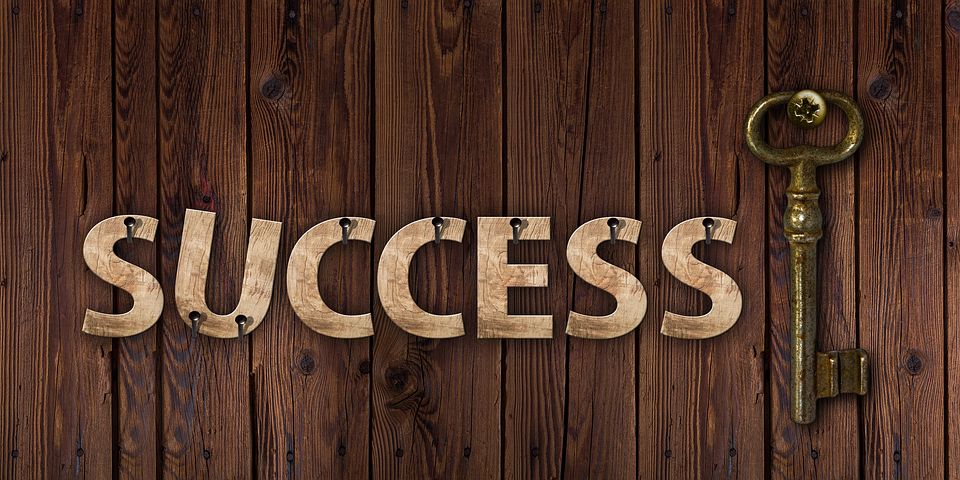
“Success is not the key to happiness. Happiness is the key to success. If you love what you are doing, you will be successful.” – Albert Schweitzer.

Is there a correlation between success and happiness?

We have not come here in this world by our choice nor will we leave this world by our wish. We’re all tourists in this wonderful world. No one is gonna live permanently. We ultimately experience this One supreme Power that controls this universe, maintaining us.So this thought create a feeling that we are living here temporarily in this world. Joy and sorrow are the part and parcel of life. Being optimist genrates the feeling of hope and inner peace. It helps us to motivate ourselves and overcome stress and grief. Positive attitude leads you to take better decisions finally to achieve “SUCCESS and HAPPINESS”.

Metaphorically, the sun is a daily reminder that we too can rise again from the darkness, that we too can shine our own light.” As the negative and positive thoughts are always battling with each other, trying to win over the other but when we are optimistic, a positive feeling wins the game by making us more confident, brave, calm and content. Nelson Mandela’s quote goes well with it, “The brave man is not he who does not feel afraid, but he who conquers that fear.”

The definition of happiness vary from person to person. As some are happy with less, but some with more. Although this is not the true definition of happiness.The real happiness merges from within ourselves in satisfactory appreciation with whatever we have. When we were young, we used to be happy with little things.. gradually we have set the criteria for ideal happiness that if I will have a car, big house, good job then only I will i be happy. These things become obstacles in achieving peace and happiness. If we set a condition with our happiness then we will never ever be happy in spite of having all goodness. Unconditional happiness is essential for true happiness.These are the reasons, most of the children are not happy with their parents, the reason is the they have made the condition that if I will get so and so thing then only will become happy, so we are focusing on the things about which we are sure. And waste their precious life moments, just overlooking the plenty of goodness in it because we try to see the happiness through our covered lens so we are unable to see any goodness.

As it is said’Peace begins when expectation ends’..This quote exactly fits in our day to day life. We expect too much from others but are unaware that they are also expecting the same from us. The modern society has no doubt changed completely; changing life style has distorted out mindset. The changing world is the world of new idealogy “More and More” . This has made the people selfish and self centred.

We should understand that every moment of our lives we can include happiness only if we take things in a positive manner. We shouldn’t depend on something or someone to make us happy. As it is rightly said by William James : “Human beings, by changing the inner attitudes of their minds, can change the outer aspects of their lives”.May God make us from among those who brighten up another person’s path with happiness, even when our own is clouded with darkness. But that’s the moment we feel the “True Happiness” emerging from within us.

What do you define as happiness and success in your own life?

Happiness and success are nebulous terms that get thrown around a lot in the self improvement circles. They are the ultimate goals in life. The only things that truly matter.Or so they say.But do any of us really know what we mean when we say we want these things?

How will we know once we reach our goal of becoming happy and successful? What will we do after we achieve these things? Just kick back and do nothing, waiting for death, our job as a human being now complete?How do we know we aren’t already happy and successful?

I’m not going to sit here and waste time trying to define these terms for you. Look them in a dictionary if you want a bland, sterile definition. Don’t bother doing that though. We all have some internal sense of direction towards happiness and success. With each event that occurs in our lives, we intuitively know if it is moving us closer or further away. That’s good enough for me.

The above quote is a common misconception that people have. Just find a way to make yourself happy and you will be a success. Maybe some people feel that way, but I don’t want to be the happiest homeless man begging for change on the highway off ramp. Success, defined as happiness, could even be achieved chemically through alcohol, heroin, or other destructive and non-successful indulgences.

So what’s missing? Meaning.Happiness without meaning is not success.People also make the opposite mistake. They think that once they become successful, whatever that means, then they will be happy. They put in long hours at the office. Lie, cheat, steal, kiss ass. The ends justify the means, they think. We all know the cliche of the rich man, seemingly at the top of the world, who realizes that he still isn’t happy. It is a cliche for a reason, because it teaches an important lesson that many of us are all too willing to ignore.

Material success without happiness is not true success. So a lack of happiness makes you unsuccessful. A lack of success can certainly make you unhappy. Happiness alone doesn’t make you successful. Success alone doesn’t make you happy. So what do we do?

Balance happiness and success while doing something meaningful. Meaningful is something we all have to define for ourselves as we all value different things in the world. Balance is the key here. Hedonistic pleasure seeking lacks meaning and therefore does not make us feel successful. Ruthless competition and chasing material rewards doesn’t leave room for the things that make us happy in life.

So where am I going with this? What is the magical key to success and happiness and a life of unending pleasure, meaning, and satisfaction?

I don’t know, I’m just some guy on the internet. …This is something that I think about a lot though. People seem to think of happiness and success as destinations. A goal they can someday reach if they do and think and say and believe the right things. I’ve listened to a lot of interviews with successful people and they they are asked who they think of as successful, I’ve never heard anyone mention themselves. People with success beyond our wildest dreams don’t yet think they’ve reached that elusive destination we call success. They’re still on the path towards it. The same is true for happiness.

We are all much happier and more successful than other people in the world in certain ways. Many of us are currently much happier and successful than we ourselves once were. Still we want and strive for more. I think of success and happiness as a direction rather than a destination. No matter how long I travel towards the east, I will never get to a place called “east”. This is just a metaphor, there may be a geographic point on earth where east becomes west, but don’t worry about that.

You can continue to get closer and closer to happiness and success for all eternity without reaching your destination. This is because they are moving targets, constantly redefined based upon our current position. I realize that this is where my math metaphor falls apart, but don’t worry about that.

We can and should continue striving for both, despite, or even because of, the fact that we will never actually get there. Striving after a worthy goal, typically one that increases our happiness and success, is what gives our lives meaning. The goal itself changes constantly over time. The pursuit is the constant. A life with nothing to pursue would not be very interesting at all. Find your pursuit.

Psychological Disorders – Part 1

“What health needs is more sunlight, more candor, and more unashamed conversation.”

– Glenn Close

Introduction

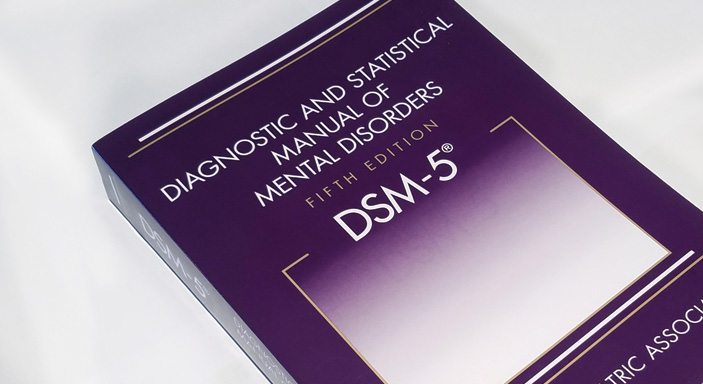
The American Psychiatric Association’s diagnostic manual, the Diagnostic and Statistical Manual of Mental Disorders (DSM-5) defines mental disorder as a syndrome characterized by a clinically significant disturbance in an individual’s cognitive, emotion regulation, or behaviour that reflects a dysfunction in the psychological, biological, or developmental process underlying mental functioning. Mental disorders are usually associated with significant distress in social, occupational, or other important activities. Psychologists focus on behaviour rather than actions. Behaviour that is considered maladaptive and causes significant personal distress and interrupts daily functioning is mostly labelled as a disorder.

What is the DSM?

The DSM is a handbook that is used by health care professionals over the world as a guide to diagnosing mental disorders. It gives a list of descriptions and symptoms related to every recognized mental disorder. The way physicians have a list of symptoms to check for physical health issues to not diagnose things differently from other physicians, the DSM plays the same role for psychologists, it helps in keeping a common diagnosis to not create chaos and confusion.

MAJOR CATEGORIES OF DISORDERS IN DSM-5:

Neurodevelopmental Disorders

These consist of disorders that are usually diagnosed in infancy, childhood, or adolescence like Intellectual Disability, this developmental disorder is originally detected before 18 years of age. This includes limitations in intellectual functioning and adaptive behaviours. This disorder was formerly known as mental retardation. The test to check intellectual ability is the IQ test, if the IQ score is under 70, it points towards intellectual limitations. Limitations in adaptive behaviour can involve a lack of efficiency at everyday things such as self-care, social interaction, and other living skills.

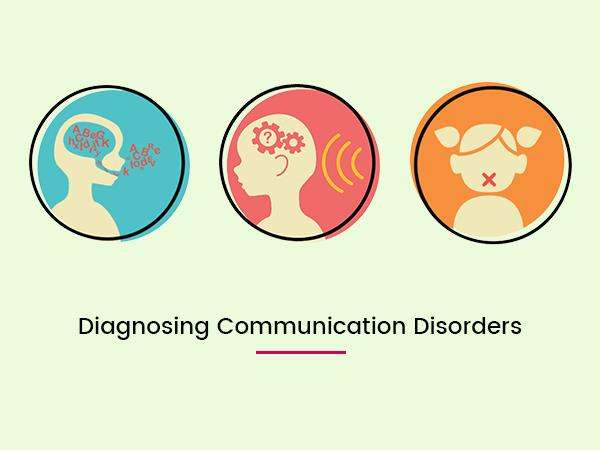
Communication Disorders are related to difficulty in the ability to use, understand, or detect language and speech. The DSM-5 further divides this disorder into four parts – language disorder, speech sound disorder, childhood-onset fluency disorder (stuttering), and social communication disorder.

Autism Spectrum Disorder includes persistent deficits in social interaction and communication. The DSM says that the symptoms for this must be noticed in the early developmental period and these symptoms should interfere in the important parts of life which include social and occupational functioning.

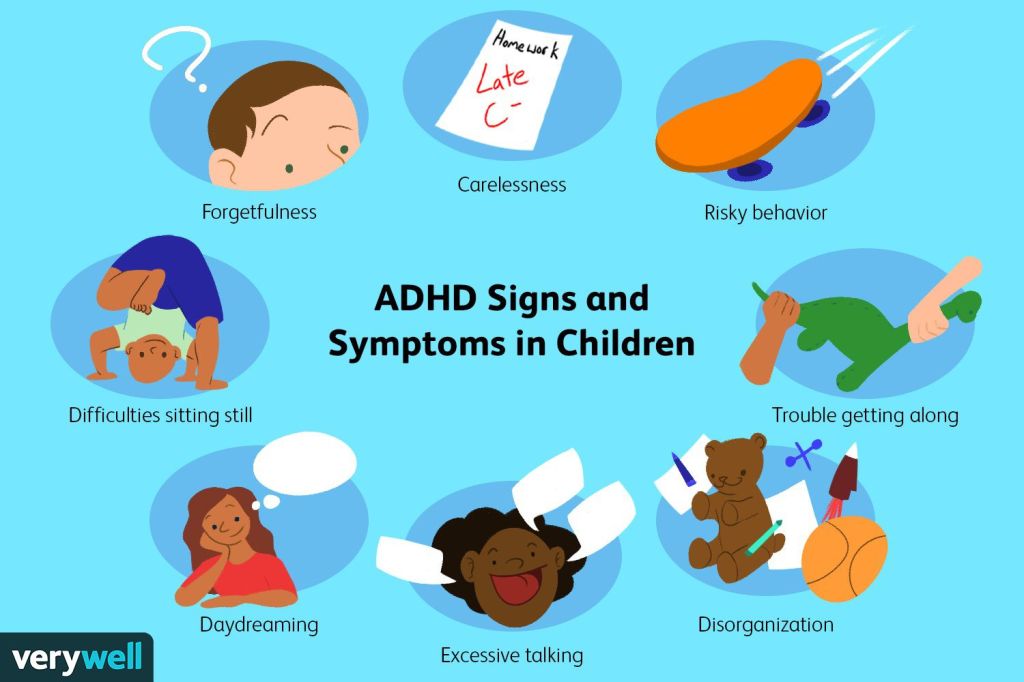
Attention-Deficit Hyperactivity Disorder (ADHD) consists of a persistent pattern of hyperactivity-impulsivity and/or inattention which interferes in the normal working during the day. This can show up at home, school, work, and social situations.

Bipolar Disorders

This disorder consists of a shift in mood from extremely elevated moods to a depressive period. The elevated moods are called mania or hypomania. Mania is the mood when there is a period of elevated, expansive, and irritable mood with increased activity and energy. This period is usually accompanied by excessive confidence. During this period, people tend to engage in activities that can have a negative long-term impact such as buying a mansion without considering the finances.

Depressive Episodes consist of feelings of depression or sad mood with a lack of interest in activities. It also includes feelings of guilt, fatigue, and irritability. People going through this period can experience difficulty in sleeping and also have suicidal thoughts.

Conclusion

It is very important to understand the depression is different from being sad and similarly being very happy is also different from mania. It should be noted that before assuming a disorder and starting medication, you should consult a psychologist and follow the treatment recommended by them. It should also be understood that if a child is showing signs of a neurodevelopmental disorder, you should take them to a doctor or a psychologist and should not brush it off and scold them for it.

References

NOTE: this is just the Part 1 of the Psychological Disorders series.

LIVING WITH PARENTS

Here, if god exists, then Parents are it's another form of course! Parents are a beautiful gift to everyone on this earth, they are the one who bring us into this world, feed us, care for us and develop us.

Since childhood we live with our parents, we do schooling living with them, we learn from them. Aren't we lucky? We have parents who are with us. Many people in this world are either orphans since childhood or sometimes in certain circumstances they are not able live with their parents. Of course, we are lucky.
Normally after spending 17 years with parents under one roof, a time comes when a child becomes an adult, becomes mature, capable and responsible.
Till the age of 17 a child is in need of parents in order to survive, to develop, to gain basic maturity. But at or after 18 he/she doesn't need help of parents, he/she is capable of moving out in the world where he/she can learn, understand and survive on his/her own. This makes him/her a real survivor and an intellectual person. Unless he/she fails, he/she will not learn, cannot grow. This makes a child an adult.
In Indian society neither parents are ready to let go of their children after 18 to live on their own, nor children want to be independent from their parents. Children want freedom of their own, will of their own and decisions of their own, but they want to be economically dependent, don't want to earn money for themselves. Since, parents are feeding their adult child they want to control him/her in every means, they want their child to live according to them, they want to decide when their child will go, where he/she will go, whether he/she can go or not and many more things. Parents name it as the concern, love, affection and worry towards their children but it's hard to make them understand that the time has gone for being concerned, it's time to teach them to be concerned for themselves. So both parent and their children are responsible equally for this system.  
Parents should neither blame themselves if their children fail, nor credit themselves as for the success of their child.  Children too should neither blame nor credit their parents for anything they are achieving and facing. This change is very much in need to be accepted by Indian parents, not because we have to adopt western culture, or it's not that by doing this we are promoting western culture but the reality is here's where development starts, a child becomes capable of decision making for himself/herself.
Children after 18 should distance themselves from their parents, should make their dependency on parents minimum, should study as well as earn their living. This makes them self reliant, allows them to explore themselves, can learn from the challenges and difficulties and the most importantly they gain experiences from life which makes them a better person. All want to be free and live their life according to their own will and that is the real way of living. Nobody should control anyone after a certain age, not even parents.
After 18 somewhere and at some point the thinking, behavior and characters of parents and children do not match. Very rarely, parents in India are able to adjust themselves according to the time and it's demand. Most of the parents impose their mentality and thinking upon their child, because they are feeding him/her. Generation gap after 18 keeps on increasing because a child becomes mature and gains the capability to think and to understand everything, he/she can decide what's wrong and right for him/her.
When a child reaches at the age of 18 and parents at 38-40, neither a child is in need of parents from that point, nor parents are in need of their children. For parents, that's the time where they can live their life without worries.  For children, that's the time where he/she can grow, can settle himself/ herself, and can be a responsible person.
Parents in India should not take the right of children to choose their life partners too. Marriage is a sensitive topic. It should be left to children to find their own partner and marry on their own. Parents should not take the burden of getting their children married. Life can be as easy as one wants. Parents create a dilemma for themselves by taking unnecessary responsibilities of their children even if their kid is able to do that. Therefore it's better not to be a burden on the parents and should do all the stuffs on your own, for self development
When an individual turns 40-50 and their parents turns 75-80 in age, there's where again child and parents should live together under one roof, because after that age, parents need children, also it's the responsibility of children to take care of their parents at old age, spend time with them. 
Living with parents should be according to the need and demand of time and conditions. When both parents and children are not in need of each other they should not be together. This doesn't decrease love and affection towards each other because love is enormous.  Distance increases the value of love.
Then, life becomes beautiful and perfect without harming each other's freedom and thinking.

Sustainable agriculture in India

Methodology:

  • Introduction
  • Sustainable agriculture in India
  • Need for sustainable agriculture
  • Methods for sustainable agriculture

INDRODUCTION –

Sustainable agriculture simply means doing agriculture efficiently with
the limited resources present without using the future generation
resources.

Sustainability shows the balanced use of resources. The excess usage
of the resources leads to the lack of the resources for the coming
generations. So, it is important to use all the resources in the right
and in the efficient way.

Sustainable agriculture in India

SUSTAINABLE AGRICULTURE IN INDIA –

Sustainable development is the management of the resources which
means the development of all with the help of the resources we have
and to use those in such a way that the resources used will be less but
the work done will be maximum which will save the resources for
future.

India ranks second worldwide in farm outputs. India is known for its
efficiency in agriculture from the Indus Valley Civilization.
Government of India is continuously working for the sustainable
development in the agriculture as most of the people’s occupation in India is farming.

Rashtriya Krishi Vikas Yojana was launched in 2007 for the overall
state agriculture development in India which aimed for the better
coordination and to produce a good quantity of crops with lesser
resources. Krishi megh program was also introduced after the Rashtriya Krishi
Vikas Yojana its main aim was to inculcate the knowledge of doing the
agriculture in an efficient way.

Inculcating education to farmers can change the production quality as
well as the production quantity.

NEED FOR SUSTAINABLE DEVELOPMENT –

Sustainable or we say the correct use of the resource will not only
save the excess usage of the resources but will also protect us from
the ill effects of the over usage of the resources.

Let’s see how

Water – So the excess usage of water in agriculture not only wastes
the water but also highly affects the fertility of the soil. Since due to
the over water in the soil the ground soil loses its grip and the fertile
soil flows away with the flowing water.

Sustainable agriculture management

Fertilizers – Fertilizers are used for the proper growth of the crops but
its excess usage destroys the crops.

For all this the right education is necessary. Sustainable agriculture helps in the good production of crops.

METHODS FOR SUSTAINABLE AGRICULTURE –

  • Proper usage of fertilizers.
  • Inculcate education of new technologies to farmers by
    organizing webinars.
  • Agroforestry
  • Contour Ploughing
    These are some of the efficient methods which are used and
    must be used for the sustainable agriculture.
  • Drop irrigation

References

THE BUTTERFLY ORGAN – ‘THYROID’.

The thyroid gland is a 2 inch long, butterfly shaped organ located in the front lower part of the neck. It is responsible for the production, storage and release of two main hormones called Triiodothyronine (T3) and Thyroxine (T4).

The hypothalamus and the pituitary gland in the brain is responsible for the production of T3 and T4. The hypothalamus produces a TSH releasing hormone called thyrotropin-releasing hormone (TRH) that signals the pituitary gland to produce TSH. The release of TSH by the pituitary gland regulates the production of hormones in the thyroid gland i.e., T3 and T4.

In case of low T3 and T4 levels, the pituitary gland releases more of TSH, that stimulates the thyroid hormone to produce more of T3 and T4.

In case of high T3 and T4 levels, the pituitary gland reduces the release TSH, that makes the thyroid hormone produce less of T3 and T4.

The thyroid gland absorbs iodine from the blood and incorporate it into the thyroid hormones. These hormones are responsible for controlling the rate of metabolism in the body. The metabolic rate of the body influences the heart, muscle and digestive function, brain development and bone maintenance. The key to the thyroid hormone is the amount of iodine in our meal. The thyroid gland absorbs the iodine from the blood and incorporate it into the thyroid hormones.

In addition, there are other hormone-producing cells within the thyroid gland called C-cells. These cells produce calcitonin. Calcitonin plays a role in regulating calcium and phosphate levels in the blood, which is important for your bone health and maintenance.

In normal cases thyroid gland produces the exact number of hormones needed to keep the body’s metabolism running and in balance. However, there are several disorders. When the thyroid gland produces too much of T3 and T4, it leads to higher metabolism, excess weight loss, fast heart rate, high irritability/nervousness, muscle weakness and tremors, infrequent menstrual periods and sleep problems. This condition is caused by a hyperactive thyroid gland and hence is called hyperthyroidism. Whereas, when the thyroid gland produces lower amounts of T3 and T4, it leads to lower metabolism rate. Low metabolism leads to depression, weight gain, slower heart rate, fatigue, more frequent and stronger menstrual periods, forgetfulness, dry skin and hair, hoarse voice and intolerance to cold. This condition is caused by an under active thyroid gland and hence is called hypothyroidism.

Rulers of the Mughal empire.

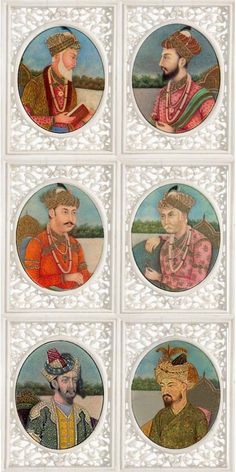
In India, the Mughal Empire was perhaps the best domain ever. The Mughal Empire administered countless individuals. India became joined under one guideline, and had extremely prosperous social and political years during the Mughal rule. There were numerous Muslim and Hindu realms split all through India until the organizers of the Mughal Empire came. There were a few men like Babar, grandson to the Great Asian victor Tamerlane and the vanquisher Genghis Khan from the northern district of Ganges, stream valley, who chose to take over Khyber, and at last, the entirety of India.

Babar (1526-1530):

the extraordinary grandson of Tamerlane and Genghis Khan, was the first Mughal sovereign in Quite a while. He went up against and crushed Lodhi in 1526 at the main skirmish of Panipat, thus came to build up the Mughal Empire in India. Babar governed until 1530, and was prevailed by his child Humayun.

Humayun (1530-1540 and 1555-1556):

the oldest child of Babar, succeeded his dad and turned into the second head of the Mughal Empire. He managed India for almost 10 years however was removed by Sher Shah Suri, the Afghan ruler. Humayun meandered for around 15 years after his loss. In the interim, Sher Shah Suri passed on and Humayun had the option to crush his replacement, Sikandar Suri and recapture his crown of the Hindustan. Nonetheless, before long, he kicked the bucket in 1556 at a youthful age of 48 years.

Sher Shah Suri (1540-1545):

was an Afghan chief who assumed control over the Mughal Empire in the wake of overcoming Humayun in 1540. Sher Shah involved the seat of Delhi for not over five years, but rather his reign end up being a milestone in the Sub-landmass. As a lord, he has a few accomplishments in his credit. He set up an effective policy management. He set up an income assortment framework dependent on the estimation of land. Equity was given to the everyday person. Various common works were completed during his short rule; planting of trees, wells and working of Sarai (hotels) for voyagers was finished. Streets were laid; it was under his standard that the Grand Trunk street from Delhi to Kabul was assembled. The money was additionally changed to finely printed silver coins called Dam. Notwithstanding, Sher Shah didn’t endure long after his increase on the seat and kicked the bucket in 1545 after a short rule of five years.

Akbar (1556-1605):

Humayun’s beneficiary, Akbar, was brought into the world in a state of banishment and was just 13 years of age when his dad kicked the bucket. Akbar’s reign holds a specific noticeable quality ever; he was the ruler who really invigorated the establishments of the Mughal Empire. After a progression of triumphs, he figured out how to curb the greater part of India. Regions not under the realm were assigned as feeders. He additionally embraced a placating strategy towards the Rajputs, henceforth diminishing any danger from them. Akbar was an incredible victor, yet a fit coordinator and an extraordinary manager too. He set up a large group of establishments that end up being the establishment of a managerial framework that worked even in British India. Akbar’s standard additionally stands apart because of his liberal approaches towards the non-Muslims, his strict advancements, the land income framework and his popular Mansabdari framework. Akbar’s Mansabdari framework turned into the premise of Mughal military association and common organization.

Akbar passed on in 1605, almost 50 years after his rising to the seat, and was covered outside of Agra at Sikandra. His child Jehangir then, at that point accepted the seat.

Jehangir:

Akbar was prevailed by his child, Salim, who took the title of Jehangir, signifying “Hero of the World”. He wedded Mehr-un-Nisa whom he gave the title of Nur Jahan (light of the world). He cherished her with dazzle enthusiasm and gave over the total reins of organization to her. He extended the realm through the expansion of Kangra and Kistwar and merged the Mughal rule in Bengal. Jehangir did not have the political endeavor of his dad Akbar. Be that as it may, he was a fair man and an open minded ruler. He strived to change society and was lenient towards Hindus, Christians and Jews. Be that as it may, relations with Sikhs were stressed, and the fifth of the ten Sikh masters, Arjun Dev, was executed at Jehangir’s orders for giving guide and solace to Khusrau, Jehangir’s defiant child. Craftsmanship, writing, and design succeeded under Jehangir’s standard, and the Mughal cultivates in Srinagar stay a suffering declaration to his imaginative taste. He passed on in 1627.

Shah Jahan:

Jehangir was prevailed by his second child Khurram in 1628. Khurram took the name of Shah Jahan, for example the Emperor of the World. He further extended his Empire to Kandhar in the north and vanquished the majority of Southern India. The Mughal Empire was at its apex during Shah Jahan’s standard. This was because of right around 100 years of unmatched thriving and harmony. Therefore, during this rule, the world saw the extraordinary advancement of expressions and culture of the Mughal Empire. Shah Jahan has been known as the “modeler ruler”. The Red Fort and the Jama Masjid, both in Delhi, stand apart as transcending accomplishments of both structural designing and workmanship. However regardless of anything else, Shah Jahan is recalled today for the Taj Mahal, the gigantic white marble sepulcher developed for his better half Mumtaz Mahal along the banks of the Yamuna River in Agra.

Aurangzeb:

Aurangzeb climbed the seat in 1658 and controlled preeminent till 1707. Along these lines Aurangzeb governed for a very long time, coordinating with Akbar’s reign in life span. However, lamentably he got his five children far from the regal court with the outcome that none of them was prepared in the specialty of government. This end up being exceptionally harming for the Mughals later on. During his 50 years of rule, Aurangzeb attempted to satisfy his aspiration of bringing the whole Sub-landmass under one principle. It was under him that the Mughal Empire arrived at its top in matter of region.

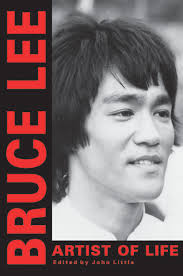
A Great Martial Artist ‘Bruce Lee’.

Born – Lee Jun-fan, November 27, 1940 ,San Francisco, California, U.S.

Died – July 20, 1973 ,(aged 32)Kowloon Tong,British Hong Kong.

Cause of death – Cerebral edema ,Resting place Lake View Cemetery, Seattle, Washington, U.S.

Other names – Bruce Lee Siu-Lung, Lee Yuen-cham, Lee Yuen-kam.

Citizenship – United StatesBritish Hong Kong

Occupation – Martial artist,philosopher, actor, director, screenwriter, producer.

Spouse(s) – Linda Emery ​(m. 1964).

About Bruce Lee:

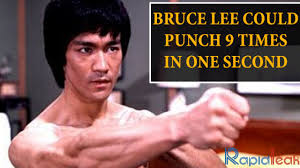
Bruce Lee, the very name breathes enthusiasm and life euphoria in the minds of thousands of action movie lovers. When we talk about action movies today, particularly in the martial arts genre, it is impossible to forget, that Bruce Lee was the one who began it all with movies like The Big Boss (1971), Fist of Fury (1972), Way of the Dragon (1972), Enter the Dragon (1973) and The Game of Death (1978). Gone were the days when action movie lovers would be pleased with the gun fight of Clint Eastwood or the epic chariot races of Charlton Heston. Kung Fu had made its entrance in the world of entertainment, courtesy the silver screen. Bruce Lee was born on 27 November 1940. His father, Lee Hoi Chuen, was Chinese and his Catholic mother, Grace Ho, was of three-quarter Chinese and a quarter German ancestry. Lee and his parents went from the US to Hong Kong when he was three months old. Lee’s father was one of the leading Cantonese opera and film actors at the time.

At the age of thirteen, Bruce Lee took Kung Fu lessons with Yip Man. Having learnt the basics from his father, Bruce showed keen interest in the art and a year later, in 1955, had private training with the man who would later become the President of the Australian Federation of Kung Fu, William Cheung. At this time, the martial artist, Wong Shun Leung, who was consistently involved with dangerous and brutal competitions, had Bruce Lee privately train with him. Both Wong Shun Leune and William Cheung were students of Yip Man in his school at the same time as young Bruce Lee. Despite the advantages of his family’s high social status during his youth in Hong Kong, the neighbourhood where Bruce grew up was dangerous and full of gang rivalry. Bruce Lee evolved in these conditions as a dangerous street fighter. No wonder then that at the high school level at St Francis Xavier’s College in Kowloon, Lee was part of the school boxing team in inter-school tournaments.

Through his father, Bruce was introduced into films, and by the time he was 18, he had acted in 20 films. While in the United States from 1959 to 1964, Lee abandoned thoughts of a film career in favour of pursuing a career in martial arts. Destiny had different plans for him and the lightning fast moves of Bruce Lee landed him the role of Kato in the TV series The Green Hornet. This led to a host of other television serials like Iron Side (1967) and Here Come the Brides (1969). Lee’s return to Hong Kong landed him in Raymond Chow’s The Big Boss and Fist of Fury, and Lee was a big star overnight. Lee became a god of action cinema with the Warner Brothers’ production Enter the Dragon, but a cruel and inexplicable death snatched him away from his fans six days before the release of this movie.

We remember Lee today as a man who redefined action on the silver screen. We remember his high kicks, his exceptionally fast punches and the spine-chilling fight sequences. ‘Lee, pound for pound, might well have been one of the strongest men in the world, and certainly one of the quickest,’ said Chuck Norris. When a child today watches Jackie Chan or Jet Li and gets excited to throw a punch, no father fails to remind him that these are compared to the master-Bruce Lee. hing Lee has left a unique legacy in the world of sports and cinema, imitated by millions but mastered by none.

Devoted Teacher:

Lee finished high school in Edison, Washington, and subsequently enrolled as a philosophy major at the University of Washington. He also got a job teaching the Wing Chun style of martial arts that he had learned in Hong Kong to his fellow students and others. Through his teaching, Lee met Linda Emery, whom he married in 1964. By that time, Lee had opened his own martial arts school in Seattle.He and Linda soon moved to California, where Lee opened two more schools in Oakland and Los Angeles. He taught mostly a style he called Jeet Kune Do, or “The Way of the Intercepting Fist.” Lee was said to have deeply loved being an instructor and treated his students like a clan, ultimately choosing the world of cinema as a career so as not to unduly commercialize teaching.Lee and Linda also expanded their immediate family, having two children — Brandon, born in 1965, and Shannon, born in 1969.

Mysterious Death:

Most of the people said that he died under mysterious circumstances .On July 20, 1973, just one month before the premiere of Enter the Dragon, Lee died in Hong Kong, China, at the age of 32. The official cause of his sudden and utterly unexpected death was a brain edema, found in an autopsy to have been caused by a strange reaction to a prescription painkiller he was reportedly taking for a back injury. Controversy surrounded Lee’s death from the beginning, as some claimed he had been murdered. There was also the belief that he might have been cursed, a conclusion driven by Lee’s obsession with his own early death.More rumors of the so-called curse circulated in 1993, when Brandon Lee was killed under mysterious circumstances during the filming of The Crow. The 28-year-old actor was fatally shot with a gun that supposedly contained blanks but somehow had a live round lodged deep within its barrel.

MENTAL HEALTH: THAT DRIVES YOUR WELL-BEING

“Health is a state of complete physical, mental and social well-being and not merely the absence of disease or infirmity.”

World Health Organization (WHO)

DEFINING MENTAL HEALTH

The World Health Organization (WHO) defines Mental Health as ” A state of well-being which an individual realizes his or her own abilities, can cope with the normal stresses of life, can work productively, and is able to make a contribution to his or her community.” Mental Health includes many aspects, like psychological, social, emotional well-being etc. and plays a vital role in determining how a person thinks, feels and acts. Mental health helps in determining the stress level of a person and thus can help in reducing it. It helps to relate people with others and make choices. It is important at every stage of life and affects the life in numerous ways.

If a person had mental health problems, then its thinking, mood, behavior, actions etc. will be affected to a great extent and can cause problem in society. Some of the factors that contribute to mental health are :

  1. Biological Factors: Genes or brain chemistry
  2. Life Experiences: Trauma or abuse
  3. Family history of mental health problems

UNDERSTANDING THE RELEVANCE OF MENTAL HEALTH

Mental health is an essential and vital component of health and mental health is similar to the condition, where there is no mental disorder or disabilities. A person with sound mental health is able to realize his or her duty and responsibilities and is capable to cope with the stresses of life which are normal and can work productively, With this the person can efficiently contribute to his or her community.

Mental Health is fundamental ability of an person to think, respond, interact with each other, earn a living and enjoy life. On this basis, we can say that, it is very necessary to preserve, conserve and protect a persona mental health because it can affect other individuals around them, the society, their community and the world itself.

FACTORS DETERMINING MENTAL HEALTH

Numerous factors affect a persons mental health and they can be social, biological and psychological. For example, violence and social pressures can mentally disturb a person.

Poor mental health can affect the way a person responds to others and to the society. It can lead to social change, stressed work conditions, gender discrimination, social exclusion, prejudice, unhealthy lifestyle etc. There are specific factors which can affect a persons mental health and can make people vulnerable to mental health problems and disorders.

PROMOTING MENTAL HEALTH

Different ways to promote mental health:

  1. Socio economic empowerment of women for increasing their access to education, schemes etc.
  2. Early Childhood interventions for providing proper infrastructures which will be child sensitive.
  3. Programs targeting vulnerable people of the society; like migrants, minorities etc.
  4. Mental health promotional educational centers and mental health interventions at work.
  5. Social support for elderly people.
  6. Poverty reduction and social protection to the vulnerable group.
  7. Promotion of rights, opportunities and care to everyone having mental disorders.
  8. Violence prevention and community development programs.

Why Silence is So Powerful

“Silence is a source of great strength” – Lao Tzu the founder of Taoism philosophy

Silence nourishes our mind and soul and makes us reflective as it is our internal necessity. Through silence we ingress into the imaginary world where we can expand our creativity beyond our boundaries. Silence makes us physically, mentally, emotionally, and morally strong.

  In today’s increasingly stressful and fast-moving world, we rarely apply wisdom while taking our decisions. Instead, we prefer the mechanics of quick problem-solving to get immediate outcomes. Decisions that are taken without thinking are mostly irrational and random. For making proper decisions, we need to use silence as a tool. It often provides us the opportunity to have sufficient time to think deeply and understand the matter before jumping to a random decision.

 When you are in silence, your mind and soul are deeply connected, and in this phase, your inspirations may bubble-up. You may find solutions suddenly for which you might have been struggling for a long time.

You all might have once heard these famous lines “At times silence can speak louder than voice.” Choosing silence is the best way to enhance conversations and strengthen your bonds as it’s a space between our feelings and response. When you keep silent, naturally, you would listen more in a conversation, and others would have the opportunity to speak and share more. Active listening is the key for trust-worthy and effective relationships. Silence helps us in thinking deeper, wakes us up, and increases our emotional regulation.

“Silence” is an explicit power that can either glorify or destroy your life, depending on your choice. Your engagement to its lighter or darker side would decide your transformation.

Internship and its importance

Photo by Magnetme on Pexels.com

An internship is a professional learning experience that offers practical experience related to a particular field of study .it gives a student many opportunities such as work experience ,exploration of career, increase our network, gain confidence etc. internship may be paid or unpaid.

Generally , there is a exchange of services during a Internships. we do internships for many reasons such as work experience ,confidence etc. and company or the organization ,who are giving us internships also want something back from us. If they ae very satisfied and impressed from our work they also offer a full time job in there company .Internships can be of any duration like 1 month , 3 months or 6 months.

There are different types of internships ,an internship can be paid internship or unpaid. In paid, they give a particular stipend per month. internships may be part time or full time. that are flexible with students schedule. internships are very common in professional fields like engineering, medical, law , architectures and various fields.

Importance of internship

Getting internships is a very important part of starting our career.

  1. Career exploration :- Internship is best way to apply your all knowledge, study and skills in a real world experience.as we know studying theoretically in class is good but applying that knowledge in internship definitely helps in exploring career for our future that suits us perfectly.

2. Helps in gaining experience:- It helps us gaining a work experience before doing job.it gives an edge to a particular person who is doing internships than other candidates.it will not only helps in gaining experience but it will also boost our confidence for upcoming challenges and jobs. It also teach us how to work under pressure with deadlines, because of these challenges we will not get much difficulties in jobs.

3.Check our strength and weakness:- During an internship we will be also able to check our strengths and weaknesses we will be able to know whether we are able to cop up with our schedule, whether we are doing our work before deadline etc. git also helps one in realizing that doing job in this field will be good or not. whether we like it or not.

4. Increasing network connections:- An internship is a very valuable opportunity through which we can built strong connections .The more people we interact in the company or organization ,the more we learn and grow. The more network we will have, there will be more chance to get a descent job.

5.Resume:-Most companies before hiring us want us to have some professional work experience before that. we can loose a job opportunity we if have not done even a single internship before that.so if we have done Internship and we have told it in our resume. our resume becomes better and strong that the one who has not done any kind of internship. An internship will definitely boost our resume.

conclusion

Internships play a major role in shaping our career.it gives us exposure of real experience of working environment and also helps us to know about ourselves, our strength and weaknesses.

What is an Ode ?

John Keat , William Wordsworth , Thomas Gray , Alexander  Pope , Percy Bysshe Shelley etc are some renowned ode  poets of the past  centuries .

The word ode comes from two   Ancient Greek words ὁδός which means ” path or way ” and  word aeidein, which means to “sing or to chan“.

In English poetry ,

Ode is a poetic form that can be generalized as a formal address to someone or something.

M.H Abrams defined the ode as , ” a long poem that is serious in subject and treatment elevated in style and elaborate in its stanzaic structure .”

It is a structured poem praising or glorifying an event or individual, describing nature in lyric form  often  in ceremonial, and formal tone.

Originally  the Greek odes were pieces of poetry  performed with musical or without music  accompaniment , sung or recited . 

It is seen that an ode can be in the form of  sonnet or elegy. 

It is patterned in lyrical literary technique which is not very lengthy. The subject matter of the poem is highlighted in a serious but formal tone with elaborated patterns of stanzas.

 Besides addressing some animate or inanimate objects or abstract ideas , the ode is sometimes used to commemorate important public events.

 A salient feature of ode is its uniform metrical feet, but poets generally do not strictly follow this rule though use highly elevated themes.

Some examples of odes are 

Ode on Intimations of Immortality from Recollections of Early Childhood (By William Wordsworth),

Ode to the Confederate Dead (By Allen Tate),

The Progress of Poesy: A Pindaric Ode (By Thomas Gray,

Ode on a Grecian Urn (By John Keats), etc.

___________________________________________

 Structure of an Ode Poem 

An lyrical form poem , ode is traditionally divided into three stanzas:

• The strophe • the antistrophe • the epode 

Traditional odes are an example of lyric poetry, which means that they have a regular rhyme scheme, pertain to feelings or emotions and generally use only one speaker’s perspective. The characteristics of an ode vary depending on the time period and geographical location in which it was written. 

• The strophe. In a Greek ode, the strophe usually consists of two or more lines repeated as a unit. In modern usage, the term strophe can refer to any group of verses that form a distinct unit within a poem.

•The antistrophe. The second section of an ode is structured the same way as the strophe, but typically offers a thematic counterbalance.

The epode. This section or stanza typically has a distinct meter and length from the strophe and antistrophe, and serves to summarize or conclude the ideas of the ode.

Types of ode 

Traditionally ode is of three types 

Pindaric, 

Horatian, and

 Irregular or English ode 

Pindaric ode :-

Pindaric odes were performed with a chorus and dancers, and often composed to celebrate athletic victories.

The Pindaric is named for the ancient Greek poet Pindar, who is credited with innovating this choral ode form.

The ode contains  formal opening,( strophe,) with a complex  metrical structure, followed by an antistrophe, which mirrors the opening, and an epode, the final closing section of a different length and composed with a different metrical structure.

Best example of Pindaric ode is  William Wordsworth ‘s  poem “Ode on Intimations of Immortality from Recollections of Early Childhood” 

     There was a time when meadow, grove, and stream,

     The earth, and every common sight

                                To me did seem

                        Apparelled in celestial light,

     The glory and the freshness of a dream.

     It is not now as it hath been of yore;—

                          Turn wheresoe’er I may,

                            By night or day,

     The things which I have seen I now can see no more.

The Horatian ode :-

The Horatian ode, named for the Roman poet Horace.

This type of ode contains two or four lines stanzas that share the same metric rhyme scheme and length.

It is generally more tranquil and contemplative than the Pindaric ode.

 Less formal, less ceremonious, and better suited to quiet reading than theatrical production.

Best example of Horatio ode  is the Allen Tate poem “Ode to the Confederate Dead,” 

     Row after row with strict impunity

     The headstones yield their names to the element,

     The wind whirrs without recollection;

     In the riven troughs the splayed leaves

     Pile up, of nature the casual sacrament

     To the seasonal eternity of death;

     Then driven by the fierce scrutiny

     Of heaven to their election in the vast breath,

     They sought the rumour of mortality.

English  Ode ( Irregular Ode )

English ode is the type of ode which neither follows the Pindaric form nor the Horatian form .

It follows irregular versus structure and stanza pattern , hence also known as irregular ode . There is no formal rhyme scheme in this kind of ode .

 For example, 

Ode on a Grecian Urn” by John Keats ,  Percy Bysshe Shelley’s “Ode to the West Wind,” Robert Creeley’s “America,” Bernadette Mayer’s “Ode on Periods,” and Robert Lowell’s “Quaker Graveyard in Nantucket ”  are some examples of irregular ode .

An ode usually expresses feelings in a dignified and sincere manner with a formal tone of imagination and discursive expounding of philosophical ideas .

___________________________________________

Significance of ode 

In the  history of literature, odes are seen to hold elevated positions . 

Romantic poets used odes to celebrate their strongest sentiments and deepest administrations . Ode was a famous form of poetry in both 18 th and 19th centuries. 

Odes are usually written in appreciation or reflection. They are almost always written about a significant event, or someone or something that the poet admires and hence has its significance in the history of literature.

___________________________________________