Therapy For Anxiety Disorder

[Bhoomika Saini]

In some cases, medications have a role in treating anxiety disorders. But for many, therapy—alone or in combination with medication—is the most effective treatment option. The reason being that therapy, unlike medication, gives you the tools to manage the anxiety yourself, now and in the future.

Different therapeutic techniques have been developed to treat anxiety and have evolved over time from psychoanalytic approaches to the newest cognitive behavioral therapies.
Understanding Anxiety Disorders

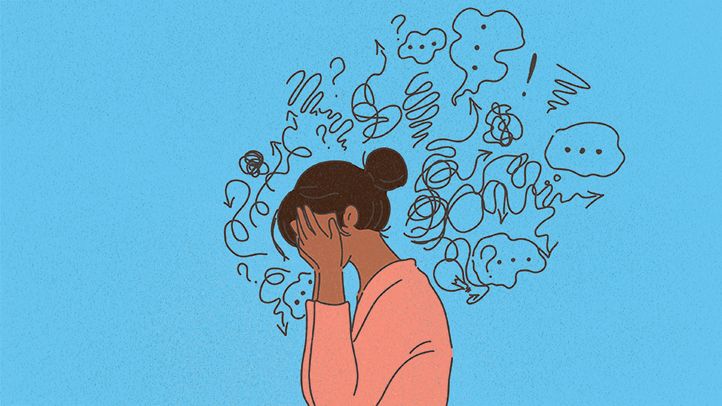
About 19% of U.S. adults and 31% of adolescents age 13 to 18 experience anxiety each year, according to the National Institute of Mental Health (NIMH).

There are several major types of anxiety disorders that can be treated using therapeutic approaches.

  • Panic disorder
  • Obsessive-compulsive disorder (OCD)
  • Phobias
  • Generalized anxiety disorder (GAD)
  • Social anxiety disorder (SAD)
  • Post-traumatic stress disorder (PTSD)

Regardless of the specific disorder, the underlying processes that drive them often follow a similar pattern. People with anxiety tend to react to unpleasant thoughts, feelings, and situations in a more extreme way and may try to manage those reactions by avoiding triggers. Unfortunately, this type of avoidance only serves to reinforce fears and worries. Most modern types of therapy address negative thinking and avoidance to help you manage your anxiety.

Types of Therapy for Anxiety

The goal of all therapeutic approaches is to help you understand why you feel the way you feel, what your triggers are, and how you might change your reaction to them. Some types of therapy even teach practical techniques to help reframe your negative thinking and change your behaviors.

Anxiety disorders differ considerably, so therapy is tailored to your specific symptoms and diagnosis. It can be conducted in an individual, family, couple, or group setting. How often you meet with your therapist and for how long will depend on your specific symptoms and diagnosis.

Psychiatrists, psychologists, and other mental health professionals use several types of anxiety therapy. The choice of therapy also depends on your diagnosis and the severity of your symptoms.

Cognitive Behavioral Therapy

Cognitive behavioral therapy (CBT) is the most widely-used therapy for anxiety disorders. Research has found it to be effective in treating SAD, GAD, phobias, and panic disorders, among other conditions.

The premise of CBT is that your thoughts—not your current situation—affect how you feel and subsequently behave. So, the goal of CBT is to identify and understand your negative thinking and ineffective behavior patterns and replace them with more realistic thoughts and effective actions and coping mechanisms.

During this process, your therapist acts like a coach teaching you helpful strategies. For example, you might do a lot of “black-and-white” thinking, where you assume that things are all bad or all good. Instead, you would replace those thoughts with the more realistic perception that there are many shades of grey in between.

It takes practice to use these strategies. Once you start to recognize your anxiety and your triggers, you can learn to apply the coping skills that you learn in CBT to manage fear, panic, and worry.

Exposure Therapy

Exposure therapy is one of the most common CBT methods used to treat a variety of anxiety disorders, including specific phobias, SAD, and PTSD. The basic premise behind exposure therapy is that if you’re afraid of something, the best way to conquer it is head-on.

During exposure therapy, your therapist will slowly introduce you to anxiety-producing objects or situations. This is often done using a technique known as “systematic desensitization,” which involves three steps:

  1. Relax: Your therapist will teach you relaxation training to help combat your anxiety. Examples of relaxation training include progressive muscle relaxation, deep breathing, meditation, and guided imagery.
  2. List: Create a list of your anxiety-provoking triggers, ranking them in terms of intensity.
  3. Expose: In this final step, you’ll gradually work your way through your listed anxiety-provoking objects or situations, using the relaxation techniques when necessary.

There are several ways your psychologist may choose to expose you to your anxiety-provoking stimuli. Here are the most common:

  • Imaginal exposure: In this type of exposure, you’ll be instructed to vividly imagine your anxiety-provoking object or situation.
  • In vivo exposure: In this method, you’ll face your anxiety-provoking object or situation in real life. So with this type of exposure, a person with social anxiety might be instructed to give a speech in front of an audience.
  • Virtual reality exposure: In some cases, virtual reality can be used when in vivo exposure isn’t possible. Virtual reality therapy uses technology to combine elements of in vivo and imaginal exposure. This method has proven especially helpful for soldiers and others who live with PTSD.

Dialectical Behavioral Therapy

Dialectical behavior therapy (DBT) is a highly effective type of CBT. Originally used to treat borderline personality disorder (BPD), DBT is now used to treat a variety of conditions, including anxiety.

DBT focuses on helping you develop what seems like a “dialectical” (opposite) outlook, acceptance, and change. During DBT treatment, you’ll learn to both accept your anxiety all the while actively working to change it. It’s similar to the notion of loving yourself the way you are, while still trying to change yourself for the better.

DBT treatment teaches four powerful skills:

  • Mindfulness: Connecting with the present moment and notice passing thoughts (like anxiety) without being ruled by them
  • Distress tolerance: Managing your anxiety when faced with a stressful situation
  • Interpersonal effectiveness: Learning how to say no, or ask for what you need
  • Emotion regulation: Managing anxiety before they get out of control

Acceptance and Commitment Therapy

Acceptance and commitment therapy (ACT) is another form of therapy that has been shown effective for a variety of anxiety disorders. ACT involves identifying your values in life and then acting in ways that match your values.

Art Therapy

Art therapy is a non-verbal, experience-oriented therapy. It involves either using visual art (such as painting, drawing, sculpting) to express and process emotion or using art to practice mindfulness and relaxation. Although it can be provided as a standalone therapy, it’s commonly used in combination with other treatment methods such as CBT.

Being a newer form of therapy, more research is needed to confirm its effectiveness in reducing anxiety symptoms.

Psychoanalytic Therapy

According to this Freudian model, anxiety symptoms reflect unconscious conflicts. The purpose of psychoanalytic therapy is to resolve them. In psychoanalysis, you and your therapist examine your thoughts, fears, and desires to better understand how you view yourself and to reduce your anxiety. This is one of the most intensive forms of treatment; it can take years to identify patterns in your way of thinking.

The terms “psychoanalysis” and “psychodynamic therapy” are often used interchangeably, but psychoanalysis is actually a subset of psychodynamic therapy.

Interpersonal Therapy

Interpersonal therapy (IPT) focuses on social roles and relationships. In IPT, you’ll work with your therapist to identify any interpersonal issues you may have, such as unresolved grief, conflicts with family or friends, changes in work or social roles, and problems relating to others. You’ll then learn healthy ways to express emotions and ways to improve your communication with others.

Although originally developed to treat major depression, IPT may be used if your anxiety relates primarily to your relationships with other people, as is the case with SAD.

What to Expect From Therapy

A common misunderstanding about therapy is that you’ll immediately start to feel better. Sometimes this is the case. But much of the time, you feel worse before you start feeling better. Surprisingly, feeling worse is often a sign of progress. And if you think about it, that makes sense.

When you make the decision to enter into therapy, it’s often because you haven’t been able to work through your anxiety on your own. Therapy involves exploring your anxiety and the reasons behind it in a deeper, more meaningful way. This can cause a temporary spike in your anxiety.

Therapy should never be thought of as a quick fix. It’s a process that’s unique to each individual. The type of therapy you need, the skills, that you learn, and how long you’re in therapy depends entirely on the type of anxiety you have and the severity of your symptoms.

It’s important to understand that though the process won’t always feel good, it will be completely worthwhile in the end.

How to Make the Most of Therapy

Trying to make a change can be a challenge. Being in therapy for anxiety is no exception. However, if you are persistent, you should see improvement.

Here are a few ways to make the most of your therapy—and actually see some results:

  • Don’t pretend to be OK
  • Ask questions
  • Tell your therapist anything and everything
  • Do the work outside your sessions
  • Focus on your goals
  • Practice healthy lifestyle choices
  • Make sure you have a social support system
  • Reduce stress in your life that makes your anxiety worse

In this way, you can see that putting in an effort and being present throughout the therapy process will have the biggest impact on how well it works for you.


Gorilla trekking

Hello guys Today we are going to discuss about an unique trekking

I am sure you guys have heard Gorilla and trekking these two words respectively .But how did a relationship form between these two and how did this topic of Gorilla trekking came into existence is what we are going to talk about .

Generally trekking means a long journey typically on foot , and gorillas are largest of the great apes and are the largest living primates.
From bwindinationalparkuganda.com
Gorilla trekking refers to people hiking through forests to see mountain Gorillas in their natural habitat unlike how we visit zoos to watch animals here the animals are not caged.

This trekking happens in forests of Africa at Bwindi National park in Uganda and also in Rwanda.

It's a popular choice for travel bucket list of many travellers.But for trekking almost for 8 hours you need stamina,physical fitness and also should be able to balance yourself out there
From : national geographic
The Gorilla trek tour costs ranges from $1,200  to $3,300 from cheapest to expensive respectively.The package includes a Gorilla tacking permit,private transport ,an English speaking guide , accomodation and meals.

You may think is it safe to join this kind of trip? yes ,these gorillas are habituated to the presence of trekkers and considered to be safe,but precautions are needed to be taken so the gorillas don’t get agitated by our behavior .

June July august are considered to be park seasons for Gorilla trekking and there is a tough competition for their permits during these months.

From forbes

There are certain rules you should follow while trekking so that you a can avoid any types of discomfort during this trip.Planning before the trip is a must and to cut down the costs on the trip better to choose reliable packages and plans.

This trekking has been a life changing experience for many travellers and it is very fascinating to see their true nature in their natural habitat.

Thankyou^^

Let’s Relieve Stress [part 2]

[Bhoomika Saini]

When stress becomes overwhelming, or it’s chronic, it can take a toll on your well-being. That’s why it’s important to have effective stress relievers that can calm your mind and your body. 

And what works for you at home might not be an option when you’re at work or in the community (dancing around your living room might be helpful but dancing in the grocery store might not be). 

So it’s important to have a variety of stress relief tools at your disposal. Then, you’ll be able to pick a strategy that works best for your current circumstances. 

Long-Term Stress-Relief Strategies for Lasting Health

Certain habits can promote resilience to stress, as well as increase overall wellness. For example, those who exercise or meditate regularly tend to become less stressed in the face of a difficult challenge.

So it’s important to create a lifestyle that will help you ward off stress and deal with challenges in a healthy way. 

Eat a Balanced Diet

A poor diet can bring greater reactivity toward stress. Emotional eating and reaching for high-fat, high-sugar foods can provide a temporary sense of relief that adds to your long-term stress.

Refined carbs, like cookies and potato chips, can cause a spike in blood sugar. When your blood sugar crashes, you might experience more stress and anxiety.

Consuming a healthy diet can help you combat stress over the long haul. Foods like eggs, avocado, and walnuts support mood regulation and energy balance. 

Make Time for Leisure Activities

Leisure activities can be a wonderful way to relieve stress. Yet, many people feel as though their lives are too busy for hobbies, games, or extra fun.

But building time for leisure into your schedule could be key to helping you feel your best. And when you feel better, you’ll perform better, which means leisure time may make your work time more efficient.

Whether you find joy in caring for a garden or you like making quilts, hobbies and leisure are key to living your best life.

Develop a Positive Self-Talk Habit

The way you talk to yourself matters. Harsh self-criticism, self-doubt, and catastrophic predictions aren’t helpful. If you’re constantly thinking things like, “I don’t have time for this,” and “I can’t stand this,” you’ll stress yourself out.

It’s important to learn to talk to yourself in a more realistic, compassionate manner. When you call yourself names or doubt your ability to succeed, reply with a kinder inner dialogue.

Positive self-talk can help you develop a healthier outlook. And an optimistic and compassionate conversation can help you manage your emotions and take positive action. 

Practice Yoga

Yoga combines physical movement, meditation, light exercise, and controlled breathing—all of which provide excellent stress relief.

And while you’re likely to reap immediate benefits from a single yoga session, you’re likely to receive long-term benefits if you incorporate it into your life in a consistent way. 

Yoga offers a variety of physical, psychological, and spiritual benefits. To get started, you might take a class, enroll in an online program, or use an app to help you begin practicing.

Express Gratitude

Gratitude helps you recognize all the things you have to be thankful for. Whether you’re grateful for a sunny day or thankful you arrived at work safely, think about all the good things you have in life.

Gratitude also reminds you of all of the resources you have to cope with stress, which can be quite empowering. 

Studies also show grateful people enjoy better mental health, lower stress, and a better quality of life.

So whether you decide to make it a habit to identify what you’re grateful for as you sit around the dinner table or you decide to write down three things you’re grateful for in a gratitude journal every day, make gratitude a regular habit. 

Prioritize Exercise

Physical activity is key to managing stress and improving mental health. And the best news is, there are many different kinds of activities that can reduce your stress.

Join a gym, take a class, or exercise outside. Keep in mind that there are many different ways to get more physical activity in your day too.

Walking, strength training, kayaking, hiking, and spin class are just a few different examples of ways you can get stress relief.

Strategies That Engage in Problem-Focused Coping

Most stress relievers focus on changing your emotions. But sometimes, you won’t necessarily get relief until you change the environment. 

This is referred to as problem-focused coping (as opposed to emotion-focused coping). Problem-focused coping involves taking steps to remove the stressor from your life (as opposed to changing how you feel about the stressor).

Reassess Your To-Do Lists

If you’re trying to squeeze 20 hours worth of work into 16 hours, you’re going to feel stressed. Reducing your workload could be key to helping you get through the day feeling better.

Whether that means stepping away from a committee you joined or it involves hiring someone to complete some of your household chores for you, 

Honing your time management skills can allow you to minimize the stressors that you experience, and better manage the ones you can’t avoid.

When you are able to complete everything on your “to do” list without the stress of rushing or forgetting, your whole life feels easier.

Obtain Social Support

Having supportive people in your life is the key to stress management. If you lack emotional support and friendship, it’s important to get it.

That may mean reaching out to your existing network. Perhaps confiding in a family member or distant friend can help you become closer and it may give you the social support you need.

You may also need to expand your network. Join an organization, attend a support group, or get professional help if you lack supportive people in your life. 

Cut out Things That Add to Your Stress

Sometimes, the best way to reduce your stress is to cut something out of your life. Get rid of the things that are adding to your stress so you can experience more peace. 

Watching the news, being constantly connected to your digital devices, drinking alcohol, and consuming too much caffeine are just a few of the things that may add more stress to your life. Making some changes to your daily habits could be instrumental in helping you feel better.

A Word From Verywell

Finding the best stress relief strategies may take some experimenting. Some strategies may take practice too.

But it’s important to keep looking for the tools that will help you manage life’s inevitable ups and downs in a healthy way. Keeping stress at a manageable level is important for your overall well-being.

Let’s Relieve Stress [part 1]

[Bhoomika Saini]

From minor challenges to major crises, stress is part of life. And while you can’t always control your circumstances, you can control how you respond to them.

There isn’t a one-size-fits-all option when it comes to stress relief, however. What works for one person might not work for another.

Let’s go through some effective ways to relieve stress.

Short-Term Stress-Relief Strategies You Can Do Anywhere

Whether you’re about to be interviewed for a job or you’re feeling overwhelmed by your child’s behavior at the playground, it’s important to have some stress reduction tools that can lower your stress right now.

The best short-term strategies:

  • Can be performed anywhere
  • Take very little practice to master
  • Are free
  • Provide immediate relief

Try Guided Imagery

Guided imagery is like taking a short vacation in your mind. It can involve imaging yourself being in your “happy place”—maybe picturing yourself sitting on a beach, listening to the waves, smelling the ocean, and feeling the warm sand underneath you.

Guided imagery can be done with a recording where you listen to someone walk you through a peaceful scene. Or, once you know how to do it yourself, you can practice guided imagery on your own. 

Simply close your eyes for a minute and walk yourself through a peaceful scene. Think about all the sensory experiences you’d engage in and allow yourself to feel as though you’re really there. After a few minutes, open your eyes and return to the present moment.

Meditate

Meditation brings short-term stress relief as well as lasting stress management benefits. There are many different forms of meditation to try–each one is unique and brings its own appeal.

You might develop a mantra that you repeat in your mind as you take slow deep breaths. Or, you might take a few minutes to practice mindfulness, which involves being in the moment. Simply pay attention to what you see, hear, taste, touch, and smell.

When you’re focused on the here-and-now, you won’t be able to ruminate about something that already happened and you can’t worry about something in the future. Meditation and mindfulness take practice, but it can make a big difference in your overall stress level.

Practice Progressive Muscle Relaxation

Progressive muscle relaxation involves relaxing all the muscles in your body, group by group. To practice, you can start with a few deep breaths.

Then, practice tightening and relaxing each muscle group, starting with your forehead and moving down to your toes. 

With practice, you’ll learn to recognize tension and tightness in your muscles and you’ll be able to relax more easily. Each time you practice, however, you should experience a feeling of relaxation sweeping through your body. 

Focus on Breathing

Just focusing on your breath or changing the way you breathe can make a big difference to your overall stress level. Breathing techniques can calm your body and your brain in just a few minutes.

The best news is, no one around you will even know you’re doing them. So whether you’re in a stressful meeting or you’re sitting in a crowded theater, breathing exercises could be key to reducing your stress.

While there are many different breathing exercises, like karate breathing, a few simple ones include:

  1. Breathe in through your nose and watch your belly fill with air. Count slowly to three as you inhale. Hold for one second and then slowly breathe out through your nose as you count to three again.
  2. Breathe in through your nose and imagine that you’re inhaling peaceful, calm air. Imagine that air spreading throughout your body. As you exhale, imagine that you’re breathing out stress and tension. 

Take a Walk

Exercise is a fantastic stress reliever that can work in minutes. Taking a walk allows you to enjoy a change of scenery, which can get you into a different frame of mind, and brings the benefits of exercise as well.

So whether you just need to take a stroll around the office to get a break from a frustrating task or you decide to go for a long walk in the park after work, walking is a simple but effective way to rejuvenate your mind and body.

Fast-Acting Stress-Relief Strategies That Work Well at Home

In the privacy of your own home, there are many stress relief strategies that can help you relax fast. So whether you’ve had a tough day at work or you’re stressed about how much you have to do, these strategies can give you some immediate relief from your stress.

Get a Hug From a Loved One

Physical touch can do a lot to relieve your stress. Hugging a loved one can be especially beneficial.

When you hug someone, oxytocin (also known as the “cuddle hormone”) is released. Oxytocin is associated with higher levels of happiness and lower levels of stress.

Oxytocin also causes a reduction in blood pressure. It reduces the stress hormone norepinephrine and can produce a sense of relaxation. 

So don’t be afraid to ask a loved one for a hug if you need it. It’s good for both of you and it can be one of the simplest forms of stress relief available.

Enjoy Aromatherapy

Aromatherapy has real benefits for stress relief—it can help you to feel energized, more relaxed, or more present in the moment.

Emerging research suggests certain scents can alter brain wave activity and decrease stress hormones in the body.

So whether you enjoy candles, diffusers, or body products, consider incorporating some aromatherapy into your day. 

Create Artwork

Getting in touch with your creative side may have been easy for you during childhood, but if you’ve lost touch with your penchant for artwork, it’s not too late to pick it up again.

If you aren’t into drawing or painting, consider coloring in a coloring book. Adult coloring books have risen in popularity and for good reason—coloring can be a great stress reliever.

Research consistently shows that coloring can have a meditative effect. One study found that anxiety levels decline in people who were coloring complex geometric patterns, making it a perfect outlet for stress reduction.

Netflix’s gaming expansion begins on mobile devices.

Netflix started in its second-quarter earnings report on Tuesday that its early gaming efforts will be centered on mobile games and that the games will be included with customers’ Netflix subscriptions. The news comes just days after the firm announced the hiring of Mike Verdu, a former EA, and Oculus executive, to lead its gaming efforts.

From Netflix’s letter to investors, here’s what it said about gaming:

We’re also in the early phases of extending into games, drawing on our previous interactive initiatives (e.g., Black Mirror Bandersnatch) and Stranger Things games. We see gaming as a new content category for us, in the same way, that we’ve expanded into original films, animation, and unscripted television. Games, like films and shows, will be included in customers’ Netflix subscriptions at no additional cost. We’ll start by concentrating on games for mobile devices. We’re as thrilled as ever about our movie and TV series offerings, and we foresee a long runway of increased investment and growth across all of our existing content categories, but now that we’ve been at it for almost a decade, we believe it’s time to learn more about how our members value gaming.

Although Netflix just expanded its TV contract with Shonda Rhimes to include feature films and gaming content, there are still no indications on what sorts of games would be accessible. There’s also no indication of how Netflix subscribers will get their games.

In the past, the business has admitted that it competes for time and attention with games, with co-CEO Reed Hastings stating in 2019 that “we compete with (and lose to) Fortnite more than HBO.” In April, as part of the company’s first-quarter reporting, COO Greg Peters mentioned the interest of the company in gaming (PDF). And with games like Black Mirror: Bandersnatch and Carmen Sandiego, the firm has already dabbled with gaming.

However, it appears like Netflix is now more interested in gaming than ever, with the recent appointment of Verdu and the fresh details revealed Tuesday about its first intentions.

POMPEII

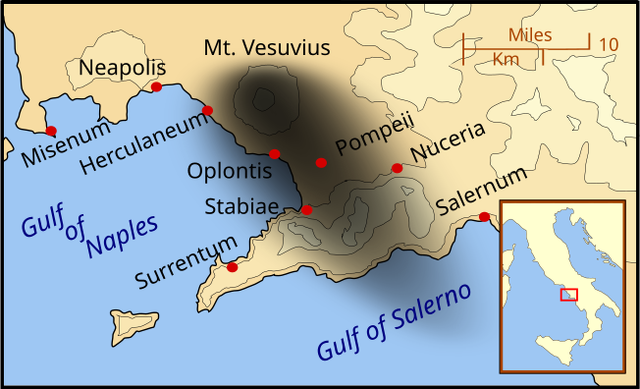
Pompeii, is a preserved ancient Roman city in Campania, Italy, 14 miles southeast of Naples, at the southeastern base of Mount Vesuvius. Around noon on August 24, 79 CE, a huge eruption from Mount Vesuvius showered volcanic debris over the city of Pompeii, followed the next day by clouds of blisteringly hot gases. Buildings were destroyed, the population was crushed or asphyxiated, and the city was buried beneath a blanket of ash. For many centuries Pompeii slept beneath its pall of ash, which perfectly preserved the remains. When these were finally unearthed, in the 1700s, the world was astonished at the discovery of a sophisticated Greco-Roman city frozen in time. Grand public buildings included an impressive and an amphitheatre; lavish villas and all kinds of houses, dating back to the 4th century BCE, were also uncovered. Inside were some preserved remains of people sheltering from the eruption; others lay buried as they fled; bakeries were found with loaves still in the ovens. The buildings and their contents revealed day-to-day life in the ancient world—and stirred 18th-century interest in all things classical.

History

It seems certain that Pompeii, Herculaneum, and nearby towns were first settled by Oscan-speaking descendants of the Neolithic inhabitants of Campania. Archaeological evidence indicates that the Oscan village of Pompeii, strategically located near the mouth of the Sarnus River, soon came under the influence of the cultured Greeks who had settled across the bay in the 8th century BCE. Pompeii is first mentioned in history in 310 BCE, when, during the Second Samnite War, a Roman fleet landed at the Sarnus port of Pompeii and from there made an unsuccessful attack on the neighbouring city of Nuceria. After the war, Pompeii, along with the rest of Italy south of the Po River, received Roman citizenship. However, as a punishment for Pompeii’s part in the war, a colony of Roman veterans was established there under Publius Sulla, the nephew of the Roman general.

Mt. Vesuvius

Mt. Vesuvius erupted on August 24, 79 CE. A vivid eyewitness report is preserved in two letters written by Pliny the Younger to the historian Tacitus, who had inquired about the death of Pliny the Elder, commander of the Roman fleet at Misenum. Pliny the Elder had rushed from Misenum to help the stricken population and to get a close view of the volcanic phenomena, and he died at Stabiae. Site excavations and volcanological studies, notably in the late 20th century, have brought out further details. Just after midday on August 24, fragments of ash, pumice, and other volcanic debris began pouring down on Pompeii, quickly covering the city to a depth of more than 9 feet and causing the roofs of many houses to fall in. Surges of pyroclastic material and heated gas, known as nuées ardentes, reached the city walls on the morning of August 25 and soon asphyxiated those residents who had not been killed by falling debris. Additional pyroclastic flows and rains of ash followed, adding at least another 9 feet of debris and preserving in a pall of ash the bodies of the inhabitants who perished while taking shelter in their houses or trying to escape toward the coast or by the roads leading to Stabiae or Nuceria. Thus Pompeii remained buried under a layer of pumice stones and ash 19 to 23 feet (6 to 7 metres) deep. The city’s sudden burial served to protect it for the next 17 centuries from vandalism, looting, and the destructive effects of climate and weather.

The Remains

The city of Pompeii was shaped irregularly because it was built on a prehistoric lava flow. Excavations indicate that the southwestern part of the town is the oldest, but scholars do not agree on the stages by which the walls were expanded or on who the builders were. The walls are 2 miles (3 km) in circumference, and they enclose an area of about 163 acres. The public buildings are for the most part grouped in three areas: the Forum (elevation 110 feet), located in the large level area on the southwest; the Triangular Forum (82 feet), standing on a height at the edge of the south wall overlooking the bay; and the Amphitheatre and Palaestra, in the east. The Forum was the centre of the city’s religious, economic, and municipal life; it was a large rectangular area surrounded by a two-story colonnaded portico. The Triangular Forum is the site of the Doric Temple, the oldest temple in Pompeii. Between the 3rd and the 1st century BCE a theatre, a palaestra (sports ground), and a small covered theatre were built to the east of the Triangular Forum. The temples of Zeus Meilichius and of Isis and the old Samnite palaestra were nearby. n the east corner of Pompeii was the Amphitheatre, and to the west a large palaestra was built to replace the old Samnite palaestra. Baths were scattered throughout the town.

Importance as a Historical Source

The extent of the archaeological sites makes them of the greatest importance, for they provide a unique source of information about so many aspects of social, economic, religious, and political life of the ancient world. The bakeries, complete with mills, kneading machines, and ovens, some still containing loaves of bread, show how this staple of everyday life was produced. The shops of the sculptor, toolmaker, and gem cutter, as well as the factories for fish sauce and lamps and the many wine and food shops, document other aspects of ancient life. Pompeii was a busy port town that exported products throughout the Mediterranean region. Merchants and tradesmen found food and lodging near the city gates and the Forum. Further, Pompeii offers the best opportunity for the study of city planning and land use in an ancient city. Excavations since the mid-20th century have revealed an unexpected amount of open land. Unfortunately, the excavations are constantly endangered by the ravages of weather, tourist traffic at the site, and destructive vegetation. 

RURAL AND URBAN UNEMPLOYMENT AND ITS CAUSES IN INDIA

Unemployment refers to a situation in which the workers who are capable of working and willing to work do not get employment. Unemployment also refers to a situation where the persons who are able to work and willing to work, fail to secure work or activity which gives them income or means of livelihood.

RURAL EMPLOYMENT:

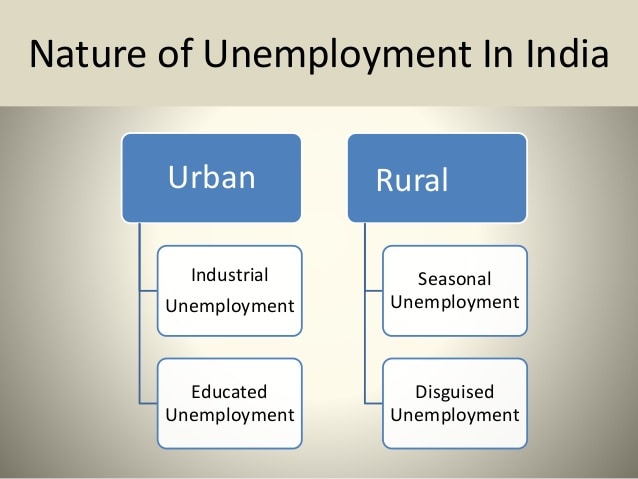
In Rural employment, both unemployment and underemployment exist side by side. The increasing population implies an increasing pressure on land. This pressure on land has resulted in an increase in number of agriculturists, and this has largely contributed to the problem of ununtilized labour in the agriculture sector.

1. SEASONAL UNEMPLOYMENT- caused by seasonal varieties in production or demand or both. When the works are engaged in a particular work or occupation, get employment only for a limited period and remain idle for the remaining period.

2. DISGUISED UNEMPLOYMENT- In Indian villages, people are found to be apparently engaged in agricultural activities. In such a situation, even if many works are withdrawn, same work will continue to be done by fewer people. It follows that all the workers are not needed to maintain the existing level of production. The contribution of such labourers to production is zero or near zero.

URBAN EMPLOYMENT:

Urban employment is largely the off-shoot of rural employment. With the growing process of making of peasantry very poor in the wake of introduction of the capitalist system of farming, and in the face of increasing pressure of population on land, a mass departure of population from rural areas to urban areas take place.

1. STRUCTURAL UNEMPLOYMENT- caused by structural changes like rapidly growing population, fall in the rate of capital formation, technological change etc., in the economy. It is of long run nature.

2. DISGUISED UNEMPLOYMENT- A person is apparently employed bit their marginal product is zero. Marginal product means the product and the produce added to the existing production due to the addition of new employee/ worker.

3. EDUCATED UNEMPLOYMENT- Even a person who is educated/trained and skilled fails to obtain a suitable job suited to his qualification he is said to be educated unemployed.

4. OPEN UNEMPLOYMENT- The labourers when live without any work and they dont find any work to do they come under the category of unemployment. Educated unemployment and skilled labourers unemployment are included in open unemployment. The migration from rural to urban areas in search of work is very often found in India is an example of open unemployment.

5. UNDER UNEMPLOYMENT- refers to the underutilization of manpower available both in terms of time and skill. If a master of engineering graduate work as a clear or an office assistant in an office, he is underutilized in terms of man power.

6. VOLUNTARY UNEMPLOYMENT- Though jobs are available some person may want to remain idle come under the category of this kind. The people who do not have the mind set to work regardless of their economic position and lazy people are included in this category.

7. NATURAL UNEMPLOYMENT- Unemployment ranging between 2 to 3% in the country is considered natural and inevitable. This minimal percentage of unemployment cannot be eliminated at all.

CAUSES OF UNEMPLOYMENT:

The unemployment problem in India has assumed alarming dimensions since independence.

1. POPULATION GROWTH- The galloping in population of our country during the last decades has increased the unemployment problem in the country.

2. INSUFFICIENT RATE OF ECONOMIC PROGRESS- The rate of growth is inadequate to absorb the entire labour force in the country. The opportunity of employment are not sufficient to absorb which are taking place as result of the rapidly increasing population in India.

3. ABSENCE OF EMPLOYMENT OTHER THAN AGRICULTURE- Agriculture is the principle area of employment in the country A major cause of rural unemployment refers the extremely low rate of growth of agriculture.

4. JOINT FAMILY SYSTEM- Existence of joint family system in India promotes disguised unemployment. Usually the members of a family work on their family farms or do family business.

5. SLOW DEVELOPMENT OF INDUSTRIES- Industrialization is not rapid in our country and industrial labours finds few job opportunities. The surplus labour in the agriculture sector labour is not absorbed by the industrial sector.

6. INAPPROPRIATE TECHNOLOGY- An important cause in the urban industrial sector is the use of inappropriate technology. Instead of using technology suited to our requirement of utilizing abundant labour supply available in the country, western modern highly capital-intensive technology is adopted which minimizes use of labour.

The need of hour to fight poverty and unemployment is to have belief approach towards education system and employment generation programmes in rural areas through recent initiatives such as skill India which is a campaign launched by Prime Minister Damodardas Modion 15 July 2015 which aim to train over 40 crore people in India in different skills by 2022.

PINK PROTECTION

Women’s Safety Kerala government launches ” Pink Protection ” to prevent project to prevent crimes against women As many as 10 cars , 40 Two – wheelers , including Bullets , and 20 Bicycles were allotted by Government as part of pro- women project

Amidst concerns of increasing atrocities against women , especially during the COVID -19 induced lockdown period , the Kerala government launched a comprehensive program to safeguard their rights in public , private and cyber spaces Chief Minister Pinarayi Vijayan kicked-off the endeavour , titled “PINK PROTECTION” project , by flagging off an array of vehicles , to be given to the assigned officers to the drive , in front of the police Head quarters in Thiruvananthapuram. The specially trained pink beat officers would be present in public places and a would be present in public places and a pink control room would be available in all the 14 districts , the statement said adding that apink shadow patrol team would identify anti- social elements at crowded places and take action An all-women Bullet patrol team , named Pink Romeo has already has been launched in the state as part of the pro-women initiatives of the Government.

Rakesh Jhunjhunwala trims stake in Tata Motors

Billionaire investor Rakesh Jhunjhunwala sold 50 lakh shares of automotive giant Tata Motors NSE -2.17 %, trimming his stake in the company to 1.14 per cent, latest shareholding data showed.

Jhunjhunwala held a total of 4.27 crore shares in the company at the end of March, which came down to 3.77 crore by the end of June. According to the last closing price, he sold shares worth Rs 154.35 crore. Tata Motors was the second largest bet in Rakesh Jhunjhunwala’s portfolio, after Titan.

Retail investors also trimmed their holdings in the company during the quarter. They now hold 11.94 per cent, down from 12.92 per cent at the end of the March quarter.

Life Insurance of India, the largest domestic investor, also slashed its stake to 4.03 per cent from 4.18 per cent. Overall, insurance companies now hold 4.83 per cent, down from 5.80 per cent.

Shares of Tata Motors fell 1.5 per cent to Rs 303.95 in Mumbai trading on Tuesday.

The company has been facing difficulties lately. Its biggest contributor to revenues, Jaguar Land Rover earlier this month said chip shortage in the international market could hit its business significantly.

However, some set of investors increased their holdings in the company. Mutual funds now hold 5.78 per cent in the firm, up from 5.30 per cent, the shareholding data showed. Foreign portfolio investors raised their holding to 14.28 per cent from 13.78 per cent.

PCOD

PCOD Diet – Introduction

PCOS or polycystic ovary syndrome is the most common condition women experience today. It abuses women of childbearing age. Although the situation is quite common but similar findings are often overlooked. Most women do not even know that they suffer from PCOS until late in the evening. The passage of time, in this case, does not refer to anything fatal, but PCOD tends to affect the reproductive system and metabolic health of the body significantly. Now, why is this happening? Our reproductive system and many other bodily functions can be altered by minor changes in hormone levels. It’s amazing, isn’t it? But it is true.

One of the first problems that come with PCOD is the side effects of excessive male hormones and high insulin production in a woman’s body. And this change will allow your body to show you symptoms such as menopause, rapid obesity, acne, and excessive hair growth in unwanted areas and more. The first step in this regard is to know that you suffer from PCOS and the next to understand what changes your body is experiencing due to hormonal imbalances. And then you can finally take a step towards minor changes that will help you fight this situation. As you know any curable disease can be cared for once the diagnosis has been completed and treatment is given in a timely manner.

Let’s start by combining the symptoms:

Although PCOS is more common these days, the symptoms are not the same for two people who suffer from the same symptoms. So when this often goes unnoticed. But as they say that prevention is better than cure, so below are some of the most common symptoms associated with PCOD, if you may have one or two of them, then it might be best to seek professional help.

  1. Unusual or missing time: This is one of the most common symptoms associated with PCOS. In some cases, PCOS even presents problems with timing of blood transfusions, vision, etc.
  2. Infertility: Infertility is due to premature and problematic ovulation shown in your irregular menstrual cycle.
  3. Excessive hair growth on the face and body: This is due to the excessive production of male hormones in a woman.
  4. Hair loss or baldness.
  5. Acne: Not the general acne, we women deal with it. But if you have problems with excessive and uncontrollable acne, then you may want to dig deeper into the problem.
  6. Obesity: This is one of the biggest problems with PCOD. You tend to gain weight even after you put yourself on a diet. And that is when the situation becomes difficult to deal with. Women with PCOD, on the other hand, tend to gain weight more easily and on the other hand, treatment requires them to lose weight.
  7. Insulin resistance: This causes high levels of insulin in your body. Cells in the body fail to use the produced insulin thus sending a signal to the body to increase the amount of fluid, and that leads to elevated levels of insulin in your body.
  8. Anxiety: Yes, anxiety is real but you have to ask yourself how it relates to PCOD. Anxiety leads to depression, and this affects your hormone secretion, thereby disrupting hormone levels.

As they say it is not easy to be a woman. How can one expect to live a stress-free life in a world where everyone is busy climbing the ladder of success? There is no time to relax. Understandably, but all you need to do is set a balance. PCOD does not really have a cure other than hormonal pills that faithfully affect your health and can also cause weight gain, which you obviously need to avoid. Now what can you do? For a solution to this problem read on.

How can you deal with PCOD in a natural way?

Yes, even if you have a lot of artificial options, you can actually choose natural and health options like good nutrition and basic exercise. On top of these two live a healthy lifestyle and say goodbye to PCOD forever. It may not be as easy as taking pills, but it will be healthier, more effective and a longer lasting solution.

As you have already seen that weight gain for PCOD is a problem for such women so let’s talk about diet and what is wrong.

PCOD Food:

PCOD Diet chart is very important in PCOD control game. But how do you know if you’re overweight and you need to lose some weight? It’s really easy. If your BMPCOS diet chart is over 25 years old congratulations you need to lose weight and join a tough journey to do just that. Once you know this, it is easy to know how much you will have to spend. Remember that even a small change in your weight will help you to cope. Next, you need to know that you cannot skip meals. Skipping food increases your blood sugar level which will affect your insulin levels, so have a regular diet. Combine that with 30 minutes of exercise every day, and say ‘no’ to smoking. That’s all. It’s simple and easy, not really but one can always try.

  1. Nutritious food: You can make oats and fruit your new bae. Because your body needs nutrients and not a crazy diet chart for one meal a day. The goal is not just to lose weight and look thinner; the goal is to give your body what it needs. You need to pack it as an anti-inflammatory food you can in our diet. So your shopping list should include raw vegetables, blueberries, and pineapples. High in protein such as fish, eggs, chicken breast, avocado, and good fats. But remember the key is part. You need to control your food portions.
  2. Adieu’s fast food: Yes, it’s sad but because it’s so good. Sprinkle your pasta dishes with green salad bowls Replace white rice instead of brown. Avoid processed foods. Fruits are your new BFF like grapefruit, lime, lemon and berries.
  3. Low and regular diets: This will help you control your blood sugar levels. Choose a smoothie for your breakfast, have a sandwich at noon, for lunch you can have something low. The goal is to be balanced. Seek help on youtube to make those boring salad dishes look yummy.
  4. Not all fats are bad: Your body needs good fats. These good fats will enable your body to absorb vitamins such as A, D, E, K. What are the best fats? Foods such as avocado, salmon, mackerel and fish should be part of your diet.
  5. Have a cheat date: Food for PCOD needs is not easy, especially if you are violent, it will be your worst nightmare. So have a cheat day, don’t overdo it but have fry whatever you want in small portions. This is because we do not want you to be sad and depressed about food, the last thing we want. Because PCOD diet and lifestyle go hand in hand.how to exercise with PCOD

Pests

Any animal which becomes a source of trouble or loss to human is called a pest.Among insects such pests are numerous and are of different kinds.An insect is usually called as a pest when it causes appreciable damage and loss to the crops or other belongings.The pests may be classified as major or occasional.The insects damaging standing crops cereals, fruits and other plant products of commercial importance are designated as crop pests.Those insects destroying stored grains are called store pest.Insects causing damage to household articles are called the household pests.

⚫Pest of cotton

⭐Pink boll worm-Pectinophora gossypiella

This pest causes damage to the buds,flowers and seeds.

⭐Red cotton bug-Dysdercus koenigii

This bug sucks the cell sap of green bolls and leaves.

⭐Spotted boll worm-Earias vitella,E.insulana

E-vitella is abundant in high rainfall areas,where as E-insulana abounds in areas receiving scanty rains.The caterpillars of Earias.bore into the stem portion of young seedlings and apical shoots and later eat into buds,flowers and bolls.The attacked shoots wither,droop and ultimately die.

Control:The attacked shoots and bolls should be collected and destroyed.Avoid growing lady’s finger during the off-season in the vicinity of the cotton fields.

⚫Pests of paddy

⭐Rice stem borer-Tryporyza incertulas

This pest bores into the stems of the young mature stages of paddy.

⭐Rice bug-Leptocorisa acuta

It mainly feeds on paddy but is also found feeding on millets,maize,sugarcane and some grasses The adults and nymphs feed on the milky juice of the forming grains which as a consequence become chaff.

Control:In nurseries and fields,the leaves of paddy plants containing eggs should be clipped and burnt.As the bugs feed and breed on various types of grasses,removal of such grasses from the fields will help in reducing the population.

⚫Pest of sugarcane

⭐ Sugarcane root borer-Emmalocera depressella.

This pest causes damage to the stem below the soil surface.

⭐ Sugarcane shoot borer-Chilo infuscatellus

This pest causes damage to the shoot.

⭐ Sugarcane top shoot borer-Scirpophaga nivella
The damage by the borer actually starts from the mid rib of the top leaves into which it bores and makes tiny holes.

Control: Effective control of this pest is possible only by integrating mechanical and chemical control methids.Mechanical methods include the collection and destruction of egg masses and affected top shoots and sowing of resistant varieties.

⚫Pests of vegetables

⭐Red pumpkin beetle-Raphidopalpa foveicollis

This pest causes damage to the leaves, flowers and buds of younger plants.

⭐Brinjal shoot and fruit borer-Leucinodes orbonalis

The pest starts damaging the Brinjal plant a few weeks after its transplantation.When the shoot is attacked by the caterpillar it droops and withers, finally drying up When the petioles of the leaves are bored into by the larva the leaves wither and drop.

Control: Prompt collection and destruction of the plant parts harbouring larvae help in reducing the infestation.

⚫Pest of coconut palm

Rhinoceros beetle-Oryctes rhinoceros.The adult causes infestation by feeding the young leaf fronds.They make burrows and throw out a fibrous mass.The infestation is marked by a number of holes on the fronds,when they open out.The attack results in the destruction of growing plant as a result of which the tree dies.

Control:The beetles should be destroyed by inserting specially designed hooked rod.In earlier developmental stages beetles should be destroyed by tackling the breeding places like manure pits near gardens.

⚫Pests of stored grains

⭐Rice weevil-Sitophilus Oryzae

This is a very serious major pest of stored grains in farm storage.Generally, infestation starts in grains only during storage which may lead to heat spots in the grain.The grains are hollowed and the weight is reduced.

Control:The weevil is unable to breed at a grain moisture content of 9% or less.Hence dry storage of grains can avoid infestation by the pest.

⭐Pulse beetle-Callosobruchus chinensis

It affects both in fields and in stores.The pest attacks leguminous pods in the field from where they are carried to godowns.The larvae bore into the pulses and grains.They feed and grow inside.The damaged grains are unfit for human consumption.

Control: Control can be achieved by growing suceptible crops atleast a kilometer away from storage godowns which are the main source of infestation.

⚫ Pests of household goods

⭐Silverfish-Lepisma saccharina

It is cosmopolitan in distribution.It is commonly found living in moist warm places and among old books.It mostly attacks old books and magazines.It infects starched clothes,rayon fabrics,book labels or bindings where glue has been used.

Control:The books should not be kept in damp places.Books should be exposed to sunlight frequently.Dusting of 5% malathion has proved to be an effective control measure for heavily infested cases.

An Ideal Student

Qualities of an ideal student

Many people regard bookish knowledge to be the ‘all and end-all’ of education. This is not correct. Real education means overall development of the personality of the student. Therefore, an ideal student is the person who takes interest in all activities of his educational institution. He is good not only at studies, but also at games and other activities outside the classroom. He does nothing, which may bring disgrace to him, his parents, his school or his nation. He tries his best to become an ideal citizen.

An ideal student is diligent. He always tries to excel others in his class. He sets an example for others by his actions and behaviour in the school and college. He brings name and fame to his school. Discipline, respect for elders and good manners are his chief characteristics. He makes his mind, body and spirit strong to meet the challenges of his future life. He believes that a sound mind lives in a sound body. He is very regular and punctual. He does everything at the right time and in the right manner. He does his duty faithfully and sincerely without thinking of the reward.

An ideal student always tries to develop good habits and pleasant manners. He is polite in speech. He is always ready to help all those who are in need of him. He is honest in his dealings with others. He always keeps only good company. He has an unquenchable thirst for knowledge and he is always keen on learning something new. An ideal student always devotes enough time to reading books of common interest, and the works of great men.

An ideal student is a model person. He is never proud of his achievements. He is confident and brave. He can express his views frankly without fear and favour. He is steadfast in the struggle of life and faces all challenges boldly and cheerfully. He can never think of using unfair means in an examination.

Restraint and self control are the chief characteristics of an ideal student. He thinks twice before he speaks or does a thing. He never uses impolite language. He never misses an opportunity to serve his fellowmen. He is objective and considerate in his approach. He hates the sin but not the sinner. He is God – fearing and does not have malice to anybody. He bears a good moral character. An ideal student is aware of the fact that,
“If wealth is lost, nothing is lost;
If health is lost, something is lost;
But if character is lost, everything is lost.”
An ideal student today is the citizen of tomorrow.

UNIFORM CIVIL CODE

In areas like as marriage, divorce, inheritance, and adoption, the Uniform Civil Code (UCC) advocates for the creation of a single law for India that would apply to all religious sects. The law is based on Article 44 of the Constitution, which states that the state must work to ensure that citizens throughout India have access to a uniform civil code.

For over a century, the subject has been at the forefront of political discourse and discussion, and it is a top priority for the Bharatiya Janata Party (BJP), which has been pressing for legislation in Parliament. The saffron party was the first to vow that if it wins power, it will adopt UCC, and the subject was included in its Lok Sabha election program for 2019.

The central family law acts were extended to Jammu and Kashmir when Article 370 was repealed. Although this is another step toward adopting UCC across India, there is still a long way to go in this endeavor. 

Human rights and the values of equality, fairness and justice all support the creation of a standard civil code. Article 44 of the Indian constitution’s directive principle is important because its goal is combat discrimination against vulnerable groups and to bring disparate cultural groupings together across the country. While drafting the Constitution, the father of our constitution “Dr. B R Ambedkar” stated that while a UCC is desirable, it should remain voluntary for the time being, and so Article 35 of the draft Constitution was added as part of the Directive Principles of State Policy in Part IV of the Constitution of India as Article 44. It was included into the Constitution as a condition that would be met when the nation was ready to embrace it and the UCC could gain societal acceptability.

The UCC aims to provide the following:-

  1. Protection of Vulnerable Portions of Society: The UCC strives to safeguard vulnerable sections of society, like women and religious minorities, as envisioned by Ambedkar, while simultaneously encouraging nationalistic ardour via unity.
  2. Rules will be simplified: The code will make the complicated laws of marriage ceremonies, inheritance, succession, and adoptions more accessible to everyone. All citizens, regardless of their faith, shall be subject to the same civil law. When passed, the code would strive to simplify laws that are now divided based on religious views, such as the Hindu code bill, Sharia law, and other similar legislation.
  3. Secularism: A goal established in the Preamble, and a secular republic requires a single law for all people rather than differentiating regulations based on religious customs.
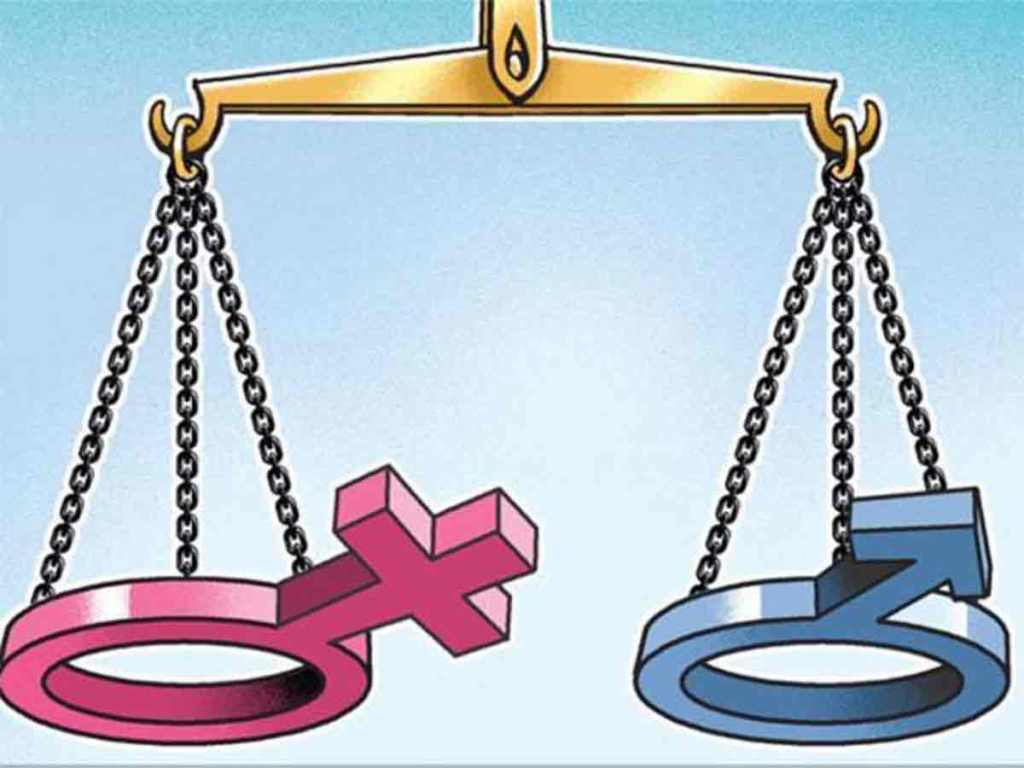
  4. Gender justice: Each religion in India has its own set of personal rules covering weddings, divorce, succession, adoption, and maintenance. Women’s rights, however, are typically restricted by religious legislation, whether Hindu or Muslim. A famous example is the practice of triple talaq which is now been held unconstitutional.

All personal laws will be abolished if an unified civil code is established. 

Therefore, the people’ fundamental rights to equality before the law and equal protection under the law, as guaranteed by the Constitution, need a comparable response throughout these regions. Article 44, which requires the state to make reasonable efforts to ensure that citizens have access to an unified civil code across India, has the same effect.

The YES Bank Crisis

In March of 2020, news rapidly spread that there was a very high chance of Yes Bank collapsing. This caused widespread panic among the people and soon even the Reserve Bank of India (RBI) had to step in. On 5th March 2020, the RBI foisted a 30-day moratorium (temporary prohibition of activity) on the bank and replaced the entire top management to prevent it from collapsing. So, what exactly happened?

Well, when a bank lends money to its borrowers, it does so by charging a certain amount of interest on the loan amount. However, some of it always is in arrears or ends up as bad debts. When a borrower defaults in the payment of the principal or interest amounts, it is said to be in arrears. In finance terms, these loans are referred to as Non-Performing Assets (NPA). These NPAs are precisely what brought Yes Bank down on its knees. For any bank to survive, its deposits need to be more than the amount it lends. When we take a look at the bank’s books of accounts, we can notice what exactly went wrong. At the end of the financial year 2013-14, its loans stood at Rs.55,633 Crores and its deposits totaled to Rs.74,192 Crores. By September 2019, the loans almost quadrupled to about Rs.2,25,000 Crores. The amount in the deposits, however, failed to keep up with the pace and stood at Rs.2,21,000 crores. Also the kinds of people the bank lent money to were not as financially capable of repayment. This led to an increase of NPAs from 2% a year earlier to 19% in the year 2019-20. This surge led Yes Bank to post a loss of a whopping US$2.5 Million in the period from October to December 2020.

The founder of the Bank, Rana Kapoor, had a reputation for being good at sanctioning loans to those who were sure to repay. However, in his greed to increase the loan count, he started treating the Bank’s money as his own. He even gave loans to companies that were reporting repeated losses and manipulated the books to show the NPAs lesser than how much they were. Many of the companies that Yes lent to were caught in a vicious cycle of borrowing more to repay their previous debts. Rana Kapoor was ordered by the RBI to step down from his chair and was arrested for fraud. He was accused of deteriorating the relationship between the Bank and the Central Government. The Finance minister, Nirmala Sitharaman, proposed a plan to reconstruct the management under which the State Bank of India would have a 49% stake of ownership. Prashant Kumar was made the new CEO. However, the help came at the wrong time as the pandemic forced the financial sector to plummet. At the end of the day, the story of Yes Bank and Rana Kapoor teaches us that more does not always mean better. He sought to expand without even considering the risks or the consequences, which led to its ultimate downfall.

White Holes

Black holes are places in the Universe where matter and energy are compacted so densely together that their escape velocity is greater than the speed of light. Fully describing a black hole requires a lot of fancy math, but these are real objects in our Universe. They were predicted by Einstein’s theory of relativity, and actually discovered over the last few decades.

Black holes are created when stars, much more massive than our Sun, die catastrophically in a supernova.

So then what’s a white hole?

White holes are created when astrophysicists mathematically explore the environment around black holes, but pretend there’s no mass within the event horizon. What happens when you have a black hole singularity with no mass?

White holes are completely theoretical mathematical concepts. In fact, if you do black hole mathematics for a living, I’m told, ignoring the mass of the singularity makes your life so much easier.

They’re not things that actually exist. It’s not like astronomers detected an unusual outburst of radiation and then developed hypothetical white hole models to explain them.

Dr. Brian Koberlein says, “If you start with five cupcakes and start giving them away, you eventually run out. At that point you can’t give away any more. In this case you can’t count down past zero. Sure, you can hand out slips of paper with “I O U ONE cupcake.” written on them, but it would be ridiculous to use the existence of negative numbers to claim that “negative cupcakes” exist and can be handed out to people.”

Now if white holes did exist, which they probably don’t, they would behave like reverse black holes – just like the math predicts. Instead of pulling material inward, a white hole would blast material out into space like some kind of white chocolate fountain. So generous, these white holes and their chocolate.

One of the other implications of white hole math, is that they only theoretically exist as long as there isn’t a single speck of matter within the event horizon. As soon as single atom of hydrogen drifted into the region, the whole thing would collapse. Even if white holes were created back at the beginning of the Universe, they would have collapsed long ago, since our Universe is already filled with stray matter.

That said, there are a few physicists out there who think white holes might be more than theoretical. Hal Haggard and Carlo Rovelli of Aix-Marseille University in France are working to explain what happens within black holes using a branch of theoretical physics called loop quantum gravity.

In theory, a black hole singularity would compress down until the smallest possible size predicted by physics. Then it would rebound as a white hole. But because of the severe time dilation effect around a black hole, this event would take billions of years for even the lowest mass ones to finally get around to popping.

If there were microscopic black holes created after the Big Bang, they might get around to decaying and exploding as white holes any day now. Except, according to Stephen Hawking, they would have already evaporated.