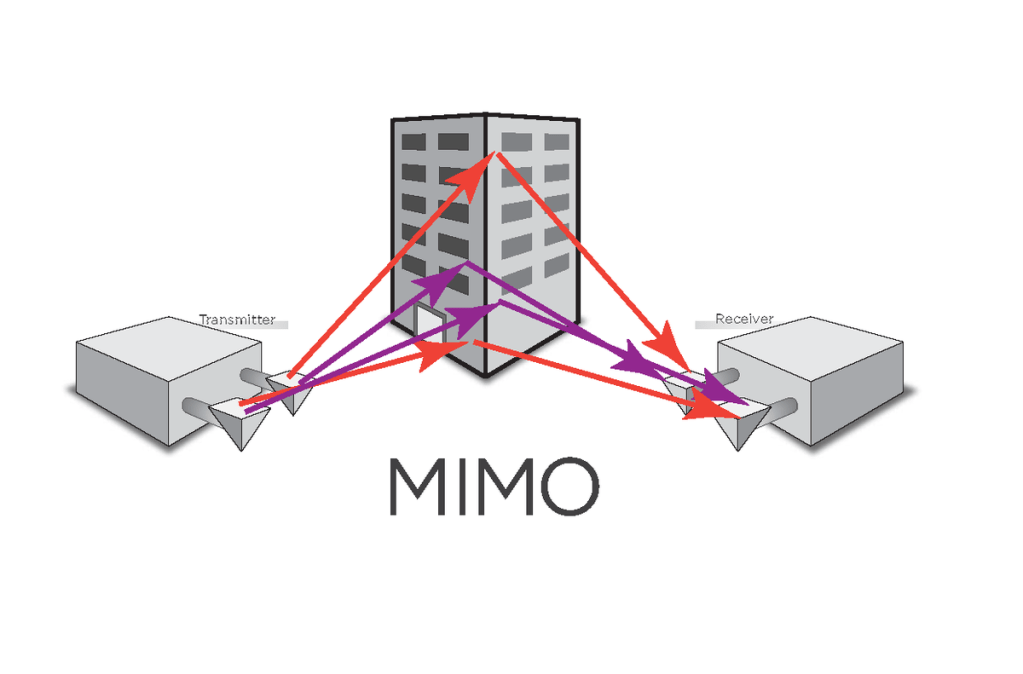
MIMO (multiple input, multiple output) is a wireless communications antenna technique that employs multiple antennas at both the source (transmitter) and the destination (receiver).
The same data is broadcast by many antennas along the same route in the same bandwidth in a MIMO system. As a result, each signal travels a different path to the receiving antenna, resulting in more dependable data. The number of sending and receiving antennas also affects the data rate.
It’s a radio communications technology, also known as RF technology.
The new MIMO wireless technology is used in Wi-Fi, LTE (Long Term Evolution), and many other radios, wireless, and RF technologies to deliver higher connection capacity and spectrum efficiency, as well as better link stability.
To reduce mistakes and increase data speed, the antennas at either end of the communications circuit are merged. MIMO is one of many smart antenna technologies, the others being MISO (multiple input, single output) and SIMO (single input, multiple output) (single input, multiple output).
Why we are using MIMO?
A single antenna is used at the source in traditional wireless communications, and another single antenna is used at the destination. This can lead to issues with multipath effects in some situations. When an electromagnetic field (EM field) collides with obstacles like hills, canyons, buildings, and utility lines, the wavefronts disperse and take many pathways to reach their target. Fading, cut-out (cliff effect), and intermittent reception are all difficulties caused by the late arrival of dispersed sections of the signal (picket fencing).
It can slow down data transmission and increase the frequency of mistakes in digital communications systems like wireless Internet. The use of two or more antennas at the source and destination, as well as the transmission of multiple signals (one for each antenna), overcomes the problems caused by multipath wave propagation and can even take advantage of it.
Advantages of MIMO
Improved Signal Strength: Because MIMO systems use bounced and reflected RF signals, they give better signal strength even when there is no clear line-of-site.
Higher Throughput: A higher throughput enables higher quality and quantity of video to be transmitted across the network.
Improved Video or Audio Quality: Using several data streams reduces the number of lost data packets, resulting in improved video or audio quality.
Increasing Data Rate: The increased number of antennas enables a higher number of routes to be utilized, allowing for considerably more data to be delivered in a shorter amount of time.
Increasing Basic Link Signal-to-Noise Ratio: One of the major advantages of MIMO systems is that they may be utilized to increase the entire system’s signal-to-noise ratio. This may be pushed to a new level with the usage of massive MIMO.
Disadvantages of MIMO
Higher Level of Signal Processing: At the transmitter and receiver end, the system needs a higher amount of signal processing.
Battery Limitation: The increased power consumption is due to the hardware resources. Due to the execution of complex and computationally demanding signal processing algorithms, the battery drains faster. MIMO-based devices’ battery life is reduced as a result.
Costly: Due to extra hardware and complex software requirements, MIMO-based systems are more expensive than single antenna-based systems.
Imagine that life consisted of one long construction project of a house. And imagine that you were born with one tool attached to your hand. Let’s say you were born with a hammer.
Your primary skill is to slam nails into wood. But that’s not all you can do with a hammer. According to Wikipedia, a hammer is a versatile tool: “Hammers are used for a wide range of driving, shaping, and breaking applications.”
We need all those things if we’re building a house. It’s essential work. But let’s say you dislike those things. You prefer to draw like your neighbor, Jimbo, who was born with a pencil. He draws, designs, writes, and makes doodles. Since you can’t do any of that stuff with a hammer, you walk around frustrated and angry all the time.
Everybody tells you, “Look, buddy, you have this gift; use it!” And you say, “Screw that. This is a curse! I can only destroy things.” So you ignore people’s advice, and you try to draw…With a HAMMER.
There’s Nothing Wrong With Your Tool
In life, we often look at the strengths of others and try to do what they do. We ignore our own strengths and pursue things that are not the right fit.
I firmly believe that every person is born with a key skill or gift that you can put to work in life. But the problem is that we use our tool for the wrong purpose. We try to become designers or architects with a hammer. We try to plaster a wall with a soft brush.
Often, people say “I don’t know what my key skill is.” But the answer is always right in front of you.
Just like the example I shared at the beginning, you must stop looking at what Jimbo does, and start looking at what’s in your own hands. Look at yourself. Too often, we try to change ourselves so we can do something we “want” to do. And where do our wants come from? Not from within us. It comes from looking at others.
Look, I want to sing like the artist, The Weeknd. The guy has an amazing voice. He didn’t obtain that by training. He was born with those vocal cords. I wasn’t. So what? I’m not going to cry about it. Everyone is born with a unique strength.
Change Your Purpose
The legendary business thinker, Peter Drucker, always taught individuals and organizations to focus on their strengths. In Managing Oneself, you can learn more about that strategy. It’s a quick read that I recommend to every person who wants to improve their self-knowledge.
But one thing we need to keep in mind is that self-knowledge alone is not enough. If you understand your skills, you’re only halfway there. In the world of startups and venture capitalists, there’s a similar analogy.
On the “This Week in Startups” podcast, I heard Jason Calacanis and his guest, Mike Jones, talk about how some founders are trying to cut a wall with a butterknife.
You’ll make some progress, but you’ll never destroy the wall. Does that mean your butter knife is bad? Of course not. You might destroy a wall with a sledgehammer, but you can’t make a peanut butter sandwich with it.
In life, it’s all about figuring out what your tool is and where you can put it to work effectively.
A Self-Examination Exercise
But how do you figure out what your tool is? It can be frustrating going through life without having that self-knowledge. If you don’t know what your tool is, try the following exercise. Sit down with someone you’ve worked with—not your drinking buddy or book club friend. You want input from someone who has experienced your strengths and weaknesses firsthand.
Ask your friend to play a game with you. The objective is to figure out what you’re good at.
The idea behind this game is that you can bounce ideas off each other. Your friend can serve like a sounding board—someone who gives you a view from the outside. Play the game like this:
First, ask: ”What am I good at?”
Then, ask: “Do I enjoy it?”
If you answer “no” on the second question, you have to restart the game. Keep going until you find something you’re good at and enjoy doing.
You can also do this in your journal. But if you play it with someone else, you can feed off each other’s input. Sometimes we have a different idea about our own capabilities.
It takes time, introspection, and humility to figure out what you’re good at. The humility part is often overlooked. When we have an ego, we’re not open to other people’s views. If the guy from my example listened to the people who told him to use his hammer, he could have saved himself a lot of time and frustration.
Ultimately, this is the nature of life. If we keep on looking at all the Jimbo’s in the world, we waste our time on what we don’t have. Instead, look at what you do have, and think about how you can use that in a big way.
Up and down. That’s how you can describe real life in three words. But instead of accepting that life is cyclical, and that bad times are normal, we expect that we should always be on an upward cycle.
Almost everything we do involves other people. And because we’re emotional and inconsistent beings, outcomes are not consistent. Value investor and author of The Most Important Thing, Howard Marks explains this concept as follows:
“Mechanical things can go in a straight line. Time moves ahead continuously. So can a machine when it’s adequately powered. But processes in fields like history and economics involve people, and when people are involved, the results are variable and cyclical.”
We can extend that conclusion to life in general. I can’t think of a human process that’s not cyclical. Take personal energy. It would be great if our energy would be consistently high, wouldn’t it? But most of us have days we feel great, and we have days we feel like a bag of potatoes.
My aim with personal energy is to be as consistent as possible. I would rather be at 80% of my full energy potential every day instead of being 95% one day and 30% the next.
There is only so much within our control. And even if we work with things that are inside of our control, we still can’t control everything. Again, personal energy is a perfect example.
You can have a balanced lifestyle with enough sleep, nutritious food, and regular exercise, but still, you will have days you lack energy. Why is that? No one knows. The human body and mind are not like math. But this is something we don’t appreciate enough in life.
Measure the temperature
When Howard Marks talks about market cycles, he clearly states we can’t predict the future. Just because the market is going up for X years, it doesn’t mean that next year it will go down. You can’t extrapolate trends.
Understanding cycles will only help you to understand where you are now. When it comes to investing, Marks recommends to “figure out where we stand in terms of each cycle and what that implies for our actions.” Here’s what a market cycle looks like:
Let’s say that the market is currently in a Euphoria state. Does that mean it’s close to an Anxiety state? No one knows how long the current state will last. So we can’t make predictions.
But we must know where we are in the first place. When we’re aware of what’s going on around us, we won’t be battered around by our surroundings. That’s one of the key strategies value investors use. And I think we can apply it to life in general. Here are a few examples:
Businesses—How long have you been in business? How many people in your industry are aware of your business? What’s the state of your industry? Is your product/service widely accepted? Or is it still considered as an innovation that’s not for everyone? How mature is your market?
Energy—How do you feel? Do you have any big injuries? What does your lifestyle look like? Do you use drugs? Do you drink alcohol? What season is it? Do you feel tired in the winter?
Everything is cyclical. Some businesses grow fast and bust quickly. Other businesses grow slow and never experience any exponential growth. Most jobs become irrelevant at some point. Some days, weeks, or months, you might feel weak. Or you might feel strong for years in a row and never get injured or ill.
But nothing will remain the same forever. None of the above questions and implications means you can predict the future. If you’ve been feeling low on energy for the past four weeks, it doesn’t mean you will automatically feel better next week. It also doesn’t mean you’ll feel worse.
Use cycles to make your decisions
Understanding where we are in a cycle helps us to make better decisions. When you’re low on energy, you want to preserve it and avoid actions that drain you. When you’re spread too thin, you want to take a step back, you don’t want to start a new project. Because what happens if you do that? You might burn out.
I’ve been using cycles to make career decisions as well. When I started my blog, I tried a lot of different things. I created different types of content, changed the design of my site, covered all kinds of topics, used different media channels, and so forth.
In the beginning of the cycle, I said yes to everything. But 4,5 years later, I’m more focused on specific actions. I say no to more things. For now, that helps me to build something very specific. Later in the cycle, that might change again.
While there are a lot of ups and downs, understanding cycles will make you less susceptible to those changes. In fact, when you make good decisions, cycles will work in your favor.
That’s how value investors like Warren Buffett and Howard Marks weren’t affected in the financial crisis of 2008-2009. They realized where they were in the cycle and adjusted their actions.
If we do the same for every aspect of our lives, we can thrive when cycles go up and down.
In 1936, three years before WWII started, a Russian Orthodox family of four fled to the Siberian “snow forest” to escape religious persecution. The couple, Karp and Akulina Lykov, their 9-year-old son, and a 2-year-old daughter, only took a few possessions with them.
After a trek in the wilderness, they settled somewhere close to the Mongolian border, where they started building a succession of primitive huts. The Lykovs settled down there for good. They even had two more children, who were born in the wilderness.
The family spent their days hunting, trapping, and farming. The mother of the family, Akulina, died of hunger in 1961. She chose to feed her children.1 But the family remained in the wilderness until a geologist discovered them in 1978. The Lykovs lived there without any form of contact with the outside world for 42 years.
1981 was a tragic year. Two of the children suffered from kidney failure, and another member of the family died of pneumonia. Karp passed away in 1988 in his sleep. The only survivor, Agafia, still lives in the wilderness today. The Lykovs were featured in a 2013 episode of Far Out by Vice.
It’s a remarkable story of survival, teamwork, and self-control. Even after the family was discovered in 1978, and realized that there was no war, they decided to live in a harsh place you can only reach by helicopter most part of the year.
What is Self-Control and Why Does It Matter in Life?
Self-control consists of two components, namely, our ability to (1) resist temptations and (2) exercise control over our emotions and behavior.2
To me, self-control is one of the most important things in life. Without it, I wouldn’t even write this article. Let’s face it, when you share anything on the internet that gets enough views, you always get a bunch of hate. Every time that happens, I feel like quitting. But I also realize that there are people who find these articles useful.
Self-control is what keeps me level-headed. It makes me resist my temptation to get pissed off and walk away. There’s also scientific proof that self-control matters in life.
A 2020 study by Dr. Penny Spikins and James Green from the University of York, confirmed that self-control is one of the most important factors in human evolution:3
“We rely constantly on self-control in every aspect of our lives. Although it is not an ability unique to humans, our elevated levels of self-control may have played a key role in our evolution. Self-control is likely to have been key to many of the traits such as prosociality, that define modern humans.”
The study shows that self-control plays a role in important aspects like deliberate practice, forward planning, time and energy investment, and tolerating discomfort. Think of the Lykovs. Without those factors, they couldn’t survive longer than two weeks.
Self-Control in Daily Life
Most of us want to have a fulfilling career, vibrant social life, good relationships with our loved ones, and be in good physical shape. Here’s the thing: We need self-control to make those good things happen. Let me give you a few examples of what that looks like in daily life.
Eating Healthy
I stumbled upon this question on Quora: “Why is it hard to eat healthy?” The top answer bluntly says, “You lack self control.” That made me laugh because it’s the truth. But we all know that it’s not that simple.
Eating healthy is a problem for many reasons. For example, most of us see food as pleasure—not fuel. In developed countries, we don’t have to worry about getting access to food for our survival.
But your body still has the natural urge to take advantage of food when it’s available. On top of that, there are many biological processes going on that we’re not aware of.
A recent study done at the University of Leeds, using data from 27,334 individuals from 12 European countries, showed there’s a clear link between education and diet.4
In my experience, eating healthy has nothing to do with your ability to resist buying junk food or ordering a pizza—it has everything to do with how much you educate yourself about your body. That’s an important reason why eating healthy is difficult: We lack the self-control to learn about nutrition, longevity, and how our bodies function.
Running a Business
I started my first business in late 2010 with my father. Our business, a laundry technology company, will turn 10 years old this November. We’re glad to reach this milestone because we realize most businesses fail in their first few years.
Recent statistics show that 65% of businesses don’t make it until their 10 year anniversary.5 Why is that?
Again, this is just as complex as eating healthy food. But in my experience, it’s a business’s ability to adapt to changes. Our world is changing faster every year. In our business, we’ve kept adapting our products and services to stay relevant. We’re also driven by serving our clients.
Whenever I see businesses or experts use language like, “We’re the #1 provider of so and so,” or “I have 50 million views,” I cringe. Operating a business has nothing to do with you or your badges of honor. It’s about what you can do for your clients. It requires self-control to stay focused on what matters.
Self Improvement
Why is it so difficult to improve yourself? Every day, we have the choice to do something that pays off later instead of now. Going to the beach, binge-watching tv shows, reading gossip, drinking alcohol, smoking, or every other pleasurable activity in life always gives you an instant payoff.
You temporarily feel good. But in one year, two years, five years from now, you look back and you see no progress in your life. In life, we have to deal with a concept called “entropy.” Entropy is the Second Law of Thermodynamics and stands for the degree of disorder or uncertainty in a system. The basic idea is that everything inside a system moves towards disorder.
That’s why people often say, “Adapt or die.” If you don’t move forward, everything that’s related to you as a human will deteriorate. That’s a scary outlook. But here’s the problem: The degree of deterioration is so small that we don’t notice anything on a day-to-day basis.
You probably feel the same as yesterday, correct? Entropy in humans works over a longer period. That’s why we feel no urgency to improve ourselves today. We need self-control to invest in ourselves despite seeing a lack of daily improvement.
How to Develop More Self-Control
How can we get some? Based on everything you’ve read until now, let me share three things you can do.
1. Direct Your Energy Towards a Useful Pursuit
This is a common theme with every single person who demonstrates a high degree of self-control. There is always a higher pursuit or aim. The Lykovs survived in the wilderness to avoid prosecution and death.
Viktor Frankl famously survived the Holocaust because he was driven to see his wife again. Our lives might not have the same life and death stakes—we still need a pursuit.
And our pursuit must be useful to make it stick. Shallow pursuits that only fulfill your materialistic desires will not motivate you to control your urges. You need something that’s so important you’re willing to do whatever it takes.
When I started my blog, I was dedicated to sharing honest advice without hidden intentions. To me, that was a worthy pursuit. That drove me to write every single day. As of this writing, I’ve published 331 articles on my site.
2. Set Long-Term Goals
On a day to day basis, I rely on a system that keeps me productive. A system is a combination of productivity strategies that help you to stay consistent. Read more about systems here.6
But when it comes to long-term drive, I love to set goals because they will give you a clear sense of direction. In what direction do you want to take your life over the next three, five, ten, and twenty years? This is a very hard thought-experiment if you take it seriously.
Most people say, “I don’t know.” But you shouldn’t let yourself off the hook like that. Practice self-control by forcing yourself to pick a direction in life. You can always adjust. The long-term goals I set for myself five years ago have changed today. But at least they got me moving.
3. Minimize Stress
There’s some evidence that stress sabotages self-control.7 When you’ve had a stressful moment at work, it’s tempting to grab a candy bar (or two) to release the stress, right?
The same analogy is true for every other stress-related behavior. If you examine your life, you’ll find that you do a lot of things to simply manage stress. In fact, I believe that for most of us, that’s all that we do.
When I lived a stressful life years ago, I was only thinking about ways to get rid of that stress. But you’re only treating the symptoms that way. You can take as many vacations or buy as much crap you want from the internet, none of it will relieve your stress. If you truly want to minimize stress, you must design your life in a way that gives you a stress-level you can handle.
For me, that meant doing different work and leaving city life (I was living in London at the time). Some situations simply give us too much stress. A bad relationship is another common cause of stress. Unfortunately, there are no simple “step-by-step” tips for managing stress.
Sure, you can meditate, take long walks, read, or journal—all these things will lower stress—but there’s nothing better than designing a life that causes less excessive stress. But that doesn’t mean we should avoid all stress.
An optimal level of stress is actually great for us and it will slow down entropy. We need to find out what that level is for ourselves. Every person has a different stress tolerance. The key is to improve our self-awareness and understand what stresses us out. Then, we want to lower that to a level that we can handle without getting frustrated.
Conclusion
Let me repeat the definition of self-control again: Our ability to (1) resist temptations and (2) exercise control over our emotions and behavior.
These two aspects will increase the quality of our decisions and therefore, our lives. I hope that all of this inspires you to strengthen your self-control. Directing your energy towards a useful pursuit, setting long-term goals, and minimizing stress are all good ways to set yourself up for more self-control.
Strengthening self-control is one of those things that has no end goal. It’s a never-ending process that will only benefit us the more we master it. When’s the last time you heard, “That person has too much self-control?” Exactly. More is better.
In today’s world people have started to make money from various stuff. It could be a small business they own or even benefiting from their skills to the fullest. The ratio of people working on small business raised massively during the pandemic as a lot of them had time to invest in something fun and advantageous. Doing a bit of research got me introduced to a number of ways that teens and youths, in general, can make money by staying at home and working according to their free hours.
Below is the list of side hustles.
SELL SECOND HAND
Selling items on second hand is the easiest way to get rid of your old clothes (that are in a great condition) and also to make money out of it. We all have some clothes lying around in our wardrobe that we don’t wear anymore. We can try selling them to the people who are in search of something exact. Social media is a great platform where you can communicate with people, buy it can be also used to open your second hand shop and start selling right after.
second hand clothing store
second hand book store
INFLUENCER
These days a lot of people all around the world are working on their YouTube channel or are working to be an influencer on various platforms like Instagram and twitter. That is one way to entertain people with your skills and content! It not only gives you money but also fame that can be extremely helpful if you want to be on TV or in movies. If you believe you are funny and have tons of humor or skills that you can show the world then it is something you should try.
social media influencer
HAND MADE CRAFTS
We all have some talents that can be used to earn money like painting, sketching, making jewelry, making candles etc. If you are highly interested in upgrading your art and making a profit out of it then you should try selling them on your own or helping some other artists to sell your work alongside to theirs.
painting
Hand made jewellery
ART PRINTS
If you have a great interest towards pretty stationary like sticky notes, customized stickers, and art prints, then you can start your own business! You might want to own a printer and alot of paper, but it is something that is super fun and creative. Start creating your designs and sell them.
art prints
TUTORING
There must be a subject that you are exceptional in. Then try tutoring the ones who find it difficult. It serve as a great way to sharpen your knowledge in the subject as well as sharpen your teaching skills. If you aim to teach professionally, then this must be your catch.
HISTORY IS OUR BODY AND CULTURE IS OUR SOUL….. Meetali soni Rajasthan has many beautiful artistic and cultural traditions which reflect the ancient Indian way of life. Rajasthan is also called “Land of Kings”. It has many tourist attractions and good facilities for tourists. This historical state of India attracts tourists and vacationers with its rich culture, tradition, heritage, and monuments. It has also some wildlife sanctuaries and national parks. Rajasthan’s Culture dates back to the years of Kings where it was previously called Rajputana. Over the years it has been ruled by various kings including the Rajput, Marathas and even Muslim rulers. A land where royalty is the way of living. A land where celebrations know no boundaries and usher festivity among everyone. Welcome to Rajasthan, the ‘Cultural Capital of India’! One of the most alluring tourist destinations in the world, the ‘Land of Maharajas’ is one such place that showcases the most exuberant colours and cultures. From the costumes to people’s food habits, religious celebrations to social gatherings, Rajasthan is still adhered to its diverse traditions and rich cultures. Rajasthan has so many different names and in so many ways, it reflects the ancient lifestyle of India. Rajasthani culture is rich, special and also colourful which also shows the colourful and interesting history of state. The biggest state in India by its area which is located on the north western side of the country and also is populated with a number of splendid Palaces, strong and spectacular Forts, stunning Havelis and the vibrant life style of the people shows the royalty of the old long gone era.
ATITHI DEVO BHAVO…. Attithi Devo bhavo’ means to treat your guests like as you would treat God. This principle is a part of the Rajasthani Culture. They treat their guests well and make them want to visit again. Most of the people in Rajasthan are involved in tourism-related jobs and hence take this principle very seriously as they earn their revenue due to the tourists and have pledged to serve them. A popular folk song ‘Padharo Mhare Desh’ literary means ‘Welcome to my country’. Rajasthan Hospitality is famous all over the world.
FOLK MUSIC AND DANCE….. Since many rulers ruled Rajasthan, each region has its own folk culture. The folk music and dance of Rajasthan are similar due to their geographical confinement, but each differs in their unique style.They perform ‘ragas’ (songs) for different purposes. Like during the pre-monsoon time, they would perform ragas to call forth the rains. Many traditional instruments are used by them that include dhols, shenhai, and been. Folk songs were usually for certain purposes like weddings or birth or were passed to tell a story of bravery or a romantic tale. Dance differed among different tribes. Ghoomer dance, which originated in Udaipur, has gained international recognition and appreciation.
ARCHITECTURE….. The architectural style in Rajasthan is as diverse as its people. Rajasthan should be your next place to visit if you are a lover of architecture and appreciate monumental buildings, heritage sites and different styles of design. It is a western Indian architecture style with various domes and carvings on the pillars and the ceilings.The Umaid Bhavan Palace in Jodhpur is an architecture of Beaux-Arts style along with a blend of eastern and western architectural styles in spite of being built by Maharaja Jai sign II, a Hindu ruler. Culture of Rajasthan is truly inspiring for the entire world and a true delight for the eyes of the beholders. Tie-dye works, zari work, embroidery, mirror work on clothes, use of precious metals, and other metal works are some of the indigenous forms of Rajasthani traditional form of art and crafts.
Shri Ramkrishna Paramhans was one of the most notable and inspiring spiritual personalities who created a silent revolution in the realm of spirituality and inspired millions of people.
The Ramakrishna movement was started by Swami Vivekananda in 1897.The motto is “Atmano Mokshartham Jagat Hitaya Cha ( one’s own salvation and for the welfare of the world).
Ramkrishna Mission is a Hindu religious and spiritual organisation which forms the core of a worldwide crystal movement known as the Ramkrishna movement of the Vedanta movement.
Contributions of Ramakrishna Mission:
Regeneration of humanity- It is a non political and non sectarian organisation. It works in spiritual regeneration of humanity without emphasising on a particular religion dog or Holy text. Unity of religion and selfless service is at the core of Ramakrishna Mission.
Social services- Ramkrishna paramhans used to say “service of man is the service of God”. Ramkrishna Mission work in the field of health education welfare of different sections spread of our culture, ethics, spirituality for this purpose Ramakrishna Math and Ramakrishna Mission was founded.
Work for women- The Ramakrishna Math and Ramakrishna Mission serve women through opening of Maternity success old age homes, vocational training centres for rural women and providing monthly allowance to widows.
Hence, this movement founded after the death of Ramkrishna paramhans continues to serve the society as stated in this motto and based upon the teachings of Ramkrishna Paramhans it is it works for the fulfillment of twin ideas of renunciation and walking for self emancipation and social service.
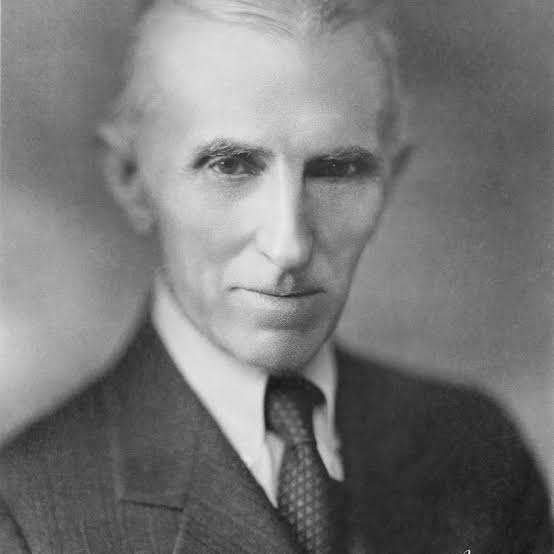
Serbian-American engineer and physicist Nikola Tesla (1856-1943) made dozens of breakthroughs in the production, transmission and application of electric power. He invented the first alternating current (AC) motor and developed AC generation and transmission technology. Though he was famous and respected, he was never able to translate his copious inventions into long-term financial success—unlike his early employer and chief rival, Thomas Edison.
Nikola Tesla’s Early Years:
Nikola Tesla was born in 1856 in Smiljan, Croatia, then part of the Austro-Hungarian Empire. His father was a priest in the Serbian Orthodox church and his mother managed the family’s farm. In 1863 Tesla’s brother Daniel was killed in a riding accident. The shock of the loss unsettled the 7-year-old Tesla, who reported seeing visions—the first signs of his lifelong mental illnesses.
Did you know? During the 1890s Mark Twain struck up a friendship with inventor Nikola Tesla. Twain often visited him in his lab, where in 1894 Tesla photographed the great American writer in one of the first pictures ever lit by phosphorescent light.
Tesla studied math and physics at the Technical University of Graz and philosophy at the University of Prague. In 1882, while on a walk, he came up with the idea for a brushless AC motor, making the first sketches of its rotating electromagnets in the sand of the path. Later that year he moved to Paris and got a job repairing direct current (DC) power plants with the Continental Edison Company. Two years later he immigrated to the United States.
Nikola Tesla and Thomas Edison:
Tesla arrived in new york in 1884 and was hired as an engineer at Thomas Edison’s Manhattan headquarters. He worked there for a year, impressing Edison with his diligence and ingenuity. At one point Edison told Tesla he would pay $50,000 for an improved design for his DC dynamos. After months of experimentation, Tesla presented a solution and asked for the money. Edison demurred, saying, “Tesla, you don’t understand our American humor.” Tesla quit soon after.
Nikola Tesla and Westinghouse:
After an unsuccessful attempt to start his own Tesla Electric Light Company and a stint digging ditches for $2 a day, Tesla found backers to support his research into alternating current. In 1887 and 1888 he was granted more than 30 patents for his inventions and invited to address the American Institute of Electrical Engineers on his work. His lecture caught the attention of George Westinghouse, the inventor who had launched the first AC power system near Boston and was Edison’s major competitor in the “Battle of the Currents.”
Westinghouse hired Tesla, licensed the patents for his AC motor and gave him his own lab. In 1890 Edison arranged for a convicted New York murderer to be put to death in an AC-powered electric chair—a stunt designed to show how dangerous the Westinghouse standard could be.
Buoyed by Westinghouse’s royalties, Tesla struck out on his own again. But Westinghouse was soon forced by his backers to renegotiate their contract, with Tesla relinquishing his royalty rights.
In the 1890s Tesla invented electric oscillators, meters, improved lights and the high-voltage transformer known as the Tesla coil. He also experimented with X-rays, gave short-range demonstrations of radio communication two years before guglielmo marconi and piloted a radio-controlled boat around a pool in Madison Square Garden. Together, Tesla and Westinghouse lit the 1891 World’s Columbian Exposition in chicago and partnered with General Electric to install AC generators at niagara falls, creating the first modern power station.
Nikola Tesla’s Failures, Death and Legacy:
In 1895 Tesla’s New York lab burned, destroying years’ worth of notes and equipment. Tesla relocated to colorado Springs for two years, returning to New York in 1900. He secured backing from financier J.P morgon and began building a global communications network centered on a giant tower at Wardenclyffe, on Long Island. But funds ran out and Morgan balked at Tesla’s grandiose schemes.
Tesla lived his last decades in a New York hotel, working on new inventions even as his energy and mental health faded. His obsession with the number three and fastidious washing were dismissed as the eccentricities of genius. He spent his final years feeding—and, he claimed, communicating with—the city’s pigeons.
Tesla died in his room on January 7, 1943. Later that year the U.S. supreme court voided four of Marconi’s key patents, belatedly acknowledging Tesla’s innovations in radio. The AC system he championed and improved remains the global standard for power transmission.
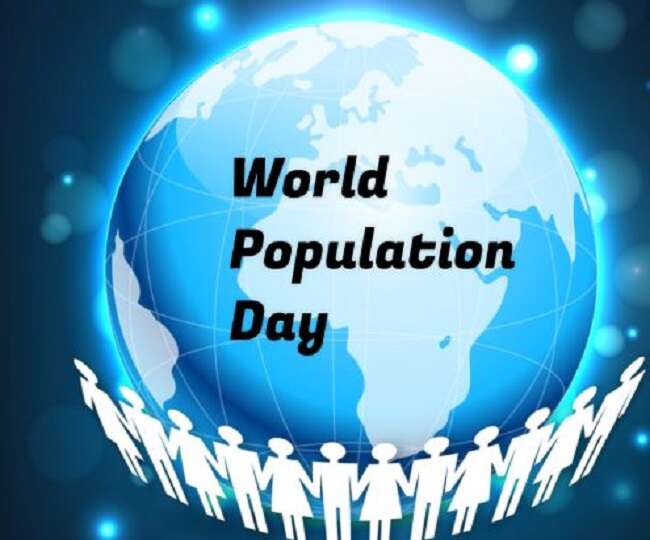
World population day is celebrated on 11th July every year.this day was initiated to spread awareness about issues related to population growth. This day was established by the governing council of United Nations development programme in 1989. This day was inspired by the population growth in 11th July in 1987 as the population became 5 billion . This day is used to spread awareness regarding population growth, poverty, unemployment ,health issues and discrimination.The day was suggested by Dr. K.C.Zachariah in which population reaches Five Billion when he worked as Sr Demographer at World Bank .As population has become more than 7 billion now .
This population growth has causing a lot health issues as there are not enough facilities for everyone . Hospital are not available and because of which people are having health issues which is having an impact on the economy of the country and the whole world. People are making babies without any family planning which leads to a lot of issues. They are not able to Fulfill all the needs of a their kids and they grow up to be illiterate. We should understand how important family planning is . We should only produce Bab es if we can provide them with all the facilities. People in rural areas give birth till they get a boy which is causing discrimination between boys and girls . Such girls are not given proper education and are been married off at early age . Thus population growth is also causing lack of employment which directly leads to poverty . Which affects the economy and the s not good for the country in any way .
This population growth leads to global warming and pollution which is causing lack in natural resources . Fossil fuels are decreasing day by day and cannot be renewed further .People should realise how dangerous this growth is for all humans and mother earth . It is our duty to control population growth and help nature and maintain the balance . We should use condoms to control population growth and have family planning which we can afford to give to the child
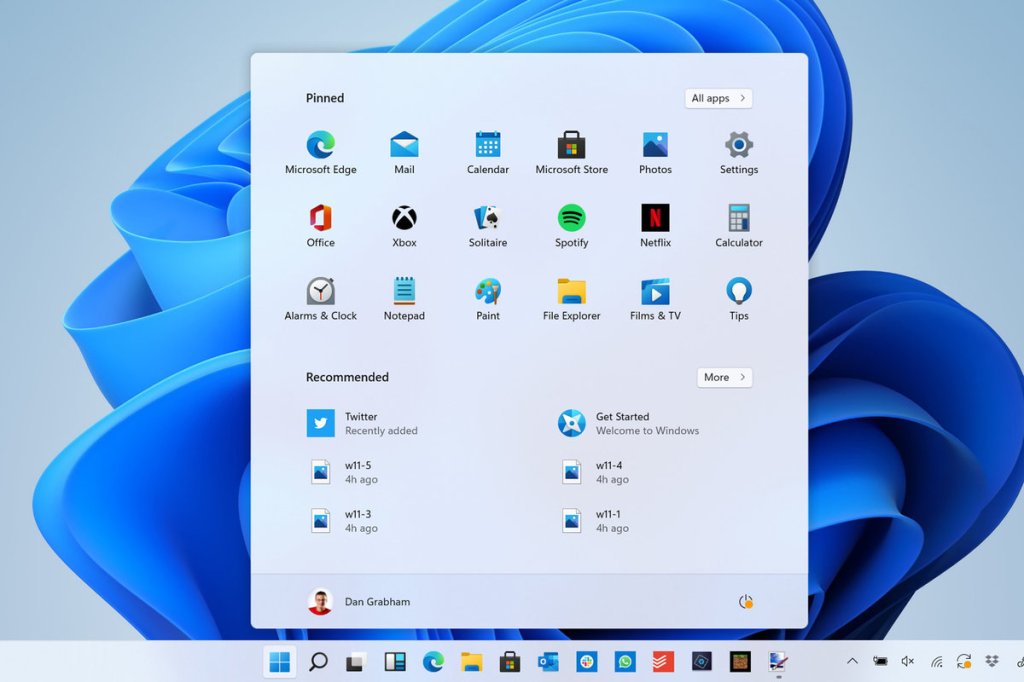
At a virtual event on 24 June 2021, Microsoft unveiled “the next generation of Windows”, Windows 11. It is the successor of the Windows 10 May 2021 update (also known as version 21H1), and it came out with big improvements and key features like:-
A new, more Mac-like interface.
Integrated Android apps.
Microsoft Teams integration.
Widgets.
Snap Groups and better multitasking.
Today I am going to show you how to install the Insider Build of Windows 11, but before check out the minimum system requirments to run Windows 11 on Microsoft’s official website.
Before Installing –
Back up any file that you would deem essential somewhere safe (e.g USB drive, Cloud storage, etc…). Download the ISO then get a USB drive minimum of 8GB or more and create a bootable USB drive. Next, go into the BIOS and follow these steps:-
Enable TPM-
If INTEL, you need to enable PTT (TPM)
BIOS> Security> Intel Platform Trust Technology> Enable> Save and Exit.
IF AMD, You need to enable fTPM (TPM)
BIOS> Advanced> CPU Configuration> AMD fTPM Switch> Enable> Save and Exit.
Disable Compatiblity Support Module (CSM) and turn Secure Boot OFF (on few motherboard).
NOTE- TPM 2.0 is required but in some cases, it ran in TPM 1.2. Make sure to check your TPM version and enter BIOS and enable your TPM settings.
Steps for installing Windows
ISO method
Connect your bootable USB and turn on your PC, press F8 (or ESC, F1, F11 depending on your motherboard) to go into the boot menu select your USB drive and it’ll take you to WIndows installation.
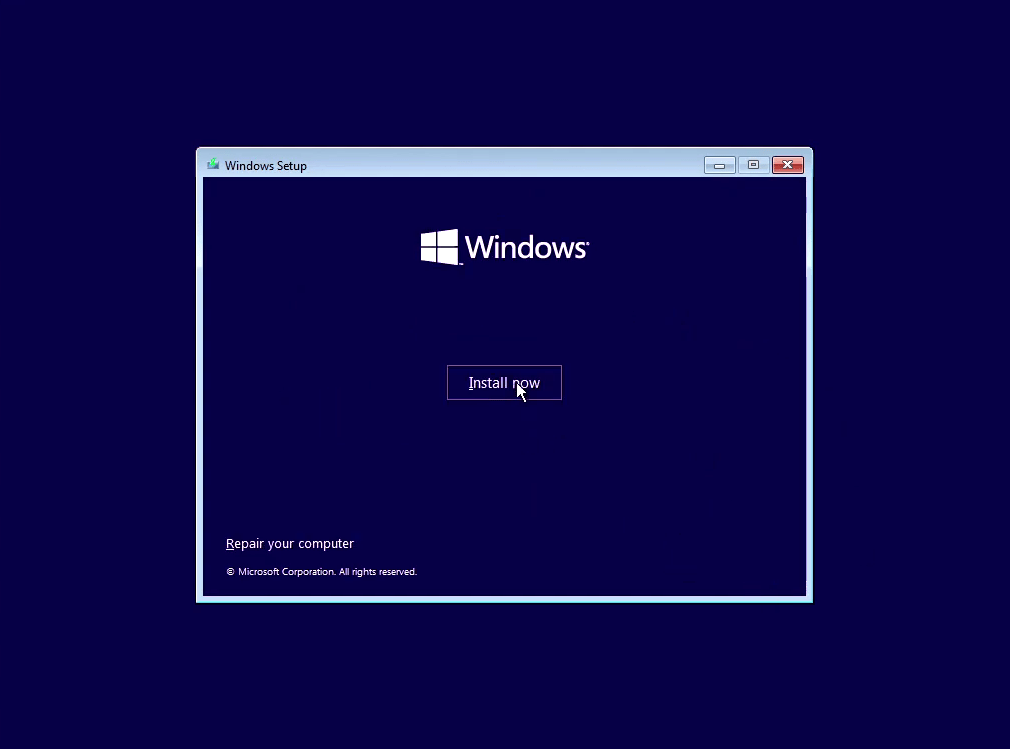
Click on “Install now”
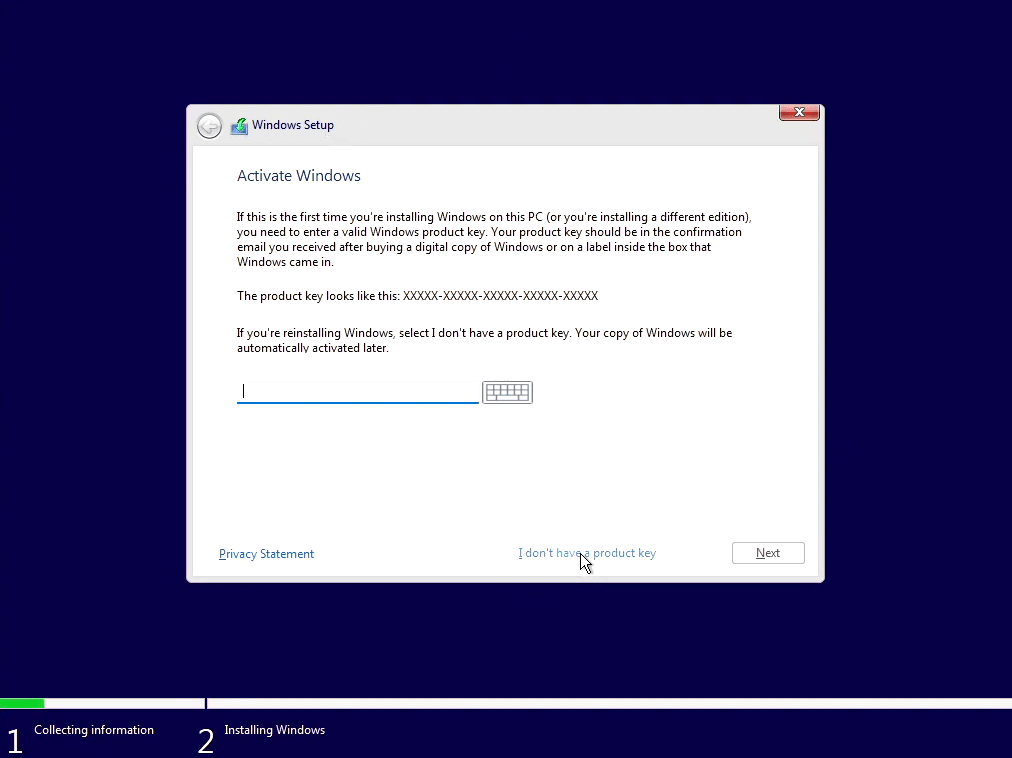
Click on “I don’t have a product key”
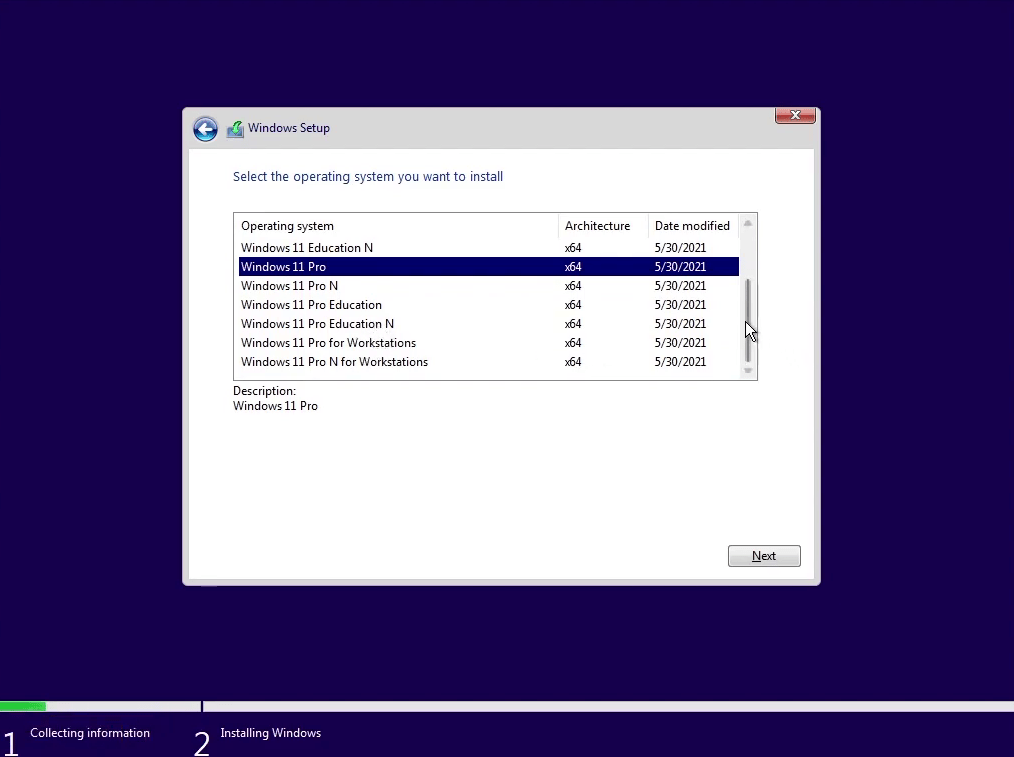
Select the edition of Windows you would like to install and click Next and Click on “I agree on terms and condition” and again click Next.
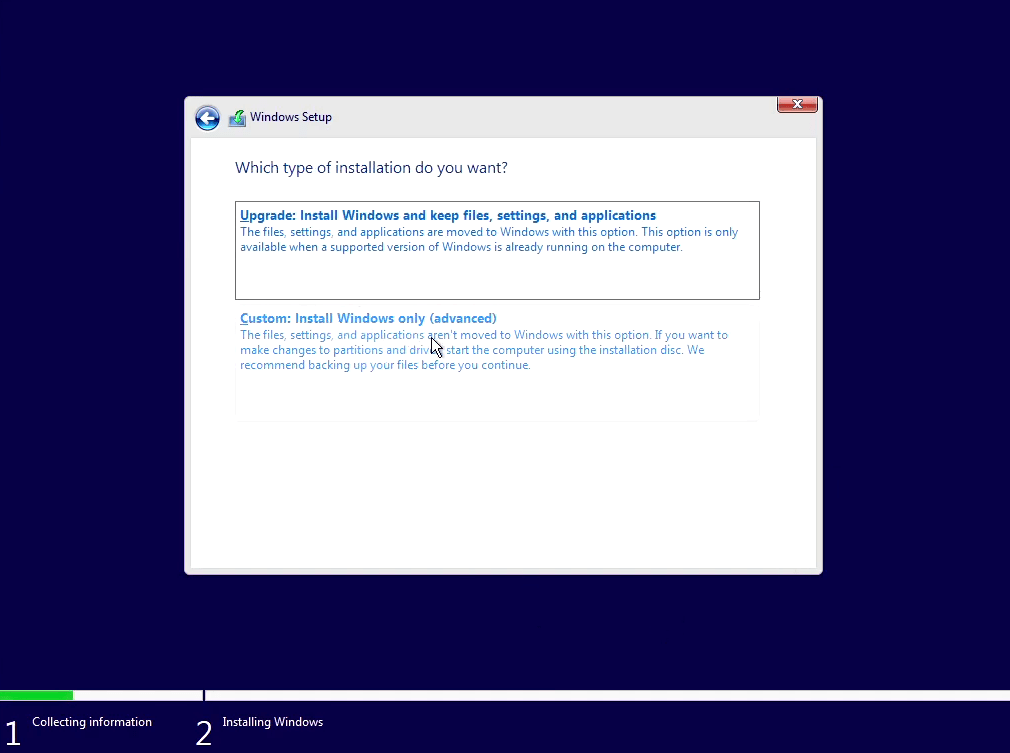
Now, click on “Custon: Install Windows Only (advanced)”.
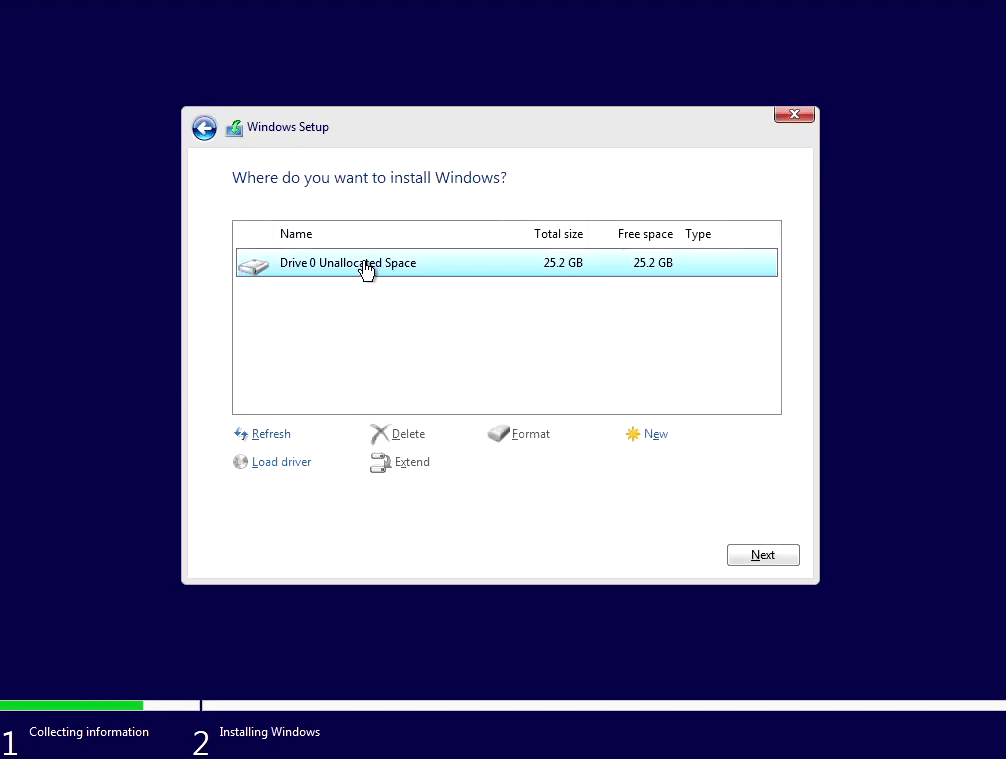
Click on “New” to make new partiton or select the partition you want and click on “Next”.
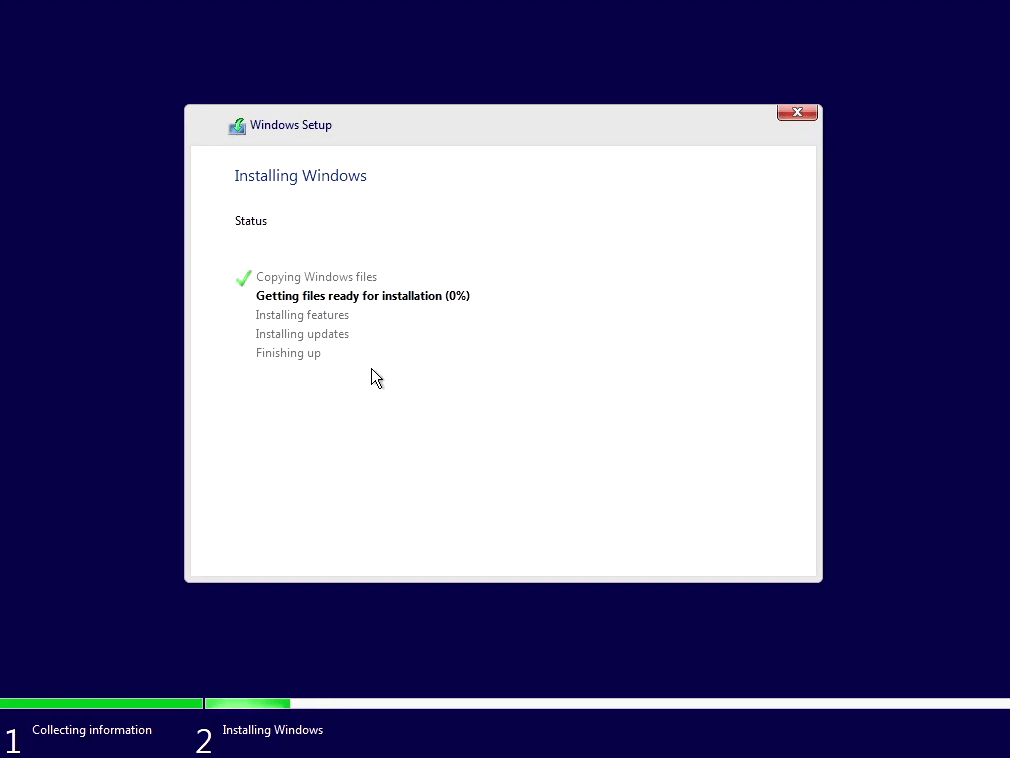
Now, wait for the installation to complete (don’t turn your PC off during the process). It will “Restart” several times and will come to the Setup screen.
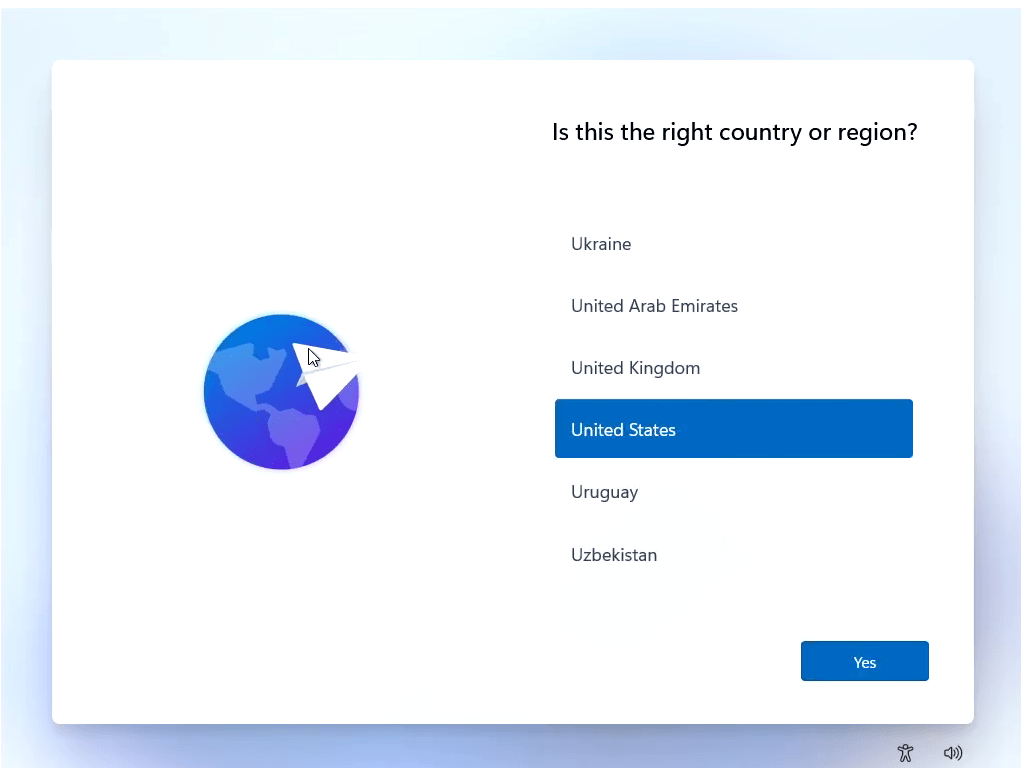
Now Select your Region, Time and Date, Username, Password, Preference, and complete the setup.
Windows 11 Insider build
After completing the setup you’re good to go. Enjoy the latest Windows on your PC.
Post installation tweaks
Install drivers related to your PC.
Join the Windows Insider Program via Settings > Windows Update > Windows Insider Program.
Go to Settings > Privacy > Diagnostics & feedback and check that option instead of “Basic” to “Full”.
Now to join the Insider Program, go into Settings > Update & Security > Windows Insider Program and click on “Get Started”, then follow the prompt and select “Pick your Insider settings” and choose “Dev Channel”, now click confirm and reboot you PC.
Now check for Windows Update and install “Windows 11 Insider Preview 10.0.22000.51 (co_release)”
Follow the Post Installation Tweaks and you’re good to go.
WARNING! As this is the Insider Build it can contain some bugs and cons and may not be ideal for a daily driver for many users.
CSE is widely known as ‘IAS EXAM’, even though it is conducted to recruit candidates to about 24 top government services like IAS, IPS, IRS, IFS ,etc.
UPSC conducts exams like Civil Services Exam (CSE) to recruit candidates into top government services like IAS, IPS, IFS etc. Civil services exam is one of the most popular examination conducted by upsc.
UPSC civil services exam mainly consists of three stages.
1. Preliminary. 2. Mains. 3. Interview
Educational requirements
Any graduate can attempt the UPSC civil services examination. The graduate can be in any stream, it may be a regular degree or distance education.
Age limit
To attend the UPSC civil services examination, a person should cross the 21 years by August of that specified year. This is the minimum age limit for UPSC CSE. The upper age limit is 32 for general category, 35 for other backward classes (OBC) , 37 for scheduled castes (SC) and scheduled Tribes (ST).
UPSC recruits candidates to both civil services as well as defence services.
This article is for people who overthink the fact that they overthink. Overthinking is thinking the same thought on repeat till it mentally drains us. We may fall into an endless trap of overthinking and overanalysing every single situation in our lives.
Overthinking makes even the smallest of things in our lives get complicated. for example: instead of going out with a friend and enjoying the moment we could end up overthinking every aspect of that day.
We tend to spend a lot of time thinking about our emotions. They may be the emotions of jealousy, hurt, anger, sadness, grief, etc. It is good to acknowledge our emotions but not get trapped in them.
Different people overthink different things. Some are stuck in their past, some worry about their future, some overthink about the people in their lives. Overthinking puts us in a dark place where we only keep thinking for hours and days without doing anything. We keep replaying questions like:
“what if people don’t like me”
“Do I even have friends”
“I should have done this in the past”
“will I ever be able to be successful”
“What if I fail in life”
“why can’t I do this”
What we don’t understand is how irrelevant these thoughts are and how they consume our time and energy. Our past is gone, even if we want to change it we cannot. What we can change is our present and that will happen by not entertaining these thoughts.
The future is yet to come and is determined by our actions in the present. For a small example: if I do an internship in my present, it will help me in the future.
So things are still in our control and we don’t have to overthink so much.
Did you know it is our thoughts that control our actions?
If before going to a job interview you think about things like
“what if they don’t like me”
“what if I mess it up”
“what if I say the wrong things”
Chances are they actually might not like you. The people conducting your interview would sense that you are not confident in yourself and would want to hire a person who believes in themselves.
Did you know many companies also give jobs based on confidence? Because every organization needs confident employees who believe in themselves.
Another thing a lot of people do is overthink even when they know the solution to it. Instead of thinking about why you keep getting bad marks in a subject may be giving the extra time, you spend thinking to study that subject could actually help you.
I used to overthink a lot of things in my life. It used to be about things that I wasn’t able to control. But, thinking about them did nothing but exhaust me mentally. Now I don’t entertain any negative thoughts which would cause me to overthink. I now try to work towards the things I want in my life instead of debating whether I will be able to do it or not. We need to stop saying things like “I can’t do it” and replace them with “I can”.
Human beings have the power to think. It is the brains of humans that made us reach the moon. Now, what I want you to understand is that every human being is as powerful as the person who came up with the smartest invention. But, it is on us what types of thoughts we entertain.
The more productive things a person thinks about the more successful and mentally strong they will be in their lives.
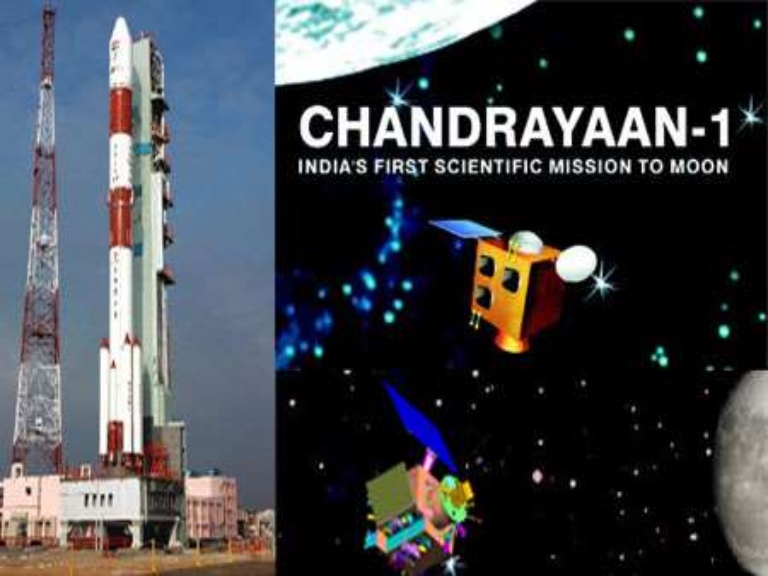
Our country launched a satellite Chandrayaan–1 (Meaning moon Vehicle) on 22nd October 2008 to study about the moon. It was launched from Sathish Dhawan Space Center in Sriharikota, Andhra Pradesh with the help of PSLV (Polar Satellite Launch Vehicle) rocket. It was put into the lunar orbit on 8th November 2008.
The spacecraft was orbiting around the moon at a height of 100 km from the lunar surface. It collected the chemical, the mineralogical and the geological information about the moon. This mission was a major boost for the Indian space programs and helped to develop its own technology to explore the moon. Chandrayaan–1 was operated for 312 days and achieved 95% of its objectives. The scientists lost their communication with the space craft on 28th August 2009. On the successful completion of all the major objectives, the mission was concluded.
ONJECTIVES OF CHANDRAYAAN – 1 To find the possibility of water on the Moon. To find the elements of matter on the Moon. To search for the existence of Helium – 3. To make a 3-dimensional atlas of the Moon. To study about the evolution of the solar system.
ACHIEVMENTS OF CHANDRAYAAN-1 The discovery of presence of water molecules in the lunar soil. Chandrayaan–1 confirmed that the Moon was completely molten once. Chandrayaan–1 has recorded images of the landing site of the US space-craft Apollo-15 and Apollo-11. It has provided high-resolution spectral data on the mineralogy of the moon. The existence of aluminium, magnesium and silicon were picked up the X-ray camera. More than 40,000 images have been transmitted by the chandrayaan-1 camera in 75 days. The acquired images of peaks and craters show that the Moon mostly consists of craters. Chandrayaan-1 beamed back its first images of the Earth in its entirety. Chandrayaan-1 has discovered large caves on the lunar surface that can act as human shelter on the Moon.
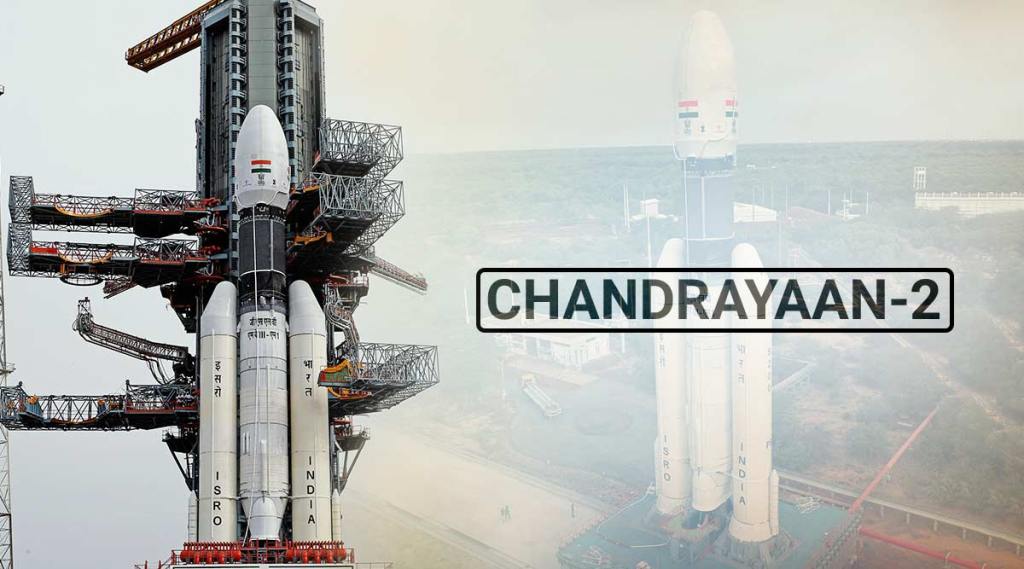
CHANDRAYAAN-2 ISRO has currently launched a follow on mission to Chandrayaan-1 named as Chandrayaan-2 on 22nd July 2019. Chandrayaan-2 mission is highly complex mission compared to previous missions of ISRO. It brought together an Orbiter, Lander and Rover. It aims to explore South pole of the moon because the surface area the south pole remines in shadow much larger than that of North Pole.
ORBITER It revolves around the Moon and it is capable of communicating with Indian Deep Space Network (IDSN) at Bylalu as well as Vikram Lander.
LANDER It is named as Vikram in the memory of Dr.Vikram A.Sarabhai, the father of Indian space program.
ROVER It is a six wheeled robotic vehicle named as ‘Pragyan’ (Sanskrit word) that means wisdom. Chandrayaan-2 was successfully inserted into the lunar orbit on 20th August 2019. In the final tage of the mission, just 2.1 km above the lunar surface, Lander ‘Vikram’ lost its communication with the ground station on 7th September 2019. But the Orbiter continues its work successfully.
Nelson Mandela a activist, lawyer, politician, philanthropist who was known for Internal resistance to apartheid mandela was born on 18 July 1981 in the village of Mvezo in Eastern Cape. Hearing to the elders stories of his ancestors during the war Mandela decided to make his won contribution to freedom struggle of his people. Nelson was the name given by his primary school teacher Ms Mdingance band while continuing with Bachelor of Arts degree he was expelled for joining a student protest. Inspite of returning Nelson ran way to Johannesburg and worked as mine security officer and completed his BA and graduated in 1943 and began to study LLB by his own admission mean while he was prisoned and left the university and got imprisoned after months he obtained LLB. He was the country’s 1st Black head of sts6and 1st elected in a fully representative democratic election on 1994. His Government focused on dismantling the legacy of apartheid and served as President of African National Congress ANL and also as 19th secretary General of Non-aligned movement. After the National party’s white only Government established apartheid a behaviour of racial segregation that promoted whites, he and ANL committee themselves to its overthrow. Mandela was sentenced to life time prison because he was white Amid growing domestic and the pressure of fears and racial civil war. In 1962 using the adopted name David motsamay Mandela travelled around Africa and England to gain support for the armed struggle and was imprisoned by which in 1944 multi racial general election led ANL in victoru and made Mandela president and Medela emphasised reconciliation between the movement and declined as 2nd Presidential term and became an elder statesman and focused on combating poverty and HIV AIDS through his charitable foundation and gained international acclaim for his activism and succeeded. Which regarded an icon of democracy and social justice and received more thna 250 honours and Nobel peace prize. By which he was described as the ‘Father Of The Nation’. In 2004 Mandela successfully campaigned for South Africa to host 2010 FIFA world cup . The popular books of Mandela are long walk for freedom, The prison letters of Nelson Mandela, conversation with myself.
In mid 2013, Mandela was hospitalized for lung infection and said the last precious words’ I am prepared to Die’ and nailed the name to be the Father of the Nation. The awards which were popularized were the Sakharov prize, Bharat ratna, Nobel peace prize, Lenin Peace prize, Presidential medial of freedom, Nishan -e Pakistan.
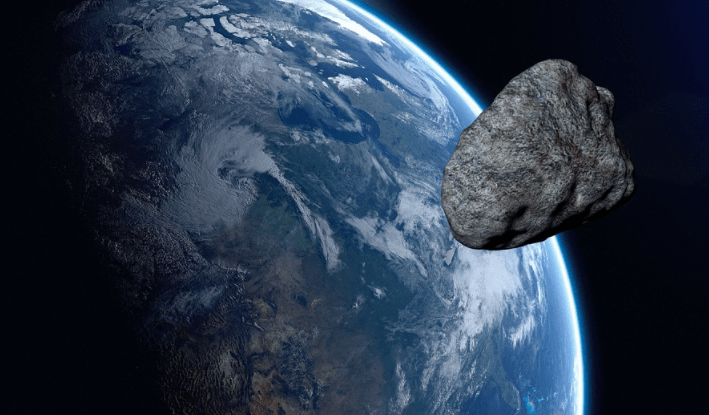
Asteroids, sometimes called minor planets, are rocky remnants left over from the early formation of our solar system about 4.6 billion years ago. The current known asteroid count is: 1,100,048. Most of this ancient space rubble can be found orbiting our Sun between Mars and Jupiter within the main asteroid belt. Asteroids range in size from Vesta – the largest at about 329 miles (530 kilometers) in diameter – to bodies that are less than 33 feet (10 meters) across. The total mass of all the asteroids combined is less than that of Earth’s Moon.
Composition
The three broad composition classes of asteroids are C-, S-, and M-types.
The C-type (chondrite) asteroids are most common. They probably consist of clay and silicate rocks, and are dark in appearance. They are among the most ancient objects in the solar system.
The S-types (“stony”) are made up of silicate materials and nickel-iron.
The M-types are metallic (nickel-iron). The asteroids’ compositional differences are related to how far from the Sun they formed. Some experienced high temperatures after they formed and partly melted, with iron sinking to the center and forcing basaltic (volcanic) lava to the surface.
Asteroid Classification
Main Asteroid Belt: The majority of known asteroids orbit within the asteroid belt between Mars and Jupiter, generally with not very elongated orbits. The belt is estimated to contain between 1.1 and 1.9 million asteroids larger than 1 kilometer (0.6 miles) in diameter, and millions of smaller ones. Early in the history of the solar system, the gravity of newly formed Jupiter brought an end to the formation of planetary bodies in this region and caused the small bodies to collide with one another, fragmenting them into the asteroids we observe today.
Trojans: These asteroids share an orbit with a larger planet, but do not collide with it because they gather around two special places in the orbit (called the L4 and L5 Lagrangian points). There, the gravitational pull from the Sun and the planet are balanced by a trojan’s tendency to otherwise fly out of orbit. The Jupiter trojans form the most significant population of trojan asteroids. It is thought that they are as numerous as the asteroids in the asteroid belt. There are Mars and Neptune trojans, and NASA announced the discovery of an Earth trojan in 2011.
Near-Earth Asteroids: These objects have orbits that pass close by that of Earth. Asteroids that actually cross Earth’s orbital path are known as Earth-crossers.
Potentially hazardous asteroids- NEAs that are of greatest threat to Earth, which have chances of colliding with Earth are listed as potentially hazardous asteroids or PHAs.
Missions to asteroids
OSIRIS-REx – Sample Return Mission to Asteroid Bennu (2016)
Hayabusa2 – JAXA Sample Return Mission to Asteroid Ryugu (2014)
PROCYON – JAXA Small Satellite Asteroid Flyby Mission (2014)
Dawn – NASA Orbiter of Asteroids Ceres and Vesta (2007)
Rosetta – ESA Comet Mission, flew by asteroids Steins and Lutetia (2004)
Hayabusa (Muses-C) – ISAS (Japan) Sample Return Mission to Asteroid 25143 Itokawa (2003)
Genesis – NASA Discovery Solar Wind Sample Return Mission (2001)
Stardust – NASA Comet Coma Sample Return Mission, flew by asteroid AnneFrank (1999)
Deep Space 1 – NASA Flyby Mission to asteroid Braille (1998)
Cassini – NASA/ESA Mission to Saturn through the Asteroid Belt (1997)
NEAR – NASA Near-Earth Asteroid Rendezvous with 433 Eros
Galileo – NASA Mission to Jupiter via asteroids Gaspra and Ida









![[GUIDE] How to install the Windows 11 Insider Build.](https://eduindex.org/wp-content/uploads/2021/07/157330-laptops-news-windows-11-has-leaked-online-what-the-next-version-of-windows-looks-like-image1-vpcnrhnyrx.jpg?w=863&h=0&crop=1)






 Eduindex
You must be logged in to post a comment.