We all tend to procrastinate in one way or another. Procrastination is delaying important tasks to do unimportant tasks instead.
Why would we want to complete tasks when we can spend our time doing more enjoyable things like watching a movie, going outside, playing a game, etc.
There are several reasons why people tend to procrastinate. They are due to depression, anxiety, perfectionism, fear of evaluation, lack of energy, or lack of motivation.
The first step to stop procrastinating is to figure out the reason behind it. So, you can start working on strategies to overcome it.
Procrastination is a bad habit. It stops us from reaching our potential. Yes, we can complete the assignment one minute before the deadline. But will that assignment be good?
So, here are a few tips that could help you break this cycle of procrastination:
Stop waiting for the right time to do the task. I had a habit of waiting for the right time. There is no right time. Take the time you have now and make it right.
Remember to give yourself breaks after completing the task. We cannot just keep working all day. Our brains need a break to rest. So, give yourself a break after you complete the task.
Another thing to do is forgive yourself if you procrastinated for a day. I try to be productive every day but, there are some days where I do not feel like doing much. That is okay too. We do not have to be so hard on ourselves. Just remember to make the next day count.
If you are not starting a few tasks because you think it is a lot of work. You should try dividing them into parts. This will give you enough time to complete everything without feeling drenched.
Reward yourself after completing tasks. This will make you feel accomplished and keep you motivated to do more because it comes with a reward.
When you enter a cycle of completing your tasks and then enjoying your time. It will give you a great sense of accomplishment. It feels great to do things beforehand instead of delaying them. This will make you feel more productive every day. This way you will not feel guilty for having fun.
Now, the next thing to do is to imagine yourself in a situation five years from now. You have completely failed in your life. All the dreams you had could not be fulfilled. Think about your emotions in this situation. Give yourself time to really imagine this situation.
Now how do you feel?
It is your procrastination that came in the way of your success. You kept delaying things and never ended up working for your dreams and future.
Lucky for us, it was just a situation that could happen if we keep procrastinating. We still have time with us to change the situation. Everything you do from this point should contribute to you not being in that situation.
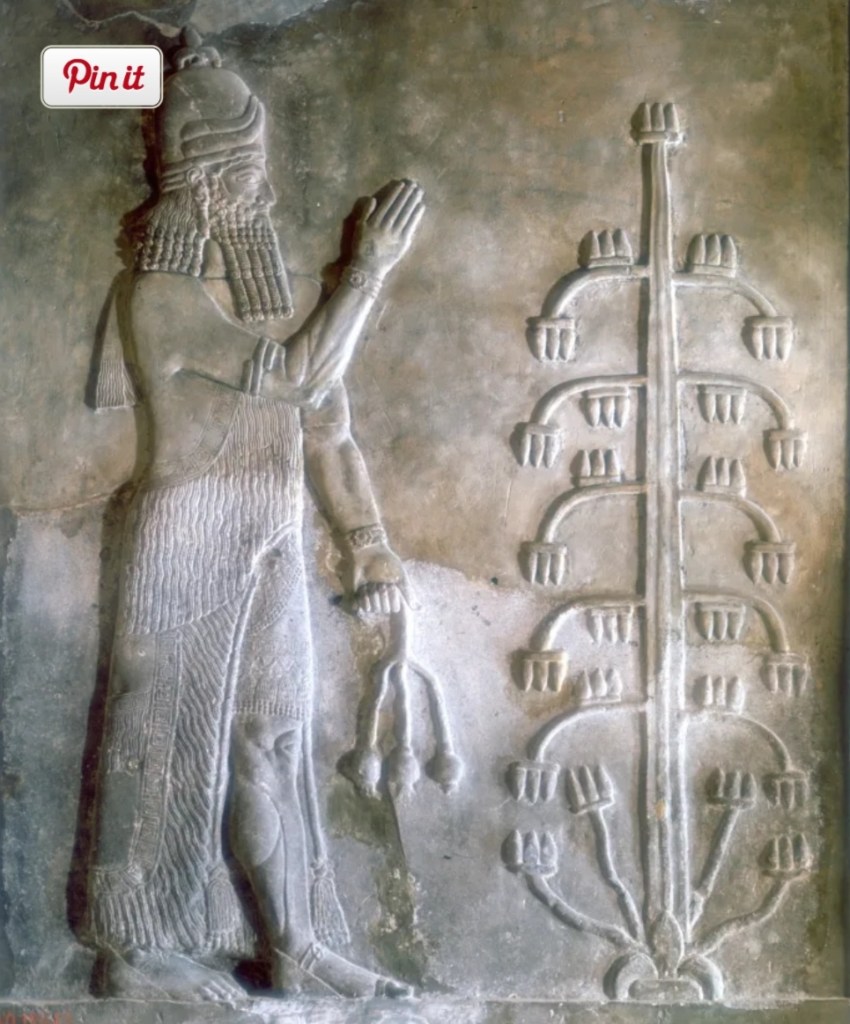
Sumer was an ancient civilization founded in the Mesopotamia region of the Fertile Crescent situated between the Tigris and Euphrates rivers. Known for their innovations in language, governance, architecture and more, Sumerians are considered the creators of civilization as modern humans understand it. Their control of the region lasted for short of 2,000 years before the Babylonians took charge in 2004 B.C.
Sumerian Civilization
Sumer was first settled by humans from 4500 to 4000 B.C., though it is probable that some settlers arrived much earlier.
This early population—known as the Ubaid people—was notable for strides in the development of civilization such as farming and raising cattle, weaving textiles, working with carpentry and pottery and even enjoying beer. Villages and towns were built around Ubaid farming communities.
The people known as Sumerians were in control of the area by 3000 B.C. Their culture was comprised of a group of city-states, including Eridu, Nippur, Lagash, Kish, Ur and the very first true city, Uruk. At its peak around 2800 BC, the city had a population between 40,000 and 80,000 people living between its six miles of defensive walls, making it a contender for the largest city in the world.
Each city-state of Sumer was surrounded by a wall, with villages settled just outside and distinguished by the worship of local deities.
Sumerian Language And Literature
The Sumerian language is the oldest linguistic record. It first appeared in archaeological records around 3100 B.C. and dominated Mesopotamia for the next thousand years. It was mostly replaced by Akkadian around 2000 B.C. but held on as a written language in cuneiform for another 2,000 years.
Cuneiform, which is used in pictographic tablets, appeared as far back as 4000 B.C., but was later adapted into Akkadian, and expanded even further outside of Mesopotamia beginning in 3000 B.C.
Writing remains one of the most important cultural achievements of the Sumerians, allowing for meticulous record keeping from rulers down to farmers and ranchers. The oldest written laws date back to 2400 B.C. in the city of Ebla, where the Code of Er-Nammu was written on tablets.
The Sumerians were considered to have a rich body of literary works, though only fragments of these documents exist.
Sumerian Art and Architecture
Architecture on a grand scale is generally credited to have begun under the Sumerians, with religious structures dating back to 3400 B.C., although it appears that the basics of the structures began in the Ubaid period as far back as 5200 B.C. and were improved upon through the centuries. Homes were made from mud bricks or bundled marsh reeds. The buildings are noted for their arched doorways and flat roofs.
Elaborate construction, such as terra cotta ornamentation with bronze accents, complicated mosaics, imposing brick columns and sophisticated mural paintings all reveal the society’s technical sophistication.
Sculpture was used mainly to adorn temples and offer some of the earliest examples of human artists seeking to achieve some form of naturalism in their figures. Facing a scarcity of stone, Sumerians made leaps in metal-casting for their sculpture work, though relief carving in stone was a popular art form.
Under the Akkadian dynasty, sculpture reached new heights, as evidenced by intricate and stylized work in diorite dated to 2100 B.C.
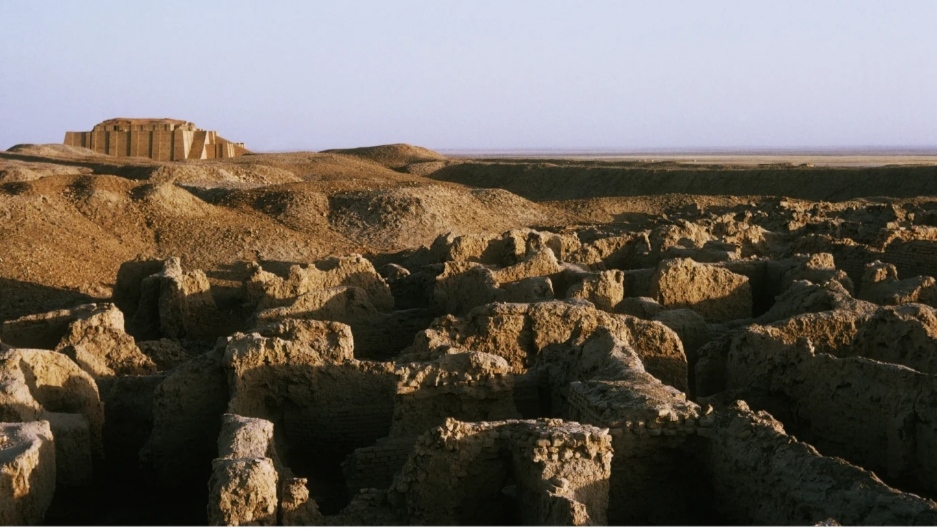
Ziggurats began to appear around 2200 B.C. These impressive pyramid-like, stepped temples, which were either square or rectangular, featured no inner chambers and stood about 170 feet high. Ziggurats often featured sloping sides and terraces with gardens. The Hanging Gardens of Babylon was one of these.
Palaces also reach a new level of grandiosity. In Mari around 1779 B.C., an ambitious 200-room palace was constructed.
Sumerian Science
Sumerians had a system of medicine that was based in magic and herbalism, but they were also familiar with processes of removing chemical parts from natural substances. They are considered to have had an advanced knowledge of anatomy, and surgical instruments have been found in archeological sites.
One of the Sumerians greatest advances was in the area of hydraulic engineering. Early in their history they created a system of ditches to control flooding, and were also the inventors of irrigation, harnessing the power of the Tigris and Euphrates for farming. Canals were consistently maintained from dynasty to dynasty.
Their skill at engineering and architecture both point to the sophistication of their understanding of math. The structure of modern time keeping, with sixty seconds in a minute and sixty minutes in an hour, is attributed to the Sumerians.
Sumerian Culture
Schools were common in Sumerian culture, marking the world’s first mass effort to pass along knowledge in order to keep a society running and building on itself.
Sumerians left behind scores of written records, but they are more renowned for their epic poetry, which influenced later works in Greece and Rome and sections of the Bible, most notably the story of the Great Flood, the Garden of Eden, and the Tower of Babel. The Sumerians were musically inclined and a Sumerian hymn, “Hurrian Hymn No. 6,” is considered the world’s oldest musically notated song.
Gilgamesh
The very first ruling body of Sumer that has historical verification is the First Dynasty of Kish. The earliest ruler mentioned is Etana of Kish, who, in a document from the time, is credited as having “stabilized all the lands.” One thousand years later, Etana would be memorialized in a poem that told of his adventures in heaven.
The most famous of the early Sumerian rulers is Gilgamesh, king of Uruk, who took control around 2700 B.C. and is still remembered for his fictional adventures in the Epic of Gilgamesh, the first epic poem in history and inspiration for later Roman and Greek myths and Biblical stories.
A devastating flood in the region was used as a pivotal point in the epic poem and later reused in the Old Testament story of Noah.
Sumerian Power Struggles
Somewhere around 2600 B.C., a power struggle erupted between the leaders of Kish, Erech and Ur, which set off a “musical-chairs” scenario of rulers for the region for the next 400 years.
The first conflict resulted in the kingdom of Awan seizing control and shifting the ruling body outside of Sumer until the kingship was returned to the Kish.
The Kish kept control briefly until the rise of Uruk King Enshakushanna, whose brief dynasty was followed by Adabian conqueror Lugalannemundu, who held power for 90 years and is said to have expanded his kingdom up to the Mediterranean. Lugalannemundu also conquered the Gutian people, who lived in the Eastern Iraqi mountains and who would later come to rule Sumer.
In 2500 B.C. the only woman to rule the Sumerians, Kubaba, took the throne. She is the only female listed on the Sumerian King List, which names all rulers of Sumer and their accomplishments. Kubaba’s son, Puzur-Suen, eventually reigned, bringing in the fourth dynasty of Kish, following a brief ascendency of Unzi, the first in the Akshak Dynasty.
This last Kish dynasty ruled for a century before Uruk king Lugal-zage-si ruled for 25 years before Sargon took control in 2234.
Sargon
Sargon was an Akkadian whose past is shrouded in legends that some claim were ignited by Sargon himself. The claim is that he was the secret child of a high priestess who placed him in a basket and cast him off into a river, a story that was later utilized for Moses in the Old Testament.
Sumerian tradition says that Sargon was the son of a gardener who rose to the position of cupbearer for Ur-Zababa, king of Kish, which was not a servant position but a high official.
Ur-Zababa was defeated by the king of Uruk, who was, in turn, overtaken by Sargon. Sargon followed that victory by seizing the cities of Ur, Umma and Lagash, and establishing himself as ruler. His militaristic reign reached to the Persian Gulf.
Sargon built the city of Agade as his base, south of Kish, which became an important center in the ancient world and a prominent port. Agade was also home to Sargon’s army, which is considered the first organized standing army in history and the earliest to use chariots in warfare.
Sargon took control of the religious cultures of the Akkadians and the Sumerians, making his daughter Enhedu-anna the head priestess of the moon god cult of Ur. Enheduanna is best remembered for her transcriptions of temple hymns, which she also wrote and preserved in her writings.
Sargon ruled for 50 years, and after his death, his son Rimush faced widespread rebellion and was killed. Rimush’s brother Manishtushu met the same fate.
Sargon’s grandson, Naram-Sin, took the throne in 2292 B.C. Naram-Sin considered himself divine and was leveled with charges of sacrilege.
The Gutians invaded in 2193 B.C. following the reign of the last Akkadian king, Naram-Sin’s son Sharkalisharri. Their era is marked by decentralized chaos and neglect. It was during Gutian reign that the grand city of Agade decayed into wreckage and disappeared from history.
Ur-Nammu
The final gasp of Sumer leadership came in 2100 B.C. when Utuhegal, king of Ur, overthrew the Gutians. Utuhegal’s reign was brief, with Ur-Nammu, the former governor of Ur, taking the throne, starting a dynasty that would rule for about a century.
Ur-Nammu was known as a builder. Figurines from the time depict him carrying building materials. During his reign, he started massive projects to build walls around his capital city, to create more irrigation canals, construct new temples and rebuild old ones.
Ur-Nammu also did the considerable work of constructing an organized and complicated legal code that is considered the first in history. Its purpose was to ensure that everyone in the kingdom, no matter what city they lived in, received the same justice and punishments, rather than rely on the whims of individual governors.
Ur-Nammu also created an organized school system for state administrators. Called the Edubba, it kept an archive of clay tablets for learning.
What Happened to Sumer?
In 2004 B.C., the Elamites stormed Ur and took control. At the same time, Amorites had begun overtaking the Sumerian population.
The ruling Elamites were eventually absorbed into Amorite culture, becoming the Babylonians and marking the end of the Sumerians as a distinct body from the rest of Mesopotamia.
Overthinking is one of the most challenging things for most of us.And it is blessing for an Introvert
Overthinking is biggest cause of unhappiness
So what are we overthinking about?
“what if I mess it up”
“To not overthink“
“what if I say the wrong things”
“Waking up early in the morning”
“Daily schedule”
“Use social media or not”
And many more things like-Business, life, study, exams, career Interviews, future, love life, healthcare, etc
Some peoples overthink about random things or like, pimple, height, weight, timepass and overthink on meme or reels…
we overthink just by assuming something but in reality it works differently…
We think If I am going to do that thing then what will everyone say…, What if my parents won’t allow this, what if I got punished, what if….., what if….
And I currently overthink about my college life… I don’t even visit my college and don’t know when this gonna happen. But I also enjoy my life with online classes and to be relaxed at home.
Whenever you overthink much then listen some music, watch movies, or talk to someone… It really going to help
When a pipe bursts or a toilet overflows, homeowners often scramble to find quick solutions, making local plumbers an essential service. Research shows that prompt action during plumbing emergencies can prevent damage costs from escalating. Timely … Continue reading How Hiring Local Plumbers Transforms Emergency Situations
So tell me what are you overthinking about in comment section –
One of the recent controversies that has been part of 2020 was the recently passed farmers bill. Ever since the passing of the bill, many farmers have assembled in large number in Delhi to show their disagreement towards the passing of the bill. Farmers have been upfront with their protest showing solidarity together against the passing of the bill.
The following are the bills passed by the Government of India
The Farmers Trade and Commerce (Promotion and Facilitation) Bill 2020
This bill allows farmers to sell their produce to anyone another than the government. It gives farmers a choice on who sell their produce to, whether they want to sell to the government or third party. Earlier the government bought produce from the farmers under the Agricultural Product Market Committee (APMC).
The Farmers (Empowerment and Protection) Agreement on Price Assurance and Farm Services Bill 2020
This bill talks about setting up a framework for contract farming. In this a farmer and a buyer can make a contract even before the farmer makes the produce. The goods can be trades outside the premises of the APMC (Agricultural Produce Market Committee)
The Essential Commodities (Amendment) Bill 2020
This act allows inter-state and intra-state trade of farmers produce by eliminating the government in between. A third party can involve in the business.
These were the three new bills passed by the government. They stand as controversial because the farmers feel that it would eliminate the concept of MSP.
Concept of MSP
MSP stands for minimum support price. This price is offered by the government to the farmers on buying the produce. Government for ages have taken produce from the farmers under MSP and subsidised it and sold it to the people. This made it easy for both the people as well as the farmers. With the assurance of the MSP the farmers could rely on the government even in the times of a bad crop or drought situation. They were sure of the MSP but now this is not the case as seen by many farmers. With the introduction of the bill the farmers are scared that the government has withdrawn the MSP and instead bought in Contract farming.
Problems with the Bill as perceived by the Farmers
Farmers are afraid that they will be cheated with the coming of this bill. They feel that the government has withdrawn the MSP and put them in danger. Farmers have been gathering in Delhi ever since the passing of the bill. They have assembled in huge numbers trying to give it all they got and asking the government to take back the bill. The government has responded with saying that they have no intentions of withdrawing the MSP and all they hoped for were the welfare of the farming community and the people.
Like the two sides of a coin, this bills also have their flip side, the farmers believe that they can be easily tricked into any kind of traps with the contract farming by legal clauses. These powerful companies can easily manipulate and exploit the farmers as they wish. But the government says otherwise, they believe that with the coming of contract farming in India there will be a huge profit as well as private investments.
This act also allows the trade of produce to other states without MSP, this has caused problems too because this will enlarge the gap between the rich and the poor farmers. It will create a gap which cannot be closed and will only widen with the passage of time.
Protests across India
Farmers have been protesting about these bills ever since it was passed and the government has initiated talks with the farmers where they were assured of the fact that the MSP won’t be cut off.
This protest has turned into a massive one where farmers had even blocked roads to Delhi. They also observed a strike on December 8 as part of their dissent all across India. The idea of protesting without the usage of violence enshrines as a part of our Right to Freedom but there have been insights of violence too. As many as 31 organisations are said to be taking their stand against the bill, most of them are protesting against the first bill in fear of the removal of MSP. There have almost been 5 rounds of talks which had failed. Home Minister Amit Shah had called for a restructuring of the bill but the farmers have said no, they wanted to the full bill to be rolled back. Farmers have threatened to expand the protests by closing the Delhi –Jaipur Highway, capturing Reliance malls and capturing toll plazas.
There have been a series of misunderstandings that needs to be understood and changed for both the government and the farmers to put an end to this issue, only then the true essence of a democracy will prevail.
“This study highlights how the spirit of scientific discovery brings people together, even in times of hardship.”
First described in 1881, the yellow things were originally classified under the genus Zooxanthella by scientist Karl Brandt. Brandt also coined the term zooxanthellae, which is used colloquially to this day.
However, another scientist – a Scotsman called Patrick Geddes – was investigating these yellow cells at the same time. In 1882, without having seen Brandt’s work, Geddes discovered that not only were the cells separate from the animals they were within (something Brandt had also established), but that they were beneficial, acting as mutualistic symbiotes.
The genus Geddes established to categorize these cells was Philozoon, from the Greek words for ‘to love as a friend’ and ‘animal’. Unfortunately, Brandt came first, so the Philozoon genus was never used; Geddes switched to work in urban planning, and the newly named genus was largely forgotten.null
We are now well aware that these odd microorganisms Geddes and Brandt worked on back in the day are photosynthetic dinoflagellates – single-celled algae found in symbiosis with other marine life, such as corals – under the family Symbiodiniaceae.
In the new study, researchers took a closer look at these yellow cells, using genetic data, geographical data and morphology to analyze where exactly they should sit in the genetic tree.
And after determining that these creatures need to be put into a new genus, the team pulled the genus Philozoonout of retirement for two old species and six new ones.
“Each symbiont species exhibits high host fidelity for particular species of sea anemone, soft coral, stony coral and a rhizostome jellyfish.”
The team wrote that Philozoon are found in shallow, temperate marine habitats around the world, including the Mediterranean Sea, eastern Australia, New Zealand, and Chile.
“Since most of the algae in the family Symbiodiniaceae have been thought to be mostly tropical where they are critical to the formation of coral reefs, finding and describing these new species in cold waters highlights the capacity of these symbioses to evolve and live under a broad range of environmental conditions,” explains LaJeunesse.
Every living being in this universe is subjected to make decisions for their survival – be it an ant and or a humpback whale. Fortunately, humans are the only beings gifted with the power of discrimination of understanding what is right or wrong for us and making a decision accordingly. Decisions can either be positive or otherwise but the quality of your decisions will determine how deeply they would impact your life.
Chip and Dan Heath, in their book ‘ Decisive: How to Make Better Choices in Life and Work’, talk about a Framework called W.R.A.P for making better decisions WRAP consists of four elements: W- Widen your options R- Reality test your assumptions A- Attain distance before deciding P- Prepare to be wrong
Widen your options
There is a misconception that having a lot of options can lead to confusion and is as same as seeing only the big picture. So, people narrow their frames of you and often lose possible options that could have worked better for them. You can start finding more options by creating a mindset where none of the options you are considering is available. What else can you do? Think about it and be surprised about how many new options crop up!
Reality test your assumptions
While encountering a decision-making situation, we all tend to select the options that support our preconceived beliefs and actions. But that might not work all the time. We can overcome this by seeking out relevant data that might redeem or discard the options at hand. Also, for example, if you have a piece of work or a product to be published you can sample your work ok for a response from a small group first instead of jumping right into the market. Reason out to yourself why you would want to make a particular choice.
Attain distance before deciding
We often let our short-term emotions cloud our rationality and take hasty decisions. It is imperative to have a well-settled mind before making an important life decision. Try broadening your point of view. Ask yourself what a reliable third person would do in such circumstances- step into your friend’s shoes or think like someone who you look up to. This can give you a fresh perspective of the situation at hand and make you take a better decision.
Prepared to be wrong
We predict a lot in our life. What if a decision that you made is based on such predictions and things actually don’t turn up the way you wanted? What then? You should be ready to acknowledge the decision’s flaw. Think about working back from a possible future. For example, suppose your work has been published and was poorly received. Think about how the work could have been made better so that you really don’t have to face that situation. Come up with backup ideas that can act like your ‘insurance’ and protect you in case things go the other way.
The next time when you faced a situation, remember that the process is as important as the decision itself. You are the master of your life- so make sure that the decision you made don’t make your life different from what you wanted. Trust the process!
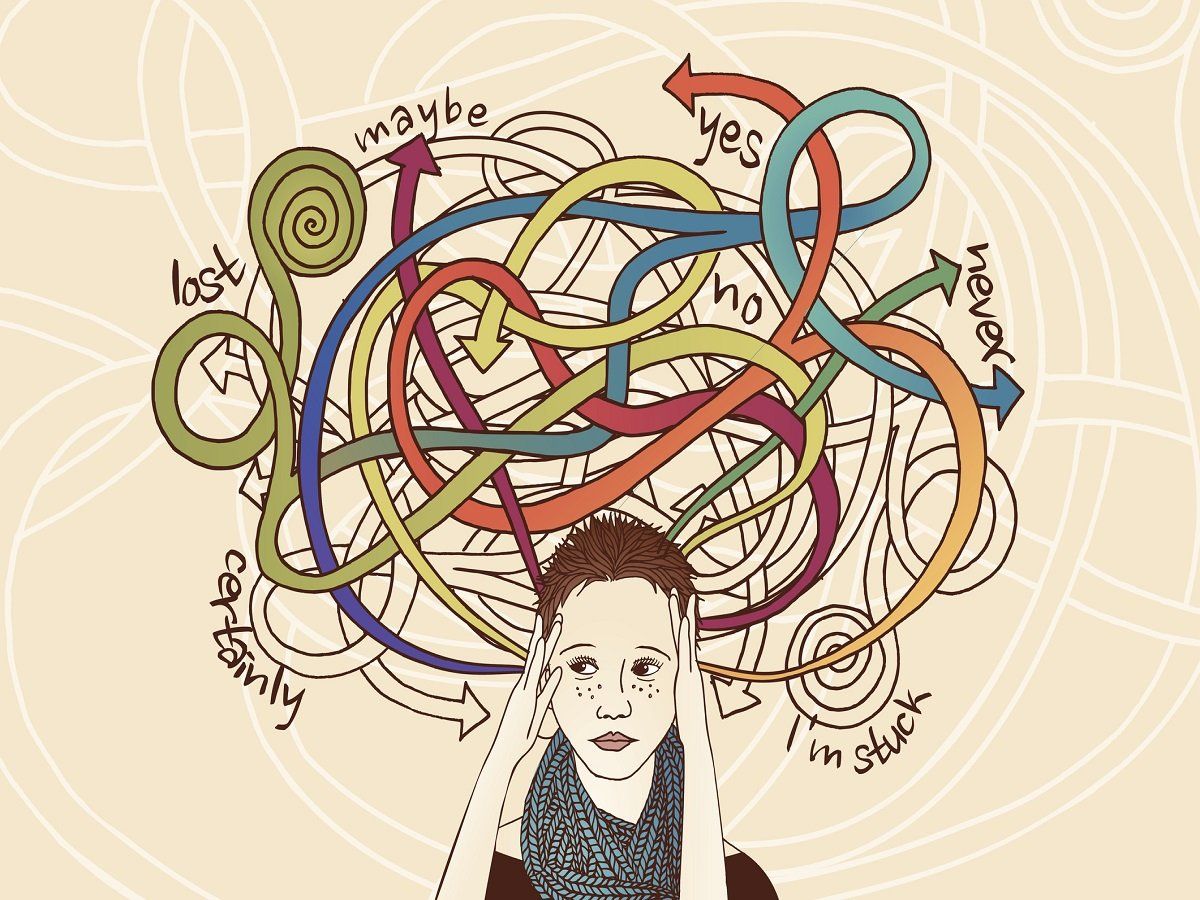
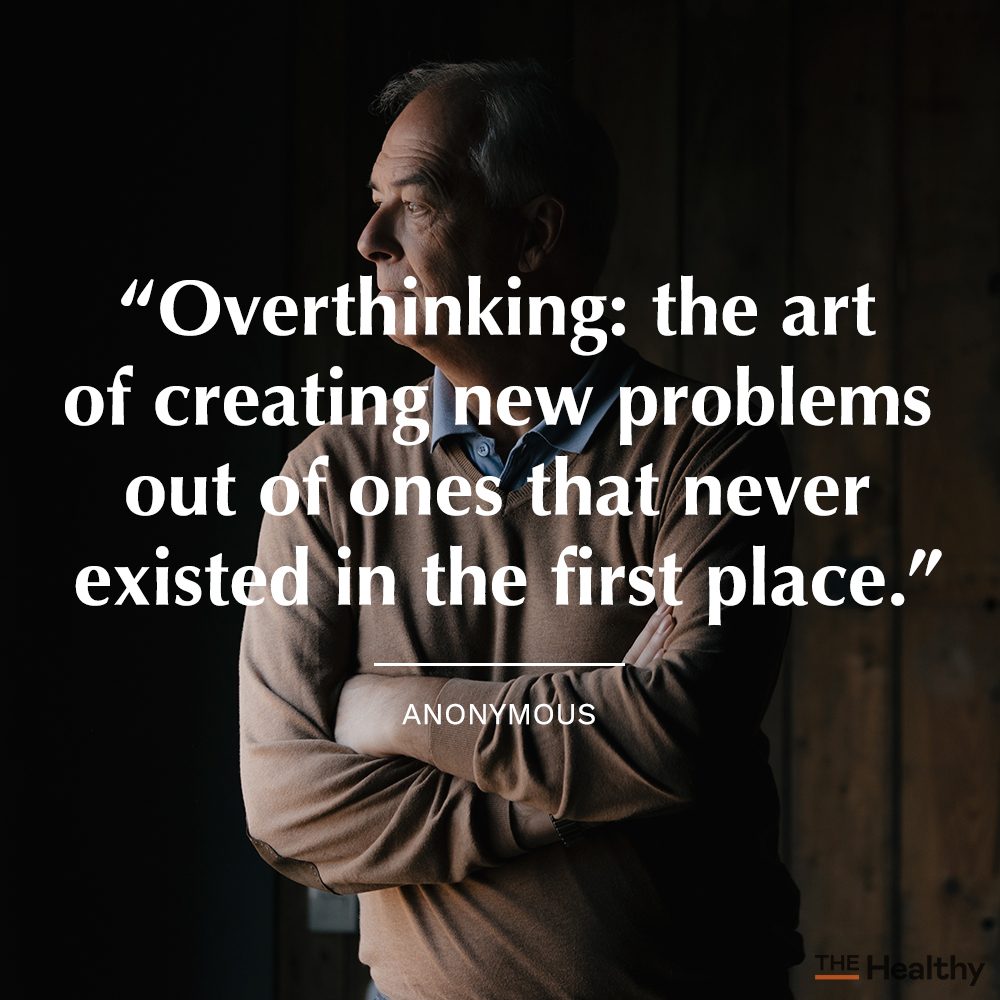
This article is for people who overthink the fact that they overthink. Overthinking is thinking the same thought on repeat till it mentally drains us. We may fall into an endless trap of overthinking and overanalysing every single situation in our lives.
Overthinking makes even the smallest of things in our lives get complicated. for example: instead of going out with a friend and enjoying the moment we could end up overthinking every aspect of that day.
We tend to spend a lot of time thinking about our emotions. They may be the emotions of jealousy, hurt, anger, sadness, grief, etc. It is good to acknowledge our emotions but not get trapped in them.
Different people overthink different things. Some are stuck in their past, some worry about their future, some overthink about the people in their lives. Overthinking puts us in a dark place where we only keep thinking for hours and days without doing anything. We keep replaying questions like:
“what if people don’t like me”
“Do I even have friends”
“I should have done this in the past”
“will I ever be able to be successful”
“What if I fail in life”
“why can’t I do this”
What we don’t understand is how irrelevant these thoughts are and how they consume our time and energy. Our past is gone, even if we want to change it we cannot. What we can change is our present and that will happen by not entertaining these thoughts.
The future is yet to come and is determined by our actions in the present. For a small example: if I do an internship in my present, it will help me in the future.
So things are still in our control and we don’t have to overthink so much.
Did you know it is our thoughts that control our actions?
If before going to a job interview you think about things like
“what if they don’t like me”
“what if I mess it up”
“what if I say the wrong things”
Chances are they actually might not like you. The people conducting your interview would sense that you are not confident in yourself and would want to hire a person who believes in themselves.
Did you know many companies also give jobs based on confidence? Because every organization needs confident employees who believe in themselves.
Another thing a lot of people do is overthink even when they know the solution to it. Instead of thinking about why you keep getting bad marks in a subject may be giving the extra time, you spend thinking to study that subject could actually help you.
I used to overthink a lot of things in my life. It used to be about things that I wasn’t able to control. But, thinking about them did nothing but exhaust me mentally. Now I don’t entertain any negative thoughts which would cause me to overthink. I now try to work towards the things I want in my life instead of debating whether I will be able to do it or not. We need to stop saying things like “I can’t do it” and replace them with “I can”.
Human beings have the power to think. It is the brains of humans that made us reach the moon. Now, what I want you to understand is that every human being is as powerful as the person who came up with the smartest invention. But, it is on us what types of thoughts we entertain.
The more productive things a person thinks about the more successful and mentally strong they will be in their lives.
That brisk strut with billowing robes behind. That almost sneering smirk under his hooked nose. That voice lashes out at people in the most subtle way possible. That is Severus Tobias Snape, Potion Master at Hogwarts School of Witchcraft and Wizarding, the dour ’bat’ of the dungeons. But my hero-worship for this misunderstood man has made me reflect on one of the important lessons for life-The Choice Factor.
Although Snape’s passion for the Dark Arts and the Dark Mark on his arm, along with his air of intimidation and sharp tongue attributes to his ‘villain’ aura, the choices that he made speak differently about his true character. The choices that he made say it all. It is not so surprising how similarly Snape and Voldemort are portrayed throughout the series. Both men had strikingly similar parentage; with muggle fathers and pureblood mothers and a miserable childhood. They also shared a common passion for the Dark Arts and even went on to pursue the same goals as adults, with Snape joining Voldemort’s Death Eaters in their ironic quest to establish a pureblood society.
Snape’s core differs immensely from his exterior. Real character is ultimately determined by one’s core traits, not by surface actions or attitudes. When Snape realized that the woman he loved was in danger, his alliance shifted for good and he became a spy for the Light. This was where he strayed from the path that Voldemort had taken and he had been tentatively travelling on; He chose Love over Power, Light over Dark, and Good over Evil. He thereon became one of the most critical parts of Dumbledore’s master plan to bring down Voldemort. His love for Lily Evans enabled him to see clearly through the dangerous path he was treading on, which gave the entire anti-Voldemort movement an edge over their enemies, even at the cost of his own life.
Thus we can say that Snape’s choices throughout his life redeem his character at the end of the series. The converse can also be true, as it takes a strong character and spirit to take such important decisions in life.
Choices define who we are as a person; it shows our character to the world. To enhance the probability of making better choices and surviving bad ones, personal character and inner spirit play important roles. Essentially, there is a thin line dividing any two paths or choices in life. We need to turn the thin line into a sturdy barrier. We need our consciousness and discriminating sense create these barriers to keep us centered on making better choices. Now, no one is perfect; we all make mistakes or bad choices. But how we handle the adversity, again lies in one’s willpower and character.
Choices define who we are as a person; it shows our character to the world.
Next time when you make a choice try asking these questions to yourselves:
1. What type of person do I want to be?
2. How can I be a better person by making a particular choice?
Below is a quote from a poem that has influenced me a lot. I leave you to ponder upon its meaning, at your own choice, Of course!
“Two roads diverged in a wood and I- I took the one less travelled by, and that has made all the difference.”
When tillage begins, other arts follow. The farmers, therefore, are the founders of human civilization.”
— Daniel Webster
Introduction
It all started thousand of years ago , when the human civilization came into existence . Agriculture was a key to survival . People were farming for there domestic purpose , not for the others .
As the civilization started to grow accustomed of agriculture , they grew food in surplus that enabled people to live in cities. Plants were independently cultivated in at least 11 regions of the world.
The development of agriculture enabled the human population to grow many times larger than could be sustained by hunting and gathering.
It was the beginning of different civilization in different parts of the World. From those civilizations , one of them was our’s The Indus Valley Civilization . Vedic literature provides some of the earliest written record of agriculture in India. Rigveda hymns , describes plowing, fallowing, irrigation, fruit and vegetable cultivation.
Some of the ancient and historical evidence suggests rice and cotton were cultivated in the Indus Valley.
Agriculture : In India and World today .
India ranks second worldwide in farm outputs. As per 2018, agriculture employed Indian work force and contributed 17–18% to country’s GDP.
In 2016, agriculture and allied sectors like animal husbandry, forestry and fisheries accounted for 15.4% of the GDP (gross domestic product) with about 41.49% of the workforce in 2020.India ranks first in the world with highest net cropped area followed by US and China.The total agriculture commodities export was US $ 3.50 billion in March – June 2020.
Agriculture is the primary source of livelihood for about 58% of India’s population. Share of agriculture and allied sectors in gross value added (GVA) of India at current prices stood at 17.8 % in FY20.
During 2019-20 crop year, food grain production reached a record of 296.65 million tonnes. In 2020-21, Government of India is targeting food grain production of 298 million tonnes.
India is among the 15 leading exporters of agricultural products in the world. Agricultural export from India reached US$ 38.54 billion in FY19 and US$ 35.09 billion in FY20.
Agriculture is an important industry in the United States. The agriculture industry, which includes both crops and livestock, is responsible for producing most of the world’s foods and fabrics. Agriculture impacts so many things that it’s hard to imagine a world without this important industry.
Schemes and Initiatives
Due to the high requirement of agriculture . It is important for the government to take initiatives and provide better infrastructure to the farmers. However , the required level of investment for the development of marketing, storage and cold storage infrastructure is estimated to be huge.
The Indian Council of Agricultural Research (ICAR), established in 1905, was responsible for the search leading to the “Indian Green Revolution” of the 1970s. The Union Minister of Agriculture is the president of the ICAR. The Indian Agricultural Statistics Research Institute develops new techniques for the design of agricultural experiments, analyses data in agriculture, and specialises in statistical techniques for animal and plant breeding.
Schemes by government for Indian agriculture :
Dairy Entrepreneurship Development Scheme.
Rainfed Area Development Programme (RADP)
Paramparagat Krishi Vikas Yojana (PKVY)
Pradhan Mantri Krishi Sinchai Yojana (PMKSY)
National Agriculture Market (e-NAM)
Pradhan Mantri Kisan Maandhan yojana.
Pradhan Mantri Fasal Bima Yojana (PMFBY)
Kisan Credit Card (KCC) scheme.
Pashu Kisan Credit Card Scheme.
PM-Kisan Scheme.
Conclusion
Agriculture sector is one of the prominent sector in India as well as all over the world . India is becoming self – sufficient in pulses and other crops .
Gone are the days , when India was unable to provide sufficient amount of food to the citizens . Gone are the days , when people used to think agriculture was not as important as other sectors . Gone are the days , when people used to think less of farmers . And gone are the days , when people were less educated about agriculture.
I had chosen to write about Dr. Majid Rafizadeh’s phenomenal novel ‘ A God Who Hates Women’. It is a beautiful yet tragically moving story of a women caught in a patriarchal household. It takes us back to the times when women were seen as commodities sold off in markets. Choice was a word that women could not even imagine. The story highlights the life of the authors mother, how she lived through oppression. This story forms around the background of a civil war. The novels throw light on the cruelties faced by women in a patriarchal society. The story begins with a short background of how the authors grandmother was born. It later shows the birth of the authors mother which turned out to be a disgrace for her own mother, since she expected a baby boy. The story continues with the atrocities faced by his mother at her own home and how she was forcefully married to a man who abused her at all chances he got. The irony of which the book talks about is the cruel side of patriarchy, how women carry it down more than men.
The name of the book also seems to bring out the story, about how the religion and its god were cruel to women. The people of the religion went to extreme ends to make sure that the rules of the religion are followed, sometimes inhumane practices were also used.
Religion and politics were not treated as two different entities by the people of Syria, Iran and Iraq. They had held religion so much close to their heart, that it was even involved in their politics. Political decisions were made in the name of god. People were abused in inhumane ways in the name of religion. It shows quite a different side of how far our modernity and education has not evolved in countries like these. Citizens of the nations could never really trust one leader to be liberated from his religious entity, each leader had their own approach to religion and people were forced to select someone who was less cruel than the other. The question of a good and humane leader was out of choice.
The book is set in the backdrop of a series of political tension in Syria and Iran. The author and his family have moved from Syria to Iran a couple of times and the book shows the difference in the culture in both the countries vividly. The book shows how much political leaders are influenced by religion and how they kill people cruelly who goes against them, the authors father was one such victim. Maybe the author might have also got the influence from his father, but in a much better way. The author was the founder of an organization on human rights which reported cases of human cruelty. The authors father has a very interesting character, he on one side focuses on how modern our thinking should be in various aspects of life except in the equal treatment of womenas he had always abused his wife. His character was rather paradoxical.
But one of the most important things that the book has left out is that it hasn’t brought into consideration the larger issues faced by the people. The author has merely had an interview with the close members of his family and friends. And so, we cannot really say that the book speaks about the whole of Syria. After certain parts of time in the book, it fails to show the feelings of Amira, the authors mother. How she felt about religion, her passion and how she lied to herself to live for her children. The authors life has been glossed over for most parts and it talks in the perspective of the author while the book was about his mother.
The major concept the book focuses is on the patriarchy and how it has broken down the women of the household. Book spoke about how women were cut off from the world of pleasure and desire, forced into submission. Another novel aspect of the book is that it also talks about men abusing younger boys. Young boys were raped by elderly men in the remote areas of Iran
The book is set in a time when abuse was seen very common. People dominated over the weaker ones and religion was to be respected and those who don’t respect religion were also abused too. It is set in a completely different timeline with reference to religion or equality between men and women. But we cannot completely say that patriarchy has been wiped out from our modern-day world. Across the timelines we had only grown one step closer to lower its impact on the people.
We might live in a secular world today but that does not mean that each and everyone among us are cosmopolitans in nature. But one thing that has drastically changed is the number of people who believes that women are to be respected and given equal rights as men. They believe that Women must not only be seen as homemakers but also as potential doctors, engineers, civil servants and all the more. This change in perspective had given rise to many feminist movements across the world. There are almost 3 waves of feminism, where each wave concentrated on the various aspects of a women’s lifestyle. The world we live in as become so much more complicated with the passage of time; one person is not solely now identified with his/her religious aspects but with things they would want to relate too. Identities matter a lot in the world we live in, these identities connect us with similar people so to share the same feelings and aspirations.
Something that we can always find common in all the stories we hear are the sufferings of women and not men, why was women just seen as fragile and homemakers? The ones that needed to stay at home and look after the children? Weren’t we equal beings with different biological systems? Why wasn’t marital rape unlawful in countries across the world? Why were people so focused on their religious identities? Why didn’t time make a difference in the modernization of the Asian countries? These were a few of the questions which kept disturbing my mind. I hope one day comes where women will be as free as men. A world where we all are equals.
IT IS SAID THAT HAPPINESS SHARED IS HAPPINESS DOUBLED. BUT IN TODAY’S TIME, WHEN WE ALL ARE STUCK IN THE PANDEMIC, WHEREIN A LOT OF US HAVE LOST THEIR LOVED ONES, SOME ARE FACING FINANCIAL SHORTAGE AND SOME ARE DEPRIVING OF FOOD $ WATER ; HAPPINESS HAS GONE REALLY FAR AWAY FROM US.
BUT, LIFE NEEDS TO CONTINUE. NEITHER CAN WE STOP OURSELVES NOR CAN WE STOP THE TIME. WHAT CAN WE DO THEN? TRULY SPEAKING, WHEN IM WRITING THIS, I MYSELF AM DOUBTING MY WORDS. BUT THIS IS THE REALITY. THE SHOW MUST GO ON.
LIFE IS LIKE A MOVIE WHICH COMPRISES OF ALL THE GENRES, THERE ARE DAYS WHEN WE FEEL OVERWHELMED, THERE ARE DAYS WE DOUBT OURSELVES, THERE ARE DAYS WE FEEL BAD, AND SO ON!
HAPPINESS WONT COME TO US IF WE DONT ATTRACT IT. HOW TO ATTRACT HAPPINESS ? SIT AROUND WITH YOURSELF, QUESTION YOURSELF ” WHAT BEAUTIFUL MEMORIES HAS MY LIFE GIVEN ME ? “. YOU WILL UNDERSTAND, THAT THIS BAD TIME TOO SHALL PASS.
SMILE, LAUGH, TALK TO YOUR FRIENDS/ LOVED ONES, WHO UNDERSTAND YOU. SHARE YOUR GOOD MEMORIES, ASK THEM TO DO SO TOO.
LAUGHING AND SMILING WOULD RADIATE POSITIVITY AROUND YOU, IT WILL BEAUTIFY YOUR AURA. THIS WILL MAKE YOU FEEL BETTER
KEEP SMILING ALWAYS!
THANK THE ALMIGHT/ UNIVERSE FOR BLESSING US WITH UNIMAGINABLE BEAUTIES.
It is very difficult for all of us to pass our time in weekends and especially if weekends fall in between big pandemic lockdowns. For many of us, each day has become like a weekend due to long imposed lockdowns in our respective areas.
We must utilise our time in something productive and productive doesn’t have to necessarily mean learning a new skill or cleaning our house. Being productive is so much more than that! Productive is also when we give times to things that would bring us instant joy.
Let’s get back in time and relive some of the moments that were daily habits for us at some point in time and practise them in these weekends.
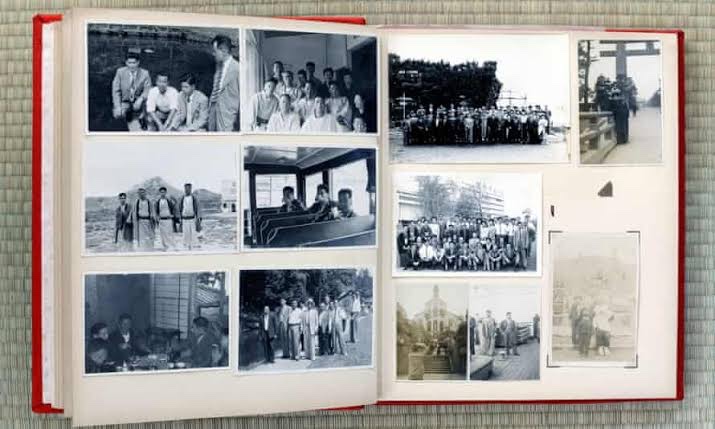
1) Take out Old Photo Albums.
Photo Credits: The Guardian
Remember the time when there used to be only one camera at our homes? A photo album carries so much in itself. From our grandparents’ youth to our parents’ wedding to our own childhood, photo albums are always refreshing even after being so old. It’s always good to visit our family’s old family photo albums and live those old memories yet again.!
2) Write Journal or Diary.
Photo Credits : She The People Tv.
Writing has always been fun, isn’t it? Well, now writing means just WhatsApp or Email or for other professional purposes. It’s time for us to give one day to write happenings around us on a piece of paper in a diary or in a journal like we used to do in our childhood. The time when we used to collect those New Year gift diaries all for diary writing!
3) Solo Indoor Picnic.
Photo Credits: Medium.
It’s always good to eat and it’s even better when we can eat all the food alone. Although some people might be thinking that this never used to happen in the past. So yes, you’re correct. Solo Picnics never used to happen in the past. Picnic itself means social gathering with friends or families. However, here I’m urging everyone to have a solo picnic indoor because of the ongoing pandemic. Though if you’re living in a nuclear or joint family, go for a picnic indoor with them. Cook great food, eat and chill.
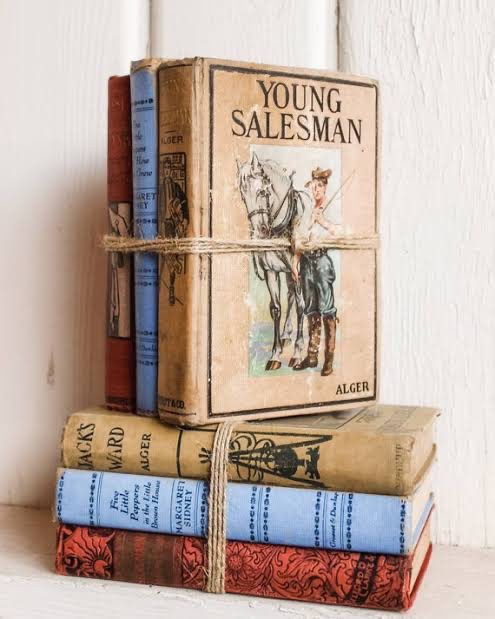
4) Read Old Books and Magazines:
Photo Credits: Etsy
We always have a shelf in our house with full of books and magazines from the past era. We just keep them aside and forget about them after reading them once. There are also our favourite magazines that we used to collect during our childhood, may be because of their content or because they used to have our favourite celebrity on their covers. We can just relive those memories by simply taking out and reading them.
5) Put on the radio!
Photo Credits: The Conversation.
Don’t have a radio? Don’t worry about it at all. There are plenty of mediums in this new era that would give you the feeling of a typical radio. There are also radio stations available on new smartphones, some are even available on normal typing phones! You can always look for radio in these platforms in absolutely no cost. Just listen to the Radio Jockeys narration and listen to news stories and music in that old style.
6) Take out Old CDs
Photo Credits: Britannica
This is somewhat similar to photo albums. Do you also have old compact discs in your home cupboards. Well, then just take them out and watch your old family happenings recorded in them and enjoy!
Yes, lockdown and weekends have always been stressful for each one of us. But we can always find a way to engage ourselves in something that would make us happy and lively! Try these six ways and get nostalgic!
Let’s double down on solar energy, let’s be more energy-efficient, let’s weatherize our homes. We can build a better, healthier economy based on good-paying, clean energy jobs.”
Ian Somerhalder, Actor
Being one of the second largest country , climate change in India is having profound effect on India and all over the world . India is ranked fourth among the list of countries most affected by climate change in the period from 1996 to 2015 .
With 7% of global emissions , India emits about 3 gigatonnes (Gt) CO2eq of greenhouse gases each year; about two and a half tons per person, which is half the world average.
Due to the rise in temperature , the Tibetan plateau are causing problem to Himalayan glaciers . It directly effect in increasing the flow rate of the Ganges , Brahmaputra, Yamuna and other major rivers.
The Indira Gandhi Institute of Development Research has reported that, if the prediction of the Intergovernmental Panel on Climate Change is correct about Global warming than it may cause fall of GDP upto 9%.
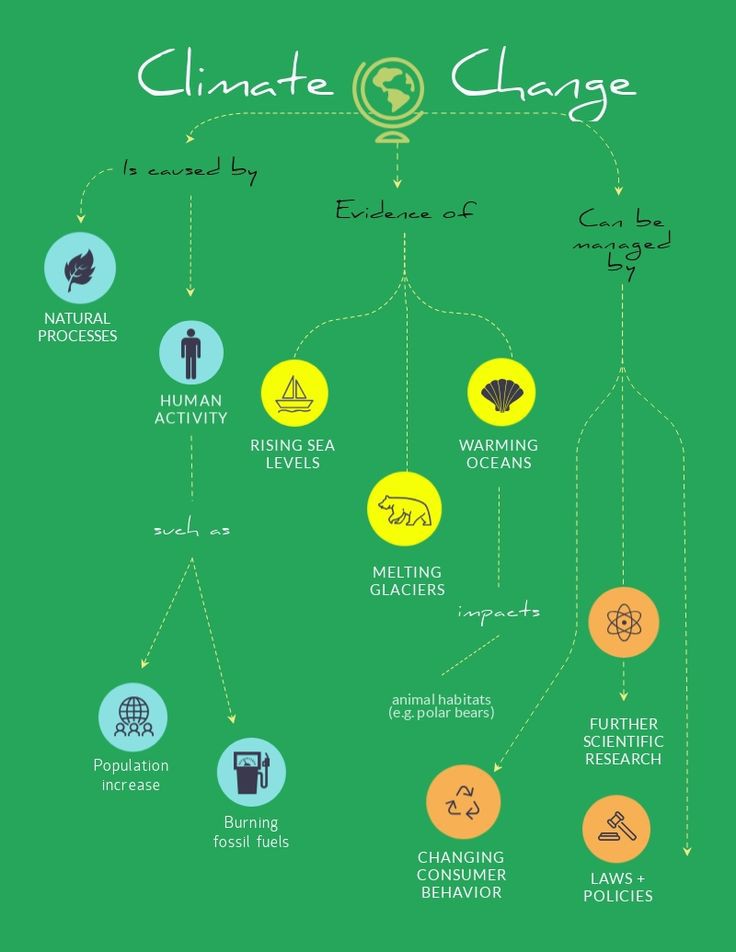
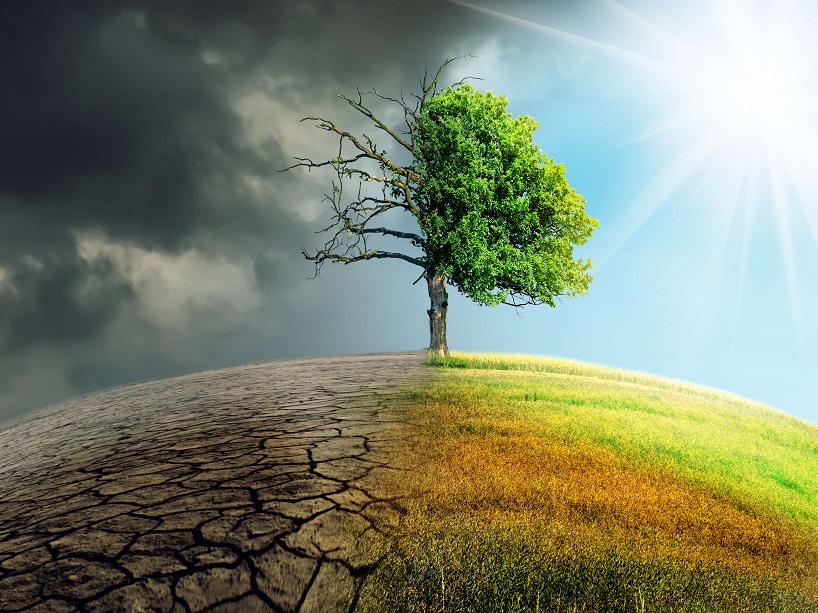
In all over the world , climate change is drastically affecting the change in temperature of the globe 🌎 . Climate change includes both global warming driven by human-induced emissions of greenhouse gases and the resulting large-scale shifts in weather patterns.
Causes :
Human envision and green house gasses are two important causes in the climate change. Greenhouse gases affect Earth’s energy balance and climate .Human activities have added greenhouse gases to the atmosphere. Human activities are changing the climate.
Other causes :
Power Plants.
Farming .
Deforestation.
Fertilizers.
Oil drilling.
Natural gas drilling.
Permafrost.
Garbage .
Volcanic eruption.
Pollution.
Campaigns
There are many campaigns that are going on . One of them is The ActNow campaign . It was launched at the UN Climate Change Conference (COP 24) in December 2018, with a call from Sir David Attenborough in conjunction with the award-winning “People’s Seat” initiative.
It signifies individual action on climate change and sustainability. By changing our habits and making choices that have less harmful effects on the environment, we can tackle the climate emergency and build a more sustainable world.
It is also working with other campaigns like The Good life goals , Anatomy of action , 170 actions to combat climate change , lazy person guide to saving the world , connect4climate , climate neutral now , trash hack , stop the waste , Think. Eat. Save. , Clean seas , breathe life , glowing glowing gone . Their may be others as well .
Prevention :
Becoming more energy efficient is a great way to prevent pollution. It causes the power plants to expend less energy that can lead to the production of greenhouse gases. … Replace your light bulbs with energy-efficient light bulbs that help you save electricity too.
Speak up!
Power your home with renewable energy.
Weatherize, weatherize, weatherize.
Invest in energy-efficient appliances.
Reduce water waste.
Actually eat the food you buy—and make less of it meat.
Buy better bulbs.
Pull the plug(s).
Conclusion
In the times , where the world is changing and taking measurements for saving the globe . Many Environmentalist , Actors , Politicians , Countries are taking precautions and actions on the climate change . It is our duty to prevent our world from falling . Take Initiative To Save The World .
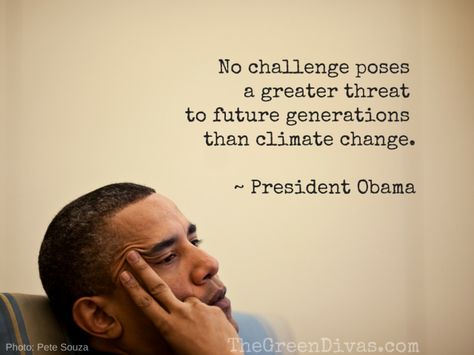
Climate change is real. It is happening right now, it is the most urgent threat facing our entire species and we need to work collectively together and stop procrastinating.
“When Everything seems against you, remember that the airplane takes off against the wind, not with it” – Indeed, there’s isn’t a life where difficulties and struggles don’t come.
Someone rightly said, ‘‘If you don’t face any problem in a day, that means you are on a wrong path’’ We often say this proverb about struggles of life. Life is like a roller-coaster, it excites with all those fun frolic jovial moments to distressing moments in our life. Life is incomplete without failure and struggles.
Be a man with honesty and hard work, as it will give us a fruitful life ahead. “A manwho struggles will always be the most ideal person in his life”. Life is full of opportunities and risks. In the process of achieving something we all have to sacrifice something, either it is your friends, family, or your loved ones.
‘‘Life is a tree, the more you give efforts by watering your knowledge, skills, talent, and hard work, the more successful we will be in our life.“
There’s isn’t anything in the whole universe that we are not capable of! We will surely meet people in this process of our life who will let us demoralize or maybe manipulate us from our originality.
Always remember at the end of the day, it only you! There is no we, no us, and no everyone. Either it is a professional or personal life, never let yourself down, in the meantime never lose yourself! The most precious thing in the whole world is yourself, we all are unique in our own ways, our originality is the reason why we are existing.
To reach the destinations, one should pull off, all the hurdles by keeping faith in themselves. Life is really beautiful if you are strong enough to face the harsh reality. It’s not a fairy tale, where we are dependent on someone, there is no “The one”. It is you and your hard work!
Your endurance and your perseverance will make you a man of strength.
“Hope” is one of the most crucial elements presents in everyone which will always make you feel alive. To ponder or to achieve any kind of destination a hope is really important one should have within themselves.
Following your dreams and career doesn’t mean that one should be egocentric or selfish! Taking care of yourselves and your loved ones is really important. because we should make a world full of love and belongingness. Loving yourself is the foremost thing which is needed in any kind of dream to conquer! If one doesn’t have any self-confidence in themselves then, no goal can be achieved!
In the space of the difficult roads (i.e.; tour struggles, sufferings, breakdowns) and beautiful destination (your end goal), there is always a transparent line where your happiness is invisible. It is visible to only one who wants to enjoy their lives.
Any Path of life becomes more Fascinating if it has all emotions amalgamated in this beautiful journey of struggle and sacrifices. At the end of the destination, one should always be true to themselves because self-honesty will make us a man of worth. Remember we all are humans with imperfectness inscribed within us since we are born, so we all have certain faults that sometimes affect our struggling life, but one should always remember that the perfect life will never be as great if life has imperfectness in it. So, live your life according to yourself, because ultimately it is you and your beautiful destination!
When prevention of climate change is uncertain, preparation is necessary .
CLIMATE CHANGE
Climate change continues to cause unusual and unpredictable weather around the world. Longer drought, flooding, major stroke, snowfall, temperature extreme will increase earth’s temp upto 3-4 ‘C.
Rising CO² level and warmer earth means plant will grow bigger (more surface area of leaves) and thus plant consume more water. Thus, we face water scarcity.
Smog contain Ozone particles and causes various problems – asthma, heart disease, skin cancer etc.
Plant sciences is the study of plants in all their forms and interactions using a scientific approach.
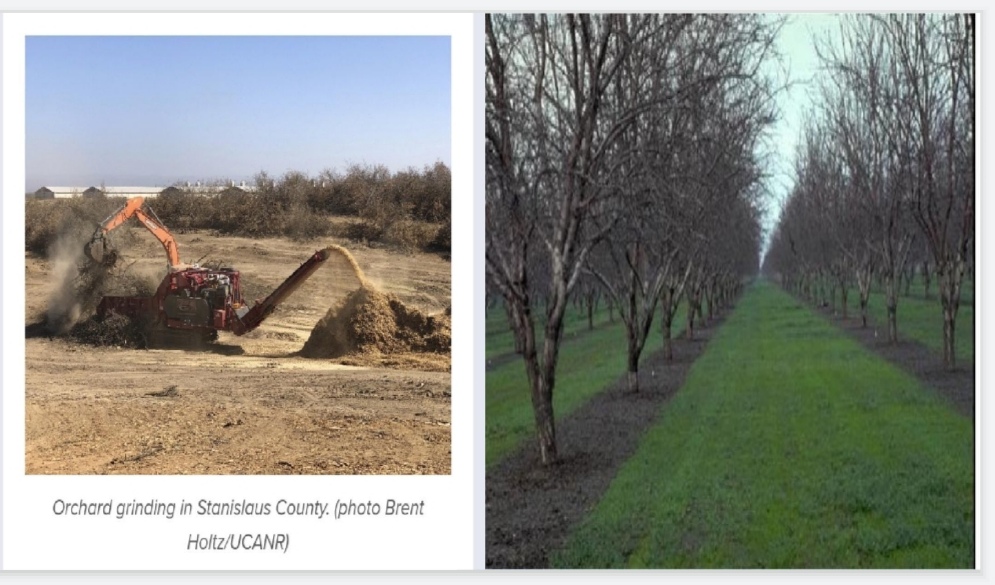
California’s Almond Orchard:-
In the past, for removing and disposing of the old trees we burn them in the field. But now Old trees are ground, chipped and turned back into soil before New almond tress are planted. It help almond orchard to be more sustainable and resilient to drought and also increasing carbon content in soil.
Whole orchard recycling result compare to burned treatment : 1) Sequester 5 tons of carbon per hectare. 2) Increase water-use efficiency by 20 percent. 3) Increase crop yields by 19 percent.
scientists from the BBSRC managed to breed a new fast-growing broccoli that no longer relies on a period of cold weather to flower, and goes from seed to harvest in only 8-10 weeks. This discovery is especially relevant for broccoli, as it is flower buds that we eat.
Many terrestrial, freshwater, and marine species have shifted their geographic ranges, seasonal activities, migration patterns, abundances, and species interactions in response to ongoing climate change.
Increased carbon dioxide tends to suppress photo-respiration in plants.
C⁴ plant adapt better for high CO² Concentration and photorespiration.
It make 4 C sugar (OAA) thus fix more CO² and produce high amount of energy.
It suited for hot dry climate.
C4 plants include such low-latitude crops as maize, sorghum, sugar-cane, and millet, plus many pasture and forage grasses.
Better adapt for photo oxidation. Prevent photooxidation due to kranz anatomy.
THE CLIMATE CRISIS HAS ALREADY BEEN SOLVED. WE ALREADY HAVE A FACTS AND SOLUTIONS . ALL WE HAVE TO DO IS WAKE-UP AND CHANGE – Greta Thunburg























 Eduindex
You must be logged in to post a comment.