What it means when you find yourself detaching from society?

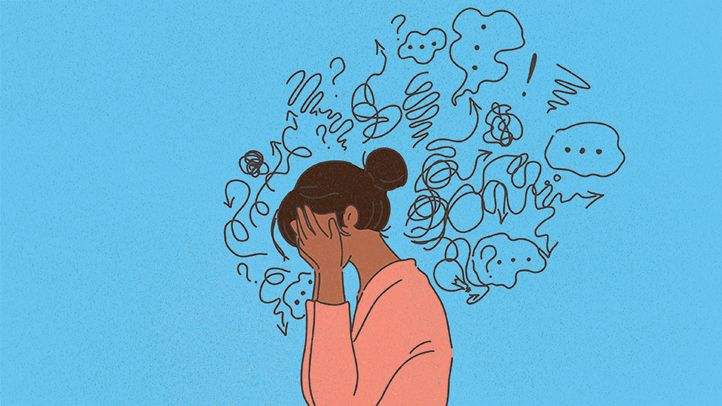
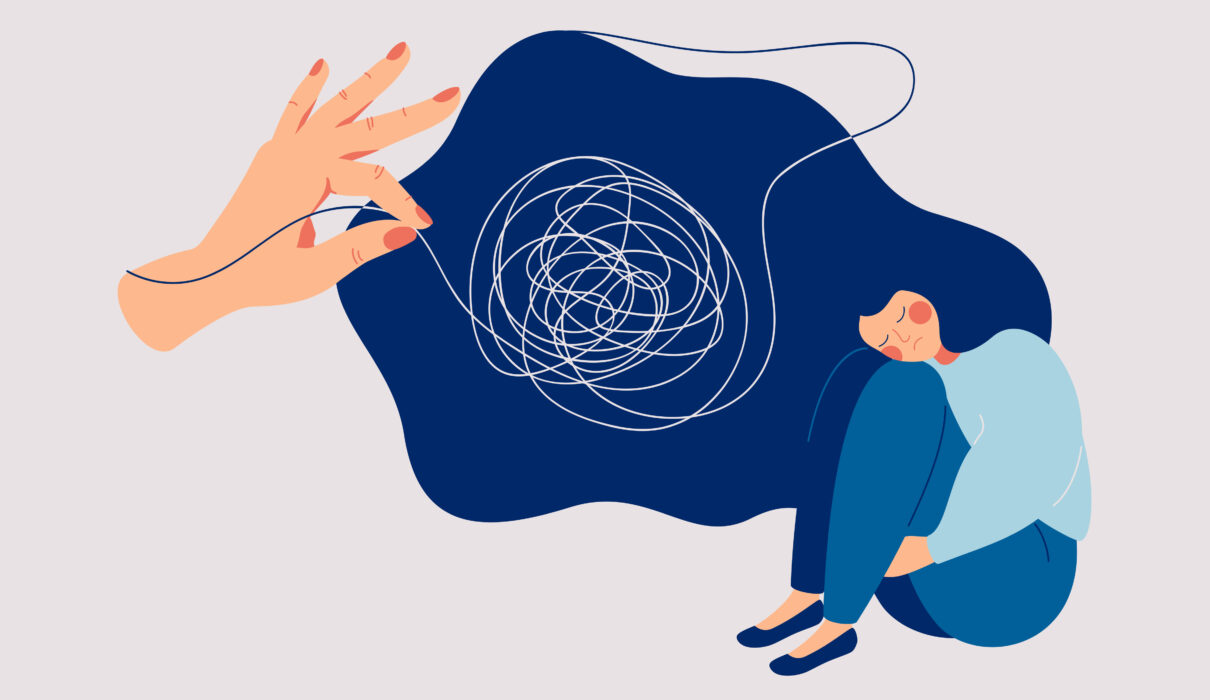
Do you constantly find yourself cutting off from people without any reason? The feeling that you don’t belong? A major reason for such thoughts is that you find it difficult to blend in with your friends and family. While such mindset is not something permanent, it can develop from a constant state of neglect and lack of affection.

It is not necessary that such state of mind arises in only those who are generally closed off by nature. There is a larger percentage of so-called ‘extroverts’ who also suffer with the same complexion.

While this situation generally arises from a change in friend circle, or after losing a loved one, breakup, or a change in surroundings. Some other reasons like depression, heavy medicines, illness or other social factors can also be an imminent variable.

Some people can also call it a ‘Retreat’, a means to detach from society in order to better focus on their upcoming projects, a major people comprising this class will consist of authors, artists, and such other people in need of peace and tranquility.

The case is not always same for teenagers and young adults. Retreating from society in an abrupt manner is major teller of mental illness, depression, as it is generally termed. While it is not uncurable, a major support is required from family and loved ones in most cases. Emotional support goes a long way in providing support and a feeling of togetherness.


This does not mean that a person who appears to be detached from the general colorful society is weak. That would be a gross understatement. Such people are generally in need of a closure with whatever is it that they have suffering with. No other person can help solve this condition other than the person who suffers from it. All others can-do is provide an understanding gesture and emotional support.

The best ways to deal with such a swing of emotion could be to try to talk to someone and share your thoughts. Other than that, going out for a walk or eating your favorite dish will help make you feel better! The one thing that is imperative through the whole process is that you will emerge Stronger. A better version of your own self. With a better view of your dreams and desires. The only quality required is to have faith and be kind to yourself.

Think of your future self 5 or 10 years from now and how thankful they would be to you that in spite of all the hardships thrown your way, you held on, that is all that is required.

Just hold on!

Written by: Ananya Kaushal

Attention Deficit Hyperactivity Disorder (ADHD)

Talking about a mental disorder is like speaking about sexuality. Not that the latter is less important but the fact that both the subjects are hardly acknowledged is dangerous.
Attention Deficit Hyperactivity Disorder is a common disorder found amongst all age groups. Especially children and young adults. Most probably, half of the population having this disorder are not even aware of its existence and effects.

What is ADHD?

It is Attention Deficit Hyperactivity Disorder. The name itself reveals a lot about.

In children it is often quite visible. The symptoms range from doing too much activities, not being able to be still for a time span and lacking focus. With regard to this age group, the symptoms are clearly visible and may hamper the child’s education and causes many more distress in home and school. Many children outgrow ADHD but others may be effected in their adolescence and adulthood.
In such scenarios, the teachers and the school should look after the learning impairment by introducing the child new teaching techniques, learning skills and modified curriculum

In teens the Symptoms may get worse due to the hormonal changes of adolescence and the sudden increase of academic pressure on them
Symptoms include forgetting dates of assignments, may interrupt their classmates and teachers, rush in assignments. The teens may often do a number of tasks while forgetting the primary tasks to be completed. Their lack of focus extends to peer relationships. This may lead to the teen securing bad grades in the school.

ADHD in adults is common. However, many adults are unaware about it. Anxiety and panic attacks have become so common in the generation that differentiating them from ADHD,especially in absence of knowledge about mental health, is too long a process for the face paced world. .
A comprehensive evaluation including review of their past and present symptoms, medical history and examination. Medications and psychotherapy is given to adults diagnosed with ADHD. Behaviour management strategies involving minimization of disruption and increase structure and organization and involving family members can be helpful

The Three Types Of ADHD

ADHD, predominantly impulsive/hyperactive: The most least common type of ADHD. Symptoms include: Not being able to sit still, talking too much, always on the go as if driven by a motor, has difficulty waiting for his or her turn, Interrupts conversation

Inattentive Type: Doesn’t pay close attention to details and makes careless mistakes in schools or workplace, does not seem to listen when spoken to (lost in some other thoughts),lacks focus, has problem organizing tasks, avoids and dislikes tasks requiring mental efforts, looses things of daily use

ADHD Combined Type: The most common type of ADHD which is a combination of the above two types.

What Causes ADHD


ADHD is mostly hereditary.However,premature birth and the consumption of alcohol and cigarettes during pregnancy can also lead to ADHD developing in the child.

Can ADHD Be Cured?

ADHD has no permanent cure. However,it can be managed through a number of medications and therapies. In many cases medications alone is an effective treatment. However, in other cases therapies such as cognitive behavioral therapy, support groups, anger management and counselling psychology are effective.

How To Manage Emotions

In my previous to previous article on thoughts and how it stimulates emotions I had put forward my view that no emotion exists without a reason. Its there because we think of a situation, a person or something in a particular way which kick starts our emotions accordingly.

I am a teenager and I suffer from unexplainable emotions sometimes. Thanks to the person who gave me the most brightest and the most practical solution to this issue. He is none other than Vex King.

Unlike thoughts, emotions CANNOT be controlled but are to understood. It is only after a thorough understanding of your feelings or emotions that you can conclude the root cause(the thoughts) which created it.

For example: Have you ever felt inferiority complex? The feeling which makes your confidence and belief shiver and which makes your mind the supreme critic of yourself.

How do you at all stop that kind of feeling? Its so common nowadays.


• The most important step to take before understanding why you feel the way you feel is to accept that you feel something negative crawling in you. Most of the people nowadays ignore their emotions by working and spending their time somehow. But that never ends the feelings. It just subjugates it and once the person is all by themselves before bed or even for a minute, those emotions swallow down his peace.

They say you cannot run from a truth and emotions are a truth. You cannot run from it. To fight it,you have to face it.

Question It. (Asking such questions is not just helping you understand tour emotions better but helps you get a closer insight about your thought process, assumptions, perspectives)

Why do you feel emotions of anxiousness and panic? Why do you feel jealous and insecure in someone else’s presence? Why are you questioning your worth?

Because, you THINK and FEEL you are not enough. Somewhere you are so lost looking for validation and praises that even the minute criticism to receive makes your heart stop.

Because you feel what the other person possesses is much better than what you have as they get praised for it and your mind continuously reminds you how foolish you are for not being like them.

Its okay to feel this way. Half of the population of our race feels the similar nowadays.

Because our mind has no achievement to hold on to which it can spoil with ego(not an achievement which our pride can utilize). On further questioning you will find the answer. Just like when you have ego you can’t see anyone else but you, similarly when it breaks you see everyone else but you.  So, its not them who seems too good to be true, its your thoughts and emotions which cloud your awareness from knowing your own capabilities.

Its not our fault. We are so accustomed to feel empty and disposable after our ego is broken, we do not know who we are.

But if you choose to remain this way, it is your fault.

•Are they worth your energy?analyse & question the answers!After questioning and finding the answers to your emotions and understanding the reasons behind their presence, question the validity of the answers. Question the thoughts which made you feel in a particular way about the situation. Why did you think in that way?

Some questions for the given example situation of inferiority complex are as follows:

Can you be the person who, according to you, is better than you? (a rather negative perspective of someone being better than you)

Can you live your life being someone else? Pleasing everyone but you? Living like a puppet?

To which feature of them are you comparing yourself with? Do you know enough about that feature of yours? Have you ever tested it?

The list can go on… which, after a certain time will question your thoughts and changes it with positivity. Self introspection does wonders

Realization:  This is the final step wherein the complete understanding of the emotions set in. Not only we become aware of the emotions but we have understood it by this stage and now its time to do the needful. With an understanding of your emotional state, now you can actually ‘move on’ in your life with a rather better understanding of yourself.

Emotions make us human. You can never be devoid of it but however, understanding your emotions cuts off the negative and self detoriating emotions and replaces them with calmness and a sense of freedom from the chaos.


Thoughts Are Yours But Not YOU

Thoughts do not define you.


Isn’t it sounding dumb? Let’s introduce you to a new perspective.

Most of the humans inhabit in themselves a computer which runs in accordance to the instructions. It goes without saying which part of a human it is. It is none other than our brain. The reasons behind our race’s excelling heights but also the main culprit behind its sadness. But it does not define us

How? Still unanswered!

Because the brain is hard to control. Why do you think a person requires a psychiatrist or a psychologist or a therapist to understand their thoughts, reactions and behaviours?

And also…why do you think you want to keep a part of YOU under control?

Because it is not you. And applause to those who become aware of it and consult the right person.

But how do I justify what I just explained?

The subconscious brain acts in accordance to the our thoughts/perspectives and how it usually makes us react to a particular kind of situation.
For example: We may have a habit of getting angry out of nowhere when someone intimidates us . That’s our usual way of thinking in such situation. Fight back!

•Or,we may get worried when smallest of things are left undone. Maybe because our thoughts murmur all possible negative consequences the undone tasks may have

•Or,We may get frustrated when something does not go our way because our thoughts might just block out any possible scope of understanding.

How many times do we end up crying or saying to ourselves “This was not me. I didn’t meant to do it” to ourselves or to the person concerned?

What is similar in these three examples?

Guilt. Surprise. Cluelessness. Breakdown. All of which takes place after we have reacted. But why?

Because it induces toxicity in us. We do not want to react that way but we feel imprisoned.

The kind of thoughts which we nurture towards a certain situation(negative thoughts)stimulate such reactions and when the reaction is delivered, it makes us feel terrible. We end up questioning, why did we act like that?

The answer is, because of our own perspective!
The way in which we usually perceive a situation gets registered deep inside our subconscious mind and its so deeply registered that mostly, we cannot stop ourselves from perceiving things the same way in every situation.
The subconscious mind has observed you thinking one particular way and it has understood how to think thereafter.

Then how do we change the instructions which we gave to this computer?

Be aware of the instructions you give to it. Being aware is the key to controlling your thoughts.
Be aware of the development of this habit of thinking negatively. Be aware of your perspective and how it is controlling you.

Every situation is neutral. We are not really controlled by a situation but by our thoughts regarding the situation.
A positive mindset diverts our mind to the brighter side of the situation. To the goodness present in it. Such a mindset gives us happiness and makes us humble.

A negative mindset is rather cynical. It makes us feel terrible about the situation and thus,we end up acting terribly.
In such a situation we do not control our thoughts but it controls us.

A negative mindset attracts negative vibes, things and sometimes negative self proclaimed prophecies may end up becoming our reality.

But how do we control it?

Consult a psychiatrist or a therapist. I put it the first because it is important too. The fact about getting medical assistance for mental health is talked about so rarely that I decided to put it as a possible and probably one of the best ways to control your thoughts. Speak it out to them.

Meditation. Changing your thoughts require you to calm yourself down the first. Meditation gives you an understanding of the true nature of your thoughts by making you calm and relaxed. When calm, you can question your thoughts and be crystal clear about the reason behind its existence. Delete the instructions from the computer by questioning its importance.
Be calm to hear the voices in you

Engage in positive activities. After deleting the old instructions which your computer was habituated to, you require a set of improved instructions.
Meditation can be the best instruction because it teaches us how to control our thoughts and get a clear understanding of our emotions. Reading self help books help further in understanding your subconscious mind and therefore, helping you understand how to instruct it and get control over it. Yoga helps you to stay active, healthy and can greatly control the stimulation of anger and frustration by assisting you in controlling your thoughts. Pursue new habits. Keeping yourself busy with habits which add up to your growth and development can do wonders to your perspective.
Drinking enough water can equally boost your thoughts. Water absorbs energy and when you surround yourself with positive activities, habits and people, it absorbs the best. Remember, more than half of your body is water. Travelling is an all time favorite therapy for most. Its benefits goes without saying. Go somewhere far and spend time with YOU. YOU and your soul deserves attention.
Practice helping and humility. You can never ever absorb the N of NEGATIVITY in you when your soul is open for all.

At the end of it all, if you are confused between thoughts and emotions, let me explain my take on it.

Thoughts stimulate emotions which in turn stimulate reaction.
Understand your emotions and control your thoughts. The lock is the subconscious mind and awareness is the key.


COPING STRATEGIES ADOPTED DURING LOCKDOWN

GOOD SAY OR BAD ADOPTING COPING STRATEGIES OR HOBBIES ARE THE THING ON WHICH NOBODY HAS A CONTROL OVER DURING THE LOCKDOWN.

The COVID-19 pandemic and ensuing lockdown measures have created unprecedented circumstances that increase stress and anxiety, thus leading individuals experiencing home confinement to adopt various coping strategies that contribute to building resilience. Given the novelty and recency of the COVID-19 lockdown, factors of coping and resilience in this specific context of home confinement remain undefined. Some put this time in effective routine to get good result but there were some who waste their time with some bad coping strategies.

SOME COPING STRATEGIES WERE-

  • COOKING– people have learnt to cook for them-self. People who live alone and deprived from the food delivery option have taken up the ladle, some who have no choice and some who see this as a opportunity to learn or put their confined time to some effective work or activity.
  • DUSTING AND CLEANING- people have to take this activity without any choice as with this lockdown and without any house help their hands were tied or say only their hands were the one left to do the job. Some saw this as an opportunity to cover their missed fitness routine and some did because they didn’t have any choice but to keep their house clean.
  • READING- This is one of the good coping strategies people have taken up in this lockdown. Prior to this covid-19 lockdown, people with their busy and anxious schedule and working hours with no time left to give to literature or reading has taken this opportunity for an mind relaxing time with reading .
  • SCREEN TIME – This is the most adopted and with too much used time, it’s seen as and become a bad coping strategy and habit especially during this lockdown. Most people coped this confined and with too much time on digital screen with movies, shows and net etc, under these most people are kids and students with no school and colleges.
  • YOGA – Yoga during this lockdown has replaced the gym for fitness routine and mental health also. Some has adopted it to replace the gym but some ha adopted it to relax their mind from this anxious and confined situation. And surprisingly during lockdown it has become a big hit among all age of people from kids to adult and old people also.

Stress Busters

Our daily routine can have a toll on our mental health. Work pressures, exam related stress, house responsibilities, overtime with no rest can cause serious health problems and therefore needed to be taken care of. Our human bodies need rest to reset for further work, and when that is ignored we end up getting sick or stressed. As sickness could be treated with medications, we need stress bursting activities too. These activities not only reset our brains for a fresh start but also help us develop the capabilities we never actually cared enough about. These activities help us in getting relaxed after a hectic day or two. There are a number of these activities that can and are helpful in relieving stress.

Hobbies

Every person has at least one or two hobbies that can come as a savior while having a stressful day like, painting, writing, reading, cooking, watching movies, art and craft, singing, dancing etc. With heavy work or studies load people end up paying zero percent attention to their hobbies, but these might help in taking the head out of work for some time and just relaxing while exploring their lost hobbies further. Mostly a person’s hobbies relate to its right part of the brain, which is also responsible for creative development of a being, thus these hobbies can prove to be beneficial in many unexpected ways. Any sort of art form can relieve the stress from a heavy work day.

Music

“My heart, which is so full to overflowing, has often been solaced and refreshed by music when sick and weary.”

― Martin Luther

Music is to have a magic effect on us while trying to survive through a tiring day. The soft and slow music is to act as a meditation, keeping us at peace and relaxing us. The slow paced music helps us clear our mind and ease up while in a stressful situation. The fast paced music is proven to make us happy or excited while in a low mood. Our brain responds to the happy waves generated by music and helps us loosen up better.

Strolls

With most of the work being desk related or requiring hours of sitting in front of the screen, can be hectic and have unhealthy effects on our mental health. Such a situation calls for a stroll or a walk for at least an hour or so to breathe fresh in park and walk to stretch out our muscles. Walking reduces the strain caused by hours of sitting, thus freeing us from part of our undeserved stress.

Conversations

People sometimes forget the power of conversations. Having work related problems? Talk to your work best friend. Having relationship problem? Talk to your best friend. Having life problems? Talk to your mother. The conversations with right person have the healing power to take you away from a rough, awful day. It might seem like a waste of time to a lot of people but in reality, these conversations hold the power cut off the distress and calm us down.

Breaks

Just like we need an interval in between of a movie or a break in the middle of a show, we sometimes need a break from our daily routine. Little tea or coffee breaks while still going strong with work can be a short term solution but breaks such as- visiting parents, going back to hometown, taking on a vacation, meeting friends, celebrating without any particular reason, can all charge us up to the level that of a fighting war and holding up with pressures then a becomes the easiest task in the world.

10 Stress-Reducing Activities For Students To Chill Out!

Anyone can get stress from any situation. Dealing with stress does not have to be a boring routine. Stress-reducing activities are simple, relaxing, and you can do them anywhere. Find out why Stress, Anxiety, and Depression in students increased since COVID-19, and ways to stop them!! 

Stress is your body’s response to the physical, mental, and emotional pressure beyond your coping ability. Stress is a silent killer which is responsible for 60% of health issues in your body. Students are more prone to stress since the pandemic.

Let’s see the severity of mental health issues on students.

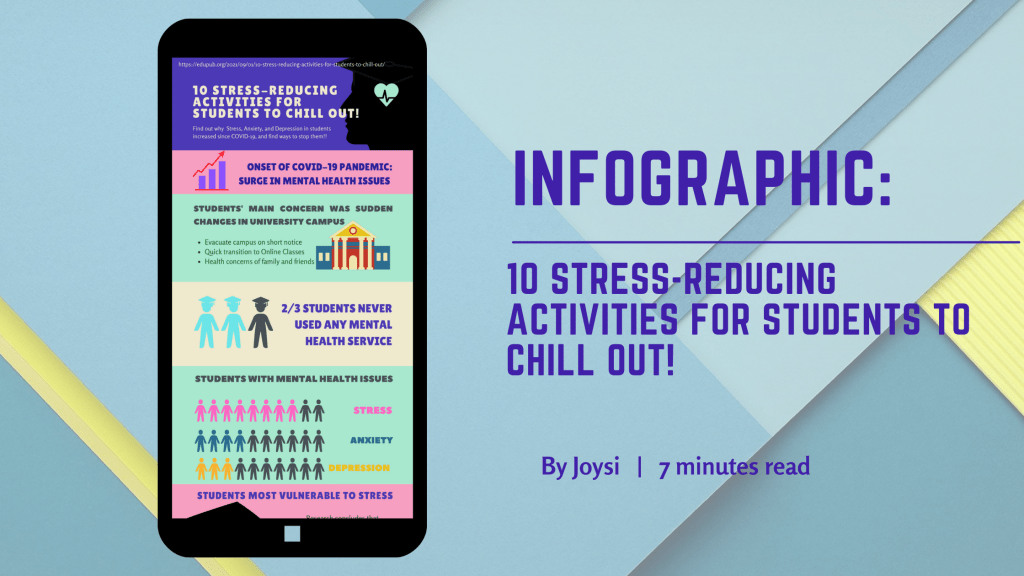
Onset of Covid-19 Pandemic: Surge in Mental Health Issues

Covid-19 has brought stern changes in our lives. People avoid areas of heavy public congestion to stay safe from any contagious virus. 

If you are a student you will know the effects pandemic has brought in your life. You are expected to change your mode of education and take online classes to continue your semester. Many students have seen the demise of their loved ones in the pandemic. 

Because of these sudden changes, students have faced extreme mental and emotional pressure.

Lee, Jeong, and Kimshows in their research show that in the US alone, the early stage of Covid-19 pandemic has marked increased stress in undergraduate students.

The research concluded that about two-third of students never used any mental health services. Moreover,

  • 88% students had moderate to severe stress
  • 44% students had moderate to severe anxiety
  • 36% students had moderate to severe depression

The students that were most vulnerable to these mental health issues were female, rural, low-income(below 22K), and academically underperforming students(cgpa<2.0).

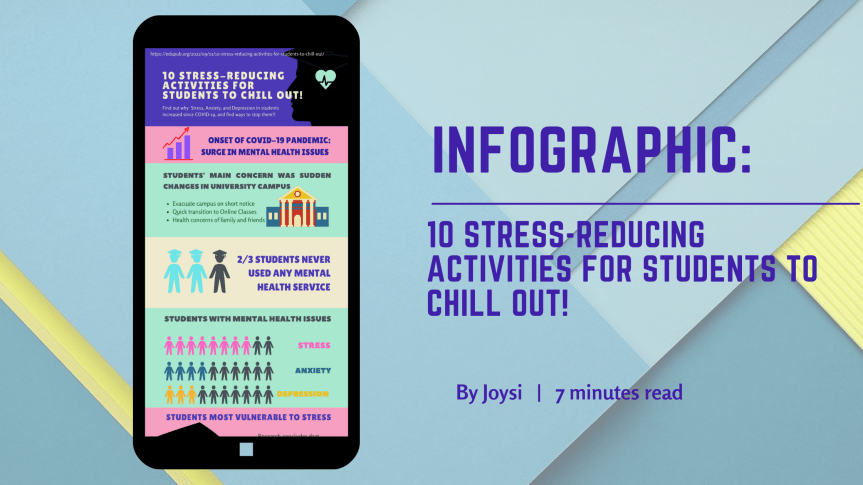
The infographic shows the the need for mental health education in students and 10 Stress-management strategies for students to relax.

Want to display this infographic on your site?

Copy this code to attribute https://edupub.org/.

<a href="https://edupub.org/2021/09/01/10-stress-reducing-activities-for-students-to-chill-out/"><img style="width:100%;" src="https://eduindex.org/wp-content/uploads/2024/04/7a1b4-2a445-10-stress-reducing-activities-infographic-joysi-1.png"></a><br>Made by : Joysi7 from <a href="https://edupub.org/">EDUPUB</a>
INFOGRAPHIC: 10 Stress-Reducing Activities For Students To Chill Out!  Coping with stress; stress management
Infographic:10 Stress-Reducing Activities For Students To Chill Out!

Coping with Stress

Stress is called a silent killer. Why??

Because stress affects your hormones, blood pressure, memory, sleep pattern, appetite, immune system, and cholesterol. That’s a lot of damage to your health.

But you don’t have to worry about it. Managing stress at the initial level is FREE, EASY, and you can do it ANYWHERE. Stress management at the initial level is done by altering your physical, mental, and emotional status, even without taking any medications. Yay!!

Managing stress in the initial level is your best health investment.

Reduce Your Stress with 10 Easy Activities

1. Take a deep breath

This is a simple breathing exercise. Sit still, relax your body, and try to forget your anxieties. Now, take a deep breath count till 5. Exhale and repeat.

This exercise relaxes you in minutes. When you breathe slowly your heart slows down, signaling your nervous system – it’s time to calm down man.

2. Write yourself a motivational letter

You think no one understands you? Why not write a letter to yourself?

Make an inspiring note. You may add affirmations of your choice, and end the letter with motivation you want.

Just add your name here if you don’t have any clue:

Dear (Your/Name)

I know you are going through a lot. But I know you will be great(insert what you want to be) some day. Keep it up and never give up.

Keep a bunch of self motivating notes somewhere. Whenever you are stressed out, pop one out and read it. You will feel calm and composed.

This is a self motivation technique to calm you. It is your words pushing you to get up on your feet and face that day!

3. Brush up dance moves

If you feel no interest in doing any paperwork then this step is for you. Gen Zs are blessed with all the viral(and cringey) dance moves.

Take 5 minutes to practice a crazy step. Take up a viral challenge(safe, ofcourse). This might sound goofy, but it works brilliantly.

Dancing helps your body release endorphins and finishing a challenge motivates you. The result is positive energy and good vibes!

4. Snacks to help

Certain foods are mood boosters. Your empty stomach makes stress worse. So grab a healthy snack, sip your tea and see magic happen.

Try out variations in your snack including dark chocolate, bananas, oats, and berries. These foods release stress-reducing hormones that will elevate your mood. Stress managing activity sounds delicious.

5. IMAGINATION

Find out which visuals make you happy. Feeling calm starts with your mind. Here check the following steps to reach your calm space:

  1. Plug in your favorite soundtrack
  2. Get into a comfortable position
  3. Close your eyes
  4. Visualize your happy place
  5. Enjoy

This step will manage your stress in an hour, and you’ll end up sleeping like a baby. Visualizing is a guided imagery technique that helps to shift your focus from stress to something peaceful.

6. Keep a Happy Face

You have been told to keep a stiff upper lip to compose your emotions. Many, like me, feel an outburst of emotions that are difficult to control. What is needed is a big laugh. Do you need to force it? Yes you do. 

Force smiling releases a stress-reducing hormone that boosts your happiness level, and it’s also free.

7. Clean rooms

Your room mirrors your personality. A cluttered room shows a cluttered personality.

Start by arranging your desk, flipping bits of paper in bins, and re-ordering your books from frequently read to least. Then move to the other areas of your room.

This stress-reducing technique releases endorphins, burns your calories, cleans your room and leaves you with a calm mind.

8. Nature’s touch

A study on the impact of plant’s touch on our body shows:

that active interaction with indoor plants can reduce physiological and psychological stress compared with mental work. This is accomplished through suppression of sympathetic nervous system activity and diastolic blood pressure and promotion of comfortable, soothed, and natural feelings.

doi: 10.1186/s40101-015-0060-8

So bring in the greens in your house, keep a small sapling on your desk. Touching leaves is a great stress buster to gently reduce your blood pressure. Go green thumb.

9. Coloring

People find a variety of activities calming. There are many adult coloring resources available in the market. Coloring is a stress-reducing technique that is a fun and fantastic pre-bed time ritual. 

Creativity makes you happier and relaxed.

10. Nap time

Your health is related to your sleep pattern. Sleeping makes your mind to rejuneivate all the lost strength. Loss of sleep can cause altered blood pressure, fatigue, low concentration, and dull skin. 

And we haven’t even started talking about chaos when you are sleep deprived.

But taking midday sleep, even for 15 minutes, will change your mood game. Mid-day sleep or power naps is a stress reducing activity you can do at your station. You will feel fresh and stress free.

Final thoughts

Your health is the outcome of all the positive efforts you make.

Pro Tip: Tired doing all the activities? 

If you have done all you can to feel better, and still find no change in your mood. Do seek help from your Psychologist. You can also take help from your friends, family or Minister. Frequent mood changes signal an underlying problem. Stress can be more deadly if hidden for a long time.

Stay safe. Eliminate stress for a better life!! 

References:
  1. Jungmin . Hyun Ju . Sujin Kim, “Stress, Anxiety, and Depression Among Undergraduate Students during the COVID-19 Pandemic and their Use of Mental Health Services“, Innovative Higher Education, Springer, 2021. doi: 10.1007/s10755-021-09552-y
  2.  Min-sun . Juyoung . Bum-Jin . Miyazaki, “Interaction with indoor plants may reduce psychological and physiological stress by suppressing autonomic nervous system activity in young adults: a randomized crossover study” J Physiol Anthropol. 2015; 34(1): 21.doi: 10.1186/s40101-015-0060-8
  3. Sclhealth.org/blog/2019/06/the-real-health-benefits-of-smiling-and-laughing/

13 REASONS WHY?

As a student it is important to have a balanced lifestyle, for the better physical and mental well being. It’s important to find things that your enjoy and it’s possible only when we keep our body, mind and ot⁸her factors in control. We go through several changes at this age, socially and personally so, to be able to sustain a good life we need to check our overall lifestyle. We don’t have to go overboard for it simple habits can make a huge difference.


I have listed a few reasons as to why we should…

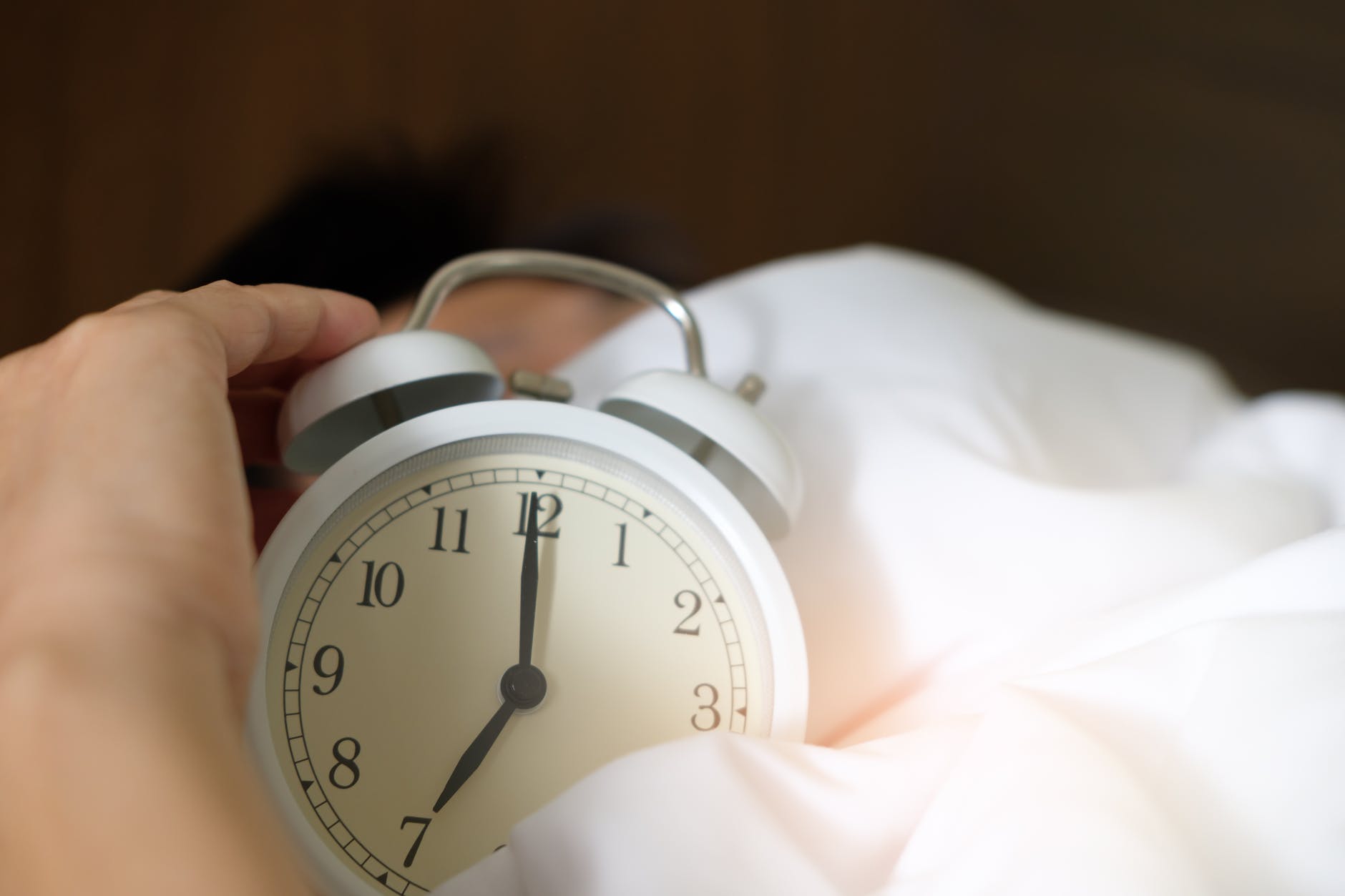
1 Wake up early

Photo by Acharaporn Kamornboonyarush on Pexels.com

Every parent has told their child to wake up early in the morning and we all have ignored it like we ignore assignments on holidays. There are ‘n’ no. of reasons to turn into an early bird. It gives us a lot of time for our work, helps in getting a good sleep, decreases stress and respiratory issues. It motivates us to get fresh air and meditate. Gives us enough time to eat our breakfast, most important meal of the day. Girls got a bonus reason for it as it gives a healthy, good skin to flaunt.

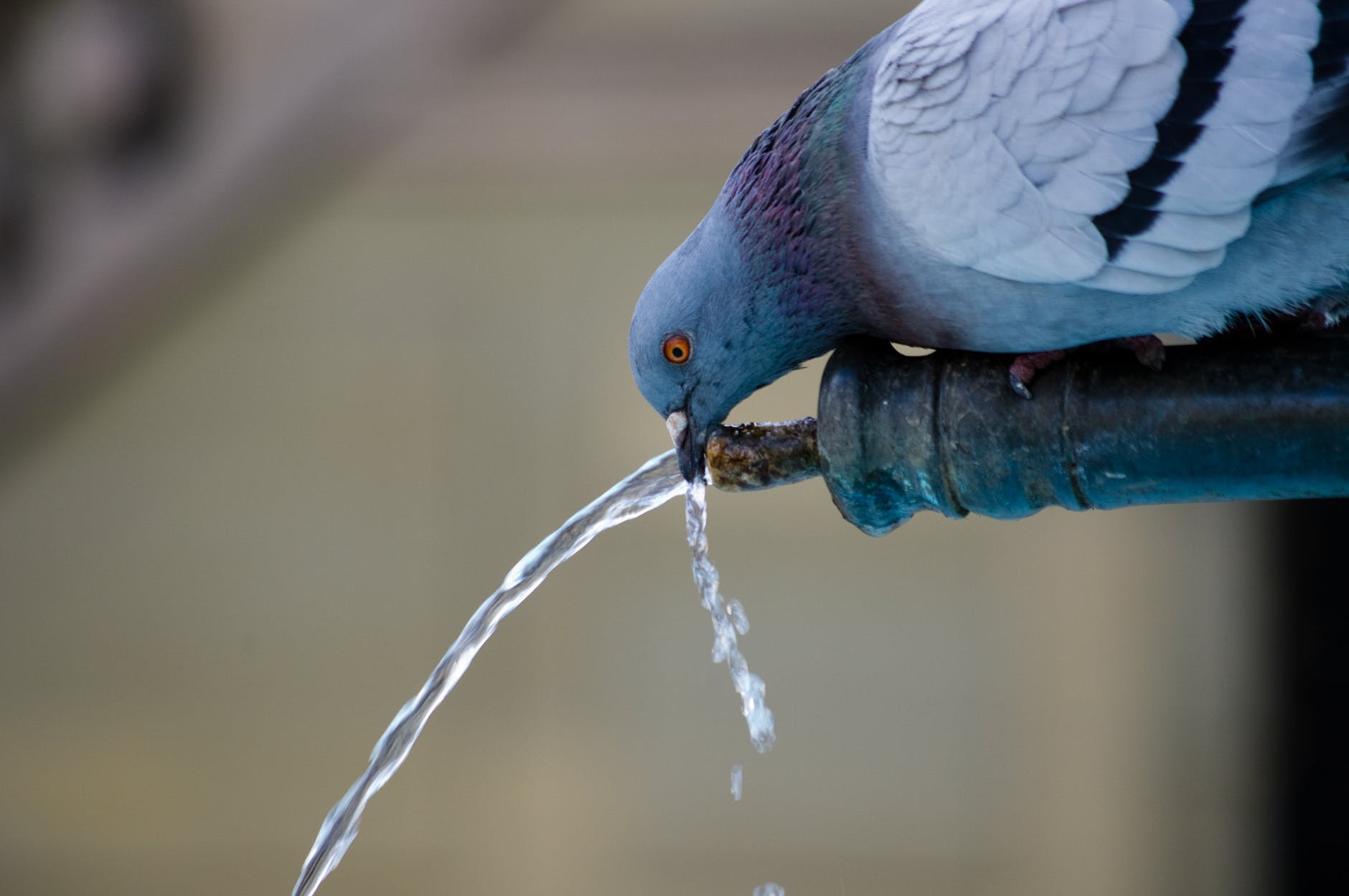
2 Drink water

Photo by Pixabay on Pexels.com

Although water is tasteless but only real drinkers know the taste of water. Water carries oxygen and nutrients to the cells of our body. Drink at least 3 L water daily to get the toxins out of our body, to get a healthy skin and a glow on the face. Helps in flushing bacteria from our bladder and helps indigestion. Water level affects energy and brain function of our body so, drinking a good amount of water is beneficial and it’s the best thing to prevent kidney stones. There are so many health benefits of water that the list can go on and on.

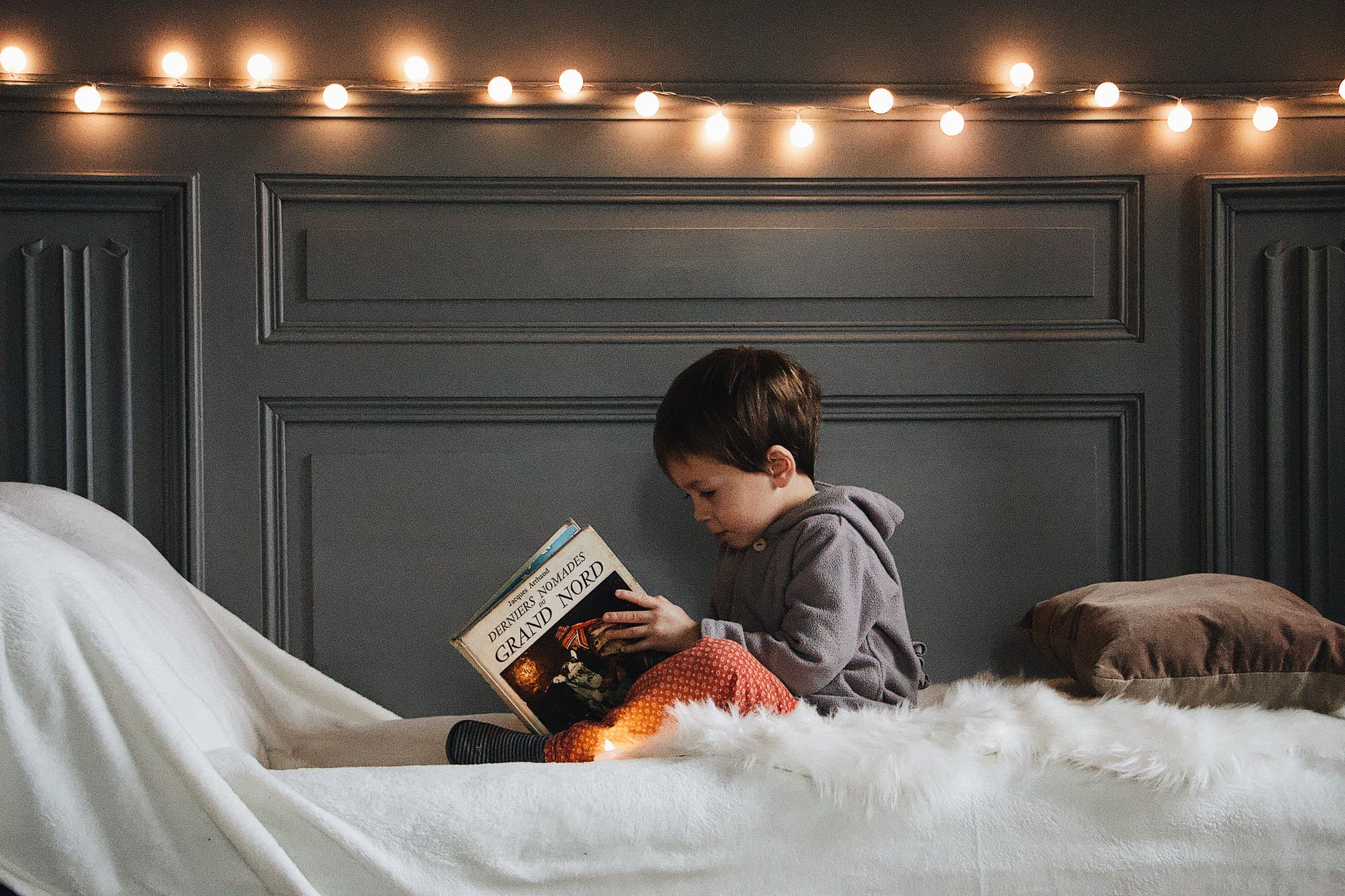
3 Read books

Photo by Mau00ebl BALLAND on Pexels.com

One of the most important habit in a person’s life is reading, from a very young age we are taught it’s importance as it helps in developing the mind. It reduces stres and helps us in escaping the stressful world for a moment. It gives power to our imagination, improves vocabulary and helps us learn new things. We should read everyday even if it’s for few mintues. Every night before sleeping ditch your phone and television with books. It will help you to develop reading habit.

4 Take a walk

Photo by Sebastian Voortman on Pexels.com

After a busy day of studying and scrolling memes on your phone it’s important to give your mind and body a break and what’s better than going out for a walk. A brisk walk for half an hour can be effective in burning a hell lot of calories. It will boost your mood and for your next session of studying you will be as fresh as a new rose bud. You can discover new things as you walk in your neighborhood. It also helps in lowering blood sugar level and will keep the weight in check.

5 Eat healthy

Photo by Jill Wellington on Pexels.com

Eating healthy food is important for students to keep their health as well as mind in proper state. Our mind will work properly only if our body is working properly and to get all the valuable nutrients one should eat vegetables, fruits and lentils in good quantity. Follow a balanced diet and eliminate the unhealthy food. Eating junk once in a while is okay but it should be avoided on a regular basis.

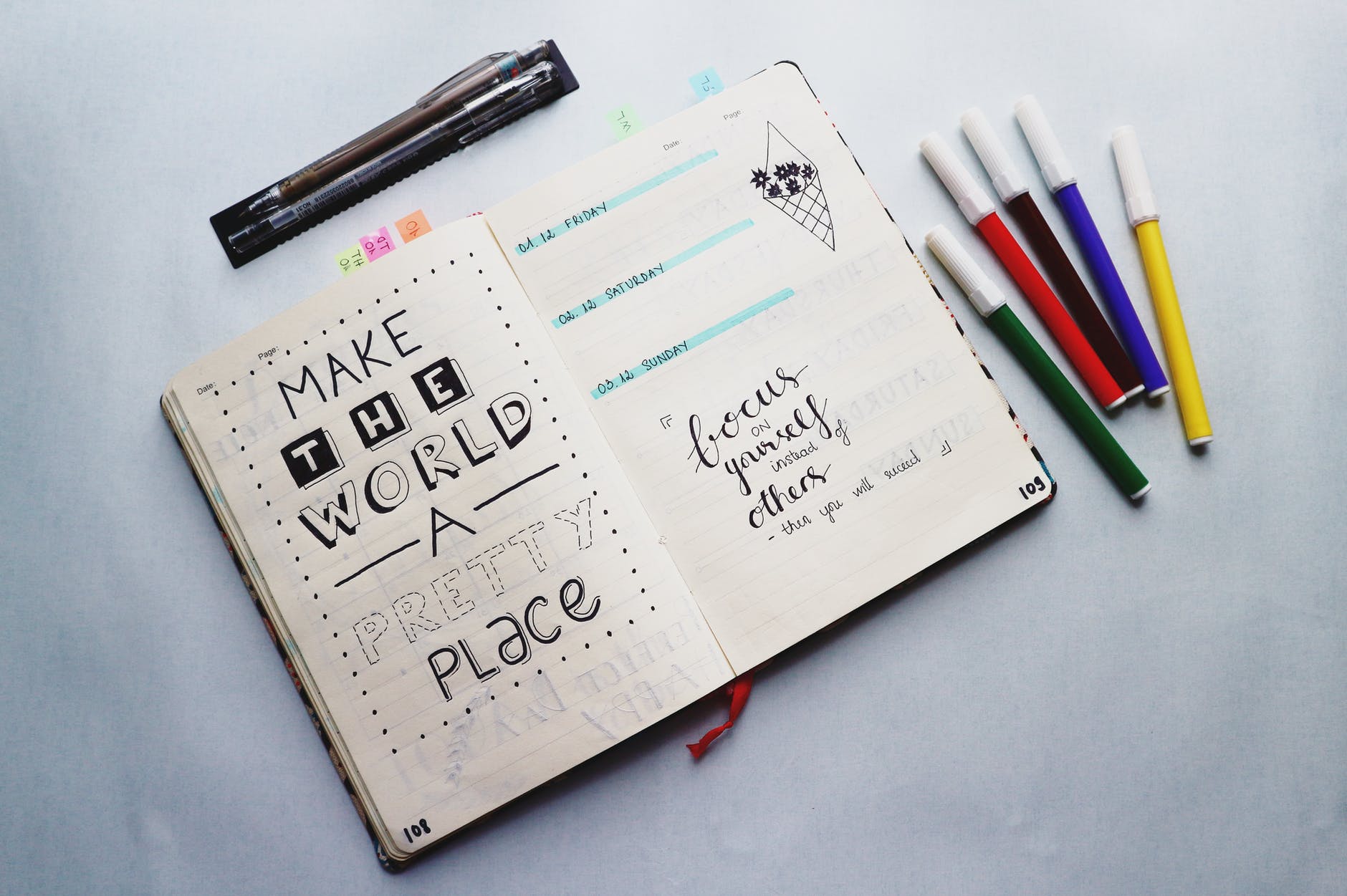
6 Write a journal

Photo by Bich Tran on Pexels.com

With the onset of digital world we have almost forgotten how to write. The only time we take up a pen is while writing our exams otherwise everything including notes are available on mobile phone. Writing has been included as one of the must to have skills. It helps you improve vocabulary and clarifies your thinking. Writing is a powerful skills that can help you get a wider perspective on thing and to influence other people. It gives you the power to frame your creativity and imagination on a piece of paper.

7 Do internships

Photo by Magnetme on Pexels.com

Internships play an important role whenever you apply for a job after all you need to have some experience and also it helps you learn new things related to the respective field. Big companies prefer students with a good number of internships over students with less or no experience in internships. So, take a Internship whenever you can.

8 Take a online course

Photo by Katerina Holmes on Pexels.com

Apart from school and college, there are so many online course available online, you can find and enroll yourself in any of them as per your interests. They will not only enhance your skills but they will provide you with a certificate as well that you can add in your resume. You can easily complete these courses while sitting in your home, you can turn your free time into a productive one.

9 Be socially active

Photo by Lisa on Pexels.com

Maintaining social relationships is equally vital as scoring good marks. You can’t excel in your life without relations. You need people to grow at times and being active socially helps you in a lot of ways like enhancing your communication skills, being up to date. If you are isolated from the outer world there are chances of you to feel depressed. So, for your mental, physical and social well being going out of the house once in a while is crucial.

10 Take up a hobby

Photo by Porapak Apichodilok on Pexels.com

Hobbies are always our best friends. They bring out the best in us, they give us way to express our creativity. They de-stress us and boost our mental health. Hobbies encourage us to have some ‘me-time’ and are like a mental escape from our daily routine. We don’t have to be perfect in something, we can always enjoy our hobbies as we like.

11 Watch series

Photo by John-Mark Smith on Pexels.com

Series or movies are not just for entertainment, many series are educational, motivational and good for mental health. They are a great stress relievers, and you can choose any genre from the heap of series like FRIENDS when you want to feel good, THE OFFICE when you want to laugh.They are also helpful in refining language skills. You can also connect with the characters and also you can write a review of the series it will upgrade your writing skills.

12 Listen music

Photo by Pixabay on Pexels.com

Music has proven to be mood uplifter. When we listen to our favorite music, our brain releases dopamine which promotes positive effects on mood. It reduces stress, anxiety and produces a positive effect on mind. You can even do you homework while listening to music on a low volume. Music is one the best way to kill boredom.

13 Take proper sleep

Photo by u0410u043bu0435u043au0441u0430u043du0434u0430u0440 u0426u0432u0435u0442u0430u043du043eu0432u0438u045b on Pexels.com

A full 8 hour sleep is as important as eating healthy and doing exercise. If the body doesn’t get proper rest all the above mentioned things will be in vain because improper sleeping schedule will affect your body and ultimately your studies. It will affect the brain function as well which will lower your concentration level. So, Keep all your electronics away at night and also eat light food to get a peaceful sleep.

STRESS- CAUSES, EFFECTS,SYMPTOMS AND TREATMENT

BY DAKSHITA NAITHANI

INTRODUCTION

Stress is a human emotion that is natural and affects everyone at some point in their lives. The human body is built to recognise and respond to stress. An individual’s body creates physical and mental reactions in response to changes or difficulties (stressors). It is any sort of change that produces physical, emotional, or psychological pressure. It may be caused by a variety of conditions or life events. When we encounter anything new, unanticipated which challenges our sense of self, or when we believe we have little control over a situation, it is frequently activated.

Your body’s stress reactions assist it in adapting to new conditions. A stress reaction, for example, may help your body work harder and remain awake longer if you have an important test coming up. When stresses persist without release or times of relaxation, it becomes a problem.

To some extent, everyone is stressed. We all handle stress in various ways which also has a significant impact on your wellbeing .Genetics, early life events, personality, and social and economic conditions can all influence our capacity to cope.

TYPES OF STRESS

Not all types of stress are harmful or even negative. Some of the different types of stress that you might experience include:

Acute stress:  We face this type of stress in daily life it is short term and can be either positive or distressing.

 Chronic stress: Chronic stress is a type of stress that appears to be never-ending and unavoidable, such as the stress of a physically demanding profession; chronic stress can also result from catastrophic events and psychological trauma.

Episodic acute stress: Acute stress that appears to be rampant and becomes a way of life, resulting in a life of constant distress, is known as episodic acute stress.

Eustress: Eustress is a thrilling and enjoyable experience. It’s a type of positive stress that can help you stay energised. It’s linked to adrenaline rushes, as when you’re skiing or rushing to reach a target.

CAUSES OF STRESS

There are numerous factors that might generate stress in one’s life. Work, economics, partnerships, parenthood, and day-to-day hassles are all common causes of stress. Workplace stress may also be detrimental to your psychological health. Workplace stress causes people to miss an average of 24 days of work each year due to illness.

Even life changes that are positive in nature such as moving to a larger house, getting a work promotion, or going on vacation can lead to stress. If you’re anxious in certain situations, you could have a hard time understanding why, or you might be hesitant to express your thoughts with others.

The fight-or-flight response, which is usually triggered by stress, is the body’s reaction to a perceived threat or danger. The fight-or-flight response, which was called for its capacity to enable us to physically fight or flee when faced with danger when is triggered in situations where both the responses are not appropriate, such as in traffic or during a stressful day at work. The relaxation reaction does not occur frequently enough in instances of chronic stress, and being in a near-constant state of fight-or-flight might harm the body.

HOW CHRONIC STRESS AFFECTS YOUR HEALTH

When you consider the influence stress has on your life, you can see the link between your mind and body. Physical health problems might arise when you are worried out about a relationship, money, or your living circumstances. It’s also true in reverse. Wellness issues, whether you have high blood pressure or diabetes, will have an impact on your stress level and mental health.

Heart attacks, arrhythmias, and even sudden death can be triggered by severe acute stress, such as being involved in a natural disaster or getting into a verbal altercation. Stress has an emotional impact as well. While mild anxiety or frustration may result from some stress, prolonged stress can lead to burnout, anxiety disorders, and depression. When under a lot of stress, your autonomic nervous system becomes overactive, which can harm your body.

SIGNS AND SYMPTOMS

Continuous activation of the stress response creates wear and tear on the body. When a person is under stress for a long term symptoms manifest themselves in the form of physical, emotional, and behavioural manifestations.

Physical symptoms of stress include:

  • Aches and pains such as chest pain or a feeling like your heart is racing.
  • Feeling exhausted all the time or having trouble while sleeping.
  • Having Headaches, High blood pressure, dizziness or shaking.
  • Muscle tension or jaw clenching (Grinding teeth)
  • Having various digestive problems.
  • It also results in a weak immune system.
  • Clammy or sweaty palms

Stress can lead to emotional and mental symptoms such as:

  • Anxiety or irritability.
  • Depression.
  • Panic attacks.
  • Sadness.
  • Changes in mood

Identifying Stress

Having stress for long-terms has also been related to various gastrointestinal diseases including Irritable Bowel Syndrome (IBS) or stomach ulcers, as well as cardiovascular illness, according to certain studies.

Stress may originate from a variety of places, but even little everyday pressures from job, school, family, and friends can have a negative impact on your mind and body.

If you think it might be bothering you, there are a few things you can look for:

  • Difficulty concentrating, worrying, anxiety, and difficulties remembering are all psychological symptoms.
  • Anger, irritability, moodiness, and frustration are examples of emotional indicators.
  • High blood pressure, weight fluctuations, frequent colds or infections, and changes in the menstrual cycle and libido are among physical symptoms.
  • Poor self-care, not having time for the activities you like, or depending on drugs and alcohol to cope are all behavioural markers to look out for.

TREATMENT

There is no one particular therapy for stress because it is not a separate medical diagnosis. Change the environment, improve stress coping abilities, apply various relaxation techniques and treating conditions that may have been created by chronic stress are all part of stress treatment.

Psychotherapy, medication, and complementary and alternative medicine are some of the therapies that may be beneficial.

HOW TO COPE WITH STRESS

Stress is unavoidable, but can be managed. One can take control of their health and decrease the influence stress has on life once they understand the toll it takes and how to battle it. You can’t escape stress, but you can keep it from becoming overwhelming by using the following methods on a regular basis:

  1. Exercise

Regular exercise is one of the most effective methods to calm your body and mind. Plus it will also lift your spirits. Work up to 2 hours and 30 minutes of moderately intensive activity, such as brisk walks, or 75 minutes of rigorous exercise, such as swimming laps, running, or participating in other sports. Focus on creating realistic fitness goals so you don’t give up.

  • Relax Your Muscles

Your muscles stiffen up when you’re anxious. Stretching, getting a massage and other self-care activities can help loosen them up and rejuvenate your body. Taking a hot bath or shower is a great way to relax. Having a restful night’s sleep is also very important.

  • Deep Breathing

Stopping and taking a few deep breaths can immediately relieve stress. Once you get the hang of it, you’ll be amazed at how much better you feel. Simply take these five steps:

  • Sit with your hands in your lap and your feet on the floor in a comfortable posture.
  • Close your eyes for a moment.
  • Consider yourself in a soothing environment. It may be on the beach, in a lovely field of grass, anyplace else that helps you feel calm.
  • Slowly inhale and exhale deeply.
  • At a moment, do it for 5 to 10 minutes.
  • Eat Well

Eating a good well-balanced, regular diet will make you feel better overall. It may also aid with mood regulation. For energy, your meals should include plenty of vegetables, fruit, healthy grains, and lean protein and make sure you don’t forget any. 

  • Slow Down
  • 5 to 10 minutes ahead of time, set your watch. You’ll be able to arrive a bit earlier and avoid the worry of being late.
  • Switch to the slow lane if you’re travelling on the highway to prevent road rage.
  • Break down projects into manageable chunks. If you don’t have to, don’t try to respond to all 100 emails; instead, respond to a handful of them.
  • Take a Break

 To give your mind a break from stress, schedule some genuine leisure. It may be difficult for you at first if you are someone who enjoys setting objectives for the day. But if you stay with it, you’ll come to like these times. Meditation, Yoga, Tai chi, Prayer, Listening to music, and spending time in nature are all relaxing activities.

  • Make Time for Hobbies

You must schedule time for activities that you like. Every day, try to do something that makes you happy, it helps you to relax. It doesn’t have to take a long time; 15 to 20 minutes would suffice. Reading, knitting, doing an art project, playing golf, watching a movie, doing puzzles, and playing cards and board games are all relaxing activities.

  • Talk About Your Problems

If anything is troubling you, talking about it might help you relax. Family members, friends, a trustworthy priest, a doctor, or a therapist are all good places to start.

So, when you’re worried, pay attention to what you’re thinking or saying. Change the negative message you’re sending yourself to a positive one. Don’t tell yourself, “I can’t do this,” for example. Instead, tell yourself, “I can do this,” or “I’m doing the best I can.”

  • Go Easy On Yourself

Accept that no matter how hard you strive, you will never be able to achieve everything with perfection. So, do yourself a favour and quit being hard over yourself and stop overestimating your abilities. Also, remember to retain your sense of humour. Laughter is one of the most effective ways to relax.

  1. Eliminate Your Triggers

Determine the main sources of stress in your life. Is it your job, your commute, or your schooling that’s the problem? If you can figure out what they are you may get rid of them or at least decrease them in your life.

“How Does it feels to be a Single Child”

Childhood is the phase of life where our heart & soul truly resides. The time span of childhood is always precious, indescribable, tension- free and THE BEST. The time we spent in our childhood can never be compared to any phase of our life. Childhood is something which we will cherish for the rest of our life, it is probably the best time we all had in our whole life span. For some children, it might be a scary one also, but the things we learned and did in our childhood are absolutely unforgettable and always has a special place in our heart. Everyone has a different childhood, so I can only relay what it was like for me growing up as a single child. Being a single child consists of mixed emotions,at one point of time you enjoy being a single child, but when you become an adult , when you have so many things going on in your mind, when you literally want your person to listen to your feelings and the things that are going on, it hits you when you realise that you are all alone in this and there’s no one to listen and it literally breaks your heart. It is the only time where every single child might have felt the need of a sibling. Being a single child is never ever easy, spending the childhood all alone has mad a habit of being alone, and to be in your own little world. Having no siblings definitely affects the childhood and the adulthood of the person.

The phase of a childhood – where a small kid needs someone to play with, to share things with, to fight with, to make lifetime memories with, to get clicked doing some stupid stuff and later cherishing them, to care, to fight for the chocolate and what not.. but having no siblings means no one to play with or to do any of these things with, which completely affects the childhood of the person, it made the person to live alone, to entertain himself or herself, to play alone, to eat alone without any fight, to do every thing which developed a habit of being alone. Being alone is something very terrible, but for all the single child out there it has become a part of life for us, where for some children being alone is something very terrible for them, but for us, being lonely, soothes us and has become our comfort zone now. At some point we might have cried for being alone or having no siblings, but later when we learned to live alone, to play alone it become a part of our daily life, a part of our personality. In the adulthood phase, the need of having atleast one sibling hits the most, specially when you have no one to discuss your personal issues, trauma and fears. Though we cannot share everything with our parents. We literally need our person who has the same genes, same thought process. Adulthood is the phase where we face a lot of rejections , heartbreaks, we lose friends, denials and it is the age where we might lose one of our parent, the need of a sibling can be truly felt here only, when there’s no one to discuss your inner feelings or someone to guide you for the future, to atleast gives you a surety that, “everything will be alright”, that ,“I’m here” but then it hits you that you are all alone in this, that only you’ve got some serious responsibilities of your parents of their future and that you are all alone in this, you become hopeless and helpless when there’s no one to share about what’s going inside, what’s eating you. No one who knows you completely, who knows your innermost fear and insecurities. It is the time where you feel the need of having a sibling the most, but all you can do is nothing, you have to be strong in this, you have to feel comfortable in being alone, you have to do all the things alone. This is the time where a person’s heart breaks inside. Being a single child is never too easy, it is something we have to adjust in, to get comfortable in. Afterall, it’s not at all easy to spend your childhood all alone while seeing your friends having fun with their siblings, it something that hits you from inside. Being a single child means being all alone since the day you born without any sibling, being alone is something that made the child a bit mature than when the child is assumed to be.

I learned very early on how to entertain myself.I’m often asked if I was lonely growing up without siblings. I really wasn’t. Without siblings around to play with, I was forced to figure out ways to entertain myself. As a young child I enjoyed building things, usually with LEGOs and many other things like that. I also liked to draw, even though I was never particularly good at it. As I got older, I became very interested in computers, which became something that could infinitely satiate my desire to build and learn.

I was very curious about why I didn’t have a brother or sister. Growing up, all of the kids in my neighborhood had siblings and that confused me. I remember asking my parents why I didn’t have a brother or sister and them more or less saying that the reason I didn’t have a sibling is simply because I just didn’t have a sibling. One time after seeing a TV show about long-lost siblings reunited, I became obsessed with the idea and questioned my mom for a while about the possibility of me having a long-lost twin. At the time, I was confused how she could be so sure that I didn’t.

I never had to fight for my parents’ attention. I never felt like I was competing with anyone or anything for my parents’ attention. Whenever I needed to or wanted to talk about something, I had an attentive parent. As a result, I was always fully supported in my major interests. My mother and father has done their best to make me comfortable of doing everything alone. Instead of a sibling, my father used to eat the food made up of the paper from my kitchen set, he never complained and he literally enjoyed eating paper just for me. Both of them made my childhood easier and funnier, they both has also played the role of a sibling that I always needed.

My parents were often over-protective. From what I’ve observed, later siblings usually get more leeway than older siblings do. Parents, after the first few times around, figure out what children can actually handle at what ages and aren’t as scared to let them make mistakes. My parents weren’t terribly strict, but they often worried about me making mistakes, not because I was irresponsible or untrustworthy, but simply because I was the only child.

I like attention and want my accomplishments to be recognized. Growing up, every little thing I accomplished was celebrated, no matter how trivial. Moreover, I often listened to my parents bragging about how I accomplished this or that or the other thing to anyone who would listen. Now, like a stereotypical only child, I feel a need for my accomplishments to be called out and recognized for their importance.

I grew up always in my head. I had a lot of alone time, which meant I had a lot of time to think about everything, with no one around to distract me from it. I was (and still am) always in my head. I analyzed and over-thought everything. I was often in a state of worry. I had a lot of trouble sleeping as a teenager, because I was unable to turn off my thoughts and get into a restful place.

Importance of Meditation

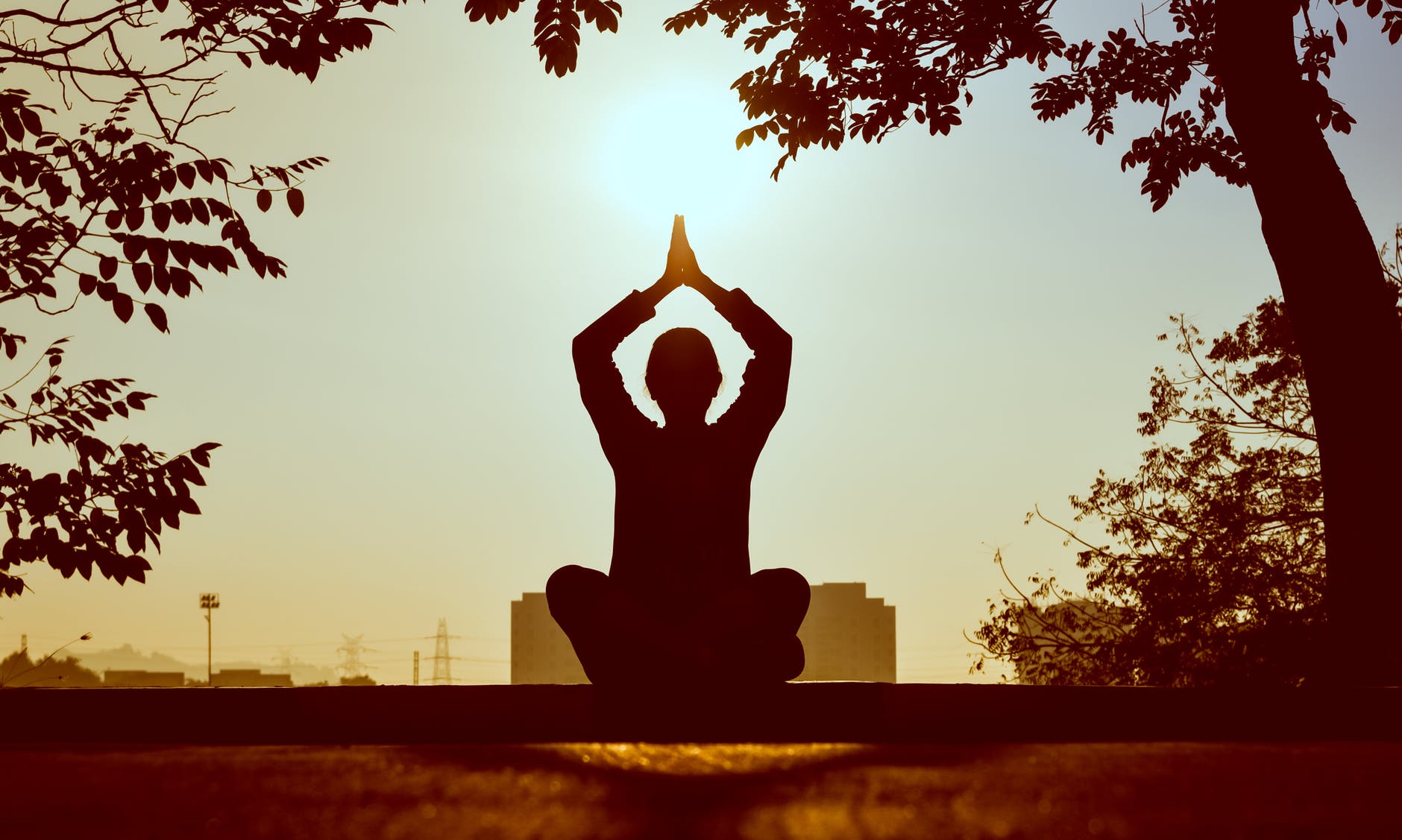
When we hear the word meditation, we feel like we have to get immersed in a deep concentration. We feel like we have some magical powers for the same. But today I am here to brief you about what meditation is. It is a calm and lovable state of mind. It is a journey of slowing your thinking process and also a path towards positive thinking. So, meditation is a state of mind which should incorporated in your life. In times of crisis, where the pandemic has significantly affected our mental health ,we should spare at least 5 mins wherein we could sit in peace, let the thoughts and emotions flow. 
Photo by Prasanth Inturi on Pexels.com

So yes , it is rightly said that we thrive every moment to turn our lives into a positive direction. 
But only a calm, relaxed and blissful mind can pave the way for a successful and well lived experience on this planet. To do so , we have to acknowledge and adopt meditation in our culture.

Now let’s take a look at some benefits of meditation 1- regular meditation helps in coping with anxiety attacks- practicing meditation decreases grey matter in the areas of the brain associated with fear and anxiety, and increases grey matters in areas where compassion and love exist. 

2- helps in getting rid of unwanted/ negative thoughts- As an idol is created after removing unwanted stones, in the same way, meditation helps you to remove unwanted thoughts and a beautiful personality comes before everyone. 

3-Meditation improves concentration and memory- the calmer the mind is , the more you can focus on things and see them clearly ; which also makes it easier to remember. 

4- increases your productivity- when you’re in a peaceful state of mind , you would be able to determine which tasks are most important and which aren’t urgent.

To conclude, when we start meditating we start seeing significant changes in our life. Therefore, start meditating today to live a stress free , productive life.
Teenagers & Anxiety

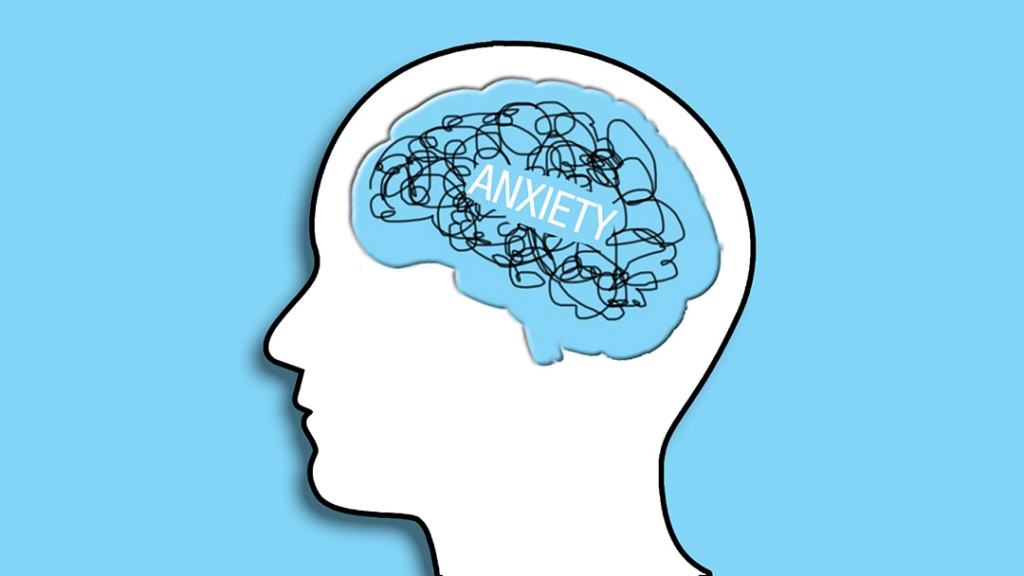
All teens experience some amount of anxiety at times. Anxiety is actually a normal reaction to stress, and sometimes it helps teens deal with tense or overwhelming situations. For many teens, things like public speaking, final exams, important athletic competitions, or even going out on a date can cause feelings of apprehension and uneasiness. They may also experience an increase in heartbeat or excessive sweating. That’s how the brain responds to anxious feelings.

For some teens, however, anxiety can go beyond these typical symptoms to negatively affect friendships and family relationships, participation in extracurricular activities, and even their schoolwork. When feelings of anxiety interfere with normal daily living, the presence of an anxiety disorder should be considered. According to the National Institute of Mental Health, approximately 25% of 13 to 18-year-olds have an anxiety disorder, and just under 6% have a severe anxiety disorder.

Given that teens experience a wide variety of physical and emotional changes as they grow, an anxiety disorder can be difficult to spot. Many red flags may seem like usual teens struggles or be chalked up to hormones. Watch for these hidden signs of anxiety in your teens :

1. Emotional Changes to Watch Out For in Teens

While some anxious teens express feelings of pervasive worry, others experience subtle emotional changes such as :

  • Feeling “keyed up”
  • Feeling on edge
  • Irritability
  • Difficulty concentrating
  • Restlessness
  • Unexplained outbursts

2. Social Changes

Anxiety can negatively affect friendships. If your once social teen suddenly avoids his favourite activities or stops making plans with friends, think twice. You might notice that he/she is :

  • Avoiding social interactions with usual friends
  • Avoiding extracurricular activities
  • Isolating from peer group
  • Spending increased time alone

3. Physical Changes

Many of the physical complaints that can occur with an anxiety disorder mimic average teen complaint, which tend to increase as they get older. Pay attention to patterns. A couple of headaches here and there shouldn’t be a cause for concern, for example, but frequent headaches are a red flag. Watch for these common psychosomatic complaints :

  • Frequent headaches, including migraines
  • Gastrointestinal problems
  • Unexplained aches and pains
  • Excessive fatigue
  • Complaints of not feeling well with no obvious medical cause
  • Changes in eating habits

4. Sleep Disturbances

Teens aged 13 to 18 get 8 to 10 hours of sleep on a regular basis to promote optimal health. It is also recommend shutting down screens 30 minutes prior to bedtime, and removing all electronics from the bedroom.

It’s no big secret that homework demands, changing brain structure, extracurricular activities, and screen time can all cut into the sleep habits of teens. Therefore, it can be difficult to know whether fatigue is a product of anxiety or of a busy schedule. Watch for these red flags :

  • Difficulty falling asleep
  • Difficulty staying asleep
  • Frequent nightmares
  • Not feeling refreshed after sleep

5. Poor School Performance

Given that anxiety can affect everything from sleep habits to eating habits to missing school due to physical issues, it should come as no surprise that poor academic performance can also result from untreated anxiety. School avoidance, missed days due to anxiety-related illness, and persistent worry can make it difficult for anxious teens to keep up with their workload. Watch for these changes in your teen :

  • Significant jump in grades (usually downward)
  • Frequently missed assignments
  • Describes feeling overwhelmed by workload
  • Procrastinates on, or has difficulty concentrating on, homework assignments more than usual

6. Panic Attacks : Know the Symptoms

Not all anxious teens experience panic attacks, and some experience mild symptoms of panic without enduring a full panic attack. The following symptoms are common among people with anxiety disorders :

  • Rapid heartbeat
  • Sweating and trembling
  • Dizziness
  • Upset stomach
  • Difficulty breathing
  • Chest pain
  • Feeling like they’re dying
  • Feeling like they’re “going crazy”
  • Numbness or tingling in arms and legs
  • Derealization.

MUSIC : THE WONDER OF THE BEATS

Woman Wearing Black Sleeveless Dress Holding White Headphone at Daytime

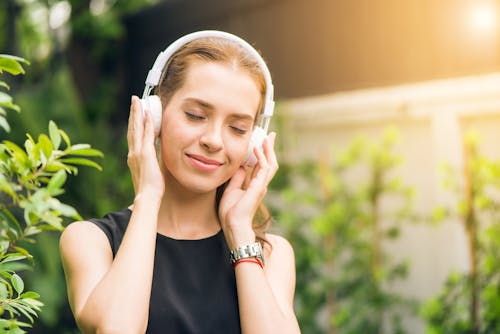
In the world that we live in today, we are always surrounded by music everywhere. From slow to fast, calm to upbeat, from rock to hip-hop to metal and country, people all over the world appreciate the music in all its different forms, style and distinctiveness. Music connects people all over the world, whatever language or genre that it may have. It carries a universal message of love and togetherness that unites people from different parts of the globe, as they find a common hobby to bond over amidst all the differences and diversity they may have among themselves. We do not overexaggerate when people claim that “Music has saved them”. It is like a boat in the middle of the storm of life that helps them sail through the difficult time with ease and offers them a place to relax and unwind, allowing them time to reflect and introspect to understand themselves a little better. Music is a remedy for all of us and it accepts us with open arms wherever we go.

Some of the ways in which music is beneficial are mentioned below. They are as follows:-

IT HELPS YOU CALM DOWN

Amidst the race and chaos we call life, we may not always get the time to relax and take out time for ourselves. In such situations, music can be our savior. A number of studies have suggested that listening to slow music for a minimum of 15 minutes a day can really help us ease down a bit, allowing our bodies to relax and live in the moment.

So, whenever you feel stressed, make sure to put your favorite tunes on and just relax!

MUSIC MAY HELP YOU IMPROVE YOUR PERFORMANCE WHILE EXERCISING

Often, people prefer listening to upbeat and groovy music while trying to get in a workout. This is highly beneficial as it can truly help us stay motivated to give our best while doing exercise and may help us improve our daily performance. Many researches have shown that listening to happy and motivational music may help us get motivated to run even faster while running as well as help build our strength and stamina.

MUSIC CAN HELP ELEVATE YOUR MOOD

Scientific studies have shown that music can actually help release dopamine, a feel good hormone, in our body and improve our mood a lot. Henceforth, listening to music about 30 minutes a day can make us significantly happier and elevate our mood!

MUSIC IS GOOD FOR YOUR HEART

A number of scholars and professionals have stated that while music does make US happy, it also makes our heart happy too. This evident through the fact that listening to music helps the blood in our body to flow more easily and efficiently, while at the same time, it lowers our blood pressure as well. Not only this, listening to music can also help in lowering the cortisol levels in our body as well as increase the production of serotonin in our lood stream, making us less stressed and happier.

So, listen to music everyday while enjoying the journey of life!

Technology in alliance with Health

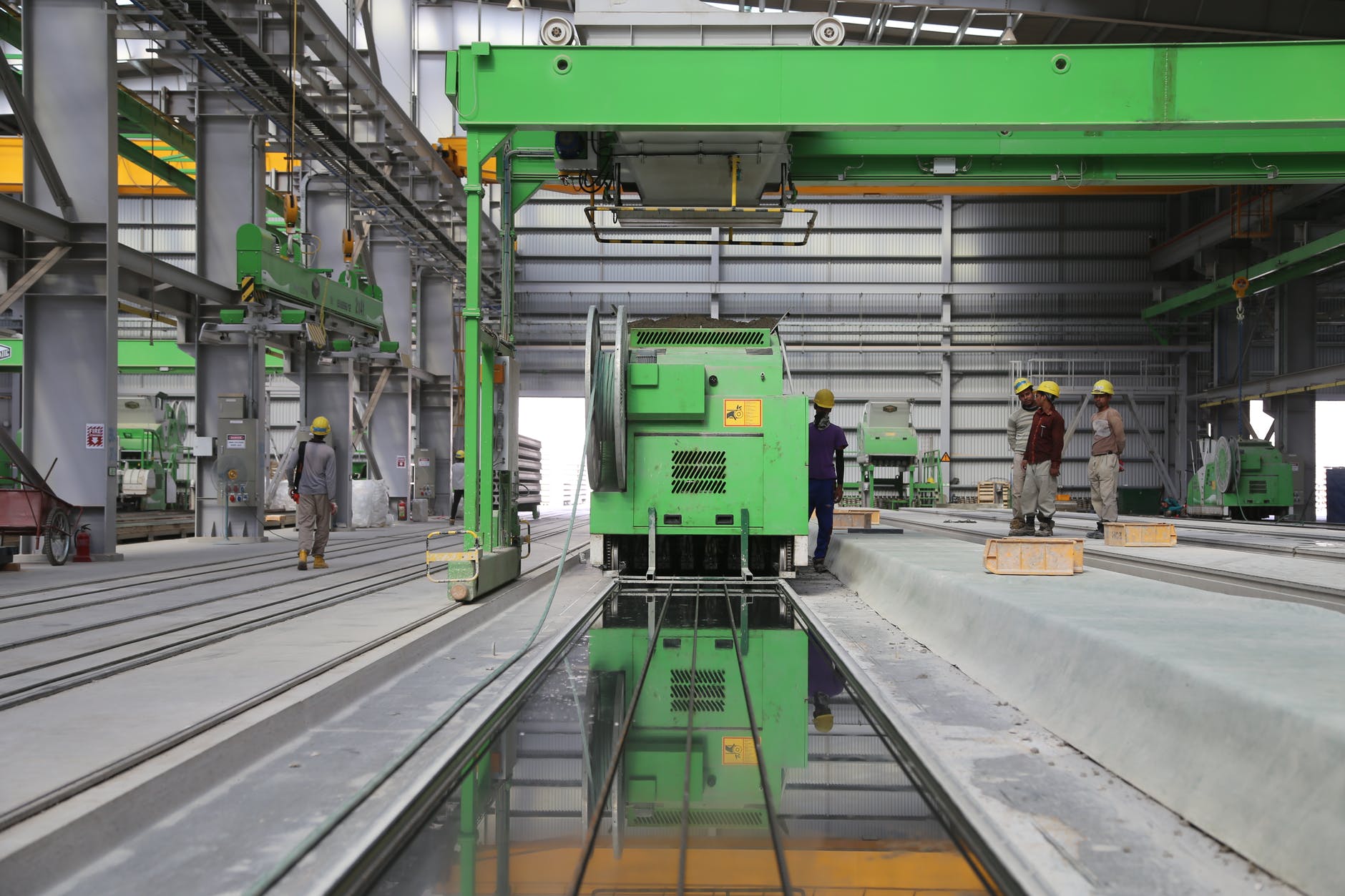
The world is moving at a fast pace and so is the technology. The developments are taking place all over the globe with the help of new technologies being invented to solve problems and increase efficiency. It makes operations easy and simple. But it is taking shape of a new trend where machines are valued more than human resources. Robots are being developed to challenge the human ability. We are not much far from the time where everything would be done by the robots and people would just stare them doing tasks. Even the small and simple work are now being outsourced to machines, be it at workplace or casual areas.

Photo by Anamul Rezwan on Pexels.com

This is promoting laziness among the people. The advancement of technology is providing comfort without any hard-work. From cooking to cleaning to switching on the ACs, everything is being done by just a click of the remote. The factories as well as home are covered with machines and automated equipments. This can have effects on health of people. It was the earlier times when people used to be healthy and fit because they did all work by themselves with full dedication. There were hardly any machines and that too to compliment their hard work. Now that development is taking place, it is somehow being misused for the sake of comfort and less is taken care of health. Being on the couch the whole day, ordering fast food from restaurants and spending the day without doing any work has become a habit now. Procrastination and refusal are key factors ruling the life now-a-days. There are no considerable movements physically that can support a healthy life and make the body work.

It is essential for the body to work to its full capacity otherwise one may face bad health physically as well as mentally. The structure of a human body is designed to work. The technology better be used for global accomplishments and improving the condition of the place we live. The garbage collection is something which can harm the health of people involved in it and therefore, we should bring out effective measures to solve this problem through technological assistance. It would be useful enough regardless employing tech devices to do services of waiter in restaurants, etc. It requires high intelligence and costs to make up machines or robots and that the efforts should be respected and directed towards more important issues and present concerns.

Photo by ThisIsEngineering on Pexels.com

Development not only refers to building up good infrastructure but also to skilled human resources and their well being. It is seen mostly people involve in mental work ignoring the importance of physical exercise, etc. Working all day long on the work desk is not good for health. It puts a lot of pressure to the mind and freezes the body restricting flexible movements.

Usage of tech devices that build up laziness should be avoided in daily life. Outsourcing of work should be done where it is required and not when you wish to escape physical involvement unnecessarily.
TIPS FOR MOTIVATING YOURSELF

Multicolored Bontainer

We all in need some form of motivation in our lives to keep on living to our fullest and ensure that we make sure that we do our best all the time. We wake up everyday with a motivation in our mind to seize the day.Ranging from the desire to finish a project on time, to wanting to shed those extra pounds, motivation is quite essential for us so that we remain consistent in our efforts to achieve our dreams and make them a reality. However, sometimes we may not feel good or may not able to perform to the maximum of our potential. We may sometimes slack off or laze out our days instead of getting that project finished before the deadline or study for that important text that may define our grades. In such cases, we really need that extra dose of motivation to get the task done smoothly and efficiently.
If you too are feeling low on motivation, try some of the tips discussed below that may help you to get it back so that you can do your best and follow your goals. They are as follows:-

PLAN OUT YOUR SCHEDULE

Black and White Laptop

If we want to achieve a goal smoothly, we need to make consistent efforts to ensure it. In such cases, spontaneous bursts of energy may be quite useful but they do not work out in the longer run. Here comes the importance of planning; organising and making map of your entire game plan before beginning with the preparation may be extremely useful and make our work a lot easier. This ensures that we know exactly what we are doing and that in the end, we don’t get loaded with all the pending work. Furthermore, we get time on our hands so that we can remain calm and collected instead of panicking at the last second.

MAKE GROUPS

Group of Women Doing Work Out

Becoming a part of study groups online or offline, can really help you to be consistent. This is due to the fact that these groups are highly motivating and influential in a way that they hold us accountable for our progress and we also get platform where we can talk about certain blocks we might be facing and even get solutions to any problems we may face.

TAKE BREAKS

Focused businesswoman in wheelchair using smartphone in cafe

One of the major reasons why people back-out from things is simple: burnout, due to excessive work load. People often tend to over work themselves and get exhausted, losing any further willingness to complete their task. In such situations, it is advisable to take break and chill out, instead of going on-and-on with your work. Not only this, it may also help improve our productivity to a higher level. We may not feel tired from our work and perform to our maximum potential if we give ourselves time to rest and recover. Often, consistent efforts are required rather that doing all hr work at once and then not proceeding with it at all.

So, make sure to take care of yourself and work smarter not harder!