How Mental health affects your body?

We all feel under the weather from time to time, but if you have been feeling emotianlly drained for a long length of time, then it is likely you are suffering from a mental disorder and you should immediately consult with an expert. Ignoring your mental health can have negative impacts on your physical health as well.
Here are 5 common impacts that your mental health can impose on your body –

1) Weight fluctuation
Mood disorders can often lead to you eating more and less and not maintaining a proper balanced diet and henceforth can result in weight gain and weight loss.

2) high blood pressure
Extreme stress can cause your blood pressure levels to rise up and leave you feeling tired and weak.

3) Insomnia
Poor mental health can cause you difficulty to sleep and lack of proper sleep can disrupt your daily schedule.

4) Drugs and Smoking
People with mental health conditions often resort to drugs, liqour and smoking in order to avert their problems and feel at ease. This in turn proves detrimental to their health. Expert consultations are always recommended in such cases.

5) Weak Immune System
Poor mental heath can weaken your immune system making you more vulnerable to get colds and other infections.

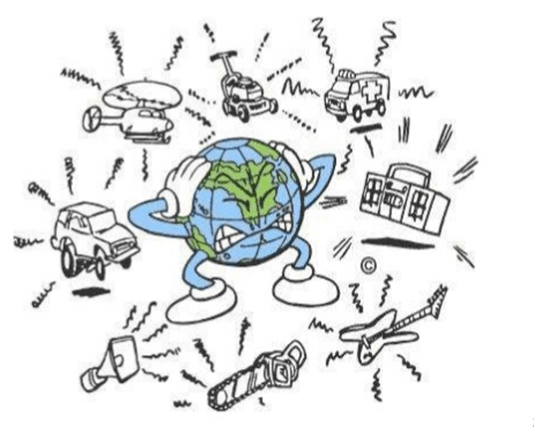
Noise Pollution- Causes, Effects & more

Noise is usually defined as unwanted sound or a sound without value that causes discomfort to the listener. Noise is usually measured in units of decibels and is denoted by dB.

1. On human beings:-

Mental health

Exposure to intense levels of noise can cause personality changes and violent reactions. Noise has also been shown to be a factor that attributed to violent reactions. 
Psychological health effects from noise include depression and anxiety stress. Individuals who have hearing loss, including noise induced hearing loss, may have their symptoms eased with the use of hearing aids. Individuals who do not seek treatment for their loss are 50% more likely to have depression than their aided peers. These psychological effects can lead to detriments in physical care as reduced self-care, work-tolerance, and increased isolation.

Physical health

Exposure to loud sound or longer exposure causes threshold shift. Noise-induced threshold shifts are seen as a notch on an audiogram from 3000 to 6000 Hz, but most often at 4000 Hz.
Exposure to loud noises, either in a single traumatic experience or over time, can damage the auditory system and result in hearing loss and sometimes tinntius as well. Noise induced hearing loss is sometimes unilateral and typically causes patients to lose hearing around the frequency of the triggering sound trauma.

2. On animals:-

Marine animals

Two main reasons that make an environmental impact of noise in marine life a grave are – 1. Noise travels much more in water, covering greater distances than it would do on land while travelling though air, and secondly because the marine life is extremely sensitive to noise pollution and an absence of any mechanism to safeguard them against it, underwater noise pollution disrupts marine life in more serious ways.

The deaths can occur because of haemorrhages, changed diving pattern, migration to newer places, and damage to internal organs and an overall panic response to the foreign sounds. There is also a disruption in normal communication between marine animals because of underwater noise pollution. This means animals prone to noise pollution cannot call their mates, look for food or even make a cry for help under such circumstances.

Birds

Anthropogenic noise, emitted from the oil and gas compressors, is becoming a global issue. The idea of the study was to measure the stress levels of the birds compared to the distance they were nesting with the oil and gas compressors.

So much so that they were showing Post Traumatic Stress Disorder-like (PTSD) symptoms. In the birds, their corticosterone levels were relatively low. And that isn’t exactly what you would expect to see in a high-stress situation. This is likely to be what was happening with the birds. It triggered health defects such as stunted growth, issues with their reproduction, and fewer feathers on the birds. Their ability to hear predators also seemed to be jeopardised because of the noisy surroundings.

Preventive measures to reduce noise pollution

  • Factories should be established away from the settlements.
  • Settlements should be located 20 kms away from the mining areas and coal areas.
  • Explosives should be not used in mountainous, forest and mining areas.
  • Use of horn in public places should be banned.
  • The sound of musical instruments should be controlled to desirable limits.
  • The use of sound amplifiers of high power should be banned in religious events.
  • The use of sound absorber tiles should be encouraged in the construction of multi-storeyed buildings.
  • In industrial, commercial and hospital buildings, adequate soundproof systems should be installed.
  • Intensive plantation should be made in the entire building complex.
  • Planting green trees along the roadside reduces the intensity of noise pollution.
  • Protective tools should be provided for workers.
  • Legal provisions should set limits on noise and control over noise pollution.

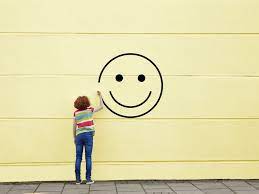
Positive Psychology

Positive psychology is one of the newest branches of psychology to emerge. This particular area of psychology focuses on how to help human beings prosper and lead healthy, happy lives. While many other branches of psychology tend to focus on dysfunction and abnormal behaviour, positive psychology is centered on helping people become happier. Positive psychology is designed to “complement and extend the problem-focused psychology that has been dominant for decades,” explained the late Christopher Peterson, author of “A Primer in Positive Psychology” and professor at the University of Michigan, in a 2008 article published in Psychology Today. “Positive psychology is…a call for psychological science and practice to be as concerned with strength as with weakness; as interested in building the best things in life as in repairing the worst; and as concerned with making the lives of normal people fulfilling as with healing pathology,” Peterson wrote.

According to leading authorities in the field, Martin Seligman and Mihaly Csikszentmihalyi, positive psychology will help achieve “scientific understanding and effective interventions to build thriving in individuals, families, and communities.” In order to understand the field of positive psychology, it is essential to start by learning more about its major theories, applications, and history.

History of Positive Psychology

“Before World War II, psychology had three distinct missions: curing mental illness, making the lives of all people more productive and fulfilling, and identifying and nurturing high talent,” wrote Seligman and Mihaly Csikszenmihalyi in 2000. Shortly after WWII, the primary focus of psychology shifted to the first priority: treating abnormal behavior and mental illness. In the 1950s, humanist thinkers like Carl Rogers, Erich Formm and Abraham Maslow helped renew interest in the other two areas by developing theories that focused on happiness and the positive aspects of human nature.

General interest in positive psychology has grown tremendously since the concept was introduced. Today, more and more people are searching for information on how they can become more fulfilled and achieve their full potential.

Uses

Positive psychology can have a range of real-world applications in areas including eduction, therapy, self-help, stress management, and workplace issues. Some of the major topics of interest in positive psychology include: Character strengths and virtues, Flow, Gratifications, Gratitude, Happiness, Pleasure, Helplessness, Hope, Mindfulness, Optimism, Positive thinking, Resilience .

Impact of Positive Psychology

Some of the major findings of positive psychology include: Money doesn’t necessarily buy well-being, but spending money on other people can make individuals happier, People are generally happy, Some of the best ways to combat disappointments and setbacks include strong social relationships and character strengths, While happiness is influenced by genetics, people can learn to be happier by developing optimism, gratitude, and altruism, Work can be important to well-being, especially when people are able to engage in work that is purposeful and meaningful.

Potential Pitfalls

Positive psychology is often confused with positive thinking, and misconstrued as self-help tactics rather than research-backed theories. Positive thinking is a way of thinking ourselves into better behavior and greater resilience, rather than behaving our way into a different frame of mind. Positive psychology, on the other hand, is the scientific study of what makes people thrive. It focuses on behaviors that can lead to a more optimized frame of mind as well as on thought patterns that lead to more functional behaviors.

PROCRASTINATION

Procrastination is one of the most significant roadblocks to waking up, making the proper decisions, and living the life you’ve imagined.

According to recent studies, people regret the things they haven’t done more than the things they have done. Furthermore, regret and guilt associated with squandered opportunities tend to linger considerably longer. All of our opportunities appear to be at our fingertips at times, but we can’t seem to get to them. When you procrastinate, you are wasting time that could be spent on something more productive. If you can defeat this formidable foe, you will be able to achieve more and better harness the potential that life has to offer.

We already know that today’s world encourages procrastination, making understanding how to fight it one of the most valuable skills you can acquire. As a result, procrastination is the polar opposite of punctuality. A punctual person accomplishes what has to be done exactly when it needs to be done; a dilatory person never does anything when it needs to be done, preferring to postpone it until tomorrow, next week, or next year. If procrastination is not firmly checked, it quickly develops into a poor habit, making punctual performance of everyday responsibilities impossible. It could be due to simple laziness and a reluctance to work when it is inconvenient, or it could be due to the delusion that there will be enough time in the future to do all of our tasks.

How can you overcome procrastination?

Stop being so pessimistic: People delay for a variety of reasons, one of which is that they catastrophize, or make a big deal out of a minor issue. The underlying idea is that executing the activity will be “unbearable.” It could be related to how difficult, boring, or painful it will be to do the task. Challenges, monotony, and hard labour, in actuality, will not kill you, nor will they make you sick. Procrastination, on the other hand, is linked to stress—imagine how stressed you are when you put off making a phone call you know you need to make. Put things in perspective: “This isn’t my favourite task, but I’ll finish it.”

Concentrate on your “why”: Procrastinators are more concerned with short-term rewards (avoiding the task’s unpleasantness) than with long-term outcomes (the stress of not doing it, as well as the consequences of avoiding this task). Instead, concentrate on why you are performing this task: What are the advantages to finishing it? Imagine how good it will feel to go into a decluttered closet if you’ve been putting off clearing it out.

Keep your expectations in check: Set yourself up for success as you create your schedule. Projects can take far longer than anticipated, so plan ahead. Also, search for ways to make your life easier: If you’re not a morning person, don’t expect to get up an hour earlier to begin a fitness regimen you’ve been putting off for months. That exercise might be better scheduled during lunch or before dinner.

Chunk it: When a task appears to be too demanding, procrastination is common. So, how do you divide that project down into smaller, more manageable chunks? If you want to write a book, for example, you could prepare an outline, identify each chapter, determine the portions inside each chapter, and then commit to writing one segment at a time. Things will make you feel less overwhelmed and more empowered if you break it down like this.

Optimize your environment: Your surroundings can either help or hurt your productivity. Keep an eye out for technology that keeps pinging to let you know someone has contacted you, such as your email or messenger. Procrastination can be caused by social media, internet “research” that takes you off course, and phone calls.

Forgive yourself: Stop berating yourself for the mistakes you’ve made in the past. Things will only get worse if you think things like “I should have begun sooner” or “I always procrastinate; I am such a failure.” According to research, forgiving yourself for past procrastination can help you stop procrastinating on a task. You can also try to capitalise on previous procrastination. How? Determine what caused your avoidance—fear, stress, a lack of understanding of how to move forward, a lack of accountability, and so on. Then, in the present and future, confront those difficulties

PEER PRESSURE

Peer pressure refers to the pressure to follow societal norms and do what is right. Peer pressure is a significant issue that is frequently overlooked. When a girl or a boy reaches the age when they are regarded “ready” to marry, peer pressure plays a major impact. Peer pressure begins to act on someone who is not married according to society conventions. It’s a significant issue since many individuals, even if they don’t like it, do things out of peer pressure.

When graduates begin seeking for work, this is an example of peer pressure. When the majority of people work in mainstream organizations, a person who wants to go outside the box and do something unusual faces a lot of peer pressure. Children want you to purchase them toys or clothes so that they can be loved by their peers. Later in adolescence, individuals may feel pressured to participate in certain activities, such as dance or sports, because most of their peers do. Under the influence of the “popular” kids, they may desire to emulate anti-social habits like bullying, smoking, or even drugs.

Peer pressure has a major influence on a child’s behaviour during his or her adolescent years, as well as in later adulthood. Peer pressure that is healthy can be a motivator for doing well in school, athletics, and extracurricular activities. It may prove counterproductive for the individual if used excessively. Though peer pressure might be a motivation at times, it should never be permitted to override one’s particular preferences or inner real calling.

The only way to prevent aggressive behaviour among children as a result of peer pressure is to teach them how to say no when necessary and to stay away from peers who pressure them to do things they are uncomfortable with or that are potentially dangerous. They must spend time with other children who can resist peer pressure and should always seek the advice of an adult they trust if they are having difficulty resisting peer pressure. Parents and instructors should pay attention to their children and interact with them if they encounter any problems.

Effects Of Peer Pressure On Children And Strategies To Help Them Cope:

It is a natural human desire to want to fit in and be a part of a group that one admires or idolizes, especially during the formative years of adolescence when children want belonging, acceptance, and attention. However, rather than leading to more friends, this ambition is more often than not met with unwelcome pressure. Peer pressure is the term for this type of stress. It’s a form of societal pressure that nearly everyone encounters at some point in their lives. External stimulation in the form of peer pressure or internal motivation to follow one’s peers can both cause peer pressure.

Peer pressure is most prevalent throughout the adolescent years, when each individual undergoes numerous internal and external changes. Peers have an important role in a child’s growth, particularly during adolescence. Beginning in early childhood, peers have a strong impact that only grows stronger during adolescence.

THE BUTTERFLY ORGAN – ‘THYROID’.

The thyroid gland is a 2 inch long, butterfly shaped organ located in the front lower part of the neck. It is responsible for the production, storage and release of two main hormones called Triiodothyronine (T3) and Thyroxine (T4).

The hypothalamus and the pituitary gland in the brain is responsible for the production of T3 and T4. The hypothalamus produces a TSH releasing hormone called thyrotropin-releasing hormone (TRH) that signals the pituitary gland to produce TSH. The release of TSH by the pituitary gland regulates the production of hormones in the thyroid gland i.e., T3 and T4.

In case of low T3 and T4 levels, the pituitary gland releases more of TSH, that stimulates the thyroid hormone to produce more of T3 and T4.

In case of high T3 and T4 levels, the pituitary gland reduces the release TSH, that makes the thyroid hormone produce less of T3 and T4.

The thyroid gland absorbs iodine from the blood and incorporate it into the thyroid hormones. These hormones are responsible for controlling the rate of metabolism in the body. The metabolic rate of the body influences the heart, muscle and digestive function, brain development and bone maintenance. The key to the thyroid hormone is the amount of iodine in our meal. The thyroid gland absorbs the iodine from the blood and incorporate it into the thyroid hormones.

In addition, there are other hormone-producing cells within the thyroid gland called C-cells. These cells produce calcitonin. Calcitonin plays a role in regulating calcium and phosphate levels in the blood, which is important for your bone health and maintenance.

In normal cases thyroid gland produces the exact number of hormones needed to keep the body’s metabolism running and in balance. However, there are several disorders. When the thyroid gland produces too much of T3 and T4, it leads to higher metabolism, excess weight loss, fast heart rate, high irritability/nervousness, muscle weakness and tremors, infrequent menstrual periods and sleep problems. This condition is caused by a hyperactive thyroid gland and hence is called hyperthyroidism. Whereas, when the thyroid gland produces lower amounts of T3 and T4, it leads to lower metabolism rate. Low metabolism leads to depression, weight gain, slower heart rate, fatigue, more frequent and stronger menstrual periods, forgetfulness, dry skin and hair, hoarse voice and intolerance to cold. This condition is caused by an under active thyroid gland and hence is called hypothyroidism.

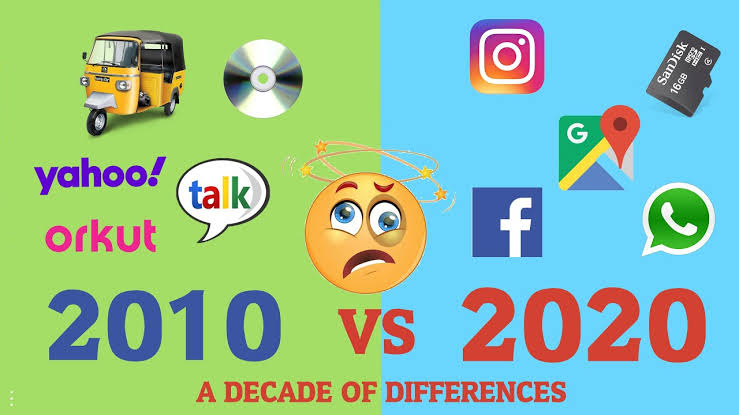
2010 v/s 2020

We no longer smile at people

It has been ages since I last smiled at an unknown stranger when our eyes met. Social media, news, movies, has made us so uptight and alert that our natural reflex has shifted from smiling to suspecting them.

We no longer enjoy food as we did

Snapchat and Instagram have made people forget the value of here and now. Instead of being happily in the present moment, we are often more focused on portraying a happy life which may be far from the reality. The satisfaction of the first sip of the morning tea or the first bite of the domino’s pizza doesn’t feel the same as it did a decade ago. The first thought that we have when we see a delicious food now is to click a perfect picture to show other’s how wonderful our life is.

We no longer see Bollywood as we did before

A decade back movie stars were famous for their work and that was enough in itself. Acting was seen as a profession and a job. However, the current Bollywood seems more like a political party than a show business. It is not the work but the lives of the celebrities that we are most interested in. Political leaders are supposed to have opinions and that is what is to be taken seriously by the people. However, now it is the opinions of our favourite celebrities that we are more into.

We no longer have real meaningful bond

The friendship and relationship trends have changed since the last decade. There were more meaningful bonds between link minded people who were true to one another (even behind their back). However, now the long evening chai meets have turned to Starbucks coffee meets. Where though we are physically together, but mentally and emotionally far into two different worlds in our mobile phones.

JOURNEY TO SANITY – SELF CARE

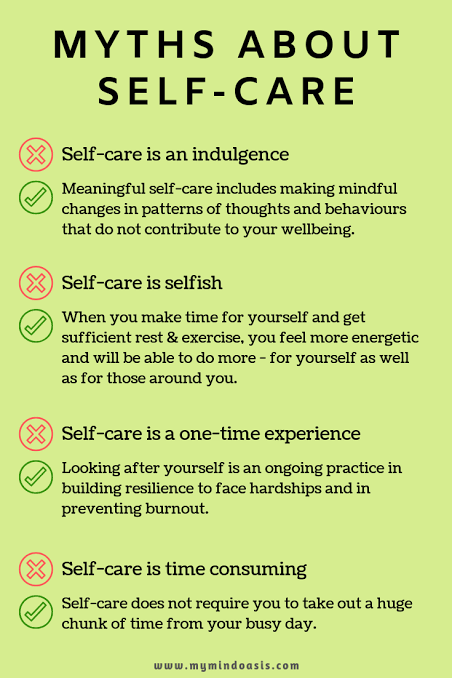
Imagine human mind as a bank account. In order to withdraw money from an account, we need a basic primary balance and we need to deposit from time to time in order to make future withdrawals. Similarly, human mind and body needs equal deposits of self-love, care and compassion in order to reflect that upon others. You cannot pour water from an empty pot. So, it is necessary to fill your pot before you pour it out.


The Social – Media and Magazine definition of self includes Hair-Care, Skin-Care, Spa sessions, etc but we often forget the most important part of our body that requires equal care and nurturing. Yes, our Mind. Our mind works 24/7 unlike our body, hence this calls for a special day to celebrate it’s success and hard work.
Self-care is a broad term. It involves any and everything that makes you happy. Be it having an ice cream, putting on a good hair mask or dancing in your bedroom to silly item numbers. The best part about it is that it doesn’t have to make sense to others.


It is okay to take a day off just to sit with yourself and do nothing.
It is okay to binge watch the new show you always wanted to see but never got enough time to do so.
It is okay to avoid social gatherings if it’s getting too much for you.
It is okay to sleep early and miss out on parties and night-life.
It is completely okay to avoid that person, phone call or that text to maintain the sanity of your mind.
It is okay to not be okay all the time


But what’s not okay, is to not listen to your heart and letting others decide what you do with your life. Self-care involves standing up to your beliefs unapologetically and living on your terms. It might not always be right but its worth a try. After all life’s too short to not live and sadly most of us are working on auto-pilot mode.
So, get up with the sun. Eat your favourite breakfast, binge on your most awaited show, go for long walks and dance to your favourite song till you sleep.

Do not forget to read more from the series : 🙂

JOURNEY TO SANITY – DOUBLE STANDARDS

JOURNEY TO SANITY – SUNSHINE 🌤️

JOURNEY TO SANITY – ACCEPTANCE

JOURNEY TO SANITY – MINDFULNESS

JOURNEY TO SANITY -JOURNALING

Schizophrenia

Schizophrenia is a long-term brain disease. Some symptoms include speech confusion, delusions, lack of motivation, trouble thinking, and hallucinations. But there are many treatments that can alleviate symptoms and minimize the chance of a recurrence.
Documents on Schizophrenia | English
Schizophrenia Papers for Students and Children Jan 8, 2021, Prasanna
Schizophrenia Papers: Schizophrenia is a mental disorder that occurs in early adulthood and primarily affects emotions in personal life, thinking and speaking.
This is a life-long disease, but treatment can help control symptoms. A person may experience anxiety and inattention before the actual symptoms of schizophrenia appear.
You can also find more essay writing articles on events, characters, sports, technology, etc.
English short and long essays on schizophrenia for students and children
We provide students with a 500-word long essay and a 150-word short essay on schizophrenia for students’ reference.
Schizophrenia Long Essay 500 English words
Schizophrenia Long Essay is usually taught in classes 7, 8, 9 and 10.
Schizophrenia is a long-standing brain disease. Some symptoms include speech confusion, delusions, lack of motivation, trouble thinking, and hallucinations. But there are many treatments that can alleviate symptoms and minimize the chance of a recurrence.
One of the most terrifying mental illnesses, schizophrenia, has affected humanity for countless years without declining. Schizophrenia reached its prominence as an independent clinical unit in 1860. Between 1936 and 1956, approximately 7,000 articles were published on this subject. In the past 100 years, more researchers have spent more money, time, and energy writing articles on schizophrenia, perhaps more than all other mental illnesses combined.
People still have a profound lack of knowledge about its process, definition, causes, results and treatment. There is no permanent cure for schizophrenia, but research is leading to safe and innovative treatments. By studying genetics, using advanced imaging techniques to look at brain structure and function, and conducting behavioral studies, experts are unraveling the causes of this disease.
Due to the complexity of the illness, people have many misunderstandings about schizophrenia. Many people think that schizophrenia means multiple or split personalities. However, in general, patients with schizophrenia are not more violent than the normal population. It is a misunderstanding that most people with schizophrenia end up living in the hospital or being homeless, although due to the limited mental health resources in the society, some people may have to go to the hospital frequently or may lead to homelessness. But most people with schizophrenia live alone or with their families.
Schizophrenia Papers | English Learners and Children’s Schizophrenia Papers
January 8, 2021, Prasanna
Schizophrenia Papers: Schizophrenia is a mental disorder that occurs in early adulthood and mainly affects personal life Emotions, thoughts and words.
This is a life-long disease, but treatment can help control symptoms. A person may experience anxiety and inattention before the actual symptoms of schizophrenia appear.
You can also find more essay writing articles on events, characters, sports, technology, etc.
Long and short English for students and children with schizophrenia
We provided students with a sample of a 500 word essay and a short 150 word essay on the topic of schizophrenia for reference.
Long Essay on Schizophrenia 500 English Words
Long Essay on Schizophrenia is usually given in classes 7, 8, 9 and 10.
Schizophrenia is a long-standing brain disease. Some symptoms include speech confusion, delusions, lack of motivation, difficulty thinking, and hallucinations. But there are many treatments that can reduce symptoms and minimize the chance of recurrence.
One of the most terrifying mental illnesses, schizophrenia, has plagued mankind for countless years and has not declined. In 1860, schizophrenia as an independent clinical unit reached a prominent position under the heading of earlier dementia. Between 1936 and 1956, around 7,000 articles were published on the subject. In the past 100 years, more researchers have spent more money, time, and energy writing articles on schizophrenia, perhaps more than all other mental illnesses combined.
People are still very ignorant of its process, definition, causes, results, and treatment. There is no permanent cure for schizophrenia, but research is leading to safe and innovative treatments. By studying genetics, using advanced imaging techniques to look at brain structure and function, and conducting behavioral studies, experts are unraveling the causes of this disease.
Due to the complexity of the illness, people have many misunderstandings about schizophrenia. Many people think that schizophrenia means multiple personality or split personality. But, in general, people with schizophrenia are not more violent than normal people. Most people with schizophrenia end up living in hospitals or homeless, which is a misunderstanding, although due to society’s limited mental health resources, some people may have to go to hospital frequently or may end up homeless. home. But most people with schizophrenia live alone or with their families.
Studies have shown that schizophrenia can have an earlier onset in men, although it affects men and women equally. Due to the high incidence of diseases such as diabetes and heart disease, patients with schizophrenia are more likely to die than the general population.
A plot that cannot distinguish between reality and fantasy when the disease is active. As with any other disease, the duration, frequency, and severity of symptoms can vary. Once a person begins to age, the incidence of severe psychotic symptoms generally decreases.

The use of alcohol or illegal drugs, stressful situations, and unregulated drug use often increase the symptoms of schizophrenia. The three main categories of this disease are i. Positive symptoms include hallucinations, such as seeing or hearing things that are not there, and distorted perceptions, behaviors, and beliefs. ii. Negative symptoms include decreased or loss of ability to speak, make plans, or express emotions. 3. Disorganized symptoms, including speech and thinking confusion or disorder, abnormal movements, or difficulty in logical thinking.


6 HABITS THAT HURT YOUR MENTAL HEALTH

In the times of increasing mental health issues among people, it is very necessary to learn every aspect in detail. You never know who is hurting and who is not. Being kind to one and all is the best way to avoid future guilt. Help the ones you think are struggling in silence.

Here are six habits that can hurt your mental health.

1. PERFECTIONISM

Do you often describe yourself as a perfectionist? Being a perfectionist would make you give your 100% in everything. Well on the positive side it may serve you as a boon as it will uplift your image and make you an absolute person. However if your perfectionism is making you set standards that are impossible to reach or make you constantly feel like anything worse than perfect is a complete failure, then it may hurt your mental health. It will develop more anxiety and your own self esteem and self confidence will take a hit because of the unrealistic standards you set for yourself.

2. LACK OF PHYSICAL EXERCISE

Exercise is not only beneficial for your physical self but will also help you mentally.Research says that the chemical and hormonal reactions in you body will make you feel good mentally and light headed. When you work out, the body releases endorphins which are responsible for reducing the chemicals that cause depression, anxiety, and stress. Make sure to exercise for at least 30 minutes.

3. OVERUSE OF SOCIAL MEDIA

The overuse of social media can harm your mental health as it can promote anxiety and lead to issues with self esteem in youths and adults. You happen to compare your life to others. This habit will bring doubts and insecurity that will worsen your entire mood.

4. TAKING LIFE TOO SERIOUSLY

If you ever happen to make a mistake, and you end up reflecting on your mistake and feeling guilty rather than taking it easy or laughing it out, then it effects your mental health on a large scale. Study says that laughing a lot can help in the betterment of both physical and mental health as the body releases endorphins and suppress your stress hormones. So take it all easy!!

5. NOT GETTING ENOUGH SLEEP

Sometimes you may get caught up in your work that can make you sacrifice your good sleep, but that has a negative effect on your mind. Lack of sleep makes it super hard for your brain cells to communicate properly. Most of the people suffering from depression also suffer from Insomnia. Lack of sleep prevents your body as well as your mind from resting and recovering from the chores and the stress of the previous day. Due to this the state of your body and mind will worsen in the future.

6. REGRETTING VERY OFTEN

If you spend a lot of your time thinking of the mistakes or mishaps from the past and regret doing them, then it negatively affects your mental well being. Its normal to feel regret once in a blue moon but making it a habit will make you more prone to depression.

No matter what you are going through right now, know that you are not alone!

Reach out to people when in need. Take care of yourself!

Article by : Haniah Mirza

Taking Care of your Mental Health during a Global Pandemic

“A soft reminder: not everything that weighs you down is yours to carry.”

The term “Mental Health” focus on our emotional, psychological and social wellbeing. It affects the way we perceive things, the way we feel and the way we react. It plays an important role in every stage of our lives from our childhood to our adulthood. Your health is more than what you are eating. It is also what you are thinking, saying and believing. We often tend to underestimate the importance of our mental health but, taking care of it is important, more than it is rewarding.

We began to hear about the virus outbreak in China during the last month of 2019, little did we all know that it would be identified as a global pandemic. On 25th of March,2020 the first lockdown was imposed in the country. The seriousness of the pandemic had intensified and the world was paused. During the lockdown everyone was paranoid and careful. A large number of people were stuck, they were away from their homes and families, there was a huge wave of unemployment and everything was falling apart. The only news that was telecasted was about how rapidly the virus is growing and it started to make people anxious. Every body was perplexed and overwhelmed.

 At the beginning of the outbreak, we were told to be isolated and strengthen our immunity, exercise at home and focus on our physical wellbeing, but what we kept neglecting was our emotional wellbeing. The most common feeling that millions of people are experiencing is loneliness. Being confined to a particular place and following the same monotony made a lot of people feel empty and lifeless. we weren’t focusing on how to take care of our emotions during the time and that has left us being on an emotional roller coaster with each day. All of us are in the midst of a global pandemic currently and it is undeniable that fear and anxiousness has spread rapidly among ourselves as well.

 This pandemic has given our lives a different meaning and has been recreational for a lot of people. We continue to build new normalcy during these times. Social media platforms have progressively churn out productivity contests every now and then, it is essential to remind ourselves that this is no competition that we are a part of, it is important to replace the feeling of guilt and let it go.

 Before corona virus had hit us, working from seemed like a cake walk but it has certainly caused a huge disbalance between work and personal space, one should allow themselves to give them breaks and assure that you are giving your mind and body some rest. Indulge in activities like cooking, reading, watching a movie, pursuing your hobbies or doing something that you’ve always wanted to do but never found the time to during these times. Start finding happiness in the small wins like being without your phone, cleaning the dishes, cooking something which you thought you never could and so on. If you feel that there is a lot going and it is constantly making you feel hopeless, take a step back and try to calm yourself if that doesn’t help talk to someone, express what you’re feeling. Resist yourself from checking the news and find a distraction. While video calling has helped creating a bridge between the people who are far from you, it is completely normal to crave for human touch.

During these hard times, an individual who is dealing through stress should make it a point to turn to the people who are optimistic and good listeners. Try to understand that your feeling is valid, in order to keep your mental health stable, it is important to acknowledge your feelings for that you can write it down, let it out or do something that relieves your stress. It is scientifically proven that exercising helps in reducing anxiety, negative emotions and boosts self-esteem. One of the main advantages of exercising regularly during a pandemic is having a proper sleep schedule.

An individual should practice mindfulness and gratitude during such challenging times. Its very important to count your blessings and make time for things that make you happy. Lastly, we should give ourselves credit for the days we made it when we thought we couldn’t have.

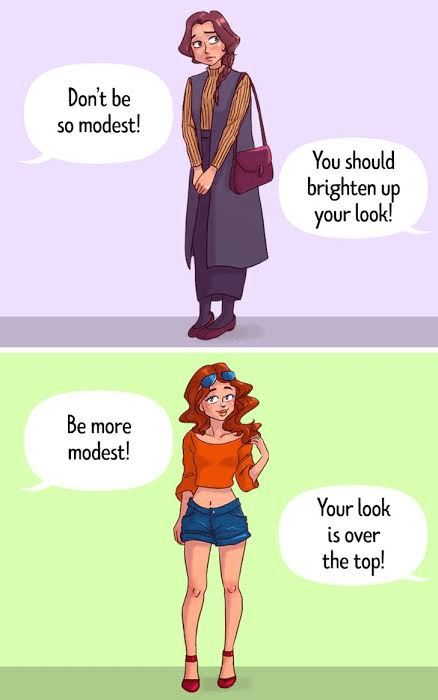
JOURNEY TO SANITY – DOUBLE STANDARDS

EMOTIONS ARE GENDER NEUTRAL

We have been conditioned in such a way that it is believed, that women are supposed to be fragile and sensitive in nature where as men are supposed to be thick-skinned and emotionally numb. However, in reality emotions are gender neutral. It’s not manly to be strong and harsh. And similarly, it’s not feminine to be weak and to cry. The experiences faced by men or women might be different but since they are both humans and have emotions, it is not wrong to express it.
(So, the next time someone tells you to man up and stop crying, you know what to say)

SHARING RESPONSIBILITIES AND RESPECTING THE OPINIONS OF YOUR PARTNER DOES NOT MAKE YOU A ‘JORU KA GULAM

Understanding, Compassion and Mutual – Respect should be the basis for any healthy relationship. It is the basic need of a human to be heard and acknowledged. Hence, it doesn’t make a man a ‘Joru Ka Gulam’ if he is respectful to the opinions of his partner and understands him/her. Society in general tends to question and mock those changes that question their years of belief. In order to avoid their inner-conflict, they discourage the progressive mass so that they don’t have to change and no one can question them. (Yes, kind of like a defence mechanism – Pointing fingers at the other person before they point at you).

FAMILY RESPONSIBILITY SHOULD NOT BE THE SOLE RESPONSIBILITY OF A MAN OR A WOMEN.

Two people form a relationship and they are called partners for a reason. They are part responsible for every aspect of a household. So why should the burden of the entire family fall on the shoulders of a single person. It is normal for a woman to have a successful career and to support a family financially. (No, it doesn’t make him less manly by earning less or letting his wife handle finances). Similarly, household chores should not be the sole responsibility of a women. It doesn’t make a man submissive if he cooks for his partner or does basic household chores. Rather, such relationships are built on mutual respect and compassion which tend to last longer.

STRONG, BRAVE AND INDEPENDENT ARE NOT TERMS SYNONYMOUS WITH MEN.

It is acceptable for a women to be strong yet sensitive, to be scared yet courageous enough to face it. Adjectives like strong, brave are often used for men, whereas it’s completely normal for a women to have each of those qualities. We have women officers who are equally as brave as the men. There are men who prefer household work over finances and it doesn’t make them dependant on their partners or submissive in any way.

Do not forget to read more from the series 🙂

JOURNEY TO SANITY – ACCEPTANCE

JOURNEY TO SANITY – SUNSHINE 🌤️

JOURNEY TO SANITY – MINDFULNESS

JOURNEY TO SANITY -JOURNALING

KNOWING ZINDAGI – DEAR ZINDAGI

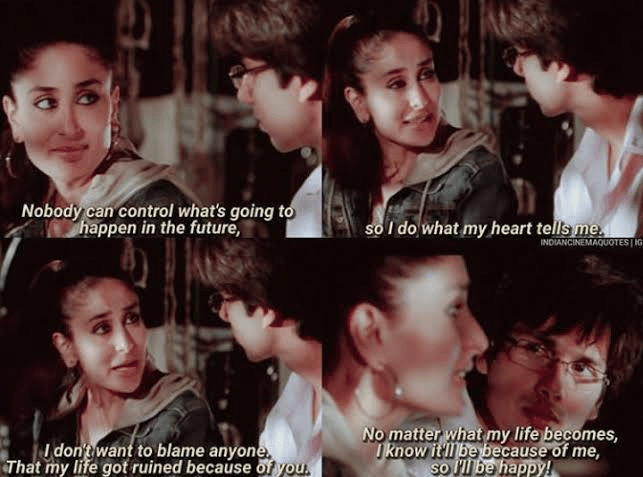
Dear Zindagi by Gauri Shinde is an unrewarded masterpiece. The movie narrates the story of Kaira, a young lady in her 20’s who is financially independent and successful than most of the people of her age. It shows the importance of childhood in an individuals life, and how it can impact their adult life. It is a beautiful story of self-discovery and freedom from the three dangerous words- ‘Log kya kahenge’. To, accepting herself and her truth irrespective of anyone’s disagreement (After all YOLO).

As adults we often carry the burden of unhealed wounds from our childhood traumas. We might not be aware of their presence for years until they start reflecting upon our relationship with others, as we grow up. Similarly, Kaira did not have a normal childhood with a happy family. She had various scars of abandonment, shame, hate, jealousy from her past. At a very young age she was left to live with her grandparents for years, until she failed in the 2nd standard and had to move back with her parents as it was very shameful for them. As a child she was always considered to be the rude, moody and ill-mannered by her parents and relatives but no one ever asked her the reason, why she behaved the way she did.

It was only after her break-up that she started having sleep issues and realized she had to consult a psychologist. Dr. Jahangir Khan, the best therapist one could wish to bring out of the reel world, is played by Shahruk Khan. He is an empathetic, compassionate counsellor who guides Kiara in her journey of self-discovery. The lessons taught by him go way beyond the movie and can be applied in the real life.
As children we are taught that wiping off our tears and hiding our emotions as it’s considered a sign of bravery whereas crying and showing our vulnerable side is considered to be a sign of weakness. However, in reality emotions are meant to be expressed, be it happiness or sorrow. Year’s of unexpressed emotions impact a person’s emotional health and later on express itself in the form of physical illness if not addressed.

Being a girl from the 21st century Kaira had to face various comments by the society which started to effect her self-worth. This is when Dr. Jahangir explained her the Chair Concept. So, when we buy a chair we look at different varieties of chair and make sure that the one we choose is comfortable for us and suits us. Then why not apply the same theory in choosing the right partner, after all he/she will be the person we decide to spend our entire life with.(And that surely has much more impact on our life than a chair, so why risk it)

The movie gives a simple yet deep message of self-love and self-discovery. It’s important for us to know and understand ourselves. The best way to know ourself is to go back and explore our childhood memories. Our childhood shapes our life in a way that we often don’t understand. It is only when we completely understand ourselves, we know what we want and what we deserve in life.

BEST OF YOUTUBE – PART 1

TANMAY BHAT

He is one of the most hilarious stand-up comedian that I have come across. He is one of the co founder of a comedy group called All India Bakchod. His YouTube channel is a great source of free laughter therapy. His contents include daily vlogs, gaming streams, video reviews.

(Go and check out all parts of Mummy-Papa Pitai review, you’ll die laughing)

AVANTI NAGRAL


Avanti Nagral is a Artist, Song-writer, Influencer and a You-Tube who has completed a dual degree from Harvard University and Berklee College of Music. She uses her music to convey various social messages and creates YouTube contents to break the stereotyped norms by openly discussing sexual topics with her family members in a one-on-one interview, held in a very respectful manner.

(Check out her music video ‘Sun Toh Lo’)

JAY SHETTY

Jay Shetty is a 33 years old monk turned into a life-coach, author, podcaster, you-tuber and an influencer. His channel is inspirational to people of every age group however, his videos focuses on teenagers and young adults. His content includes podcasts and clips where he provides insight on the topics of motivation, wisdom, love and relationships.

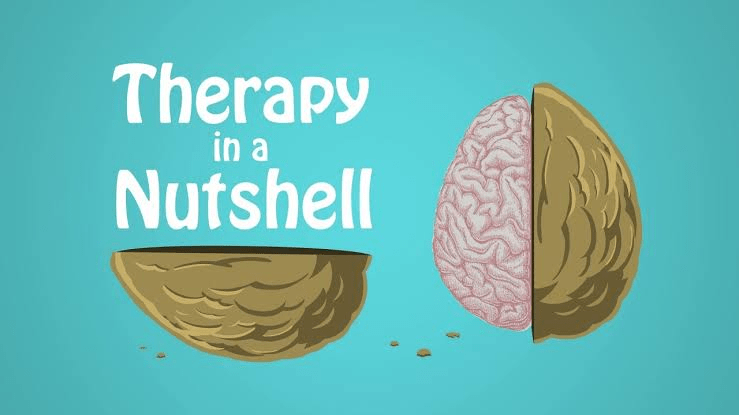
THERAPY IN A NUTSHELL

As the name suggests, Therapy in a Nutshell is a YouTube channel owned by Emma McAdam, a Licensed Therapist who makes weekly videos on mental health skills that are easy to understand via YouTube videos and Online Courses. It’s a good platform for people to learn new personal skills and live better. Her video’s cover various topics from Depression, Anxiety, OCD to Sleep disorders and ways to control them. It’s definitely a good investment for people who are curious to learn about mental health.


RANVEER ALLAHBADIA

Ranveer Allahbadia aka BeerBiceps is one of the most famous Indian Youtuber, fitness mentor, social media influencer, and entrepreneur. It’s one of the most informative channels that I have come across. It includes videos on a variety of topics from finance, fashion, etiquette, grooming to meditation, yoga, body-building. They conduct one-on-one podcasts with famous Celebrities, Nutritionists, Health Experts, Monks, etc. Hence, his channel is a good source of free knowledge.

JOURNEY TO SANITY – SUNSHINE 🌤️

Sun is something we have seen almost everyday of our lives, yet many of us aren’t aware of it’s health benefits except for the fact that it provides Vitamin D to the body.
We all know that Earth revolves around the Sun, but little do we know that so does our mood. A healthy amount of sunlight is considered to promote the production of a hormone called serotonin in the kidney and liver that helps to boost one’s mood, providing more peace and focus. A healthy dose of serotonin helps to balance the amount of a hormone called melatonin that promotes sleep at night and helps one in maintaining a balanced routine. It also helps to promote the metabolism process and even prevent weight gain.

Scientifically speaking, a 15-30mins of sun exposure between 7 a.m. – 9 a.m. few times a week helps to promote enough melatonin to boost one’s mood and reduce the effects of Depression and Anxiety. This form of exercise is called light therapy or phototherapy in clinical terms.
The UV-B rays in the Sunlight are responsible for the production of Vitamin D in a human body. Vitamin D is beneficial for a healthy eye sight and promoting strong bone health. It is Scientifically proven that Sun Radiations helps in fighting certain Cancer cells and cures various skin diseases like eczema, acne, etc. However, the effects might differ from body to body so it’s advisable to consult with a dermatologist.
Just like the universe, our body work on the law of balance. Excess of anything might do more harm than good. Similarly, excess of sun exposure might have harmful eyes on the eyes, skin and even lead to cancer at times.

Do not forget to read more from the series :

JOURNEY TO SANITY – ACCEPTANCE

JOURNEY TO SANITY – MINDFULNESS

JOURNEY TO SANITY -JOURNALING