Creative and Artistic Activities for Seniors: Keeping the Mind Sharp

Daily writing prompt
What book are you reading right now?

Have you ever wondered how to keep your mind sharp as you age?

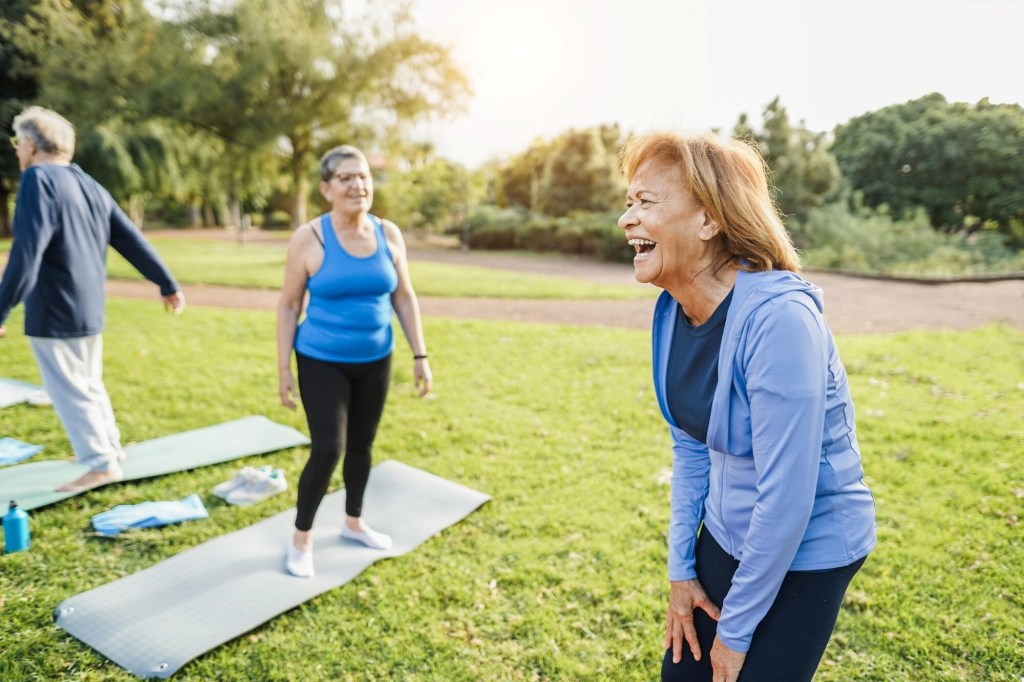
Engaging in creative and artistic activities can be a powerful way to stay mentally active, improve mood, and bring joy to daily life. Whether it’s painting, writing, or even gardening, these activities not only spark creativity but also help you stay connected to the world around you.
cognitive health with memory care in Kansas City

In this article, we’ll explore fun and simple ways for seniors to keep their minds vibrant and healthy through creative and artistic pursuits.

Painting or Drawing

Painting and drawing are great ways for seniors to express their creativity. They can use different mediums like pencils, charcoal, or paints to create art. These brain boosting art activities help improve focus and fine motor skills as they work on details and shading.

Starting with simple sketches or watercolors is a good option for beginners. More experienced artists may enjoy trying oils or acrylic paints. Creating art can be a relaxing activity that gives seniors a sense of accomplishment.

Crafting

Crafting includes activities like knitting, crocheting, and making jewelry. These activities help keep the hands and mind busy with creative projects. Seniors can create items that are both functional and decorative, such as scarves or bracelets.

Crafting can be a social activity when done with others. It also offers a way for seniors to express their personal style and preferences. The sense of completion from finishing a project can boost self-esteem and well-being.

Writing and Journaling

Writing is an excellent activity to keep the mind active. Seniors can write about their memories, stories, or poems. This allows them to reflect on their life and express their thoughts in words.

Journaling is a simple and helpful way to organize ideas. Writing about daily events or personal experiences helps with memory. It also encourages the practice of thinking critically and creatively.

Music and Dance

Learning to play an instrument can keep the mind sharp and focused. Seniors may also enjoy listening to music, which can bring back memories and boost mood. Music activates different parts of the brain and can be a source of relaxation.

Dance helps with physical coordination and balance. Seniors can enjoy simple movements to music or follow dance routines. It also provides an outlet for self-expression and can increase energy levels.

Puzzles and Brain Games

Puzzles and brain games like Sudoku or crossword puzzles help keep the brain active. These games can improve memory, logic, and problem-solving skills. Seniors can enjoy these activities alone or with friends, making them both fun and beneficial for cognitive health.

Engaging in regular brain exercises, such as puzzles, is a proven way to promote improved cognitive health with memory care in Kansas City. These activities support mental well-being by keeping the brain sharp and alert.

Unlock Your Potential With Creative and Artistic Activities for a Sharper Mind

Engaging in creative and artistic activities can improve the overall well-being of seniors. These activities help maintain mental sharpness and promote a sense of purpose. They also provide opportunities for self-expression and can bring joy to daily life.

By participating in these creative activities for the brain, seniors can stay active, improve their mood, and feel more connected to themselves and others. Creativity offers a powerful way to enhance quality of life.

Did you learn something new from this article? If so, be sure to check out our blog for more educational content.

ORGANIZATION LEADS TO HEALTHY LIFESTYLE

Image credit : Ebuyer. Com https://images.app.goo.gl/BeK2ghi9m82o18kA9

Life organisation frequently resembles a delicate balancing act. As soon as you switch to grab one goal line, such as money, family obligations, or having fun with family and friends, the next one is rushing at you rapidly. Sadly, some pieces are destined to fall: weeks where rest was not prioritised, eating fast food rather than preparing meals, and slacking with limited chores rather than concentrating on substantial work.

Instead of tossing life’s responsibilities in the hopes that you’ll survive to grasp em all, stick to a plan to keep everything in its position.


1. Discipline – Organise your day and make a to do list of tasks and punctually do everything on its set time. You’ll feel content at the end of the day and not guilty when you’re chilling watching your favorite movie and having that slice of pizza because you know you’ve worked for it.
2. Awareness – Presence of mind increases with managing your time because it ultimately helps you manage your life and when that happens your mind is free of stress which allows you to focus more on the details that one otherwise is ignorant about.

3.Clear Vision – For ones particularly ,confused about their purpose or goal, managing a note of things that you enjoy from the one’s that you enjoy less will allow you to decide with more clarity on the areas that you should focus.

4.Unwavering Focus – When you lead a life of discipline your skill to concentrate enhances hugely and allows you to work with stability. You start to work more minutely on things and your end product is always the best

5.productivity – Enhances the quality of your work and you start to enjoy the work you do, all this because you’ve got time to do thing through your organisational skills.

6.Maintaining a list – keeping track of your daily activities ,writing down things and analysing your thoughts helps to understand your life better. Writing down things for each day and accomplishing them will give you clear headstart to your goals and life in general.


7.Prioritise – Allowing some things to fall into place consciously can help make navigating all of life’s obligations efficient. Get used to saying “no” so that you can spend more time for the things that are essential to you. A crucial technique in your suite for organising your life is prioritisation. The only way to get anything done is to prioritise what is most important. You can direct your intense focus on what matters by eliminating what doesn’t advance your best expectations.

8. value your time –
Time is not something you can control. Time is more valuable than money regardless of the lack of tangible value. Like money, time may be wasted or saved. Time is something you can’t earn back,like money. Choose accordingly to expend it and don’t use it all in one space. If you value time you don’t waste it. Instead use it to your advantage.

Source credit : How to organize your life by Fadeke Adegbuyi https://blog.doist.com/organize-your-life/

More like these – https://edupubnews.wordpress.com/2022/07/02/how-to-win-an-argument/ https://edupubnews.wordpress.com/2022/06/27/hustle-culture-a-trend-or-trending-problem-for-the-youth/

GRATITUDE

Gratitude is a wonderful method to improve our life. It refers to the feeling and attitude of gratitude and appreciation for all that we have in life. It has been scientifically shown that expressing gratitude to others makes us feel happier and calmer. As a result, it allows kindness into our lives. It makes you pleased, for example, when a stranger holds the door for you or greets you. 

Gratitude, in layman’s terms, is the trait of showing gratitude to someone for an act of compassion or assistance. It’s the same trait that makes you remember someone’s kindness to you and makes you want to repay the favour. If you have a strong want to repay someone who has aided you, this desire is nothing more than appreciation. Only gratitude motivates you to express thanks or write a thank you note to your teacher. 

Why is it Important To Express Gratitude To Your Parents?

Feeling grateful has many benefits for your body, mind, and relationships, according to Robert Emmons, a world-renowned scientist and authority on the issue of gratitude.You must understand that when you were a child, your parents were the closest people to you and the ones with whom you spent the most time. This may not apply to everyone, but it does to the vast majority of individuals.

Kindness and success both begin at home. Another thing to keep in mind is that you, too, will become a parent at some point. As a result, how you treat your parents will have an effect on your relationship with your children. If you are grateful for your parents and always express gratitude for the good they have brought into your life, you will feel the same way when you become a parent.

How to Make Gratitude a Habit:

Gratitude can be practiced in a variety of ways, including:

1.Make a daily list of all the nice things that happen to you and who is responsible for them.

2.Make plans to repay the favour at a later date.

3.Recognize the value of everything around us, including nature, animals, and plants.

4.When feasible, express gratitude to various community helpers such as the washerman, gardener, policemen, sweepers, and others.

5.Every day as you wake up, thank God for such a beautiful day.

6.Thank God once more for all the trials you’ve faced today that have made you wiser and stronger.

Advantages of Gratitude:

Gratitude provides a variety of advantages in both your personal and social lives.

Relationship Strengthening: Gratitude improves the quality of your relationships with others. Being grateful is a lovely sensation and experience that enhances both parties bonds. It promotes the sense of being recognised and acknowledged, as well as the trust element.

Makes You Smile: Gratitude has a joyful quality to it. When you express appreciation or receive it, you feel glad for doing something nice or for having something good done to you. People who feel grateful are known to have lower stress levels.

Makes Society More Sensible: The happiest and most rational society is one in which people express thanks for one another. People are considerate and never miss an opportunity to express gratitude to others. A Intelligent society will inevitably progress in the correct direction.

Reduces comparisons and increases acceptance: When you express gratitude for others, you don’t make comparisons based on their financial situation or other things. You’re merely grateful to everyone and proud of their accomplishments.

HOW TO READ SOMEONE EASILY

In today’s world it is very difficult to read people as we have skilled the ability to hide our emotions. Sometimes it gets difficult to either show emotions or draw them in our minds about others. Let it be helping someone you love or someone you are not so close with, learning to read people’s mind is such a boon!

Here are few tips that hep you to understand others easily.

1) BE UNBIASED

You have to be able to accept people for who you are. Being unbiased and non-judgmental will help the people around you to stay comfortable. That will lead you closer to understand them. You have to let other impressions about them to leave so that you can now who the person really is.

2) STAY TRUE TO YOUR GUT FEELINGS

Even though we might appear open minded it is very necessary that we stay true to our instincts and obey our gut feelings. Sometimes your first impressions can be true based on how the person acts, poses and presents themselves. Its better to keep first impressions.

3) NOTICE THEIR POSTURE

If they have their head held down they might have low self esteem. If they have their head held high or their chest puffed out then they are either confident or have immense amount of ego respectively. They could be trying to regain from the last day as well, therefore look out it they are actually tired or are struggling silently.

4) NOTICE THEIR OUTFITS

There could be times when people are trying to portray a different version of themselves. It could be that they are trying to be someone who they verbally explain the audience to, or it could be the real them! If they feel good in what they are wearing then it is true that they are being true to their personality. People sometimes do feel low when they are wearing something they don’t want.

5) PAY ATTENTION TO THEIR NORMAL PERSONALITY

People often behave a different way when they are in their normal behavior. There might be someone who is used to tapping their feet and it is their regular behavior. But there might be some who tap their only when they are anxious or are hiding something from you. Noticing the person’s behavior will solve most of the confusion and will help you to read them better.

6) NOTICE THEIR FACIAL EXPRESSIONS

We unconsciously work with our facial expressions when are feeling certain emotions. For example, we frown when we are upset, we purse out lips tight when we are angry, we have our eyebrows up when we are confused, we give a genuine smile when we feel happy, and we clench our jaw and have our eyebrows wrinkled when we are i tension or are thinking deeply. Noticing people’s facial expression will help us in detecting their moods and emotions and we will be of good use when we make ourselves available for them.

Don’t make it too obvious that you are reading the people. Try being normal ad play your laws in your mind.

Article by : Haniah MIrza

What Is Survivor’s Guilt?

Some of us thank our lucky stars when tragedy happens, those we cherish while we remain unharmed, while others feel guilty. “Why should I be the only one? “What could I have done differently to avoid this?” we wonder. ” These are the defining characteristics of survivor guilt, an unofficial but very real condition.

Survivor guilt occurs when a person believes they have done something wrong by surviving a catastrophic incident in which others have died or otherwise succumbed. It can take many forms, ranging from bittersweet emotions to outright sadness. It is most frequently associated with large-scale disasters (such as combat casualties or plane accidents), but it can also manifest itself in unexpected ways.

The term “survivors’ guilt,” according to experts, has its origins in the Holocaust. There are people, for example, who refuse to forget and  instead feel obliged to ‘remember’ by an inner sense of responsibility; they purposefully deny and refuse themselves any happiness in living. Some wish to erase the memories but are unable to do so.

Most psychologists agree that survivors’ guilt is not a medically diagnosable syndrome, but it appears emotionally and physically in those who survive a terrible incident; guilt has traditionally been associated with war veterans, survivors of natural disasters, catastrophes, and sicknesses.

Survivor’s Guilt often falls into one of the the three overarching themes:

  1. Feeling guilty over one’s survival – When we think about survivor guilt, we usually think of this: if you were unharmed while others have been injured, you may believe you didn’t deserve to be protected and should’ve been hurt as well. You doubt the world’s fairness and justice.
  1. Feeling guilty over what you could have done – You’re regretful that you didn’t go above and beyond. You should’ve known better, and you should’ve tried harder. Perhaps you attempted but failed to save someone. There’s an exaggerated feeling of disappointment or blame: “If only I’d done things differently.”
  1. Feeling guilty over what you had done – You could also feel bad about something you did, such as shoving people out of the way to flee an armed gunman or abandoning your family for greater chances abroad. Alternatively, you may experience a great deal of guilt over things that happened by chance.

HOW TO COPE WITH SURVIVOR’S GUILT

  1. Embrace and let yourself feel the emotions – Survivor’s guilt is a known response to trauma, even if it is not particularly rational. Embrace and allow yourself to feel the emotions that emerge. Allow yourself time to absorb the feelings of guilt, sadness, anxiety, and sadness that often come with a traumatic incident and the death of a loved one. It is critical to get treatment if these feelings become overpowering or do not become more tolerable with time.
  1. Build relationships with others – Share your emotions with your loved ones. Search for an appropriate support group if loved ones are not able to comprehend your feelings. Survivors may interact with others, vent emotions, and offer advice in both face-to-face support groups and online forums.
  1. Make use of mindfulness exercises – People who have experienced tragedy may benefit from mindfulness, particularly amid flashbacks or moments of strong and unpleasant emotions. Focusing on the breathing, touching close fabrics, and hearing sounds both within and outside the space are some grounding strategies to try.
  1. Practicing self-care – It is terrifying and upsetting to see a loss or potential loss of life. Survivors can benefit from engaging in pleasurable activities. It is also critical for a person to get adequate sleep, maintain a well-balanced diet, and start exercising on a regular basis.
  1. Do something good towards others – Survivors of traumatic incidents might feel much better if they help others in some manner.

According to studies, some individuals experiencing survivor’s guilt and other symptoms  get better without therapy during the first year of the occurrence. Yet, at least one-third of individuals will experience the symptoms for three years or more. If an individual feels they would be unable to manage on their own, or if the symptoms are getting worse or becoming persistent, then it is critical to seek help.

JOURNEY TO SANITY – MINDFULNESS

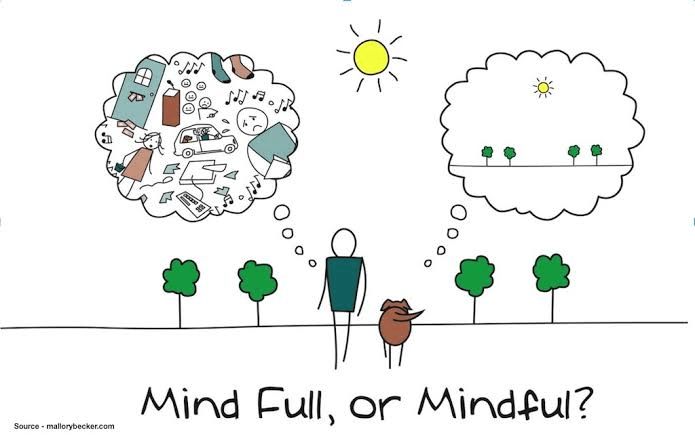
In the current world, we might have taken the term mindfulness too seriously in literal terms. We constantly keep our minds filled with news, gossips, shows and every other non-important thing in order to avoid the most important thing – OURSELVES. However, Mindfulness in reality is the art of being in the present both physically and mentally.
Many a times we get caught up in planning for the future or cherishing the past memories. It is good to remember old things and look forward to new experiences, but not at the expense of the present.
As it’s beautifully quoted by Master Oogway: “Yesterday is history, tomorrow is mystery but today is a gift. That is why it’s called Present”.

So, now the question that arises is, how to stop the urge to overthink?
To answer that, It’s hard to control your mind as the more you try to control it, the more it wonders. Kind of like caging a bird, who yarns for freedom. A good master is considered to be a person who sets the bird free and allows it to come back to him. Similarly, mindfulness does not mean the absence of distractions or complete numbness. It is the ability to be aware of the thought, accepting the thought and then, gently bringing it back to the present.

Other ways to be more mindful can be :

~ Eating with complete attention on the food you intake, without being distracted by television, phone, etc.

~ Avoid multitasking and juggling between different works.

~ Avoid using phones in the washroom (I know you do)

Though it might seem as we have just today to achieve everything possible and today will change our future but relax, listen to your heart. It might not be that bad to rest and enjoy life for once

Do not forget to read more from the series 🙂

JOURNEY TO SANITY – ACCEPTANCE

JOURNEY TO SANITY -JOURNALING

JOURNEY TO SANITY – SELF CARE

JOURNEY TO SANITY – DOUBLE STANDARDS

JOURNEY TO SANITY – SUNSHINE 🌤️

.

Mindfulness and its benefits.

Mindfulness is the basic human ability to be fully present, aware of where we are and what we’re doing, and not overly reactive or overwhelmed by what’s going on around us. (Definition given by Mindful.org)

According to me, it is a practice of maintaining a complete non-judgmental state of awareness of one’s thought and emotions.

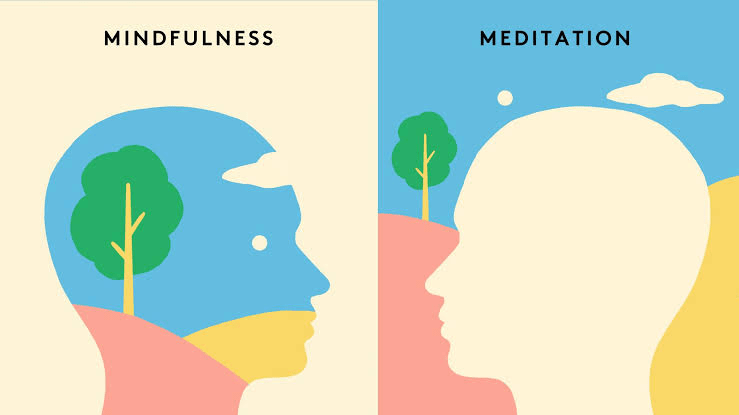
Also, many of us confuse mindfulness and meditation. In simple words, meditation is one of the ways to achieve mindfulness, or we can say; mindfulness is a quality whereas meditation is a practice.

So here the question comes, what are the benefits of practicing mindfulness?

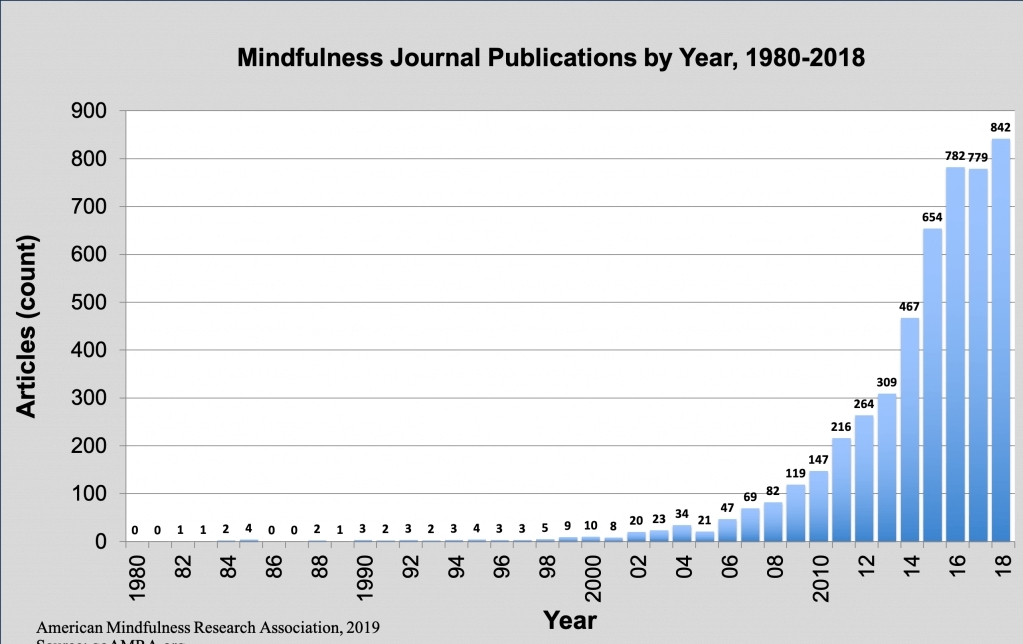
Well, to be honest, there are numerous. And seeing the popularity of the topic in positive psychology, we’ll probably be seeing a lot more to come. Have look at the graph below for example.

Mentioned below are just a few examples of what researchers have found.

1) Reduced emotional ‘reactivity’

In an emotional interference task conducted by Ortner and colleagues in 2007, participants with wide-ranging experience in mindfulness meditation were asked to categorize tones that were given either 1 or 4 seconds after a neutral or emotionally upsetting picture was presented.

The ones with more experience of practicing mindfulness-based mediation showed greater focus on the task even when emotionally upsetting pictures were shown.

2)  Enhanced visual attention processing

A study by Hodgins and Adair in 2010 has confirmed that those who practiced mindfulness-based mediation have shown better performance on tests of concentration, selective attention, and more.
      
3) Managing physical pain

Some research has also shown that mindfulness may have a role in helping with the management of physical pain.

4) Improved working memory

According to a study by Jha and colleagues in 2010, mindfulness is practically linked to enhanced working memory capacity.
    
According to the study, participants who practiced mindfulness-based meditation for 8 weeks have shown improvement in their working memory capacity.

5) Reduced stress

Bränström et al.(2010), found cancer patients who took part in mindfulness-based training have shown remarkably reduced self-reported stress than those who didn’t.

So these were a few of the many examples. Individuals who want to practice mindfulness can find many mindfulness-based training online and practice it on their own. Practicing mindfulness on a day-to-day basis is a great way to improve one’s well-being.
   

Importants of Chess in life

You already know a lot of ways you can improve your brain health. You can exercise to be more productive, eat better brain food, and make sure you get enough sleep by falling asleep. And you can keep your brain in good shape with puzzles and even learning another language.

But what about chess?

It is known worldwide, and it is often associated with tact and ingenuity. But does chess make you more creative?

If you are already a chess lover, the following article should make you feel good about your favorite game. If you are not present, this article may just get you started. Here are 10 ways that chess can make you smarter.

1. Chess can increase your IQ
Chess has always had an image problem, seen as a game for brainiacs and people with high IQ already. So there has been a bit of a chicken and egg situation: Do smart people tend to tackle chess, or does chess make them smarter?

At least one study has shown that moving those knights and rooks around can actually increase the level of human intelligence. In reviewing the educational benefits of chess, Robert Ferguson describes a study of 4,000 Venezuelan students that made a significant increase in IQ schools for boys and girls after four months of teaching chess. Other studies have confirmed these effects of skills transfer.

2. It helps prevent Alzheimer’s disease
Because the brain works like a muscle, it needs to exercise like any bicep or quad in order to stay healthy and prevent injury. Review of the number of key subjects received

A study published in The New England Journal of Medicine found that more than 75 people who engage in brainstorming activities such as chess are less likely to develop dementia than their peers who play the game. As unused tissue is depleted, Dr. Robert Freidland, one of the authors of the study, found that unused brain tissue leads to loss of brain power. So that has more reason to play chess before you turn 75.

These results are confirmed by a major review concluding that chess is a protective factor in dementia.

3. It uses both sides of the brain
In a German study, researchers showed chess experts and novices simple geometric shapes and positions in chess and measured the reaction of subjects to self-identification. They expected to find that the left brain specialist was very active, but they did not expect the right part of the brain to do the same.

The results of the study suggested that novice and experts had the same moments of response in simple situations, but experts were using both sides of their brains to quickly answer chess position questions, and novices were absent.

4. Increase your intelligence
Since the right hemisphere of the brain is responsible for art, it should come as no surprise that activating the right side of your brain helps improve your creative side. Specifically, chess magnifies the real thing.

Robert Ferguson’s four-year study included students from Grades 7 to 9 playing chess, using computers, or doing other activities once a week for 32 weeks to see which activity promoted the greatest growth in artistic thought. The chess team received high marks in all art forms, which is their main source of profit.

5. Improves your memory
Most critical chess players know — at least anecdotally — that playing chess improves your memory. Being a good player means remembering how your opponent has worked in the past and remembering the steps that helped you win before.

But there is hard evidence to support an anecdotal experience. In a two-year study in 1985, young students who were given regular opportunities to play chess increased their grades in all subjects, and their teachers saw better memory and better planning skills in children. The same study made Pennsylvania’s sixth graders get the same results. Even students who have never played chess have improved their memory and speaking skills after playing.

6. Increases problem-solving skills
The game of chess is like one big puzzle that needs to be solved, and solved on a plane, because your enemy is constantly changing boundaries. About 450 fifth graders were divided into three groups in a 1992 study conducted in New Brunswick. Group A was the control group and passed the traditional mathematics curriculum. Group B added numbers with chess orders after first grade, and Group C started chess in first grade. In the standard test, Group C scores rose to 81.2% from 62% and surpassed Group A by 21.46%.

7. Improves reading skills
In a landmark study of 1991, Dr. Stuart Margulies studied the learning style of 53 elementary school students who participated in the chess program and tested them compared to non-chess students in the region and nationally. You have found clear results that playing chess has led to an increase in learning. In a district where middle school students are tested below the national average, children from the region who played the game were tested on it.

8. Improves concentration
The masters of chess may come out as scattered nutty professors, but the fact is that their antics during the games are often the result of intense torture demanded and developed for their players. Looking away or thinking of something else for even a moment can lead to losing the game, as the opponent does not have to tell you how to move if you are not careful. Numerous studies by students in the U.S., Russia, China, and elsewhere have repeatedly shown that young people’s ability to concentrate is sharpened by chess.

[See our great guide to find other ways to improve your focus.]

9. It grows neuron dendrites
Dendrites are tree-like branches that move signals from other neural cells to the neurons attached to them. Think of them as horns picking signals from other brain cells. The more antennas you have and the bigger, the more signals you pick up.

Learning a new skill like playing chess causes dendrites to grow. But that growth does not stop once you have learned the game; interacting with people in challenging activities also increases the growth of dendrite, and chess is a good example.

10. Teaches planning and foresight
Having teens play chess can save their lives. It goes like this: one of the last parts of the brain to develop the prefrontal cortex, the area of the brain responsible for planning, judgment, and self-control. So teens are not scientifically mature until this part grows up.

Strategic games like chess can stimulate the development of the cerebral cortex and help them make better decisions in all areas of life, perhaps preventing them from making stupid, dangerous choices related to youth.

So, yes, there is some good evidence to suggest that playing chess can improve your brain and improve your cognitive skills. If you are interested in other ways to improve your ability, intelligence, and brain health, keep checking EDUindex.

The Power of Meditation

Our life is a race, we chase money, career, happiness experiences. We were constantly thinking about the next thing we need to do and worrying about our future. We have so many tasks, worries, responsibilities and needs, meditation is a powerful tool that helps us slow down and take a break. It has a long history of thousands of years evolved from many different cultures and traditions.
Meditation is a state of awareness, we stop the life race and observe with awareness inside ourselves and outside it here and now this is called mindfulness. While meditating we are mindful to the present moment we pay attention to things we usually ignore like the current atmosphere in our body’s processes. Meditation has many benefits; it reduces negativity, stress, anxiety, depression, tension and anger at the same time it increases positivity, self-awareness, calmness, focus, tolerance and creativity. Meditation refreshes our mind and recharges our batteries, it is like a mental restart button which lets us have a fresh point of view. More clearly we can look as it is an inner bath for our mind and soul. Scientifically, meditating prevents and lowers the risk of diseases usually those which relate to stress and blood pressure like a heart attack. Less stress means more health. People who meditate on a regular basis have higher levels of alpha waves which reduce negative emotions. Meditating over time has positive impacts on our brain, body and soul. There are many ways to practice meditation. The most common one being mindful to your breath; sit right where you are no matter if it is at work, home or any other place and start paying attention to your breath, inhale and exhale without effort, you can focus on different parts of your body and imagine our breadth moving towards them. And another recommended way is listening to guided meditation and following the instructions. Adopting meditation as a habit will help us upgrade our lifestyle and add more value to our life. Meditation can change our brain patterns and increase the performance of cognitive functions which are needed for thinking, remembering, learning, problem solving etc. Meditation really helps in managing pain, depression and anxiety of people all around the world. Even mindfulness meditation classes are being offered in schools and hospitals because of their effectiveness. The focus of mindfulness meditation is to practice the brain in staying and focusing solely in the moments, which is why the meditator is encouraged to think of nothing but his or her breathing and to have a mantra. The aim is to let go of the regrets of the past as well as anxieties of the future to have a relaxing line in the present meditation as food for the soul. It nourishes our minds and values, qualities like compassion, responsibility, peacefulness, truthfulness and forbearing temptations. It helps in making and keeping good relationships with others and most especially with ourselves. The calmness and tranquillity we get from this experience give us a sense of comfort and stability. Allowing us to stay positive in life and be resilient to any negativity. Throwing out meditation is not just a mere activity for relaxation, it is the world’s greatest therapy. So, why not give it a try when we are feeling stressed out and angry at someone. Just take a deep breath and relax at the moment. Clear your mind and be grateful for all these life experiences that can help you improve. After all, we want to improve the world, we have to first start with ourselves. So take time every day to keep clear and bring that clarity to those around you.


Yoga: Physical and Mental fitness.

Benefits of yoga

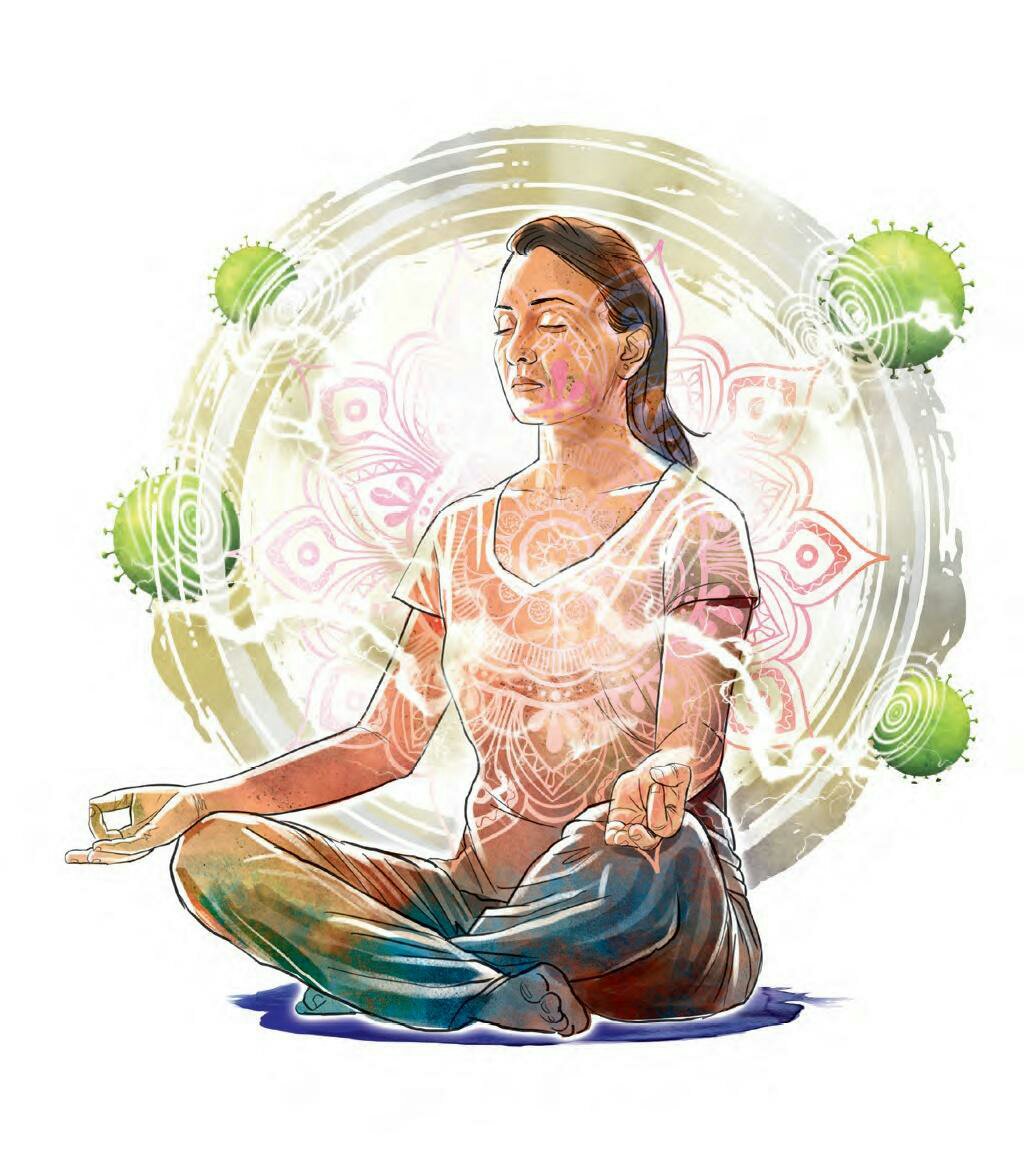
Yoga is a complete combination of spiritual, mental and physical practices which was originated in ancient India. It is followed by many people all around the world. It is adapted by the people in their lifestyles on daily basis  Yoga is a type of work out that involves both mind and body, it is much more than just burning calories and strengthening muscles.

Among with them their are some other major health benefits of yoga.

Improves overall health.

Yoga is combined of cardio, functional and strength training which effects the overall health physically and mentally. Yoga helps in developing core strength, improving immunity, improving mental health, improves heart health, increases immunity, decreases stress, etc. A few minutes of yoga everyday can bring some good changes in your everyday lifestyle.

Develops strength.

Yoga poses requires balancing of the body, and it takes a lot of strength to hold your body in balanced posture. Regular yoga helps you to strengthen the muscles of your arms, legs, back and core. It works as a full body workout. 

Boosts metabolism.

Yoga can be a very good way to increase your metabolism. As it helps in improving digestion, circulation and increasing lean muscle mass. And by boosting the metabolism, yoga can also help in loosing weight as it helps in burning calories.

Improves flexiblility and posture

Yoga poses works by stretching your body muscles. Regular yoga is a great way to improve your flexibility and posture. Few weeks of daily yoga can help you to feel less stiff and you will be able to move your body better. It also serves the purpose of keelping your body toned.

Improves mental health and concentration.

Everyday yoga helps a person to relax mentally and concentrate better. Yoga and meditation requires you to concentrate on your breathing, it helps you to calm your mind and be more relaxed mentally. As a result few minutes of yoga in the morning can result in better concentration throughout the day.

Improve your mindfulness!

How are you coping nowadays? Is everything going according to what you have planned? Or are you making the efforts to change your ways?

COVID-19 has surely changed our way of living life, doing business and definitely changed our perception of life. Our body was programmed to wake up in the morning, doing personal work, dressing up and heading for work, returning to our loved ones and spending time with our families. But now we wake up and we feel like we are running in circles. Waking up and trying to do everything at one go, with overloaded information and then there is a huge feeling of procrastination and it seems like everything is taking a toll on our mind. Nowadays we are always feeling like doing “more” and “better”, and that too in a very short span of time. Now there is no harm is trying to do more and in a better way, but there should be a pause on this. Our mind is taking its own time to adapt to this drastic change and we should be patient enough to give time to our mind.

Mindfulness. Such a long word and yet so simple. It is a state of our mind where we are aware of the present and we are aware of our own behavior at each moment. Study reveals that it is very crucial to practice and imbibe mindfulness so that we do not feel stressed and depressed. Now is the time, more than ever when such a practice can improve us and make us feel alive more than ever.

A few tips by which you can bring mindfulness in your life:

  1. Wake up early. It is a good habit to wake up by 6 AM in the morning and take a whiff of fresh air. It clears you brain and makes you feel energized.
  2. Meditate. Make sure to meditate for about 10-15 minutes in the morning. It will make you ready for the day.
  3. Read newspaper. Study shows that what we study in the morning, we tend to remember it for a long time. Newspaper or a few pages of your book will open your mind to face the day.
  4. Sip green tea. Obesity is the new form of smoking. To reduce the caffeine intake and to ensure our health is in good condition, switch from black to green tea.
  5. Eat slowly and mindfully. Take small bites and stay away from T.V, laptop or any kind of social media while eating. Let your body and mind to enjoy the food.
  6. Talk to nature. Staying within the closed doors will make us sicker. Take some time out and enjoy the greenery outside.
  7. Check you digital time. Always try to keep a tab on the time you are spending on social media or on the screen. For this one can use Pomodoro Technique.
  8. Follow your passion. Now is a great time of you want to follow up on something which you previously did not get time to do. It will also be good to keep stress at bay.

These are the few techniques which one can definitely follow to practice mindfulness. It is advisable to acknowledge that things are tough but we should also be mindful to not let stress build its house in our mind.

Till then, stay safe and be mindful….

Source: https://www.ellevatenetwork.com/articles/6170-be-more-mindful-7-tips-to-improve-your-awareness

Can You Give Up?

“You can do it. Just a little more effort. You’re almost there. You’re the hero. I know you have it in you. You can’t give up.”

Well, here’s some newsflash for you. You can give up.

Be it movies, songs, books, everyone’s pushing the protagonist to do a thing which is clearly out of their scope. They may not have the physical or mental strength to do the thing but we still expect them to. It doesn’t matter whether you want to do that thing or whether it’s actually for a greater good. You just have to do it. You cannot give up. Because giving up is for losers. And the hero cannot be a loser, right? Or it’s the opposite? A loser cannot be a hero?

Shah Rukh Khan’s character from Rab Ne Bana Di Jodi was a scrawny guy who tried to fight with a samurai. Since they are selling their movie to you and it’s ‘the SRK’, obviously he’s going to win that fight. But think about this. You are up against some buffy wrestler let alone a professional sumo wrestler. Do you think you stand a teensy bit chance? You have your answer right there.

Provided this whole notion of not giving up works on some people, but it’s warping the minds of others. Most people cause some irreversible damage while not giving up. And more often than not, this damage is to them. I am not saying giving up is a good thing. But it’s not a bad thing either. Don’t you think, it would be nice to have an option of giving up, backing down from doing a particular thing when it is clearly out of our reach, and not be judged for it?

give up

Most of you might not know this but there is a Disney movie Moana whose scene would be apt in a situation like this. When Moana confesses she couldn’t defeat the villain, Te Fiti, her Grandma clearly says that it is not Moana’s fault. She states that the burden is too much for her granddaughter and that she would be with her even if Moana wants to go back home.

Moana did end up defeating Te Fiti in the end. But that wasn’t because someone pushed her to do that. Instead, she realized her power and strength on her own. This just shows that even if you don’t have enough strength to do something, you are not a loser. What matters is you gave your best. And there will be people who’re there for you, supporting you even when you get defeated in life because it’s not your fault. It was just too much burden.

Or a more relatable example would be Aamir Khan’s character in 3 Idiots who fought against all odds to study not because someone was pushing or cheering him but because he himself wanted to do that.

Having said all that, I’m not against actually working hard. But the focus remains on working hard because you yourself want to achieve something. What I’m saying is we should all try to find our inner voice and be happy with whatever outcome there is to our situations.

Falling Apart

Our life is never about the destination. Life is a beautiful journey with a lot of stops along the way. We feel if we know what to expect in our future, we will be ready for it. This imagery has become so much a part of our language that we don’t even stop to think about what it actually means for us.

When things don’t go our way, it feels like everything is falling apart. Despite having our bouts of feeling depressed we try to remain in a continual state of happiness. However, this is possible only if we accept the fact that everything is as good or bad as one’s opinion makes it.

Everyone is in a constant state of falling apart. How you deal with it is dictated by your outlook on life. You could, after all, try these few things.

  1. Never hide your emotions

Some people like to cry when they are overwhelmed. Tears are, in fact, a way for your body to get rid of those excess emotions, and if you hold these emotions too long they may corrode your insides. Talk to people – your loved ones, your friends. You will find that every one of them has something difficult going on in their lives.

  1. Be honest

Be true to yourself. If you cannot admit your problem to yourself, you can never openly talk about it which means you will never be able to take the first step towards solving that problem. So much pain mostly comes from not telling the truth. Lying is mostly the reason for things falling apart. After admitting the truth to yourself, make sure you always tell the truth to those around you. It may hurt for a second but eventually, things will fall back into place.

  1. Ask for help

The society inherently and subconsciously teaches us that asking for help is pathetic and a sign of weakness. This makes a person feel trapped and alone, inevitably hurting him and those around him. Accept the fact that everyone struggles at some point in the journey of their life. Instead of acting like it is not universal, start hailing vulnerability for what it actually is – a sign of strength, openness, and hope. Do not be afraid to ask for help.

  1. Have your cheat moments

Just like people have their cheat days from diets, have your cheat moments from the problems you are facing. Do not let your pain entirely rule every aspect of your life. Enjoy some trivial and jovial moments of life guilt-free.

  1. There will be days when you are not okay, and that is okay

The journey of life is a bumpy one. There will be days where the pain and reality of your situation will consume you. Allow yourself to feel helpful on such days. But never forget that tomorrow is a good day and the sun will eventually shine brightly again. When it seems like life is falling apart, it may actually be falling into a place better than expected.

Image Courtesy: Google