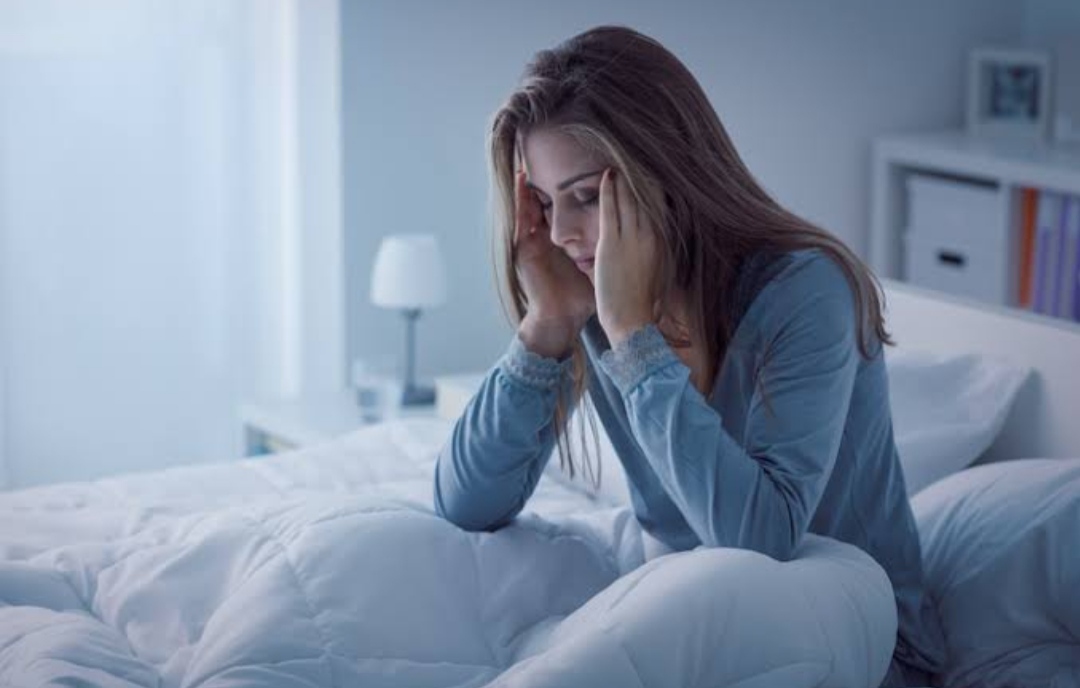
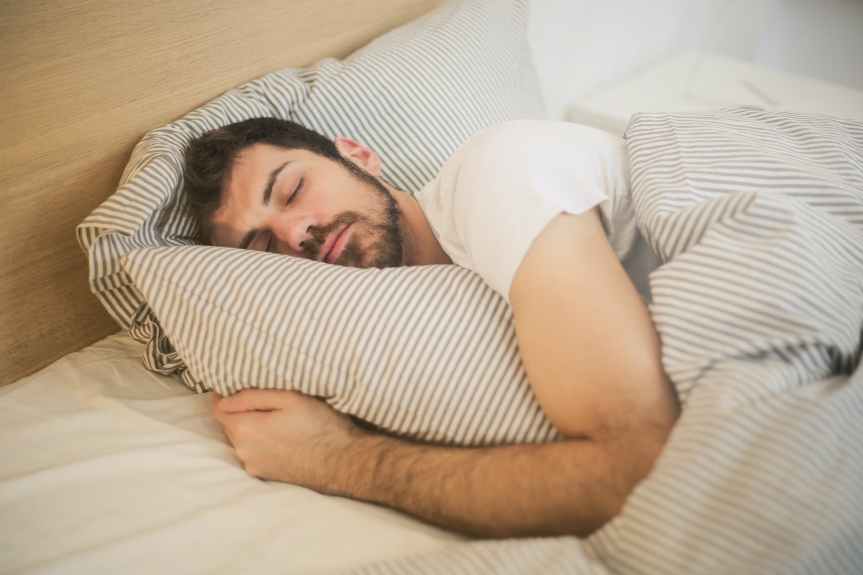
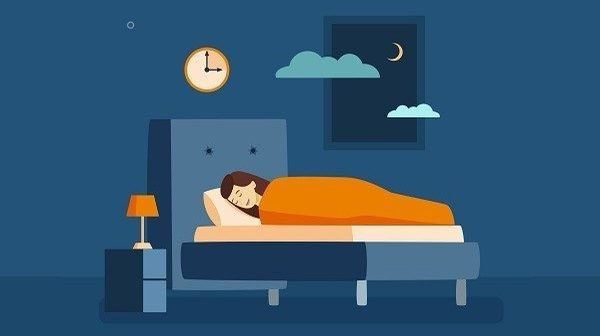
Why should one get enough sleep?

We all need sleep, get most of us take it for granted by staying up for  long hours at night watching a screen or blocking the brain with caffeine and other harmful drugs . Many people do not get enough quality sleep, and this can affect their health, well-being, and ability to do everyday activities.

You may think nothing is happening when you sleep. But parts of your brain are quite active during sleep. And enough sleep (or lack of it) affects your physical and mental health. When you sleep, your body has a chance to rest and restore energy. A good night’s sleep can help you cope with stress, solve problems or recover from illness. Not getting enough sleep can lead to many health concerns, affecting how you think and feel.

How much sleep do I need?

Many factors affect how much sleep you need. Age is a big factor:

  • Infants need about 16 hours a day.
  • Toddlers and preschoolers need about 12 hours.
  • Teenagers need about nine hours.
  • Adults need seven to eight (though some are fine with five and others need closer to 10).
  • Pregnant people often need more sleep during the first trimester.

If you haven’t slept well or long enough for a few days, you might create a sleep debt. Once your debt builds up, you may feel physically and mentally exhausted. Try to make sure you get enough sleep every night to avoid creating this debt. You can’t necessarily make up your debt by sleeping a lot on the weekends. It’s best to get enough sleep all week long. A person who is getting too little quality sleep may experience a range of symptoms including: fatigue, irritability, mood changes, difficulty focusing and remembering, reduced sex drive

In1965 , an experiment was conducted where a high school boy stayed up for 264 hours or 11 days. He slowly lost focus of the eye, became moody and irritable, he stopped sensing stimuli and could not concentrate or retain memories. We grow sleep due to signals from our body hormones like melatonin and adenosine that send us into a deep doze.

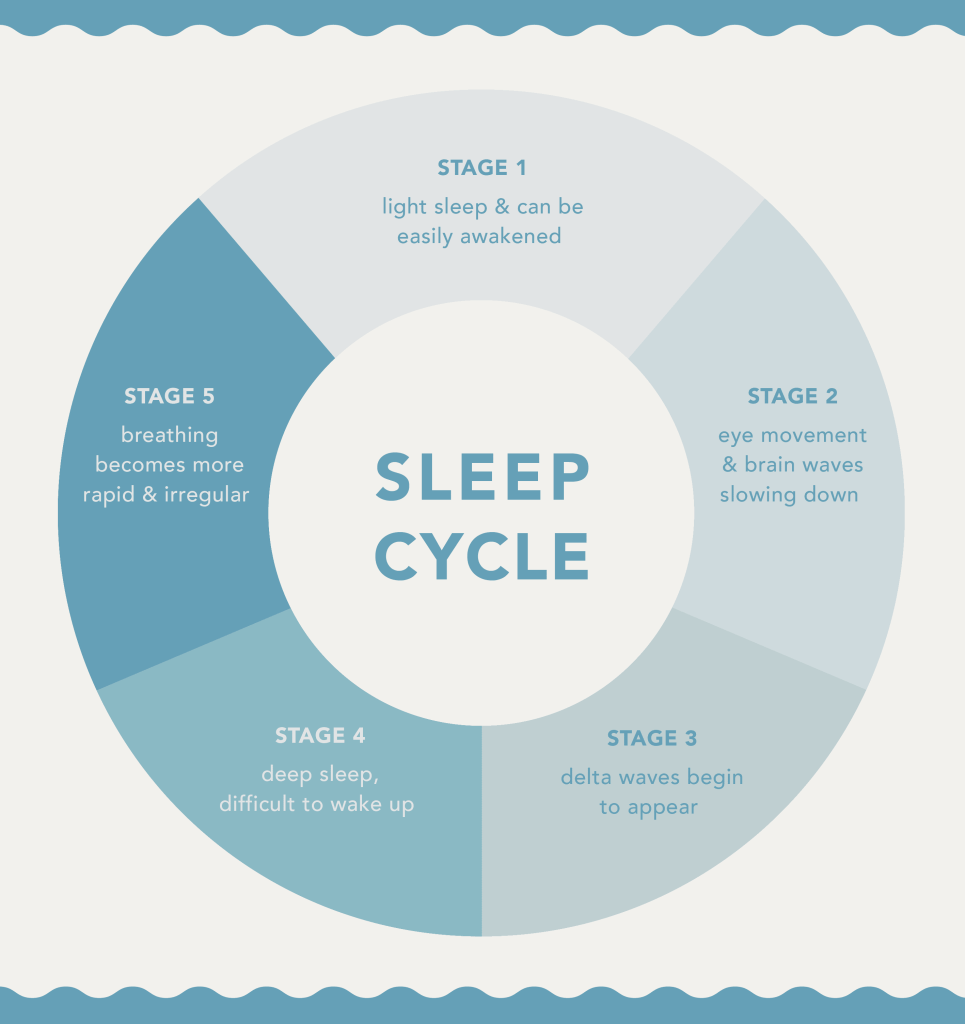
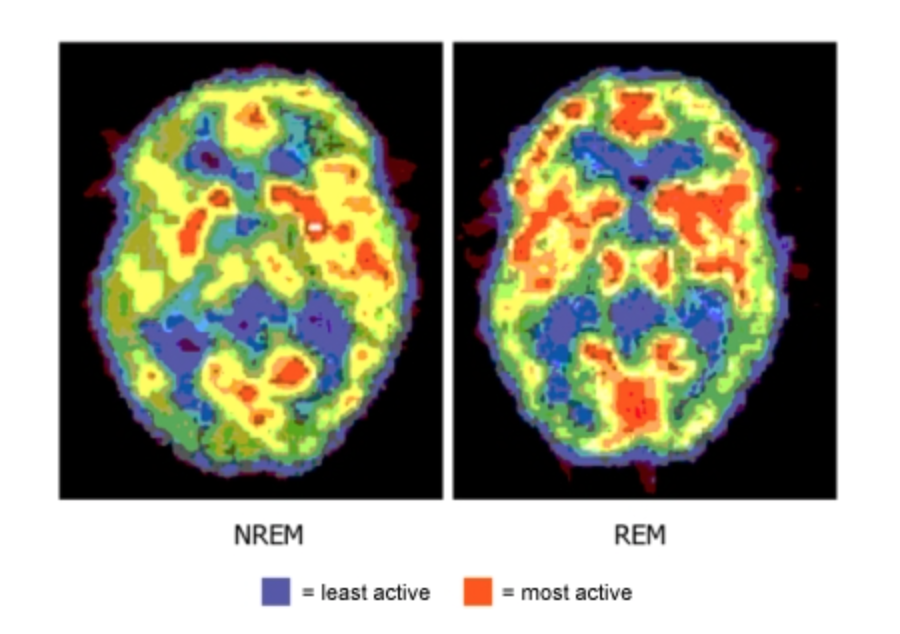
During the night, you cycle through two types of sleep: non-rapid eye movement (non-REM) sleep and rapid eye movement (REM) sleep. Your brain and body act differently during these different phases. During non-REM stages, your body-Builds bone and muscle, Repairs and regenerates tissues, Strengthens the immune system. When you enter REM sleep, brain activity increases again, meaning sleep is not as deep. The activity levels are like when you’re awake. That’s why REM sleep is the stage where you’ll have intense dreams. Usually, REM sleep arrives about an hour and a half after you go to sleep. The first REM period lasts about 10 minutes. Each REM stage that follows gets longer and longer.

Sleeplessness may result in inflammations, hallucinations, high blood pressure and is also related to obesity and diabetes and obesity along with impairment in memory mood, reaction time etc.

How does sleep deprivation cause such immense effects?

 Our brain collects a lot of unwanted information during the day that can be proceed as useful and waste while we sleep. Our brain uses a lot of energy source that leads to build up of adenosine, which increases the urge to sleep and caffeine blocks the pathway of this that causes us to be awake. Waste products if not cleared away overload the brain leading to the negative symptoms of sleep deprivation. A glymphatic system is present in all which acts as a clean-up machine that removes this build up and is active mostly when we are asleep. hence if the brain doesn’t get its sufficient recharge it could lead to dire consequences like insomnia and other fatal disorders that a person can develop. For now, we can be sure that slipping into slumber is a necessity to maintain our health and sanity.

Takeaway

Sleep deprivation can harm a person’s mental and physical health, their performance at school or work, and their overall quality of life. Also, a persistent lack of sleep can lead to complications or indicate an underlying health problem, such as sleep apnea or anxiety. Anyone who is concerned about a lack of sleep should contact a medical professional.
Why should one get enough sleep?

We all need sleep, get most of us take it for granted by staying up for  long hours at night watching a screen or blocking the brain with caffeine and other harmful drugs . Many people do not get enough quality sleep, and this can affect their health, well-being, and ability to do everyday activities.

You may think nothing is happening when you sleep. But parts of your brain are quite active during sleep. And enough sleep (or lack of it) affects your physical and mental health. When you sleep, your body has a chance to rest and restore energy. A good night’s sleep can help you cope with stress, solve problems or recover from illness. Not getting enough sleep can lead to many health concerns, affecting how you think and feel.

How much sleep do I need?

Many factors affect how much sleep you need. Age is a big factor:

  • Infants need about 16 hours a day.
  • Toddlers and preschoolers need about 12 hours.
  • Teenagers need about nine hours.
  • Adults need seven to eight (though some are fine with five and others need closer to 10).
  • Pregnant people often need more sleep during the first trimester.

If you haven’t slept well or long enough for a few days, you might create a sleep debt. Once your debt builds up, you may feel physically and mentally exhausted. Try to make sure you get enough sleep every night to avoid creating this debt. You can’t necessarily make up your debt by sleeping a lot on the weekends. It’s best to get enough sleep all week long. A person who is getting too little quality sleep may experience a range of symptoms including: fatigue, irritability, mood changes, difficulty focusing and remembering, reduced sex drive

In1965 , an experiment was conducted where a high school boy stayed up for 264 hours or 11 days. He slowly lost focus of the eye, became moody and irritable, he stopped sensing stimuli and could not concentrate or retain memories. We grow sleep due to signals from our body hormones like melatonin and adenosine that send us into a deep doze.

During the night, you cycle through two types of sleep: non-rapid eye movement (non-REM) sleep and rapid eye movement (REM) sleep. Your brain and body act differently during these different phases. During non-REM stages, your body-Builds bone and muscle, Repairs and regenerates tissues, Strengthens the immune system. When you enter REM sleep, brain activity increases again, meaning sleep is not as deep. The activity levels are like when you’re awake. That’s why REM sleep is the stage where you’ll have intense dreams. Usually, REM sleep arrives about an hour and a half after you go to sleep. The first REM period lasts about 10 minutes. Each REM stage that follows gets longer and longer.

Sleeplessness may result in inflammations, hallucinations, high blood pressure and is also related to obesity and diabetes and obesity along with impairment in memory mood, reaction time etc.

How does sleep deprivation cause such immense effects?

 Our brain collects a lot of unwanted information during the day that can be proceed as useful and waste while we sleep. Our brain uses a lot of energy source that leads to build up of adenosine, which increases the urge to sleep and caffeine blocks the pathway of this that causes us to be awake. Waste products if not cleared away overload the brain leading to the negative symptoms of sleep deprivation. A glymphatic system is present in all which acts as a clean-up machine that removes this build up and is active mostly when we are asleep. hence if the brain doesn’t get its sufficient recharge it could lead to dire consequences like insomnia and other fatal disorders that a person can develop. For now, we can be sure that slipping into slumber is a necessity to maintain our health and sanity.

Takeaway

Sleep deprivation can harm a person’s mental and physical health, their performance at school or work, and their overall quality of life. Also, a persistent lack of sleep can lead to complications or indicate an underlying health problem, such as sleep apnea or anxiety. Anyone who is concerned about a lack of sleep should contact a medical professional.
The science of Sleep

Sleep is one of the most important part of our lives . We spend about one third of our life sleeping. It is as necessary as food and water. Sleep affects almost every type of tissue and system in the body.

Anatomy of sleep

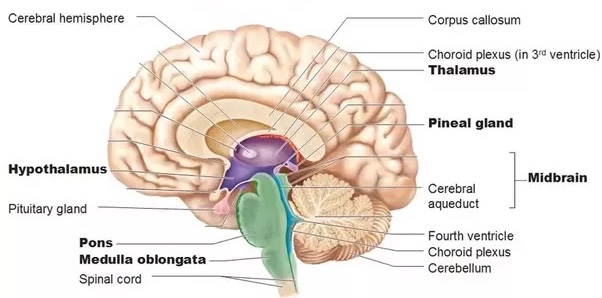
Hypothalamus

It is a peanut- sized structure above the Pituitary gland deep in the brain. It acts as the control centre responsible for shutting down the brain’s arousal signals that affect sleep. The nerve cells of neurons in the hypothalamus are strongly activated during sleep. Within the hypothalamus is the Suprachiasmatic nucleus (SCN)- groups of thousands of cells that receive data about light exposure directly from the eyes and controls the sleep rhythm.

Brain stem

The Pre-optic neurons and the brain stem produce a neurotransmitter called Gamma Amino Butyric Acid (GABA) which acts as an inhibitor as it blocks certain of signals and decreases activity in the nervous system.

Pons and Medulla

Pons, Medulla and mid brain send signals to relax or `paralyse’ muscles essential for body movement in the REM( rapid eye movement )sleep. This prevents The body to move the limbs in dreaming state and protects it from any damages by acting out.

Thalamus

It acts as a relay for information from the senses to the Cerebral Cortex. The cerebral cortex processes data from memory. In deep sleep stage, thalamus becomes quiet but during REM sleep or when we are dreaming, it becomes active sending out sounds,pictures or emotions that make our dreams.

Pineal gland

It is situated in the middle of the brain and is the major site for the production of hormone called Melatonin. This hormone helps put the body asleep when the lights go off. It helps with the timing of Circadian rhythm (internal biological clock) and with sleep.

Amygdala

An almond -shaped structure located deep within the temporal lobes of the brain. It is involved in the processing of emotions and memories. It becomes highly active during REM sleep.

Release of adenosine ,which is a chemical released by cells in the basal forebrain supports sleep drive. Taking caffeine blocks the action of this chemical.

Stages of sleep

Stage 1 Non REM sleep (NREM)

  • The brain slows down.
  • The heartbeat , eye movements and breathing slows.
  • Body relaxes and muscles may twitch.
  • Lasts 5-10 mins.

Stage 2 NREM sleep

  • The body becomes less aware of the surroundings.
  • Body temperature drops.
  • Eye movements stop.
  • Lasts about 20 minutes per cycle

The brain also produces rapid,rhythmic brain waves known as sleep spindles. This allows it to gather ,process and filter newly acquired memories.

Stage 3 NREM

  • Slow brain waves called Delta waves are produced.
  • It allows you to feel refreshed the next day.
  • This is the state of deepest sleep.
  • You are blood pressure drops and breathing slows.

REM sleep

  • Voluntary muscles become immobilised.
  • Rapid eye movement from side to side.
  • You are breathing becomes faster and irregular.
  • Heart rate and blood pressure increase.
  • You dream ( about 2 hours every night).
  • Begins about 90 minutes after falling asleep.
Brain wave activity

An average sleep cycle lasts about 90 minutes . Ideally, we need 5-6 cycles of sleep every 24 hours. Adults need 7 to 8 hours of sleep a night. Although scientists are still trying to learn exactly why we need sleep but studies show that sleep is necessary for survival. The amount of sleep affects our immune system ,nervous system, growth and memory. After all , it is a well know fact that:

Sleep is the best medicine.

HOW TO WAKE UP EARLY IN THE MORNING ?

How to get up early in the morning(8:00am) - Quora

Rising up early not only gives a good start to your day but also make you more concentrated. Many of us want to wake up early in the morning but we can’t because of our laziness. We always make commitments at night that we will wake up early in the morning to complete our work but we can’t. And when we wake up late in the morning we feel lazy and dizzy which affect our work. We keep procrastinating our work saying that “I will start it fresh from tomorrow”. But the same thing happens tomorrow and we keep saying this phrase. This same thing happens every single day and we start questioning “What’s wrong with my life ?”.

This can be avoided if we wake up early in the morning. Some tips to wake up early in the morning are:

1.Get on a sleep schedule

Figure out how much hours of sleep you require to feel fresh and active in the morning.


2.Improve your bedtime routine

It is advised to sleep early in order to wake up early. Even if you can’t fall asleep early, try to sleep. You will become habitual of sleeping early if you continue.


3.Move your alarm to avoid hitting snooze

Keep your alarm away from your bed. If possible keep it in other room so that you have to walk to snooze it.


4.Eat better and get regular exercise

Eating lots of fruit and vegetables can help you getting good sleep. Regular exercise can keep you healthy and you will feel less lazy in the morning.

Lucid Dreams

What are lucid dreams?

Lucid dreams occur when you are aware that you are dreaming while sleeping.You’re aware that the events that are flashing across your mind aren’t genuine. However, the dream is vivid and real. You could even be able to guide the action in your sleep, as if you were directing a movie. According to studies, roughly half of all adults have had at least one lucid dream. However, they are unlikely to occur frequently, usually only a few times per year.

Photo by Ketut Subiyanto on Pexels.com

When do lucid dreams happen?

Lucid dreams are most common during rapid eye movement (REM) sleep, which is characterised by rapid eye movement, faster breathing, and increased brain activity. About 90 minutes after falling asleep, you normally enter REM sleep. It lasts approximately ten minutes. Each REM cycle lasts longer than the one before it, eventually reaching an hour.

Lucid Dreams Research

Neuroscientists are baffled as to how and why lucid dreams occur. They do, however, have some suggestions. For one instance, research have discovered physical differences in the brains of those who have lucid dreams versus those who don’t. People who have lucid dreams have a larger prefrontal cortex, which is responsible for high-level processes such as decision-making and memory recall. That shows that people who are most prone to have lucid dreams are self-reflective individuals who ruminate on their own thoughts. In a tiny study conducted in Germany, individuals’ brain electrical activity was monitored as they slept. According to the findings, lucid dreaming may be a kind of “in-between state” in which you aren’t entirely awake but also not fully sleeping. Some sleep researchers believe that lucid dreams can occur outside of REM sleep, which was previously regarded to be the only moment when people dreamed.

Benefits of Lucid Dreams

Lucid dreams may assist your waking life by providing advantages such as:

– Less Anxiety: There is less anxiety. The sense of control you experience during a lucid dream may linger and make you feel powerful. You can mould the tale and the finale after you realise you’re in a dream. This could be used as a form of treatment for people who suffer from nightmares, teaching them how to manage their dreams.

– Better motor skills: Some research suggests that by “practising” in a lucid dream, you might be able to improve simple things like tapping your fingers faster. Whether you visualise the actions while awake or run through them in a lucid dream, the same area of your brain becomes engaged.

– Improved Problem-solving skills: Researchers discovered evidence that lucid dreams can assist people address difficulties involving creativity (such as a disagreement with another person) rather than reasoning (such as a math problem).

– Increased creativity: Some participants in lucid dream studies were able to generate new ideas or insights, sometimes with the assistance of characters in their dreams.

Dangers of Lucid Dreams

Lucid dreaming can lead to a variety of issues, including:

– Sleep deprivation: Vivid dreams might wake you up and make it difficult to fall back asleep. And if you’re too concentrated on lucid dreaming, you can have trouble sleeping.

– Confusion, delirium, and hallucinations: Lucid dreams can cause confusion, delirium, and hallucinations in people with certain mental health problems.

LUCID DREAMS

Photo by Pixabay on Pexels.com

We spend one third of our life dreaming. Sometimes dreams are happy, scary, unexplainable and even an indication of what is going to happen in future. There is a popular saying that the dreams we see in the morning are usually true and real, though there is no scientific proof to it. We usually dream what we think, stress is an important factor in dreams. Less stress means happy dreams.

But will you believe it if I tell you that you can actually control your dreams?🤔
A dream where one becomes aware of the dream it is known as lucid dreaming. And there are people who do this. You can do it too!! Let’s know how.
People have been studying lucid dreams for a very long time, from ancient to modern it has been studied to understand the cause and purposes of it. As a result many theories have emerged, though it is still under research.


This term was given by Dutch author and psychiatrist Fredreik Van Eeden. In his article A Study of Dreams in 1913. He studied his own dreams for a period of time and wrote them in his dream diary, 352 of his dreams were categorized as lucid.
He mentioned 7 different types of dreams and out of which he considered lucid dreams most interesting and worthy of observation.
The reference to this phenomenon can be found in ancient greek writings. According to Aristotle, Greek philosopher, “often when one is asleep, there is something in consciousness which declares that what then presents itself is but a dream”. Other than Aristotle, physician Sir Thomas Browne, Samuel Pepys and more have mentioned lucid dreaming.
In 2020 there was a large increase in reports of lucid dreams compared to the previous year.


There are a few conditions for a dream in order to be defined as a lucid dream and these were given by Paul Tholey. The conditions are:
1. Awareness of the dream state (orientation)
2. Awareness of the capacity to make decisions
3. Awareness of memory functions
4. Awareness of self
5. Awareness of the dream environment
6. Awareness of the meaning of the dream
7. Awareness of concentration and focus (the subjective clarity of that state)

Photo by Nadi Lindsay on Pexels.com

Lucid dreams are often found to be affective in treating nightmares. Physiotherapists have also been including lucid dreaming as a part of therapy. There are also books and movies based on this like inception, paprika, etc.
Though lucid dreaming has been beneficial in many aspects but for the people who experience it for the first time can go through the feelings of stress or confusion. People who see lucid dreams very often might feel empowered and also isolated from others in terms of their dreaming experience which is quiet different to others. Others might experience sleep paralysis, which is sometimes confused with lucid dreams.

Read about sleep paralysis here: https://edupub.org/2021/08/12/sleep-paralysis/

There are many methods using which one can experience lucid dream like, make a dream diary and jot down the dreams you remember, diary alone won’t help but it will be beneficial with other methods. Some devices and drugs are also used.

Why Do Our Brains Require Sleep?

We spend around one-third of our lifetimes sleeping. Sleeping is as crucial to our bodies as having to eat, drink, and breath, and it is critical for sustaining excellent mental and physiological wellness Sleep allows us to recuperate from both mental and physical effort.

Sleep and health are inextricably linked; sleep deprivation increases the likelihood of poor health, and poor health makes it more difficult to sleep. Sleep problems are also one of the earliest symptoms of a health issue. Anxiety and depression, for example, are common mental health issues that are frequently underlying sleep disorders.

Anxiety might lead your mind to rush, making it difficult to sleep. Oversleeping can result from depression, which might cause you to sleep late or sleep a lot throughout the day. If you have disturbing thoughts, it might also induce sleeplessness. Nightmares and night terrors can be caused by post-traumatic stress disorder (PTSD).

These may cause you to wake up and/or make you apprehensive about going asleep. Mania might cause you to feel exhilarated or energised, and you may not feel exhausted or desire to sleep. You may also experience obsessive thoughts that make it difficult to sleep. Medication might cause adverse effects such as sleeplessness, nightmares, and excessive sleep. Sleep issues might also occur after you stop taking your medicine.

We can all gain from bettering our sleeping habits. For most of us, it may simply be a matter of adopting little lifestyle or mindset changes to aid us sleep better. Insomnia (loss of sleep or poor quality sleep) or other sleep issues affect up to one-third of the population.These can have an impact on our mood, energy, and concentration levels, as well as our capacity to stay awake and perform at work during the day.

What factors might contribute to sleep issues?

There are several factors that might influence our sleep. They are as follows:

  • tension or anxiety
  • a change in the sound levels or temperature of your bedroom 
  • a changed schedule, for instance, due to jet lag
  • excessive drinking of  coffee or alcohol
  • consecutive shifts
  • medical or psychiatric issues
  • adverse effects of medications

How to get better sleep?

Often, simple practises might help you sleep better. If they don’t help, talk to your doctor about additional options, especially because sleep disorders might be an indicator of other health concerns.

There are four basic things to think about if you want to recover from a spell of bad sleep:

Health

We know that bad health has an impact on sleep and vice versa. Sleep issues are frequently associated with mental health issues such as sadness and anxiety. It is critical to treat any health problems, for both physical symptoms as well as for any anxieties that may keep you up.

Environment

It is vital to sleep in a comfortable environment, and the bedroom and bed should be the primary areas you connect with sleep. Viewing TV shows playing on your smartphones or other devices, and snacking in bed, especially, all can have an impact on the nature of our sleep. Temperature, excessive noise, and lighting all have an impact on our sleep.

Attitude

It is easy to fall asleep when we can relax and let go of our worries. We’ve all experienced nights wherein we stayed awake and worried. We should attempt to unwind, be less stressed, and calm before going to bed. This might be more difficult than ever these days, but breathing exercises, a hot bath, or meditation can help.

Lifestyle

What you consume might have an impact on your sleep. Caffeine and other stimulants can make it difficult to sleep, and a large or heavy meal close to night can make sleep unpleasant. While alcohol may appear to help you fall asleep, it really lowers the quality of your sleep later on. Exercising during the day is also beneficial to sleep, but because it generates adrenaline, exercising in the evening, however, may be less beneficial.

Insomnia

Insomnia is sleep sickness ,which doesn’t allow the person to sleep.It might be because of poor health, unhealthy eating habits, depression , anxiety,stress or any other medical problem.

Symptoms

The most common symptoms for this diesease is sleep sickness , can’t feel relaxed,staying asleep.

Natural medication

Some natural medicine and herbal plants that helps you get some sleep:

*Glycine

Glycine consists of amino acids allows to lower the body temperature and feel relaxed and get some sleep.

You can have Glycine rich food to maintain the Glycine intake in the body .Some food rich in nutrients are:

Bean,Spinch , cabbage,and some fruits like bananas and kiwis.

*Valerian roots

Valerian is a herbal plant that help you to get proper sleep .

Some other ways

*Exercise

Regular exercise and meditation can gelp you to get proper sleep and helps you to maintain good health.

*Balanced diet

A nutritious and health diet which include all the vitamins and minerals is really very important to have a good sleep.

*Drink Water

Drinking enough water can help you to have proper and healthy sleep routine .One should drink 7-8 glasses of water everyday.It help you to stay healthy and make your skin glow.

Hope this will help to shut your eyes and get a good sleep .

Stay Healthy ,Stay Safe.

Sleep-the need

One of the important part of your daily routine, which helps to do all other tasks of the day perfectly is a good sleep. Or we can say quality sleep. Every animals without any discrimination need sleep. It is as essential as food and water. Without sleep it becomes harder to concentrate on the tasks. It is basically essential to keep human being sane. Sleep is also important to functioning of brain. It also influences the communication of nerve cells. Many unwanted things your brain built during the day are removed while you are sleeping. Lack of sleep increases the chances of getting affected by different disorders.

how much a person sleep?

Need for sleep and pattern of sleep differ with age. A newborn sleeps almost 16-18 hours, while a grownup may sleep only for 8 hours. Even sleep pattern differs between individuals of same age group. But an average time is decided by surveys and studies. This not a prescription, but a result of a study. Average school student may need 9 hours sleep. Adults sleep for 7-8 hours. Older people normally sleep less. Children sleep very deep and their sleep will not get disturbed easily. But older people tend to get disturbed and awakened easily.

mechanism of sleep

Two things maintain your sleep mechanism. You may have heard of circadian rhythm. This directs different functions of the body like metabolism, body temperature, alertness, hormone release etc. This rhythm also controls sleep. This rhythm decides when you should be awake and when you should sleep. This rhythm makes you sleepy at night and makes you alert during the day time. This circadian rhythm gets synchronized with your surrounding environment. This may include your habits or weather around you like temperature or intensity of light. But they will work in the absence of these little information.

The other thing is the homeostasis. This keeps a track of your need of sleep. This works as a reminder telling your body to sleep at a certain time. This is the thing that maintains hoe intense your sleep is going to be. If you are deprived of sleep, this makes you sleep longer when you get to sleep.

There are many factors that influence your sleep mechanism. The medications if you are on any, your medical condition, The place where you sleep and your food habits. Exposure to light makes it difficult to sleep because some special cells in the eyes process the light and instructs the brain whether it is daytime or night. The Jet lag people face after a long flight is because of the disturbances in the circadian rhythm. people face problems when there is imbalance between the body clock and the actual clock.

some tips to sleep well
  • Try maximum to be in sync with the natural clock.
  • Try to sleep and getup everyday at same time.
  • Take care about your food habit and eat healthy.
  • Try to make your room completely dark while sleeping but be in bright light in the day time when you are fully awake.
  • Stay away from mobile or television at least 1 hour prior to your sleep.
  • Include exercise in your daily routine.
  • Avoid caffeine or nicotine as the sleep time is approaching near to you.
  • Be as much stress-less as you can.
  • Keep your room quiet.

a good sleep is everyone’s need and don’t allow your busy life to take a toll on your sleep. Sleep well and be healthy and be productive.

How to Restore Our Sleep Cycle

Pandemic has a huge impact on the sleep pattern of the people around the world. Some of them are tossing side to side to get a proper sleep during night time, other stay long awake but unable to regulate their usual pattern. Many experts also suggested that these days people often faces troubled sleep, with many going to bed far later and sleeping longer than usual.

Image: Shutterstock

Our sleep schedules do vary from person to person, depending in large part on the environmental causes. Because according to our circadian clock , that control our sleep schedules are sensitive to light like things like how much sunlight we’re exposed to throughout the day and what types of light we’re exposed to at night affect our sleep schedules. It’s really a huge problem, having a disrupted sleep schedule can result in deteriorating sleep pattern. But this will led to severe health ailments linked to several chronic health problems, such as sleep disorders, obesity, diabetes, depression, bipolar disorder, and seasonal affective disorders etc.

Image: Banala lite

But there are some suggested ways to get our disrupted sleep back on track:

  • A proper bed time routine: Try to stick to a schedule of sleep, like keeping your sleep-wake cycle the same. Our bodies have a circadian rhythm and walking up at different times disrupts it. The less you deviate from your normal bed and wake up times, the better you sleep. To get to sleep earlier, even doctors recommends going slowly and in small increments, adjusting no more than 15 minutes earlier every two to three days.
  • A touch of nature: Get a good amount of sunlight every morning. It serves an important purpose: it shuts down the release of melatonin, this hormone promotes sleep. Aim to get at least 15 minutes of sunlight every morning.

      Image: NPR

  • Cut off caffeine before sleep: Caffeine has a half-life of six to eight hours and a quarter-life of 12 hours. That means if you drink coffee at 4 pm, you’ll still have a quarter of the caffeine floating around in your brain at 4 am.
  • Limit your drinking habit: Alcohol suppresses REM sleep cause sleep disruptions. If you drink alcohol, limit that to two drinks or stop the intake at least three hours before bed.
  • Limit the screen timings: Avoid screen timings just before going to bed. As blue light of mobile screen interfere with sleep habits by sending wrong signals to stay awake. But many of us do it anyway. Avoid screen time before 2 hours of going to bed.
  • Journaling: You can’t get a proper sleep if something is bothering you, it’s always better to pen down your worries in a diary. Making this a habit can lessen your worries. Sit down with a blank piece of paper one to two hours before bed each night. Writing down your thoughts, especially anything that is bothering you. It will help you to schedule your activities and calm your mind.
Image: Unsplash

Meditation and Music: Meditation eases your woes by giving a direction to your thoughts. To get a proper sleep one should practice this 10 minutes daily routine. On the other hand, music calms mind and listening to a relaxing one will help to achieve sleep.

  • Avoid sleeping at day time: To promote better sleep one should avoid day time nap, so as to get a better sleep at night.
  • Environment: Make a good sleeping environment like switching off unnecessary lights and put on the curtains to prevent the entry of noise and lights. Take a warm bath and play some relaxing music, for instance. Make sure your bed is comfortable, the room is dark, and the temperature is not too warm.

These are the ways which enable us regain our disturbed sleep pattern. Sleep, itself promotes body healing. So, this is advised to get a proper 7-8 hours of sleep during night time.

Image: PBS

PSYCHOLOGY FACTS THAT WILL ASTOUND YOU

As we all know the fact that the human psyche is immensely complicated so fresh research that sheds light on why we are the way we are is published every day. Now, Have you ever pondered why you feel or act the way you do? The answer of this question is that the way you are and what you do are largely determined by how your mind works. So human brain is really important without which it’s difficult to survive. Isn’t It remarkable how, at some level, every ‘unique’ mind works the same way? 

Here are psychological truths that explain human nature and provide a clear explanation of why things happen to us the way they do, as well as our reactions to them. These mind-blowing psychological truths explain everything about how you act or how you feel the way you do.

  1. Various Research have been conducted which prove that if you make your objectives public, you are less likely to achieve them because you lose motivation to do that. 
  2. Our plan A is less likely to succeed if we have a backup plan. Researchers discovered that when volunteers considered a backup plan before beginning a job, they performed worse than those who had not. Furthermore, as students understood they had alternatives, their desire to achieve the first time around dwindled. The researchers emphasize that planning ahead is beneficial, but you may be more effective if your intentions are unclear.
  3. When you go to sleep, the last person on your thoughts is either the source of your happiness or your anguish.
  4. If we’re not in danger, fear might feel pleasant. You receive all the adrenaline, endorphins, and dopamine from a fight-or-flight reaction while you’re watching a terrifying movie or going through a haunted house, but no matter how terrified you are, your brain knows that you’re not actually in danger—so you relax.
  5. Your mind rewrites dull people’s repetitive speeches to make them sound fascinating.
  6. We might be able to bond by “catching” a yawn. Isn’t it sound interesting? Well, Even if you aren’t weary, why do you yawn when someone else does? One of the most popular explanations for why yawning is contagious is that it demonstrates empathy. People who are less inclined to express empathy—for example, toddlers who haven’t yet mastered it are more likely to yawn when seeing the reaction of someone else. 
  7. While money may purchase pleasure to some extent, studies suggest that after Rs 49 lakhs per year, more money does nothing to improve contentment.
  8. We want to squeeze cute things for a purpose. When we’re overwhelmed with positive feelings, such when staring at an unbelievably adorable young animal, a little bit of aggressiveness helps us balance off that high, Cuteness aggression is what it’s called, and individuals who have it don’t actually want to destroy that lovely puppy.
  9. We believe that the future is promising. Whether you like where you are now or not, according to study published in Current Biology, most of us have a “optimism bias” that convinces us that the future will be better than the present. We imagine ourselves progressing in our jobs, never getting divorced, raising little angels, and living to a ripe old age. It’s possible that not all of them are feasible.
  10. Smarter individuals have a tendency to underestimate their own abilities. People who are ignorant believe they are clever.

If u find it relatable or interesting comment down in the comment section.

How continuous sleep loss can impact on our mental and physical health..?

Recently a new study took place to see what will happen if we sleep less than 6 hours a day and if it is continued for 8 days, what type of consequences we will face.

The results of a recent study suggest that, all it takes is three consecutive nights of sleep loss to cause our mental and physical wellbeing to greatly deteriorate.

Scientists said that minimum eight hours of sleep is necessary for an adult to main physical and mental health.

“”Many of us think that we can pay our sleep debt on weekends and be more productive on weekdays.””

“However, results from this study show that having just one night of sleep loss can significantly effects our daily functioning.”

After the study, experts said that we will experience symptoms like angry, nervous, lonely, irritable and frustrated feelings as a result of sleep loss. We will also experience more physical symptoms, such as upper respiratory issues, aches, gastrointestinal problems and other health concerns.

It is necessary and important to balance both the health and work. Take enough rest , stay healthy both physically and mentally.

4 REASONS WHY GETTING ENOUGH SLEEP IS IMPORTANT

1. If you do not get the amount of sleep then you have not only wasted a whole night but the following day too.

Because sleep is like a charger that refills you with energy & also heals the tiredness to face the challenges and proactively command your day with great energy and enthusiasm.

2. Rest is also important and because it is lacking you will usually take more time than the actual time you estimated for the task.

The simple reason behind why it happens is you aren’t thinking clearly and if you aren’t thinking clearly then how you can act clearly , that’s so simple.

3. When your complete energy is drained because of the whole day’s work your concentration level is not at its best to perform vital tasks and thus you become diverted to perform less important tasks.

4. Creativity often reduces when you don’t sleep properly.

And if you aren’t creative when you are doing a precious task, means for that task you have sacrificed your sleeping  hours then it must be a precious one, right ?

Bursting myths about sleep Deprivation

Sleeping brain has been a mystery for a very long time. Psychologists, Neuroscientists or even physiologists haven’t been able to fully unravel this mystery. This makes room for confusion and myths. Fortunately, scientists are able to understand some of sleep’s critical functions, and the reasons we need it for optimal health and wellbeing.

Let’s decode some myths about Sleep :

  • Sleep is a time when the mind and body shut down.

But this is not the case; sleep is an active period in which a lot of important processing, restoration, and strengthening occurs. This is one of the major reasons why maintaining your sleep schedule is so vital. 

  • One only needs 6 hours of sleep to function.

This isn’t true. To operate optimally, you need seven to eight hours of sleep. 

  • One can catch up on sleep on the weekends.

Those who are not able to have a healthy sleep schedule on weekdays tend to catch up on sleep on the weekends.This is partially true, but if you’ve had chronic partial sleep deprivation, it could take days to weeks to recover.

  • One can sleep too much.

The truth is you can’t sleep too much. You probably overslept because your body needs that rest. But if you do feel worse when you’re sleeping more, it’s probably because you’re recognizing your true sleep needs. 

  • If I wake up at night, I will play on my phone or watch my tv to help me relax.

We fall for the unhealthy habit of using our phone or watching tv to help us relax. What we don’t realise is that the bright light from our devices activates our brain, and also can shift our melatonin release, shifting our circadian rhythm which eventually ends up disturbing our sleep furthermore.

  • Alcohol helps me sleep.

Isn’t that a common statement? Well, it’s true that alcohol does help people relax. But the loophole is that once it’s cleared from the body, it fragments the sleep making it a poor quality. 

Here are some tips that can help improve your Sleep:

It is very crucial to maintain a regular sleep-wake pattern to establish a stable circadian rhythm which eventually helps in improving the quality of your sleep. 

Get the amount of sleep you need during the week, and avoid sleeping in on weekends, as doing so will disrupt your sleep rhythm. Even if you sleep poorly or not at all one night, try to maintain your regular schedule the next. 

If you have trouble falling asleep at night, avoid napping if possible. Evening naps should be especially avoided because they will make you less sleepy when you go to bed.

 A few changes in our sleep schedule can do wonders for our health.

We spend one third of our lives sleeping, so it’s very essential for us to have as many good night sleeps as possible. The best sleep habits are consistent, healthy routines that allow all of us, regardless of our age, to meet our sleep needs every night, and keep on top of life’s challenges every day.

SLEEP DEPRIVATION CAUSED BY THE UNHEALTHY USE OF GADGETS

It is said that “Sleep deprivation will kill you more quickly than food deprivation.” A good night’s sleep is one of the basic necessities of the human body for its active metabolism and better productivity. An average adult human requires 8 hours of continuous sleep each day. Any interference in the natural regular sleeping patterns can have a tremendous impact on one’s health: mentally as well as physically. Nowadays, people tend to sleep less than they did in the past and their quality of sleep has also faced a downturn.

We live in the middle of a world full of technologies and are surrounded by screens of smartphones, laptops, tablets, e.t.c. Though these gadgets make our lives easy and fast, we are least bothered about its negative effects on our lives. The overuse of technology causes eye strain, musculoskeletal health issues, sleep deprivation, etc. not only in adults but also in teens and kids. According to the American Optometric Association (AOA), prolonged use of computers, tablets, and cellphones can lead to digital eye strain which results in blurred vision, dry eyes, headaches, due to screen glare, bad lighting, and improper viewing distance. The unnatural way of holding the smartphones induces a lot of stress on the neck, shoulder and spine. Initially, these physical strains might seem negligible but can cause severe health impacts in the long run. 

Technology in the bedroom can interfere with sleep in a number of ways. Studies have found that 90% of US citizens use screening devices in the hour before going to bed, which can cause immense psychological and physiological impacts, capable enough to disrupt one’s sleep. Scientifically speaking, the blue light emitted from the gadgets suppress the sleep-inducing hormones like melatonin disturbing the biological clock. Lack of sleep causes stress, increased blood pressure, memory issues, weakened immunity, increased risk of heart diseases etc, thus dramatically decreasing our quality of life. Studies reveal that the increasing number of depression and anxiety among people, especially youth, has a correlation with the overuse of gadgets and social networks. Kids who are exposed to television, video games, mobile phones, and tech toys beyond the recommended time limit is seen to have retarded brain growth than other kids. They too experience sleep problems in addition to behavioural and social problems. 

From buying groceries to attending online classes, from consulting a distant doctor virtually to paying bills and dues, technology and gadgets plays an intangible role in making our lives smooth and less hectic. The technologies which we depend on for our comforts should never be the reason for our own distress. For that, we should always make sure to keep a balance between technology and healthy lifestyle.