Social network and its contemporary flow of language phraseology

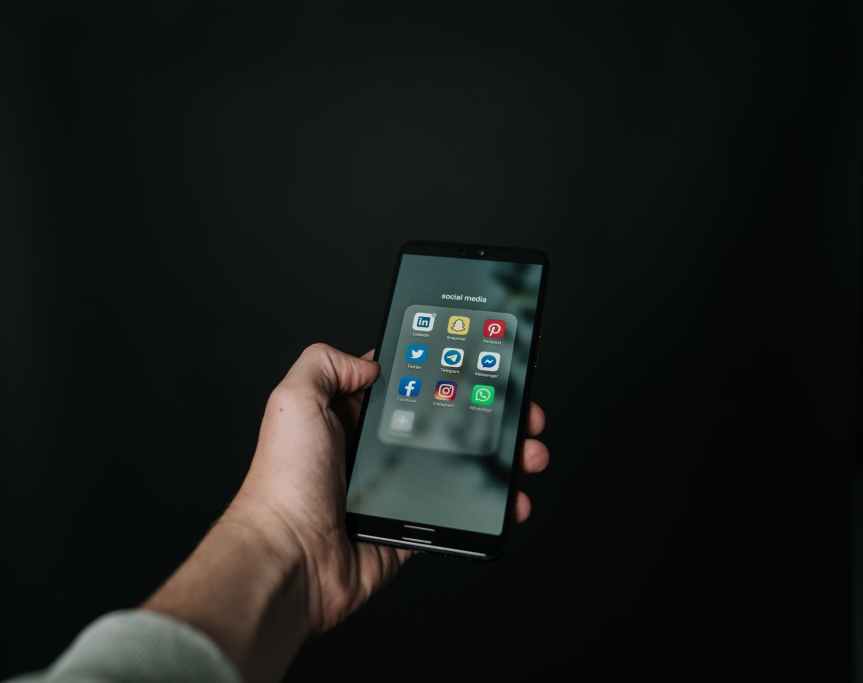
Photo by cottonbro on Pexels.com

With the rapid growth in the usage of social networks worldwide, uploading and sharing of generated content, both text and visual, has become increasingly prevalent.

Today, social media refers to a wide range of Web sites and Internet-based services that allow users to create content and interact with other users. Language is an evolving thing. It’s naive to think that the language of social media isn’t affecting the way we use English in day-to-day life. It’s more appropriate to consider just how much of an effect it’s having on the way we communicate. A whole host of words originating from social media and the wider Internet have become so commonplace that they’ve now slipped into popular usage, and we don’t even realize it.

 Just a few interesting words that have their origins in technology are blogosphere (the collective word for personal websites called blogs), troll (someone who creates conflict online by starting arguments or upsetting people)

Modern companies (like Adidas, mad over marketing or even celebrities) use their presence on social media platforms for diverse business goals. Social media present a new and unique way for direct interaction between the company and different users, right down to the customer as well. While most social media platforms offer some way to measure user engagement, many focus on customer conversion, rather than content.

The emphasis on linguistics and user-generated keywords on social sites

Multilingualism:

 As of now, and according to the data of http://www.internetworldstats.com, the Internet has eight-hundred fifty million English-speaking users out of one billion five hundred million total users. This means that the market for the English language is more or less than one-third of the total market. All this means that there is an enormous body of information being constantly generated which is also being constantly lost behind language usage this proves language diversity in Internet ecology is of paramount importance.

We consider linguistic features in two classes: variations of English, including spelling, and differences in emotive and personal language, including pronouns, interrogatives, and exclamations but emotive language, and personal informal language are used more frequently than the formal tone.

Variation in Lexical Conventions Tweets in the social chats are more likely to contain apostrophes commas and full stop  (such as “can’t”), with missing apostrophes (such as “cant” and “didn’t”) or abbreviations (e.g., “u” for “you” or “k” for “ok”)

Emotive and Personal Language The two collections also show striking differences in tone and the degree to which posts describe personal experiences or opinions. The social community collection has more instances of exclamations and questions, and more non-standard strings of exclamation and question marks. The abundance of exclamations suggests the messages are more likely to be strongly emotive.

Emotions of one kind are also suggested by the number of messages containing any of several dozen grammatically incorrect or swear words or and those all in upper case. Pronouns too are much more prominent in tweets that include the first-person pronoun, and sometimes include the abundance of “ and ” as a word is partly due because we treated “&” as a word boundary.

The infrequent use of the second person pronoun indicates people are not as involved in discussions. Users in this collection also make much greater use of Twitter hashtags to label their posts. We believe this points to more careful use of the posts and a curatorial intent, where hashtags serve to direct a tweet or post to the right audience when the two individuals do not know each other.

There are also instances of online brands becoming so powerful that words have crept into the English language based on them. ‘Google’ is the world’s leading search engine and it has become so universal in its usage that the phrase ‘Google it’ has virtually replaced the phrase  ‘search for it’ in common speech. There are examples of this lifted directly from social media too;  ‘tweet it’ refers to writing a message using Twitter, but has essentially come to mean ‘share it’

Colors are also being widely used to indicate the source of topics: Topics triggered by the page owners on Instagram or Twitter are highlighted through a light blue color. All data is available in an all-time overview.

To summarise, not all social media language is the same. In our collection, talk in the science or work arena is more formal, with more care taken to address an audience, and more concerned with passing on non-personal information, while the tweets or posts in the social environment are more on a personal note, expressing emotions, describing experiences and asking more questions. This mirrors what could be the equivalent genres in other media: a conversation, on the one hand, scientific writing on the other

The not so scientific techniques of language phrasing on social sites

 Some of these tools, such as multi-party chats, discussion forums, blogs, and online reviews, have been a focus of “natural language processing (NLP) research for quite some time now. But within the last decade, NLP work has expanded rapidly to cover an immense variety of new social media content—microblogs such as Twitter, social networks such as Facebook, comments on news articles, captions on user-contributed images such as on Instagram, and forums dedicated to specialized topics and needs (e.g., health and online education)”. Simultaneously, many other research communities are carrying out work using social media data information science, social science, psychology, and linguistics.

Today, a large number of businesses are also centered on or benefit from, analytics and language usage performed on social media. Given these vast research and commercial interests in the social media domain, we are at a time where we should seek to clearly understand what role language has in the field of social media analysis, both in terms of the key and interesting language questions, as well as contributions NLP had made to the research carried out in other fields.

Identifying patterns of usage:

People use the same language for different purposes; most of the time similar content or language used receives millions of views over a week or a course of few hours( likely because of the language which probably have been making the headlines) timing as well play a major role in deciding how fast that particular language or a keyword is being transferred across a particular location for example if there’s a news related to examination during the pandemic chances are the search engines related to that particular news topic will continue to be on the topmost chart among students on a wider range thus making these words ‘lockdown’, ‘online exams’, and covid, etc a specific headlines on Google or social media sites.

Social network and language impact on Cultural awareness

People using social media primarily collect cultural and language examinations through their own experiences and general mobility: by traveling, working, and studying. Nevertheless, they can also gain additional knowledge on languages, cultures, and cultural awareness through social media itself and through other collaborative virtual communities in which they participate.

From unfriend to selfies, social media is having an impact on language and cultural changes. As someone who writes about social media, I’m aware of not only how fast these online platforms change, but also of how they influence the language in which a person writes.

But how much can we trust different categories of social media, such as Instagram for example? The quality and certainty of available materials remain an open question. For that reason, Many researchers suggest the use of authorized materials already available over the Web and in different virtual communities, but not necessarily social media

Most social media users use social media tools for information gaining or cultural acknowledgment particularly through knowing the names of foods consumed by various people over the world, places or the type of clothes worn by people of different cultures and the everyday experiences of populations,  (e.g, cottage cheese which is a generic  term used around the world is known by a specific name in other world countries like Feta in Greece, Ricotta in Italy, and paneer in India so on )

Conclusion

What social media has done is enable us to communicate with a much larger number of people on a global scale in a way that we only really used to be able to do on a local level. It is a rich playground for experimenting, creating new words, and repurposing old ones; it also provides a platform for people who aren’t consumed by grammatical rules and syntax, giving the freedom to flout the usual maxims of conventional English Language and be innovative, creative and forward-thinking. Language is and always has been ever-evolving. Although the developments and trends we witness in language over time are significant, the foundation of the English language remains as strong and infallible as it always has been.

Big Data and Social Media

Photo by Pixabay on Pexels.com

Living in an internet governed world with a pandemic hanging over our heads, all of our work has gone online. With thousands of texts, e-mails, pictures, videos, receipts, searches, video-calls and so much more sent daily, we are now generating an incredible 2.5 quintillion bytes of data every day. With 1 quintillion having 18 zeroes, that’s quite a lot of data and it is very difficult for traditional computing systems to handle. This ever-increasing amount of data is known as BIG DATA.
With facebook, instagram, telegram, twitter, sharechat and so many more social media applications coming up and the rising number of social media users with a single user having accounts across multiple social media apps, the amount of big data is increasing and the impact of big data on social media is undeniable. 

Photo by Pixabay on Pexels.com

When-ever you input any data in any social media platform, whether sending a message to your friend discussing about a new car that was recently launched, or making a check-in at a hotel, it gets stored in the form of big data. Various commercial websites let you sign up using your social media accounts asking you to let them access your data. Now, this big data is used by these platforms to suggest you the various products you have either searched or mentioned.
All of our activities spread over these platforms provide for a very reliable source of market study as it is dynamic and changes quickly with the change in demand of consumers. It helps producers keep a track of the consumers’ requirements and initiate necessary changes to meet them.
The big data available help marketers target a specific audience according to their interests, age, gender, education, etc. Various surveys conducted across various social media platforms that appear as per your preferences, requesting information about the products- whether you like it, ways to improve the product or what brand you prefer that makes getting reviews and improving products easier. 
Big data helps analyze what is the trending topic among the mass during some period of time. It helps influencers use it to their benefit to steer public opinions in support of or against various personalities, especially political personalities.
When such amount of our personal data is stored somewhere, that is accessible by others, even after we are, a lot of time, unwilling to share it, it is a significant threat to our privacy. Although, various social media platforms are now trying and so is our government to protect our sensitive data from breach.

That being said, if used judiciously, big data will be a boon owing to its benefits of ease in the field of marketing and research, as the world is increasingly moving online with 59.5 percent of the world population being active internet users as of January, 2021. So, if our sensitive data is protected, or rather, made volatile, big data will definitely continue to revolutionize the world of social media, marketing and research as it does today but without the public worry of data leaks.

Reference links: https://medium.com/dative-io/how-is-big-data-impacting-social-media-df31aa3f66f6 https://en.wikipedia.org/wiki/Big_data

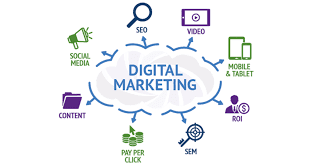
DIGITAL MARKETING


Digital Marketing

Any marketing that uses electronic devices to convey promotional messaging and measure its impact. In practice, digital marketing typically refers to marketing campaigns that appear on a computer, phone, tablet, or other device. It can take many forms, including online video, display ads, and social media posts. Digital marketing is often compared to “traditional marketing” such as magazine ads, billboards, and direct mail. Oddly, television is usually lumped in with traditional marketing.


Did you know that more than 3 quarters of Americans go online on a daily basis? Not only that, but 43% go on more than once a day and 26% are online “almost constantly.”

These figures are even higher among mobile internet users. 89% of Americans go online at least daily, and 31% are online almost constantly. As a marketer, it’s important to take advantage of the digital world with an online advertising presence, by building a brand, providing a great customer experience that also brings more potential customers and more, with a digital strategy.

What is digital marketing?

Digital marketing, also called online marketing, is the promotion of brands to connect with potential customers using the internet and other forms of digital communication. This includes not only email, social media, and web-based advertising, but also text and multimedia messages as a marketing channel.

Essentially, if a marketing campaign involves digital communication, it’s digital marketing.

Inbound marketing versus digital marketing

Digital marketing and inbound marketing are easily confused, and for good reason. Digital marketing uses many of the same tools as inbound marketing—email and online content, to name a few. Both exist to capture the attention of prospects through the buyer’s journey and turn them into customers. But the 2 approaches take different views of the relationship between the tool and the goal.

Digital marketing considers how each individual tool can convert prospects. A brand’s digital marketing strategy may use multiple platforms or focus all of its efforts on 1 platform.

Inbound marketing is a holistic concept. It considers the goal first, then looks at the available tools to determine which will effectively reach target customers, and then at which stage of the sales funnel that should happen.

The most important thing to remember about digital marketing and inbound marketing is that as a marketing professional, you don’t have to choose between the 2. In fact, they work best together. Inbound marketing provides structure and purpose for effective digital marketing to digital marketing efforts, making sure that each digital marketing channel works toward a goal.

B2B versus B2C digital marketing

Digital marketing works for B2B as well as B2C companies, but best practices differ significantly between the 2.

  • B2B clients tend to have longer decision-making processes, and thus longer sales funnels. Relationship-building strategies work better for these clients, whereas B2C customers tend to respond better to short-term offers and messages.
  • B2B transactions are usually based on logic and evidence, which is what skilled B2B digital marketers present. B2C content is more likely to be emotionally-based, focusing on making the customer feel good about a purchase.
  • B2B decisions tend to need more than 1 person’s input. The marketing materials that best drive these decisions tend to be shareable and downloadable. B2C customers, on the other hand, favor one-on-one connections with a brand.

Of course, there are exceptions to every rule. A B2C company with a high-ticket product, such as a car or computer, might offer more informative and serious content. Your strategy always needs to be geared toward your own customer base, whether you’re B2B or B2C.


Types of digital marketing

There are as many specializations within digital marketing as there are ways of interacting using digital media. Here are a few key examples.

Search engine optimization

Search engine optimization, or SEO, is technically a marketing tool rather than a form of marketing in itself. The Balance defines it as “the art and science of making web pages attractive to search engines.”

The “art and science” part of SEO is what’s most important. SEO is a science because it requires you to research and weigh different contributing factors to achieve the highest possible ranking. Today, the most important elements to consider when optimizing a web page include:

  • Quality of content
  • Level of user engagement
  • Mobile-friendliness
  • Number and quality of inbound links

The strategic use of these factors makes SEO a science, but the unpredictability involved makes it an art.

In SEO, there’s no quantifiable rubric or consistent rule for ranking highly. Google changes its algorithm almost constantly, so it’s impossible to make exact predictions. What you can do is closely monitor your page’s performance and make adjustments accordingly.

Content marketing

SEO is a major factor in content marketing, a strategy based on the distribution of relevant and valuable content to a target audience.

As in any marketing strategy, the goal of content marketing is to attract leads that ultimately convert into customers. But it does so differently than traditional advertising. Instead of enticing prospects with potential value from a product or service, it offers value for free in the form of written material.

Content marketing matters, and there are plenty of stats to prove it:

  • 84% of consumers expect companies to produce entertaining and helpful content experiences
  • 62% of companies that have at least 5,000 employees produce content daily
  • 92% of marketers believe that their company values content as an important asset

As effective as content marketing is, it can be tricky. Content marketing writers need to be able to rank highly in search engine results while also engaging people who will read the material, share it, and interact further with the brand. When the content is relevant, it can establish strong relationships throughout the pipeline.

Social media marketing

Social media marketing means driving traffic and brand awareness by engaging people in discussion online. The most popular platforms for social media marketing are Facebook, Twitter, and Instagram, with LinkedIn and YouTube not far behind.

Because social media marketing involves active audience participation, it has become a popular way of getting attention. It’s the most popular content medium for B2C marketers at 96%, and it’s gaining ground in the B2B sphere as well. According to the Content Marketing Institute, 61% of B2B content marketers increased their use of social media this year.

Social media marketing offers built-in engagement metrics, which are extremely useful in helping you to understand how well you’re reaching your audience. You get to decide which types of interactions mean the most to you, whether that means the number of shares, comments, or total clicks to your website.

Direct purchase may not even be a goal of your social media marketing strategy. Many brands use social media marketing to start dialogues with audiences rather than encourage them to spend money right away. This is especially common in brands that target older audiences or offer products and services not appropriate for impulse buys. It all depends on your company’s goals.

To learn more about how Mailchimp can help with your social media strategy, check out the comparison of our free social media management tools versus others.

Pay-per-click marketing

Pay-per-click, or PPC, is posting an ad on a platform and paying every time someone clicks on it.

How and when people see your ad is a bit more complicated. When a spot is available on a search engine results page, also known as a SERP, the engine fills the spot with what is essentially an instant auction. An algorithm prioritizes each available ad based on a number of factors, including:

  • Ad quality
  • Keyword relevance
  • Landing page quality
  • Bid amount

Each PPC campaign has 1 or more target actions that viewers are meant to complete after clicking an ad. These actions are known as conversions, and they can be transactional or non-transactional. Making a purchase is a conversion, but so is a newsletter signup or a call made to your home office.

Whatever you choose as your target conversions, you can track them via your chosen platform to see how your campaign is doing.

Affiliate marketing

Affiliate marketing lets someone make money by promoting another person’s business. You could be either the promoter or the business who works with the promoter, but the process is the same in either case.

It works using a revenue sharing model. If you’re the affiliate, you get a commission every time someone purchases the item that you promote. If you’re the merchant, you pay the affiliate for every sale they help you make.

Some affiliate marketers choose to review the products of just 1 company, perhaps on a blog or other third-party site. Others have relationships with multiple merchants.

Whether you want to be an affiliate or find one, the first step is to make a connection with the other party. You can use a platform designed to connect affiliates with retailers, or you can start or join a single-retailer program.

If you’re a retailer and you choose to work directly with affiliates, there are many things you can do to make your program appealing to potential promoters. You’ll need to provide those affiliates with the tools that they need to succeed. That includes incentives for great results as well as marketing support and pre-made materials.

Native advertising

Native advertising is marketing in disguise. Its goal is to blend in with its surrounding content so that it’s less blatantly obvious as advertising.

Native advertising was created in reaction to the cynicism of today’s consumers toward ads. Knowing that the creator of an ad pays to run it, many consumers will conclude that the ad is biased and consequently ignore it.

A native ad gets around this bias by offering information or entertainment before it gets to anything promotional, downplaying the “ad” aspect.

It’s important to always label your native ads clearly. Use words like “promoted” or “sponsored.” If those indicators are concealed, readers might end up spending significant time engaging with the content before they realize that it’s advertising.

When your consumers know exactly what they’re getting, they’ll feel better about your content and your brand. Native ads are meant to be less obtrusive than traditional ads, but they’re not meant to be deceptive.

Marketing automation

Marketing automation uses software to power digital marketing campaigns, improving the efficiency and relevance of advertising.

According to statistics:

  • 90% of US consumers find personalization either “very” or “somewhat” appealing
  • 81% of consumers would like the brands they engage with to understand them better
  • 77% of companies believe in the value of real-time personalization, yet 60% struggle with it

Marketing automation lets companies keep up with the expectation of personalization. It allows brands to:

  • Collect and analyze consumer information
  • Design targeted marketing campaigns
  • Send and post marketing messages at the right times to the right audiences

Many marketing automation tools use prospect engagement (or lack thereof) with a particular message to determine when and how to reach out next. This level of real-time customization means that you can effectively create an individualized marketing strategy for each customer without any additional time investment.

Email marketing

The concept of email marketing is simple—you send a promotional message and hope that your prospect clicks on it. However, the execution is much more complex. First of all, you have to make sure that your emails are wanted. This means having an opt-in list that does the following:

  • Individualizes the content, both in the body and in the subject line
  • States clearly what kind of emails the subscriber will get
  • Offers a clear unsubscribe option
  • Integrates both transactional and promotional emails

You want your prospects to see your campaign as a valued service, not just as a promotional tool.

Email marketing is a proven, effective technique all on its own: 89% of surveyed professionals named it as their most effective lead generator.

It can be even better if you incorporate other techniques such as marketing automation, which lets you segment and schedule your emails so that they meet your customer’s needs more effectively.

WHAT DOES ADOLESCENCE NEED?

Need for independence

With the growing physical and mental development an adolescent wants to express his opinion independently, to take part in different social activities and to become self-dependent like any adult member of the society. On attaining adolescence, the child who earlier used to depend on his elders, finds himself full of life and energy and cannot help but to take part in the diverse activities of the society. Thus, he defies the dominance of his elders and wants to proceed in life independently

Need for self-recognition

The adolescents not only want to take part in different social activities but also want self-recognition. They want to attract attention of other people by showing their abilities. The children in adolescence want to project themselves before the society in such a way so that people can appreciate their qualities and give them due respect and recognition.

Need for self-expression

There is a great desire among the children in adolescence to express their feelings, thoughts and ideas. At this age, every child wants to express himself in his area of proficiency like sports, dramatics, studies, music, literature, art or any other medium.

Need for social life

One of the important needs of adolescents is to take part in the greater social environment. Before entering into the age of adolescence, children do not get much scope to mix with people outside their family. But as they attain adolescence children want to experience the greater social-life and want to get involved closely in different social activities. This need for social life gets an outlet when the adolescents involve themselves in the activities of different social institutions like club, social welfare committee, community service etc.

Need for self-reliance

Another important need of children in adolescence is the need for self-reliance. There is a great desire among the children of this age to become self-reliant as soon as they attain puberty. And they start dreaming about their future professions and the ways to establish themselves in their respective fields. The children of this age are also very eager to acquire professional qualifications according to their choice.

Need for Philosophy of life, morality and need to know the unknown

The children in adolescence want to have a philosophy of life, a clear concept of morality and want to know all the things which are unknown to them. They have a lot of inquiries regarding the basic purpose of life. They want to know how human life can be goal-directed and what is the main aim of life. When the children attain puberty, they also indulge in a great deal of thinking over the concept of right and wrong, good and bad. They want to evaluate all the activities of themselves and people around them in accordance with the concept of right and wrong. There is always a tendency among them to do whatever is morally right. And if they do something morally wrong, they go through terrible mental agony. At adolescence, there is also a great desire among the children to know what is unknown to them. The new discoveries of science have a great influence on the minds of adolescents.

Need to satisfy sex-related curiosity

As the children attain puberty they develop a deep sex-related curiosity. This curiosity greatly perturbs them as the result of natural outcome of their sexual development. First, they try to satisfy this curiosity by natural means. But later, by being ignored or scolded by the elders, they try to satisfy this curiosity through abnormal ways. Adolescence is one of the important stages of growth and development of the child. At this stage a unique disturbance develops in the mind of the child. According to modern Psychologists, this disturbance in the mind of the child is not an essential outcome of his physical development, rather it occurs in the mind of adolescents because of unfavourable environment.

Social Media

A tool that has become extremely popular among all generations because of its user-friendly interface is social media. The most dominant user crowds of social media are the youth, which is both impressive and a daunting issue at the same time.

Photo by Tracy Le Blanc on Pexels.com

Our connections have widened thanks to social media, and almost the entire world is available at our fingertips. But amid all the fleeting but intriguing trends on social media that impact us, we must be careful not to lose our uniqueness.

The massive reach quality of social media is a powerful quality that makes me wonder about times when it is not be used for positive purposes. And it is no news that industries have also realized the power of social media on our lives and have started using it in their favor.

To sum up, social media has both good and bad aspects, which is a debatable topic, just like our opinions. It also gives rise to several online arguments and debates on social media.So use social media in limited way .

Social media is a tool that is becoming quite popular these days because of its user-friendly features. Social media platforms like Facebook, Instagram, Twitter and more are giving people a chance to connect with each other across distances. In other words, the whole world is at our fingertips all thanks to social media. The youth is especially one of the most dominant users of social media. All this makes you wonder that something so powerful and with such a massive reach cannot be all good. Like how there are always two sides to a coin, the same goes for social media. Subsequently, different people have different opinions on this debatable topic. So, in this essay on Social Media, we will see the advantages and disadvantages of social media.

Advantages of Social Media

When we look at the positive aspect of social media, we find numerous advantages. The most important being a great device for education. All the information one requires is just a click away. Students can educate themselves on various topics using social media.

Moreover, live lectures are now possible because of social media. You can attend a lecture happening in America while sitting in India.

Furthermore, as more and more people are distancing themselves from newspapers, they are depending on social media for news. You are always updated on the latest happenings of the world through it. A person becomes more socially aware of the issues of the world.

In addition, it strengthens bonds with your loved ones. Distance is not a barrier anymore because of social media. For instance, you can easily communicate with your friends and relatives overseas.

Most importantly, it also provides a great platform for young budding artists to showcase their talent for free. You can get great opportunities for employment through social media too.

Another advantage definitely benefits companies who wish to promote their brands. Social media has become a hub for advertising and offers you great opportunities for connecting with the customer.

Disadvantages of Social Media

Despite having such unique advantages, social media is considered to be one of the most harmful elements of society. If the use of social media is not monitored, it can lead to grave consequences.

It is harmful because it invades your privacy like never before. The oversharing happening on social media makes children a target for predators and hackers. It also leads to cyberbullying which affects any person significantly.

Thus, the sharing on social media especially by children must be monitored at all times. Next up is the addition of social media which is quite common amongst the youth.

This addiction hampers with the academic performance of a student as they waste their time on social media instead of studying. Social media also creates communal rifts. Fake news is spread with the use of it, which poisons the mind of peace-loving citizens.

In short, surely social media has both advantages and disadvantages. But, it all depends on the user at the end. The youth must particularly create a balance between their academic performances, physical activities, and social media. Excess use of anything is harmful and the same thing applies to social media. Therefore, we must strive to live a satisfying life with the right balance.

The impact of Social Media Influencers on Sales

The way social media influencers directly or indirectly influence publicity and promotion somehow also influence the sales of a brand. Some of the ways in which social media influencers impact sales are:

1. Help in Consumer Research Phase:

Nowadays, market is mostly “consumer-oriented”. Consumers search and research, read reviews about a brand and hence they want someone trusted and experts who will voice their opinions, concerns and recommendations. Influencers play a vital role in spreading the word of mouth and recommendations thereby increasing sales.

2.Help in increasing Return on Investment:

Social Media Influencers help in achieving a relatively high Return on Investments than other factors. It is because of low capital investment. Other forms of advertisement or marketing tools require huge capital whereas dealings with Social media Influencer can be fixed just on a simple phone call.

3.Content Creation helps in increased Sales:

Influencers create meaningful and exciting content that sometimes evoke interest in the viewer to buy the product. Apart from this, Influencers also work on multiple social media accounts and this helps them to reach wide and diverse audience. This is also very helpful for increasing sales in a business.

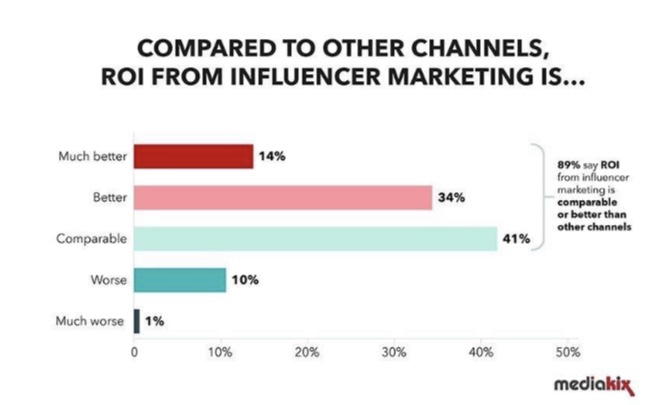
In a recent survey by Mediakix, a famous influencer marketing agency, about 89% of respondents say Return on Investment from Social Media Influencers is better than other channels.

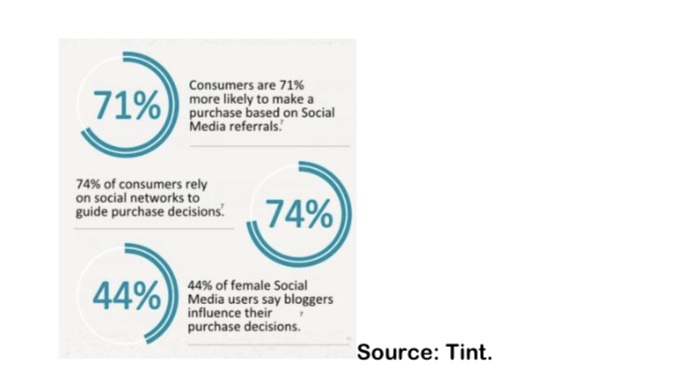
In another survey by Tint, 71% of respondents told that they rely on social media referrals for purchase decisions.

Some Examples:

1) Glossier, USA.

The USA based beauty brand has built its brand image by entirely relying on Social Media Influencers and other forms of digital marketing. They rely heavily on influencers as they send new products to influencers before the products are even launched so that influencers identify the flaws and suggest improvements (if they require) and thereafter the brand makes the changes accordingly.

2)Daniel Wellington, Sweden

This company was able to tap the “business opportunity” and it proved out to be quite fruitful for them. They broke into the Indian market by solely relying on Social Media Influencers. It is a watch brand company sends its new products to big social media influencers in India and enjoys extreme profits and sales. They were able to see India as a good market due to the country’s vast population.

Conclusion:

Social Media Influencer marketing or the Influencer marketing has become the fastest growing trend in communication in last few years. The key factors involved to be a good influencer are trust and credibility in the message. Latest studies and research have proved that social media influencers contribute to a business’s growth in a very positive manner in terms of promotion, publicity, sales and ROI. Many assume this marketing tool is temporary and will extinct in few years, however only time can say it.

Twitter vs Instagram. What’s better for business?

Before we get into the details about marketing on Twitter and Instagram, let us learn quickly about some of the key features of both Twitter as well as Instagram.
Twitter was launched in 2006 whereas Instagram was founded in 2010. As of 2020, there are 1.3 billion twitter accounts out of which only 330 million are monthly active users globally whereas there are 1.2 billion Instagram accounts out of which 1 billion are monthly active users globally.


About 293 million Instagram users are aged between 15 and 24 and 338 million users are aged between 25 and 34. Talking about Twitter, 80% of its global population is below 50 years old. Twitter ranks slightly behind Instagram when it comes to users 60+ users.

When it comes to the worldwide gender split, about 51% of Instagram users are female and 49% are male and when we talk about Twitter 62% are male and 38% are female. 85% of India’s Twitter audience is male, ranking the country third highest for male-to-female ratio.

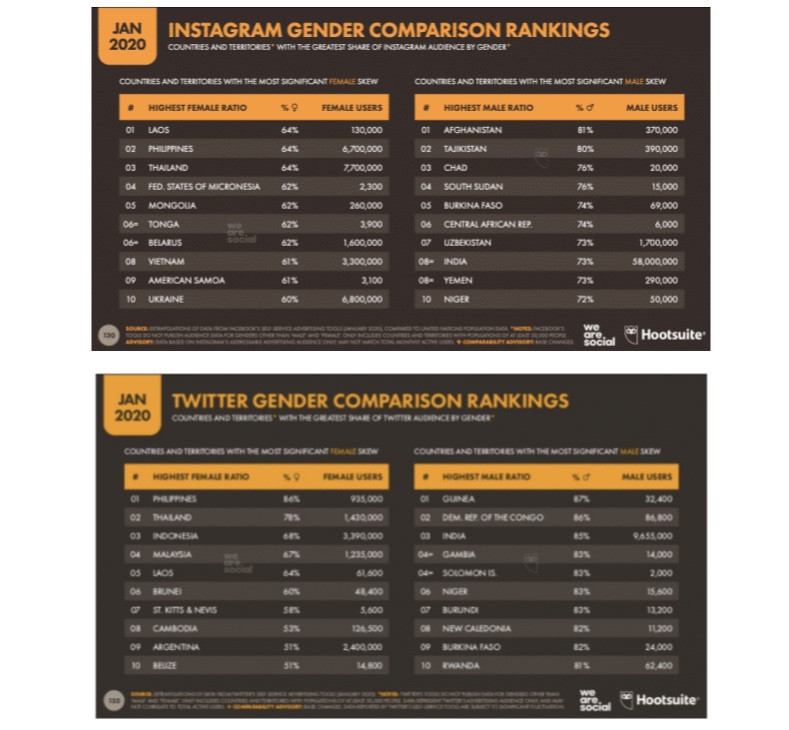
With the help of the above graphs, we come to know that Laos has highest female ratio when it comes to Instagram and for Twitter its Philippines with highest female ratio.

1. USER ENGAGEMENT REACH

One of the commonality between Instagram and Twitter is that maximum of their active users are aged between 18 and 29. And if a business is looking for a young audience, then surely it has to select both Instagram and Twitter.
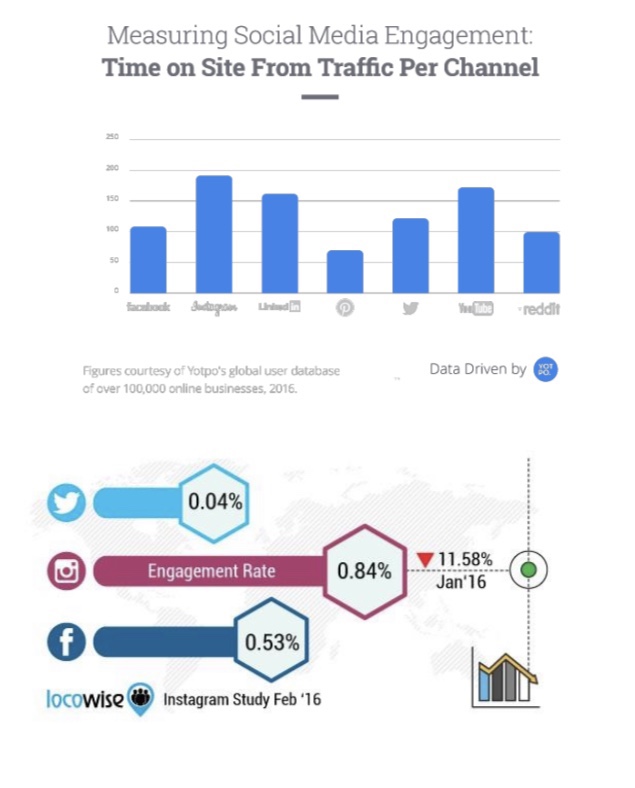
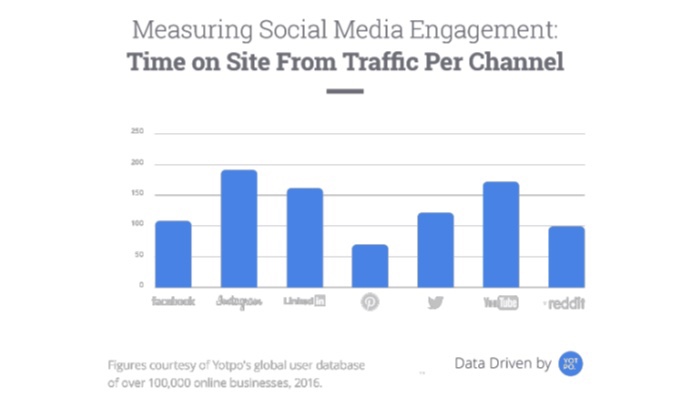
From the above two graphs, it is quite evident that user traffic is much higher on Instagram than any other platform.
However, it is important to note that maximum Twitter users are inactive and Instagram users are mostly active with over 500 million people using Instagram daily whereas only 330 million Twitter users are active monthly. So if a new business wants to enter the market and wants easy and quick promotion, Instagram is a better option any day.

2. Sales

Instagram has separate business profiles specifically for collaborations and business deals. Email, contact number can be directly attached on profiles whereas same does not happen with Twitter.
Another important characteristic where Instagram leads over Twitter is its “Trackable” feature. Sales and Leads can be tracked through Instagram Advertisements and hence we can see clear Return on Investment.

According to Shopify, an e-commerce platform, average price tag for a sale referred from Instagram is $65 and it is $55 for Facebook and $46 for Twitter.
With Instagram settings, we can link our profile to other social media accounts such as Facebook and Twitter but the same is not possible with Twitter and this can indirectly help in increasing sales.

Instagram being a more visual platform with variety of formats available is doing better than Twitter in driving sales.
In the graph below, it is found that traffic on Instagram is more than Twitter. So it is obvious, Instagram is ahead of Twitter when it comes to generating sales.

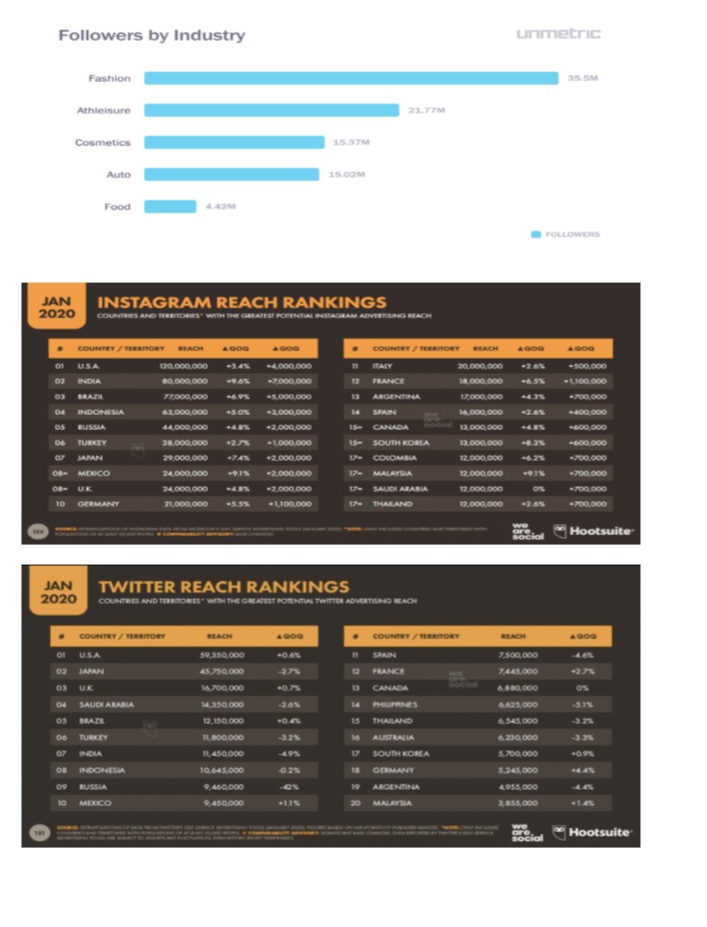
It is also important to note that Sales on social media platforms also depend on the country and the business field one is in.
After analysing the below three graphs, we will be able to understand that it is better to avoid using any of these applications for our business if our target audience is not into these fields and countries.

3) Return on Investment

Providing a link on our Instagram bio can fetch a lot of traffic and doing the same on our Tweets would also increase our traffic. Making good investment on Instagram sponsor advertisements and Twitter advertisement also increases our user traffic dramatically as Twitter shows our advertisements on “TRENDS” while Instagram shows our advertisements on stories.
Mostly, influencers prefer Instagram over any other platform since it is easy to handle and even users like Instagram posts as compared to other formats. And at the end all a business wants to do is to increase sales and earn profits. This is possible more on Instagram due to its unique yet diverse formats, high user engagement and efficient promotional techniques, so definitely ROI is bound to be more in Instagram than on Twitter.

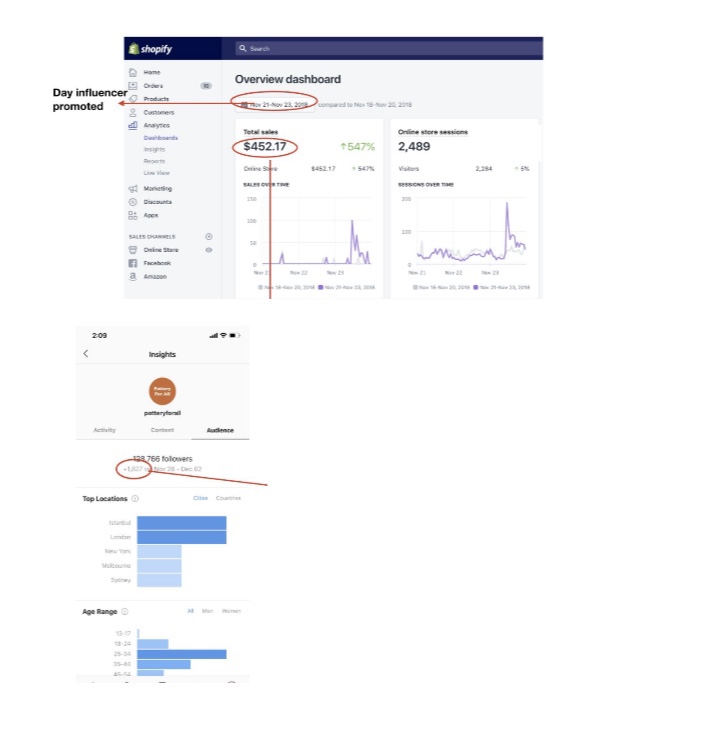
Also, as mentioned before, Instagram Business profiles provide each and every detail about insights, engagements, and sales and as a result it gives better information regarding ROI in comparison to Twitter.
Two examples of Sales Tracking, User Enagagement and ROI information are given below.

Conclusion: Both Instagram and Twitter are doing well when it comes to marketing strategy and business. If we talk about situation half a decade ago, Twitter was leading but in 2020, Instagram is unbeatable winner.
Growth of the business also depends on the industry, for example fashion industry will do better on Instagram while News Industry will do better on Twitter.

Have you been struggling from social media anxiety?

Maybe you may have been a modest social media user prior to the lockdown, but do you find yourself hooked to your phone, browsing Instagram and Facebook constantly for updates and seeking out on Whatsapp for news or a connection because of the COVID-19 issue swept over our lives? You could be struggling from social media stress without realising it.

First and foremost, recognise that this is an unusual reaction to an unprecedented circumstance. The overwhelming bulk of us have rarely been subjected to a pandemic, let alone one which necessitates such restraint. Our brain wants to make any sense of the confusion — it’s a natural human need — and we do it by gathering more and more content; therefore, the constant browsing on social media platforms.

It’s a method of relieving stress. Many make use of social media to relieve the psychological stress that has built up. People are anxious because the future appears to be ambiguous right now. It is not anxiousness with a specific objective in mind. It is a dispersed anxiousness caused by uncertainty. This type of anxiety requires a continual diversion in order to be kept under control.

As a result, we resort to social media because of its addictive qualities of providing something which captures our interest every few moments, every time we browse.

How does it affect us?

What began as a diversion strategy has evolved into a vicious mood loop in which all information, fact and fiction, serves to increase our anxiety, resulting in mood swings and irritation. It has been thoroughly investigated in study, which discovered that excessive media use dramatically increased social media anxiety and tiredness, which subsequently resulted in heightened stress.

What can we do to avoid feeling anxious as a result of social media?

  1. To combat FOMO, do this test: turn off your phone for two hours. Sure, you will have the want to glance at it every few moments, but resist. We don’t actually lose out on much by avoiding social media for a few hours, but it seems like we do since we are constantly overwhelmed with incoming news at all times.Our minds are constructed by nature to filter material so that we may apply selective attention; nevertheless, we are currently eroding that filter, that may have long-term consequences for cognitive performance.
  1. Recognize and accept your addiction. There is no point in denying that you may be hooked to social media since that is how it is built. You’re not the only one. Accepting, on the other hand, is the very first step towards reclaiming control. Remind yourself that this is a ‘fix’ every time you go for the phone. 
  1. Encourage surfing. Our impulses, especially the ones that cause us to pick up our phones, occur in waves, with each wave ranging around 20-30 minutes, regardless of whether we indulge in it or not. When you sense the need to indulge in these kind of activity, you may feel powerless if you don’t, but remember that the impulse will fade away.

When we are deprived of exterior stimuli such as socialising, commuting to work and vacationing, it is normal to resort to social media for enjoyment. But keep an eye on whether you’re just using or allowing it to dominate you.

What Happened When I quit Social Media for a week!

Photo by Tracy Le Blanc on Pexels.com

As technology gets advanced, we as humans also get advanced and updated with all the latest techniques which we implement in our daily lives. In particular, the era in which we are all living is also known as: “The Era of Pandemic”, or  “The New Normal” or famously known as the “Tech World”.

It’s a fundamental phenomenon as a Human being since civilization that, we tend to find positivity and relieves from our stress when we are in any sort of social activity. Profoundly our youngsters who usually had “Friday nights enjoying with friends” or maybe going on a long drive with loved ones or maybe just chilling around in a beach with their homies is always their favorite part. Unfortunately, the world got standstill and the world collapsed out from the deadliest pandemic ever which changed all our lives.

Living in a situation where we are restricted to go out of the house, we find social media as the best way to be socially active with our friends and loved ones who are far away from us, and in this scenario, the meetups are done through face call, Chats, video calls which are little relief in these days.

According to my personal experience: when lockdown started, then my usage for social media increased and this growth of interest for social media became my addiction in the end. Imagining a life without social media made me felt anxious and depressing whenever I got this notion. This Notion was a state of perplex and also was a phase of my life when I was frightened of my addiction.

Technology brought both Bliss and discontent into our lives, which is also a major part of concern if we look into the darker side of how it is affecting every human, especially at the time when everyone is bounded to be inside their homes.

The secret of Detoxing My Social Media Addiction :

Out of wonder, I tried an experiment of myself which brought an unexpected but successful result for controlling my Social Media addiction.

To control addiction is never an easy job, but all we can do is to strive upon ourselves and one must be having faith in themselves only then they can accomplish their goals.

Things happened with me when I quit social media for a week, here are my accomplishments :

  • Sometimes Fewer Interactions are good for an Individual: Living in the world of social media, every individual feels like being active to gain a lot of attention and become popular among their friends and communities. But it is always not necessary to interact with people, sometimes not using social media and less interaction is essential as an individual should spend some time with themselves and forget the glittering life of social media. As it is a form of self-care which will help us to understand ourselves by introspecting the inner us.
  • You are less Anxious and Live a happy life: When a person becomes an addict of SM ( social media)world they tend to feel SM as the “Second Home”, which ultimately put them into a pit of anxiety and lowers their self-confidence, Watching other people who are glorious with all types of luxurious life and wearing a fancy dress makes them feel unwanted and people try to imitate their idols by watching their profile. Sometimes people find themselves useless in front of the bigger celebs who are having all sorts of materialistic things and compare their lives with the celebs.

This itself is a sign when people belittle themselves and there comes anxiety in their minds. When we are using less SM than we live a happy life because all we are focused on is with ourselves and we won’t compare our lifestyles with others. Especially the youngsters should keep this in mind that their lives are not meant for comparing,  as everyone has their own life which is beautiful in their ways.

  • Detoxing is a way for self-care/ self-love: As we can look that the people who usually spend more time on social media are often depressed and sad by scrolling things that are not available in their situation and environment. There are several contents which show us the negative side which provides a negative feeling to the people.

Cutting off social Media also helps to focus on yourself as it is a way of caring for yourself and caring for your health. Being addicted to anything destroys our sanity and deteriorates our health. So it’s better to avoid SM as much as possible.

Instead, explore yourself and find things that you love about yourself. “Before knowing the world, one must know about themselves as knowing the inner self is a way of understanding the world”.

  • We come out of the unrealistic / counterfeited world: Social Media is a world where everyone is living a fake life. There is no reality, everyone tries to show how perfect they are, but in reality, they are not even confident about themselves. So, it is better to avoid social media and switch on to the real world and live an adventurous life where the world is real and your experiences are real.
  • It helped me to find my real self: After Removing my social media for a week I realized one thing that I felt confident about myself as no one was there to judging me and no one passed comments, rather living in a real-world where I was the critic of my own life and explored my real self.

The time which I used to spend on SM for hours, were now invested in growing my inner self and keeping my body healthy by some workout and meditation, this helped me to focus on my personal growth.

This was the time when I explored myself and found my passion and hobbies which were realistic.

Social Media is not a bad place, but one must always remember that everything we do should be within limits. As social media is not the real world and we should know the difference between the real world and the unrealistic world.

Advantages and disadvantages of social media

Photo by Tracy Le Blanc on Pexels.com

In todays life social media has become a very vital and essential part of our life. and the extent of its need is that at we cant live even a single day without social media. Its like we drink water to survive, same is for social media(for most of the people),we cant imagine ourselves without it. But first of all , the questions arises…how it has gained this much of importance?

If we look back.. (say 20 years back) those were the days when social media was not much popular not everyone knew about that but with the passage of time, it gained popularity. People started liking it because of its benefits. the relatives which lives far from our home we have no clue about them that what is going on their life was made possible due to social media. which we could have never imagined. it has not only changed personal life but also professional life. communication has been made much easier with the help of social media.

Photo by Anthony Shkraba on Pexels.com

Through Social media people were able to adopt digital marketing instead of offline. these are some of the benefits of social media, due to which Social media became such popular and essential part in one’s life.

Advantages of social media

There are several advantages of social media , but some of the advantages that i would like to state are:-

1.It has made communication in both (personal and professional ) relations very easy and strong .we are just a message far from communicating with our loved ones .it has created a huge network to connect people .people are getting new friends through social media and in professional life also people are they are able to get lot of knowledge .

2.Through social media , we are able to share our qualities and skills to whole world which we sometimes hesitate to share face to face. Due to which we are able to connect with our mentors ,friends and role models .we can also express ourselves in social media.

3.carrier building is one of the most important use of social media. and social media allows us to connect with specific people or pages that keeps us updated about current affairs, that gives us tips and guide us to achieve our goals.

4. One of the most important use of social media nowadays is it keeps our mental state(if used properly) good. there are many things in social media that makes our mood happy and one of the most important thing in this is none other than ‘Memes’.

memes are anything (image , video or anything else) which has humor in it which is shared by internet users to each others. They are made from any film, real life incident or current affairs, that is liked by all over the world.

5.And last but not the least , during this pandemic social media helped us a lot. it created awareness among people to wear mask and maintain social distancing and many important information were exchanged through social media.

Photo by Teona Swift on Pexels.com

Disadvantages of social media

As earlier we discussed about advantages of social media, there are equal number of disadvantages of social media some of the disadvantages are listed below:-

1.Anything that is overused is harmful for us, same is applied for social media.one of the major problems of social media is that people spends lot of time in these social networking sites searching irrelevant things .That are of no use instead of using it the right way, people( specially teenagers ) are always busy in social media. They are addicted to social media, especially teenagers are busy with social media which eventually lead to cut off to society and physical meeting to each other.

2.cyberbullying is one of the biggest disadvantage of social media people are creating fake accounts and doing whatever they want with it without being traced.it has become very common and bully anyone on the internet .This also includes death threats ,fake rumor and discomforting anyone which can have effect in victims mental state.

3. Social media helps people in relationships but some people cheats others with fake feelings and totally wrong in formation about them.

4.Hacking is also a concern in using social media. People’s personal data and privacy can be easily hacked and can be misused .which can also cause financial loss to the person. We always hear news that famous celebrity’s or politician twitter account been hacked. this is a very serious problem. when these VIP people’s account can be hacked with such ease so what about us .This is very serious issue.

5.social media also cause health issues. People are not adopting healthy lifestyle they are busy in social media till late nights and waking up late in morning that is affecting health .people are not adopting healthy lifestyle which can cause some serious health issues.

conclusion

we discussed about social media and its effect in our life.we came into a conclusion that social media is very important and essential in one’s life but the miost important thing is to use it the right way and in a limited amount.

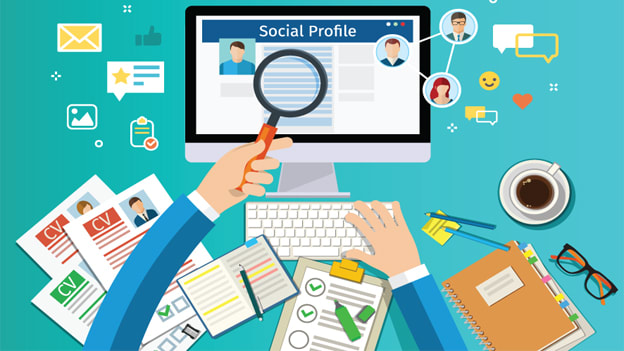
Should Employers Check Social Media Accounts of Potential Employees?

In today’s world everyone has at least one social media account. This shows how much social media has gained popularity especially among youth. With this rise, an increasing number of companies are utilizing it to screen job prospects which means they check their potential employee’s social media account. So, make sure your social media profiles are appropriate for work because it could possibly have negative impact on your work life. It has the potential to cost you your present work as well as future career chances. According to a poll conducted by career builder in 2018, the result depicted that 70% of employers use social media to evaluate candidates throughout the recruiting process, while 43% use it to check on current employees.

Employers examine social media accounts for a variety of reasons, but the most common one is to ensure that a candidate is a good match for their firm. they do so because social media accounts allow them to get a look of a person’s personality outside of their resume, which aids them in finding the best candidate for their company.

However, Before relying on any information obtained from social networking sites such as Facebook, Twitter, Instagram, or LinkedIn, it’s vital to understand that there are several flaws to be wary of. When checking a candidate’s social media history, employers and HR professionals should be cautious. A social media history should only be evaluated as part of a comprehensive background check on job applicants. A criminal history record, as well as academic and job verifications, should all be included in a background check that can easily be done by hiring a third-party who is good in running background checks on applicants. 

Everyone who is seeking for a job or will be applying in the future should examine their social media profiles and not entirely delete their online presence. Because as per statistics 47% Employers do not call  people for interviews if they can’t locate them online. More than a quarter of employers say they like to acquire more information before phoning a candidate, and 20% say they expect candidates to have an online presence. so, deleting a social media account out of fear of shame is a no-no. you can simple keep it clean anyway. 

Now, the question of privacy comes into play. So, Employers are perfectly legal to examine public social media platforms, but anything beyond public accounts is a murky area. As long as the employer has access to public information that everyone can see, there should be no privacy concerns.  But a major pitfall is that A social media search, on the other hand, cannot provide a check on the authenticity or veracity of the material. As with any other background or reference check, the information obtained through social media must be checked for accuracy because a person’s whole career is dependent on that 1 job. Employers should use extreme caution when using social media searches to gather information about job candidates. At the absolute least, companies should consult their attorneys before obtaining information for employment reasons via social media. 

As per the data collected, following are the types of posts and behaviors that left a negative impression on employers. It is essential to know this because more than half of the employers i.e. 57% polled claimed that they discovered something through their social screenings that caused them to reject a candidate. 

Provocative or improper photos, videos, or information were shared by a job candidate: 40%
job applicants disclosed details regarding their drinking or drug use: 36%
Discriminatory remarks on color, gender, religion, and other factors were made by a job candidate: 31%
The following job contender was related to illegal activity: 30%
An applicant for a job lied about their qualifications: 27%
Candidate’s communication abilities were poor: 27%
A job seeker slandered their prior employer or coworkers: 25% 
The screen name of a job seeker was unprofessional: 22%
Former employers’ private information was disclosed by a job candidate:  20% 
Candidate for a job lied about an absence: 16%
Candidate postings are very frequent: 12%

Professionals should not take any shortcuts when it comes to establishing a positive internet presence once they have landed a job. According to the survey, 48% of companies visit social networking sites to do background checks on existing employees and as per sources they had fired them too. So one seeking job or an employee should keep his/her social media accounts clean in order to secure their jobs. 

A Discussion About Our Mobile Phones

A mobile phone, also known as a cell phone, is something that all of us are familiar with and own. When the mobile phone was initially introduced, it was used primarily for phone calls and messaging. Today, phones have a computing speed greater than even some larger technological devices like a computer or television, and are so technologically advanced that we do not have to bother with most physical actions that take up time and effort. All of it can be done through the phone and the internet available on it, whether it be banking, paying bills, ordering something, etc. Furthermore, we can stay connected through phones with friends and family on the other side of the globe, through means such as video calling and multimedia messaging. A world of social media has opened through the phone that helps us connect with people all over the planet. However, like every other device, the mobile phone also has its own disadvantages.

The Good and the Bad

Possibly the biggest advantage of the mobile phone is that it has helped us stay connected to the people in our lives. This has occurred not only in the form of voice calling, but now also through video calling and social media contacts. It makes day-to-day life so easy and efficient, and has a range of tools that are accessible to us. For example, we can check the weather, the route to our destination, and use a calculator; all on our phones. Furthermore, it is perhaps the biggest source of entertainment in today’s day and age, with a multitude of games and mass media all available on it. Apart from these, the access of internet through our phones has meant that we can perform all our functions and meet all our life’s requirements through this simple device. It acts as a source of a large amount of information about the world, access to things like YouTube and Twitter, and allows to conduct monetary transactions all through the touch of a finger. In this sense, it is an amazing multipurpose, all-in-one device which is a necessary in our lives.

However, the mobile phone can also be the source of distress and disadvantage in one’s life. People are prone to addiction to their mobile phones, and end up using them for hours on end. This means that there is a lack of real-life communication and interaction, as people get sucked into the online world of their phones. Perhaps the most pressing concern today, especially among teenagers, is social media addiction. People get addicted to social media which has wide-ranging effects on their personal health, both mental and physical. Mobile phones also may cause health hazards, as they emit blue light and radiation which can damage brain cells. Furthermore, the mobile phone has also been the primary cause for lack of privacy in today’s world, as all our personal information is available for everyone to see. It is easy to get pulled into the world inside our phones and waste countless hours of our time on it. The phones almost become our lives, and this means that losing our phones is almost equal to losing our lives.

Conclusion

The mobile phone is a fantastic and necessary invention, but we must keep in mind that it comes with its own curses. How the mobile phone affects our lives depends on how much importance we give to it and how much we use it. It is all about finding a middle-ground in such a case, where you are not addicted or living in in your phone, but also not completely neglecting it and how it can enrich your life and make it more convenient. Regardless of its shortcomings, it is impressive to see how far our society has come through the invention of the mobile phone. Now we have everything within the reach of our hands, and the mobile phone has brought about a revolution in the lives of people in this century.

The impact of Social Media Influencers on Publicity

In terms of marketing, publicity is the public visibility or awareness of a product, service for any organisation or business or company. It may also refer to the movement of information from its source to general public often (but not necessary) via the media. Here are some of the ways by which Influencers impact the publicity of a brand:

1) Building Awareness about the Brand:

Social Media Influencers on various social media platforms establish credibility in a particular industry (like fashion) and there is a huge gap between brands and their end users. Influencers try to bridge this gap as they take consumers through the “decision making phase” and thus help in creating a positive brand reputation.

2) Informing people about the product:

One of the main reasons why consumers trust influencers is that they relate with them on a personal level. Influencers know about the major everyday needs of an individual and hence they keep their followers “up-to- date” about latest trends regarding existing products, services or giving details about latest products.

3) Sponsor products in their profiles:

Sometimes social media influencers prefer fixed payments to feature the products of a brand or feature brands on their profile for a specific period of time or they may feature the products in their social media posts. This directly helps in general awareness of the brand.

4) Giving Prizes:

Social Media Contest is one of the most new ways that increases popularity of brands or product of brands. Business firms collaborate with social media influencers and it is the most cost effective technique to build awareness and general interest in brands. This is a typical strategy and it may require certain condition in exchange of prizes such as following the official page of the brand, tagging friends, liking posts and like.

These things directly help in increasing the online engagement and further increasing general interest in the brand.

Source: Januz Wielki.

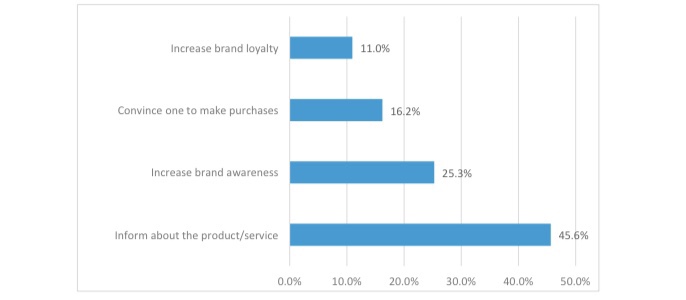
The above graph is from a recent survey conducted in August 2020 and it shows that majority of respondents feel “transfer of information” about a product is the main thing they look when it comes to social media influencers.
Increasing brand awareness and brand loyalty are the next two elements that respondents look when it comes to social media influencers.

This acts as evidence that social media influencers are very impactful when it comes to promotion and publicity of a product or a service. In this modern era, where social media is the new “illusion” of people, social media influencers help in building and increasing brand awareness and thereby they assist in promotion and publicity. Good Marketing Managers would tap this opportunity of “social media influencer marketing” to enhance the audience reach of their business.

Social Media: A Blessing or a curse

See the source image

Our world is changing rapidly with the change in technology. We have seen some massive good and bad effects of technology in our lives and society. Social media can be a blessing and a curse depending upon your product, service, and the specific platforms you choose to use. We all are addicted to some social media channels like Facebook, Twitter, Instagram, and Snapchat etc. It’s a hard fact that social media has changed our lives in both negative and positive ways.

Positive Impact

We are living in a modern age of internet when no one deny the presence of social media. The world has changed a lot in the last decade or so. After the creation of the Internet, the world has become a global village. Information is accessible everywhere and any time. In earlier days we used to send letters to our friends and family members, and it took days to reach the destination. Now with the blessing of internet we can write emails and send messages through WhatsApp and can communicate with each other without any delay. In this pandemic where Coronavirus has completely changed our way of living, just imagine if there was no internet how we could have survived in this situation. Now somehow with many apps available in the market we were able to minimize the impact of this pandemic and continue our routine work. Classes are conducted online due to which students do not have to waste their time sitting idle at home. Many people have started online start ups , they can sit at their home and work online without going to offices.

Negative Impact

Social media is leaving negative effects on its users in many ways. People try to talk less and only where it is necessary. They avoid communicating with their family and try to spend more time using social apps. It is usually seen among kids that they do not talk much with their family and prefer to spend more of their time using social gadgets and remain alone in their rooms. It has become another popular trend that they use short forms in their conversation instead of promoting their native language. The frequent use of social media has decreased the physical activities of the generation which is causing a lack of confidence. People who use social media find it hard to speak confidently sitting in some gathering. The people who are habitual of using social media have less informative skills because their mindset doesn’t allow them to think out of their spam as the use of social apps restricts their thinking. Its addictive usage is creating visual and headache problems among its users. The harmful rays that come out of the devices that they use, affects their brain and eyes. Social media users show fearless and rude behavior to their parents and show no interest in family gatherings and sittings. Its usage has increased the demand for money and facilities which sometimes leads the user to superiority or inferiority complex. Crime cases and very especially women harassment cases have also been increased because of the influence of social media on society. 

Are online friends better than real ones?

We all at some points have been more closer to an online friend than our real-life friends. The world of social media made it easier for us to connect with people from any part of the world. We made these online friends through games, random comments, or social media. We still talk to them regularly and sometimes they know more about us than our real friends.

I remember a time in my life where I was struggling through issues, and I did not want to discuss them with the people around me. So, I messaged my online friends and honestly, they gave me some of the best advice. I also remember talking for hours to some of my online friends about political issues, world debates, random topics, etc. We had way more to talk about than I do with the friends who live near me.

A few reasons why online friends are great:

Trust: It is always easier sharing things with an online friend because they will not gossip around. Real friends tend to share the things we tell them to other people.

Honest: Real-life friends lie sometimes to make us feel good. But online friends mostly tell the truth. If they think a dress is ugly, they will not let you go out wearing it.

Judge: Online friends do not judge us for who we are. We can tell them about our darkest secrets, and they would still be supportive and understanding.

A great place for introverts: starting a conversation through online mediums is less stressful than making real-life friends.

Group chats: There are also various groups for people with similar interests where you can talk to people with similar views.

Flexible: online friends are more flexible compared to real friends. We can reply to online friends after a week and they won’t question us. We can talk whenever we want to without any complications.

Deep conversations: it is easy opening up to online friends in comparison to real friends. We are likely to have more deep conversations with online friends about things like mental illness.

Before you get too comfortable with your online friends make sure to not give them too much information about yourself. You can tell them the city you live in but not the area because it is very easy for people to catfish. We need to be safe and smart while making online friends.

The Internet can be a dark place, with all the hate comments, trolling, and cyber-bullying but it is also a place to connect with genuine people. Sometimes, we connect more to the people living miles away than the ones living near us.

Online friends are great you will get to learn so much about them and the places they are from. It is always fun connecting to new people. You do not have to leave all your real-life friends but once in a while it’s good to connect to people who live miles away from us.