

The developing utilization of online applications has opened diverse vocation roads for youth across the globe. Regardless of an applicant is a fresher or an accomplished one, these new position profiles help one in better proficient future and furthermore great motivations.
One of such occupation profile is of Search Engine Optimization (SEO) proficient. As a large portion of individuals across the world use web crawlers like Google to determine their questions. Website design enhancement is one of the advanced showcasing methods that assistance in better streamlining of a site and rank it top in web search tools for applicable questions.
There are many type of improvement, for example, on location content and site page enhancement or site backlink streamlining. Web optimization not just plans to rank better sites or drive quality traffic yet in addition assist with building brand perceivability in the online world.
Different ongoing investigations recommend that SEO will be a significant showcasing device for creating leads and procuring new clients. It has constrained pretty much every organization to put more in SEO prompting expanded interest of SEO experts in India. The developing interest of SEO experts has constrained alumni and website specialists to learn SEO for a superior profession ahead.
Category: Economy
Poverty- Cause of all Problems

Overview
Poverty is a state where a person is not able to access his daily needs of life, such as, food, shelter, and clothing, etc.,. due to lack of financial resources. In this case the income from employment is so low that even basic needs can’t be met. It is not from today, it has been from earlier times and our country is not able to get out from it. Each nation may have its own threshold that determines how many of its people are living in poverty. Poverty-stricken people and families might go without proper housing, clean water, healthy food, and medical attention. Now, it is very important to know that who comes under poverty and who does not. Every nation has it’s own way to measure poverty. The poverty ratio in India has been measured from an exogenously determined poverty line quantified in terms of per capita consumption expenditure over a month and the class distribution of persons obtained from the large sample survey of consumer expenditure data of the National Sample Survey Office (NSSO).
Understanding Poverty in India
The incidence of poverty in India is a matter of concern for the policy analysts and academic researchers both because of it’s scope and intensity. National poverty line estimates indicated a poverty incidence of 27.5% in 2004-2005, implying that over one quarter of the population in India lives below the poverty line. Also, in absolute numbers, India still has 301.7 million poor persons with a significant percentage of them being substantially or severely poor in terms of the norms identified as being necessary for survival. At present, 60 per cent of India’s population, or an estimated 812 million people, live below that poverty line. The significance of India in the context of world poverty is apparent given the fact that around half of the world’s poor live in South Asia and of the 534 million people in South Asia who lived on less than $1 per day in 2003, over 300 million lived in India. While economic growth is a powerful tool for poverty reduction, the impact of higher growth on poverty reduction depends significantly on the pattern of growth and levels of inequality. Owing to rapid growth in recent years, the Indian economy has also undergone significant structural changes. Inclusive growth has therefore become a major policy priority and is defined as a process whereby the benefits of growth are shared by a vast proportion of the population.

Causes of Poverty
- Increase in Population- Population has been rising in India at a rapid speed. This rise is mainly due to fall in death rate and more birth rate. Due to which the number of people to attain the resources are more than the actual resources and this is why poverty exists.
- Unemployment and Under employment- Due to continuous rise in population, there is chronic unemployment and under employment in India. There is educated unemployment and disguised unemployment. Poverty is just the reflection of unemployment.
- Capital Deficiency- To decrease poverty even if people want to start a small industry and work capital is needed. And, people who are in poverty it will be a challenge to arrange for capital, and hence arises the problem of capital deficiency.
- Under-developed economy– The Indian economy is under developed due to low rate of growth. It is the main cause of poverty.
- Increase in prices- The steep rise in prices has affected the poor badly. They have become poorer.
- Rural Economy– Indian economy is rural economy. Indian agriculture is backward. It has great pressure of population. Income in agriculture is low and disguised unemployment is more in agriculture.
- Lack of Skilled Labour– In India, unskilled labour is in abundant supply but skilled labour is less due to insufficient industrial education and training.
- Low rate of growth– The growth rate of the economy has been 3.7% and growth rate of population has been 1.8%. So compared to population, per capita growth rate of economy has been very low. It is the main cause of poverty.
Poverty reduction would be possible in India through higher economic growth, increasing stress on universal free elementary education, declining population growth, increasing empowerment of the women and the economically weaker sections of society.
CHOKE POINTS
A strait is a naturally formed passage connecting two large water bodies. Canal too connects two large water bodies but are man-made i.e. intentionally constructed for faster connectivity. We can call it a man-made strait. Canals such as the Panama Canal(connecting Pacific and Atlantic) and Suez Canal(connecting Red sea and the Mediterranean) have drastically reduced the time required for inter Continental connectivity and are of massive economic value. Recently when the Suez Canal was blocked it costed dearly in economic terms an estimated loss of $ 54 billion in trade. The enormous dependence on Straits and canals also means it is of tremendous strategic importance to countries, total control over one of the busiest choke points gives a country immense bargaining power and will be an obvious member in any global trade-related groupings.
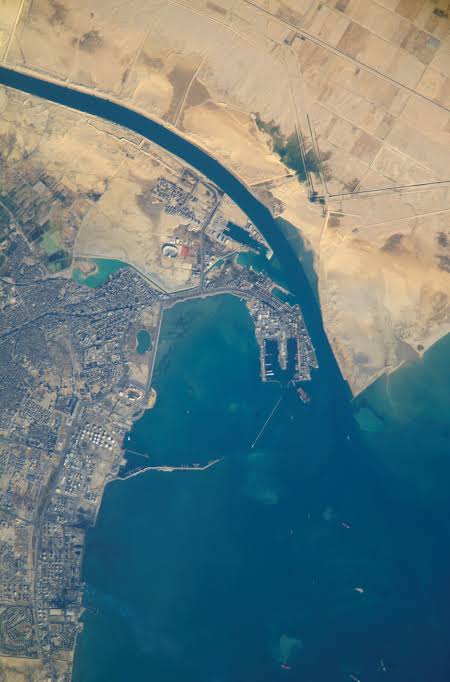
Some of the world’s busiest Straits include Malacca Strait, Strait of Hormuz, Dover Strait, Bosphorus Strait, The Danish Straits, Sunda Strait among others that connect prominent continents. Malacca strait is the shortest shipping channel between the Indian Ocean and the Pacific Ocean. Among artificial shipping routes, Germany’s Kiel Canal is the world’s busiest canal which accommodates more ships than the Suez and Panama Canal combined.
In today’s highly globalized world imports and exports are a necessary part of daily commercial business. Trade with other countries is one of the ways how countries can establish their presence for profitability or goodwill(or both)in a foreign land. All of these in turn for their faster functionality are dependent on Straits and Canals. Any obstruction or blockage of one of these chokepoints can have a vast and far-reaching cascading effect.
Lifestyle.
Lifestyle often refers to:
Lifestyle (sociology), the way a person lives
Otium, ancient Roman concept of a lifestyle
Style of life, dealing with the dynamics of personality.
Lifestyle is the interests, opinions, behaviours, and behavioural orientations of an individual, group, or culture. The term was introduced by Austrian psychologist Alfred Adler in his 1929 book, The Case of Miss R., with the meaning of “a person’s basic character as established early in childhood”. The broader sense of lifestyle as a “way or style of living” has been documented since 1961. Lifestyle is a combination of determining intangible or tangible factors. Tangible factors relate specifically to demographic variables, i.e. an individual’s demographic profile, whereas intangible factors concern the psychological aspects of an individual such as personal values, preferences, and outlooks.
But why does everyone wants a good standard of living life. As in this is a mental tandancy human wants are unlimited. And the resources are scarce but that doesn’t matter the thing is lifestyle as all of us want to live a good life eat what we want Live where we want and spend the whole money where we want to the best.
Lifestyle may also refer to:
*Lifestyle business, a business that is set up and run with the aim of sustaining a particular level of income.
*Lifestyle center, a shopping center or mixed-used commercial development that combines the traditional retail functions of a shopping mall with leisure amenities.
*Lifestyle (department store), a retail fashion brand which is part of the Dubai-based Landmark Group.
And many more, but all this centers, businesses offers the best for an individual’s lifestyle.
News and Current affairs


What is news
News is information about current events. This may be provided through many different media: word of mouth, printing, postal systems, broadcasting, electronic communication, or through the testimony of observers and witnesses to events. … The genre of news as we know it today is closely associated with the newspaper.
What is current affairs
Technically Current Affairs is defined as a genre of broadcast journalism where the emphasis is on detailed analysis and discussion of news stories that have recently occurred or are ongoing at the time of broadcast.
Difference
Current affairs is a genre of broadcast journalism. This differs from regular news broadcasts that place emphasis on news reports presented for simple presentation as soon as possible, often with a minimum of analysis.
Day to Day life many things happened that information will pass to us in the form of news and current affairs
Colours.
colour (Commonwealth English), is the characteristic of visual perception described through color categories, with names such as red, orange, yellow, green, blue, or purple. This perception of color derives from the stimulation of photoreceptor cells (in particular cone cells in the human eye and other vertebrate eyes) by electromagnetic radiation (in the visible spectrum in the case of humans). Color categories and physical specifications of color are associated with objects through the wavelengths of the light that is reflected from them and their intensities. This reflection is governed by the object’s physical properties such as light absorption, emission spectra, etc.
By defining a color space, colors can be identified numerically by coordinates, which in 1931 were also named in global agreement with internationally agreed color names like mentioned above (red, orange, etc.) by the International Commission on Illumination. The RGB color space for instance is a color space corresponding to human trichromacy and to the three cone cell types that respond to three bands of light: long wavelengths, peaking near 564–580 nm (red); medium-wavelength, peaking near 534–545 nm (green); and short-wavelength light, near 420–440 nm (blue). There may also be more than three color dimensions in other color spaces, such as in the CMYK color model, wherein one of the dimensions relates to a color’s colorfulness).
The photo-receptivity of the “eyes” of other species also varies considerably from that of humans and so results in correspondingly different color perceptions that cannot readily be compared to one another. Honey bees and bumblebees have trichromatic color vision sensitive to ultraviolet but insensitive to red. Papilio butterflies possess six types of photoreceptors and may have pentachromatic vision.The most complex color vision system in the animal kingdom has been found in stomatopods (such as the mantis shrimp) with up to 12 spectral receptor types thought to work as multiple dichromatic units.
News and Current affairs


Current Affairs 2021: Today Current Affairs GK:-
Welcome to the Current Affairs Section of Adda247. Get Daily & Latest Current Affairs 2021 for UPSC, IAS/PCS, Banking, IBPS, SBI, RBI, SSC, Railway, UPPSC, RPSC, BPSC, MPPSC, TNPSC, UKPSC, APPSC, MPSC, KPSC and other competitive exams.
1. A Book Titled “Kashmiri Century: Portrait Of A Society In Flux” Released:-
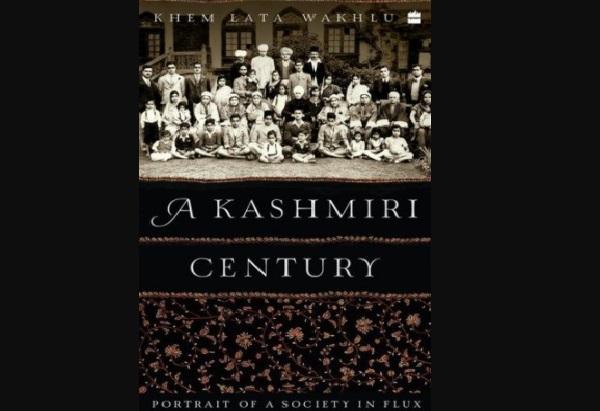
A book titled “Kashmiri Century: Portrait of a Society in Flux” authored by Khemlata Wakhlu. She is a writer, a political leader and a social worker, who has devoted the past fifty years to using her many talents to improve a lot of the people of Jammu and Kashmir.
The essence of the book:–
- A Kashmiri Century is a powerful and rare compilation of human-interest stories. Spanning a full century, it throws a compassionate light on the innocent and hard-working people who live in the beautiful valley of Kashmir.
- The stories are all based on the author’s personal experiences and her intimate understanding of what it means to be a Kashmiri-speaking native. They cover the period from the late 19th century to the present day.
- None of the available political treatises has ever delved deeply into the sociological and the human sides of living in the valley.
- The author’s intimate insights into Kashmiri society, its evolution in an enticing, remote valley, and how her people dealt with Kashmir’s bitter and tempestuous history, are sprinkled liberally across the book.
2. Andhra Pradesh introduces SALT programme:-
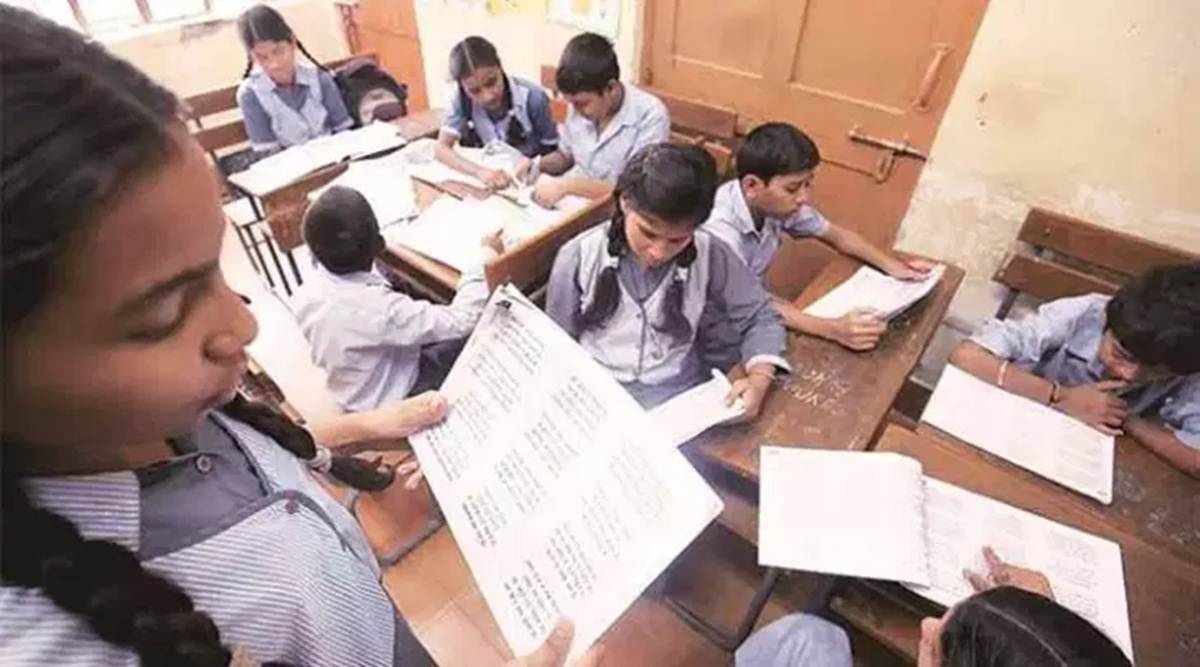
Andhra Pradesh has started a Supporting Andhra’s Learning Transformation (SALT) programme to transform foundational learning in government schools for which the World Bank has approved a loan of 250 million dollars. The main objectives of the programme are strengthening foundation schools and providing training and skill development to teachers. Andhra Pradesh’s public school education system has more than 40 lakh children and nearly 2 lakh teachers.
About the programme:–
- The five-year programme is result-oriented with the WB releasing funds after key goals are achieved. The government has converted all Anganwadis into pre-primary schools and attached them to the nearest schools.
- The government’s document on SALT documents several challenges to improving the learning outcomes.
- These include inadequate facilities in schools and a need for increased focus on foundational learning, the need for upgrading teaching skills of teachers, improving teacher-student interactions in classes, and capacity development of state-level institutions such as the Andhra Pradesh State Council of Education Research and Training (SCERT), State Institute of Education Management and Training (SIEMAT) and District Institutes of Education and Training (DIETs).
- The government is also setting up new administrative structures which will monitor the working of schools, like the AP School Education Regulatory and Monitoring Commission.
Important takeaways for all competitive exams:–
Chief Minister of Andhra Pradesh: YS Jagan Mohan Reddy; Governor: Biswa Bhusan Harichandan.
3. A book titled “Policymaker’s Journal: From New Delhi to Washington, DC” by Kaushik Basu:-
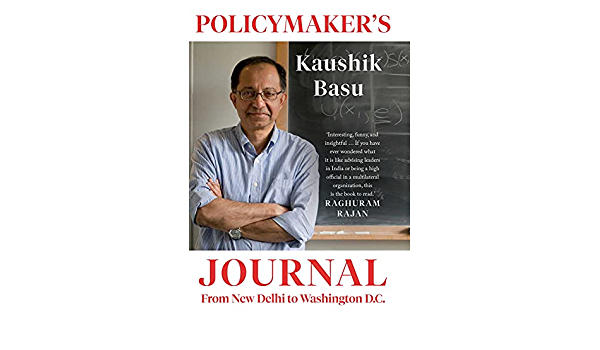
A book titled “Policymaker’s Journal: From New Delhi to Washington, DC” authored by Kaushik Basu released soon. This book charts the course of Kaushik Basu’s career over seven years, as he moved out of the cloisters of academe to the frenetic world of policymaking, first in India as Chief Economic Adviser to the Indian Government and after that as Chief Economist at the World Bank in Washington.
About Kaushik Basu:–
Kaushik Basu is an Indian economist who was the Chief Economist of the World Bank from 2012 to 2016. He is the C. Marks Professor of International Studies and Professor of Economics at Cornell University. From 2009 to 2012, during the UPA government’s second term, Basu served as the Chief Economic Adviser to the Government of India.
4. WhatsApp appoints Manesh Mahatme as Head of Payments in India:-

WhatsApp has appointed former Amazon executive Manesh Mahatme as a director to lead the growth of its payments business in India. As Director, WhatsApp Payments-India, Mahatme will focus on enhancing the payments experience for users, scaling the service and work towards contributing to the messaging app’s vision of digital and financial inclusion in India.
Important takeaways for all competitive exams:–
- WhatsApp Founded: 2009;
- WhatsApp CEO: Will Cathcart (Mar 2019–);
- WhatsApp Headquarters: Menlo Park, California, United States;
- WhatsApp Acquisition date: 19 February 2014;
- WhatsApp Founders: Jan Koum, Brian Acton;
- WhatsApp Parent organization: Facebook.
5. Swedish PM Stefan Lofven resigns following no confidence vote:-
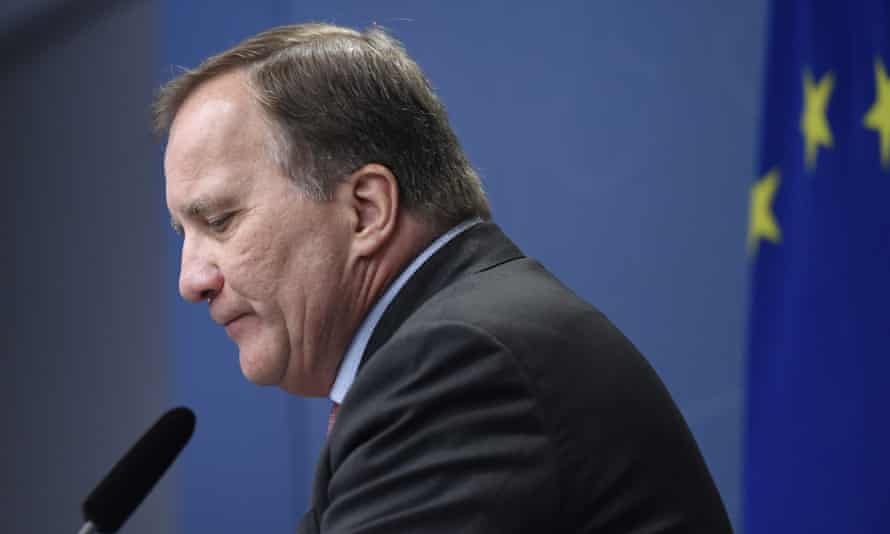
The Prime Minister of Sweden, Stefan Lofven, has announced his resignation on June 28, 2021, after he lost a confidence vote in parliament. The 63-year-old Lofven is the first Swedish government leader to be defeated by a no-confidence vote. He was serving as the prime minister of Sweden since 2014.The confidence motion was filed by the far-right Sweden Democrats after the Left Party said it was planning such a motion itself in protest against a plan to ease rent controls.
Important takeaways for all competitive exams:–
Sweden Capital: Stockholm; Currency: Swedish krona.
6. Two more complaints, call for legal action against Twitter India:-

Twitter India’s troubles continued on Tuesday after at least two more complaints being filed against the microblogging platform, and a political leader calling for legal action.
Twitter India Country Head Manish Maheshwari and news partnerships head Amrita Tripathi had been booked under Section 505 (2) of the Indian Penal Code and Section 74 of Information Technology (Amendment) Act 2008 for showing a wrong map of India on its website, on the complaint of a Bajrang Dal leader in Bulandshahr, Uttar Pradesh.
The issue revolves around a controversial map of India on the career section of Twitter, and showed Jammu and Kashmir and Ladakh as a separate country. This led to angry reactions on Twitter, and the microblogging platform removed the map on Monday night.
Later in the day, on Tuesday, Madhya Pradesh Home Minister Narottam Mishra said that he had asked the Director General of Police (DGP) to investigate the same issue and take legal action against Twitter for “distorting” India’s map.
In a separate case, the Delhi Police registered an FIR against Twitter, based on a complaint filed by the National Commission for Protection of Child Rights (NCPCR). The complaint alleges that Cchild pornographic videos and links were available on Twitter.
News reports said the Deputy Commissioner of Police, Cyber Cell had been summoned Tuesday by the NCPCR for not taking action against Twitter despite repeated letters.
“Twitter has a zero tolerance policy for child sexual exploitation (CSE) and we have a proactive approach to combating sexual exploitation of minors on our service. We have been at the forefront of responding to the evolving challenge of preventing the exploitation of children on the Internet and will continue to aggressively fight online child sexual abuse, as well as invest in the technology and tools that are essential to stay ahead of this issue. We will continue to invest in proactive detection and removal of content that violates the Twitter Rules and work with law enforcement and NGO partners in India to tackle the issue,” said a spokesperson at the microblogging platform.
According to Twitter, it uses PhotoDNA technology, its own proprietary tools, and other systems to detect behavioral signals and remove media. In many cases, it lets Twitter remove new accounts linked to this type of content before they have even sent their first tweet.
Twitter considers anyone under the age of 18 as a minor, and all viewing, sharing, or linking to child sexual exploitation (CSE) material, regardless of the intent, contributes to the re-victimization of the depicted children and is prohibited on our service, it says.
This includes media, text, illustrations, or computer-generated images. This also applies to content that may further contribute to the victimization of children through the promotion or glorification of child sexual exploitation, according to the social media platform.
Maheshwari has also been named in another FIR filed by UP Police in Ghaziabad. The Karnataka HC had on Thursday granted him interim relief in a case relating to an assault video that had gone viral on the microblogging platform. The HC had also directed that no coercive action be taken against him till Tuesday.
Karnataka HC said Tuesday it will hear the criminal case against Maheshwari on July 5.
The case relates to an ongoing complaint related to tweets on the assault of an elderly Muslim man in Ghaziabad.
Twitter on June 21 restricted tweets showing the video and images from it.
The government has been at loggerheads with Twitter ever since January, when the microblogging platform refused to take down some content related to the farmers’ protests in India, saying it goes against their company policies.
This further intensified after India enacted new rules for social media intermediaries. The government has said Twitter has not complied with the requirements, and may have lost its safe harbour protection under the IT Act.
7. Facebook, Google to soon publish reports as required by new IT Rules:-

Technology giants Facebook and Google will soon publish reports, as mandated by the new Information Technology Rules, providing information about the actions they took on user complaints in India.
While Facebook said on Tuesday it will publish an interim report on July 2 as mandated by the IT rules, Google will publish its transparency report as required under the new IT Rules in India.
“In accordance with the IT Rules, we’ll publish an interim report for the period May 15-June 15 on July 2. This report will contain details of the content that we have removed proactively using our automated tools. The final report will be published on July 15 containing details of user complaints received and action taken. The report on July 15 will also contain data related to WhatsApp, which is currently being validated,” said a Facebook spokesperson.
Twitter did not immediately respond to a request for comment.
The IT Rules, notified on February 25, ask significant social media intermediaries, or those with over 5 million users, to “publish periodic compliance report every month mentioning the details of complaints received and action taken thereon, and the number of specific communication links or parts of information that the intermediary has removed or disabled access to in pursuance of any proactive monitoring conducted by using automated tools or any other relevant information as may be specified”.
This was among the key issues that industry wanted clarity on in the new Rules. Many intermediaries were unclear about the format of these reports. A government official told Business Standard earlier that the compliance reports should have bare minimum details, on what type of content was removed or what other action was taken.
While most SSMIs publish annual or bi-annual transparency reports and would most likely publish compliance reports in a similar pattern, there was little clarity on whether those would be compliant with the new Rules.
Another issue that SSMIs are awaiting clarity on is that of the quantum of time required before which a user needs to be informed about their content being taken down. The kind of content on which intermediaries are required to do so includes content of pornographic nature, paedophilic, infringes trademarks and so on.
The government, it is understood, will bring out a standard operating procedure on the new IT Rules in consultation with industry and stakeholders, addressing some of the concerns that have been raised by them.
In addition, the Ministry of Electronics and Information Technology will be soon releasing a set of “frequently asked questions” to simplify the requirements in the Rules, on similar lines as done by the Ministry of Information and Broadcasting a few days ago.
While the Rules apply to all social media companies, the largest ones among these are Facebook, Google, WhatsApp, Twitter and the like.
According to data provided by the government, India has 530 million WhatsApp users, 410 million Facebook users, 210 million people on Instagram, and 17.5 million accounts on Twitter.
8. Top headlines: India approves Moderna vaccine; Sebi announces reforms:-

India approves Moderna’s vaccine for emergency use; Cipla to import jab:
Drug major Cipla has been approved by India’s drug regulator to import Moderna’s coronavirus vaccine for restricted emergency use in the country, the government said on Tuesday. Moderna is said to have applied for the emergency use approval in India following the US agreement to donate doses to India via Covax. Cipla on behalf of the US pharma giant has requested for import and marketing authorisation of these jabs.
Sebi overhauls norms for appointment, removal of independent directors:
The Securities and Exchange Board of India (Sebi) on Tuesday overhauled norms pertaining for appointment, removal and remuneration of independent directors (ID) in order to reduce the sway of promoters on them. The regulator also reduced the minimum application amount for REITs and InvITs to Rs 10,000-15,000, from Rs 55,000 at present, aligning them with equity IPOs.
Monetise reserves or get set for auction: Dharmendra Pradhan to ONGC, OIL:
Taking into account the acreage Oil and Natural Gas Corporation (ONGC) and Oil India Ltd (OIL) hold amid the country’s dependency on imports for oil, Petroleum Minister Dharmendra Pradhan today said that the reserves held need to be monetised else the government would take it away for auctioning.
Bharti to invest Rs 3,700 crore in OneWeb; become largest shareholder:
Bharti will invest an additional USD 500 million (over Rs 3,700 crore) into OneWeb, to become the largest shareholder in the satellite communications company that billionaire Sunil Mittal-run Bharti Group along with the UK government had rescued from bankruptcy last year.
SBI to levy charges for cash withdrawal beyond four free transactions a month:
The country’s largest lender SBI will levy charges for cash withdrawal beyond four free transactions in a month from customers holding the basic savings bank deposit (BSBD) accounts. These customers will also be levied charges for cheque book beyond 10 leaves in a year.
9. Covid-19: Over 11,000 ‘super-spreaders’ vaccinated in Ahmedabad:

More than 11,000 people categorised as ‘super-spreaders’ have been vaccinated against COVID-19 in Gujarat’s Ahmedabad city so far in a special drive started recently for their inoculation, local civic body said on Tuesday.
‘Super-spreaders’ are those who transmit an infectious disease to a large number of other people due to the nature of their job.
The Ahmedabad Municipal Corporation (AMC) recently started a special vaccination drive for ‘super-spreaders’, like vegetable vendors, grocers, petrol pump staff, barbers, courier and food delivery agents.
A total of 11,013 such people have been inoculated so far as part of the drive, the civic body said in a release.
A centre has been set up in each of the city’s seven civic zones to facilitate the vaccination of ‘super-spreaders’ so that they pose little danger of the spread of the disease to other people, the AMC said.
“To make the vaccination campaign more effective, it was decided to inoculate super-spreaders by running a special drive so that their chances of getting infected from COVID-19 are reduced, since they come in contact with many people due to the nature of their job,” it said.
On Monday, a total of 923 such people were vaccinated, including 582 in the age group of 18 to 44 years, and 341 in the 45 years and above category, he said.
Of late, Ahmedabad has seen a sharp drop in the number of coronavirus cases reported daily.
As per the AMC’s COVID-19 bulletin issued on Monday, there were 830 active COVID-19 cases in the city.
Ahmedabad has so far reported a total 2,30,660 coronavirus cases and 3,310 deaths due to the infection. Besides, 2,26,520 people have recovered from the disease, the bulletin said.
10. Monetise reserves or get set for auction: Oil minister Pradhan to ONGC, OIL:-

Taking into account the acreage Oil and Natural Gas Corporation (ONGC) and Oil India Ltd (OIL) hold amid the country’s dependency on imports for oil, Petroleum Minister Dharmendra Pradhan today said that the reserves held need to be monetised else the government would take it away for auctioning.
Speaking at BNEF Summit today, Pradhan said that the two state-owned firms cannot indefinitely sit on resources when the nation is a net importer of oil and gas.
“We have asked them to do two things – do it yourself, (produce oil and gas) through some joint venture (with domain experts and foreign companies) (and) through a new business model. But the government cannot permit you to hold resources for an indefinite time,” he said.
Despite India bidding out acreages to private and other companies since the 1990s, ONGC) and OIL hold a “sizeable number of acreage for years,” he said.
ONGC and OIL, which discovered and brought to production all of India’s eight sedimentary basins, produce about three-fourths of the nation’s oil and gas.
Pradhan said India needs energy for its ambitious economic growth agenda. “We want to reduce import dependency. We want to monetise our own resources.”
The two state-owned companies, especially ONGC, have faced criticism ranging from not being able to quickly bring discoveries to production to lower recovery.
“We have given policy guidance to our state-owned oil companies – either you do on your own through new partners and new economic model, (else) the government will after a particular period intervene and use its authority to bid out the resources,” he said.
The government has already taken away dozens of small and marginal discoveries from the two firms and auctioned them in what is known as Discovered Small Field (DSF) rounds.
DSF offers pricing and marketing freedom to operators, something which ONGC and OIL do not have currently, constraining their efforts to monetise smaller discoveries.
Pradhan indicated the government would not hesitate to take away larger idle discoveries and auction them to private and foreign players.
Earlier this month, the minister had stated that the Directorate General of Hydrocarbons (DGH), the oil ministry’s technical arm, had the “full mandate” to identify unmonetised major fields that could be offered for bidding.
“Resources don’t belong to a company. They belong to the nation and the government. They cannot lie with a company indefinitely. If somebody cannot monetise them, we will have to bring a new regime,” he had said.
The statement comes weeks after his ministry told ONGC to sell a stake in producing oil fields such as Ratna R-Series in western offshore to private firms and get foreign partners in KG basin gas fields.
In October 2017, the DGH had identified 15 producing fields with a collective reserve of 791.2 million tonne of crude oil and 333.46 billion cubic meters of gas, for handing over to private firms in the hope that they would improve upon the baseline estimate and its extraction.
A year later, as many as 149 small and marginal fields of ONGC were identified for private and foreign companies on the grounds that the state-owned firm should focus only on bid ones.
ONGC produced 20.2 million tonne of crude oil in the fiscal year ending March 31 (2020-21), down from 20.6 million tonne in the previous year and 21.1 million tonne in 2018-19. It produced 21.87 billion cubic meters of gas in 2020-21, down from 23.74 bcm in the previous year and 24.67 bcm in 2018-19.
Reference Link:
https://currentaffairs.adda247.com/
https://www.business-standard.com/current-affairs
CIVILIZATION PROGRESSES ON THE LAP OF FOREST
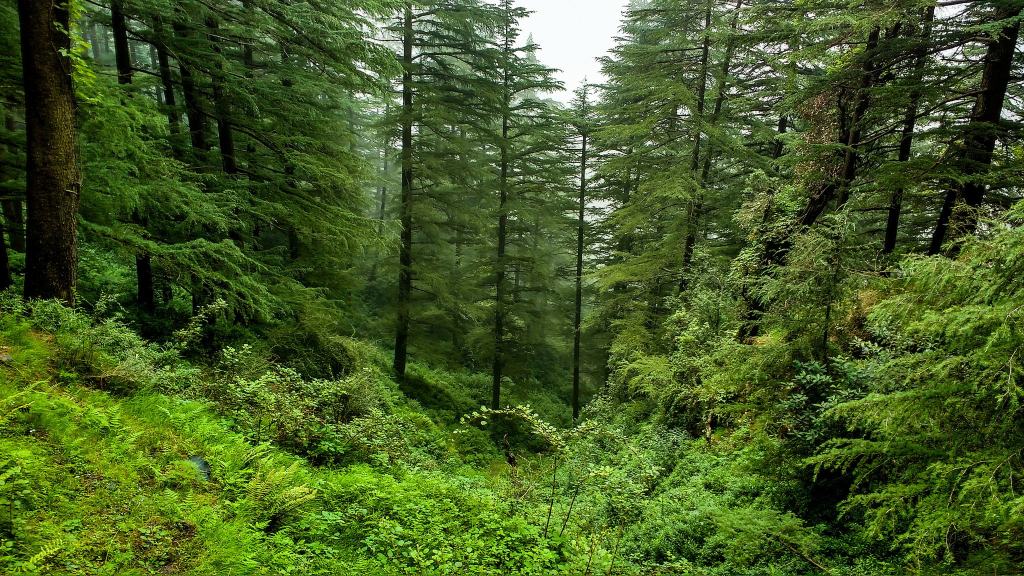
“Earth provides enough to satisfy every man’s needs, but not every man’s greed.” ― Mahatma Gandhi
FORESTS: SOURCES OF MANY ESSENTIAL MATERIALS
Forests are very important for the survival of man on earth. They fulfil our fundamental needs-food, clothes and shelter. Whatever we eat are the product of plants and trees. The clothes we wear are made from the plant fibre. The houses we live in are made of wood or have wooden materials. Not only this, the plants and trees are the sources of many essential materials-firewood, varieties of resin and gum, herbal medicines, etc. They also attract clouds and thus cause rain which is essential for agriculture. They defend soil from erosion and purify atmosphere by absorbing carbon-di-oxide and releasing oxygen. They also give shelter to birds and animals.
POPULATION EXPLOSION AND DEFORESTATION: DANGEROUS
“To be poor and be without trees, is to be the most starved human being in the world. To be poor and have trees, is to be completely rich in ways that money can never buy.” ― Clarissa Pinkola Estés, The Faithful Gardener: A Wise Tale About That Which Can Never Die
But the growth of civilization has led to the removal of forests. The population explosion and industrialisation have led to the indiscriminate felling of trees. It has proved to be very dangerous. It has reduced the amount of rainfall. As a result, vast areas of land have become barren. Many pools and ponds have lost their existence. The rarity of pure air has led to many dangerous diseases. The pollution of air has caused crack in the ozone-layer which saves life on earth from the scorching sunrays. The rise of atmospheric temperature year by year is the result of deforestation.
PRESERVATION OF FORESTS IS VERY NECESSARY
“Wildness is the preservation of the World.”― Henry David Thoreau, Walking
So, the preservation of forests is indispensable. Deforestation was done for the progress of civilization; afforestation is necessary for the continuity of civilization. Destroy forest is to destroy life; to save forest is to save life. Nature does not betray the heart that loves her; she does not spare the heart that disturbs her. Man’s ignorance has upset the balance of Nature; Nature’s wrath has upset the joy of man.
Healthy Foods To Avoid Stress!

[ By Bhoomika Saini ]
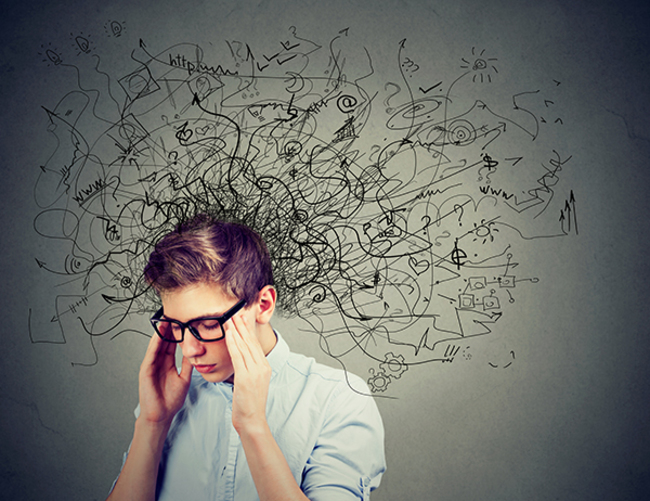
Feeling Stressed?
Maybe Healthy Eating Is The Key.
It's not about eating. It's about using the food to deal with anxiety and stress.
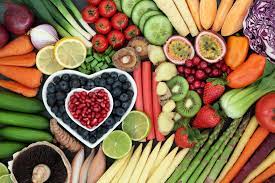
Staying at home during the time of this pandemic invited a lot of stress and anxiety for every individual. Since, many of us had become lazy during this time. We have stopped eating healthy as it is easy to order unhealthy food from online stores rather than cooking healthy and learning at home. This habit made us unhealthy, also it is harming our health day by day. Stress along with unhealthy eating is like inviting problems in your own home.
A healthy diet builds a solid, more enduring foundation for your body by reducing oxidation and inflammation and by helping to reduce weight gain.
There are many ways that can reduce your stress and make you feel better. Here, we’ll be discussing about one of them. And it’ll begin from eating healthy during the time of stress. Healthy food can bring wonders to oneself, so stop eating unhealthy food and start eating healthy today. One step to drive away your stress shall begin from here.
Also, there’s a huge difference between eating healthy during stress and stressful eating. One can be beneficial and other one could bring huge disadvantages to you. Moreover, adding some exercise in the routine wouldn’t hurt much.
So, here are some foods that can help you to avoid unhealthy eating and to drive your stress away.
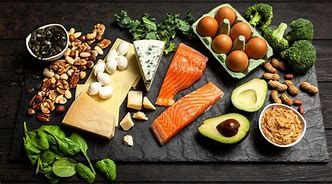
- Sweet Potato– To calm down the stress, sweet potato might work well as it contains potassium, beta-carotene and other vitamins that also reduces the urge to eat carbohydrates and sweets, thus helping you to avoid the urge to eat more.
- Eggs- They are packed with vitamins, minerals, amino acids and antioxidants that play an important role in relieving stress.
- Chickpeas- They are packed with stress-fighting vitamins and minerals, including magnesium, potassium, B vitamins, zinc, selenium, manganese, and copper that can help in stress reduction.
- Dark Chocolate- Many experts say that it helps in reducing stress as it contains flavonoids and magnesium that may reduce the depression symptoms too.
- Turmeric- Curcumin in tumeric may help lower anxiety by reducing inflammation and oxidative stress that often increase in people experiencing mood disorders, such as anxiety and depression.
- Yogurt- It contains healthful bacteria, Lactobacillus and Bifidobacteria. There is emerging that these bacteria and fermented products have positive effects on brain health.
- Green Tea- Theanine in green tea has anti-anxiety and calming effects and may increase the production of serotonin and dopamine.
- Warm milk- It has loads of B vitamins that reduce anxiety and improve mood. For instance, vitamin B6 (pyridoxine) raises serotonin levels to perk you up.
- Nuts- Nuts are full of nutrients, including B vitamins, along with healthy fatty acids. B vitamins are an important part of a healthy diet and can help reduce stress.
- Citrus foods- Flavonoids found in citrus fruits have anti-inflammatory capabilities that are thought to help protect against the chain of events that causes the nervous system to deteriorate.
- Oatmeal- Oatmeal is warm and comforting-and it also helps your brain generate the destressing neurotransmitter serotonin.
- Green Leafy Vegetables- Green leafy vegetables like spinach contain folate, which produces dopamine, a pleasure-inducing brain chemical, helping you to keep calm.
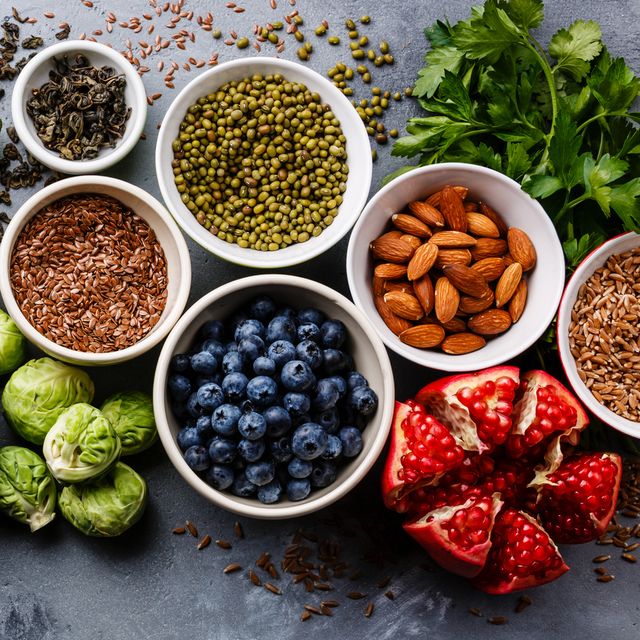
Start eating right today to nourish your body. So, first step to drive your stress away starts today.
DAD’S DAUGHTER- GRIEF OF A LITTLE GIRL
” The sight of my old pencil art of a little girl holding index finger of her dad made me to travel into my past. Dad saw true mastery in my scribblings. I think he is the only person who will be good to us. The doll becomes dull, in his absence. Girls are much connected to their dad but I had spent portable time with my dad. Every daughter feels her dad as a hero. In my issue he is not only a hero, but he is also a board of support, the spark in my gapes and shine in my smile. He is the man behind us as a guide and beside us as a friend.

Dad’s are not only heads of our family but also honey to our mom and king to his princess just like a nerve vagus in our body. Dad while remembering all the naughty things, a cute smile on my face suddenly disappeared when I turned the other page of my drawing book. The same art but with out you, tugged me back to reality. I do remember that day started pleasantly and ended with grief.
As soon as we came to know about the covid positive result of my dad, he isolated from us and maintained taking medication through online. Exactly after three days of his isolation he undergone into serious condition, that he is not able to take breathing properly and we admitted my dad in a hospital. We are in a hope that he will get cured soon and will return to our home but our expectations went wrong.
My mom received a call from the hospital after a day of admitting my dad which made my thoughts to run high. My breath stooped for a while before I complete my prayer. Dad, I saw you without any eternity in your body and that environment ceased my brain. It couldn’t send any messages to my tear glands. Suddenly my throat loaded and I felt heavy. I feared to see you like that dad. My mom hold me tightly. Tears gushed from one eye. My room knows how much I cried. It’s my palm that zipped my every killing tear.

I not only lose my dad but also my friend and my strength. It’s unfair dad, you must not leave your little girl. The three months of my journey with out you made me to feel alone. Please come back dad!! I need you . Society seems too outrageous, your girl is confronting with hurdles every day. Immense pain produce no rips, storing all the pain inside the flush box and pressed my expression with throated emotions. “
The above write-up is the pain of a little girl who lost her dad due to covid-19 pandemic. There are several families around us lost their loved ones because of this pandemic. The death one’s is one of the worst tragedies in life. The pain of those families is speech less.
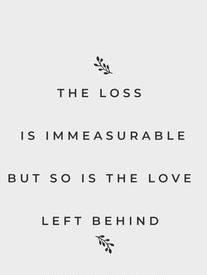
Finally, I wish to say that we cannot bring back the people who left us physically but we can help their families by supporting them during the emotional hardship to make them feel safe and strong.
” PLEASE FOLLOW THE COVID-19 GUIDELINES STRICTLY TO STOP THE SPREAD OF VIRUS”
Green Economics
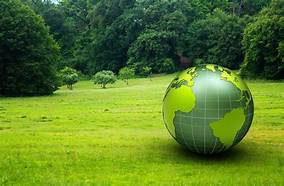
Over the past five years or so the issue of climate change has moved from a peripheral concern of scientists and environmentalists to being a central issue in global policy making. It was the realization that the way our economy operates is causing pollution on a scale that threatens our very survival that first motivated the development of a green approach to the economy. We are in an era of declining oil supplies and increased competition for those that
remain. This raises concerns about the future of an economy that is entirely dependent on oil and a wider recognition of the importance of using our limited resources wisely. This was the other motivation for the development of green economics. In addition, green economists have been concerned about the way an economic system based on competition has led to widening inequalities between rich and poor on a global as well as a national scale, and the inevitable tension and conflict this inequality generates.
Green economics is a methodology of economics that supports the harmonious interaction between humans and nature and attempts to meet the needs of both simultaneously. Green economic theories encompass a wide range of ideas all dealing with the interconnected relationship between people and the environment. Green economists assert that the basis for all economic decisions should be in some way tied to the ecosystem, and that natural capital, such as water, gold, natural gas, silver, or oil, etc. and ecological services have economic value.
The term green economics is a broad one but it encompasses any theory that views the economy as a component of the environment in which it is based. The United Nations Environment Program(UNEP) defines a green economy as “low carbon, resource efficient, and socially inclusive.” As such, green economists generally take a broad and holistic approach to understanding and modeling economies, paying as much attention to the natural resources that fuel the economy as they do to the way the economy itself functions.
While the idea of an equitable economy powered by renewable energy sources is alluring, green economics has its share of critics. They claim that green economics’ attempts to decouple economic growth from environmental destruction have not been very successful. Most economic growth has occurred on the back of non-renewable technologies and energy sources. Weaning the world, especially developing economies, from them requires effort and has not been an entirely successful endeavor. The emphasis on green jobs as a social justice solution is also fallacious, according to some. The raw material for green energy in several cases comes from rare earth minerals mined in inhospitable conditions by workers who are paid cheaply. An example of this is electric car maker Tesla, whose car batteries are made using raw materials mined from Congo, a region wracked by civil war. Another criticism of green economics is that it is focused on a technological approach to solutions and, consequently, its market is dominated by companies with access to the technology.
Trainings and Internships In Technical Fields
In the early days of our university, we will all live in a fantasy world, where we will feel that we have everything we want. The future is bleak If we start the internship after the first year of study, whether it is a remote internship or a full-time internship, this situation can be easily resolved. Choose according to your convenience and university practice.
“Your greatest opportunity may be by your side”-Napoleon Hill
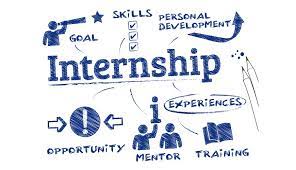
Your interns can choose from several trusted websites such as:
- Internshala
- Letsintern
In the college, we will have a group of friends and we will be happy to play with them. In the workplace, this may or may not happen, but you have to adapt to the environment as soon as possible to deal with different types of people. I’m sure some companies offer internship extensions and full-time performance based on the attitude of interns, depending on their Attitude Pages An easy process If this is a paid internship, you will understand the value of the funds you have used in the past, which will help you make better use of the economy. During the internship, you will need you to manage your studies, study and test results. Although once you have mastered the multitasking and time management skills that can be solved in real-time with World Problems , the process may seem daunting at first, but if your internship skills are not too passionate for Asmara, then your internship skills are also something Good things signal that they ignored the option very early. Work hard, study, and then forget to make the most of it. Don’t hesitate, don’t be afraid to start again. Because experts say you don’t start from scratch, but from experience.
You can learn how to apply the knowledge you have acquired during an internship to your future workplaces. In addition to this, it is an excellent learning curve for young graduates and students while meeting new people and making connections in the professional world
How dangerous the Coronavirus is?
He has killed more than 4,000 people in a short period of time. This is the worst epidemic in years. The whole world was destroyed. The new type of coronavirus pneumonia is a dry cough but no runny nose. This is the easiest way to identify the death of Wuhan virus (COVID-19) at 30-35 degrees, so please drink plenty of hot water. You can let your friends and family drink plenty of hot water to prevent it. Please spend a long time in the sun. Recently it was a cold period of the year, and I drank hot wine. Getting into the water is also very convenient. Drinking warm water is effective for most viruses.
1 This virus is quite large (cell diameter is about 400-500 nm), so any ordinary mask (not just the N95 function) should be able to filter it out. The infected person sneezes in front of you, walks 3 meters (approximately 10 feet), and then touches the ground and stops flying 659872 If the virus falls on a metal surface, it will survive for at least 12 hours, please wash your hands thoroughly with soap and leave you with water. No disinfectant 3 Virus can remain active on tissues for 612 hours Ordinary washing powder should kill the virus. Winter clothes that do not need to be washed every day can be exposed to the sun for 4 hours to kill the virus.
2 Then the virus mixed with nasal fluid and dripped into the lungs along the trachea, causing pneumonia. This process takes 5 to 6 days.
3 Pneumonia causes high fever and shortness of breath. Stuffy nose is not the norm. I feel like I am drowning in the water If you feel this way, it is important to see a doctor immediately. Prevention: The most common route of infection is by contact with objects in public places, so you need to wash your hands frequently. The virus can only survive on your hands for 510 minutes. But during these 510 minutes, you may cause a lot of harm (you may rub your eyes or pick your nose unknowingly)
4 In addition to washing your hands frequently, you can also rinse your mouth with Betadine to kill or reduce the bacteria still in your throat (Before) it drips into the lungs)
5 Follow the traditional Indian way of life and live according to moral principles and values. India’s traditional values and lifestyle are the best way to combat these deadly diseases.This virus is just a warning. Nature may have more such diseases in the future. This is nature’s response to human overuse of nature. Do not eat after sunset. You are a vegetarian and always drink boiled water. You eat freshly prepared food. You are very scientific about what to eat and what not to eat. They use muh-batti (a kind of mask). For thousands of years, you are now in the news
The Healthcare Systems
Only healthy citizens can contribute to a healthy economy. The government of a country provides the necessary funds for the health plan in its budget. In addition, during an epidemic or pandemic, the government ensures the health of its citizens through large-scale tests. And treatment The government is also taking various measures to educate the public about epidemics. In addition, the government is raising public awareness of the causes and preventive measures of various diseases. A large-scale immunization program has also been carried out to prevent the occurrence of many bacterial and viral diseases. The health system of one country is different from that of another country. In India, health services are provided by the public and private sectors. The health system includes hospitals, telemedicine, insurance doctors, etc. In India, the health structure consists of three, two, and three levels. Primary includes sub-centers and primary health care centers. The second level includes community health centers, while the third level includes hospitals and medical schools.

Sub-center:
This is the main point of contact between the health system and patients. It is composed of male and female health professionals and a volunteer.
Primary Medical and Health Center:
This is the main point of contact between villagers and doctors. Medical professionals and nursing staff are part of APS. The main functions of APS are vaccination plan, contraceptive plan, pregnancy care, etc.
Community Health Center:
Including doctors, pediatricians, gynecologists, surgeons, and equipped with operating rooms, X-ray machines, etc.
The private sector
The private sector has also contributed to providing health services to the majority of the population. Through telemedicine, many private medical hospitals and new medical companies are also providing high-quality medical services to rural residents.
Conclusion
The health information system is the future of the medical center. Even so, many hospitals are skeptical about the introduction of this new technology. There are two reasons for this: high cost and implementation process. Changing the initial process This may sound daunting, but we guarantee that the results are worthwhile.
ANDROID APP DEVELOPMENT
The Android device market is growing day by day, and companies are taking advantage of it by developing Android applications and selling them on the market. Google Mobile Operating System. It is designed to be open source so that Android application developers can take advantage of the operating system and create innovative new applications. The app makes everything easier. But anyone can simply download and use the application; developing an application is not easy. It takes months or even years of brainstorming and deciding on technical details to finally develop an application that can prove itself in the market. To cope with fierce competition in the market, it is important to ensure that everything is done under the latest trends and technological updates in the development industry. Mobile application development is the process of creating software applications that run on mobile devices, and a typical mobile application Use network connections to handle remote computing resources.

Basics of Android development
Android application development consists of one or more of the following four categories:
Operation-an application that provides visible user operations. On the start screen or application Start the operation in the launcher.
Service-You can use service for any application that needs to run for a long time, such as a B. Network monitor or application to check for updates.
Content provider. The easiest way to think about content providers is to think of them as database servers. The job of the content provider is to manage access to persistent data, such as contacts on mobile phones. If your application is very simple, you don’t need to create a content provider. However, if you are building a larger application or application that makes the data available for multiple operations and/or applications, the content provider is a medium that prohibits access to your data.
Streaming media receiver. You can launch Android applications to process data about specific items or respond to events, for example to Receive SMS.
In the past 10 years, Android has become the most popular operating system in many ways. This is a very flexible and user-friendly system that can change anything unrecognizable. It can be done at any stage of the Android application development process, which is impossible to build an application from scratch on a traditional linear platform
 Eduindex
You must be logged in to post a comment.