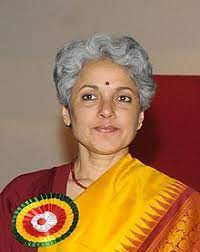
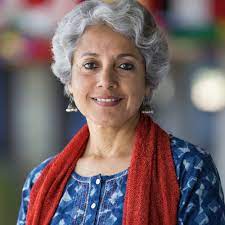
SOUMYA SWAMINATHAN!!!

In this highly competitive world, everyone is trying to prove themselves in their areas of interest. Like men, now women are also pursuing their dream wilfully. They are the most competitive persons when compared to men. This doesn’t mean that men are incapable. Just that women are firm and strong enough to prove themselves. You may have a thought why am I talking about women too much? There is definitely a reason. Yeah! Today, I am going to share with you about an Indian Woman who marked her identity in WHO. I think you may have guesses or you should have found who she is? I think, your guess is correct. It’s our Soumya Swaminathan.

Dr. Soumya Swaminathan

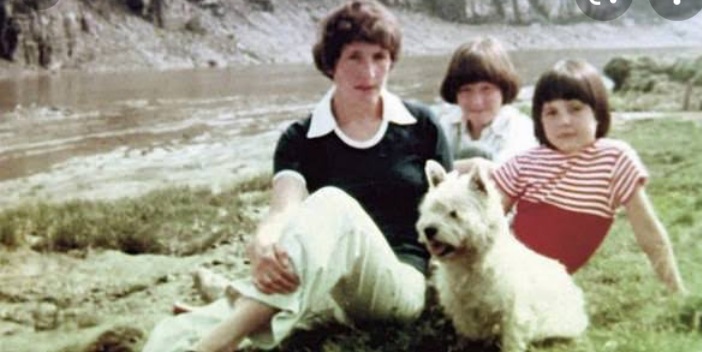
Everyone know about the “Father of Green Revolution of India”, Dr. M.S. Swaminathan, right? Soumya Swaminathan was the daughter of Dr. M.S. Swaminathan. She was born on 2nd May 1959 at Kumbakonam, Chennai, Tamil Nadu. Her full name is Soumya Swaminathan Yadav. Her mother, Mina Swaminathan, was an Indian Educationalist. Soumya has two siblings namely Madhura Swaminathan and Nithya Swaminathan. She was married to Ajit Yadav who was an orthopedic surgeon.

Dr. Soumya Swaminathan with her parents and two siblings

Now, let’s see about Dr. Soumya Swaminathan’s educational qualifications and her academic achievements.

  • She received her M.B.B.S degree from the Armed Forces Medical College, Pune.
  • She completed her M.D. in AIIMS, New Delhi.
  • She got her Diplomate of National Board from National Board of Examinations.
  • She completed her Ph.D., in neonatalogy and pediatric pulmonology.

Let’s see about her Career achievements.

  • In 1989, she was a Research Scholar in the Department of Pediatric Respiratory Diseases in United Kingdom till,1991.
  • She also worked as a Senior Research Registar, at Cardiopulmonary Medicine Unit in New Jersey.
  • In 1992, she joined National Institute for Research in Tuberculosis, as a coordinator and later she became it’s Director.
  • From 2009 to 2011, She worked as the Coordinator of WHO/UNICEF/UNDP, for a research and training on Tropical diseases in Geneva.
  • She was the Director of ICMR and Secretory of the Ministry of Health and Family Welfare, in India from August 2015 to November 2017.
  • From 2017 to March 2019, Dr. Soumya Swaminathan was the Deputy Director-General of WHO.
  • In 2019, she has become the Chief Scientist of WHO in research about the SARAS CoV-2 and worked hard in this pandemic getting detailed reports from all the countries. And she conducted interview once in two week to make us know the exact situation of the covid.
Gross inequity in vaccine access hurting; China way ahead, says WHO's Dr  Soumya Swaminathan - The Financial Express

Let me tell you some of the awards won by her. In 2008, She received Kshanika Oration Award from ICMR. In 2011, she was given an Lifetime Achievement award by the Indian Association of Applied Microbiologists. In 2016, She received Research Endowment Award from NIPER and ASTRAZENECA.

I am inspired so much by Dr. Soumya Swaminathan. Yes, now I have the spark to achieve something big in my career and want to reach heights like her. What about you? I hope you too have your own dreams. Give your full effort and just do it. She had proven herself and made her Father proud. Let’s be like her and make our parents proud. Her achievements show us, how capable women are!! How strong!! Okay, Come on! Women, have confidence in yourself that you can do anything and everything! If you can’t, who can!! Let’s make our India proud.

Some Reference Links;

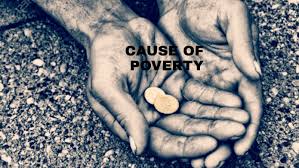
Poverty In India

Poverty is defined as a condition in which a person is deprived of fundamental needs of existence. Furthermore, the individual does not have an insufficient amount of food, housing, or clothing. In India, the majority of the poor cannot afford to pay for a single meal each day. They also sleep on the side of the road and dress in filthy old clothing. Furthermore, they do not receive appropriate healthy and nutritious food, as well as medicine or any other required item.

Causes of Poverty:-

Poverty in India is growing due to a rise in the urban population. People from rural areas are flocking to cities in search of better opportunities. The majority of these individuals find a low-wage employment or an activity that just pays for their meals. Most significantly, lakhs of urban residents live below the poverty line, with many more on the verge of destitution.

Furthermore, a large number of people live in slums or low-lying regions. These individuals are generally uneducated, and despite their best efforts, their situation stays unchanged and there is no satisfying outcome.

Furthermore, there are several factors that may be identified as important causes of poverty in India. Corruption, increasing population, poor agriculture, a huge disparity between wealthy and poor, ancient customs, illiteracy, unemployment, and a few more factors are among these causes. A significant number of people work in agriculture, yet the compensation is relatively low in relation to the labour done by employees.

Furthermore, as the population rises, so does the need for food, housing, and money, and in the absence of these resources, poverty spreads rapidly. Furthermore, being extremely poor or extra affluent widens the divide between rich and poor.

Furthermore, the affluent are getting richer while the poor are increasing poorer, creating an economic divide that will be difficult to close.

Effects of Poverty:-

It has a wide range of effects on people’s lives. It also has a variety of impacts, such as illiteracy, bad nutrition and food, inadequate housing, child labour, unemployment, poor hygiene and lifestyle, and feminization of poverty, among others. Furthermore, impoverished people cannot afford a good and balanced diet, attractive clothing, appropriate education, a stable and clean housing, and so on since all of these amenities cost money, and if they can’t afford to eat two meals a day, how can they afford to pay for these amenities?

The Solutions for Ending Poverty:-

It is critical that we act swiftly and appropriately to address the issue of poverty. One approach to addressing these issues is to equip farmers with enough infrastructure. So that they can make agriculture lucrative rather than migrating to cities in search of work.

Illiterate individuals should also be provided the necessary instruction in order to live a better life. Family planning should be practised in order to control the growing population. Furthermore, steps should be done to eliminate corruption so that we can address the wealth disparity.

List of Indian states and union territories by poverty rate:-

India’s GDP per capita income is around $2241 (or 168,075). This is a list of Indian states and union territories rated in terms of poverty as of 2021. Number and Population – The rank is determined by the percentage of persons living below the poverty line and is based on MRP consumption.

State/U.T.Percentage of population living below the national poverty line
Goa5.09
Kerala7.05
Himachal Pradesh8.06
Sikkim8.19
Punjab8.26
Andhra Pradesh9.2
Haryana11.16
Uttarakhand 11.26
Tamil Nadu11.28
Meghalaya11.87
Tripura14.05
Rajasthan14.71
Gujarat16.63
Maharashtra17.35
Nagaland18.88
West Bengal19.98
Mizoram20.4
Karnataka20.91
Uttar Pradesh29.43
Madhya Pradesh31.65
Assam31.98
Odisha32.59
Bihar33.74
Arunachal Pradesh34.67
Manipur36.89
Jharkhand36.96
Chhattisgarh39.93
TelanganaN/A
Andaman And Nicobar Islands1
Lakshadweep2.77
Puducherry9.69
Daman and Diu9.86
Delhi9.91
Jammu and Kashmir and Ladakh10.35
Chandigarh21.81
Dadra and Nagar haveli39.31

Conclusion

To summarize, poverty is a national problem, not a personal one. It should also be addressed as soon as possible by the deployment of appropriate solutions. Furthermore, poverty eradication has become critical for the long-term and inclusive progress of individuals, society, country, and economy.

What to do at home-making it useful-How to stay active

These times are difficult for everyone and most of us are either too tensed about work or have nothing to do besides sitting idle. It gets difficult to spend a single day now. So what can you do to make your day productive without getting bored ? You can follow some simple steps to enhance your skills on one side and make your day not go waste.

  • Start by waking up early morning

When you wake up late, the whole day already gets ruined to an extent. You will feel a burden of work left to do or you will find it difficult to spend the rest of the day due to the laziness built because of waking up late. An early morning routine provides freshness and energy for the whole day.

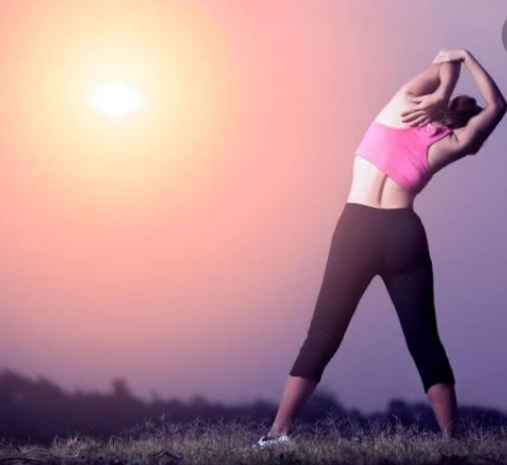
Start with a cup of tea/coffee or juice as per your preference. Apples are good to eat in the morning since are more effective than caffeine to wake you up. Make a to-do list if you have any tasks lined up for the day. After around half an hour, switch to exercising or do Yoga to stretch the muscles and start a healthy day with strength and good mood. It also helps to sharpen the mind and concentrate on your work. But do the exercises only to your capacity as a beginner. Take some rest after this by watching T.V or using your phone.

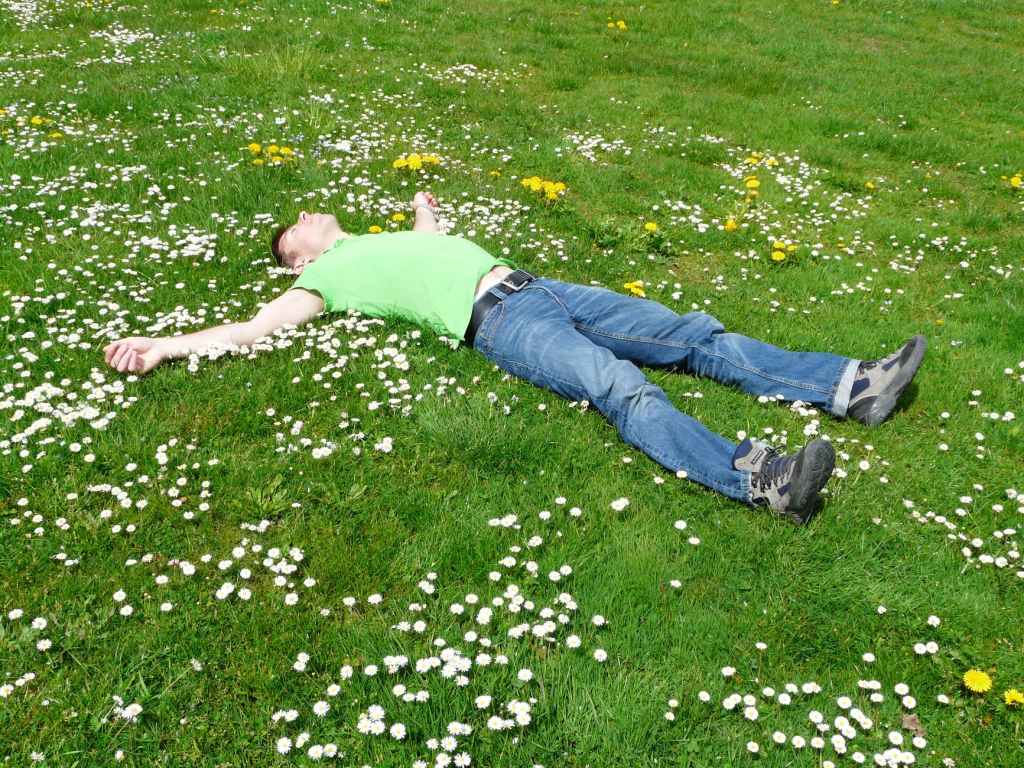
Photo by Angela Roma on Pexels.com

Next go to a green place which can be a park, your garden or just between your beautiful plants on the terrace or balcony. They provide peace to the mind and send good vibes with their greenery. spend some time with them by watering and taking care of them. Observe the nature through them; how they grow, what they need to grow, how to take good are of them and arrange them in a better way( use the plants to decorate the house, buy more to spread good vibes around the house…). Studying about nature gives immense pleasure and is always interesting to learn. You can do this activity before exercising as well.

  • Develop a New Skill

There are a lot of things to do at home which can not only help you remain engaged but also give a chance to enhance your skills or develop new.

  • You can test on cooking, for instance. Check on new recipes to water your mouth for lunch. Make for your daily dinner a surprise dish to merry on. This way you will learn new things while enjoying it.
  • You can also devote time to painting or stitching.
  • Maintaining a diary to improve your writing skills or pen down your thoughts.
  • Learning to play musical instruments or handling technical devices is another option.

You can enhance your existing skills too in the spare time.

  • Create an Environment

To move out your laziness and stay happy and healthy, it is important to maintain a cherishing environment where you will never be bored of staying. How is it to be done? The answer is to decorate your house in a bright yet simple way that it adores you and create a happy environment for you to stay active all round the day. Make changes to the routine set up of your room and turn over the sheets of depression and stress into joy. Paint your walls, add photo frames to it or some show pieces on the table. Make crafts by yourself to spend the time and enjoy the process. A happy environment will keep you cherished and active. Always try to do something different for Yourself.

  • Interact with People

It is not a good idea to distance yourself completely from the world. Keep in touch with your friends and relatives who support you and love to spend time with you. Arrange lunch or dinner with them, share your feelings and opinions. This help de-stress your mind and apply it to some productive work. It is a good way to freshen up your mind by chatting with friends and playing fun games. Staying alone is not good for mental health so, always try to be a part of some community, be it your neighbours or join some social help group to keep yourself engaged in some work along with interacting with people.

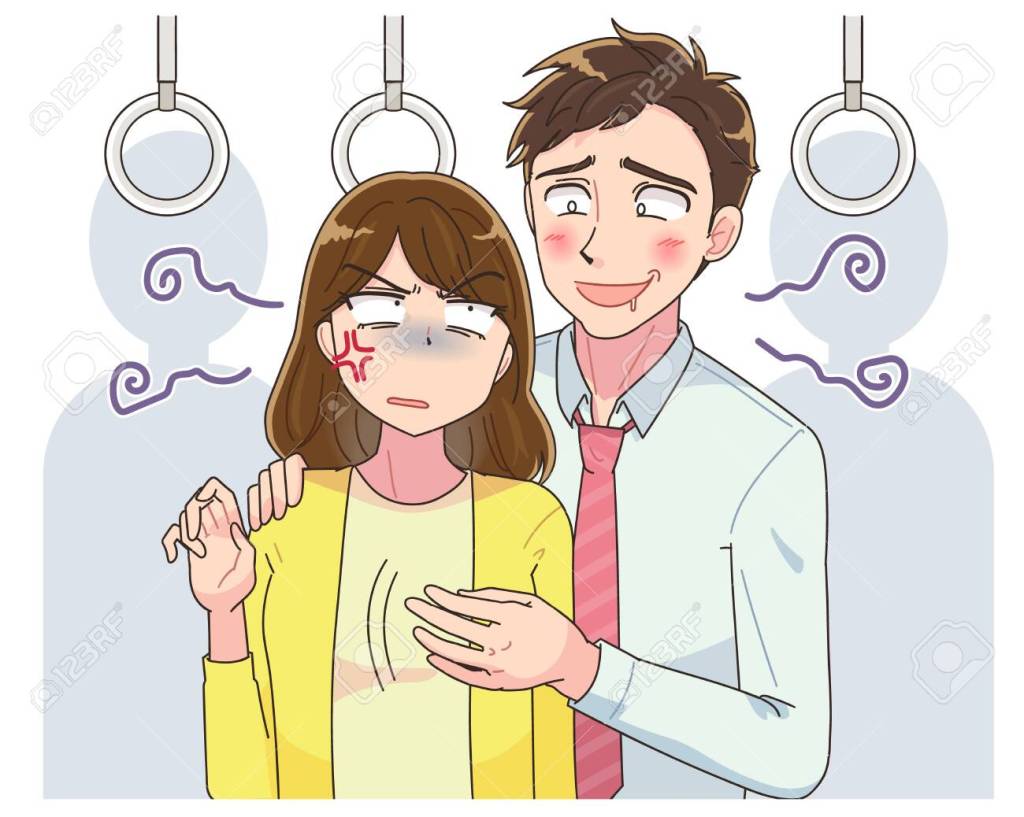
INSTANCE ON PUBLIC PLACES INJUSTICE.

A woman receives sexual harassment from a man in public transport.

Sexual harassments are becoming the worse part of people in public places. This kind of act is provoked by men in a very aggressive way that women can’t tolerate as well as be untold to others. Similar circumstance happened in a place while I was travelling to my native via public transport. I noticed that a family along with their relatives was travelling for a grand occasion I suppose. The family comprises of an adult girl along her little brother accompanied by their parents. As hours passed everyone felt drowsy and were fast asleep soon. While I was half awake, I noticed from a distance that the girl seating place has changed after sometime that she was with her uncle and his family was in one of their dreams.

“A STRONG WOMAN STANDS UP FOR HERSELF. A STRONGER WOMAN STANDS FOR EVERYONE ELSE.”

“WE DON’T WANT TO USE THE TERM ‘HARASSMENT’.WHAT IS HAPPENING TODAY IS SEXUAL TERRORISM.”

She as a small child without knowing the trouble trusting her uncle whole-heartedly.  But as being unnoticed by anyone his activities become suspicion and strange also. His touch was becoming worse after which the girl woke up. Inspite, of his worse activity she couldn’t express it to anyone as it was her own bloodline relative. Her struggle to relieve herself from him ended up in a failure. I can’t able to do anything because it was their own family people which could not be outspoken. It is also a shame for men because of these people wandering in this world. She felt the most indigestible moment until she got escaped from it. At that situation her sacrifice and tolerance were beyond words. I felt empathetic I express this happening and to share it to you at this place. I couldn’t control my tears flowing for this unacceptable incident. “Treat and respect women” is the quotes said by women protestors but animals like men forge them to do so.  “Freedom is something when women are treated with equal dignity and respect like men”, ’Women are not statues, they are even humans’ ,do try to treat them and share them with your thoughts and I request elders or guardians of female child to teach them to fight against this issue so that people will realize to punish such bastards.

“DON’T BE ASHAMED OF YOUR STORY, IT WILL INSPIRE OTHERS”

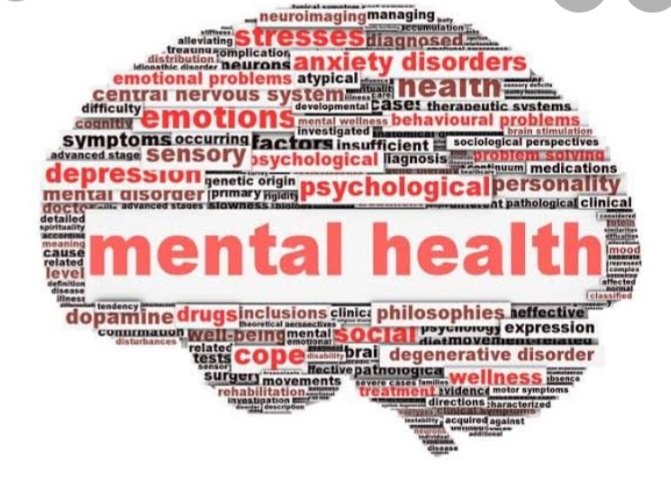
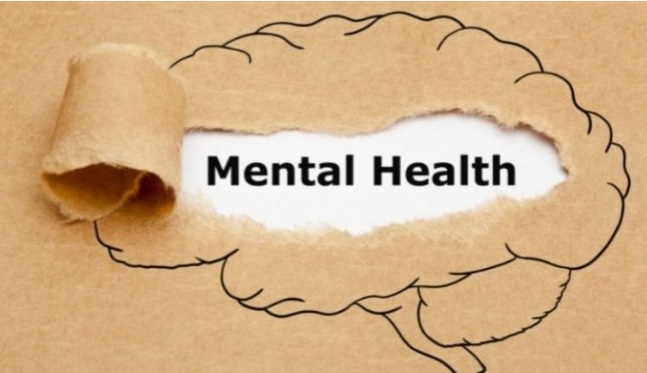
Mental Health

We human beings often tend to pay less attention to our mental health than our physical one, but we all should understand its heavy importance and admit the fact that they can be equally or even more dangerous than the physical issues so one should take immediate help of doctor or councilor in case some abnormalities or issues arises.

Importance of mental health :

Mental and physical health are equally important components of overall health. Mental illness, especially depression, increases the risk for many types of physical health problems, particularly long lasting conditions like stroke, type 2 diabetes and heart disease. Similarly, the presence of chronic conditions can increase the risk for mental illness.

Some mental illnesses :

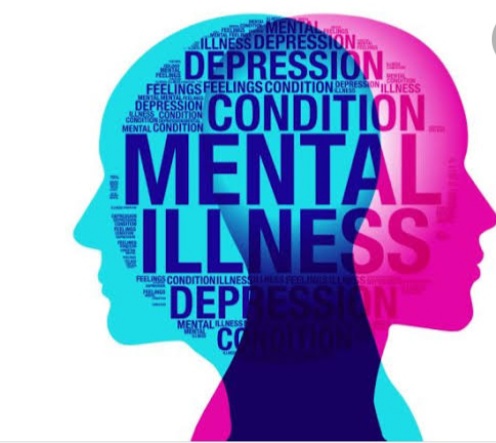
Mental illnesses are among the most common health conditions in the united states.

* More than 50% will be diagnosed with a mental illness or disorder at some point in their lifetime.

* 1 in 5 children,either currently or at some point during their life, have had a seriously debilitating mental illness.

Causes of mental illness :

There is no single cause for mental illness. A number of factors can contribute to risk for mental illness, such as

* Early adverse life experiences such as trauma or a history of abuse.

* Experiences related to other ongoing medical condition, such as cancer or diabetes

* Biological factors, such as genes or chemical imbalances in the brain.

* use of alcohol or recreational drugs.

Types of mental illness :

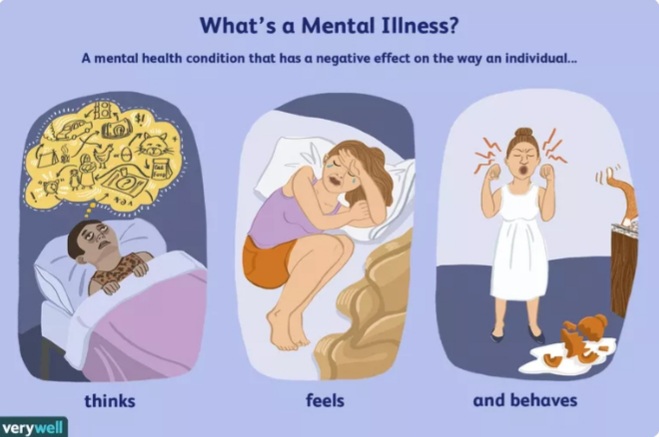
People can experience different types of mental illnesses or disorder and they can often occur at the same time.Mental illness can occur over a short period of time or be episodic. This means that the mental illness comes and goes with discrete beginnings and ends. Mental illness can also ongoing or long term.

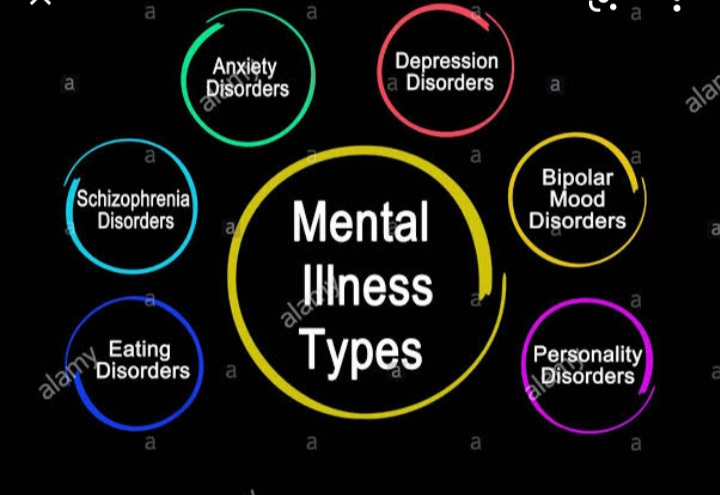
There are more than 200 classified types of mental illness. Some of the main types of mental illness and disorders are listed below; however; this list is not exhaustive.

Anxiety Disorders :

People with anxiety disorders respond to certain objects or situations with fear and dread or terror. Anxiety disorders include generalized anxiety disorder, social anxiety, panic disorders and phobias.

Hyperactivity Disorder :

It is one of the most common childhood mental disorders. It can continue through adolescence and adulthood. People diagnosed with ADHD may have trouble paying attention, controlling impulsive behaviors or be overly active.

Disruptive Behavioral Disorders :

It involves a pattern of disruptive behaviors in children that last for atleast 6 months can cause problems in school, at home and in social sitauations.Behavioral symptoms can also continue into adulthood.

Depression and other mood disorders :

While bad moods are common and usually pass in a short period, people suffering from mood disorders live with more constant and severe symptoms. People living with this mental illness find that their mood impacts both mental and psychological well- being, nearly evry day and often for much of the day.

Eating Disorders :

Eating disorders involve obsessive and sometimes distressing thoughts and behaviors including

* Reduction of food intake

* overeating

* Feelings of depression or distress

* concern about weight, body shape, poor self image

Personality Disorders :

People with personality disorders have extreme and inflexible personality traits that cause problems in work, school or social realtionships. Personality disorders include antisocial personality disorder and borederline personality disorder

Substance use Disorders :

Substance use disorders occur when frequent or repeated use of alochol and or drugs causes significant impairment, such as health problems, disability, and failure to meet major responsibilities at work, school, or home. Substance use problems can be fatal to the user or others. Exsmples include drunk driving fatalities and drug overdoses.

In this busy world our brain gets a lot stressed and its very important that we should take due care of it, some of the practices which will help us to do better with our mental health are:

  1. Yoga plays a great role in keeping our mind calm and also helps us to focus and concentrate on things. It also helps us deal with tough situations and gives us the strength to stay away from negativity.
  2. Exercising regularly is a key to healthy body and we all know that a healthy body and a healthy mind goes hand in hand, so we must ensure that we exercise daily to keep ourselves fit.
  3. The environment that we stay in also the company with which we spend time also plays a major role we should be extremely aware while selecting our company and in case we are not able to adjust we should walk away.
  4. Food is the fuel and is of immense importance we should ensure that we are not nutrient deficient also we should ensure that we intake enough amount of water daily.

Self – confidence

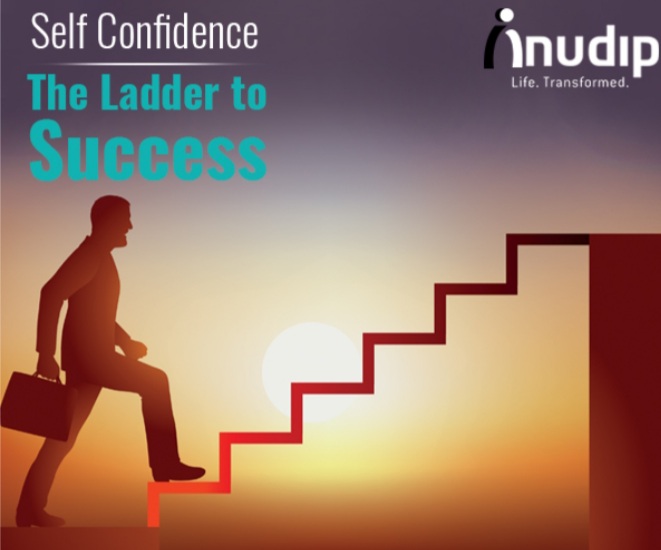
Self- confidence is a feelung of trust in one’s abilities, qualities, and judgment.children with a healthy sennsr of self-confidence are able to feel good about themselves and knoe that they deserve respect from others.
Confidence can be a tough thing to build up. We’ve put together some handy tips to help you put.


TIPS FOR BUILDING SELF – CONFIDENCE :


There are number of things you can do to build your confidence. Some of them arejust small changes to your frame of mind; others you’ ll have to work on fora big longer to make them familiar habits.


1.LOOK AT WHAT YOU’VE ALEADY ACHIEVED:


It is easy to lose confidence if you believe you haven’t achieved anythkng. Make a list of all the things you’ re proud of in your life, whegger it’s getting a good mark on an exam or learning to surf. Keep the list close by and add to it whenever you do something you’ re proud of. When you’re low in confidence,pull out the list a use it to remind yourself if all the awesome stuff you’ ve done.


2.SET SOME GOALS :


Set some goals and set out the steps you need to take to achieve them. They don’t have to be big goals; they can even be things like baking a cake or planning a nighy out with friends. Just aim for some achievements that you can tick off a list to hrlp you again confidence in your ability to get stuff done.


3.THINK OF THINGS YOU’RE GOOD AT :


Everyone has strengths and talents. What are yours? Recoginising what you’re good at,and trying to build on those things,will help you to build confidence in your own abilities.


4.TALK YOURSELF UP :


You’re never going to feel confident if you have negative commentary running through your mind telling you that you’re no good. Think about your self- talk and how that might be affecting your self- confidence. Treat yourself like would your bestfriend and cheer yourself on.


5.GET A HOBBY :


Try to find something that you’re really passionate about. It could be photography, sport, knitting or anything else! When you’ve workef out your passion, commit yourself to giving it a go.chances are, if you’re intetested or passionate about a certain activity, you’re more likely to be motivated and you’ll build skills more quickly.


Confidence helps us feel ready for life’s experiences. When we’re confident, we’re more likely to move forward with people and opportunities no back away from them. And if things don’t work out at fisrt , confidence helps us try again. It is the opposite when confidence is low.

Self- confidence is a feeling of trust in one’s abilities, qualities, and judgement. Some of the many causes of low self- esteem may include. Unhappy childhood where parents were extremly critical. Poor academic performance in school resulting in a lack of confidence.

To Grow Mentally and physically

Growing mentally and growing physically are two completely different things. Growing mentally refers to a person’s psychological growth the way we think and deal with different situations, and by what methods we develop and disseminate information. Growing up physically refers to a person’s physical growth like increased height, strength, and health. It can also refer to the development of your brain.
” The key to success is to keep growing in all areas of life mental emotional, spiritual as well as physical.” A healthy body can help your mind stay strong.when your body isn’t fit, it’s tougher to make challenging decisions.
Some of the tips will help you to improve both simultaneously.


ENRICH YOUR MIND :


keep challenging yourself to learn new things. By doing this, will gain more knowledge about things around you, and you will learn how to utilize things in a better way. Don’t let yourself get stuck in one place, either mentally or physically. Be proactive, curious, conscious and informed about the world.


Use your brain more often by doing brain exercises:


Exercising your brain means using it more. Generally the brain takes part in everything we do, but there are some types of activities which are specifically exercise our brains. Activities like doing puzzles, playing games like chess or scrabble, solving numerical problems, studying difficult topics and changing your dexterity, spatial reasoning and logic. Doing these mental exercises daily can sharpen your mind , and it can be an excellent way to strengthens neural links in your brain.


CONSUME NUTRIENTS THAT ARE GOOD FOR BRAIN:


Take in nutrients which are good for your brain. Foods that have antioxidants like vitamin c,e,b etc are good for the brain.consuming almonds and apple juice is also good for sharpening the brain.

THINK CRITICALLY :


when we hear, read or work on something, It is very important than we question everything and pay attention to details.such an approach can improve our thinking ability because it requires more brain work than mere observations.


DO PHYSICAL EXERCISES :


A healthy body means a healthy mind; regular exercise has a positive influence our brains function. The brain takes in nutrients from the blood, which makes the brain healthier. Physical exercise is essential for enhancing mental power .


EAT HEALTHY FOODS :


spend some time to examine which kinds of food bring you up and which foods bring down. Creating a diet plan can make you feel good, and gives you a sense of self-development. This will boost your sense of success.


GET BETTER SLEEP AND TAKE NAPS:


Get as much sleep as you need, around Seven or eight hours, every night. While sleeping well does not guarantee good health, it does help you to maintain many vital functions. Perhaps most importantly sleep helps you recover from the wear and tear of daily life. Major healing functions in the body such as tissue repair, music and mental growth occur almost exclusively during sleep.


SPEED TIME WITH PEOPLE :


Build a good support system with the people around you. Whether it’s your family, friends, or something else, find a group of people who are willing to support you in any circumstances. This increases flexibility and helps to provide perspective in the midst of stress and discomfort.


STAY AWAY FROM DRUGS AND ALCOHOL :
using cigarettes, alcohol, and illegal drugs damage your mental and physical health. Decreasing mental and physical stability produces” false” emotions.


FIND A GOOD LISTENER :


Find someone who is eager to listen to you, who you can talk to openly and freely. This can help you in relieving stress and anger and can heal you mentally, which ultimately has an impact on your physical health.


LAUGH MORE :


Laughter is the best medicine for human health. Human increases dopamine, and it improves memory and health.


GET RID OF BAD HABITS THAT HURT YOUR CONFIDENCE :


If you have a habit of smoking too much, drinking alcohol too much, spending too much time online, or a different habit that’s hurting your confidence, take steps to eradicate them. Study books, watch good films, play games, watch dances, and listen to songs; do the things that make you feel relaxed. Many studies suggest that watching TV and using a computer late at night is bad for your health.


STAR YOUR DAY BY THINKING ABOUT ONE GOOD THING YOU CAN DO :


Generally, it’s just a matter of deciding to do something good. Develop the habit of finding a good deed to do each day. Set aims and goals and follow through with them to attain them. By setting goals and gradually working to attain them , you will grow mentally.

STRESS MANAGEMENT :Give your stress wings and let it fly away.

Set peace of mind as your highest goal, and organise ur life around it.

What is stress?

Stress is a natural feeling of not being able to cope with specific demands and events. However, stress can become a chronic condition if a person does not take steps to manage it.

Stress is the body’s natural defense against predators and danger. It causes the body to flood with hormones that prepare its systems to evade or confront danger. People commonly refer to this as the fight-or-flight mechanism.

When humans face a challenge or threat, they have a partly physical response. The body activates resources that help people either stay and confront the challenge or get to safety as fast as possible.

The body produces larger quantities of the chemicals cortisol, epinephrine, and norepinephrine. These trigger the following physical reactions:

  • increased blood pressure
  • heightened muscle preparedness
  • sweating
  • alertness

These factors all improve a person’s ability to respond to a potentially hazardous or challenging situation. Norepinephrine and epinephrine also cause a faster heart rate.

Stress is your body’s response to changes in your life. Because life involves constant change ranging from everyday, routine changes like commuting from home to work to adapting to major life changes like marriage, divorce, or death of a loved one there is no avoiding stress

Your goal shouldn’t be to eliminate all stress but to eliminate unnecessary stress and effectively manage the rest. There are some common causes of stress  that many people experience, but each person is different.

Causes of stress.

stress can be the reason behind high blood pressure.

Stress can come from many sources, which are known as “stressors” Because our experience of what is considered “stressful” is created by our unique perceptions of what we encounter in life (based on our own mix of personality traits, available resources, and habitual thought patterns), a situation may be perceived as “stressful” by one person and merely “challenging” by someone else.

Simply put, one person’s stress trigger may not register as stressful to someone else. That said, certain situations tend to cause more stress in most people and can increase the risk of burnout stress management

How can we manage our stress?

Stress can be effectively managed in many different ways.

Exercise

Physical activities can help in improving your sleep. And better sleep  means better stress management. Doctors don’t yet know exactly why, but people who exercise more tend to get better deep “slow wave” sleep that helps renew the brain  and body. Just take care not to exercise  too close to bedtime, which disrupts sleep for some people.

Exercise also seems to help mood. Part of the reason may be that it stimulates your body to release a number of hormones like endorphins and endocannabinoids that help block pain, improve sleep, and sedate you. Some of them (endocannabinoids) may be responsible for the euphoric feeling, or “runner’s high,” that some people report after long runs.

People who exercise also tend to feel less anxious and more positive about themselves. When your body feels good, your mind often follows. Get a dose of stress relief with these exercises:

  • Running
  • Swimming
  • Dancing
  • Cycling
  • Aerobics

Diet

The benefits of eating health foods extend beyond your waistline to your mental health. A healthy diet  can lessen the effects of stress, build up your immune system, level your mood, and lower your blood pressure. Lots of added sugar  and fat  can have the opposite effect. And junk food can seem even more appealing when you’re under a lot of stress.

To stay healthy and on an even keel, look for complex carbohydrates, lean proteins, and fatty acids found in fish, meat, eggs, and nuts.

Antioxidants  help too. They protect your cells against damage that chronic stress can cause. You can find them in a huge variety of foods like beans, fruits, berries, vegetables, and spices such as ginger.

Scientists have pinpointed some nutrients that seem to help lessen the effects of stress on the body and mind. Be sure to get enough these as part of a balanced diet:
  • vitamin C
  • Magnesium
  • Omega-3 fatty acids

Sleep

A common side effect of stress is that you may struggle to fall asleep. If this happens three times a week for at least 3 months, you may have insomnia, an inability to fall and stay asleep. Lack of sleep can also add to your stress level and cause a cycle of stress and sleeplessness

Better sleep habits can help. This includes both your daily routine and the way you set up your bedroom. Habits that may help include:

  • Exercise regularly.
  • Get out in the sunlight.
  • Drink less alcohol and caffeine  close to bedtime.
  • Set a sleep schedule.
  • Don’t look at your electronics 30-60 minutes before bed.
  • Try meditation  or other forms of relaxation at bedtim

The role of your bedroom in good sleep hygiene also is importantYour bed also plays an important role. Your mattress should provide support, space and most of all, comfort.

Relaxation Techniques

Yoga. This is a form of exercise, but it can also be a meditation. There are many types of yoga. The ones that focus on slow movement, stretching, and deep breathing  are best for lowering your anxiety  and stress.

Meditation. It has been around for over 5,000 years for a reason. Meditation works well for many people and has many benefits. It can lower stress, anxiety, and chronic pain as well as improve sleep, energy levels, and mood. To meditate, you will need to:

  1. Find a quiet place.
  2. Get comfortable (sitting or lying down).
  3. Focus your attention on a word, phrase, object, or even your breath.
  4. Let your thoughts come and go and do not judge them.

Deep breathing. When you practice deep breathing, you turn on your body’s natural ability to relax. This creates a state of deep rest that can change how your body responds to stress. It sends more oxygen to your brain and calms the part of your nervous system that handles your ability to relax.

Try belly breathing. Get comfortable, close your eyes, and place one hand on your stomach  and the other on your chest. Take a deep breath in through your nose. You should feel your belly rise more than your chest. Now, exhale through your nose and pay close attention to how your body relaxes. Repeat.

SCIENCE AND TECHNOLOGY

Science and technology play a huge role in our society as well as in our lives. Nowadays we all are surrounded by technology and are dependent on it for everything we do. Especially after this pandemic everything is in virtual mode and is completely based on technology. We live in the technological era where gadgets are of outmost importance to us. A gadget is simply a human made device which is programmed to reduce human effort and does a piece of job easily without any hassle.

In this fast-growing world we human beings are always surrounded by machines and gadgets for every need of ours starting from the time we get up in the morning till we again go to bed we even use gadgets while we are asleep such as air conditioner, insect repellent and many more. Science is a boon for us, but in the other hand as everything has its own merits and demerits there are also people who do use science for a bad cause. Technology is good but it is advisable to keep this technology out of the reach of children as otherwise they will not tend to learn things and will prefer to take the help of science to solve a particular existing problem this may affect their growth.

IMPORTANCE OF SCIENCE AND TECHNOLOGY :


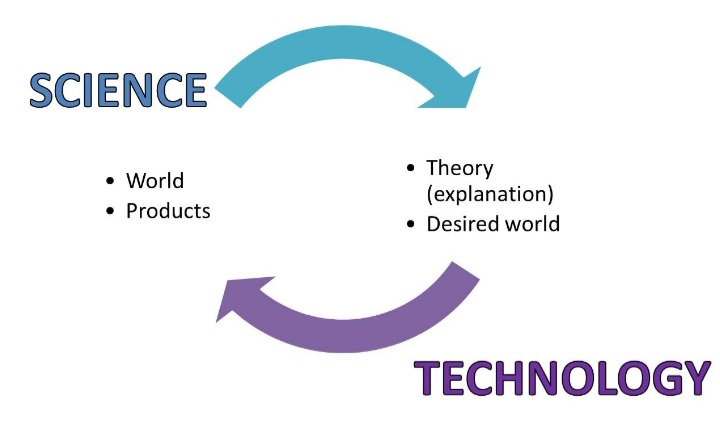
Technology, science and knowledge are important in modern contemporary society. Essential questions include the following : How does science and technology produce new products, new ways of living and new nutritious? Why is new technology and knowledge so fundamental to us in the ways through which we imagine the future?


Technology, knowledge and science are fundamental in modern contemporary society. The understanding of how social, cultural and material elements influence the production of new practices, new ways of under of contemporary postmodern society. Studies of technology and science provides students with insight into how different processes of knowledge are initiated and progressed, and how innovative technological processes are developed employed and increase in importance.
In this manner, students will be provided with the academic basis for working with detailed analyses of different forms of technologies and process of knowledge within business life or industry and commerce, research work , political development, management of knowledge and innovation.


THE RELATIONSHIP BETWEEN SCIENCE AND TECHNOLOGY :


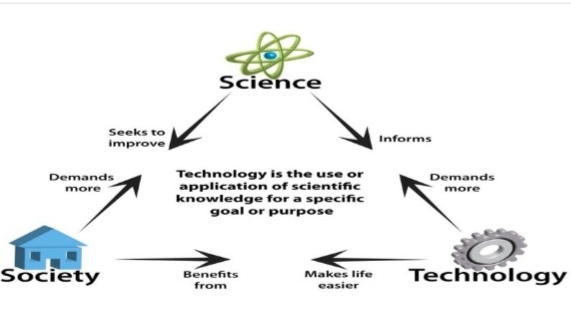
Science , technology and innovation each represent a successively larger category of activities which are highly interdependent but distinct. Science contributes to technology in at least six ways.

  1. New knowledge which serves as a direct source of ideas of new technological possibilities.
  2. Source from tools and techniques for more efficient engineering design and a knowledge based for evaluation of feasibility of designs
  3. Research instrumentation, laboratory techniques and analytical methods used in research that eventually find their way into design or industrial practices, often through intermediate disciplines.
  4. Practice of research as a source for development and assimilation of new human skill and capabilities eventually useful for technology.
  5. Creation of a knowledge base that becomes increasingly important in the assessment of technology in terms of its wider social and environmental impacts
  6. Knowledge base that enables more efficient strategies of applied research, development, and refinement of new technologies.

THe ROLE OF SCIENCE AND TECHNOLOGY


Teaching technological literacy, critical thinking and problem- solving through science education gives students the skills and knowledge they need to succeed in school and beyond.

SCIENCE AND TECHNOLOGY USED IN SOCIETY :


Science and technology have had a major impact on society, and their impact is growing. By making life easier, science has given an the chance to pursue societal concerns such as ethics, aesthetics, education and justice to create cultures, and to improve human conditions.

How To Practice Mindfulness In Your Everyday Life

The word “mindfulness” is talked about a lot lately, but really what exactly does it necessarily imply? Its origins may be traced back to Buddhist and Hindu beliefs, and it arose from the concepts of enlightenment and nirvana. It is defined as the practise of mindfulness and health of the body, mind, and soul. It is wellness in the sense that it extends beyond eating well and exercising; mental wellbeing, inner peace, sexual health, and so forth.

Everything seems to be quicker, noisier, and ruder nowadays. Everyone around us appears anxious and distracted, their eyes locked to their phones. In this fast-paced world, adopting mindfulness techniques on a regular basis may appear to be a difficult job, but it isn’t as far-fetched as it may appear.

Merely checking in with yourself for 10 seconds may educate us to gain clarity of body and mind, increase productivity all through the day, and empower us to take some responsibility for our mental health. Life might be difficult, but there is never too much happening on to treating yourself as a buddy to keep in touch with during the day.

Here are some ways to practice mindfulness in your everyday life:

Self-care is crucial

Self-care is a means of caring for oneself in the most fundamental ways: allowing yourself to recharge and loving yourself as you would a loved one. Everybody’s experience with mindfulness and mental clarity will differ. It could be meditation, exercising, getting a massage, writing, tidying, or something else.

This idea can also change depending on whether you are an introvert or extrovert. Knowing yourself, your tastes and preferences, and from where you draw your energy is a good first step in treating yourself as a friend.

Spend time with people who are driven and goal-oriented

Whenever it comes to becoming more conscious of your own emotional magnitude, aligning yourself with individuals who value similar habits is a wonderful place to start. Whether that’s around friends, family, or coworkers, the individuals you spend your time with have a greater effect on your everyday routines than you think. Trying to make mental check-ins a goal begins with you, but it can be a tough goal to achieve on your own.

Living mindfully benefits people near you as well as your loved ones. People can gain from exposure to this attitude if you regard yourself with care. Your good energy will wear off on them, regardless of whether they like it or not, and supply them with the compassion, love, and understanding they need.

Improve your work-life balance

When attempting to enhance your job performance, it is natural to get overly focused on your work and ignore your personal life. It is important to understand that you can seldom do better on the job if the other side is in disarray. You will feel anxious, and it will be difficult to concentrate on your task. A healthy work-life balance reduces stress and contributes to the development of a well-rounded individual.

Remember to include your personal hobbies and interests. Maintain a social life so that you have someone to share your trip with. In addition, expand or start a pastime. Taking care of plants, for example, is a fantastic way of spending time off from work. Being surrounded by nature is beneficial because it soothes the mind and stimulates creativity.

At Least 10 Minutes Every Day, Take a breath, Relax, and Repeat

Setting an alarm, pausing whatever I’m working on, closing my eyes, taking calm breaths, and using this time to really think about three things I’m thankful for on that particular day has been useful beginner-level mindfulness practices that I’ve done (and liked) in the past. It helps me to check in with myself, promotes clarity of mind, and generates a pleasant environment.

Regardless of what your views are, prayer may be a powerful technique for centering yourself, reducing stress, and assisting you in relinquishing control over things you can’t influence. It is comparable to meditation in that it demands a similar state of mind.

INSPIRATIONAL STORY OF J.K ROWLING

J.K Rowling’s story is one of the most famous insipirational failures to the success story of our time. She had failed in almost everything she attempted to do in her life and at one point she considers herself a major failure.


Most of the people only know her as a woman writer who created Harry Potter, but what people don’t know about the struggle she faces before reaching the stardom.


BIRTH AND CHILDHOOD :


Joanne Rowling was born on 31st July 1965 in yate, Gloucestershire, England to Peter James Rowling and Anne Rowling. Her father was a Rolls- Royce aircraft engineer and mother was a science technician
She had one little sister, Dianne, as a child Rowling loves to write fantasy stories and read them to her younger sister. When she was a teenager she got a chance to read Jessica Mitford ‘s autobiography, from then on Mitford become her heroine and after that, she read all her books.


BOOK INSPIRATION AND MOTHER ‘S DEATH :


After working for Amnesty International as a researcher and bilingual secretary in London, Rowling moved to Manchester with her then- boyfriend where she worked at chamber of commerce. In1990, Rowling first had the idea for Harry Potter, a story of a young boy who attends a school of wizards, while she was on a 4 hour delayed train trip from Manchester to London.
While travelling the idea fully formed in her mind and when she reached her flat she began writing furiously. However, in December 1990 her mother died after 10 years of complications from Mutiplr sclerosis Mother’s death heavily affects Rowling and leave her extremely distraught and upset. Later she channelled her own feelings of her loss by writing about Harry’s feelings in her first book.


MARRIAGE, DIVORCE AND SINGLE MOTHER:


After a few months of her mother’s death, she moved to Portugal to teach the English language. There she met a man, fall in love with him, got married and gave birth to her daughter. In 1993 her marriage ended in Divorce and she with her infant daughter moved to Edinburgh Scotland to be closer to her sister.
This is the most struggling time for Rowling and she saw herself as a complete failure. She was divorced, jobless, no money and a dependent child. Because of all this, she suffered bouts of depression and contemplated suicide. Eventually, she signed for Government-assisted welfare describing her economic status as poor. It was a really difficult time in her life but she kept going on and put all her energy on completing her novel.



HARRY POTTER :


In 1995 Rowling completes her manuscript for Harry Potter and the philosopher’s stone on an old manual type writer. She was so poor at that time she could not afford a computer or even the cost of photocopying the novel, so she manually typed each copy and submitted to twelve publishing house in London.
The manuscript was rejected almost dozens time until she was finally given chance with £1,500 advance by a small London publisher, Bloomsbury after the company’s CEO little 8 years old daughter fell in love with it after reading the first chapter of the book.


In July 1997 Bloomsbury published first 1000 copies of Harry Potter series out of which 500 copies were distributed to libraries. Just five months later the book won Nestlé smarties Book prize it’s first award . In early 1998 an auction was held in America for the printing rights to publish the novel.
Scholastic INC won the auction for USB 105, 000, later Rowling said in a interview that she nearly died when she heard the news of this amount for printing her novel. Today Harry Potter is a global brand worth an estimated 15 billion dollars.
The last four Harry Potter books have set the records for the fastest selling books in history. The Harry Potter series to talking 4, 195 pages have been translated either in whole or in part into 65 languages. The Harry Potter books series have also gained recognition for creating an interest in reading among the children’s at a time when they were more inclined towards the Internet, computers and television.


FINANCIAL SUCCESS :


In 2001 J.K ROWLING purchased a 19th century killiechassie House, an estate house on the banks of the river tay in Perth. She also owns a £ 4.5 million Georgian house in West London. In 2004 , Forbes named Rowling as the first person to become a us dollar billionaire by only writing books.In 2017, according to Sunday times, Richard list Rowling net worth was approx. £ 650 million.


PERSONAL LIFE :


Rowling and her second husband Neil Murray were married on 26th December 2001. They live in Edinburgh with their 3 children. Rowling was a runner up in 2007. Time’s annual person of the year issue after Russia’s president Vladimir putin.


JK ROWLING’S RULES OF SUCCESS :

  • Failure helps you discovers yourself.
  • Take action on your ideas.
  • You will be criticised
  • Remember where you started
  • Truly Believe in yourself
  • learn from adversity.
    *Visualise to achieve
  • Persevere
  • Dreams can happen.
  • use your creativity.

Depression

Depression and anxiety are very common problem these days starting from teenager to elderly adults anyone and everyone can face this at any point in life and they equally affect us as any physical disease does, many people don’t take mental health seriously but it is outmost necessary to do so. Here are a few simple daily habits which will help you to deal with depression:

  1. Stay away from negative thoughts, and always try to focus on the filled part of the glass and try not to worry about the empty.
  2. Practice meditation regularly it helps to calm one’s mind and helps in relaxing the brain.
  3. Try to stay out from field where you feel irritated and also do try ignoring unnecessary mess.
  4. Physical exercising is a must for a healthy mind as it keeps the body fit and also helps keeping negativity away.
  5. The physical environment where one spends time and the company of people with which one spend time also plays a key role in determining the and dealing with depression issues.
  6. One must also take care of the diet, consuming fresh fruits and vegetables are highly recommended and one must take care that proper diet is consumed.

Depression symptoms :

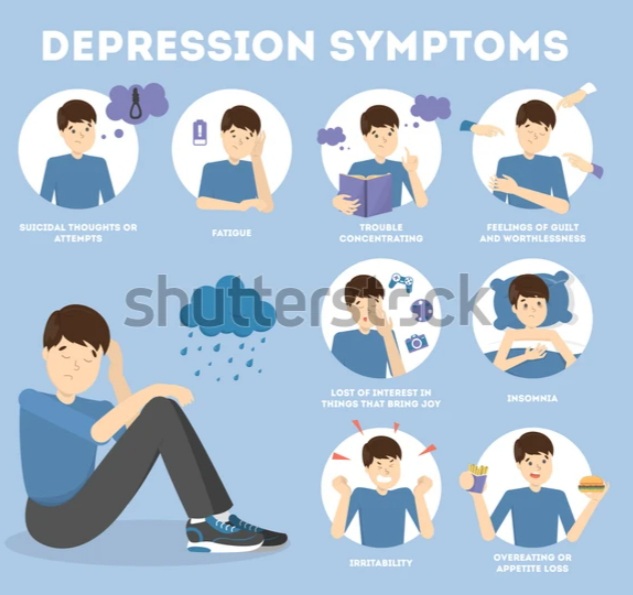
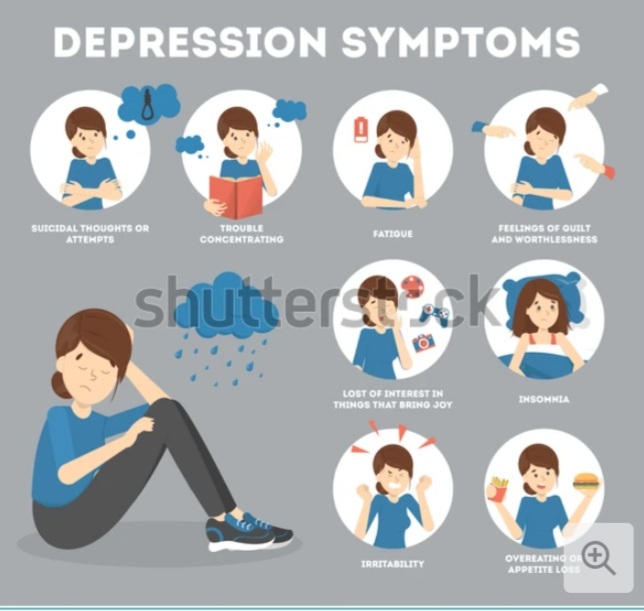
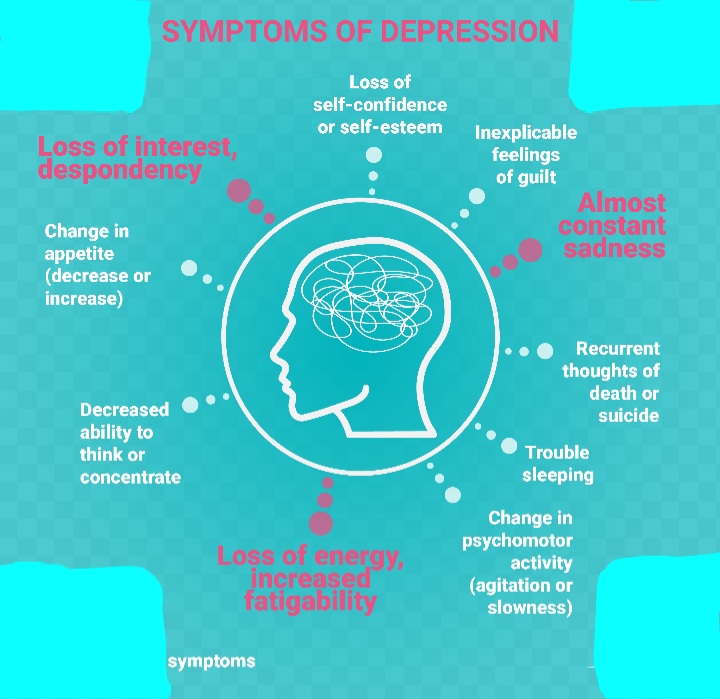
Depression can be more than a constant state of sadness or feeling ” blue”. Major depression cane cause a variety of symptoms. Some affect your mood, and others afect your body. Symptoms may also be onging or come and go. The symptoms of depression can be experienced differently among men, women and children differently.

Men may experience symptoms related to their:

* Mood, such as anger, aggressive, irritability, anxiousness, restlessness.

* Emotional well- being such as feeling empty, sad, hopeless.

* Behavior, such as loss of interest, no longer finding pleasure in favorite activites feeling tired easily , thiughts of suicide, drinking- execessively , using drugs, engaging in high- risk activities.

* sexual interest, such as reduced sexual desire, lack of sexual performance

* cognitive abilities , such as inability to concentrate, difficulty completeing tasks, delayed responses during- conversations.

* sleep patterns, such as insomina, restless slepp, excessive sleepiness, not sleeping through the night.

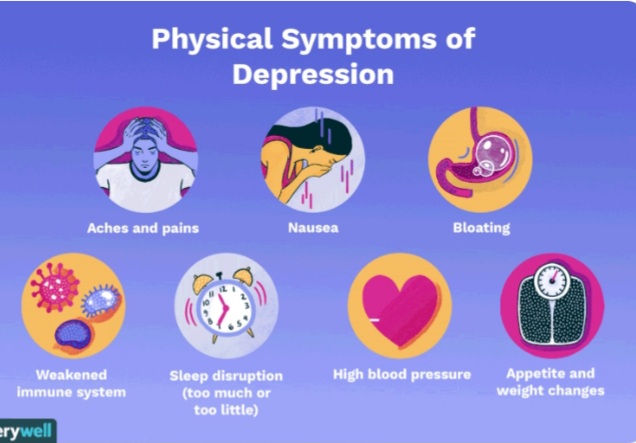
* physical well- being, such as fatigue, pains, headache, digestive problems.

Women may experience symptoms related to their:

* mood, such as irritability

* emotional well- being, such as feeling sad or empty, anxious or hopless.

* congnitive abilities,such asthinking or talking more slowly

* behavior, such as loss of interest in activities, withdrawing from social engagements, thoughts of suicide

* sleep patterns, such as difficultu sleeping through the night, waling early, sleeping too much.

* physical well- being, such as decreases energy, greater fatigue, changes in appetite, weight changes, aches,pain, headaches, increased cramps.

Children may dxperiences symptoms related to their :

* mood such as irritability, anger, mood swings, crying.

* emotional well- being, such as feelings of incompetence or despair, crying, intense sadness

* behavior, such as gettkng into trouble at school or refusing to go to school, avoiding friends or siblings thoughts of death or suicide.

* cognitive abilities, such as difficulty concentrating, decline in school performance, changes in grades.

* sleep patterns, such as difficulty sleeping or sleeping too much

*physical well- being, such as loss of energy digestive problems, changes in appetite, weight loss or gain.

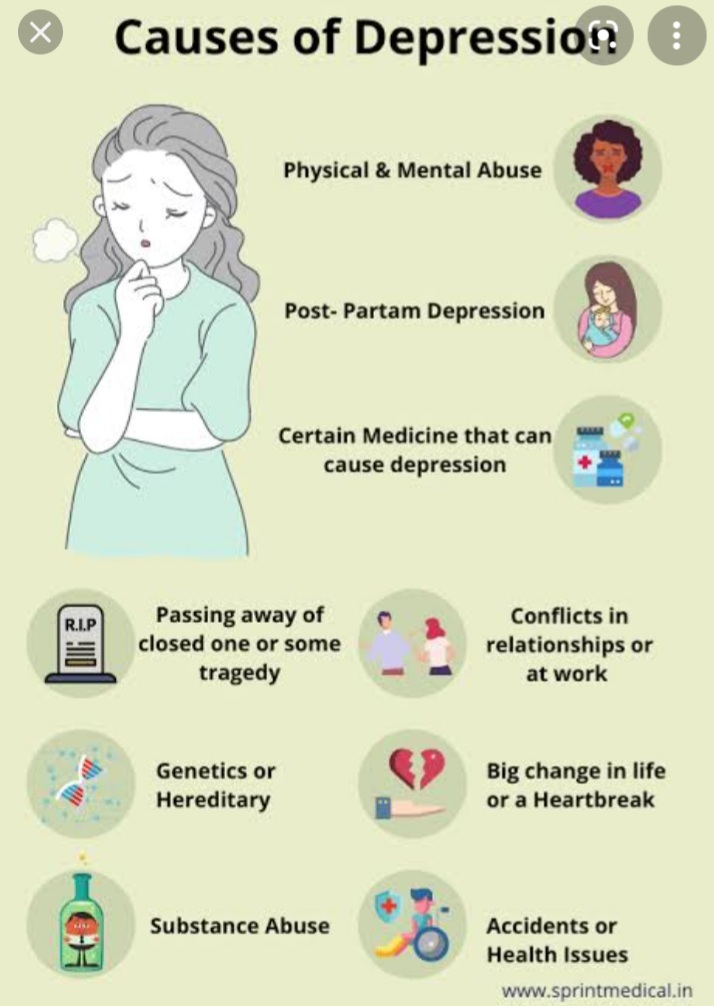
Depression causes :

There are several possible causes of depression. They can range from biological to circumstantial.

Common causes include ;

* Family history :

You’re at a higher risk for developing depression if you hace a family history of depression or another mood disorder.

* Early childhood trauma :

Some events affect the way your body reacts to fear and stressful situations

* Brain structure :

There’s a greater risk for depression if her frontal lobe of your brain is less active.

* Medical conditions :

Certain conditions may put you at higher risk, such as chronic illness, insomia, chroinc pain or attention- deficit hyperactivity disorder

* Drug use :

A history of drug or alcohol misuse can affect your risk.

Many factors can influence feelings of depression, as well as who develops the condition . The causes of depression are often tied to other elements of your health. Depression can be linked with to other health problems, your healthcare provider may also conduct a physical examination and order blood work.

Types of depression :

Depression can be broken into categories depending on the severity of symptoms. Some people experience mild and temporary episodes, whike other experience severs and ongoing depressive episodes.

There are two main types. Major depressive disorder and persistent depressive disorder .

Major depressive disorder :

Major depressive disorder is the more severe form of depression. It’s characterized by persistant feelings of sadness, hoplessness and worthlessness that dont’t go away on their own.

Persistent depressive disorder :

Persistent depressive disorder ( pDD) used to be called dysthymia. It is a milder, but chronic, form of depression.

It’s common for people with PDD to

* lose interest in normal daily activites.

* feel hopless

* lack productivity

* haveclow self- esteem

Depression can be treated successfully, but it’s important to stick your treatment plan.

Treatment for depression :

Living with depression can be difficult, but treatment can help improve your quality of life. Talk to your health care provider about possible options. You may successfully manage symptoms with one form of treatment ,or may find that a combinations of treatment works best.

Story – I see you

I always look forward up to the nights. Because that’s when we meet, right? I never felt myself until I met you. Like the day, I don’t feel the need to hold up a bright smile before you; I don’t feel the need to turn back and look at my shadow(s). With you, they go nowhere but into an invisible bin in space but come back again the following day. But with you, I am ready to embrace it all. With you, even the silence feels comfortable, and it doesn’t creep in into every vein in my body. With you, it’s all easier, easier to live, to breathe, to laugh, talk and have fun. Whenever the thoughts in my mind get a bit louder than the silence the night holds, you’re there to hear me out. You never say much, it’s always me rabbling on things, and you hear it all without complaints. With you, I feel like I’m being listened to. With you, I don’t feel judged; like the night sky, you have seen me cry.

Is it only me who felt warm last night?

The nights are often cold and frigid, but with you, they’re warm and cozy. I feel safe when you place your right arm on my right shoulder, and I lay my head on your chest – your language of telling me not to worry and life’s momentary; this shall pass too. But I don’t want this to pass away just like that. I want to lie against your chest a bit longer. I want you to hold me this way a bit longer.

But that’s when mum stepped in and invaded our personal space. As she switched on the lights, you were nowhere, as if you disappeared in the thin air.

Mom: Siya, who are you talking to?

Siya: I’m talking to Ajay. Please leave my room mom and don’t interrupt our talk.

Mom: Who Ajay? Our neighbour’s child? But, I can see no one here.

Siya: But he is right here (pointing towards the left), can’t you see him?

Mom: I can see no one here. You gotta sleep.

Siya: Fine.

*While walking back to her room, Siya’s mom was in a riddle. How could Siya talk to someone who died a week ago?*

The following day, Siya was drawing while chit-chatting with someone asking how was the drawing. Her mom when peeped at the paper, it was a guy aged as same as Ajay and wearing clothes similar to his style. When asked to Siya, she said that Ajay liked her drawing too and later she went to play chess in her room. Siya’s mom followed her to figure out the situation and realised Siya’s just 13, who taught her to play chess, that’s when she remembered Ajay; he was a state-level champion of chess. Siya’s mom was concerned about her daughter, so along with her dad, she took Siya to a child psychiatrist. The psychiatrist came up with a conclusion that she’s affected by a major psychiatric illness – schizophrenia. The disease is called “early onset” schizophrenia when it occurs before the age of 18. And this is the reason she’s been seeing visuals of things/ peoples that ain’t actually there.

What happens next once your child is diagnosed with schizophrenia?

Siya’s parents were quite distressed if there was a treatment to this or lifelong she’ll have to deal with the positive or negative symptoms. Further, the psychiatrist explained to them that there is no permanent cure for this but they could try reducing the severity of symptoms. The next step is developing a mutually agreed-upon treatment plan — incorporating psychotherapy, medication, and school and community support — that works for you, your child, and your family.

How do we treat schizophrenia?

As you addressed this early, the treatment might turn out more successfully. Your clinician will prescribe treatment methods that may include medication, psychotherapy, specialized educational or activity programs, and support groups. Siya’s parents supported the treatment as advised by the clinicians, which obviously freed Siya from often repercussions.

So, this is just a request to all the parents to address thier child’s mental health every once in a while and support the treatment procedures too. If addressed early, it’s better for everyone, the child, the parents and for the family too. Ignoring the symptoms might just worsen the symptoms and make the recovery impossible.

Helpful Links:

For parents:

20/20 Presents: Stories of children with schizophrenia

For teens:

CopeCareDeal

Drink More Water

Water is a vital part of our everyday lives and is used by our body in many different ways. It is so important that humans can’t survive for more than a week without fresh water. However, a lot of us underestimate the importance of drinking water daily and do not truly appreciate what water does for our bodies. Depending on factors such as location, fat index, age and sex, the average human is between 55-60% water. In fact, the brain alone is made up of 73% water, the lungs are 83%, and even bones contain some amount of water. Despite all this, many people take it for granted, not drinking even close to the adequate amount of water needed for bodily functions to take place properly. So, an understanding of how water helps us may encourage people to drink water more frequently.

Some of its Benefits

  • You need water to stay hydrated and maintain an adequate amount of fluid in your body. Water helps in the production of sweat, which keeps body temperatures cool as you exercise. When you perspire, the excess heat from your body is lost to the atmosphere through evaporation, regulating your body at an optimal temperature. Water also prevents your muscles from getting tired as fast and allows you to have a quicker recovery post-workout.
  • Drinking more water can actually help in weight loss. When your stomach senses that it is full, it sends signals to the brain to make you feel full. This reduces your hunger and makes you less likely to overeat.
  • There is a strong correlation between your mental energy levels and how hydrated you are. Water is needed in every cell in your body and your brain cells are no exception. Water helps transport oxygen and nutrients to the brain for optimal mental function.
  • One of the most common causes of headaches is dehydration. When you are dehydrated, the brain contracts temporarily due to fluid loss. Hence, drinking water helps in preventing headaches and other minor health problems.
  • Constipation occurs when the stools in your colon don’t get enough water. When you are dehydrated, water is diverted from the large intestine to hydrate the rest of your body. So, ample amount of water needs to be consumed to ensure healthy bowel movements.
  • Kidney stones are hard deposits of salt and minerals that form within the kidney or urinary tract. You need enough fluids in your system to dilute the concentration of minerals that can turn into these stones. Hence, water prevents the formation of kidney stones.
  • When your skin is dehydrated, it will become dry, tight and flaky. Staying hydrated can reduce the appearance of ageing, making you look younger and fresher.

How much water should you drink?

The body constantly loses water throughout the day, mostly through urine and sweat but also from regular body functions like breathing. To prevent dehydration, you need to get plenty of water from drink and food every day. The recommended daily water intake for adults is 8 – 10 glasses of 250ml each glass. However, there is no universally agreed quantity of water that must be consumed daily, and the amount may vary depending on the person. Many internal and external factors determine how much water a person should drink per day. So, we must identify in our own lives whether we think we are getting enough water or not. In case you are feeling excessive thirst, dry mouth, dry skin, headaches, sleepiness, dizziness, etc., it is an indication that you are not drinking enough water.

It is also important to highlight that though drinking ample amount of water everyday is important, one should not overdo it. Drinking too much water can lead to water intoxication, which is when the levels of salt and other electrolytes in your body become too diluted. While it is rare, this can be a medical emergency if the electrolytes in your body fall too low and too fast.

At the end of the day, we should drink an adequate amount of water as per our requirements. This will allow us to reap the benefits of water, and prevent symptoms of not drinking water.

KNOW YOUR CHOCOLATE – CACAO OR COCOA?

Cacao tree belongs to the family Malvaceae, native to the deep tropical regions of Mesoamerica. Its seeds and beans are used to make chocolate liquor, cocoa solids, cocoa butter and chocolate.


Yes, you heard me right. Cocoa are Cacao are different from one another. Though they start their journey from the same station i.e. the cacao plant, yet they end up to different final destinations with major differences in their nutritional values.
Theobroma cacao or the cacao tree, also known as the ‘food of the Gods’ produced many cocoa pods. These pods include beans (which are later converted into cocoa or cacao) and a white fleshy pulp called Baba (which is used in making white chocolate).


Cocoa starts its journey from cacao. Cacao seeds are raw beans from the cacao plant. They undergo fermentation process that develops their distinct chocolate flavour and aroma. The dried, roasted and crushed beans then form nibs that are used to make cocoa.

It is the roasting process that converts cacao to cocoa. Cacao is made from fermented, dried, unroasted cacao beans. Being unprocessed they contain a higher amount of nutritional values that the cocoa looses to the heat. The roasted beans are further treated with alkaline to reduce its bitterness. This makes them loose 60% of their flavanol.

Cacao contains flavanols, which have various antioxidant, heart-protective and anti-cancer properties. They are a good source of several minerals, including selenium, magnesium, chromium and manganese. They are rich in tryptophan, an amino acid our body uses to make serotonin (a brain chemical that helps the mind relax).
The polyphenols in cacao is linked to numerous health benefits, including reduced inflammation, better blood flow, lower blood pressure and improved cholesterol and blood sugar levels


Bottom line : Higher bitterness indicates higher content of cacao, and hence provides more nutritional benefits.