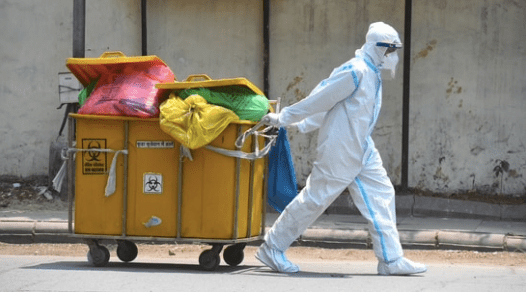
Bio-medical Waste Disposal

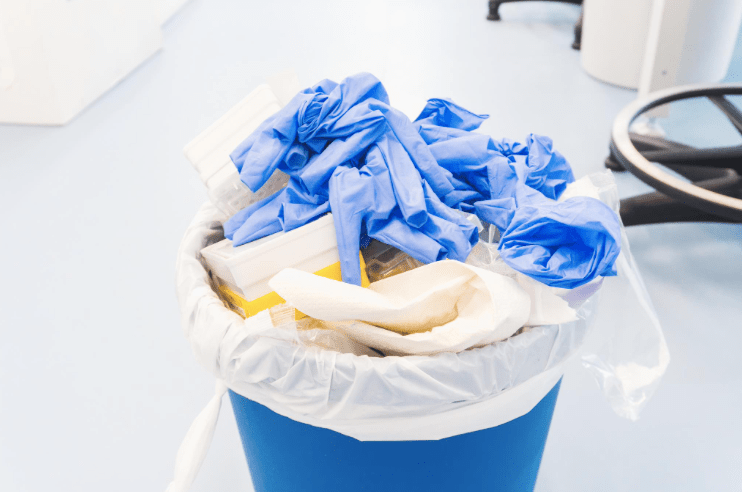
The goals of Bio-medical waste treatment are to cut back or eliminate the waste’s hazards, and frequently to form the waste unrecognisable. Treatment ought to render the waste safe for subsequent handling and disposal. There are many treatment ways which will accomplish these goals. These are some most commonly used disposal techniques:

  • Incineration: Most of the Biomedical waste is incinerated. It basically destroys the pathogens and sharps. Most of the materials become unrecognisable because they become as. Alternatives to this can be thermal treatment which results in pathogen destruction.
  • Autoclaving: Actoclaving is a techniques often used in laboratories mainly to sterilize the objects or materials used in laboratory to make sure it is free from any bacteria. It basically uses steam and pressure to sterilise the waste or reduce its microbiological load to a level at which it may be safely disposed of. Many healthcare facilities routinely use an autoclave to sterilize medical supplies. If the same autoclave is used to sterilize supplies and treat biomedical waste, administrative controls must be used to prevent the waste operations from contaminating the supplies. Effective administrative controls include operator training, strict procedures, and separate times and space for processing biomedical waste.
  • Microwaving: Microwave medical care may use for treatment of medical specialty wastes. Microwave irradiation may be a style of non-contact heating technologies for medical care. Microwave chemistry is predicated on economical heating of materials by microwave effects. Microwave medical care may be a recently developed technology that provides advantage over recent existing technologies of autoclaves as microwave based mostly medical care has less cycle time, power consumption and it needs least usage of water and consumables as compared to autoclaves.

REGULATION AND MANAGEMENT IN INDIA

The Bio-medical Waste (Management and Handling) Rules, 1998 and additional amendments were passed for the regulation of bio-medical waste management. Every state’s Pollution panel or Pollution management Committee are chargeable for implementing the new legislation. New laws have an effect on the distribution of medical waste by medical professionals into their correct recepticals.
In India, there area unit variety of various disposal ways, the case is purposeless and most area unit harmful instead of useful. If body fluids are present, the materials must be incinerated or place into autoclave. Though this can be the correct technique, most medical facilities fail to follow the laws. It’s typically found that medical specialty waste is drop into the ocean, wherever it eventually washes up on shore, or in landfills because of improper sorting or negligence once within the medical facility. Improper disposal will result in several diseases in animals furthermore as humans. For example, animals, like cows in Pondicherry, are consuming the infected waste and eventually, these infections may be transported to humans World Health Organization consume their meat or milk. Sizable amount of unregistered clinics and establishments additionally generate bio-medical waste that isn’t controlled.
The waste is not disposed accurately because most the people in the profession are not aware of the fact that these bio-medical the waste from the hospitals can transmit diseases and have different side effects on the environment as well.
Different Categories of Bio-medical Waste

Biomedical waste is defined as any waste, which is generated during the diagnosis, treatment or immunisation of human beings or animals, or in research activities pertaining thereto, or in the production or testing of biologicals.

There are almost 10 broad categories of biomedical waste and they have different ways of disposal as well. The categories of biomedical are disposed in different ways according to the needs so that it does not harm any living organism or human mainly.

CATEGORYWASTE CATEGORYTREATMENT/ DISPOSAL
1)Human Anatomical waste consisting of human tissues, organs and body parts.Deep burial or incineration
2)Animal waste which consists of animal tissues, organs, body parts, bleeding parts, fluid, blood, experimental animals used in research, discharge from hospitals.Deep burial or incineration
3)Microbiological and biotechnological waste which consists of wastes from laboratory cultures, stocks or specimens of microbes they maybe live or attenuated, human or animal cell culture used for research in laboratories, toxins, waste from production of biological products, devices used to transfer the cultures.Incineration, autoclaving, microwaving
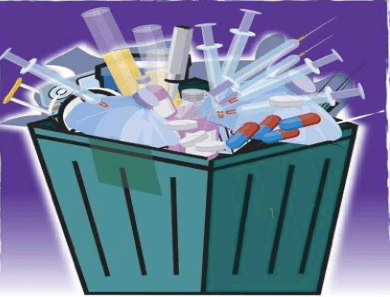
4)Waste sharps include needles, syringes, scalpels, blades, glasses etc that may cause puncture or cuts. They consists of both used and unused.Disinfection which include chemical treatment, autoclaving, microwaving etc.
5)Discarded Medicines or cytotoxic drugs which include waste comprising of outdated, contaminated and discarded medicines.Destruction or drug disposal in landfills and incineration
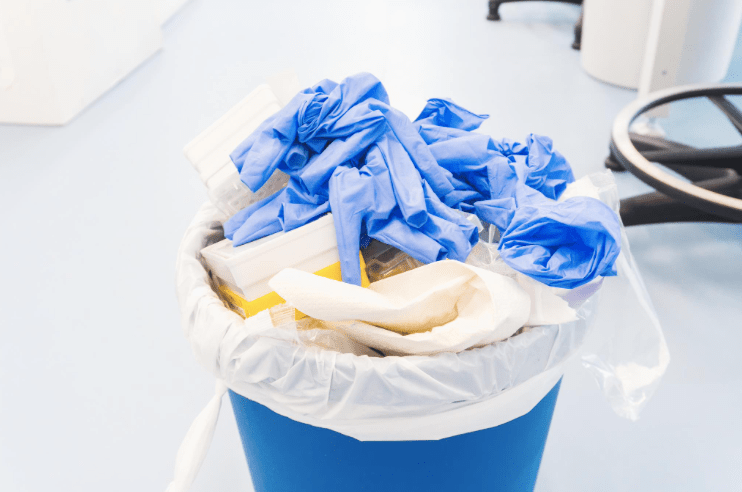
6)Solid Waste (I) are the items which include items contaminated with blood and body fluids including cotton, dressings, solid plaster casts, lines, beddings and anything contaminated with blood.Autoclaving or incineration
7)Solid Waste (II) are the item or wastes generated from disposable items other than the waste sharps such as tubings, intracenous sets etc.Disinfection by chemical treatment, autoclaving, microwaving and shredding
8)Liquid Waste consisting of waste generated from laboratory and washing, cleaning, house-keeping and disinfecting activities.First disinfection by chemical treatment and then discharge into drains
9)Incineration Ash which is the ash from the incineration of any biomedical waste.Disposal in municipal landfill
10)Chemical Waste are the chemicals used in production of biologicals, chemicals used in disinfection as insecticides etc.Chemical discharge into drains for liquids and secured landfill for solids

Biomedical waste should be safely and efficiently identified, segregated, stored, transported and disposed after appropriate treatment. Its effective implementation in our community is of prime importance to protect public health and environment. With a growing population, biomedical waste is also growing in quantity in our country. Management of this waste is a rising concern in India. Segregation of Bio-Medical Waste at its origin is the key to the efficiency of waste management. Following regulations and scientifically managing Bio- Medical Waste is in the best interest of the public as well as the environment. It is really important to completely destroy the waste and it should be destroyed by following the norms so that it cannot transmit infection to anyone or harm anyone especially in present situation.

Bio-medical Waste: a Biohazard

Biohazard also known as biological hazard, is basically a biological substance that poses a threat to the health of living organisms, primarily humans. They include the micro- organisms, virus or toxins that may adversely have an effect on human health. A biohazard might even be a substance harmful to alternative animals. Biohazard and its symbol are usually used as a warning, in order that those probably exposed to the substances can grasp to require precautions. Sources of biological hazards include microorganism, viruses, insects, plants, birds, animals, and humans. These sources will cause a range of health effects starting from skin irritation and allergies to infections, cancer. Biohazards are the biological materials like plats, micro-organisms, or their by-products that pose as a threat to the other living organisms. It basically is the negative impact of biological pathogens of different levels and origins which cause harm to different spheres like medical, agricultural, domestic etc.

Biomedical waste is defined as any waste, which is generated during the diagnosis, treatment or immunisation of human beings or animals, or in research activities pertaining thereto, or in the production or testing of biologicals.

Medical care and hospitals are basic need for good life, well-being and health. But with this they generate a lot of waste which can be hazardous, toxic and lethal for humans and other living beings because it can be a main reason for transmission of diseases. Since beginning, the hospitals are known for the treatment of sick persons but we are unaware about the adverse effects of the garbage and filth generated by them on human body and environment. Now it is a well established fact that hospital waste is a potential health hazard to the health care workers, public and flora and fauna of the area. The medical waste contains infectious, biomedical as well as sharps like injections, knives and now there is a addition to the medical waste which are PPE kits which a doctor wears while treating a corona positive patient or there are used masks, used tissues, cottons etc. in todays conditions it is very important to dump the biomedical waste according to the norms so that it cannot transmit any kind of infection, especially for the waste related to corona virus because the cases are increasing day by day. If the waste is not properly treated or dispose or is allowed to get mixed with the municipal waste then it can surely transmit infection. The subject of biomedical waste management and handling has been assuming increasing significance for the past few years. The responsibility of medical administrators as regards proper handling and disposal of this category of waste has now become a statutory requirement. The rag pickers are typically worst affected, as a result of inadvertently or inadvertently, they rummage through all types of toxic material whereas attempting to salvage things that they’ll sell for recycle. At identical time, this sort of banned and unethical recycle are often very dangerous and even fatal. Diseases like Asiatic cholera, plague, T.B., infectious disease, AIDS (HIV), contagious disease etc. in either epidemic or perhaps endemic kind, create grave public health risks. And now in addition to these disease there is corona virus infection which is currently the reason for most deaths.

About the rules and Regulations the act passed by the Ministry of Environment and Forests in 1986 and notified the Bio Medical Waste (Management and Handling) Rules in July 1998, it is the duty of every “occupier”, i.e. a person who has the control over the institution or its premises, to take all steps to ensure that waste generated is handled without any adverse effect to human health and environment. The provisions are equally applicable to our service hospitals.
The quantity of biomedical waste generated per bed per day will vary depending upon the type of health problems, the type of care provided and the hospital waste management practices. It varies from 1 to 2 kg in developing countries to 4.5 kg in developed countries such as USA. 10 to 15% of the waste is infectious in developed countries whereas it varies from 45.5 to 50% in India, requiring special handling.

Global Warming

The global yearly temperature has risen by a little more than 1 degree Celsius, or roughly 2 degrees Fahrenheit, during the Industrial Revolution. It increased by 0.07 degrees Celsius (0.13 degrees Fahrenheit) every ten years between 1880 and 1980, when accurate recordkeeping began. However, the pace of rise has more than doubled since 1981: The worldwide yearly temperature has risen by 0.18 degrees Celsius (0.32 degrees Fahrenheit) every decade during the previous 40 years.

The world has never been hotter. After 1880, nine of the ten warmest years have occurred since 2005, with the five warmest years on record all occurring since 2015. Climate change doubters claim that rising global temperatures have slowed or stopped, however multiple studies, including one published in the journal Environmental Research Letters in 2018, have refuted this claim

Climate scientists have now concluded that we must limit global warming to 1.5 degrees Celsius by 2040 if we are to avoid a future in which the worst, most devastating effects of climate change: extreme droughts, wildfires, floods, tropical storms, and other disasters that we collectively refer to as climate change, will be part of everyday life around the world.

These effects are felt by all people in one way or another but are experienced by the underprivileged, the economically marginalized, and people of color, for whom climate change is often a key driver of poverty, displacement, hunger, and social unrest.

Photo by Andrea Schettino on Pexels.com

CAUSES FOR GLOBAL WARMING

When carbon dioxide (CO2) and other air pollutants accumulate in the atmosphere, they absorb sunlight and solar radiation that has bounced off the earth’s surface, causing global warming. Normally, this radiation would escape into space, but these contaminants, which may persist in the atmosphere for years to centuries, trap the heat and cause the earth to warm.

Greenhouse gases are heat-trapping pollutants such as carbon dioxide, methane, nitrous oxide, water vapor, and synthetic fluorinated gases, and their impact is known as the greenhouse effect.

Though natural cycles and fluctuations have caused the earth’s climate to change several times over the last 800,000 years, our current era of global warming is due to human activity—specifically, our burning of fossil fuels like coal, oil, gasoline, and natural gas, which results in the greenhouse effect.

Transportation accounts for 29% of greenhouse gas emissions in the United States, followed by power production (28%), and industrial activities (28%). (22 percent).

To avert disastrous climate change, drastic reductions in emissions are required, as well as the widespread usage of alternatives to fossil fuels. The good news is that, as part of the 2015 Paris Climate Agreement, governments around the world have publicly pledged to reduce their emissions by setting new targets and developing new policies to meet or even exceed those standards.

The bad news is that we aren’t working quickly enough. According to scientists, we need to cut global carbon emissions by up to 40% by 2030 to prevent the worst effects of climate change. To achieve this, the international community must take quick and tangible efforts to decarbonize electricity generation by fairly transitioning from fossil fuel to renewable energy production.

Warming temperatures are generating longer and hotter heat waves, more frequent droughts, more rains, and more intense hurricanes, according to scientists.

The earth’s ocean temperatures are also rising, allowing tropical storms to pick up more energy. To put it another way, global warming has the potential to transform a category 3 storm into a more dangerous category 4. In reality, scientists have discovered that the frequency of North Atlantic hurricanes, as well as the number of storms that reach classifications 4 and 5, has increased since the early 1980s.

Photo by Pixabay on Pexels.com

Communities are suffering and death tolls are rising as heat waves, droughts, and floods linked to climate change grow more common and intense. Scientists think that if we don’t lower our emissions, climate change would kill over 250,000 people per year and push 100 million people into poverty by 2030.

Climate change affects everyone, yet not everyone is affected equally. Indigenous peoples, people of color, and those on the margins of society are often the hardest hit.

Even while these communities have done the least to contribute to climate change, inequities built into our housing, health-care, and labor systems render them more exposed to its worst effects.

As a major contributor to global warming, the US has a responsibility to assist the world in moving toward a cleaner, safer, and more equal future. Other countries care about our duty, and we should care about it as well.

The impact of Social Media Influencers on Sales

The way social media influencers directly or indirectly influence publicity and promotion somehow also influence the sales of a brand. Some of the ways in which social media influencers impact sales are:

1. Help in Consumer Research Phase:

Nowadays, market is mostly “consumer-oriented”. Consumers search and research, read reviews about a brand and hence they want someone trusted and experts who will voice their opinions, concerns and recommendations. Influencers play a vital role in spreading the word of mouth and recommendations thereby increasing sales.

2.Help in increasing Return on Investment:

Social Media Influencers help in achieving a relatively high Return on Investments than other factors. It is because of low capital investment. Other forms of advertisement or marketing tools require huge capital whereas dealings with Social media Influencer can be fixed just on a simple phone call.

3.Content Creation helps in increased Sales:

Influencers create meaningful and exciting content that sometimes evoke interest in the viewer to buy the product. Apart from this, Influencers also work on multiple social media accounts and this helps them to reach wide and diverse audience. This is also very helpful for increasing sales in a business.

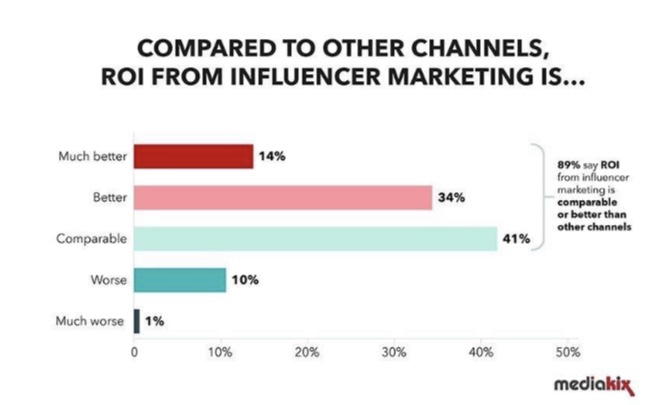
In a recent survey by Mediakix, a famous influencer marketing agency, about 89% of respondents say Return on Investment from Social Media Influencers is better than other channels.

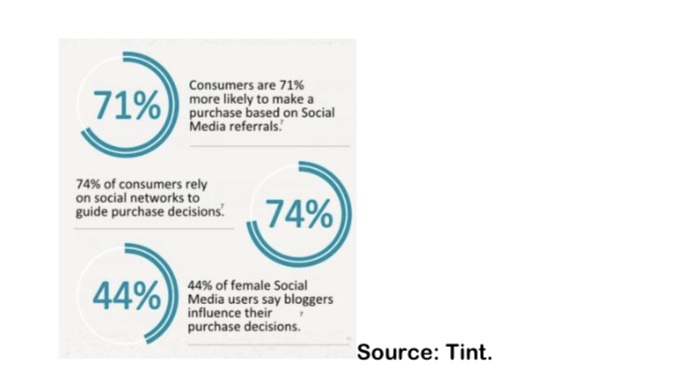
In another survey by Tint, 71% of respondents told that they rely on social media referrals for purchase decisions.

Some Examples:

1) Glossier, USA.

The USA based beauty brand has built its brand image by entirely relying on Social Media Influencers and other forms of digital marketing. They rely heavily on influencers as they send new products to influencers before the products are even launched so that influencers identify the flaws and suggest improvements (if they require) and thereafter the brand makes the changes accordingly.

2)Daniel Wellington, Sweden

This company was able to tap the “business opportunity” and it proved out to be quite fruitful for them. They broke into the Indian market by solely relying on Social Media Influencers. It is a watch brand company sends its new products to big social media influencers in India and enjoys extreme profits and sales. They were able to see India as a good market due to the country’s vast population.

Conclusion:

Social Media Influencer marketing or the Influencer marketing has become the fastest growing trend in communication in last few years. The key factors involved to be a good influencer are trust and credibility in the message. Latest studies and research have proved that social media influencers contribute to a business’s growth in a very positive manner in terms of promotion, publicity, sales and ROI. Many assume this marketing tool is temporary and will extinct in few years, however only time can say it.

Augmented reality

Augmented reality (AR) is an interactive experience of a real-world environment where the objects that reside in the real world are enhanced by computer-generated perceptual information.

sometimes across multiple sensory modalities, including visual, auditory, haptic, somatosensory and olfactory. AR can be defined as a system that incorporates three basic features: a combination of real and virtual worlds, real-time interaction, and accurate 3D registration of virtual and real objects. The overlaid sensory information can be constructive (i.e. additive to the natural environment), or destructive (i.e. masking of the natural environment). This experience is seamlessly interwoven with the physical world such that it is perceived as an immersive aspect of the real environment. In this way, augmented reality alters one’s ongoing perception of a real-world environment, whereas virtual reality completely replaces the user’s real-world environment with a simulated one. Augmented reality is related to two largely synonymous terms: mixed reality and computer-mediated reality.

The primary value of augmented reality is the manner in which components of the digital world blend into a person’s perception of the real world, not as a simple display of data, but through the integration of immersive sensations, which are perceived as natural parts of an environment. The earliest functional AR systems that provided immersive mixed reality experiences for users were invented in the early 1990s, starting with the Virtual Fixtures system developed at the U.S. Air Force’s Armstrong Laboratory in 1992. Commercial augmented reality experiences were first introduced in entertainment and gaming businesses. Subsequently, augmented reality applications have spanned commercial industries such as education, communications, medicine, and entertainment. In education, content may be accessed by scanning or viewing an image with a mobile device or by using markerless AR techniques.

Augmented reality is used to enhance natural environments or situations and offer perceptually enriched experiences. With the help of advanced AR technologies (e.g. adding computer vision, incorporating AR cameras into smartphone applications and object recognition) the information about the surrounding real world of the user becomes interactive and digitally manipulated. Information about the environment and its objects is overlaid on the real world. This information can be virtual. Augmented Reality is any experience which is artificial and which adds to the already existing reality or real, e.g. seeing other real sensed or measured information such as electromagnetic radio waves overlaid in exact alignment with where they actually are in space. Augmented reality also has a lot of potential in the gathering and sharing of tacit knowledge. Augmentation techniques are typically performed in real time and in semantic contexts with environmental elements. Immersive perceptual information is sometimes combined with supplemental information like scores over a live video feed of a sporting event. This combines the benefits of both augmented reality technology and heads up display technology (HUD).

Comparison with virtual reality

In virtual reality (VR), the users’ perception of reality is completely based on virtual information. In augmented reality (AR) the user is provided with additional computer generated information within the data collected from real life that enhances their perception of reality. For example, in architecture, VR can be used to create a walk-through simulation of the inside of a new building; and AR can be used to show a building’s structures and systems super-imposed on a real-life view. Another example is through the use of utility applications. Some AR applications, such as Augment, enable users to apply digital objects into real environments, allowing businesses to use augmented reality devices as a way to preview their products in the real world. Similarly, it can also be used to demo what products may look like in an environment for customers, as demonstrated by companies such as Mountain Equipment Co-op or Lowe’s who use augmented reality to allow customers to preview what their products might look like at home through the use of 3D models.

Augmented reality (AR) differs from virtual reality (VR) in the sense that in AR part of the surrounding environment is actually ‘real’ and just adding layers of virtual objects to the real environment. On the other hand, in VR the surrounding environment is completely virtual. A demonstration of how AR layers objects onto the real world can be seen with augmented reality games. WallaMe is an augmented reality game application that allows users to hide messages in real environments, utilizing geolocation technology in order to enable users to hide messages wherever they may wish in the world. Such applications have many uses in the world, including in activism and artistic expression.

Psychological Disorders Part 5

Introduction

In Psychological Disorders Part 4, Eating Disorders were discussed. It is very important to consult a psychologist if you are facing any of the eating disorders as they can be life-threatening. This article will discuss Sleep Disorders.

Sleep Disorders

These disorders involve interruptions in the sleeping pattern which leads to distress and affects the daytime functioning of the person.

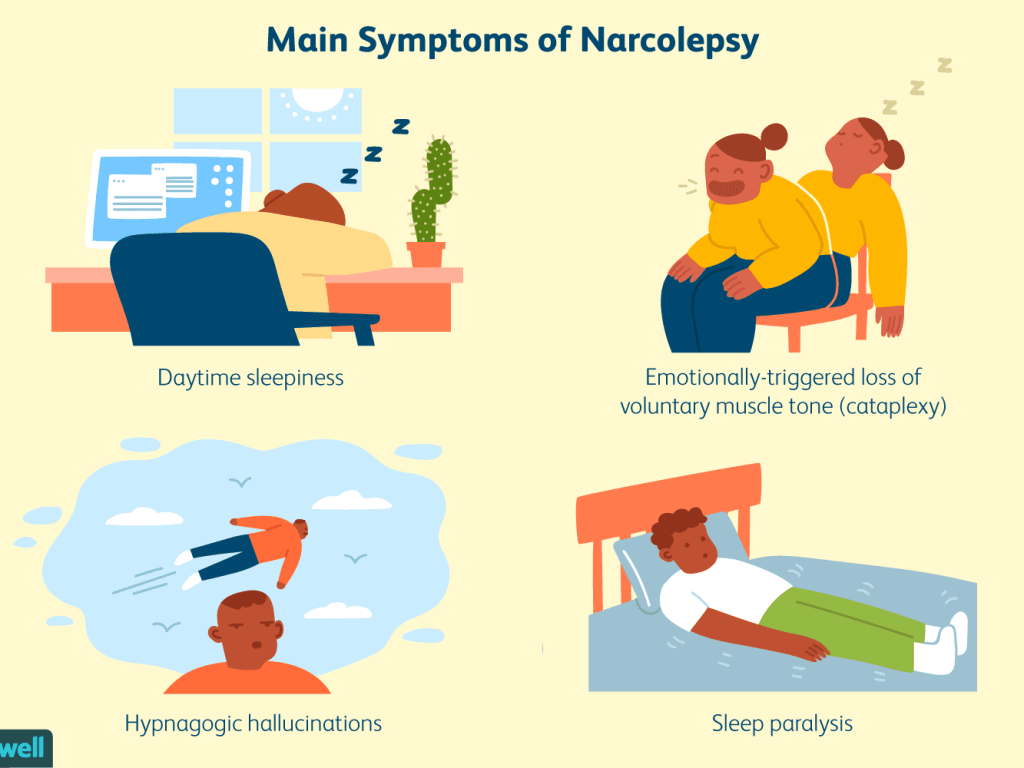
Narcolepsy is a chronic sleep disorder in which the person has overwhelming daytime drowsiness and sudden attacks of sleep. People with this disorder find it difficult to stay awake for long periods and this can cause excessive disruptions in their daily routine. There are two types of narcolepsies, one that is accompanied by a sudden loss of muscle tone, called cataplexy, this is type 1 narcolepsy and type 2 is without cataplexy. The symptoms for this are excessive daytime sleepiness, decreased alertness, sudden loss of muscle tone which can cause slurred speech, sleep paralysis, changes in REM sleep, and hallucinations. This is a chronic disorder so there is no cure for it but it can be managed with medication and some changes in the lifestyle. The cause for this is unknown but it is observed that in type 1, people have low levels of the chemical hypocretin which is important for the regulation of wakefulness and REM sleep.

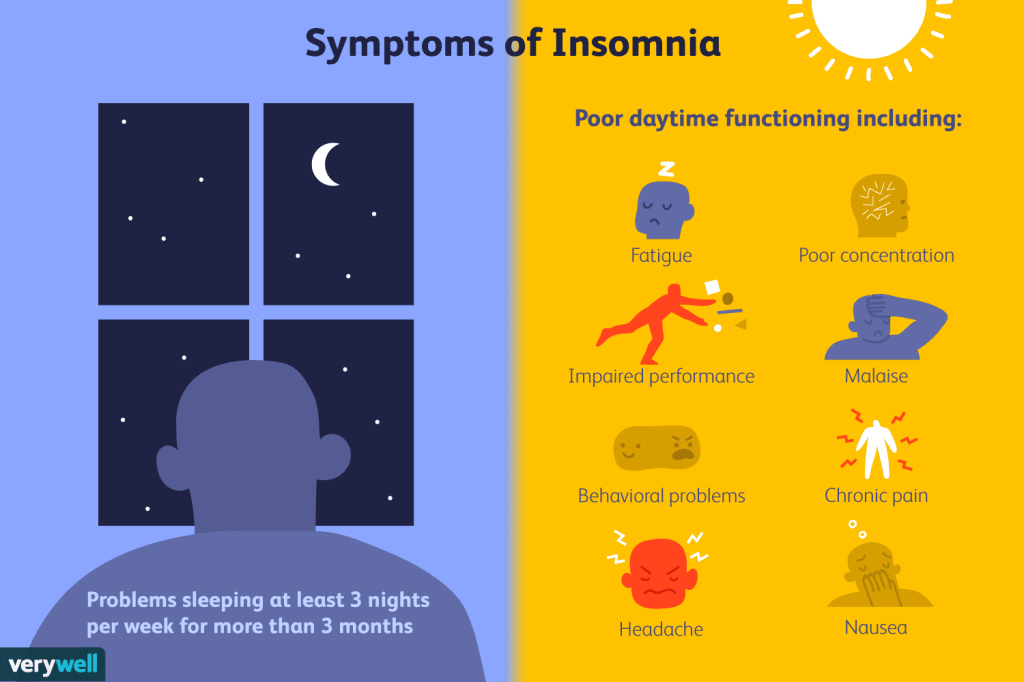
Insomnia Disorder is a disorder in which a person has trouble falling or staying asleep, it can be acute or chronic. There are two types of insomnia, primary and secondary. In the case of primary insomnia, the sleep problems are not related to any other health problem, whereas, in the case of secondary insomnia, the trouble in sleeping is because of another health condition. The causes for primary insomnia can be stress, noise, light, temperature, jet lag. Symptoms of insomnia are sleepiness during the day, grumpiness, problems with concentration and memory, and fatigue. You are more likely at risk of insomnia if you are a woman because of the hormonal shifts.

Hypersomnolence is when a person suffers from excessive sleepiness despite having slept enough. Symptoms for this are falling asleep several times during the day, taking naps to deal with the sleepiness but still not waking up refreshed, sleeping more than 9 hours but still not feeling rested, feeling confused when waking up, having difficulty waking up. This can cause problems at work, school, or other daily routines.

Sleep Apnea is a serious sleep disorder in which breathing continuously stops and starts. There are three main types of sleep apnea; firstly, Obstructive sleep apnea is when the throat muscles relax; secondly, Central sleep apnea is when the brain fails to send proper signals to the muscles which are responsible for controlling breathing; lastly, Complex sleep apnea syndrome is when someone is suffering from the combination of the first and second type of sleep apnea. Symptoms are gasping for air during sleep, loud snoring, episodes in which you stop breathing, morning headache, awakening with dry mouth, hypersomnia, difficulty staying asleep, irritability, and difficulty paying attention while awake.

Parasomnia involves unusual and undesirable physical which disrupt sleep. It includes abnormal movements, talk, or other unusual things during sleep. There are two types of parasomnias, Non-REM and REM, this distinction is based on the stage of sleep in which they happen. Parasomnias during Non-REM include sleep terrors, sleepwalking, and sleep-related eating disorders. Parasomnias during REM include nightmare disorder, recurrent isolated sleep paralysis, and REM sleep behaviour disorder. Symptoms are waking up confused or disoriented, being tired during the day, difficulty sleeping through the night, and finding cuts and bruises which you do not remember.

Restless Legs Syndrome causes an uncontrollable urge to move your legs because of an uncomfortable sensation. Symptoms are sensations that begin after rest, relief with movement, worsening of symptoms in the evening, and nighttime twitching.

Conclusion

These sleep disorders are very serious. As we know sleep is very important for our health, it is important to sleep properly for the health of your body and if you think you have any of these sleep disorders, please consult a psychologist who can help you regulate your sleep.

References

Note: this is just Part 5 of the Psychological Disorders series.

Psychological Disorders Part 4

Introduction

In Psychological Disorders Part 3, Dissociative and Somatic Symptom Disorders were discussed. These are the fewer known disorders yet very interesting to know about. (Trigger Warning: this article talks about eating disorders)

Eating Disorders

These disorders arise because of obsessive concern over weight which results in a disruptive eating pattern that then affects the person’s physical and mental health.

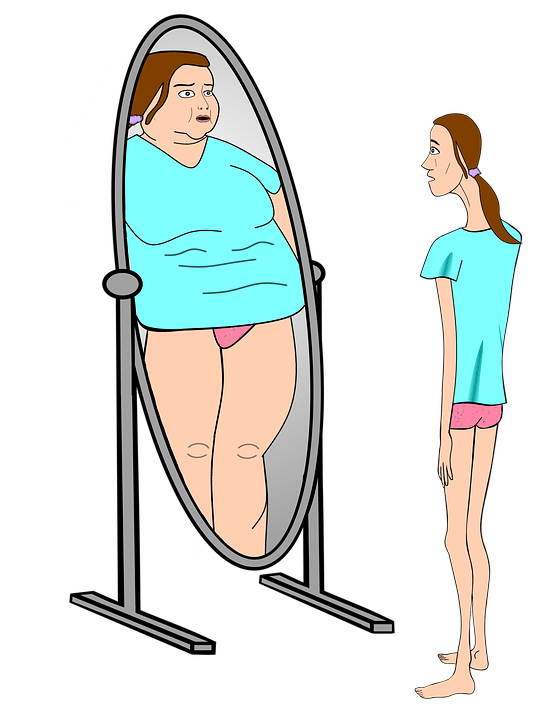
Anorexia Nervosa is also commonly known as anorexia which is an eating disorder wherein the person has an abnormally low body weight accompanied by an intense fear of gaining weight and a distorted perception of their weight. People with this disorder tend to take extreme measures to control their weight such as restricting their food consumption. The distorted image of the body can be a result of depression, anxiety, or emotional trauma. The physical symptoms are severe weight loss, dehydration, insomnia, weakness, dizziness, constipation, breaking hair, dry skin, bluish tinge to fingers, absence of menstruation, irregular heartbeat, and inability to tolerate cold. Some behavioural symptoms are eating only low-calorie food, trying to hide their body with baggy and loose clothes, skipping meals, avoiding situations where they have to eat, avoiding situations where they might have to show their body, and extreme exercising. Some emotional symptoms are poor self-esteem, agitation, depression, social isolation, and anxiety.

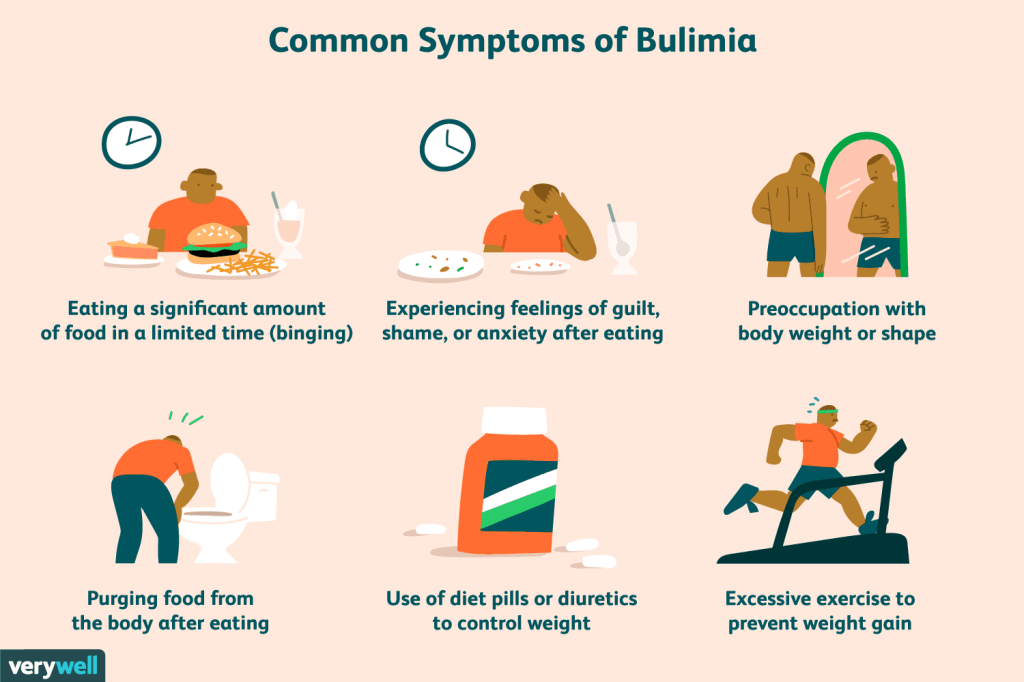
Bulimia Nervosa is also commonly known as bulimia is a serious and life-threatening eating disorder. People with this disorder secretly binge eat large amounts of food without any control over how much they are eating, then they panic and purge to get rid of those extra calories. There are two types of bulimia, purging and non-purging bulimia. To get rid of these extra calories, they use different methods such as self-induced vomiting, misuse of laxatives, weight-loss supplements, people with purging bulimia use these methods whereas people with non-purging bulimia follow strict dieting or excessive exercise. The physical symptoms can be life-threatening, some of these symptoms are weight fluctuation of 2 to 10 kgs in a week, bloodshot eyes which means eyes with busted blood vessels, chapped lips because of dehydration, scars on the knuckles from inducing vomiting, swollen lymph nodes, and mouth sensitivity because of receding gums and eroding tooth enamel. Some behavioural symptoms are consistent worry about weight and appearance, going to the bathroom right after eating, eating till it is uncomfortable, excessive exercising, not eating in front of others and restricting calories. The emotional symptoms of bulimia are the same as for anorexia.

The DSM-5 has moved the eating disorder of infants and children to the same category. Rumination Disorder is also known as rumination syndrome and it usually occurs in babies and people with developmental disabilities. Children and adults who have high levels of stress have a greater risk of having this disorder. This is a feeding and eating disorder in which the undigested food comes back up from the person’s stomach to their mouth. The symptoms for this are regurgitating on a regular basis, dental problems, chapped lips, weight loss, and digestive problems.

Pica is an eating disorder in which people eat non-food items like clay, dirt, and flaking paint. This disorder is more common in children but can also occur in adults with intellectual and developmental disabilities. The symptoms for this are upset stomach, bowel problems like constipation or diarrhea, stomach pain, and blood in the stool. If the consumption of non-food items continues, symptoms like lead poisoning, injuries to teeth, infections, and intestinal blockage can occur.

Binge-Eating Disorder (BED) is a feeding and eating disorder in which people eat a large amount of food in a short amount of time even if they might not be hungry. This can be triggered by emotional stress. The person may feel a sense of relief during the binge but will feel shame afterward. The symptoms are eating to a point that is uncomfortably full, eating more rapidly than normal, feeling of disgust with oneself, eating large amounts without feeling hungry, and eating alone because of feeling embarrassed.

Conclusion

It is difficult to figure out what causes these eating disorders but medical experts believe it is a combination of biological, psychological, and environmental factors. Genetics plays a role, if you have a family member who suffers from one, you are more likely to be diagnosed with the same. Emotional well-being plays a huge role, people who have experienced trauma or other mental health conditions are more likely to develop one. And finally, societal pressure plays another big role, the western ideal of body image has equated thinness with success and so people try to achieve thinness. If you have any eating disorder, it is important to know it is not your fault and you need to consult a psychologist immediately to get better.

References

Note: this is just Part 4 of the Psychological Disorders series.

Human Genome Project (HGP)

The Human Genome Project (HGP) was the international, collaborative research program whose goal was the complete mapping and understanding of all the genes of human beings. All our genes together are known as our “genome.”

The HGP has revealed that there are probably about 20,500 human genes. This ultimate product of the HGP has given the world a resource of detailed information about the structure, organization and function of the complete set of human genes. This information can be thought of as the basic set of inheritable “instructions” for the development and function of a human being.

The International Human Genome Sequencing Consortium published the first draft of the human genome in the journal Nature in February 2001 with the sequence of the entire genome’s three billion base pairs some 90 percent complete. More than 2,800 researchers who took part in the consortium shared authorship.A startling finding of this first draft was that the number of human genes appeared to be significantly fewer than previous estimates, which ranged from 50,000 genes to as many as 140,000. The full sequence was completed and published in April 2003.

Although scientists have performed many of these tasks and experiments for decades, the Human Genome Project is unique and remarkable for the enormity of its effort. The human genome contains 3 billion DNA building blocks (i.e., nucleotides), enough to fill approximately one thousand 1,000-page telephone books if each nucleotide is represented by one letter. Given the size of the human genome, researchers must develop new methods for DNA analysis that can process large amounts of information quickly, cost-effectively, and accurately. These techniques will characterize DNA for family studies of disease, create genomic maps, determine the nucleotide sequence of genes and other large DNA fragments, identify genes, and enable extensive computer manipulations of genetic data.

EFFECTS OF SUGAR ON OUR BODY

1. BRAIN

Sugar lights up your brain reward center with dopamine. Some studies say it is more addictive than cocaine. 

2. SKIN

Sugar accelerates ageing and exacerbates condition like acne and rosacea.

 3. HEART

Too much sugar harden arteries and damages heart Tissue

4. LIVER

The liver converts excess sugar into fat. Overloading the liver with sugar is similar to overloading it with alcohol. 

5. KIDNEY

When blood sugar is too high, the kidneys spell the sugar into urine, which can cause permanent damage.

 6. STOMACH

Stomach throws off gut health interrupting the microbiome of the digestive track. 

7. FERTILITY

High blood sugars impairs reproductive function in both men and women.

 8. MOUTH

Sugar consumption lead to tooth decay and gum disease. 

International Model United Nations Conferences

Way towards success

IMUN conferences a way towards success. A platform where your voice matters. Before IMUN conference we have to know about IMUN first.

What is International MUN?

International MUN is recognized by the United Nations & has hosted MUN conferences in 5 different countries in the last 3 years i.e in Thailand, Vietnam, Egypt, China & Malaysia. 

About IMUN conferences.

IMUN conferences is a platform where students (or anyone) are tasked to solve global issues like women empowerment, gender equality through research drafting, lobbying and debate to pass a suitable ‘resolution’.
This conferences are held on sat-sun every week. After completing the whole registration process you will get a mail, in that mail they will give you the meeting link and the topics for the conference. You have to select one topic and have to research about that respective topic.
e.g. I completed my whole registration process, got a mail and selected a topic. Suppose my topic is women empowerment, so I have to research about that topic like what are the issues and how can we solve those issues?. So on a day of online conference I will represent india (if I get india) and the women empowerment in India. I have to discuss the problems and respective solutions about the topic with other members. If you don’t wants to talk it’s okay, you just have to interact with the members.

What is an International Model United Nations (IMUN) conference and Why should someone participate in it ?

International MUN online conference is a 2-day model UN conference where participants from around the world present solutions to global issues. They can choose topics of their choices in every conference. In a 2-day conference, they research about the topics, debate, network with other participants from different countries etc.

Participants also get study materials, free MUN training sessions, experts QnA and position paper submissions. At the end of the conference, all participants receive participation certificates recognised by the Australian embassy and the United Nations. The best participants receive two certificates, one is participation certificate and another is award certificate.

What are the benefits of attending IMUN conferences?

Participating in IMUN conferences helps students to develop leadership skills, communication skills, public speaking, writing, research and many more. You will get a international certificate of participation by United Nation which will help you to get a good job. Interesting with foreign students, discussing and solving global issues with them what would be more interesting than this!!

How can I register?
You can register through the link attached below

https://www.internationalmun.org/RegistrationForm.php?mark=YN4558

So hurry up and register today..

Faecal Microbiota Transplant.

Imagine you are suffering from a stomach upset every two days, or that you’re lactose intolerant and every time you drink milk or consume dairy products you have to run to the bathroom as soon as possible. This is just one of the many situations.

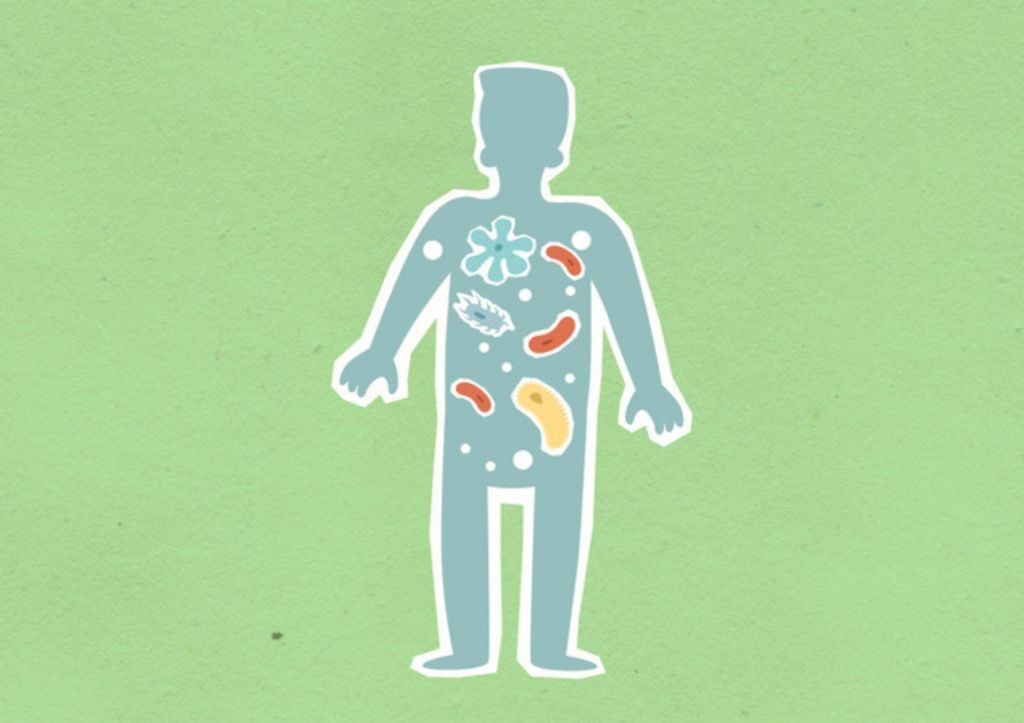
The human body contains trillions of bacterial cells, more than human cells in or on the external surface of the body. These organisms may be symbiotic, commensals and/or pathogens. Some organisms may be symbiotic which when opportunity provides turn into pathogens. Out of the trillion cells, intestinal organisms are more and diverse than any other group of organisms present in the body.

Faecal Microbiota Transplantation:

Faecal microbiota transplantation is the transplantation of stool through the upper gastrointestinal tract. The stool is taken from a healthy donor and transferred to a recipient whose suffering from a disease that is related to an unhealthy gut microbiome. 

FMT was first described in 1958. The first use of FMT in western medicine was published in 1958 by Ben Eiseman and colleagues, a team of surgeons from Colorado, who treated people with using faecal enemas, which resulted in a rapid return to health. FMT is delivered through an enteral route through an endoscope, a nasoenteric tube or via capsules.

The mechanism is due to the concept of establishing a new gut microbiota community to restore the normal gut flora. It is based on repopulating the microbiome flora. 

FMT is used to treat  Clostridium difficile infection (CDI), inflammatory bowel disease (IBD), autoimmune disorders, allergic diseases and may also be used to treat metabolic disorders like obesity.

The faecal material is collected from the donor after screening. the donor collects their stools in a plastic bag. The stool is then diluted with saline and filtered through sterile gauze. The capsules can be made by dilution, blended and then pipetted in the capsule and then sealed by another capsule. Capsules can be used for up to 6 months and should be stored at -80 degree C.

Requirement for donor and recipient are:

Who is a recipient?

  • should have episodes of mild to moderate infection that has not responded to treatment with antibiotics
  • have episodes of severe infection, that needs admission
  • severe infection that did not respond to antibiotics within 2 days
  • Should not have any immunosuppressive disorders, cirrhosis of the liver or be on immunosuppressive drugs

Donor SHOULD NOT

  • have had any antibiotics in the last 3 months
  • be immunocompromised
  • have any tattooing or body piercing in the last 6 months
  • have a history of drug abuse
  • have a history of high-risk sexual behaviour
  • have a history of any incarceration
  • have travelled to endemic areas
  • have any other gastrointestinal disorder such as IBD

FMT can be transferred through the upper gastrointestinal tract. However, the delivery through this route results in an increased risk of vomiting etc. Hence, delivery by capsules seems a more reasonable choice. The capsule delivery reduces the procedure time, cost and risk of complications. 

Common side effects of this procedure include bloating and loose stools. FMT is considered a success if the recipient shows no signs of the earlier disease and doesn’t relapse for eight weeks. To ensure proper treatment, some patients require many sittings.

Effects of Global Warming

Case study : Effect of global warming on the Sundarban National Park, West Bengal.
Methodology:

  • Description of the problem.
  • Cause of the problem.
  • Analysis of the problem.
  • Control of the problem.
  • Introduction to the problem:
    The Sundarbans provide important protection against storms and flooding for cities including
    Kolkata, India, on the Bay of Bengal. But increasing global warming accelerates the sea-level
    which adversely affects the Sunderbans. This would eliminate the protection they provide
    against the region’s from the intense tropical storms.
  • Scientists project that under a high emissions scenario, relative sea-level rise is likely to
    inundate most of the Sundarbans by mid-century, and could wipe them out by the end of
    the century.
  • Mangroves of the Sundarbans prevents the damage caused by the cyclones and storms.
  • Cause of the problem:Global warming is one of the main reasons for the increased sea-level which adversely affects
  • the mangrove forests. Due to which reserved space is no longer a safe refuge for mangrove
    forests and their associated species. And other national parks also face damage due to climate
    change in the form of an increase in invasives, loss of vulnerable species, and changes in species composition. In a few cases, the biome as a whole faces extinction. Climate changes has already begun to have negative impacts on ecosystems and their families.


Analysis of the problem:

•Global Temperature Report for 2019 by Berkeley Earth:
This is the report by the Berkeley Earth (a California non-profit organization) which clearly
shows the continuous increase in temperature of earth in the past years.

•Ecosystem is a cycle which can only be run with balance. Any change in the climate causes
imbalance of the ecosystem which causes different natural disasters and global warming is one
of the biggest problems which we are facing nowadays.

Control of the problem:
The only solution to control any of the problems is to keep balance in all the things. The main
cause of the bad effects on the Sundarbans is global warming or we say continuous rise in the
temperature of the earth which causes rise in the sea-level, cyclones, flooding, storms etc..,
which adversely affects the reserved part of mangrove forests and other national parks.

Ways to prevent global warming:-

● Reduce⬇ Reuse⤴ Recycle🔄

● Power your home with renewable energy.

● Reduce excess use of water.
There is a solution for every problem. We just need to focus on the problem and prevent rise of

References:-https://www.climatehotmap.org/global-warming-locations/kolkata-west-bengal-india.html
#:~:text=Global%20warming%20compounds%20the%20dangers,in%20ground%20and%20surface%20waters

Why Skyscrapers are not that great.

The story of early skyscrapers begins in the late 19th and early 20th century America. Between 1884 and 1945 numerous skyscrapers were built American cities of New York City and Chicago. The two cities competed with each other with many subsequent constructions surpassing the earlier one. The growth of the skyscrapers in the 20th century American cities were mainly fueled by dynamic economic growth as the demand for various new office spaces to hold America’s expanding workforce of white-collar employees continued to grow. With better engineering and construction methods it became easier to construct taller buildings.    

Flatiron Building in New York City finished its construction in June 1902. The 22 floors building was one of the first tallest skyscrapers and later in the subsequent decades even taller buildings were constructed.

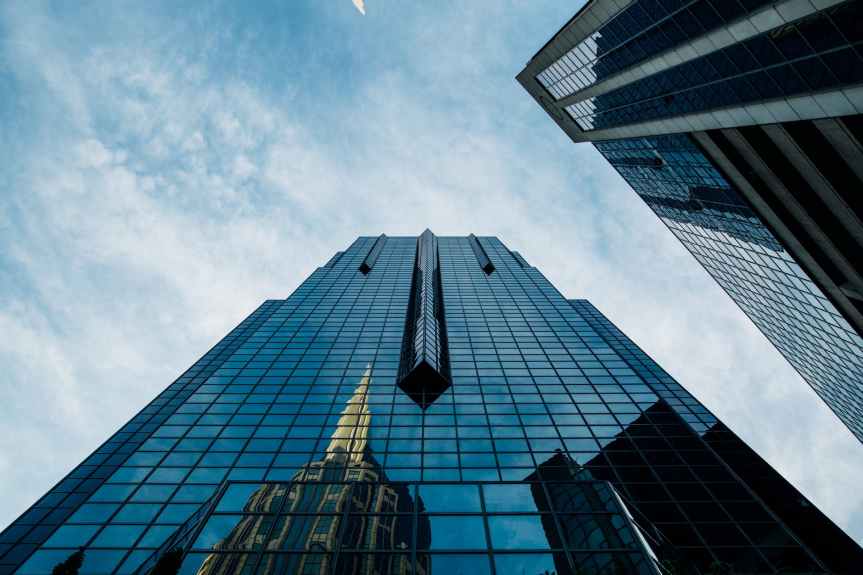
But the developments of modern skyscrapers have many challenges and questions that need to be cleared. Though the growth of skyscrapers has not subsided, they are not the most ideal form of buildings. According to engineer Tim Snelson, of the design consultancy, a typical skyscraper will have at least double the carbon footprint of a 10-story building of the same floor area. This tells us that skyscrapers are not environmentally sustainable. Also, any additional methods to minimize the environmental impact will require overcoming the fight of the handicap of being a tall skyscraper in the first place. As the majority of the building is made with glass and steel frame, high-rise buildings are subject to the consequence of the substantial amount of sunlight and a lot of wind on their mostly glass skins. Glass is inherently inefficient in keeping excessive heat out of the buildings in summer or keep heat trapped in the colder months. This also leads to the reliance on continuous Air Conditioning.

The modern construction of skyscrapers in the cities of today is no longer driven purely by economic growth or the need for commercial office space, but instead, it is more driven by glamorous architecture construction and many times the dirty money gets funneled into the construction of Skyscrapers.  High rises also separate people from the street and people lose a connection to nature and the outdoors. The occupants in the tall buildings are often isolated from the street of the city and meaningful contact with ground-level events is often disconnected with taller buildings.  

High-rise buildings also lead to gentrification and inequality. It is no surprise that taller buildings often tend to be luxury units as the higher a building rises, it becomes more expensive to construct. This means that high rises also inflate the prices of the adjacent lands and driving out the affordable properties, thus increasing the inequality. The areas near the skyscrapers are often dark and swept under the shadow of these tall buildings.

Contrary to the popular notion, skyscrapers are not the only way to build high-density construction. The mid-rise buildings are often more able to house more amount of people per area compared to the high rises. Mid rises are also more flexible to affordable.  The mid-rises can work as a good middle ground between the taller buildings and low-density buildings. Instead of blindly building taller buildings we will have to look at the construction of our future buildings that are more sustainable, affordable, and efficient.

References:

AIR POLLUTION

Pollution

Any undesirable changes in the physical, chemical or biological characteristics of any component of environment i.e. air, water and soil – which can cause harmful effects on various form of life or property are called environmental pollution.

Any favorable unpolluted environment has pertains a specific composition in their component i.e. air, water and soil.

The problem like pollution come into existence due to short-term economic gain over long-term ecological benefits for humanity.

During last few decades we have contaminated badly on air, water and land on which life itself depends with a variety of waste products.

Be the part of Solution , not the part of Pollution…

We can survive without food for a few days, without water for few hours but without air it is impossible to survive for few min.

An average human require about 12 Kg of their each day which is nearly 12 – 15 times greater than the amount of food we eat.

Types

  1. Air pollution
  2. Water pollution
  3. Soil pollution
  4. Marine pollution
  5. Noise pollution
  6. Thermal pollution
  7. Nuclear hazard

Air pollution

Air pollution started from very beginning of human evolution. Hippocrates had mentioned air pollution in 400 BC.

  • Any undesirable changes in physical, chemical or biological characteristics of any component of the in air which can cause harmful effect on living things is called Air pollution.
  • Earlier the air pollution is caused only by burning of fire word as a means of cooking and heating.
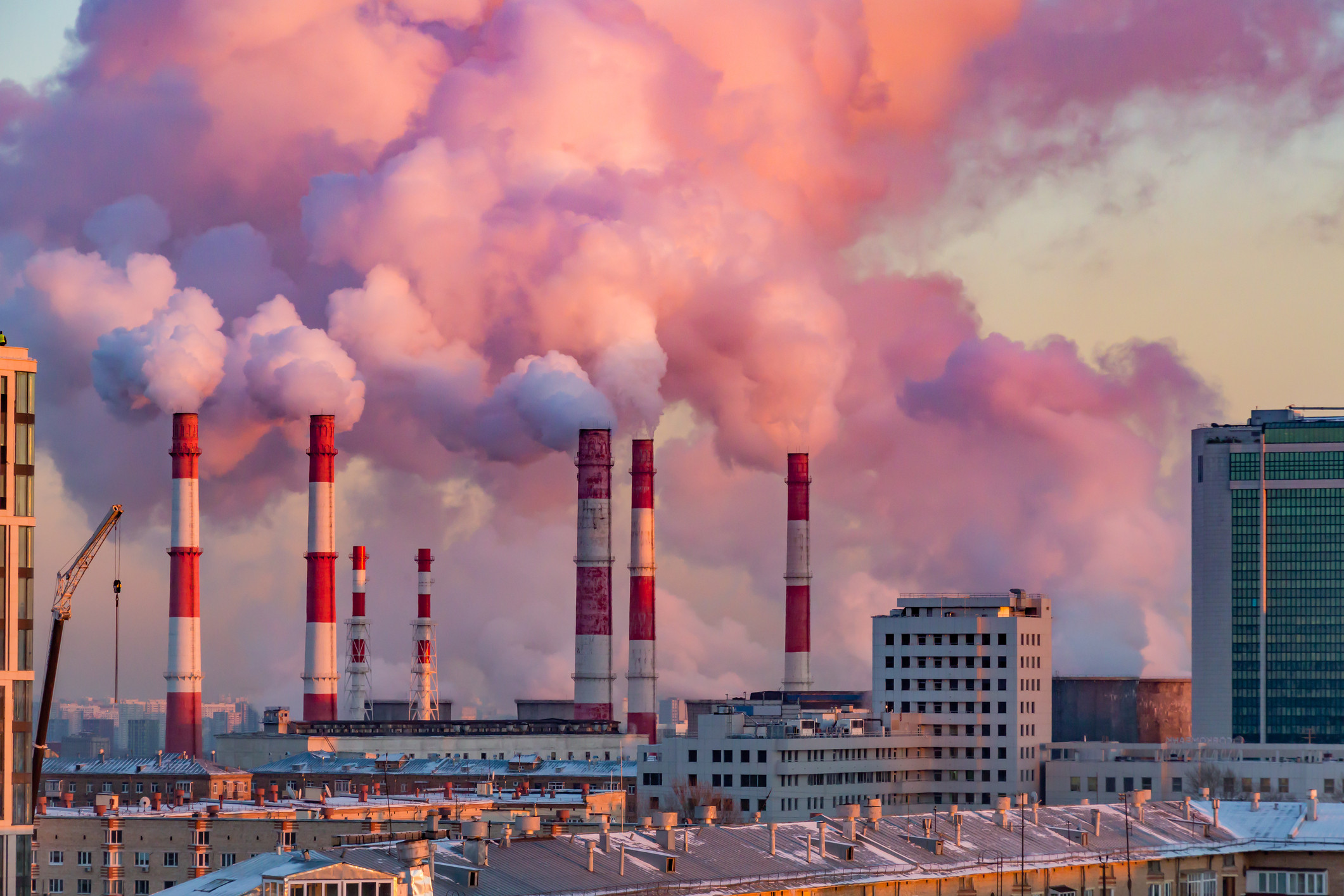
  • With the industrial revolution the problem become more serious due to cold burning in the industries and development of Transportation system leads to large amount of petrol and diesel was started utilising in the beginning of 20th century.
  • Severe air quality problem due to diesel and petrol engines were felt for the first time in Los Angeles in1943.
  • The gaseous pollutants include oxides of sulphur, oxides of Nitrogen, carbon monoxide, volatile organic compound, Ozone etc.
  • Particulate pollutants includes smoke, soot, fumes, aerosoles, liquid droplets, Pollen Grain etc.
  • Radioactive pollutants include Radon222 , Iodine 131, Strontium 19 plutonium 239 etc.

Greatest industrial disaster leading to serious air pollution took place in Bhopal were extremely poisonous methyl isocyanide gas was accidentally released from union carbide pesticides manufacturing plant on the night of 3rd December 1984, the effect of this disaster on human health and the soil are felt even today.

Now we know this tragedy as Bhopal gas tragedy.

The London smog was the major disasters were recorded in 1952 which cause more than 8000 deaths due to accumulation of air pollutants over the city for 5 days.

Primary pollutants – primary pollutants are emitted directly from the point source (natural or human activities).

  • Five primary pollutants together constitute 90% of the Global air pollution
    • Carbon dioxide
    • Carbon monoxide
    • Sulphur oxide
    • volatile organic compound mostly hydrocarbon
    • suspended particulate matter

Secondary pollutants – secondary pollutants formed by the interaction of primary pollutants. example – peroxyacetyl nitrate, smog, Ozone, sulfuric acid, nitric acid, carbonic acid etc.

Indoor air pollution

Many people spend large portion of their time in inside the homes as much as 80% of their life.

We work study, eat, drink, sleep in enclosed environment whereas circulation may be restricted.

  • Children and Womens are more exposed to rest in indoor air pollution
  • Burning of dung cake , wood, kerosene for fuel.
  • Cigarette smoke
  • Incomplete combustion produce carbon monoxide that are injurious to health.
  • Chemical fumes from paint and solvents
  • Chemicals released from Modern building and Furnishing material

Effects of air pollution

  • Human health
  • Animals
  • plants
  • material
  • stratosphere
  • environment

Control of air pollution

  • Reduce energy uses
  • Remove pollutant generating stuff
  • Check the generation of pollutant where burned
    • Putting catalytic converter in automobiles.
  • Protect the object from pollutants
    • Coat statues with protective material.
  • Constructing walking and bicycle lanes
  • Encourage mass transportation