What is Regenerative Therapy?

Regeneration is the process of renewal, restoration and growth that, makes genomes, cells, organisms. It is basically the process in which an organism regrows its lost parts, so that original function is restored. This ability to regenerate differs in different groups. For example: lizards who lose all or part of their tails can grow new ones, Sharks continually replace lost teeth, spiders can regrow missing legs or parts of legs etc.
It is one benefit or advantage for animals in which they can immediately regrow the parts of body which may be involved in locomotion, reproduction which are one of the most important processes in the life.
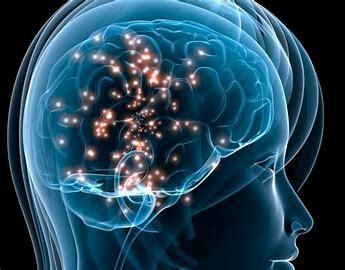
On the other hand, Regenerative therapy or regenerative medicine can be defined as the process of replacing or regenerating human cells, tissues, or organs to restore or establish normal function. Regenerative Medicine refers to a group of biomedical approaches to clinical therapies that may involve the use of stem cells. Regenerative therapy may enable scientists to grow tissues and organs in the laboratory or in in-vitro conditions and safely implant them when the body is unable to heal itself. Also rather than a simple scar as a result of injury can regenerate, there are some human organs and tissues that can regenerate. These include liver, fingertips and endometrium. The cartilage cells divides more as we age.

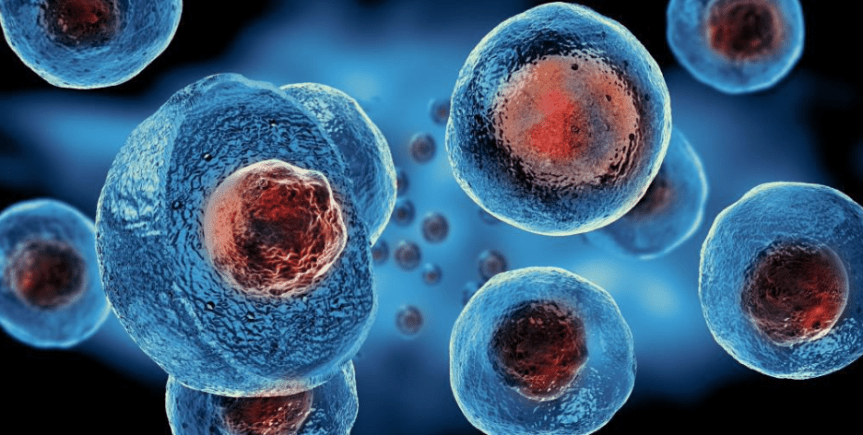
Veterinary medicine have been integral part and has been associated to the development of stem cell therapies. The large experimental animal models have always contributed large to the development of stem cell therapies and refinement of modern hematopoietic stem cell transplantation were noted nearly 5 decades ago. To restore the damaged cells, tissues, organs it is critical to understand the development mental process of specific tissues and them reproduce it. Stem cells play essential roles in organ developmental and tissue repair. Stem cells have always contributed to these experiments and are one of the most used techniques which are used in the field of developmental biology basically in regeneration of different important parts of our body like the bone regeneration or cartilage regeneration and may more. The embryonic stem cells differentiate into multipoint stem cells, including epithelial, mesenchymal, and other tissue- specific stem cells. Stem cells are actually the mesenchymal cell which are pluripotent in nature which means the cells basically are self replicating and are derived from human embryos or human fatal tissue and are known to develop tissues of the three primmer germ layers. Stem cells are present in our body in different types of tissues. A person’s body contains stem cells throughout their life and the body uses them when it needs them. Some parts of body has a regular presence and use stem cells like the bone marrow, dental pulp, adipose tissue, dermis, umbilical cord and the gut, in which the stem cells regularly divide to produce new body tissues for maintenance and repair. Developmental processes are initiated by interaction between these stem cells, resulting in the formation of highly specialised functional tissues and organs. The role of animal models or animal regeneration has a very important role to play in this human regenerative therapy. Right now also the researches on animal regeneration is carried out and works shows some human regenerative therapies can be carried out using them. Researches and advancements in this field which the stem cells and regenerative medicine continue to expand the knowledge of the basic biology and clinical applications of stem cells. Many of the pioneering developments in these fields of stem cells research have been achieved through collaborations of veterinary and human scientists. This review aims to provide an overview of the contribution of the large animal veterinary models in advancing stem cell therapies for both human and clinical veterinary patients may play in the future evolution of stem cell therapies for both human and animal patients will be explored.
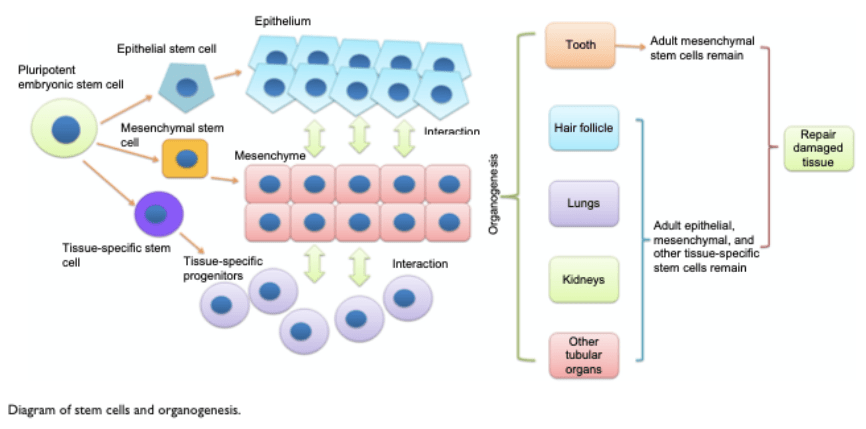
Regenerative medicine implies replacement or regeneration of human cells, tissue or organs, to restore or establish normal function. Regenerative medicine or the human regenerative therapy is one of the major advancements in recent years which works on the principles of stem cell technology and tissue engineering in order to replace or regenerate human tissues and organs and restore their functions. This therapy has helped in the field as it can be used in the treatment of acute injuries, chronic diseases and congenital malfunctions. Many advances in regenerative medicine, including the basic and translational researches, have been developed and tested in experimental animals; pigs have played an important role in various aspects of this work. The value of pigs as a model species is being enhanced by the generation of specially enabling more sophisticated research to be performed and thus accelerating the clinical applications of regenerative medicine.

Molecular Basis of Ageing

Ageing is defined as the gradual deterioration of functional characteristics which are necessary for survival and the whole process of aging is termed as senescence in biological sense. In recent years, the processes and mechanisms of ageing and age-related diseases have also made progress. The scientific study of old age or the process of ageing is called as the gerontology and the biological aspect of process of aging or gerontology is called Biogerontology which is defined as the subfield of gerontology concerned with the biological aging process, its evolutionary origins, and potential means to intervene in the process. It involves interdisciplinary research on biological aging’s causes, effects and mechanisms. Lifespan is the length of time for which an organism lives and Life expectancy is the average period that a person may expect to live. It is found that genetic factors play roles in determining the longevity both within and between species.

Ageing is a complex biological process with complex mechanisms characterised by functional decline of tissues and organs, deterioration of functional characteristics, reduced adaptability and resistance, all contribute to an increase in the mortality caused by multiple chronic diseases. Ageing is divided into two types namely pathological and physiological ageing.

Pathological Ageing is defined as that type of aging in which people grow old with no significant antemortem cognitive impairment, and some of them may be high functioning. Physiological Ageing can be defined as that type of aging in which organism lead to senescence or the decline in the biological functions and organism’s ability to adapt to metabolic stress. The later one is the common ageing type in the human beings and most of the animals. As the process of ageing continues the susceptibility of the body towards different diseases increases like diabetes, muscle dysfunction, skin diseases etc. Ageing related disorders are really a serious threat to human health and reduce quality of life among elderly people.

CELL TYPES INVOLVED IN AGEING

Stem Cells
Stem cells are the cells which have the ability to perpetuate themselves as they are capable of continuous, repeated self-renewal divisions in order to maintain their population. A single stem cell can differentiate into or form different types of mature cell types. Stem cells are basically pluripotent cells characterized as undifferentiated and immature with the ability to self-renew.
Stem cell therapy is widely used in bone regeneration, organ regeneration and especially in cardiovascular regenerative medicine. This is done by regenerating various functional stem cells, with the potential function of regenerating various tissues and organs. Changes in cell cycle and a decline in the self-renewal ability of stem cells are closely related to aging. Decline of self-renewal factors contributes to stem cell aging. Although some changes in their function are intrinsic, more external factors can lead to impairment in their function. Physiological levels of ROS (Reactive oxygen species (ROS) are essential signaling molecules in many biological processes, wherein their level is tightly regulated. Excess ROS may cause apoptosis, premature senescence or unscheduled differentiation of stem cells) could regulate the balance between self-renewal and stem cell differentiation. High ROS levels could lead to DNA damage, shortening of telomeres and onset of premature ageing markers

Vascular Smooth Muscle Cells
According to the evidences it is said that senescent vascular smooth muscle cells have been observed in aging related diseases like diabetes mellitus which indicates that these cells contribute to aging. Aging results in a significant reduction of contractile vascular smooth muscle cells in focal patches along arterioles. Focal loss of contractile VSMCs occurs at a younger age due to the deficiency of senescence related protein which is called as caveolin-1. Age related contractile VSMC loss is not exacerbated by genetic depletion of insulin-like growth factor-1. The patchy loss of contractile VSMCs provides a cellular explanation for previous clinical studies showing focal micro-irregularities in retinal arteriolar responsiveness in healthy aged human subjects and is likely to contribute age-related retinal vascular complications.

Endothelial Cells
Endothelial cells have important functions in paracrine and endocrine actions, such as regulating vascular tension, maintaining blood circulation and neovascularization. Endothelial cells are essential part of the heart and vasculature. Senescence is closely related to endothelial cells. ROS (Reactive Oxygen Species) and inflammation play a role in the apoptosis of endothelial cells. Autophagy and exosomes containing harbor miRNAs which play a very important role in the course of a disease and also participate in the regulation of endothelial functions. Age related diseases are related to endothelial dysfunction and impaired autophagic activity.

THE BUTTERFLY ORGAN – ‘THYROID’.

The thyroid gland is a 2 inch long, butterfly shaped organ located in the front lower part of the neck. It is responsible for the production, storage and release of two main hormones called Triiodothyronine (T3) and Thyroxine (T4).

The hypothalamus and the pituitary gland in the brain is responsible for the production of T3 and T4. The hypothalamus produces a TSH releasing hormone called thyrotropin-releasing hormone (TRH) that signals the pituitary gland to produce TSH. The release of TSH by the pituitary gland regulates the production of hormones in the thyroid gland i.e., T3 and T4.

In case of low T3 and T4 levels, the pituitary gland releases more of TSH, that stimulates the thyroid hormone to produce more of T3 and T4.

In case of high T3 and T4 levels, the pituitary gland reduces the release TSH, that makes the thyroid hormone produce less of T3 and T4.

The thyroid gland absorbs iodine from the blood and incorporate it into the thyroid hormones. These hormones are responsible for controlling the rate of metabolism in the body. The metabolic rate of the body influences the heart, muscle and digestive function, brain development and bone maintenance. The key to the thyroid hormone is the amount of iodine in our meal. The thyroid gland absorbs the iodine from the blood and incorporate it into the thyroid hormones.

In addition, there are other hormone-producing cells within the thyroid gland called C-cells. These cells produce calcitonin. Calcitonin plays a role in regulating calcium and phosphate levels in the blood, which is important for your bone health and maintenance.

In normal cases thyroid gland produces the exact number of hormones needed to keep the body’s metabolism running and in balance. However, there are several disorders. When the thyroid gland produces too much of T3 and T4, it leads to higher metabolism, excess weight loss, fast heart rate, high irritability/nervousness, muscle weakness and tremors, infrequent menstrual periods and sleep problems. This condition is caused by a hyperactive thyroid gland and hence is called hyperthyroidism. Whereas, when the thyroid gland produces lower amounts of T3 and T4, it leads to lower metabolism rate. Low metabolism leads to depression, weight gain, slower heart rate, fatigue, more frequent and stronger menstrual periods, forgetfulness, dry skin and hair, hoarse voice and intolerance to cold. This condition is caused by an under active thyroid gland and hence is called hypothyroidism.

MENTAL HEALTH: THAT DRIVES YOUR WELL-BEING

“Health is a state of complete physical, mental and social well-being and not merely the absence of disease or infirmity.”

World Health Organization (WHO)

DEFINING MENTAL HEALTH

The World Health Organization (WHO) defines Mental Health as ” A state of well-being which an individual realizes his or her own abilities, can cope with the normal stresses of life, can work productively, and is able to make a contribution to his or her community.” Mental Health includes many aspects, like psychological, social, emotional well-being etc. and plays a vital role in determining how a person thinks, feels and acts. Mental health helps in determining the stress level of a person and thus can help in reducing it. It helps to relate people with others and make choices. It is important at every stage of life and affects the life in numerous ways.

If a person had mental health problems, then its thinking, mood, behavior, actions etc. will be affected to a great extent and can cause problem in society. Some of the factors that contribute to mental health are :

  1. Biological Factors: Genes or brain chemistry
  2. Life Experiences: Trauma or abuse
  3. Family history of mental health problems

UNDERSTANDING THE RELEVANCE OF MENTAL HEALTH

Mental health is an essential and vital component of health and mental health is similar to the condition, where there is no mental disorder or disabilities. A person with sound mental health is able to realize his or her duty and responsibilities and is capable to cope with the stresses of life which are normal and can work productively, With this the person can efficiently contribute to his or her community.

Mental Health is fundamental ability of an person to think, respond, interact with each other, earn a living and enjoy life. On this basis, we can say that, it is very necessary to preserve, conserve and protect a persona mental health because it can affect other individuals around them, the society, their community and the world itself.

FACTORS DETERMINING MENTAL HEALTH

Numerous factors affect a persons mental health and they can be social, biological and psychological. For example, violence and social pressures can mentally disturb a person.

Poor mental health can affect the way a person responds to others and to the society. It can lead to social change, stressed work conditions, gender discrimination, social exclusion, prejudice, unhealthy lifestyle etc. There are specific factors which can affect a persons mental health and can make people vulnerable to mental health problems and disorders.

PROMOTING MENTAL HEALTH

Different ways to promote mental health:

  1. Socio economic empowerment of women for increasing their access to education, schemes etc.
  2. Early Childhood interventions for providing proper infrastructures which will be child sensitive.
  3. Programs targeting vulnerable people of the society; like migrants, minorities etc.
  4. Mental health promotional educational centers and mental health interventions at work.
  5. Social support for elderly people.
  6. Poverty reduction and social protection to the vulnerable group.
  7. Promotion of rights, opportunities and care to everyone having mental disorders.
  8. Violence prevention and community development programs.

Visual Culture: How Visual is always contaminated by Non-Visual?

A creator may create an image but that single image can have multiple meanings for different individuals that may or may not go with what the creator was trying to convey. Such is the situation today where “visual” holds massive influence and power on the masses. The meaning of whatever we see around us is very subjective in nature, that is, it depends from person to person. And all the meanings that we derive from seeing something around us depends on our personal experiences and backgrounds we come from. The visuals can be decrypted by many according to their own thoughts.

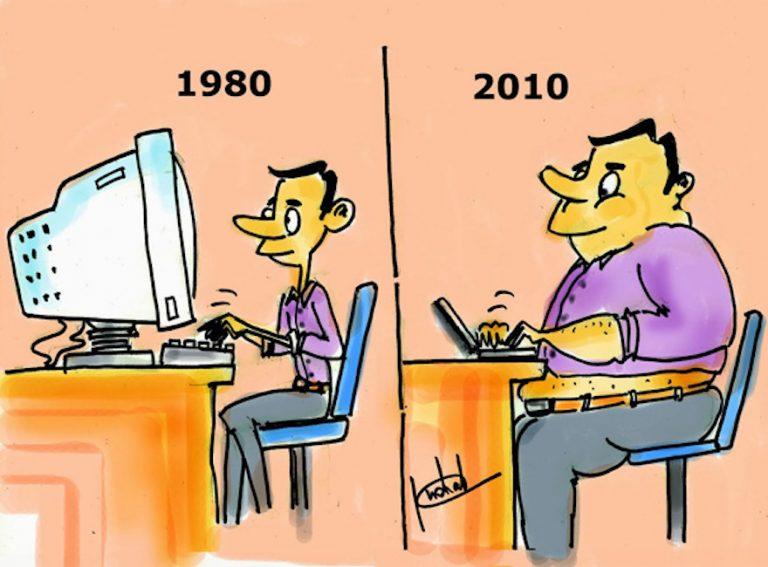
https://whatzviral.com/wp-content/uploads/2019/01/19-2.jpg

In the above picture, the creator was trying to convey how over the time we have so much indulged ourselves in technology that we have forgot to give time to ourselves and stopped caring about our health. However different people may interpret the image in different ways using their own understandings and logics like some may think this image shows advancement of technology from heavy computers to light weight laptops, some may think this picture shows the same person who has grown old in these 30 years.

The visual has risen steadily in importance in our culture. The presence of visual images has progressed from the high art of painting through various media such as still photographs, play television, video games etc. The increasing availability of various technologies has led to a massive presence of visuals around us.

Reading an image is about interrogating and playing with the separate elements that compose it to provide some private meaning. If we consider an “image” to be a combination of characteristics, then each one of us reading an image would construct and combine those characteristics attached to it and analyse it in new and unique ways.

The act of reading an image produces myths. It assembles in our minds various characteristics of image, some of which may change on subsequent readings and some of which may be undesirable. When we try to study an image, the image is brought into the world of discourse and meanings are constructed from and through them. . Images can become valuable if they generate powerful connotative meanings or if they are manipulated easily. Images acting as signifiers can evoke different meanings and examination of these images introduce the discourse.

Another example could be:

JapaneseGP: electric mini bike race - YouTube

The above picture is from a mini bike race in Japan, in which the creator wanted to convey the “peculiarness” of the picture, that is, adults on mini bikes. Some may just focus on those mini bikes or some may just see it as a normal bike race or some may see how the one in the far right is going out of the lane or some may see all of the above mentioned and all of this depends upon the interests and thinking capacity of individuals.

Conclusion: Every picture says something and every picture is trying to convey us a message, even though a picture may not look thought provoking, it carries come thought or meaning in some or the other way. Several factors are involved in the evolution or what we can say is “contamination” or pollution of image or visuals. What a creator is trying to convey through a message can be completely different from how the viewer interprets and decrypts it. Every individual can have several different meanings about the same visual that can be positive, negative or both depending on his interests and background.

WHY TRUST YOUR INTUITION?

Should we always trust our intuition?. While some say yes and other say no, lets just go through what all goes into it.

INTUITUION, GUT or INSTINCT is basically the “feeling or understanding that makes you believe or know that something is true without being able to explain why”. As it is so personal, that no one else can weigh it to tell that if it is correct or not. It is you who have to make the call for yourself. And by this, trusting your intuition means an ultimate act of trusting yourself.

REASONS TO TRUST YOUR INTUITION:

There ate many reasons why one have to trust their gut. Some safe reasons are

88% BELIEVE THAT THEIR INTUITION SERVES WELL: A study shows that when people are forced to choose between two options based on instinct alone, participants made the right call up to 90 percent of the time. Try to give your intuition a chance and make them a part of your life.

HELPS MAKE DECISION QUICKLY: Intuition plays an essential role for decision-making that too in this rapidly changing environment. When a person follows the mere gut, then the time taken for thinking, analyzing and processing cuts off and decisions are made in a shorter period of time.

CULTIVATE YOUR INTUITION IN A RIGHT WAY:

HAVE A CLEAR MIND: Being in a clear state of mind helps you recognize and process the information correctly. Mentally and physically clear away the clutter that resides within.

NOTICE SENSATIONS IN YOUR BODY: Intuitions are grounded within the sensations inside the body. So learn to recognize and understand what goes inside your body and try to act accordingly. Don’t be swept away by thoughts instead tune into your body where your intuition resides.

FOCUS: Keep your focus, if you find them shifting to other people and thing bring them back and keep your focus in place.

Remember that trusting your intuition is a journey which will repeat the above process at particular intervals of time.

IS INTUITION ALWAYS RIGHT?

Your purest intuitions are always right but those tinged by your own thoughts and emotions may only be partially correct or even completely wrong. So before following your intuition, make sure that they are not tinged by your emotions and are pure instinct.

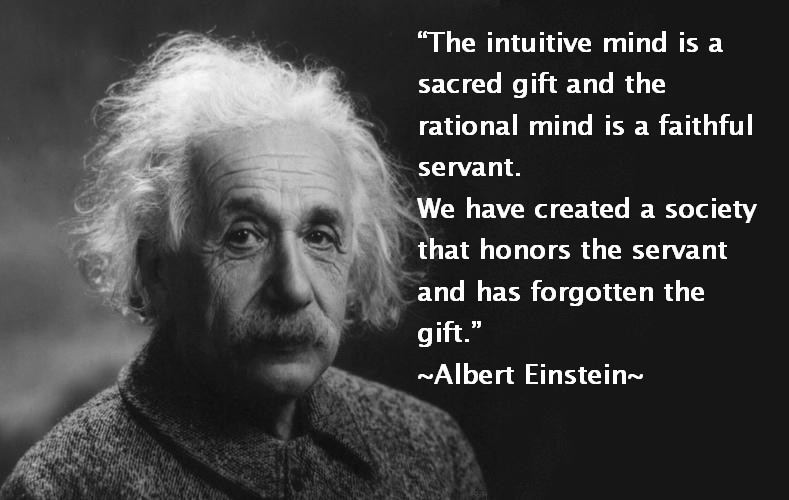
” THE ONE REAL VALUE THNG IS INTUITION “- ALBERT EINSTEIN

Pegasus spyware

Pegasus is a spyware developed by the Israeli cyber arms firm NSO Group that can be covertly installed on mobile phones running most versions of iOS and Android. In November 2019, a tech reporter from New York City photographed an interception device displayed at Milipol, a trade show on homeland security in Paris. The exhibitor, NSO Group, placed the hardware at the back of a van, perhaps suggesting convenience of portability, and said it would not work on US phone numbers, possibly due to a self-imposed restriction by the firm. Until early 2018, NSO Group clients primarily relied on SMS and WhatsApp messages to trick targets into opening a malicious link, which would lead to infection of their mobile devices. A Pegasus brochure described this as Enhanced Social Engineering Message (ESEM). When a malicious link packaged as ESEM is clicked, the phone is directed to a server that checks the operating system and delivers the suitable remote exploit.

Pegasus infections can also be achieved via so-called “zero-click” attacks that do not require any interaction from the phone’s owner. It means that your phone could still be hacked even if you’re careful not to click on those malicious links. Most of these attacks exploit vulnerabilities in an operating system that the phone’s manufacturer may not yet know about and so has not been able to fix.

Many of the numbers were clustered in 10 countries: Azerbaijan, Bahrain, Hungary, India, Kazakhstan, Mexico, Morocco, Rwanda, Saudi Arabia and the United Arab Emirates, according to the reports.

In India, more than 40 journalists, three opposition leaders and two ministers in Prime Minister Narendra Modi’s government were reported to be on list. This included the opposition memeber, Rahul gandhi with two mobile phone numbers belonging to him found in the list. Mr Gandhi no longer has the devices so it was not possible to analyse them to determine if he had been hacked. India’s government has denied using unauthorised surveillance.

Green Sahara

In an effort to fight climatic changes, we are taking many steps. The people also the governments all over the world are keen on reducing the risks. People are growing trees in their lawns to keep their environment cool. Trees are a great solution to cool down the earth and reduce the amount of Carbon dioxide in the environment. What if I say the Sahara could be made into a forest with green trees everywhere. Plans are being made to terraform the entire Sahara desert, changing it from a dry, barren land to a lush green space. If successful, the transformation could remove 7.6 billion tons of atmospheric carbon yearly. How could we change the nature of such a vast, isolated land?  Could we afford it’s giant price tag? Have we ever done anything like this before? In this blog, we’ll see what would happen if we terraformed the Sahara Desert.

The Sahara desert is 8.6 million km² (3.32 million mi²) in size. It is roughly the size of America. Terraforming an area this massive wouldn’t be easy, in fact, it would cost about $2 trillion a year. Not only this, there are many obstacles in our way. This price tag would be just the beginning of our obstacles. What kind of environmental domino effect would it create? Plants and trees are the lungs of the Earth, and now we could use a lot more of them. A single hectare of trees can absorb the same amount of carbon dioxide that a man would produce by driving a car for 100,000 kilometres. If we could successfully terraform the Sahara, it would result in millions of hectares of treesbeing added to the battle against climatic changes. All that sounds great, but what are the odds we could pull this kind of transformation off? We already have, just on a smaller scale. China’s Kubuqi Ecological Restoration Project saw the successful greening of one- third of the Kubuqi Desert with 70 different plant species over a 30-year timespan.

How to scale that up for the largest desert on earth? We can plant crops and trees and then pump desalinated water from the coast of the Sahara to irrigate them. To prevent evaporation, the water should be carried by underground pipes directly to the roots. The idea would be to plant Eucalyptus trees because they are hardy, and grow well in hotter climates. Also they grow quickly and could be economically beneficial for the region. As the trees began to root and stabilise, the soil would be replenished with needed nutrients, rainfall amount would increase and the overall temperature of the Sahara would cool by 8°C. Why aren’t we going fast to do that. Not only the funding but also terraforming the desert would come with a fair share of issues.

As the region becomes wet due to the plantation of millions of trees, it may lead to the increase of locust attack. A small swarm eats more than what 2500 people can eat in a day. But the biggest problem apart from this is the environmental domino effect it would create. The Sahara sand gets carried away by the wind and crosses the Atlantic Ocean to deposit in the Amazon forest. The dust picks up moisture and when it falls from the sky rain comes along with it. This dust and rain combination provides the Amazon ecosystem the water that it needs and also fertilizes it. If the Sahara is covered by trees, there would be no Amazon rainforest. So even though the green Sahara reduces the carbon, it would indirectly affect another part of the planet and may lead to its destruction.

Gig Economy

What Is the Gig Economy?

In a gig economy, temporary, flexible jobs are commonplace and companies tend to hire independent contractors and freelancers  instead of full-time employees. A gig economy undermines the traditional economy of full-time workers who often focus on their career development.

Understanding the Gig Economy

In a gig economy, large numbers of people work in part-time or temporary positions or as independent contractors. The result of a gig economy is cheaper, more efficient services, such as Uber or Airbnb, for those willing to use them. People who don’t use technological services such as the Internet may be left behind by the benefits of the gig economy. Cities tend to have the most highly developed services and are the most entrenched in the gig economy. A wide variety of positions fall into the category of a gig. The work can range from driving for Lyft or delivering food to writing code or freelance articles. Adjunct and part-time professors, for example, are contracted employees as opposed to tenure-track or tenured professors. Colleges and universities can cut costs and match professors to their academic needs by hiring more adjunct and part-time professors.

The Factors Behind a Gig Economy

America is well on its way to establishing a gig economy, and estimates show as much as a third of the working population is already in some gig capacity. Experts expect this working number to rise, as these types of positions facilitate independent contracting work, with many of them not requiring a freelancer to come into an office. Gig workers are much more likely to be part-time workers and to work from home. Employers also have a wider range of applicants to choose from because they don’t have to hire someone based on their proximity. Additionally, computers have developed to the point that they can either take the place of the jobs people previously had or allow people to work just as efficiently from home as they could in person.

Economic reasons also factor into the development of a gig economy. Employers who cannot afford to hire full-time employees to do all the work that needs to be done will often hire part-time or temporary employees to take care of busier times or specific projects. On the employee’s side of the equation, people often find they need to move or take multiple positions to afford the lifestyle they want. It’s also common to change careers many times throughout a lifetime, so the gig economy can be viewed as a reflection of this occurring on a large scale.

During the coronavirus pandemic of 2020, the gig economy has experienced significant increases as gig workers have delivered necessities to home-bound consumers, and those whose jobs have been eliminated have turned to part-time and contract work for income. Employers will need to plan for changes to the world of work, including the gig economy, when the pandemic has ended.

Criticisms of the Gig Economy

Despite its benefits, there are some downsides to the gig economy. While not all employers are inclined to hire contracted employees, the gig economy trend can make it harder for full-time employees to develop in their careers since temporary employees are often cheaper to hire and more flexible in their availability. Workers who prefer a traditional career path and the stability and security that come with it are being crowded out in some industries.

For some workers, the flexibility of working gigs can actually disrupt the work-life balance, sleep patterns, and activities of daily life. Flexibility in a gig economy often means that workers have to make themselves available any time gigs come up, regardless of their other needs, and must always be on the hunt for the next gig. Competition for gigs has increased during the pandemic, too. And unemployment insurance usually doesn’t cover gig workers who can’t find employment.

In effect, workers in a gig economy are more like entrepreneurs than traditional workers. While this may mean greater freedom of choice for the individual worker, it also means that the security of a steady job with regular pay, benefits—including a retirement account—and a daily routine that has characterized work for generations are rapidly becoming a thing of the past.

Lastly, because of the fluid nature of gig economy transactions and relationships, long-term relationships between workers, employers, clients, and vendors can erode. This can eliminate the benefits that flow from building long-term trust, customary practice, and familiarity with clients and employers. It could also discourage investment in relationship-specific assets that would otherwise be profitable to pursue since no party has an incentive to invest significantly in a relationship that only lasts until the next gig comes along.

The Accidental Discovery !

  • An enzyme that produces some mycotoxins less deadly has been discovered by a group of Agriculture and Agri-Food Canada (AAFC) researchers at the London Research and Development Centre in London, Ont.

    WHY IT MATTERS?
  • Mycotoxin infection in crops can have a massive monetary impact for farmers and biofuel producers, and consumption by humans or livestock can have serious health concerns, including death.

  • The discovery was an accident as per Dr. Mark Sumarah, a mycotoxin and fungal expert at the London Research and Development Centre.
  • Sumarah and his colleague Dr. Justin Renaud were initially seeking to discover more a few mycotoxin referred to as orchotoxin A and therefore the possible risk of it to contaminate Canadian grapes, and subsequently wine. Sumarah says orchotoxin A may be a significant mycotoxin worldwide, but there was not much data on its effect in Canada.
    Mycotoxins are toxic metabolites generated by fungi that inhabit crop species which prevents them to survive on plants, but when consumed they will put the health of humans and livestock at risk.

  • Long time ago, the investigators were observing the fungus Aspergillus to look for orchotoxin A, and located that Aspergillus produced not only orchotoxin A, but another sort of mycotoxin known as fumonisin. Sumarah says this wasn’t unforeseen, but what was a shock is that the fungus produced varieties of fumonisin that nobody had glimpsed in the past. The most interesting thing about these compounds was that although every formerly known fumonisin contains a nitrogen molecule, these new ones didn’t .
  • This made the scientists curious. Sumarah, and Renaud did further work to decide that nitrogen is the single-most valuable factor in the toxicity of fumonisins.

  • The scientists figured it had to be an enzyme. The team then successfully separated the enzyme responsible for transforming some fumonisins into types that need nitrogen, and began work in partnership with Lallemand Inc. through a Canadian Agricultural Partnership project to commercially create the enzyme for the decontamination of fumonisins.
    Lallemand may be a privately held company based in Quebec that produces yeast, bacteria the main target of the enzyme for the corporate like Deoxynivalenol (DON), fumonisins can contaminate crops  and cause infection or develop challenges for livestock, and become concentrated in distillers grains from biofuel production.
  • Sumarah says that fumonisins are a worldwide problem and he has colleagues in areas where corn is a staple in the diet, such as South Africa and Latin America, who are concerned about fumonisins related to human health. Fumonisins are linked to esophageal cancers and there’s suspicion they’re linked to ectoderm birth defects and other cancers
  • Although commercialization of the enzyme is several years away, the research trio have an interest find an enzyme which will tackle DON.

reference- https://www.country-guide.ca/crops/accidental-discovery-could-be-a-mycotoxin-game-changer/

https://www.agric.wa.gov.au/mycrop/diagnosing-fusarium-head-blight-cereals

Mineral Resources and Associated Problems

Mineral resources are the one , from which usable material are extracted economically from the concentrated elements, compounds, minerals or rocks from the earth. Minerals are site specific  and finite. Minerals are naturally occurring chemical compounds formed through inorganic processes under the crust of the earth. Their presence in the Earth’s crust is the result of geological processes operating over a long period of time. The distribution of these minerals resources is uneven throughout the Earth. India is rich in 35 minerals such as iron, aluminum, manganese, chromium, limestone, mica, etc. Minerals have important contributions in the economic & industrial development of a country.

Types of Minerals

  • Metallic Minerals – Pure Metals are obtained by chemical process. 11 metallic minerals are available in India. Ex. Iron, copper, gold, bauxite, manganese, etc.
  • Non-Metallic Minerals – Used in their naturally occurring state. 52 non metallic minerals are found in India. Ex. limestone, manganese, mica, gypsum, coal, dolomite, phosphate, salt, granite, etc.
  • Fuel Minerals – Are utilized as fuel. Ex Coal, Petroleum, Natural Gas, etc.

Types of Mining

Surface Mining

  • A mine in which ore lies near the surface & can be extracted by removing the covering layers of the rock & soil.
  • Almost all surface mining operations are exposed to the elements & require no roof support.
  • EX. Coal, Copper, Iron, Crushed Stone, Aluminum etc.

Sub Surface mining

  • Digging tunnels or shafts into the Earth to reach ore deposits.
  • Ore, for processing, & waste rock, for disposal, are brought to the surface through the tunnels & shafts.
  • EX. Natural Gas, Petroleum

USE & OVEREXPLOITATION

  • Mining is hazardous occupation
  • Rapid depletion of high grade minerals
  • Wastage of upper soil layer and vegetation
  • Environmental problems
  • Productive land into mining and industrial areas.
  • Air, water and land pollution.
  • Consumption of energy resources like coal, petroleum, natural gas etc.
  • Directly degrades the fertile soil surface thus effect ecology and climate.

EFFECTS

  • Deforestation and desertification
  • Extinction of species
  • Rapid depletion of high grade minerals
  • Forced migration
  • Wastage of upper soil layer and vegetation
  • Soil erosion and oil depletion
  • Ozone depletion
  • Greenhouse gas increase
  • Environmental pollution
  • Natural hazards

STATUS OF MINES IN INDIA

India produces as many as 86 metals & minerals. u80 % of mining in India is for coal. India has over 3500 legal mines. Illegal mines is the major problem in the country. i.e.180000. Over 1 million people are employed in this industry. Mining has adversely affected biodiversity, ecosystem, local culture, and community.

CASE STUDY : Bauxite deposits of Kolhapur

It was started in 1968 by Kolkata based Indian Aluminum Company, later became HINDALCO. Bauxite and laterite from aquifers in ground water thus change the ground water conditions. It cause loss of vegetation. Rehabilitation and afforestation is essential.

PROTECTION PLAN

  • Afforestation on mining site.
  • Formation of contour trenches in mining site.
  • Formation of green belt along the roads.
  • Parks & gardens in the township area & green belt around it is developed.

Hormones That Makes Us Happy

Image result for hormones

Our body constitutes innumerous chemicals performing functions that makes us feel happy, sad, nervous. Most of them are released by the Hypothalamus and Pituitary glands. There are 4 major chemicals secreted by our body that makes us feel happy:

Dopamine

Dopamine is a neurotransmitter that helps in the transmission of signals in the brain and other areas. It is released by Hypothalamus and acts on receptors that are specific for it. It acts on sympathetic nervous system leading to increase heart rate and blood pressure. Therefore it is used in medication. It is is associated with pleasurable sensations, along with learning, memory, motor system function, and more.

Endorphin

Endorphins  are endogenous opioid neuropeptides and peptide hormones which are produced and stored in the pituitary gland. It consists of α-endorphin, β-endorphin, and γ-endorphin. Its main function is to compress pain signals. It can act in both the central nervous system  and the peripheral nervous system. It also produces a euphoric state in cases such as sex, listening to music, and eating chocolate. According to a research meditation triggers endorphin secretion.

Serotonin

Serotonin is a complex monoamine neurotransmitter. Approximately 90% of our body’s total serotonin is located in the enterochromaffin cells in the GI tract, where it regulates intestinal movements. About 8% is found in platelets and 1–2% in the CNS. It modulates mood, reward, learning, memory, and various physiological processes such as vomiting and vasoconstriction. Serotonin levels spike when we reflect on past achievements, practice gratitude, and celebrate victories.

Oxytocin

Oxytocin  is a peptide hormone and neuropeptide which is produced in the hypothalamus and released by the posterior pituitary. It functions during social bonding, reproduction, childbirth, and the period after childbirth which includes bonding with the baby and milk production. It can also be considered as an antidiuretic since it lowers the urine secretion. We need oxytocin to form strong bonds in our personal and professional relationships. 

Although these hormones are essential for our body but there are drugs such as heroine, nicotine etc. which alleviates the levels of these chemicals in excess and it may result in harmful repercussions.

Urban Agriculture

Urban agriculture can be described as the agricultural practices to producing fresh food or other agricultural products in urban areas and their surrounding regions (peri-urban). This can function centrally where plants can be grown and animal husbandry, horticulture, and aquaculture can be practiced. It also involves the processing, packaging, marketing, and delivery of food. In purview urban agriculture extends to establish food production sites within the city’s sphere.

As more land area is getting urbanized and larger number of people are coming to the urban areas to reside. It becomes very critical to properly utilize the space in our cities and suburban areas. Research in the last two decades is has proven that Urban agriculture can be a viable option for food production. It can also help in decreasing the effects of climate change and make the food supply chain more efficient.  Proper land use and spatial planning are crucial to practice this effectively. There are various methods to practice urban agriculture including ground-level farming, hydroponic farming, rooftop farming, vertical farming, greenhouses, and other new technologies.

As cities are expanding, this has created new sets of issues like the urban heat island effect, waste management, lack of biodiversity, and high levels of air pollution. With more people moving around the urban space, this has also increased carbon emissions. With urban agriculture, we can try to offset some of the adverse effects of these problems. This kind of agriculture is now being practiced in many cities. Cities like Tokyo, Seoul, and Sao Paulo have their own urban agriculture initiatives. But one of the cities is betting on urban farming in Singapore. The city-state currently imports 90 percent of its food. This also means that any kind of geopolitical tension or a global crisis can severely affect the food supply of Singapore. This means that growing own food becomes critical and essential. Due to this, the Singaporean government has envisioned an ambitious goal to produce 30 percent of its food in the city itself by 2030. This is a special challenge in Singapore’s care due to its tiny land area and highly urbanized population. The city has almost non-existent agriculture land and this is why the focus of food production is on the unutilized urban spaces, on top of shopping malls, hotels, schools, homes, rooftops in parking lots across the city, etc.

In 2009 Singapore government launched a program that incentivizes injecting greenery into development projects across the nation The program was aptly named ‘Landscaping for Urban Spaces and High-Rises’ (LUSH). Their current initiative to build urban food-growing areas within the city will be built upon this program.

Some of the benefits that Urban farming enjoys are immunity from water pollution, a better-controlled environment from the physical forces, and minimal to no use of pesticides and insecticides. But there are some limitations as well. This type of farming can be quite energy-intensive and the outputs can be comparatively lower than traditional farming. This also makes it more expensive.

To make Urban farming more effective governments will also need policies that will make use of the maximum amount of land across the city. Hydroponic farming can be a very effective way to rapidly scale the production where plants are grown with the help of water and the additional nutrients and minerals are added to the water to substitute soil. Additional Urban farming can also help in reducing carbon emissions and making cities cooler. Private firm involvement can also help in stepping up the scale of this kind of farming. This will be the step towards sustainable food production in the cities of the future but to make this happen greater involvement across the citizens and sectors will be needed.

References:

WHAT TO DO WHEN WE FAIL?

We all fail at some point. It’s unavoidable and definitely not a pleasant experience. Our self-confidence and self-esteem might hit the ground. Constant questions of self-doubts arises. But any kind of failure can be an amazing opportunity for growth and development when we approach it the right way.

Here are few things to remember when something doesn’t go your way.

FAILURE IS NOT FATAL

It’s never too late to re-start and pursue your dreams and goals, in one way or another. If you look around there always be hidden opportunities waiting for you to showcase your abilities and skills. There will always be another chance, and this time you can approach with greater readiness and experience. Remember that everything happens for a reason, each opportunity has something to teach you.

LEARN YOUR LESSON

One of the greatest advantages of failures, is that it makes you wiser. It gives you a chance to question yourself about the faults in the process and gives you a chance to re-invent and re-discover yourself. Helps you consider your situations from multiple perspectives. This is also the time when you seek for help from trusted  friends and colleagues for their inputs and reviews.

BE PREPARED FOR THE WORSE

It is harder to accept failure when you did not consider it be one of the outcomes of your process. Confidence is a good trait but being fully prepared for any outcome is helpful since this mindset will help you avoid feeling devastated when something doesn’t turn out the way you envisioned it.

Always keep a plan B and act on it immediately. This doesn’t mean that you need to give up or have a defeatist attitude, just to be ready for any outcome. This might help you have a backup or consider your resources more carefully than if you go all in.

NOTHING IS PERSONAL

A problem with failure is that we see it as something that reflects on us and our personal failings. But just as often, our failure happens due to factors that have nothing to do with us. Maybe we offer something that is not wanted or maybe there are objective circumstances that  change the situation beyond our control. Learn from your mistakes but don’t pin each situation solely on yourself. By Acknowledging that we don’t have control over the world, we can become resilient and focused on what’s within out purview.

keep going, keep growing

BE KIND TO YOURSELF

Approaching the failure with compassion is an important thing to remember. Often, we are really harsh to ourselves and that discourages us from trying again or learning from the mistakes we made.

Failure is not pleasant but is significant, and looking at any story of success, we will always find the failures that built it. See it as a necessary step, a chance to learn, and you will bounce back better and faster.

How to Learn Video Editing

video editing

Editing is a key skill in video production that can make or break the overall quality of a video. However, editing is a relatively simple process to understand. Once you have learned the basics you’ll be able to use your new skills to significantly raise the quality of your videos. Most of all, experimentation is key to becoming a great editor, so don’t be afraid to take the road less travelled.

THE METHODS FOR LEARNING:

  1. Learning Basic Editing Techniques
  2. Acquiring Advanced Editing Techniques
  3. Choosing Ideal Software

1 Film footage to gather some practice material. Film anything and everything, as long as there’s lots of it. Don’t worry about trying to tell a story, just film your surroundings, the local park, your street, your room, or even your pet.

Most modern phones are able to shoot HD footage that is perfect for practicing your editing skills.

If you don’t have a camera handy, or just want to get started on editing, you can download video clips online to practice on.

2 Import the footage into your software. Usually editing software will have what’s called a ‘bin’, a specific place in the program to store all your raw footage.[1] This will look like a list of folders or a large blank space on the left side of the main editing screen.

If you can’t find an import button some software will allow you to drag in the file from your computer into the software.

3 Add clips to the timeline. After you have imported footage into the bins, start dragging them onto the ‘timeline’. The timeline appears as a long horizontal bar that takes up the bottom half of the editing screen.

The timeline is where the majority of the work will be done. Here, you can order, rearrange, and manipulate the footage in a variety of ways

4 Rearrange the clips on the timeline. Although the footage shot may be random, try rearranging the clips into different orders to tell different stories. To do so, click and drag the long rectangular box (that represents the video clip) back and forth.

The clips you place together can affect each other. The viewer of a video will always be thinking about the following clip in the context of the previous one.[3] When you’re watching a movie, TV show or video clip, the cut can become completely invisible if performed correctly.

5 Trim the video clips to change the pace of the video. The name of the tool varies from program to program, but generally it’s called the ‘Trim’ tool. You use this tool to trim the front or back of a clip to make it shorter or to extend it outwards. Click the very edge of a video clip in the timeline and drag it inwards and outwards. This will ‘trim’ the clip.

6 Implement transitions to make cuts more appealing. Depending on the tone of the video being made, a pre-made transition from one clip to another can give the video a breath of fresh air. Navigate to the ‘Transitions’ tab located in most editing software and drag a transition you like to the cut between two video clips.

Although transitions are fun, always be thinking about who you’re making the video for. Too many exaggerated transitions can detract from the quality of a video.

7 Export the video from the editing software to save your edits. Once you’ve finished trimming, rearranging and importing all the footage you like, it’s now time to export the video. The software collects all the edits you made of the clips and ‘encodes’ them into a friendly format.

Sometimes exporting can be intimidating due to the sheer amount of options available to you in the software. If in doubt, always export at 24 frames per second (fps) and at 1080p. This means that you’ll be able to play the final video in the media player of your choice. The quality will usually look better after the video is exported.

If you want to learn video editing then first you should understand very basics of video editing.

Then I think you should first start it with Windows movie Maker and after that goes to some other softwares. I’ll suggesting you some best softwares for video editing :—

  1. Adobe premiere pro
  2. Corel video studio
  3. Light worksFinal cut pro
  4. Sony Vegas movie studio
  5. Cinelerra
  6. Pinnacle studios
  7. iMovie
  8. Pitvi

These are the some software you must try to become a good video editor but as I said you should start with learning basics of video editing.

Some you tube channel where you can lean video editing are :—

  1. Surfaced Studios
  2. Rocketstock
  3. kaptainkristian
  4. Peter McKinnon
  5. PremiumBeat

Buddies I am not a professional editor and not also connected to this video editing feild too much. But I provided you information as best of my knowledge.