Music Of India

India is rich in various types of music played in different traditions, cultures, being played since ages. There are mainly 3 types of music: Classical music, Folk music and Modern music.

Classical Music

It includes Carnatic music and Hindustani music. The basic concepts of this music includes Shruti (microtones), Swaras (notes), Alankar (ornamentations), Raga (melodies improvised from basic grammars), and Tala (rhythmic patterns used in percussion). Thereare seven svaras are Sa, Re, Ga, Ma, Pa, Dha and Ni respectively.

Folk Music

It consists the music according to the state and regions. Some of them are:

Dandiya and Garba

Dandiya or Raas is a form of Gujarati cultural dance that is performed with sticks. The present musical style is derived from the traditional musical accompaniment to the folk dance. There is also another type of dance and music associated with Dandiya/Raas called Garba.

Haryanavi music

The folk Music of Haryana spread because of the Bhats, Saangis, and Jogis. It is sung and played in the state of Haryana, parts of western UP and neighboring districts of Rajasthan and Punjab.

Himachali

Himachal’s folk music varies according to the event or the festival. One of the most popular style of music is Nati Music, where nati being the traditional dance that is done on the song. Nati Music is usually celebratory, and done in fairs or other occasions such as marriages.

Qwallis

It is the traditional form of Islamic songs practiced Northern India. It is also linked to the Sufi tradition and performed with one or two lead singers with several musical instruments like harmonium, tabla, dholak, etc.

Rajasthani music

It is one of the most popular forms of music in India. The essence of Rajasthani music originates from the creative symphony of string instruments, percussion instruments, and wind instruments accompanied by melodious renditions of folk singers.

Gazals

t is a type of music with a short poem with a series of couplets. Each couplet is an independent poem.

Body Neutrality: What is it and how is it different from Body Positivity?

Body positivity has been around for years now, and it deals with challenging society’s view on the “ideal body type.” It refers to the assertion that all people deserve to have a positive body image, regardless of other’s opinions. 

Body Neutrality is, however, a relatively newer term coined somewhere in 2015 by bloggers, celebrities, etc., to disconnect the relationship between physical appearance and self-worth.

It is a philosophy that one should focus on what their body can do for them rather than what it looks like.

“The body positivity movement urges people to love their bodies no matter what they look like, whereas body neutrality focuses on what your body can do for you rather than what it actually looks like,” said Chelsea Kronengold, the associate director of communications at the National Eating Disorders Association.

While people that practice body positivity might say, “I love my legs, cellulite and all; they are beautiful.”

A person practicing body neutrality might say, “I love my legs because they help me run.”

Body neutrality is difficult to navigate when we have been taught that physical beauty can create happiness. But suppose a person recognizes a more petite physique or nose job won’t instantly make them happier. In that case, they can find body peace both before and after they change their body.

“When people become overly invested in changing their bodies to change their experiences of the world, it becomes a really dangerous sort of thing that perpetuates itself,” Wassenaar said. “Because oftentimes I find that you can’t ever change your body enough to make yourself happy.”

Dr. Wassenaar has also talked about how diet and fitness plans that require restriction or pushing our body past its boundaries are not body neutral. Those plans force a person to hold the diet or fitness plan’s specific rules above their body’s natural hunger or physical activity cues.

Body neutrality helps one recognize and prioritize how they feel in their body. This might mean moving your body because it feels good, and you enjoy the movement, and not to “burn off” the food you’ve eaten. It also means you listen to your body to know when to stop or take a day off.

Body Neutrality doesn’t encourage indulging in unhealthy choices; instead, it means that meals usually feature fresh, whole foods, but you also eat intuitively. That one does not have to resist the urge or suppress their cravings or “make up’ for a heavy meal by limiting yourself to salad the next day.

Caring for the motherland

Independence day is celebrated as a festival in India and why not! It marks the day when our nation finally got freedom from the trap of the British empire and established its own identity by laying down its own constitution later on. Our great freedom fighters sacrificed their lives for the sake of the nation’s pride and freedom, leaving a message for all of us to take care and develop our newly independent nation. So it becomes our duty to protect the motherland and respect it. But, did we succeed in doing so? Did we bring justice to the sacrifice made by our leaders during the fight for freedom? Till now we have developed good infrastructure and made a global presence in various fields but still we lack many more things that require immediate attention.

The first and foremost is health and hygiene which is very important for us. Health of the citizens is being compromised against work. Be it the rich or the poor, all face health issues in one or the other way. During the British rule, the citizens were forced to act in accordance with their norms and health was barely taken care of. Similar is being observed now. The workers as well as non-workers(unemployed) suffer health problems either due to scarcity of resources or discrimination. This not only talks about food but other such factors that define good mental and physical health of people. The low-level workers don’t get enough pay and those who get, don’t find time for mental peace; their work load is big. There are a number of unemployed as well who suffer mentally for not getting ideal work/job. These cases are the most often and hence, call for support both physically and mentally.

The poor people who do not have any job, look for maximum they could get from the minimal they afford. They are on high risk when it comes to good health since they try to arrange food for themselves and their family without caring for their health, by working at places full of risks like factories, without using proper equipment. They can’t afford protection equipment for themselves and hence work manually, be it garbage picking or other such works. Their families are often seen living on the footpaths or near the garbage sites, risking their lives. Such children get affected by malnutrition due to shortage of resources with them thereby increasing chances of bad health and hygiene in their upcoming generations as well.

This needs to be sort out for the sake of growth of the whole country. Existence of poverty restricts the development of the nation. There is a need for creation of jobs for the unemployed population since we all are human resource which are very useful for a nation and should not be wasted off.

Having mentioned about garbage, it is a serious problem requiring immediate action. There are hardly any local streets which are completely garbage free. The garbage attracts many diseases which is not in favour of anyone.

People still use plastics knowing how hazardous it is as a waste. The pollution it creates has effects on our health. People call destruction for themselves by cutting down trees and generating more waste side by side. It affects all living creatures in one or the other way. Proper disposal is not followed and it takes years for such garbage to settle down and get converted to minerals in the soil. There are ways developed to cope with the problem but none seems ready to take them up. People should try to minimise the waste they create and use resources efficiently.

“Every drop counts”. Water is used extensively by those who can afford it without caring for the needs of the future generations. This behaviour has led to scarcity and unequal distribution among the population. Water is a necessity and hence everyone has the right to access. There has been a huge depletion in availability of water over the globe and we all know Life will not exist without it. Still people are not realising or following steps necessary to save water.

Our future depends on how we act today. Real growth and development is seen in how well managed are we. These problems show that we still lack much more than achieved. It is not the buildings and roads that define us but the humans residing there and cleanliness followed will show our development. Focus should be on the management of resources in an efficient way and being united for a good cause. This can only be done by supporting each other and caring for the nation.

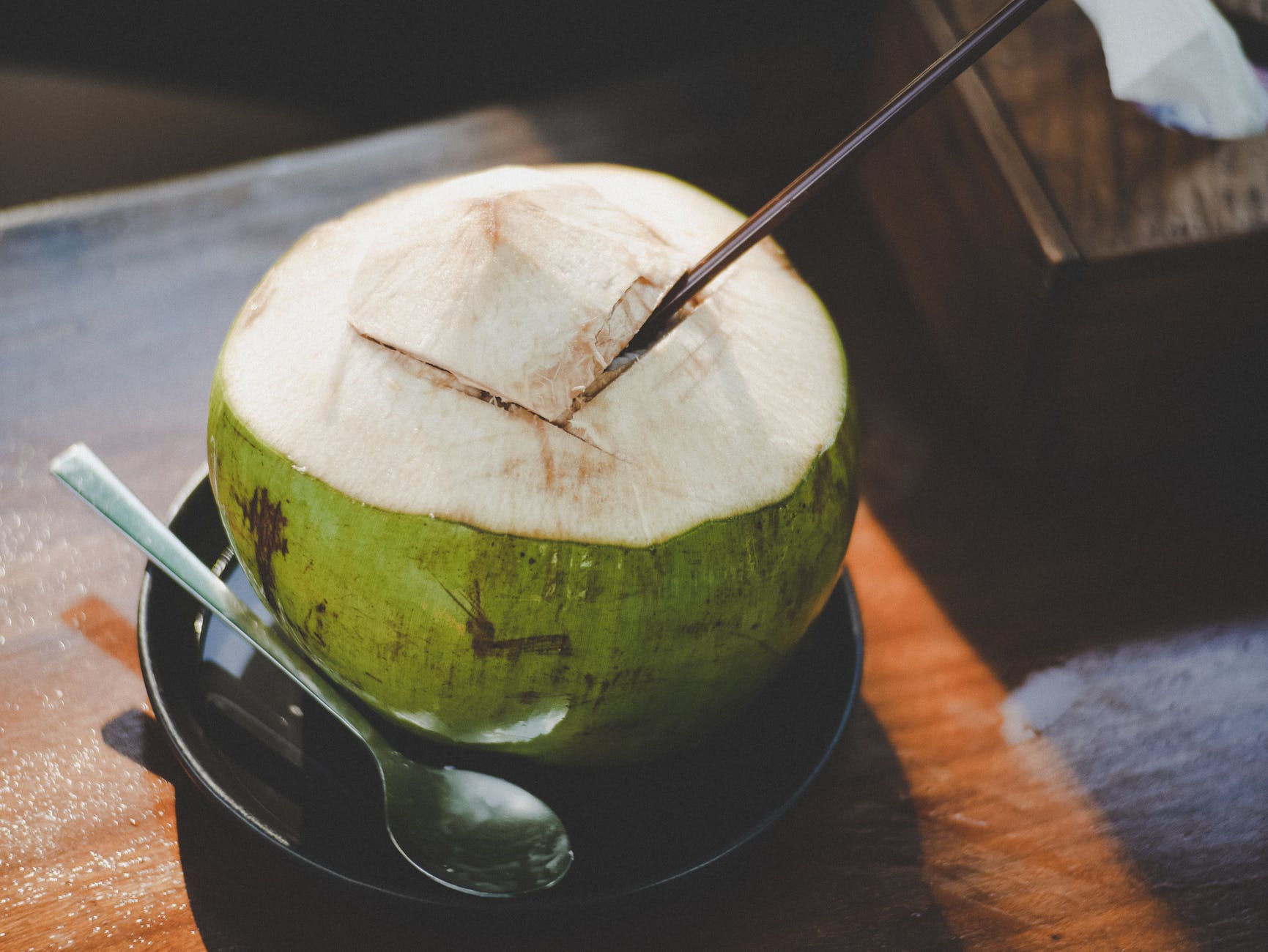
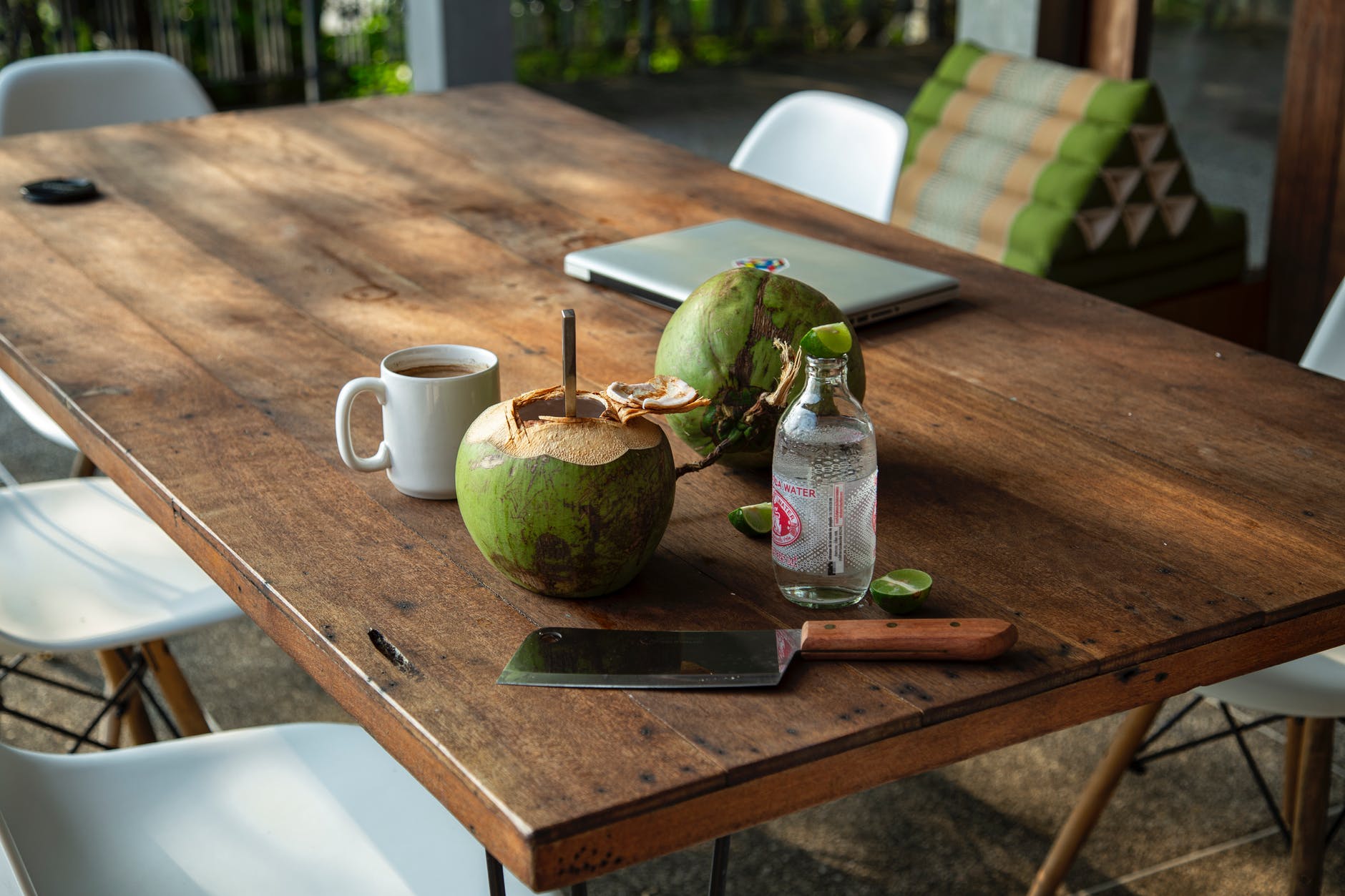
Remedy from heat ! “put your straw in coconut water.”

Its time to put your straws in coconut water & hydrate you body at the most of its level . Mostly dubbed as ” Mother Nature’s sports drink” by marketers, the demand is skyrocketing, propelled by celebrity and athlete endorsements and promises to hydrate the body and help with a whole host of conditions, from hangovers to cancer and kidney stones. Low in calories , naturally free of fats & cholesterol , more of potassium than that of four bananas , it is a super hydrating drink which gives you body full energy to go on with the pace that you are required to go with .

WHAT IS COCONUT WATER ?

Naturally occurring , coconut water has a sweet & nutty taste . Many people ask this question , how coconut is filled with water . Let me give you an answer of this , As the fresh water assimilated by the roots is conveyed right up to the crowns of the coconut palms through osmosis process, any dissolved salts which exist in the subterranean water automatically get eliminated through this natural filtration. Fresh water that gets accumulated in coconut is actually ‘endosperm’ or the food or nourishment for the coconut’s growth. Coconut water contains easily digested carbohydrates in the form of sugar and electrolytes. Not to be confused with high-fat coconut milk or oil, coconut water is a clear liquid in the fruit’s center that is tapped from young, green coconuts.

Professional tennis player John Isner credits coconut water with keeping him on his feet for his epic 11-hour marathon Wimbledon tennis win. “It is super hydrating and has kept me going in long matches and prevented me from cramping even in the hottest and most humid conditions,” he says. He drinks the mixture of coconut water & water before the night of the match & this helps him to get hydrated all day long in that match .

Sports nutritionist Nancy Clark, author of Nancy Clark’s Sports Nutrition Guidebook, says coconut water won’t rehydrate the body unless you can drink plenty of it. If you enjoy the taste and can tolerate large amounts, it could help keep you hydrated.

A 2007 study shows coconut water enhanced with sodium was as good as drinking a commercial sports drink for post-exercise rehydration with better fluid tolerance. Another study reported that coconut water caused less nausea, fullness, and stomach upset and was easier to consume in large amounts during rehydration. It is naturally occurring drink which will keep you hydrated all day long . In a study conducted, coconut water prevented crystals from sticking to the kidneys and other parts of the urinary tract. It also reduces the number of crystals formed in the urine. Researchers believe that coconut water helped reduce the production of free radicals that occurred in response to high oxalate levels in the urine. From nausea to kidney stones , coconut water has worked as a remedy for most of the health issues , so what are you waiting for ? Go and buy a coconut & enjoy the mother nature’s Sports drink .

Why you should watch/read MONSTER?

MONSTER is the magnum opus of mangaka Naoki Urasawa and a Cold War psychological thriller – it is a seinen manga manga also adapted into an anime following the whole story exactly. It follows a Japanese neurosurgeon, Dr. Kenzo Tenma, who has residence in Germany to work at Eisler Memorial. Engaged to his boss’ daughter and with optimistic prospects in his medical career, Tenma’s values soon hijacks any stable life as a darkly dramatic irony – he was only trying to do the right decision(s) morally: a tragic statement that ‘right’ doesn’t entail the best results. His life is sidetracked into revolutionary conspiracies from the Soviet bloc, violent machinations of a criminal underworld and a boy, Johan, who’s a nihilistic catalyst of chaos; all these intense affairs are to the backdrop of relatively ordinary existence as a shocking duality showcasing the thin veil between horror and normalcy as is also applicable to our own nature. Stylishly European in every day as an atmospheric overture, with the location rife for intrigue as close to the Iron Curtain, MONSTER is an incisive examination of human nature – the cause of ‘evil’, why and who is truly responsible; the whole work, too, acts as a character study in conscientiously designed personalities who’re palpable as representations to the human condition.

A difficult choice

Dr. Kenzo Tenma sacrifices his career to save Johan as a child in a dilemma of choosing a patient for his expertise – the town’s mayor or an innocent boy shot in the head – and although demanded to save the mayor for financial reasons, he opts for Johan as he arrived first in the staunch belief ‘all lives are equal’. These philosophical and moral systems are the root of MONSTER – how these inform and challenge one’s life choices to the darkness we may encounter as aberrant of all we thought as usual; beliefs are easier in a vacuum of a solitary life or with a confirmation bias. Tenma’s choice would have unforeseen, destructive ramifications for which he takes responsibility, too, for which no attitude could prepare him – he had saved a boy who would evolve into a ruthless, charismatic leader of mass destruction. If he knew of the outcome, would he still have performed his duty as a doctor and thought of Johan as ‘equal’ – this is the central concept that tests Tenma’s view on the worth of lives, his right, too, to intervene and act. As he’s demoted for his failure with the mayor, and his lover leaves him as no longer financially secure, the senior staff at the hospital responsible for his punishment all coincidentally die in a poisoning while the boy, Johan, disappears.

The investigation leads to nowhere and Tenma is restored in his role, he subsequently becomes the Chief of Surgery at the hospital nine years later. Destiny would have him reencounter Johan who’s an adult, however, who callously executes a patient as a clear reality the boy he rescued was indeed evil. This refocuses the old investigation onto Dr. Kenzo Tenma who benefited the most – a detective, Inspector Lunge, of a federal agency is convinced Tenma is behind all these crimes, ‘Johan’ a mere persona of his. Escaping from his normal life as the police seek to frame him, and determined to resolve his responsibility of ‘Johan’, Tenma embarks on a tenacious journey as a fugitive.

Excellent Characters

Supported with a vast cast, who are each developed in an immaculate fashion, and each embroiled into extensive subplots concerning these, MONSTER is a ‘coup de maître’ as a psychologically intimate drama with an array of emotions from these characters as an expository fiction of humanity – powerful from the complex dilemmas and philosophical challenges we see engage them throughout the voluminous narrative. Deliberately meticulous in characterization, contemplative in tone and purposeful in each plot point, MONSTER is a crafted tale sure to resonate with audiences for a long time at a fundamental level – it indulges in themes perpetually inherent to society, no matter the current state. Patience is rewarded in appreciation of the story as an emotive tale crafted into an intricate character study.

Themes

The plot structure is a slow-burn of side plots and miscellaneous errands to establish a vibrant world consisting of of various personalities, agendas and their interactions: no man is the same – each one has their own history – and valid perspective along with sympathetic emotions. The characters and situations are also not limited to the overpowering arc of a showdown between Johan and Tenma – people have their own multifaceted lives to not merely be props for the plot. As a result, Naoki Urasawa’s depicted world is tangibly immersive, both in the depth and also sober art, which explores darkness in a manner that’s not crudely exploitative, it is innocently inquisitive: a treatise of our morals in conflict to the worst of humans.

MONSTER accomplishes itself as a darkly philosophical work on society, people and their beliefs – it is the finest psychological horror, mystery drama and crime thriller in the history of manga as a comprehensive feat; it is a multi-layered narrative – little contrived or for some cheap ulterior purpose – with equally compelling characters. The setting of Eastern Europe in the throes of the oppressive Iron Curtain is unique an aesthetic that feels authentic – a dangerous regime where the authorities are unreliable and a sense of overbearing danger throughout from leadership which does not truly care for the people. I would rank MONSTER on level with Fyodor Dostoevsky’s ‘Crime and Punishment’ as a testament to the quality and feel only the medium, manga/anime, besets a prejudice on qualifying MONSTER to the canals of worthy artistic heritage.

Science in education

Article

Abstract

Necessity is the mother of invention. When there is need, invention or discoveries take place. In this article we are going to discuss the history of science, different scholars, evolution theories and pedagogical aspects of science. 

Key points:

  • History of science and it’s evolution from the 5th century to the 21st century.
  • Scholars and their field of work
  • Evolution in theories 
  • Nature of science and philosophers 
  • Need of teaching and the pedagogies for the nature of science.

Introduction:

The history of science included evolution and new inventions of science. History of science showed progress in the process of thoughts and followed the vision. The nature of science consists of its systemized empirical facts and inferences, concepts, laws and theories. We discussed the theories of different philosophers and their facts. The pedagogies & curriculum of science should be more student-centric and focus on learning more about the environment.

History of science

The evolution of science in history is slow and dramatic. There were many  scholars like: Aryabhata, Pythagoras, chanakya, alhazen, Giordano Bruno, Galileo, Issac newton, jagadish chandtra bose, Prafulla Chandra Ray, Dr. mahendra lal sircar, C.V raman, Jamsetji and many other. They all have a vision to develop scientific temper in society. Nalanda university is the first great university in recorded history. The philosophers stand by the facts and give the proven reason about their theory. The mission and vision of the science in history to develop in society demolish the misconception and find new methods.

Nature of science & philosopher

What is the nature of science and its implication in the education system?  The thinker’s aimed to develop clear criteria to distinguish science from pseudoscience. He focused that the cognitive practices of scientist is thought dimension to understand nature of science. The evolution of the science also included in the nature of science. The science is growing and brings changes in itself. He also discussed the danger to humanity by science –based weapon of mass destruction. He put the light over the current consensus of science in which he described observations are not neutral, they are theory-laden. Observations determine the correct theory. 

Needs of teaching science 

It is also important to understand why we need to teach and or learn science and what to teach? 

So we need to learn science because science seeks to describe and explain the physical world based on empirical evidence. Science contains methods and approaches which help to lead to new inventions and discoveries. Scientific knowledge helps us as students to revise new evidence, theories and research. It also helps us to make scientific temperament in society and things more reasonable and justified.

Pedagogies for nature of science and curriculum

The pedagogies for the nature of science should be inquiry based. The teacher should encourage the students to develop curiosity so they can think and inquire. History of science – how the theories come into existence, how the idea comes in the theorist mind- could help them to understand the concept easily, for example the history of gravity and Sir Isaac Newton.

The curriculum should be less subjective and bookish. More day to day experiences should be included which leads to inductive thoughts. The curriculum should be more based on research, not comprehensives. 

Conclusion 

  • Evolution of science has changed throughout the years..
  • Development of scientific temperament in society is the vision of the scientists and philosophers of science.
  • Nature of science always brings changes in itself.
  • The pedagogy for nature of science should be inquiry and history based approach.
  • The curriculum must be more related with daily life and research based.

Organic Farming

 With the increasing use of chemical fertilizers and pesticides, organic farming stands as an eco-friendly farming process. Organic Farming is the process of farming without using any synthetic or chemical fertilizers. In simple words, it means farming without the use of any inorganic substances. 

Benefits of organic farming

Chemical fertilizers are not only highly expensive but also have some serious environmental consequences. Some chemicals contain toxic materials which can harm the skin and respiratory organs. It can deteriorate the natural fertility of the soil by killing the bacteria and other microorganisms present in it. It takes years to regain the natural fertility of soil. 

Organic farming can ensure maintenance of the soil quality and also prevents soil erosion. It can also prevent the harmful effect of nitrates leaching into the groundwater. The chemical fertilizers have a tendency to escape from the soil to the nearby water bodies and pollute them. Therefore it is extremely important to minimise the use of chemicals and switch to better alternatives. 

Organic farming in India

India stands in the 100th position in the World Hunger Index of 2020. This indicates towards the growing food requirement in the country. Ensuring an adequate amount of food for the huge population of the country is an enormous challenge that needs to be tackled. But it is also important to ensure the quantity as well as safety of the food. In India, organic farming is largely seen as a procedure of using organic manure instead of chemicals. But it also includes several methods to increase the microbial population of the soil. 

 The chemical fertilizers yield results quickly. As the process of organic farming takes a lot of time and due lack of awareness and facilities, it is not widely practiced. Between 2011 to 2014, there was a decrease in organic farming in India. 

Sikkim was declared as the first 100% organic state in the whole world, by UN Food and Agriculture. All of its  farmlands are organically certified. Chemical fertilizers and pesticides are not available in the state. In 2003, all imports of chemical fertilizers in the state were banned. This transition to a completely organic farming practice has helped around 66,000 farming families in the state. This organic image has also uplifted the tourism sector in Sikkim. It helped to promote the idea of organic farming in the country. 

Paramparagat Krishi Vikas Yojana is a government scheme under the Soil Health Management and the National Mission of Sustainable Agriculture which aims to promote certified organic farming in India. The objectives of the scheme includes providing resources and motivating the farmers to take up organic farming. 

The idea of organic farming and the question of food safety and eco-friendly farming measures have received some attention lately. With proper education and access to facilities, organic farming can be further promoted in the country.


STANDING TRUE TO ‘CITIUS, ALTIUS, FORTIUS’!

We have crossed almost one and a half year now, with the pandemic into its most powerful, raging form with two devastating waves of surge in the number of those affected with the deadly coronavirus. Many countries are facing the wrath of a scathing third wave too, with many new mutated forms and variants of the virus infecting millions of people around the world. Our daily lives have sure been disrupted with the advent of the nationwide lockdowns happening periodically in many countries including our own. From daily grocery stores to educational institutions, office spaces and workplaces, public places, malls and theatres, almost every place has pulled down the shutters temporarily, owing to the lockdown restrictions. Now, these were the regular day-to-day activities that were halted for a short time span. But what about international events which were planned long ago and their preparations had begun in fervour and flamboyance well in advance. Well, these were the events that would be attracting a lot of international tourists, spectators and most importantly, participants and attendees. But as the pandemic set in, international travel was strictly banned, with only very important and urgent travel allowances permitted. The world hoped that this chaotic situation might wither away soon, bringing everything running together smoothly and on track. But it wasn’t late until we realized that we would have to stay put inside our homes for almost the next two years to come and many of our long term plans had to be called off or put on hold for a while. One of these gala events everyone had set their eyes on was the Tokyo Olympics 2020 season. The extravagant Olympics that take place once every four years and are considered the epitome of sporting competitions are something which every aspiring star player and every nation looks forward to with gleaming hopes and pride. To receive the honour of hosting the Olympics is an proud achievement in itself for the hosting country. There are zillions of preparations that go into arranging and conducting the games successfully. With international level players and athletes from hundreds of professional sporting events coming in for the games, the hosting nations have to make sure that the players and their accompanying crew of coaches, medical professionals, etc. are provided with the best facilities and are given the warmest hospitality during their stay through the course of the games. Japan too, prepared with great enthusiasm for the Olympics, making a special Olympic village for the grand purpose too. With a huge budget and unending preparations, the island nation had been in its best form to prepare for the games. But in the face of the pandemic, the Committee had to keep on postponing the Olympics. The event which was to be conducted by mid-2020 was pushed to 2021 due to the difficult circumstances worldwide. But Japan stood up strongly and firmly to the global situation, with successful, well organized and perhaps wonderful conduction of the Tokyo Olympics 2020. Though spectators weren’t allowed in the stadiums for the live matches and events, the organizing body made sure all the games were live telecasted for the highly energetic crowds throughout the world. The nation truly played on a huge risk, but truly stood out in their efforts of bringing in a heartwarming and fantabulous Olympics season, sending a powerful message across the globe of staying strong and standing up with grit against the unprecedented situation with endurance. So, kudos to everyone who made a great effort to positively raise everyone’s spirits up though the Olympics, and kudos to the Tokyo 2020 Olympics!

Letting Go

Romeo and Juliet is probably one of the best known pieces of fiction in the world. Two lovers separated by family differences find each other only after death makes them meet in the world beyond.

What Are the Real Origins of Shakespeare's “Romeo and Juliet?” | by Julia  Rose Harmon | The Smartie Newsletter | Medium

Now, it is a very philosophical way of saying, but in life, sometimes, one must know how to give up. Giving up is not the part where one never tries but the part where one realizes that he or she or they are done trying – to their best. And it is not a sign of cowardice but a very healthy exercise when giving up is accompanied by letting go.

The American star Olympian Simone Biles announced her early return from the Tokyo Olympics citing mental health reasons, the most decorated Gymnast of all time was clearly being braver and more conscious of herself than the way in which many conservatives in her country tried to portray her. She knew that she could not perform if she could not keep calm and that would only make it worse for her – deep in her head. Let us not forget that she holds 32 medals combining World championships and Olympics. In the 2016 Olympics, she singlehandedly won 3 gold and 1 bronze medals and another gold medal in teams event. She, by no means lacks the resources to be the champion. But she understood her mind.

Biles smiling and waving

The process is difficult. One might argue that giving up is like admitting defeat. Admitting defeat in the face of a certain defeat is honesty! And although your mind requires some straining, it is up to you to decide to what extent can you strain the same.

Next time, when you are giving your best and after several attempts, it seems futile to continue, give it a thought. Should you or should you not continue.

The Japanese Language and why learning it can be hard

With the sudden increase in the Japanese Economical might after the second world war and its steady cultural impact due to technology, manga and cartoons, people have been more interested in Japanese culture than ever. Japan is still a largely conservative society with modernity picking up steadily despite an ageing population. But assimilating into that society can be hard. The most important reason being the difficulty a non-native shall face in learning their language.

Modern Japanese is a fairly new language – just like modern Italian, French, Mandarin or Hindi. Before the Meiji restoration, every part of Japan had a local language that was similar to but nor exactly the way in which Japanese speak it today. Ancient and Medieval Chinese led to the formation of the script that the Japanese used. The Meiji restoration meant that Japanese as spoken in the court of Kyoto was exported to all provinces and the need for a new script was needed. This led to creation of three scripts in the modern times – the Kanji or the Old Japanese – the one influenced by ancient and medieval Chinese characters. The next are the two modern scripts – Hiragana script that is used to express vernacular terms and words in the vocabulary while the Katakana script is used to write words borrowed from other countries. For example AC and Fridge or refrigerator will be written in Katakana while Fuji, Tokyo etc will be written in Hiragana.

Now, the Japanese language unlike English, Hindi and Arabic is a phonetic language. That means that it does not have standard alphabets with vowels and consonants that then group together to form words but rather sounds that make the alphabets of the language. So, both the Hiragana and Katakana scripts have 72 characters each. And writing or using even these characters has to follow some non-standard rules of phonetics.

Finally, Japanese is a language with a very strict emphasis on seniority. While this exists in most other languages as well – except Roman languages like English, in languages like Hindi and North Indian Bhojpuri, Nepali Hindi, Tamil etc., it is only about the addition of suffixes to the root word or in languages like Urdu, there is no such seniority needed because all the people are addressed in a high degree of respect. Japanese however might have different words that have the same meaning but suit different situations – casual, formal or with elders.

Finally, please don’t say goodbye to a Japanese guy. That is considered rude. The better expressions are see you soon or take care.

Arigatou Gozaimasu! ありがとうございます

Happy Learning!

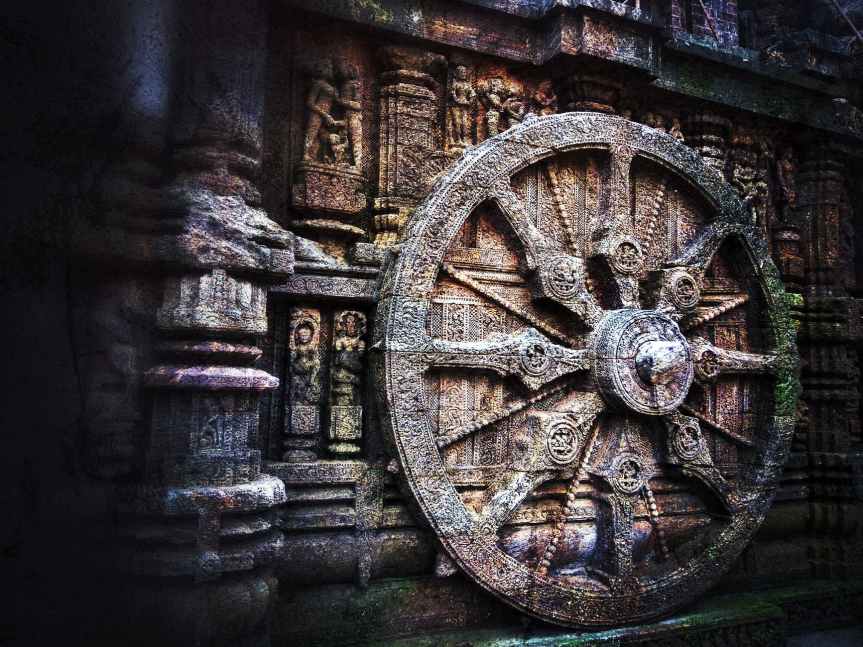
ESSENCE OF INDIAN TRADITION

HERITAGE

The word heritage is defined as “Anything transmitted from ancestors or past ages”. The Indian heritage is often best appreciated concerning different historical periods. We are the inheritors of a cultural and non-secular tradition stretching over 4000 years.

CULTURE AND CIVILIZATION

The word ‘culture’ and ‘civilization’ are often used as the same. However, they have their own clearly defined meanings which differentiate them.

CIVILIZATION

‘Civilization’ means making better ways of living and making use of nature to satisfy daily needs. Civilization includes developing societies into politically well-defined groups that work together for improved conditions of life in terms of food, dress, and communication.

CULTURE

The English word ‘Culture’ is coined from the Latin word ‘cult or cultus’ which means tilling, or cultivating or refining and worship. ‘Culture’ refers to the inner self, a refinement of mind, soul, and heart. Culture includes various art forms and sciences, music and dance, and several higher activities of human life which also are classified as cultural activities. On the whole, it is cultivating and refining a thing to an extent such that its outcome evokes our admiration and esteem. This is often practically an equivalent as ‘Sanskriti’ of the Sanskrit language.

CHARACTERISTICS OF CULTURE

 • Culture is learned and purchased

 • Culture is shared by a cluster of individuals

 • Culture is cumulative

 • Culture changes

 • Culture is dynamic

 • Culture gives us a variety of permissible behaviour patterns

 • Culture is diverse

 • Culture is ideational

CULTURAL HERITAGE

Cultural development may be a historical process. Cultural heritage includes all those aspects or values of culture transmitted to citizenry by their ancestors from generation to generation. They’re cherished, protected, and maintained by them with unbroken continuity, and that they feel pleased with it. Architectural works like monuments, material artifacts, the intellectually achieved properties, philosophy, treasures of data, scientific inventions, and discoveries also are a part of heritage.

TRADITIONAL KNOWLEDGE

Traditional knowledge or ‘local knowledge’ may be a record of human achievement in comprehending the complexities of life and survival in often unfriendly environments. Traditional knowledge, which can be technical, social, organizational, or cultural was obtained as a part of the good human experiment of survival and development. We have to analyse, evaluate conserve, and revive the normal Knowledge Systems for the economic betterment of the planet in a holistic manner. It is that the knowledge system possessed by various communities across the world. Such knowledge has been accumulated, used, and has been bequeathed through several generations. It’s usually regarding the natural surroundings of the community and includes agricultural knowledge like manner of cultivation, environmental knowledge, and knowledge of natural medicines.

TYPES OF TRADITIONAL KNOWLEDGE

 • Cultural knowledge

 • Artistic knowledge

 • Biodiversity or natural resources

 • Agricultural knowledge

 • Sacred knowledge

CHARACTERISTICS OF TRADITIONAL KNOWLEDGE

 • It has been handed on from generation to generation.

 • In many cases, it’s transmitted orally for generations from person to person.

 • It is being considered by the communities as a gift of God and not as personal property.

 • This knowledge generally distinguishes one community from another community.

 • It is typically impossible to spot the first creator of the knowledge.

 • It is learned by observing continuously, experiencing, and practicing it.

 • It is inseparable a part of the communal and cultural life of its holders.

 • It is typically related to biological resources.

NEED FOR SHIELDING TRADITIONAL KNOWLEDGE

 • Lack of proper legal policy framework for the protection of traditions.

 • Exploitation of traditional knowledge and indigenous resources.

 • Patenting the medicinal plants and their derivatives.

 • Commercial interests violate indigenous property rights.

Don’t Judge a Book By It’s Cover

Why we all always give more importance to our looks, is it really that important? is someone’s appearance is more important than his or her actual nature?

Why does people judge someone by their looks and come up with an conclusion based on someone’s external appearance without even knowing them. People forgot that the “appearance can be deceptive”.
If someone is comfortable with simple cloths and no make-up look, if he or she love to live that way then why others are so curious about that. It doesn’t matter that, what we wear or how we look it is not gonna affect our talent anyways.
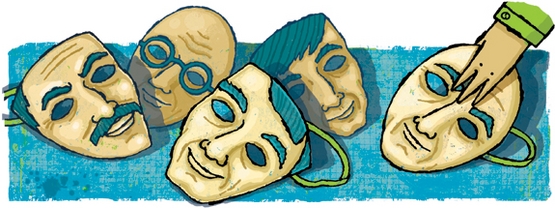
Take of the mask and face yourself, looks or appearance can’t hide your true nature for longer. Remember we were born to be real not to be perfect, be yourself even if you live for a day.

Appearance valued to much in our society and on every point people will judge you based on your appearance but, don’t give many thoughts thinking what others will say, if I wore this or if I look like this, what will others say, peoples will gonna talk behind your back no matter what you do, how you look, they gonna criticize you all the time, just live on your own way it’s your anyways and remember only one thing that, “kuch toh log kahenge, logonka kam hai kehna, chodo bekar ki baton main kahin beet na jaye raina” and keep going.

No matter who you are, how you look, your skin colour, your appearance it doesn’t matter, being beautiful has nothing to do with your outer looks or appearance, it’s about your nature, your character and how you treat others. Everyone sees what you appear on outside, but they don’t know that a person becomes more attractive not by their looks but by their act of kindness, love, respect, honesty and loyalty they show. They will judge you but after knowing your kind nature they can’t stop themselves from loving you. Always remember that the appearance for small time but your nature is for lifetime.

Sometimes we come across some people who love to live simple, who don’t give more importance to their outer look but their inner beauty emerges only when we converse with them and get to know them better.

Judging a person does not define who they are, also your self confidence didn’t come from your appearance, certainly not your appearance!!

Let’s learn not to judge a book by it’s cover and let’s try to understand and know someone based on their inner beauty not on their appearance because APPERANCE CAN BE DECEPTIVE.

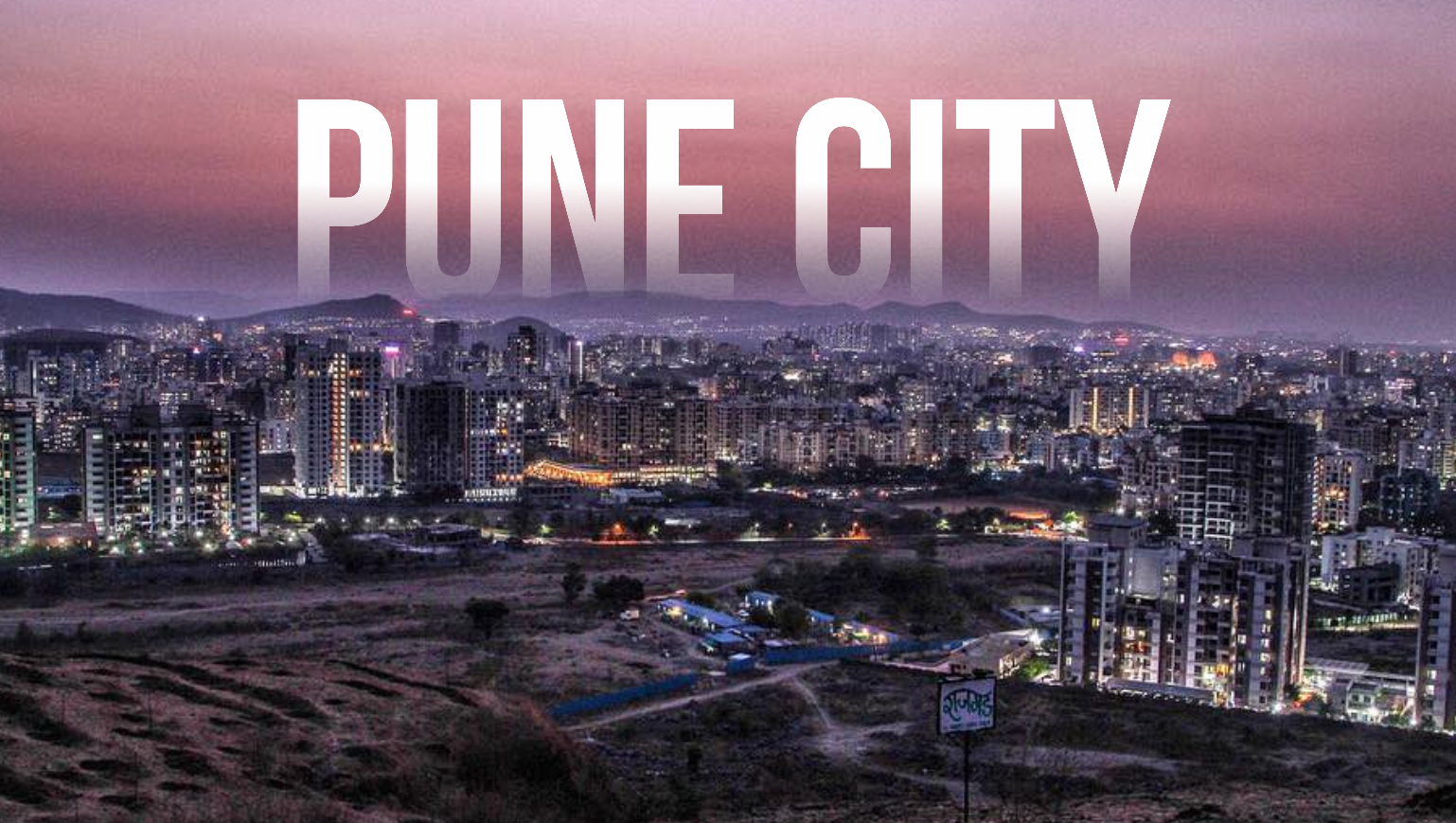
The most interesting things about Pune

For new-comers Pune may appear to be arrogant, rude and not-so-friendly, but after spending some time in Pune you will realize that they are actually sweet, a bit arrogant but kind. When you login in Pune you can’t logout.
For them who wants to live in Pune, here are some most interesting things about Pune you should know.

Pune, formerly known as Poona is the second-largest city of Maharashtra, after Mumbai and eighth-most populous city in India.

India’s first indigenously-run girl’s school was started in Pune by Savitribai Phule along with her associate Fatima Sheikh.

Pune is widely regarded as the second major “IT hub of India” and the top “automobile and manufacturing hub of India”
Pune is where Badminton originated in India.

Pune has 21 engineering colleges, which is highest in the world in a given city. There are many popular and old institutes in Pune and because of this in our Marathi language we called Pune as “ Shikshanache Maherghar ” it means Hometown of Education.

Pune has the highest number of software companies in India.

Beside this Pune has some unique things that you will only see in Pune.

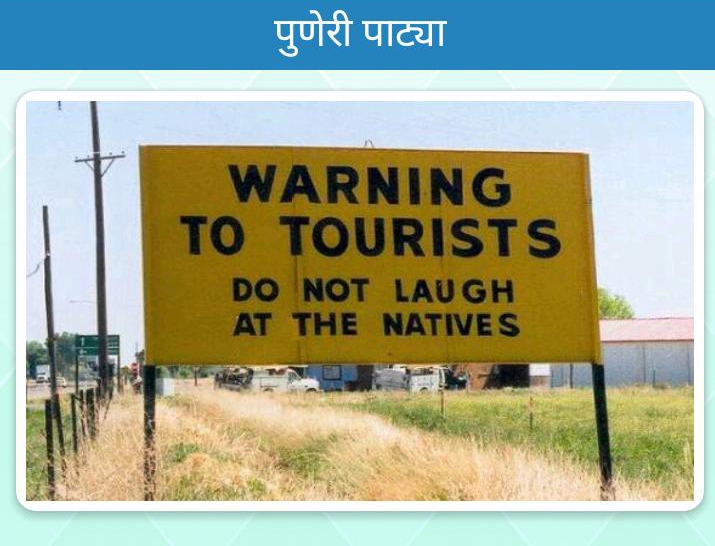
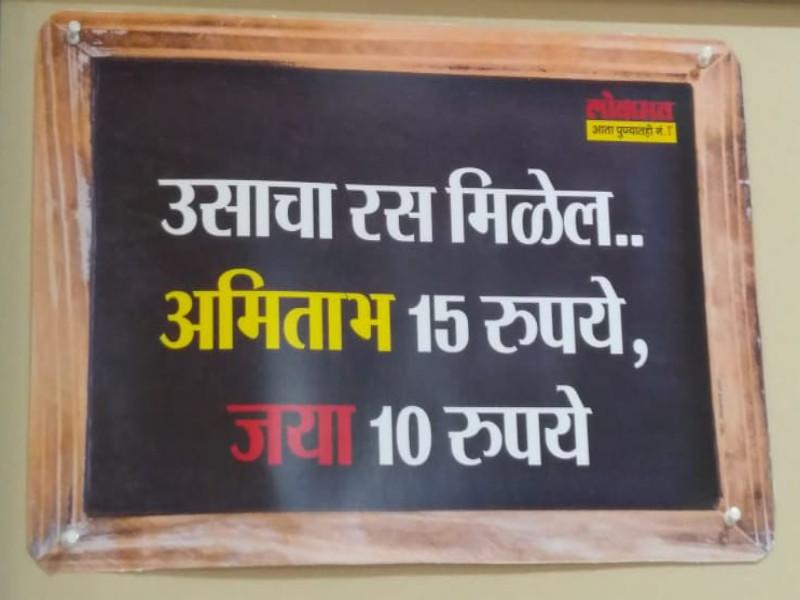
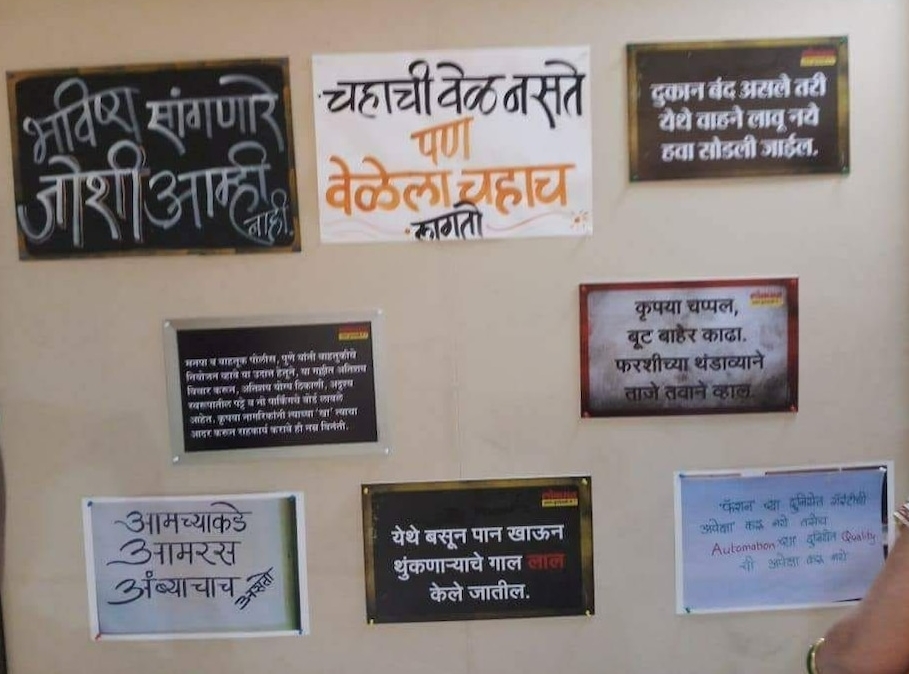
1. Puneri Patya

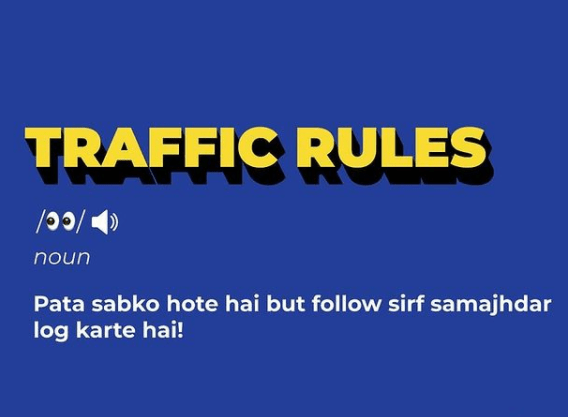
People who mostly come from outside the city come across those ubiquitous Puneri Patya, which are known for their bluntness and arrogance, while they appear funny to the uninitiated. A typical Punekar thinks and acts as though they have the sole right to educate people in their own ways. A Punekar believes in calling a spade a spade. They want order and discipline around them, which is absent when it comes to traffic though. They don’t want to repeat the same thing to visitors or passers-by. Hence, the Patya culture has been thriving in Pune dishing out advice, warnings and at times, threats to those who have not adopted the city’s culture.
From this unique way of expressing their thought we can say that Punekars love to educate others and finding the mistakes of other peoples.
Being a Punekar myself, I never found these Patya strange. However, some people from other cities always made fun of these signages. It seems pun is part of Pune’s life as these signages indicate.

2. Puneri Misal

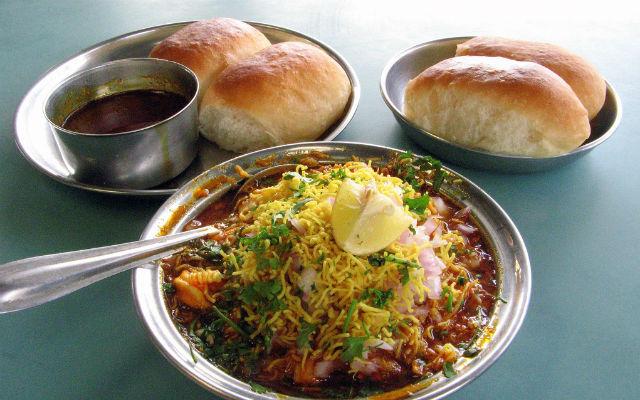
Famous Puneri Misal you should definitely try if you are traveling to Pune. Misal is like full time meal for Punekars, they can eat Misal all day without getting bored. Misal the local spicy snack of Punekars. It is the all time favourite dish of Punekars and you would find every restaurant and even the smallest hotel at the corner serving them.

3. No work between 1pm to 4pm

In Pune during some time in afternoon like about 2 hours from 1pm to 4pm you will notice that every shop even the smallest one at nook is closed.
Outsiders an those who are new at Pune think this habit of Punekar a bit weird, outsiders find it strange that almost all shops are closed for some hours in the afternoon since their owners take a nap during that time.

4. Puneri Chaha

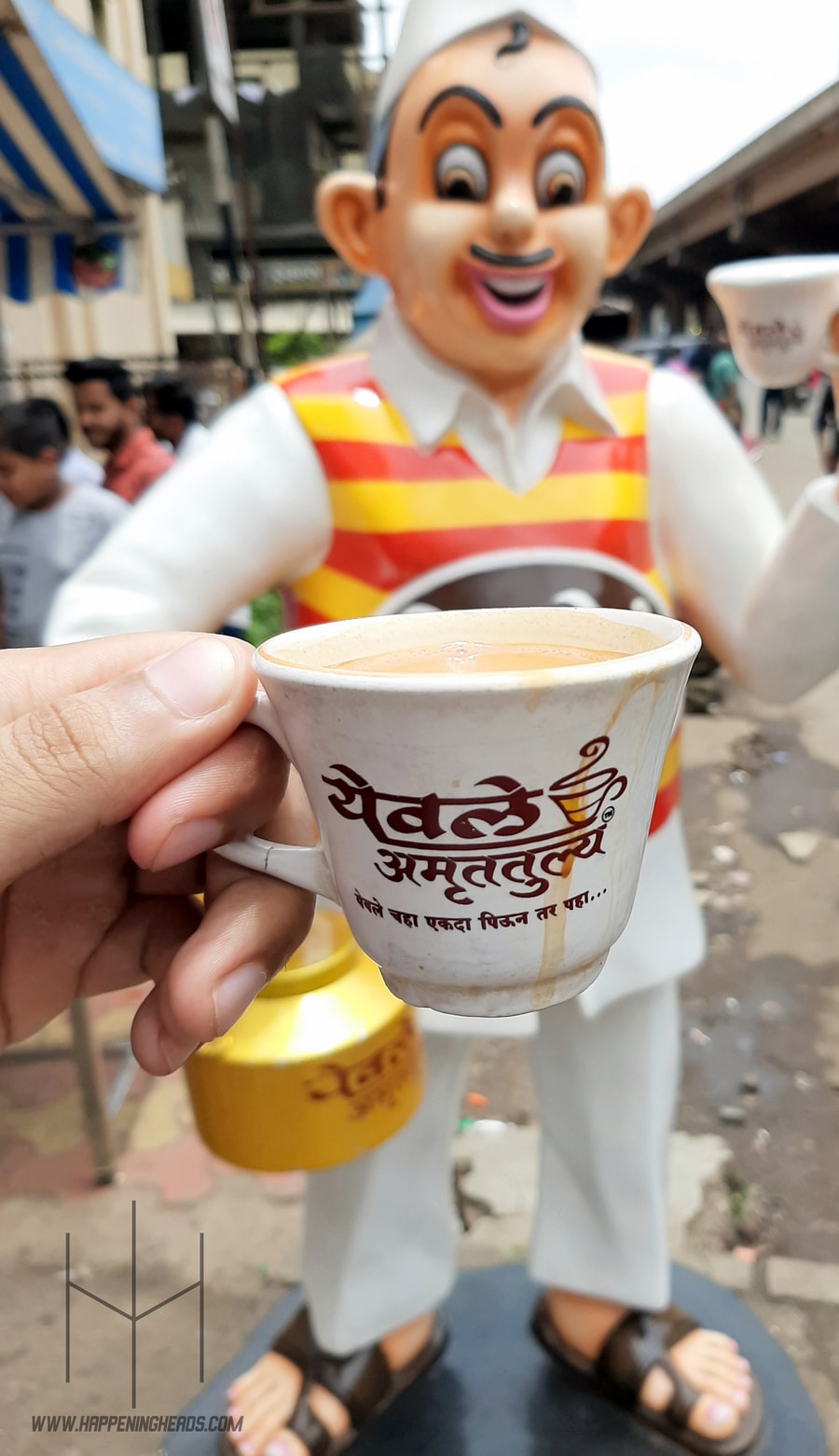
Pune’s most favourite and famous tea destination “Yewale Amruttulya”. You will find it strange that, a tea shop is as famous as Starbucks. Many people travel far away just to taste “Yewale Amruttulya”, you have to stand in long lines just to taste a tea.

Traffic Rules and Regulations

What are traffic rules?

I feel like both pedestrians and the drivers should be disciplined and obey all the rules and regulations. So, I request every citizen of this country to follow these do’s and don’t listed down below for pedestrians and drivers, respectively.

DO’s for pedestrians:

  • DO walk in a straight line down the sidewalk.
  • DO stop at crosswalks and pay attention to the signals.
  • DO pay attention to your surroundings when walking, especially at night and alone.
  • DO take the time to enjoy your walk even if you are in a hurry… look around and see.
  • DO smile if you happen to make eye contact with another human being.

DON’Ts for pedestrians

  • DON’T stop randomly on the sidewalk without checking that people are right behind you.
  • DON’T jaywalk without looking.
  • DON’T wear headphones and have your music turned up so loud you can’t hear what’s happening on the street.
  • DON’T cut across the sidewalk to get to a shop or something without looking behind you.
  • DON’T walk into things while your head is down looking at your phone… trust me, it happens!

DO’s while driving

  • Do always wear a helmet while riding a 2 wheeler.
  • Do always wear a seat belt. ±Do follow the speed limit.
  • Do be courteous towards other drivers and riders.
  • Do give pedestrians the right-of-way in crosswalks.
  • Do make room for bicycles. ±Do pay attention while driving, even if you are familiar with the area. A surprising number of accidents take place only blocks away from home!
  • Do use indicators.
  • Always keep to the left.
  • Do keep a safe distance.
  • Do always carry the important papers and your driving license.
  • Do drive cautiously in severe weather.
  • Do plan your long route journeys in advance. Take proper gaps in between.

DON’Ts while driving

  • Don’t drive alcohol and drive, and don’t get in a car with a driver who has been drinking or using drugs.
  • Don’t talk on your cell phone and drive at the same time. If you need to make or answer a call, pull over at a safe place and then resume your journey.
  • Don’t let your emotions and frustrations get the best of you. Don’t engage in road rage, no matter how irritating another driver might be to you.
  • Don’t tailgate other cars, pass on shoulders, run stoplights or stop signs, or break any other rules on purpose.
  • Don’t drive if you are underage.
  • Don’t overtake suddenly.
  • Don’t use brakes suddenly.
  • Don’t overspeed over potholes.

Knowing the Indian Ocean

After the Pacific and the Atlantic, let’s move onto the Indian ocean

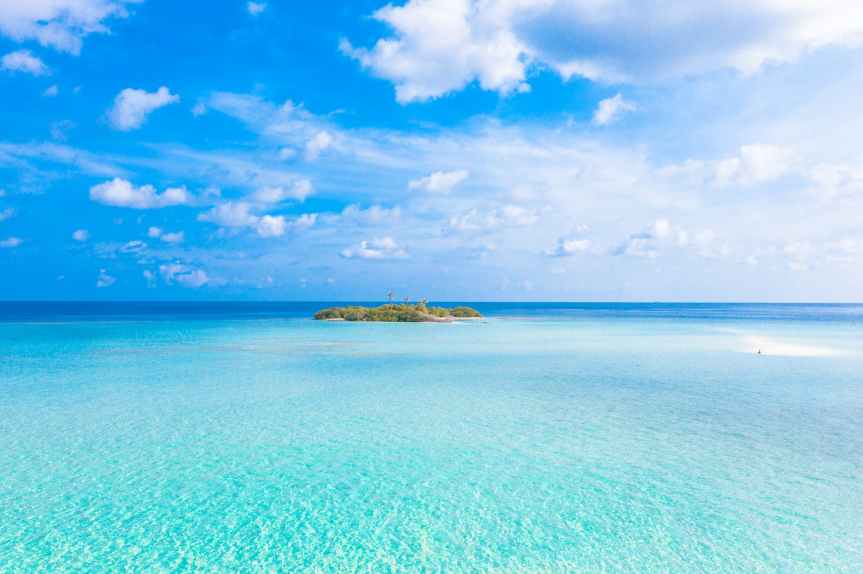
Photo by Asad Photo Maldives on Pexels.com

Hope you remember the acronym- PAISA

  1. Pacific
  2. Atlantic
  3. Indian
  4. Southern
  5. Antarctic

These oceans are arranged in the decreasing order of their sizes.

The third largest ocean based upon its size, it is the only ocean in the whole world to be named after a country. It covers 27,240,000 sq ml or 19.8 percent of the world’s water on the Earth’s surface. Bounded by Asia to the north, southern ocean to the south, Africa to the west and the Indonesian islands (the strait of Malacca) and Australia to the east, it also hass many marginal seas and islands.

Marginal Seas:

  1. Bay of Bengal
  2. Arabian sea
  3. Laccadive sea
  4. Java sea
  5. Andaman Sea
  6. Timor Sea
  7. Red sea
  8. Persian Gulf
  9. Gulf of Aden
  10. Gulf of Oman
  11. Gulf of Suez
  12. Molucca sea
  13. Gulf of Khambhat

Major islands

  1. Andaman and Nicobar
  2. Lakshadweep
  3. Maldives
  4. Madagascar
  5. Reunion
  6. Seychelles
  7. Mauritius
  8. Comoros
  9. Indonesia

Enclosed by land on three sides, it is centered along the Indian peninsula and doesn’t extend from pole to pole. It has roughly 800 drainage basin of which 50% are located in Asia, 30 % in Africa and 20% in Australia. It is considered to have subtropical climate. The northern half of the Indian ocean experience monsoon winds that lead to reversal in direction of winds (caused by the movement of ITCZ that in summers reaches above the Tibetan plateau, due to the apparent movement of sun) during summers and winters. This brings the monsoon winds to India during the rainy season(80% of the Monsoon rains dependent on them).

40 % of the total sediments found in this ocean are the results of deposition of the Ganga and Indus fans, the largest submarine fans of the world. The western Indian ocean has the largest phytoplankton blooms in summer due to the monsoon winds (they lead to the ocean water upwelling, building nutrient rich cold water to the surface of the ocean). These phytoplankton later support a complete ecosystem, acting as the primary food producers in the chain, in the ocean leading to high concentration of fish and other marine organisms. Thus, harm to the growth of these phytoplankton (continuously on the rise due to global warming, dumping of acidic and industrial waste water and algae bloom) can further destroy the fragile marine ecosystem.

There are 10 large marine ecosystems in the Indian Ocean-

  1. Agulhas current
  2. Somali coastal current
  3. Red sea current
  4. Persian gulf current
  5. Arabian sea
  6. Bay of Bengal
  7. Gulf of Thailand
  8. West central Australian shelf
  9. Northwest Australian shelf
  10. Southwest Australian shelf

Coastal reefs, sea grass bed and Mangrove forest: The most productive and important ecosystems. This ocean has 36 biodiversity hotspots and is an actively spreading and expanding ocean(having only two trenches- The Java and Sunda trench and the Makaran trench). It also has an active volcanic hotspot- The Reunion hotspot(currently below the reunion islands). Salinity follows the trends similar to the Atlantic ocean(though it doesn’t extend towards the poles.)

This is all about the Indian ocean. See you tomorrow with the Southern ocean.