Body Positivity

Body positivity is the belief that everyone deserves a good body image, regardless of how society and popular culture define ideal shape, size, or appearance.
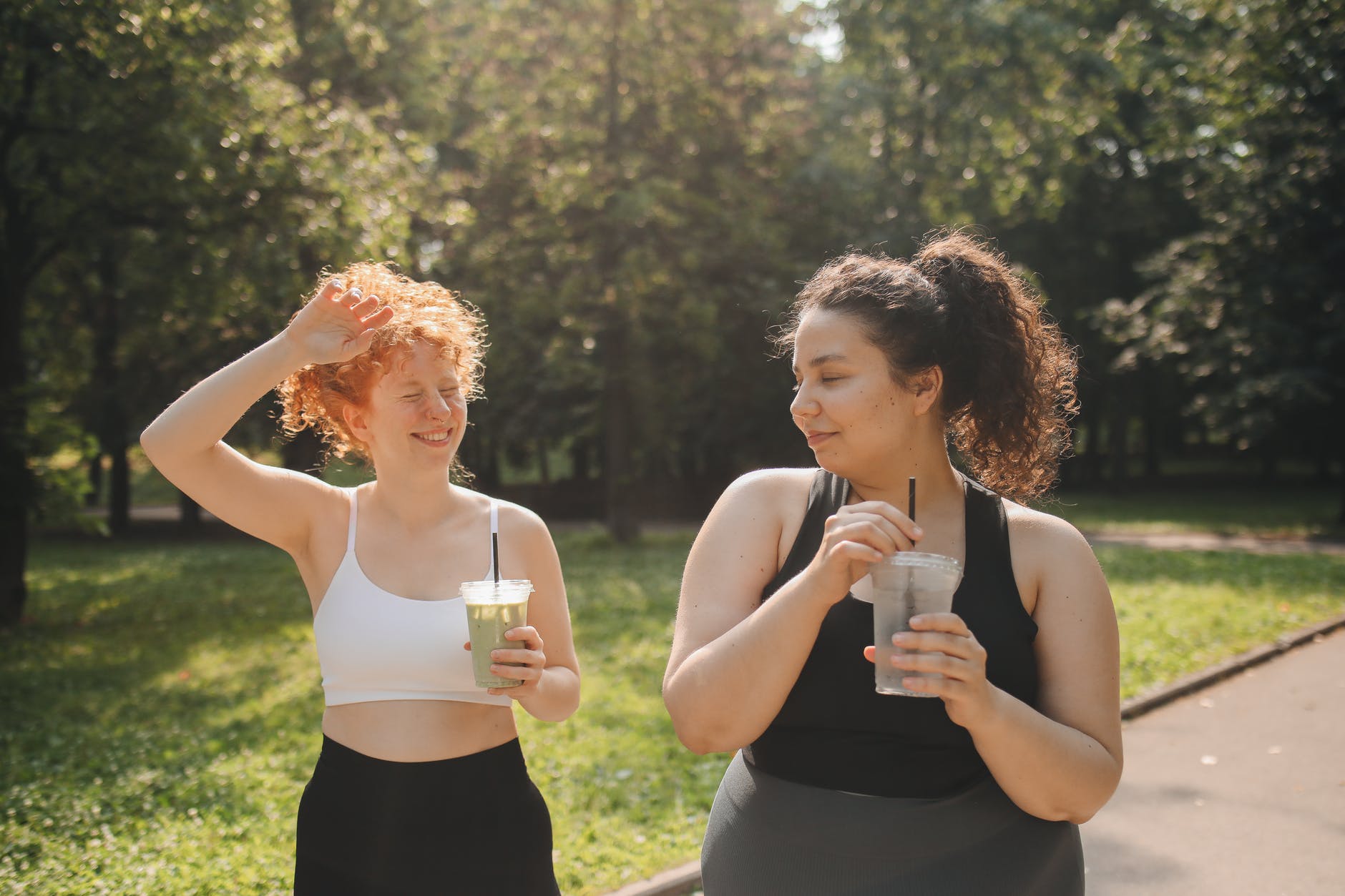
Photo by Polina Tankilevitch on Pexels.com

The following are some of the goals of the body positivity movement:

1)Questioning society’s perceptions about the body

2)Advocating acceptance of all people’s bodies

3)Assisting people in developing self-esteem and acceptance of their own bodies

4)Confronting unattainable physical standards

Body positivity, on the other hand, is about more than just questioning how society views people based on their physical size and shape. It also acknowledges that race, gender, sexuality, and disability are frequently used to make judgments.

Body positivity also tries to educate people on how popular media themes influence people’s attitudes toward their bodies, including how they feel about food, exercise, clothing, health, identity, and self-care. People may be able to create a healthier and more realistic relationship with their bodies by better comprehending the impact of such forces.

HISTORY OF BODY POSITIVITY

Body positivity has its origins in the late 1960s fat acceptance movement. Fat acceptance aims to put an end to the culture of fat shaming and prejudice against those who are overweight or obese. The National Association to Advance Fat Acceptance was founded in 1969 and is still working to change the way people talk about their weight.

When a psychologist and an individual who had undergone eating disorder treatment launched the website thebodypositive.org in 1996, the phrase “body positive” was coined. The site provides information and instructional materials to help people feel good about their bodies by shifting the focus away from dieting and exercising in unhealthy ways.

In its current form, the body positivity movement emerged around 2012, primarily focusing on opposing unrealistic feminine beauty standards. As the movement gained traction, the emphasis shifted from weight acceptance to the idea that “all bodies are beautiful.”

Despite the fact that body positivity is becoming more mainstream, many individuals are still unsure what it entails. One of the reasons why body positivity is so misunderstood is that there are so many diverse interpretations of what the movement entails.

REASON BEHIND BODY POSITIVITY

One of the main goals of body positivity is to address how body image affects mental health and well-being. People’s feelings about their appearance and even how they assess their self-worth are influenced by their body image. According to research, having a bad body image is linked to an increased risk of mental illnesses such as depression and eating disorders.

A person’s subjective perception of their own body—which may differ from how their body actually appears—is referred to as body image. Body image feelings, emotions, and actions can have a significant impact on your mental health and how you treat yourself.

The creation of one’s body image begins at a young age. Even small infants, however, can experience body dissatisfaction. More than half of girls and nearly a third of boys between the ages of 6 and 8 believed their ideal body weight was smaller than their present weight, according to a research published by Common Sense Media. The findings also found that 25% of children had tried some form of dieting activity.

While the concept of body positivity is meant to make people feel better about themselves, it is not without flaws and criticism.

One issue is the notion that body positivity entails people doing whatever they think they need to do in order to feel good about their appearance. Unfortunately, people are constantly assaulted with messaging implying that smaller, fitter people are happier, healthier, and more attractive.

Body positivity is meant to promote acceptance and love of one’s own body, yet it can be a struggle that adds to the pressure and unrealistic expectations. The idea of body positivity is that you should modify how you feel about yourself, yet it can also be seen as yet another demand.

SELF CARE IN IMPORTANT

Self-care can sometimes be misconstrued as a means of altering or controlling one’s looks, but it should instead focus on activities that make you feel good about the body you have now.

Respect yourself and your body. Consume nutritious foods to keep your mind and body in good shape. You should exercise because it makes you feel strong and energized, not to change or control your physique.

Remove profiles from your social media feeds that make you feel bad about yourself. You’re less likely to feel good about yourself if you’re continually comparing yourself to others.

Follow accounts that pique your curiosity and leave you feeling uplifted. Many Instagram accounts, in example, are solely dedicated to showcasing perfection or an idealized view of the body.

While it may be difficult, improving the portrayal of all body types in popular media may aid in the fight against poor body image.
Reasons Emotions Are Important!

[Bhoomika Saini]

Emotions can play an important role in how you think and behave. The emotions you feel each day can compel you to take action and influence the decisions you make about your life, both large and small.

Emotions can be short-lived, such as a flash of annoyance at a co-worker, or long-lasting, such as enduring sadness over the loss of a relationship. But why exactly do we experience emotions? What role do they serve?

Photo by Andrea Piacquadio on Pexels.com

Emotions Can Motivate You to Act

Emotions motivate us
Brand New Images / Getty Images

When faced with a nerve-wracking exam, you might feel a lot of anxiety about whether you will perform well and how the test will impact your final grade. Because of these emotional responses, you might be more likely to study.

Since you experienced a particular emotion, you had the motivation to take action and do something positive to improve your chances of getting a good grade.

You also tend to take certain actions in order to experience positive emotions and minimize the probability of feeling negative emotions. For example, you might seek out social activities or hobbies that provide you with a sense of happiness, contentment, and excitement. On the other hand, you would probably avoid situations that might potentially lead to boredom, sadness, or anxiety.

Emotions increase the likelihood that you will take an action. When you are angry, you are likely to confront the source of your irritation. When you experience fear, you are more likely to flee the threat. When you feel love, you might seek out a partner.

Emotions Help You Avoid Danger

Emotions help us avoid danger
Adam Mitchinson / Getty Images

Naturalist Charles Darwin was one of the earliest researchers to scientifically study emotions. He believed that emotions are adaptations that allow both humans and animals to survive and reproduce.

He suggested that emotional displays could also play an important role in safety and survival. If you encountered a hissing or spitting animal, it would clearly indicate that the creature was angry and defensive, leading to you back off and avoid possible danger.

Emotions can also prepare the body to take action. The amygdala, in particular, is responsible for triggering emotional responses that prepare your body to cope with things like fear and anger.

Sometimes this fear can trigger the body’s fight-or-flight response, which leads to a number of physiological responses that prepare the body to either stay and face the danger or flee to safety.

Emotions serve an adaptive role by motivating you to act quickly and take actions that will maximize your chances of survival and success.

Emotions Can Help You Make Decisions

Emotions help us make decisions
Jon Feingersh / Getty Images

Your emotions have a major influence on the decisions you make, from what you decide to have for breakfast to which candidates you choose to vote for in political elections.

Researchers have also found that people with certain types of brain damage affecting their ability to experience emotions also have a decreased ability to make good decisions.

Even in situations where you believe your decisions are guided purely by logic and rationality, emotions play a key role. Emotional intelligence, or your ability to understand and manage emotions, has been shown to play an important role in decision-making.

Research has found that experiencing fear increases perceptions of risk, feeling disgusted makes people more likely to discard their belongings, and feeling joy or anger causes people to leap into action.

Emotions Help Others Understand You Better

Emotions aid social interaction
franckreporter / Getty Images

When you interact with other people, it is important to give clues to help them understand how you are feeling. These cues might involve emotional expression through body language, such as various facial expressions connected with the particular emotions you are experiencing.

In other cases, it might involve directly stating how you feel. When you tell friends or family members that you are feeling happy, sad, excited, or frightened, you are giving them important information that they can then use to take action.

Research suggests that people experience positive emotions 2.5 times more frequently than they do negative emotions.

Emotions Allow You to Understand Others

Emotions allow us to understand others
Geber86 / Getty Images

Just as your own emotions provide valuable information to others, the emotional expressions of those around you also give a wealth of social information. Social communication is an important part of your daily life and relationships, and being able to interpret and react to the emotions of others is essential.

It allows you to respond appropriately and build deeper, more meaningful relationships with your friends, family, and loved ones. It also allows you to communicate effectively in a variety of social situations, from dealing with an irate customer to managing a hot-headed employee.

Understanding the emotional displays of others gives us clear information about how we might need to respond in a particular situation.

Which part of the brain processes emotions?

The emotional processing network is the group of brain regions and structures responsible for processing emotions. Parts of the brain involved in this process include the amygdala, the hippocampus, the prefrontal cortex, and the cingulate cortex.5

Why are emotions an important part of decision-making?

Emotions can help a decision-maker determine which aspects of a decision are the most relevant to their specific situation. They may also help people make faster decisions.3

What is the appraisal theory of emotion?

This theory suggests that emotions step from the cognitive evaluations that people make about specific events. In other words, it implies that people must think about a situation before having an emotional response.

Should the Fear Street movies be watched in order?

The movie series isn’t an anthology, so viewers can’t hop into the trilogy wherever they want. At least, not if you want to understand what’s happening. below is the order of the movies to be watched for the viewer to fully understand the story.

Fear Street Part 1: Set in 1994, the movie series opens in a less than idyllic Shadyside where yet another mass murder has occurred. It’s another day ending in y for the residents, but for a small group of teens, their night is about to be turned upside down. It all starts with the volatile rivalry between Shadyside and Sunnyvale, a disturbed grave, and the sudden rise of past Shadyside killers.

Fear Street Part 2: There’s never been a problem at Camp Nightwing, outside of the usual dust-ups between campers, until 1978 when a murder spree drenches the ground in blood. With a murderer on the loose, two girls are put in the position of stopping the witch before it’s too late. Unfortunately, not everyone survives the night.

Fear Street Part 3: Finally, the truth about what happened to Sarah Fier is revealed, but in order to see her story, we’ll have to be yanked back centuries. The year is 1666 and the consequences of messing with the witch will reverberate for longer than the villagers will ever live to know, that is if they escape her wrath.

When most of us outgrew R.L. Stine’s Goosebumps books of the ’90s, we graduated to the Fear Street novels from the same author. They have always been more mature and just a tad scarier than the other R.L. Stine books, and they definitely scared kids into keeping their bedside lamps on all night. But how do they factor into the Netflix movie trilogy?

‘Fear Street’ books?

According to Amazon, there are 17 books in the original Fear Street series. The first was published back in 1996, and more have been churned out over the years, with the series never quite dying out.

And R.L. Stine doesn’t seem intent on letting go of this series any time soon. In 2020, Fear Street: The Beginning was published, and it undoubtedly breathed new life into the book series.

Which ‘Fear Street’ books are the movies based on?

Although there are more than a dozen Fear Street books out there, the movies on Netflix are only loosely based on some of the books that came long before the film franchise. The book Fear Street Cheerleaders: The First Evil has hints of the first Fear Street movie in it, from the possessed cheerleader Sam to the bus accident.

Cooperatives

  • Cooperatives play an important role in the growth of a country, although they are rarely the focus of policy planning.
  • According to the government, the formation of a new Union Ministry to manage the cooperatives sector will save it from neglect.
  • Cooperatives aren’t supposed to follow the market logic of maximising profits, but rather to evenly distribute the advantages to all stakeholders.
  • Cooperatives have made major contributions to poverty alleviation, food security, natural resource management, and environmental protection in India, albeit they are not consistent.
  • True, the sector has devolved into a tool of favouritism and plunder. In several states, mismanagement and corruption ruined the sector.
  • Cooperatives are effective at mediating politics at the local level, outside of the parliamentary system, in addition to helping localities and segments that markets may overlook.
  • As market conditions change, cooperatives in states like Kerala have expanded their businesses to include IT parks and medical schools.
  • More expansion opportunities, such as insurance, remain untapped, and the regulatory framework must keep pace.
  • Because cooperatives are on the Constitution’s State List, the Centre will have to come up with new ways to ensure the new Ministry’s legal validity.
  • However, the sector’s distributed capacity can be marshalled by a different Ministry.
  • Conclusion-The need for greater openness and efficiency in the sector is compelling; yet, this goal must be pursued not by terrifying the industry’s very soul, but by fostering a cooperative spirit.

Health Benefits of Carrot

Carrots

 Its scientific name is Daucus carota. It is a root type of vegetable. It is crunchy, sweet in taste. It is highly nutritious and very healthy for our body. It is a widely known vegetable. It comes with many colors like white, Orange, yellow, red and purple. Let’s take a look at the nutrition value of carrot ––

Various Colorful Carrots

Nutrition value: If we take an average quantity of raw carrot, we get the following nutrition –

  1. 0.6 gram protein per 100 gram raw carrot.
  2.  0.2 gram protein per 100 gram raw carrot.
  3. 6.8 gram of carbohydrate per 100 gram raw carrot.
  4.  6.6 gram sugar per 100 gram raw carrot.
  5. 2.8 gram dietary fiber per 100 gram raw carrot.
  6.  8.72 microgram vitamin A per100 gram raw carrot.
  7.  174 mg potassium per 100 gram raw carrot.
  8.  0.12 mg Vitamin B6 per 100 gram raw carrot.
  9.  21 mg of folate per 100 gram raw carrot. Carrot is a very good source of Beta carotene, vitamin A, Vitamin B6, folate, fiber , lycopene and Alpha carotene. It contains  88% water in its body and so many antioxidants. Carrot also gives 156/37 kilo joule energy per calories per 100 gram raw carrot. Carrot is one of the big source of dietary fibers , Vitamin A ,starch .                                                                                                                                                                          
Carrot Juice

How to Eat A Carrot :                                                                                                            Carrot is a mostly used as a salad ingredient. It can be eaten raw or cooked but raw carrots are most nutritious one. Carrot juice are the most effective among them. Carrot leaves have so much Vitamin C then carrot root. Carrot leaves are also used as garnishing ingredient of salads, soup and other dishes. It is used as herb.

Health benefits:

  1. Beta carotene and Alpha carotene have the power to prevent various cancer like breast cancer, colon cancer , stomach cancer. So, the risk of Cancer is reduced by carrot .
  2. Carrot helps to reduce bad cholesterol in blood and prevent heart disease.
  3. It also helps to maintain blood sugar level in blood .So carrot is very good for diabetic patients.
  4. The vitamin A and fiber helps to deposit excessive fat in our liver and nourishers liver.
  5. The antioxidants ,Vitamin A and beta-carotene of carrots make human skin glow and youthful. It also fight against sin damage of skin ,aging effect ,wrinkles ,dry skin problems etc.
  6. Carrot helps to increase immunity power of body & prevents the common dieses like common cold to attack our body .
  7. Carrot contain very low amount of calories so carrot helps to lose our weight & used as aided vegetable .
  8. Vitamin and beta-carotene are good for our eyes and prevent blindness.
  9. Vitamin K ,which is able to find in carrot strengthen the bone strength of our body and heals the broken bones crack in faster speed.
  10. Carrot contains big amount of Vitamin A .Vitamin A is very good for our oral system .It helps to clean our gum & teeth .The minerals in carrots prevents the tooth damage & cavities for its anti bacterial property .

Therapy For Anxiety Disorder

[Bhoomika Saini]

In some cases, medications have a role in treating anxiety disorders. But for many, therapy—alone or in combination with medication—is the most effective treatment option. The reason being that therapy, unlike medication, gives you the tools to manage the anxiety yourself, now and in the future.

Different therapeutic techniques have been developed to treat anxiety and have evolved over time from psychoanalytic approaches to the newest cognitive behavioral therapies.

Understanding Anxiety Disorders

About 19% of U.S. adults and 31% of adolescents age 13 to 18 experience anxiety each year, according to the National Institute of Mental Health (NIMH).

There are several major types of anxiety disorders that can be treated using therapeutic approaches.

  • Panic disorder
  • Obsessive-compulsive disorder (OCD)
  • Phobias
  • Generalized anxiety disorder (GAD)
  • Social anxiety disorder (SAD)
  • Post-traumatic stress disorder (PTSD)

Regardless of the specific disorder, the underlying processes that drive them often follow a similar pattern. People with anxiety tend to react to unpleasant thoughts, feelings, and situations in a more extreme way and may try to manage those reactions by avoiding triggers. Unfortunately, this type of avoidance only serves to reinforce fears and worries. Most modern types of therapy address negative thinking and avoidance to help you manage your anxiety.

Types of Therapy for Anxiety

The goal of all therapeutic approaches is to help you understand why you feel the way you feel, what your triggers are, and how you might change your reaction to them. Some types of therapy even teach practical techniques to help reframe your negative thinking and change your behaviors.

Anxiety disorders differ considerably, so therapy is tailored to your specific symptoms and diagnosis. It can be conducted in an individual, family, couple, or group setting. How often you meet with your therapist and for how long will depend on your specific symptoms and diagnosis.

Psychiatrists, psychologists, and other mental health professionals use several types of anxiety therapy. The choice of therapy also depends on your diagnosis and the severity of your symptoms.

Cognitive Behavioral Therapy

Cognitive behavioral therapy (CBT) is the most widely-used therapy for anxiety disorders. Research has found it to be effective in treating SAD, GAD, phobias, and panic disorders, among other conditions.

The premise of CBT is that your thoughts—not your current situation—affect how you feel and subsequently behave. So, the goal of CBT is to identify and understand your negative thinking and ineffective behavior patterns and replace them with more realistic thoughts and effective actions and coping mechanisms.

During this process, your therapist acts like a coach teaching you helpful strategies. For example, you might do a lot of “black-and-white” thinking, where you assume that things are all bad or all good. Instead, you would replace those thoughts with the more realistic perception that there are many shades of grey in between.

It takes practice to use these strategies. Once you start to recognize your anxiety and your triggers, you can learn to apply the coping skills that you learn in CBT to manage fear, panic, and worry.

Exposure Therapy

Exposure therapy is one of the most common CBT methods used to treat a variety of anxiety disorders, including specific phobias, SAD, and PTSD. The basic premise behind exposure therapy is that if you’re afraid of something, the best way to conquer it is head-on.

During exposure therapy, your therapist will slowly introduce you to anxiety-producing objects or situations. This is often done using a technique known as “systematic desensitization,” which involves three steps:

  1. Relax: Your therapist will teach you relaxation training to help combat your anxiety. Examples of relaxation training include progressive muscle relaxation, deep breathing, meditation, and guided imagery.
  2. List: Create a list of your anxiety-provoking triggers, ranking them in terms of intensity.
  3. Expose: In this final step, you’ll gradually work your way through your listed anxiety-provoking objects or situations, using the relaxation techniques when necessary.

There are several ways your psychologist may choose to expose you to your anxiety-provoking stimuli. Here are the most common:

  • Imaginal exposure: In this type of exposure, you’ll be instructed to vividly imagine your anxiety-provoking object or situation.
  • In vivo exposure: In this method, you’ll face your anxiety-provoking object or situation in real life. So with this type of exposure, a person with social anxiety might be instructed to give a speech in front of an audience.
  • Virtual reality exposure: In some cases, virtual reality can be used when in vivo exposure isn’t possible. Virtual reality therapy uses technology to combine elements of in vivo and imaginal exposure. This method has proven especially helpful for soldiers and others who live with PTSD.

Dialectical Behavioral Therapy

Dialectical behavior therapy (DBT) is a highly effective type of CBT. Originally used to treat borderline personality disorder (BPD), DBT is now used to treat a variety of conditions, including anxiety.

DBT focuses on helping you develop what seems like a “dialectical” (opposite) outlook, acceptance, and change. During DBT treatment, you’ll learn to both accept your anxiety all the while actively working to change it. It’s similar to the notion of loving yourself the way you are, while still trying to change yourself for the better.

DBT treatment teaches four powerful skills:

  • Mindfulness: Connecting with the present moment and notice passing thoughts (like anxiety) without being ruled by them
  • Distress tolerance: Managing your anxiety when faced with a stressful situation
  • Interpersonal effectiveness: Learning how to say no, or ask for what you need
  • Emotion regulation: Managing anxiety before they get out of control

Acceptance and Commitment Therapy

Acceptance and commitment therapy (ACT) is another form of therapy that has been shown effective for a variety of anxiety disorders. ACT involves identifying your values in life and then acting in ways that match your values.

Art Therapy

Art therapy is a non-verbal, experience-oriented therapy. It involves either using visual art (such as painting, drawing, sculpting) to express and process emotion or using art to practice mindfulness and relaxation. Although it can be provided as a standalone therapy, it’s commonly used in combination with other treatment methods such as CBT.

Being a newer form of therapy, more research is needed to confirm its effectiveness in reducing anxiety symptoms.

Psychoanalytic Therapy

According to this Freudian model, anxiety symptoms reflect unconscious conflicts. The purpose of psychoanalytic therapy is to resolve them. In psychoanalysis, you and your therapist examine your thoughts, fears, and desires to better understand how you view yourself and to reduce your anxiety. This is one of the most intensive forms of treatment; it can take years to identify patterns in your way of thinking.

The terms “psychoanalysis” and “psychodynamic therapy” are often used interchangeably, but psychoanalysis is actually a subset of psychodynamic therapy.

Interpersonal Therapy

Interpersonal therapy (IPT) focuses on social roles and relationships. In IPT, you’ll work with your therapist to identify any interpersonal issues you may have, such as unresolved grief, conflicts with family or friends, changes in work or social roles, and problems relating to others. You’ll then learn healthy ways to express emotions and ways to improve your communication with others.

Although originally developed to treat major depression, IPT may be used if your anxiety relates primarily to your relationships with other people, as is the case with SAD.

What to Expect From Therapy

A common misunderstanding about therapy is that you’ll immediately start to feel better. Sometimes this is the case. But much of the time, you feel worse before you start feeling better. Surprisingly, feeling worse is often a sign of progress. And if you think about it, that makes sense.

When you make the decision to enter into therapy, it’s often because you haven’t been able to work through your anxiety on your own. Therapy involves exploring your anxiety and the reasons behind it in a deeper, more meaningful way. This can cause a temporary spike in your anxiety.

Therapy should never be thought of as a quick fix. It’s a process that’s unique to each individual. The type of therapy you need, the skills, that you learn, and how long you’re in therapy depends entirely on the type of anxiety you have and the severity of your symptoms.

It’s important to understand that though the process won’t always feel good, it will be completely worthwhile in the end.

How to Make the Most of Therapy

Trying to make a change can be a challenge. Being in therapy for anxiety is no exception. However, if you are persistent, you should see improvement.

Here are a few ways to make the most of your therapy—and actually see some results:

  • Don’t pretend to be OK
  • Ask questions
  • Tell your therapist anything and everything
  • Do the work outside your sessions
  • Focus on your goals
  • Practice healthy lifestyle choices
  • Make sure you have a social support system
  • Reduce stress in your life that makes your anxiety worse

In this way, you can see that putting in an effort and being present throughout the therapy process will have the biggest impact on how well it works for you.

Gorilla trekking

Hello guys Today we are going to discuss about an unique trekking

I am sure you guys have heard Gorilla and trekking these two words respectively .But how did a relationship form between these two and how did this topic of Gorilla trekking came into existence is what we are going to talk about .

Generally trekking means a long journey typically on foot , and gorillas are largest of the great apes and are the largest living primates.
From bwindinationalparkuganda.com
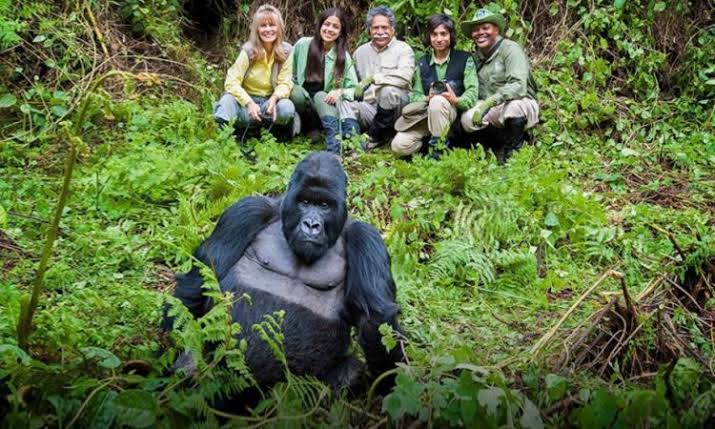
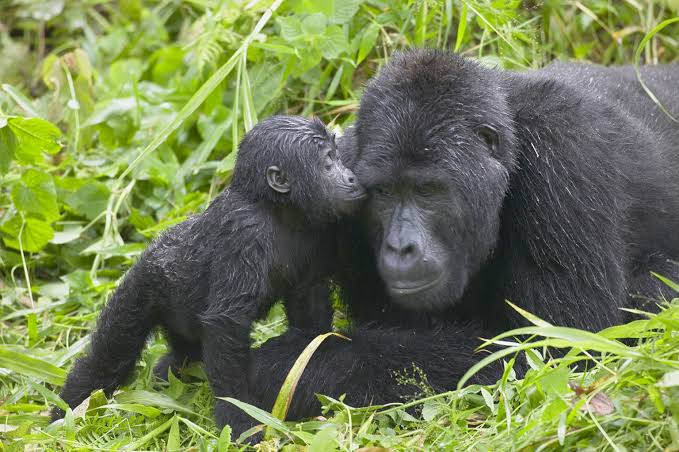
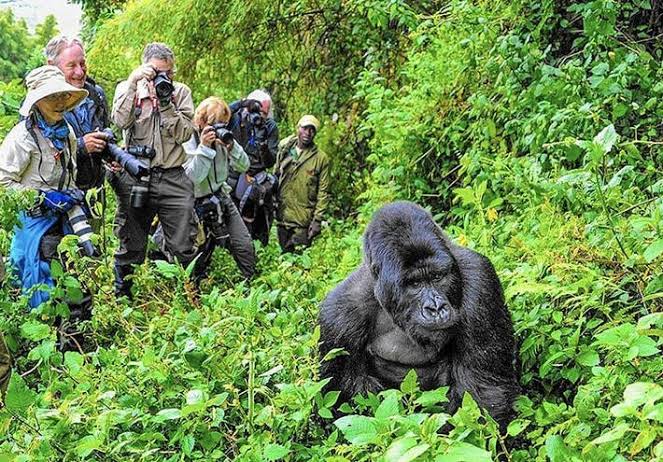
Gorilla trekking refers to people hiking through forests to see mountain Gorillas in their natural habitat unlike how we visit zoos to watch animals here the animals are not caged.

This trekking happens in forests of Africa at Bwindi National park in Uganda and also in Rwanda.

It's a popular choice for travel bucket list of many travellers.But for trekking almost for 8 hours you need stamina,physical fitness and also should be able to balance yourself out there
From : national geographic
The Gorilla trek tour costs ranges from $1,200  to $3,300 from cheapest to expensive respectively.The package includes a Gorilla tacking permit,private transport ,an English speaking guide , accomodation and meals.

You may think is it safe to join this kind of trip? yes ,these gorillas are habituated to the presence of trekkers and considered to be safe,but precautions are needed to be taken so the gorillas don’t get agitated by our behavior .

June July august are considered to be park seasons for Gorilla trekking and there is a tough competition for their permits during these months.

From forbes

There are certain rules you should follow while trekking so that you a can avoid any types of discomfort during this trip.Planning before the trip is a must and to cut down the costs on the trip better to choose reliable packages and plans.

This trekking has been a life changing experience for many travellers and it is very fascinating to see their true nature in their natural habitat.

Thankyou^^

THE JALLIANWALA BAGH MASSACRE

The Jallianwala Bagh Massacre took place on 13th April 1919. It was one of the most brutal and heart-wrenching chapters in India’s freedom struggle.

Baisakhi- The festival of harvests, the beginning of a new year, an auspicious day which Punjab celebrates wholeheartedly. About a hundred years ago, the Baisakhi celebrations were somewhat similar at the Jallianwala Bagh. Nearly a century ago, with the efforts of Mahatma Gandhi and other revolutionary leaders, India was starting to unite many regional movements into one national movement. The British government continued the repression of nationalists, but in March of 1919, they went one step ahead. Through the Anarchical and Revolutionary Crimes Act,1919, popularly known as the Rowlatt Act, the government gave themselves power to shut down all the political campaigns, meetings and rallies. Merely on suspicion, the police could detain anyone for a period of two years without a trial or appeal. Despite fierce opposition from every Indian member this gruesome act was passed.

Indians felt humiliated and angry at the same time. Against this backdrop, Mahatma Gandhi issued a clarion call for a nationwide civil disobedience hartal on 6th of April. In Punjab, people answered the call for hartal or strike, with unprecedented enthusiasm. It became a platform for voicing their anguish against the prevalent issues. Popular and beloved Gandhian leaders, Dr.Satyapal and Dr.Saifuddin Kitchlew led the Rowlatt Satyagraha here. At this time, the relation between the Hindu and Muslim communities was at it’s peak and the protest against the British government were a sight to behold which happened on 9th April, 1919 in Amritsar.

The British government foresaw the seeds of a large-scale organized movement in it’s unity and decided to end it at it’s nascent stage. On 10th April,1919 the authorities deceitfully arrested and deported Dr.Satyapal and Dr.Kitchlew. This outraged the people of Amritsar. They took to the streets to protest against this unlawful detention, during which the police fired upon a peaceful procession, provoking attacks on railway station, banks and government offices by the protesters. Both sides suffered the casualties and severe injuries.

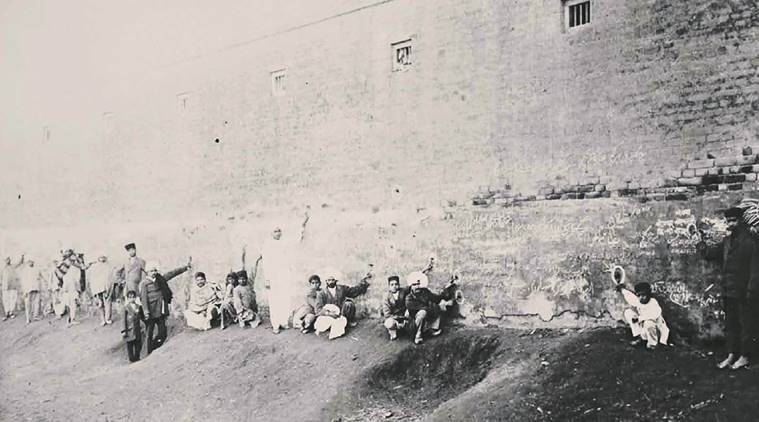
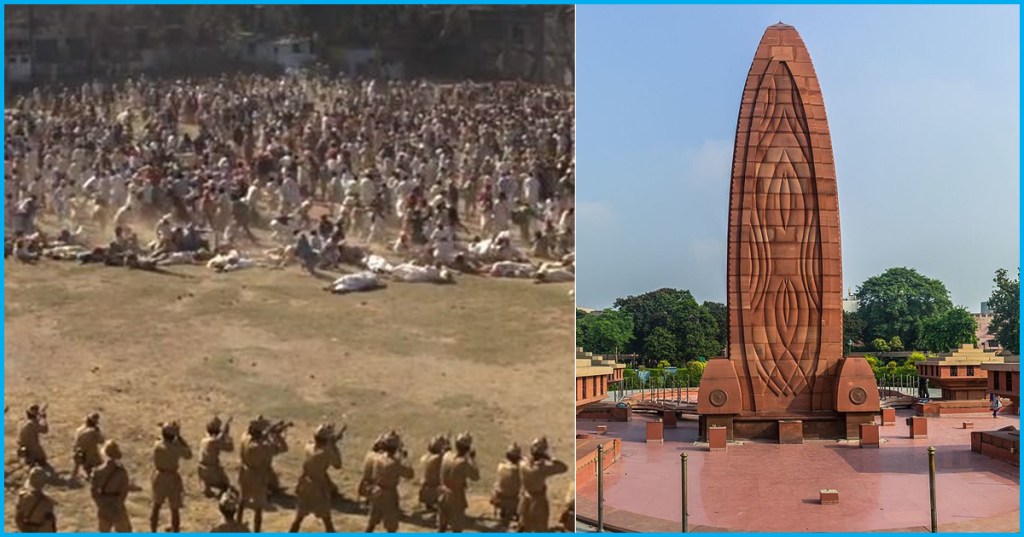
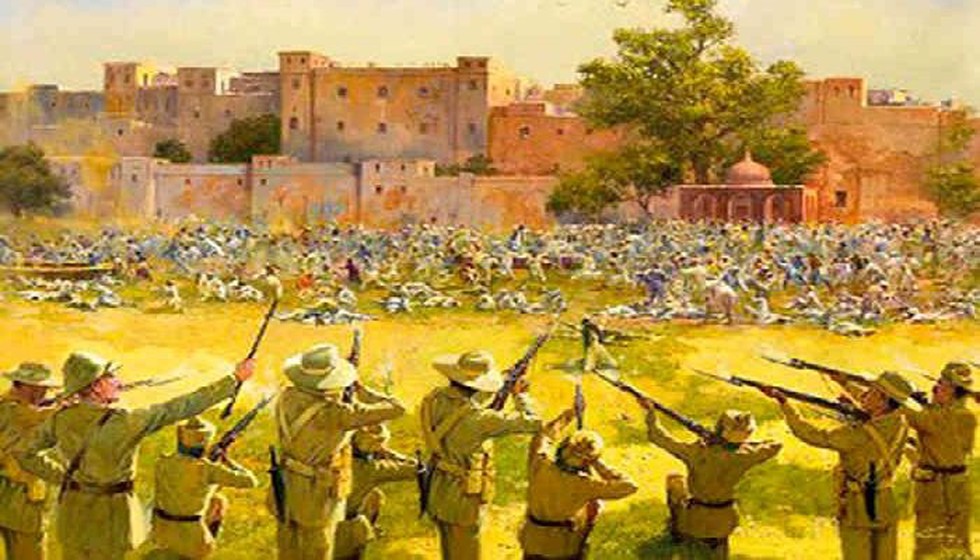
To crush the voices of revolution and terrorize people into submission, the British brought in Brigadier-General Reginald Dyer. He imposed Martial Law and deployed airplanes to survey gatherings across the city. Martial law restricted civil liberties such as freedom of meetings and associations. Gatherings of more than four people were prohibited. Nearly twenty thousand people gathered at the Jallianwala Bagh to celebrate Baisakhi, and to demand the release of Dr.Satyapal and Dr.Kitchlew. The shooting had started without any warning, under the order of Brigadier-General Reginald Dyer and continued till the troops ran out of ammunition. More than 1000 people had died and 1500 had been injured. Many people out of panic jumped into the well because the doors were locked so that no one was able to escape from there.

The news of the Massacre spread like wildfire across the country. It encouraged many more to participate in the struggle for India’s freedom. Rabindranath Tagore renounced his knighthood award by British, Mahatma Gandhi returned his Kaisar-i-Hind Medal in the wake of this incident.

TRAVELLING…

In simple words, Travelling can be defined a transporting or moving from one place to another. Travelling can be an awesome source of education as if enhances the exposure of people to different places, different types of environment, surrounding and people etc. Travelling provides away by which people can share their knowledge and can also be a source of income and an individual can learn many things from travelling.

LEARNING DIFFERNT LANGUAGE: Travelling provides a way to connect with others and visit different places. By commuting to other places and communicating with the native citizens provides an awesome opportunity to learn their language and the interest of the travelers to do so also increases, as they get a chance to interact and enjoy more. Learning a new language helps the travelers to understand them better and make new friends in different areas. Learning a new language gives you an opportunity to learn something new and different and helps you to be creative. Learning the native language can help in a number of ways while traveling. It makes helps in connecting with the local people and helps you to be confident with the help of proper lingual skills and interact with the people smartly.

LEARN HISTORY : Every city or place has its own history and culture which makes it unique from other places and this identity is inherited. A person gets to know about that place and its history by travelling. People get to know about the stories, amazing tales etc. related to that place from the locals which makes the experience more thrilling.

INCREASE YOUR FRIEND CIRCLE: Making new friends is the best part of travelling and make the journey even more enjoyable and interesting. You can make new friends, hang out with them, spend quality time and learn many new things. The current advancement in digital media and communication helps to stay in touch with them. It helps people to understand people of different personalities, nature and behavior. This will help in exploring their places and can also be your guide and can make the tour really effortless and easy.

LEARN NEW SKILLS : Travelling helps in providing new skills by increasing your experience and exposure to different areas and cities. All these new skills and exposure will help you in long run.

ENJOY NATURE : Travelling shows different sides of nature and its beauty. It increases your exposure to beautiful natural spots and places. The world is full of amazing places and excitements. Different places show different sides of nature. There are lot of things that you have not seen yet and travelling helps to explore and find the beauty of nature.

UNDERSTNADING PEOPLE : After living for a few days will help in finding few people who will like you and will be friends. In this way you will be able to learn a lot and understand people of different regions.

There are number of reasons to travel… Travel can be a real fun and can be a source of education and business. On the basis of someone’s financial situations, travelling can be planned.

Let’s Relieve Stress [part 2]

[Bhoomika Saini]

When stress becomes overwhelming, or it’s chronic, it can take a toll on your well-being. That’s why it’s important to have effective stress relievers that can calm your mind and your body. 

And what works for you at home might not be an option when you’re at work or in the community (dancing around your living room might be helpful but dancing in the grocery store might not be). 

So it’s important to have a variety of stress relief tools at your disposal. Then, you’ll be able to pick a strategy that works best for your current circumstances. 

Long-Term Stress-Relief Strategies for Lasting Health

Certain habits can promote resilience to stress, as well as increase overall wellness. For example, those who exercise or meditate regularly tend to become less stressed in the face of a difficult challenge.

So it’s important to create a lifestyle that will help you ward off stress and deal with challenges in a healthy way. 

Eat a Balanced Diet

A poor diet can bring greater reactivity toward stress. Emotional eating and reaching for high-fat, high-sugar foods can provide a temporary sense of relief that adds to your long-term stress.

Refined carbs, like cookies and potato chips, can cause a spike in blood sugar. When your blood sugar crashes, you might experience more stress and anxiety.

Consuming a healthy diet can help you combat stress over the long haul. Foods like eggs, avocado, and walnuts support mood regulation and energy balance. 

Make Time for Leisure Activities

Leisure activities can be a wonderful way to relieve stress. Yet, many people feel as though their lives are too busy for hobbies, games, or extra fun.

But building time for leisure into your schedule could be key to helping you feel your best. And when you feel better, you’ll perform better, which means leisure time may make your work time more efficient.

Whether you find joy in caring for a garden or you like making quilts, hobbies and leisure are key to living your best life.

Develop a Positive Self-Talk Habit

The way you talk to yourself matters. Harsh self-criticism, self-doubt, and catastrophic predictions aren’t helpful. If you’re constantly thinking things like, “I don’t have time for this,” and “I can’t stand this,” you’ll stress yourself out.

It’s important to learn to talk to yourself in a more realistic, compassionate manner. When you call yourself names or doubt your ability to succeed, reply with a kinder inner dialogue.

Positive self-talk can help you develop a healthier outlook. And an optimistic and compassionate conversation can help you manage your emotions and take positive action. 

Practice Yoga

Yoga combines physical movement, meditation, light exercise, and controlled breathing—all of which provide excellent stress relief.

And while you’re likely to reap immediate benefits from a single yoga session, you’re likely to receive long-term benefits if you incorporate it into your life in a consistent way. 

Yoga offers a variety of physical, psychological, and spiritual benefits. To get started, you might take a class, enroll in an online program, or use an app to help you begin practicing.

Express Gratitude

Gratitude helps you recognize all the things you have to be thankful for. Whether you’re grateful for a sunny day or thankful you arrived at work safely, think about all the good things you have in life.

Gratitude also reminds you of all of the resources you have to cope with stress, which can be quite empowering. 

Studies also show grateful people enjoy better mental health, lower stress, and a better quality of life.

So whether you decide to make it a habit to identify what you’re grateful for as you sit around the dinner table or you decide to write down three things you’re grateful for in a gratitude journal every day, make gratitude a regular habit. 

Prioritize Exercise

Physical activity is key to managing stress and improving mental health. And the best news is, there are many different kinds of activities that can reduce your stress.

Join a gym, take a class, or exercise outside. Keep in mind that there are many different ways to get more physical activity in your day too.

Walking, strength training, kayaking, hiking, and spin class are just a few different examples of ways you can get stress relief.

Strategies That Engage in Problem-Focused Coping

Most stress relievers focus on changing your emotions. But sometimes, you won’t necessarily get relief until you change the environment. 

This is referred to as problem-focused coping (as opposed to emotion-focused coping). Problem-focused coping involves taking steps to remove the stressor from your life (as opposed to changing how you feel about the stressor).

Reassess Your To-Do Lists

If you’re trying to squeeze 20 hours worth of work into 16 hours, you’re going to feel stressed. Reducing your workload could be key to helping you get through the day feeling better.

Whether that means stepping away from a committee you joined or it involves hiring someone to complete some of your household chores for you, 

Honing your time management skills can allow you to minimize the stressors that you experience, and better manage the ones you can’t avoid.

When you are able to complete everything on your “to do” list without the stress of rushing or forgetting, your whole life feels easier.

Obtain Social Support

Having supportive people in your life is the key to stress management. If you lack emotional support and friendship, it’s important to get it.

That may mean reaching out to your existing network. Perhaps confiding in a family member or distant friend can help you become closer and it may give you the social support you need.

You may also need to expand your network. Join an organization, attend a support group, or get professional help if you lack supportive people in your life. 

Cut out Things That Add to Your Stress

Sometimes, the best way to reduce your stress is to cut something out of your life. Get rid of the things that are adding to your stress so you can experience more peace. 

Watching the news, being constantly connected to your digital devices, drinking alcohol, and consuming too much caffeine are just a few of the things that may add more stress to your life. Making some changes to your daily habits could be instrumental in helping you feel better.

A Word From Verywell

Finding the best stress relief strategies may take some experimenting. Some strategies may take practice too.

But it’s important to keep looking for the tools that will help you manage life’s inevitable ups and downs in a healthy way. Keeping stress at a manageable level is important for your overall well-being.

Let’s Relieve Stress [part 1]

[Bhoomika Saini]

From minor challenges to major crises, stress is part of life. And while you can’t always control your circumstances, you can control how you respond to them.

There isn’t a one-size-fits-all option when it comes to stress relief, however. What works for one person might not work for another.

Let’s go through some effective ways to relieve stress.

Short-Term Stress-Relief Strategies You Can Do Anywhere

Whether you’re about to be interviewed for a job or you’re feeling overwhelmed by your child’s behavior at the playground, it’s important to have some stress reduction tools that can lower your stress right now.

The best short-term strategies:

  • Can be performed anywhere
  • Take very little practice to master
  • Are free
  • Provide immediate relief

Try Guided Imagery

Guided imagery is like taking a short vacation in your mind. It can involve imaging yourself being in your “happy place”—maybe picturing yourself sitting on a beach, listening to the waves, smelling the ocean, and feeling the warm sand underneath you.

Guided imagery can be done with a recording where you listen to someone walk you through a peaceful scene. Or, once you know how to do it yourself, you can practice guided imagery on your own. 

Simply close your eyes for a minute and walk yourself through a peaceful scene. Think about all the sensory experiences you’d engage in and allow yourself to feel as though you’re really there. After a few minutes, open your eyes and return to the present moment.

Meditate

Meditation brings short-term stress relief as well as lasting stress management benefits. There are many different forms of meditation to try–each one is unique and brings its own appeal.

You might develop a mantra that you repeat in your mind as you take slow deep breaths. Or, you might take a few minutes to practice mindfulness, which involves being in the moment. Simply pay attention to what you see, hear, taste, touch, and smell.

When you’re focused on the here-and-now, you won’t be able to ruminate about something that already happened and you can’t worry about something in the future. Meditation and mindfulness take practice, but it can make a big difference in your overall stress level.

Practice Progressive Muscle Relaxation

Progressive muscle relaxation involves relaxing all the muscles in your body, group by group. To practice, you can start with a few deep breaths.

Then, practice tightening and relaxing each muscle group, starting with your forehead and moving down to your toes. 

With practice, you’ll learn to recognize tension and tightness in your muscles and you’ll be able to relax more easily. Each time you practice, however, you should experience a feeling of relaxation sweeping through your body. 

Focus on Breathing

Just focusing on your breath or changing the way you breathe can make a big difference to your overall stress level. Breathing techniques can calm your body and your brain in just a few minutes.

The best news is, no one around you will even know you’re doing them. So whether you’re in a stressful meeting or you’re sitting in a crowded theater, breathing exercises could be key to reducing your stress.

While there are many different breathing exercises, like karate breathing, a few simple ones include:

  1. Breathe in through your nose and watch your belly fill with air. Count slowly to three as you inhale. Hold for one second and then slowly breathe out through your nose as you count to three again.
  2. Breathe in through your nose and imagine that you’re inhaling peaceful, calm air. Imagine that air spreading throughout your body. As you exhale, imagine that you’re breathing out stress and tension. 

Take a Walk

Exercise is a fantastic stress reliever that can work in minutes. Taking a walk allows you to enjoy a change of scenery, which can get you into a different frame of mind, and brings the benefits of exercise as well.

So whether you just need to take a stroll around the office to get a break from a frustrating task or you decide to go for a long walk in the park after work, walking is a simple but effective way to rejuvenate your mind and body.

Fast-Acting Stress-Relief Strategies That Work Well at Home

In the privacy of your own home, there are many stress relief strategies that can help you relax fast. So whether you’ve had a tough day at work or you’re stressed about how much you have to do, these strategies can give you some immediate relief from your stress.

Get a Hug From a Loved One

Physical touch can do a lot to relieve your stress. Hugging a loved one can be especially beneficial.

When you hug someone, oxytocin (also known as the “cuddle hormone”) is released. Oxytocin is associated with higher levels of happiness and lower levels of stress.

Oxytocin also causes a reduction in blood pressure. It reduces the stress hormone norepinephrine and can produce a sense of relaxation. 

So don’t be afraid to ask a loved one for a hug if you need it. It’s good for both of you and it can be one of the simplest forms of stress relief available.

Enjoy Aromatherapy

Aromatherapy has real benefits for stress relief—it can help you to feel energized, more relaxed, or more present in the moment.

Emerging research suggests certain scents can alter brain wave activity and decrease stress hormones in the body.

So whether you enjoy candles, diffusers, or body products, consider incorporating some aromatherapy into your day. 

Create Artwork

Getting in touch with your creative side may have been easy for you during childhood, but if you’ve lost touch with your penchant for artwork, it’s not too late to pick it up again.

If you aren’t into drawing or painting, consider coloring in a coloring book. Adult coloring books have risen in popularity and for good reason—coloring can be a great stress reliever.

Research consistently shows that coloring can have a meditative effect. One study found that anxiety levels decline in people who were coloring complex geometric patterns, making it a perfect outlet for stress reduction.

Stress..?

[Bhoomika Saini]

What Is Stress?

Stress can be defined as any type of change that causes physical, emotional, or psychological strain. Stress is your body’s response to anything that requires attention or action. 

Everyone experiences stress to some degree. The way you respond to stress, however, makes a big difference to your overall well-being.

Sometimes, the best way to manage your stress involves changing your situation. At other times, the best strategy involves changing the way you respond to the situation.

Developing a clear understanding of how stress impacts your physical and mental health is important. It’s also important to recognize how your mental and physical health affects your stress level.

Signs

Stress can be short-term or long-term. Both can lead to a variety of symptoms, but chronic stress can take a serious toll on the body over time and have long-lasting health effects.

Some common signs of stress include:

  • Changes in mood
  • Clammy or sweaty palms
  • Decreased sex drive
  • Diarrhea
  • Difficulty sleeping
  • Digestive problems
  • Dizziness
  • Feeling anxious
  • Frequent sickness
  • Grinding teeth
  • Headaches
  • Low energy
  • Muscle tension, especially in the neck and shoulders
  • Physical aches and pains
  • Racing heartbeat
  • Trembling

Identifying Stress

Stress is not always easy to recognize, but there are some ways to identify some signs that you might be experiencing too much pressure. Sometimes stress can come from an obvious source, but sometimes even small daily stresses from work, school, family, and friends can take a toll on your mind and body.

If you think stress might be affecting you, there are a few things you can watch for:

  • Psychological signs such as difficulty concentrating, worrying, anxiety, and trouble remembering
  • Emotional signs such as being angry, irritated, moody, or frustrated
  • Physical signs such as high blood pressure, changes in weight, frequent colds or infections, and changes in the menstrual cycle and libido
  • Behavioral signs such as poor self-care, not having time for the things you enjoy, or relying on drugs and alcohol to cope

Causes

There are many different things in life that can cause stress. Some of the main sources of stress include work, finances, relationships, parenting, and day-to-day inconveniences.

Stress can trigger the body’s response to a perceived threat or danger, known as the fight-or-flight response. During this reaction, certain hormones like adrenaline and cortisol are released. This speeds the heart rate, slows digestion, shunts blood flow to major muscle groups, and changes various other autonomic nervous functions, giving the body a burst of energy and strength.

Originally named for its ability to enable us to physically fight or run away when faced with danger, the fight-or-flight response is now activated in situations where neither response is appropriate—like in traffic or during a stressful day at work.

When the perceived threat is gone, systems are designed to return to normal function via the relaxation response. But in cases of chronic stress, the relaxation response doesn’t occur often enough, and being in a near-constant state of fight-or-flight can cause damage to the body.

Stress can also lead to some unhealthy habits that have a negative impact on your health. For example, many people cope with stress by eating too much or by smoking. These unhealthy habits damage the body and create bigger problems in the long-term.

Types of Stress

Not all types of stress are harmful or even negative. Some of the different types of stress that you might experience include:

  • Acute stress: Acute stress is a very short-term type of stress that can either be positive or more distressing; this is the type of stress we most often encounter in day-to-day life.
  • Chronic stress: Chronic stress is stress that seems never-ending and inescapable, like the stress of a bad marriage or an extremely taxing job; chronic stress can also stem from traumatic experiences and childhood trauma.
  • Episodic acute stress: Episodic acute stress is acute stress that seems to run rampant and be a way of life, creating a life of ongoing distress.
  • Eustress: Eustress is fun and exciting. It’s known as a positive type of stress that can keep you energized. It’s associated with surges of adrenaline, such as when you are skiing or racing to meet a deadline. 

Impact of Stress

The connection between your mind and body is apparent when you examine the impact stress has on your life.

Feeling stressed out over a relationship, money, or your living situation can create physical health issues. The inverse is also true. Health problems, whether you’re dealing with high blood pressure or you have diabetes, will also affect your stress level and your mental health. When your brain experiences high degrees of stress, your body reacts accordingly.

Serious acute stress, like being involved in a natural disaster or getting into a verbal altercation, can trigger heart attacks, arrhythmias, and even sudden death. However, this happens mostly in individuals who already have heart disease.

Stress also takes an emotional toll. While some stress may produce feelings of mild anxiety or frustration, prolonged stress can also lead to burnout, anxiety disorders, and depression.

Chronic stress can have a serious impact on your health as well. If you experience chronic stress, your autonomic nervous system will be overactive, which is likely to damage your body.

Stress-Influenced Conditions

  • Diabetes
  • Hair loss
  • Heart disease
  • Hyperthyroidism
  • Obesity
  • Sexual dysfunction
  • Tooth and gum disease
  • Ulcers

Netflix’s gaming expansion begins on mobile devices.

Netflix started in its second-quarter earnings report on Tuesday that its early gaming efforts will be centered on mobile games and that the games will be included with customers’ Netflix subscriptions. The news comes just days after the firm announced the hiring of Mike Verdu, a former EA, and Oculus executive, to lead its gaming efforts.

From Netflix’s letter to investors, here’s what it said about gaming:

We’re also in the early phases of extending into games, drawing on our previous interactive initiatives (e.g., Black Mirror Bandersnatch) and Stranger Things games. We see gaming as a new content category for us, in the same way, that we’ve expanded into original films, animation, and unscripted television. Games, like films and shows, will be included in customers’ Netflix subscriptions at no additional cost. We’ll start by concentrating on games for mobile devices. We’re as thrilled as ever about our movie and TV series offerings, and we foresee a long runway of increased investment and growth across all of our existing content categories, but now that we’ve been at it for almost a decade, we believe it’s time to learn more about how our members value gaming.

Although Netflix just expanded its TV contract with Shonda Rhimes to include feature films and gaming content, there are still no indications on what sorts of games would be accessible. There’s also no indication of how Netflix subscribers will get their games.

In the past, the business has admitted that it competes for time and attention with games, with co-CEO Reed Hastings stating in 2019 that “we compete with (and lose to) Fortnite more than HBO.” In April, as part of the company’s first-quarter reporting, COO Greg Peters mentioned the interest of the company in gaming (PDF). And with games like Black Mirror: Bandersnatch and Carmen Sandiego, the firm has already dabbled with gaming.

However, it appears like Netflix is now more interested in gaming than ever, with the recent appointment of Verdu and the fresh details revealed Tuesday about its first intentions.

Types Of Marriages In India

Marriage ceremonies in India are especially spectacular because of the colour, festivity, traditions, and cuisine. People from all over the world travel to see Indian weddings. The vast variety of Indian wedding rites is what makes them so unique. The rituals followed in the northern portion of India differ from those followed in the southern part of India; the east and west have various types of weddings. In India, there are several sorts of weddings, and it is this diversity that we will focus on in this essay.

History Of Marriages In India

If we are going to talk about the many forms of weddings in India, we must first look at the history of marriages in India. India is a country that has traditionally emphasized arranged weddings, a tradition that is now practised in every Indian group, regardless of religion, caste, or status. Previously, two families agreed on the match, and couples were generally married in their youth so that they could adjust better. Mohandas Karamchand Gandhi married Kasturba Gandhi when he was 13 years old, and they were married for 62 years.

The practise of child marriage did not exist in ancient India, but it began later when there were invasions and patriarchy began to rear its ugly head. In reality, in India, rulers organised Swayamvars for their daughters so that they may marry from among the best, ostensibly giving a woman the option. Although author Chitra Banerjee Divakaruni makes it clear in her book The Palace of Illusions that Draupadi was in love with Karna and would have garlanded him if she had the choice, she was forced to tell him that he was not a Kshatriya and could not participate in the Swayamvar because she had to serve her destiny, which was with the Pandavas.

How Many Types Of Marriages Are There In India?

It is difficult to specify the whole range of marriage ceremonies in India. Because there is so much variety within the scope of Hindu marriage. Needless to mention, several sorts of marriage rituals exist in India. Despite the fact that they are all Hindu weddings, a Bengali wedding is not the same as a South Indian or a Maharashtrian wedding. Although the faith is the same and the mantras spoken are identical, the ceremonies, time of wedding, and dress are all extremely different. If we are talking about sorts of weddings in India, we can state that there are nine forms of marriages in our nation.

  1. Hindu Marriage

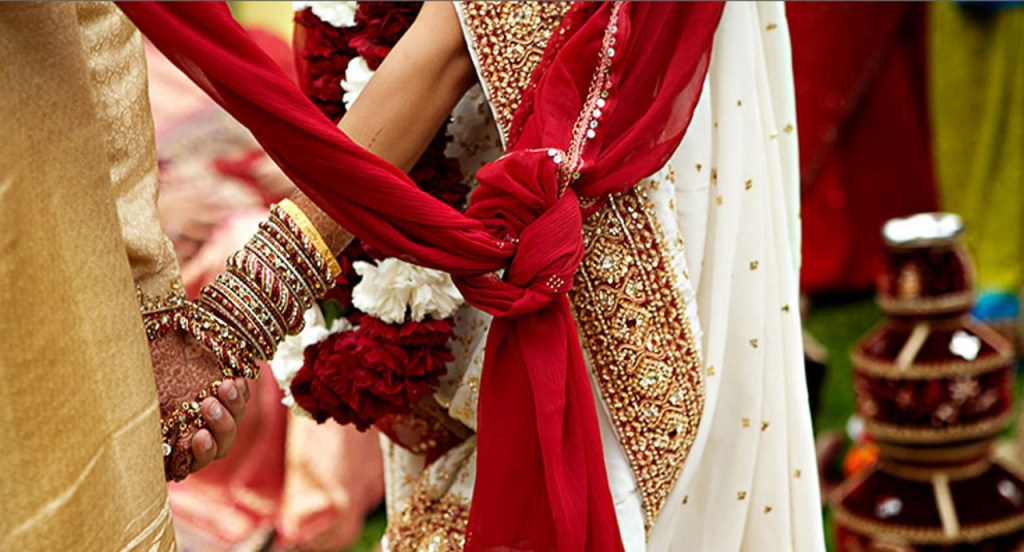
The Hindu marriage ceremony adheres to Vedic customs, including the three primary rituals of Kanyadaan, Panigrahana, and Saptapadi. The first involves the father giving the bride away, the second has the bride and groom linking hands in front of the fire, and the third involves completing seven circuits around the fire. However, not all rites are observed at every Hindu wedding. Different groups in Kerala and Tamil Nadu, for example, do not have a technique of lighting a fire, and their weddings often begin early in the morning and end by midday. Some rites, such as turmeric ceremony, take place in the morning in Bengal, while the major wedding ceremony takes place in the evening, according to the auspicious hour stated in the Almanac.

North India has the most elaborate wedding rites, which begin with the sagai (engagement) and can last for days when garlands are exchanged, a havan is performed, and the woman is forced to wear the Mangal Sutra. The application of vermillion is more important in East India, and the Lakshmi Narayan Puja is very important in Maharashtra.

All Hindu marriages are registered under the Hindu Marriage Act, 1955 or the Special Marriage Act, 1954.

2. Christian Marriage

Christian weddings are performed in a church by a minister or a priest under the Indian Christian Marriage Act of 1872. The beauty of Christian marriage in India is that a bride frequently chooses to wear the clothing of her culture rather than a gown. So, in Christian marriages in India, the bride wears traditional dress such as sarees, mekhlas, and traditional sarongs, while the groom often wears traditional attire with his best men. Among the types of marriages in India it is a Christian marriage that is a happy amalgam of Indian and Western cultures. The tradition of the feast, the toast and the bouquet are all followed sprinkled with indigenous traditions.

3. Sikh Marriage

Sikh weddings were formerly recorded under the Hindu Marriage Act, but are now registered under the Punjab Sikh Anand Karaj Marriage Act 2018. The Sikh wedding ceremony is basic. It is held in the Gurudwara. Before that, a ceremony called milni is held in which the bride’s and groom’s family meet. The bride and groom then take pheras around Guru Granth Sahib after reciting four short stanzas from their religious texts (Holy Scripture). The bride and groom dress up in extravagant traditional costume, and delicious food is served throughout the ceremonies.

4. Muslim Marriage

A Muslim marriage is governed by the Muslim Personal Law (Shariat) Application Act of 1937. In India, Muslim marriages adhere to Islamic customs. The bride and groom may choose to wear traditional Indian clothes, however the religious ceremony is typically carefully adhered to Islamic standards. The Maulavi performs the wedding ceremony known as the Nikah. Kanydan is also present during a Muslim wedding, followed by the reading of the Koran, the groom’s proposal, and the bride’s acceptance. Biriyani is a traditional wedding dish among Indian Muslims.

5. Parsi Marriage

The Parsi Marriage and Divorce Act of 1936 governs the legalisation and registration of Parsi marriages. Some of the traditions included in a Parsi marriage include the exchanging of silver coins between the bride’s and groom’s family. Following this ritual, the woman assumes the husband’s name. Three days before the wedding, the festivities continue, and on the fourth day, a wedding procession arrives to the bride’s residence, where the marriage is solemnised.

Following the wedding, the couple must eat from the same plate to symbolize their unity.

6. Buddhist Marriage

A Buddhist marriage is most likely the simplest kind of marriage in India. The Special Marriage Act of 1954 governs Buddhist marriages. There are no rigidly prescribed rites or elaborate ceremonies to be observed. True to its religious precepts, a Buddhist marriage stresses spirituality and the fulfilment of vows. A monk or Rinpoche generally performs the engagement solo. On the wedding day, the bride and groom, along with their respective families, attend the temple before the wedding ceremony, which is held in a different location.

A Buddhist wedding is a modest gathering to which only a few close friends and family are invited.

7. Jain Marriage

Buddhists and Jain can register their marriages under the Hindu Marriage Act of 1955 or the Special Marriage Act of 1954. These are two sorts of marriage acts that individuals of many religions might employ. Jain marriages have numerous rites that are comparable to Hindu nuptials, such as pheras and kanyavaran, but they also include a variety of Pujas and aarti.

The most significant tradition is that after the wedding, the bride and groom travel to a Jain Temple with their family members and feed the destitute there.

8. Court Marriage

Inter-caste and inter-faith marriages are a common occurrence in India. Many people who wish to skip religious rites choose judicial marriage under the Special Marriage Act of 1954. A 30-day notice is provided to the registrar, along with the bride and groom’s residence and birth information. Then, on the appointed day, they must appear at the registrar’s office with three witnesses to sign the legal paperwork and read the vows.

9. Mixed marriages

Many brides and grooms follow the rites of both faiths to solemnise their weddings in the case of inter-faith marriages. These marriages are governed by the Special Marriage Act of 1954, although it is customary to have a church wedding in the morning followed by a havan in the evening.

In a country with as diverse customs as India, mind-boggling rituals and traditional rites are unavoidable. However, there are primarily nine sorts of weddings that are widely solemnised in modern India, about which we just reported extensively.

DETERIORATING CONDITIONS OF INDIAN LITERATURE

India was not only a golden sparrow in the terms of treasure but it was also in the terms of art and literature। India has a very prosperous name in the fields of mathematics, astrology, science and many more. All the evidence is in the books written by various scholars of ancient time. This means that India has its roots very deep in the field of art and literature. 
Earlier, technology was not  advanced, there was no availability of televisions, phones and internet. Hence, people read books, newspapers, magazines etc.  From there the value of art and literature began to start. People were always fond of reading. Many used to wait for a week very eagerly for magazines like champak and others. The knowledge you get from literature is unforgettable. Poems and authors were liked and loved widely by the readers. 
The drive for freedom and independence was a result of people sharing poems and articles. Gandhiji, Bhagat Singh and many other freedom fighters motivated Indians to fight against Britishers with the help of articles and poems. There was an era when writings and writers had a great influence on society. There are many more examples which shows the importance of literature in Indian history. 
After independence, cinema and theatre began to develop in the country. Black and white television was introduced. Films were shot and played in theaters. Of course, there was a time when cinemas influenced the people greatly. People loved songs, movies and cinemas but the value of art and literature was at the same level. Movies of those time dealt with social problems, culture and status. However, movies were rarely seen. 
There was only one television in the village. And that too in the home of the richest man of the village. Reading book was quite cheaper than seeing cinemas. 
Times changed, era changed, situation changed and the field of interest changed. The internet became accessible very easily, people started spending more time on social media and other stuff. A time came when people became so fond of browsing the internet. They started using it in such a manner that it turned into a disadvantage to the entire society. The interest in art and literature vanished.  Authors and poets became lost. No identity, no attention was given to the authors, poets and their writings. 
People are getting attracted towards dance and music. No doubt! Dance and music are one of the most beautiful form of art which provides pleasure to the soul. Earlier too people were fond of music and dance, India is a land of unique diversity in various dance forms and various ragas of music. It's a beautiful thing to get attracted towards dance and music, but the sadness is that people are getting attracted towards bad music, item songs and dances which doesn't maintain the dignity of society.  Today every second song talks about women's body, insults women in one or the other way, and the reality is that people are loving it and encouraging such non social stuff. 
Today, people are ready to see a full movie of 3 hours, listen to a song of 5 minutes, and spend hours and hours on YouTube and various other social networking sites, but who is ready to read a few lines of a poet, an article of a writer? Of course no one.  No one has time to read or to understand the literature.  People are neither interested in reading early literature nor today's. 
Society, as well as the government, doesn't provide a good platform to authors, poets, speakers and litterateurs. For instance, there is a platform for upcoming poets and writers in school and colleges. What happens after college? After completing studies there is no platform for one who writes as a passion. On the social networking platform, people in their contacts are not at all interested in their writings. It is not even seen, especially by the young generation. A few in thousands are there who bother about it. 
For dancers, there is Dance India Dance. For singers,  there is Indian Idol. For various other artists such as painter, actor, mimicry etc, there is India Got Talent. What about poets, writers, speakers and debaters? Just kavi sammelans. None of them given an identity at national level except for a very few. 
No proper platform is given to these talented folks in India or anywhere in the world. Government too does not take any initiative. 
This will ruin the literature so badly, it's identity is going to be lost soon and the coming generation will have no idea about literature. 
Every talent is great, whether it is dance, music or writing. People should appreciate everything, and all artists must get equal platforms.