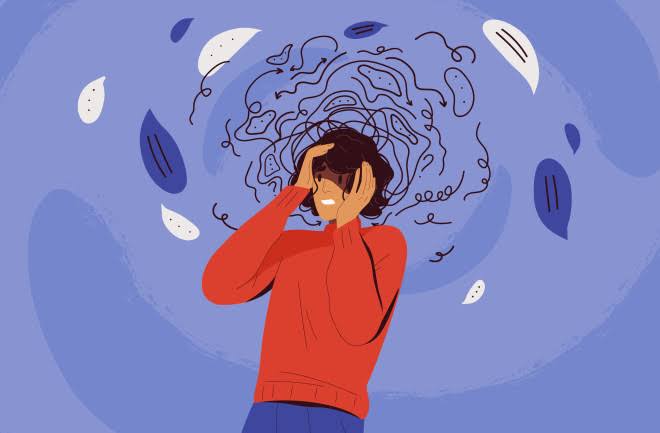
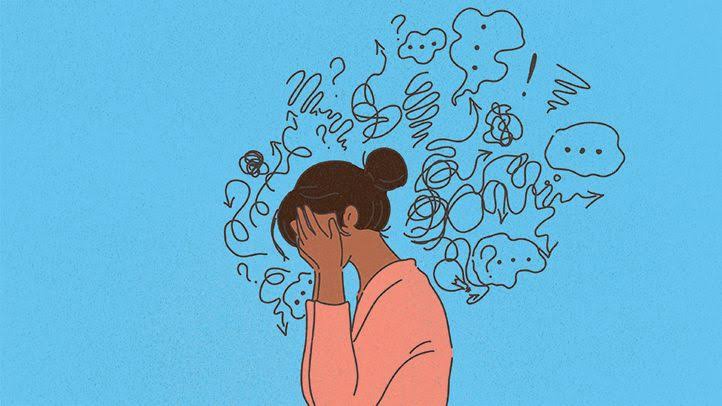
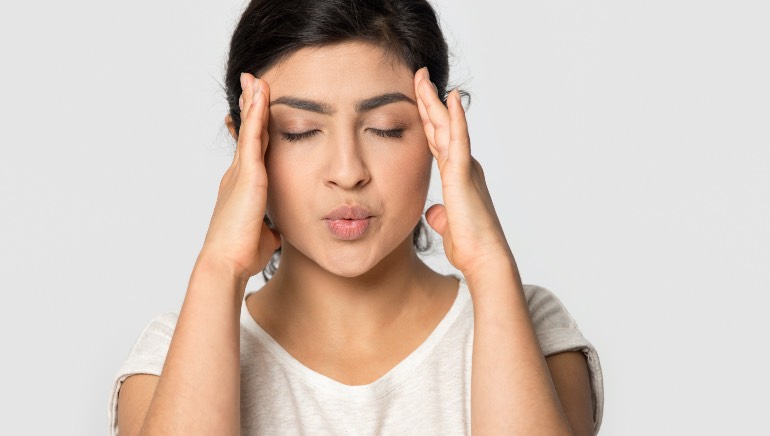
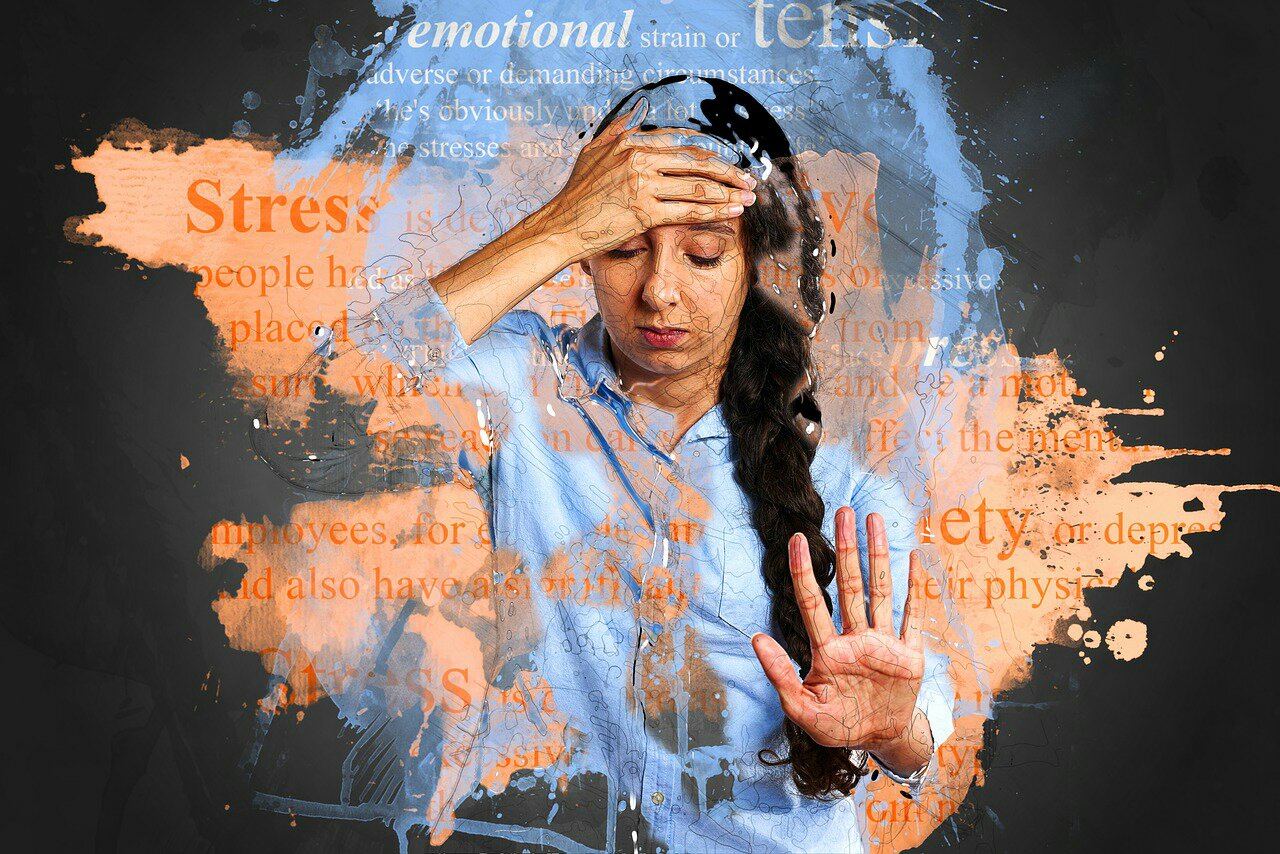
Myths and Facts about the most common mental illness: Anxiety

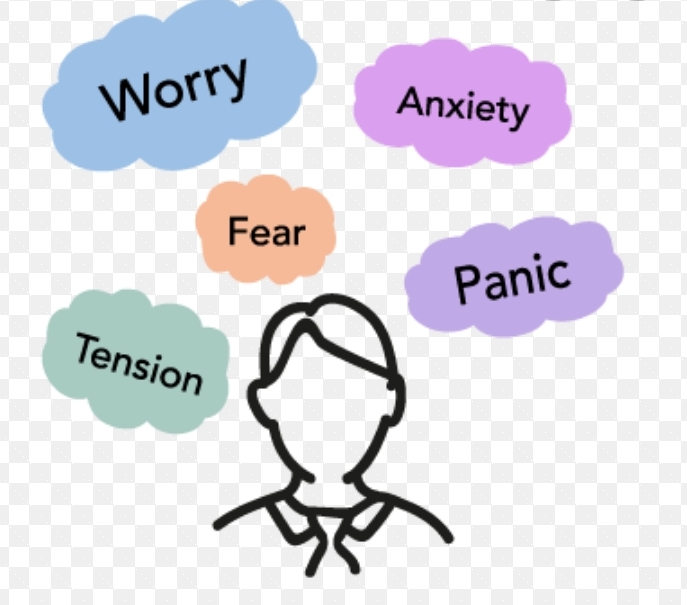
Remember the feeling of nervousness and fearfulness on the first day of school/when going for a job interview/when moving to another city/when giving your first speech? Well, if you do then that feeling my friend is called Anxiety. 

Anxiety is our body’s natural response to stress. It’s a feeling of fear or uncertainty about what’s to show up. However, if you feel anxious on a severe level and the feelings last longer than six months and are intruding with your life, you may have an anxiety disorder. 

Anxiety is the most common mental illness. Also, you have heard a lot of things about anxiety, out of them some are facts and some are myths. So, let’s have a look at some of the myths and facts about Anxiety:-

I) What are the types of Anxiety?

Myth: All anxiety is the same.

Fact: There are multiple different types of anxiety disorders.

Anxiety affects people differently. For some people, anxiety may only be experienced in certain situations, while others experience it more often. 

Common types of anxiety include:

★ General anxiety disorder

★ Panic disorder

★ Social anxiety disorder

★ Phobias

★ Obsessive-Compulsive Disorder

★ Post-Traumatic Stress Disorder

★ Separation anxiety

II) Who suffers from Anxiety?

Myth: Only adults suffer from anxiety. 

Fact: Anxiety affects both children and adults. 

The more Anxiety is common in Adults, the same it is for children. According to the Centers for Disease Control and Prevention (CDC), around 4.4 million children aged 3-17 have been diagnosed with anxiety. 

Anxiety can affect children by causing; children behavioral, emotional, and physical symptoms, similar as they can in adults. 

III) How serious is Anxiety? 

Myth: It is not a big deal. 

Fact: Anxiety can cause serious health problems. 

As mentioned above anxiety can be different for everyone. Anxiety becomes a problem when it starts intruding on your day-to-day life. 

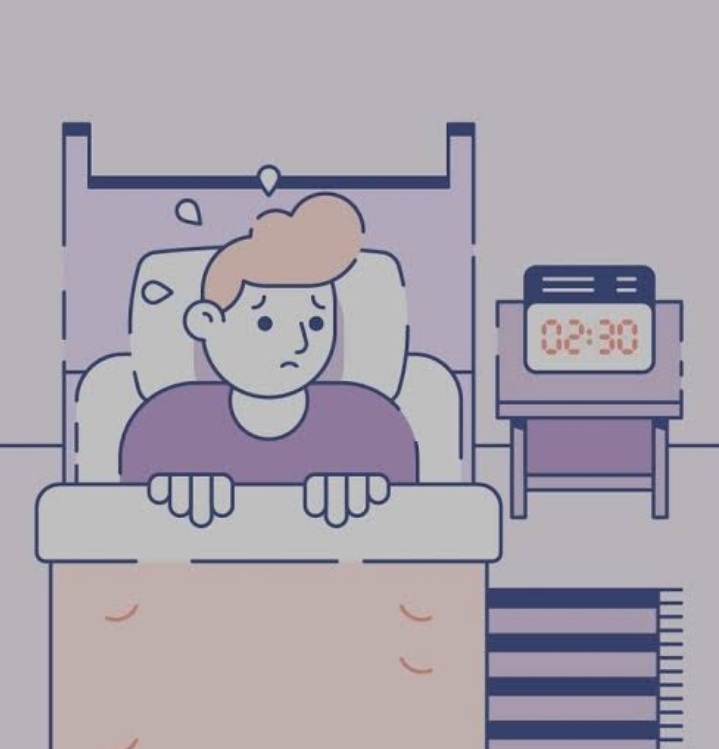
Anxiety can cause emotional and behavioral problems like worries and fears. Also, it can cause physical problems like rapid breathing, sweating, headaches, and tense muscles. It also affects eating and sleeping patterns.

IV) Anxiety and Depression

Myth: Anxiety and depression are not related.

Fact: Many people who suffer from anxiety also undergo depression. 

It is common to have both anxiety disorder and depression at the same time. 50% of people undergoing depression are also diagnosed with anxiety disorder, according to the Anxiety and Depression Association of America (ADAA). 

Also, according to ADAA, anxiety is linked with numerous other mental and health conditions:

★ Headaches

★ Irritable bowel syndrome

★ Chronic pain

★ Eating disorders

★ Sleep disorders

★ Substance abuse

★ Bipolar disorder

★ Attention-deficit/hyperactive disorder

★ Fibromyalgia

Anxiety is a concerning issue, stop believing in myths, check your facts. And if it has started intruding your life, consult a doctor. 

PROCRASTINATION

Procrastination is one of the most significant roadblocks to waking up, making the proper decisions, and living the life you’ve imagined.

According to recent studies, people regret the things they haven’t done more than the things they have done. Furthermore, regret and guilt associated with squandered opportunities tend to linger considerably longer. All of our opportunities appear to be at our fingertips at times, but we can’t seem to get to them. When you procrastinate, you are wasting time that could be spent on something more productive. If you can defeat this formidable foe, you will be able to achieve more and better harness the potential that life has to offer.

We already know that today’s world encourages procrastination, making understanding how to fight it one of the most valuable skills you can acquire. As a result, procrastination is the polar opposite of punctuality. A punctual person accomplishes what has to be done exactly when it needs to be done; a dilatory person never does anything when it needs to be done, preferring to postpone it until tomorrow, next week, or next year. If procrastination is not firmly checked, it quickly develops into a poor habit, making punctual performance of everyday responsibilities impossible. It could be due to simple laziness and a reluctance to work when it is inconvenient, or it could be due to the delusion that there will be enough time in the future to do all of our tasks.

How can you overcome procrastination?

Stop being so pessimistic: People delay for a variety of reasons, one of which is that they catastrophize, or make a big deal out of a minor issue. The underlying idea is that executing the activity will be “unbearable.” It could be related to how difficult, boring, or painful it will be to do the task. Challenges, monotony, and hard labour, in actuality, will not kill you, nor will they make you sick. Procrastination, on the other hand, is linked to stress—imagine how stressed you are when you put off making a phone call you know you need to make. Put things in perspective: “This isn’t my favourite task, but I’ll finish it.”

Concentrate on your “why”: Procrastinators are more concerned with short-term rewards (avoiding the task’s unpleasantness) than with long-term outcomes (the stress of not doing it, as well as the consequences of avoiding this task). Instead, concentrate on why you are performing this task: What are the advantages to finishing it? Imagine how good it will feel to go into a decluttered closet if you’ve been putting off clearing it out.

Keep your expectations in check: Set yourself up for success as you create your schedule. Projects can take far longer than anticipated, so plan ahead. Also, search for ways to make your life easier: If you’re not a morning person, don’t expect to get up an hour earlier to begin a fitness regimen you’ve been putting off for months. That exercise might be better scheduled during lunch or before dinner.

Chunk it: When a task appears to be too demanding, procrastination is common. So, how do you divide that project down into smaller, more manageable chunks? If you want to write a book, for example, you could prepare an outline, identify each chapter, determine the portions inside each chapter, and then commit to writing one segment at a time. Things will make you feel less overwhelmed and more empowered if you break it down like this.

Optimize your environment: Your surroundings can either help or hurt your productivity. Keep an eye out for technology that keeps pinging to let you know someone has contacted you, such as your email or messenger. Procrastination can be caused by social media, internet “research” that takes you off course, and phone calls.

Forgive yourself: Stop berating yourself for the mistakes you’ve made in the past. Things will only get worse if you think things like “I should have begun sooner” or “I always procrastinate; I am such a failure.” According to research, forgiving yourself for past procrastination can help you stop procrastinating on a task. You can also try to capitalise on previous procrastination. How? Determine what caused your avoidance—fear, stress, a lack of understanding of how to move forward, a lack of accountability, and so on. Then, in the present and future, confront those difficulties

How to cope up with “Anxiety”.

More than 10million cases are roaming here and there in India every year, and how can we say that it’s a very common disorder that people suffer from.

What is anxiety?

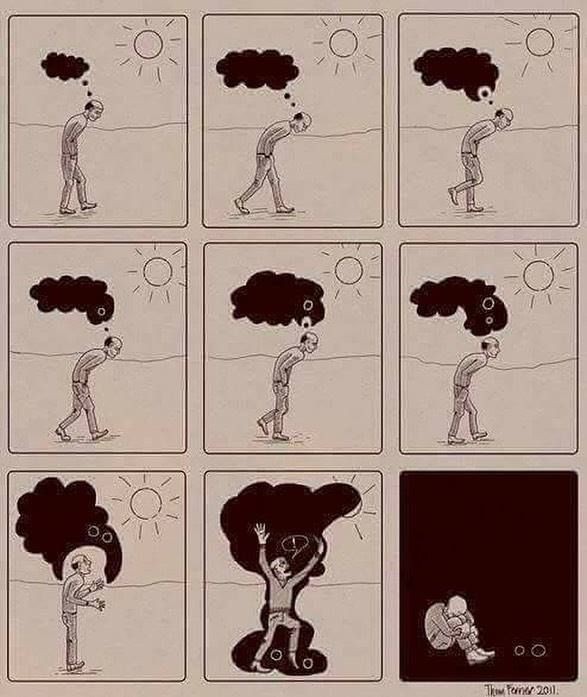
Well, anxiety is an emotion of fear, worry, and nervousness? When it responds it’s a feeling of fear or uncertainty about what is going to happen. It is your mind that tricks you or we can say when these kinda things happen. Usually, we control our minds but when the mind controls us this type of illness happens.

Most people suffer from anxiety and stress over time. Stress is any pressure placed on your brain or physical body, people can report feeling pointed up when many competing demands are placed on them. Anxiety and stress are not bad at all times, it can help you conquer a challenge or dangerous situation.

Mental health illnesses like anxiety can be characterized by feelings of worry, these are very strong enough to obstruct one’s daily activities. Once it gets started, then it will affect you in your daily life.

Worrying about finding a job, being embarrassed in certain social gatherings, feeling nervous before the examination, or having some personal relationship problems. Apart from all this, we can say that these were some examples of getting caught in the hands of Anxiety and stress.

Your mind is playing with you, it’s a natural thing, and if it’s so then you’re avoiding problems due to unreasonable fears, worrying more
often, or experiencing severe anxiety constantly for weeks and now it’s time to seek help.
If you see, mental illness is a type of health condition where we can see changes in feeling, reasoning, or attitude and it is correlated with distress or problems functioning in social, job, or family activities.

We are talking about how to cope with anxiety. So, let us show you how to deal with your Anxiety using “coping skills”.

Coping Skills:

Coping skill is the skill that uses cognitive and behavioral techniques to regulate the needs of a situation when these are appraised as taxing or overstepping someone’s reserves or to lower the negative emotions and disputes which were affected by stress. Managing your anxiety well can help you feel better physically and psychologically.

These are some coping strategies that can help you to deal with your anxiety.

Take a break.

When you’re suffering from anxiety, you don’t have any control over yourself, your mind overlooks you and you’ll feel disturbed. So, take a break, you can practice yoga, meditation can also make you calm as well. Breathing suitably can make you fight problems such as hyperventilation or chest tightness caused by anxiety. Having a nice massage can be a nice way to reduce anxiety, soothing music can also make you less anxious. With all these relaxation techniques, Aromatherapy and Hydrotherapy can also help you to reduce anxiety.

Eat Properly.

While suffering from stress or anxiety you have fewer cravings, you just start to miss your meals, and if you’re doing so then just stop it. Start to eat and make sure you eat healthily and regularly, don’t miss any of your meals, and make sure you drink water in more quantity, limit your alcohol and caffeine intake, or if it’s possible then just stop consuming these things which can create panic attacks. More water can reduce the level of anxiety and stress if you’re in a hurry or you have work to do. Just bring out some healthful and energy-boosting snacks on your hand.

Sleep is essential.

When you’re under stress your body needs more sleep than usual, so if your body needs extra sleep then just go with the flow. Stop thinking to stop all the things which are coming into your mind and making you overthink or making you desperate about anything. Just make sure you’re breathing properly, inhale, and exhale gradually, do it every day if you want.

Fitness suggestions.

Try to include at least 2 and half hours of moderate-intensity physical activity, for eg. brisk walking each week, 2 hours of an effective -intensity activity (such as jogging or swimming laps), or try to jog, walk, bike, or dance three to five times a week for 30 minutes.

Rather than perfect workouts, put small daily goals for aiming daily consistency to make yourself feel better. It’s fine to walk or run every day for 30 minutes instead of thinking of running in a half-day marathon. With a portable media player, you can also download your favorite audiobooks, podcasts, and music. If you’re doing your exercise then you should find a way to make it enjoyable.

If you’re kind of an introverted person, then try to find some forms of exercise that create excitement and are more enjoyable for you. You should also find an “exercise buddy”. With whois gets easier to stick with your exercise when you’re committed to your friend, beloved, or anyone of your loved ones.

And be patient, more than an exercise it’s about being considerate in all fields of your life. Being like this will adore you with all the prosperity and wellness in your personality as well as in your life. Don’t stop working on yourself, you don’t know how beautiful you are.

Fitness Suggestions.

Try to include at least 2 and half hours of moderate-intensity physical activity, for eg. brisk walking each week, 2 hours of an effective -intensity activity (such as jogging or swimming laps), or try to jog, walk, bike, or dance three to five times a week for 30 minutes.

Rather than perfect workouts, putting small daily goals for aiming daily consistency to make yourself feel better. It’s fine to walk or run every day for 30 minutes instead of thinking to run in a half-day marathon. With a portable media player you can also download your favorite audiobooks, podcasts, and music, if you’re doing your exercise then you should find a way to make it joyful.

If you’re kind of an introverted person, then try to find some forms of exercise that make create excitement and are more enjoyable for you. You should also find an “exercise buddy”. With whom it gets easier to stick with your exercise when you’re committed to your friend, beloved, or anyone of your loved ones.

And be patient, more than an exercise it’s about being considerate in all fields of your life. Being like this will adore you with all the prosperity and wellness in your personality as well as in your life. Don’t stop working on yourself, you don’t know how beautiful you are.

Encounter your illness.

To trigger your anxiousness, count to 10 slowly or you can count till 20. And try to follow the 3-3-3 rule, in this rule you need your ankle, fingers, and your arm, whenever you feel that your brain is moving very fast accordingly this trick can help you to center your mind.

Just try to evaluate yourself, don’t think about anything bad or about something that never happened to you or will happen to you. This is not you, your mind is tricking you to overthink about it, but you’ve to fight it.

Every time, when you overthink something just ask yourself, Is it as bad as we think? Your soul will tell you the answer, ‘No’ it isn’t. No matter what your mind says, just put everything in a viewpoint and you will know the answer.

Keeping a positive attitude and good humor will make you live happily and will make you less overthink about the things which are causing trouble to you. Believe that, you were not like that and now whatever it is, it’s not you. Be confident about yourself, make a positive effort to replace negative emotions, opinions, and thoughts, and try to be in a circle with positive people.

Make yourself involved in the works or activities you love or you can be a volunteer. But, just try to be effective in a way that you feel light, active and make you fall in love with the work you do. More than that it builds a support network and gives you a break from everyday stress.

You can start journaling to recognize the problems, it can be your work, family, social gatherings or it is something else. Whatever it is you’ll find the way.

Don’t get introverted with yourself, keep in mind that you’re not an individual, when your loved ones love you or if they are worried about you. Talk to them about your problems, start to share about everything which is making you stop. Discuss what to do further, just don’t compare yourself with your loved ones while having these types of discussions.

And if there’s nothing then just confess that how much you love them, how and why you’re feeling overwhelmed to have them in your life. Tell everything about what you wanted to tell from a long time. Because, there is no one else apart your family, friends and your beloved.

So these were the ways to cope up with your anxiety, and thank you so much for reading this blog and if you want to see blogs and news like this, stay connected to eduindex.org


Doping – How is it Affecting Sports?
“Science has learned recently that contempt and indignation are addictive mental states. I mean physically and chemically addictive. Literally! People who are self-righteous a lot are apparently doping themselves rhythmically with auto-secreted surges of dopamine, endorphins and enkephalins. Didn’t you ever ask yourself why indignation feels so good?”

~ David Brin

Introduction

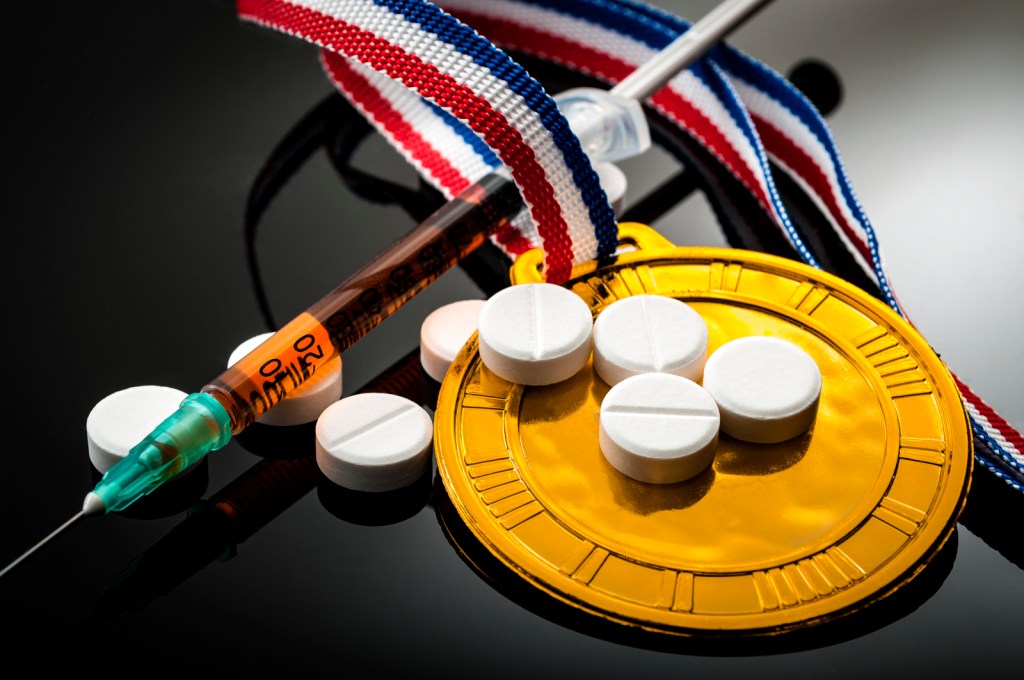
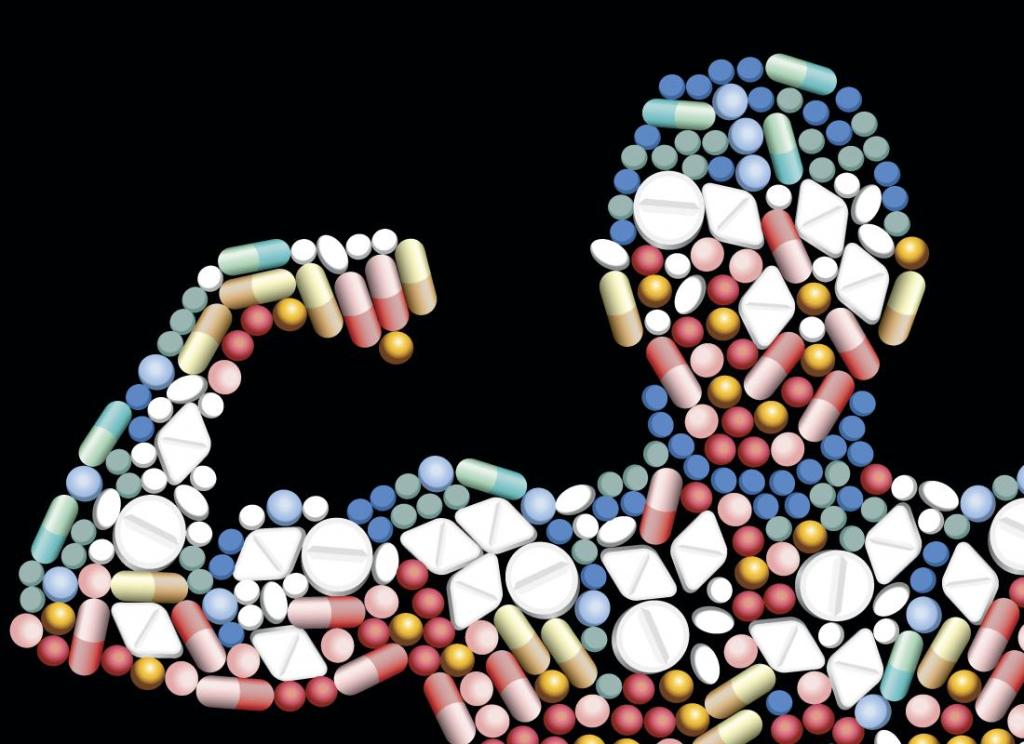
Doping in sport is a widespread problem not just among elite athletes, but even more so in recreational sports. In scientific literature, major emphasis is placed on doping detection, whereas detrimental effects of doping agents on athletes’ health are seldom discussed. Human growth hormone also increases muscle mass, although the majority of that is an increase in extracellular fluid and not the functional muscle mass.

The term doping is widely used by organizations that regulate sporting competitions. The use of drugs to enhance performance is considered unethical, and therefore prohibited, by most international sports organizations, including the International Olympic Committee.

History

According to the World Anti-Doping Agency (WADA), the term “doping” probably comes from the Dutch word “dop,” an alcoholic beverage made of grape skins that was used by Zulu warriors to make them stronger in battle.

Ancient Greek athletes used special diets and stimulating potions to improve performance, and 19th century endurance athletes indulged in strychnine, caffeine, cocaine and alcohol.

The American specialist in doping, Max M. Novich, wrote: “Trainers of the old school who supplied treatments which had cocaine as their base declared with assurance that a rider tired by a six-day race would get his second breath after absorbing these mixtures.”[8] John Hoberman, a professor at the University of Texas in Austin, Texas, said six-day races were “de facto experiments investigating the physiology of stress as well as the substances that might alleviate exhaustion.”

Effects of doping in sports

It builds muscle but causes abnormal growth, heart disease, diabetes, thyroid problems, hypertension, blood cancers and arthritis. Other adverse effects include joint pain, muscle weakness, visual disturbances, enlarged heart and diabetes.

Other side effects include:

  • Heart palpitations.Heart rhythm abnormalities.
  • Weight loss.
  • Tremors.
  • Mild high blood pressure (hypertension)
  • Hallucinations.
  • Stroke.
  • Heart attack and other circulatory problems.
  • Constipation.Skin rash or dermatitis.
  • Diarrhea.
  • Dizziness.
  • Drowsiness.
  • Dry mouth.
  • Headache.
  • Insomnia.

UFC ( Ultimate Fighting Championship ).

In December 2013, the UFC began a campaign to drug test their entire roster randomly all year-round. Random testing, however, became problematic for the promotion as it began to affect revenue, as fighters who had tested positive would need to be taken out of fights, which adversely affected fight cards, and therefore pay-per-view sales.

According to Steven Marrocco of MMAjunkie.com, about 31% of UFC fighters subjected to random testing since the program first started have failed due to using performance-enhancing drugs. That is approximately five failed tests for every sixteen random screenings.

From July 2015, the UFC has advocated to all commissions that every fighter be tested in competition for every card. Lorenzo Feritta, who at the time was one of the presidents of the UFC, said, “We want 100 percent of the fighters tested the night they compete”. Also, in addition to the drug testing protocols in place for competitors on fight night, the UFC conducts additional testing for main event fighters or any fighters that are due to compete in championship matches.

Link

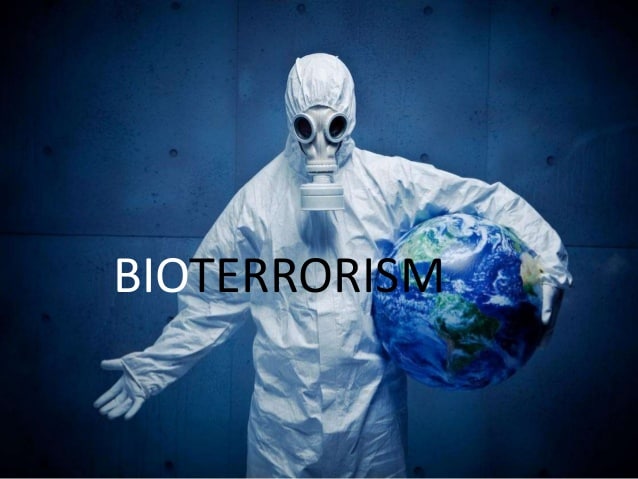
Bioterrorism

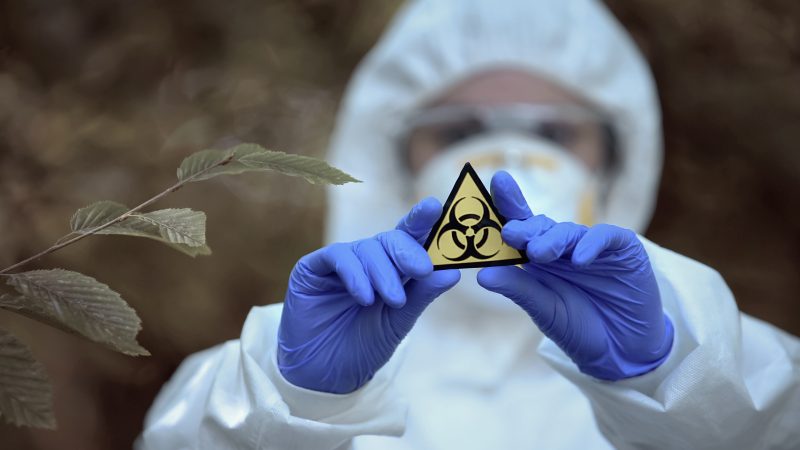
From the past two decades , it is stated that the threat of biological warfare is not a myth but a harsh reality of the world . Due to the outbreak , we can recognise the high risk and consequences of bioterrorism.

This editorial provides you the overview of bioterrorism , it’s symptoms , causes , measures and impact on humans in present scenario .

Introduction

A bioterrorism attack is the deliberate release of viruses, bacteria, or other germs to cause illness or death. These germs are often found in nature. But they can sometimes be made more harmful by increasing their ability to cause disease, spread, or resist medical treatment.

Biological agents spread through the air, water, or in food. Some can also spread from person to person. They can be very hard to detect. They don’t cause illness for several hours or days. Scientists worry that anthrax, botulism, Ebola and other hemorrhagic fever viruses, plague, or smallpox could be used as biological agents.

Despite patchy intelligence, France started its own biological weapons programme in the early 1920s. It was headed by Auguste Trillat, an inventive German-educated chemist who envisioned and tested the sustained virulence of airborne pathogens.

The goal of bioterrorism is usually to create fear and/or intimidate governments or societies for the purpose of gaining political, religious, or ideological goals. Bioterrorism may have a different effect on societies than would weapons such as explosives.

Symptoms

The symptoms of exposure to a biological agent might include sore throat, fever, double or blurred vision, rash or skin blisters, exhaustion, difficulty talking, confusion, descending muscle weakness, nausea, abdominal pain, vomiting, diarrhea, and coughing.

History

Historically, biological weapons have been a threat to humans for many centuries. At those times, very crude methods such as fecal matter, animal carcasses, etc. were used to contaminate water sources, but now the concentrated forms of biological agents such as dried spores and genetically modified organisms are available, which are fatal even in minute quantity.

During the Indo-Pakistan war of 1965, a scrub typhus outbreak in north-eastern India came under suspicion. India’s defense and intelligence outfits were alert to the outbreak of pneumonic plague – well known in biological warfare – in Surat and Bubonic plague in Beed in 1994, which caused several deaths and sizeable economic loss.

Prevention

There are some points that you need to consider during the outbreak :

  • If you become aware of a suspicious substance, quickly get away.
  • Cover your mouth and nose with layers of fabric that can filter the air but still allow breathing. Examples include two to three layers of cotton such as a t-shirt, handkerchief or towel.
  • Depending on the situation, wear a face mask to reduce inhaling or spreading germs.
  • If you have been exposed to a biological agent, remove and bag your clothes and personal items.
  • Follow official instructions for disposal of contaminated items.
  • Wash yourself with soap and water and put on clean clothes.
  • Contact authorities and seek medical assistance. You may be advised to stay away from others or even to quarantine.
  • If your symptoms match those described and you are in the group considered at risk, immediately seek emergency medical attention.
  • Follow the instructions of doctors and other public health officials.
    Avoid crowds.
  • Wash your hands with soap and water frequently.
  • Do not share food or utensils.

Link

Renewable resources .

Replacing traditional sources of energy completely with renewable energy is going to be a challenging task. However, by adding renewable energy to the grid and gradually increasing its contribution, we can realistically expect a future that is powered completely by green energy.

– Tulsi Tanti

A way to live a new life . Without any destruction , without worrying about the future . Live a life where we can grow together , develop a life with renewable resources.

Introduction

A renewable resource, also known as a flow resource, is a natural resource which will replenish to replace the portion depleted by usage and consumption, either through natural reproduction or other recurring processes in a finite amount of time in a human time scale.

When such recovery rate of resources is unlikely to ever exceed a human time scale, these are called perpetual resources. Renewable resources are a part of Earth’s natural environment and the largest components of its ecosphere. A positive life-cycle assessment is a key indicator of a resource’s sustainability.

Renewable resources are an energy source that cannot be depleted and are able to supply a continuous source of clean energy.

Renewable resources also produce clean energy, meaning less pollution and greenhouse gas emissions, which contribute to climate change.

Examples of renewable resources.

  • Biomass .
  • Biogas.
  • Tidal Energy.
  • Wind Energy.
  • Geothermal Energy.
  • Radiant Energy.
  • Hydro Electricity.
  • Compressed Natural Gas.

Types of renewable resources.

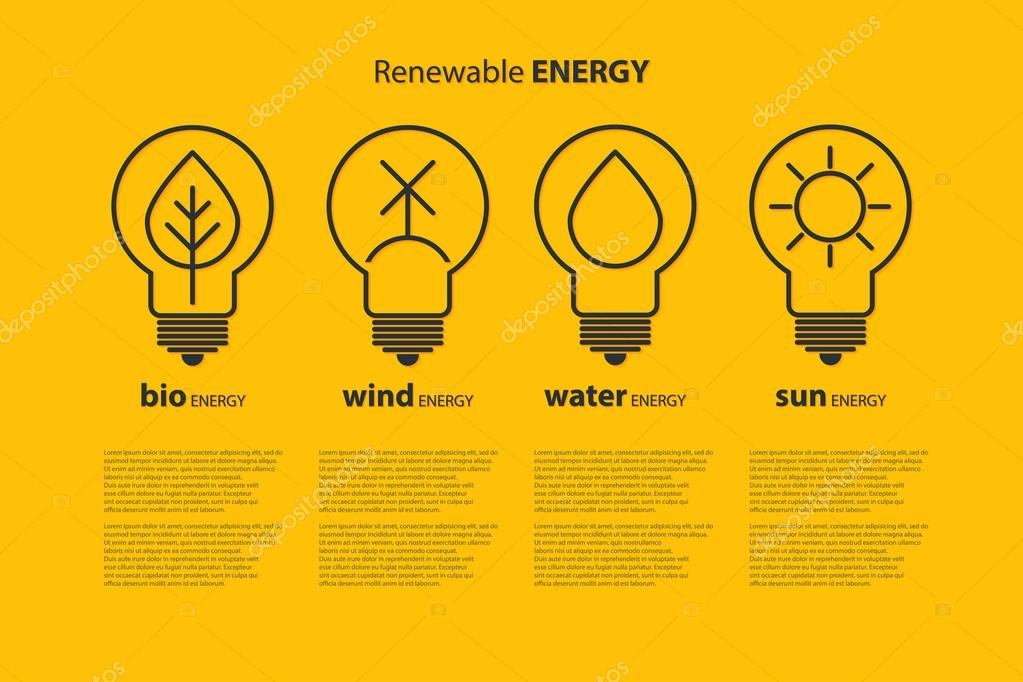
1) Solar energy. Sunlight is one of our planet’s most abundant and freely available energy resources. 2) Wind energy. Wind is a plentiful source of clean energy. 3) Hydro energy.
4) Tidal energy.
5) Geothermal energy. 6) Biomass Energy.

Impact of renewable resources.

Environmental impact

Renewable energy projects have also contributed in improving environmental impacts such as reduction of carbon dioxide gas, awakening community about the climate change. The study observed very small impacts on the people living in a particular area, tourism, cost of energy supply, and educational impacts. Significant impacts were observed in improvement of life standard, social bonds creation, and community development. They also observed that the renewable energy projects are complex to install and are local environmental and condition sensitive. Their forecasting, execution, and planning require more consideration and knowledge as compared to other projects.

Social impact

These resources also provide social benefits like improvement of health, according to choice of consumer, advancement in technologies, and opportunities for the work, but some basic considerations should be taken for the benefit of humans, for example, climate conditions, level of education and standard of living, and region whether urban or rural from agricultural point of view. Social aspects are the basic considerations for the development of any country. The following social benefits can be achieved by renewable energy systems: local employment, better health, job opportunities, and consumer choice.

Advantages of renewable resources.

  • Renewable energy won’t run out.
  • Maintenance requirements are lower.
  • Renewables save money.
  • Renewable energy has numerous health and environmental benefits.
  • Renewables lower reliance on foreign energy sources.
  • Higher upfront cost.
  • Intermittency.
  • Storage capabilities.

Conclusion

Renewable energy is becoming an important resource in all over the world . I do agree that people might exploit the resources for there own benefit . But the government is working on that aspect and trying to provide resources that can help our future households .

There are a lot of different ways of building a prosperous society, and some of them use much less energy than others. And it is possible and more practical to talk about rebuilding systems to use much less energy than it is to think about trying to meet greater demands of energy through clean energy alone.

– Alex Steffen

Link

The Link Between Anxiety and Perfectionism

Everyone knows at least one perfectionist. They’re hyper-critical of their own work, almost to a fault. And according to a growing body of research, there’s a good chance they also suffer from an anxiety disorder. The very nature of a perfectionist makes them particularly susceptible to the illness.

Here’s what can be done about it: –

🔺on the surface, perfectionism doesn’t seem like such a bad thing. It keeps you focused and motivated. It also helps you consistently produce work of the highest quality.

🔺on the other hand, it also has the potential to wear significantly on one’s psyche. The impossibly-high standards perfectionists set for themselves can lead to a distorted sense of self-worth, in addition to high levels of stress. And that, in turn, can easily spiral into an anxiety disorder.

🔺It’s not just anxiety, either. Perfectionism has been linked to numerous other mental illnesses in medical research, including bipolar disorder, severe depression, and even suicidal ideation. In other words, if you’re a perfectionist and let your tendencies control you, they can literally kill you.


Worse still, there’s evidence that being a perfectionist doesn’t even afford you a significant advantage over non-perfectionists in the workplace. Per the Harvard Business Review:

“Our results showed that performance and perfectionism were not related to each other – perfectionists are not better or worse performers than non-perfectionists. Even employees high in excellence-seeking perfectionism were not better performers…taken as a whole, our results indicate that perfectionism is likely, not constructive at work.”

Scaling back on toxic perfectionism and setting healthy boundaries for yourself starts with understanding the source of your behaviour. As noted in health publication medical news today – which itself cited a landmark psychological work published several decades ago – there are three primary sources of perfectionism. These are:

 1◾Self-oriented.
You hold unrealistic expectations for yourself and are extremely critical of your own work. This could be caused by a negative experience at some point in your life, or simply a series of habits developed over time and linked to mental illness.
2◾ Socially-prescribed.
You believe that your peers are extremely critical and that you must be perfect in order to gain their approval.
3◾Other-oriented.
You set impossibly high standards for the people around you. This form of perfectionism isn’t exactly relevant to our discussion here, though it can occasionally overlap with one of the other two.
🔹Positive self-talk is the second step in overcoming toxic perfectionism. Understanding how your own tendencies manifest will help you structure it in the right way. Whenever a toxic belief or thought manifests in your mind, counter it with a positive one.
In other words, be compassionate towards yourself. Understand that your self-worth is not tied to your performance in the workplace or your ability to turn out flawless work. You have value as a person beyond your output.
And if self-talk alone isn’t enough to help you, know that there’s no shame in seeking help from a trained professional. Everyone could use therapy now and then.

Drugs : you choose , you loose .

Addiction is just a way of trying to get at something else. Something bigger. Call it transcendence if you want, but it’s a rat in a maze. We all want the same thing. We all have this hole. The thing you want offers relief, but it’s a trap.

DRUGS ” A five letter word that is destroying human race. A word that could get you to the cloud nine and than kick you from the top.

What do you think it is ?

Is it a pleasure or a pain ?

Some says ‘it gives you wings ‘, others says ‘it makes you insane ‘ . What would you do , if someone is taking drugs ? Well , I would fly (its a joke ).

Ok , Let’s just get over with the topic .

Introduction

All the suffering, stress, and addiction comes from not realizing you already are what you are looking for.

– Jon Kabat-Zinn

Drugs are substances that change a person’s mental or physical state. They can affect the way your brain works, how you feel and behave, your understanding and your senses. This makes them unpredictable and dangerous, especially for young people.

Drug addiction is a chronic brain disease. It causes a person to take drugs repeatedly, despite the harm they cause. Repeated drug use can change the brain and lead to addiction. That can destroy one’s life .

Signs that shows someone has a drug problem

  • Changing friends a lot .
  • Spending a lot of time alone.
  • Losing interest in favorite things.
  • Not taking care of themselves – for example, not taking showers, changing clothes, or brushing their teeth.
  • Being really tired and sad.
  • Eating more or eating less than usual.
  • Being very energetic, talking fast, or saying things that don’t make sense.
  • Being in a bad mood.
  • Quickly changing between feeling bad and feeling good.
  • Sleeping at strange hours.
  • Missing important appointments.
  • Having problems at work or at school.
  • Having problems in personal or family relationships.

If a person shows these signs than he / she is using drugs . But it’s not , it’s a probability . The person may or may not be using drugs . For the assurance you have to ask the person (well they can lie ) . Take them for the blood test . It will show if the person is taking drugs or not . It’s a simple procedure .

Why can’t people stop using drugs on their own?


Repeated drug use changes the brain, including parts of the brain that give a person self-control. These and other changes can be seen clearly in brain imaging studies of people with a drug addiction. These brain changes explain why quitting is so difficult, even when an addicted person feels ready.

Many people are compelled to enter treatment by the pressure of their family, friends, or a court system. People of all ages with substance use disorders live in fear of what will happen if their drugs are taken away.

Due to the addiction , they experience a variety of physical and emotional withdrawal symptoms, including depression, anxiety, and other mood disorders; restlessness, and sleeplessness . It may lead you to the death bed .

Treatment :

Counseling and other behavioral therapies are the most commonly used forms of treatment. Medications are often an important part of treatment, especially when combined with behavioral therapies. Treatment plans must be reviewed often and modified to fit the patient’s changing needs.

  • Rational Emotive Behavior Therapy.
  • Cognitive Behavioral Therapy.
  • Detoxification.
  • Treatment with Medication.
  • 12-Step Facilitation.

One of the hardest things was learning that I was worth recovery.

Link

Is it your anxiety .

“Your mind will answer most questions if you learn to relax and wait for the answer.”

—William S. Burroughs

Am I losing my mind or its just my mind playing tricks ?

In the world , where people are ready to fight against their competitor . What will happen when you loose ?

Or didn’t get what you desire the most ?

Would you accept the reality or choose to mourn for your loss.

Introduction

Do you ever feel anxious about going to the new place or meeting with new people ?

Do you ever feel the numbness in your body when you lost something or someone ?

Have you ever get overwhelmed by your fears ?

So what do you call it .

Is it an anxiety disorder?

Well hold your horses because it’s not . Like really we all feel anxious , hesitation , numbness , fear in our life . But if you think it’s an anxiety disorder . It’s a big NO .

If you want to know what is anxiety disorder and how to differentiate it from normal anxiety . You have to ask me .

SO . ASK . ME .

Well if you don’t ask me then also I will tell you .

When we feel something is crawling on our leg but didn’t find a thing . Instead of sleeping peacefully , we think of possible aspects that will make our night hell .

Well it happened with me and guess what , I always wake up middle of the night and try to find the invisible ghost ( is it only me who thinks about these weird things or it happened with you as well .)

Anxiety is when these types of situations happened only single time , maybe 2 or 3 times. But when these kind of situations happened every time whenever you sleep than maybe you have Anxiety Disorder.

What is Anxiety Disorder?

Let’s get to know about the Father before we get to know about the Son .

Anxiety is a feeling that comes and goes, but does not interfere with your everyday life.This type of anxiety is unpleasant, but it may motivate you to work harder and to do a better job.

But what about Anxiety Disorder . Well I am explaining just have some patience . You know patience is the virtue of life .

Yes , we were talking about the Son . I mean Anxiety Disorder . It is the feeling of fear may be with you all the time. It is intense and sometimes debilitating. These type of anxiety can cause more damage than you think about.

You will stop enjoy everything . In extreme cases you stop socialising with other and if it left untreated, it may be worse like you will kill yourself.

According to the APA ( American Psychiatric Association) , women are more likely than men to be diagnosed with an anxiety disorder.

Types of Anxiety Disorder

  • Panic Disorder .
  • Phobia .
  • Social Anxiety Disorder.
  • Separation Anxiety Disorder.
  • PTSD (Post Traumatic Stress Disorder.)
  • Illness Anxiety Disorder .

In present world , PTSD is most likely to be found in the women rather than men. It happens when a person goes through some traumatic experience.

Symptoms:

  • Increased heart rate.
  • Rapid breathing.
  • Restlessness.
  • Trouble concentrating.
  • Difficulty falling asleep.
  • Stop trusting.
  • Worried about small things .

Remedies :

  • Getting enough sleep.
  • Meditating.
  • Staying active and exercising.
  • Eating a healthy diet.
  • Staying active and working out.
  • Avoiding alcohol.
  • Avoiding caffeine.
  • Quitting smoking cigarettes.

Conclusion :

Anxiety Disorder can be found in anyone from 5 year old boy to 80 year old woman or from 15 year old girl to 50 year old man. It may be cured , only if it treated properly . If not , it can cause some serious issue .

What lies behind us and what lies before us are tiny matters compared to what lies within us.

—Henry Stanley Haskins

Link

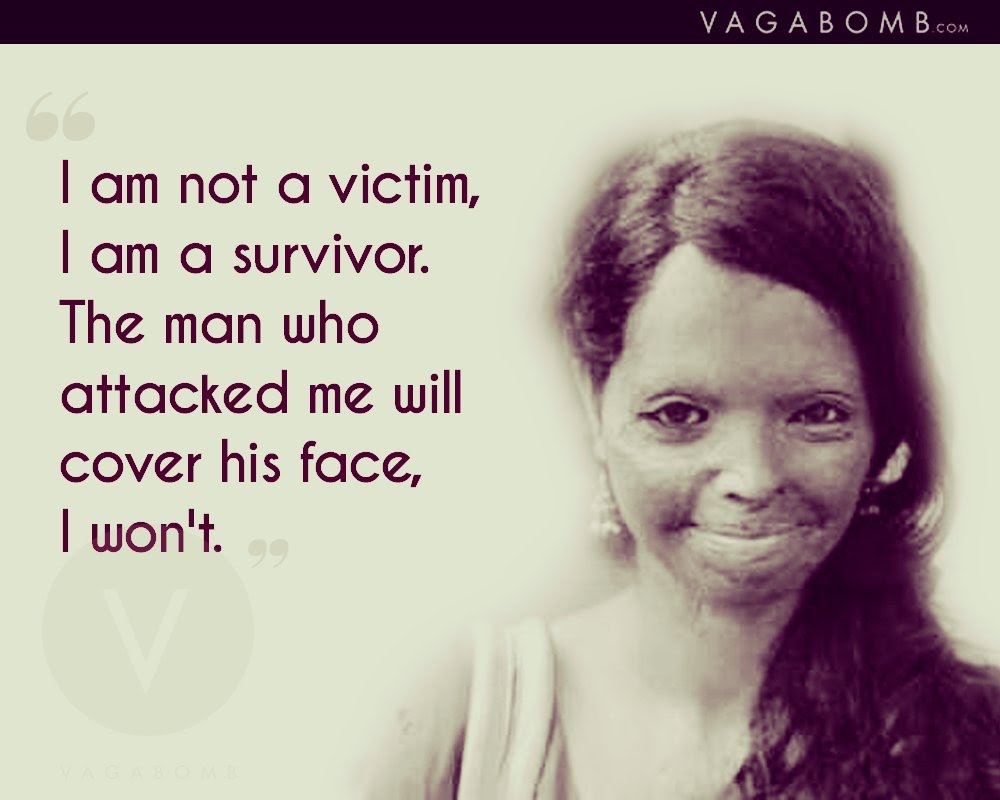
A Survivor : The Story of Lakshmi Agarwal

She was just a 15 year old girl . A girl , full of life . But what happened to her .

It’s her story . A story of a survivor.

She was powerful not because she wasn’t scared but because she went on so strongly, despite the fear.”

– Atticus

At the age of 15 , when a girl or a boy makes happy memories and learn about life . She was attacked in the market full of people . She was attacked because she rejected an old jerk of 32 years old.

A 32 year old proposed a marriage proposal to a 15 year old girl , who lives near the neighborhood. She ignored and rejected him and he planned an acid attack .

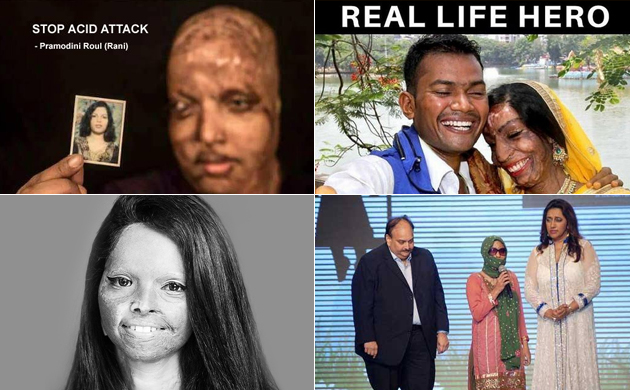
Her name is Lakshmi Agarwal , she was attacked at the age of 15 in 2005 in New Delhi after rejecting the romantic advances of Naeem Khan . She didn’t inform anyone about the scenario because she believed her parents and society would have blamed her and stopped her study .

After 10 months , Lakshmi was in the market and Naeem asked her again through message about the marriage proposal but she didn’t respond . And in no time , Kamran (Naeem’s older brother ) and his girlfriend attacked her with acid . He was in the motorcycle and his girlfriend Rakhi threw acid on Lakshmi , when Kamran called her name and she looked behind for response.

She fainted on the road and when she regain consciousness she went middle of the road asked for help and met with multiple accidents but no one stopped to help her . She was burning in fire and her skin was melting.

A man named Arun Singh called PCR and told police about the situation . Someone threw water to help her but it turned out opposite and the acid burnt her neck . Arun think it might be late , so he helped her on the backseat of his car , later the seat cover turned into black hole due to the acid .

Arun admitted her in the hospital , called police and her family . Lakshmi went through many surgeries and operations including eye surgery. Four days later Naeem Khan got arrested but was bailed after a month later .

Protests and media attention.

After many protests and media attention Naeem got life imprisonment .

Lakshmi’s story was one of the series in the Hindustan Times. Lakshmi was scared after the attack because most of her face and body parts were not same as before . But she didn’t loose hope ,she fought for justice , asked for help for the victims of acid attacks and pleaded the law for the ban on sale of acid.

Meanwhile government failed to frame policies on acid sale and chemical attacks .

Seriousness is not seen on the part of the government in handling the issue,” the bench headed by Justice RM Lodha.

In 2013 , the plea of Agarwal was heard and later claims that “ Acid is freely available in shops. Our own volunteers have gone and purchased acid easily. In fact, I have myself purchased acid,” she said. “We have launched a new initiative called ‘Shoot Acid’.

After , the law passed by Supreme court . Lakshmi founded NGO named Chhanv Foundation to help acid attack survivors in India.

In 2019, she was honored with the International Women Empowerment Award from the Ministry of Women and Child Development, the Ministry of Drinking Water and Sanitation and UNICEF for her campaign of Stop Acid Sale. In 2014, she received the International Women of Courage award at the hands of First Lady Michelle Obama.

And the movie Chhapaak is based on her life and stars Deepika Padukone in her role.

“And one day she discovered that she was fierce, and strong, and full of fire, and that not even she could hold herself back because her passion burned brighter than her fears.”

– Mark Anthony

Link

Monophobia-Reality of 2021

People were hurt financially as well as mentally by the prolonged lockdown. The truth is that financial losses can be recovered over time, but the mental disease that our generation is experiencing is not.

Covid-19 claimed the lives of around 3,923,238 people worldwide. Every day’s news digest about medical supply shortages and increasing covid instances broke people’s hearts. Such dire conditions were not restricted to those in hospitals; those in their safe havens of their homes were also not safe as they confronted a terrifying invisible monster spreading its arms and doing harm to their mental health.

Monophobia is the state where an individual fears to be alone. Even in a usually comforting place like home, can cause severe anxiety for people with this condition. People with monophobia need another person or other people around in order to feel safe. A person with this condition usually faces extreme anxiety.

With the outbreak of the pandemic, practically all offline work moved online, and people needed time to acclimatise to this new reality. Even after settling in, many struggled to overcome feelings of loneliness and worry that were gradually taking over their minds as a result of a lack of social contacts and physical meetings. It is now universally accepted that physical meetings had a higher level of significance and will always be more valued than any texts, calls or video conferencing.

Because of this lack of interaction, the majority of people now fear being alone. We now understand the value of being surrounded by people, such as family and friends. It’s depressing to learn that many people have committed suicide as a result of loneliness and anxiety issues.

Monophobia is a side effect of the post-lockdown situation. Following the Lockdown, harsh realisations emerged that life is unpredictable and far too valuable to be taken for granted.

So, what is the current need? It is self-evident that we must widen the doors of our hearts and accept others. Acceptance is crucial; it may aid your family member or friend in recovering and reliving their experiences. Inquire of your relatives, acquaintances, or even a new acquaintance “Are you all right? And if you ever need to share something, I’m here to help.”

Make yourself a better companion by being a little kind to the individuals you interact with. Stop passing judgement on people during such trying times; you never know what they are going through. Also take good care of your own self in order to help others. As more the merrier. healthier the better.

A Restless Mind.

A mind which is not stable. When there lots of thoughts keep running in your mind and cannot find any answer to the question. Then, that is called a restless mind. Basically, it is nothing more then a mind that is always insecure about there decision.

Hey there, today I’m going to talk about the most ignored problem of the time. People think it is mind, so, it doesn’t need to be settled. It should be running all the time. Yeah! I don’t totally disagree with them but there should be some limitations for self. Just like excessive use of something is always harmful.

Like for an example, when you want something to happen, you also think about or guess the consequences that might happen, if things doesn’t happen in the same way you thought. And now you are stuck. Whatever you do, you will be having a backup thought about every thing. Like, I’m having a thought for writing this and on the same time I’m questioning myself “Am I writing correctly”.

Many says that this is over thinking. Then let me just tell you something, even planning is also an over thinking or deciding anything is over thinking because, then why you have to decide, when everything is already been decided, right?.  And now a days over thinking is not discussed as a problem, it is shifted or got dragged into “Being cool” stuffs. Like if you throw a stone on anyone in a crowd, hey/she will say they do over thinking. Come on its not over thinking, it is the only way our mind works. Like when you go for a trip you think about the pros and cons and the ways of dealing them. Where to stay, where to eat, where to roam, before packing your stuff. So, what is that, over thinking or planning? For some of you it may be a planning but for other or for most of them it is over thinking and they are fed up with.

But, a restless mind is all about that mind who not think about the consequences because of Being to restless to decide. Yeah! This brings the problem of anxiety, self doubting, creating chaos outside, unhappiness and many more. And there can be a lot of problems for that, but, for now it’s your mobile, probably on which you are reading this. Now, it is more then a source of entertainment for you. You literally depend on it. Like, if you got your mood off you want songs or videos to deal with it.

So, how can we deal with it? What can be best measure for it? Frankly, I don’t know. I’m also finding an answer for it. I just wanted to raise a question infront of you, just to make you aware that there are these questions which needs to answered.

Although, Everybody has there different answer, but, every answers will come to same place. Like, for me is staying away from social media for a bit everyday. I need this to be in my habit so that I can focus on my decision or restlessness.

Tell me your ways to deal with this in the comment section below. Till then have a great day and try to think about it, seriously.

See yaa..

Have stress and anxiety taken over your life: which Ayurveda can help

Hello readers I am the intern of HARYALI NGO and want to share the problem of stress and anxiety through this article. Have a read on this and get an idea to solve this problem.

Given the times we live in, stress and anxiety are even more common now. So we got an Ayurveda expert to share how you can deal with these problems.

The importance of harmony and mental equilibrium was well recognized by early Ayurvedic sages over two thousand years ago. Although chronic stress and anxiety may have had low prevalence in ancient India, grief and tragedy are an inescapable reality of the human condition. Thus, ancient Ayurvedic physicians were no strangers to depression, stress, and anxiety.

Stress in Ayurveda is viewed as a nervous system disturbance. The roots of this disturbance are found in the balance of natural energy or doshas that govern our physical and psychological traits. As vata plays a critical role in regulating the nervous system, it is imperative to understand your individual prakriti or balance of doshas to effectively manage stress.

Time to bring scientific rigour to the complex challenge of Ayurvedic  medicine - Nature India

By and large, however, such disorders may be linked to a vitiation or aggravation of vata. This can be caused through high exposure to sensory stimulation, such as overeating, inadequate rest, and overworking.

It should be noted that although vata imbalances are commonly to blame for stress and anxiety, pitta and kapha doshas can also play a role depending on the individual’s constitution. While vata-dominant dosha types are most vulnerable to stress disorders, such as anxiety and fear, pitta types are more likely to manifest stress in angry outbursts and impulsive behaviour. Kapha types tend to manifest stress disorders in increased sluggishness, lethargy, and a general loss of interest in activities. These changes also give rise to physical ailments, with a greater likelihood of hypertension, high blood sugar levels, slow metabolism and chronic gastrointestinal conditions.

1. Pamper yourself with a rejuvenating Ayurvedic head massage
Ayurvedic Head massage is an ancient technique to alleviate stress and calm the mind. It involves massaging the pressure points with circular strokes that focus on your head and neck regions.

This ancient but effective technique promotes sleep, enhances the circulation of blood to the mind, and improves scalp and hair conditions. An Ayurvedic head massage also uses natural and warm oils like narayan taila and brahmi oil. These Ayurvedic oils settle the vitiated Vata in the body. Slightly warm the oil and massage it onto your head, shoulder, and neck regions before going to bed to relieve stress and promote sound sleep.

2. Engage your feel-good hormones with delicious stress-relieving foods
Eating the right foods at the right time plays a significant role in controlling your hormones. Following a healthy diet not only keeps your weight in check but also manages your state of mind.

A bowl of warm oatmeal, wholewheat bread and pasta, cereals, oranges, spinach, avocado, pistachios, almonds, vegetables, and black tea are food items to eat every day. These boost the serotonin levels and tame the release of cortisol and stress harmones. In all, avoid sugar, alcohol, and caffeine-rich foods.

3. Experience the magic of Ayurvedic herbs
Ayurveda suggests using medicinal herbs to fight the disorder naturally. Herbs like tulsi, ginger, ashwagandha, brahmi, and jatamansi are adaptogenic and offer neuro-protective benefits. Ashwagandha and brahmi are ancient treasures of nature that lower cortisol levels and enhance cognitive abilities.

4.De-stress with yoga
Ayurveda and yoga go hand in hand. In Ayurveda, we believe in a holistic lifestyle thus, exercising or indulging in any form of physical training expands the capacities and enhances the process of circulation of nutrients in the tissues.

Top Tips For Yoga Beginners | realbuzz.com

What Anxiety Feels and Looks Like?

There is no way I am going to pass this paper. I don’t even wanna show up. I was so uncomfortable about that party. It was difficult for me to inhale and I got all sweaty. I had to leave. I won’t go to sleep or leave the house unless I have made sure that the stove is off and the doors are locked. Sometimes I do this three or four times. I have to get to the airport six hours early. You just never know what might happen

These are the voices of people who have experienced anxiety.


Anxiety and Fear is a common reaction to present or live events, like taking a final exam or speaking in front of a crowd. But when it becomes really uncomfortable and makes day to day life hard to live, then it’s a problem, or even what we call disorder. Some people have lived with anxiety for a long time. For them, their own anxiety feels like it’s about everything. They worry about so many things in so many ways. And it impacts their life for a long time. They stress about things that are about to happen or might happen, it means they can’t really focus or where they are or whom they are with. Sometimes it results in pounding of the heart, they speak really fast, and can kinda snap at people. Their family could get really frustrated with them. When it’s really bad, they experience having a knot in their stomach all the time. They can even feel depressed and just want to be alone. They feel like if they do something, they will screw it up or something will go wrong. So, a lot of times those people would just rather avoid it all. They feel much better just staying at home and maybe having a drink. Commute out anxiety is a very common mental health symptom. It can be the main sign for Generalized Anxiety Disorder (GAD), which they have, or Social Anxiety Disorder (SAD), which is when people have a fear of being in public or meeting new people. For those of us with social and Generalized Anxiety Disorder, it’s really difficult to live in the way we want to live. Some people have anxiety about really specific things, are afraid of heights, snakes, spiders or something else. Now, these are called Phobias and when people avoid these things, the anxiety mostly stays away. But when people can’t avoid their phobias, that’s a real problem. Some people experience anxiety and Post Traumatic Stress Disorder (PTSD) or Obsessive Compulsive Disorder (OCD), which can make people really overcome with anxiety. In these conditions, anxiety can be so intense, that people are at the risk of suicide and they use alcohol and drugs to cope. Sometimes their lives feel like they have come to a halt. Some people are lucky ones, they reach out to doctors without considering it a taboo who tells them how to get the treatment that would help them. And it does, they understand now what their anxiety feels like, why it happens, what they can do about it. They got to learn some great coping skills. And just naming it helps them keep it in perspective. Sometimes their anxiety can still get pretty big, but it doesn’t seem to last quite as long as it used to. The anxiety is treatable. For most people, this is true. We can get our life back to where we want it to be.

It’s OK, everyone suffers from anxiety, without having worries, life can be too boring.

6 habits of incredibly happy people and how they do it.

Examining how to be happy is benefited from observing the patterns of others, and then taking only what you find useful. Inspiration is the goal, not rigid rules on being happy.

Below I’ll cover a few of my favorite studies.

1. Be Busy, but Not Rushed

Easier said than done, right?

Quite true, because although the research shows that feeling “rushed” is a one-way street to stress and unhappiness, it also notes that less and less people can find that happy medium of being just busy enough.

2. Treat Yourself (the Small Pleasures Matter)

Jokes aside about treating yourself, surprisingly, the research has shown that you need to have small wins along the way in order to be truly happy — across many different domains, happiness is more strongly associated with the frequency than the intensity of people’s positive effective experiences.

3. Plan Fun, and Spend Money on Experiences

While spontaneous fun is always a good thing, a variety of interesting research has shown that it’s the planning of future activities that often adds to the fun.

4. Show Some Appreciation

Psychology doesn’t always tell us what we want to hear, so it’s nice when a good deed lines up with a great personal benefit.

5. Observe Happiness in Others

This one was really interesting.

Most of us like to think we are unique snowflakes, but sometimes things are popular for a reason. In fact, research suggests that the best way to predict how much we will enjoy an experience is to see how much someone else enjoyed it.

6. Pick a Skill; Master It

Excellence in anything increases your potential in everything.

As it turns out, regularly engaging in your signature strengths (is that not the most stereotypical positive psychology term ever?) is a great way to feel better about yourself.

Be happy. Smile when you read this. Take a deep breath. It’s okay. Things will pass. Everything is temporary and so is your sorrows.