Bioavailability of Nutrients

As with protein, the contents of other nutrients in foods determined by chemical or physical analysis may be quite misleading in terms of the nutrient status of a food. Apart from amount, what is important is whether the nutrient is in a form that can be utilized in metabolism; that is, whether the nutrient is bioavailable. For example, adding small iron pellets to cereals would increase their iron content, but the iron would not be very available to people eating the cereal and, therefore, be of little value.

Many factors influence a nutrient’s bioavailability, including the food’s digestibility and the nutrient’s absorbability from the intestinal tract, which are affected by nutrient binding to indigestible constituents and nutrient-nutrient interactions in food raw materials. Processing and cooking procedures also can influence nutrient bioavailability. Apart from the food itself, different animal species exhibit variations in bioavailability of specific nutrients from a particular food. The age, sex, physiological health, consumption of drugs, general nutritional status, combinations of foods eaten together, and other factors all influence the ability of an individual to make use of a particular nutrient.

Bioavailability of carbohydrates, proteins, fats, vitamins, and minerals may be in- creased or decreased since all nutrients are reactive and generally present in varying amounts in food systems. There are many examples of how food composition, processing, and storage affect nutrient bioavailability. One example is the essential mineral iron. Under practical conditions its bioavailability from foods may be only 1-10% of its total level determined by chemical analysis. The recommended dietary allowances for nutrients in the United States and other countries attempt to take bioavailability into account. However, the many factors influencing nutrient bioavailability and the difficulties inherent in meaningful evaluation procedures leave much research in this area still to be done.

Balanced Diet and Nutrients

A balanced diet is a diet that contains differing kinds of foods in certain quantities and proportions so that the requirement for calories, proteins, minerals, vitamins and alternative nutrients is adequate and a small provision is reserved for additional nutrients to endure the short length of leanness. In addition, a balanced diet ought to offer bioactive phyto-chemicals like dietary fibre, antioxidants and nutraceuticals that have positive health advantages.

A balanced diet should offer around 60-70% of total calories from carbohydrates, 10-12% from proteins and 20-25% of total calories from fat.

A balanced diet will not be the same for everyone. We’re all different and often, individuals will require different amounts and types of nutrients. What you need will depend on age, gender, lifestyle, health and the rate at which your body works. Eating a balanced diet is key in maintaining good health and keeping your body in optimum condition. A balanced diet doesn’t cut out food groups; it consists of a wide variety of foods to support your body and keep you energised, motivated and healthy. Most nutritionists recommend a diet that is balanced for anyone to remain fit and healthy. The exact meaning of a balanced diet, however, is not very clear in everybody’s mind. A balanced diet is not like a crash diet as it allows you to eat everything that an average adult should, but in optimum proportions. Moreover, to maintain a proper balance, you cannot indulge in only one type of food. This would result in you missing out on essential nutrition that comes from comprehensive meals. A ‘balanced diet’ is complete only when you have a variety of food from all food groups contributing to your nutrition intake.

Good nutritional habits and a balanced diet aren’t developed in one day, nor are they destroyed in one unbalanced meal. Healthful eating means a lifestyle of making choices and decisions, planning, and knowing how to make quick and wise choices when you haven’t planned. What you learn about eating in these first years on your own will help establish good dietary patterns for the rest of your life. Making the break from home cooking and becoming responsible for choosing the foods you eat is part of the challenge of becoming a mature and an independent adult. It is a challenge that should not be taken lightly. The nutritional habits you develop now will be difficult to change in the coming years when your body stops growing and your lifestyle may become more sedentary. Learning to make sensible choices from a confusing array of options is not easy, but the rewards are great. Eating nutritious and healthful food while maintaining your proper body weight will contribute to a better performance in the classroom, in the gym, and on the dance floor. You will feel and look your best. In contrast, a poor diet can lead to insidious health problems that can interfere with success in academic and social performance and may eventually mean confronting a serious long-term illness, such as heart disease or diabetes. Knowing how much and what to eat is important knowledge.

Ageing and Age-related Diseases

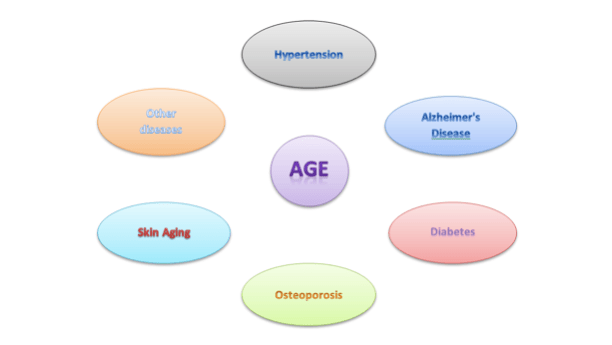
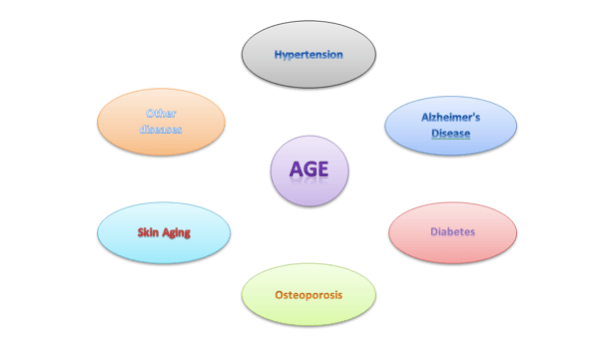
Age-related diseases are the leading cause of death worldwide, and they are also the leading source of concern for people concerned with global healthcare spending, both now and in the future. The CNS, vascular structures, joints, bones, the renal system, and other systems and tissues will be the focus of the special issue on age-related disease. The disorders must all be age-related, and the papers must seek to explain how the ageing process contributes to the pathology. Innovative articles that suggest basic interventions in the ageing process with either therapeutic potential or clinical trial results will be given high priority. Prospective publications may alternatively or in addition, address broader geriatric concerns, such as symptomatic care, diagnostic procedures, and funding for age-related disease treatment on a local, national, or global basis. Relevant dementias (such as Alzheimer’s, Parkinson’s, FTD, etc.), cardiovascular diseases (such as myocardial infarction, coronary artery disease, aneurysm, stroke, peripheral vascular disease, congestive heart failure, etc.), osteoarthritis, osteoporosis, renal failure, skin ageing, immunosenescence, or other age-related diseases may be among the specific age-related diseases.

Diabetes Mellitus

Diabetes involves the dysfunction of pancreatic ß-cells which leads to the development of diabetes. Aging of β cells in islets is mainly manifested as a decrease in the number of ß-cells and reduction in their secretion capacity. The mechanisms between islet cell failure in diabetes and aging are complex. The main interventions for diabetes include diet control, exercise, weight loss, and combination of hypoglycemic drugs.

Skin Ageing

Skin ageing is the overall part of the aging of the body and basically effects the appearance and makes body functioning difficult. This can lead to various diseases like anxiety, depression and self- abasement. Treatment for skin ageing mainly includes oral antioxidant drugs, topical anti-aging agents, and photoelectric and acoustic physical technology.

Alzheimer’s Disease

It is a neurodegenerative disease that occurs in old age and pre old age. It is basically brain aging. This disease involves nerve cell injury or apoptosis of brain nerve cells. Currently, drugs used in the clinical treatment of Alzheimer’s Disease are mainly noncompetitive N-methyl-D-aspartic acid receptor antagonists (such as memantine) and cholinesterase inhibitors (such as donepezil and galantamine).

The process of aging is universal but not uniform. Aging and age-related diseases pose a serious threat to human health and reduce the quality of life of elderly people. Awareness of age-related physiological changes, such as reduced acuity of vision and hearing, slow reaction time, and impaired balance, will prepare patients and caregivers to manage risks, make informed decisions, and perhaps prevent falls and medication adverse effects. The molecular basis of aging has various mechanisms and cells and different systems involved in it, which contribute to the process of aging and show the life span of a person and how healthy his life can be according to his inner systems. Stem cells have their own role to play and have a very important part in every single mechanism of aging. Basically, aging is a process which will happen no matter what the circumstances are and defines the life span of a person.

Bullying in School

It makes no difference whether you are a student, instructor, parent of a child or adolescent, or a member of the community.

Everyone plays a part in preventing school bullying, and the majority of individuals have either directly or indirectly participated in, watched, or experienced some type of bullying in schools.

There are multiple sorts of bullying to be aware of, as well as several approaches for educators, schools, and parents to assist in the prevention of bullying at school.

Bullying must meet specific criteria in order to be classified as such.

These include malice, power imbalances, repetition, anguish, and provocation. Bullying can occur in schools, on campus, or outside of school, but it is always the result of relationships formed in those contexts.

Photo by RODNAE Productions on Pexels.com

Types of Bullying

  1. Bullying can take two forms: direct and indirect.
    Direct bullying differs from indirect bullying in that it involves direct interaction with the person who is being bullied. It’s possible that indirect will not work. Throwing something at someone or yelling cruel comments at them is a form of direct bullying. An example of indirect bullying might be spreading rumors about a classmate.
  2. Cyberbullying Cyberbullying is any form of bullying that occurs through the internet. Harmful comments on a personal website or dishonest private messaging are examples.
  3. Physical bullying Bullying that involves physical contact with the other person is always considered physical bullying. This can include hand-to-hand combat, as well as throwing objects, tripping, or inciting others to attack a person physically.
  4. Emotional bullying Emotional bullying is defined as the intentional infliction of emotional distress on another individual. Saying or writing harsh things, getting others to band together against an individual, purposeful ignoring, or spreading rumors’ are all examples of this.
  5. Sexual bullying Sexual bullying refers to any sort of bullying, done in any manner, that is related to a person’s gender or sexuality. Examples can include forcing someone to commit intimate acts, making sexual comments, or unwanted touching.
  6. Verbal bullying Verbal bullying is defined as the use of any form of language to cause distress to another person. Using profanities, abusive language, making unfavorable comments about someone’s appearance, using insulting phrases, or teasing are all examples.
  7. Bullying in Higher School Many individuals mistakenly believe that bullying ends in high school, yet it continues throughout higher education. This can take numerous forms, and it often comes with unique obstacles because students are often living away from home and on their own.

Anti-bullying laws exist in all fifty states of the United States, albeit they differ from state to state. The majority of states have legislation requiring schools to report, document, and investigate occurrences of bullying in the classroom. Bullying prevention is also mandated by law for schools.

Some state laws may stipulate that bullies face sanctions and that bullied pupils receive appropriate counselling.

There are, however, a number of rules in place to assist pupils with learning or other problems. These pupils are guaranteed the right to a “free, adequate public education” under the Individuals with Disabilities Education Act.

It is against federal law to deny a student with an IEP (Individualized Education Plan) access to an appropriate public education.

EFFECTS OF BULLYING

  1. The Resultant Consequences

Bullying victims may suffer from low self-esteem, which can lead to depression. As a result of school bullying, some bully victims experience physical and/or emotional pain. Bullied adolescents are more prone to experience depression later in life.

  1. Victimhood for a Lifetime

Unfortunately, some children are subjected to persistent bullying that occurs on a weekly basis. This is more common in primary school, and it might result in lost days of school.

In order to prevent long-term injury, schools must step in and intervene in cases of chronic bullying.

Photo by Keira Burton on Pexels.com

There are a variety of reasons that can contribute to bullying. Bullying is likely to occur if there are pupils who have bully inclinations and the school climate permits it. Bullying can occur as a result of a challenging family environment, low self-esteem, or poor social skills.

It’s difficult for a parent to learn that their child is being bullied, but know that you can help.

To begin, establish a thorough record of the bullying incident, including as many information as possible.

You should also keep track of your child’s reactions to help the school understand how bullying is harming his or her schoolwork. Check to see if the bullying has broken any laws, and then file a complaint with your child’s school by email.

Bullies usually target students in their own grade, but they can sometimes target students who are older. A youngster with a big network of friends is less likely to be bullied, but a child who is physically weaker, smaller, and less forceful is more likely to be bullied.

Schools must have policies and procedures in place that are followed. Anti-bullying education should be included into all aspects of the curriculum. Language arts teachers, for example, can locate required novels that teach pupils empathy for others.

When it comes to bullying prevention, communication is crucial. When children feel comfortable talking to adults in their community, they are more likely to report bullying and to avoid bullying by verbally expressing their feelings.

Depression: Screaming that nobody can hear

what people never understand is the depression isn’t about the outside its about inside.

There was a little girl filled with happiness and hope, Who wanted to explore the world know more about people and was hoping to get love the way she use to give to others. She was a simple minded girl her life was going great she made alot of friends but little did she know a black whole was waiting for her to consume all her happiness and hope.

What is depression?

There are wounds that never show on body that are deeper and more hurtful than anything that bleed.

Depression, also known as major depressive disorder is a common disorderserious medical illness that negatively affects how you feel, the way you think and how you act. Fortunately, it is also treatable. Depression causes feelings of sadness and/or a loss of interest in activities you once enjoyed, basically it causes lack of interest in life. It can lead to a variety of emotional and physical problems and can decrease your ability to function at work and at home.

Symptoms of depression.

Tears come from the heart and not from the brain.

Depression symptoms can vary from mild to severe and can include:-

  • Your mood is depressed for most of the day, especially in the morning.
  • You feel tired or have a lack of energy almost every day.
  • You feel worthless or guilty almost every day.
  • You feel hopeless or pessimistic.
  • You have a hard time focusing, remembering details, and making decisions.
  • You can’t sleep, or you sleep too much, almost every day.
  • You have almost no interest or pleasure in many activities nearly every day.
  • You think often about death or suicide (not just a fear of death).
  • You feel restless or slowed down.
  • You’ve lost or gained weight.
  • Feel cranky and restless.
  • Lose pleasure in life.
  • Overeat or stop feeling hungry.
  • Have aches, pains, headaches, cramps, or digestive problems that don’t go away or get better with treatment.
  • Have sad, anxious, or “empty” feelings.

These symptoms are common, not everyone with depression will have the same ones. 

Self help.

“why did u tried to kill yourself?” “You told me to be happy. “

There are a number of things people can do to help reduce the symptoms of depression. For many people, regular exercise helps create positive feeling and improves mood. Getting enough quality sleep on a regular basis, eating a healthy diet and avoiding alcohol (a depressant) can also help reduce symptoms of depression.

Depression is a real illness and help is available. With proper diagnosis and treatment, the vast majority of people with depression will overcome it. If you are experiencing symptoms of depression, a first step is to see your family physician or psychiatrist. Talk about your concerns and request a thorough evaluation. This is a start to addressing your mental health needs.

How friendship can help depression

Part of being a person is about helping others.

The benefits of friendship for people that are depressed are astounding. Relationships, although not a substitute for professional therapy, can help people dealing with depression with their healing. Dr. Leaf says, “A strong friendship can help heal someone’s thinking habits and improve how the brain functions, helping them gain clarity into their situation, building up mental resilience and encouraging them to face and overcome what is causing them distress.”

Friendship is all about supporting each other in good times and in bad. Although depression can challenge a strong friendship, it doesn’t make it impossible for the friendship to continue. In fact, the friendship can be beneficial to both parties. Dr. Leaf explains, “Studies show that helping others can also increase our own healing by up to 63%! This is why it is so important to try to be there for a friend who is experiencing mental distress on both the person that is ill and the supportive friend.”

And being friends with someone who is depressed isn’t always so difficult. You may still be able to enjoy good times and meaningful conversation. As Bernat explains, “Despite what you might think, talking to friends and family living with depression can be easy and maybe fun. Not like Facebook-selfie-with-Lady-Gaga-at-an-underground-party fun though. Instead, I’m talking about the kind of fun where people enjoy each other’s company effortlessly, no one feels awkward, and no one accuses the sad person of ruining the holidays.”

we can bring change by helping each other, By showing these small kindness we can make this world a better place to live. Love people the way they are never ask them to change and help each other and support each other something it’s better to loose in arguments even if they are wrong because it can make them feel better.

Land Pollution: Causes, Effects, and Prevention

Many of us associate pollution with smoggy cities and litter-infested seas. There isn’t a single surface or place on Earth that hasn’t been touched by it in some manner in the twenty-first century. While trash and gasoline-powered automobiles are major sources of pollution, there are many additional factors to consider. To begin, it is beneficial to grasp the fundamentals of pollution. Pollution happens when hazardous compounds are introduced into the ecosystem, causing harm to the quality of land, water, and air. This essay will mostly address land contamination.

What is Land Pollution?

Land pollution is the degradation of the earth’s land surfaces, both above and below ground level. The buildup of solid and liquid waste items that pollute groundwater and soil is the reason. These waste products are commonly known as municipal solid waste (MSW), which comprises both hazardous and non-hazardous trash.

When trash is dumped on land, the permeability of the soil formations beneath the waste can either raise or decrease the danger of land contamination. The greater the permeability of the soil, the greater the likelihood of land contamination. That is why the Texas Disposal Systems Landfill, located just outside of Austin, Texas, was constructed in an optimal location. The danger of soil contamination has been considerably reduced by using the natural shale and clay in the ground.

Solid garbage was not collected with the environment in mind until the mid-twentieth century. Previously, garbage was generally dumped on the ground in “open dumps,” which led in rodents, mosquitoes, and other disease infestations, as well as terrible odours and windblown debris. Nonetheless, while there are now much better garbage disposal techniques, there are numerous additional variables contributing to and exacerbating the problem.

The Main Causes of Land Pollution

Litter:-

Littering, or inappropriate trash disposal, is sadly all too frequent. Every cigarette butt thrown on the ground or food wrapper thrown out a car window is a little contribution to a massive problem. 76 percent of litter discovered on highways comes from pedestrians and automobiles, according to Keep America Beautiful. However, not all litter is deliberate. Unsecured objects that fall off the back of cars or out of garbage containers also contribute significantly to the volume of litter. Litter, whether deliberate or unintentional, pollutes the environment by releasing chemicals and microparticles as it degrades.

Urbanization and Construction:-

While urbanisation does not in and of itself cause littering, the presence of a high number of people living, generating garbage, and littering in a densely populated region ultimately leads to land contamination. Construction operations are being carried out to accommodate this growing population, resulting in enormous amounts of waste materials such as metal, plastic, wood, and bricks. When these items are not disposed of correctly, they contribute to land contamination in that region.

It is critical to collaborate with partners who provide complete builder solutions to develop cost-effective construction recycling and trash disposal strategies in order to assist decrease the environmental impact of building sites.

Mining:-

Mining is the extraction of minerals and other geological elements from the earth for a variety of reasons, including but not limited to the production of fuel for vehicles, the generation of electricity, and the sale of commodities such as gold and silver. However, this extraction and the methods utilized deplete the earth’s natural resources while also causing harm and pollution. That is why discovering energy options (such as solar and wind power) that are not mined from the earth’s surface is critical in helping to decrease land pollution in the future.

Agriculture:-

Agriculture is essential to both daily living and the economy as a whole. It can, however, have far-reaching consequences for the environment. Agricultural pollution occurs when contaminants releases into the environment as a byproduct of raising animals and cultivating food crops, and the contamination is extensive.

Effects of Land Pollution

  1. Water that should not be consumed.
  2. Polluted soil, resulting in a loss of agriculturally productive land.
  3. Climate change is causing a slew of severe consequences, such as flash floods and erratic rains.
  4. Wildlife species peril and extinction.
  5. Habitat shifting, in which certain species are compelled to depart their natural habitats in order to survive.
  6. An rise in wildfires as a result of polluted regions being extremely dry.
  7. Increased air pollution as a result of trash burning.

How to Prevent Land Pollution

  1. Using Fewer Pesticides and Chemicals in Agriculture:-

Given that pesticides and chemicals used in farming and agriculture contribute significantly to land pollution, identifying alternatives will aid in reducing the environmental effect. Farmers, for example, might employ natural components by shifting away from bio-fertilizers and toward manure.

Individually, supporting environmentally aware, local farmers at your local farmer’s market or grocery shop can assist farmers with more sustainable agricultural techniques grow their businesses. Another alternative is to contribute to or volunteer in your neighborhood’s urban garden.

2. Reforestation:-

Reforestation is the process of replacing trees in an area. This may be required in places where there have been wildfires, or where trees have been cut down and milled. This procedure serves to bond the soil, which protects it from land contamination and helps to avoid soil erosion and floods.

3. Reduce, Reuse and Recycle:-

There are several things we can do as individuals to decrease our contribution to land contamination. One of the simplest ways to accomplish this is to reuse or recycle goods so that you are not producing trash from a substance or item that still has a purpose. Recycling has never been easier, thanks to more recycling containers in many places and greater knowledge about what may be recycled.

If you want to make a difference in your town, check out our blog post on how to be an environmental steward in your community.

Positive Psychology

Positive psychology is one of the newest branches of psychology to emerge. This particular area of psychology focuses on how to help human beings prosper and lead healthy, happy lives. While many other branches of psychology tend to focus on dysfunction and abnormal behaviour, positive psychology is centered on helping people become happier. Positive psychology is designed to “complement and extend the problem-focused psychology that has been dominant for decades,” explained the late Christopher Peterson, author of “A Primer in Positive Psychology” and professor at the University of Michigan, in a 2008 article published in Psychology Today. “Positive psychology is…a call for psychological science and practice to be as concerned with strength as with weakness; as interested in building the best things in life as in repairing the worst; and as concerned with making the lives of normal people fulfilling as with healing pathology,” Peterson wrote.

According to leading authorities in the field, Martin Seligman and Mihaly Csikszentmihalyi, positive psychology will help achieve “scientific understanding and effective interventions to build thriving in individuals, families, and communities.” In order to understand the field of positive psychology, it is essential to start by learning more about its major theories, applications, and history.

History of Positive Psychology

“Before World War II, psychology had three distinct missions: curing mental illness, making the lives of all people more productive and fulfilling, and identifying and nurturing high talent,” wrote Seligman and Mihaly Csikszenmihalyi in 2000. Shortly after WWII, the primary focus of psychology shifted to the first priority: treating abnormal behavior and mental illness. In the 1950s, humanist thinkers like Carl Rogers, Erich Formm and Abraham Maslow helped renew interest in the other two areas by developing theories that focused on happiness and the positive aspects of human nature.

General interest in positive psychology has grown tremendously since the concept was introduced. Today, more and more people are searching for information on how they can become more fulfilled and achieve their full potential.

Uses

Positive psychology can have a range of real-world applications in areas including eduction, therapy, self-help, stress management, and workplace issues. Some of the major topics of interest in positive psychology include: Character strengths and virtues, Flow, Gratifications, Gratitude, Happiness, Pleasure, Helplessness, Hope, Mindfulness, Optimism, Positive thinking, Resilience .

Impact of Positive Psychology

Some of the major findings of positive psychology include: Money doesn’t necessarily buy well-being, but spending money on other people can make individuals happier, People are generally happy, Some of the best ways to combat disappointments and setbacks include strong social relationships and character strengths, While happiness is influenced by genetics, people can learn to be happier by developing optimism, gratitude, and altruism, Work can be important to well-being, especially when people are able to engage in work that is purposeful and meaningful.

Potential Pitfalls

Positive psychology is often confused with positive thinking, and misconstrued as self-help tactics rather than research-backed theories. Positive thinking is a way of thinking ourselves into better behavior and greater resilience, rather than behaving our way into a different frame of mind. Positive psychology, on the other hand, is the scientific study of what makes people thrive. It focuses on behaviors that can lead to a more optimized frame of mind as well as on thought patterns that lead to more functional behaviors.

Myths about Counseling

Mental health challenges affect millions of people around the world. In any given year, unfortunately, misconceptions and myths around counselling and talk therapy often discourage people from seeking help and contribute to the stigma surrounding mental health issues. The truth is that counselling has the ability to help almost anyone with mental health concerns, social issues and personal development. But another truth is that every person is very unique – they will respond to and experience counselling differently and a method that works for one person is not necessarily going to work for someone else. If you have tried counselling before and didn’t find it helpful we encourage you to try again, with a different counsellor and/or different method.

Myth 1: Counselling is only for major issues or “crazy” people : Yes, counselling can help you through major life issues and traumas but those aren’t the only situations where counselling can work for you. Sometimes we just need someone unbiased to talk to about a situation or feelings we’re having – and that’s okay. It’s normal to seek help for problems large and small or simply when you’re not feeling quite yourself and you don’t know why. Counselling does not need to be used as a reactive measure when life gets hard. It can also be preventative and help provide you mental and emotional tools and strategies to use in future times of stress. We see physicians for prevention through annual check-ups – we can think of counselling in the same way.

Myth 2: Admitting that you need help and going for counselling means you’re weak: The concepts of weakness and vulnerability tend to get confused with each other. There is vulnerability in sharing what you’re going through and what you’re feeling, but that is not a sign of weakness. It is courageous to open up to someone. It’s an act of strength to take steps to better yourself when you’re not feeling your best. Vulnerability is not a weakness but rather a quality to take pride in, not be shameful of.

Myth 3: Counselling doesn’t help or will make the situation worse : Every person is different, and every person has different needs – the results from counselling are not going to be identical for everyone. But most of the time, counselling will provide you with support, new perspectives, and a plan to tackle your problems.

Myth 4: The counsellor doesn’t know me, so they can’t help me : When things aren’t going quite right and we want advice, we turn to our family and friends – people that know us and care about us. Having social connections is extremely important for maintaining mental wellness but our loved ones normally don’t have the skills or the objectivity needed. We’re not recommending that you turn away from loved ones or that their advice can’t be helpful, but counsellors are an excellent additional resource to guide you through difficult times. An unbiased, impartial trained professional can give insight into the situations and feelings that you’re having that you would not be able to get from people that are close to you. Professional counsellor’s training and experience can help beyond the well-intentioned advice of your loved ones.

Myth 5: Counselling takes a long time and costs a lot : The length of time, or number of sessions needed with a counsellor will greatly vary depending on many factors, such as:

  • How long you’ve been dealing with the issue
  • The severity of the problem
  • The time you need to make any necessary changes (i.e. Habits, copying mechanisms, etc.

Myth 6: Couples counselling is only for people that have problems in their relationship : Just like you need to water a plant to make it grow, or practice an instrument to master it, you also need to work on a relationship if you want it to thrive. Take the plant analogy – you wouldn’t just water your plant when its leaves are wilted and it’s near death. You would water it on a regular basis, even when it’s healthy looking and vibrant. Working on skills with your partner like communication, conflict resolution, and intimacy when your relationship is strong, is just as important as building on those skills when times are tough. Having the desire to improve your relationship with some help doesn’t mean your relationship isn’t good or that it won’ last – it means that you care enough about your partner to invest in the relationship.

Myth 7: They will blame my parents for everything : Every struggle you go through is unique. And the process to heal from those struggles is going to vary. Much of your work with your counsellor will be guided by you – the areas of your life you want to focus on: past, present and future. For some situations it can be helpful to analyze your past and see how your environment and the people around you shaped how you respond to things today. Some situations are best solved by looking at current behaviours. Regardless if you and your counsellor analyze your past or your present, the most important thing to keep in mind is that counselling is not about assigning blame, but learning how to have a healthy mental outlook and have healthy relationships with yourself and others.

Myth 8: All counsellors are the same – If you didn’t have success with one, counselling won’t work for you : You don’t “click” with every single person you meet and everyone doesn’t respond the same way to the same exact form of any kind of treatment. Counsellors and counselling treatments are no different and not every counsellor will be a perfect fit for you. That’s okay. We want you to see results from your counselling experience. When you request counselling from Calgary Counselling Centre, we ask many questions to make sure you are assigned to the type of counsellor you prefer and that you’ll receive the type of treatment that is most likely to achieve the best results. If after a few sessions the relationship with you and your counsellor doesn’t seem to be a match, you can request another counsellor. We promise, your counsellor will not be offended by this, on the contrary, they want the best for you.

Which countries are open for Indian tourists.

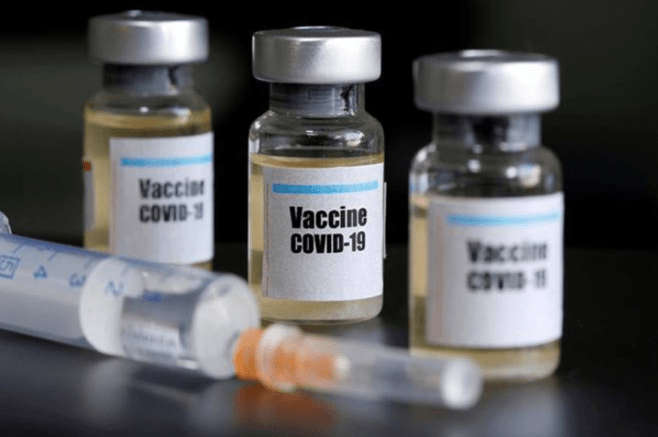
Destinations such as Maldives, Croatia, South Africa, Switzerland, Russia, Lebanon, Germany, Ukraine, UAE, Turkey and Iceland have started allowing non-essential travel, subject to vaccination or other conditions.

India’s biggest online travel portal, MakeMyTrip, has seen a 35% jump in searches for international leisure packages in July compared to that in the previous month, with the Maldives and Russia ranking high on the list of preferred destinations.

“As positivity rates drop, we hope it encourages more countries to open their borders to Indian travellers,” said Vinay Malhotra, regional group chief operating officer, South Asia, Middle East and North Africa and Americas at visa processing firm VFS Global.

Aloke Bajpai, group CEO at Ixigo, said search enquiries on the company’s platform for travel to overseas destinations have seen 80-85% increase in July as compared to last month. “With several countries easing travel restrictions, interest in leisure international travel to countries such as the Maldives, Switzerland, Germany, Qatar and Turkey is rising,” he said.

Some countries such as Qatar and Switzerland require a full vaccination certificate (Covishield) from Indian travellers. Iceland has given an option to travellers to either submit a full vaccination certificate or a Covid-19 recovery certificate. Unvaccinated travellers can travel to countries such as the Maldives, Russia, Germany, Turkey, Nepal and Ukraine by providing a negative RT-PCR report issued within 72 hours of departure.

To cash in on the increasing interest, SOTC Travel has introduced a range of offers such as ‘Buy One Get One Free – Get your Companion’s Holiday Free’ for overseas destinations. Daniel D’souza, country head for leisure at the company, said the most popular destinations in terms of enquiries include Dubai, the Maldives, Russia and Switzerland. The company has seen a 35-40% increase week-on-week in enquiries, he said.

Kanika TTekriwal, CEO, JetSetGo Aviation, said travellers are still conscious about the high likelihood of contracting the virus via regular flights. As a result, her private jet and helicopter services company has been seeing 10-12 booking queries each day since air travel suspension was lifted for the Maldives and some European countries.

Effects of air pollution

Effects of air pollution

  • Human health
  • Animals
  • Plants
  • Material
  • Stratosphere
  • Environment

Impact on plants

  • Reduced plant growth
  • Damage to leaves of crops plant
  • Susceptible to disease, pest, Frost

Impact on materials

  • Cars
  • Homes
  • Monument, sites

Impact on health

  • By VOCs, suspended particles
  • Lung cancer
  • Headache, dizziness
  • Respiratory diseases
    • Asthma – By SO2, smoking
    • Bronchitis – NO2
    • Influenza, cold- NO2

Effect on human health

  • Irritation of eye, nose and throat.
  • In severe cases, there may be headache, nausea and loss of coordination and concentration.
  • It lowers our resistance to cold and pneumonia.
  • CO has affinity towards hemoglobin which cause disturbance in
    • transportation of oxygen
    • impairing our concentration
    • slow our reflexes
    • make us confused and sleepy
    • feel suffocation.
  • SO2 in the air lead to disease of lung and other lung disorders such as wheezing and shortness of breath.
  • Chronic respiratory disease- lung cancer, heart disease, damage to the brain liver or kidney.
  • Effect of arsenic, Asbestos, Mercury and Benzene can cause mutation, reproduction problems or even cancer.

Effects on plant

  • Pollutant enters through stomata.
  • Pollutant Erode waxy coating of the leaves called cuticle
    • Cuticle prevent excessive water loss and damage from disease pest, drought and Frost.
  • Destroy chlorophyll
  • Affect photosynthesis
  • Damage of leaf structure causes :-
    1. Necrosis – damage to leaf structure.
    2. Chlorosis- loss /reduction of chlorophyll causing yellowing of leaves.
    3. Abscission – Dropping of leave.
    4. Epinasty – Downward curling of leaves.
    5. Death of plants.

Effect on aquatic life

  • Precipitation in the form of acid rain cause high acidity in freshwater lake.
  • Acid rain affect aquatic life especially fish.
  • Some of freshwater lake have experienced total fish death.

Effect on material

  • Due to corrosiveness, particulates can cause damage to exposed surfaces.
  • Ozone causes crackling of rubber.
  • SO2 and water form H2S – corrosion as well as disfigurement of Statue made up of limestone or marble.
  • Oxides of Nitrogen can cause fading of cotton and Rayon fibres.

Effect on environment

  • Visibility
  • Pollutants in the presence of Sunlight produce photochemical smog.
  • Emission of greenhouse gases tends to global warming.
  • Chlorofluorocarbons carbons also cause Ozone layer depletion.

The phenomenon of trapping and reradiating heat by greenhouse gases in the atmosphere is referred to Greenhouse effect.

  • Natural greenhouse effect keep Earth warm .
  • Global mean temperature of earth is + 15 degree Celsius.
  • Water vapour, CO2, H2O, CH4, ozone and cfcs present in minute quantities but maintain the temperature of Earth.
  • In the absence of greenhouse gases, the temperature of earth would be much lower than – 20 degree Celsius.

Enhanced greenhouse effect means global warming.

You, me and the screens

21 Virtual Graduation Ideas 2021 — How to Throw a Virtual Graduation Party

No one ever knew that coronavirus would stay on this long, and a 21 days lockdown would extend to a year and half now. All the plans, the expectations of getting a normal grad-farewell, went nowhere but into an invisible bin in space.
Day by day, breath by breath, I find it hard to live, to exist; sitting and wasting the last year of my graduation attending lectures online – what worse could happen. But no. The worse was yet to come an online farewell?! For real?

I get that this is not really as worse as the situation is out there. Millions of people have lost thier jobs and their only source of income. Many corners of the world has peoples starving to death. Here every passing second, I can hear the intensity of sirens increasing next street. My phone is buzzed with calls of my parents asking if I’m doing okay and also my relatives informing that they tested positive and we could do nothing but just be there emotionally, a thousand miles apart. Just like the cases, the number of deaths of knowns and unknowns are increasing and I’m so intimidated by the pain and anxiety this has left us with.

If we look back when everything was normal, when we could roam around with our friends and family, when we could have things we craved for at that instance, when we could watch skies changing colours while the sun setting down over chit chatting with our friends, when we could stay with them even if the sky turned dark. When there were no curfews, no restrictions, we could stay that way as long as we wished for.
Only if we knew in March’20, maybe then, we could hold on to our closer ones a little longer, we would enjoy that last sunset together a little longer, we would enjoy that one last meal together a little longer.
Only if we knew that time, we would appreciate those small little things more than we ever did. This pandemic taught us few lessons though; to reconnect with our loved ones; to appreciate and be grateful for every little joy of happinesses.

Ever since our births, we’re always taught to look at the brighter picture. This pandemic taught us few lessons though; to reconnect with our loved ones; to appreciate and be grateful for every little joy of happinesses. Even if we’re miles apart from our loved ones, we’re still connected to them by these screens; these megapixel screens act as a ray of hope to the darkness of despair around. In the end, all that I have now is just me and these megapixel screens. But, is it really an end if it’s not a happy one? Somewhere deep down in our hearts we still know we’re going to live that life before Covid again; where we would step out of our houses without masks & sanitizers. But this time hasn’t come yet. So, we still have to follow all the safety precautions as we know together we can get through this.

“United we stand, divided we fall”

WHAT DOES ADOLESCENCE NEED?

Need for independence

With the growing physical and mental development an adolescent wants to express his opinion independently, to take part in different social activities and to become self-dependent like any adult member of the society. On attaining adolescence, the child who earlier used to depend on his elders, finds himself full of life and energy and cannot help but to take part in the diverse activities of the society. Thus, he defies the dominance of his elders and wants to proceed in life independently

Need for self-recognition

The adolescents not only want to take part in different social activities but also want self-recognition. They want to attract attention of other people by showing their abilities. The children in adolescence want to project themselves before the society in such a way so that people can appreciate their qualities and give them due respect and recognition.

Need for self-expression

There is a great desire among the children in adolescence to express their feelings, thoughts and ideas. At this age, every child wants to express himself in his area of proficiency like sports, dramatics, studies, music, literature, art or any other medium.

Need for social life

One of the important needs of adolescents is to take part in the greater social environment. Before entering into the age of adolescence, children do not get much scope to mix with people outside their family. But as they attain adolescence children want to experience the greater social-life and want to get involved closely in different social activities. This need for social life gets an outlet when the adolescents involve themselves in the activities of different social institutions like club, social welfare committee, community service etc.

Need for self-reliance

Another important need of children in adolescence is the need for self-reliance. There is a great desire among the children of this age to become self-reliant as soon as they attain puberty. And they start dreaming about their future professions and the ways to establish themselves in their respective fields. The children of this age are also very eager to acquire professional qualifications according to their choice.

Need for Philosophy of life, morality and need to know the unknown

The children in adolescence want to have a philosophy of life, a clear concept of morality and want to know all the things which are unknown to them. They have a lot of inquiries regarding the basic purpose of life. They want to know how human life can be goal-directed and what is the main aim of life. When the children attain puberty, they also indulge in a great deal of thinking over the concept of right and wrong, good and bad. They want to evaluate all the activities of themselves and people around them in accordance with the concept of right and wrong. There is always a tendency among them to do whatever is morally right. And if they do something morally wrong, they go through terrible mental agony. At adolescence, there is also a great desire among the children to know what is unknown to them. The new discoveries of science have a great influence on the minds of adolescents.

Need to satisfy sex-related curiosity

As the children attain puberty they develop a deep sex-related curiosity. This curiosity greatly perturbs them as the result of natural outcome of their sexual development. First, they try to satisfy this curiosity by natural means. But later, by being ignored or scolded by the elders, they try to satisfy this curiosity through abnormal ways. Adolescence is one of the important stages of growth and development of the child. At this stage a unique disturbance develops in the mind of the child. According to modern Psychologists, this disturbance in the mind of the child is not an essential outcome of his physical development, rather it occurs in the mind of adolescents because of unfavourable environment.

Pride, prejudice and arrogance.


Augustine, it is “the love of one’s own excellence.”

Pride:

Pride is a double edged sword.

Pride is usually considered in 2 ways
1) The feeling of satisfaction that comes from one’s own achievement or those affiliated to us.
2) Having a high opinion of oneself which sometimes expresses itself in the form of arrogance or excessive belief over one’s abilities.

The opposite of pride is humility

Prejudice:


It is described as a stereotyped attitude towards a particular social group.
There are many types of prejudices. There’s ageism, sexism, racism, those from different religions and ethnic groups, people who are overweight or underweight,  people with sexual orientations and the list is endless.
It varies according to environment who are more likely to become a target. -Prejudice does not need a base or proof. It is mostly based on an individual’s delusional theory regarded someone/something because of something they went through.

-Scientific postulates need proof, trial, and error, and goes through thorough objective examination to form a theory.
It is deduced from natural occurrences to aid the growth of every being on Earth.

-Thus there is a clear boundary between prejudice and science.
Thinking that a human born into an ethnicity they had no control over, is preposterous cannot be ever justified.
Well, I mean have thought over this.
You treat them like a monster, take away the room for growth, or won’t let them have an understanding of the world, force upon them their ancestors or someone’s act, treat their every mistake or an act of love as sin.
You are letting them realize that no matter what they do, they will always be regarded as criminals. In order to live a normal life, in order to escape from Hell on Earth, they will have no option but to take actions that align with their prejudices to have a chance at life.
Aren’t you giving birth to the one you are so wary about? How will assuming negative about someone you haven’t met going to remove the things you want?


It is humane to worry about wolves in sheep’s clothing, it is natural to protect someone you love. But hatred and pride blind not only you but also others from peace, from a true safe environment.
   The mutual understanding that prejudice exists but at the same time, trying to resolve those by complete honesty and understanding will protect you from external influences ( yes, I mean someone who wants conflicts to exist between the groups), and will give the groups a chance to make way for growth despite the differences.
It is very easy for me to say and I realize how idealistic or dreamy it seems, but without interaction between conflicting groups, without a wish to make things better for innocent ones around you, the casualties, hatred, and stereotypes are bound to grow and create wars. 

When prejudice causes a group to be treated differently than others in situations that call for equal treatment, it is called discrimination.

Arrogance:


It can simply be defined as aggressive evolution of pride, and manifested in form of extreme expression emotionally (within one’s mind or vocally).  To exaggerate one’s own worth or importance often in a pompous manner.

  • Doesn’t believe they can mistakes or faults.
  • Tries to put blame on others.
  • Creates a fearful environment.
  • Always wants to be right.

We will talk about the thin line between pride and arrogance soon in following articles. 🙂

Present Conditions: Bio-medical Waste Disposal

Biomedical waste poses various health and environmental hazards. Hence, it should be handled with the utmost care and disposed-off safely. Several lacunas exist within the management of biomedical waste in India, and the pandemic posed by the corona virus has made it even tougher. The sudden outbreak of the corona virus led to an exponential rise in the quantity of biomedical waste. Furthermore, the poor infrastructure and lack of human resources have aggravated this example. To combat this serious problem in a timely manner, the government has formulated various standard operating procedures and has amended the existing rules and guidelines. Corona viruses have caused large-scale pandemics, namely, severe acute respiratory syndrome coronavirus-1 (SARS-Cov-1) and the Middle East respiratory syndrome (MERS). A new outbreak in this family was added in November-December of 2019 as the novel corona virus disease 2019 (COVID-19) caused by a large group of highly diverse, enveloped, positive sense, and single-stranded RNA viruses, namely, SARS-CoV-2. Mass sampling with rapid tests, isolation of suspects/patients, use of personal protective measures, social distancing, and life-supporting treatments are known countermeasures to prevent fighting this fatal pandemic. Personal protective equipment (PPE), surgical (and protective) face masks, aprons/gowns, and nitrile gloves are essentially used to protect individuals from exposure to pathogens and contaminants. Traditionally, these protective measures have been predominantly used against pathogens in hospitals. However, COVID-19 has necessitated their usage in domestic isolation and individual protection, leading to a rapid accumulation of potentially infectious waste streams. The entire world is, therefore, facing an unprecedented challenge to fighting COVID-19 together with the myriad COVID-waste.

The composition of waste is greatly influenced by disposable plastic-based personal protective equipment (PPE) and single-use plastics by online shopping for most basic necessities. The use of PPEs and single-use plastics during the pandemic not only increased the quantity of medical waste but also altered the average density of the medical waste. Waste generation amid COVID-19, especially discarded PPEs and single-use plastics, has been an environmental and public health crisis around the world, particularly in countries with developing economies and those in transition. Safe solid waste management is already a matter of major concern in these countries where safe and sustainable practice is scarce and healthcare waste has not been adequately regulated. India is generating tonnes of hospital waste in just a few months, in which Maharastra is the highest contributor because it has the highest number of COVID-19 cases and hence the waste produced.
The bio waste is just dumped in the open at the airports. Perfect norms are not followed. This is leading to a serious increase in COVID-19 cases in India. The used PPE kits are dumped properly by following the norms or the rules and regulations given by the government, hence the increased cases of infection and deaths. These should be dumped after destroying them so that they can not be reused, which can also lead to the transmission of the infection. After that, these things should be perfectly dumped so that no further transmission can occur.

Generally, discarded healthcare waste and other forms of clinical waste are disposed of in a sanitary landfill or incinerated in the form of waste for energy recovery. However, in many developing countries, healthcare waste along with municipal solid waste is dumped in the open or in poorly managed landfills where the movements of waste pickers and livestock such as dogs, goats, and cows are often noticed. A few countries also apply advanced technology to treat their medical waste by steam sterilizing (autoclaving) or chemically disinfecting, but they are exceptional.
We should make some changes in medical waste disposal technology, as in the case of COVID-19. It is important to come up with something new. We normally use decentralization to centralization, from irregular to regular management, and from mostly incineration to non-incineration disposal technologies such as autoclave steam, dry heat, chemical disinfection, or microwave.
The treatment facilities for medical waste should be more automated and based on technology, with a minimum of workers involved. The goals of making automatic processes and the use of minimum workers for infectious waste are what we can do so that there are fewer risks and chances of transmission. Larger capacities of mobile facilities should be maintained, particularly during the pandemic, which may be vital for developing countries where medical waste disposal facilities are limited. The mobile facilities aren’t only convenient for emergency situations, but can also be used as a strategic backup capacity for a state in the future.

Overcome Demotivation and Restlessness

Photo by Andrew Neel on Pexels.com

Feeling demotivated , restless and anxious is not pleasant. It can make it more difficult for you to work , to be creative and to feel better.

Sometimes, our lack of motivation has a clear root. Identifying it can help us address it and reduce the feelings of restlessness. Here are few strategies that will help you overcome this and create a optimistic and productive mindset.

TAKE A BREAK

Sometimes, restlessness comes from too much work or too much routine. Our brain needs a bit of rest and novelty. Take a break without worrying too much about problems and you will come back energized and ready to take on the situation

DO HANDS-ON WORK

Often, we tend to get too stuck on our digital devices or too caught up in our heads. Instead, go and do something that involves interacting with real world. Clean a room, Organize your desk, water the plants or do some gardening.

SCHEDULE SOMETHING FUN

A common reason for the lack if motivation us the feeling that our day is going to be dull and unpleasant. You can address it by scheduling something fun for later. Once you’re done with work, you will know that there is something truly enjoyable waiting for you and this can help you focus more on work and not on procrastination and give your day a sense of meaning.

SELF-CARE

Check to make sure you have eaten or grab a snack. Drink enough. Take a nap or lie down, if possible. Move your body. Do something that helps you feel good, even if it’s just writing for few minutes, having a favorite snack or meditating for a while. Check with your body and see what you need at the moment.

SET A DEADLINE

Work and chores tend to occupy as much time as we give them. If you have a whole day to finish a task, it might take you a whole day. If you have two hours, you will finish in those two hours. A good tip to reduce restlessness is set a deadline that will push you to start acting now. It will help you get into action right away. However, to respect the deadline you set for yourself and stop working when you said you would.